Get Premium
Dark mode theme is available exclusively for premium users. Learn more about the benefits of subscribing.
No fees, cancel anytime.

 Dark Mode Ad-Free Browsing Unlimited Content
 Ad-Free Browsing Unlimited Content Dark Mode
Join 1.2 million Panda readers who get the best art, memes, and fun stories every week!
16submissions
1week left
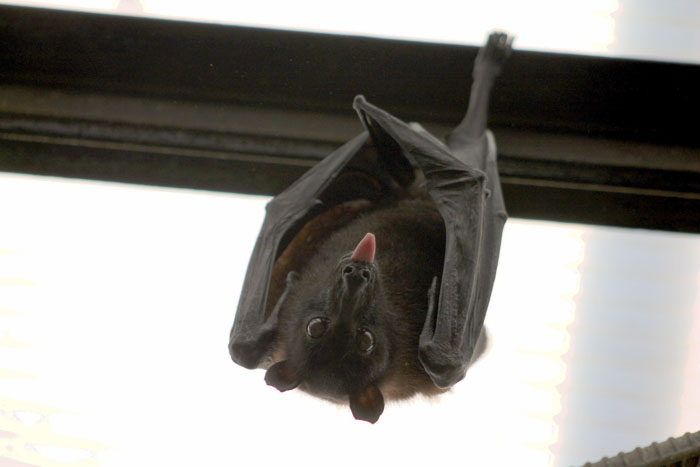
Did you know that one-fifth of all mammal species known to man are bats? Or that kangaroos walk awkwardly because they can't move their legs independently of each other? The docent at Columbus Zoo and Aquarium revealed to us some of the most fascinating facts about animals, and they blew our minds.
A zoo docent is a volunteer educator who ensures that the guests have the best possible experience. "We are there to answer questions about the animals, talk to the guests about the zoo's many conservation projects, and assist them any way we can - sometimes just by helping them find the restroom!" the zoo docent told Bored Panda. According to her, such a career is quite a commitment. Can you imagine learning the names and ages of all the animals living inside the facility? However, she said she loves her job, "It's one of my favorite things in life. It's rewarding to share information with guests and help them have a great experience at our zoo, which we're very proud of, as it's considered one of the best zoos in the country!"
Docents aren't required to have a background in biology or zoology. "Our training is thorough and I am always continuing to learn new things. We have weekly meetings for continuing education, and listening to the keeper's talk (as well as more experienced docents) is always educational for me."
More info: columbuszoo.org | Facebook
Click here & follow us for more lists, facts, and stories.
This post may include affiliate links.
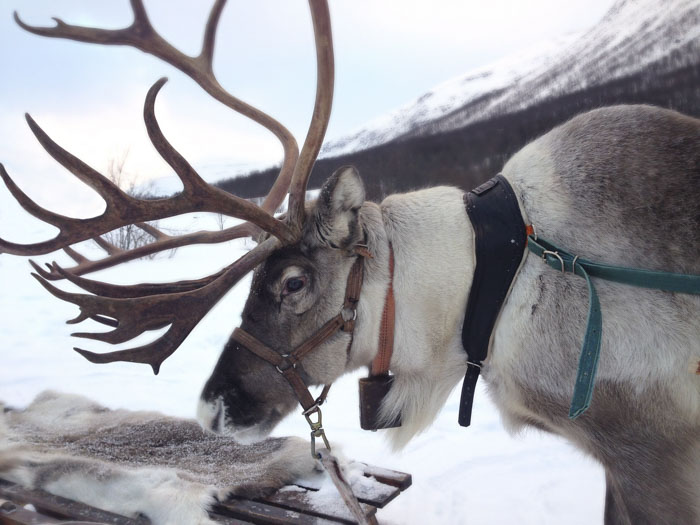
"Reindeer are the only deer species where both males and females grow antlers. The males shed theirs the beginning of December, the females shed theirs in the spring. So all of Santa’s reindeer are girls, heh. I love telling little kids that."
"Elephants are one of only a handful of animals that can pass the mirror test - in other words, they can recognize their own reflection (and not think it’s another animal, as dogs and cats usually do). They tested this by placing a chalk mark on an elephant’s forehead and then showing it a mirror. The elephant investigated the mark on its own forehead, indicating it knew that it was looking at itself. The only animals that pass this test are the higher primates, the higher cetaceans (orcas, dolphines), elephants, and weirdly, magpies."
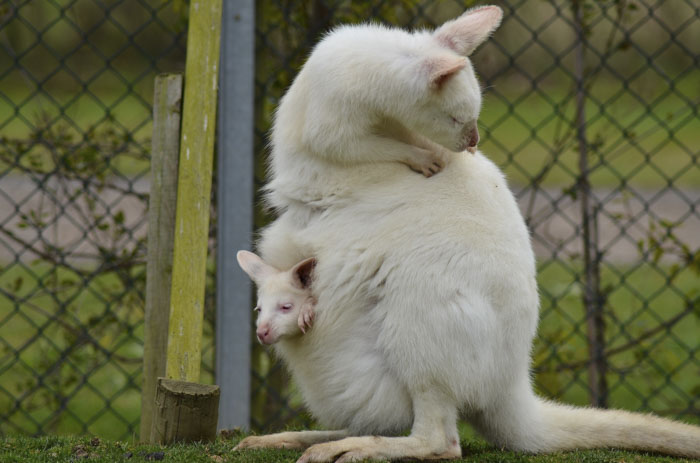
"A kangaroo mother can have three joeys simultaneously at different stages of development: an embryo in her womb (kangaroos can do what’s called embryonic diapause which means sort of putting the development on pause until she’s ready for it to develop further), a joey in her pouch attached to one [private part], and a joey out of the pouch on the ground who nurses from the other one. The amazing thing? Each of her [private parts] make different formulations of milk for each joey’s different nutritional needs."
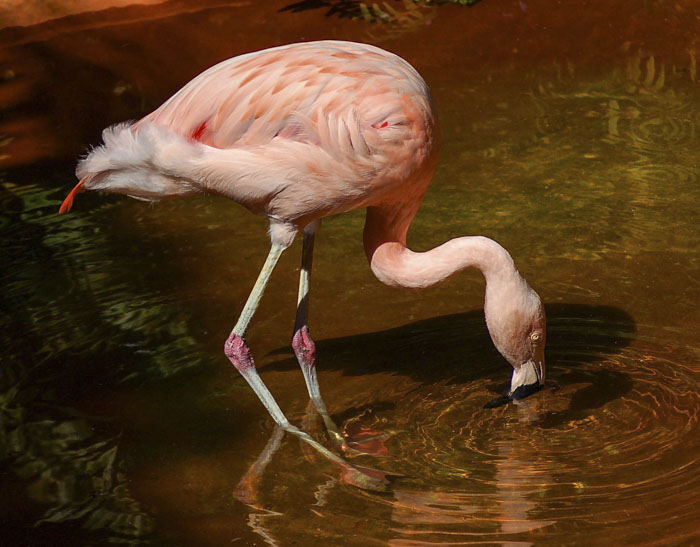
"People often think that flamingoes’ knees bend the wrong way. They don’t - the joint you’re seeing in the middle of their leg isn’t their knee, it’s their ankle. Their knee is up by their body, and it bends the same way ours does."
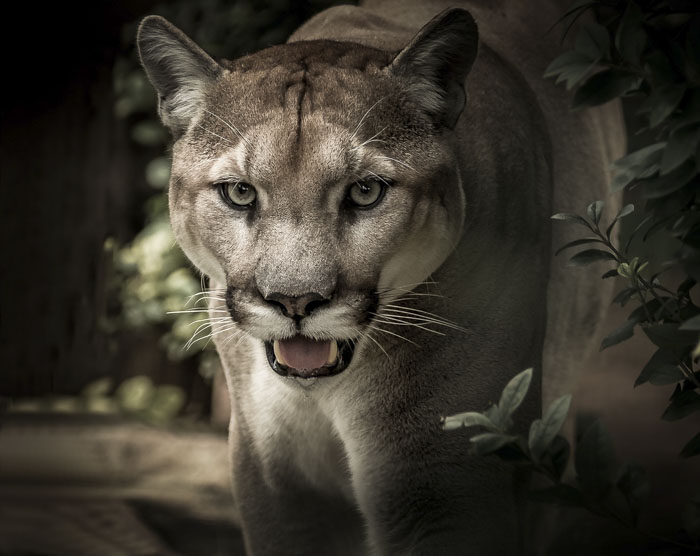
"There are several ways to classify the large cats, one of the more useful ones is into the roaring cats (tigers, lions) and the purring cats (bobcats, lynxes). The puma (also known as the mountain lion) is the largest cat that purrs. I’ve heard it up close, it’s amazing. A cheetah’s purr sounds like an idling motorcycle engine."
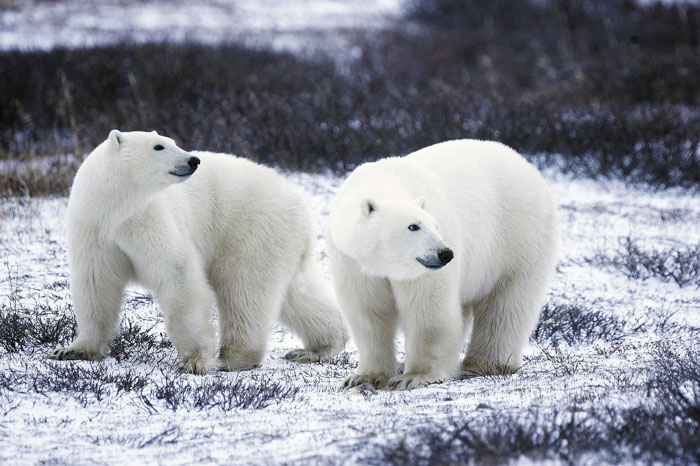
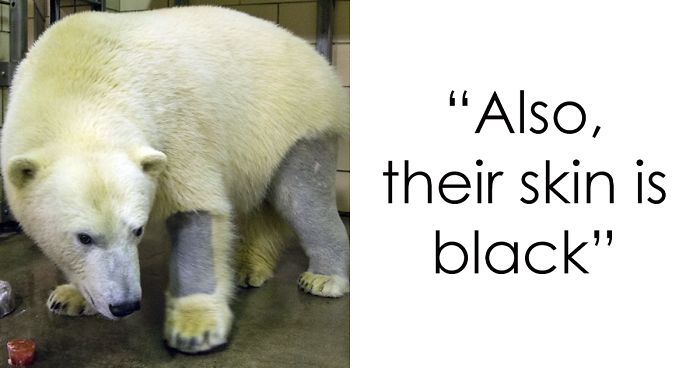
"Polar bear fur is not white, it’s transparent, like fiber optics. Also, their skin is black."
"Bonobos, our closest genetic relative (they are more closely related to us than they are to either chimps or gorillas) are almost entirely non-aggressive, matriarchal, and use [intimacy] to solve all their problems. They engage in both same and opposite [intimacy] interactions, non-penetrative [intimacy] (oral, rubbing, manual) and with any age. That’s an interesting area to work in, lemme tell you."
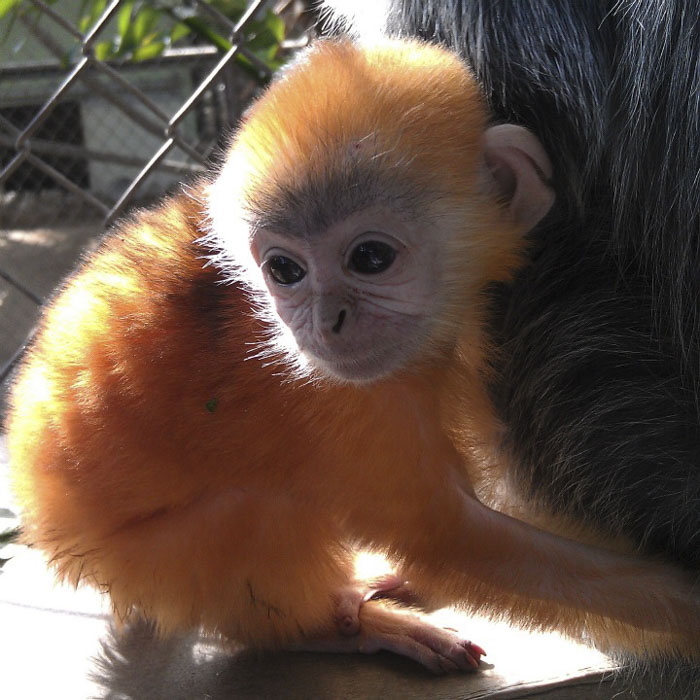
"Langur monkeys are silvery-gray in color - their babies are bright orange. Like Cheeto orange, I do not exaggerate."
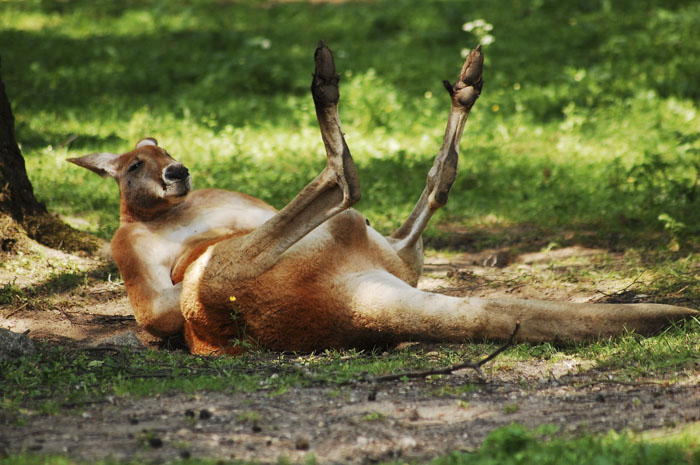
"Kangaroos cannot move their legs independently of each other, they have to move them in sync - when they’re on land. When they’re swimming, they can move them separately. Hopping is their most efficient way to move - a walking kangaroo is awkward as h**l. They swing both legs forward using their tail as a third leg to prop up while their legs swing."
"Gorillas get crushes on each other. And on the humans that take care of them. Male gorillas also [have intimacy]. I don’t know if the females do, I’ve never seen it. Sometimes it’s like a soap opera up in there."
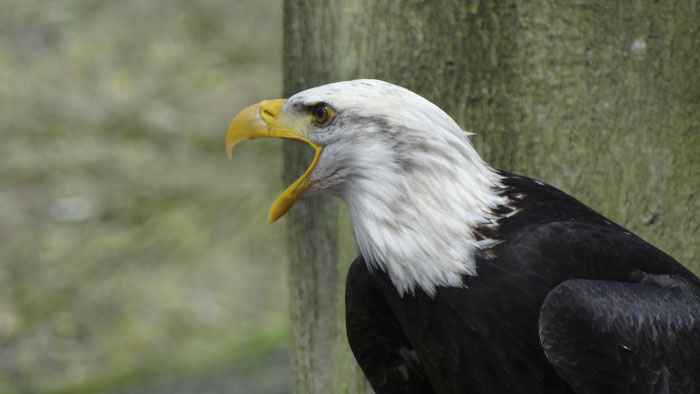
"Bald eagles’ vocalizations are not what you expect. When you see a flying bald eagle in the movies and hear that majestic caw sound? That isn’t an eagle, it’s been dubbed over with another bird, usually a red-tailed hawk. Bald eagles actually sound…not majestic. Kind of like if a kitten could be a bird."
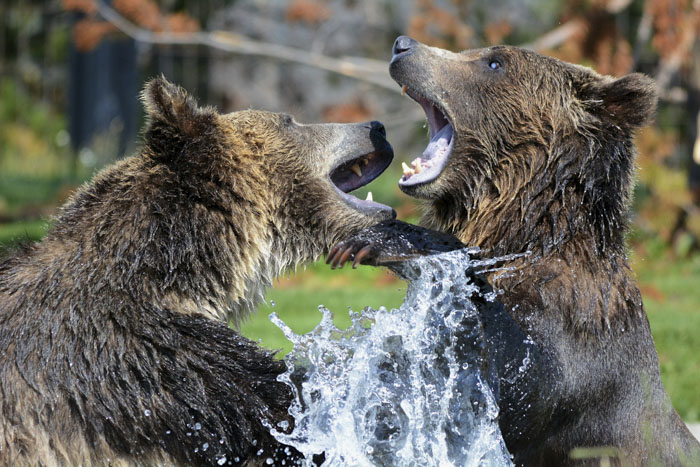
"All grizzlies are brown bears, but not all brown bears are grizzlies (grizzlies are a sub-categorization of the brown bear)."
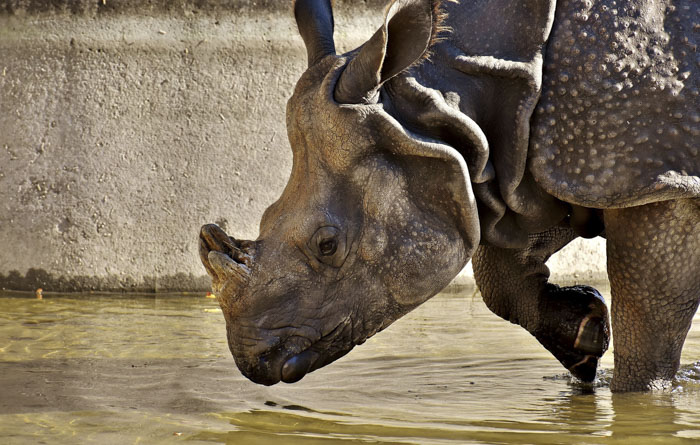
" If a rhinoceros knocks off its horn, it grows back faster than you’d expect. One of ours, Rosie, has knocked hers off twice."
You might also like: 50 Times Cats Made Their Owners Laugh And They Just Had To Share Pics Online

































 No fees, cancel anytime