Get Premium
Dark mode theme is available exclusively for premium users. Learn more about the benefits of subscribing.
No fees, cancel anytime.

 Dark Mode Ad-Free Browsing Unlimited Content
 Ad-Free Browsing Unlimited Content Dark Mode
Join 1.2 million Panda readers who get the best art, memes, and fun stories every week!
The Analog Era
Let’s go back, back to the time when people were using film to make beautiful images. The process of creating a stunning image 20 years ago was very different from what we have nowadays. To start, photographers had to consider factors such as light and use of colors before selecting the correct film roll. Another huge difference was the photographer’s ability to experiment during a field trip. The Analog Era often imposed significant challenges for photographers, with the most obvious being the limited amount of resources such as film-rolls carried during any given photography expedition. Photographers were keenly aware that each ‘click’ would translate into spent resources and dollars. The adventures into the creative realm would carefully consider the cost/benefit, and photographers were more deliberate in creating mental images before pressing the shutter button. The final step on the creation of an analog image would require either:
– a trip to the nearest film developing store;
– or a trip to the chemical-filled darkroom.
We can’t talk about the darkroom without mentioning the photography master Ansel Adams. He was a darkroom genius with an undisputed ability to develop a film exposure into a stunning piece of art.
The Digital Era
Let’s move forward to the digital era, which I usually divided into two periods:
-Early-stage
-Modern Era
The early stages of digital photography offered several challenges to photographers, as digital technology presented limitations such as camera resolution, sensor size, sensor sensitivity, lens quality, and increased costs of equipment/storage. Another challenge during the early stage of digital photography was finding post-processing software to edit images. Often, post-processing software was rudimentary and expensive, which dramatically restricted this technology to well-established photographers. Now, let’s move to present-day, the Modern Era of digital photography. As a photographer, I feel fortunate to be living during this period of history. We have seen an unprecedented leap in technological advancement, and the modern photographer can select equipment from a large arsenal of photography gear – from cellphones to drones.
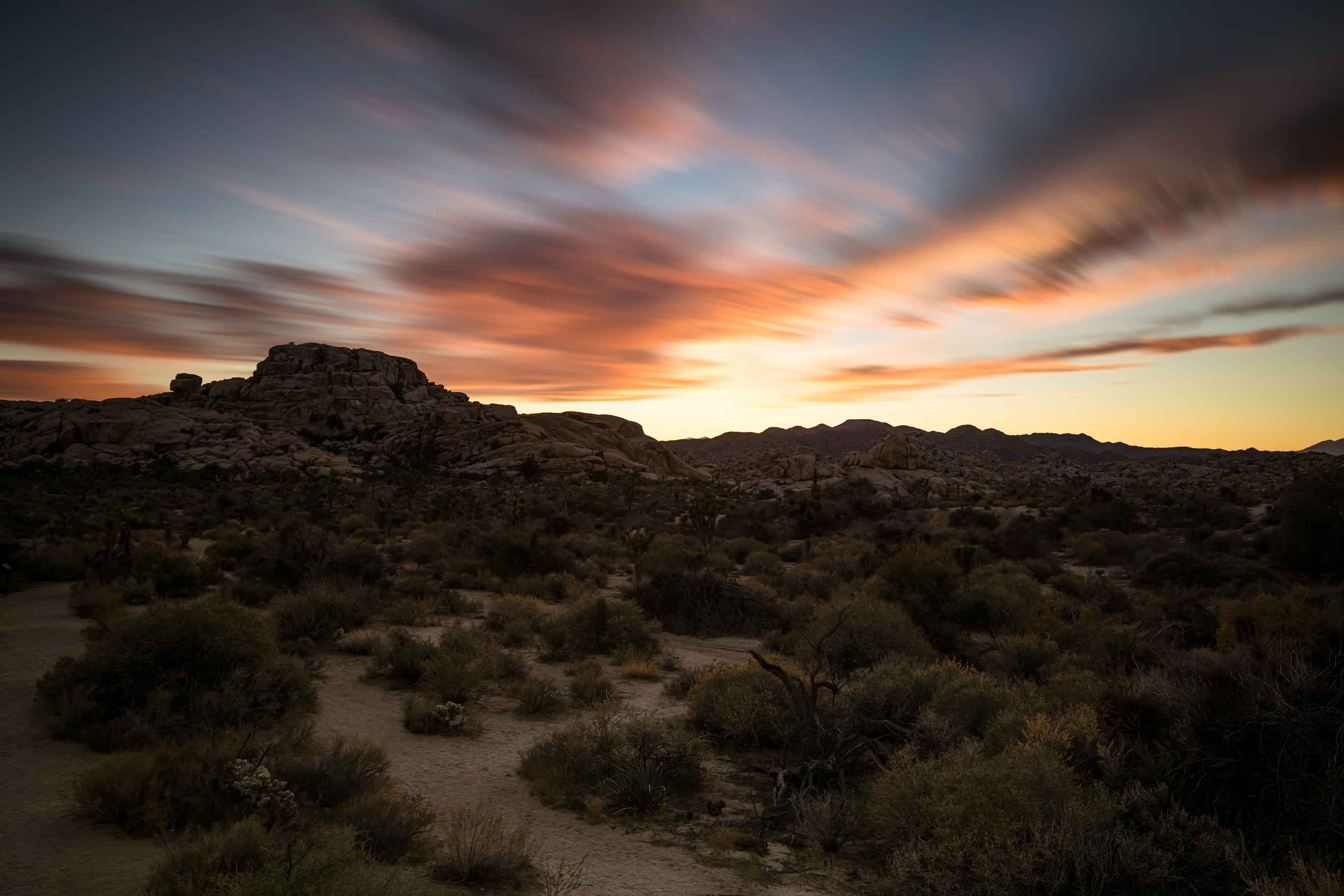
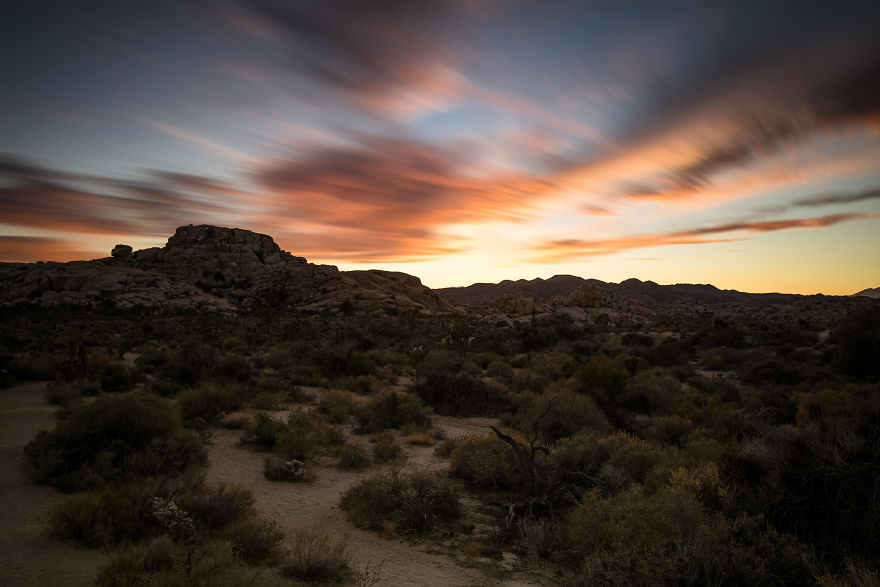
The one aspect that hasn’t changed over the years is the requirement of developing the “negative”. The post-processing of a digital negative is the step in which photographers can insert their feeling and style into the frame. Modern-day photographers have a vast list of post-processing software to pick from, but each software comes with its strengths and weaknesses. Personally, I have established a post-processing flow that blends Lightroom and Photoshop – two powerful tools created by Adobe (click here to watch a video explaining the differences between these two tools).
What an exciting time to be a photographer. I look forward to seeing what technology will bring and how we will use these new technologies to create stunning pieces of art.
Finally, don’t forget to RSVP to my Free Live Stream with my photographer friend Jeff Brown. We will talk about how his experience with Analog Photography shaped his path as an artist.
STAY GOLDEN MY FRIENDS
More info: diegolapetinaphotography.com


























 No fees, cancel anytime






3
0