Get Premium
Dark mode theme is available exclusively for premium users. Learn more about the benefits of subscribing.
No fees, cancel anytime.

 Dark Mode Ad-Free Browsing Unlimited Content
 Ad-Free Browsing Unlimited Content Dark Mode
Join 1.2 million Panda readers who get the best art, memes, and fun stories every week!

If you’re someone who loves food, you probably have that one dish you could never say no to—maybe a rich, creamy butter chicken, a loaded vegan sandwich, or a dessert that instantly lifts your mood. Food is personal like that. Whether someone chooses to eat meat, avoid it, or simply enjoy certain foods over others, it’s usually tied to preference, comfort, culture, or even health. And because it’s so individual, most of us expect a basic level of respect when it comes to what ends up on our plate.
But in today’s story, things took an uncomfortable turn during what should have been a normal school lunch. A girl was sitting in the cafeteria with her friends when one of them insisted she eat the meat on her plate. She explained that the smell and texture made her feel sick and that she simply couldn’t eat it. Instead of backing off, her friend kept pushing, turning what should have been a casual meal into an increasingly tense situation. What happened next became a lesson neither of them saw coming.
Image credits: zinkevych / freepik (not the actual photo)
Image credits: Magnific (not the actual photo)

Image credits: andreas / Magnific (not the actual photo)
Image credits: EffectiveFair1104
Most of us genuinely love food—whether it’s a comforting homemade meal or something exciting from a restaurant. Food is often more than just fuel; it’s comfort, culture, and sometimes even a little moment of happiness on a busy day. But for people navigating food allergies, vegan lifestyles, or conditions like hyperosmia, something as simple as eating out can quickly become stressful, overwhelming, and even risky. What looks like an easy meal from the outside can actually involve a lot of thought, planning, and caution behind the scenes.
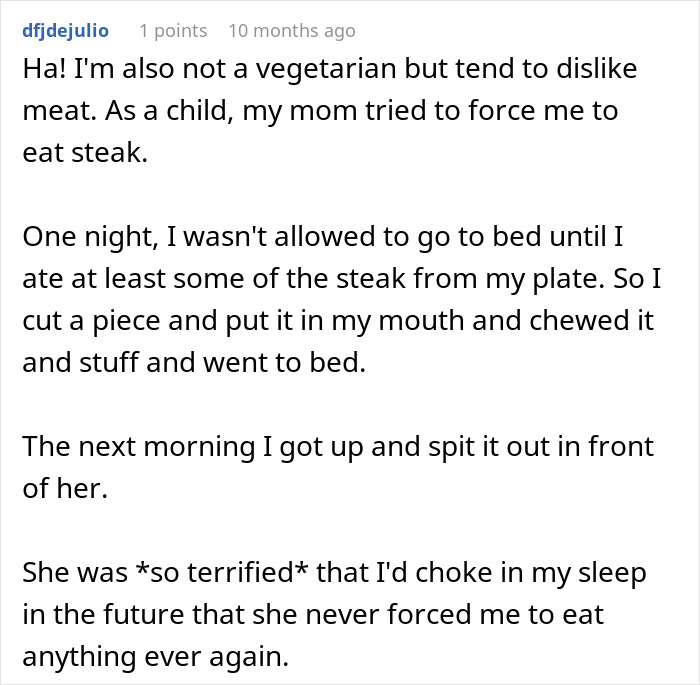
And the challenge doesn’t stop at the plate. Even when people are careful about what they eat, they often face pressure from others around them; friends, family, or coworkers who may think they’re being helpful but end up being pushy instead. Comments like “just try a bite” or “it won’t hurt you” might seem harmless, but they can ignore very real boundaries and health concerns. Over time, this kind of pressure can make eating situations feel uncomfortable rather than enjoyable, especially when someone is just trying to stick to what works for their body.
The reality is, this isn’t just about preference—it can be about safety. For people with severe food allergies, even a tiny amount of the wrong ingredient can lead to serious consequences, including hospitalization. Something as small as a crumb of peanut, a trace of soy, or cross-contaminated utensils can trigger anaphylaxis, which is a life-threatening reaction. In such cases, the body mistakenly identifies the food as dangerous and reacts aggressively, which is why people become extremely careful about reading labels, asking questions, and double-checking ingredients every single time.
Veganism, on the other hand, is usually a conscious ethical or environmental choice, but it often comes with its own kind of social pressure. Because it’s seen as a “choice” rather than a medical need, people sometimes feel entitled to question it, challenge it, or even dismiss it. Vegans may find themselves constantly explaining their decisions, being pushed to “just taste a little,” or dealing with awkward situations where animal products are slipped into food as a joke or without consent. What should be a personal choice often turns into unnecessary debate.
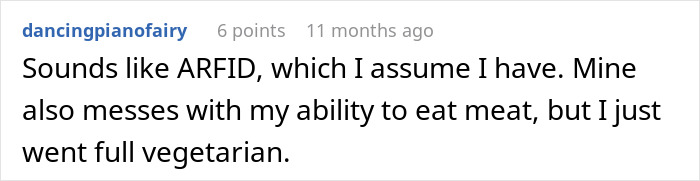
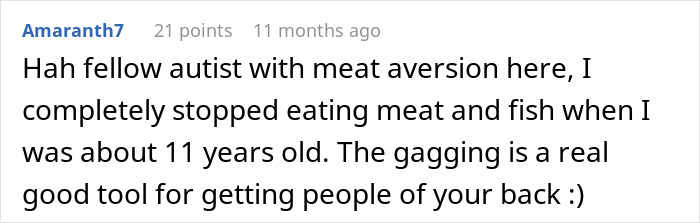
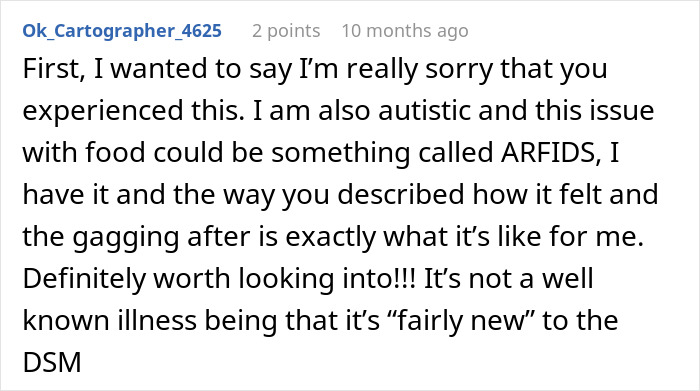
And then there are conditions like hyperosmia and related sensory sensitivities, which add another layer that people often don’t see or understand. In cases like hyperosmia, where a person’s sense of smell becomes extremely heightened, eating can become unexpectedly difficult. Strong aromas that others barely notice can feel overwhelming, affecting appetite and even making certain foods completely unmanageable. Something as simple as sitting down for a meal can turn into a sensory challenge rather than a relaxing experience.
This kind of sensitivity doesn’t just affect comfort; it can have a real impact on a person’s relationship with food and, ultimately, their nutrition. When certain smells, tastes, or textures feel overwhelming, people may start avoiding entire categories of foods without even meaning to. For example, someone who struggles with strong smells might avoid protein-rich foods like fish or eggs, while another person may find certain fruits or vegetables impossible to eat because of their texture. Over time, these limitations can make it harder to maintain a varied, balanced diet and get enough essential vitamins and minerals. What may look like someone being “picky” from the outside is often much more complex. For many people, eating becomes a careful balancing act between getting proper nutrition and avoiding foods that trigger discomfort, nausea, or sensory overload. It’s a challenge that can affect daily life far more than most people realize.
That’s why a little understanding can go such a long way. Whether someone is managing a food allergy, following a vegan lifestyle, or dealing with sensory sensitivities, what they need most is respect, not judgment. We never fully know what another person is dealing with, and food is often far more personal than it appears. Something as simple as listening when someone says “I can’t eat that” or “I’m not comfortable with that food” can make them feel seen and respected. After all, sharing a meal is supposed to bring people together, not make them feel singled out or pressured. Sometimes, kindness is as simple as trusting people when they tell you what works for their body.
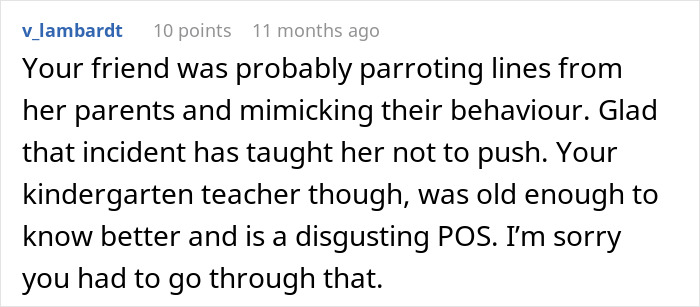
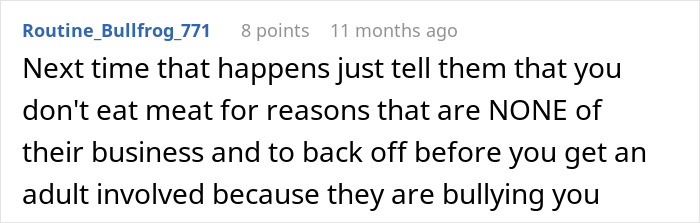
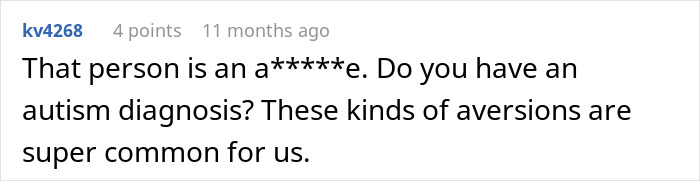
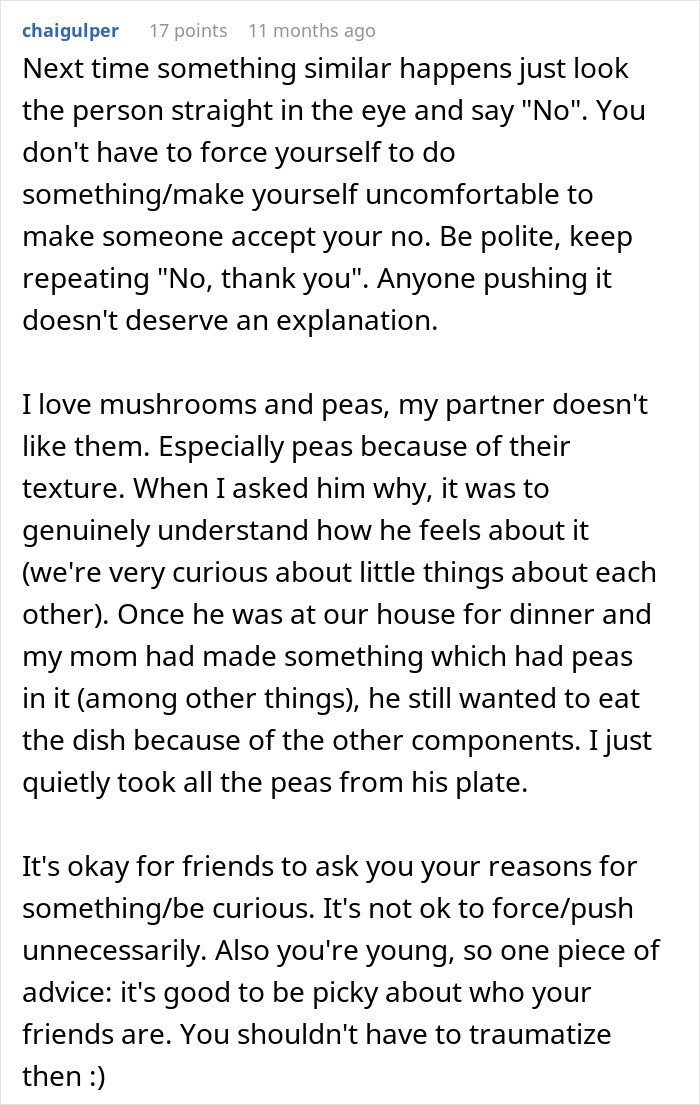
Coming back to today’s story, the teen’s friend clearly crossed a line by pressuring them despite repeated discomfort. When someone expresses a boundary (especially around food) it’s important to take it seriously rather than challenge it. Respecting what others tell you isn’t about agreement; it’s about basic understanding and empathy. So pandas, what do you think—was this just ignorance, or a lack of respect for boundaries?





By entering your email and clicking Subscribe, you're agreeing to let us send you customized marketing messages about us and our advertising partners. You are also agreeing to our Privacy Policy.
Thank you! You've successfully subscribed to newsletters!

How can I don't like the smell not be a good enough reason for not eating something? And who cares at school? You aren't insulting anyone's hospitality.

ive always been told by my dad that not liking the smell of something isn't a valid reason to not eat it. so i've forced myself to eat food i didn't not want to eat. big shock, i ended up not liking it.
Load More Replies...
As a vegetarian and a lactose intolerant person, neither by choice, the number of jokes I face drives me crazy. And people still think vegans are the annoying ones.
I find that meat fanatics are worse than any vegan I've ever met. Mark you, I don't mean people who just love meat, but those who try to force it on others are make "jokes" aka unfunny insults about people who don't eat meat. Goodness knows what they try to compensate for.
Load More Replies... How can I don't like the smell not be a good enough reason for not eating something? And who cares at school? You aren't insulting anyone's hospitality.
ive always been told by my dad that not liking the smell of something isn't a valid reason to not eat it. so i've forced myself to eat food i didn't not want to eat. big shock, i ended up not liking it.
Load More Replies... As a vegetarian and a lactose intolerant person, neither by choice, the number of jokes I face drives me crazy. And people still think vegans are the annoying ones.
I find that meat fanatics are worse than any vegan I've ever met. Mark you, I don't mean people who just love meat, but those who try to force it on others are make "jokes" aka unfunny insults about people who don't eat meat. Goodness knows what they try to compensate for.
Load More Replies...


























 No fees, cancel anytime









30
13