Get Premium
Dark mode theme is available exclusively for premium users. Learn more about the benefits of subscribing.
No fees, cancel anytime.

 Dark Mode Ad-Free Browsing Unlimited Content
 Ad-Free Browsing Unlimited Content Dark Mode
Join 1.2 million Panda readers who get the best art, memes, and fun stories every week!

Even if you are relatively well traveled, one can always run into something in another country that just makes you pause and Google what is going on. However, as with so many things, there is no better source than a local.
Someone asked “In your country, is there any situation that foreigners would completely misunderstand unless they lived there for a while?” and people shared interesting examples from their countries. So get comfortable as you scroll through, upvote the ones you didn’t know about and be sure to add your own ideas in the comments down below.
This post may include affiliate links.
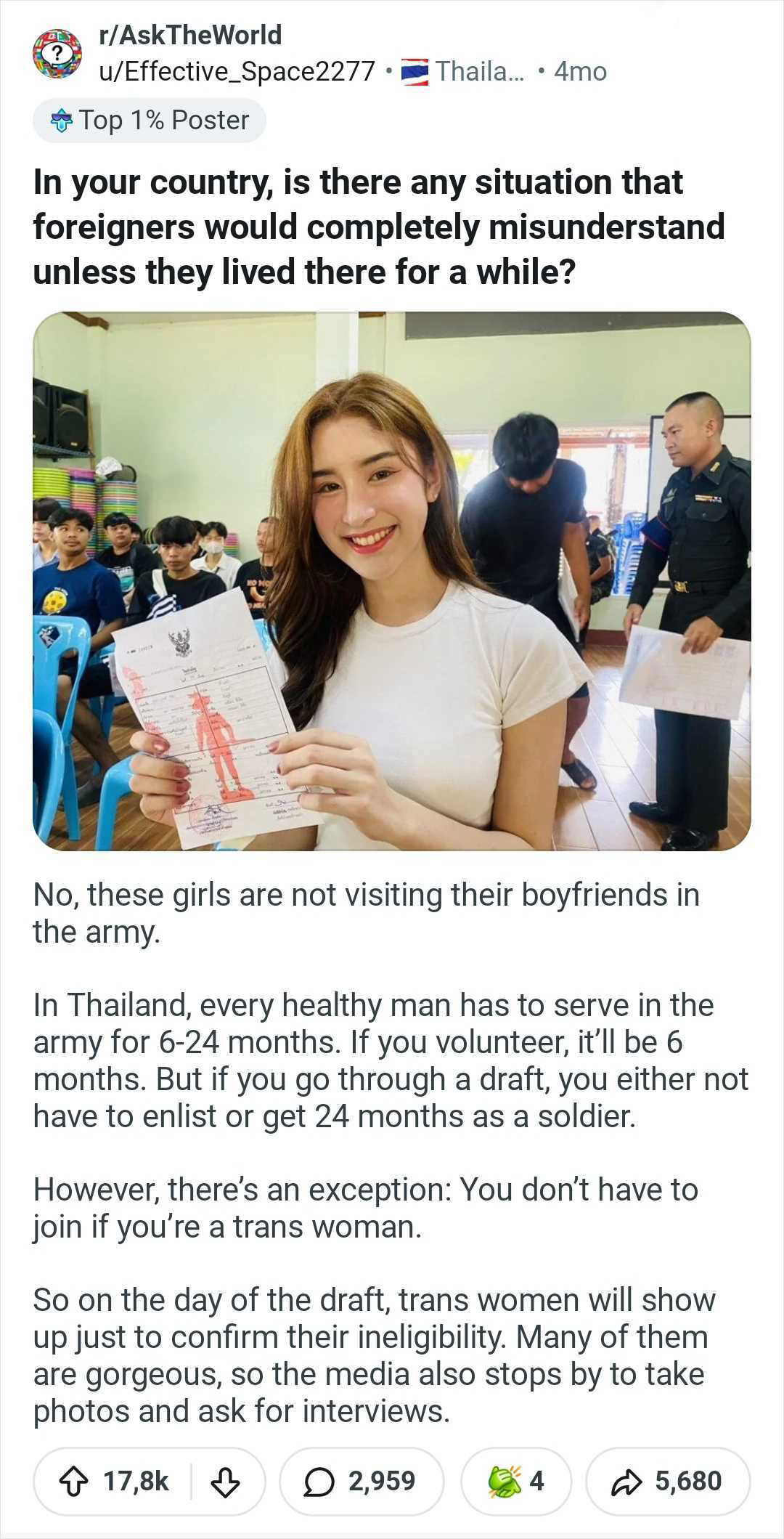
 In the Netherlands if people tell you they are going to eat (especially dinner), it is not an invitation for you to join, but a sign you should leave.

I always assume that when someone says it’s time to eat it means you should leave—unless they specifically state otherwise.
 People being quiet, for example when they are sitting at the same table at a workplace lunch doesn't mean they are angry or dislike you. They probably don't have anything to say. .
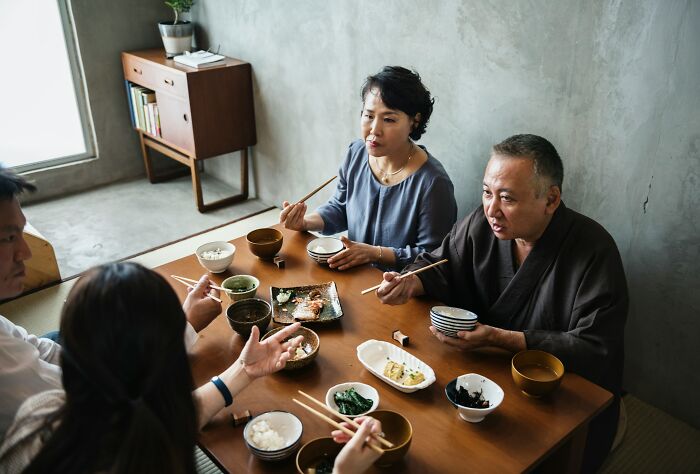 In Japan, specifically Kyoto, if you’re visiting a private residence and they ask if you want tea, it’s time for you to *leave*.
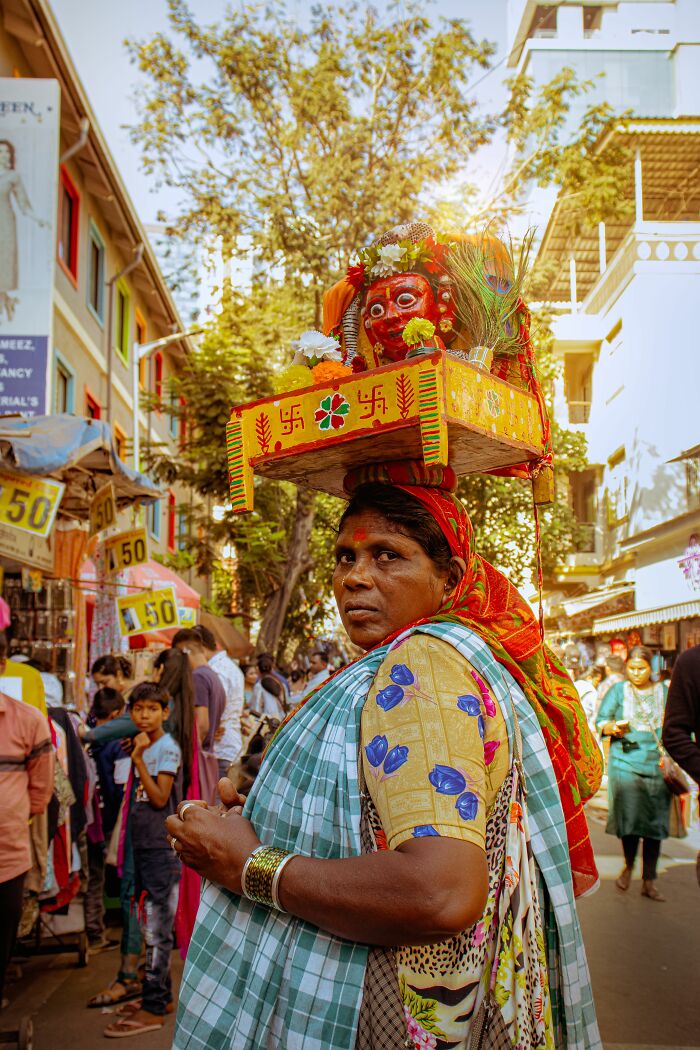 Apologising to a person/animal/inanimate object if your feet touches them by mistake.
Majority of the Hindu population in India believes that God exists in everyday things and people. So stepping on them or touching them with your feet is a sign of disrespect and if it happens by mistake we “apologise” to the thing by first touching it with our hands and then touching our hand to our forehead and then chest (somewhat similar to how Christians make the holy cross symbol).
I didn’t realise how weird this might look to an outsider until I did it by muscle memory to a white friend of mine and saw genuine fear in his eyes as if I just casted a spell on him XD.

Add books to that too.. we never touch books with feet.. Hindus consider books as knowledge.. so irrespective of the book content, if one touches it with the feet, many take books in the hand and do the same thing mentioned above
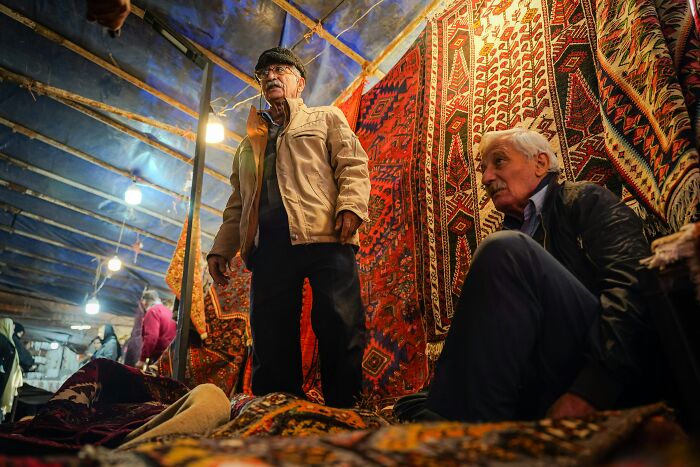 In Iran, there’s a custom called ta’arof. It’s when people insist on offering things like food, drinks, or even to pay for a meal. The “rule” is to politely refuse once or twice before finally accepting. Basically, if someone offers you anything, you say no a couple of times, and then if they insist, you accept.
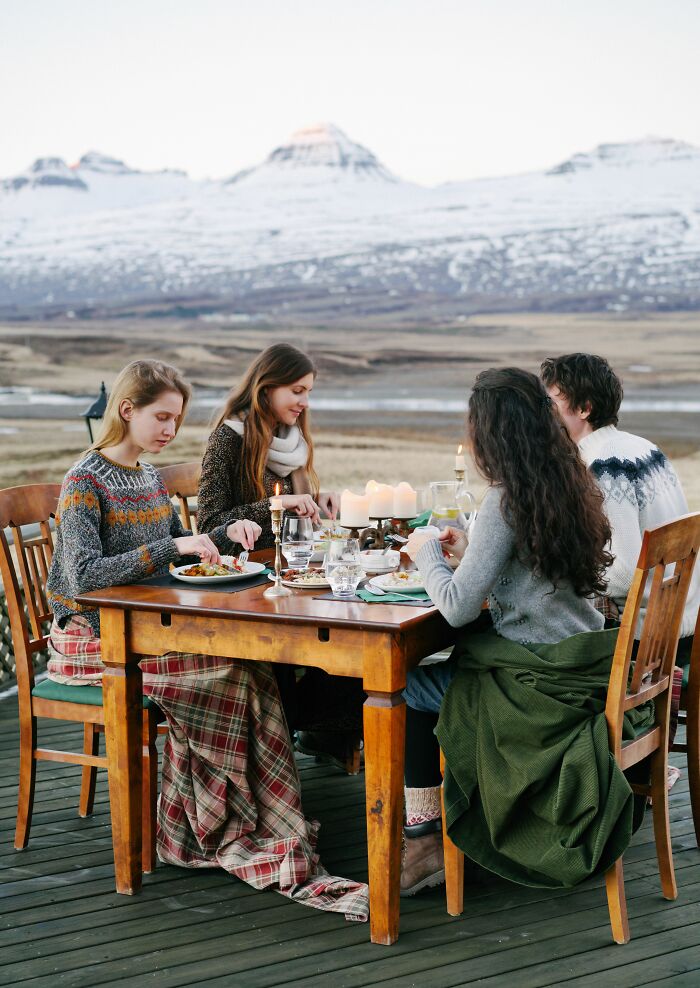 In Iceland, they simply use two words for any relative that is not in your immediate family. For males, it's Frændi, and for women it's Frænka. There really is no uncle, nephew, cousin, etc. They will be confused and mix them up if you speak in these terms unless they've had a ton of exposure to english speaking culture, even if they are fluent in English.
Don't worry though, there's still a special word for mother-in-law.

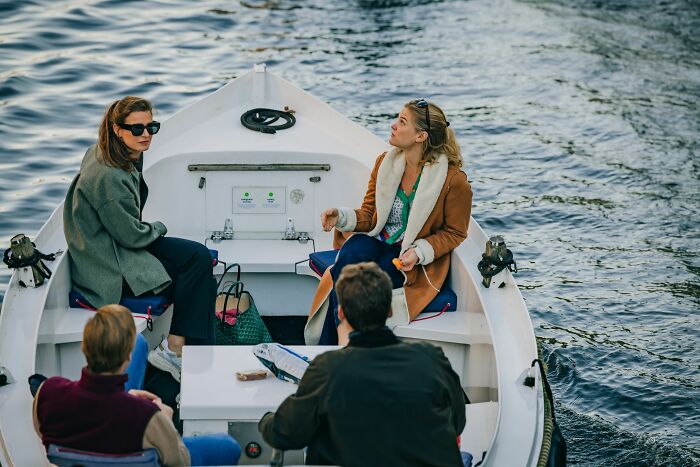 In the Netherlands, if you are going to meet up somewhere, be on time, please don't be late, its better if you are too early.
And then a Dutch person marries an Indian person (from this list above) and wreaks havoc in the universe
 Anyone above 50 is uncle or auntie.
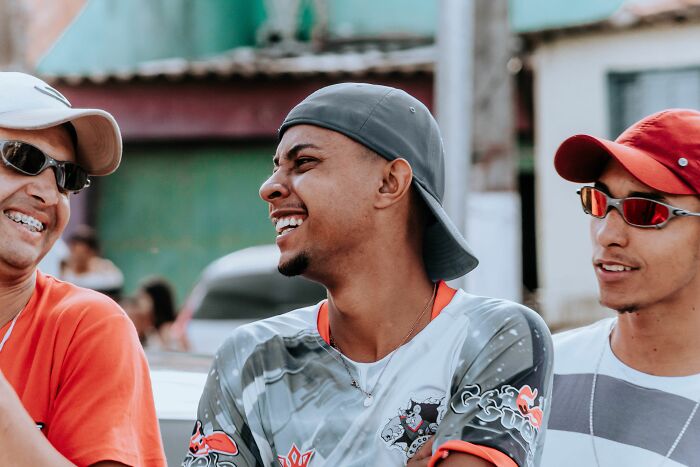 When you are invited to go to someone's house, you should not accept it. The person is only inviting you to be polite and you would be bothering if you said yes. But you can't also say no. You have to make up an excuse and say you will visit later (but you won't).
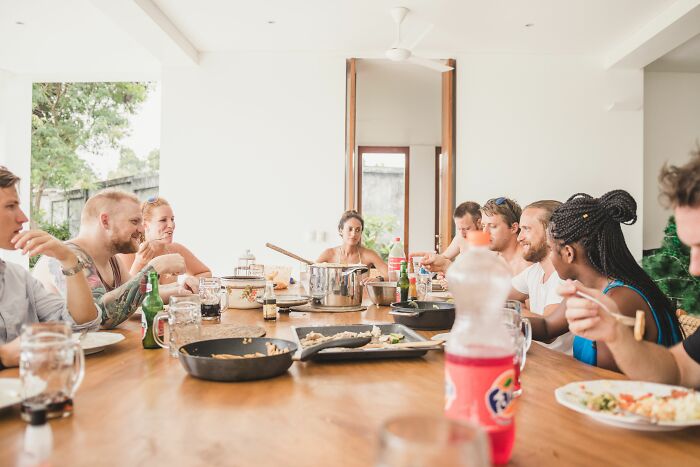 In Australia, when you’re having a party where people bring food to share you say “bring a plate”. I’ve heard of international people who bring empty plates thinking the host doesn’t have enough dishes for everyone. Which I can totally understand, especially as we also often tell people to “bring a chair” and that really does mean to bring your own chair (usually a camping chair) because they don’t have enough seats.
We say this in New Zealand too and BYO means bring your own drinks. We have BYO wine restaurants too.
 Irish compliments.
One example of many, a woman telling another that she looks absolutely massive has nothing to do with her size and is a lovely thing to say.

When people in other English-speaking countries say "You look great!", they are not talking about size either.
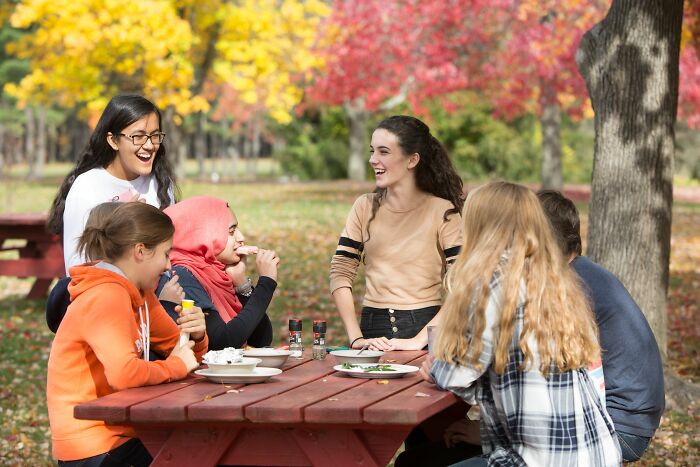 The Swedish Spring Sun Ceremony.
Winters in Sweden are long, dark and miserable, and spring, and the return of the sun, are a Big Deal. As soon as the sun comes back and you can actually feel its warmth, everyone wants a piece of that.
When I was at uni I guided an Indian exchange student, who was very confused about why everyone, undergrads, grad students and faculty alike, spent their lunch break sitting outside, faces turned towards the sun. She asked if it was a religious ceremony of some kind, and... I mean, no, but not far from it. But how do you explain the importance to someone who has never seen snow or the sun set at 3 pm?

As a Canadian, I 100% understand this! We do the same thing here, it's so nice to just feel the warmth of the sun on your face, to breathe in the warmer air and all the spring smells.
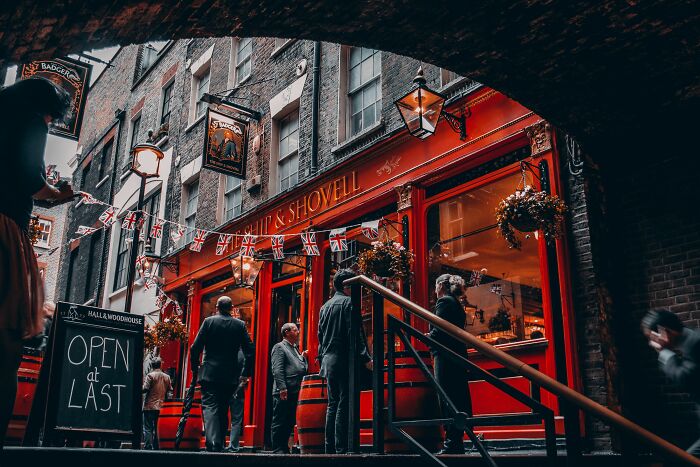 The pub queue.
1. There is a queue.
People gather along the bar and mentally keep track of who arrived before them. Your job is to notice who was already waiting and respect that order.
2. Eye contact.
When the bartender looks up, make eye contact and maybe give a small nod or smile.
No waving, whistling, snapping fingers, or yelling your order.
3. Never jump the queue
If the bartender comes to you, but someone was clearly waiting longer, you give them their turn.
4. Know your order before it’s your turn
You'll annoy a lot of people if you're sat there dithering.
5. Don’t lean all over the bar
Stand close enough to be seen, but don’t sprawl across the counter. Mostly because the bar mats are gross.
6. Tipping isn’t expected
7. Last orders bell means last orders
At some point in most pubs, a bell will ring; this is your opportunity to get your last drinks in. Don't be a jerk and order 12 cocktails, but most people won't fault you for 2 pints just for you.

Having worked behind a bar, experienced bar tenders get very good at knowing what order everyone arrived. What we don’t need is people thinking it’s about waving money around or being more demanding to get served first. No matter what a little shît someone is, no Brit would ever behave like that, only those from abroad.
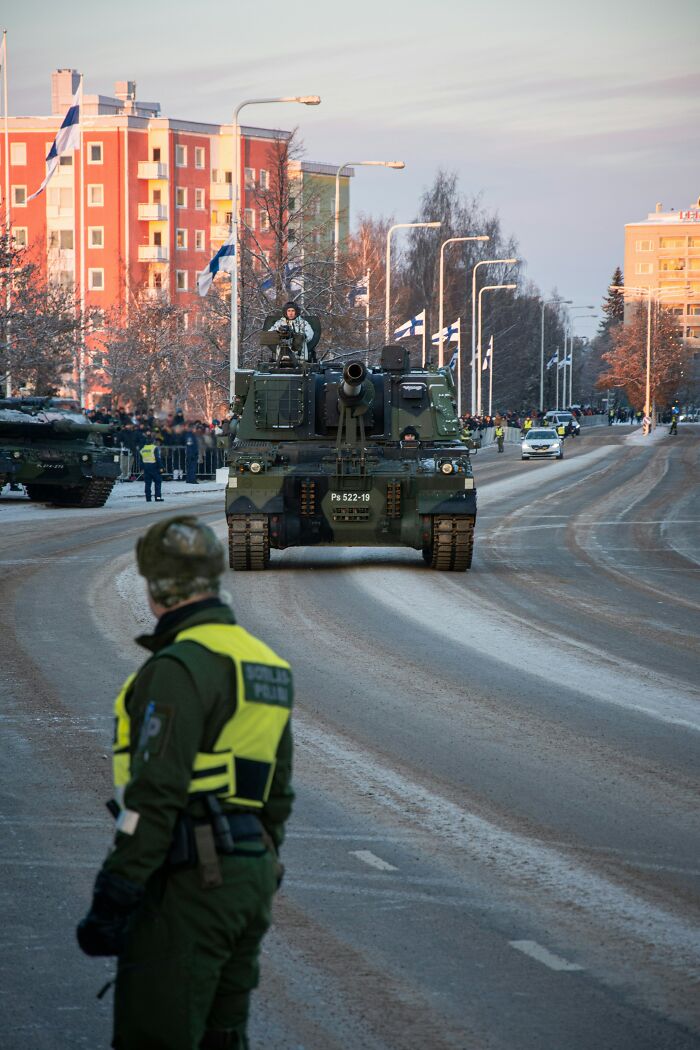 Military exercises or other military activities in cities are not at all uncommon.Just yesterday, the city center was full of troops and tanks. During my studies, exchange students of one of My course thought there was a coup in Finland. It was just a regular military exercise.
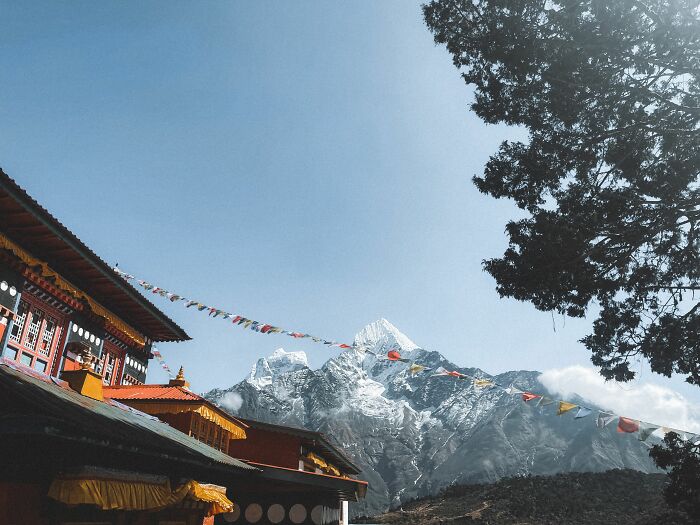 Non Nepali people call every huge hills as mountains. In Nepal, we call snowy hills as mountains and green hills=hills only.

How can you tell a mountain is more immature than a hill? Mountains brag about when they peaked, while hills just roll with it.
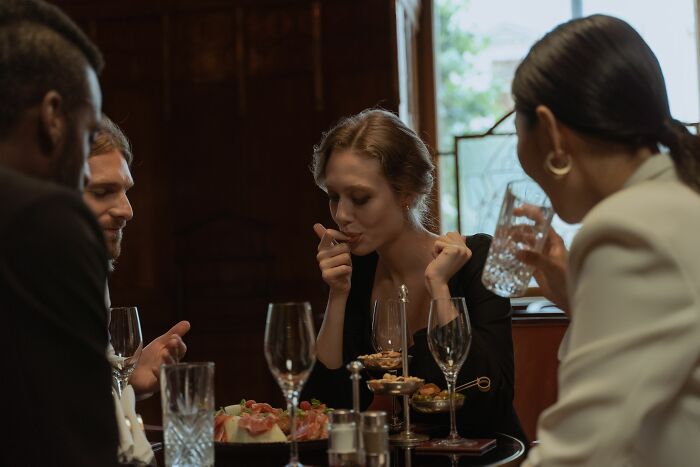 Talking about cheese for 30 minutes on a 2 hours lunch, and, before that, talking about types of salads and, before that, arguing about politics.

If you argue about politics how can you possibly have 30 minutes left to talk about cheese?
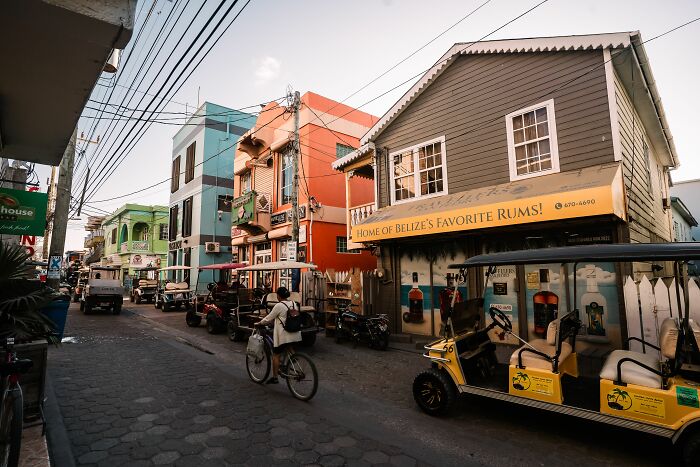 In Belize, people say, “right now” instead of “please wait a moment.” I think Belizean “right now” is similar to Mexican “ahorita.”
Once when I was at the airport, I was technically the next person in line, but the security agent wanted me to wait a moment. So she told me, “right now! right now!” and if I was a tourist I would have thought she wanted me to go immediately. It would have been so confusing!
Only because I had been living in Belize for a while, I understood that she actually wanted me to wait.
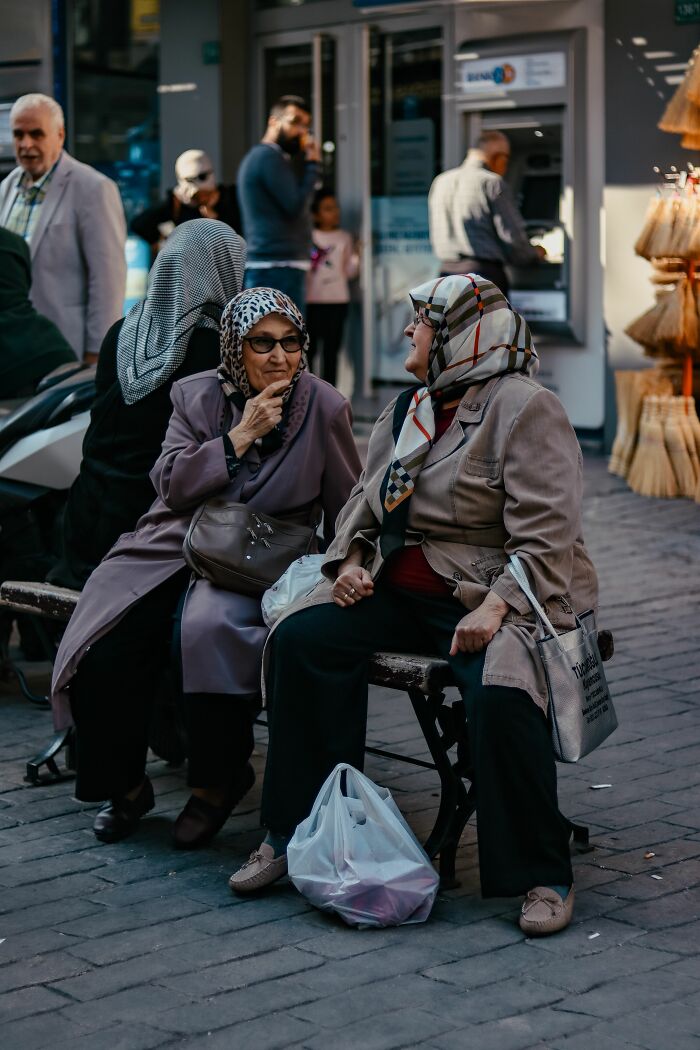 Often, when a casual encounter or conversation ends( on the street or at work, for example ) we invite the other person to visit us at home for a drink or a meal. If you are from the Middle East (Arab, Turkish, or Iranian), you will understand this as a friendly phrase used at the end of a conversation, not a serious invitation. Surprisingly, some Europeans may consider it a firm invitation.
Perhaps we have not yet learned the appropriate tone in European languages for a casual invitation😅.
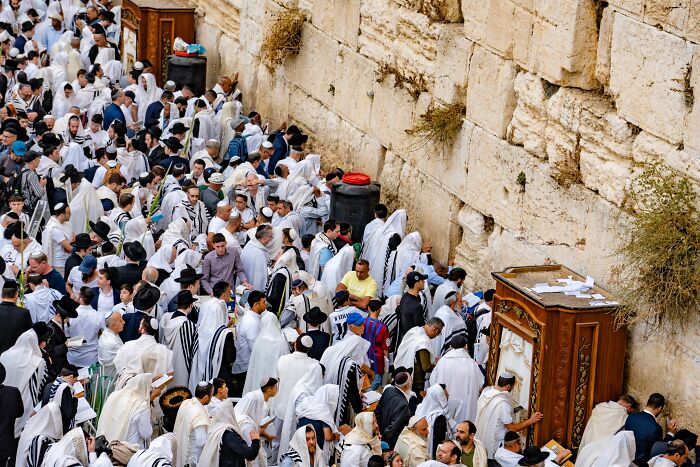 Yom Kippur is a Jewish holiday in which religious people fast (including not using electricity, cars, fire, etc) to atone for their sins. Somehow, the custom caught in Israel where nobody, religious, irreligious or even non Jewish drives on Yom Kippur. This includes all public transport, even taxis.
The streets are filled with cyclists and people walking on roads, everything is quiet and slow paced for the day.
It's a beautiful experience if you know what you're getting into, but I've met a tourist once a day before the holiday who had no idea just how stuck she's about to be...
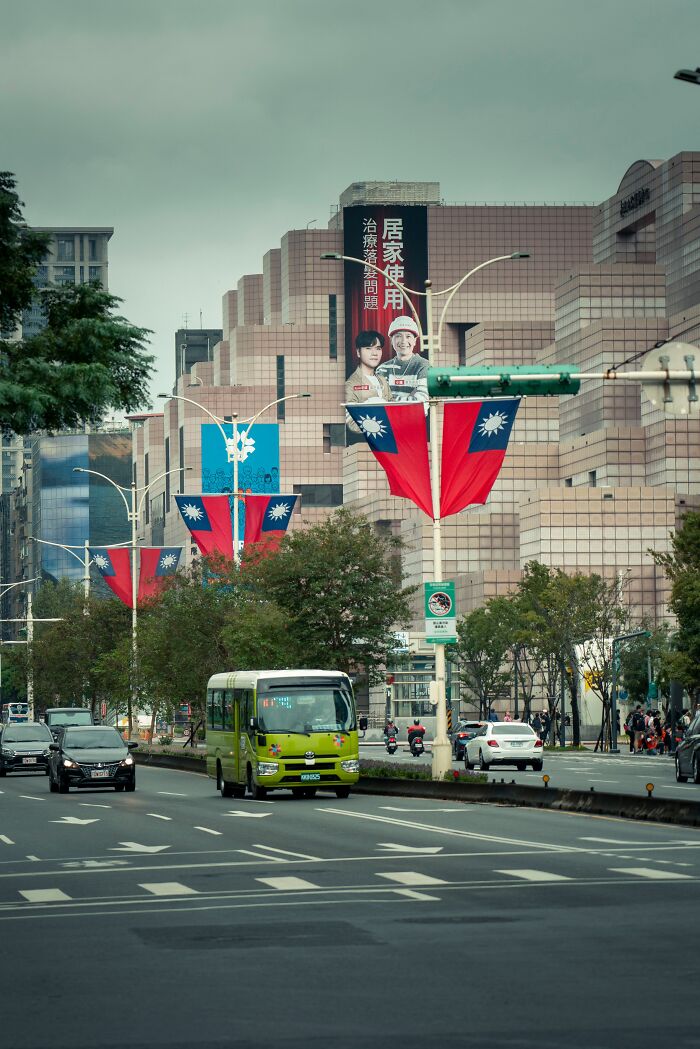 In Taiwan, you will see green bags of chips in various places: car dashboards, taped to computers, sitting on air conditioners, etc. This snack is called kuaikuai 乖乖. It has to be the green butter coconut flavor. The reason is that 乖 means well-behaved, so the snack bag ensures the device will work property.
It’s half serious superstition/religious belief, half ironic. I feel many people take it more seriously than they’d admit.
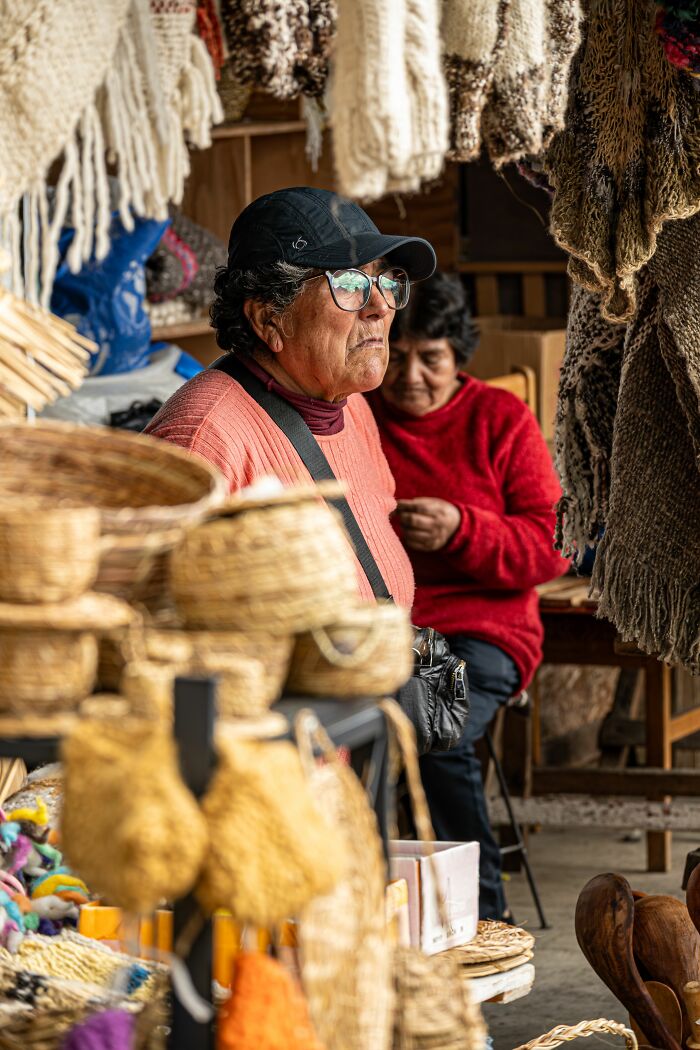 In Chile, at the supermarket checkout the cashier will always ask for something that sounds like "surrut". Foreigners are confused by this, what do they want? It's not even asked as a question!
What they want is "su RUT", basically your unique government ID number. This is used to get discounts or gather points to later exchange for products. If you don't have a points account with that particular supermarket, they will insist that you should become a member. They can be VERY insistent.
What many families do is have one account, and whoever buys something gives that "RUT". They don't mind, it could be my brother using my mom's number, they just ask if the name is correct, only to confirm that it is is correct.
My mom usually uses those point to basically buy everything for Christmas and New Year's dinner this way, a full fancy feast.
Me looking at my NI number: "What's the point of you if I don't get a discount on my shopping?"
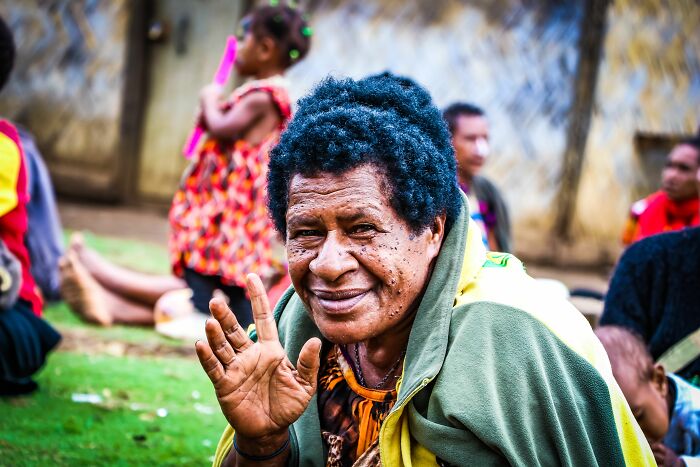 Yeah nah = no
Nah yeah = yes
Also most of our firefighters are volunteers, which means they have other jobs. In small towns there is often a siren that goes off to alert them that they are needed. This can be scary for tourists as a lot of them think they are tornado or tsunami warnings. Or maybe a sign of the purge starting.
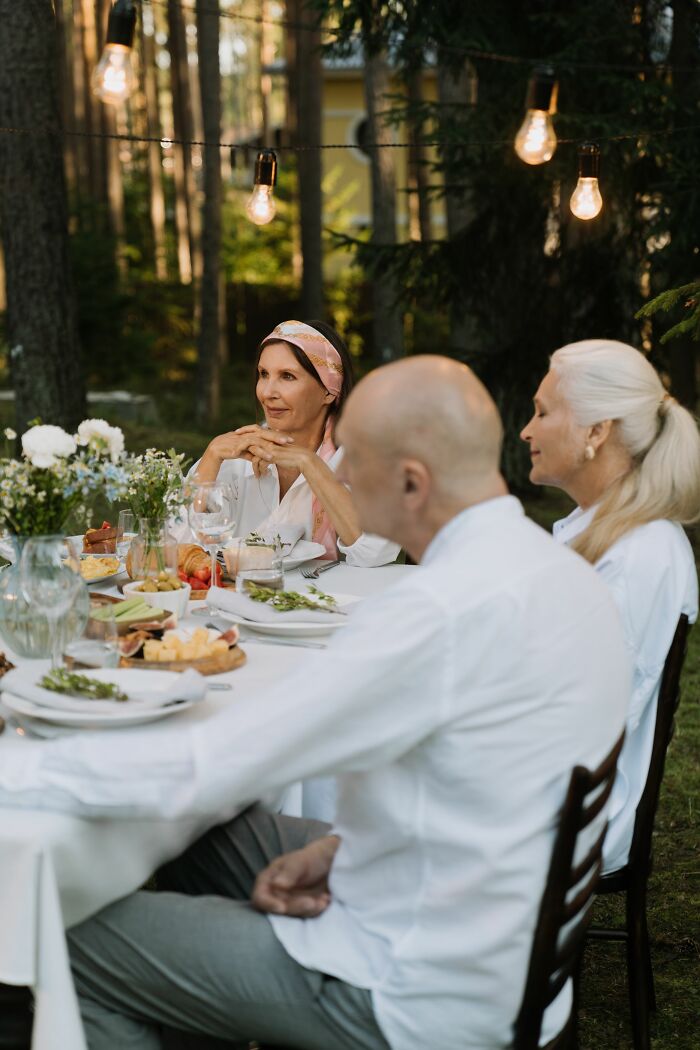 Welp. Then hit the legs and get up.
Very midwestern way of saying it’s time to go home.
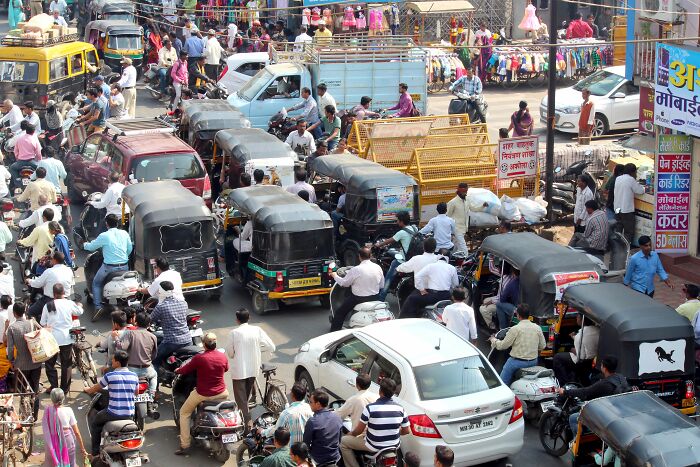 Being 30–60 minutes late is often normal for social events, meetings, or even some professional ones (especially outside big cities).
Foreigners see it as disrespectful, but it's tied to traffic, family priorities, and a relaxed view of clock time. Arriving exactly on time can sometimes catch hosts off-guard.
 This may be more well known now, but just how big our country is. People think they can fly into Toronto and take a day trip to see friends in Vancouver. Unless you have 2 extra weeks, I would not recommend. Even within my own province, it'll take 20+ hours to drive from one end to the other.
Also, not sure if it counts, but I've befriend people while visiting other countries, and when we move onto messaging each other, I use exclamation marks to convey excitement, but I'm always asked why I'm so angry.

US gets this too. I was at an international conference in Boston. A visitor from France planned to attend the week of the conference then drive down to Florida on Saturday and out to the Grand Canyon on Sunday before driving back to Boston to fly out on Monday. Well before Internet, so it was a challenge showing her that it probably wouldn't work out for her on that schedule.
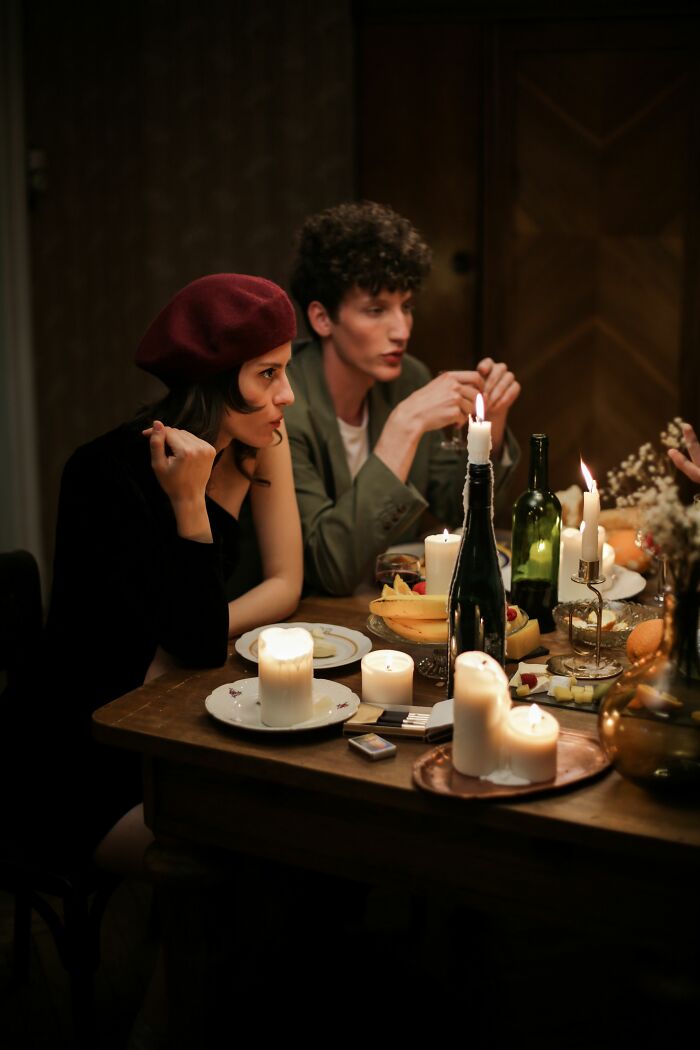 Usually right before having dinner with friends or family, you drink what's called apéritif (can be almost anything) in order to celebrate. You also eat various snacks such as crisps, cherry tomatoes, peanuts, etc. which are in bowls. Most of the time, if there is only one item left in a bowl, don't eat it. It's considered kind of rude.
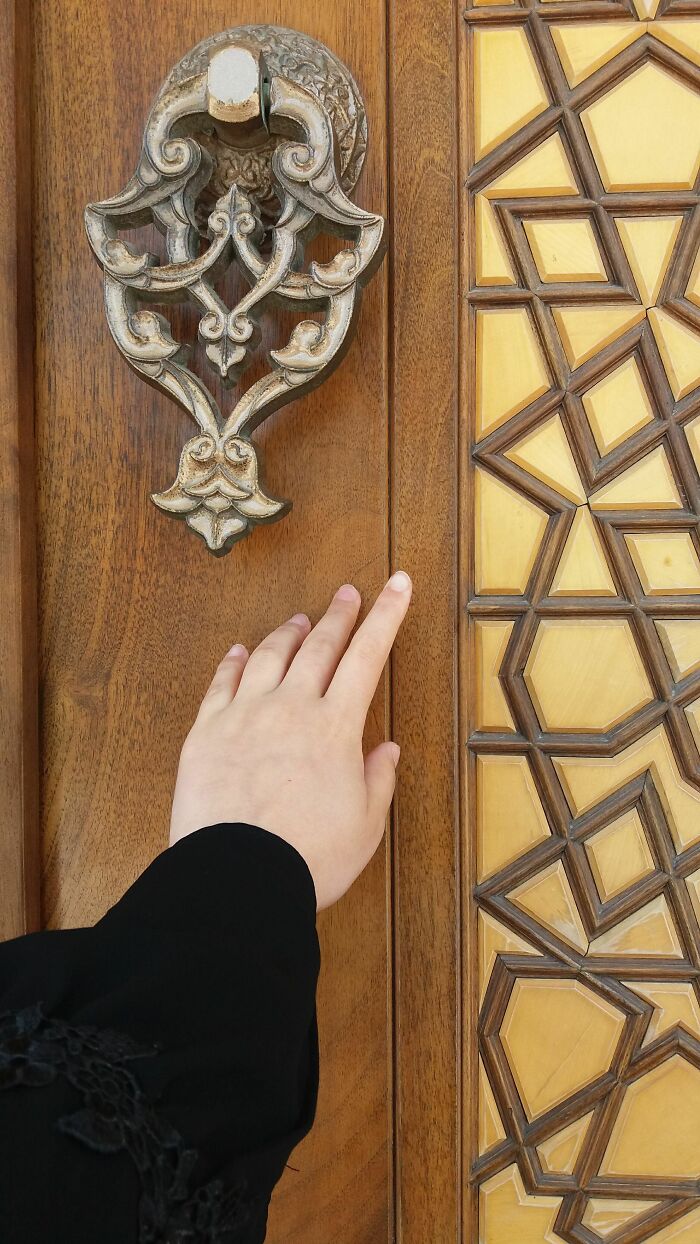 Knocking on the door before entering an empty room you'll be staying in. Doesn't matter if it's a new house you bought, a hotel room, an Airbnb or even the room of a friend's home. It's more of a ritual to politely tell any spirits that may be inside that you'll be entering their home and that you're staying there as their guest.
Nz, we'll often say you can leave your shoes on when you come inside, but you're expected to take them off at the door
It's like we're testing you idk why we do it
This is the way.

This is true in Turkey. In homes where guests are frequent, there will be a cubby-hole shelf of some kind next to the door inside with slippers in various sizes. The slippers NEVER leave the house.
If someone says “How are you?” in the US, and probably most of Canada, the most they expect is a “fine.” It’s not even really a question, it’s mostly a formality.
I have heard a lot of people from Russia and Eastern Europe have had trouble with that when they came over here, because apparently you are expected to *actually* say how are doing when someone asks. I mentioned this to a Russian woman who was getting her doctoral degree over here, and she said “Oh, that’s why I don’t have any American friends.”.
 A brawl in the Waffle House isn't an emergency situation, it's *atmosphere.*.

I saw a video of such a brawl once. A customer threw a chair at an assistant manager. She caught the chair by a leg and casually set it down behind her without losing eye contact with the offender. That speaks of experience.
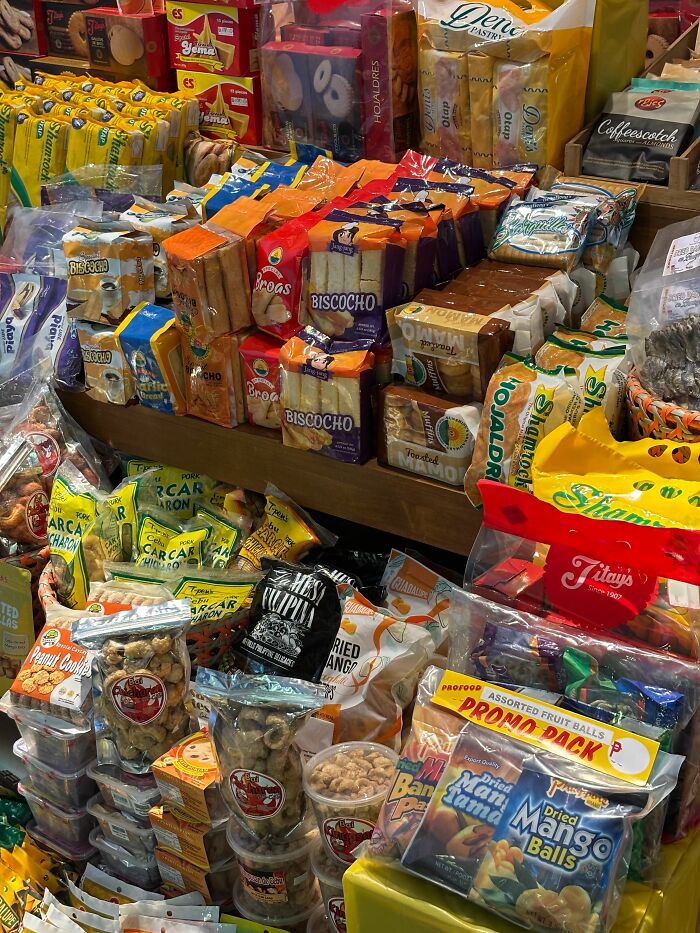 We have a pasalubong culture here. Whenever you travel, you buy souvenirs for your family and friends. Now if that was a work trip, include the folks in the office who didn’t get to go. It’s usually something small like a keychain or a shirt or a local delicacy. It’s just to tell someone you’re thinking of them. It’s also a way to gauge how close you are with someone or if someone is chill with you. You can easily offend an auntie you forgot to get a pasalubong for. You could also tell someone that you’re relationship with them is not as close as they think by not getting them one or tell them that you’re friends, at least on your end, by getting them something. Some folks use this as a way to butter up their boss too.
It doesn’t even need to be a big trip either. Sometimes I brought something home when I came home for the week in college.
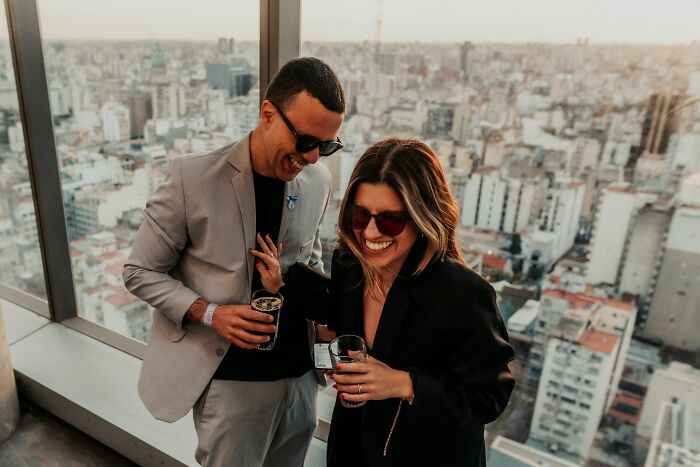 Here in Argentina, if a friend calls you something derogatory or refers to you by a "bad" quality, it's because they care about you. We have a positively toxic way of relating to each other, so that we all grow mentally stronger.
The one who is fat will be nicknamed "the fat one," and the one who is black will be "the black one." And so on with everything you can think of.
Foreigners simply don't understand this, and any explanation we give seems to fail to convince them because they apply their culture to ours, which is very different.

Thanks for the clarification. In Australia we tend to do the exact opposite. For instance a ginger haired person might be nicknamed "bluey".
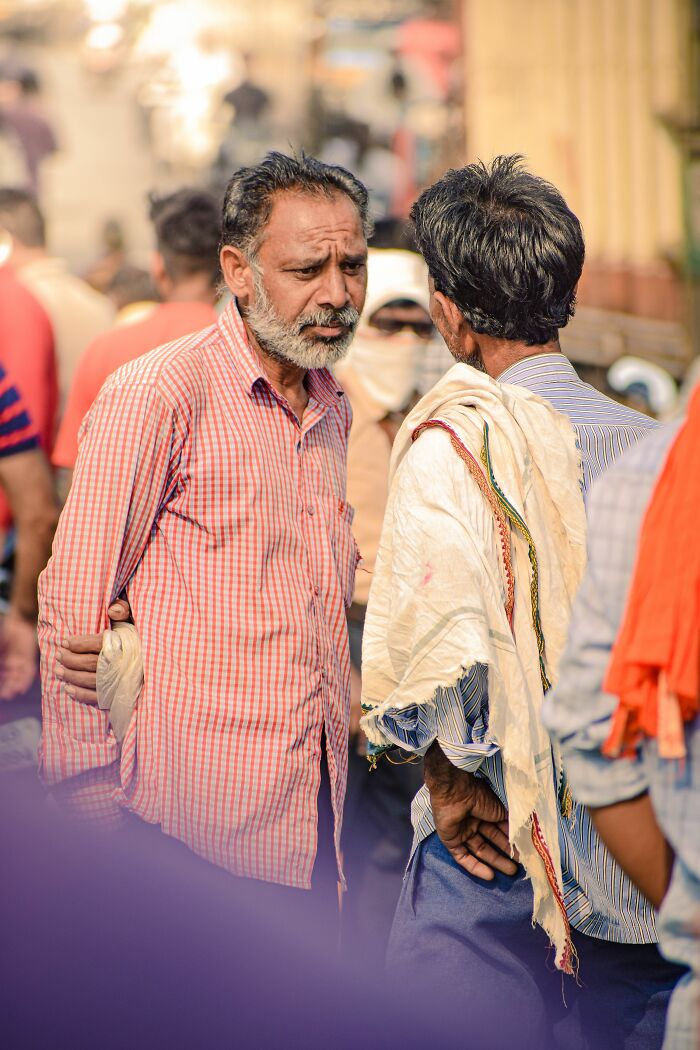 In India, if you meet someone after a long time, it is customary to insist that they visit your home (while secretly hoping they don’t accept)
It is also customary that the other person says that they will visit (without actually visiting)
“Please come home”
“Yes, of course we will”.

We do this in South Africa when we see people we haven't seen in years. "We must get together!!" "Absolutely!!" "WhatsApp me!" And then you don't talk to them again for years.
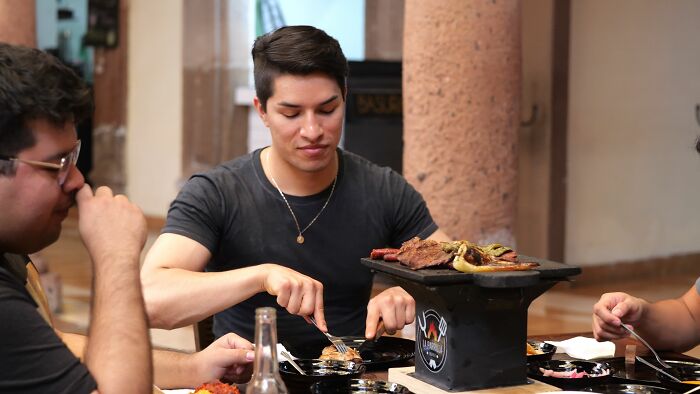 It’s pretty normal for strangers to wish each other “Buen provecho” (bon appétit) after finishing the meal and leaving the restaurant or diner, even food trucks!
I love this tradition so much, we Puerto Ricans do it. You say it as a type of greeting when you walk up to a full table or when leaving the dining room. It has a lot of love and good manners wrapped up in it.
There was a tradition in ireland of just knocking into your neighbours for a chat. No reason, no message, no urgent news. Just to say hello. .
Memo to introverted self: If you move to Ireland, install a door camera.
The proper way to cut cheeses, the idea is to share the best part (center) while cutting.
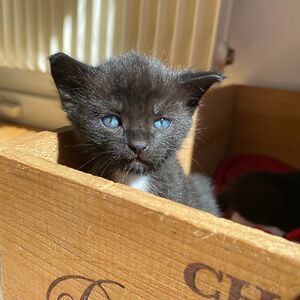
Cutting off the 'nose' of a wedge of cheese is a hanging offence in Britain as well. Each slice must be the full length of the wedge, to ensure that everyone gets equal proportions of the middle bit and the crust. Edit: this is specifically, but not solely, applicable to Stilton, the King of Cheeses.
Mom's calling their kids "mommy" and dads calling their kids "daddy". Not just that but any other title as such are used this way (aunt, uncle etc).
my bulgarian grandparents do this too. interesting to see the overlap. my grandpa also calls me "grandpa" in bulgarian lol
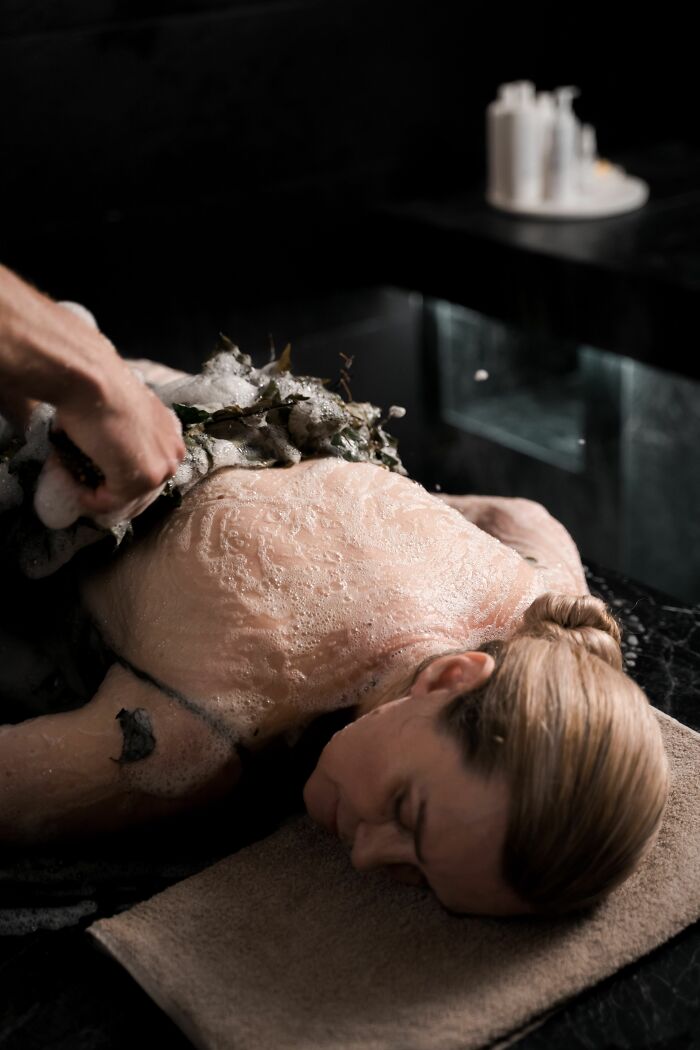 Hamam's.
Imagine an underground bath house where big men only wear some loincloths, massage eachouther by beating eachother up and even use a pillowcase full of soap to clean. And its also the most straight experience you can have.
In mexico, hospitality is a custom thats only in word, if you’re offered anything when entering a home which will happen every time, it is expected for you to decline, unless you really are thirsty lol.
It is also normal to be late, being very punctual to non formal gatherings could cause you to show up to a party that hasn’t even been set up!

I think it's the custom in most parts of the world to offer a beverage to anybody visiting especially your home upon arrival, but also your office (if you're a guest, and not a co-worker).
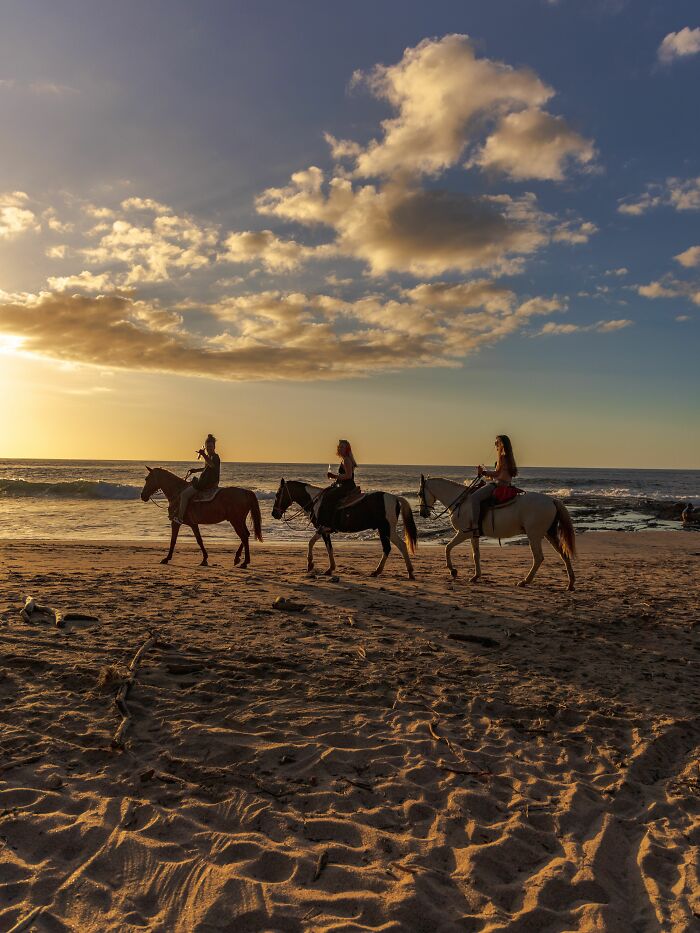 Every year the state of Victoria stops everything for a day to go punt on horses, punters with enough money show up in person while the average punter watches on tv. About 65% of tickets last year came from interstate and international punters.
 Groundhog day (Canada and the USA) On February 2nd, a bunch of people in top hats wake up a very confused, chubby squirrel-rat (a groundhog) to ask it about the weather. If the groundhog sees its own shadow, it gets scared and goes back to sleep, which apparently means we have to deal with six more weeks of winter. If it doesn't see its shadow, it means it's sunny, but somehow spring is coming early.
The older teens in red or blue pants blasting music in their vans late at night and handing out custom made cards of themselves to kids aren't in some weird gang, that's just tradition all over the country for 18-19 years olds leading up to our independence day on the 17th of may.
In belgium; the politic circus, for a country so small we have the record of the longest time without government not to mention the amount of ministers and other politician... We have so many parties, not to mention unions for every party which isn't bad but it gets confusing if you just get here.
 If your coworkers give you a name, that is your name at work forever. Given enough time, the boss will call you this name, it will be your email address. If you don't like it, object immediately. Effective_Space might get Eff, Effie, Spacie or Ess.
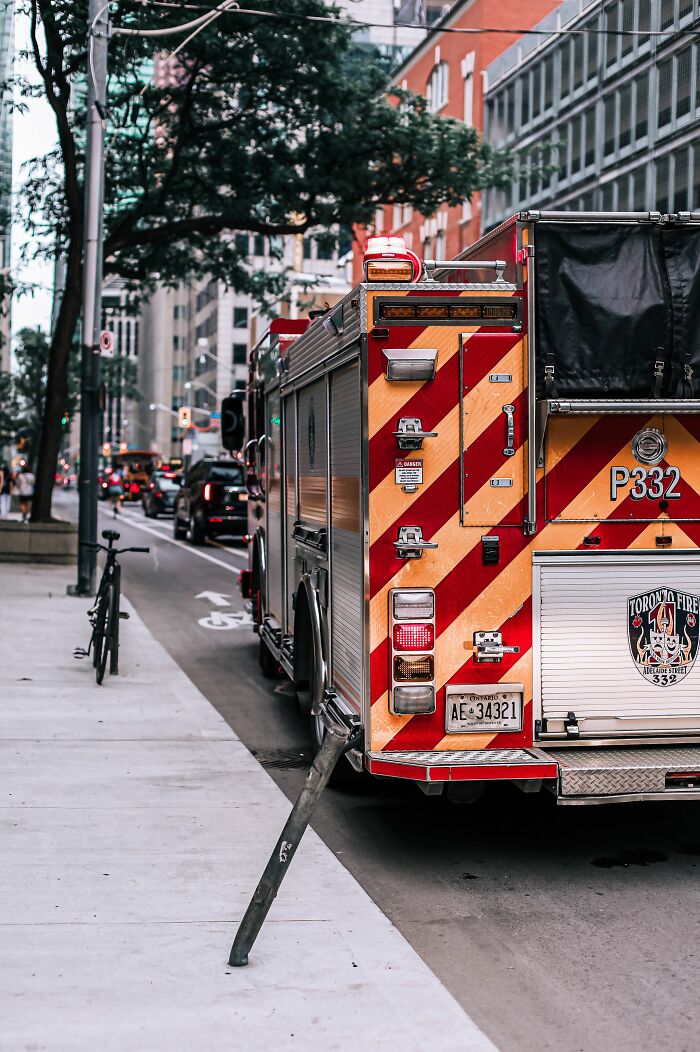 My area in Canada growing up would have alarms that would sound if there was a fire somewhere, to alert the firefighters nearby to attend. I had a family member from Europe come stay with us one time and she panicked when it went off because she thought it meant Tornado or Air Raid 😂.
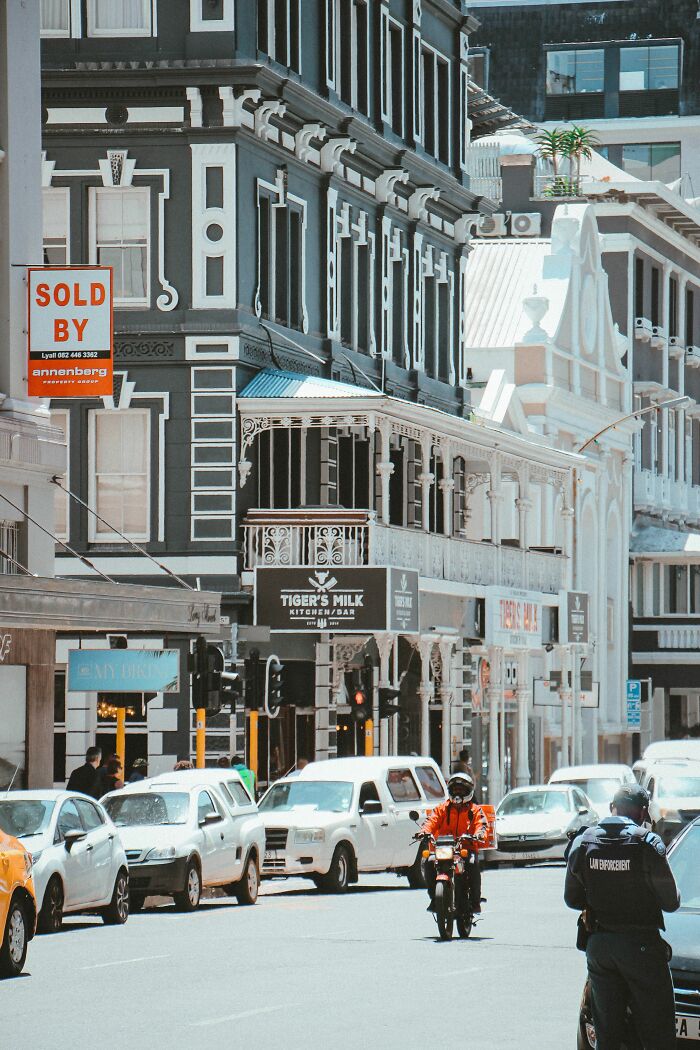 We say "shame" when we pity someone like "shame man, hope it works out" I think it's just short for "what a shame". Another one: saying sorry when someone gets hurt even though you're not the one who caused it.
In the south eastern united states it’s a common practice to offer to help someone with some kind of manual task, then get angry if they take you up on it. We all know to say no when someone outside of your family offers to assist with something.
Funny aside: I was talking to a funeral service in Washington County Florida about the cost of burying my mom’s ashes in a municipal cemetery. He told me I could do it myself for free; when I agreed that was a better option he offered to help me do it.

It's funny how regional the US is. Here in Southern California, generally when you offer to help someone with something, you're sincere and you actually want to help them, and you don't get angry when they take you up on your offer XD If you didn't want to help, you wouldn't offer, not even to be polite.

So, no matter what country you are in if you are asked how you are, don’t tell them; if you are invited to someone’s house don’t go; if you do go, turn up late; and if you are offered food or drink turn it down. And ignore any sirens that go off. Got it.

My country has a superstition that sweeping the house after dark is bad lol. I'm not sure if it's universal, since I've only seen it in my country, but if an oncoming driver flashes their high beams at you during the day, they are warning you that a police speed trap is just ahead. In some local markets, you don't buy vegetables by the kilo, rather in little piles. You buy the entire little pile for a fixed price. Villages have shops where the shopkeeper notes transactions down in a red notebook and the people can pay for what they bought at the end of the month. Practically every street has "community-owned" stray dogs. Neighbors collectively look after them. (Not really "things people will misunderstand" per se but I thought it'd be fun to share stuff)

It seems that many of these are people simply not saying what they want to. After thousands of years of ‘civilisation’ why do we have to use obscure phrases that don’t mean what we want to say. Instead, why couldn’t we have created polite and respectful ways to clearly say what we mean?
So, no matter what country you are in if you are asked how you are, don’t tell them; if you are invited to someone’s house don’t go; if you do go, turn up late; and if you are offered food or drink turn it down. And ignore any sirens that go off. Got it.
My country has a superstition that sweeping the house after dark is bad lol. I'm not sure if it's universal, since I've only seen it in my country, but if an oncoming driver flashes their high beams at you during the day, they are warning you that a police speed trap is just ahead. In some local markets, you don't buy vegetables by the kilo, rather in little piles. You buy the entire little pile for a fixed price. Villages have shops where the shopkeeper notes transactions down in a red notebook and the people can pay for what they bought at the end of the month. Practically every street has "community-owned" stray dogs. Neighbors collectively look after them. (Not really "things people will misunderstand" per se but I thought it'd be fun to share stuff)
It seems that many of these are people simply not saying what they want to. After thousands of years of ‘civilisation’ why do we have to use obscure phrases that don’t mean what we want to say. Instead, why couldn’t we have created polite and respectful ways to clearly say what we mean?






















 No fees, cancel anytime