Get Premium
Dark mode theme is available exclusively for premium users. Learn more about the benefits of subscribing.
No fees, cancel anytime.

 Dark Mode Ad-Free Browsing Unlimited Content
 Ad-Free Browsing Unlimited Content Dark Mode
Join 1.2 million Panda readers who get the best art, memes, and fun stories every week!

Most work drama stories tend to revolve around an entitled manager or a boss with demands that really exceed the possibilities of physical reality. But sometimes the roles are reversed and it’s the person in charge going online for help on how to resolve a workplace issue.
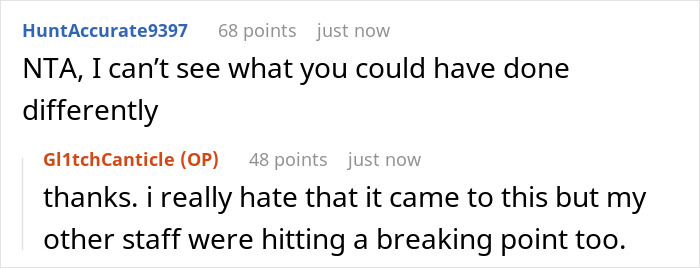
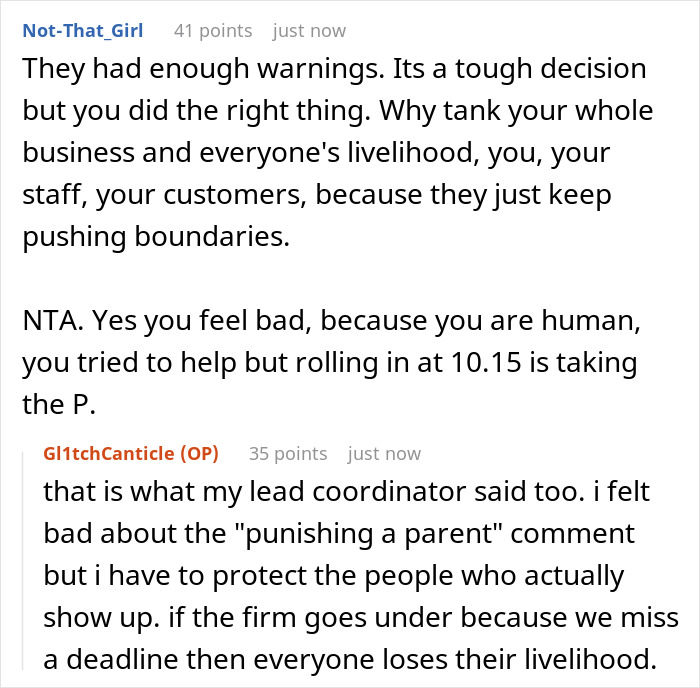
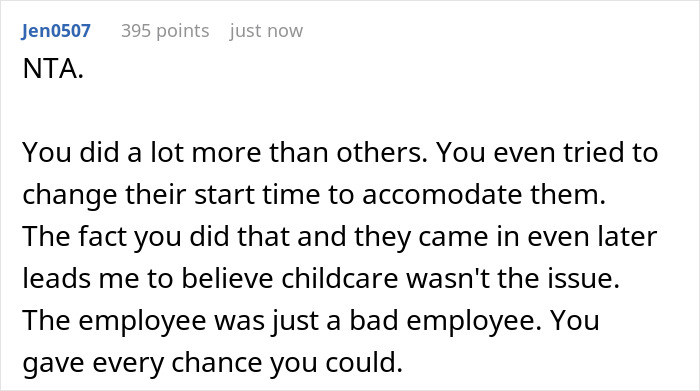
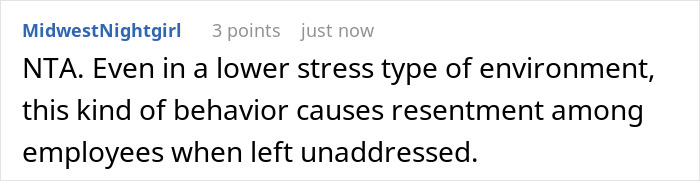
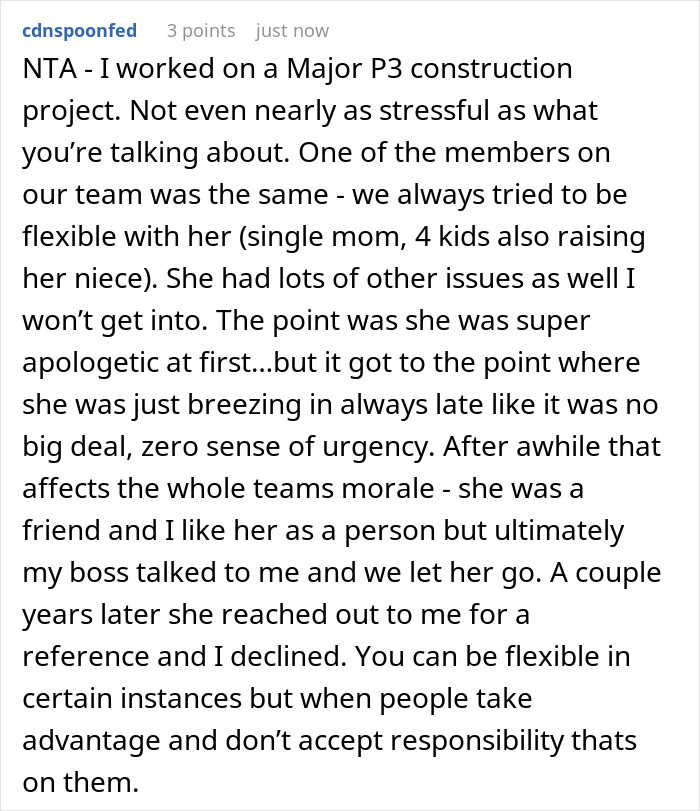
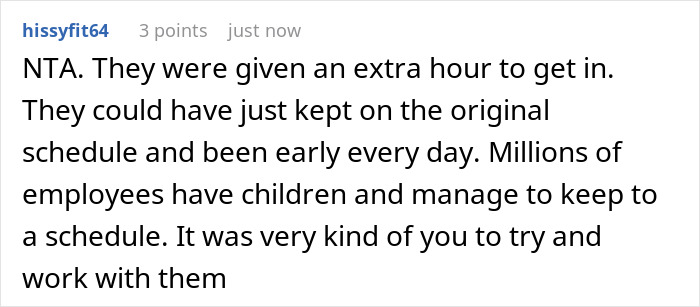
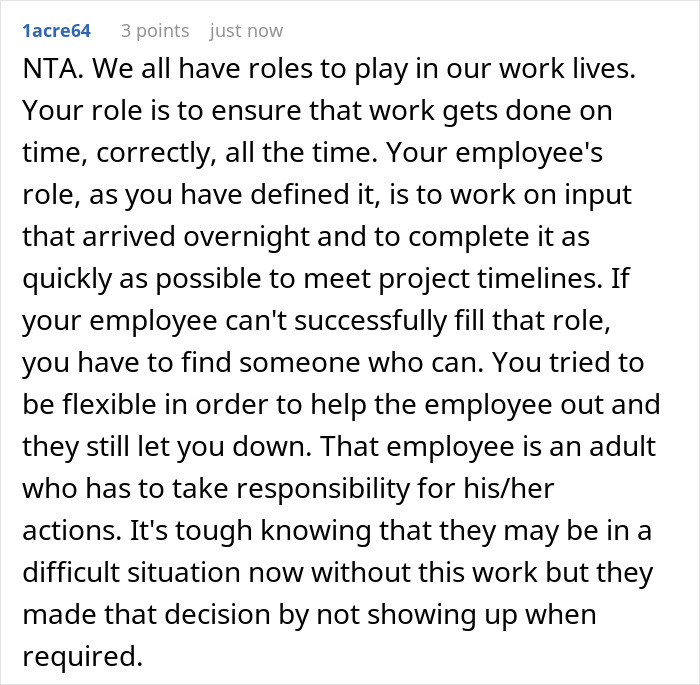
A manager turned to the internet for advice when they realized they had to let go of an employee who had recently become a parent. The worker would show up late so frequently and constantly, that it was causing everyone else to stay late to pick up the slack. Readers shared their thoughts and debated the ethics of the situation.
Image credits: drazenphoto/Envato (not the actual photo)
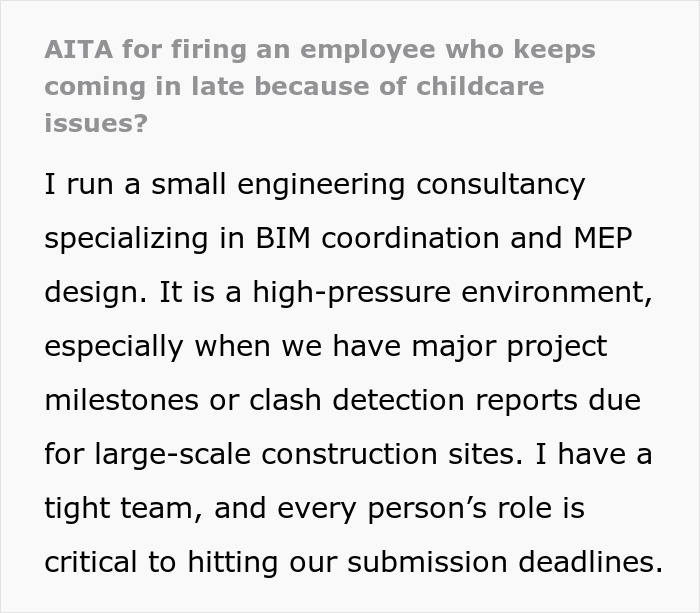

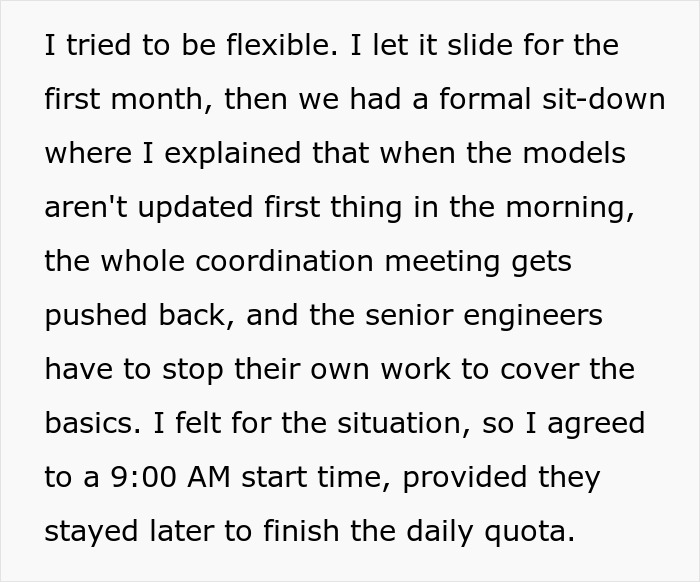
Image credits: YuriArcursPeopleimages/Envato (not the actual photo)
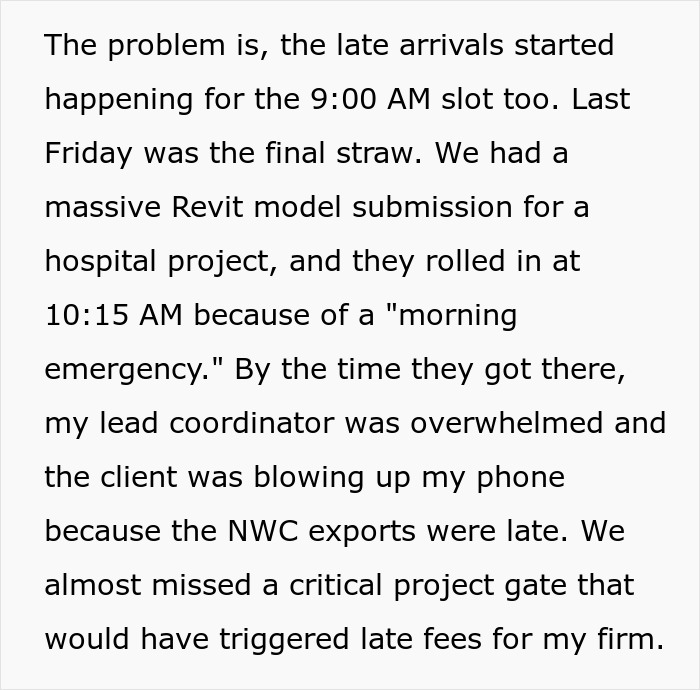
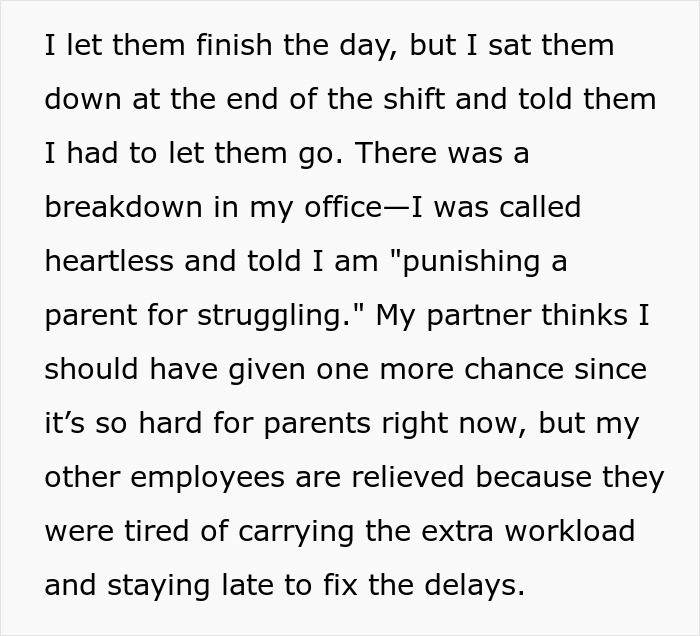
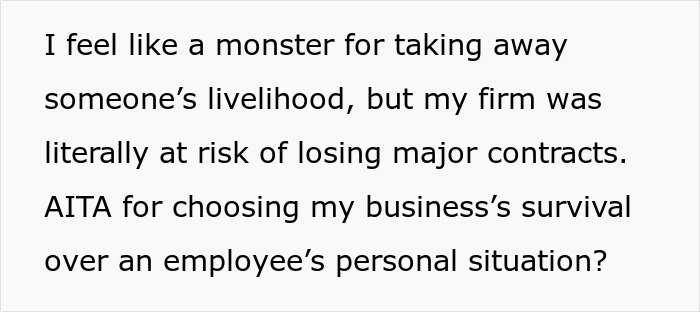
Image credits: Gl1tchCanticle
The weight of ending a professional relationship often lingers far beyond the exit interview because the person delivering the news is forced to balance the cold metrics of productivity against the warm reality of human struggle. Even when a termination is logically sound and necessary for the survival of a business, the manager frequently experiences a phenomenon known as managerial guilt which is a deep sense of responsibility for the negative outcome of another person’s life. This emotional burden is particularly heavy when the reason for the dismissal is not a lack of technical skill but rather a failure to navigate personal circumstances like childcare. The manager in this situation is not just judging work quality but is instead forced to penalize an individual for the systemic failures of modern caregiving structures. This creates a moral conflict where the manager feels they are being asked to choose between the livelihood of one person and the stability of the entire team.
Image credits: Karolina Grabowska/Unsplash (not the actual photo)
Research from the Harvard Business Review suggests that many (although probably not enough) managers view the act of firing as a personal failure of their own leadership or a breakdown in their ability to provide sufficient support. When the employee has been part of the firm for a year and has shown technical proficiency, the bond of professional investment makes the finality of a termination feel like a betrayal of that shared history.
The manager likely feels a sense of cognitive dissonance because they value empathy and flexibility but are also bound by the rigid requirements of high pressure engineering projects and client expectations. In a small consultancy the margins for error are thin and the pressure from clients for timely submissions creates a state of chronic stress that can cloud the emotional processing of these decisions. The manager is acting as a protective shield for the rest of the staff and the company contracts but that logical necessity does not immediately quiet the empathetic instinct that recoils at causing someone distress.
Psychologists often refer to this specific type of distress as a moral injury which occurs when a person is required to take actions that go against their deeply held values or ethical beliefs. If the manager identifies as a compassionate leader who believes in supporting their staff through life transitions, then being forced to fire a parent struggling with childcare creates a direct conflict with their self identity. This internal conflict is often exacerbated by the conflicting feedback received from various social circles. When a partner suggests that another chance should have been given, it reinforces the manager’s fear that they have acted heartlessly or without enough patience. Conversely the relief felt by the rest of the team highlights the unfair burden they were carrying which reminds the manager that their primary duty is to the health of the entire organization. This split in feedback leaves the manager in a lonely position where they feel like a villain in the employee’s story even though they were acting as a steward for the collective good.
Image credits: Getty Images/Unsplash (not the actual photo)
The guilt is also amplified by the reality of the power imbalance inherent in the employer and employee relationship. The manager is acutely aware that by terminating this individual they are removing a source of income and potentially adding to the very stress that caused the punctuality issues in the first place. However, as noted in studies regarding small business management, the risk of losing major contracts or facing late fees can be an existential threat to a small firm. If the firm collapses then everyone loses their livelihood which is the larger catastrophe the manager is trying to avoid.
The feeling of being a monster is a natural reaction to the gravity of the decision but it is important to recognize that the responsibility for the situation is shared. The manager attempted to accommodate the employee by shifting their start time and offering flexibility for months, yet the needs of the projects remained unmet. True professional accountability means that a manager must sometimes make choices that are emotionally painful but operationally essential to prevent the broader failure of the business.

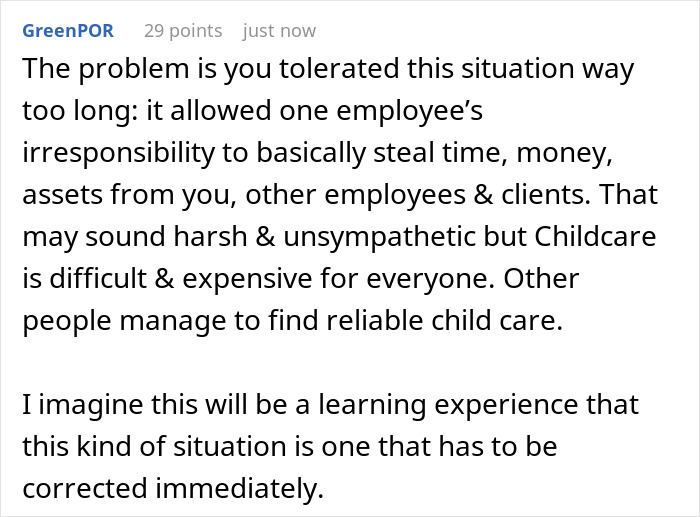
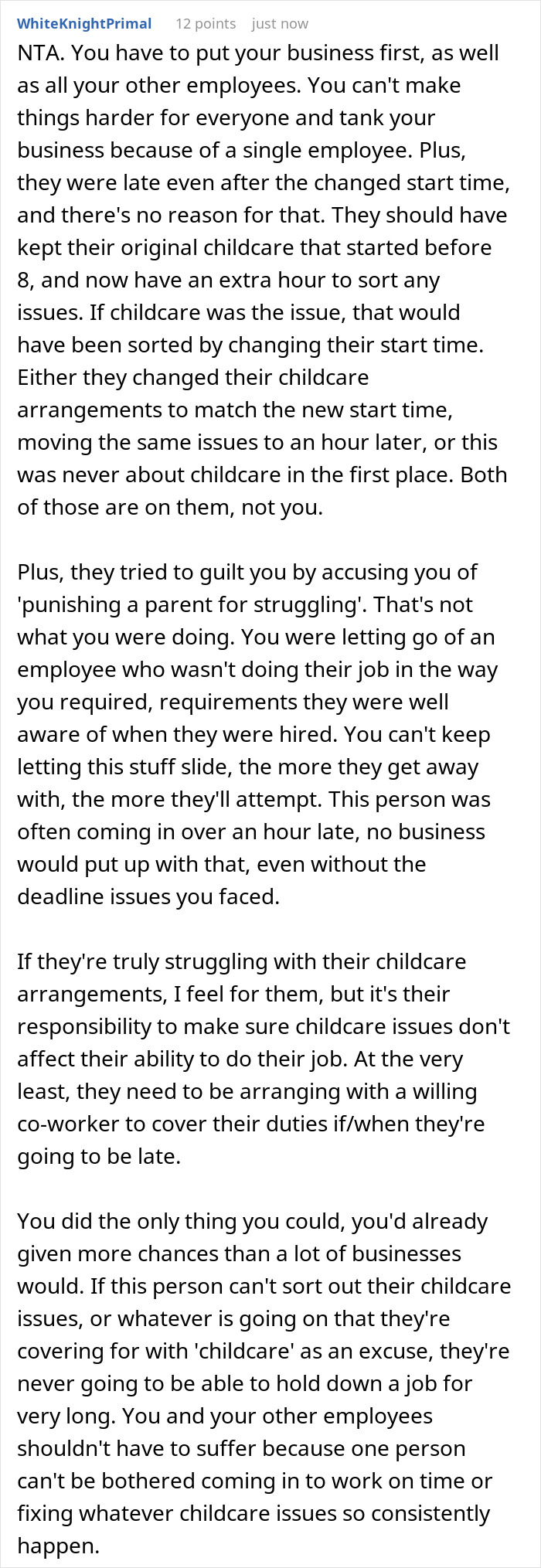
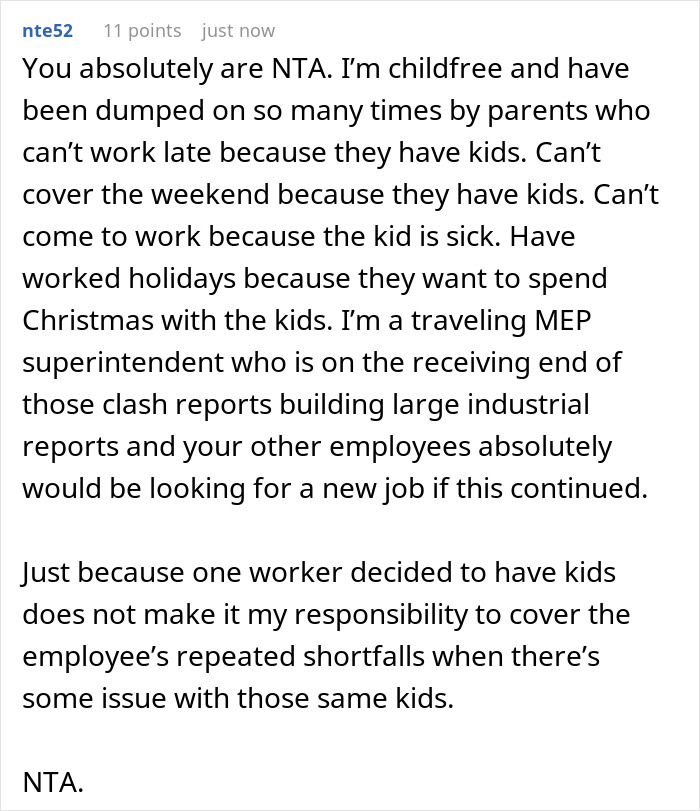
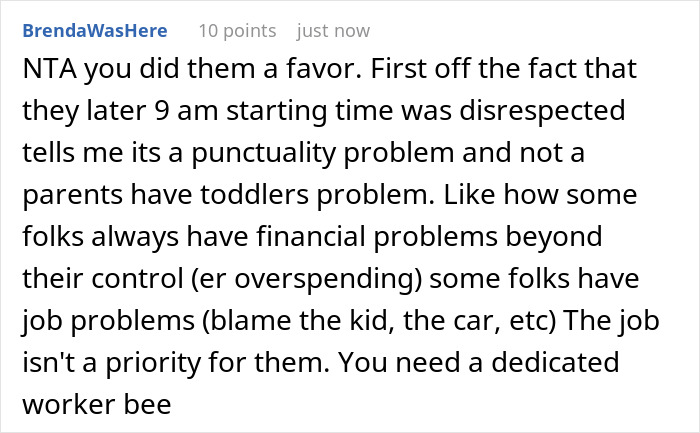

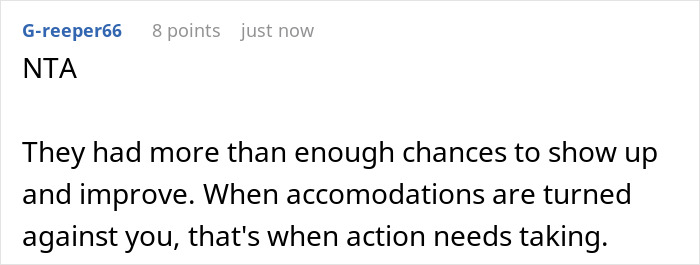
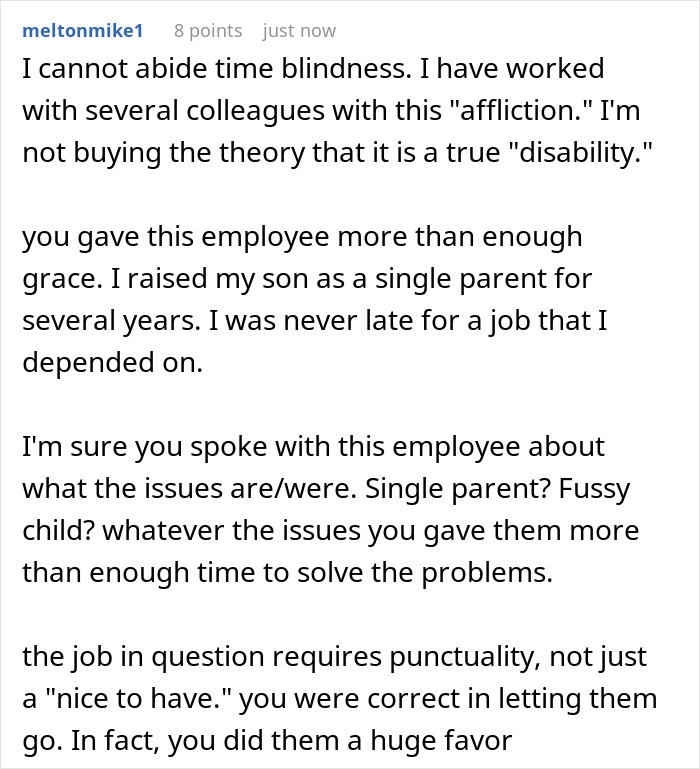
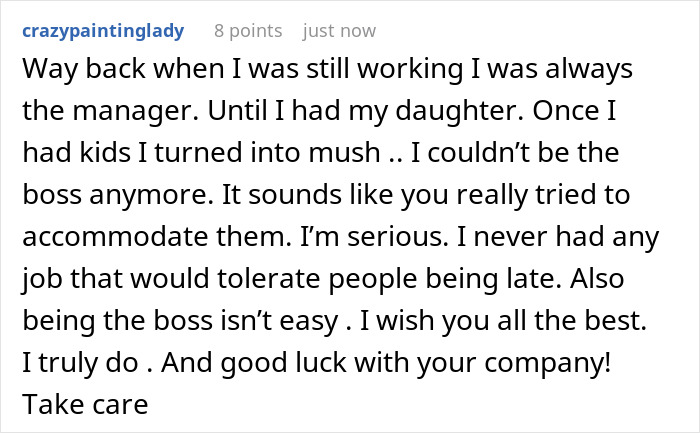
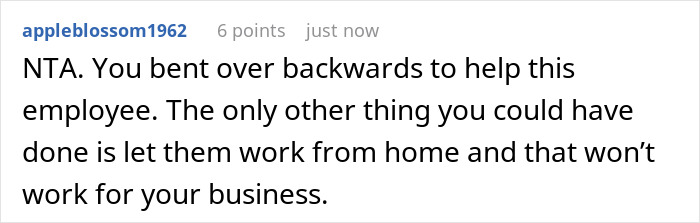
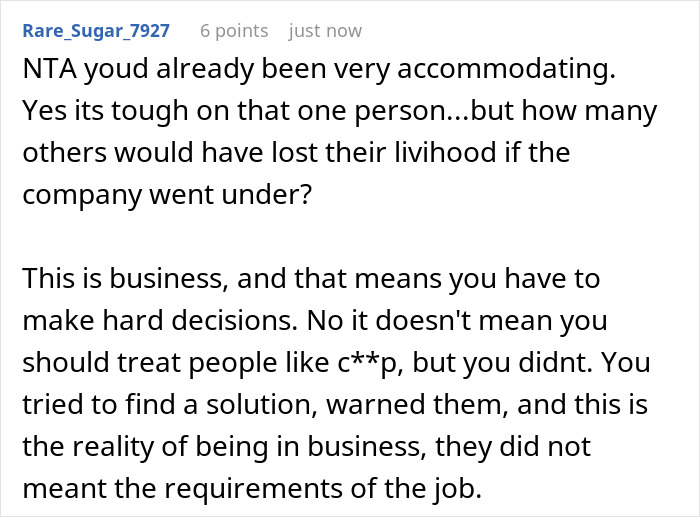
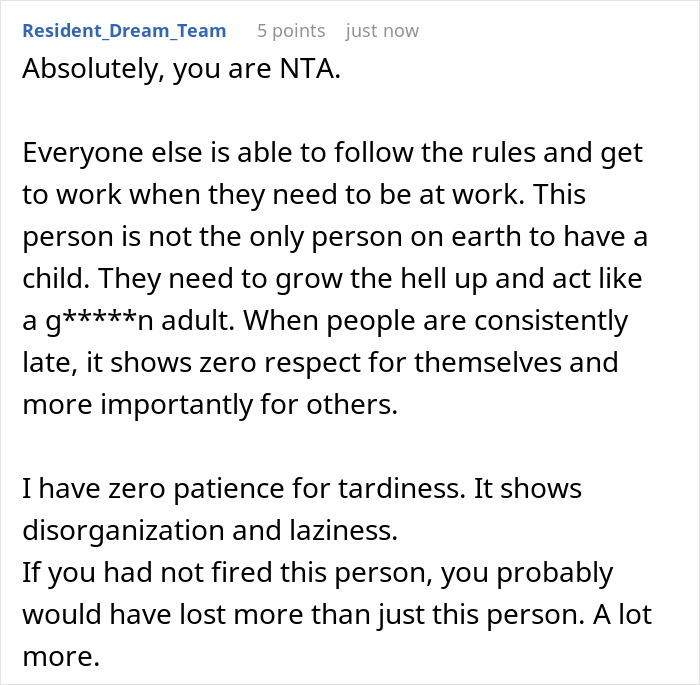
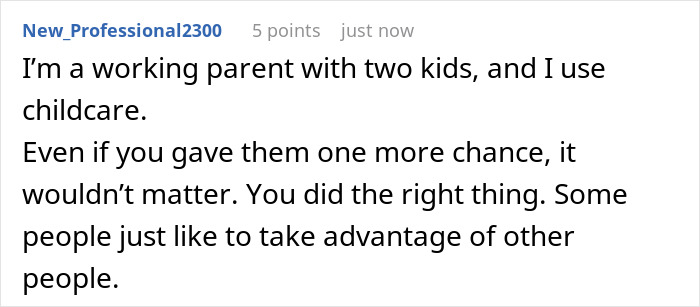
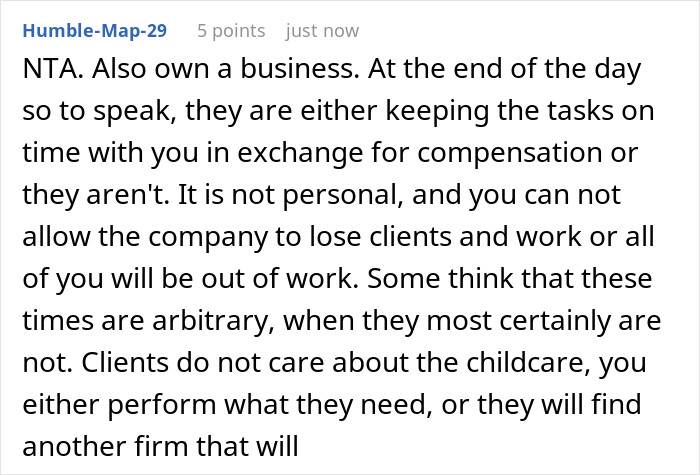
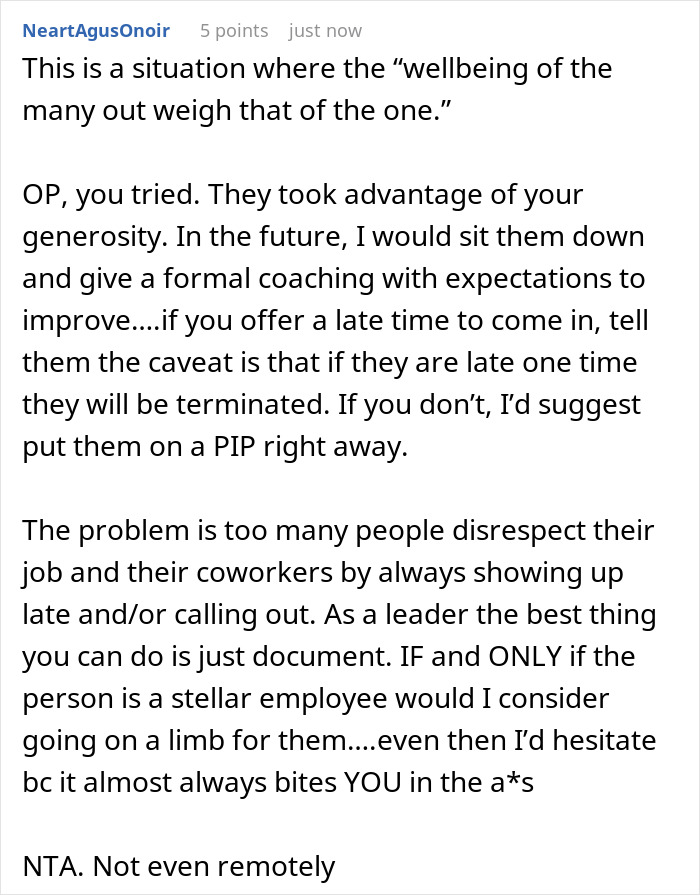

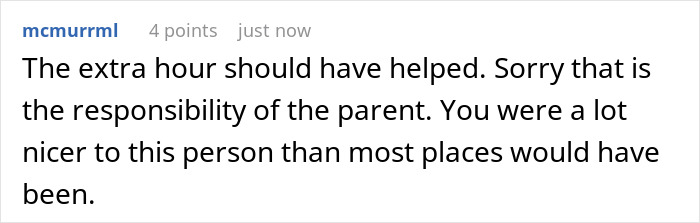
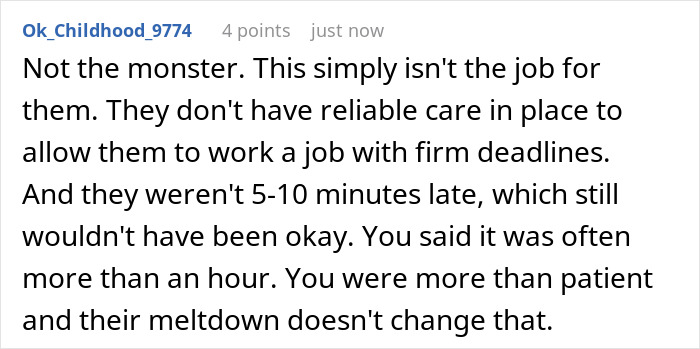
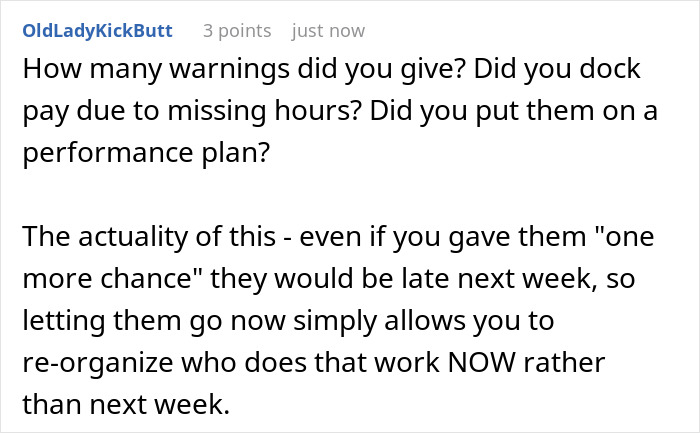
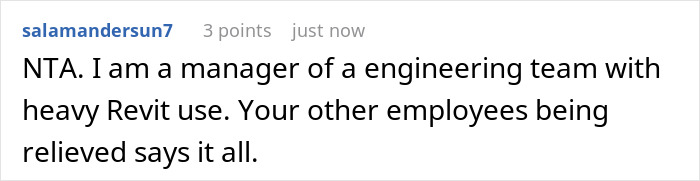
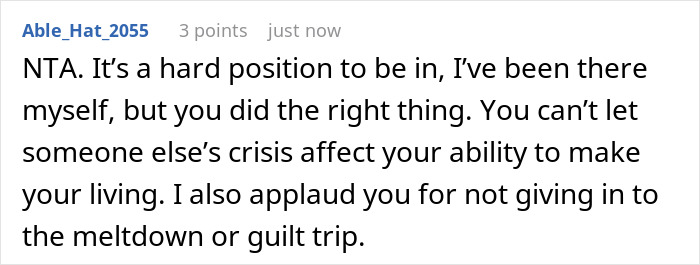

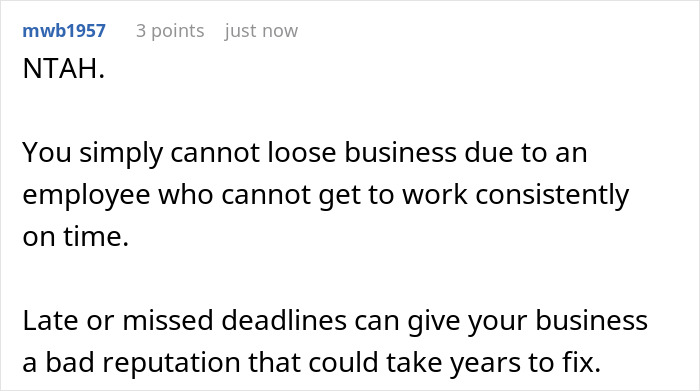
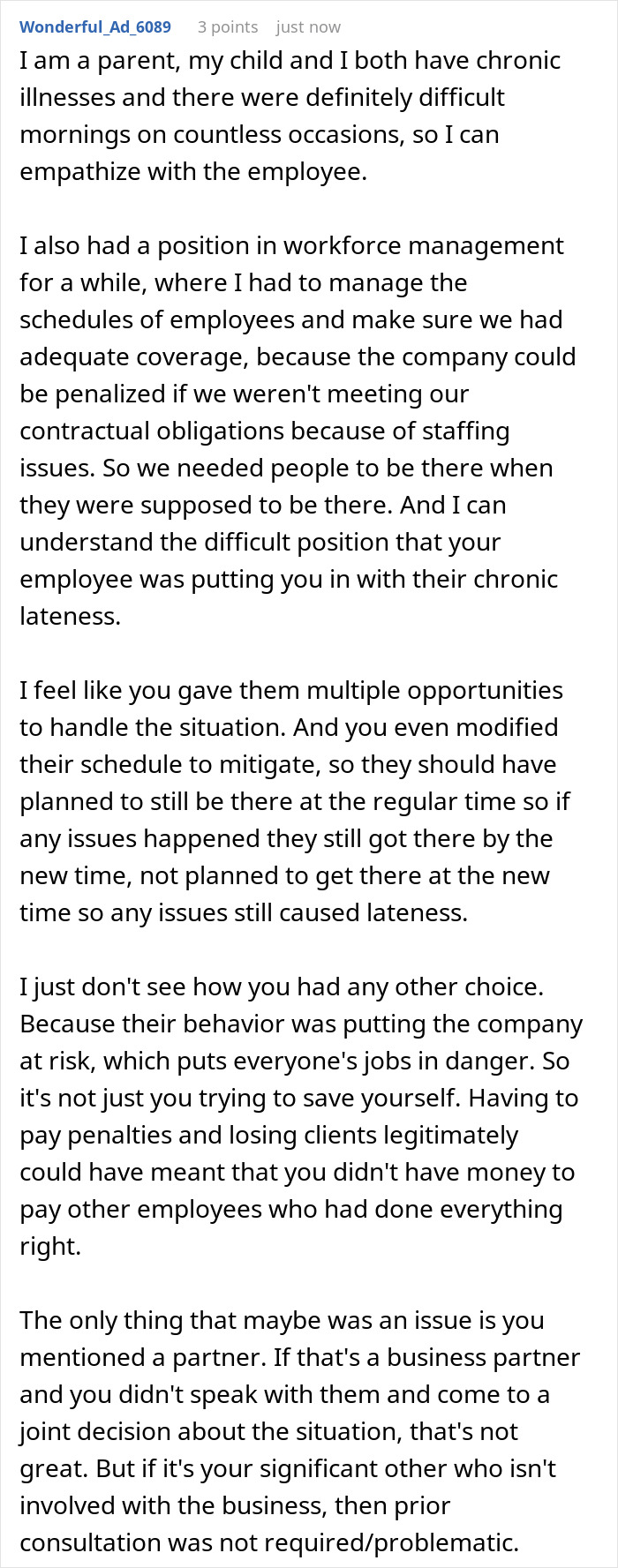


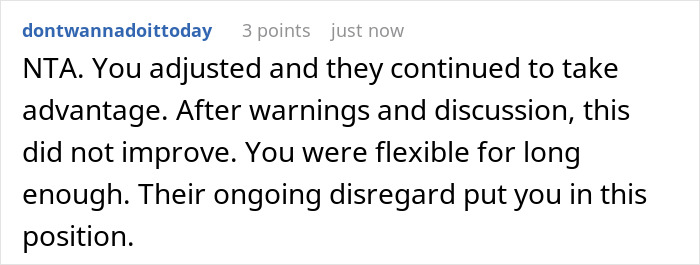
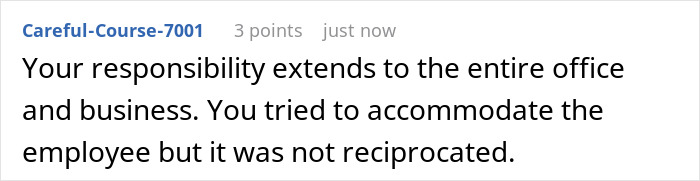
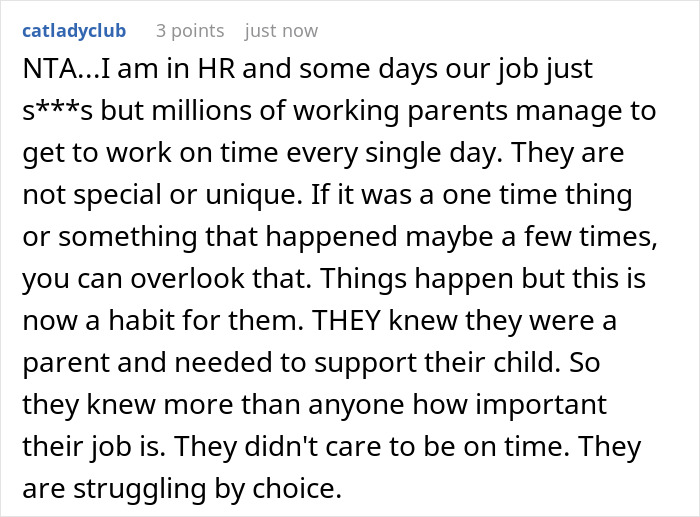
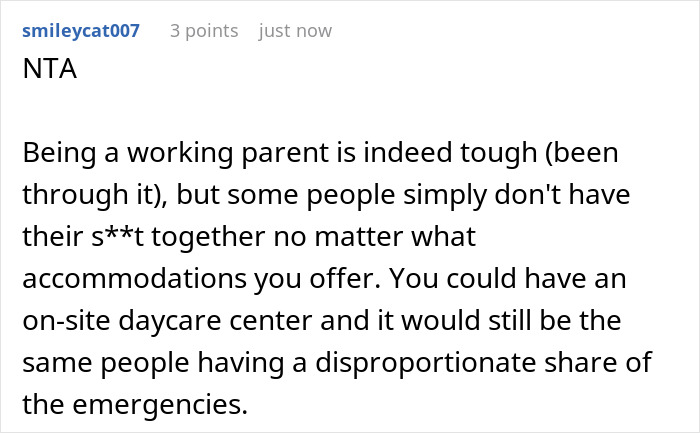
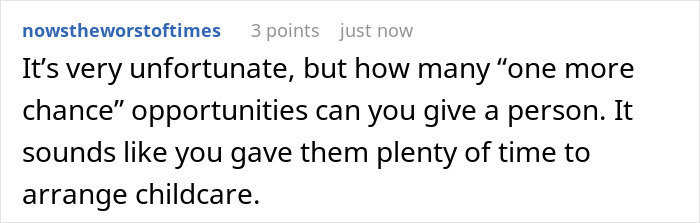


You are punishing a slack employee who did not value the job enough to respect the impact it has on others. Her being a single parent has nothing to do with work ethos.

I have had the experience of working with struggling, single parents. Were there occasional issues? Of course, life happens. But if they are constantly having issues and being a detriment to the company, that is an inability to handle the responsibilities of both parenting and the job. They need to seek a more flexible job that can fit their lifestyle.
Load More Replies...
The distress OP is feeling is their base humanity crying out despite the actions they have to take for the greater good. It doesn't matter that nobody knows or cares about said suffering but it's crucial for OP to keep that voice alive.

You are punishing a slack employee who did not value the job enough to respect the impact it has on others. Her being a single parent has nothing to do with work ethos.
I have had the experience of working with struggling, single parents. Were there occasional issues? Of course, life happens. But if they are constantly having issues and being a detriment to the company, that is an inability to handle the responsibilities of both parenting and the job. They need to seek a more flexible job that can fit their lifestyle.
Load More Replies... The distress OP is feeling is their base humanity crying out despite the actions they have to take for the greater good. It doesn't matter that nobody knows or cares about said suffering but it's crucial for OP to keep that voice alive.




































 No fees, cancel anytime









31
11