Get Premium
Dark mode theme is available exclusively for premium users. Learn more about the benefits of subscribing.
No fees, cancel anytime.

 Dark Mode Ad-Free Browsing Unlimited Content
 Ad-Free Browsing Unlimited Content Dark Mode
Join 1.2 million Panda readers who get the best art, memes, and fun stories every week!
Beyoncé sang it best in her hit song Ego when she declared, “It’s just too big.” Anyone who is seriously scared of large things might very well relate. While it’s considered an irrational fear, it’s a very real part of life for those with megalophobia. Tall buildings, huge trucks, vast lakes and even gigantic animals can send them into a flat spin of anxiety. Or have them avoiding situations and places altogether.
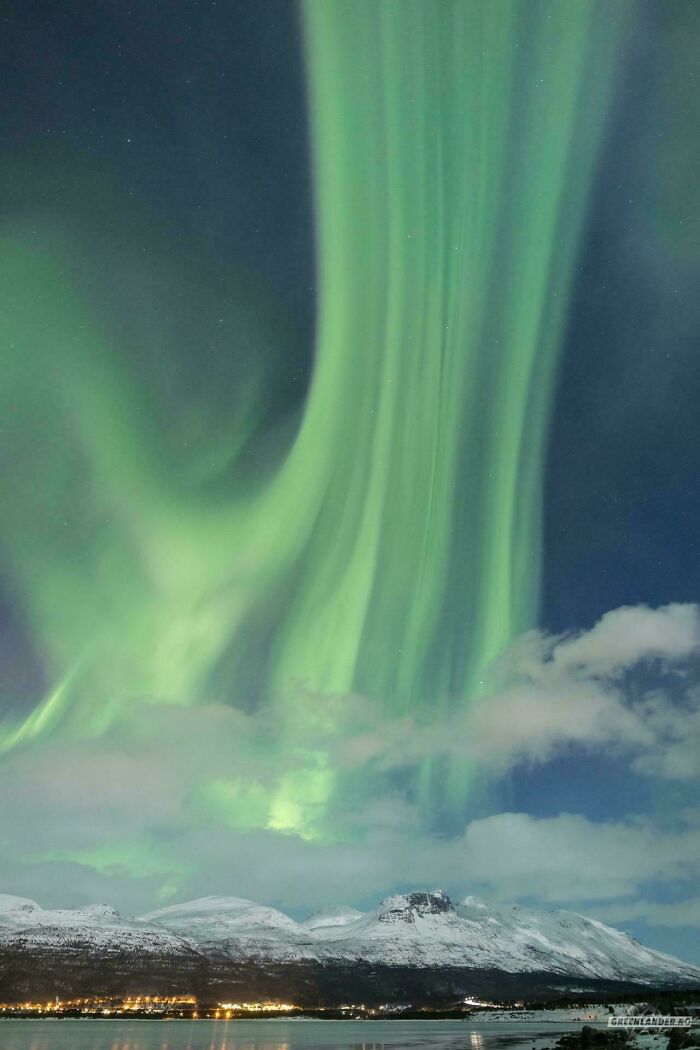
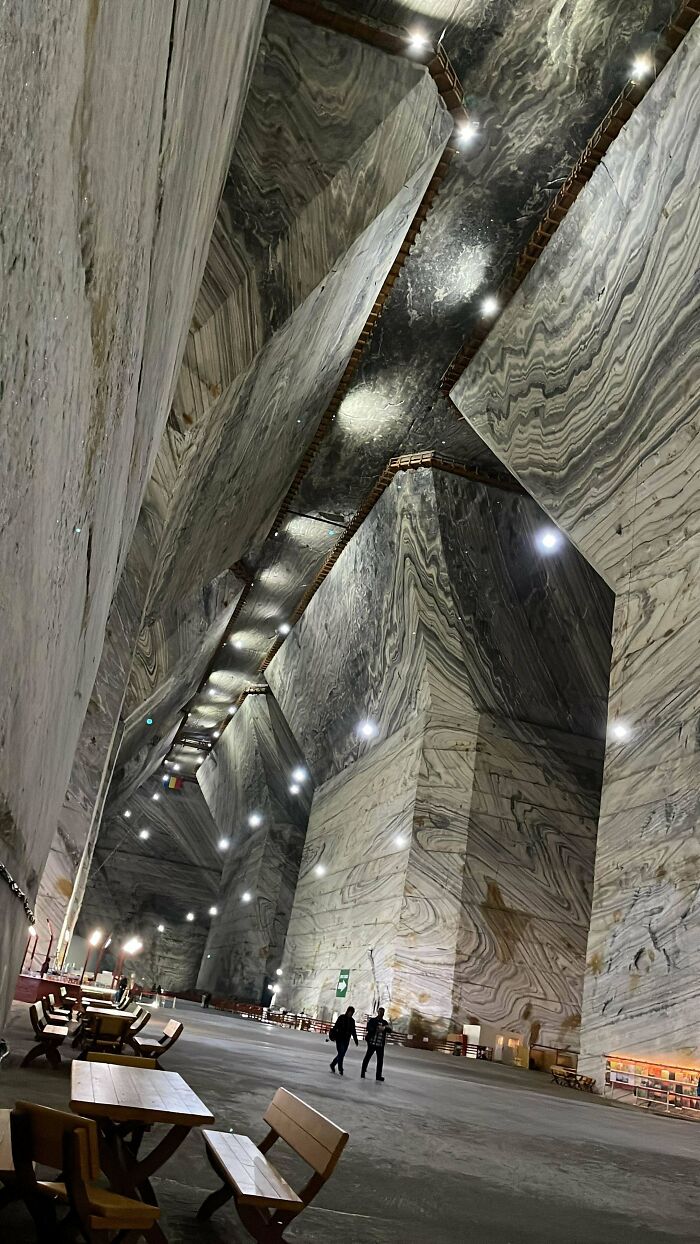
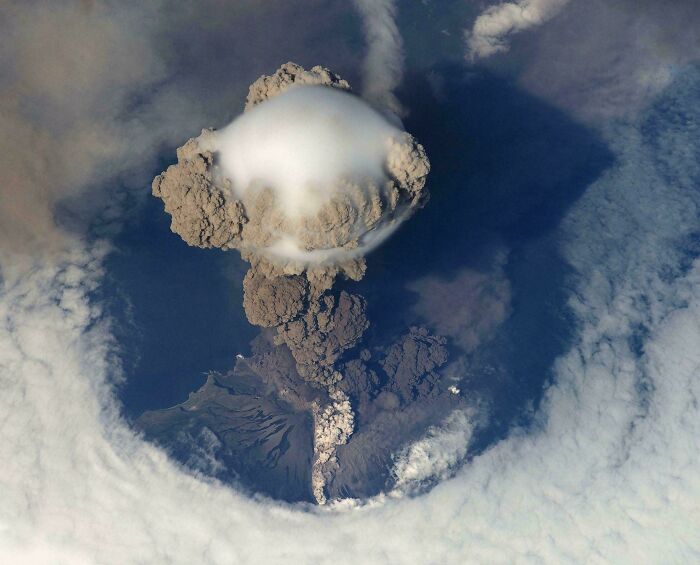
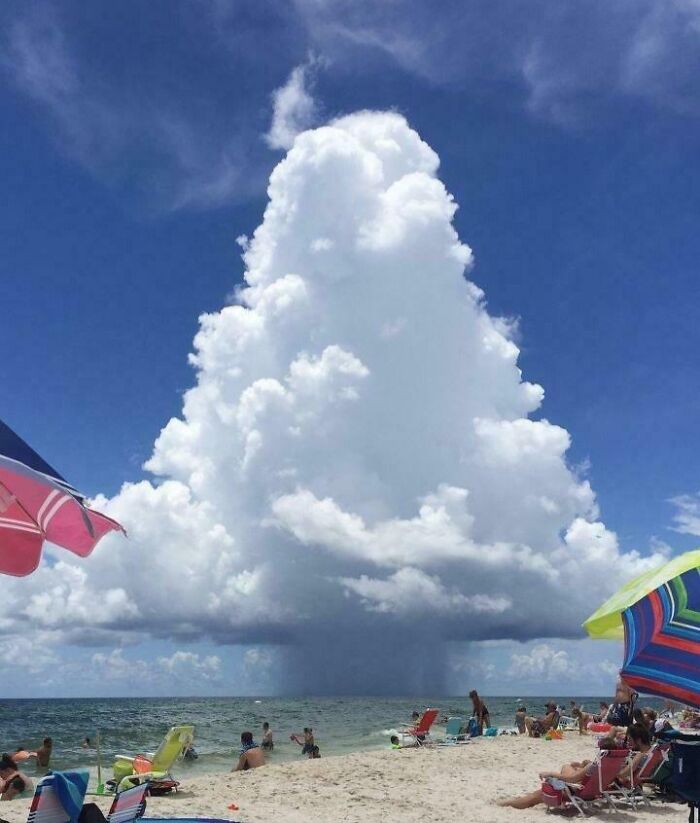
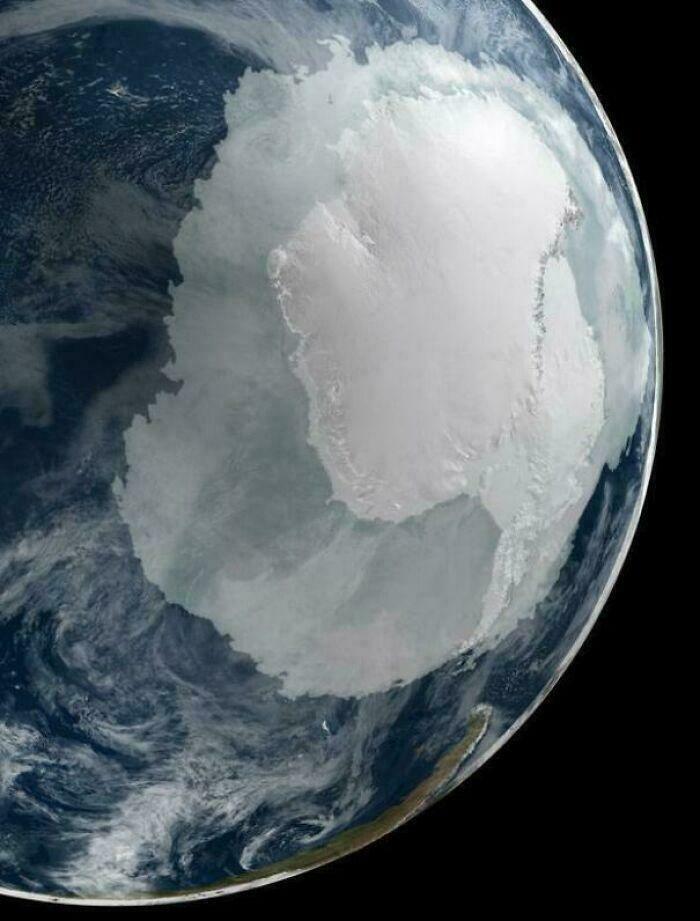
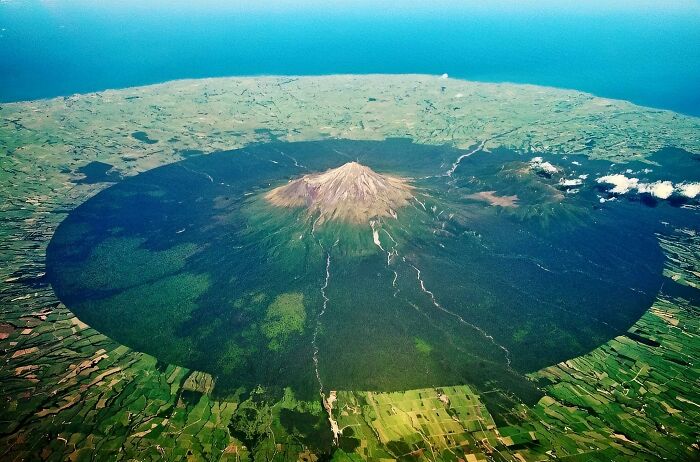
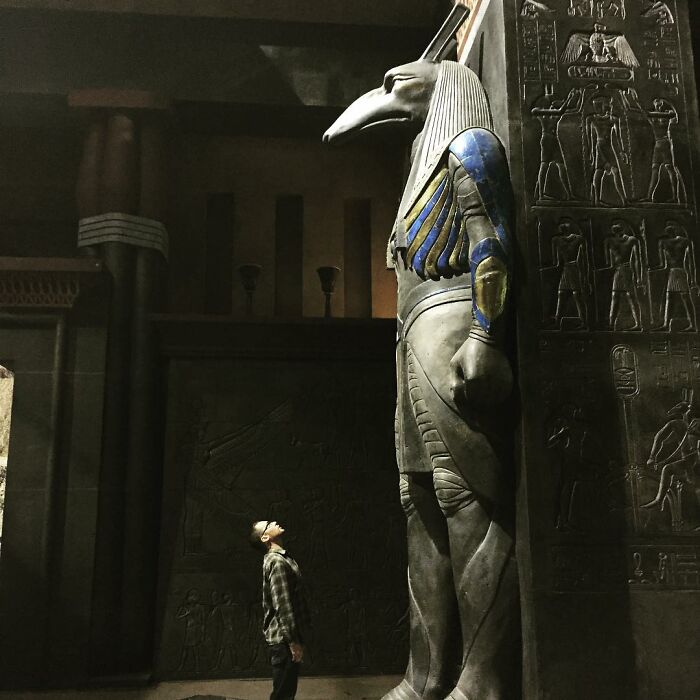
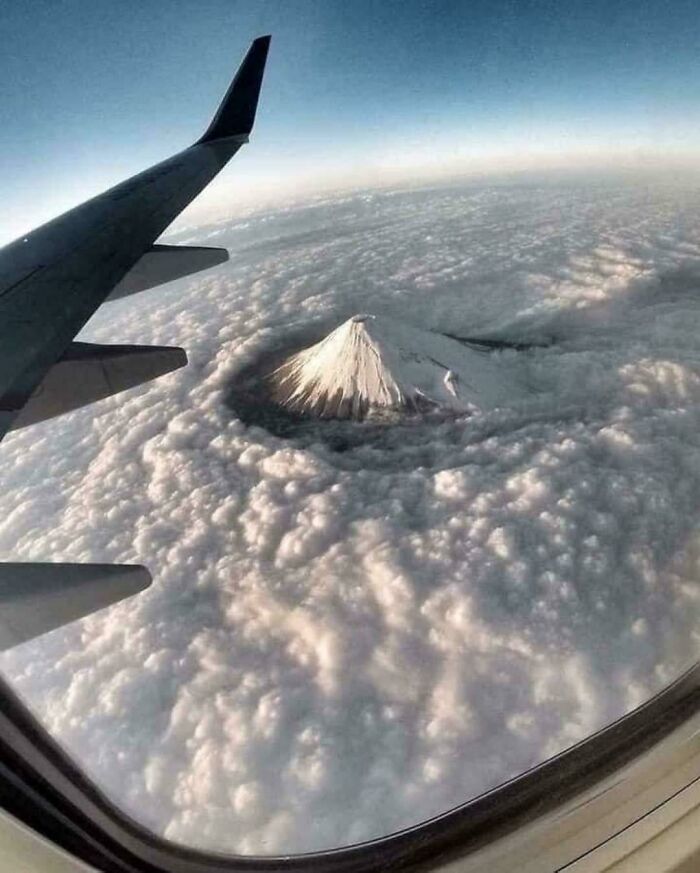
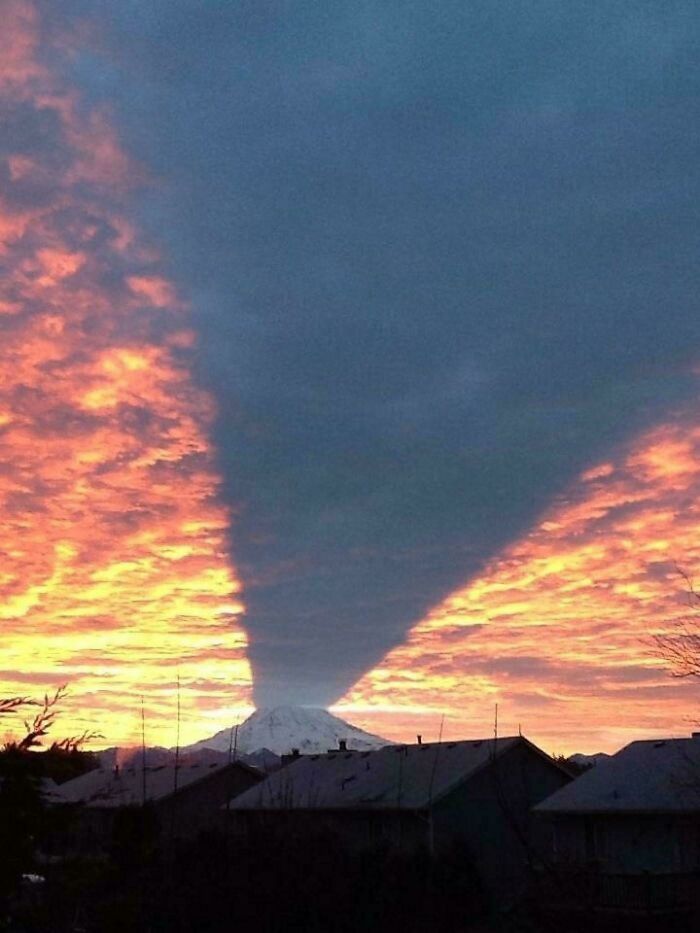
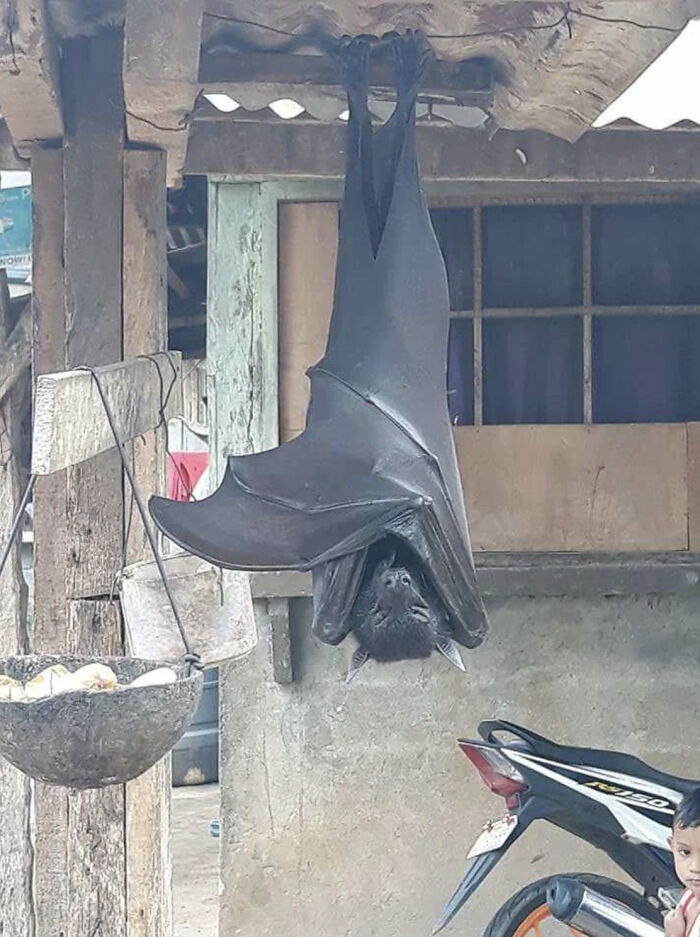
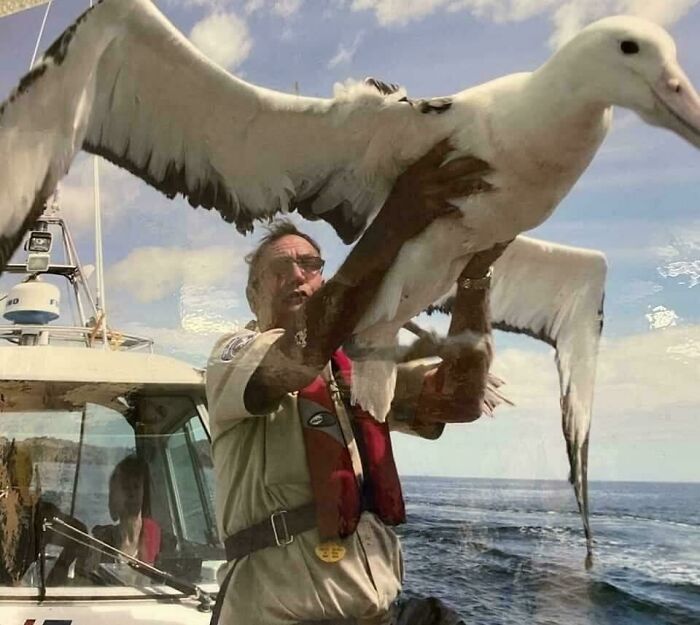
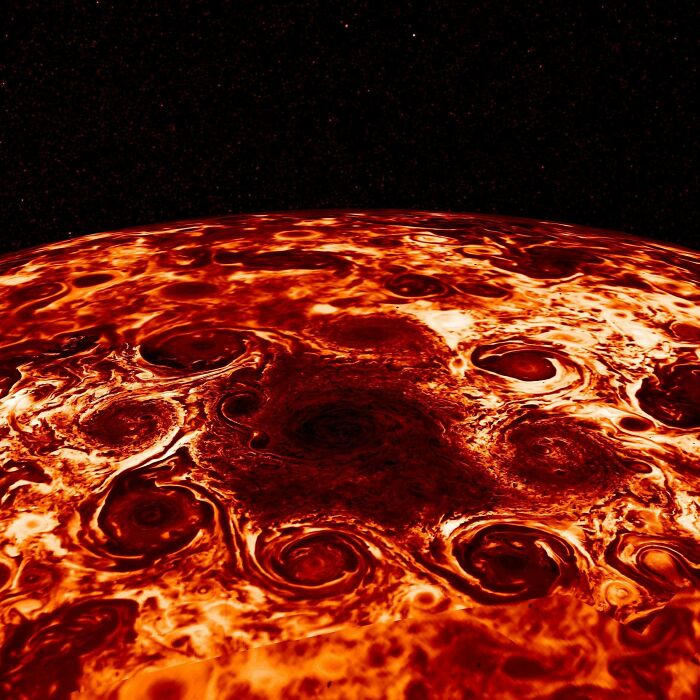
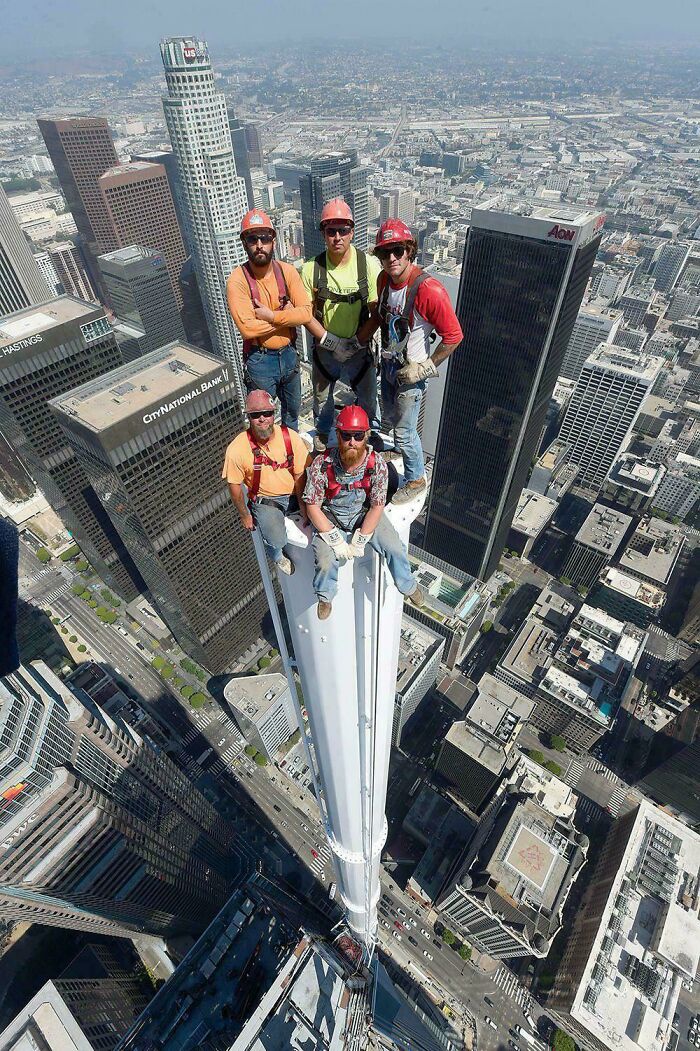
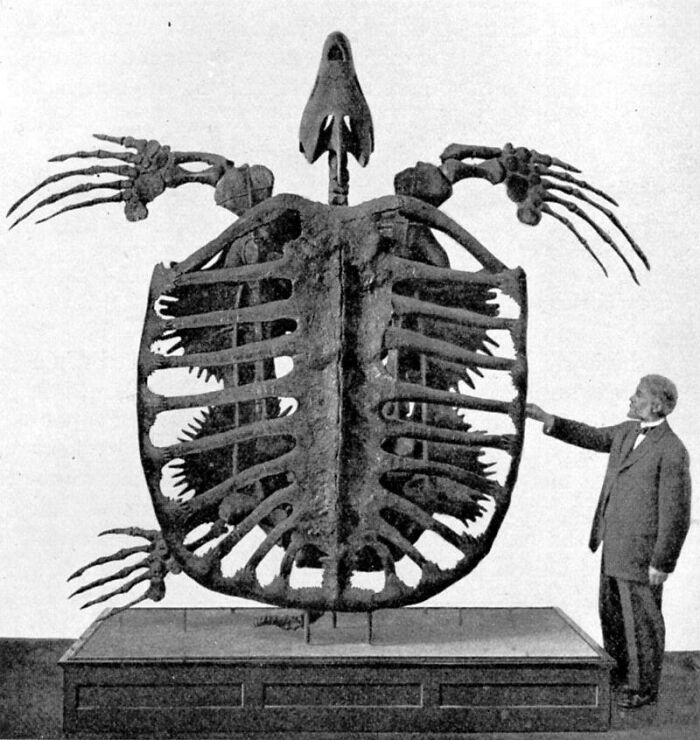
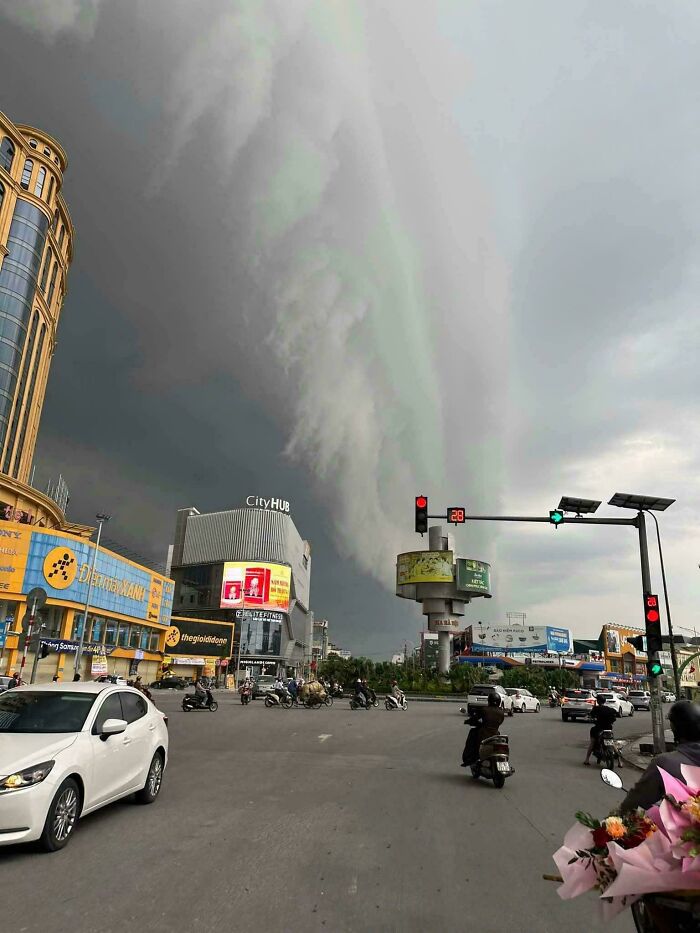
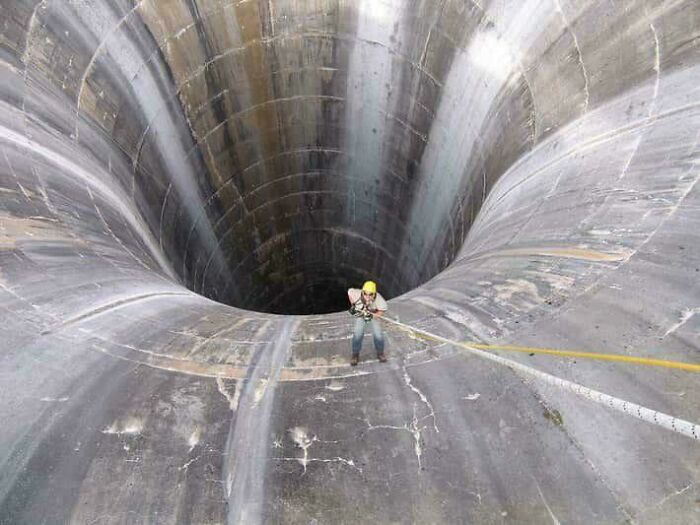
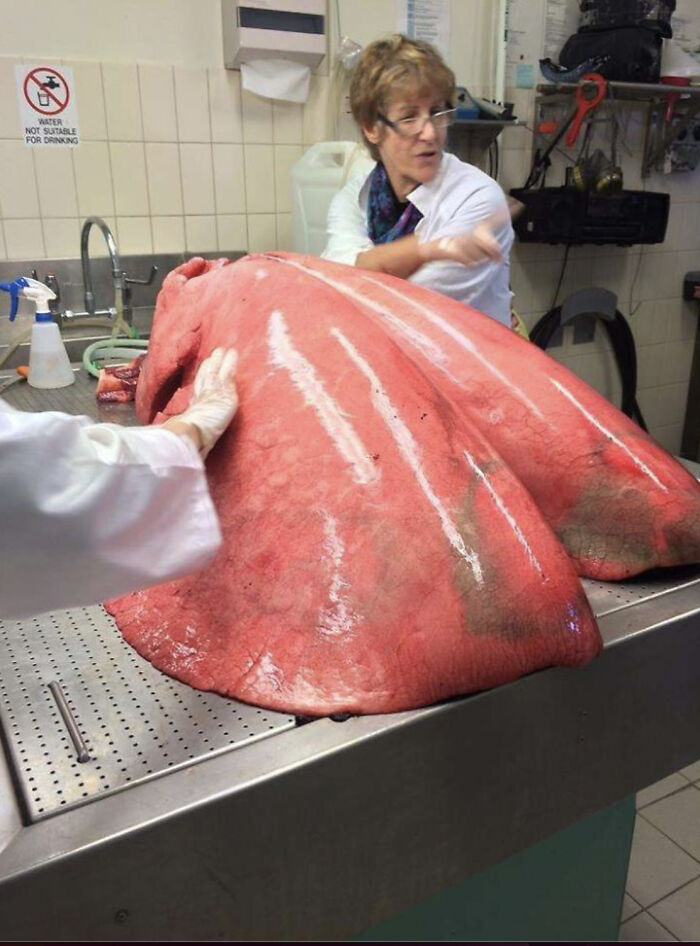
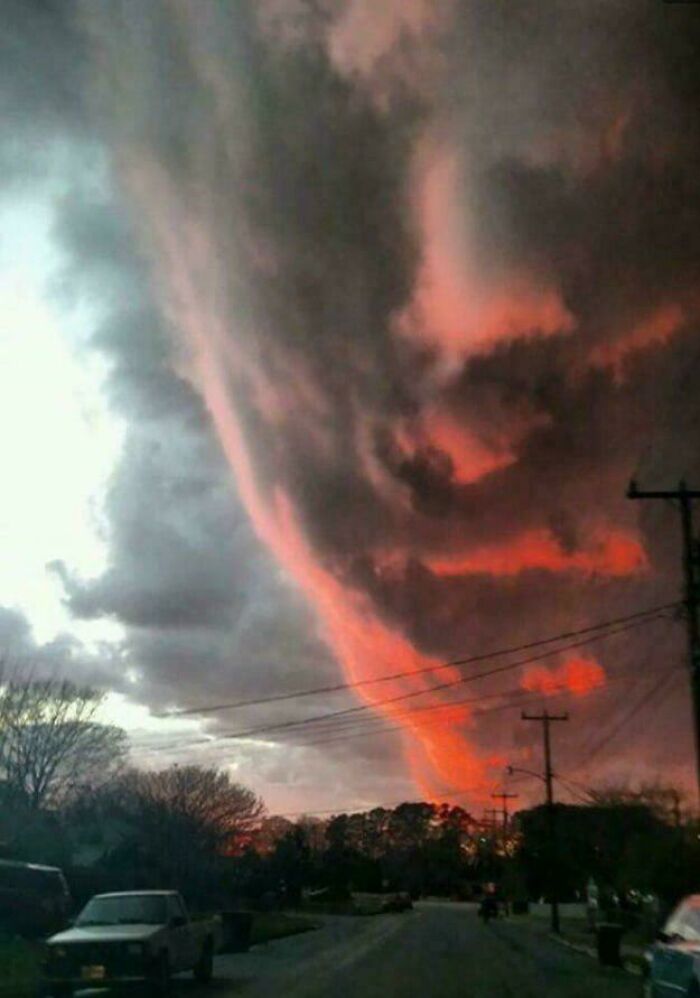
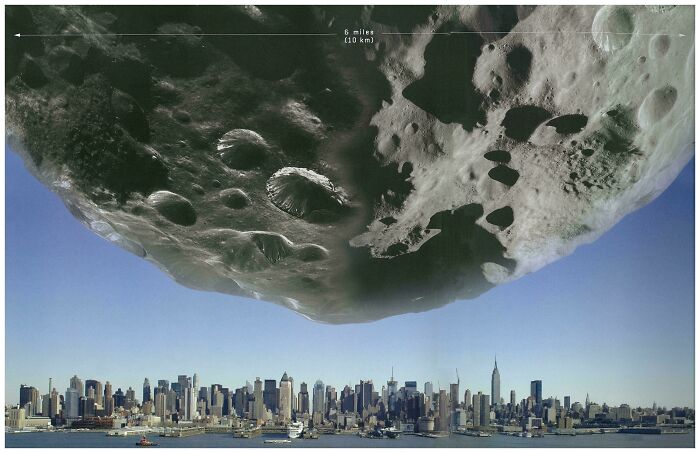
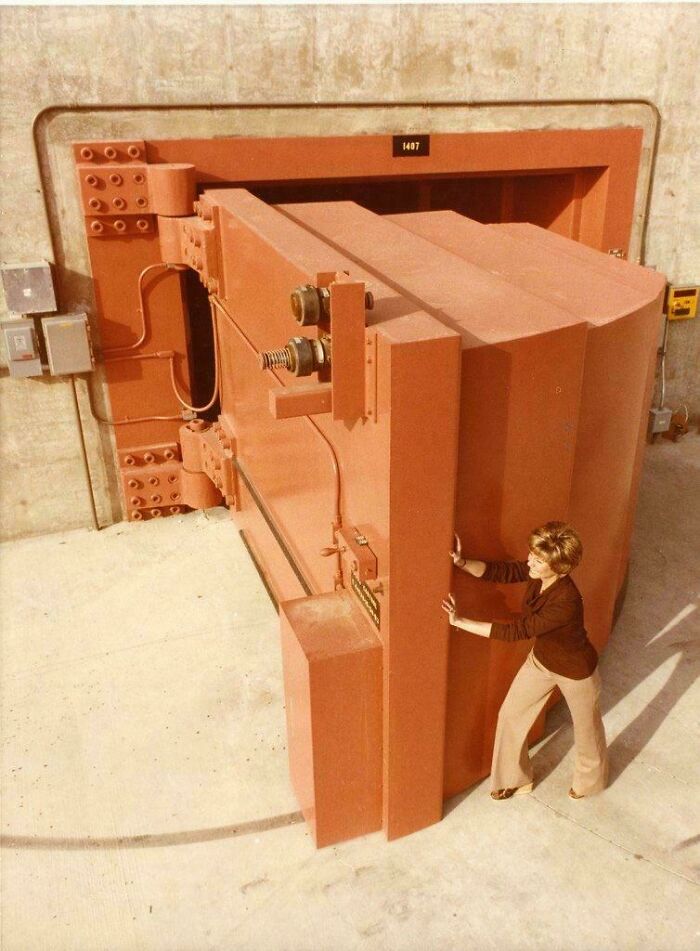
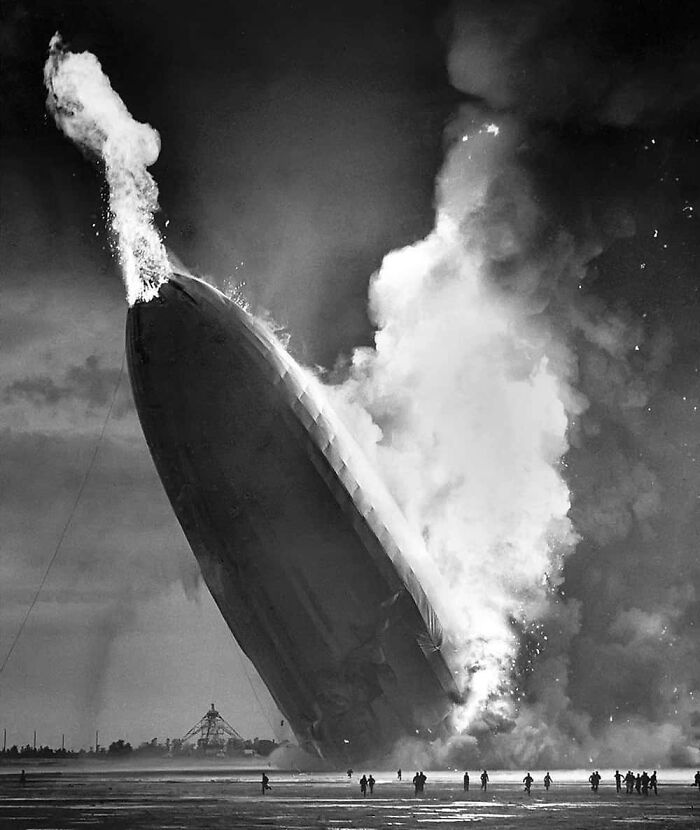
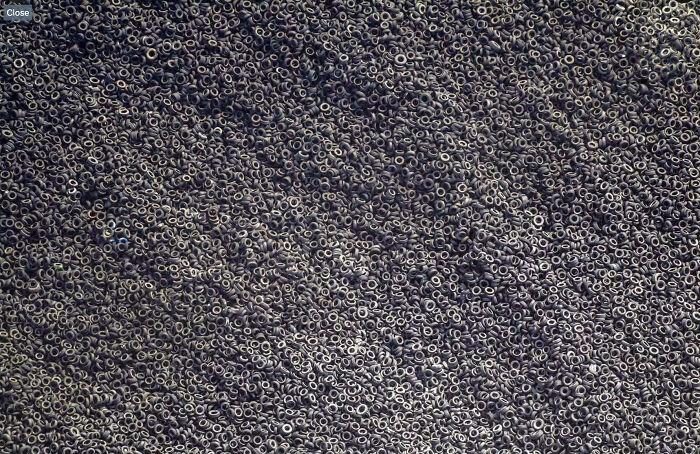
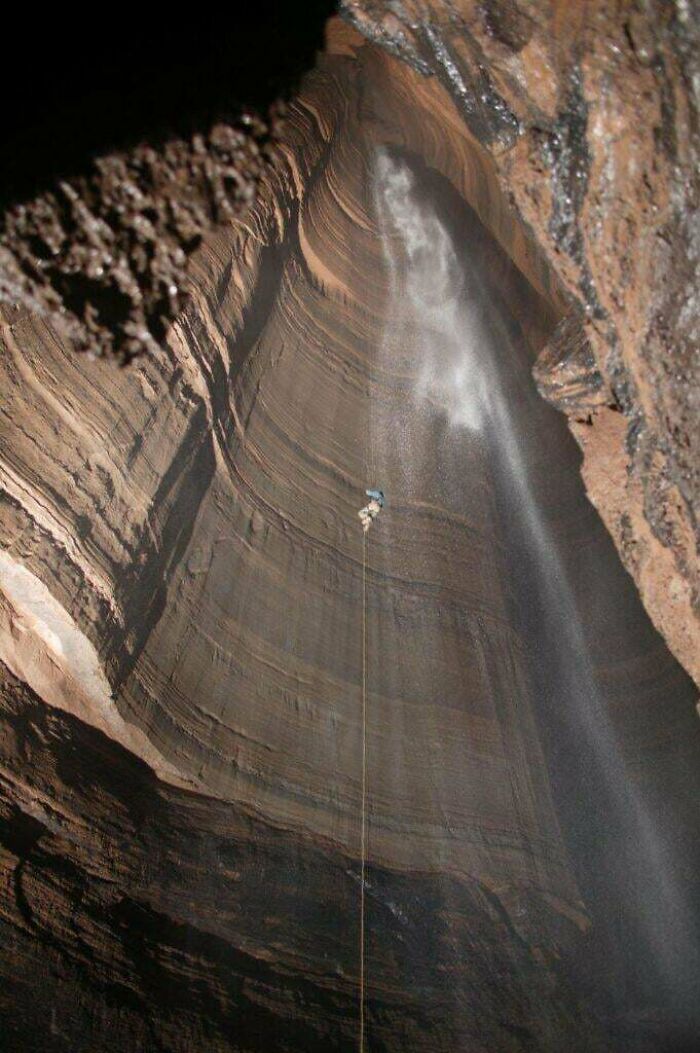
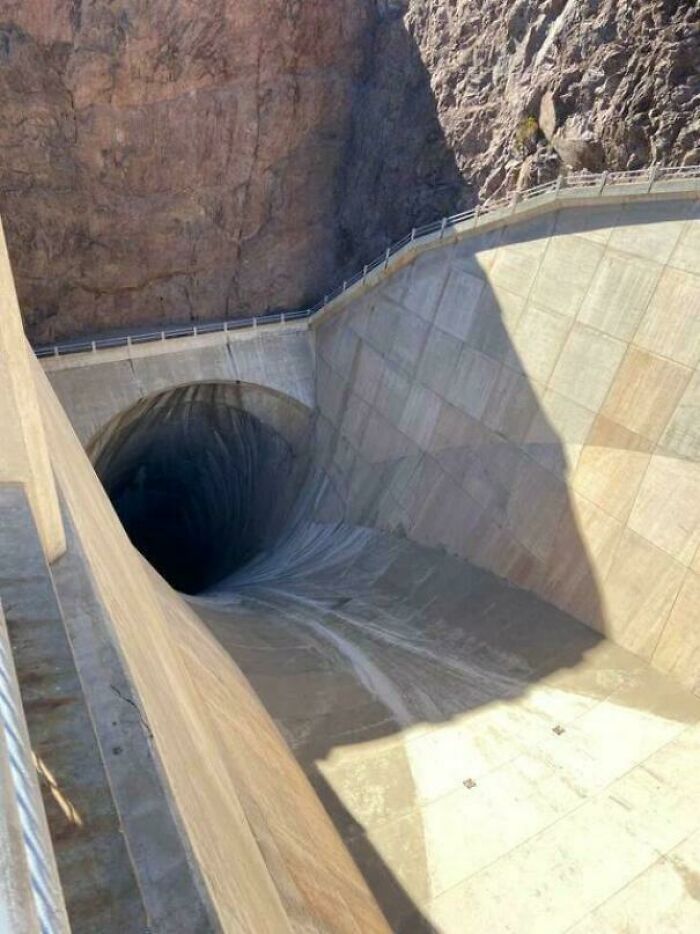
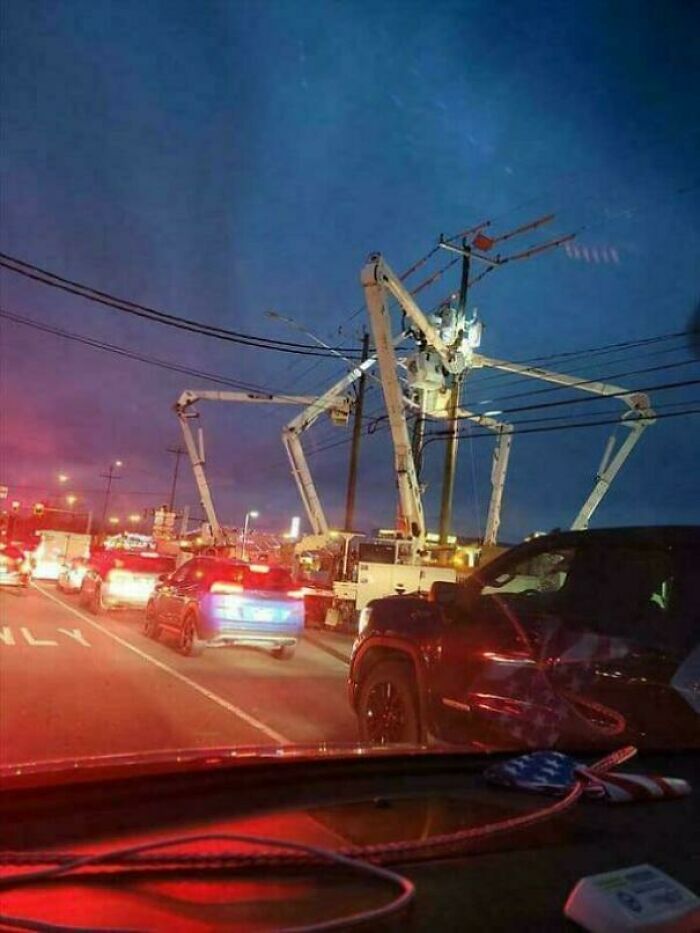
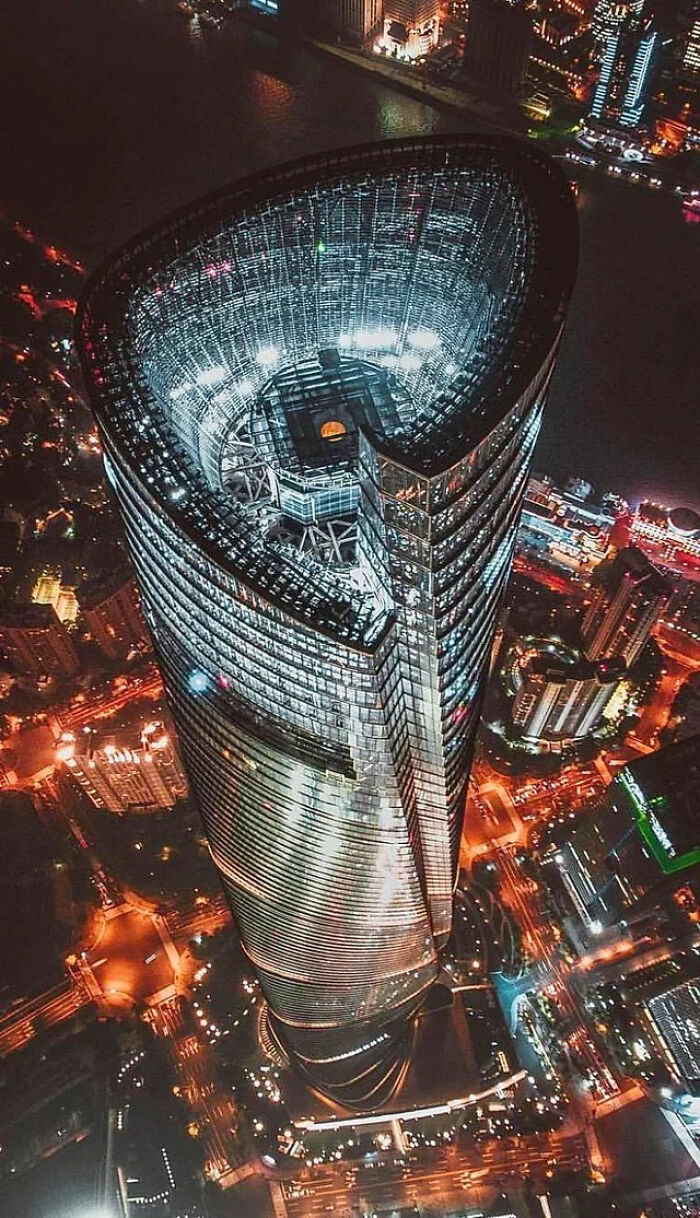
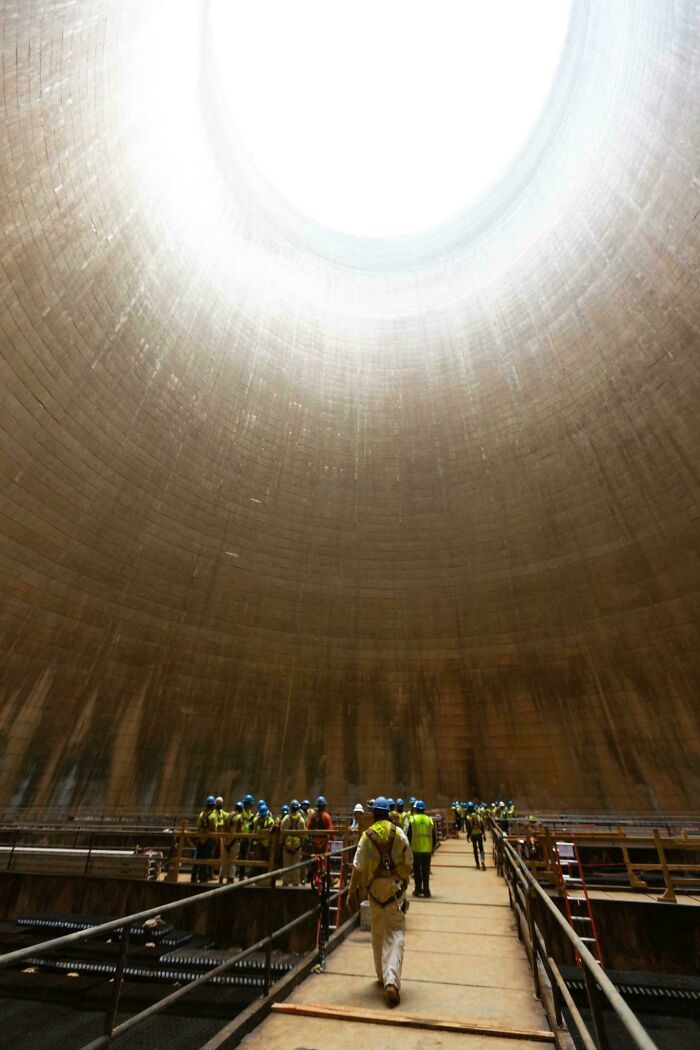
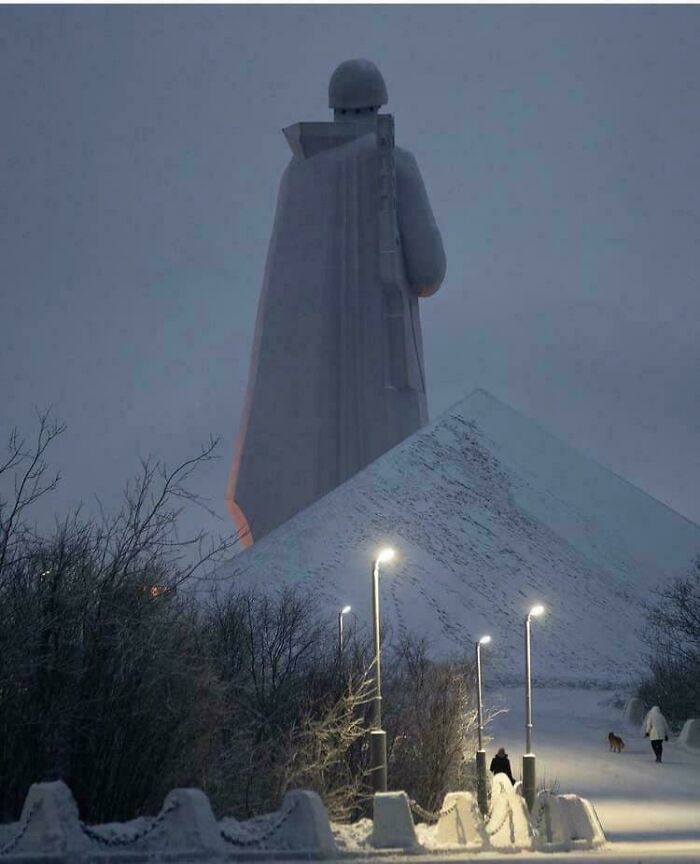
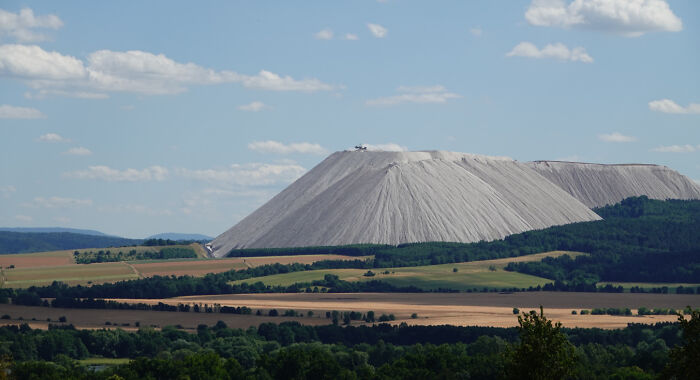
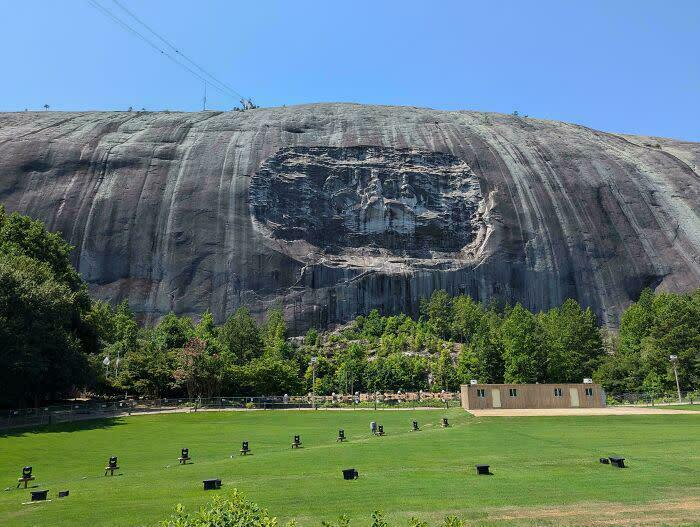
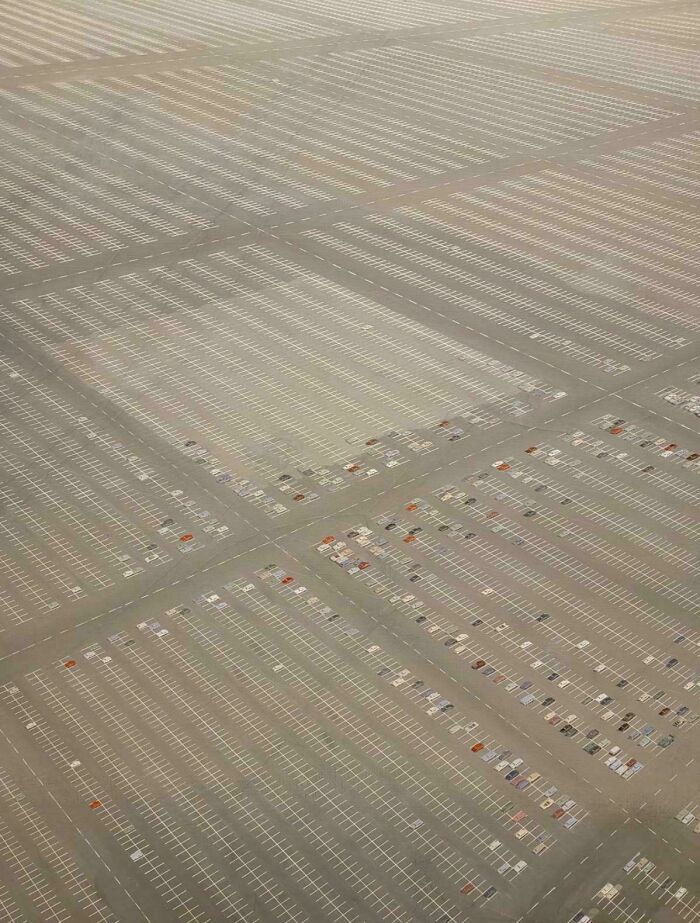
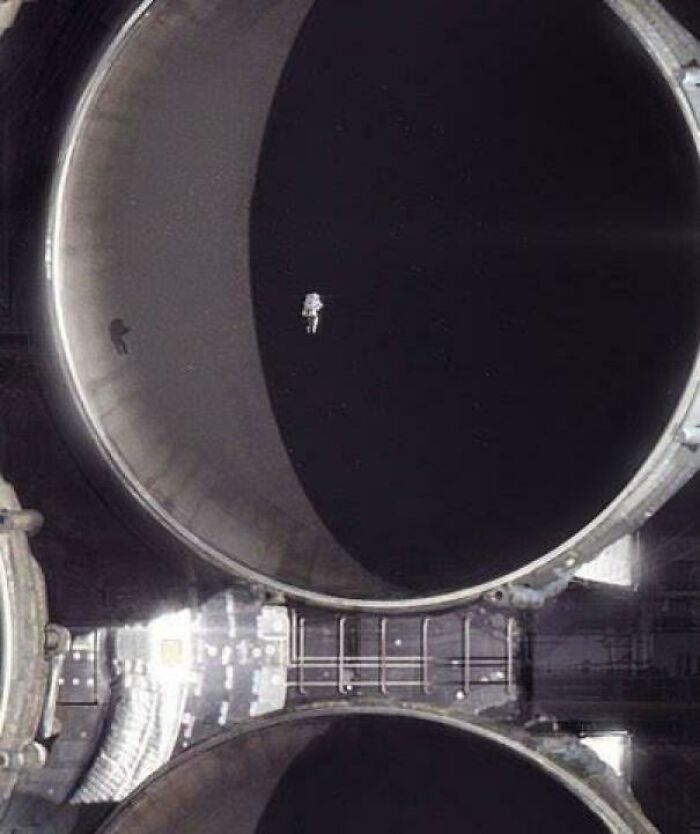
Trigger warning: If you’re wondering whether you're a megalophobe, the answer might just lie below. Bored Panda has put together a list of photos of freakishly big objects and living beings that people have spotted in the wild. They were posted by an online community called Megalophobia. It's somewhat of a virtual support group for anyone with a fear of large things, and a safe space to test your triggers if you suspect you may suffer from the phobia.
We also take a look at the bigger picture... What are the causes, the symptoms, and how can you overcome it? You'll find that info between the images.
This post may include affiliate links.
If any of these images make you want to run for the smallest hill you can find, you might just have megalophobia. It's a type of anxiety disorder in which a person experiences intense fear of large things.
Massive objects like large buildings, statues, vehicles and even living creatures can stir up fear and anxiety when a megalophobe merely thinks about them, or is around them. It's for this reason that people with the disorder will often simply avoid situations or places that have large objects.
While researchers aren't 100% sure of what exactly causes megalophobia, they believe it could have something to do with having negative or traumatic experiences involving a large object.
Some of the symptoms of megalophobia include feeling intense fear and anxiety, experiencing a rapid heartbeat, having shortness of breath, feeling dizzy and lightheaded, and/or nauseous, and having a strong desire to escape the large object or situation.
Just because one or all of the images on this list freaked you out, it doesn't mean you're definitely a megalophobe. To confirm that, you'd need a diagnosis from a health professional, and according to the Cleveland Clinic's experts, you typically have to have experienced persistent fear and anxiety of large objects for at least six months in order to be diagnosed with megalophobia.
Your doctor will most likely ask you a series of questions regarding your history, experiences and symptoms. They'd have to rule out any other physical or mental health conditions that could be causing your symptoms. And if you're in the United States, they'll use the criteria listed in the Diagnostic and Statistical Manual of Mental Disorders (DSM-5) to confirm a diagnosis of megalophobia.
Cleveland Clinic's site notes that generally, phobias have at least four criteria for diagnosis. The first is intense and unreasonable fear, meaning the fear of the object or situation is "persistent and out of proportion to an appropriate level of fear."
The next is what's known as anticipatory anxiety. "An individual who has a phobia tends to dwell on or dread future situations or experiences that will involve the object or situation they are afraid of," explains the clinic's site.
Those diagnosed with a phobia will also exhibit avoidance. Basically, they'll actively avoid the thing they fear and won't put themselves in a situation where they might encounter it.
The fourth criterion one would have to meet to be diagnosed with a phobia is that it interferes with day-to-day activities. The fear they experience would have to limit their everyday life in some way.
Desensitization/exposure therapy, on the other hand, will put you face-to-face with the objects that trigger your fears, hopefully helping you to overcome them.
"If you have megalophobia and participate in exposure therapy, your therapist or psychologist may begin with talking about large objects. They may then gradually move on to showing you pictures of large objects," explains the Cleveland Clinic site. "Next, they may have you look at and be near a large object in person. The process of exposure therapy is slow and gradual. Your therapist or psychologist will tailor the pace of the therapy to your needs."
Then there's also traditional talk therapy, or even group therapy.
"While it’s tempting to avoid the large objects that cause fear with your megalophobia, this strategy will only make it more difficult to cope with your condition in the long-term," warns the Healthline site. "Instead of avoidance, it’s best to expose yourself to your fears little by little until your anxiety starts to improve."
Relaxation can also help you to cope. So, if you encounter a large object and feel your anxiety start to rise, you could try some deep breathing and visualization to calm yourself down.
Cleveland Clinic's site reports that only about 10% to 25% of people who have a specific phobia seek treatment for their condition, and that's because the rest choose to rather just avoid the object or situation that they fear. But experts warn against this...
"If you have megalophobia, avoiding situations that involve large objects can prevent you from enjoying certain things in life like traveling and can lower your overall quality of life," cautions the site. "This is why it’s important to seek treatment. Everyone deserves a high quality of life."
It adds that people who have a specific phobia and don’t seek treatment are twice as likely to develop an anxiety disorder and depression.





























 No fees, cancel anytime