Get Premium
Dark mode theme is available exclusively for premium users. Learn more about the benefits of subscribing.
No fees, cancel anytime.

 Dark Mode Ad-Free Browsing Unlimited Content
 Ad-Free Browsing Unlimited Content Dark Mode
Join 1.2 million Panda readers who get the best art, memes, and fun stories every week!
38submissions
Finished

History is what defined our civilization and will do so hundreds of years later. Written stories and famous artifacts have done the most to keep the records of humanity alive. Since you can’t change historical facts, famous ancient artifacts are here to support them and resolve the disputed ones. For this reason, a lot of historic artifacts are, one way or another, irreplaceable. But what makes an artifact valuable enough that it becomes so famous?
The most renowned artifacts are the ones that left a mark on the history of humankind. There are a lot of ancient artifacts that date back thousands of years before the rise of modern society. Modern ones are more creativity-based. From paintings to bells, a lot of them are considered cultural artifacts due to their significance to the local populace. These artifacts define the history of the culture that created them and humanity. The more pristine the condition — the more fame they will garner.
So, if you are like Indiana Jones, looking for historical artifacts, not in some ancient archaeology sites, but on the internet, you can call off your search! We have created a list of the best examples of artifacts that are famous all around the world. Look at the list below and expand your historical knowledge. If an artifact piqued your interest and you have never heard about it, be sure to upvote it. If you’ve heard about the listed artifact and would like to share more — leave a comment below!
This post may include affiliate links.
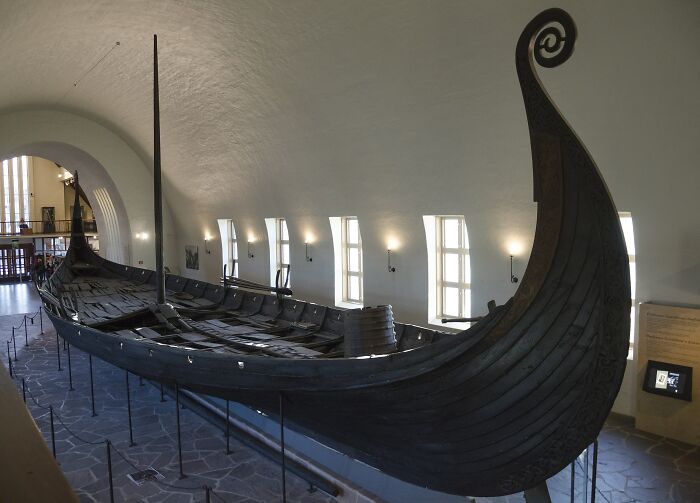
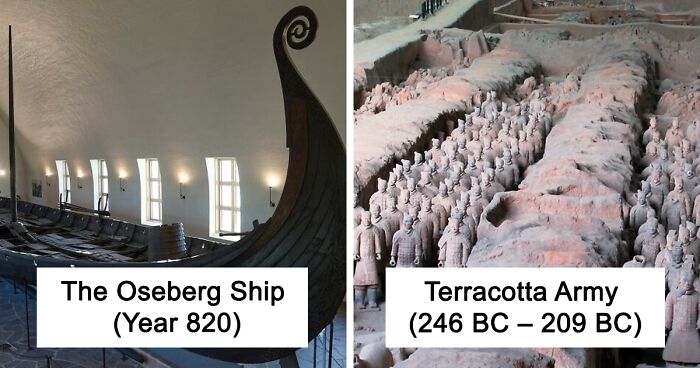
The Oseberg ship is an ornate Viking vessel made of oak that could be sailed or rowed. It was constructed in Norway around 820 AD and was discovered in 1904 in a large burial mound at the Oseberg farm near tønsberg. It is one of the most beautiful and well-preserved Viking artifacts ever found.
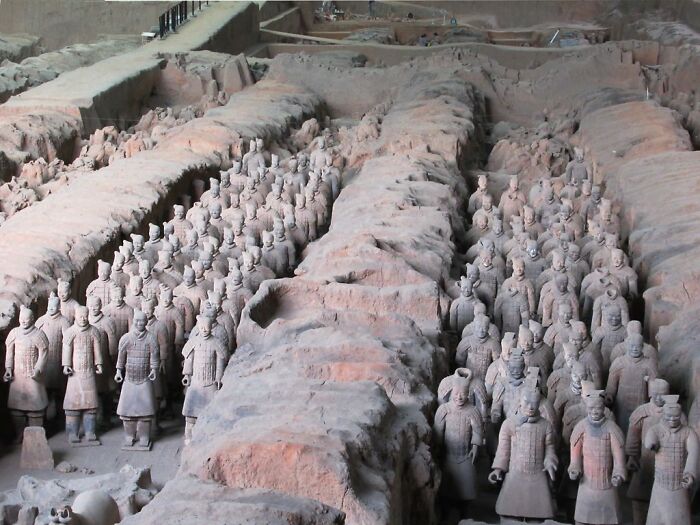
Unlike other historical artifacts, this funerary gift cannot be slipped into a sarcophagus or placed in the corner of a tomb — it consists of over 8000 statues of soldiers, statesmen, horses, and carriages. These clay soldiers were life-size and highly realistic, even holding functional weapons until curators replaced them for safety and preservation. Although only ten different facial models were used, each soldier appears to be unique.
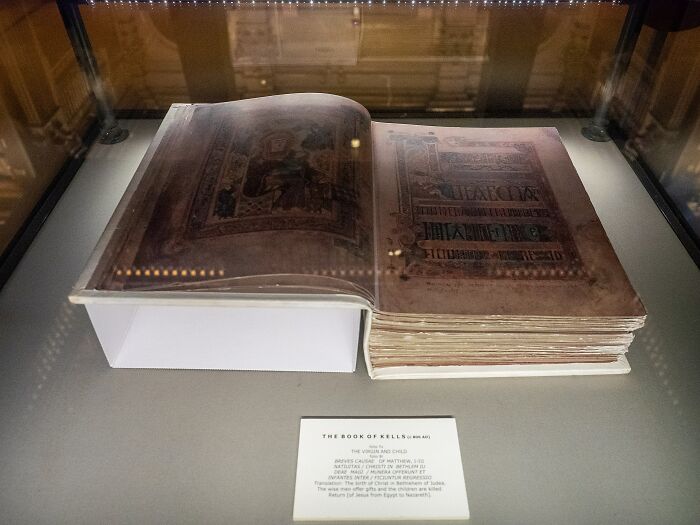
This four-volume Gospel book from the ninth century is Ireland's most famous medieval European manuscript, thanks to its rich decorative illuminations and masterful calligraphy. Its pages are filled with beautiful illustrations of people, animals, mythical beasts, and Celtic knots.
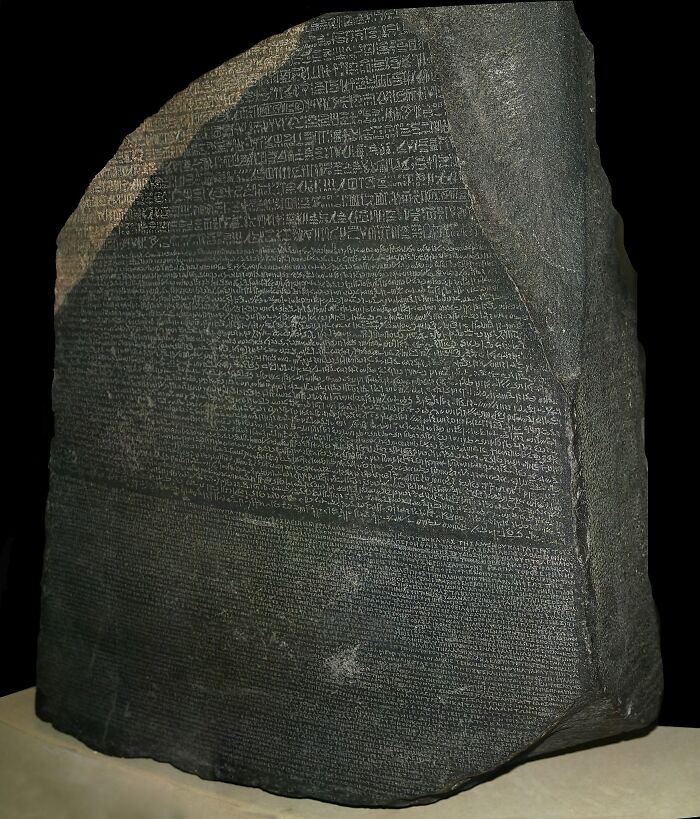
During Napoleon's Egypt campaign in the early 1700s, a group of French soldiers discovered a large, inscribed stone slab at Rosetta. Egyptologists quickly got to work on understanding the inscriptions. The slab and its accompanying text, which originally belonged to a temple, can be traced back to Ptolemy V's reign. The Rosetta Stone's discovery was most notable for its potential for reading Ancient Egyptian hieroglyphs.
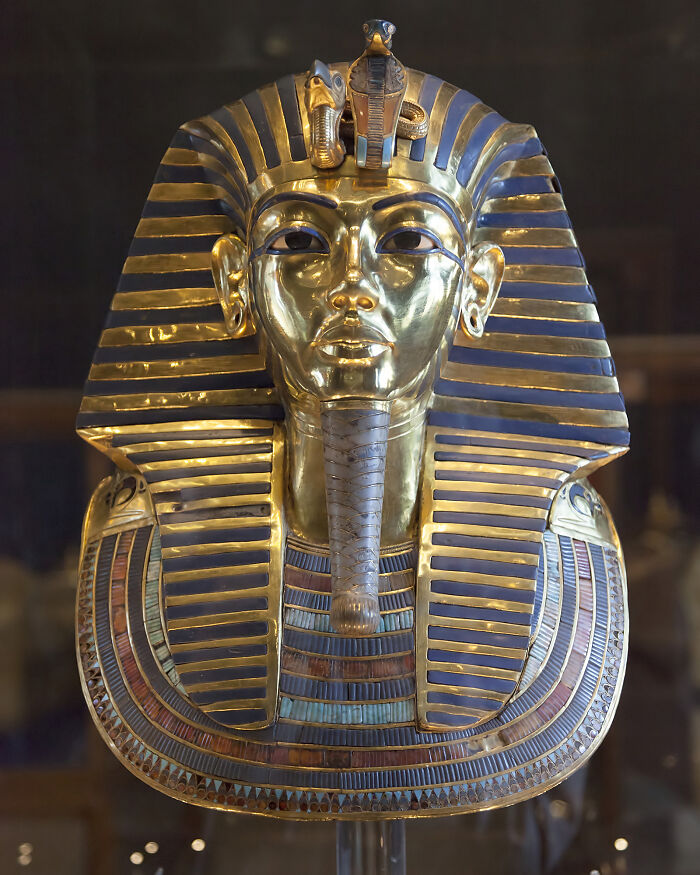
Possibly the most famous ancient artifact from the Egyptian world, the funeral mask of King Tutankhamun is a stunning fragment of both history and art. While the burial site was discovered in 1922, it took three more years to open the sarcophagus of the young ruler and transport it to the museum. The sculptor also used different materials when producing the piece, ranging from lapis lazuli to amazonite.
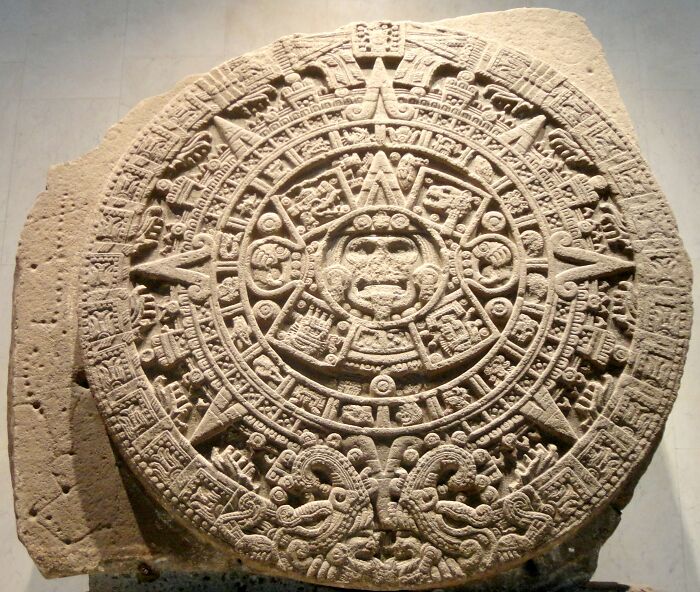
The Aztec Sun Stone, also known as the Aztec calendar, is a 24-ton sculpture carved in the 15th century to honor the Sun god Tonatiuh. It is now housed at Mexico's National Museum of Anthropology and has appeared on a lot of modern products. The five successive Suns from Aztec mythology are depicted on the Aztec Sun Stone.
Around 1500 B.C., the Greek island of Thera (now known as Santorini) suffered the same fate as Pompeii. A powerful eruption of the Thera volcano covered all traces of the thriving metropolis in several meters of volcanic debris when the Bronze Age settlement was at its peak. The city was not fully excavated until 1967, under the direction of Greek archaeologist Spyridon Marinatos.
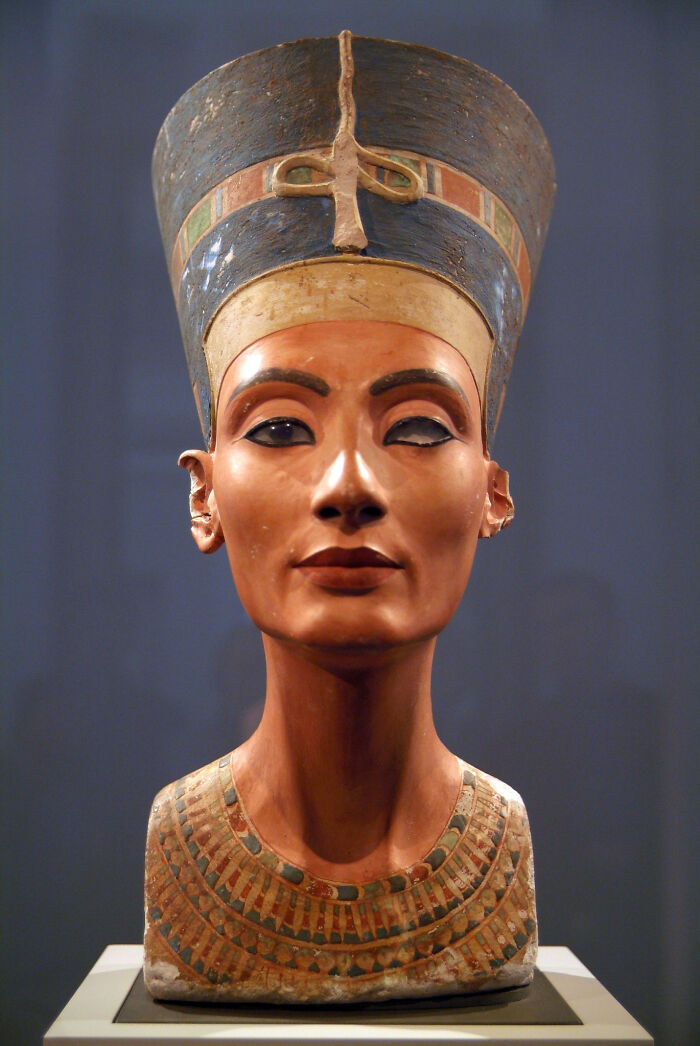
The Nefertiti Bust is a sculpture of the ancient Egyptian Queen Nefertiti, the wife of Pharaoh Akhenaten, who ruled in the 14th century BC. It is easily one of the most recognizable ancient world artifacts. The artifact is shrouded in mystery, controversy, and celebrity. Some believe she was a foreign queen, while others believe she ruled as Pharaoh after her husband passed away or that they ruled together.
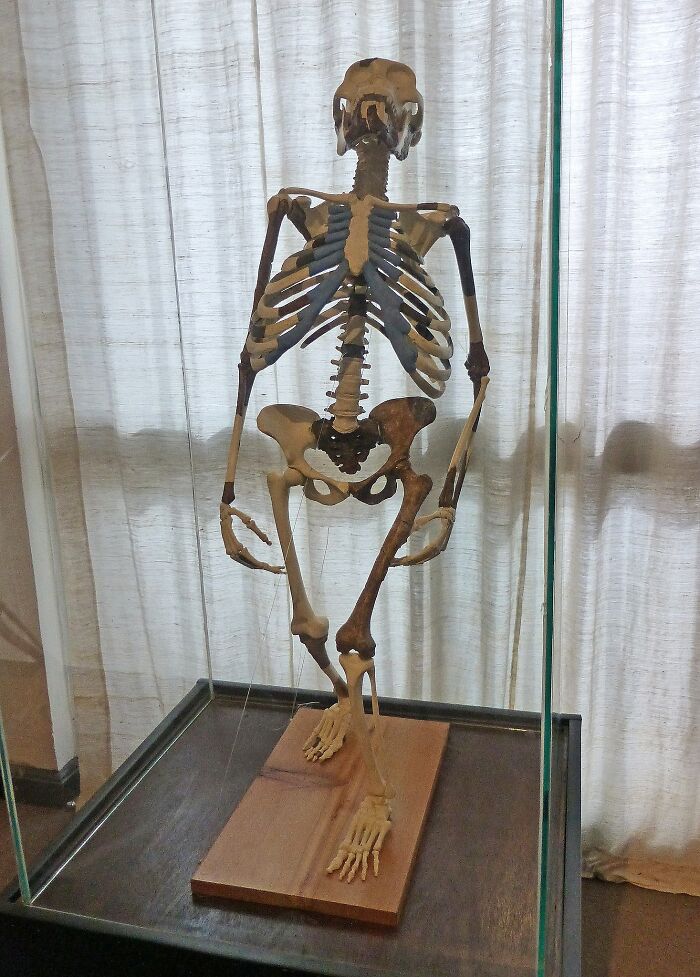
Nothing says old like a three million-year-old artifact. Happily named Lucy, she supports evolutionary theory and significantly contributes to our understanding of human origins. Lucy's skull and bone fragments represent 40% of a female hominid who lived 3.2 million years ago. Lucy set the stereotypes of women from three million years ago.
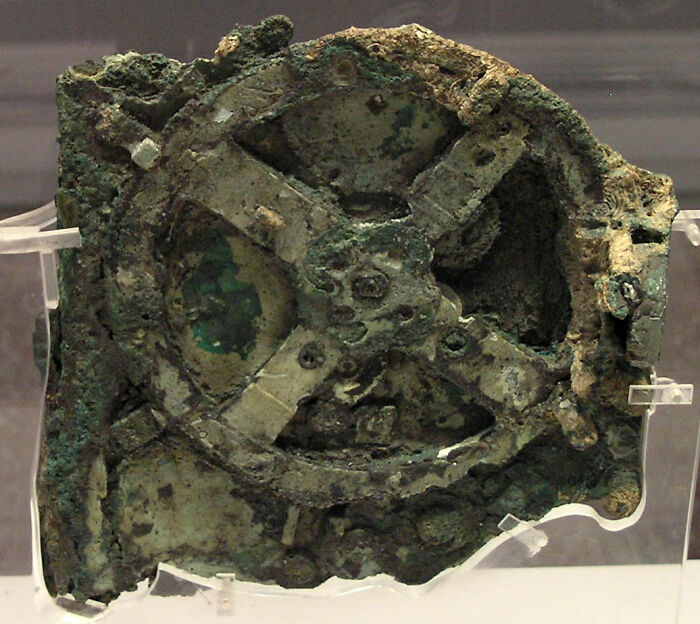
The Antikythera Mechanism is an enigmatic artifact. Archaeologists only realized the significance of the artifact two years after its discovery. Based on the ancient Egyptian calendar and the familiar zodiac system, the mechanism consists of multiple gears that, when rotated, reveal specific details about the date and the positions of the Sun and Moon.
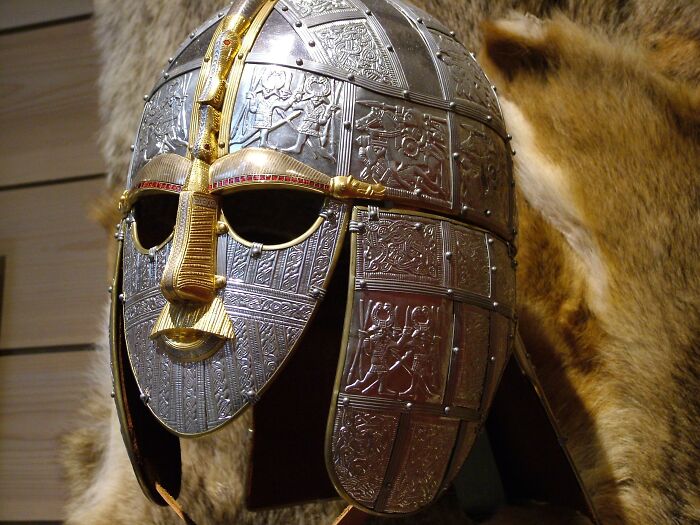
Sutton Hoo, in the east of England, is the location of several early medieval cemeteries, including an Anglo-Saxon ship burial, one of the most remarkable archaeological finds ever discovered in the United Kingdom. Archeologist Basil Brown discovered the remains of an 86-foot-long (27 m) ship loaded with treasures inside the mound and the skeleton of a long-dead Anglo-Saxon leader.
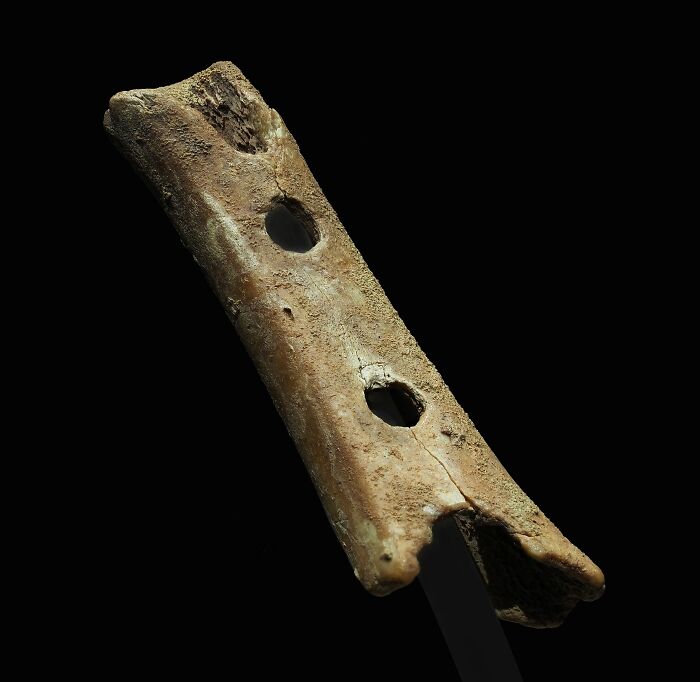
The Divje Babe flute is a piece of a cave bear's femur, perforated with spaced holes, and is approximately 50,000 years old. As people's perceptions of Neanderthals shift from barbaric, uncivilized brutes to more educated individuals, there is widespread agreement that the Divje Babe flute is a musical instrument. Discovered in a cave in Slovenia in 1995, the Divje Babe flute might be the oldest musical instrument.
Machu Picchu, one of the most visited archaeological sites on the planet, is a 15th-century Inca site perched high on a mountainside in Peru. In 1911, the late Hiram Bingham III, a Yale University professor, rediscovered the site. Until then, the ancient ruins had escaped the notice of Spanish conquistadors and settlers. Many archaeologists believe Machu Picchu was once the royal estate of Pachacuti Inca Yupanqui, an Inca ruler from the 14th century.
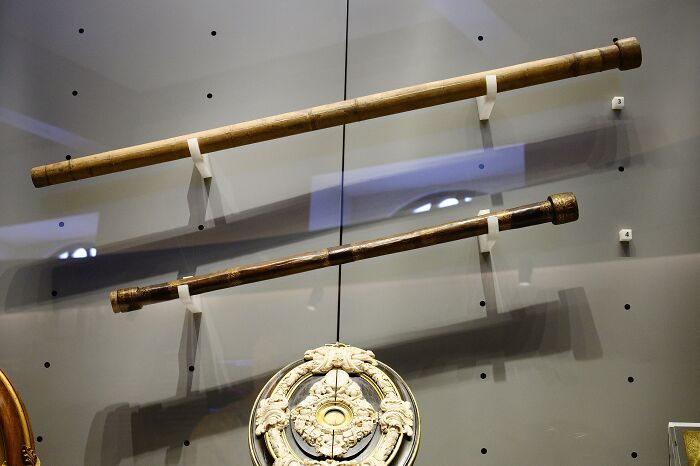
Everything Galileo Galilei touched is famous in some way. He changed the understanding of the solar system and contributed a lot to the founding of modern astronomy. He did that using mainly his telescopes. Galileo's telescopes are some of the most famous artifacts there are.
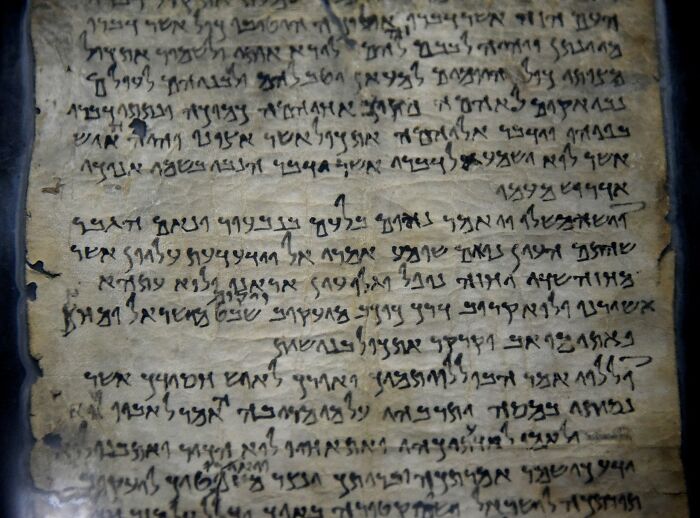
The Dead Sea Scrolls are an ancient manuscript collection discovered in the Qumran Caves near the West Bank. The Dead Sea Scrolls, which consist of 981 pieces of textual evidence in total, are among the most famous ancient artifacts of all time. The manuscripts were stored in fortified clay jars and were preserved by the dry Qumran climate.
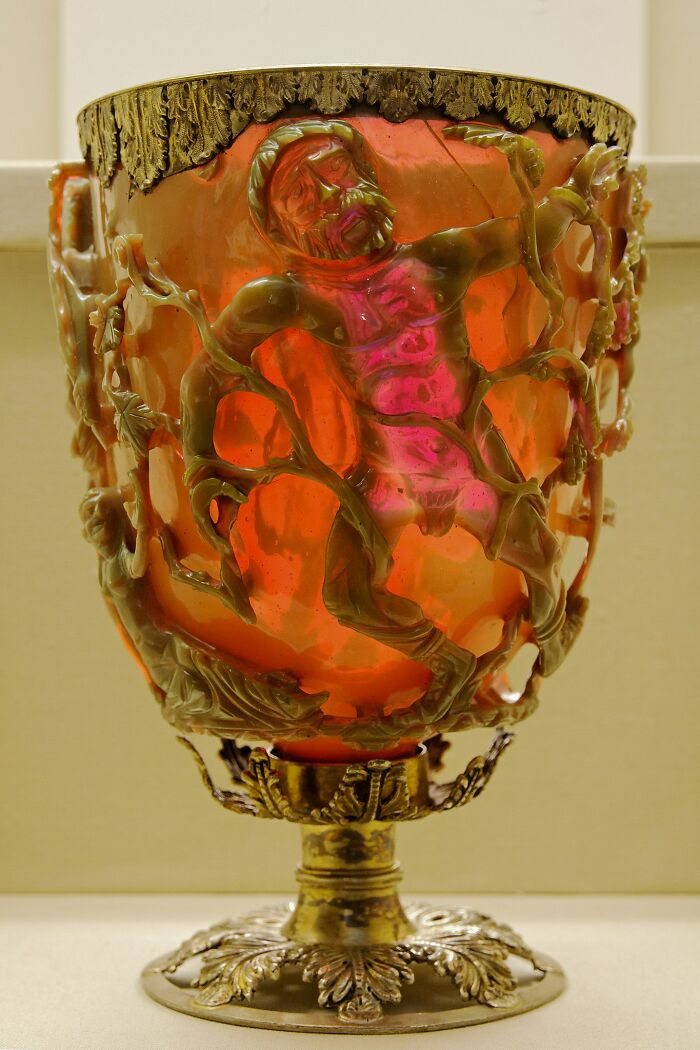
The Lycurgus cup is a mythical Roman cage cup depicting King Lycurgus. Its color changes depending on the light that shines on it. It is the only complete Roman object made of this glass type. It was built in the fourth century AD around 1800 AD, a gilt bronze rim and foot were added, and in the middle of the 19th century, the Rothschild family purchased it. In 1957, the British Museum purchased the cup.
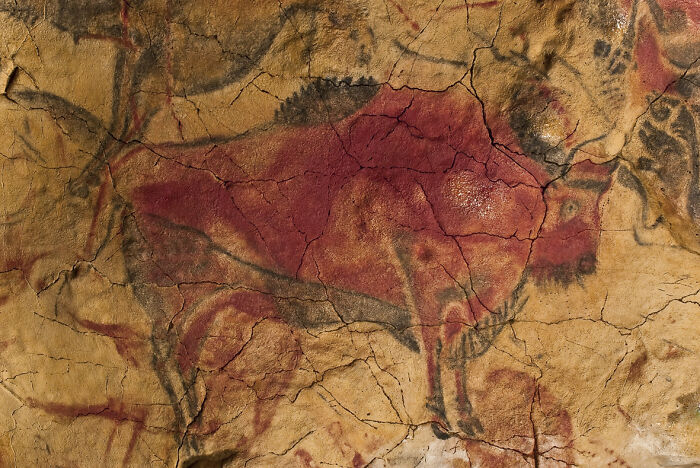
An amateur archaeologist and his young daughter discovered the prehistoric paintings that adorn the walls of the Cave of Altamira in Spain in 1879. The Paleolithic drawings, created with charcoal and natural Earth pigments, depict bison, aurochs (a type of extinct wild cattle), horses, deer, and the outlines of human hands. Scientists believe these drawings were made just as humans began to settle down in northern Europe.
Pyramidions were created to be the capstones of ancient Egyptian pyramids, and few have survived into the present day. This one was discovered in the rubble near the Black Pyramid of Amenemhat III at Dashur. The Pyramidion Of The Black Pyramid Of Dashur is in relatively good condition, with legible inscriptions on all four sides.
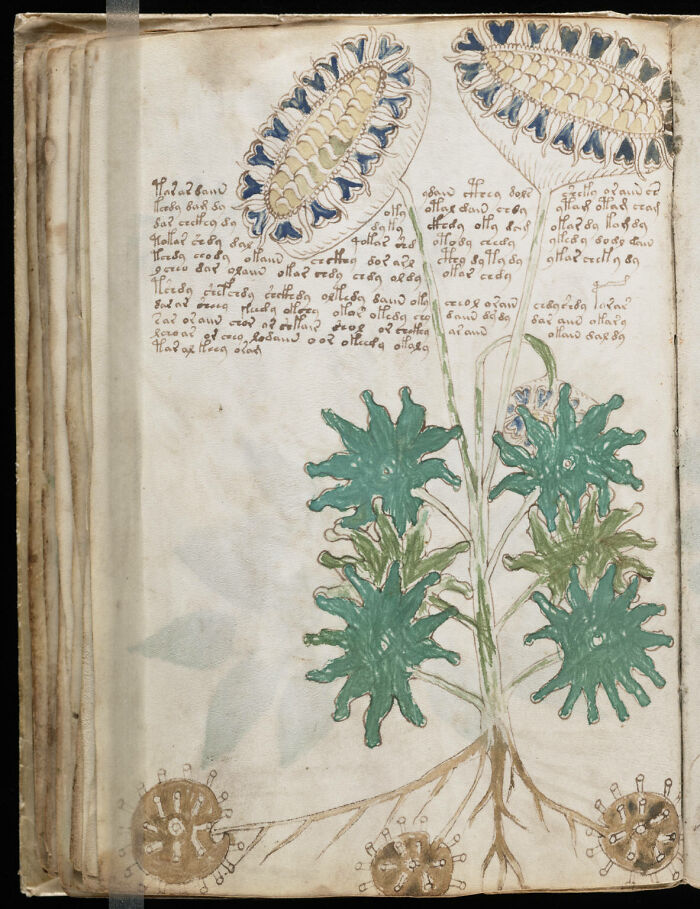
This 15th-century codex, dubbed "the world's most mysterious book," is written in an unknown script by an unknown author. The purpose of the book, as well as a translation of the text, has eluded investigators to this day. The manuscript contains "lively" illustrations that appear to encompass several scientific topics. The manuscript's origins are still unknown, with some claiming it's a hoax and others claiming it's the work of aliens.
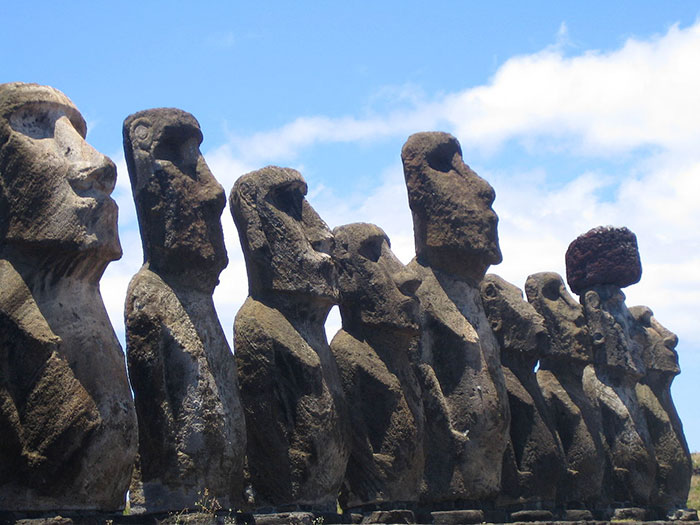
Rapa Nui, Easter Island, is best known for its 1,000 giant "head" statues — moai. They were carved and erected between the 11th and 17th centuries AD. The figures, oversized heads atop long torsos, range in height from 6 ft (2 m) to more than 30 ft (9 m), with one unfinished moai on the island standing more than 65 feet (20 meters). The moai were built by a group of Eastern Polynesian settlers who arrived on the island around the first century AD.
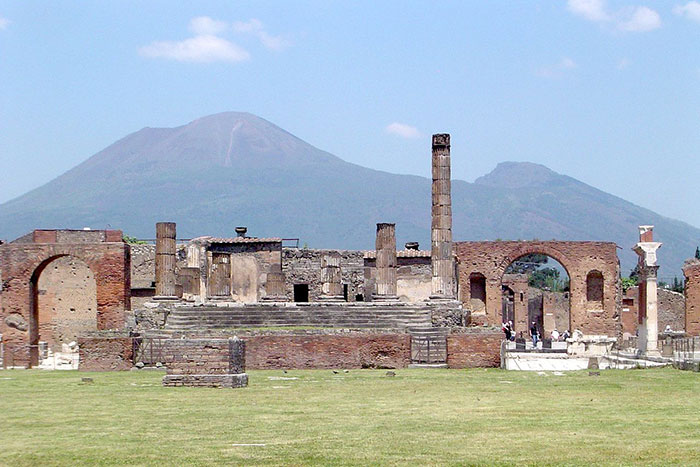
In 79 A.D., an erupting Mount Vesuvius engulfed the Roman city of Pompeii in a cloud of volcanic gases and debris. The city and its inhabitants were buried beneath a layer of pumice stone and ash 19 to 23 ft (6 to 7 m) deep. Pompeii remained undisturbed for over a thousand years until an architect named Domenico Fontana came across the ancient Pompeii residence while working on a construction project.
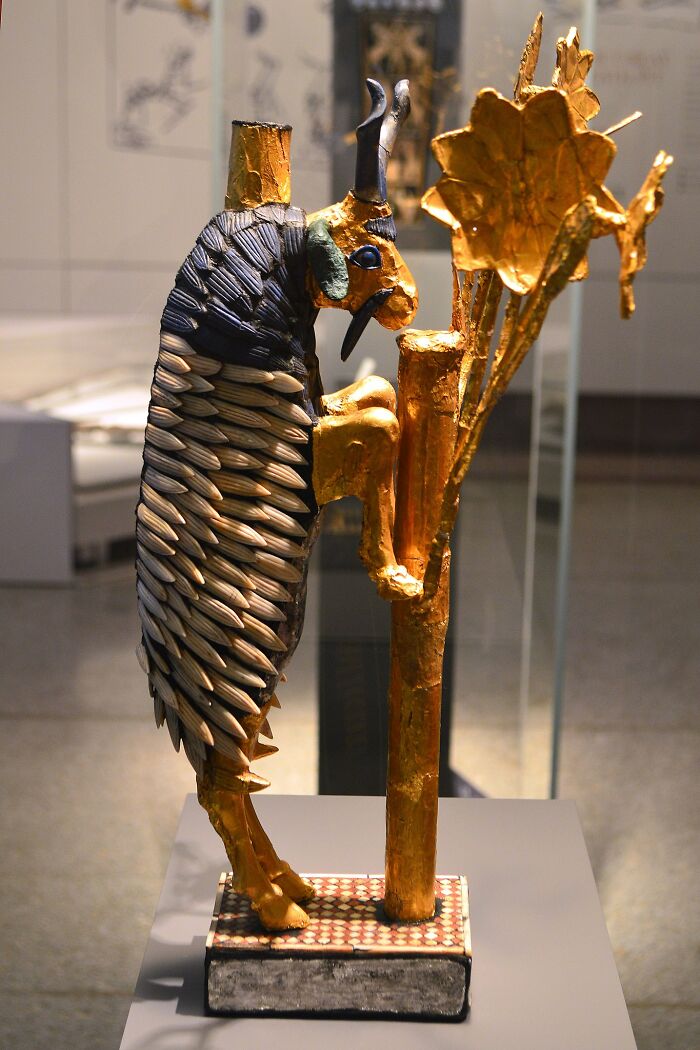
One of the most famous artifacts from the ancient world is the Ram in a Thicket — two figurines depicting a ram perched up over a bush. They were discovered in 1928 at the Royal Cemetery of Ur, an important archaeological site in modern-day Iraq. Ram in a Thicket denotes advanced crafting ability for its time. They were made from such materials as gold, lapis lazuli, copper, and wood.
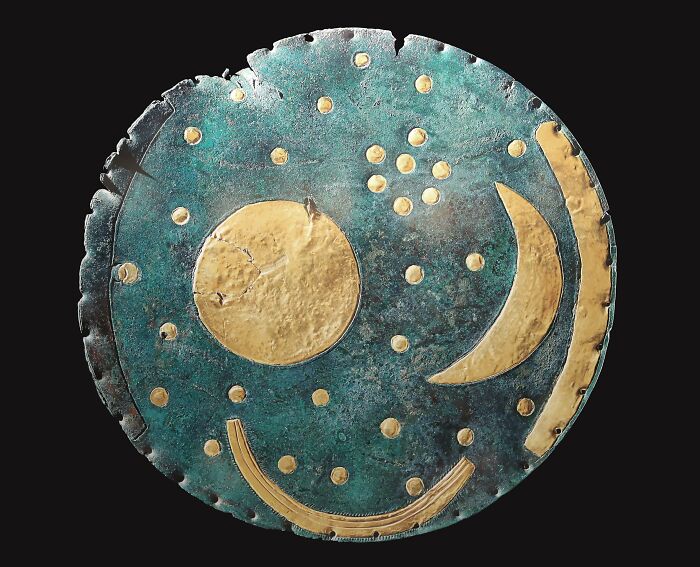
Found on accident by amateur treasure hunters, the Nebra Sky Disc's significance was soon revealed by professional reviewers. The disc has golden dots behind two larger plates shaped in circular and crescent forms. This scene depicts the sky with a sun, moon, and stars. Later in the artifact's life, a few more plates symbolizing the solstice were added, indicating that the disc was used to learn about astronomy.
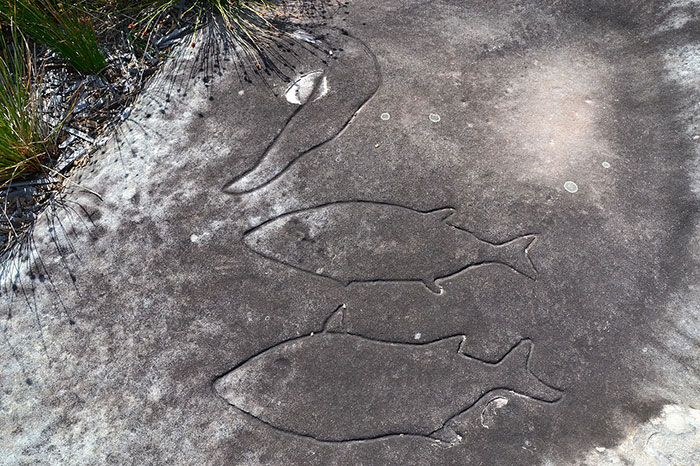
Aboriginal Australians were known to have created detailed designs on rock faces, which have since become some of the most famous ancient relics, and had been living in the area as far back as 28000 BC. It's hard to say when these works of art were made, but most historians agree that they originated between 3000 and 4000 BC, during the late Neolithic period.
This famous ancient artifact is an early depiction of the world, as known by the Babylonians around 900 BC. It is typical of old-world maps in that it centers on local features, such as the Euphrates, and then expands outwards. The Babylonian Map covers neighboring cities with accompanying labels, followed by an ocean and several landmasses beyond it.
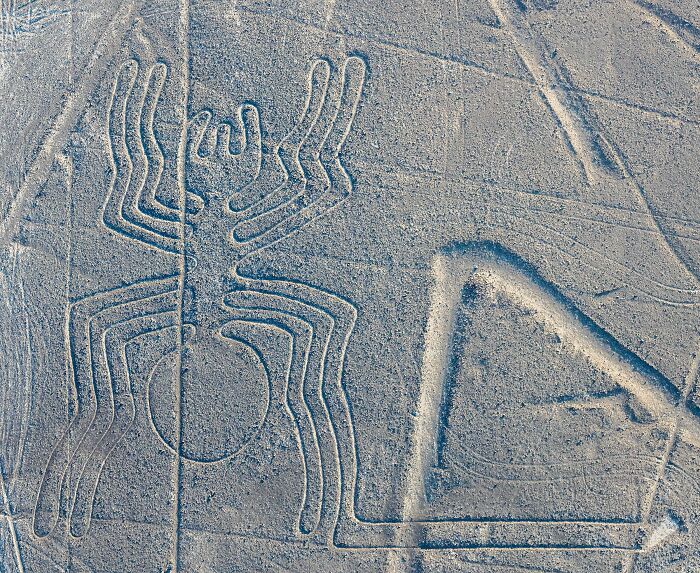
The Nazca Lines are geoglyphs (large designs produced on the ground) located on the coastal plateau of Peru. Most of them were created by the ancient Nazca people between 500 BC and AD 500. The mysterious lines were never "discovered," as they are visible from nearby foothills and were likely observed by people before they were brought to the general public's attention.
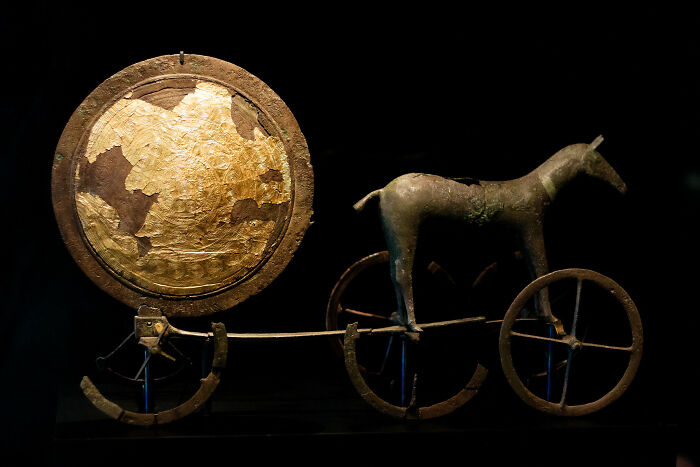
The Trundholm Sun Chariot has left archaeologists with more questions than answers since it was found alone, without any other historical artifacts nearby. The disc is gilded on one side and adorned with highly decorative concentric rings. Many believe that the Trundholm Sun Chariot symbolizes the rise and setting of the Sun since it travels from east to west.
Despite being over 2,500 years old, this Chinese dagger has a razor-sharp edge. It was discovered in a tomb in Hubei, China, and is thought to date from 771 to 403 BC. The Metropolitan Museum of Art notes that the eight characters engraved on the blade are ancient writing called "bird-worm seal script," which reads, "King of Yue... made this sword for [his] personal use."
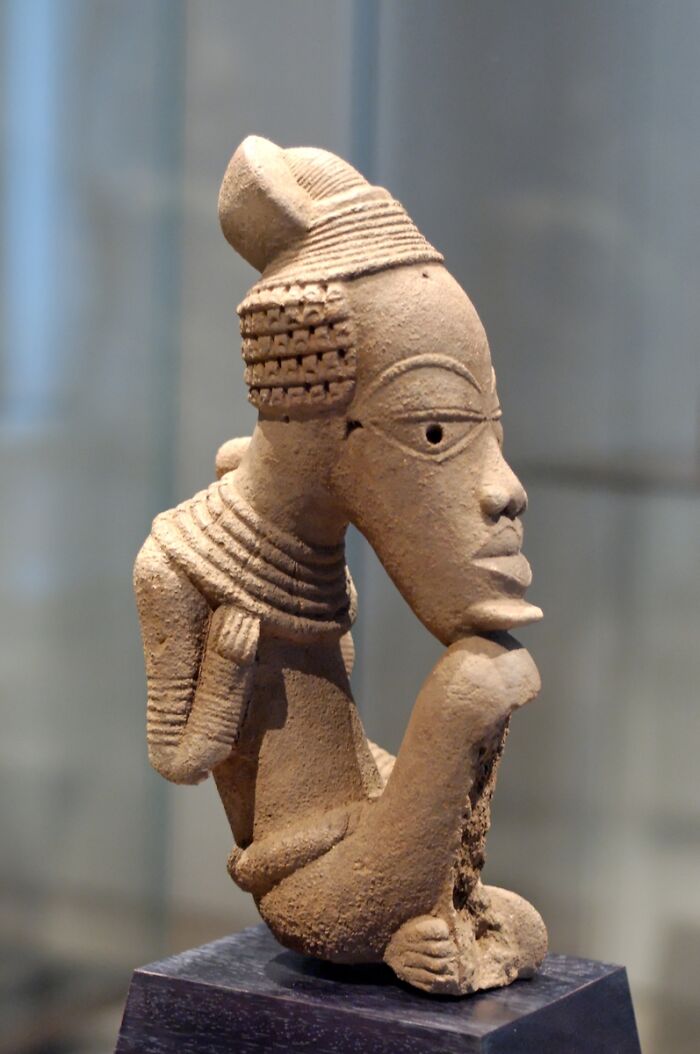
Despite being widely scattered across the southern Sahara, the Nok Terracotta Sculptures are some of the most famous ancient artifacts and earliest examples of ironwork from the African continent. Because erosion has reduced many sculptures to fragments, complete heads are highly valued. While the function of these terracotta heads is unknown, their craftsmanship is impressive.
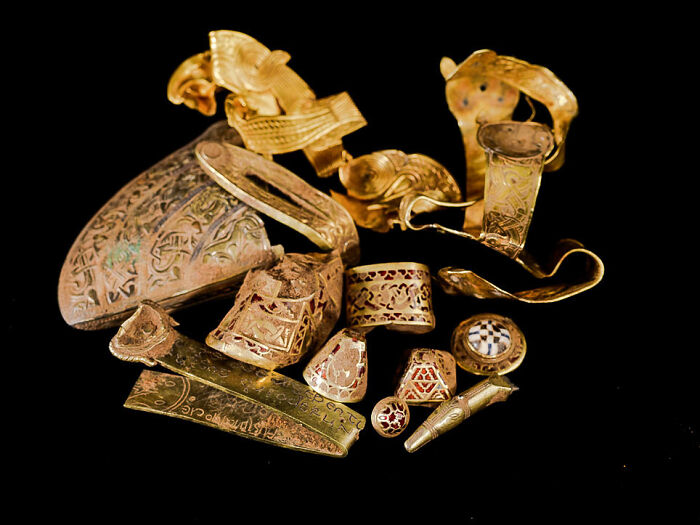
In 2009, a man in Staffordshire, England, struck gold while strolling through the countryside. The man was using a metal detector in a newly plowed field when he discovered the largest Anglo-Saxon treasure hoard. Archaeologists excavated the site and recovered over 3,500 pieces of gold, silver, and other metals. Most of the artifacts had something to do with warfare — none of them were household items such as cups or silverware.
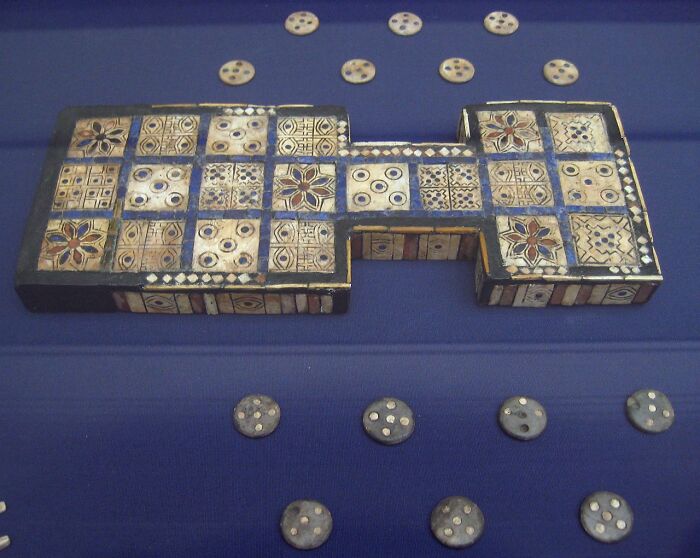
Thousands of years ago, the Royal Game of Ur was a popular pastime for the people of Mediterranean and Middle East regions. As Irving Finkel, assistant keeper in the Department of the Middle East at London's British Museum, explains, "For such a long time, there were no forms of entertainment. Games had an excellent stronghold in that environment. They were unrivaled."
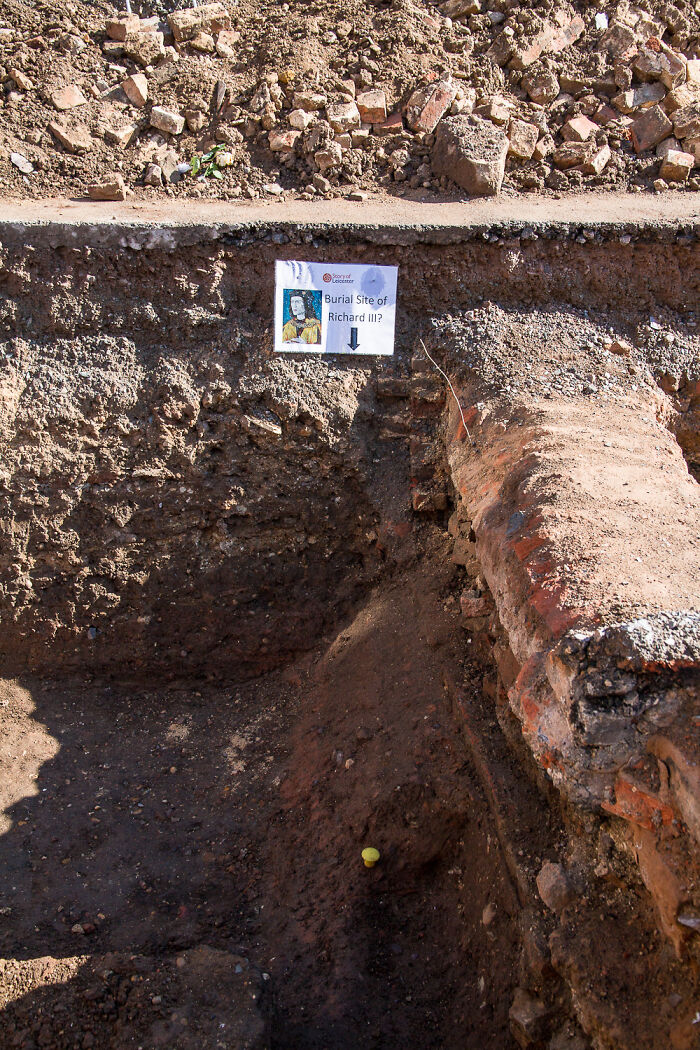
Archaeologists from the University of Leicester in England discovered King Richard III's grave in 2012. The king passed away in battle in 1485, and rather than a state funeral, Richard's body was reportedly held at the Grey Friars Church in Leicester. Archaeologists found the former church and recovered the late king's bones using historical records. Richard III was reburied in Leicester Cathedral in a marble tomb in 2015.
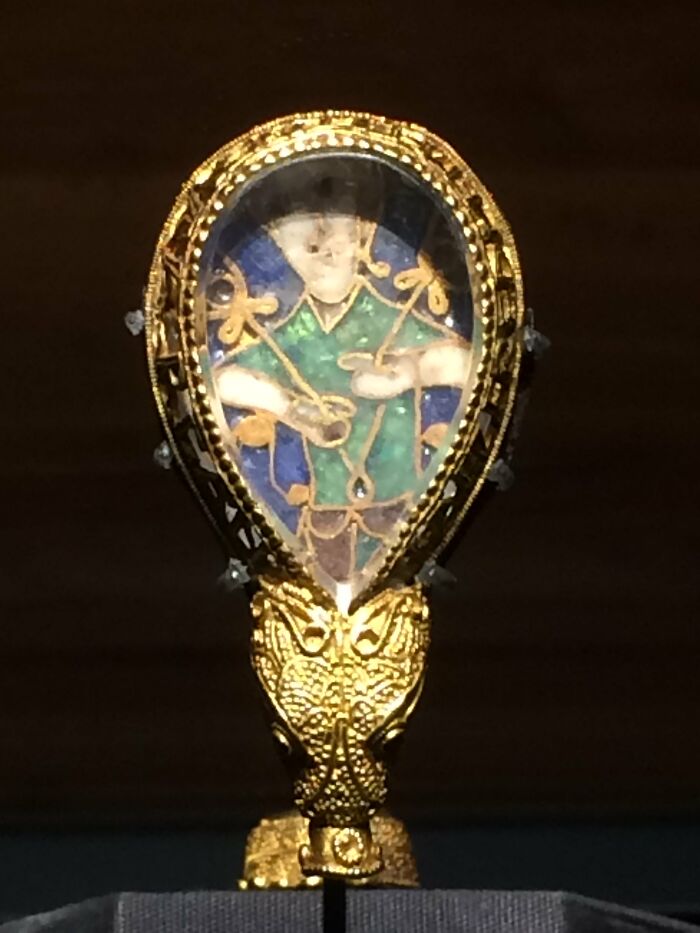
This royal relic, discovered in a field in Somerset, England, in 1693, dates to the reign of King Alfred the Great (871-899 AD) and bears the inscription "AELFRED MEC HEHT GEWYRCAN," which translates as "Alfred ordered me to be made." The jewel was originally part of an aestel, or pointer, a device used to follow the text in manuscripts, according to the Ashmolean Museum. The aestel, a "significant" piece of Anglo-Saxon goldsmithing, was crafted around a slice of rock crystal.
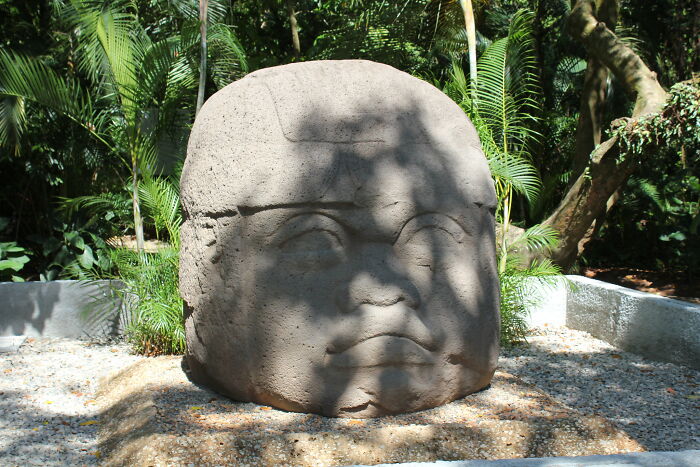
The Olmec Colossal Heads are seventeen monumental figures depicting human heads that are historical artifacts from the Olmec civilization, which was the first to settle in Mesoamerica. All the sculptures depict males, with detailed headdresses of cloth and feathers, either with faces smiling, neutral, or threatening.
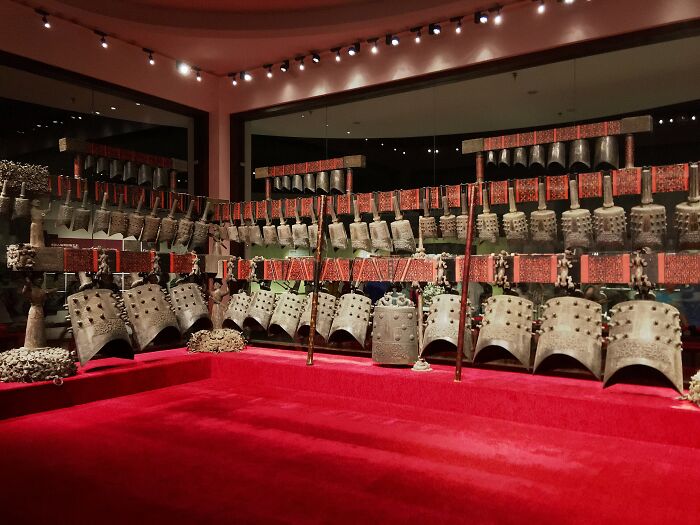
Bells — love them, or hate them — contributed a lot to our history. The bells, discovered in 1978 in the tomb of Marquis Yi in the 4th century BC, represent the pinnacle of early music and bronze casting. Sixty-five bronze bells of various sizes were arranged in three rows on a wood-and-copper frame to create beautiful sounds.
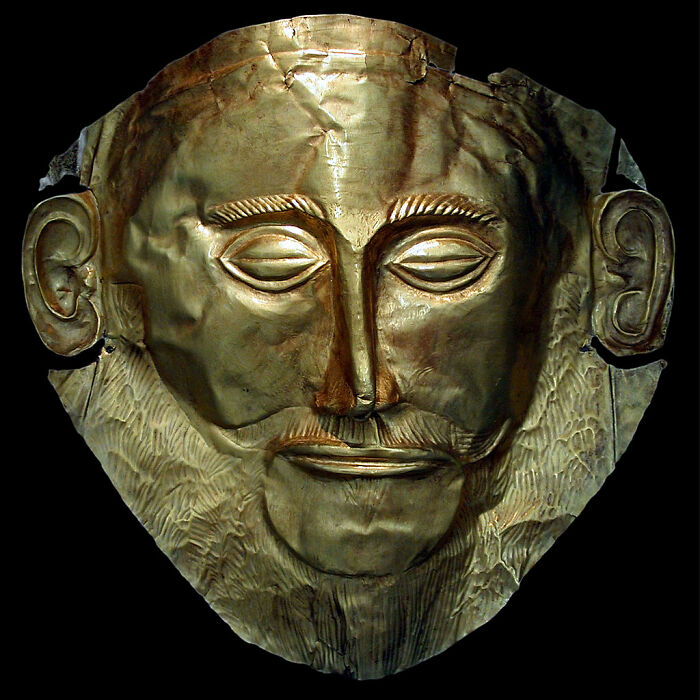
In 1876, the German archaeologist Heinrich Schliemann discovered several golden masks among gravesites at Mycenae, Greece, excavating on behalf of the Greek Archaeological Society. There were five funeral masks of men, women, and children. Schliemann believed he had discovered the body of King Agamemnon from Homer's Iliad because of the status associated with this practice and the gold found in the tomb.
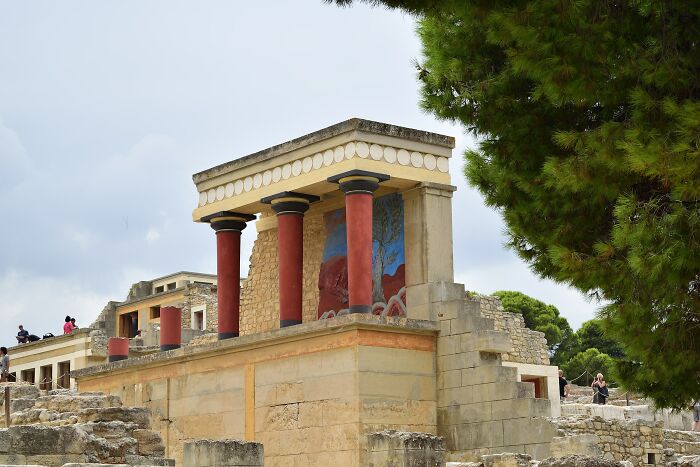
The Palace of Knossos is a Bronze Age structure built by the Minoan civilization around 1950 BC on the Greek island of Crete. Knossos is best known for its vibrant frescoes, depicting mythological creatures, marine wildlife, and ceremonial scenes. The site also produced a wide range of Minoan pottery, many of which are now on display at the nearby Heraklion Archaeological Museum.
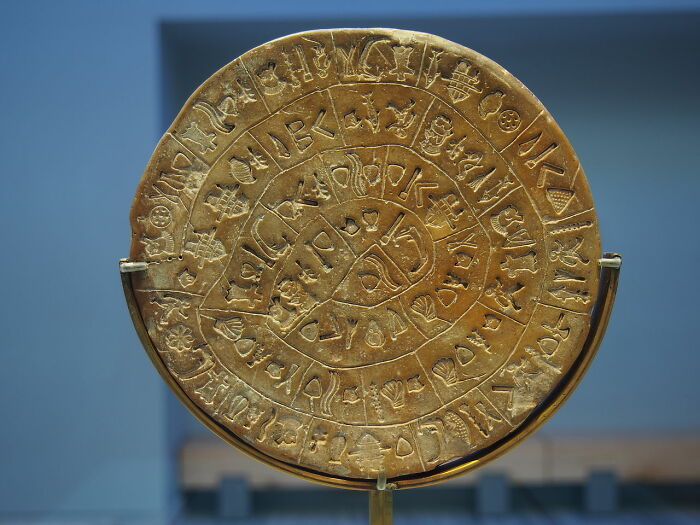
Luigi Pernier, an Italian archaeologist, discovered a small disc in the ruins of a palace in the Phaistos region of Crete in 1908. Even though an earthquake destroyed much of the palace and the historical artifacts inside, the Phaistos Disc was safe.

































 No fees, cancel anytime