Get Premium
Dark mode theme is available exclusively for premium users. Learn more about the benefits of subscribing.
No fees, cancel anytime.

 Dark Mode Ad-Free Browsing Unlimited Content
 Ad-Free Browsing Unlimited Content Dark Mode
Join 1.2 million Panda readers who get the best art, memes, and fun stories every week!
Over a million species of animals and plants are now hanging by a thread, more than ever before in human history, says the International Science-Policy Platform on Biodiversity and Ecosystem Services (IPBES). Yep, it’s not just dramatic headlines. It’s real, and it’s happening faster than we think.
Some of these incredible creatures have already taken their final bow. So today, we’ve rounded up a list of animals that have sadly gone extinct: some in recent years, others within our lifetime. From the mysterious Japanese wolf to the majestic Sea Cow, these are once-thriving species we’ll only see in books now.
Ready for a wild (and slightly heartbreaking) ride through nature’s past. Scroll on to discover some fascinating animals.
This post may include affiliate links.
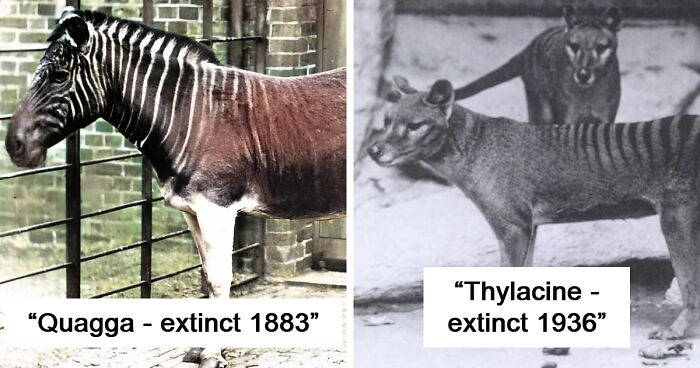
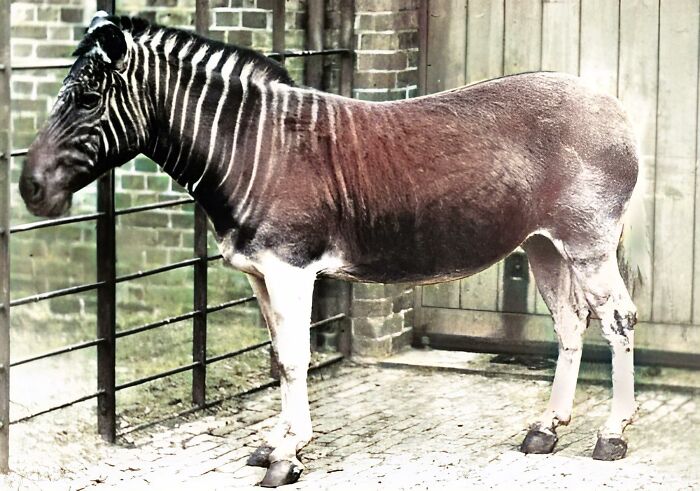
The quagga used to live only in South Africa but sadly disappeared in the late 1800s because of hunting. For a long time, people thought it was its own separate species, but studies now show it was actually a subspecies of the plains zebra.
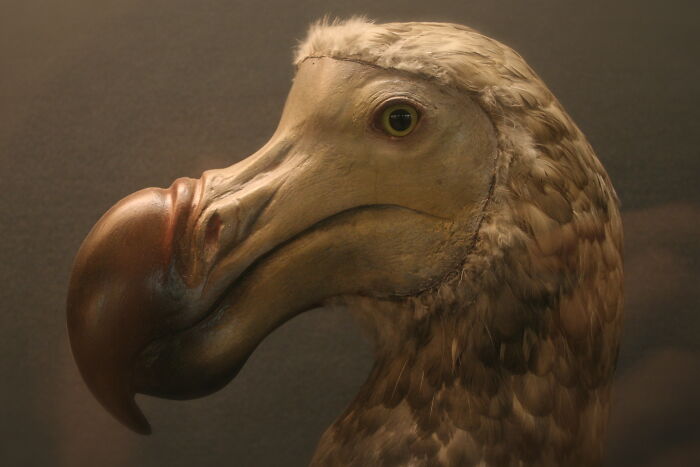
The island of Mauritius, located east of Madagascar in the Indian Ocean, was once the only home of the dodo. This bird, which could not fly, is now extinct, much like its closest relative, the similarly flightless Rodrigues solitaire. Both of these unique bird species are no longer found anywhere on Earth.
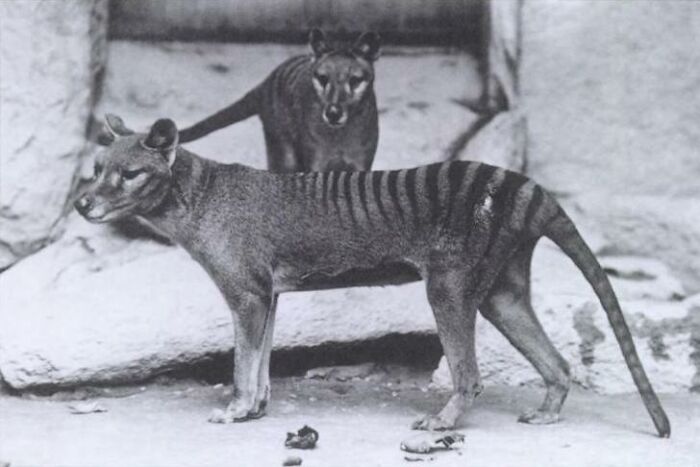
The thylacine, a meat-eating pouched mammal, was once found on the Australian mainland and the islands of Tasmania and New Guinea. Also known as the Tasmanian tiger or Tasmanian wolf, this creature typically grew to be about 4 to 6 feet long. It could weigh up to 66 pounds.
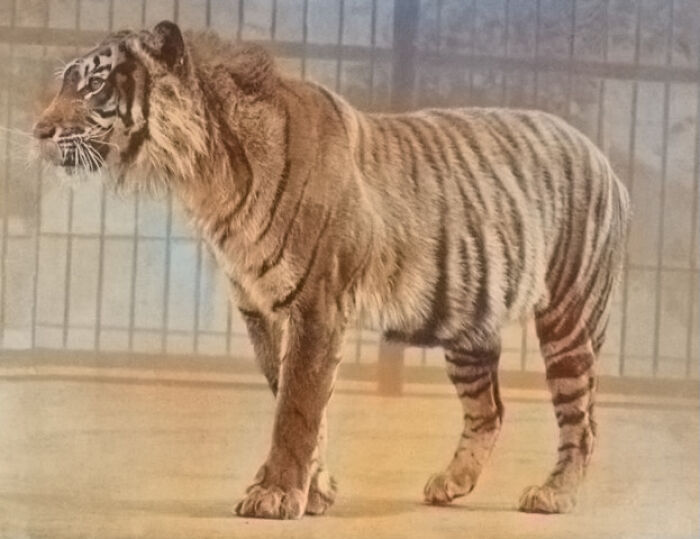
The Javan tiger, a specific population known as Panthera tigris sondaica, was once commonly found on the Indonesian island of Java, particularly during the 1800s. It was one of three tiger groups that colonized the Sunda Islands many thousands of years ago, during the last glacial period. Unfortunately, due to widespread habitat loss and hunting, the Javan tiger is now extinct, with the last confirmed sightings occurring in the mid-1970s.
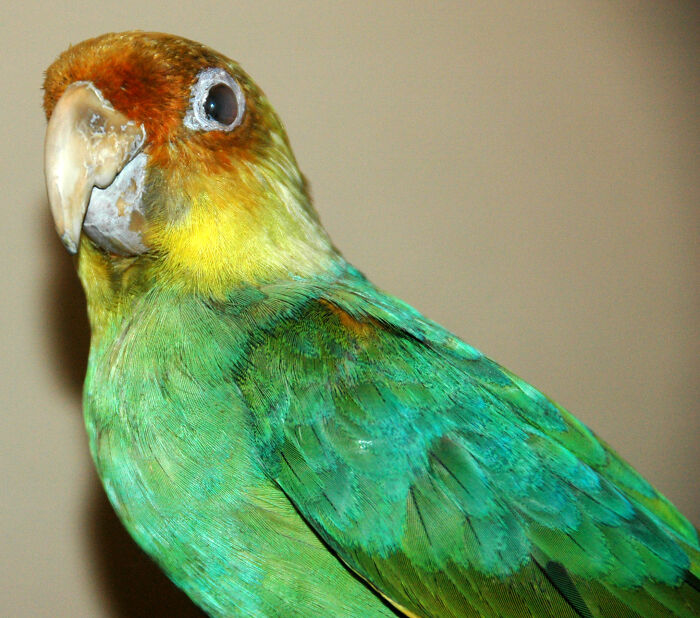
The Eastern, Midwest, and Plains states of the United States were once home to the Carolina Parakeet, a small green parrot distinguished by its bright yellow head and reddish-orange face. This neotropical bird, which also had a pale beak, is now unfortunately extinct. It holds the sad distinction of being the only parrot species native to the eastern US, with its demise largely attributed to habitat loss and hunting for its colorful feathers.
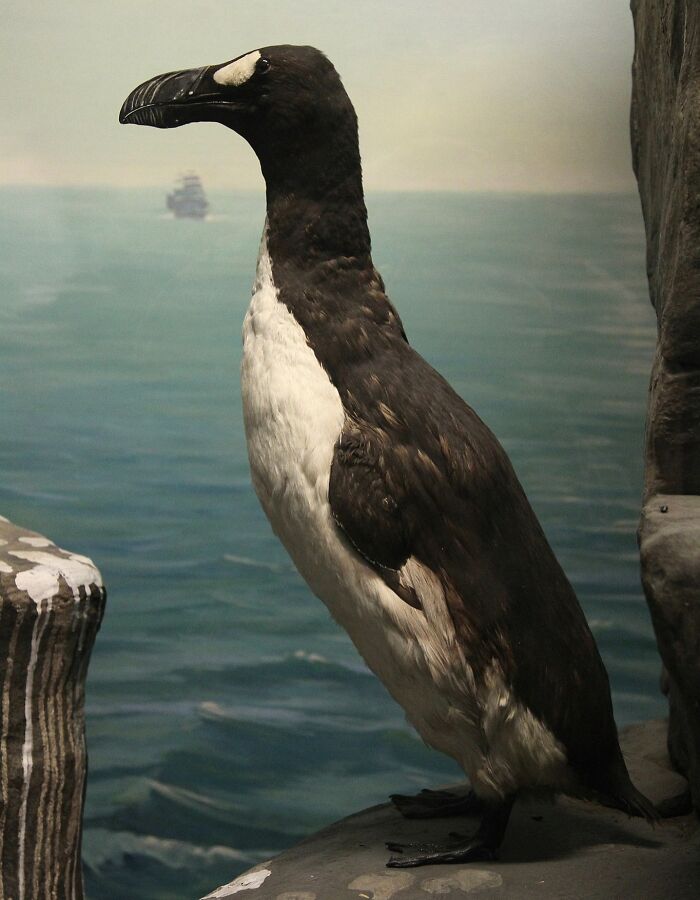
The Great Auk, a flightless seabird sometimes called the garefowl or penguin, vanished from Earth in the mid-19th century, having first appeared around 400,000 years ago. This bird was the only modern species within its genus, Pinguinus. Intense hunting for its meat, eggs, and feathers played a major role in its extinction.
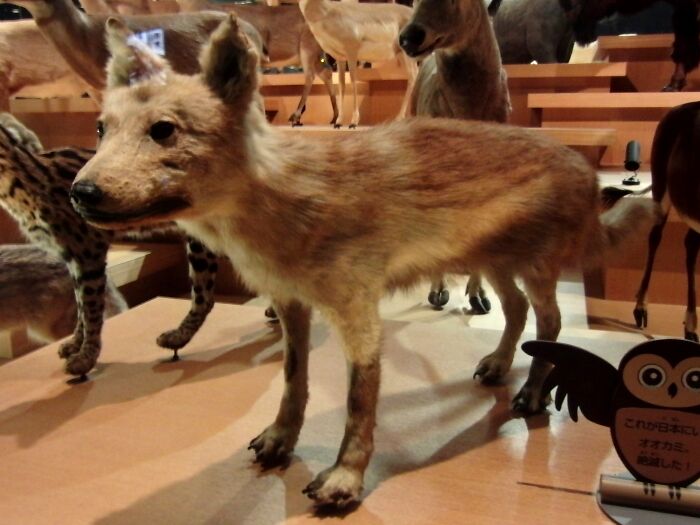
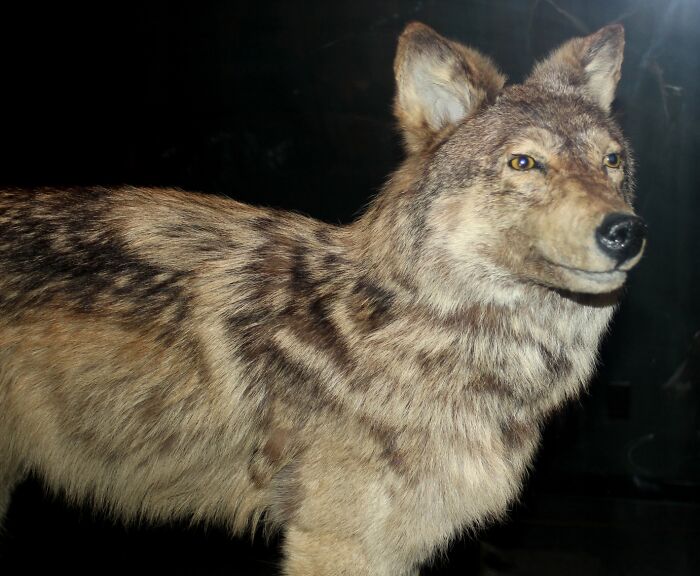
Once native only to Japan's islands of Honshu, Shikoku, and Kyushu, the Japanese wolf (or Honshu wolf) was a distinct subspecies of the gray wolf. It shared the Japanese archipelago with just one other wolf type, the Hokkaido wolf. Unfortunately, this unique island wolf is now extinct, with the last confirmed individual passed in 1905, primarily due to habitat loss and deliberate eradication efforts by humans.
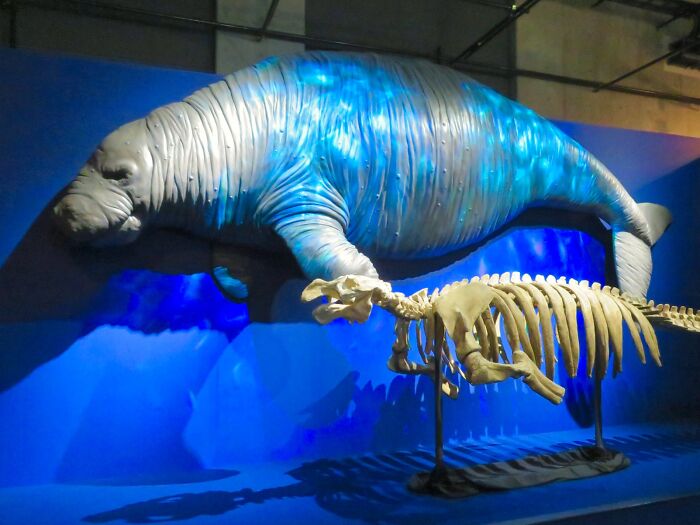
In 1741, Georg Wilhelm Steller documented the Steller's sea cow, an animal that Europeans discovered living only around the Commander Islands in the Bering Sea, between Alaska and Russia. This unique sirenian, a type of marine mammal, is now extinct. Its existence was only known for a short period after Steller's description.
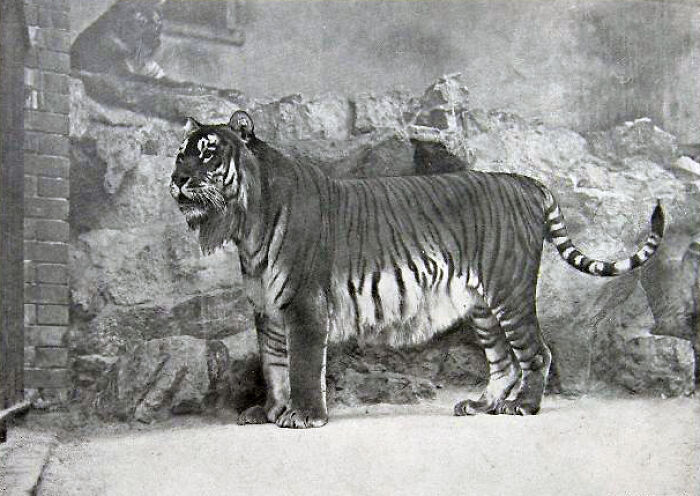
The Caspian tiger, a population known as Panthera tigris tigris, once inhabited a wide expanse of Asia, from eastern Turkey and northern Iran, through Mesopotamia and Central Asia, all the way to western China's Xinjiang region. Its territory also extended around the Caspian Sea and into northern Afghanistan, and historical records show it was present in southern Russia up until the Middle Ages. Sadly, this majestic subspecies was driven to extinction primarily due to habitat loss and hunting, with the last reliable sightings in the early 1970s.
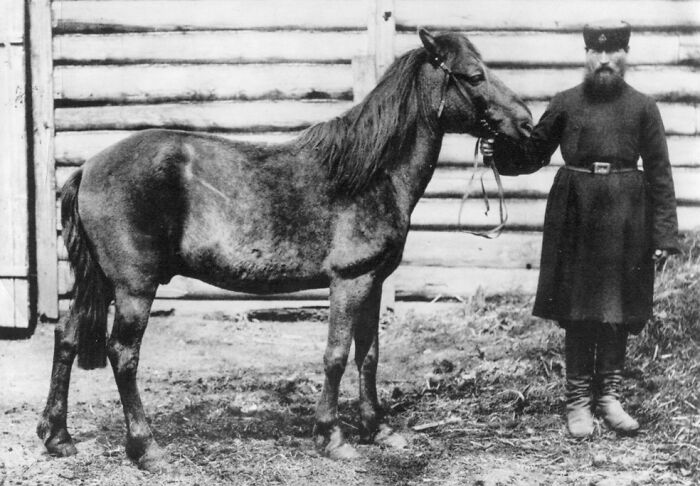
The tarpan, a free-ranging horse that roamed the Eurasian steppe, presents a bit of a puzzle to scientists, who still debate whether it was a true wild horse, a feral descendant of domestic horses, or a hybrid. These horses lived across the steppes from the 18th up to the 20th century. The last individuals believed to be tarpans disappeared in the early 1900s, leading to their extinction.
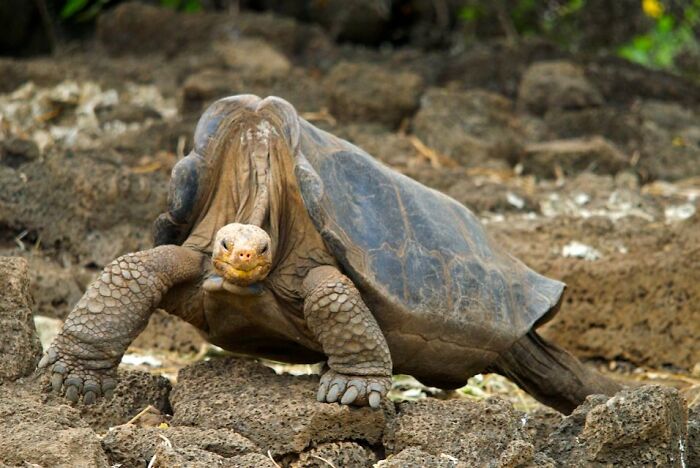
Ecuador's Pinta Island was the exclusive home to a distinct subspecies of Galapagos tortoise, sometimes referred to as the Abingdon Island tortoise. The very last purebred individual of this line, a male famously named Lonesome George, passed away in 2015, marking the extinction of his kind. A major factor in their disappearance was the introduction of non-native species to Pinta Island, particularly goats, which overgrazed the vegetation these tortoises relied on for food.
A unique seasonal color variation marked the Newfoundland wolf, a now-extinct grey wolf subspecies that lived exclusively on the island of Newfoundland. Some of these wolves would turn white during autumn and early winter, while others maintained a dark, almost black, coat year-round. This distinctive animal disappeared from its island home, with the last confirmed individuals being terminated in the early 20th century, largely due to intensive hunting encouraged by bounties.
The massive shark commonly called Megalodon, scientifically known as Otodus megalodon, dominated Earth's oceans from approximately 23 to 3.6 million years ago. This immense predator, a type of giant mackerel shark, lived during a period spanning the Early Miocene to the Early Pliocene epochs. Growing to estimated lengths of up to 60 feet or more, it was one of the largest and most powerful carnivores to have ever existed.
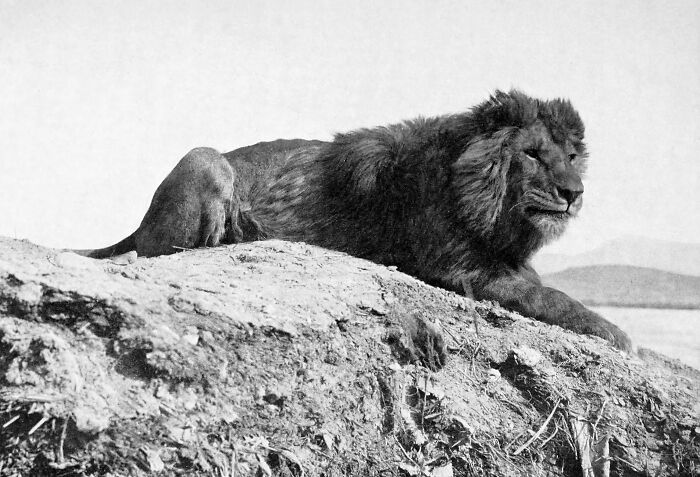
From the mountains and deserts of Morocco all the way to Egypt, the Barbary lion—also known by names like the North African, Atlas, or Egyptian lion—once roamed. This distinctive population of the lion subspecies Panthera leo leo is now considered extinct in the wild. While captive individuals with Barbary lion ancestry may still exist, the wild lions of North Africa, famed for their darker manes and robust build, disappeared primarily due to habitat loss and hunting pressure by the mid-20th century.
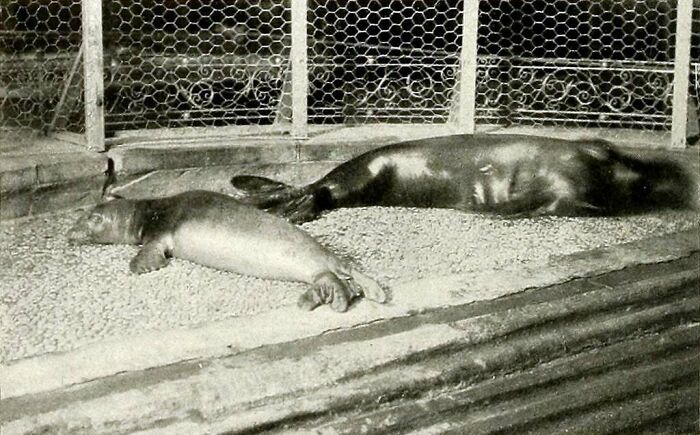
The Caribbean Sea was once the exclusive habitat of the Caribbean monk seal, a species also referred to as the West Indian seal or, more colorfully, the "sea wolf." Sadly, this marine mammal is no longer found anywhere, having been driven to extinction. Overhunting by humans for their blubber, meat, and hides, along with general disturbance, are considered the primary reasons for their disappearance, with the last confirmed sighting occurring in 1952.
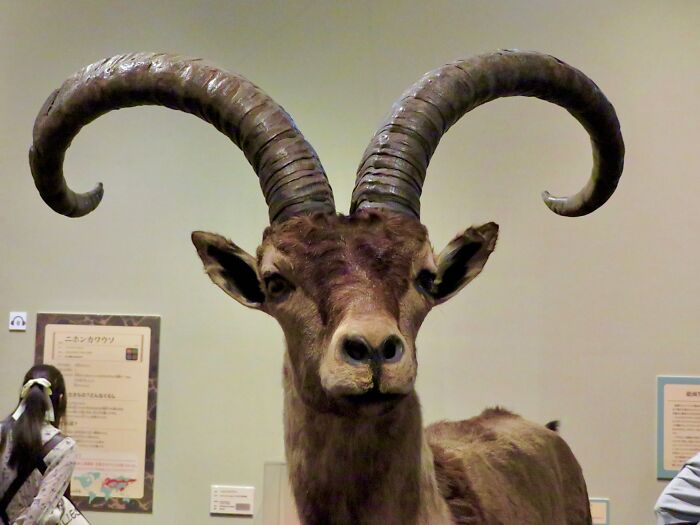
Native to the Iberian Peninsula and parts of southern France, the Pyrenean ibex was one of four subspecies of the Iberian wild goat. Although it officially became extinct in the year 2000, scientists made an attempt to "resurrect" the subspecies through cloning nearly a decade later in 2009. Unfortunately, the cloned individual survived for only a very short time after birth, meaning the subspecies remains extinct despite this groundbreaking effort.
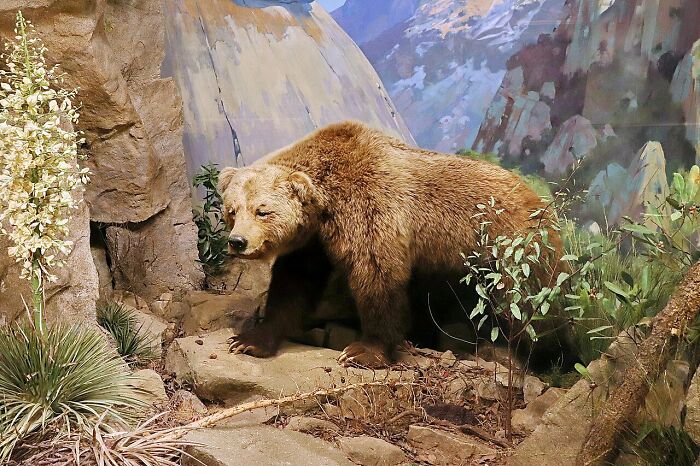
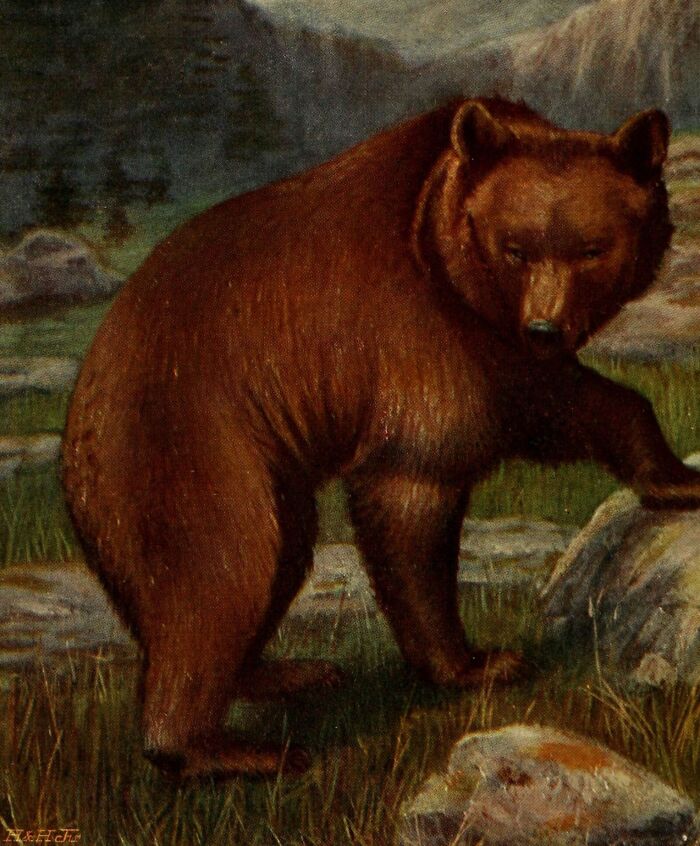
Though it prominently features on California's state flag, the California grizzly bear—also known by names like the California golden bear or chaparral bear—is now an extinct population of the brown bear. This powerful animal, once a symbol of the wild West Coast, vanished from the landscape in the early 20th century. The combination of extensive hunting and significant habitat loss ultimately sealed the fate of this impressive grizzly.
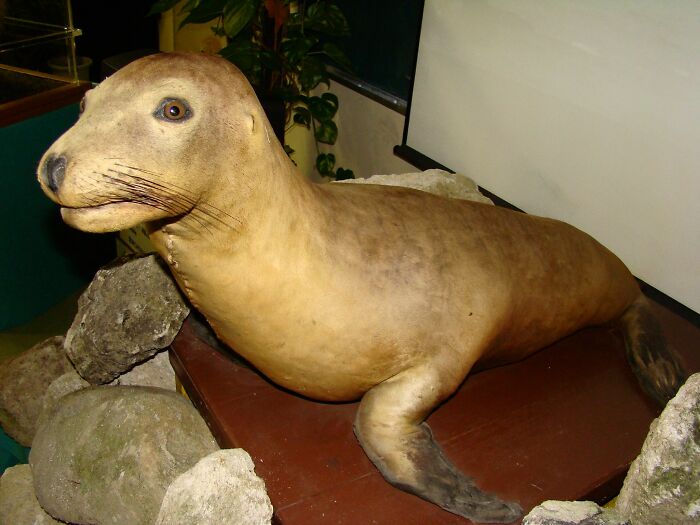
The Japanese sea lion, an aquatic mammal that vanished in the 1970s, was long considered a subspecies of the California sea lion. However, by 2003, scientific understanding shifted, and it is now often recognized as its own distinct species. These marine animals were primarily found around the Sea of Japan and the coasts of Japan and Korea, with overhunting and habitat disruption being major factors in their disappearance.
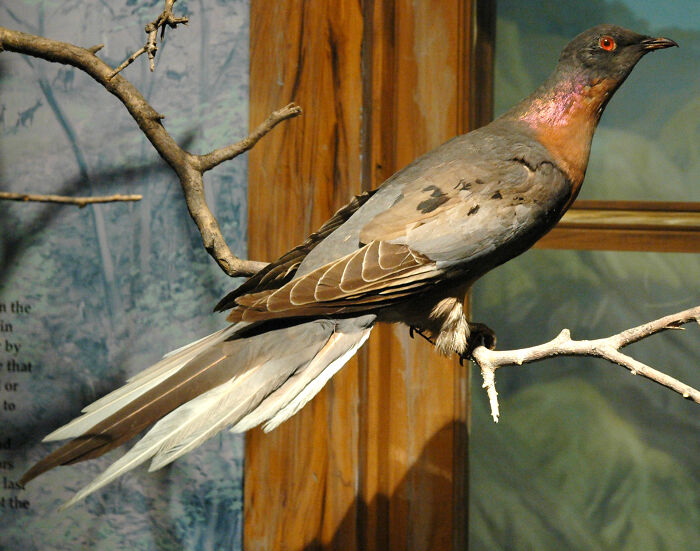
North America once teemed with the passenger pigeon, a bird so numerous—estimated at 3 to 5 billion individuals—that its flocks could darken the sky for hours as they passed. This now-extinct species, sometimes referred to as the wild pigeon, was found only on this continent. Despite its incredible abundance, relentless hunting and widespread habitat destruction led to its complete disappearance by the early 20th century, a stark example of human impact on wildlife.
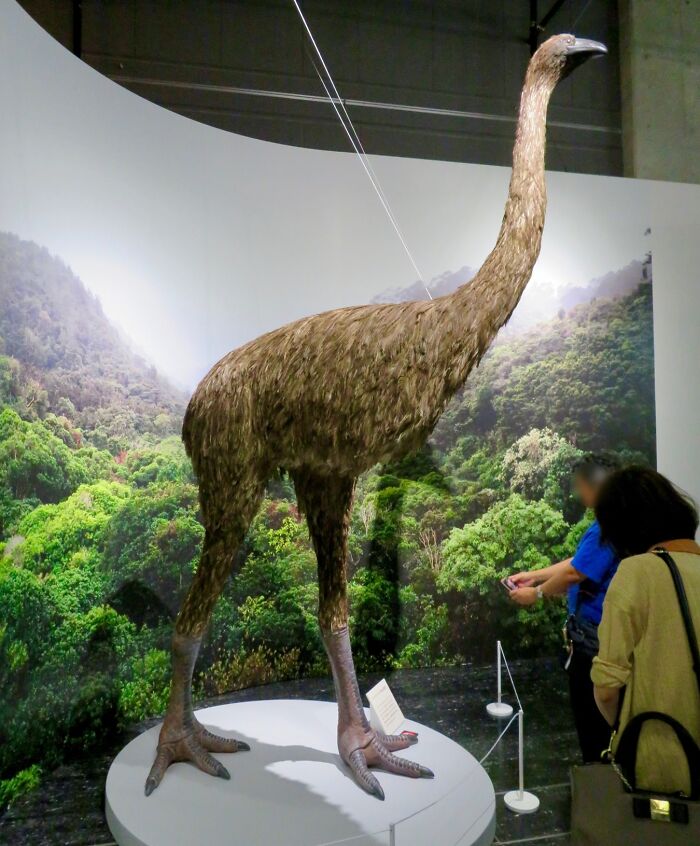
New Zealand was once the exclusive home to the moa, a remarkable group of flightless birds that are now extinct. Some moa species were incredibly tall, with certain individuals reaching impressive heights of up to 12 feet. These giants of the bird world were driven to extinction by the Māori people, who hunted them for food and used their bones and feathers, shortly after human settlement of the islands.
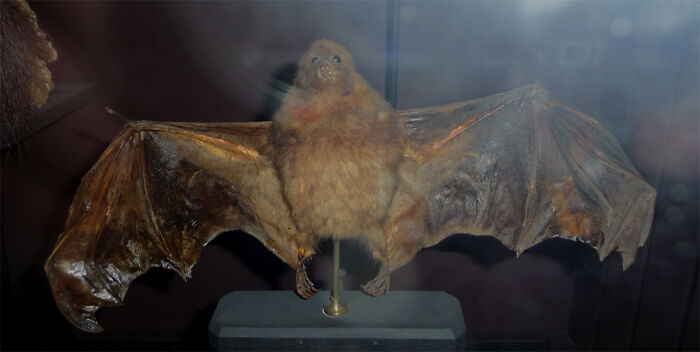
Once known for its unusual social roosting habits, the Lesser Mascarene Flying Fox, an extinct megabat, would gather in large groups—sometimes up to 400 individuals—within caves or ancient hollow trees on the islands of Réunion and Mauritius. This behavior was quite different from most other fruit bats, which typically prefer open tree branches. This once-abundant species, also called the Dark Flying Fox or "rougette" by early French travelers, ultimately disappeared in the 19th century, primarily due to hunting and deforestation.
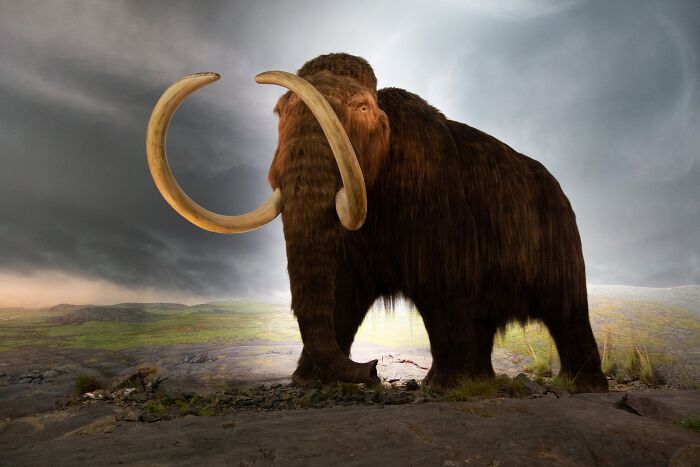
The vast northern tundra was once home to the woolly mammoth, a massive, shaggy-haired relative of modern elephants, well-adapted to the cold with thick fur and a layer of fat. These creatures lived from the Middle Pleistocene through much of the last Ice Age, eventually disappearing in the Holocene epoch. Their long, curved tusks were another distinctive feature of these iconic Ice Age animals.
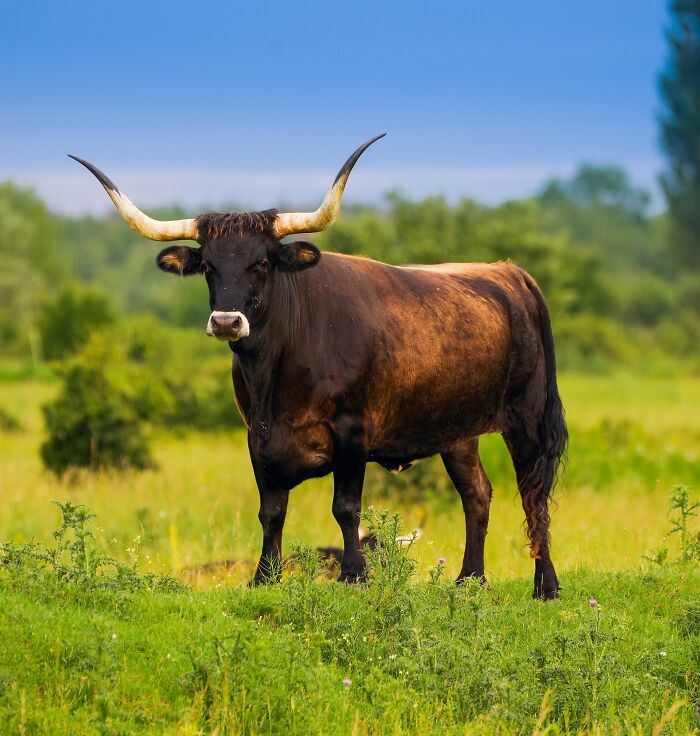
The aurochs, a truly massive bovine species considered the wild ancestor of our modern domestic cattle, roamed extensively across Europe, Asia, and North Africa until its extinction in the early 1600s. Bulls of this species could stand up to 180 cm tall at the shoulder and sported impressive, broad horns that could reach 80 cm in length, making them one of the largest herbivores of the Holocene. The last known aurochs is recorded to have died in Poland in 1627, marking the end of this formidable wild animal.
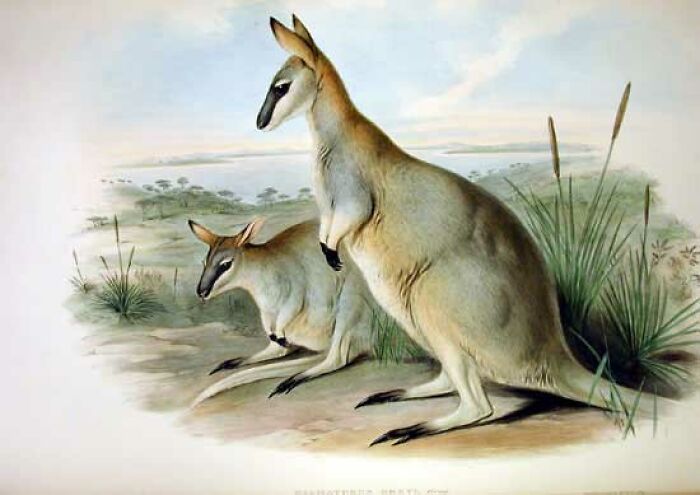
Southeastern South Australia and southwestern Victoria were once the only places you could find the toolache wallaby, also known as Grey's wallaby (Notamacropus greyi). This particular wallaby species is now extinct. Renowned for its speed and graceful movements, its population declined rapidly due to habitat conversion for agriculture and hunting, leading to its disappearance by the mid-20th century.
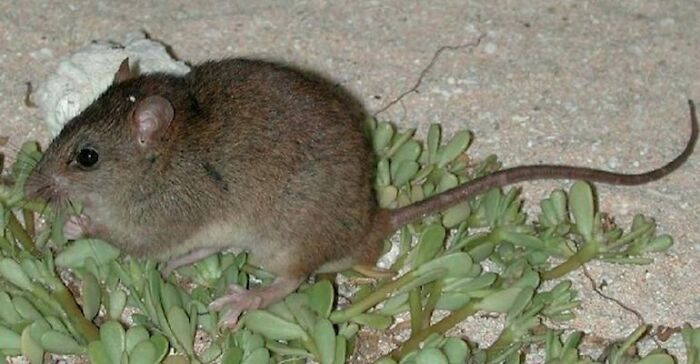
Among the roughly 20 rodent species in the Melomys genus, which thrive in wet environments across northern Australia, New Guinea, and nearby islands, the Bramble Cay melomys holds a sad distinction: it is now extinct. This small rodent was unique to Bramble Cay, a tiny coral island in the Torres Strait. Its disappearance, confirmed in recent years, is widely attributed to habitat loss caused by rising sea levels and storm surges, making it potentially the first mammal species driven to extinction by human-induced climate change.
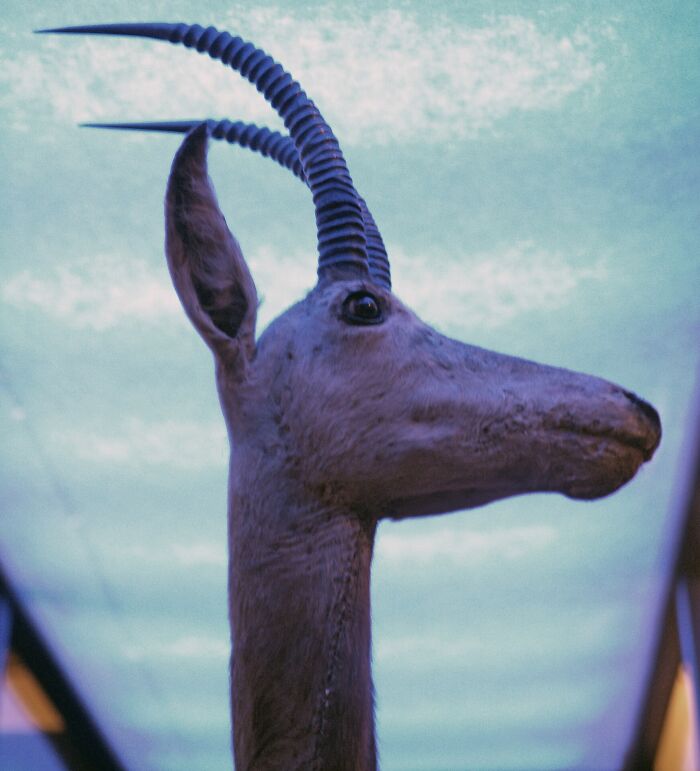
The bluebuck, an antelope species that once lived in South Africa, favored mountainous areas where it primarily ate grasses and herbs. This now-extinct animal stood about 2.5 feet tall at the shoulder and had notable long, curved horns. Sadly, the bluebuck disappeared around the year 1800, mainly because of overhunting and having to compete with farm animals for food. It's often cited as the first large African mammal to be driven to extinction in historical times due to European settlement.
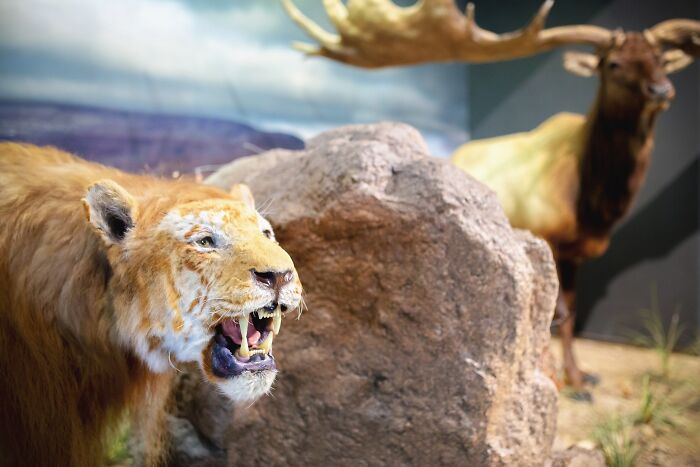
Ancient cave art offers us a window into the world of the cave lion, a truly immense feline that was among the largest lion species to have ever existed, reaching about 4 feet tall at the shoulder and weighing up to 880 pounds. This powerfully built predator, which may have lacked the prominent mane of modern lions, roamed Europe and Asia during the Pleistocene epoch, preying on large animals like deer, horses, and even mammoths. Its extinction around 14,000 years ago is thought to be a result of shifting climates and increasing competition with early humans.
The distinction of being Africa's only native bear species to survive into the modern era belongs to the Atlas bear, a brown bear population that unfortunately disappeared from its North African habitat within historical times. Its demise is largely linked to the expansion of human activity, including habitat destruction as Roman settlements grew, and intensive hunting. These bears were often captured for use in the brutal gladiatorial games of the Roman Empire, contributing significantly to their extinction.
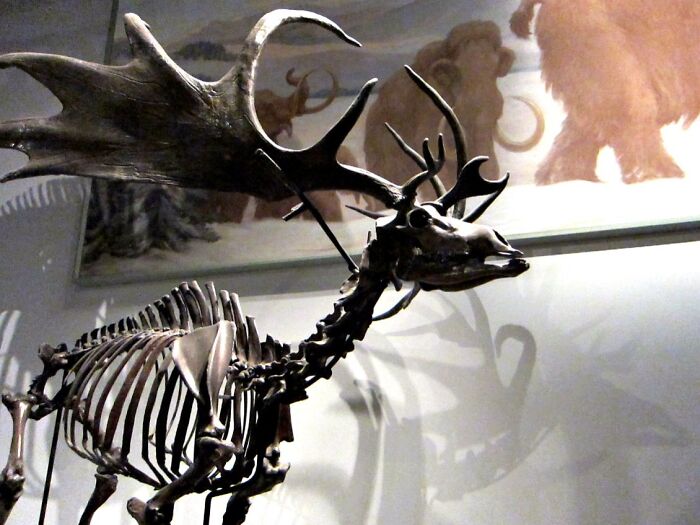
Among the largest deer species to have ever lived, the Irish elk—also known as the giant deer—roamed across northern Eurasia, from Ireland to Siberia's Lake Baikal, during the Pleistocene epoch. These impressive animals stood around 7 feet tall at the shoulder and could weigh up to 1,500 pounds, but their most striking feature was the enormous antlers sported by males, which could span up to an incredible 12 feet from tip to tip. The Irish elk went extinct around 7,700 years ago, likely due to a combination of climate change and human hunting pressure.
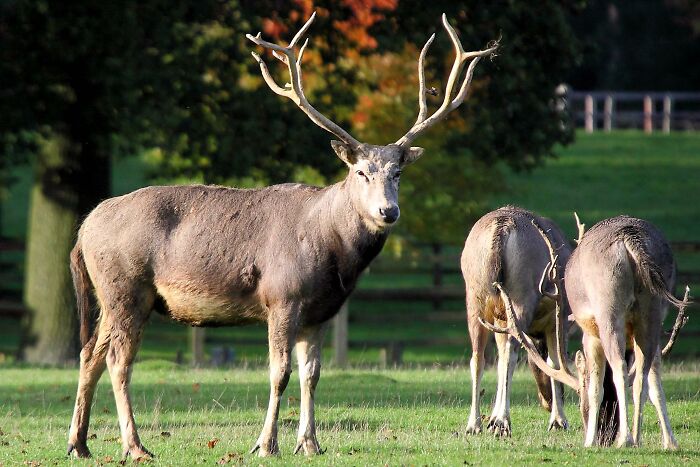
Native to China's subtropical river valleys, Père David's deer, also called the milu or elaphure, primarily feeds on grasses and aquatic plants. This unique deer is the sole surviving member of its genus, Elaphurus, though some experts propose reclassifying it as a subgenus within Cervus. Remarkably, this species went extinct in the wild in China but survived solely due to a captive herd that was maintained in European parks, and has since been reintroduced to its native land.
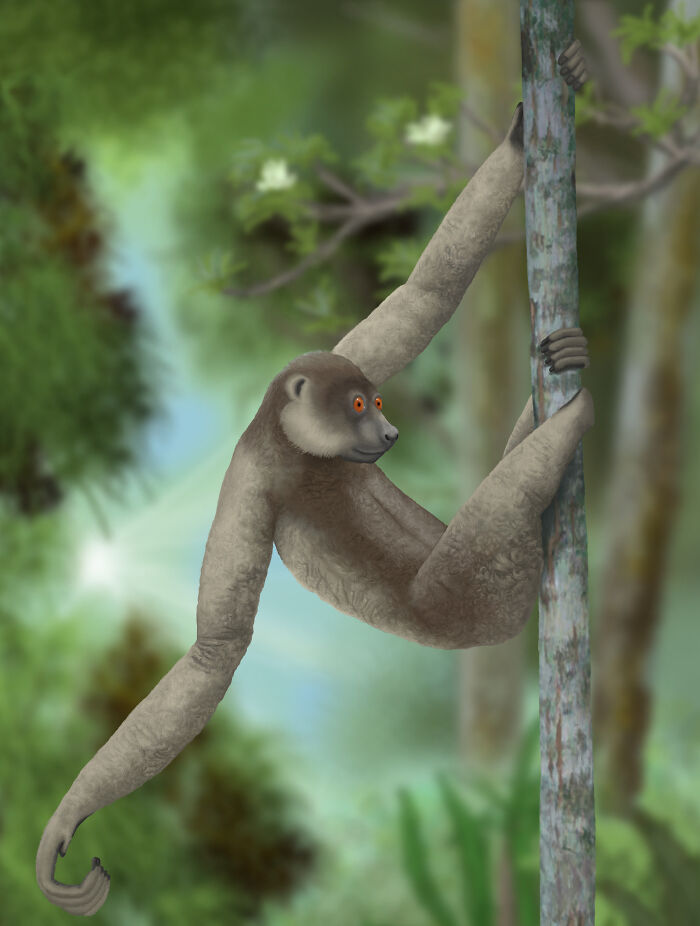
Living entirely in the trees of Madagascar, an extinct genus of large "sloth lemurs" earned their name due to evidence suggesting they often hung upside down, much like modern sloths. These unique creatures, related to the lemur species still found on the island today, are believed to have survived until sometime between 1300 and 1620 CE, based on radiocarbon dating.
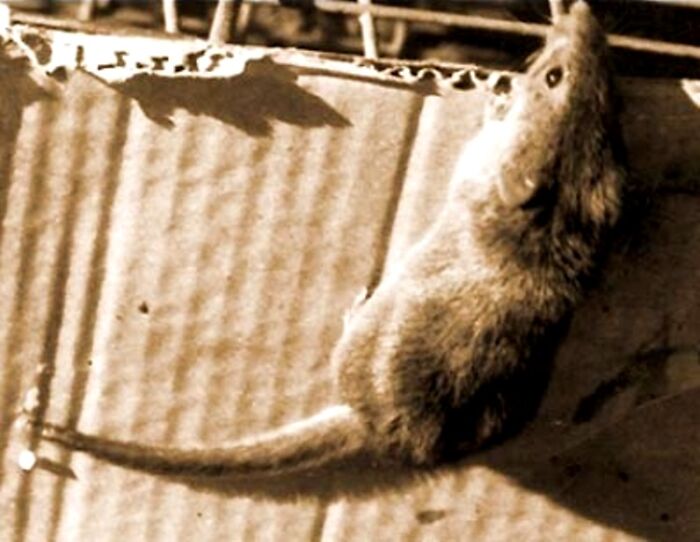
Known only from the area around Brasília in South America, the candango mouse, or candango akodont, is a rodent species that has not been seen since the 1960s. Its habitat was unfortunately consumed by the rapid urban expansion of Brasília during that time. Due to this loss of its specific environment and the lack of subsequent sightings, this small rodent is now presumed to be extinct.








































 No fees, cancel anytime