Get Premium
Dark mode theme is available exclusively for premium users. Learn more about the benefits of subscribing.
No fees, cancel anytime.

 Dark Mode Ad-Free Browsing Unlimited Content
 Ad-Free Browsing Unlimited Content Dark Mode
Join 1.2 million Panda readers who get the best art, memes, and fun stories every week!

It’s not productive to think about “winning” a breakup, but in particularly nasty cases it can feel good to make sure everyone knows who was the villain. Even if you like someone, it’s hard to argue that their infidelity is a good thing or that it paints them in a good light.
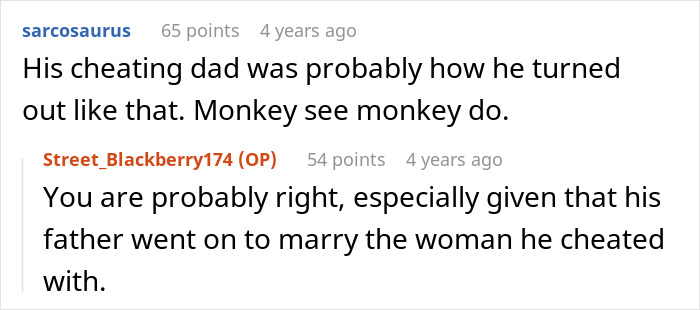
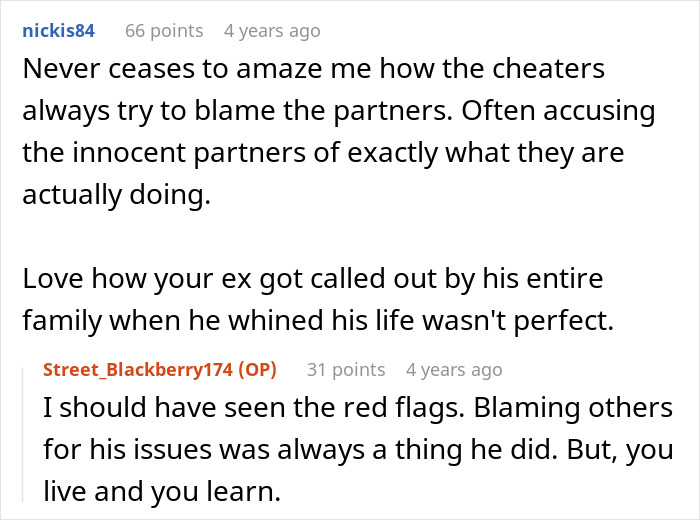
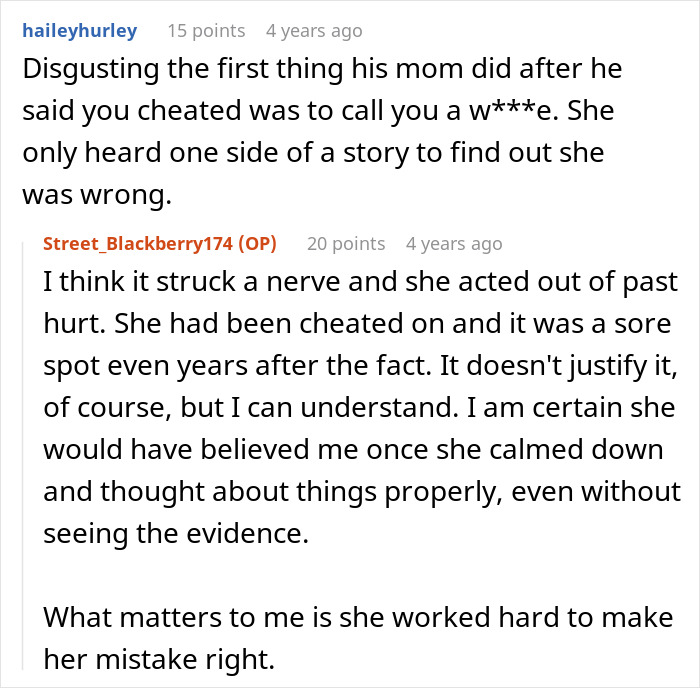
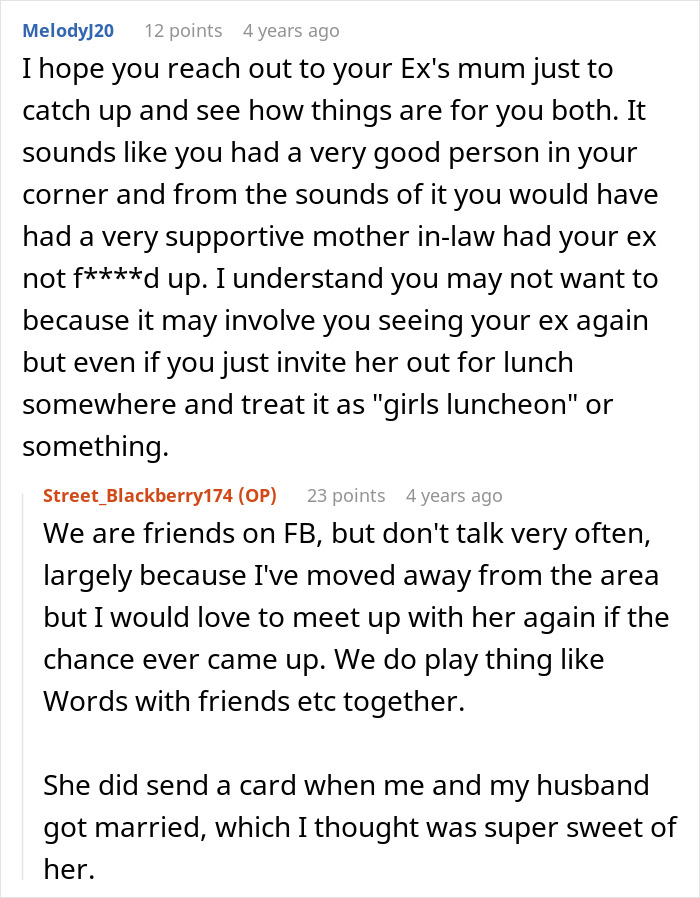
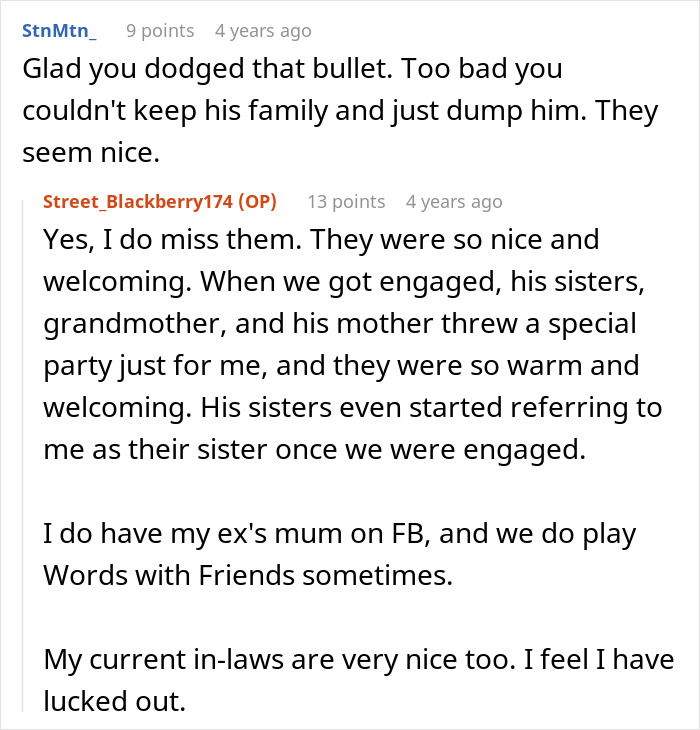
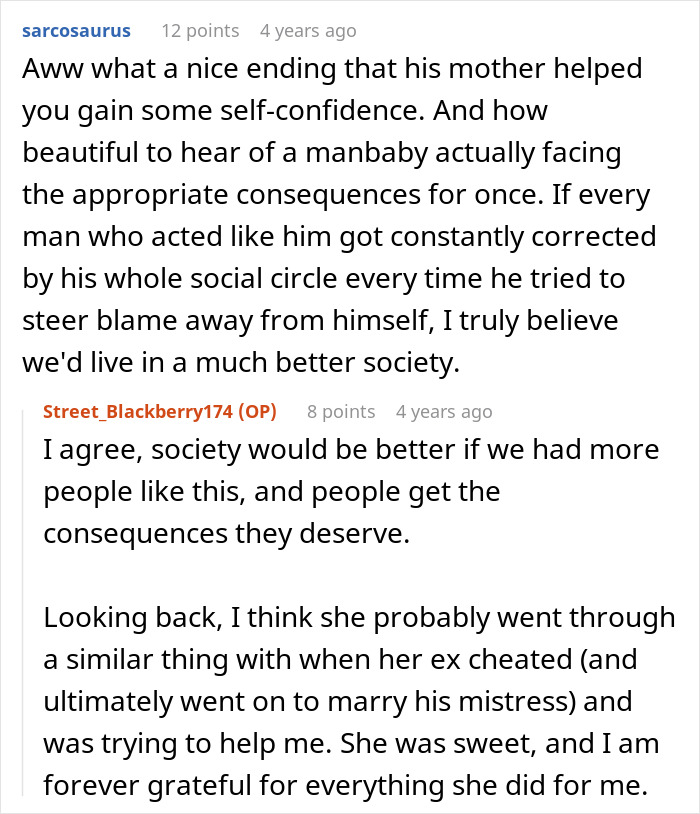
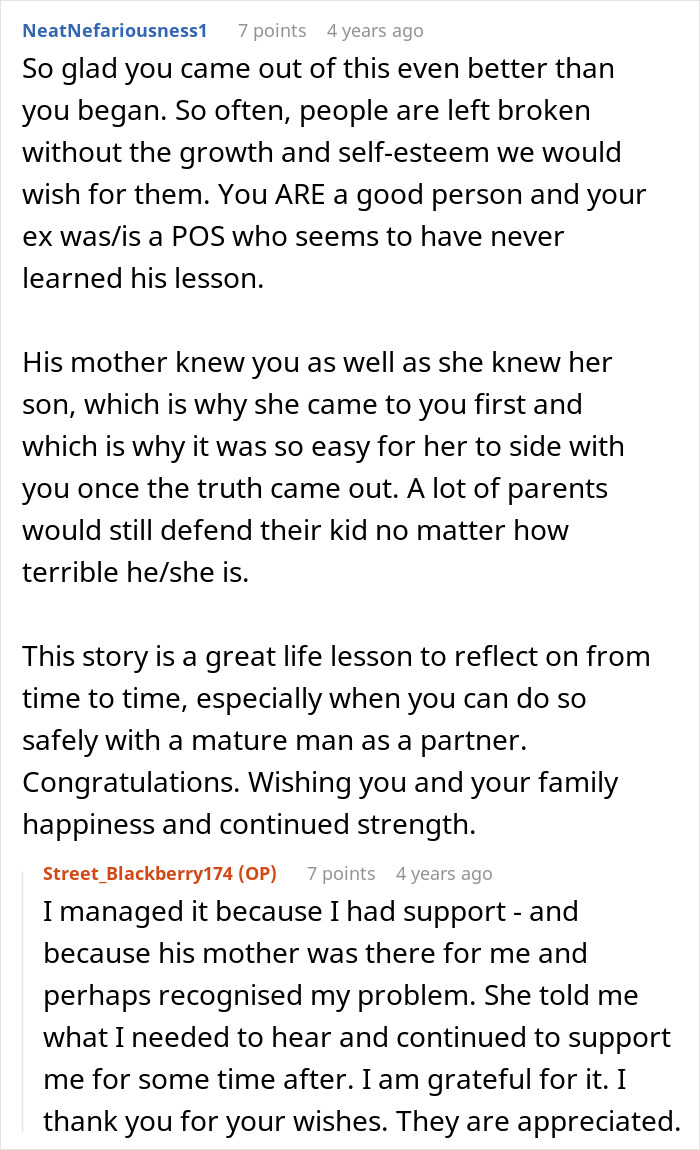
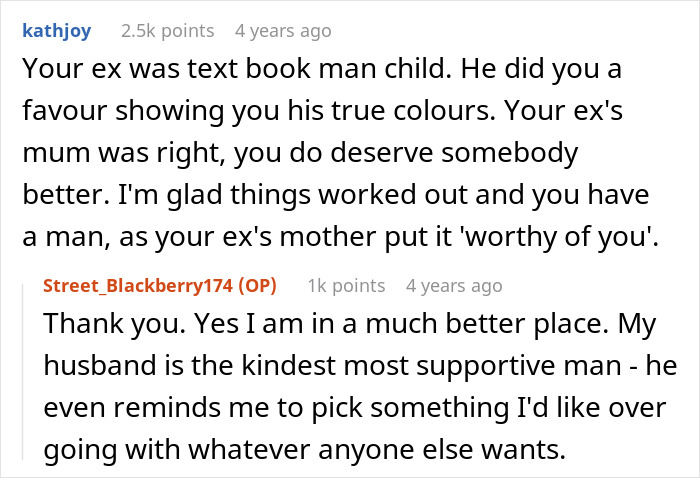
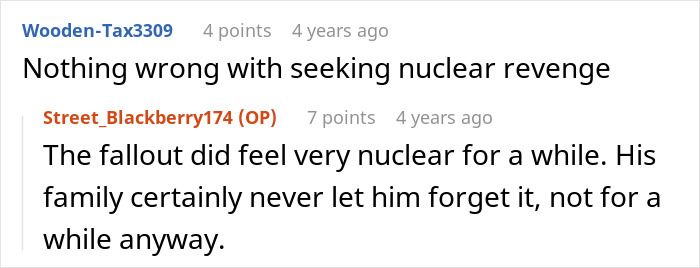
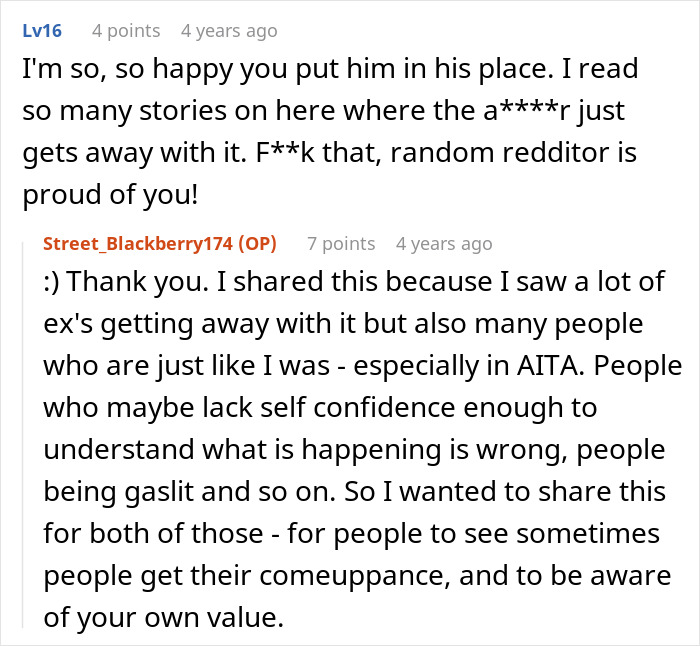
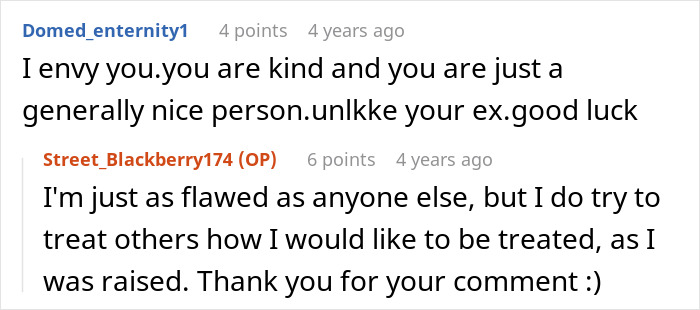
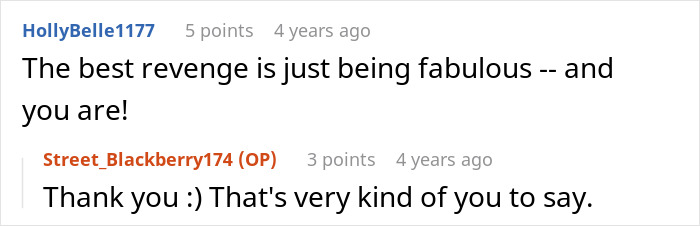
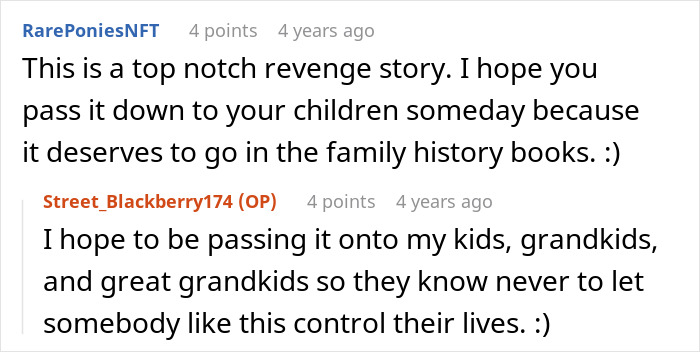
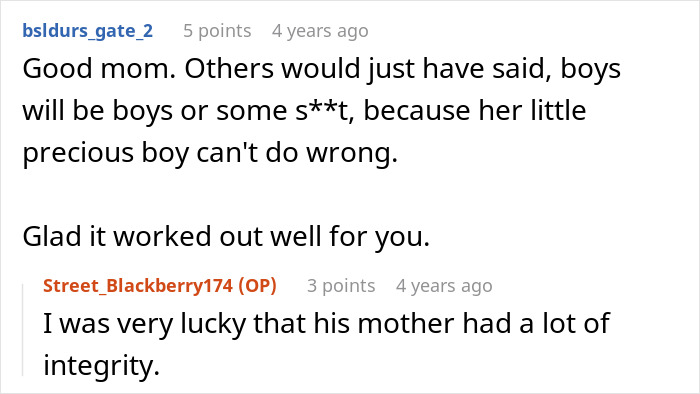
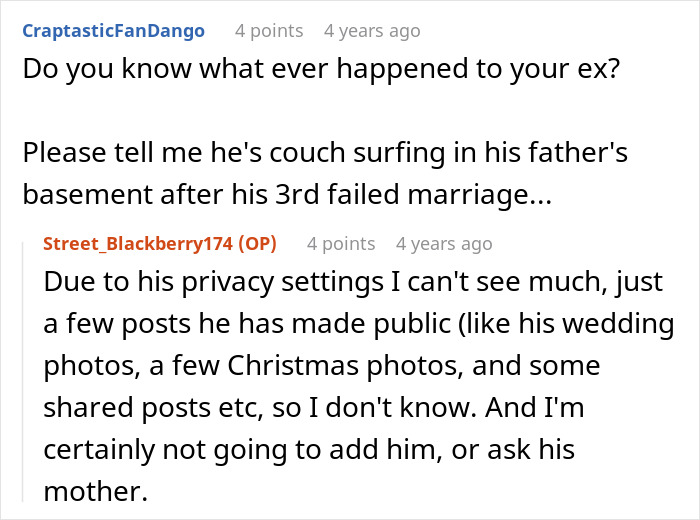
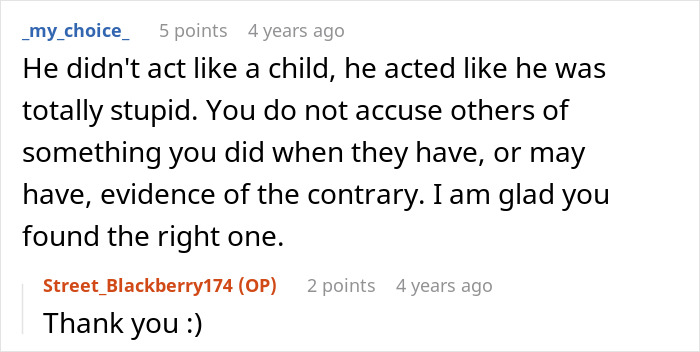
A woman shared her story of her ex cheating, her finding out and the, finally, getting the last laugh, by sharing the evidence with his mother after he lied about the breakup. She shared some more details in the comments where people expressed their sympathies and enjoyment of her bit of petty revenge.
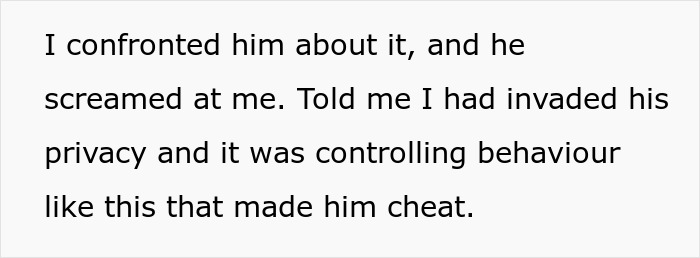
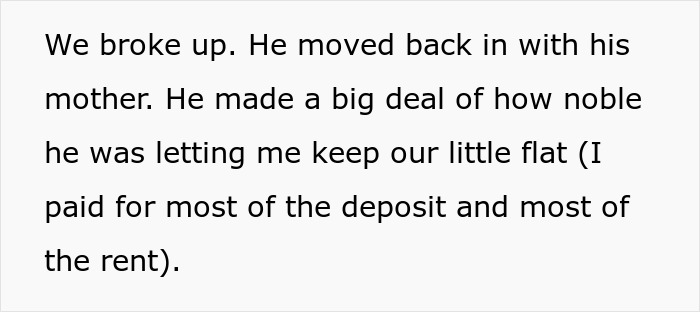

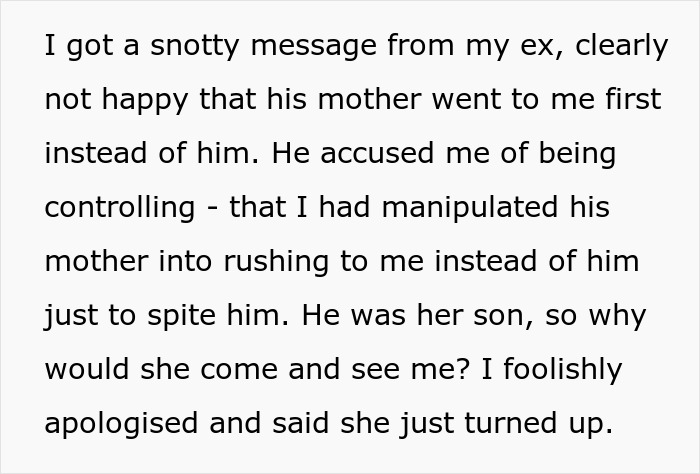
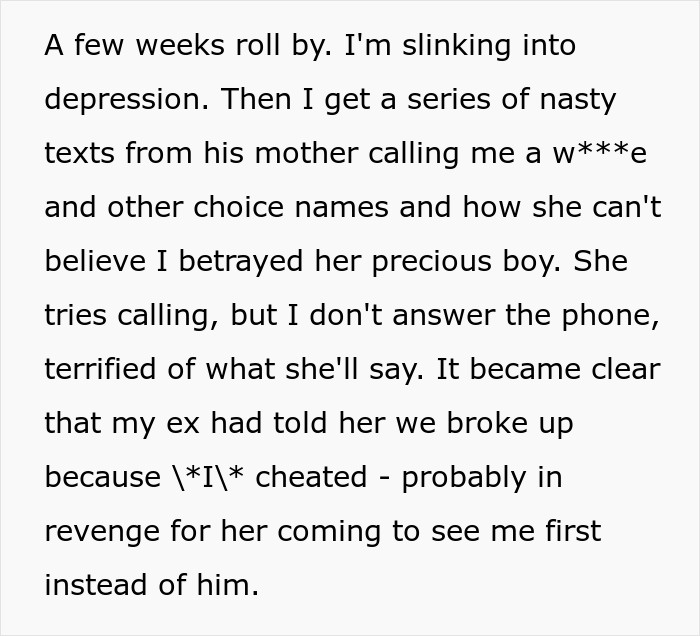
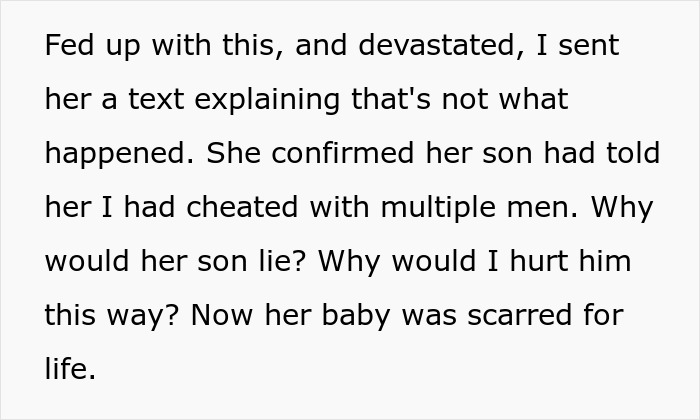
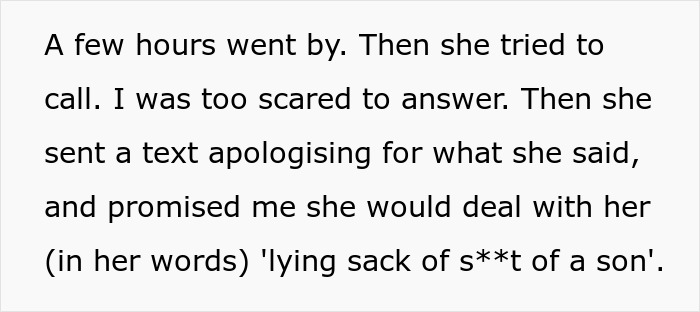
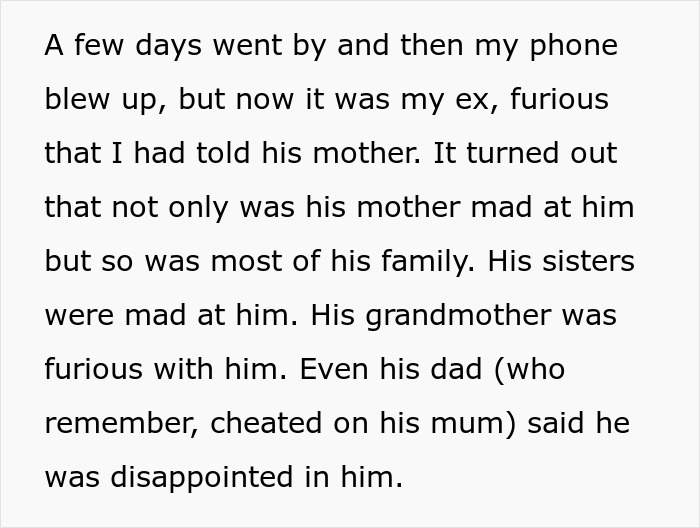
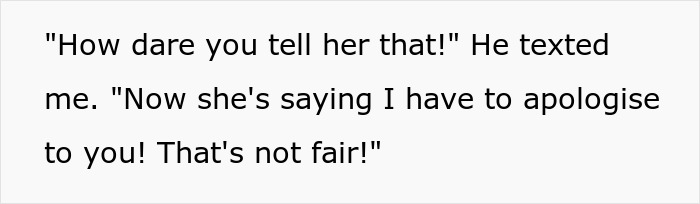
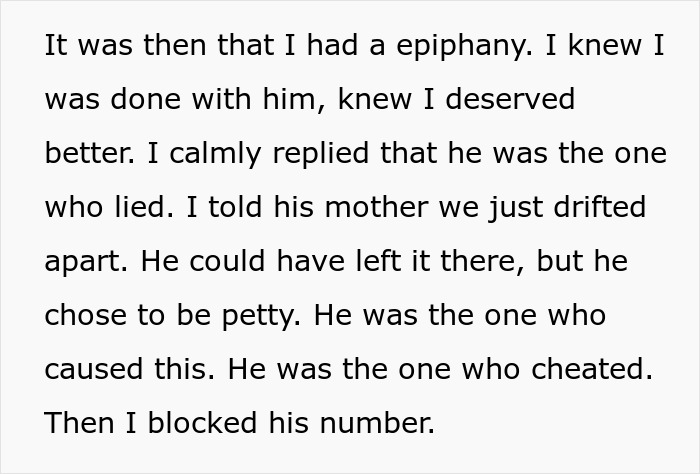
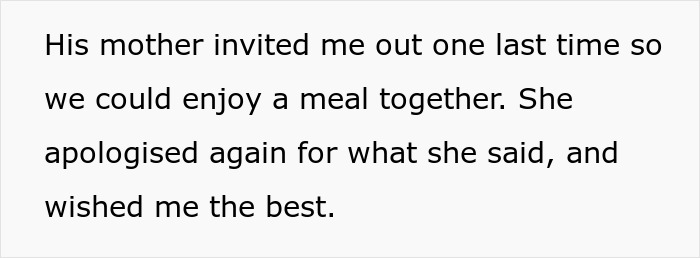
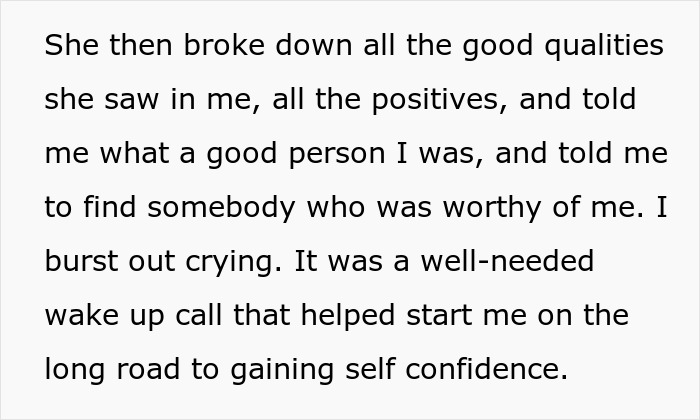
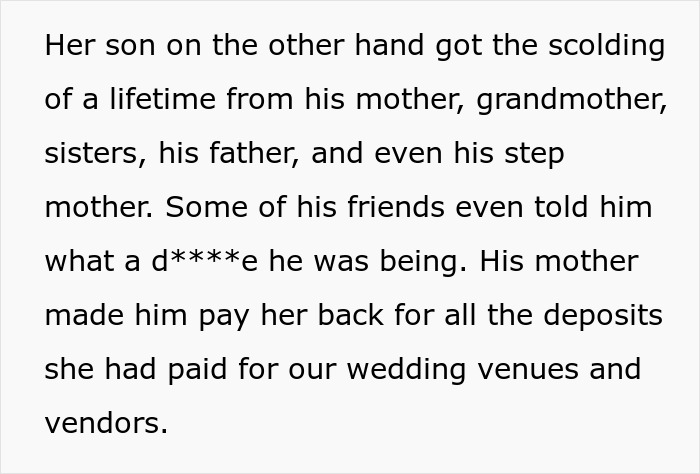
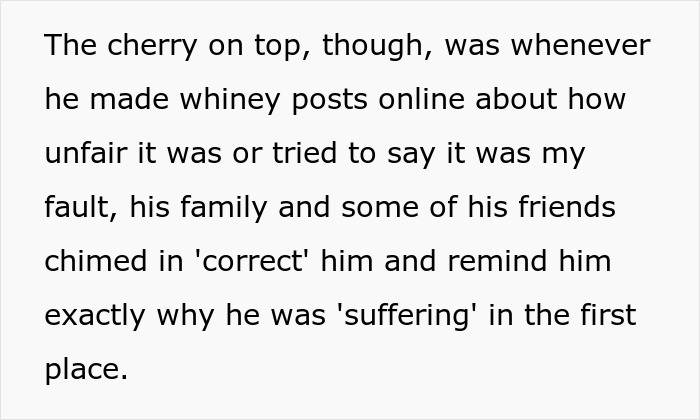
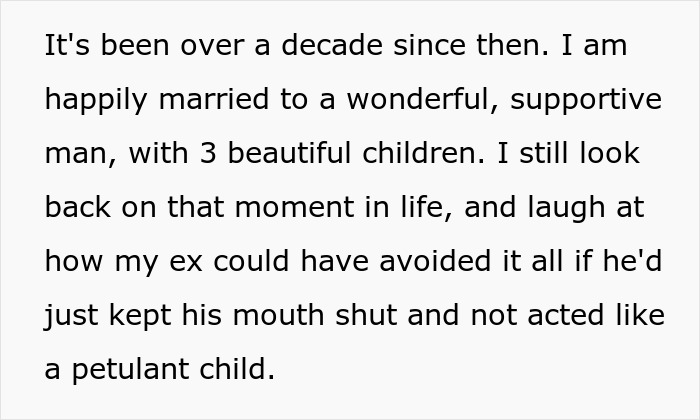
Revenge stories keep climbing the upvote charts because they offer something real life rarely does, which is a tidy ending. Most people have lived through a situation where someone behaved badly and walked away untouched. A post like this one flips that script. The man who lied about why the relationship ended never faces a dramatic ambush from the narrator. His comeuppance arrives through his own family, and it arrives because his own words backfired. Readers also tend to treat these posts as a fairness check, comparing what each person did with what each person got. That detail says a lot about why people cheer for this genre, and psychology offers several explanations.
The first idea is that punishing wrongdoers feels good on a biological level. In a well known 2004 experiment, Swiss researchers let people who had been cheated in a money game decide whether to penalize the cheater, and brain scans showed that a real penalty activated the dorsal striatum, a region linked to pleasure and satisfaction. Readers are only watching from the sidelines, but it is not hard to imagine that a story where a liar loses his standing triggers a milder version of the same reward. The researchers also noted that willingness to punish varies widely between societies, so the pull is shaped by upbringing as well as biology. The sense of fairness is old, and it responds well to a good ending.
The second idea fits this story especially well. Psychologist Mario Gollwitzer found that revenge feels most satisfying when the offender understands why it happened. As described in the APS Observer, revenge the target never acknowledged left avengers no happier than people who did nothing, while satisfaction rose when the target showed he got the message. That is the shape of this post. The ex never needed to be ambushed. Relatives who each had a stake in the matter spelled out what he had done, and they kept doing it whenever he complained online. His understanding is the payoff, and readers get to watch it land.
Then there is the belief that people get what they deserve. The same APS piece covers research showing that people who held that belief strongly felt a greater desire for revenge after the September 11 attacks. Stories like this one deliver a small, safe confirmation of that worldview. The lie meant to protect his image is what exposed him, which gives the plot a symmetry that feels earned. It also helps that the payback here is mostly the truth. Every consequence traces back to his own choices, so readers can enjoy the result without much guilt, which is a big part of the appeal of the petty revenge format.
There is also a social function. The APS article describes work by Michael McCullough and colleagues arguing that vengeance acts as a public announcement that certain behavior will bring consequences. Here the announcement came from an entire family, including a father who had cheated himself and still voiced his disappointment. Readers see a community reinforce a norm about honesty, which feels very different from a private grudge. McCullough has also written that revenge that finds its target can feel thrilling, so the strong reaction to these stories is not surprising.
The last reason is that readers get the sweet part without the sour part. Research led by Kevin Carlsmith found that people who took revenge in a lab game felt worse than those who could not, because punishment made them think about the offender more. A story skips that cost. The narrator also did not scheme in advance. She acted only after being accused of something untrue, which keeps her firmly on the side of the wronged party in readers’ minds. She describes laughing about it years later, happily married with a family, which makes the whole episode feel resolved. The emotional peak is not even the ex’s downfall. It is the final meal with his mother, when she listed the narrator’s good qualities. That scene may explain why these posts resonate beyond payback, since being believed and valued is often what people want most after being wronged.
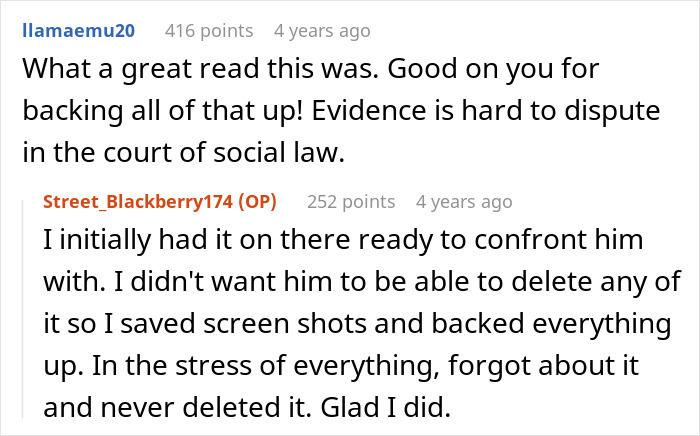
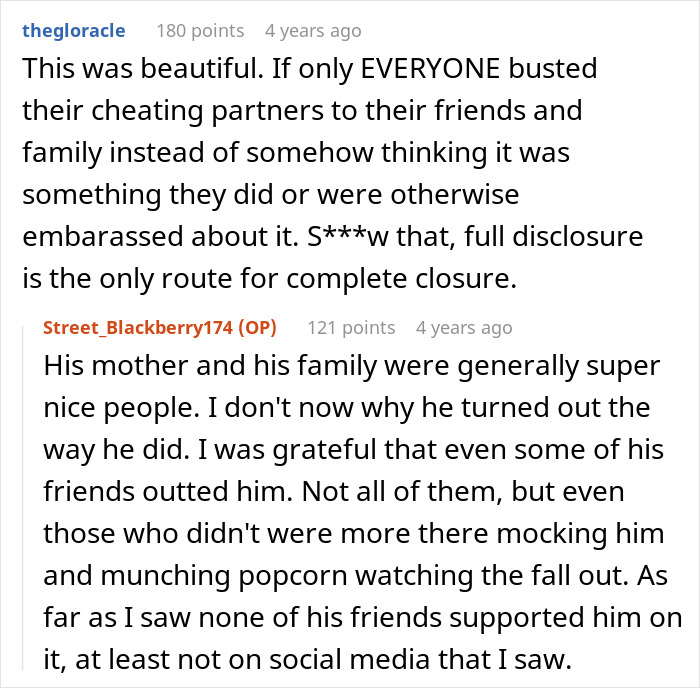




By entering your email and clicking Subscribe, you're agreeing to let us send you customized marketing messages about us and our advertising partners. You are also agreeing to our Privacy Policy.
Thank you! You've successfully subscribed to newsletters!

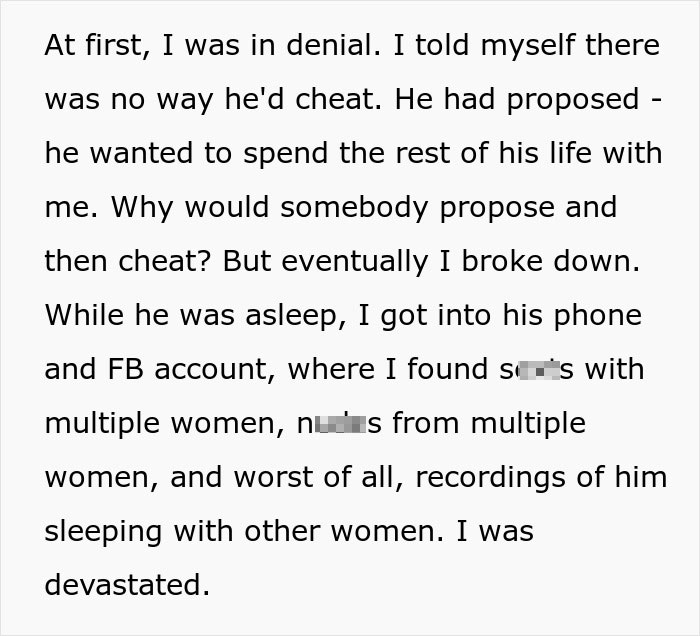
I'm struggling with that first censored word - had to go to the story to find out it was sexts.
I'm struggling with that first censored word - had to go to the story to find out it was sexts.
































 No fees, cancel anytime













30
1