Get Premium
Dark mode theme is available exclusively for premium users. Learn more about the benefits of subscribing.
No fees, cancel anytime.

 Dark Mode Ad-Free Browsing Unlimited Content
 Ad-Free Browsing Unlimited Content Dark Mode
Join 1.2 million Panda readers who get the best art, memes, and fun stories every week!
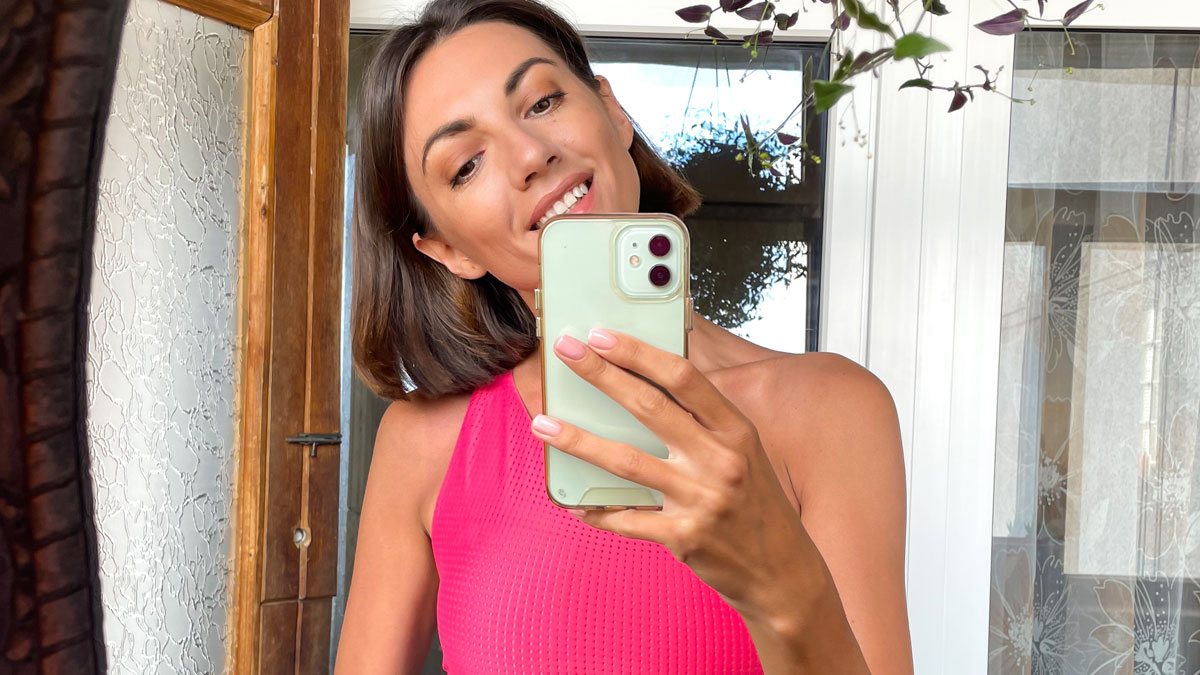
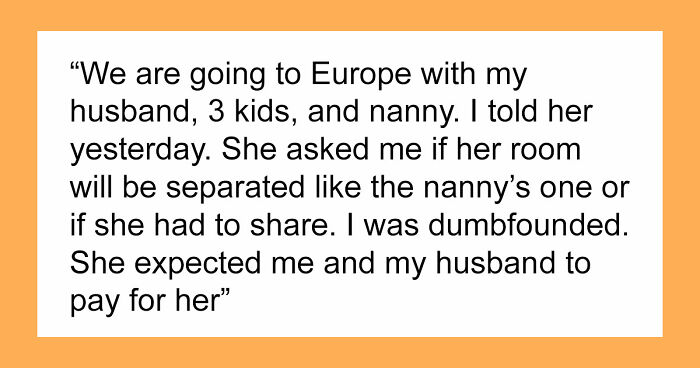
Having a big online following can open plenty of doors. People might send you things, invite you places, or offer you opportunities that wouldn’t normally come your way. If you’re not careful, though, all that special treatment can go to your head. And before long, you might start assuming everyone owes you something just for existing.
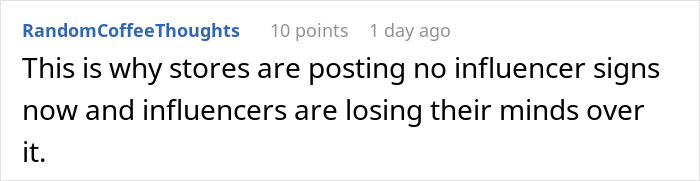
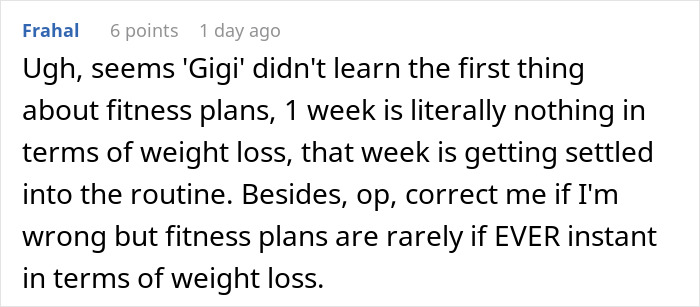
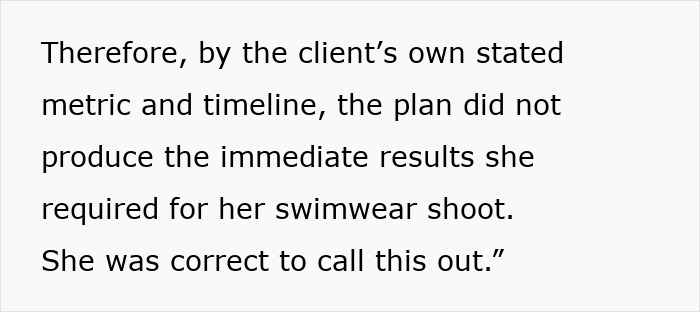
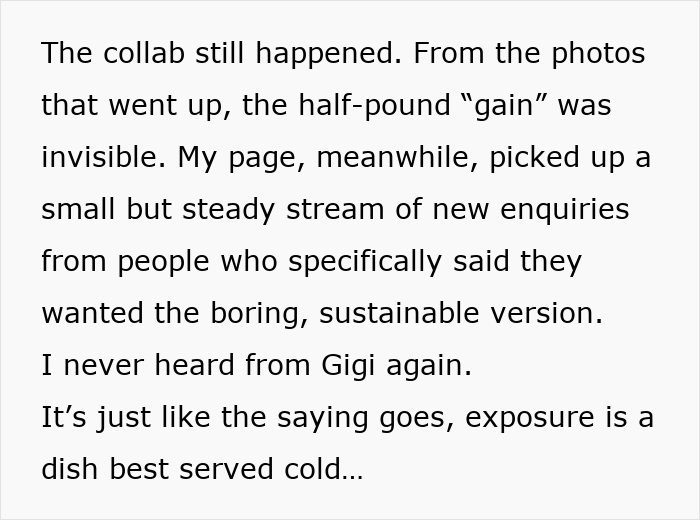
One influencer reached out to a fitness coach and asked if she could compensate him with “exposure.” He said no, so she eventually paid the full price. But when she didn’t get the results she wanted after just one week, she completely lost it. Read the full story below.
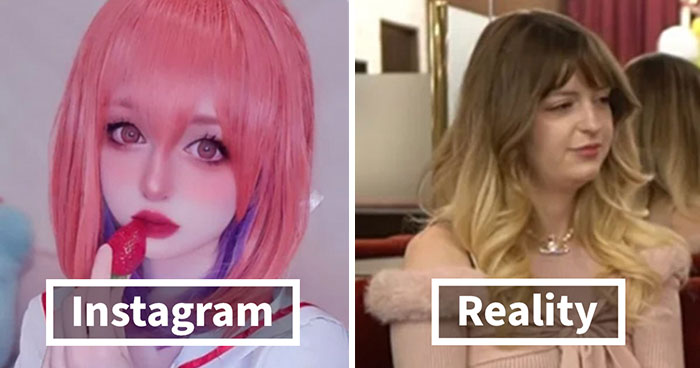
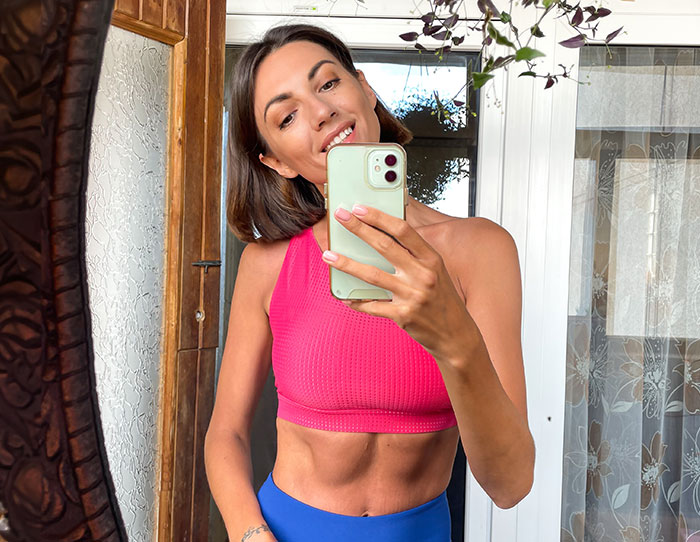
Image credits: kroshka__nastya (not the actual photo)
Image credits: prostooleh (not the actual photo)
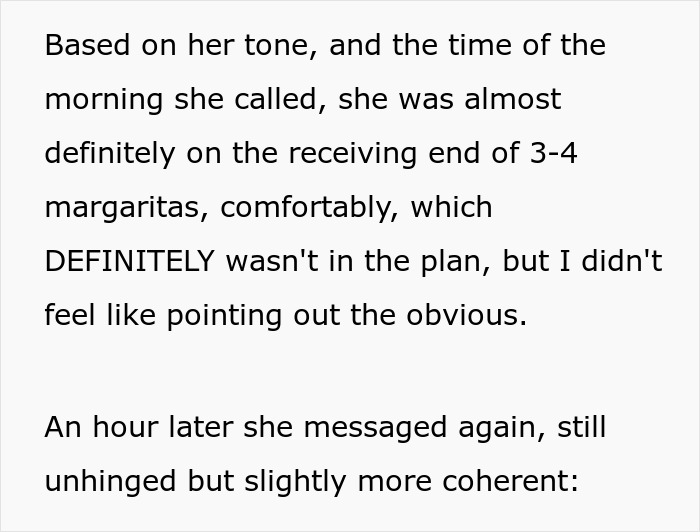
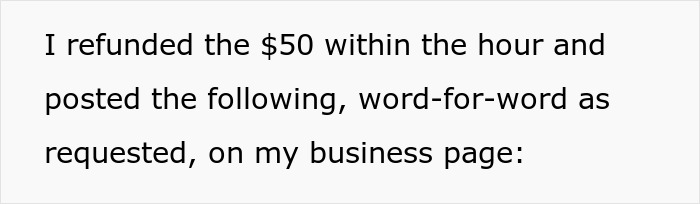
Image credits: DC Studio (not the actual photo)
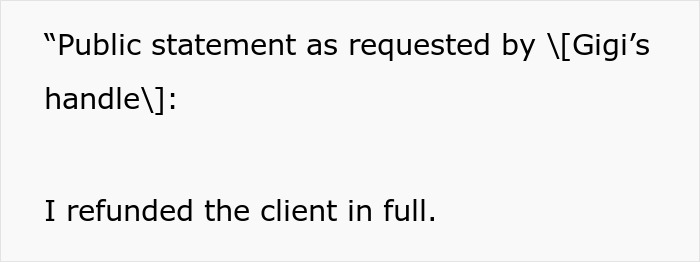
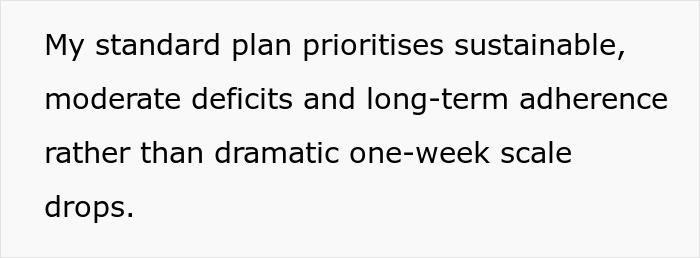
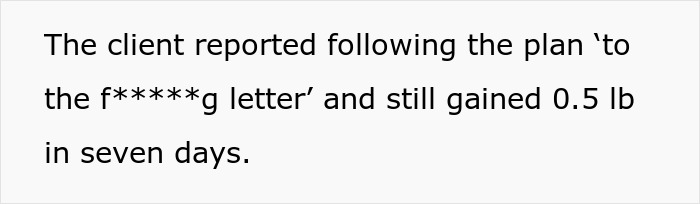
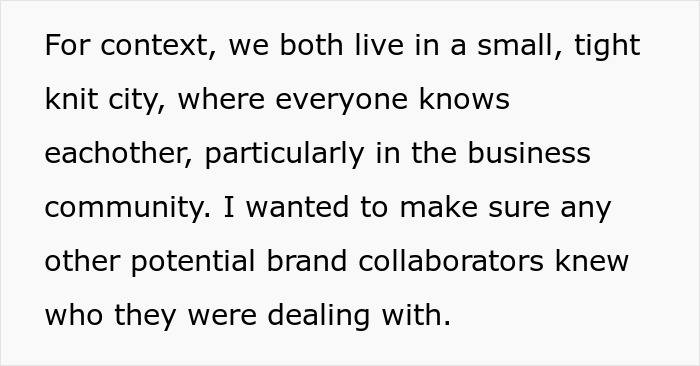
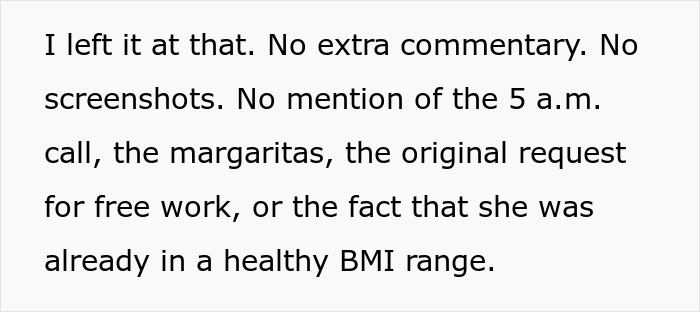
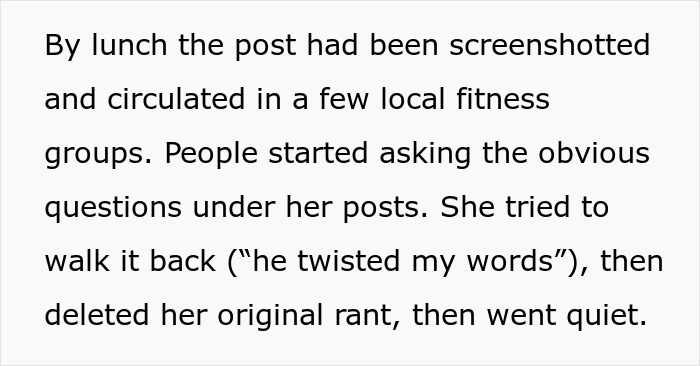
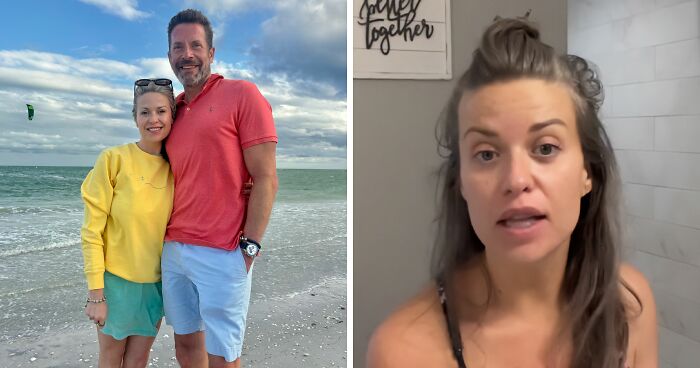
Image credits: The_amazingluke
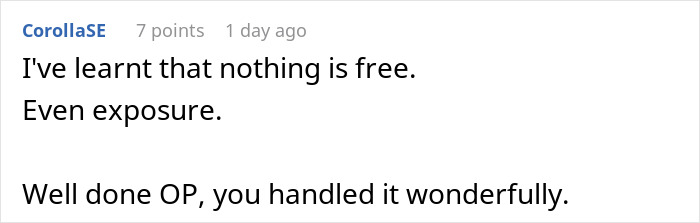
“Just think how many new people could discover your work.” “It could lead to all kinds of opportunities.” “You’ll get so many new clients afterward.”
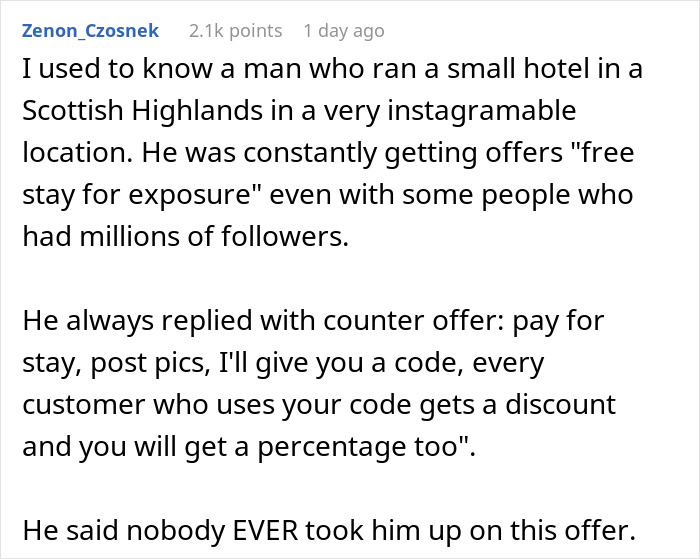
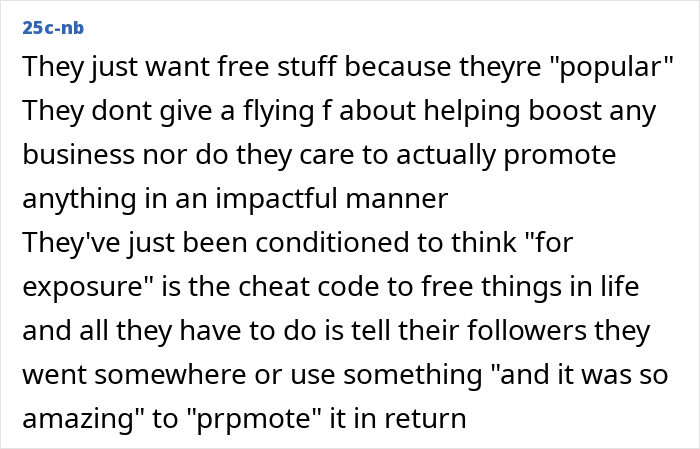
Anyone who works for themselves has probably heard some version of these promises. The offer may come from a well-known company that seems exciting to work with. Other times, it comes from a local influencer hoping their follower count will be enough to secure something for free.
The arrangement is usually presented as a great opportunity. You provide your time and expertise, while the other person gives you attention in return. That may sound appealing at first, especially when you’re still trying to grow your name. The problem is that attention doesn’t guarantee any future income.
Meanwhile, the bills still arrive. The average rent across all property types in the United States is $2,022, according to Zillow. Grocery Tracker estimates that the average American spends between $346 and $543 on groceries each month. That is before utilities, clothing, transport, and the many other expenses that come with everyday life.
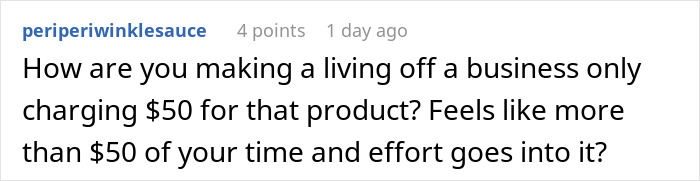
Unfortunately, requests for unpaid work are still fairly common among freelancers. They can be especially familiar to people in creative fields, as well as anyone building a personal brand or selling a service directly to clients. Fitness coaches, photographers, writers, and designers may all find themselves being told that visibility should be valuable enough on its own.
The same kind of request would sound strange in many other professions. Coach and creator Liz Ryan, author of Reinvention Roadmap: Break the Rules to Get the Job You Want and Career You Deserve, made this point in a Forbes piece about unpaid work.
“I’ve never heard of an electrician being asked to wire an office building for free ‘for the exposure,’ but who knows?” she wrote. “Maybe someone has tried that, too.”
Part of the problem may come from how certain kinds of work are viewed. According to The Sunday Post, creative and freelance jobs can be easier to dismiss because they don’t always match traditional ideas of what “real work” looks like. When someone produces something independently, others may underestimate the time and training behind it.
Starting out can also make freelancers more vulnerable. Newcomers often need examples of their work before they can attract paying clients. That pressure may convince them that working for free is simply part of building a career. In some industries, it is even treated like a rite of passage.
The financial impact can be significant. Research cited by The Sunday Post in 2018 found that more than half of freelancers in the UK agreed to unpaid work. Freelancers and self-employed workers were estimated to lose an average of £5,384 in earnings each year because of it.
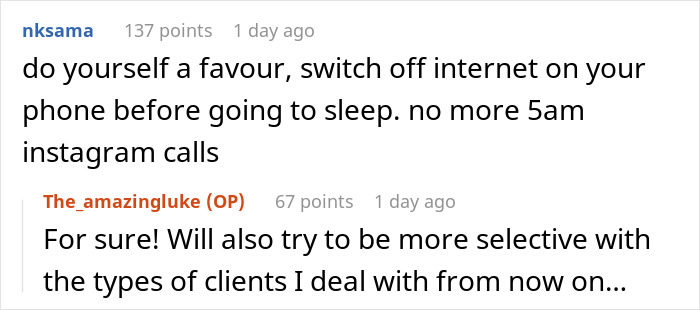
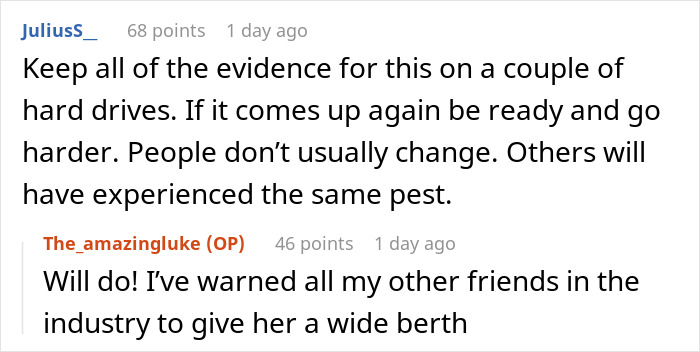
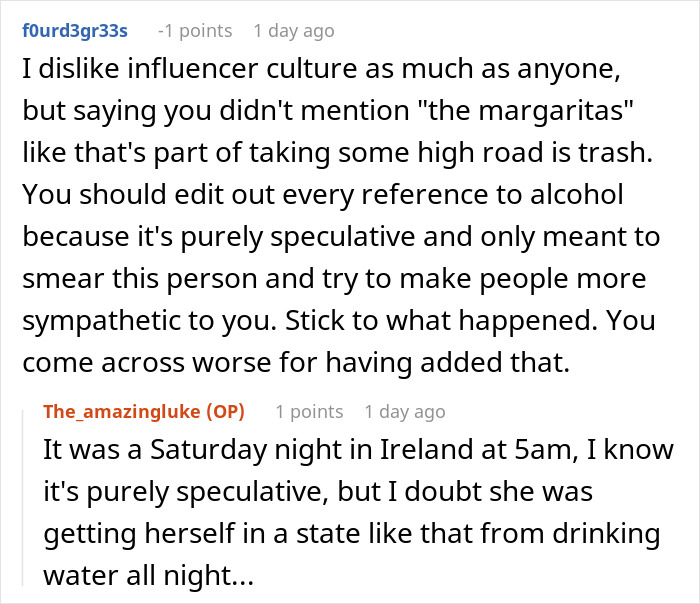
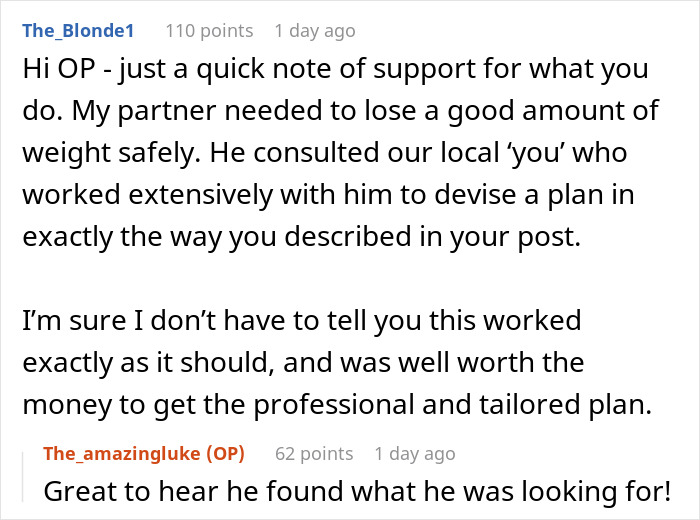
Seeing unpaid work treated as normal doesn’t mean it should be accepted without question. The fitness coach in this story was initially tempted by the promise of extra attention, but he eventually decided his work deserved proper payment.
Even though he later issued a refund, the experience probably confirmed why accepting vague promises instead of money can be risky.
How do you think he handled everything? Share your thoughts in the comments below.
Image credits: benzoix (not the actual photo)







By entering your email and clicking Subscribe, you're agreeing to let us send you customized marketing messages about us and our advertising partners. You are also agreeing to our Privacy Policy.
Thank you! You've successfully subscribed to newsletters!
There is no such thing as the "influencer economy". It's all a stick-up job, only instead of a gun or knife, they threaten you with bad reviews and smear campaigns.


There is no such thing as the "influencer economy". It's all a stick-up job, only instead of a gun or knife, they threaten you with bad reviews and smear campaigns.



 No fees, cancel anytime







35
3