Get Premium
Dark mode theme is available exclusively for premium users. Learn more about the benefits of subscribing.
No fees, cancel anytime.

 Dark Mode Ad-Free Browsing Unlimited Content
 Ad-Free Browsing Unlimited Content Dark Mode
Join 1.2 million Panda readers who get the best art, memes, and fun stories every week!

With the job market being rough for pretty much everyone right now, the internet has witnessed a wave of something truly terrible — the rude recruiter. That is, employers who see a poor job market as nothing more than an opportunity to take advantage of desperate job seekers.
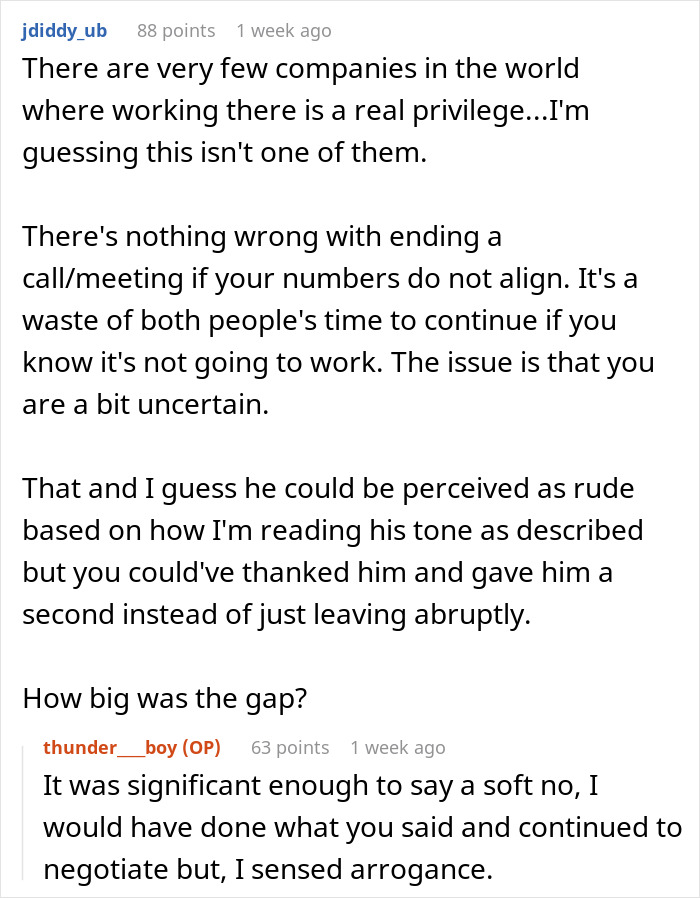
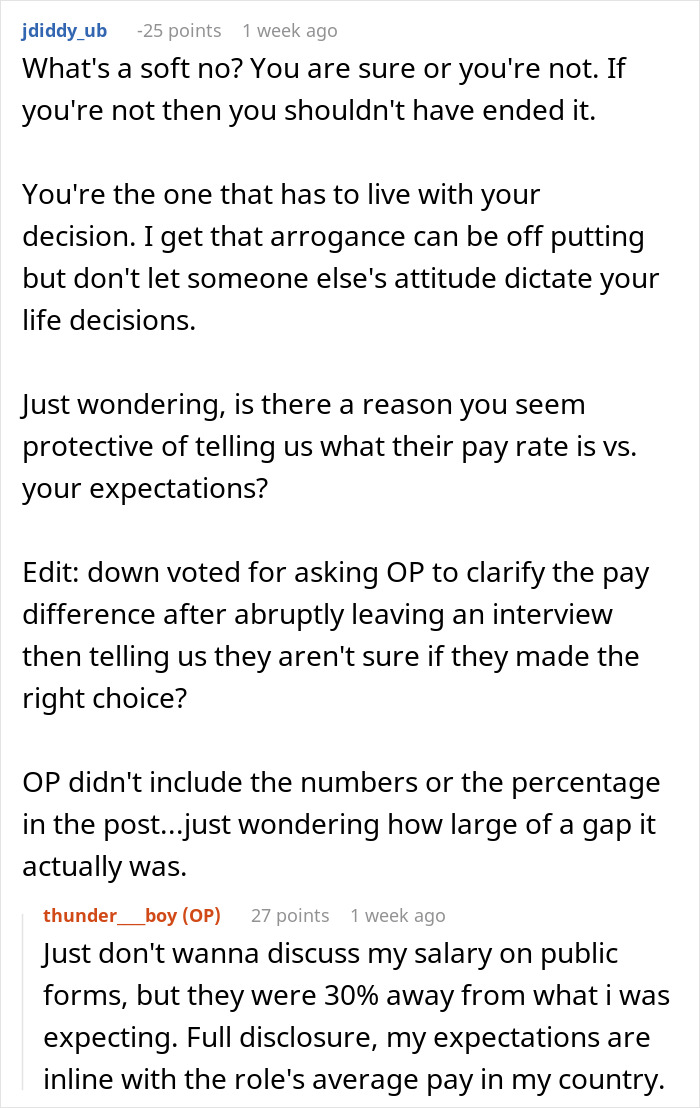
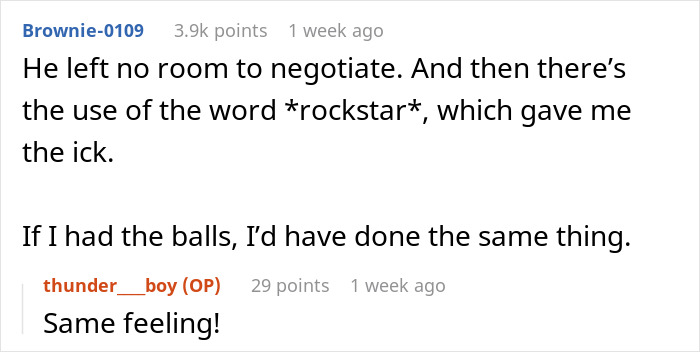
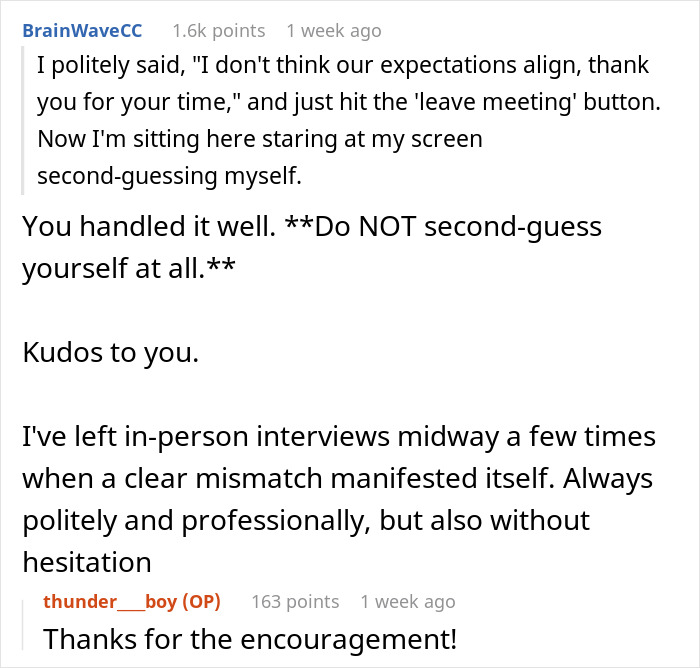
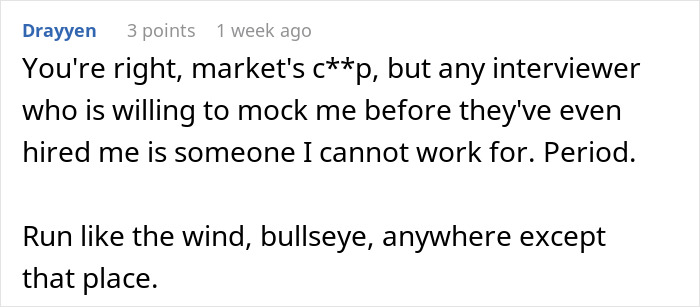
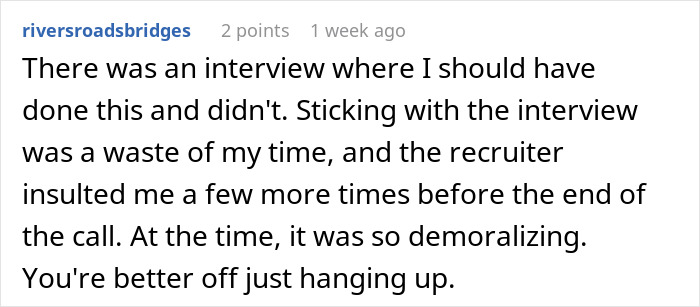
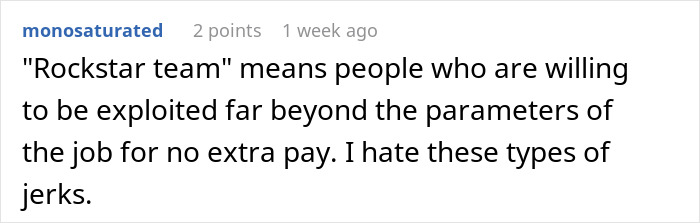
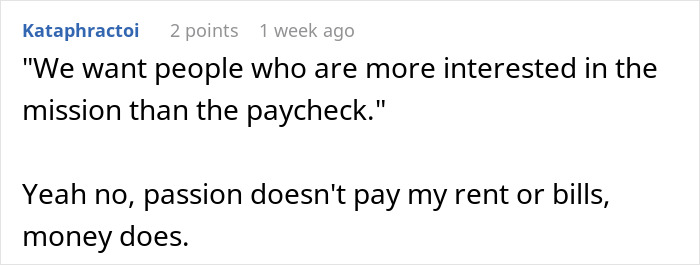
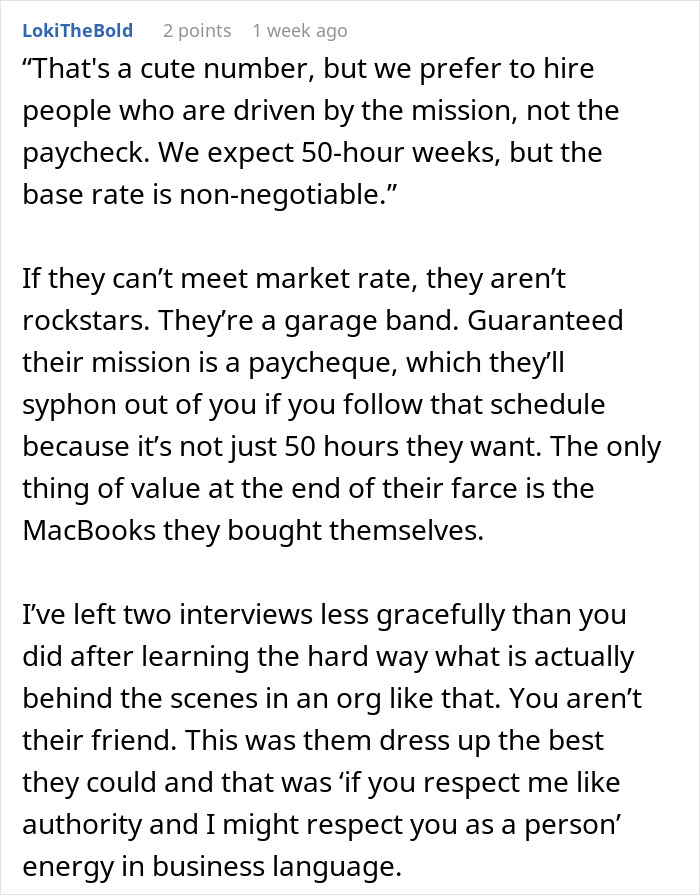
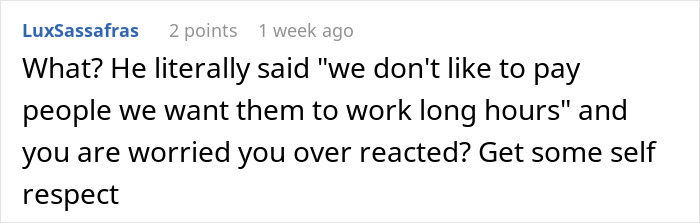
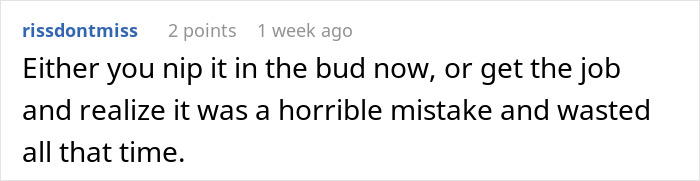
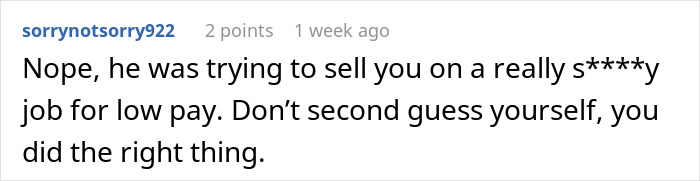
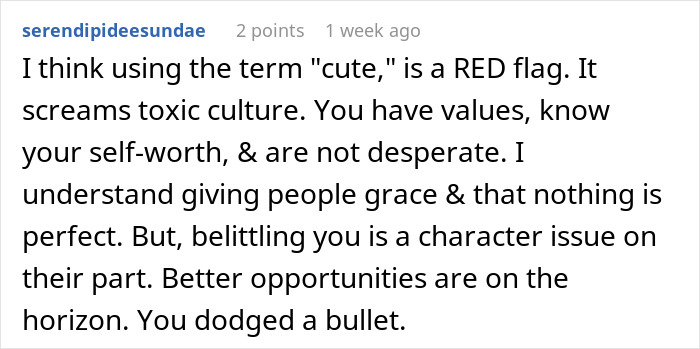
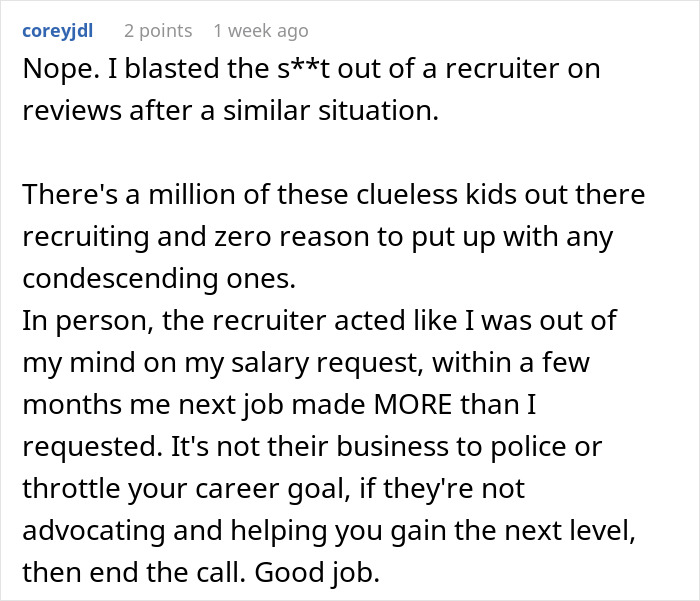
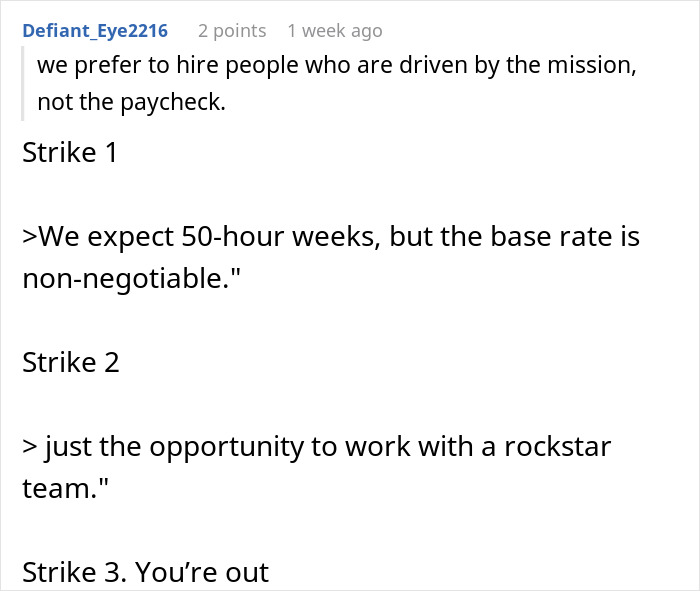
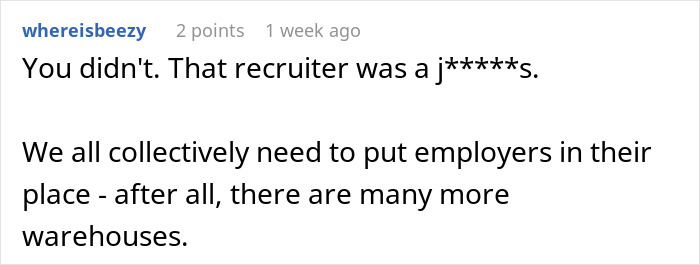
A 26-year-old man recently shared his interview experience online, where the recruiter started laughing after he stated his salary expectations. The employer called the figure “cute” and said the company only offered a “rockstar team” instead of higher pay or benefits. The candidate ended the Zoom call before the interview could finish.
Bored Panda spoke to the author of the post to get more context on what happened and how he felt about the situation afterward.
Image credits: Getty Images / Unsplash (not the actual photo)
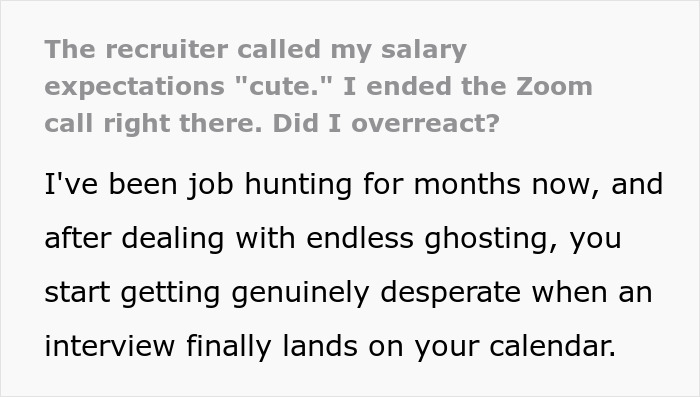
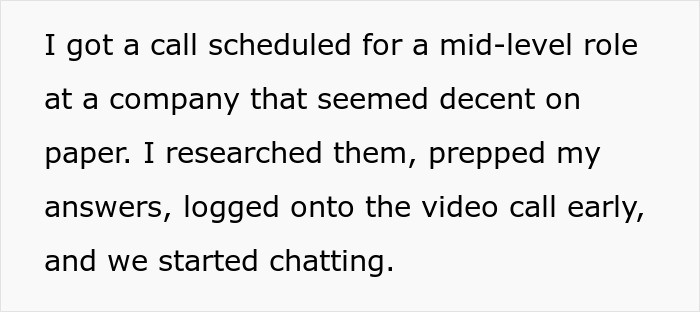
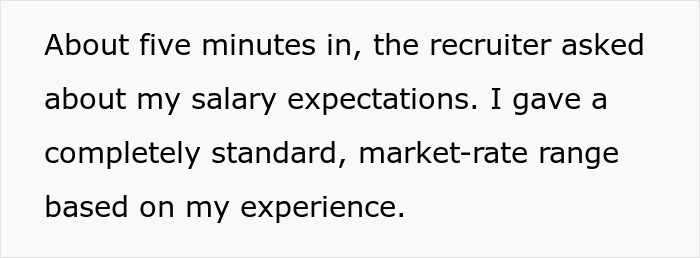
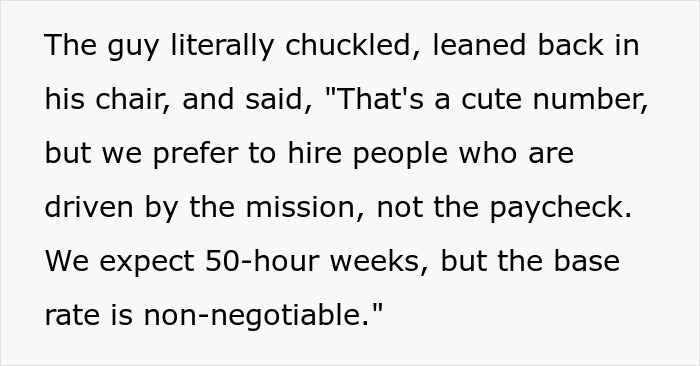
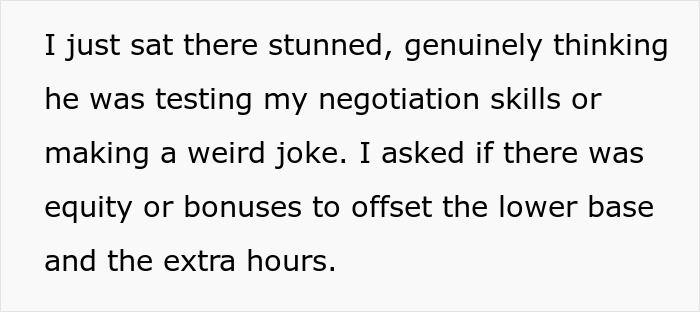
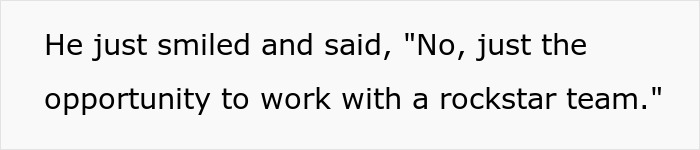
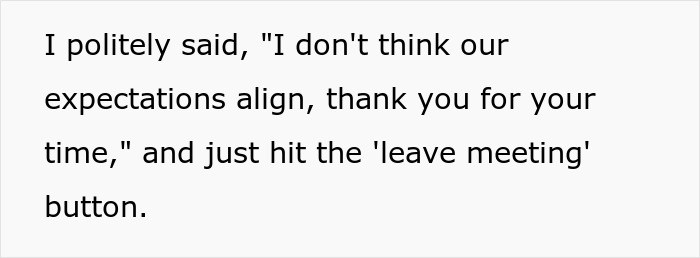
Image credits: Getty Images / Unsplash (not the actual photo)
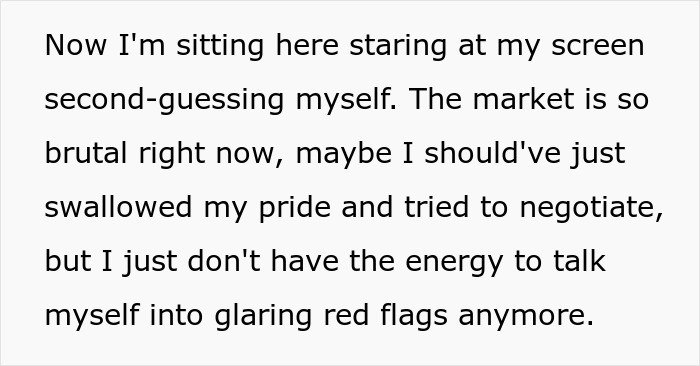
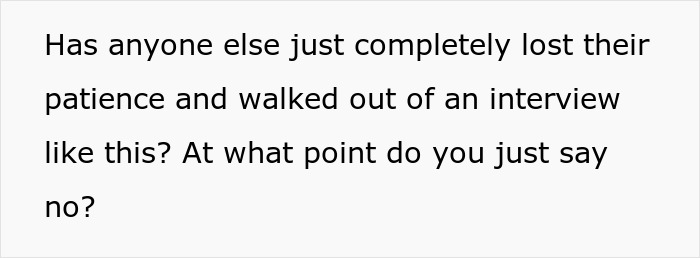
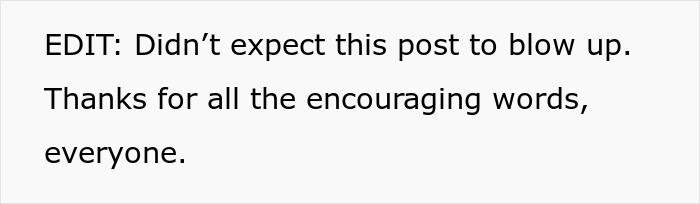
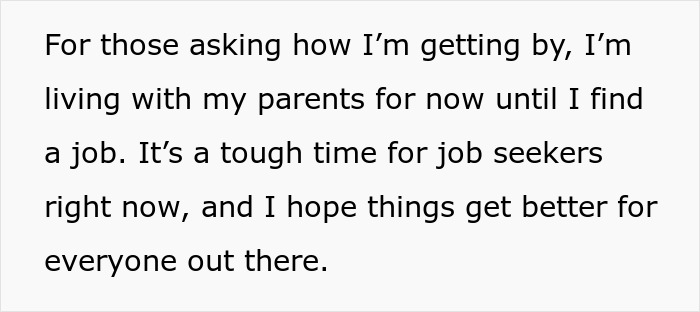
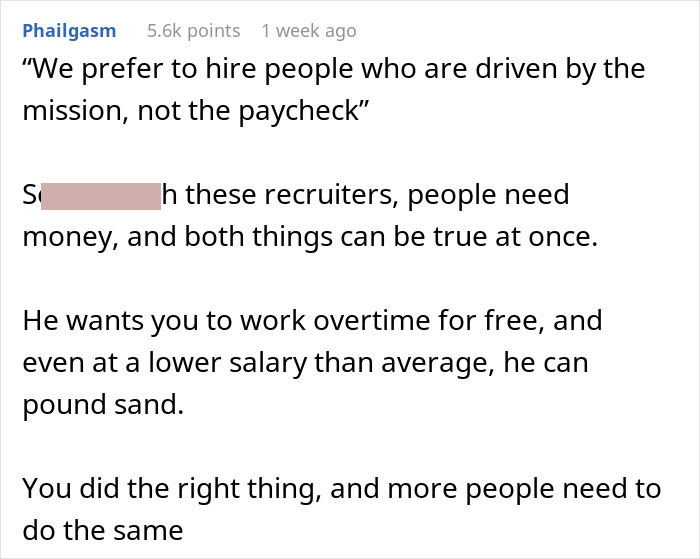
Image credits: thunder____boy
Image credits: Getty Images / Unsplash (not the actual photo)
The job candidate, Reddit user @thunder_boy, told us that he has been looking for work for the last two months and has had no luck at all. “It’s very bad… even with a good resume, landing interviews is super difficult.”
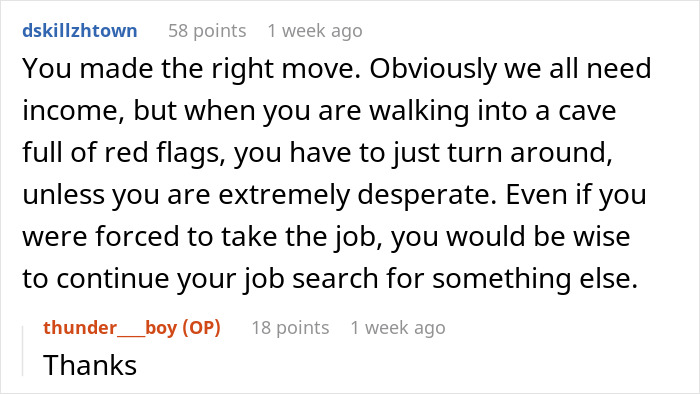
After he abruptly ended the Zoom interview call, the recruiter did not reach out to him again. However, he shared that the support from the Reddit community actually helped him process the situation. “They gave me confidence that I wasn’t making a big mistake, and I’ve stopped second-guessing myself now.”
The 26-year-old is now working on a career tool to help job seekers improve their resumes. “It will basically help people like me land interviews in this tough market.”
He is not wrong — the current job market is actually being called one of the worst ones in years. In fact, many job seekers now think they have worse odds of finding a role than during the pandemic.
But at the same time, official data shows that unemployment numbers in the US haven’t gone up that substantially. The US economy added 178,000 jobs in March, and the unemployment rate ticked down to 4.3%.
So why do we keep hearing that the job market is bad everywhere?
Moody’s Analytics chief economist Mark Zandi described the March job numbers as a misleading bump.
“Don’t take solace in the big March payroll employment gain. It comes after a big decline in February, when brutal winter weather and a labor strike at Kaiser Permanente weighed heavily on jobs,” Zandi wrote in a post on X.
“Abstracting from the vagaries of the monthly data, few jobs have been added since Liberation Day a year ago, and without healthcare, the economy would be losing jobs. And all of this before the economic fallout from the hostilities with Iran hits,” he noted.
Economists also point out that these headline numbers don’t always tell the full story. In several cases over the past year, initial job gains were later revised downward, suggesting the labor market may not be as strong as early reports indicate.
Revisions cut total job gains for 2025 by more than 400,000, bringing the final number down to about 181,000 for the year — a very weak level by historical standards. Some estimates suggest the US may have actually added close to a million fewer jobs in 2024 and early 2025 than originally believed.
Another reason is that more recent graduates are accepting their initial job offer even when it does not match their “dream career” goals. They are treating it as a temporary step or “bridge job” to pay expenses while they keep looking, according to ZipRecruiter’s 2026 grad report.
“Young people and recent grads are getting more in line with the reality of this job market, where there are fewer opportunities than there were during the post-pandemic recovery,” ZipRecruiter labor economist Nicole Bachaud told CNBC Make It.
Basically, people are being more pragmatic, taking a job even if it’s not necessarily the best or the right one for them.
She also said that it’s a “locked-out market,” thanks to stalled hiring and delayed retirements.
This period is being called “low-hire, low-fire.” Basically, people who already have jobs are likely stable, while those searching for work are experiencing a difficult and discouraging job market right now.
Image credits: Resume Genius / Unsplash (not the actual photo)
This is often called “ghosting” in hiring or tied to “ghost jobs” (fake or inactive listings that never lead anywhere).
A 2024 study found that up to 20–40% of job posts may be “ghost jobs” that aren’t actually intended to be filled or are paused/frozen mid-way.
Another survey by the jobsite Indeed found that 35% of job seekers claim an employer didn’t acknowledge their application. And 40% said they were ghosted after a second- or third-round interview.
“As the job market softens, ghosting is likely to keep growing … as a larger pool of job seekers compete for a smaller pool of jobs,” an economist for career platform Glassdoor said.
We can’t talk about jobs without talking about artificial intelligence (AI), though — one of the leading forces reshaping the market right now.
Job applications have become extremely easy to send out, especially with one-click apply systems and AI tools that can mass-apply across dozens of roles in minutes. Because of that, companies are suddenly dealing with huge volumes of CVs for every open position.
Most of those applications never even reach a human. They go through AI software first, which filters resumes based on keywords and formatting. If there’s not a close enough match, the application gets dropped before a recruiter even opens it.
At the same time, hiring itself isn’t stable. Roles get paused mid-process, budgets shift, teams restructure, or priorities change suddenly. Sometimes companies also post jobs while still deciding internally, or quietly fill them without taking the listing down.
So recruiters end up in a situation where they’re overloaded with applications, many roles are unclear or frozen, and there’s no clean answer to give candidates. With that pressure, a lot of recruiters don’t respond to the candidate at all or send out automated replies.
The system is overloaded, sure, but we also can’t deny the fact that ghosting is both rude and unprofessional.
It’s kind of like a bad breakup where there’s no closure at all. Candidates are left checking emails, refreshing inboxes, replaying interviews in their head, and wondering what went wrong.
Job seekers often describe being ghosted by companies as confusing and emotionally draining. They say it creates uncertainty and self-doubt and lowers their self-confidence.
Some people feel getting left in limbo is worse than getting outright rejected. It feels like they are being slowly ignored after investing so much time and energy.
This can make people less likely to apply for better roles or push them to accept jobs that don’t really fit or meet their expectations.
Image credits: LARAM / Unsplash (not the actual photo)
Another common sentiment that keeps coming up on platforms like LinkedIn and Glassdoor is that many recruiters don’t clearly share salary ranges or benefits upfront. Candidates go through multiple rounds of interviews, only to later find out the compensation is much lower than expected or completely non-negotiable.
This lack of transparency is becoming more common in competitive hiring markets, where companies try to keep salary flexibility open until the final stages. But on the candidate side, it often feels like a bait-and-switch.
“If you won’t disclose salary upfront, you’re wasting everyone’s time. Candidates do not have hours and hours to play these silly games. You might, but they do not. Life is hard enough for many candidates at the moment; companies should be making it easier. Not harder,” writes Rich Howell, co-founder of Marvel FMCG.
Some recruiters may also use lowballing during interviews to strongarm candidates, especially those they know are unemployed or in desperate need of work.
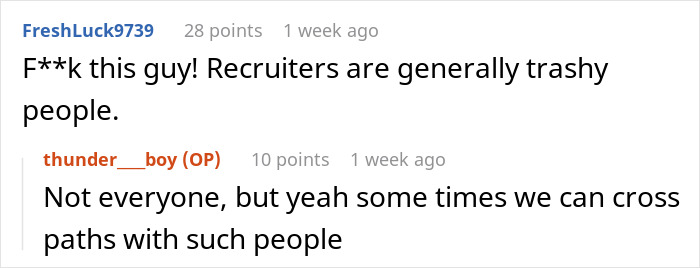
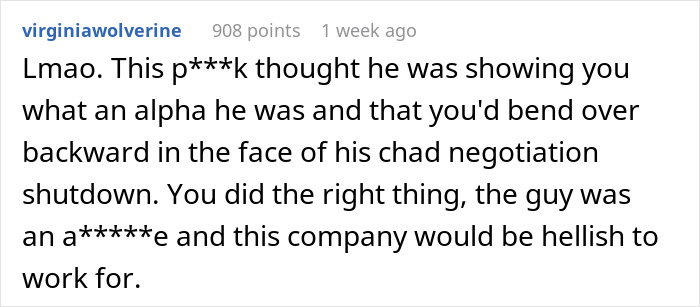
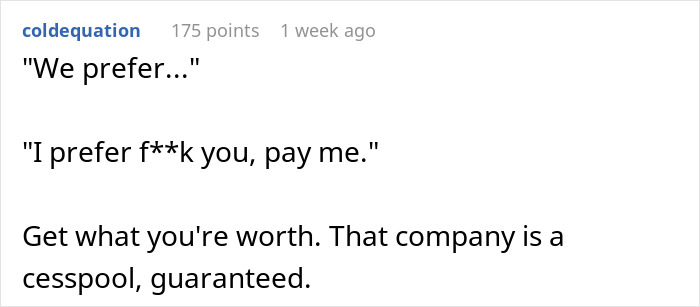
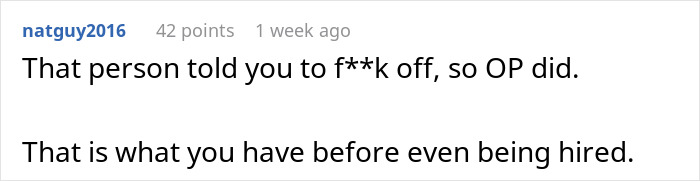
This Reddit story is not just someone “overreacting” in an interview. It points to a wider feeling many job seekers are dealing with right now — a hiring process that often feels unclear, slow, and unprofessional.
If you’ve been job hunting recently, have you felt something similar, or has your experience been completely different? Tell us in the comments.





By entering your email and clicking Subscribe, you're agreeing to let us send you customized marketing messages about us and our advertising partners. You are also agreeing to our Privacy Policy.
Thank you! You've successfully subscribed to newsletters!

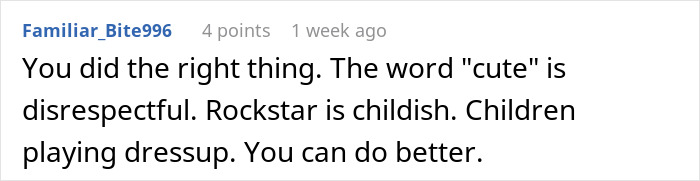
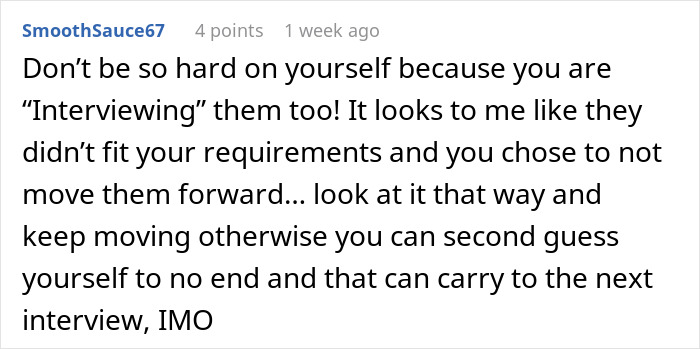
People forget, interviews are two-way conversations. If the environment doesn't work for you, you have every right to politely back out. This is hard when money is needed so be prepared to earn less if you're desperate but otherwise, it's a conversation and negotiation.

Exactly. You're interviewing the company to try and determine whether it's a place you want to work.
Load More Replies...
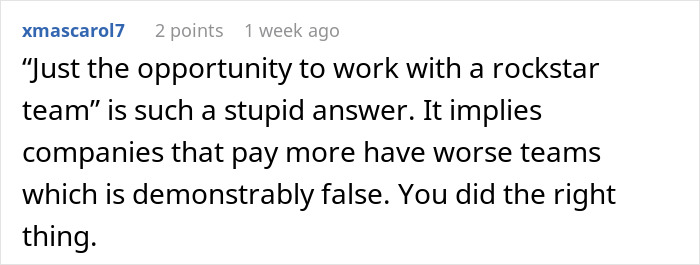
If you're part of a rockstar team, then you expect to live a rockstar lifestyle. You can't do that with a lounge singer paycheck.

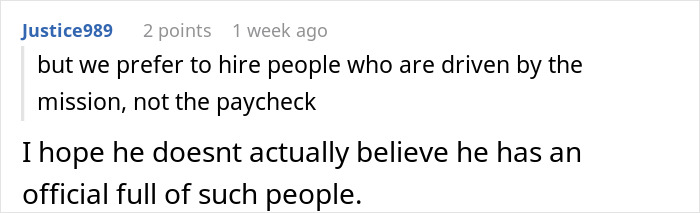
They certainly aren't driven by "the mission" and giving away products/services for free, are they?
People forget, interviews are two-way conversations. If the environment doesn't work for you, you have every right to politely back out. This is hard when money is needed so be prepared to earn less if you're desperate but otherwise, it's a conversation and negotiation.
Exactly. You're interviewing the company to try and determine whether it's a place you want to work.
Load More Replies... If you're part of a rockstar team, then you expect to live a rockstar lifestyle. You can't do that with a lounge singer paycheck.
They certainly aren't driven by "the mission" and giving away products/services for free, are they?




























 No fees, cancel anytime









33
13