Get Premium
Dark mode theme is available exclusively for premium users. Learn more about the benefits of subscribing.
No fees, cancel anytime.

 Dark Mode Ad-Free Browsing Unlimited Content
 Ad-Free Browsing Unlimited Content Dark Mode
Join 1.2 million Panda readers who get the best art, memes, and fun stories every week!
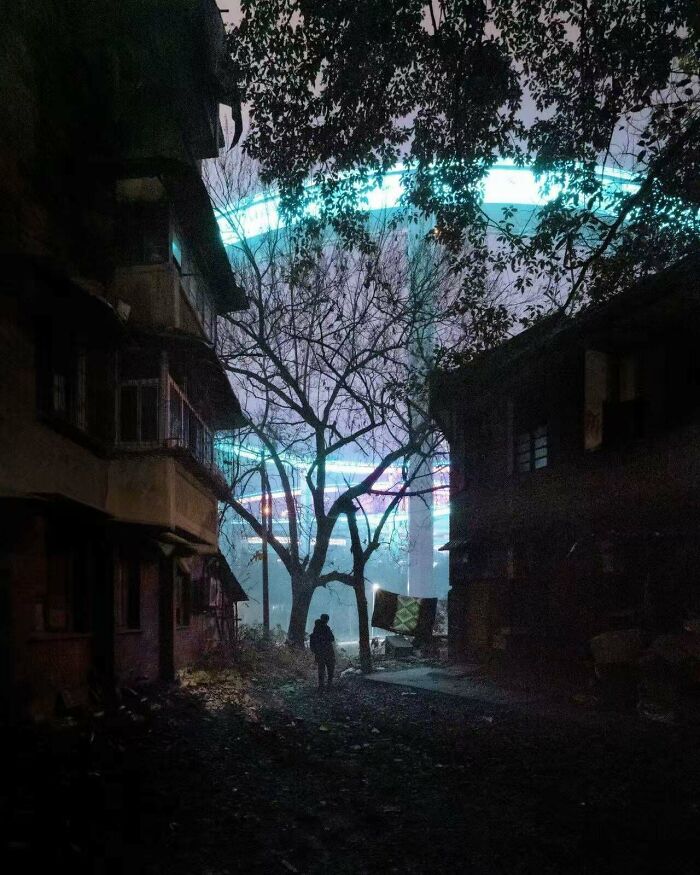
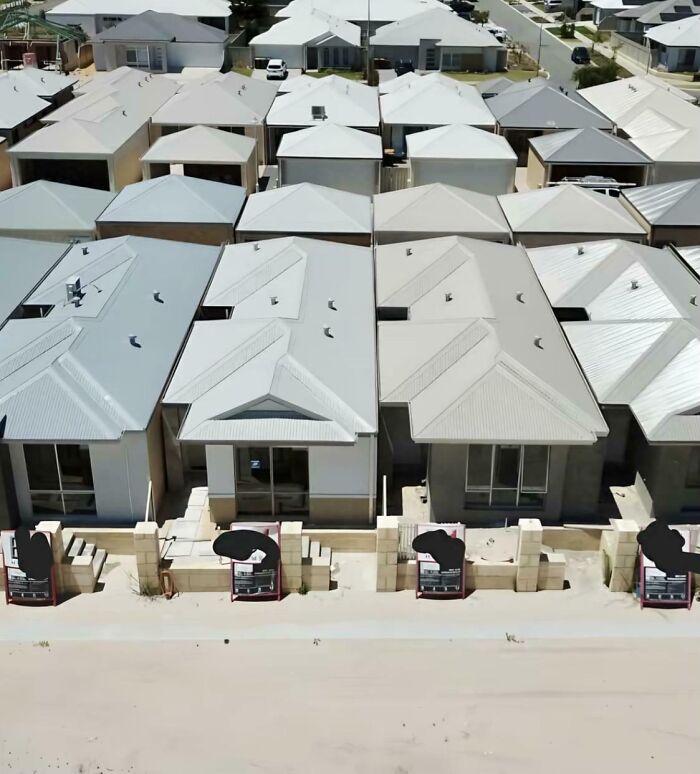
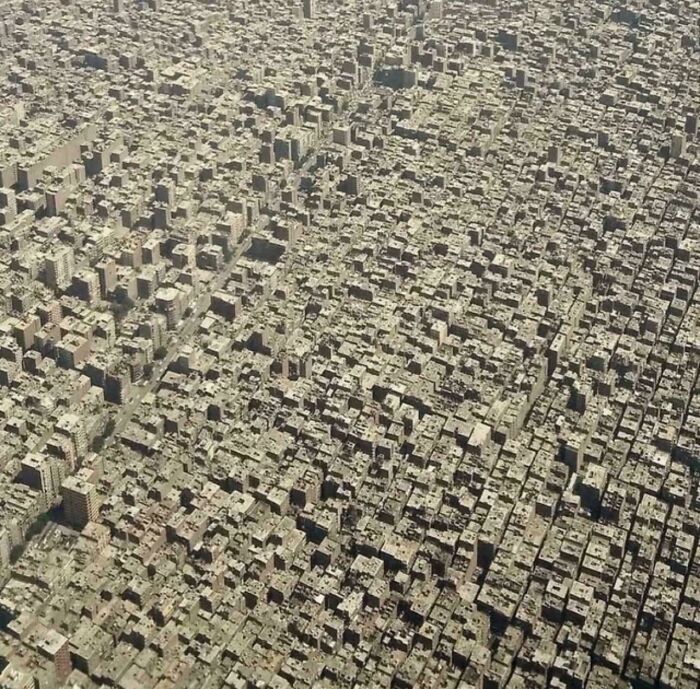
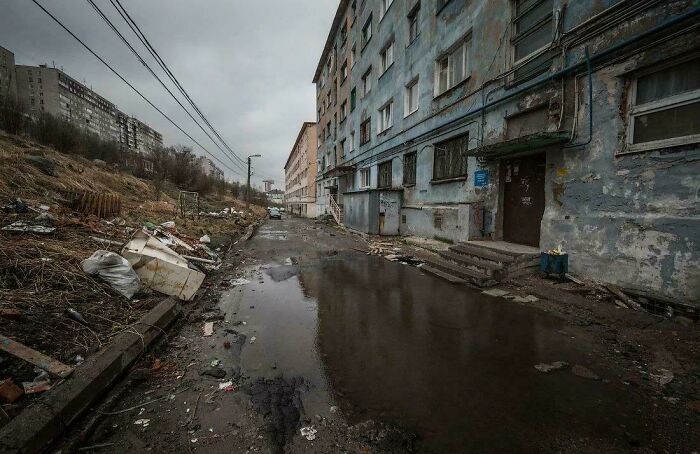
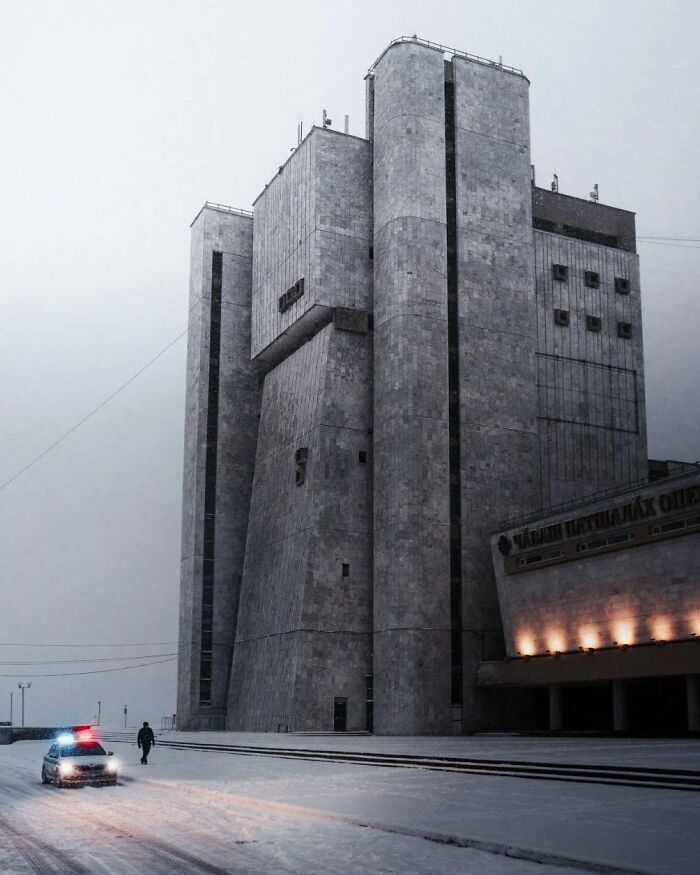
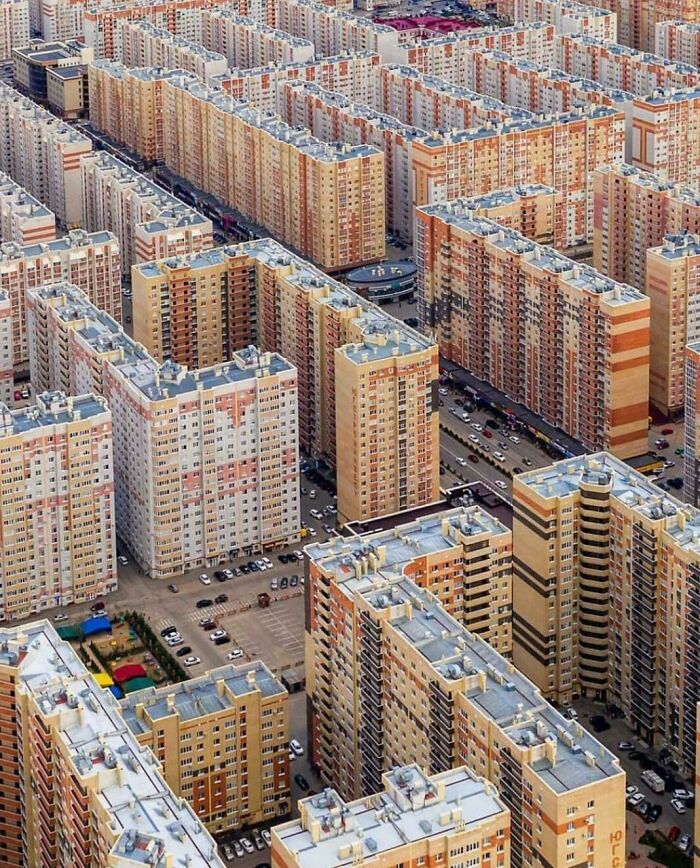
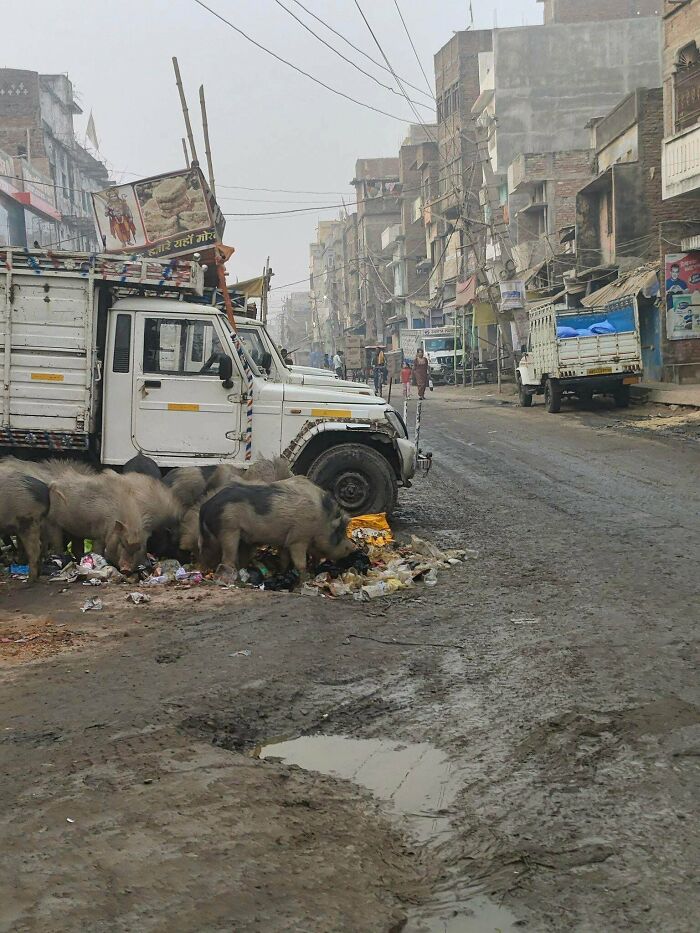
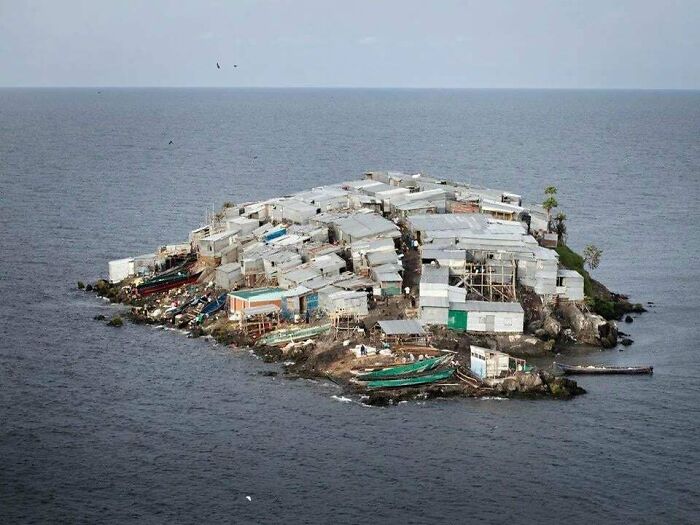
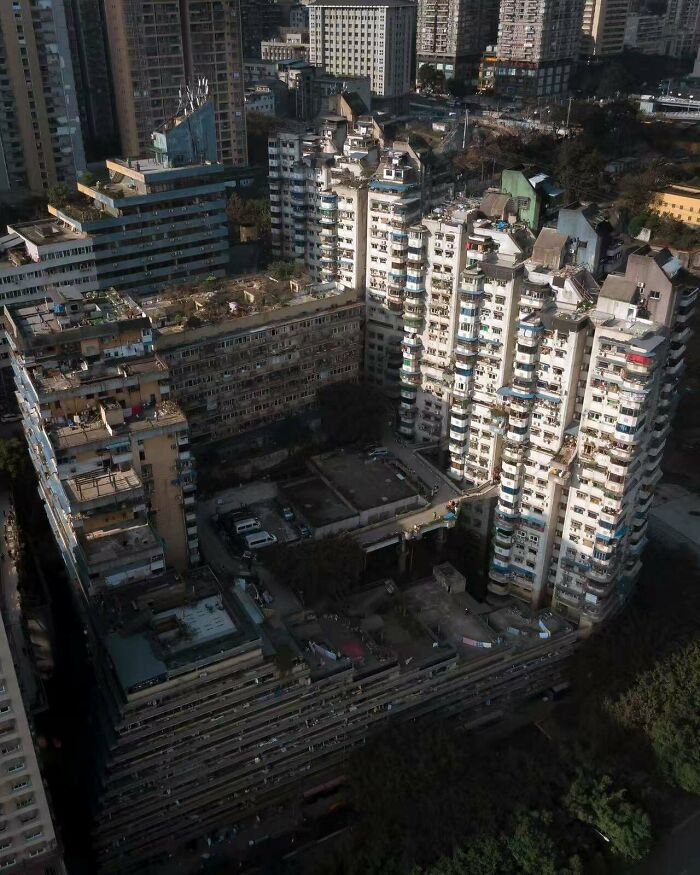
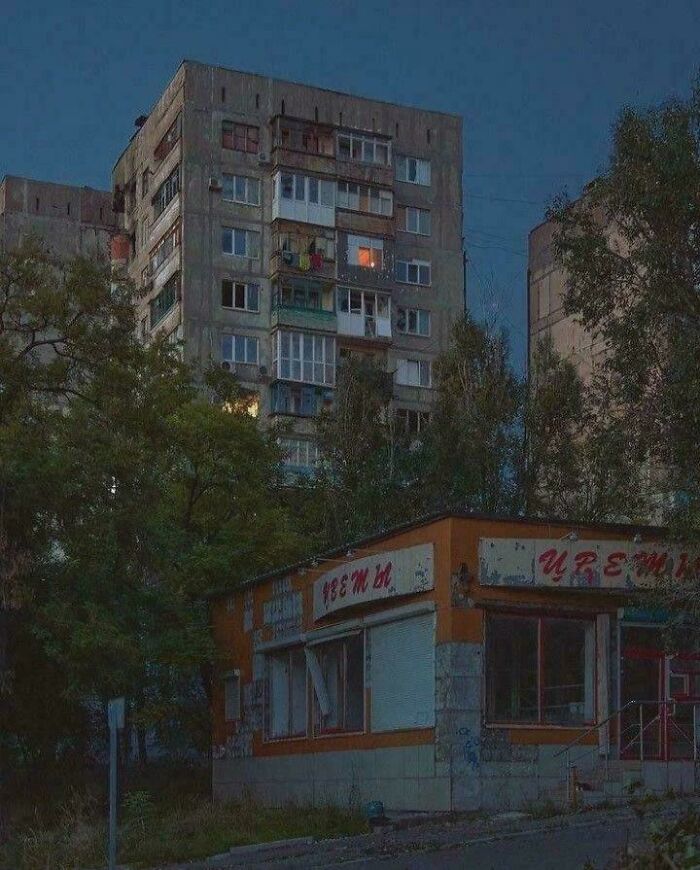
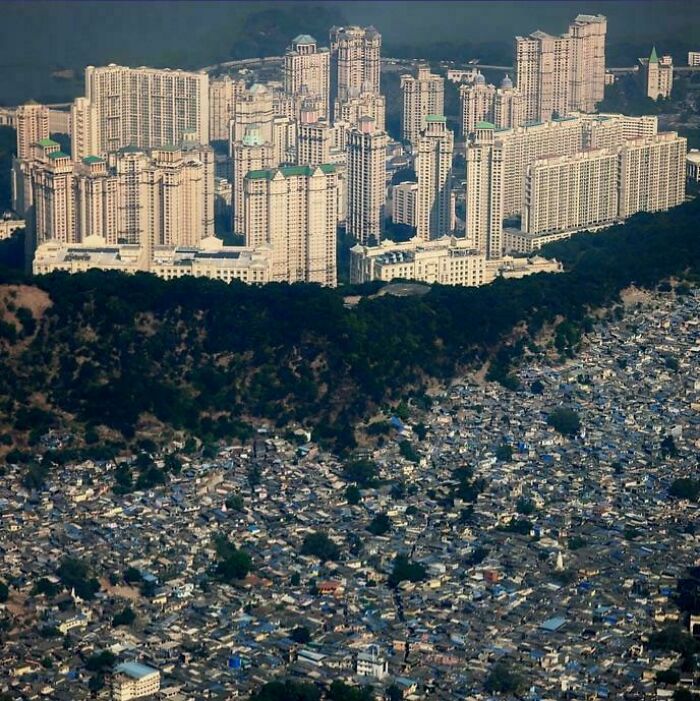
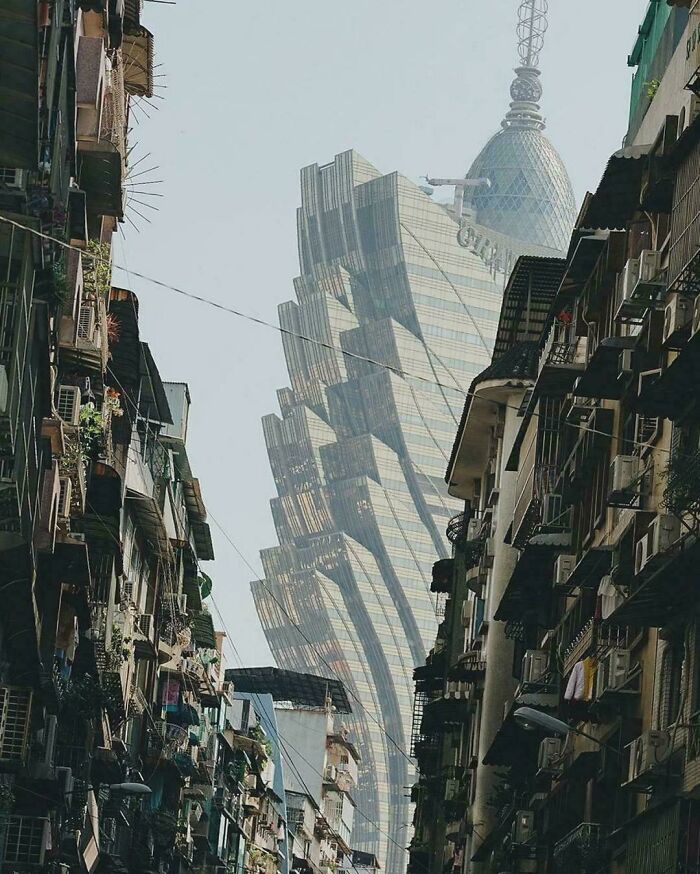
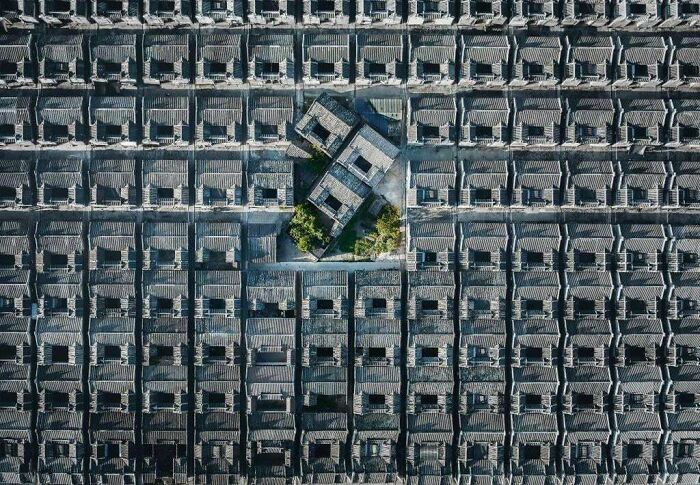
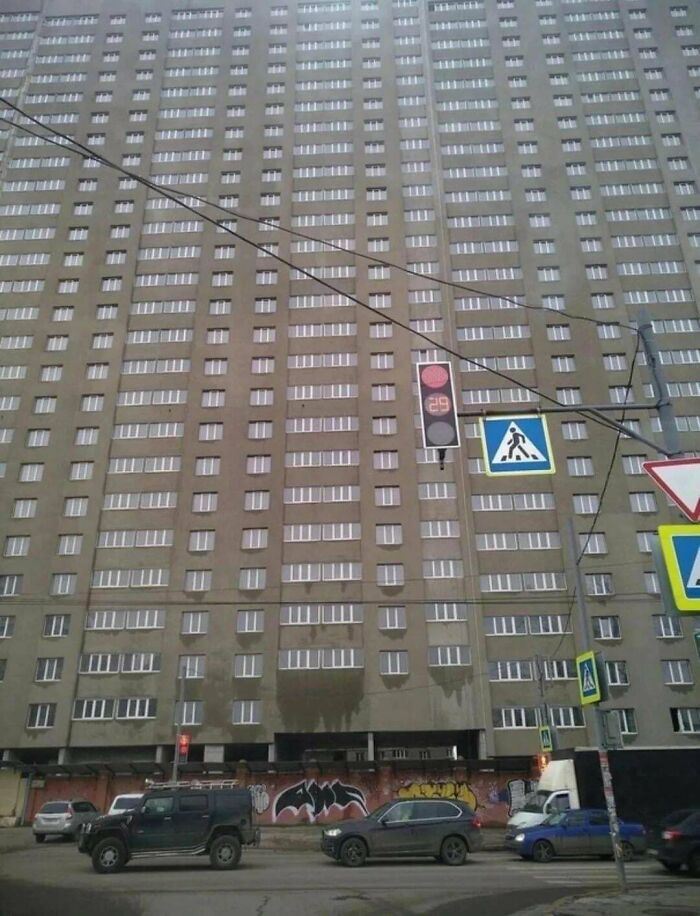
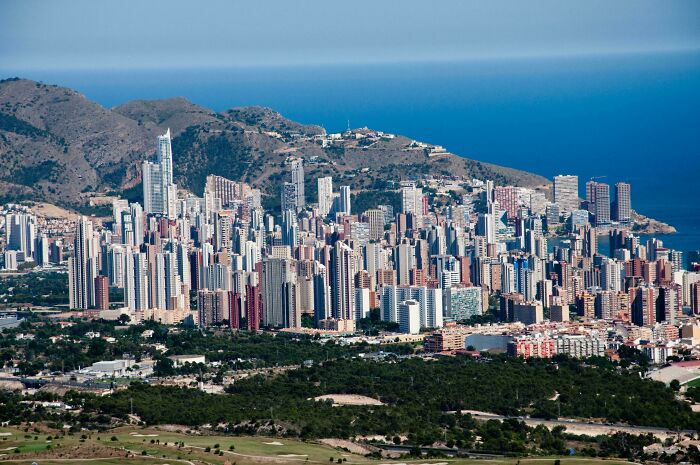
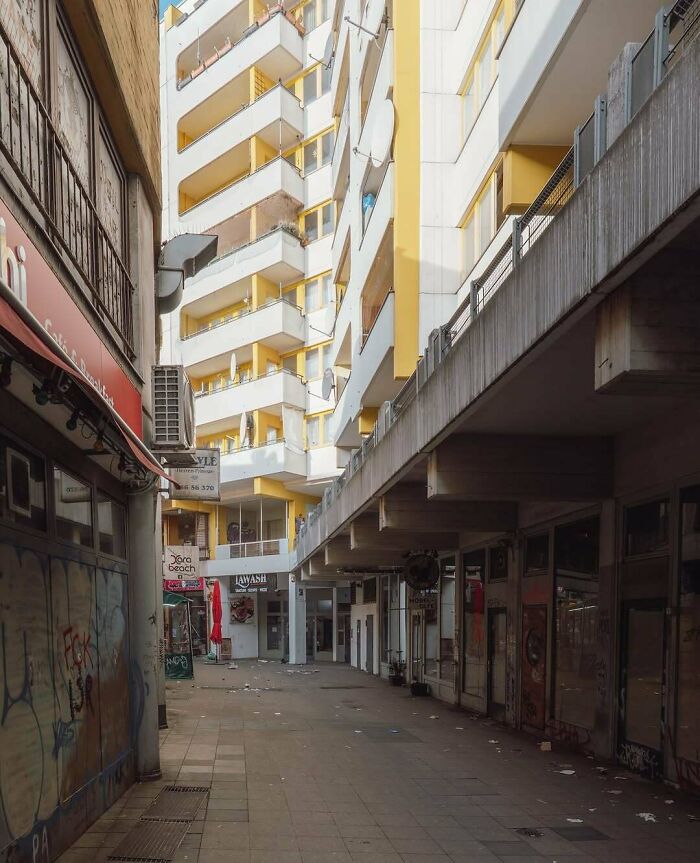
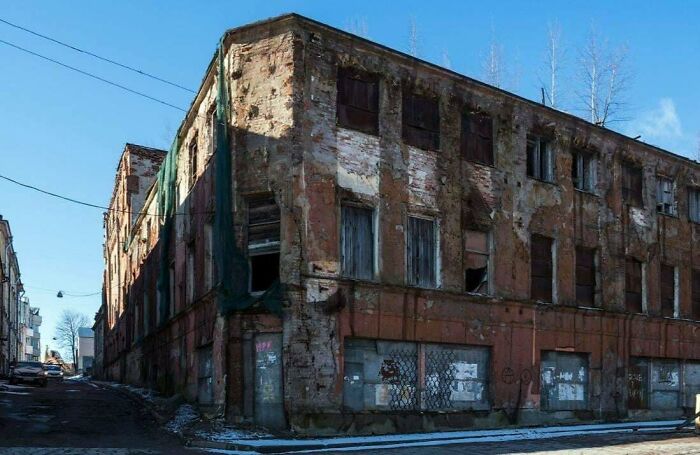
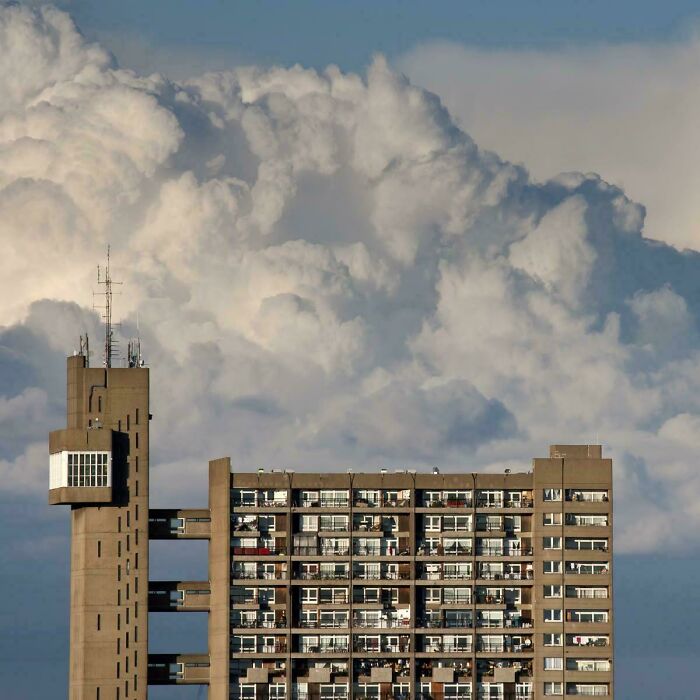
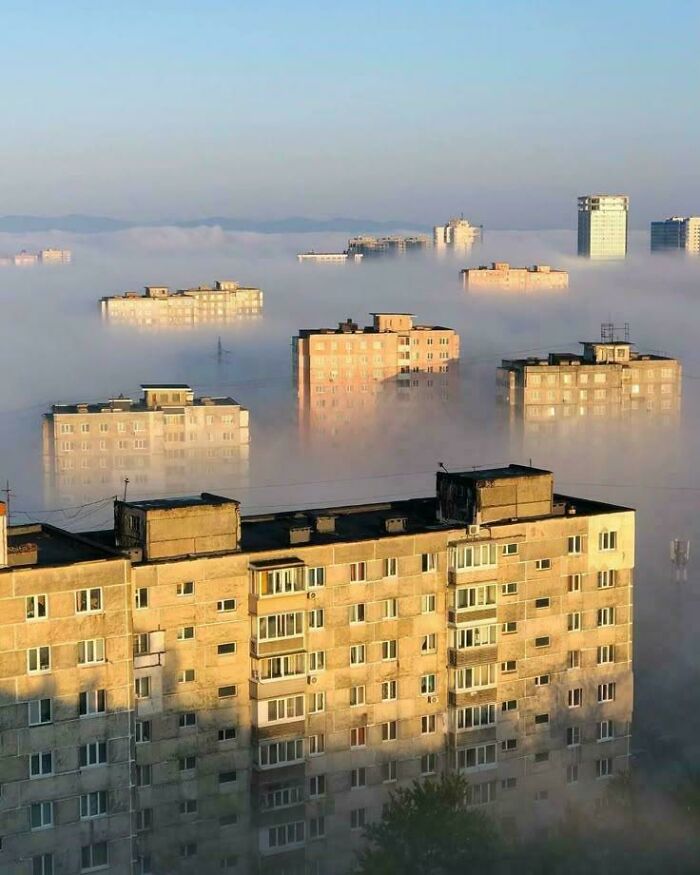
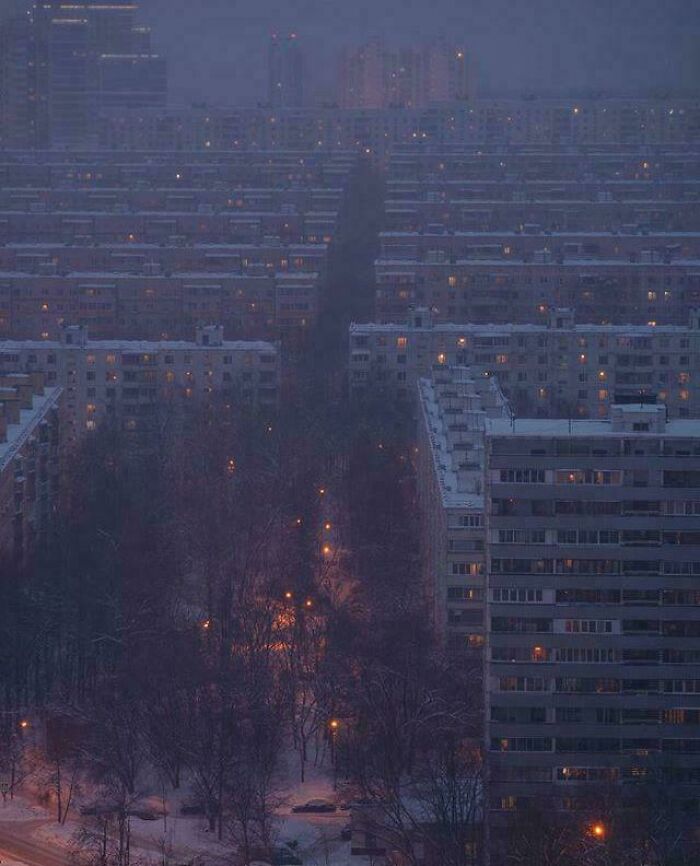
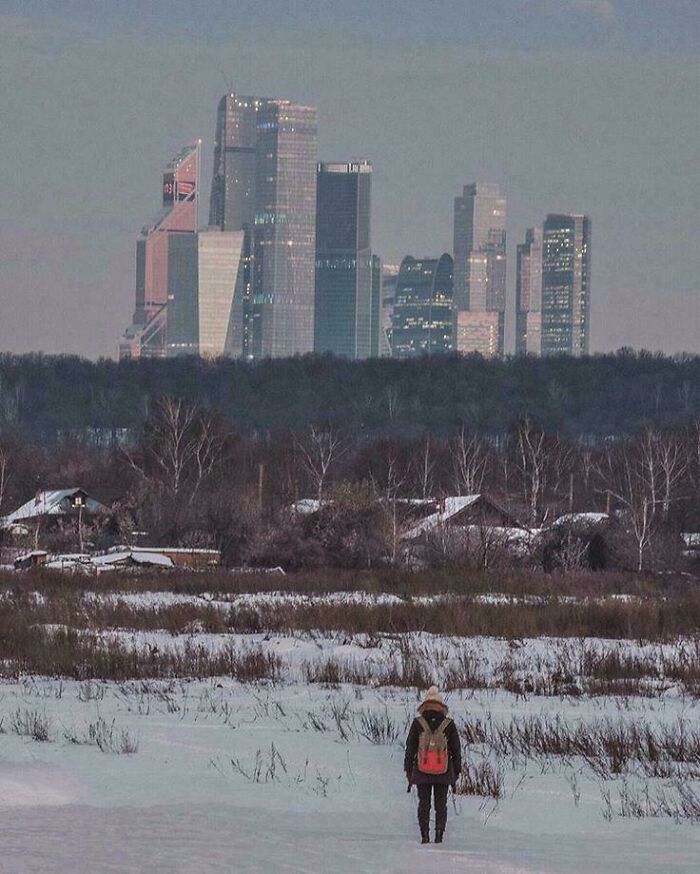
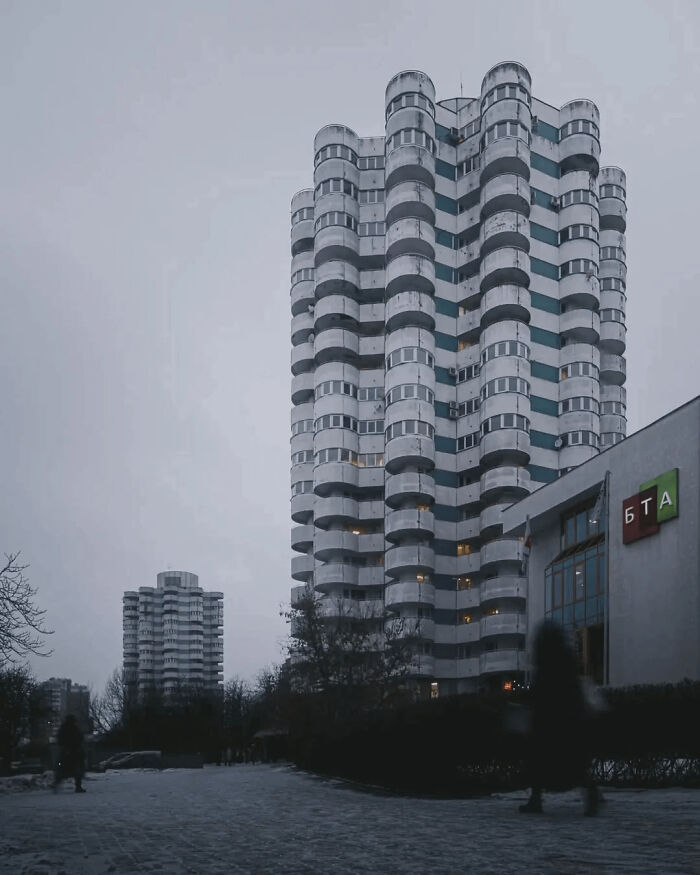
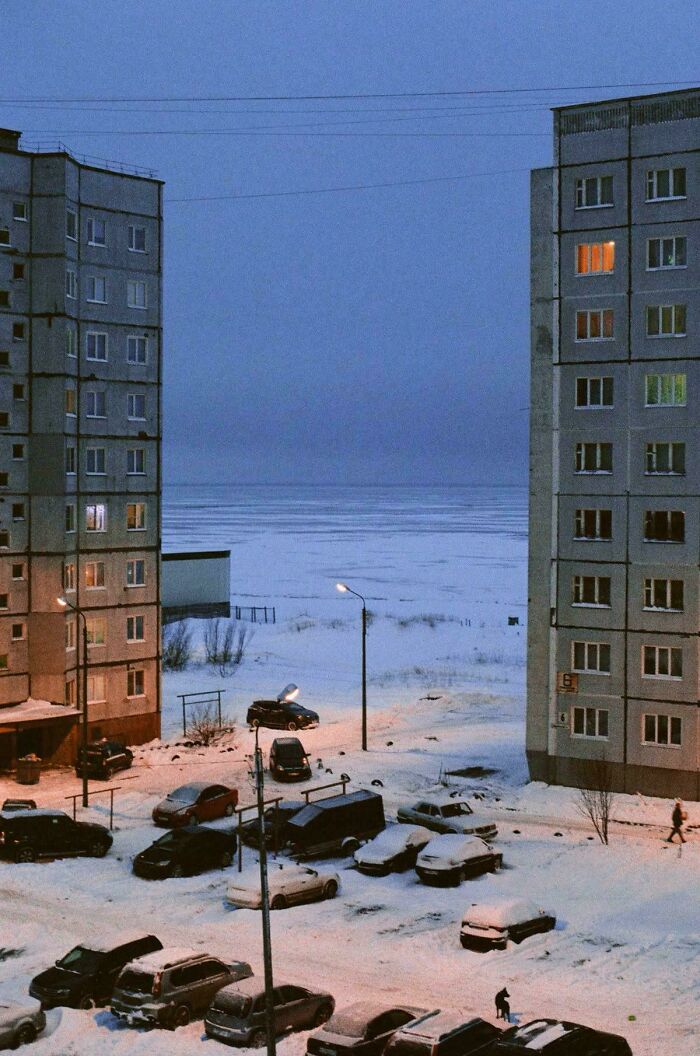
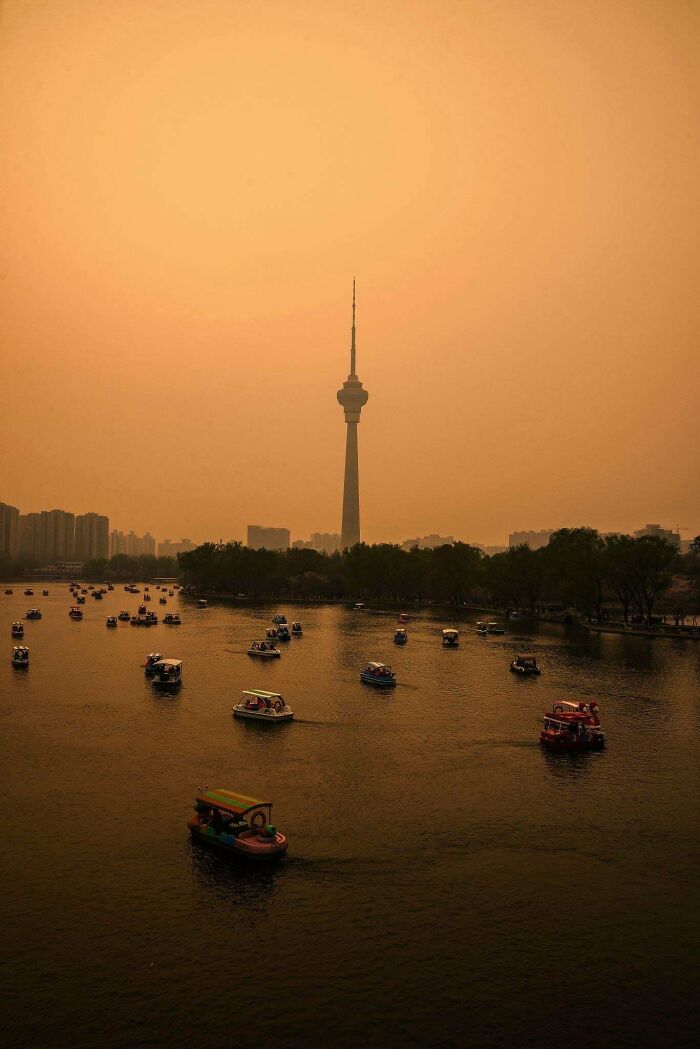
Some modern cities really do look like dystopian sci-fi movie sets. The mix of windowless skyscrapers, endless parking lots, and constant traffic jams can sometimes feel so overwhelming it almost makes us want to escape to the woods for good.
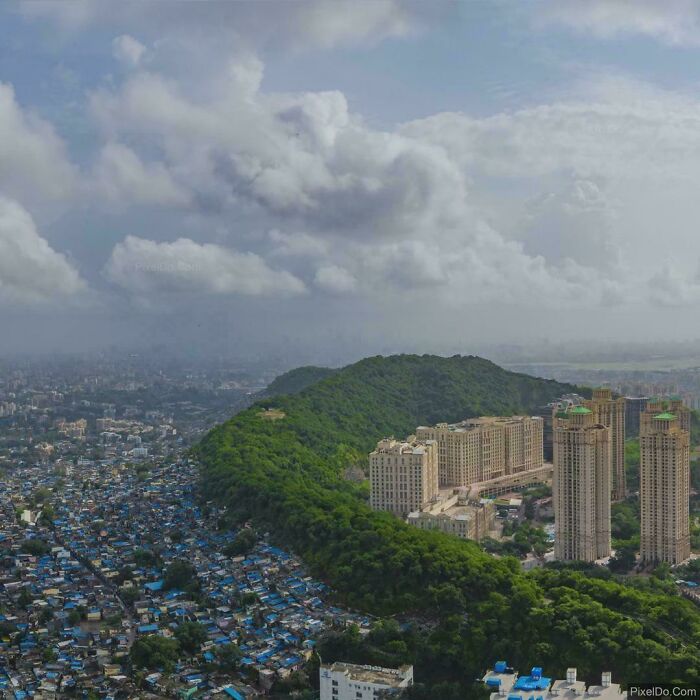
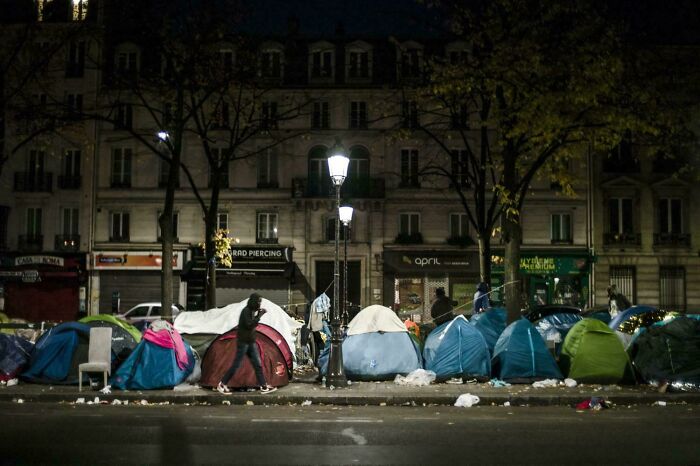
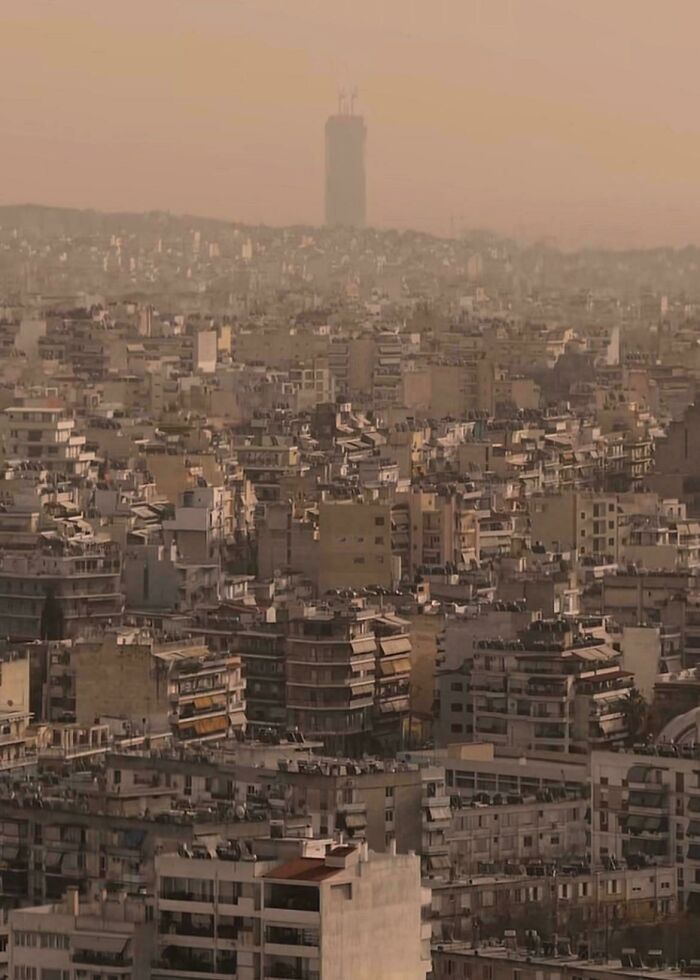
It’s no surprise then that a lot of people online now refer to these places as “urban hell.” Thousands of users post photos to a popular subreddit that acts like a museum to showcase the depressing reality of modern city design.
At first glance, it’s easy to scroll through these images and just see them as ugly or poorly planned places. But look closer, because there is a much darker reality beneath the surface.
This post may include affiliate links.

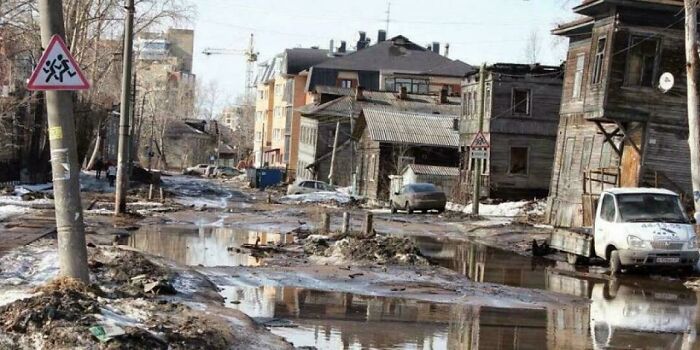
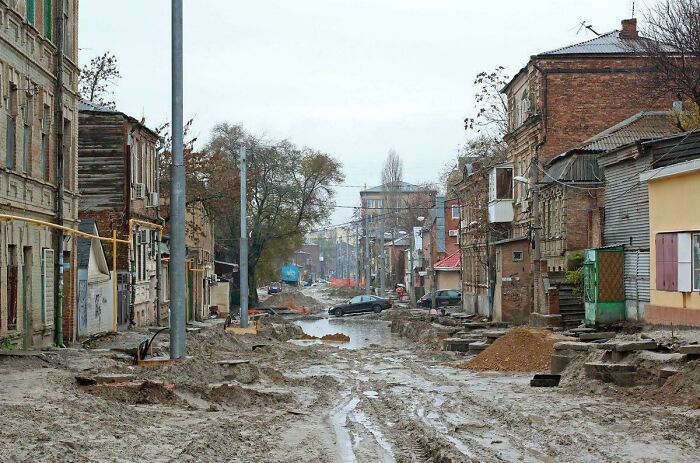
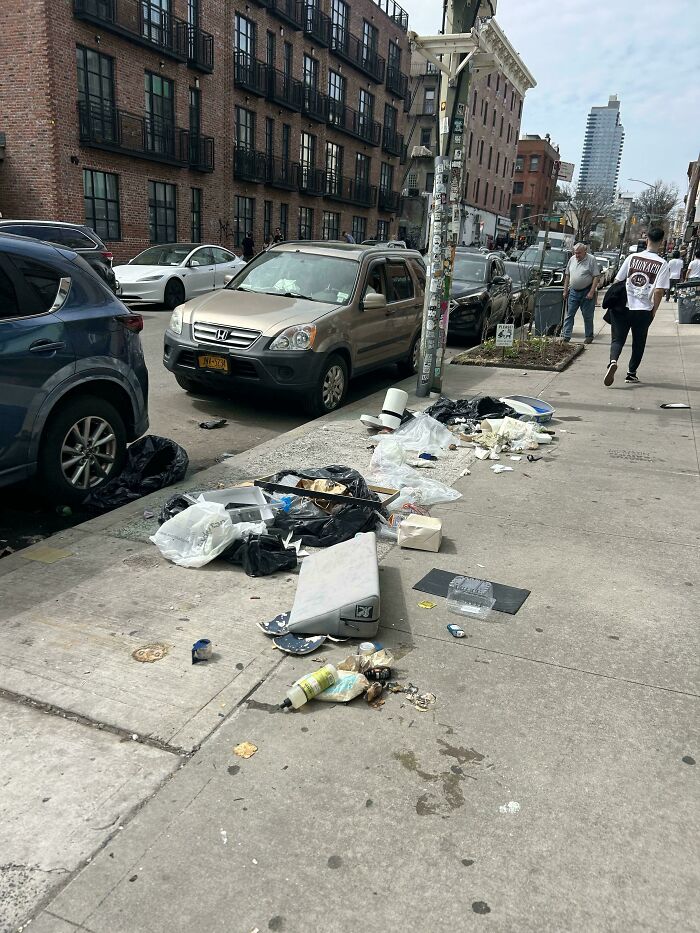
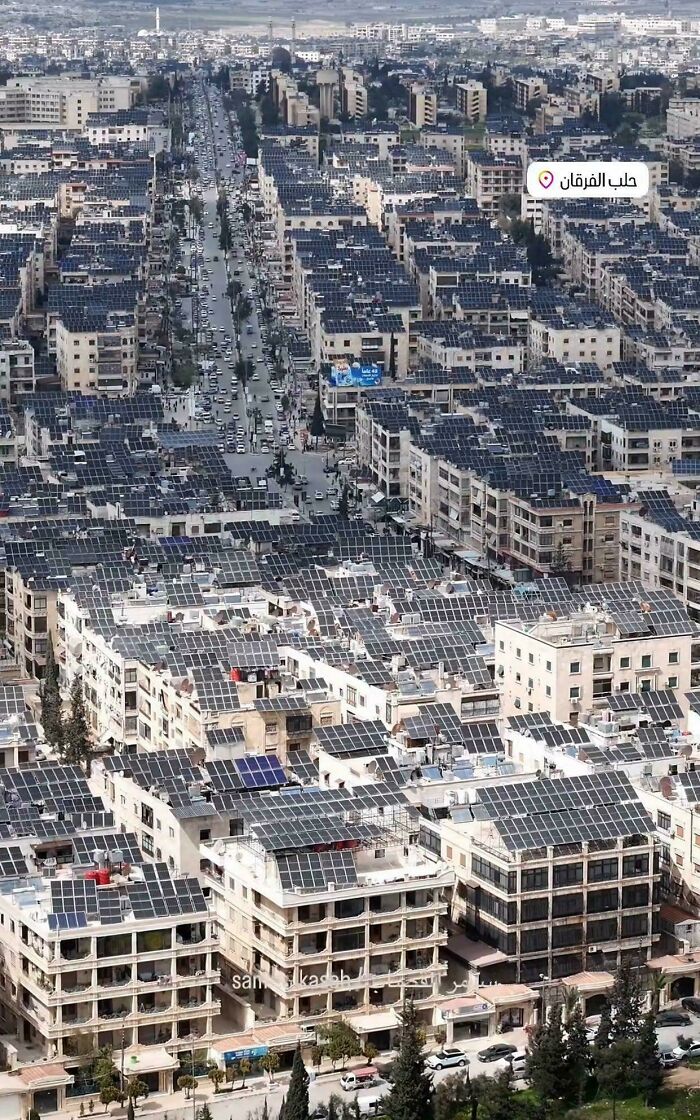
oh, don't be harsh :) it is just early spring (June) when snow just melted and strong summer winds did not had enough time to blow garbage away

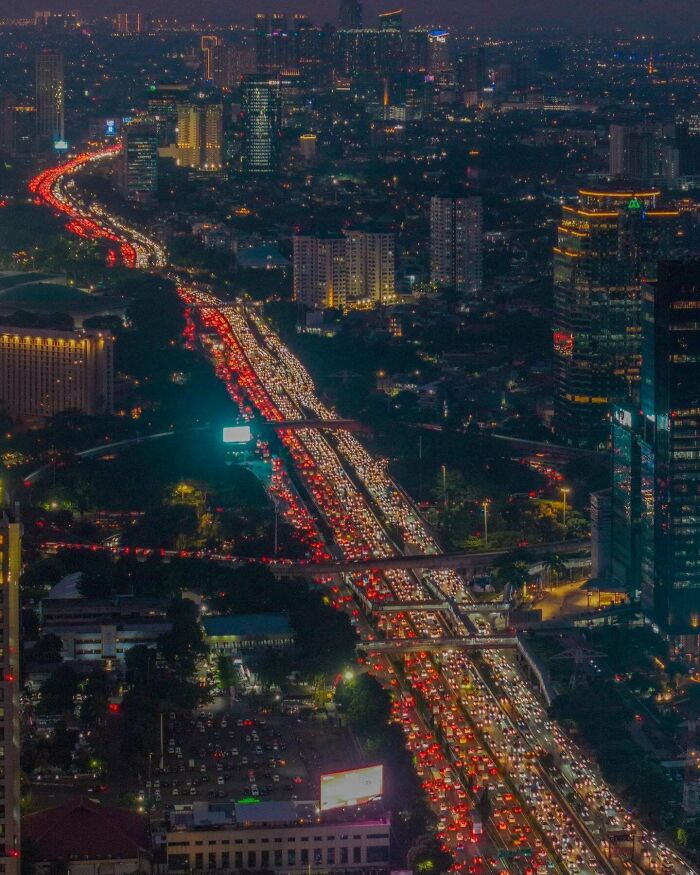
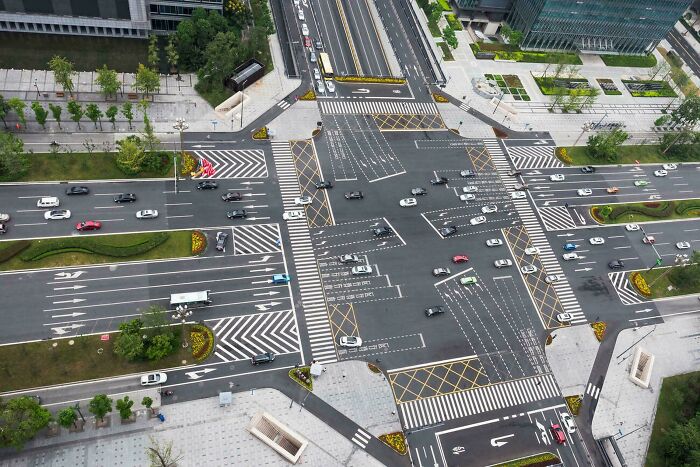
"Fun" fact: this pic was taken at 4 am and most people in those cars work a 9-to-5. /s

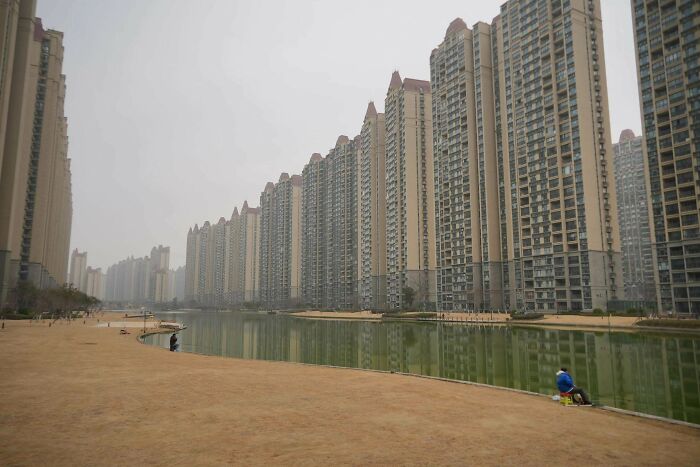
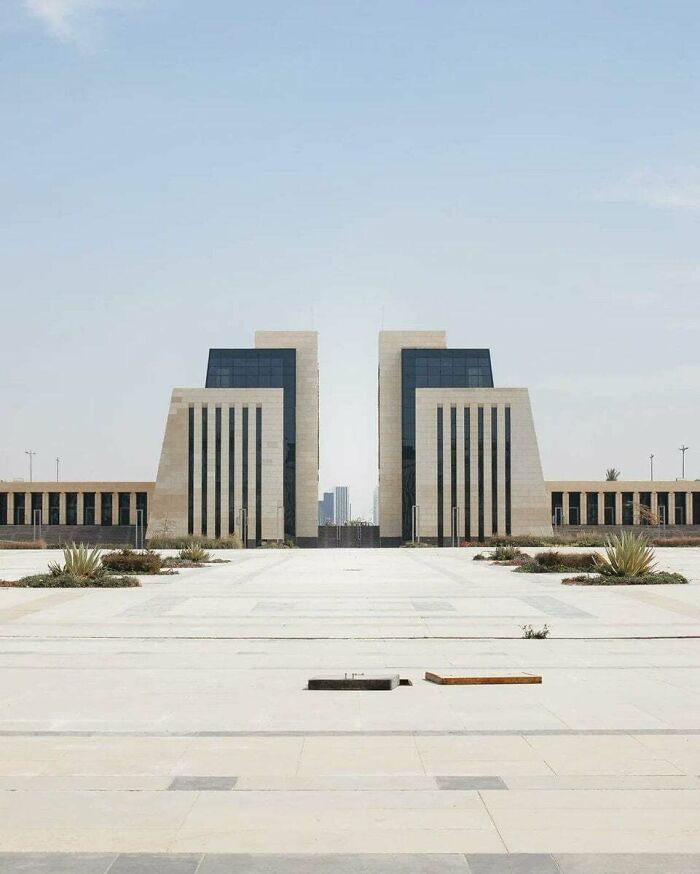
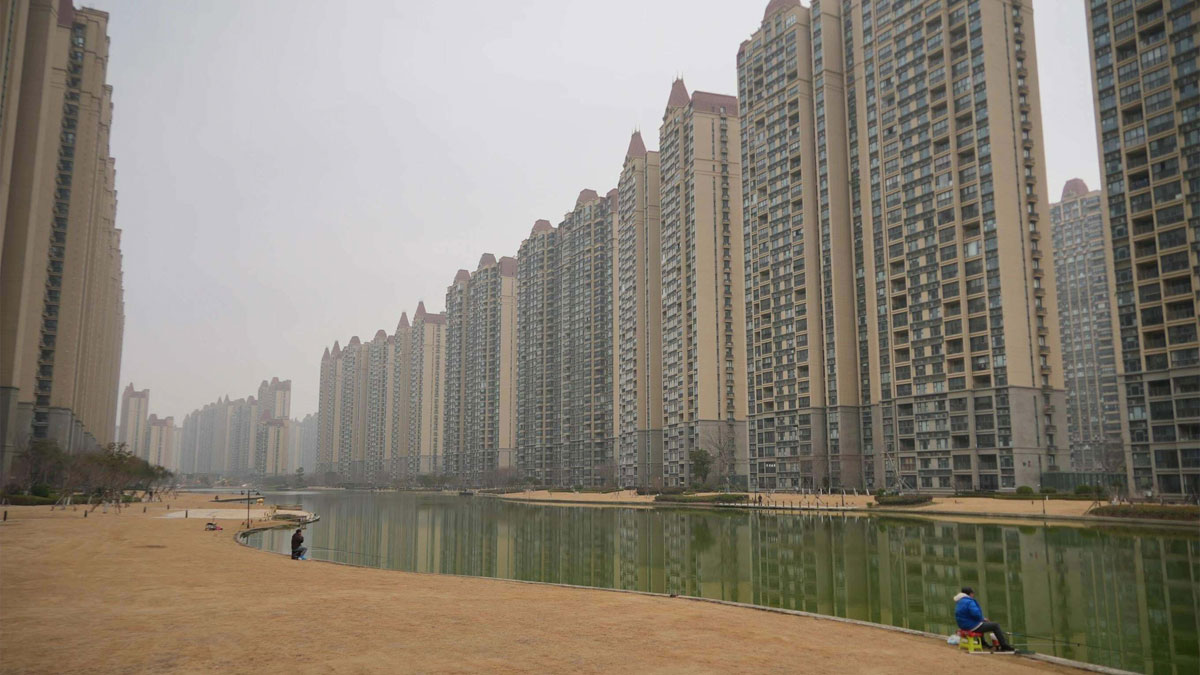
Was it abandoned, or people invested in them but didn't have a plan to live there, or built to make gdp?
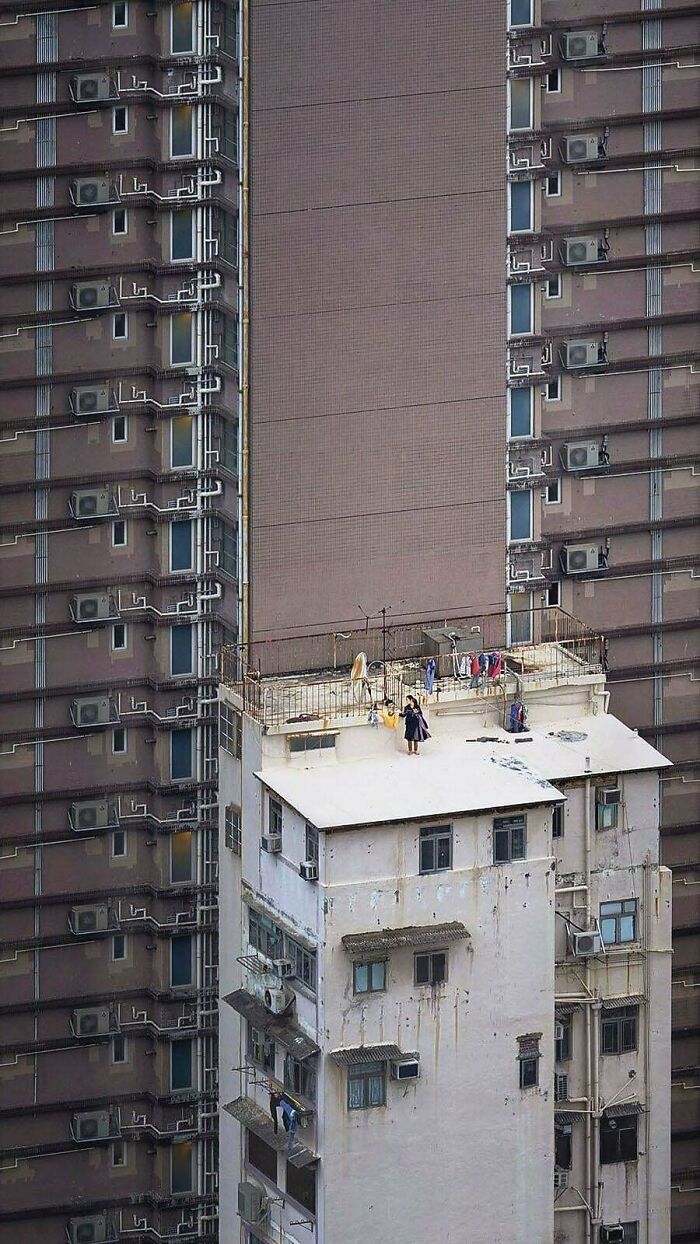
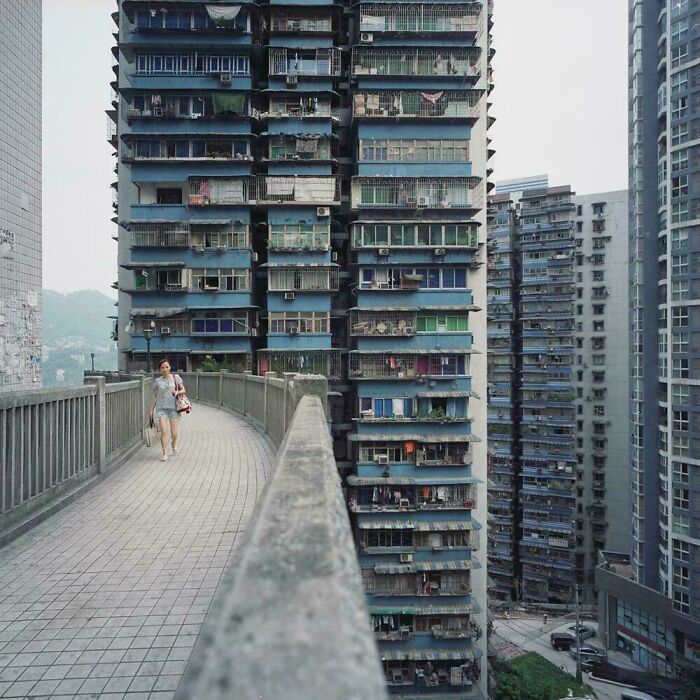
Absolutely no railing around the part of the roof she's standing on. I'm pretty sure I'd just stay behind the existing railing, or at least wouldn't be reaching for anything I dropped.


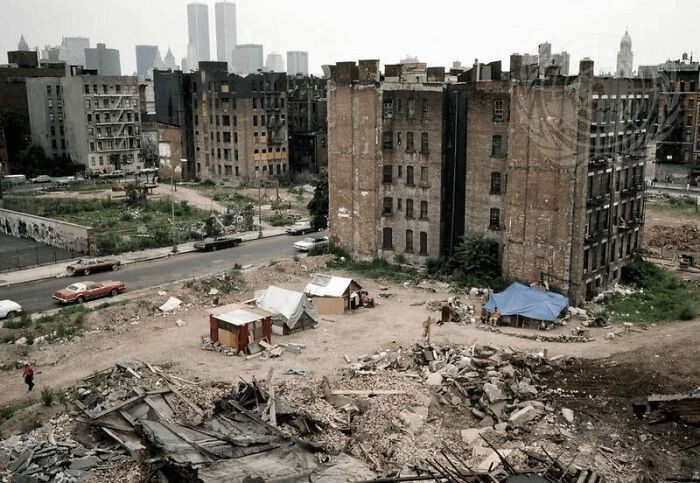
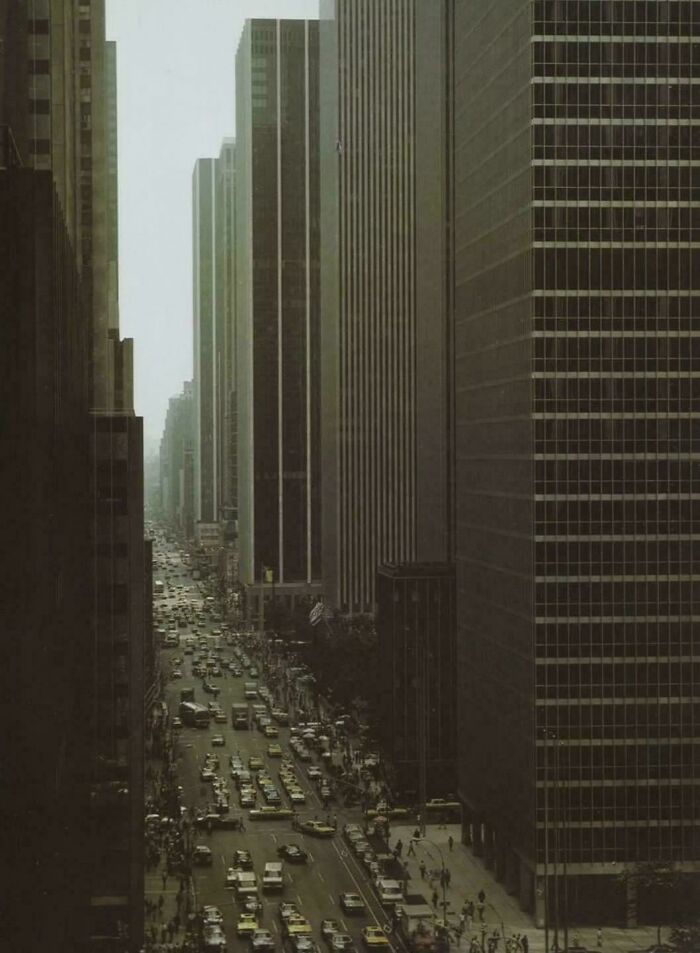
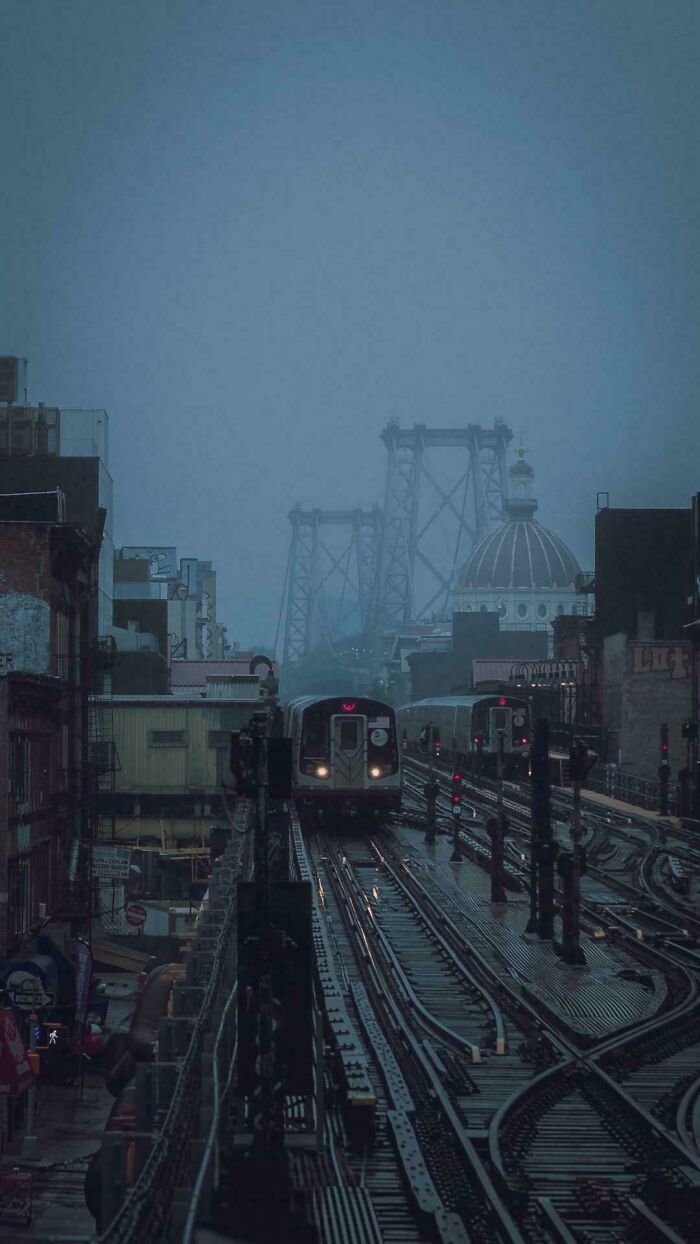
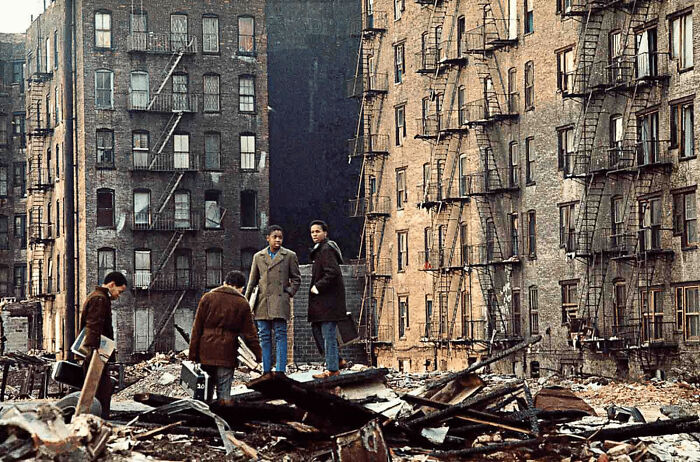
This now the East Village in Manhattan. Quite different back before the "war on crime".
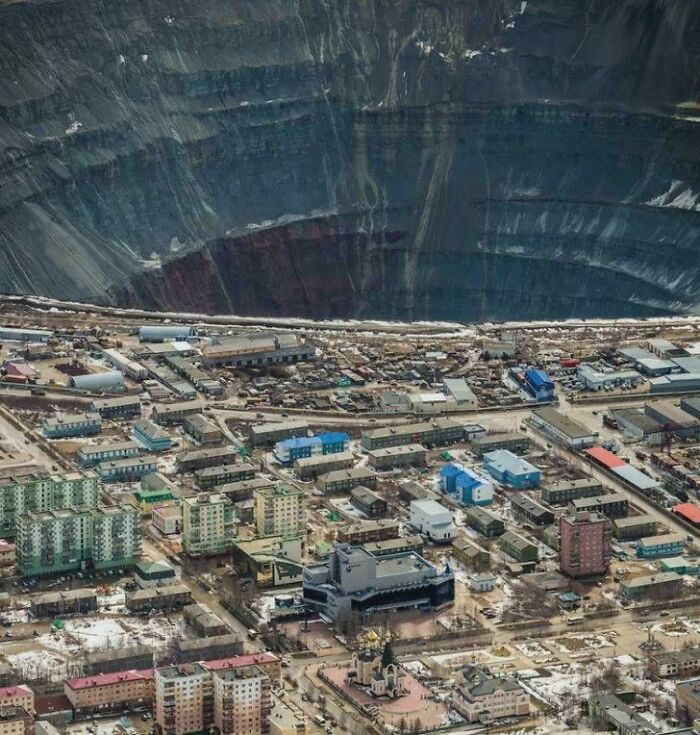
My fear of heights would kick-in long before I got close to the hole.
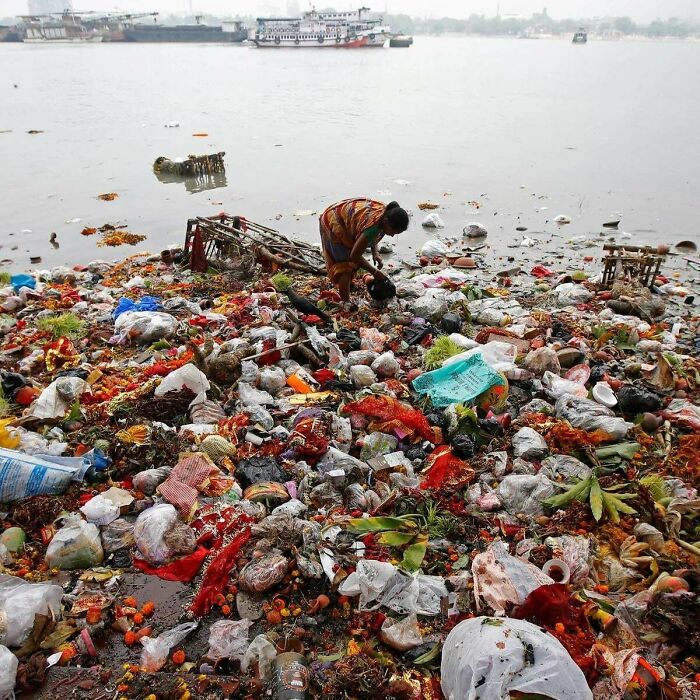
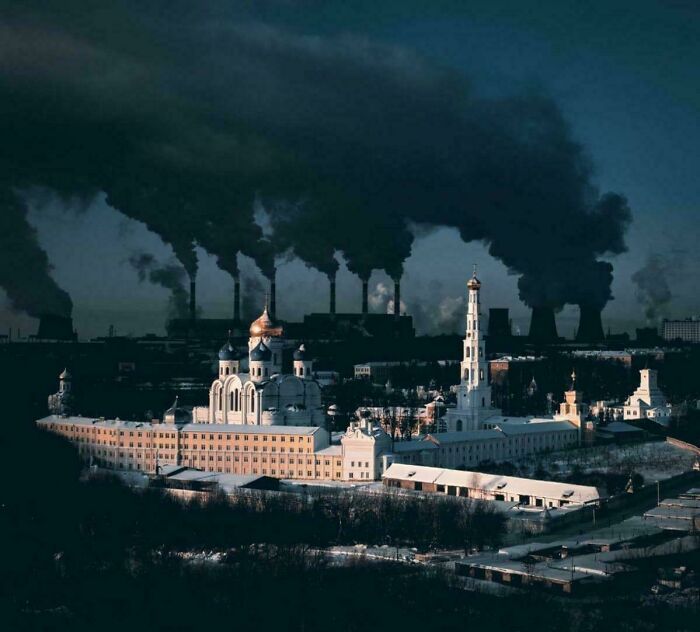
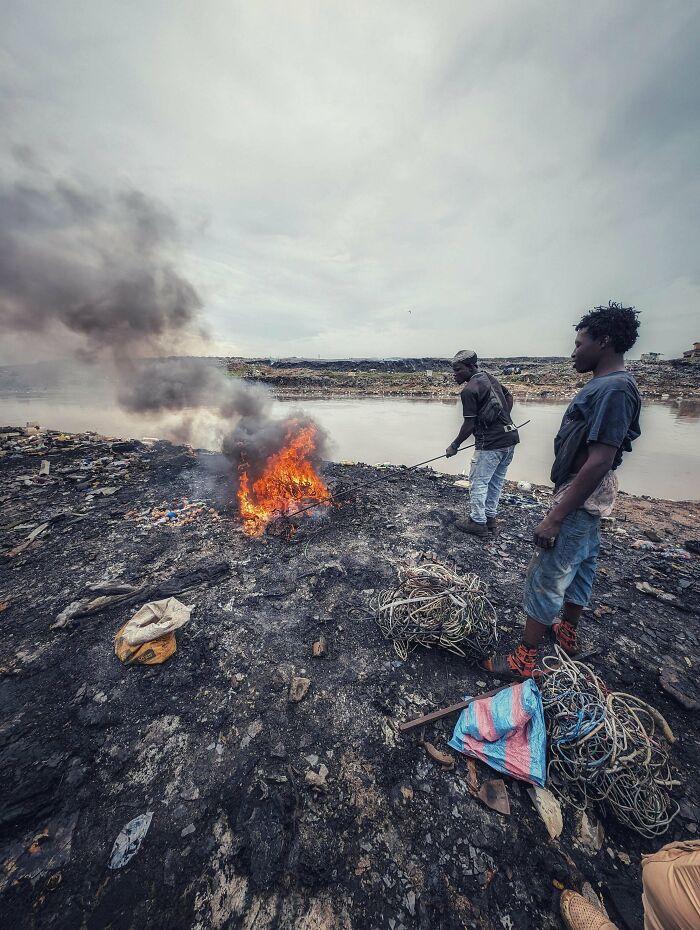
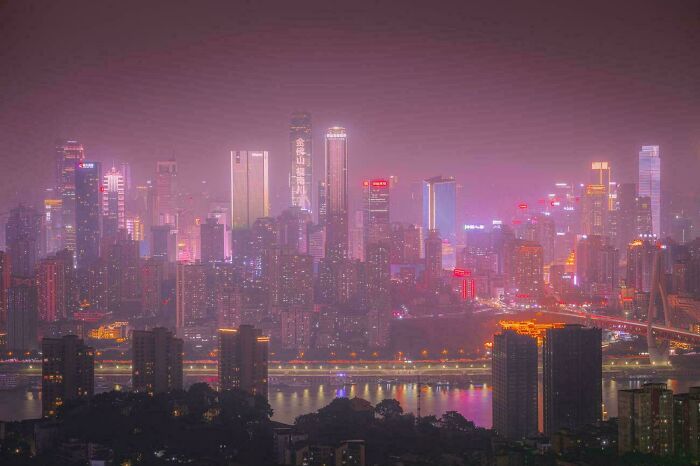
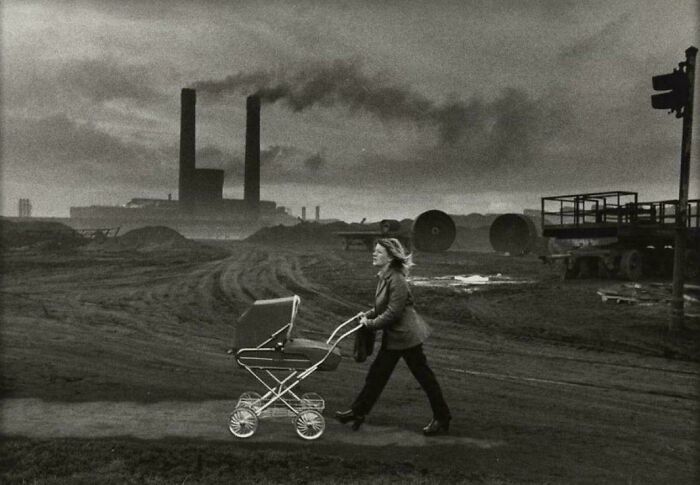
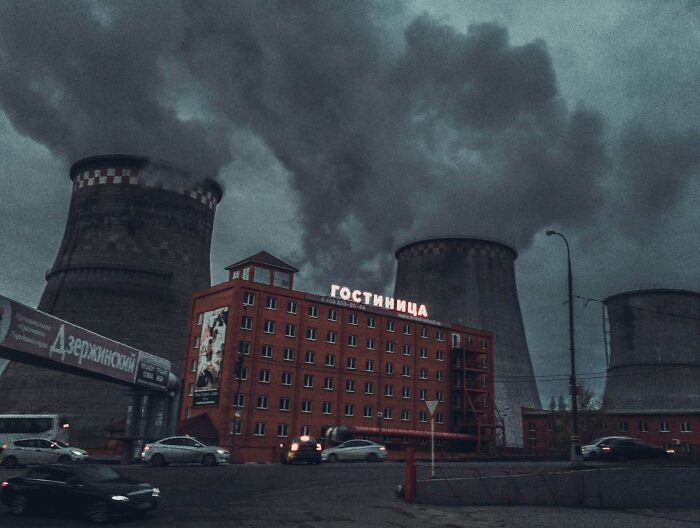
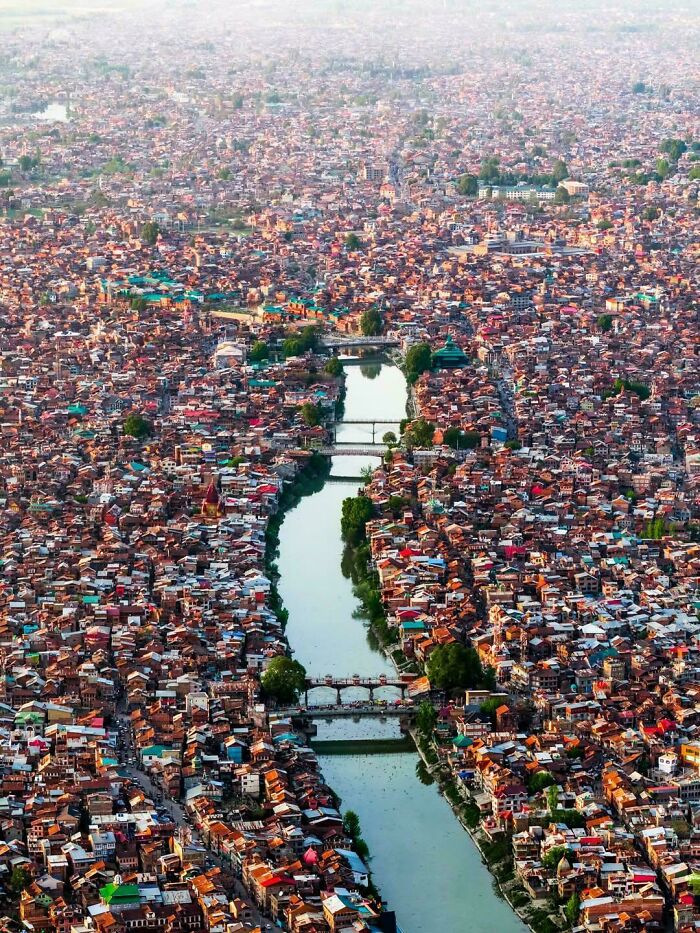
This is an amazing picture! (Not the pollution obviously, I mean the composition)
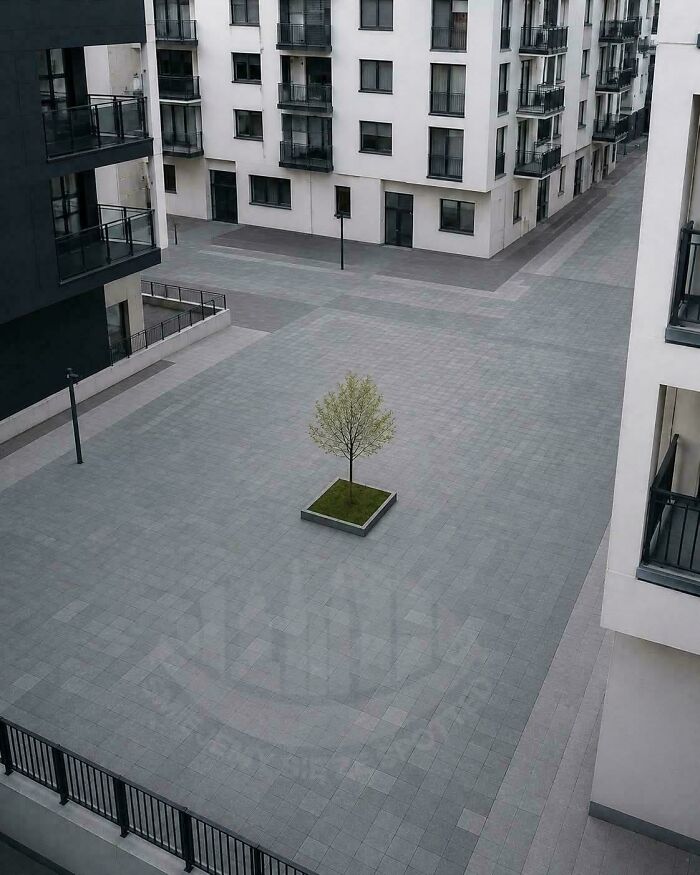
What do you mean with "urban hell" or talking about this being "dystopian"? I spotted a tree (one tree, singular) in that picture, so what's your problem? /s

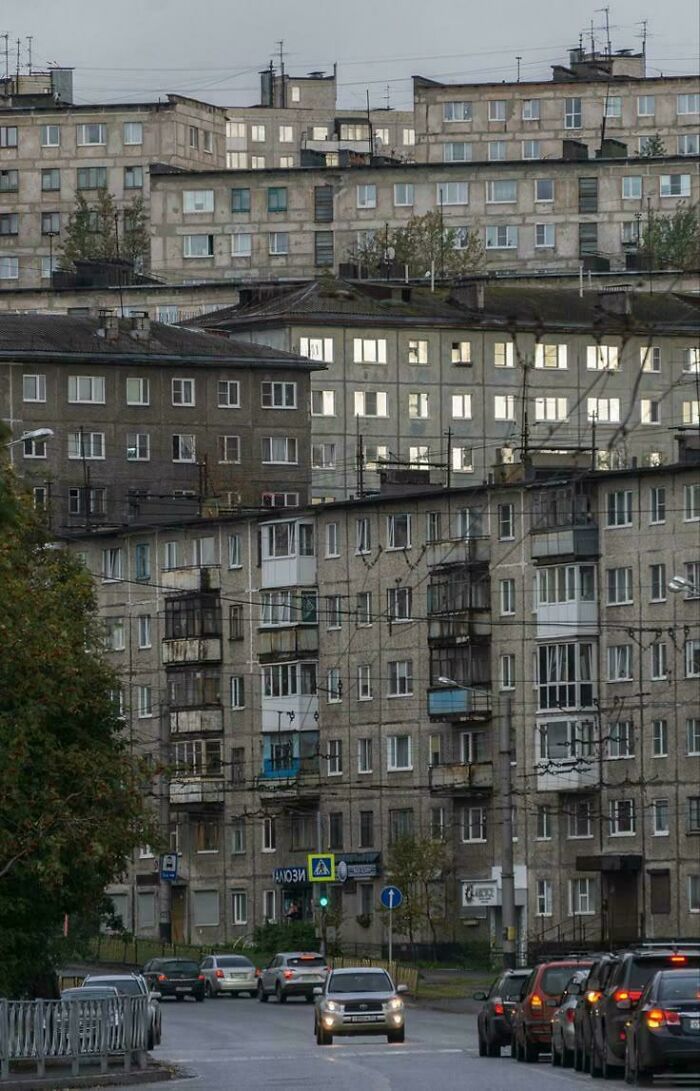
Basically how a state with a collapsing social security system and a divided society looks.
They do have it. It's called EMBARK. It includes busses and streetcars.

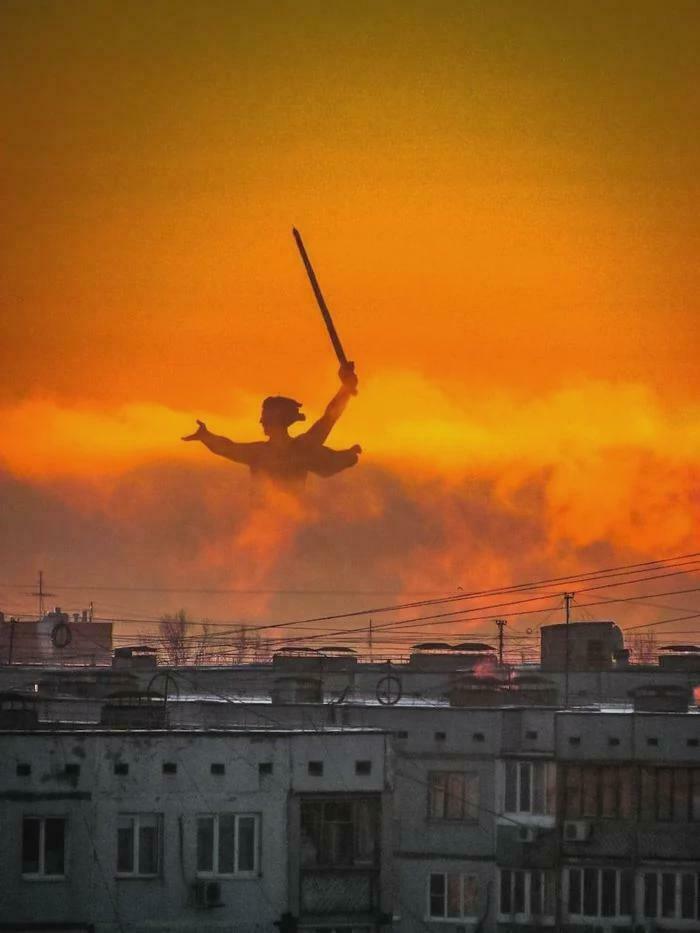
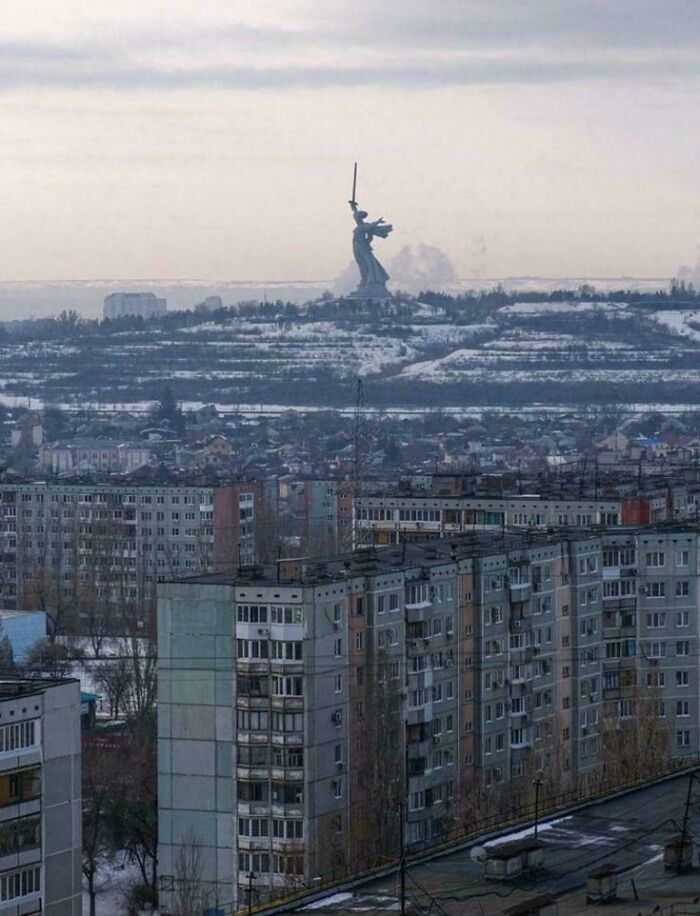
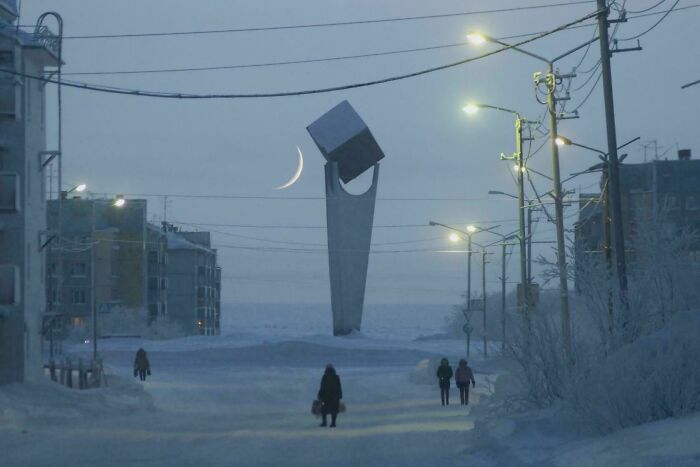
If it weren't for the buildings, that would an awesome shot...the statue rising up through the clouds.
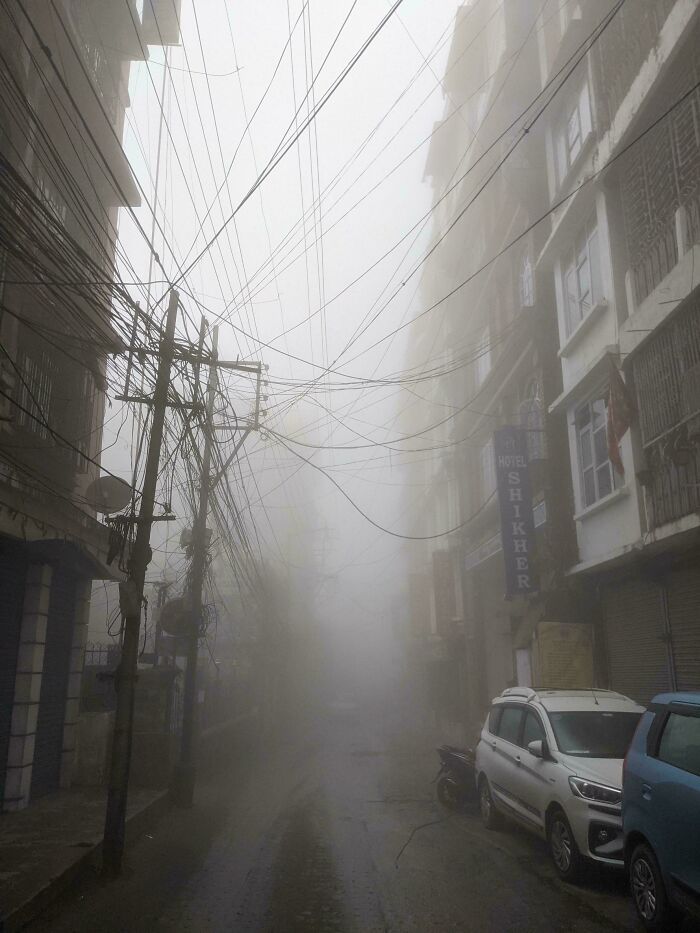
Read or watch Shantaram. That's the closest to reality on life in that city.


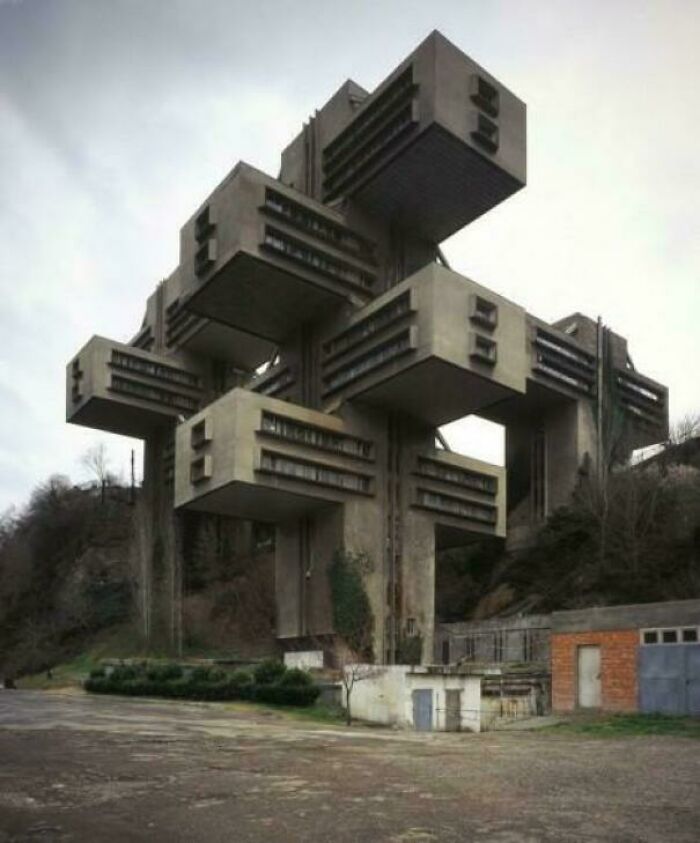
That is what an acid trip does to your brain when designing a building layout plan.
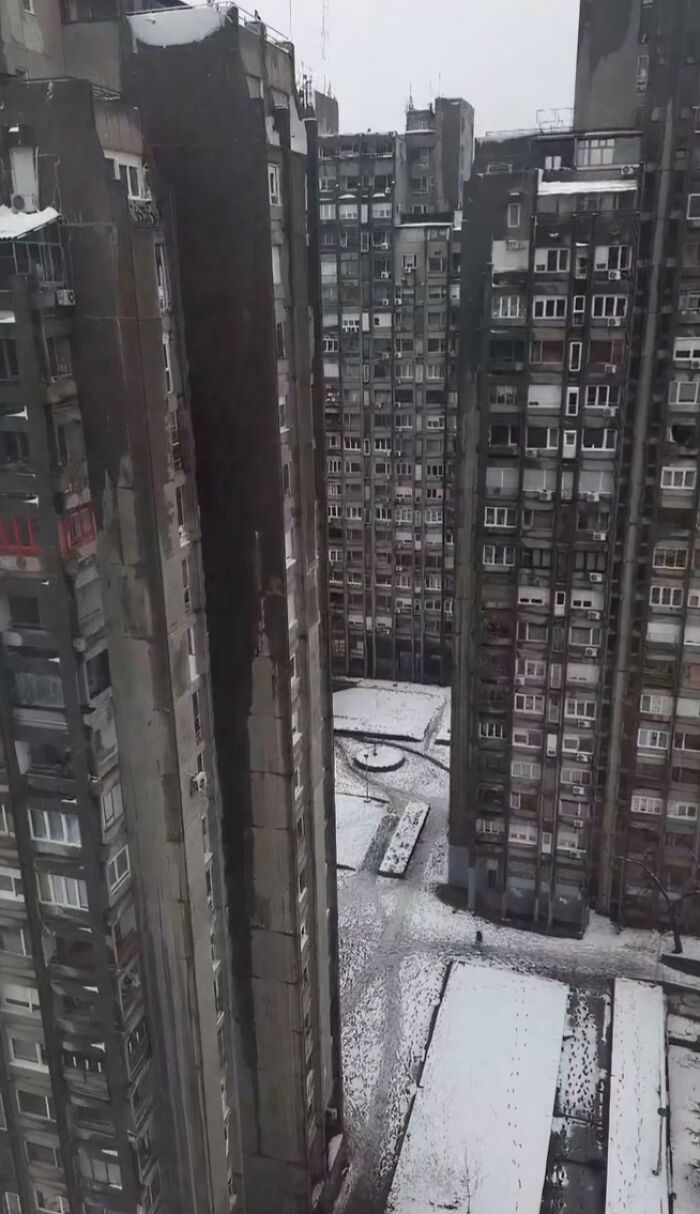
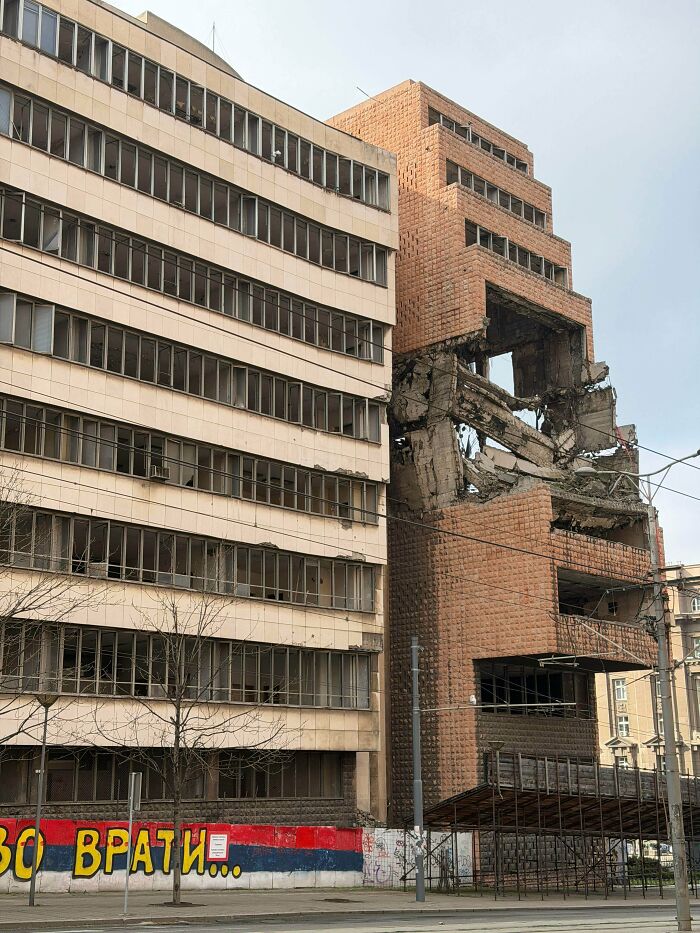
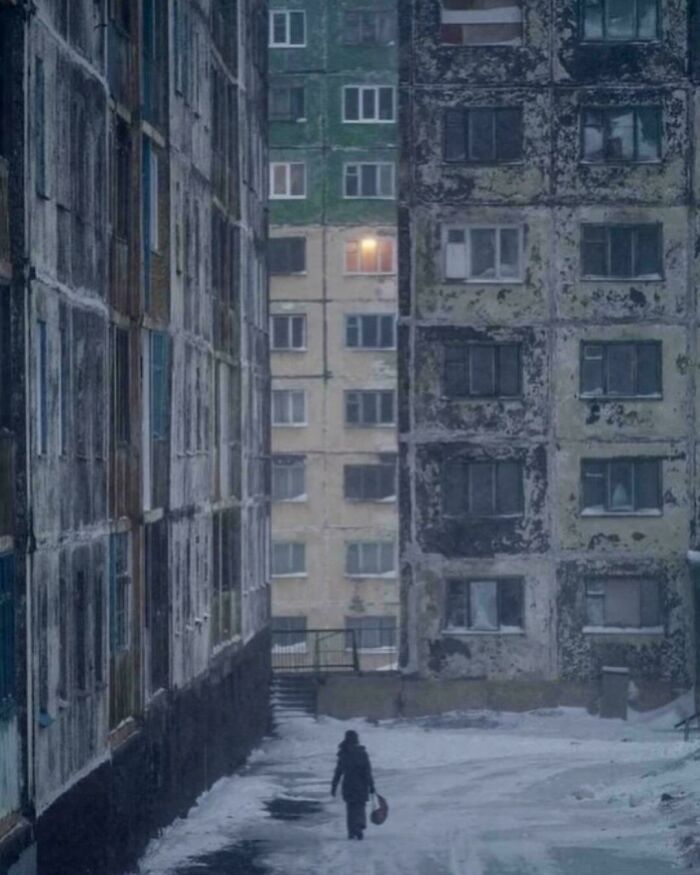
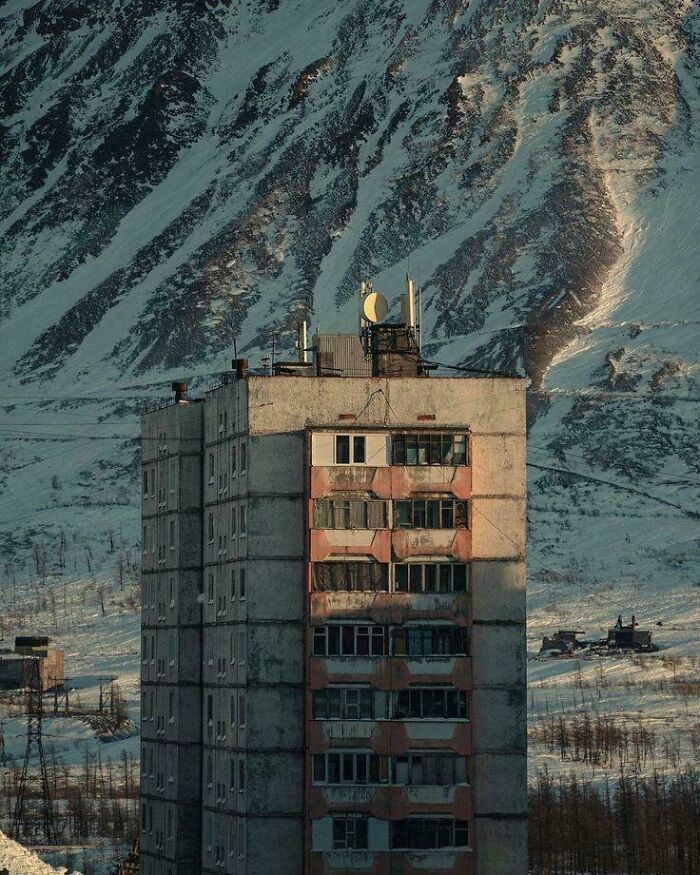
This doesn't really belong on this list - it's a remnant of past times, something like the "never forget" movement of 9/11. There are worse examples of brutalism in Belgrade...
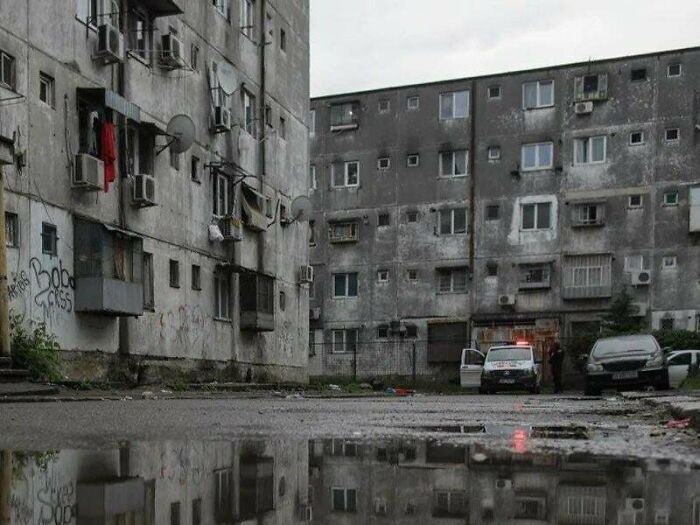
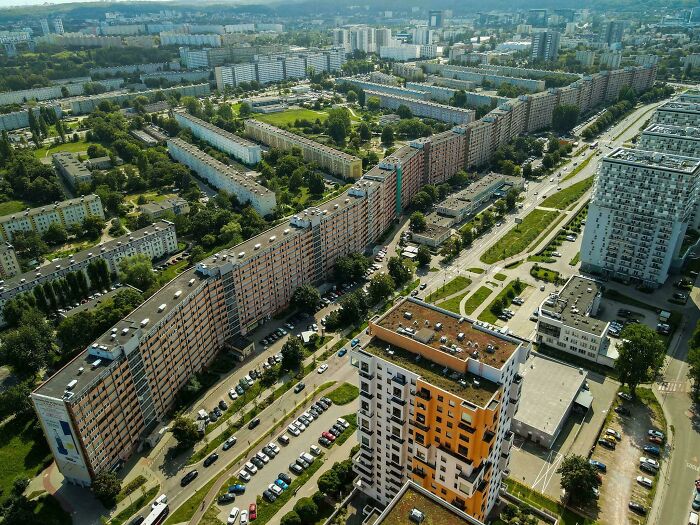
Tbf I've seen council estates in England that look not too dissimilar.

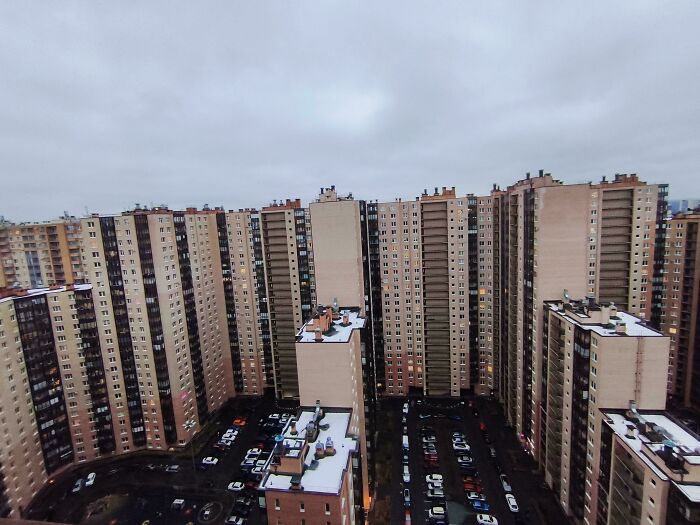
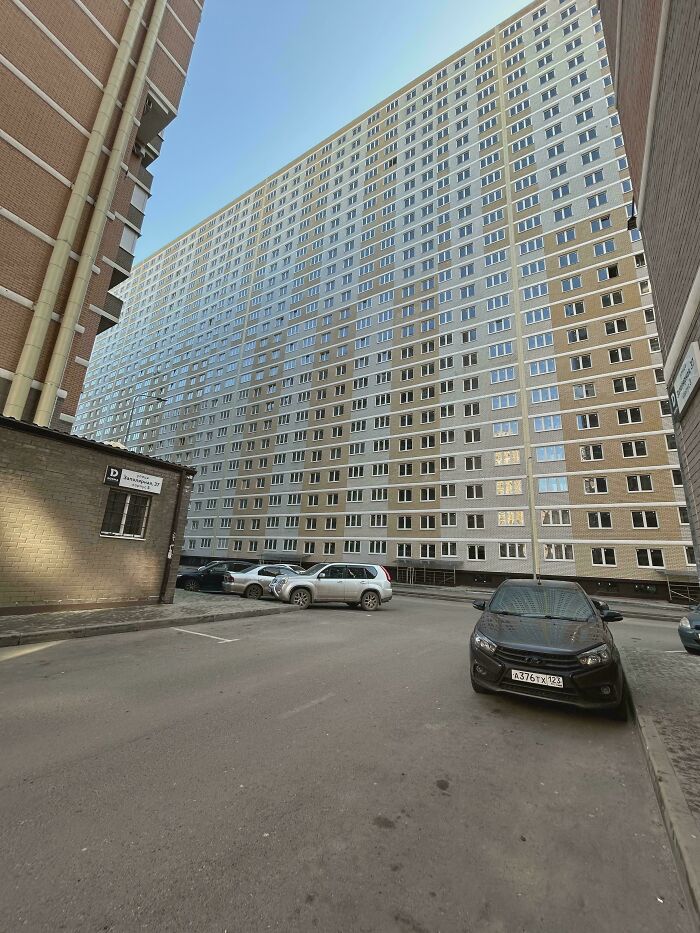
They really need to add some colour to the buildings. And plants/trees/flowers 😱
Birmingham City Football Club is owned by a US company. Tom Brady is a stakeholder and on the board. They're now planning to build a new £1.2 billion stadium, which is very ambitious for a team that hasn't been in the Premier League for 15 years. 🤔
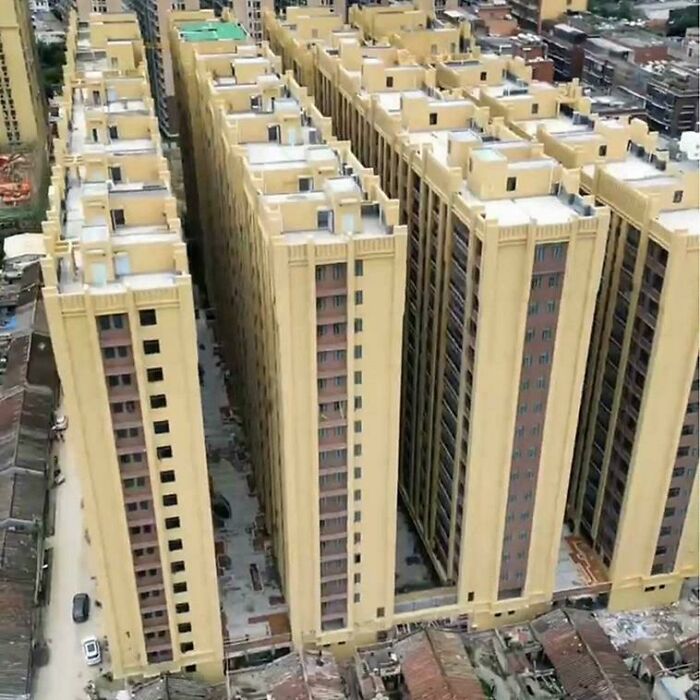
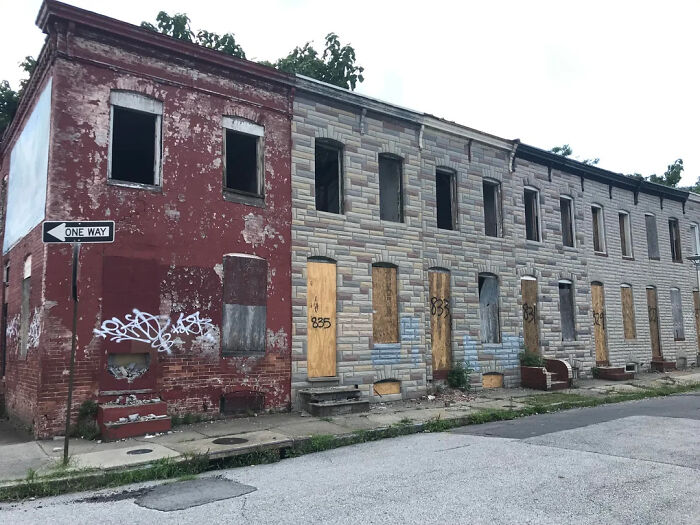
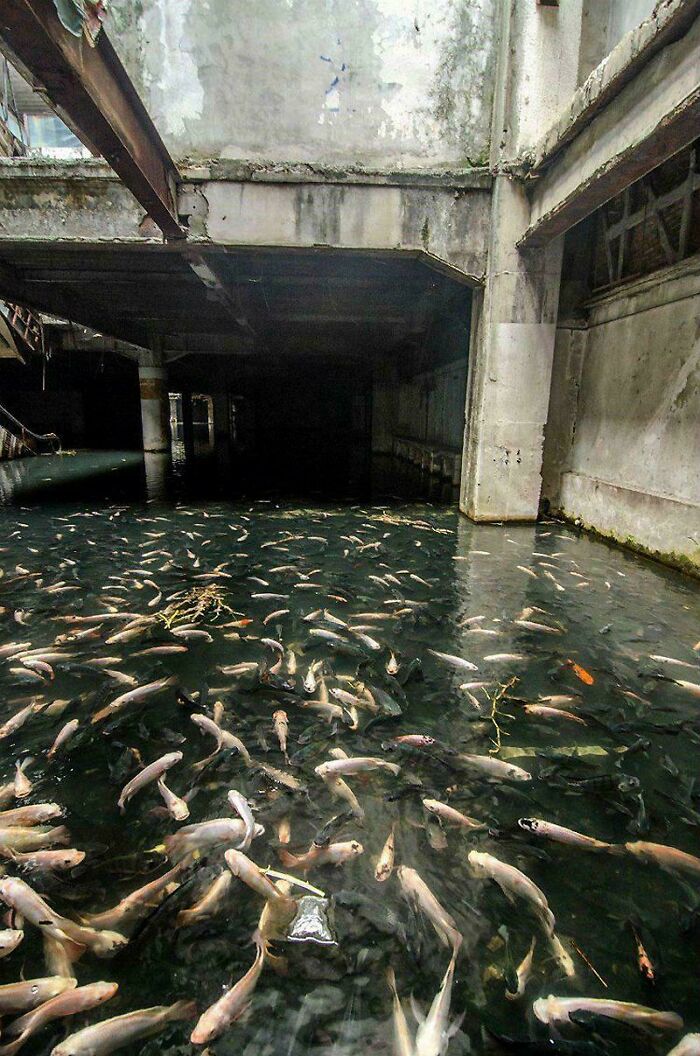
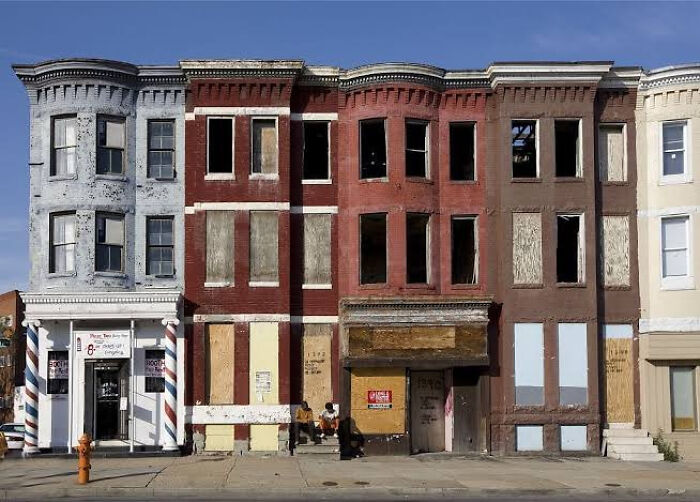
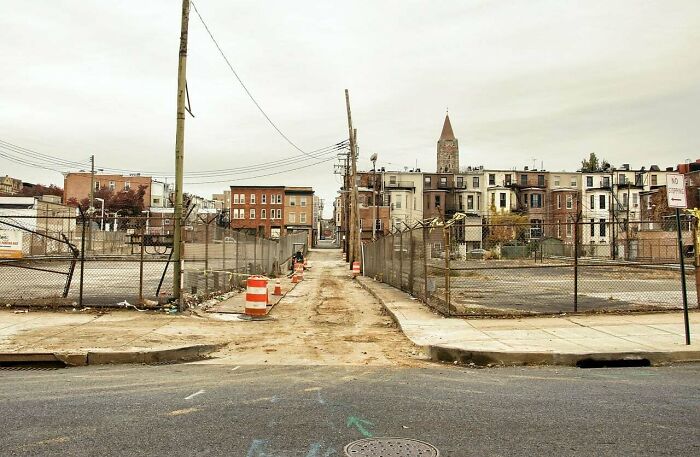
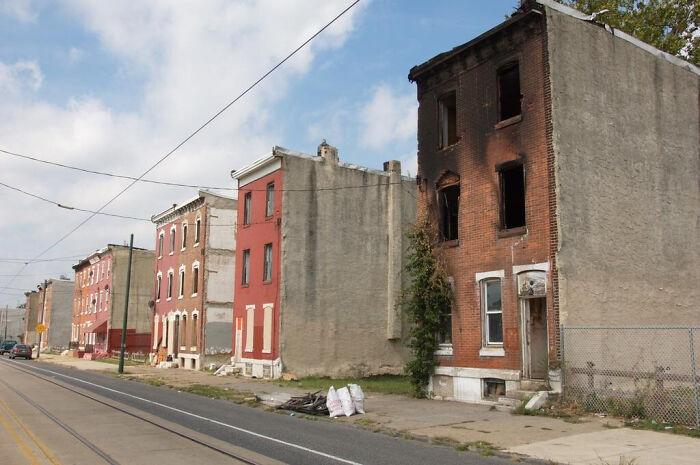
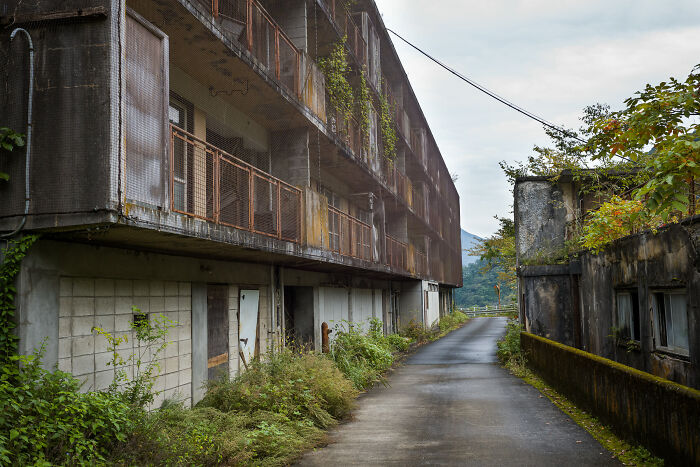
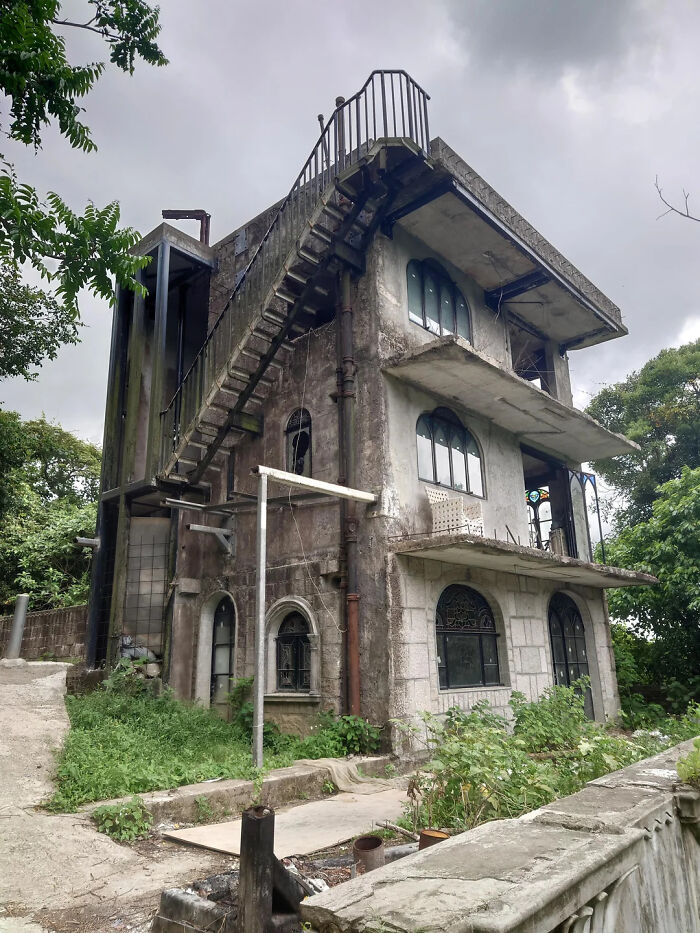
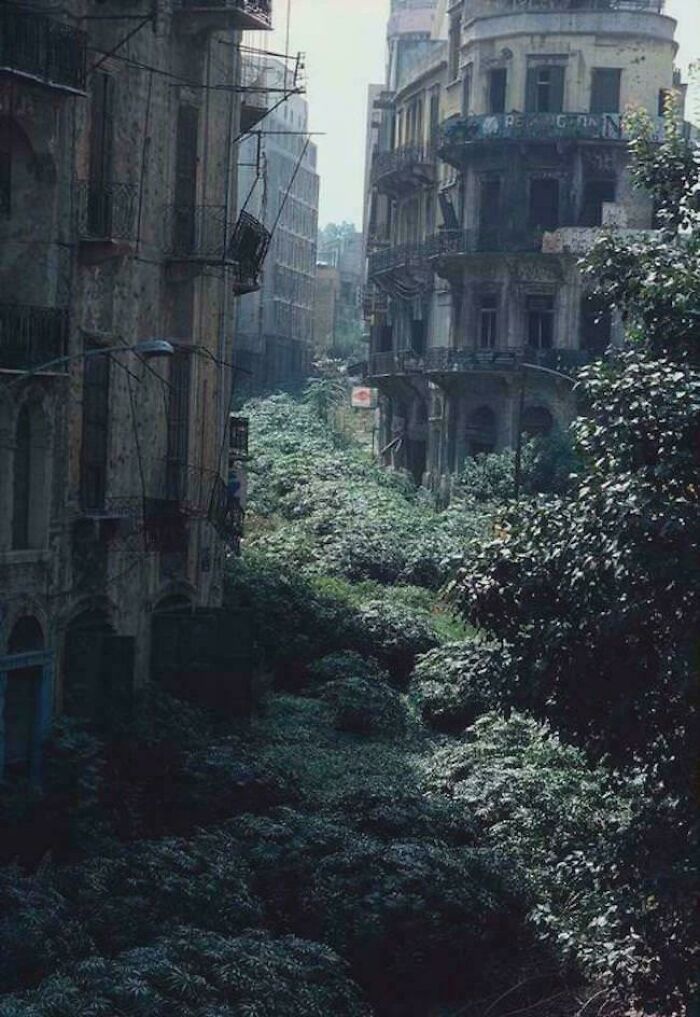
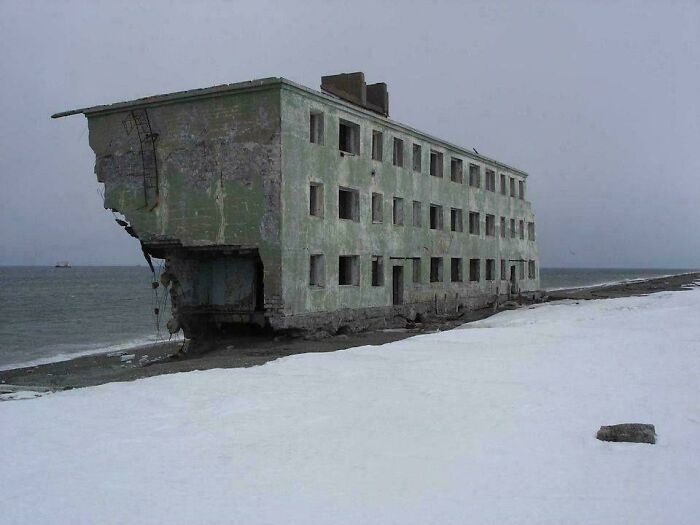
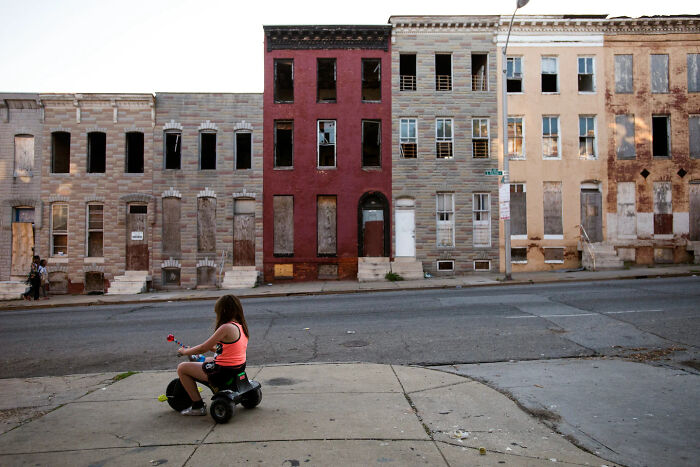
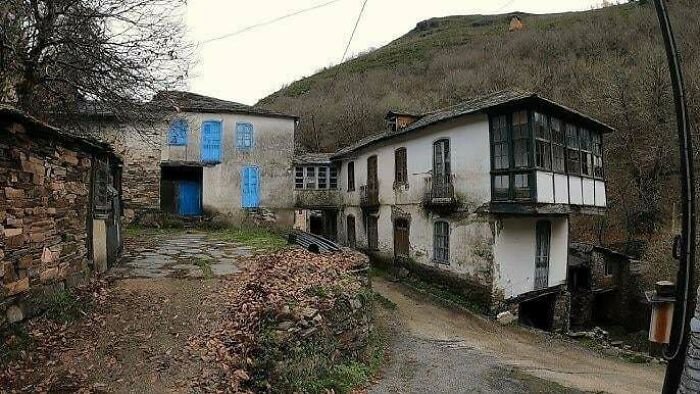
Such a waste. Many of the other heIIscapes look utterly hopeless and dystopian. This is "just" abandoned and sad. These houses look like they'd be worth restoring.

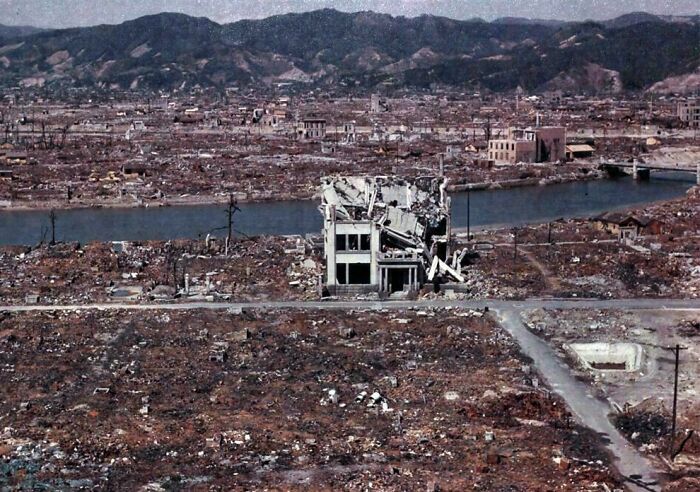
I had relatives in that area and even though I was very young, I still remember the red dust that coated everything

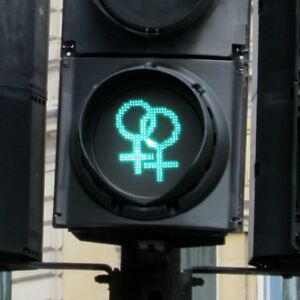
Oh come on. Take this pic in summer with better lighting, i'm sure it's not that bad.
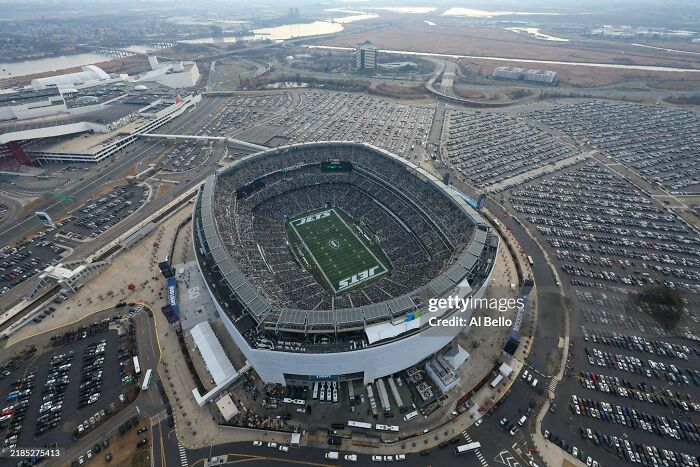
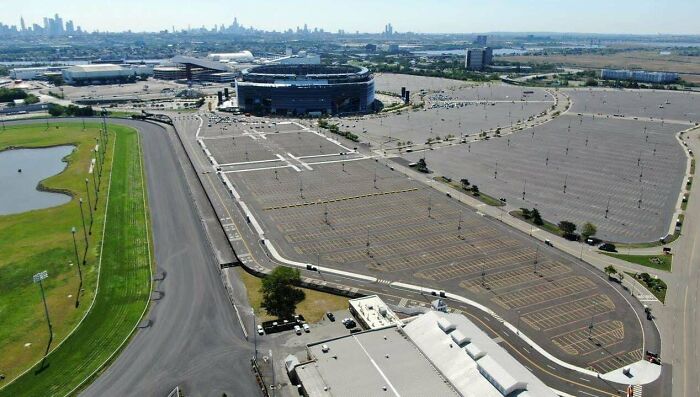
"My car needs open sky! I can't let it stand in a crowded parking garage - it might develop anxiety!" /S
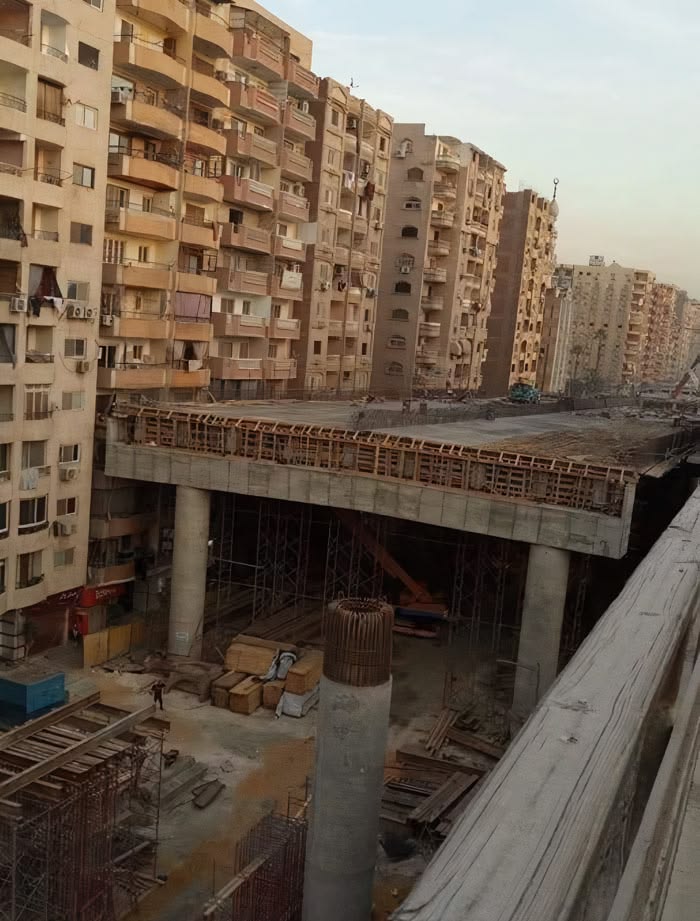
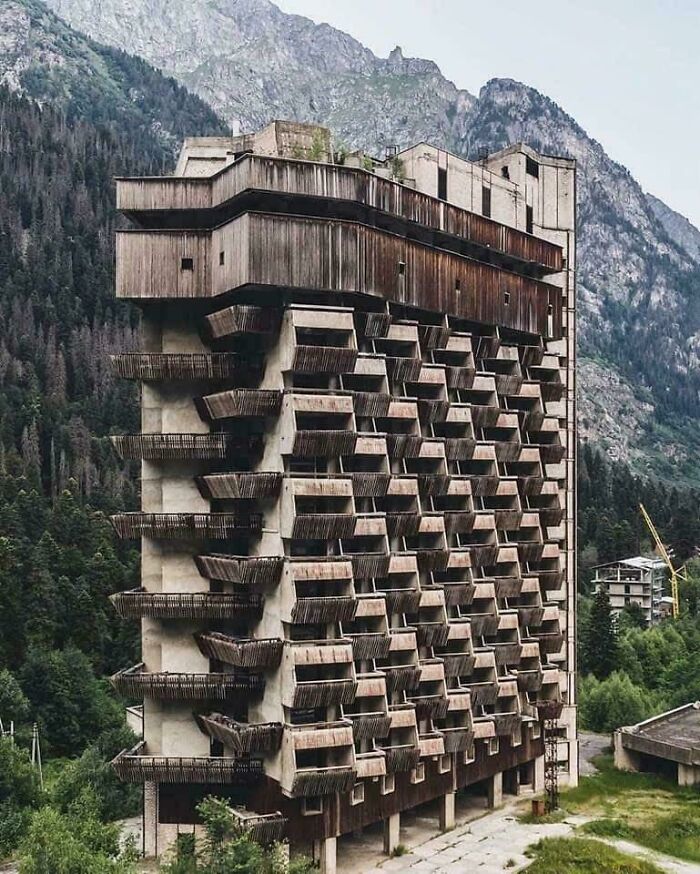
Wow! I wonder if you can walk from one end to the other while staying inside?
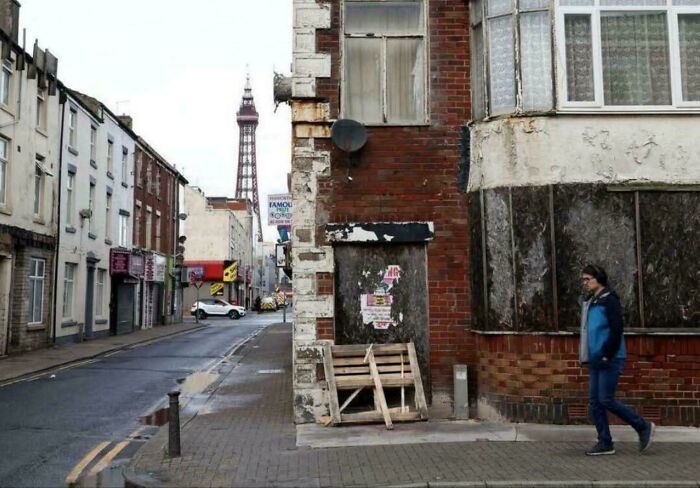
Same with a lot of seaside towns in the UK these days as they are heavily reliant on tourism. Blackpool used to a popular holiday destination for working class Brits, but now you can go to Spain for a week for about the same price and get better weather so it has fallen into decline.
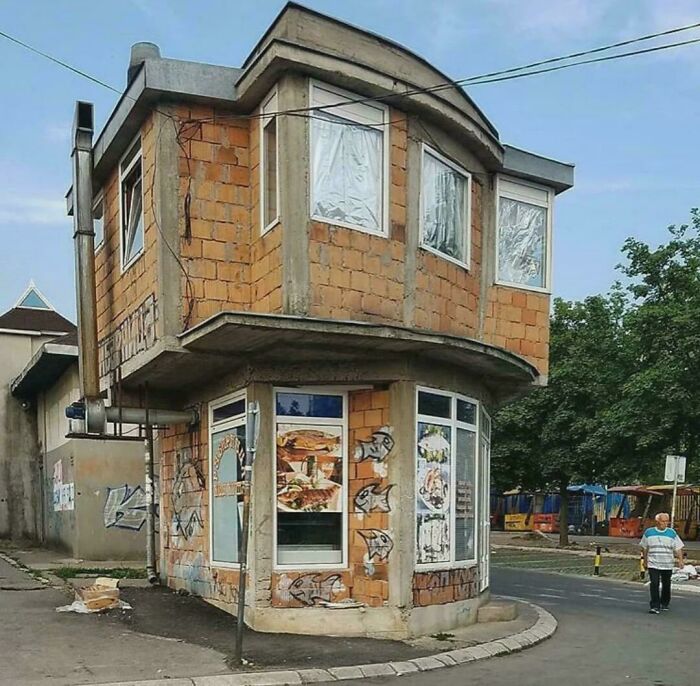
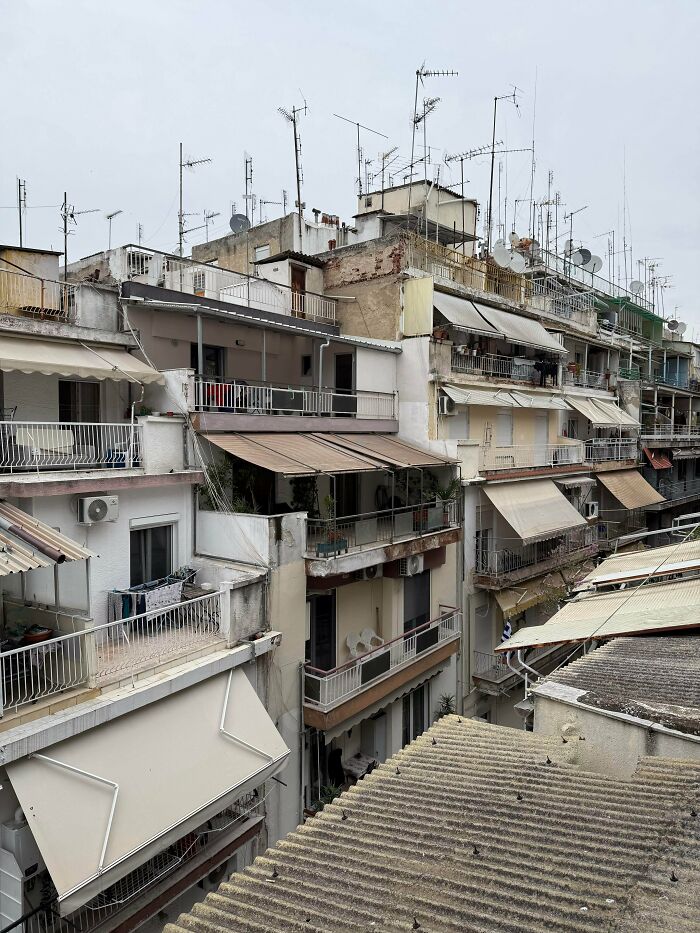
I find that quite charming. I know it's thrown together but it's interesting.

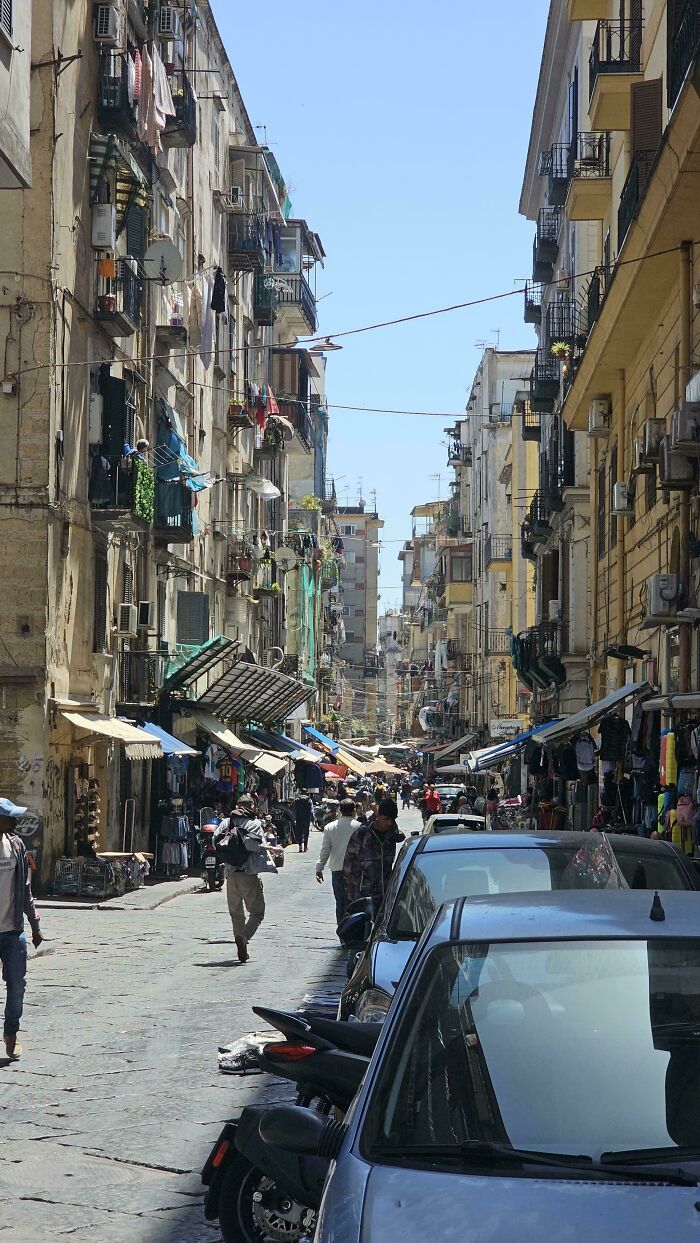
This looks like Germantown Avenue area. My old area, Kensington - Fishtown - Port Richmond is coming back pretty big. They're trying to clean up Kensington Ave. Funny, I used to walk to school up Kensington Ave and it was full of stores, restaurants, a movie theater etc. Beautiful at Christmas with all the lights under the "El." Now, it's just a shell of itself.
That's nothing. Have you seen Gelsenkirchen, Ludwigshafen or Chemnitz?

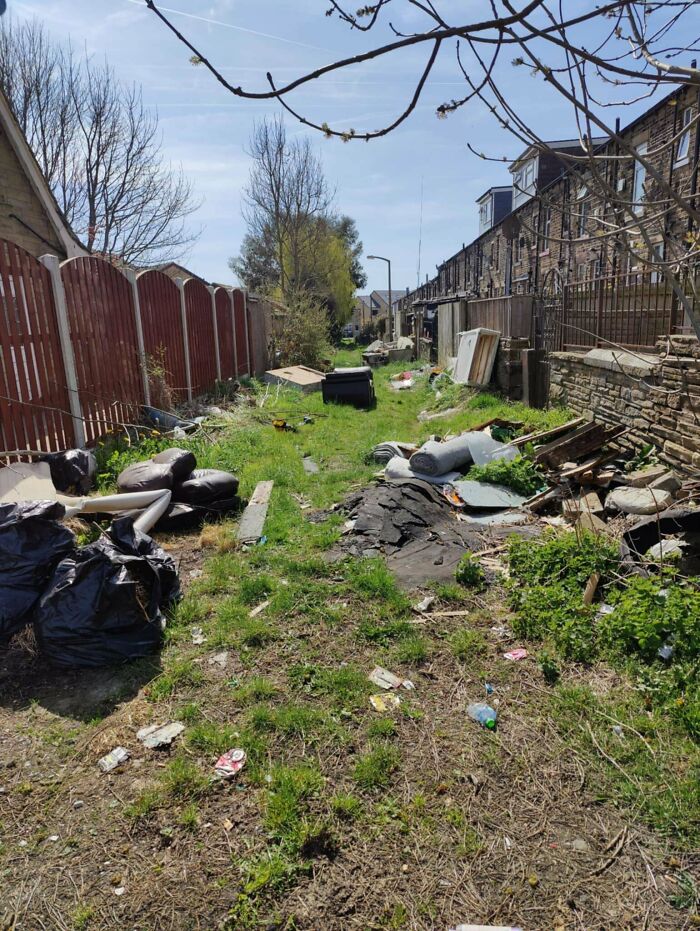
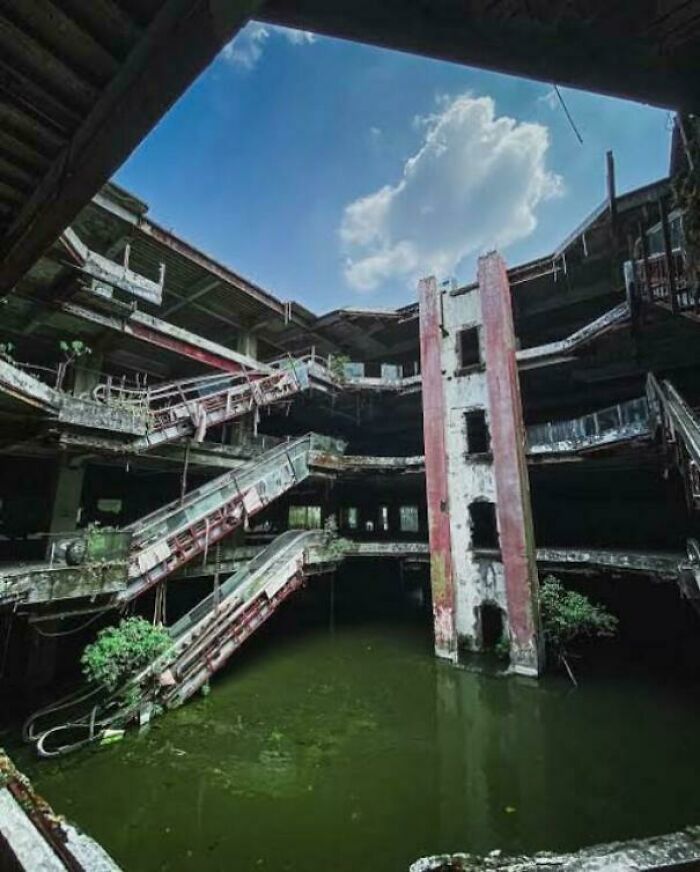
It gladdens my heart (which is otherwise shattered by these appalling pictures of human life on earth) to see vegetation sneaking back in to abandoned sites. A snippet of optimism!

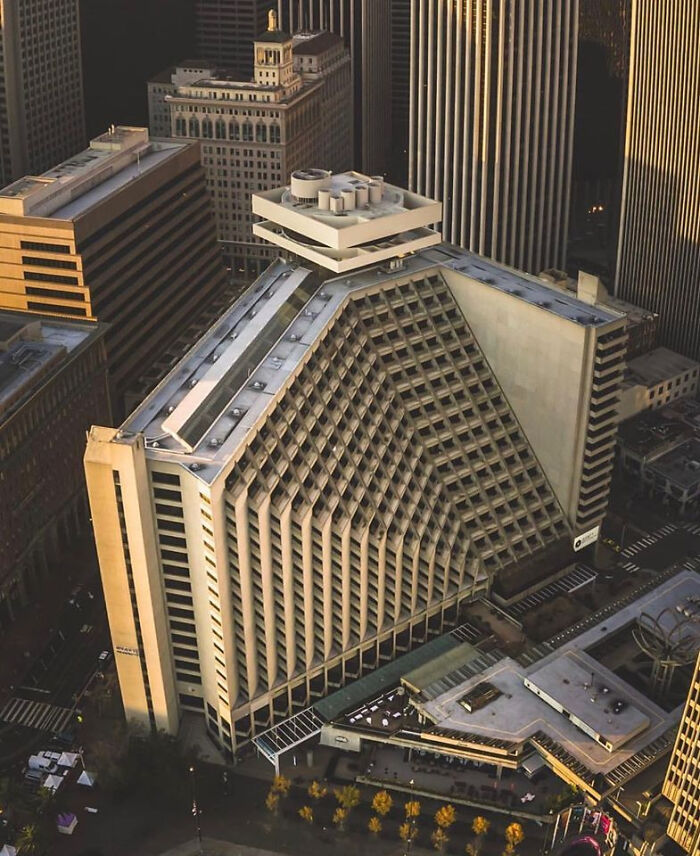
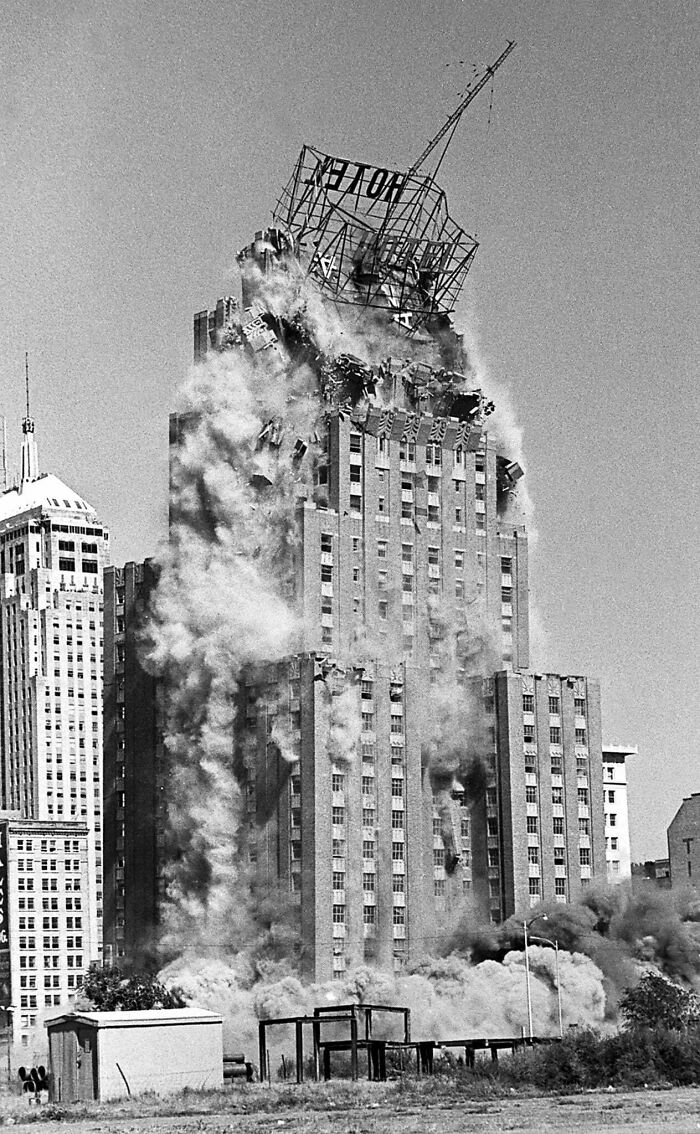
If you have seen the Mel Brooks movie "High anxiety" (highly recommended) ... this is the hotel used in that movie

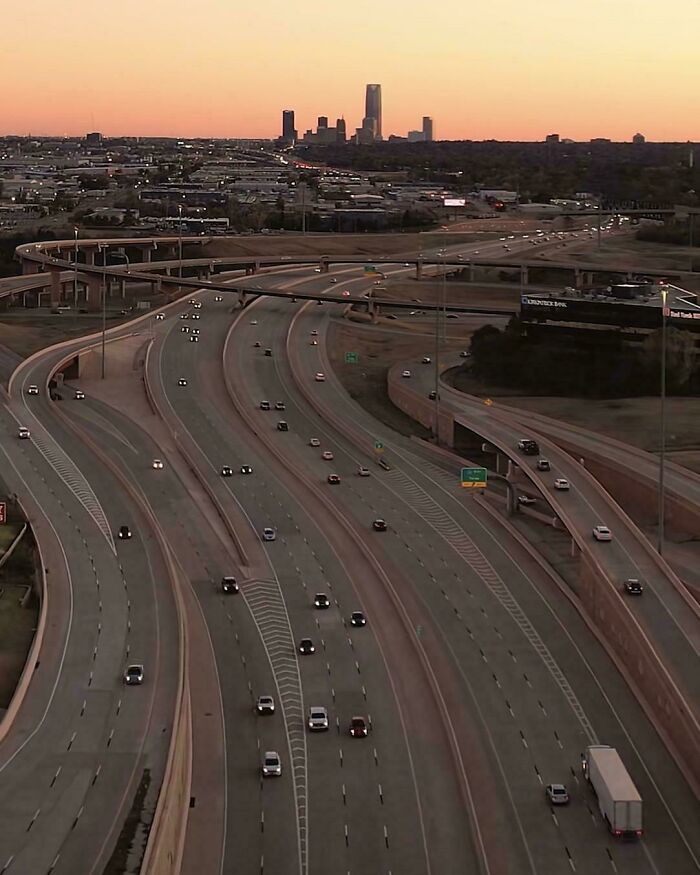
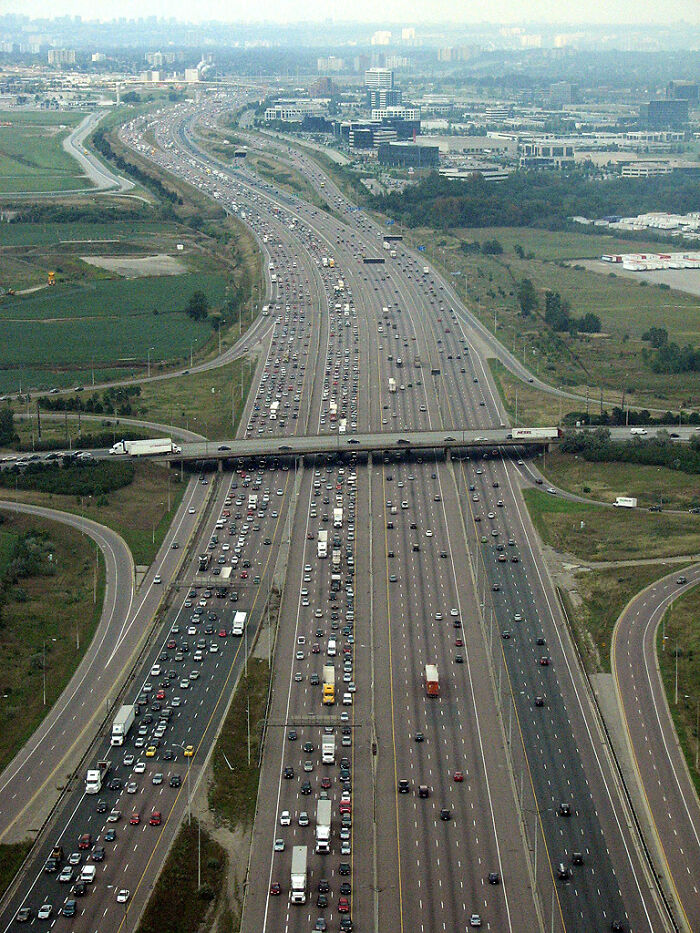
I knew my hometown had to be in here somewhere. Though really, this is the tip of the iceberg when it comes to the misery of Toronto traffic. I've been on a barely-crawling 401 many times, but downtown streets get much worse. And don't even ask about the Don Valley Parkway, the Gardiner Expressway (both of which were closed this past weekend; that was fun) or the Queen Elizabeth Way.
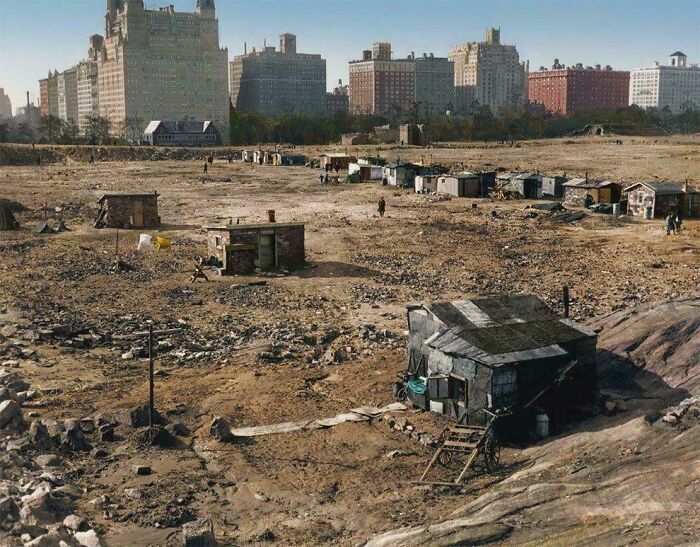
One of many 'Hoovervilles'. 'Scores of homeless families camped out at the Great Lawn at Central Park, then an empty reservoir' and 'Hoovervilles were shanty towns and slums built during the Great Depression by the homeless in the United States. They were named after Herbert Hoover, who was president of the United States during the onset of the Depression and was widely blamed for it.' Link follows.

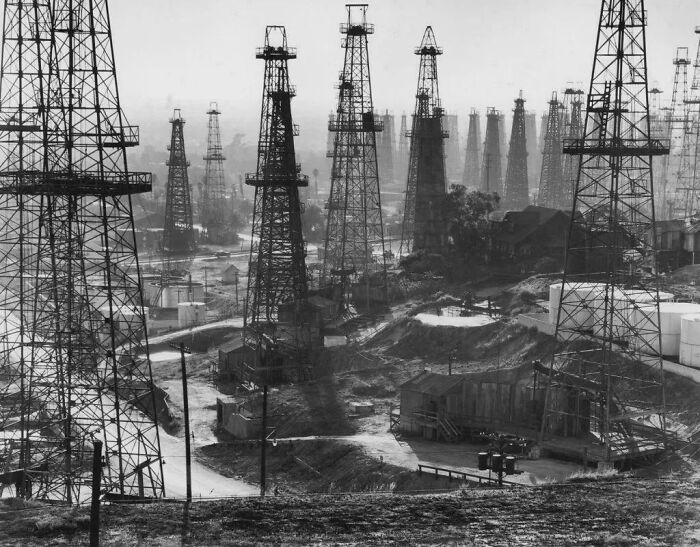
It isn't that way any more. Pumping oil isn't as ugly as it used to be.
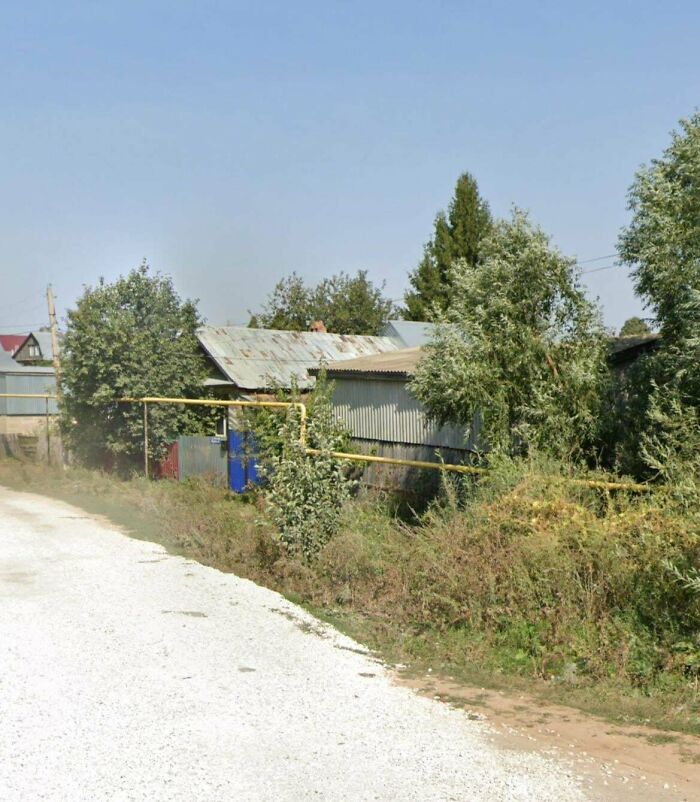
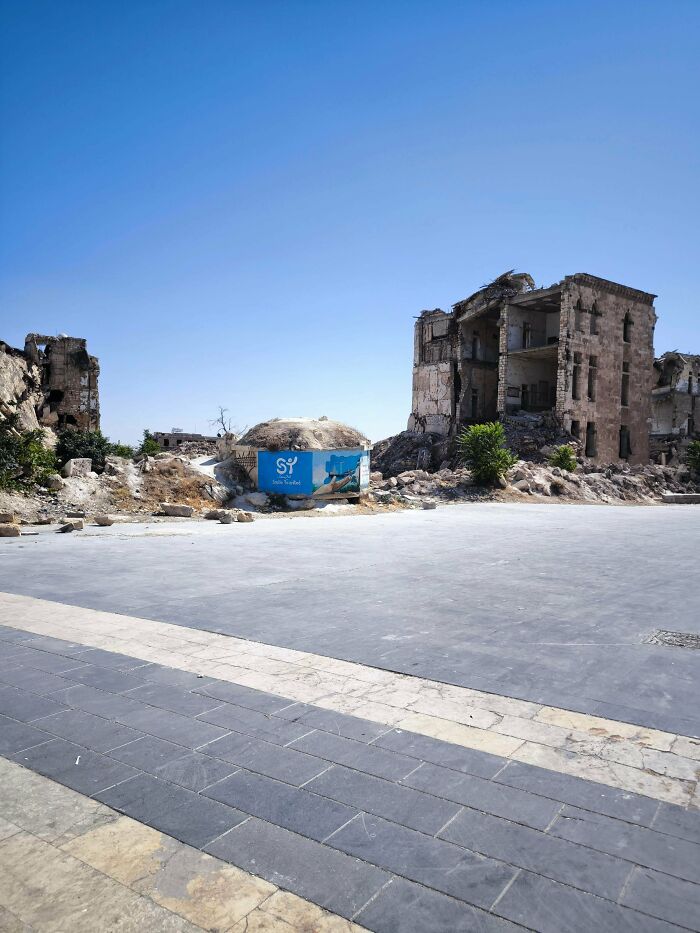
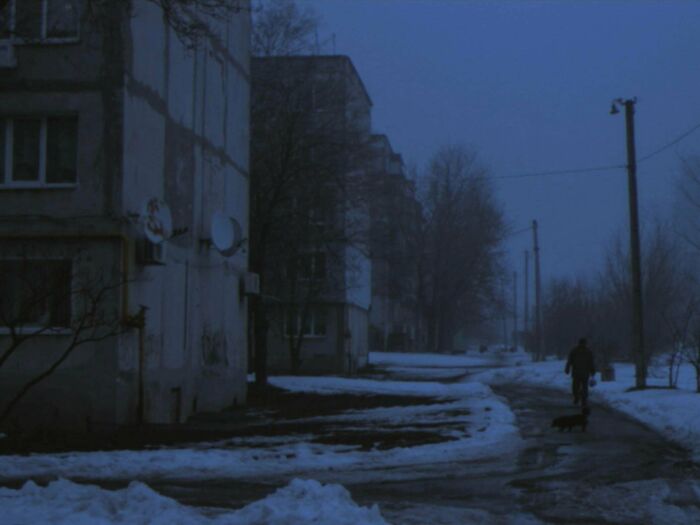
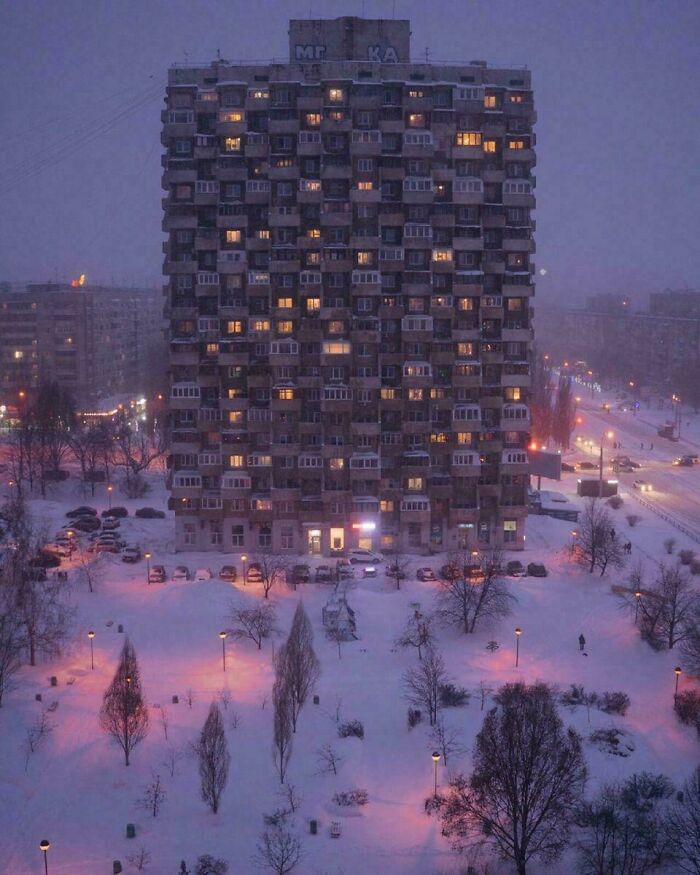
My guees, It's the eastern part of the city that was under sovjet rule

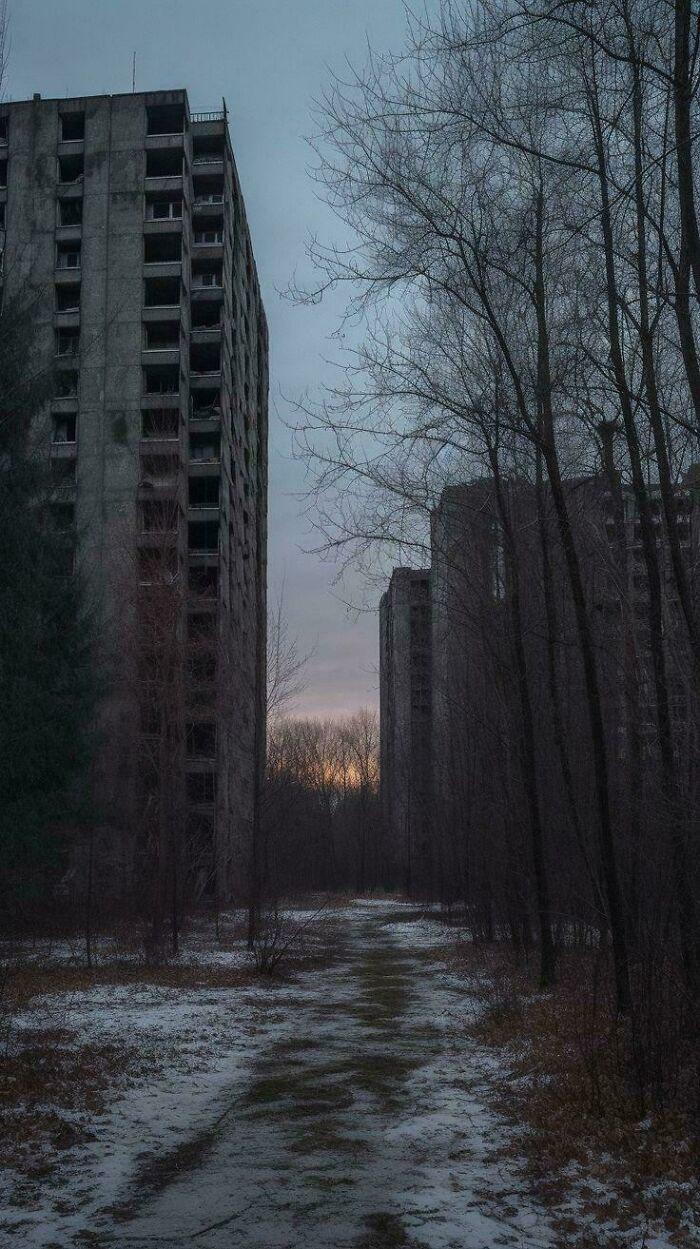
I have been there and I wouldn't call Pripyat an urban hellscape.. It's actually a really beautiful and melancholic place.


Am I the only one for whom some of these photos don't feel dystopian, but rather comforting—like home?
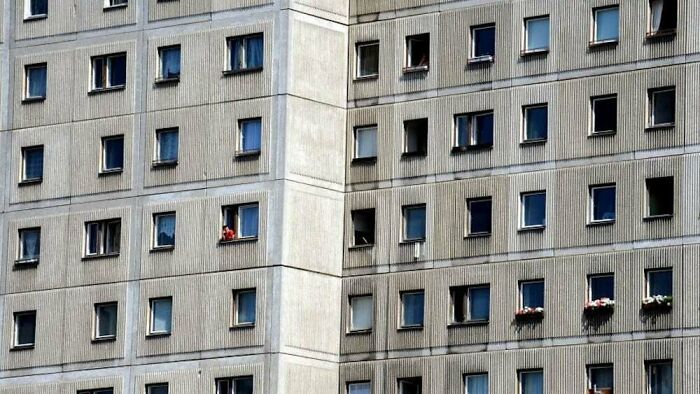
Well, growing up in Belgrade (featured three times on this list) yeah, I tend to get homesick seeing these... The socialist/communist architecture is brutalism for the major part
Load More Replies...
So many of there are just... Normal?.. Trees, grass, quite normal buildings?.. What's the point?
Am I the only one for whom some of these photos don't feel dystopian, but rather comforting—like home?
Well, growing up in Belgrade (featured three times on this list) yeah, I tend to get homesick seeing these... The socialist/communist architecture is brutalism for the major part
Load More Replies... So many of there are just... Normal?.. Trees, grass, quite normal buildings?.. What's the point?


























 No fees, cancel anytime