Get Premium
Dark mode theme is available exclusively for premium users. Learn more about the benefits of subscribing.
No fees, cancel anytime.

 Dark Mode Ad-Free Browsing Unlimited Content
 Ad-Free Browsing Unlimited Content Dark Mode
Join 1.2 million Panda readers who get the best art, memes, and fun stories every week!
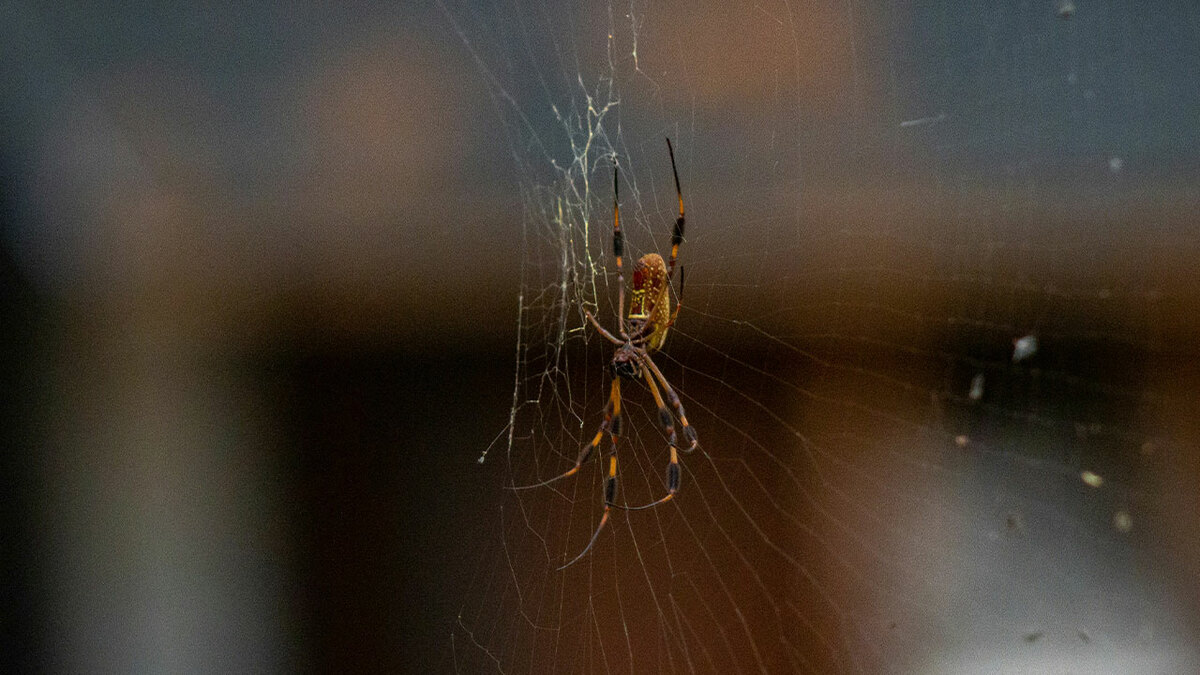
Now we cannot confirm this, but someone really needs to look into whether the marketing team behind Spider-Man: A New Day has struck some kind of unholy deal with Mother Nature, because the timing of the UK’s annual spider invasion is frankly suspicious. And if not the timing, at least about the magnitude of it this year.
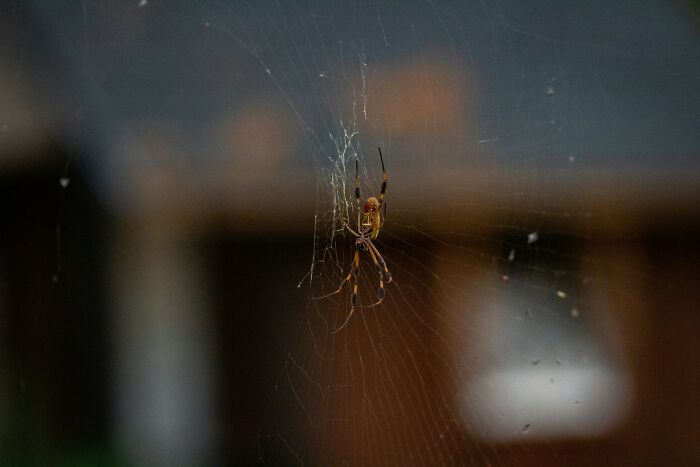
Every September, right on cue, thousands of tennis ball-sized spiders abandon whatever they were doing outside and march directly into British homes in search of a mate. Ten centimeters across the leg span. The size of a tennis ball. In your house. Looking for love. And according to experts, this year is no different, so here is everything you need to know to survive the next six weeks with your sanity intact.
Every September, male spiders across the UK do something deeply inconvenient. They leave their outdoor habitats and head indoors in search of a female mate. The females, for their part, stay completely stationary and wait (same girl…). The mating season runs from September through to mid-October, meaning there are approximately six weeks of peak spider activity to get through before things calm down.
Ecologist Professor Adam Hart, who has actually studied spider season by asking members of the public to record their sightings, offers some comfort: “By around mid-October sightings were unusual, so if you aren’t a spider fan don’t worry, spider season doesn’t last forever.” Cold comfort, perhaps, when there is a tennis ball-sized spider behind your sofa. But comfort nonetheless.
The good news is that while most UK spiders are technically capable of biting, they are almost universally harmless. The bad news is that they are still very much spiders, they are very much the size of tennis balls, and they are very much heading into your home whether you like it or not.
Professor Hart also urges people not to end their lives, noting that “spiders are incredibly important in the wider ecosystem.” This is a fact that is much easier to appreciate when the spider in question is not sitting on your bathroom floor at 7 am making eye contact with you.
There are several things you can do to make your home less appealing to an amorous spider on the hunt.
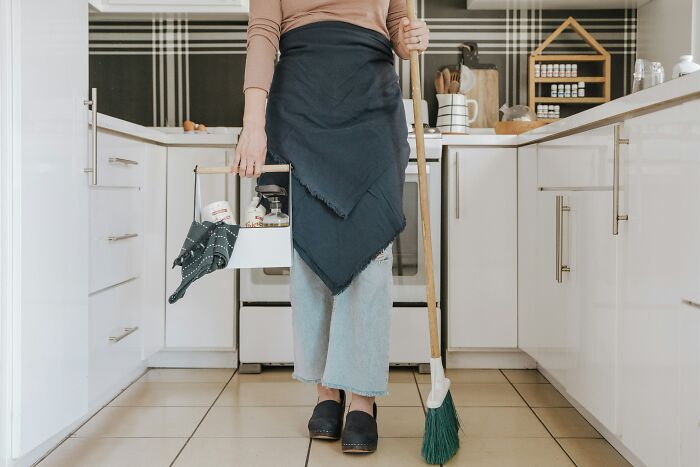
Declutter: Spiders love dark, cluttered spaces. Think overstuffed cupboards, piles of boxes, and any corner of your home that has not been touched since 2019. A quick tidy could significantly reduce your chances of finding an eight-legged lodger.
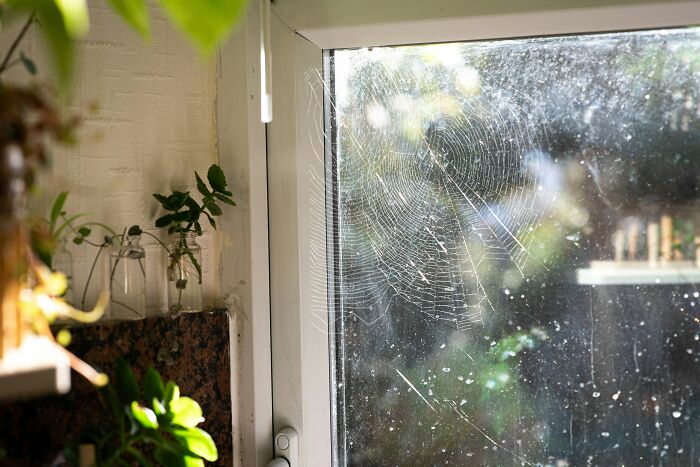
Open your curtains: Spiders hate light. Natural light streaming through your windows is one of the simplest deterrents available and costs absolutely nothing. This is also just generally good advice for human wellbeing, so consider this a two-for-one.
Seal any cracks: Spiders are remarkably good at squeezing through tiny gaps. Door frames, window edges, cracks in floors and ceilings. A quick sweep of your home for entry points and a bit of sealant could make a significant difference.
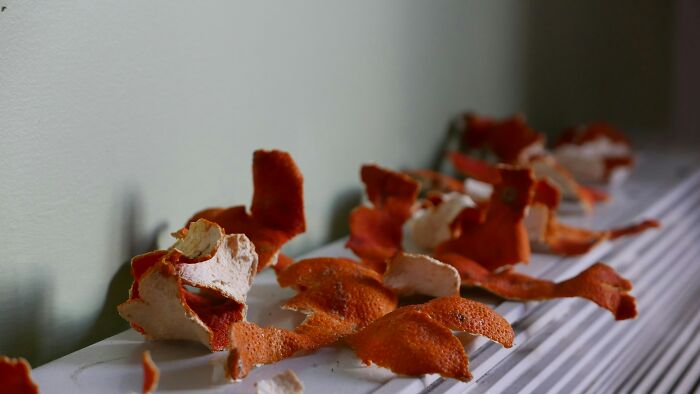
Orange peels on the windowsill: Yes, really. According to Professor Hart, citrus scents are genuinely effective at deterring spiders and other insects. Lemon and lime work just as well. So the next time someone judges you for leaving fruit on the windowsill, you can tell them it is a carefully considered pest management strategy. Because it is.
If a spider does make it past your citrus defenses, the recommendation from experts is to catch and release rather than reaching for a shoe. A spider catcher will come in super handy. It is essentially a long-handled grabby thing with soft bristles at the front that will ensure your and the spider’s safety. The spider gets to continue its romantic quest. You get to keep your heart rate below 200. Everyone wins. Except possibly the female spider, who is still just sitting there waiting.
The spider most commonly responsible for the annual UK invasion is the Giant House Spider — scientific name Eratigena atrica — and it is, by British standards, enormous. With a leg span of up to 10cm, it holds the record for one of the fastest spiders in the UK, capable of running at speeds of up to half a meter per second in short bursts. Which is information nobody asked for but everyone now has to live with.
The Giant House Spider is actually a permanent resident of the UK rather than a seasonal visitor — they live in our homes year-round, largely undetected, hiding in corners, under furniture and behind appliances. September simply brings the males out into the open as they go looking for females, which is why sightings spike so dramatically during this period.
They are distinguished by their dark brown coloring, their thick hairy legs, and their distinctly purposeful way of moving across a floor that suggests they know exactly where they are going and have absolutely no interest in your feelings about it. They build flat, sheet-like webs rather than the classic circular kind, often found in the corners of rooms or behind furniture.
And despite their intimidating size, they are completely harmless to humans. Their fangs are not strong enough to pierce human skin in most cases. Cold comfort when one is sprinting across your living room floor at half a meter per second, but scientifically accurate nonetheless.
@jredwardsartukIf you’re scared of spiders, stay vigilant this autumn♬ original sound – jredwardsartuk

By entering your email and clicking Subscribe, you're agreeing to let us send you customized marketing messages about us and our advertising partners. You are also agreeing to our Privacy Policy.
Thank you! You've successfully subscribed to newsletters!

They aren't coming in from outside, they live in your house already, they are just being bolder because they are h***y.
Nope. They aren't living in your house. The article literally told you what's going on. The females web up and stay put in nice, dark, shady places like under bark, in sheds, etc. and the males go on the hunt for them in the autumn. Entrances to the house look a lot like they might lead to a female, so you end up with these guys trundling around the floor.
Load More Replies...
Our house looks as if the Addams Family lives here. I don't remove the cobwebs until their owners move on. Because we always have a door or window open for our cat, even in the winter, we get plenty of flying things that aren't welcome and the spider webs are full of their dry little husks. (If we find black widows we relocate those to the far end of the property because our cat occasionally eats spiders and we don't want him to eat one of those.)

Ack! Where are you that black widows are frequent visitors? I’d have a hard time trying to let them live. 😰
Load More Replies...
I don’t want them kept out ,I adore spiders ,they keep flies etc out, long as they don’t let my daughter see them they are very welcome here ❤️
They aren't coming in from outside, they live in your house already, they are just being bolder because they are h***y.
Nope. They aren't living in your house. The article literally told you what's going on. The females web up and stay put in nice, dark, shady places like under bark, in sheds, etc. and the males go on the hunt for them in the autumn. Entrances to the house look a lot like they might lead to a female, so you end up with these guys trundling around the floor.
Load More Replies... Our house looks as if the Addams Family lives here. I don't remove the cobwebs until their owners move on. Because we always have a door or window open for our cat, even in the winter, we get plenty of flying things that aren't welcome and the spider webs are full of their dry little husks. (If we find black widows we relocate those to the far end of the property because our cat occasionally eats spiders and we don't want him to eat one of those.)
Ack! Where are you that black widows are frequent visitors? I’d have a hard time trying to let them live. 😰
Load More Replies... I don’t want them kept out ,I adore spiders ,they keep flies etc out, long as they don’t let my daughter see them they are very welcome here ❤️





























 No fees, cancel anytime



















37
19