Get Premium
Dark mode theme is available exclusively for premium users. Learn more about the benefits of subscribing.
No fees, cancel anytime.

 Dark Mode Ad-Free Browsing Unlimited Content
 Ad-Free Browsing Unlimited Content Dark Mode
Join 1.2 million Panda readers who get the best art, memes, and fun stories every week!
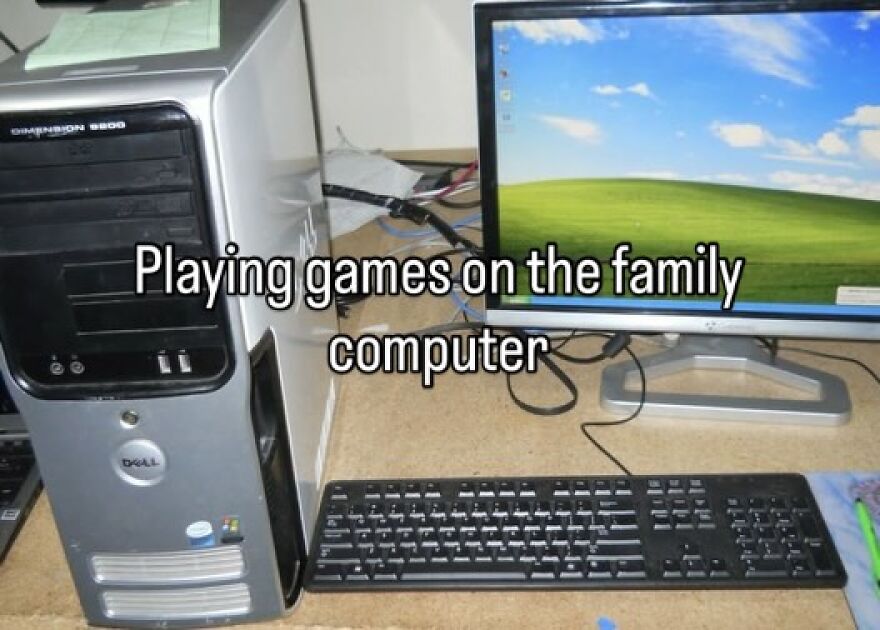
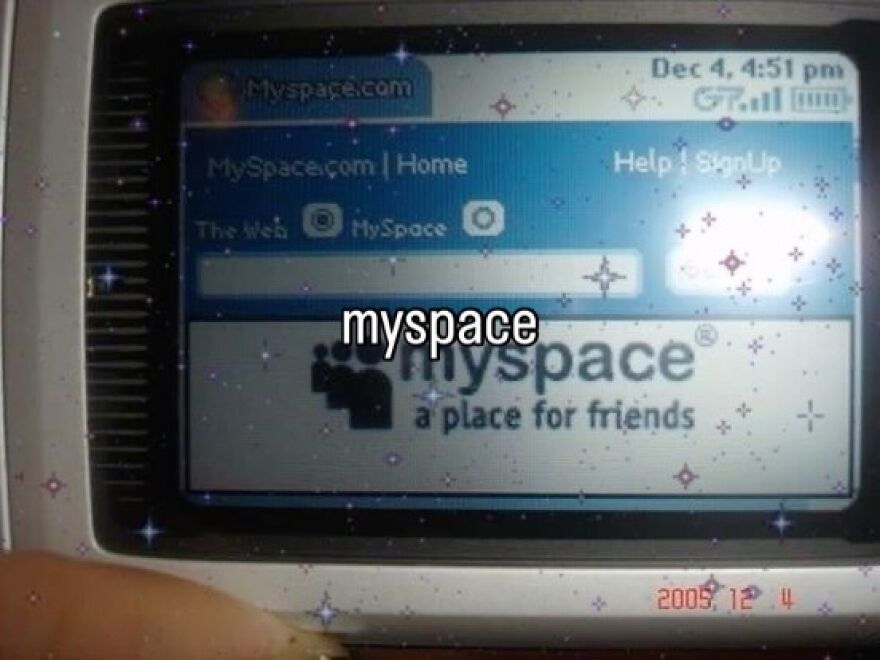
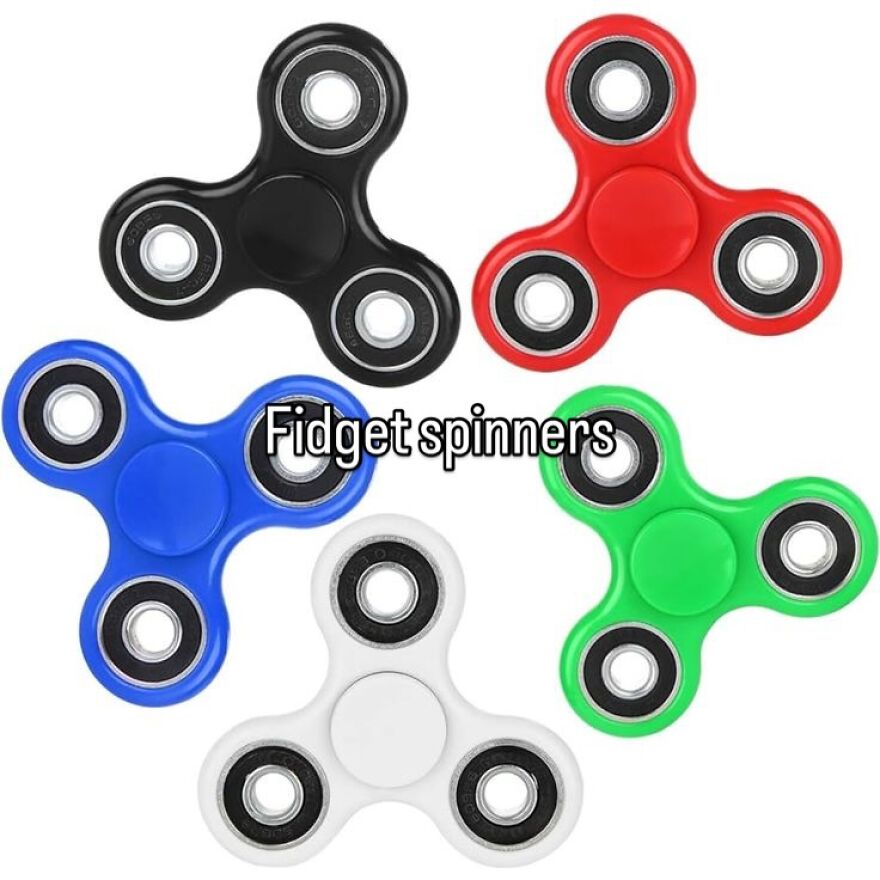
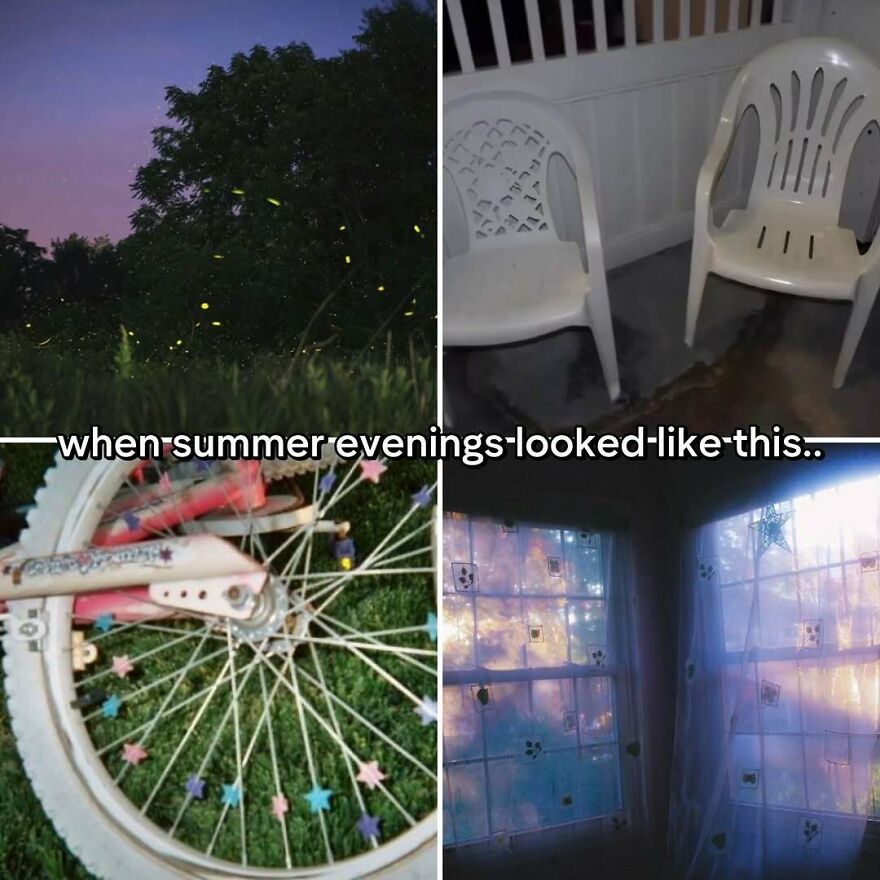
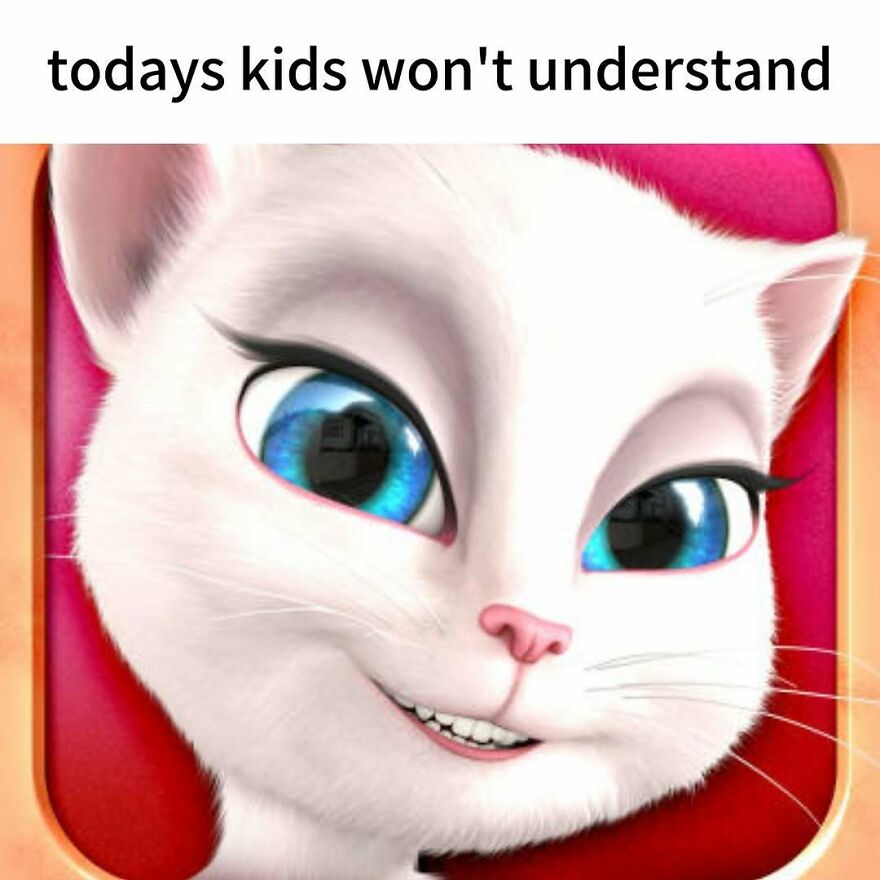
If you grew up in the 2000s, you probably remember coming home from school and heading straight to the family computer to play games or log onto MySpace. If that was not your jam, then perhaps it was collecting Pokémon cards and fidget spinners, learning the dab dance step, or building playlists on MP3 players.
The spirit of that era is now being kept alive online through social media.
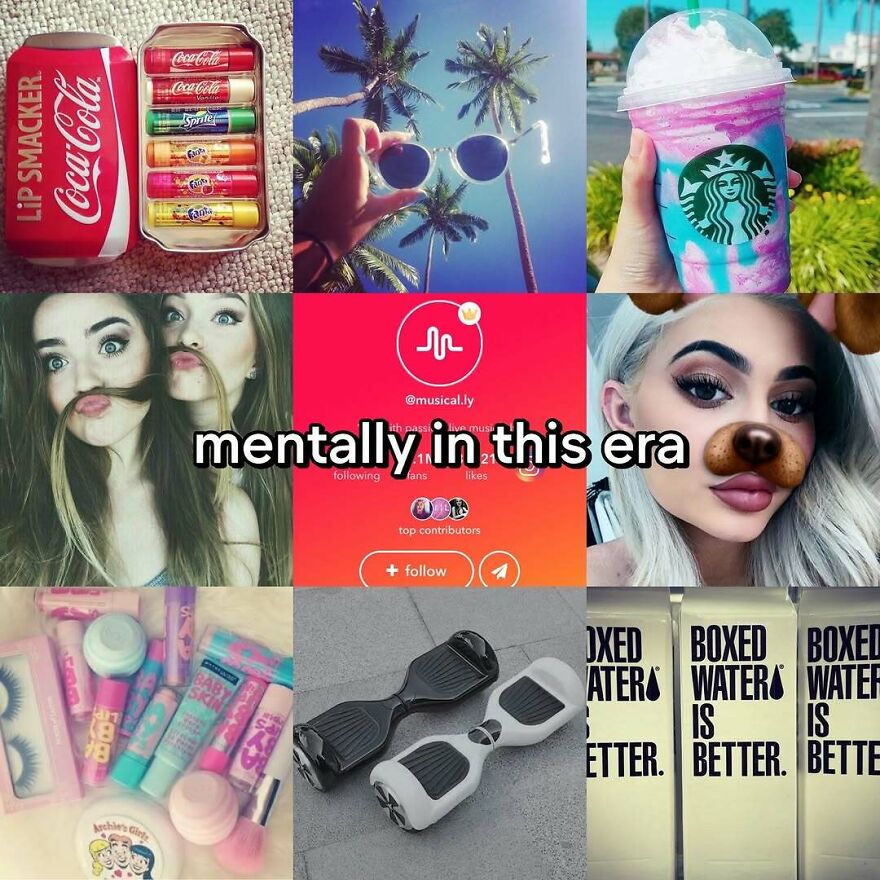
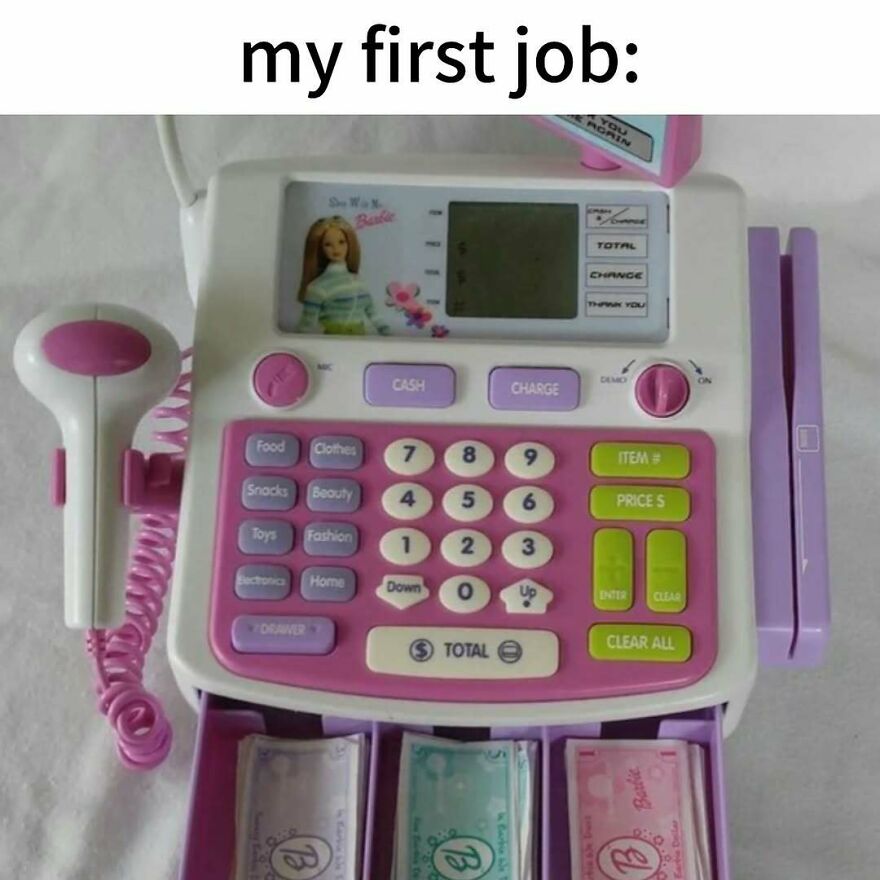
Hope you’re ready for a strong hit of pure, unfiltered nostalgia because we’ve rounded up some of the fondest memories from these Instagram pages.
If you did not grow up in the 2000s, though, get ready to get a glimpse of a time when life felt a bit simpler and slower.
This post may include affiliate links.
Almost everyone feels nostalgia in some way. It’s basically a sentimental yearning for the past that feels good and a little sad at the same time.
But did you know that it was once viewed as a neurological affliction?
Before the term was coined, one medical diagnosis in the 17th century dubbed the phenomenon “the evil of the heart.”
In the 19th century, medical science began to see nostalgia as a psychological condition. Even then, it was treated like a serious mental affliction, often linked to depression or deep melancholy.
It was especially common in immigrants and soldiers who were far from home, and doctors sometimes even called it “immigrant psychosis.” They assumed people were becoming mentally unwell just from missing their homeland.
Some patients were given harsh methods to “treat” nostalgia, like purges or sedatives. In earlier centuries, substances like opium were used to calm patients in medical care.
Thankfully, doctors stopped treating nostalgia as an illness by the 20th century. Advances in psychology and psychiatry showed that nostalgia wasn’t a physical disease, but an emotional response tied to memory, identity, and social connection.
Today, experts believe that nostalgia can actually make you feel closer to people and remind you of what matters. For example, looking at old pictures of family or friends can push you to reconnect.
The emotion is also linked to higher empathy and more prosocial behavior. Research shows people are more inclined to help others or act kindly when they’re feeling nostalgic.
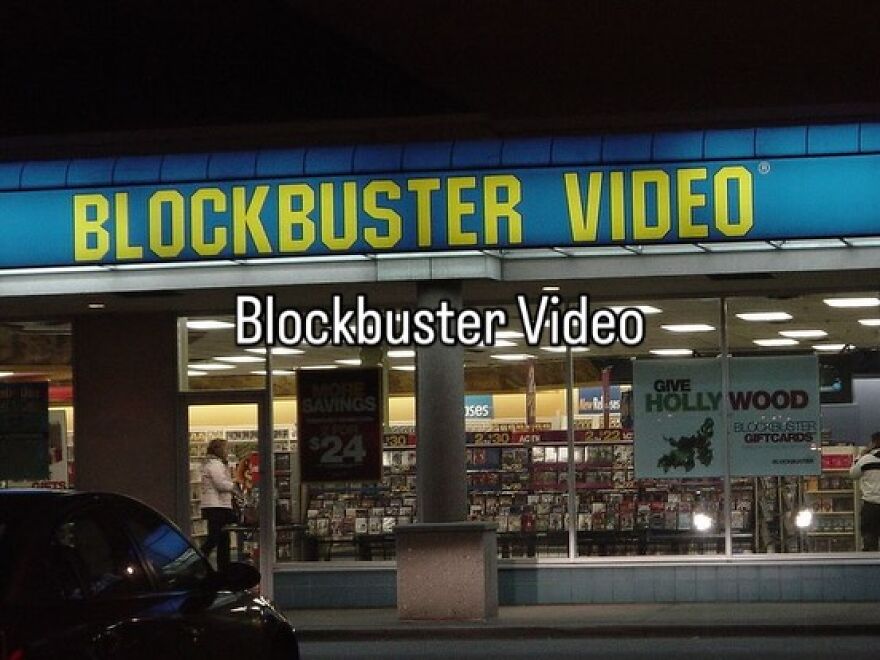
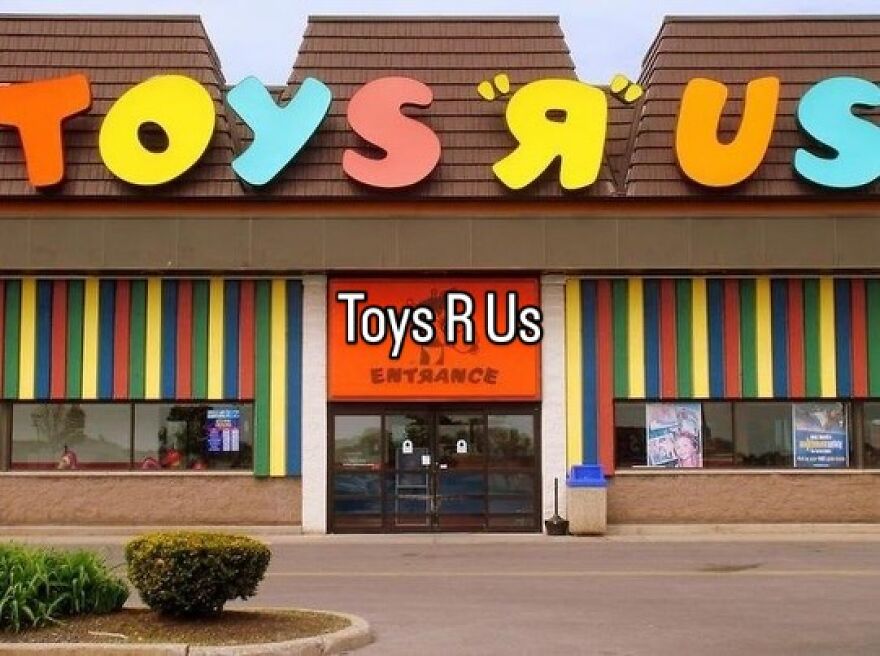
We still have Toys R Us in Canada, though fewer locations than there used to be.
A very simple reason why we keep revisiting the past, whether through memory or posts like this, is that it makes us feel better. And modern science backs this.
Studies show nostalgia can boost mood and make us more optimistic.
“Consuming nostalgic media of all types gives us a way of thinking about who we are, and helps us make sense of our purpose in life,” Krystine Batcho, a psychology professor at LeMoyne College and longtime nostalgia researcher, tells National Geographic.
It’s also closely tied to comfort. When we come across familiar music, games, shows, or memories, they remind us of times when life felt easier or more stable.
There has been a spike in nostalgia lately, which experts believe is partly linked to the COVID-19 pandemic.
In one study during the pandemic, more than half of consumers reported finding comfort in revisiting both TV and music they enjoyed in their youth.
“Nostalgia is one way of coping with things like social isolation or disconnectedness, loneliness. Times of adversity can trigger nostalgia because remembering who we were helps with our identity continuity,” Batcho said.

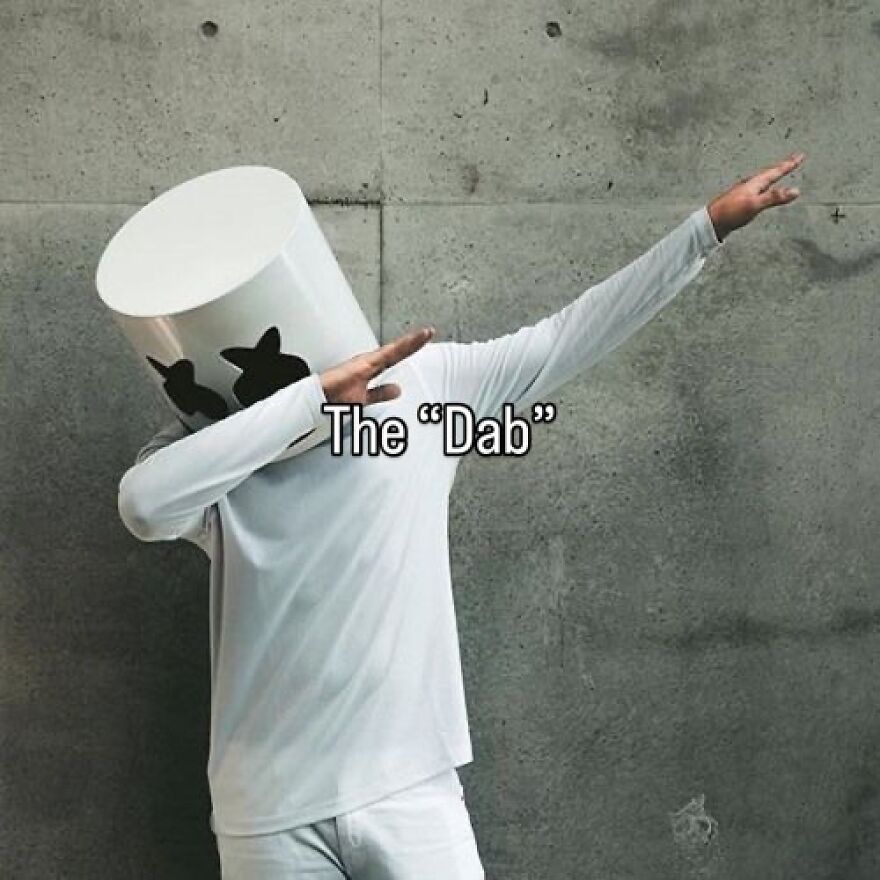
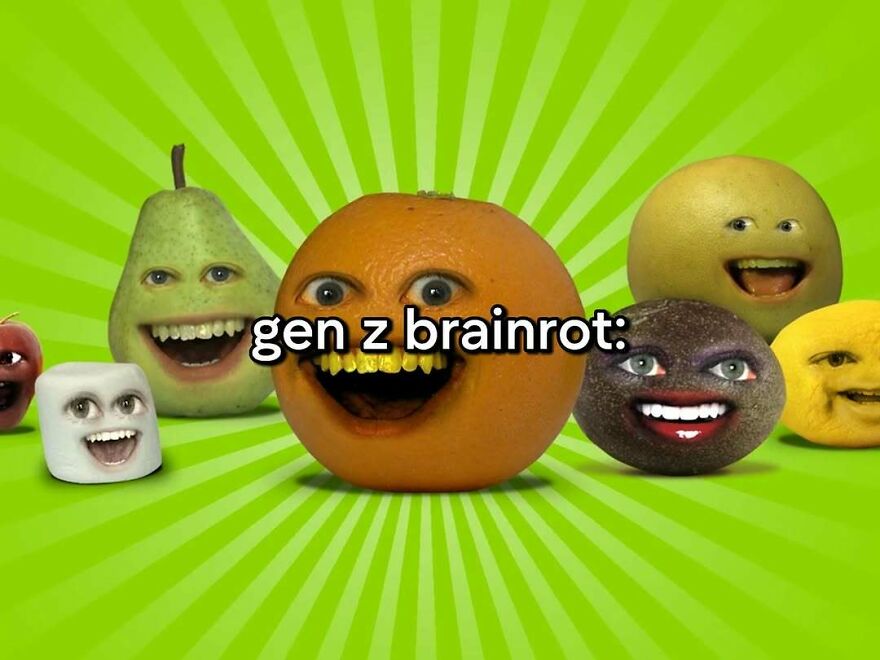
Marshmallow :) But he was 8 in 2000 and didn't got popular til 2015
Nostalgia for the 2000s is also seeping through pop culture, with movies and TV shows eyeing reboots, sequels, and reunions.
Experts describe this as “nostalgia economy” where revisiting older stories and aesthetics becomes commercially reliable.
For example, movies like Twilight and Mean Girls were re-released in theaters to packed audiences in recent years. Studios also continue to revisit major hits from that era, like Freaky Friday or The Devil Wears Prada (currently one of the most anticipated sequels.)
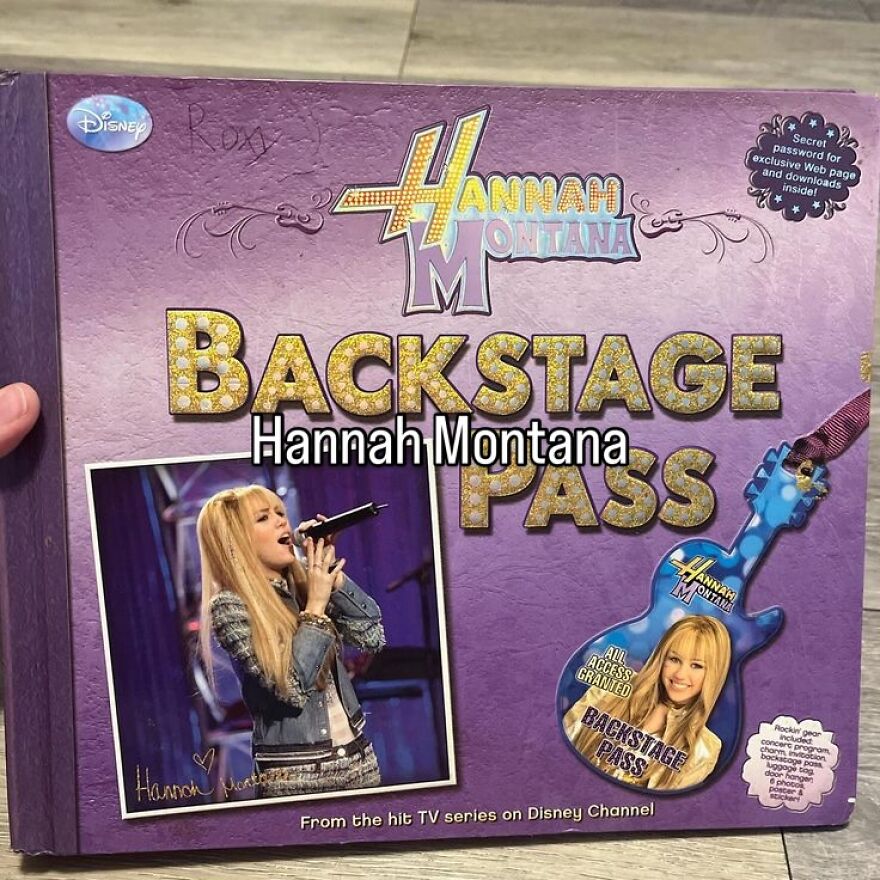
Music and teen TV culture are also circling back. For example, Disney recently celebrated the 20th anniversary of Hannah Montana with a special episode that was watched by 6.3 million viewers within its first three days.
Clips from 2000s pop culture also go viral on social media for new audiences who weren’t around for the original run.
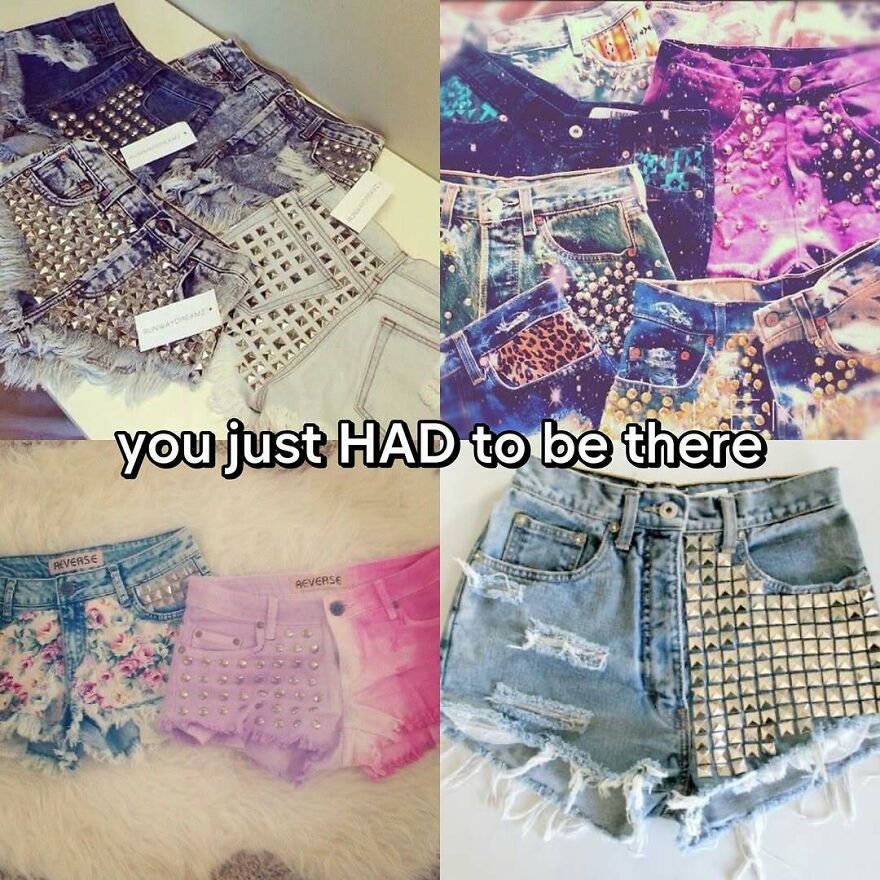
Fashion and clothing brands are also actively reusing early-2000s aesthetics, such as low-rise denim and glossy, logo-heavy styling that once defined the era.
A study showed that Gen Z now makes up more than half of users on Tumblr, once a favorite microblogging platform for millennials. Pinterest’s Summer 2025 trend report also shows a rise in searches for the “summer 2015 aesthetic,” pointing to a growing interest in recent past internet culture.

I knew who I would marry, how many kids we would have and what we would live in. None of it was true 😂
Before you lose yourself in that era, it’s important to remember that nostalgia can also be unhealthy if it starts taking over your present.
Research shows that too much nostalgia can lead to rumination, where people get stuck replaying the past instead of focusing on today.
It can also distort how we see our memories, making the past feel better than it really was. Which, in turn, can make us dissatisfied with our current life.
At the end of the day, it all really comes down to balance, though. When used in a healthy way, nostalgia can be quite grounding. And who knows, it might even send you digging through old boxes in the attic, rediscovering your old Barbie dolls or Pokémon cards.

I wonder how those people feel now that had this tattooed on their finger....
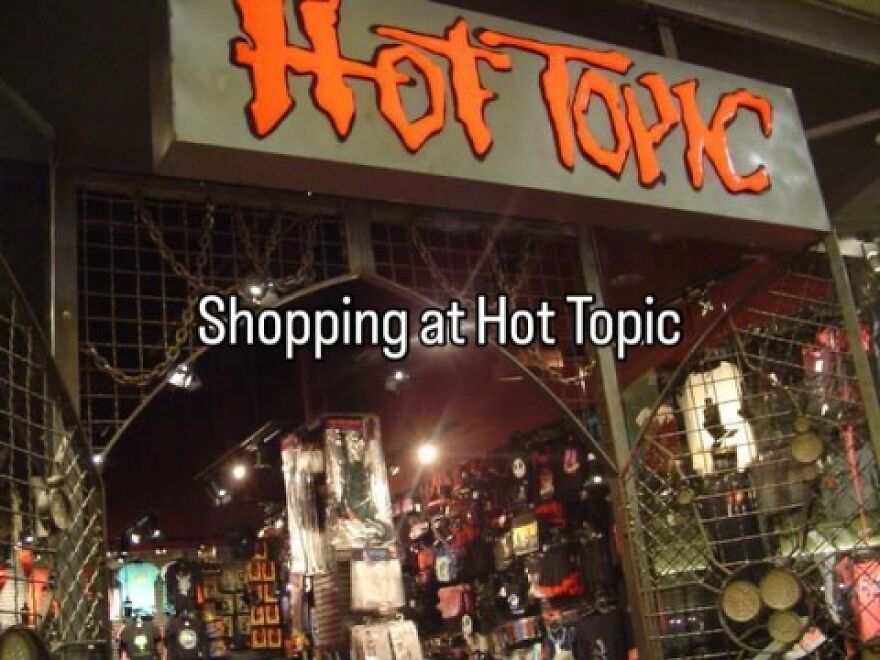
My favorite store ever, now my oldest daughter buys all her clothes from there.

A strategy/puzzle game from Sierra? Starts with a princess stranded in the desert. 90s on a i486 90Mhz Win 3.1.
Nostaglia yes, but many of these entries have nothing to do with the 2000s or are at least timeless
I feel like half of these submissions missed the memo. A bunch are from the mid 2010s and definitely not the early 2000s.
Nostaglia yes, but many of these entries have nothing to do with the 2000s or are at least timeless
I feel like half of these submissions missed the memo. A bunch are from the mid 2010s and definitely not the early 2000s.


 No fees, cancel anytime