Get Premium
Dark mode theme is available exclusively for premium users. Learn more about the benefits of subscribing.
No fees, cancel anytime.

 Dark Mode Ad-Free Browsing Unlimited Content
 Ad-Free Browsing Unlimited Content Dark Mode
Join 1.2 million Panda readers who get the best art, memes, and fun stories every week!
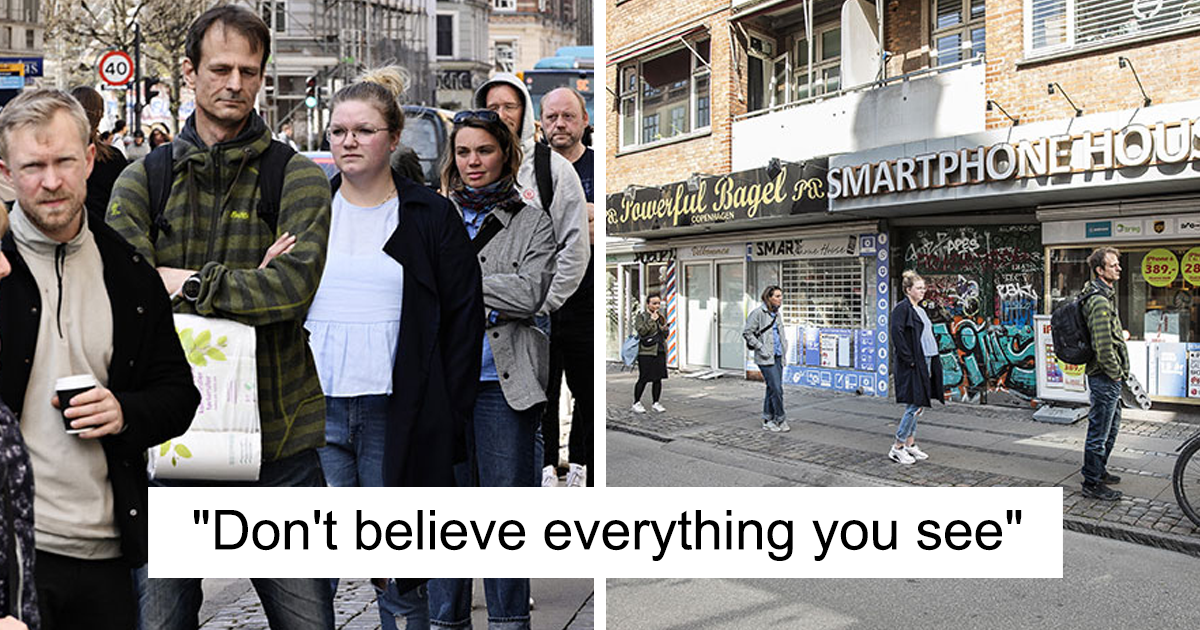
Perception is reality until proven otherwise. But our perception may change in an instant depending on exactly how much we know. Recently, two Danish photographers have taken this idea to a whole new level.
In these times of fake news, it’s hard to know what’s real anymore. Media manipulation is rife in some of the largest reporting outlets around the world. How do we know, from the pictures alone, that biased news articles and stories aren’t secretly being fed to us? It turns out, we can’t.
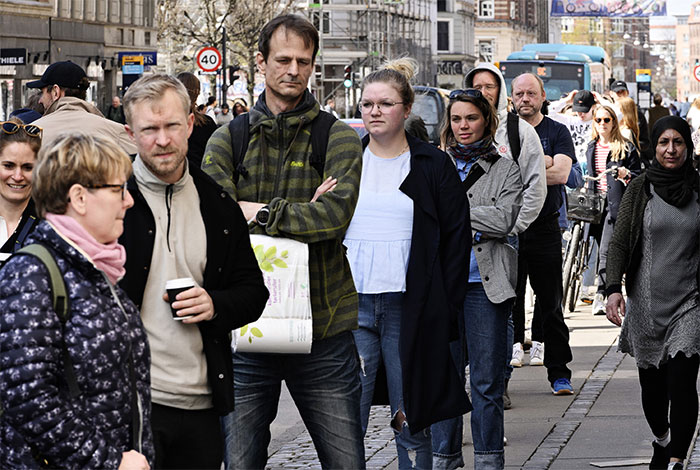
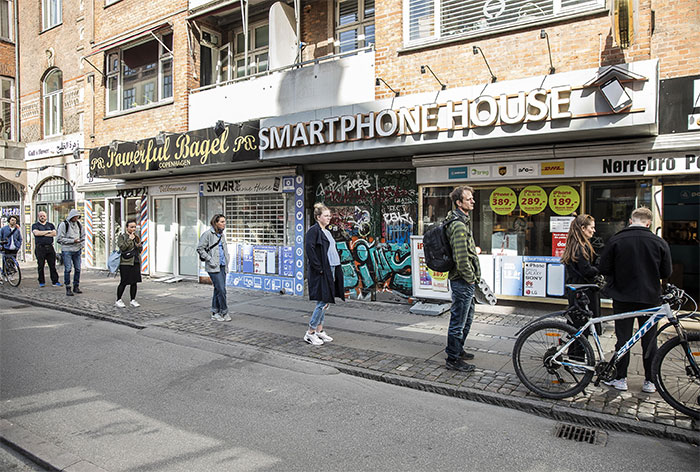
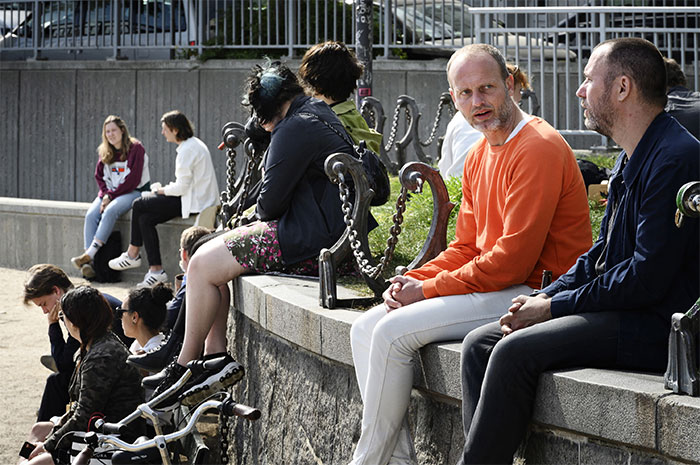
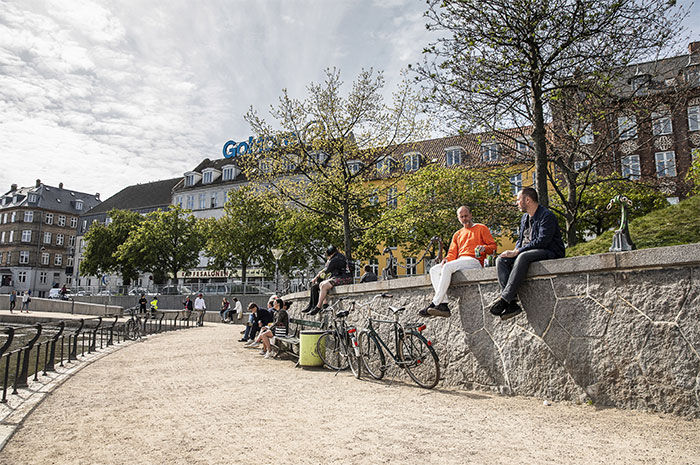
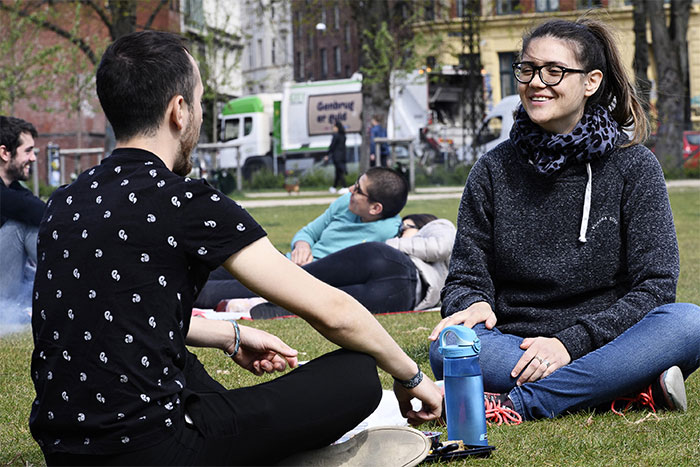
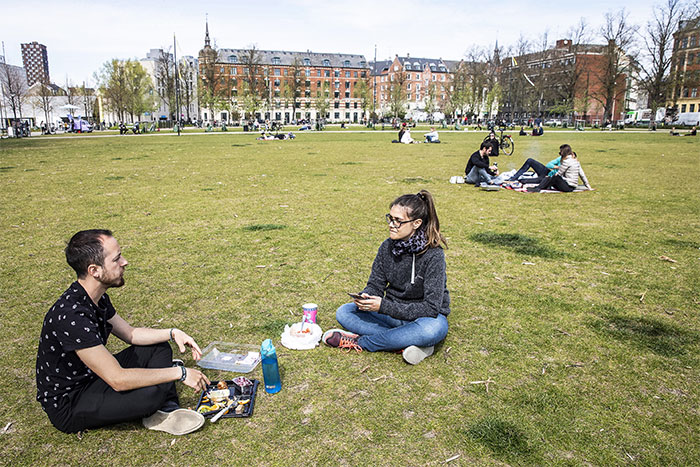
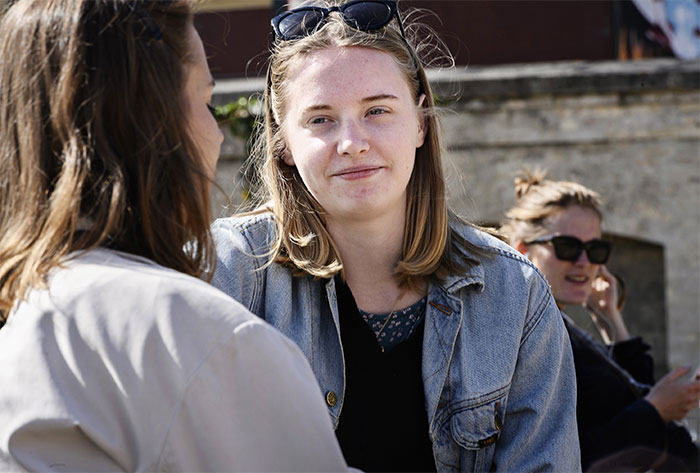
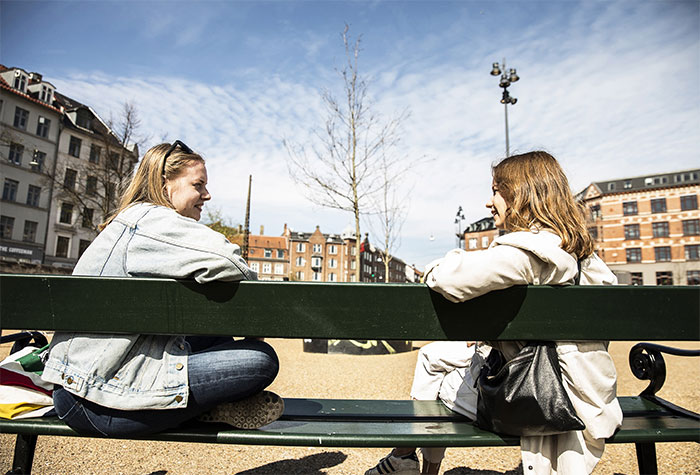
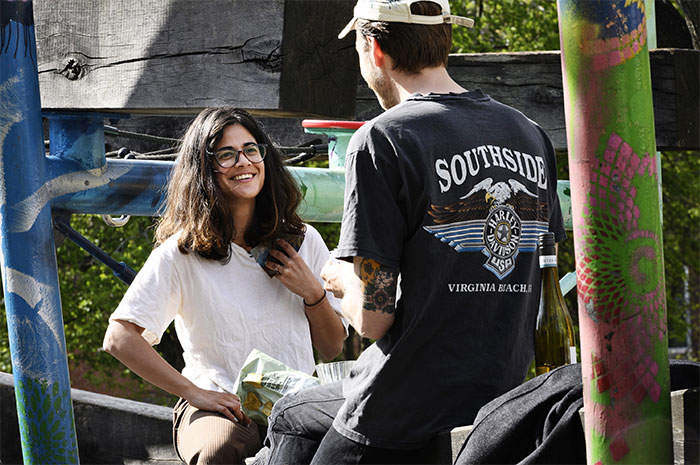
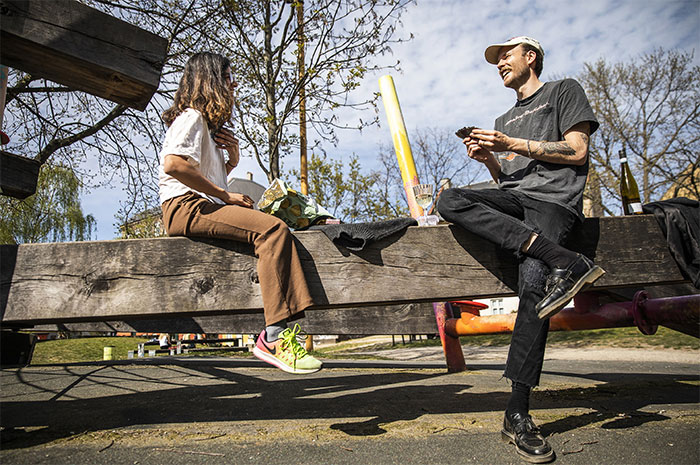
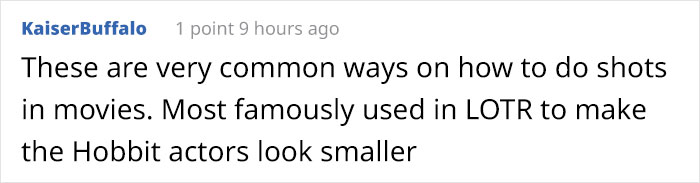
Photographers Ólafur Steinar Gestsson and Philip Davali conducted an experiment for the photo agency Ritzau Scanpix. The Copenhagen-based artists used their cameras and certain optical illusions to capture the same people chilling out outside on the same day. The trick was to use two different lenses — a wide-angle lens and a telephoto lens — to create certain perspectives. Their photography techniques show a staggering difference in the perceived distance between these people. It makes us wonder if the journalism code of ethics is always being followed by photographers too.
More info: Instagram | Twitter | Ritzau Scanpix
Image credits: EPA / Philip Davali / Olafur Steinar RyE
Image credits: EPA / Philip Davali / Olafur Steinar RyE
Bored Panda contacted Kristian Djurhuus, the editorial manager at Ritzau Scanpix, who appointed Philip Davali and Ólafur Steinar Rye Gestsson for this shoot, to find out more about the project.
Kristian told us how he came up with the idea: “The proximity of people has widely been debated in Denmark in the past weeks. Danish politicians and authorities have frequently referred to images which they believed to show members of the public behaving in disagreement with the general guidelines.”
Image credits: EPA / Philip Davali / Olafur Steinar RyE
Image credits: EPA / Philip Davali / Olafur Steinar RyE
As a national photo news agency that supplies important visual coverage, Kristian became aware that their “contribution could be misread”. With regards to media manipulation, the choice of angle and perspective is now equally as important as the image being shot. Now, basic photography techniques have taken on a darker, new meaning. But this wasn’t always the way. “The technical choices have never been a politically debatable issue in the history of photography,” said Kristian.
Image credits: EPA / Philip Davali / Olafur Steinar RyE
“As producers of photography, we have a responsibility to draw attention to the fact that images in some cases do not show the proximity of objects as people seem to believe,” he continued.
“The right solution would be to clarify the circumstances in the captions of the images so that they won’t be misread.”
Image credits: EPA / Philip Davali / Olafur Steinar RyE
Image credits: EPA / Philip Davali / Olafur Steinar RyE
Image credits: EPA / Philip Davali / Olafur Steinar RyE
Image credits: EPA / Philip Davali / Olafur Steinar RyE
The wide-angle lens is similar to the way our eyes see. Ólafur Steinar Gestsson explained to a local Danish website: “it takes wider pictures, and as a photographer, you use it when you are close to what you need to photograph.” Similar types of cameras are built into our iPhones, helping us to capture images the way that we imagine them.
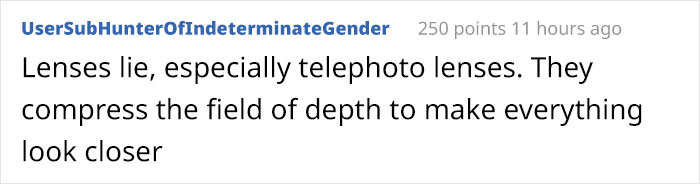
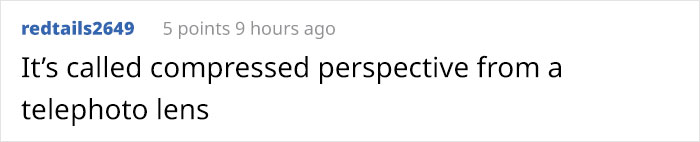
Meanwhile, the telephoto lens is the long lens used to photograph press meetings, football matches, and any situation where the subject is far away. “It gets closer to what you are photographing, and in a way, it pulls the subject together,” he said.
Image credits: EPA / Philip Davali / Olafur Steinar RyE
Ólafur toldTV2 that viewers should be aware of the lens and equipment photographers used to take a particular picture. “If there was a description in the caption of how the image was taken, the editor would have the freedom to choose.” According to him, photographers “must always keep in mind how we do our job”. So, if reporting is to be fair and unbiased, perhaps a new journalism code of ethics should be drawn up for photographers too.
The National Press Photographers Association (NPPA) has published a journalism code of ethics for their members, but really, any budding photojournalist should follow their advice. Here are a few notable takeaways:
“Be accurate in the representation of subjects. Resist being manipulated by staged photo opportunities. Be complete and provide context when photographing or recording subjects.”
If reporting is to be fair and unbiased, it’s up to the reporters to uphold their standards. And you can see how easy it is to manipulate people with just a lens and a certain angle.
2.9Mviews
Share on Facebook
And why don't photographers show a third perspective, a normal lens? You know, reality?

Even a "normal" lens, (most photographers would consider that to be a 50mm) compresses things to an extent, especially from certain angles. Photographs just can't show full 3D reality in 2d
Load More Replies...
To all of you, who complain how "no one ever reports about *insert topic of concern*". Well, yet you know about that, how? If you're not an insider, it means that SOMEONE actually is reporting about these things....

Every time someone reports on something of which i'm an insider i can't help but notice how everything is so distorted that it has little to do with reality. I've accepted the fact that being informed is basically impossible.
Load More Replies... And why don't photographers show a third perspective, a normal lens? You know, reality?
Even a "normal" lens, (most photographers would consider that to be a 50mm) compresses things to an extent, especially from certain angles. Photographs just can't show full 3D reality in 2d
Load More Replies... To all of you, who complain how "no one ever reports about *insert topic of concern*". Well, yet you know about that, how? If you're not an insider, it means that SOMEONE actually is reporting about these things....
Every time someone reports on something of which i'm an insider i can't help but notice how everything is so distorted that it has little to do with reality. I've accepted the fact that being informed is basically impossible.
Load More Replies...


 No fees, cancel anytime















495
157