Get Premium
Dark mode theme is available exclusively for premium users. Learn more about the benefits of subscribing.
No fees, cancel anytime.

 Dark Mode Ad-Free Browsing Unlimited Content
 Ad-Free Browsing Unlimited Content Dark Mode

Join 1.2 million Panda readers who get the best art, memes, and fun stories every week!
Sometimes, I think humans can be very selfish. They act like the world belongs to them and barely care that so many species live here. Our animal kingdom is vast, and this planet is their home, too. It really makes me wish they could make decisions about how the world works.
Unlike humans, they are so one with nature. Also, they can be incredibly adorable and fascinating at the same time. Well, the “Awwducational” community on Reddit posts pictures of these cute creatures and even shares mind-blowing information about them. We have put together our favorites. Just scroll down for endearing pics and quick facts!
This post may include affiliate links.
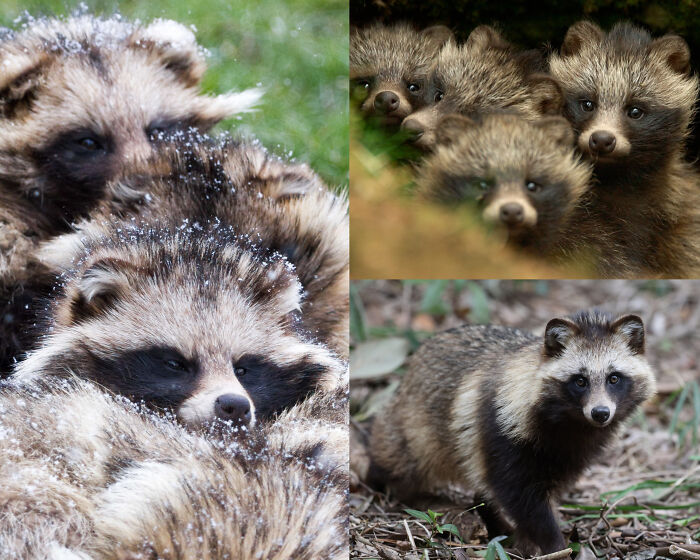 The raccoon dog isn’t a raccoon at all — it’s a canid, more closely related to foxes. It’s the only member of the dog family that hibernates, able to put on 50% of its body weight in fat reserves as winter approaches, before snuggling down in its den, often with its partner.
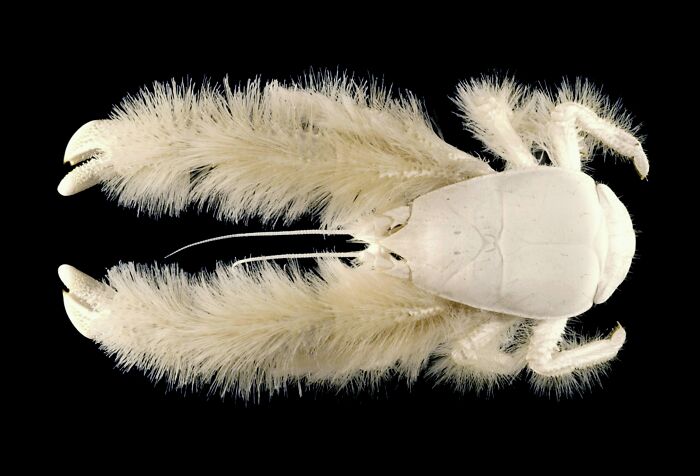 The Yeti Crab: this crustacean lives around hydrothermal vents located deep in the waters of the Pacific Ocean, and it feeds on the colonies of bacteria that grow on the "hair" covering its legs.
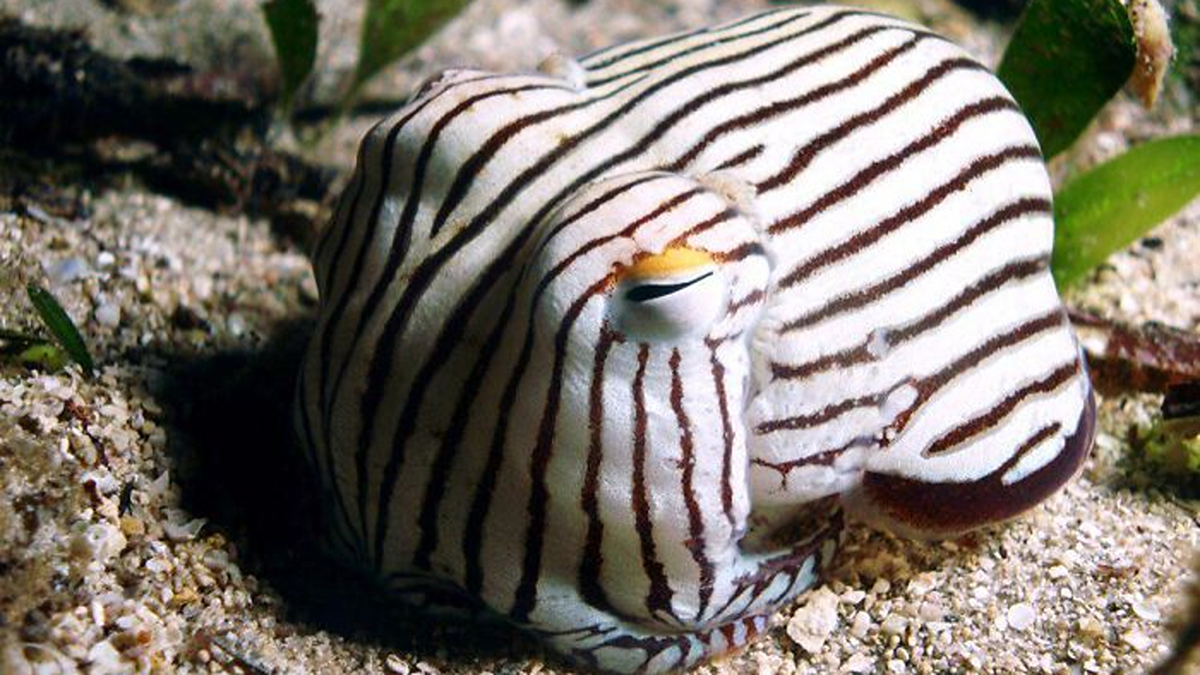
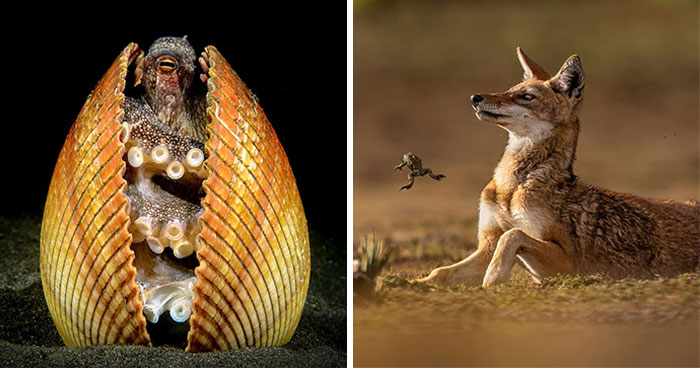
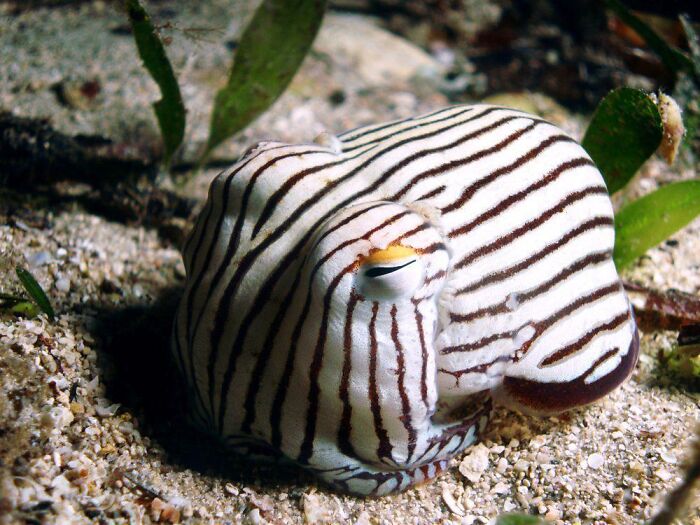 This is the striped pyjama squid. It is native to the Indo-Pacific Ocean, mostly around Australia. It may look adorable, but don't touch! It bites when threatened, and it's venom contains tetrodoxin, the same neurotoxin in the venom of it's very distant cousin, the blue ringed octopus.
I was really surprised while reading most of these facts. It just made me realize how extraordinary birds and animals truly are. In fact, some of their characteristics are so astonishing that they almost seem like superpowers.
While we get to see some of them in wildlife parks and sanctuaries, I feel jealous of the prehistoric people. Earth must have been a true paradise back then, when so many of these different species thrived. But forget prehistoric; just 2-3 centuries back, there were more animals than we see today.
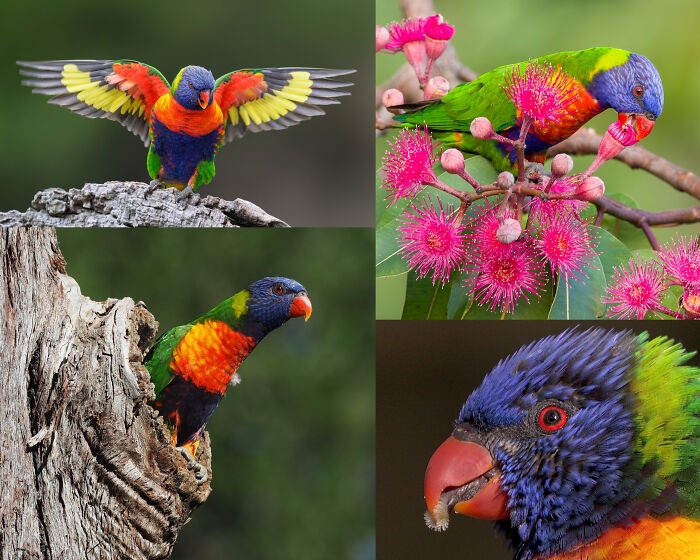 Rainbow lorikeets travel in nomadic flocks, following the flowering of trees — using their brush-tipped tongues to feed on nectar and pollen. At night, they roost communally, perching close together and occasionally hanging upside down or lying on their backs, feet in the air.

I have a more interesting factlet about rainbow lorikeets from Australia. They like to sleep with the night light on. They sleep in the densest canopy they can find under the brightest artificial lighting systems that they can find. Typically roosting in trees as close as they can to the town centre, if the sports stadium lights are brighter then they will roost communally in their thousands under the bright lights of the stadium. Because they are unafraid of people (and magpies), love to sleep in cities, are brightly coloured, and squawk loudly when flying, they are now the most commonly seen bird species in the whole of Australia. This is a complete change from 75 years ago when they were quite rare.
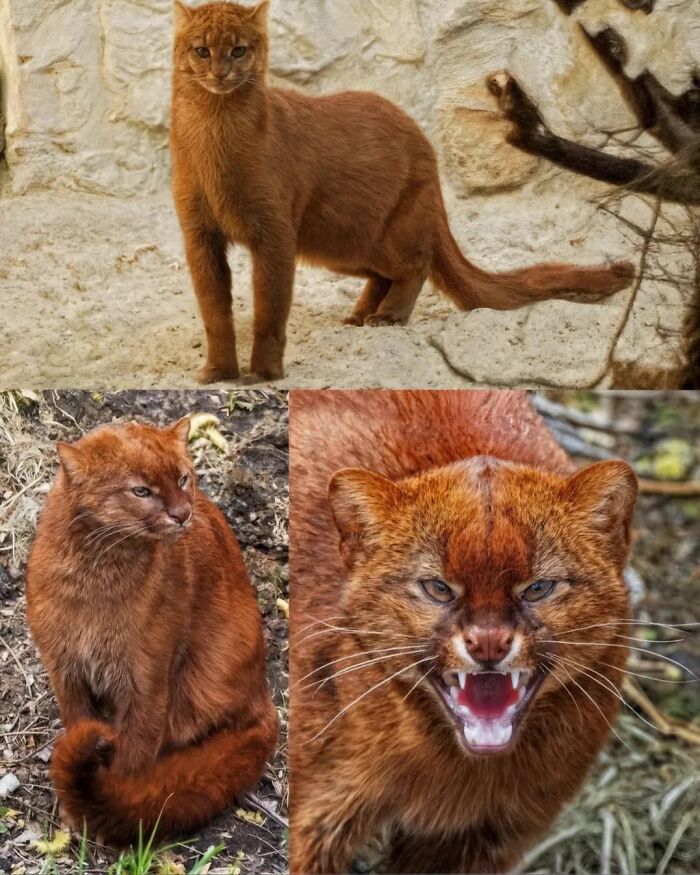 Jaguarundis are known as very secretive animals & have well developed senses of sight, hearing, and smell. They are terrestrial but are also good climbers and swimmers.
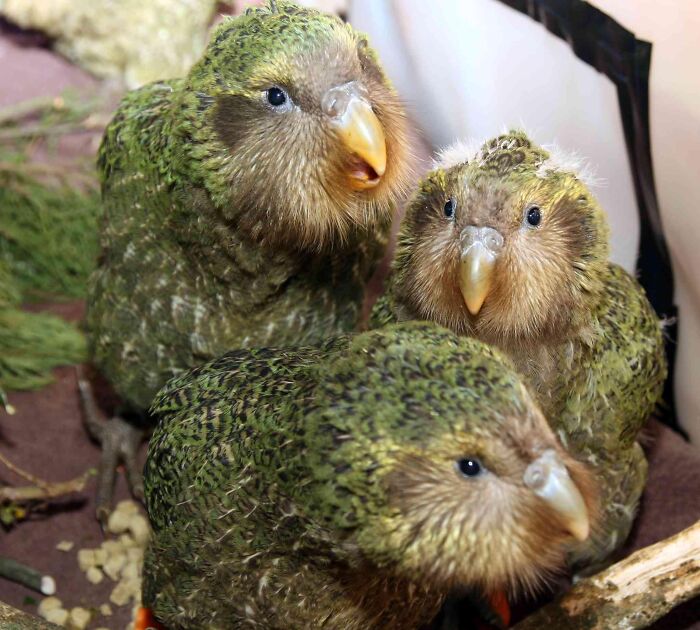 There are less than 250 kākāpō left in the wild. However, this year, the kākāpō are having a breeding frenzy due to an abundance of their favourite food - rimu berries.
Although they are related to and look like Australian night parrots, the Kakapo is more than twice the weight. It has no defence against mammalian predators. Attempts to save the Kakapo began as early as the year 1894. But even so, numbers had dropped to an estimated 51 individuals, mostly males, in 1995. Since then numbers have been slowly recovering, 86 individuals in 2005. The NZ department of conservation website puts numbers at 350, all in the wild.
Did you know that, of every species that has ever existed on our planet, research estimates that 99.9% are currently extinct? Apparently, species can survive for anywhere from 1 million years for mammals to 11 million years for marine invertebrates. However, our world has already been through 5 mass extinction events.
The first happened about 440 million years ago, when small marine organisms went extinct. The second one took place 365 million years back, when many tropical marine species went extinct. The third one happened 250 million years ago, and it was the worst. It wiped out 96% of life on Earth. Many vertebrate species went extinct during the fourth one, 210 million years ago.
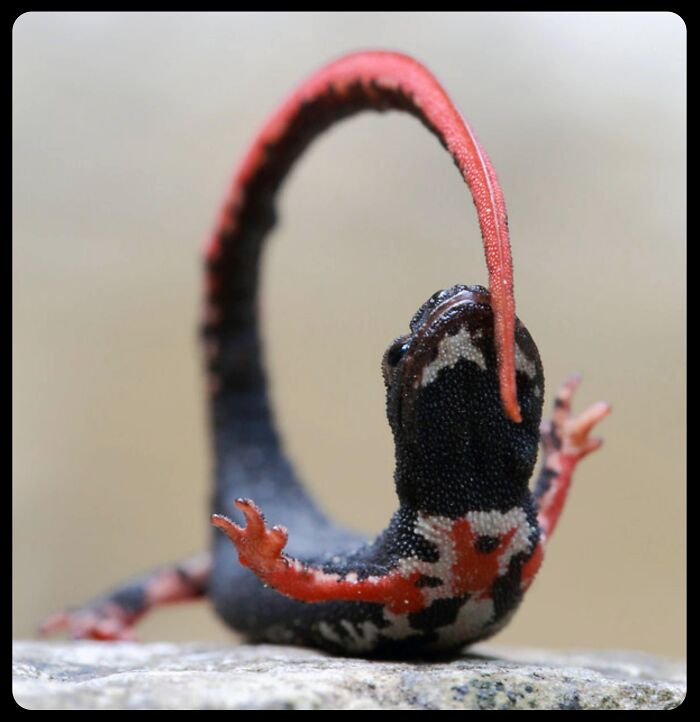 The Spectacled Salamander: when threatened, this salamander will often curl its body into a defensive position that displays the aposomatic markings on the underside of its tail and legs.
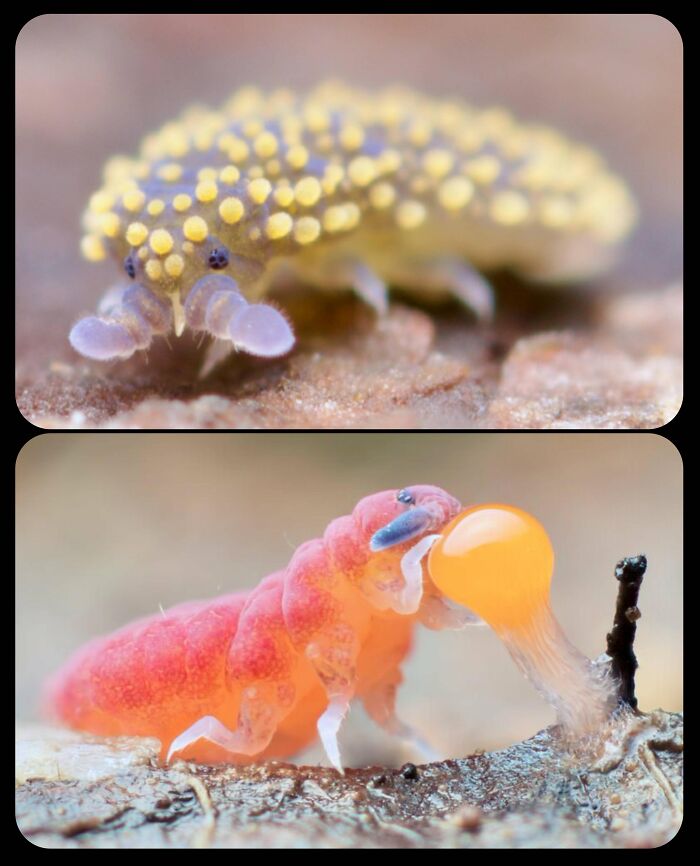 Springtails: these insect-like creatures are often as small as a grain of sand, and they can evade predators by catapulting themselves into the air while their bodies rotate up to 500 times per second.

These are great decomposers and cohabitate well with isopods in terrariums.
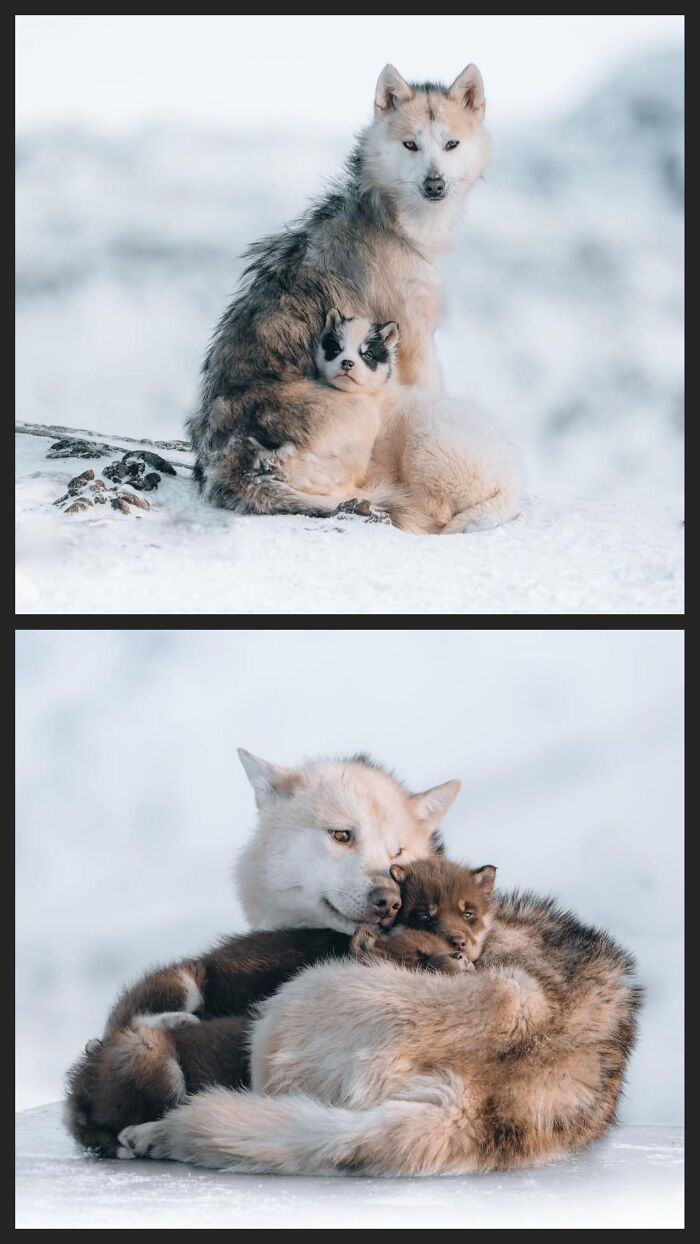 Present-day sled dog breeds and their cold-climate adaptations stem from a common ancient Arctic ancestor that diverged from other dog lineages more than 9,500 years ago in Northeast Asia. Greenland sled dogs don’t share much DNA with wolves, despite a reputation for having been interbred.
The fifth is the most famous mass extinction event, and it led to the downfall of dinosaurs. It happened 65 million years ago and wiped out about 50% of the plants and animals alive at the time. But here’s the scary part: experts believe that a sixth mass extinction event is on its way. They think it would take thousands of years to wipe out as many species as the third extinction. However, this time, humans will be to blame, not a meteor.
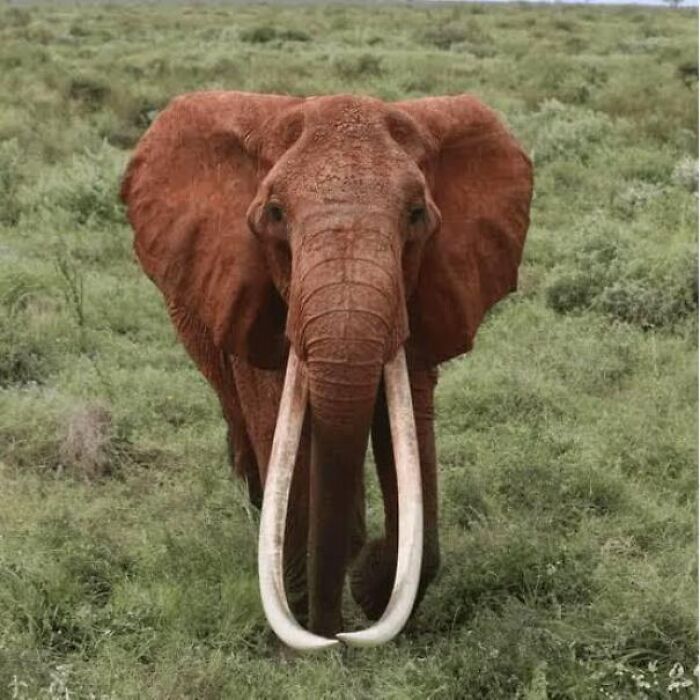 Dida the magnificent “super tusker” matriarch was successfully protected from poachers and found to have passed naturally in her 60s.
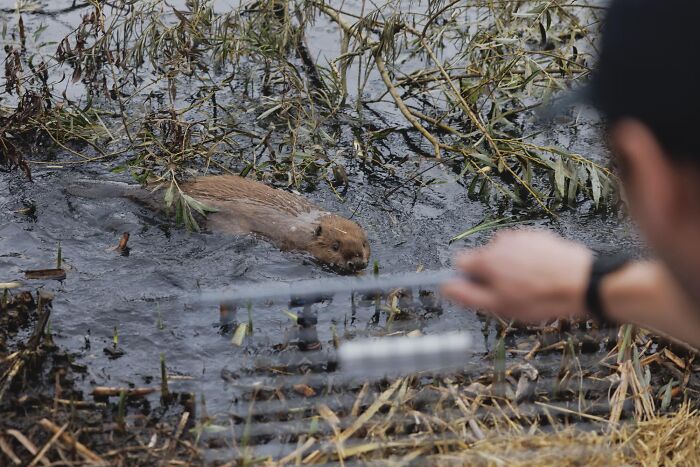 After being hunted to extinction 400 years ago, beavers are being reintroduced in the United Kingdom as a solution to flooding due to climate change. The beavers' presence has also brought back other rare and endangered species.

Beavers were hunted to extinction here in the UK and they are indeed being re-introduced. But not because they're a solution to the problem of flooding - flooding is something which always happens, and it's a problem only because human use of land has failed to take the inevitability of flooding into proper account. Beavers can't help with that, although yes they can reduce the risks of downstream flooding in some cases. Note: 'downstream flooding' - the point isn't that the beavers stop flooding, but that they can ensure it doesn't all happen in the one place. Links follow.
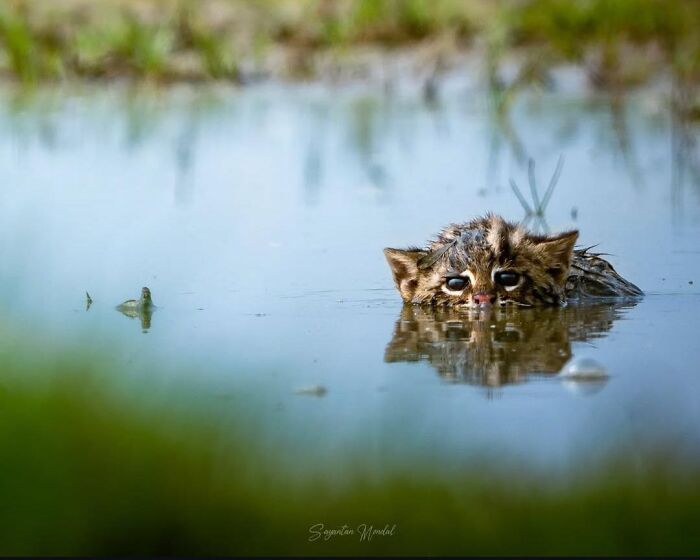 Fishing cats have been observed in the wild "fishing" at the edges of bodies of water. They appear to scoop their prey from the depths of the water and have also been observed playing with fish in shallow water.
These experts are onto something. After all, global warming is destroying our planet right in front of our eyes. And animals are the ones suffering because of human greed and carelessness. Currently, there are more than 175,900 species on the International Union for Conservation of Nature (IUCN) Red List, with more than 49,500 species threatened with extinction.
If those stats don’t horrify you, just listen to what researchers are saying. They caution that today’s extinction rate is hundreds, or even thousands, of times higher than the natural baseline. That’s why understanding and learning about these species is more crucial than ever.
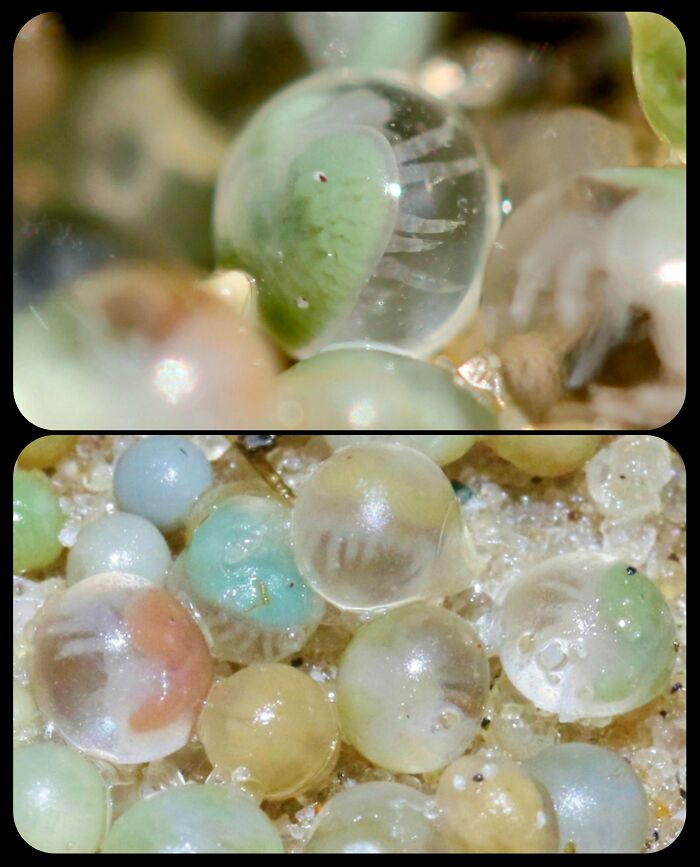 Baby Horseshoe Crabs: these eggs contain tiny horseshoe crab embryos; the hatchlings typically emerge after 2-4 weeks, but it takes another 10 years for them to mature into adults.
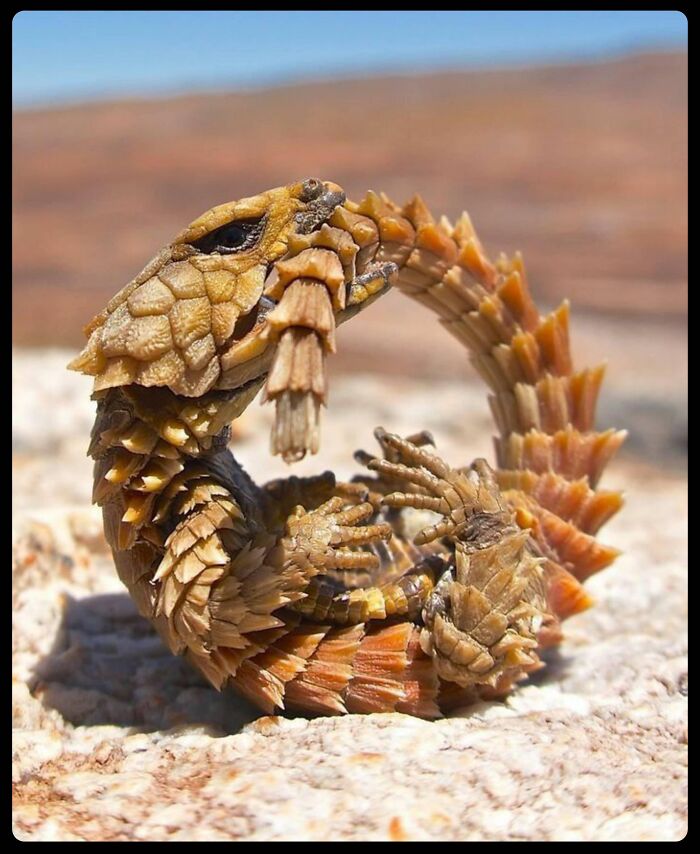 The Armadillo Girdled Lizard: when this lizard feels threatened, it curls its body into a loop and tucks its tail into its mouth, shielding itself with the bony plates on its back; unlike most lizards, this species also gives birth to live young, and it usually produces just one offspring per year.
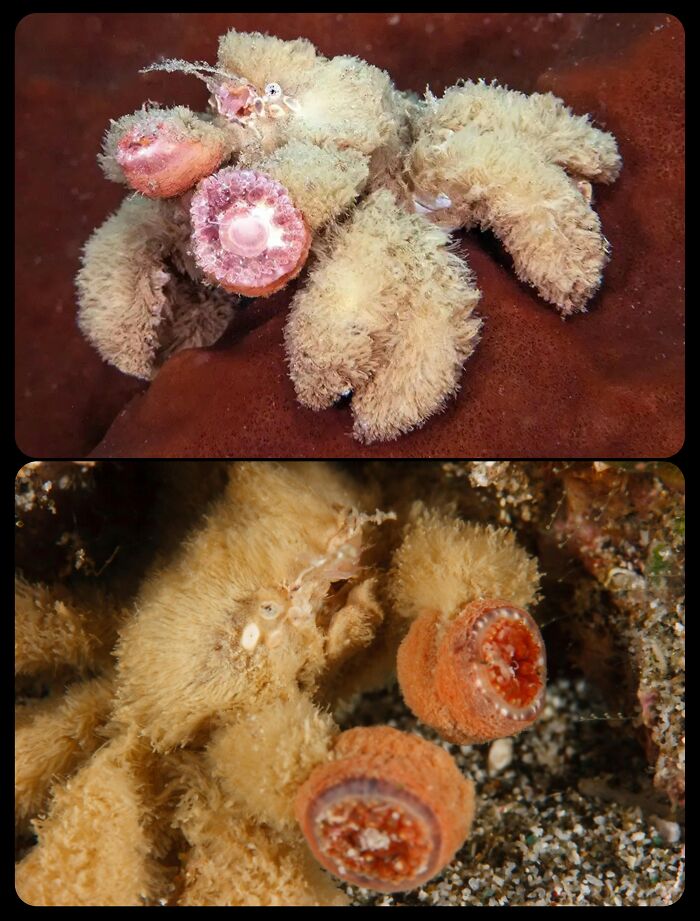 The Teddy Bear Crab: this crab carries a pair of sea anemones in its claws wherever it goes, using the venomous creatures to defend itself from predators.
These creatures are our companions on this planet. The more we understand their behavior, the more effective wildlife conservation can be. Research states that “the behavior of animals often provides the first clues or early warning signs of environmental degradation. Changes in reproductive and other behavior occur much sooner and at lower levels of environmental disruption than changes in reproductive outcomes and population size.”
“If we wait to see if numbers of animal populations are declining, it may be too late to take measures to save the environment. Studies of natural behavior in the field are vital to provide baseline data for future environmental monitoring,” it adds.
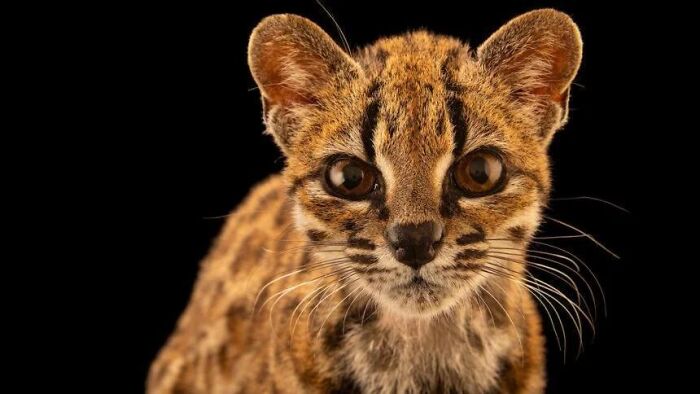 Leopardus Tilcayo is the first new cat species discovered since the Pampas cat in 1923. It lives in the Yungas forest region of Bolivia, but very little else is known about it.
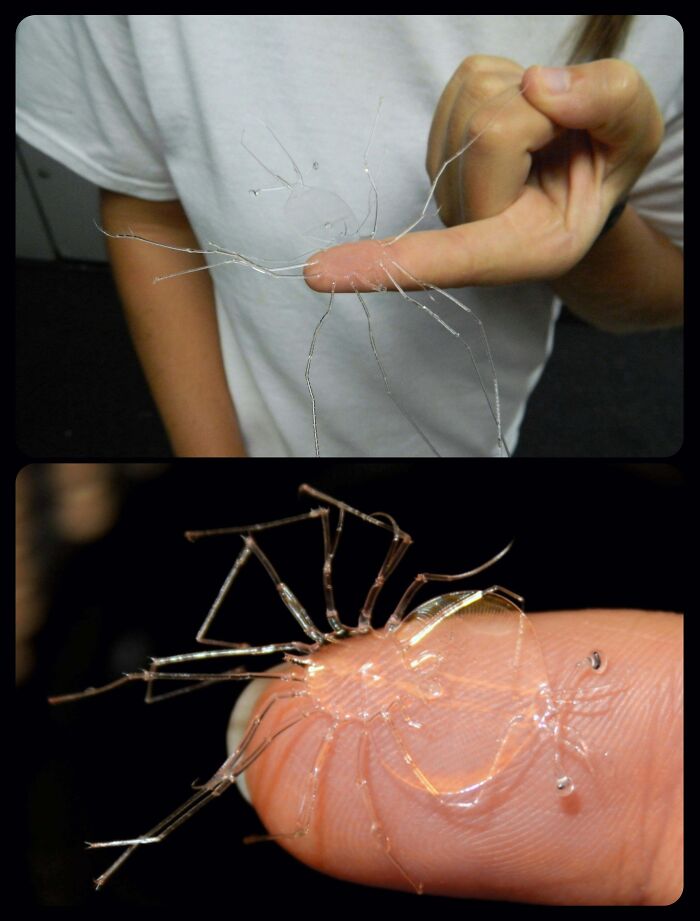 Slipper Lobster Larvae: these creatures are almost entirely transparent, and they have thin, flattened bodies that look like flakes of ice; they often obtain food, transportation, and/or defense by clinging to the tops of jellyfish and sinophores.
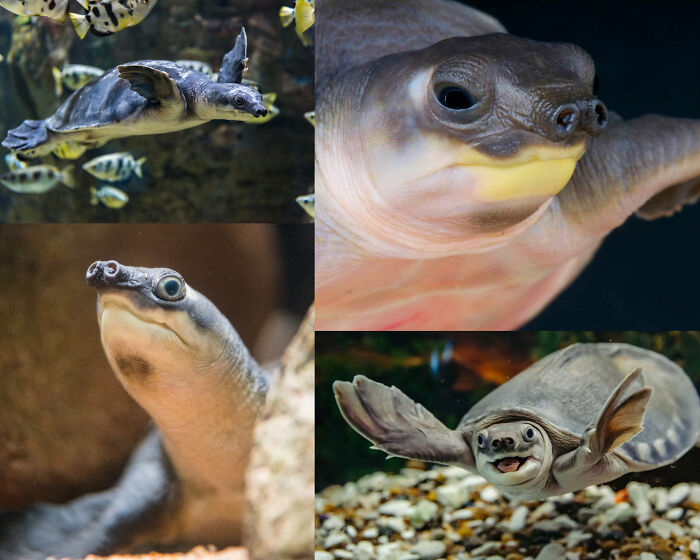 The pig-nosed turtle is the sole surviving species in its family. It lives in the rivers of northern Australia and southern New Guinea, using its pig-like nose to "snorkel" without exposing the rest of its body.
A few of the cute creatures mentioned in this list also face the threat of extinction. Take the emperor penguins, for instance. A report revealed they have been moved from “Near Threatened” to “Endangered” on the IUCN Red List.
It also adds that climate change in Antarctica is changing sea ice, which is projected to halve the emperor penguin population by the 2080s.
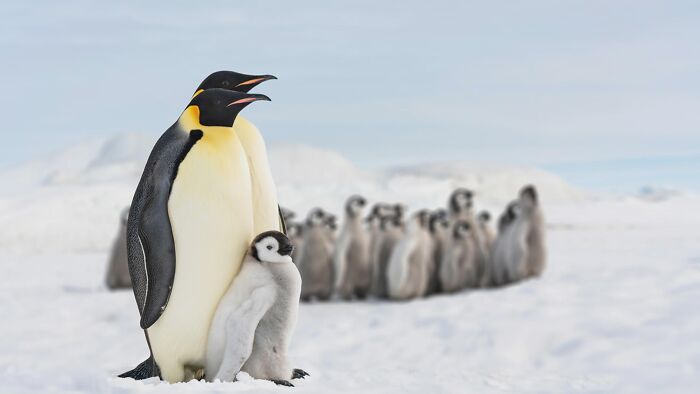 Emperor penguins have officially been declared at risk of extinction by the IUCN. This is because the ice they rely on to hatch and raise their chicks is melting, leading to colony collapse.
That's not why. The Emporer penguin was considered at risk because most known colonies were shrinking in size. But aerial reconnaissance discovered new colonies further inland and better protected that are growing. It appears that Emporer penguin colonies have a lifetime. After a while, the penguins move away because of all the p*o and yellow snow around, and start new fresh colonies. The species is not really at risk.
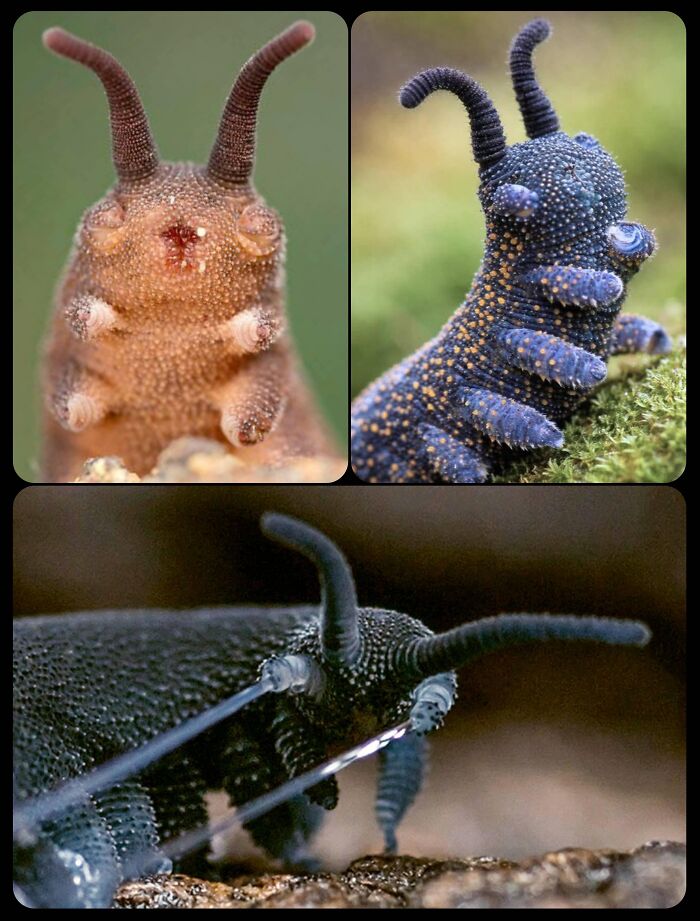 Velvet Worms: these cute little creatures are actually ferocious predators that capture their prey with a quick-drying adhesive known as the "silly string of demise".
There are fossils of creatures very similar to velvet worms, each leg has a little claw on it, back to the Cambrian era. Which means that they're an even more ancient creature than that other living fossil, the horseshoe crab
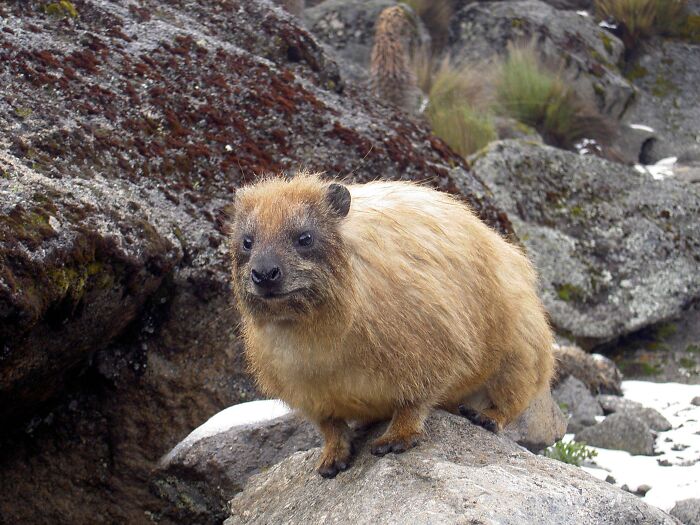 This is the rock hyrax! It's native to sub-Saharan Africa. Despite it's rodent-like appearance, it's actually one of the closest living relatives of elephants.
Satellite photos show that between 2009 and 2018, the penguin population dropped by about 10%. That’s more than 20,000 adult penguins gone in just nine years.
“Penguins are already among the most threatened birds on Earth. The emperor penguin’s move to “Endangered” is a stark warning: climate change is accelerating the extinction crisis before our eyes. Governments must act now to urgently decarbonize our economies,” said Martin Harper, CEO of BirdLife International.
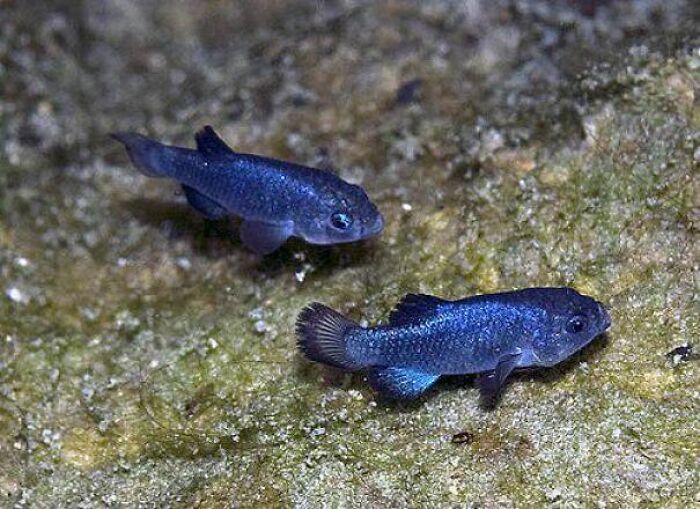 This is the Devil's Hole pupfish. It's native to the United States. They're found only in the water filled cave system that gives them their name, and extensive efforts have been made to preserve them.
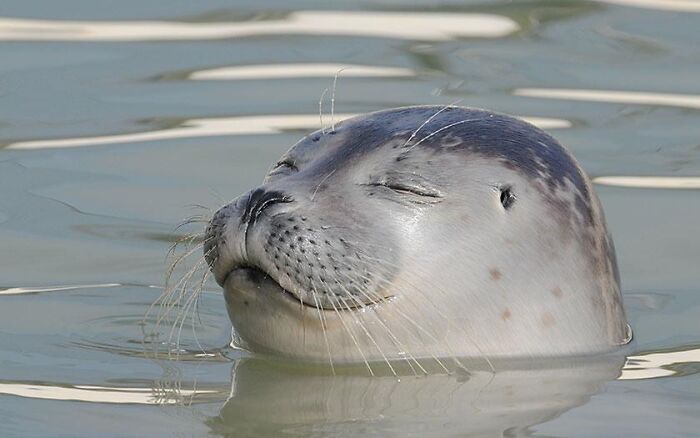 Seals are one of the few mammals that can hear equally well on land and in water. This is because their ears are filled with cavernous tissue, a spongy tissue that fills with blood as the seal dives, allowing them to conduct sounds to their middle ears while underwater.
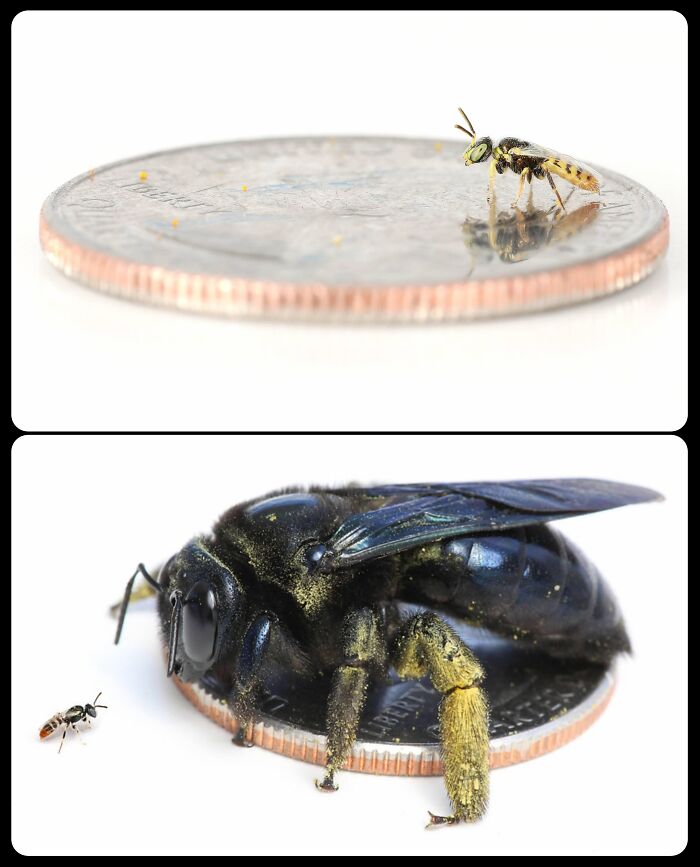 Fairy Bees: these tiny bees can measure less than 2mm long; the photo on top shows a fairy bee standing on a quarter, while the photo on the bottom shows a fairy bee next to a carpenter bee.
Another such species is the critically endangered Red Handfish. It is one of the world’s rarest marine fish species. Sadly, its adult population was only 100 in 2019.
Back in the 1800s, it was pretty common in south-eastern Tasmania and on the north coast. However, conservation efforts are underway, and hopefully we won’t completely lose these adorable species.
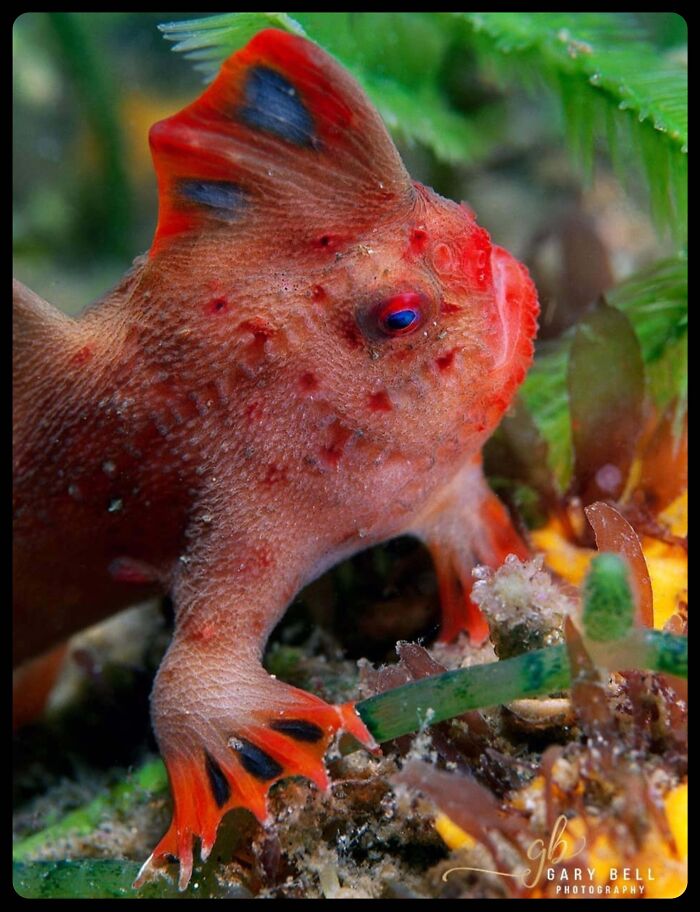 The Red Handfish: this fish has no swim bladder, so it uses hand-shaped fins to crawl along the seafloor instead, and it's one of the world's most endangered fishes, with fewer than 100 individuals remaining.
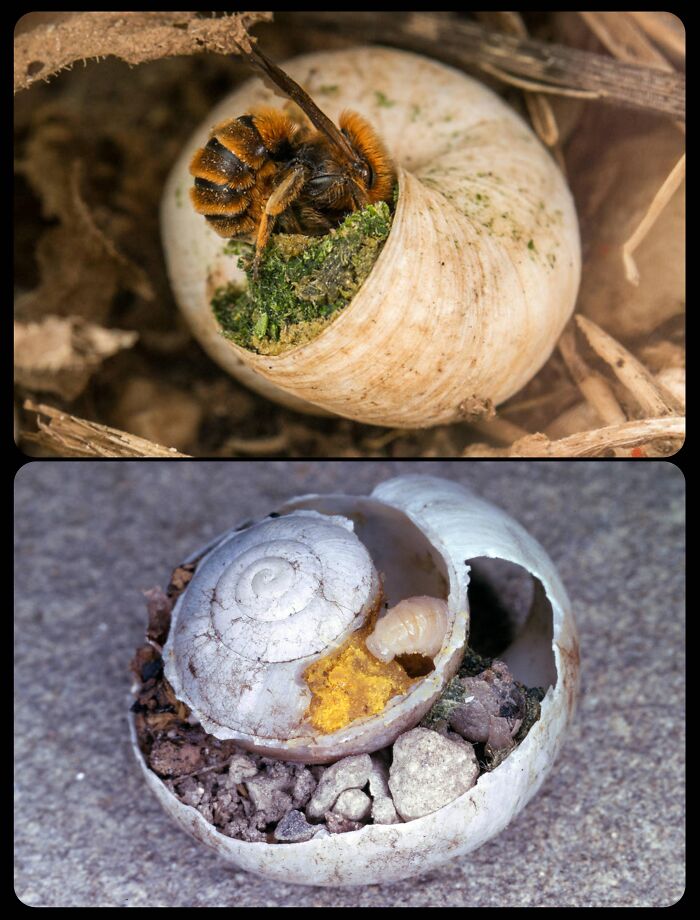 Shell-Nesting Mason Bees: these bees build their nests in empty snail shells, using crushed leaves and soil to form the inner brood chambers and then sealing the entrance with plant pulp, pebbles, and debris.
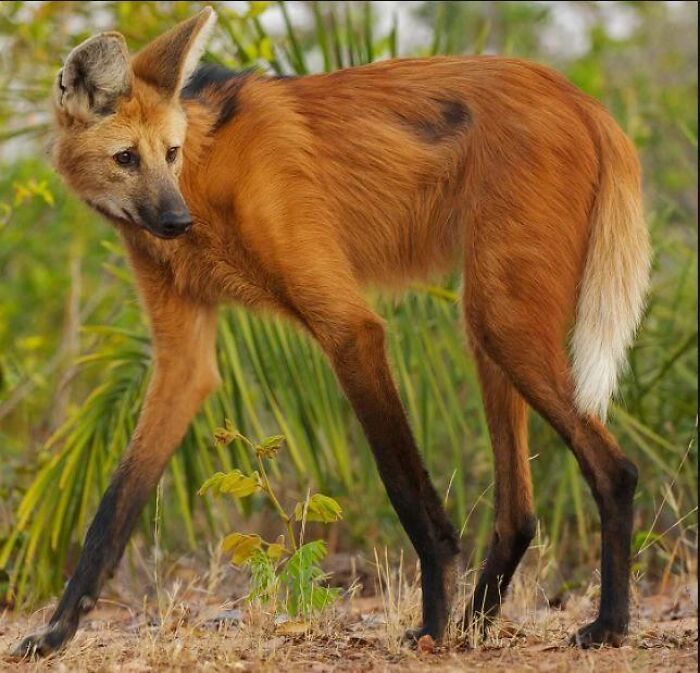 Meet the maned wolf. Even though it’s called a maned wolf, it isn’t actually a true wolf. It’s its own unique species that lives in South America, mostly in open grasslands and those long legs help it walk easily through tall grass and plants.
Well, dear pandas, while the list was extremely cute, it made me sad to think about how humans have turned these creatures’ lives into a nightmare. Don’t you agree?
Also, which of these adorable beings did you like the most? And which ones blew your mind because of their fascinating facts? Give them an upvote or write your thoughts in the comments. If you enjoyed this article and want more lovable birds and animals, check out our old Awwducational list!
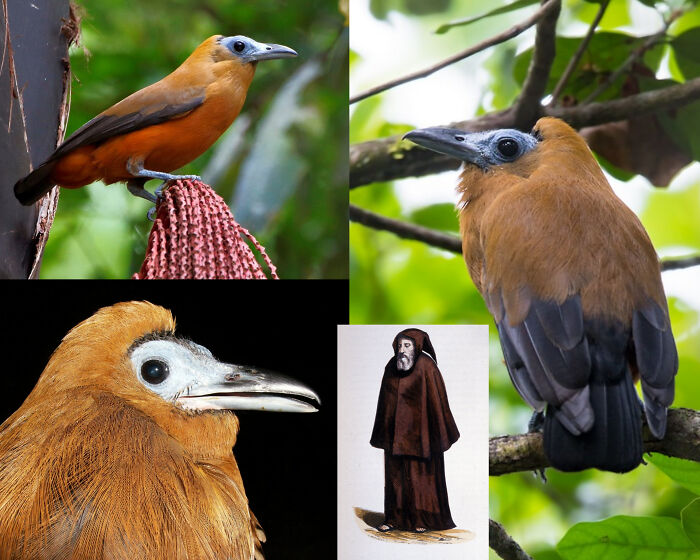 The capuchinbird is named for its resemblance to Capuchin monks/friars, with the brown plumage around its bald head looking like the monks’ hooded robes.
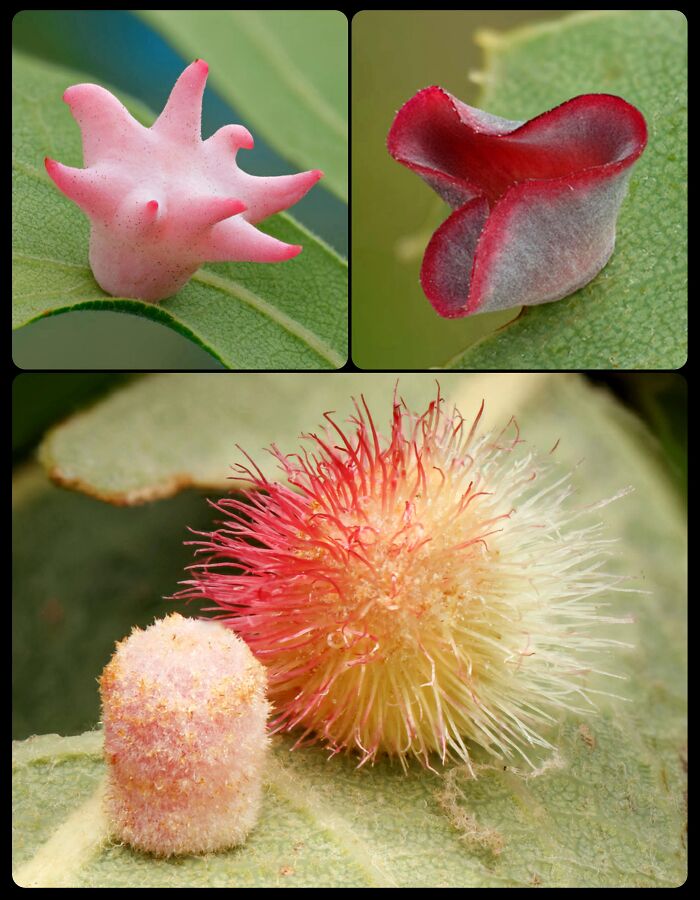 Gall wasps produce a chemical that triggers abnormal cell growth in plants, causing the plants to grow these strange-looking structures around the wasp's larvae; the structures then provide both shelter and sustenance for the larvae until they reach maturity.
Evolution blows my mind. There are fungus species that control the brains of ants, and then there are these wasps that control the growth of plants. And then there's us - clever apes, looking at it all, being amazed - and going about out daily business while others of us are taking us towards disaster. Except, unlike the fungus-infected ants or the deformed plants, us allegedly clever apes can see ourselves racing towards destruction. Clever, are we? 🤨🤷♂️😱
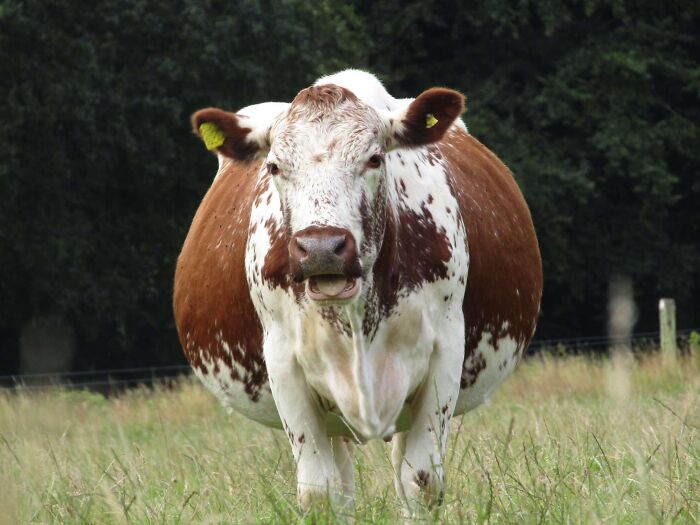 The Irish Moiled is the only surviving breed of livestock native to northern Ireland. They’re known for being able to thrive off of a diet of low quality pasture.
Nope. Cattle are an introduced species in Ireland. They evolved a long way away from Ireland - Wikipedia says Asia. Yes, cattle were introduced into Ireland in prehistory, but they're not a native species. Link follows.
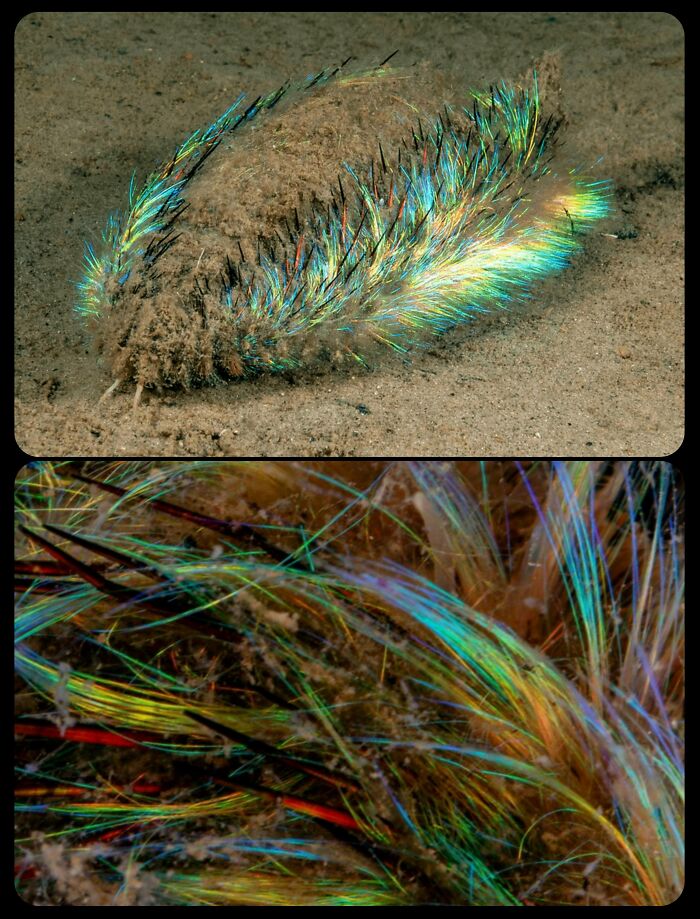 The Sea Mouse: this marine worm's body is fringed by photonic crystals that emit colorful displays of light; each crystal is essentially a hollow, glassy tube with a wall composed of 88 perfectly hexagonal cylinders.
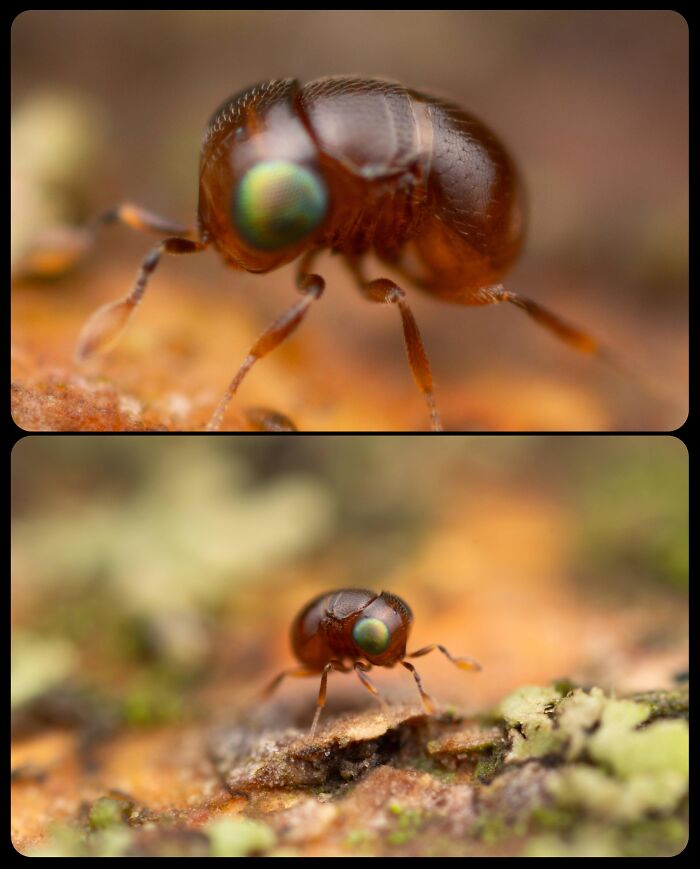 Baeus Wasps: these strange little wasps have flea-like bodies that measure roughly 0.8mm long, which is smaller than a grain of sand, and the females are wingless.
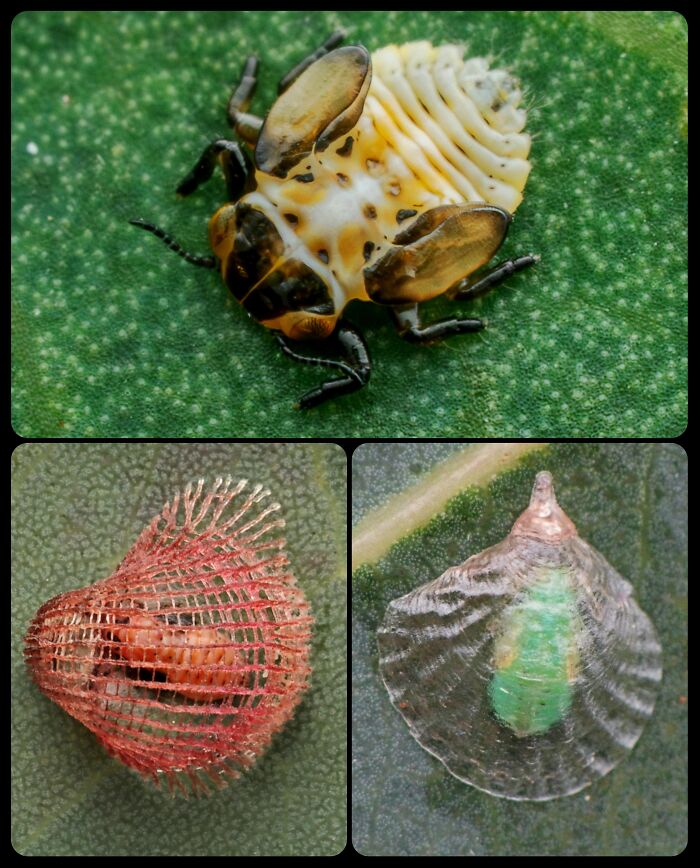 Lerp Psyllids: these tiny insects feed on plant sap and then use the expelled sugar to construct protective barriers around themselves.
Crikey! 'a lerp is a structure of crystallized honeydew produced by larvae of psyllid bugs as a protective cover. These animals are commonly referred to as lerp insects, of which there are over 300 species in Australia.' - so, that's food for many creatures. Link follows.
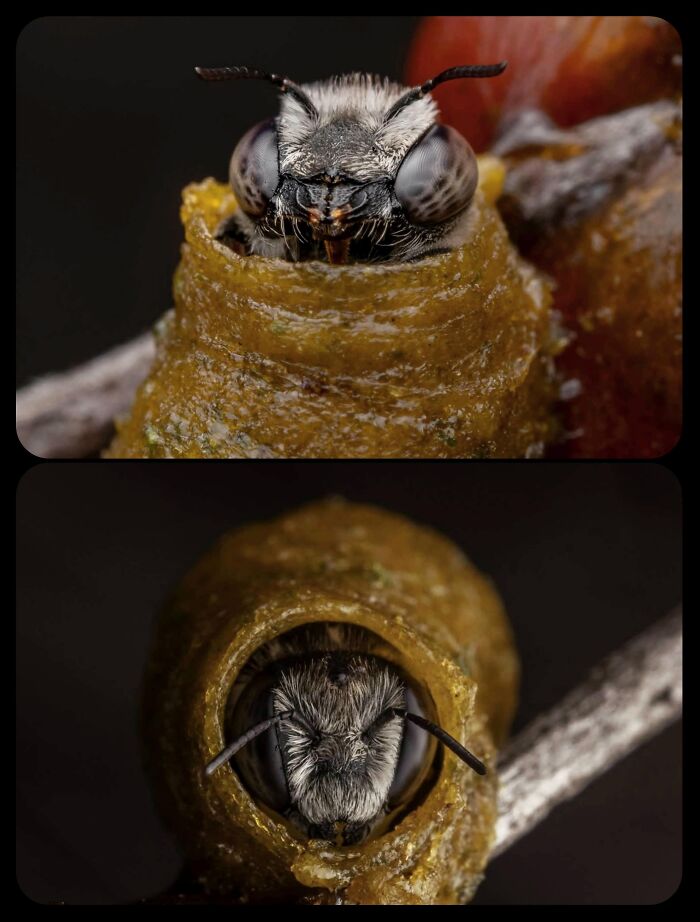 Australian Resin-Pot Bees: these solitary bees build nesting capsules out of resin, often suspending the capsules from twigs and tree bark.
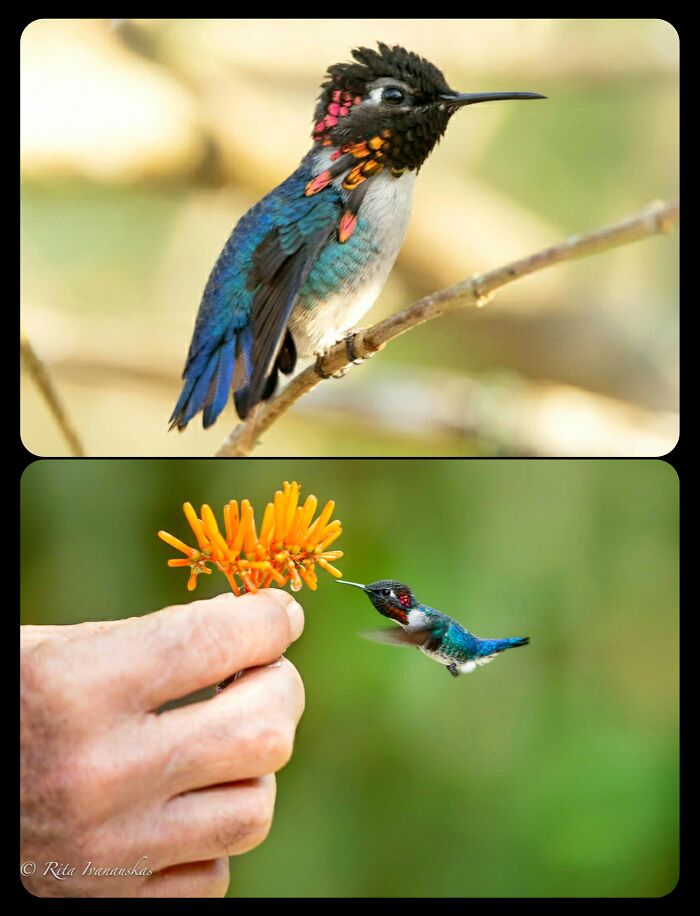 Bee Hummingbirds: these are the smallest birds in the world, with males measuring up to 5.5cm long and weighing an average of just 1.95 grams, which is less than the weight of a dime.
A dime is a US coin worth 10 cents, which in its current version weighs 2.268 g - a bit more than the weight of a bee hummingbird. (weirdly, 'dime' is an actual formal unit of US currency, being defined in law as 1/10th of a dollar. I never knew that before just now. Link follows)
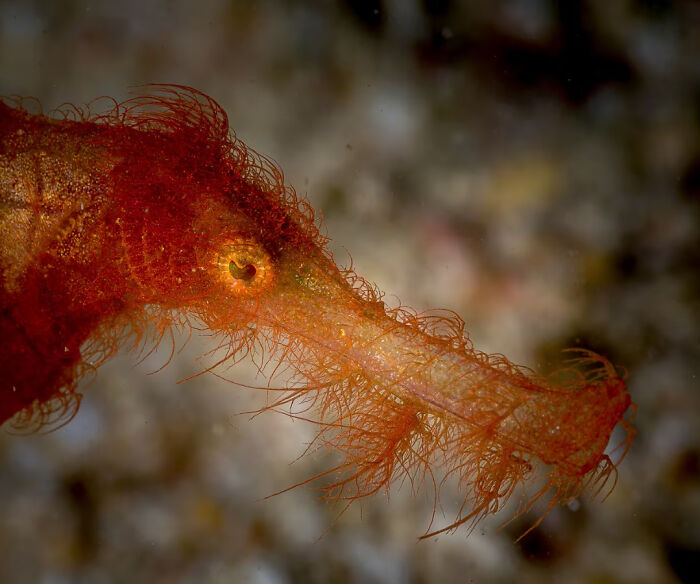 Solenostomus snuffleupagus is a newly discovered species of ghost pipefish. It is highly carnivorous and disguises itself as red algae to hunt its prey. Its existence and range were confirmed partly through citizen science apps like iNaturalist.
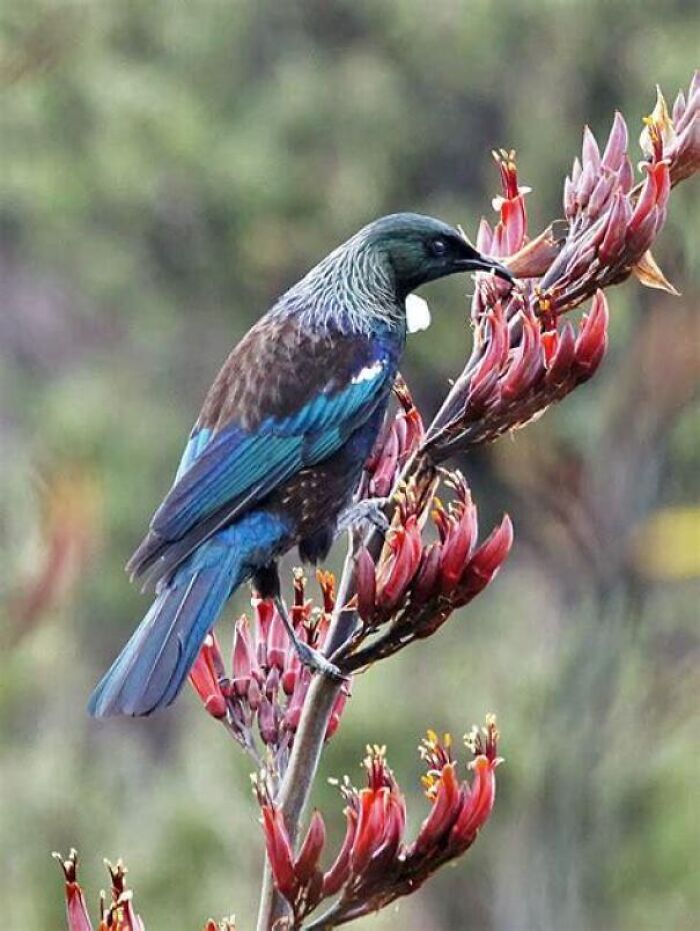 Tūī have two voice boxes, allowing them to two different sounds at the same time. They use this to incorporate a range of sounds into their songs, including human speech.
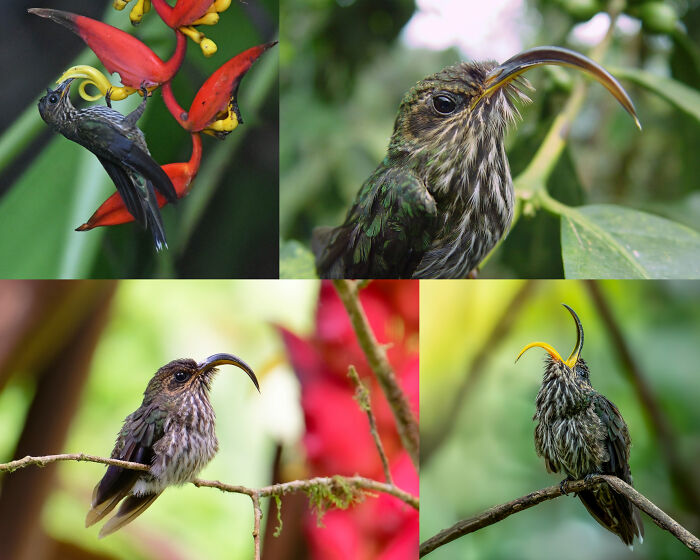 The white-tipped sicklebill uses its extremely decurved bill to reach inside sharply curved flowers, allowing it to drink nectar other nectarivores cannot reach. It is also a ‘trapliner’ — repeating the same foraging circuits, visiting favourite flowers along its particular route.
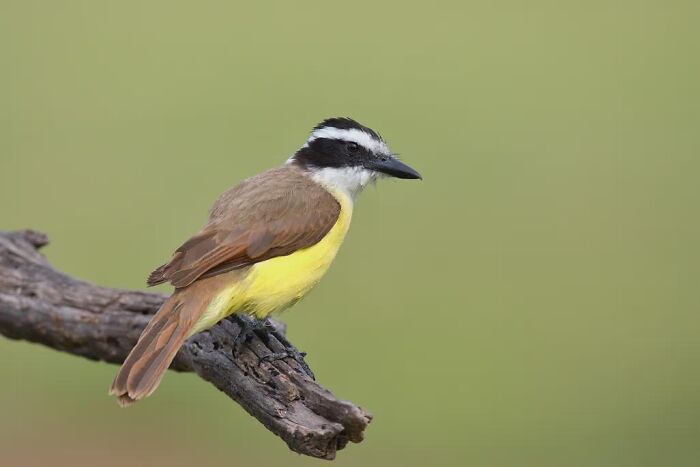 When great kiskadees sleep, their vocal muscles twitch in much the same way a dog's paws twitch while they sleep. Scientists believe they may be practicing songs or re-enacting fights over territory.
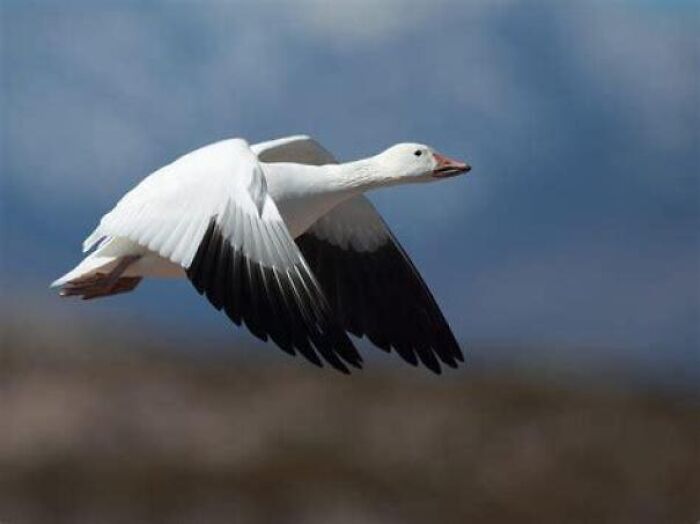 Some geese - like the snow goose - can fly 1000 miles without stopping as they migrate between their winter and summer homes.
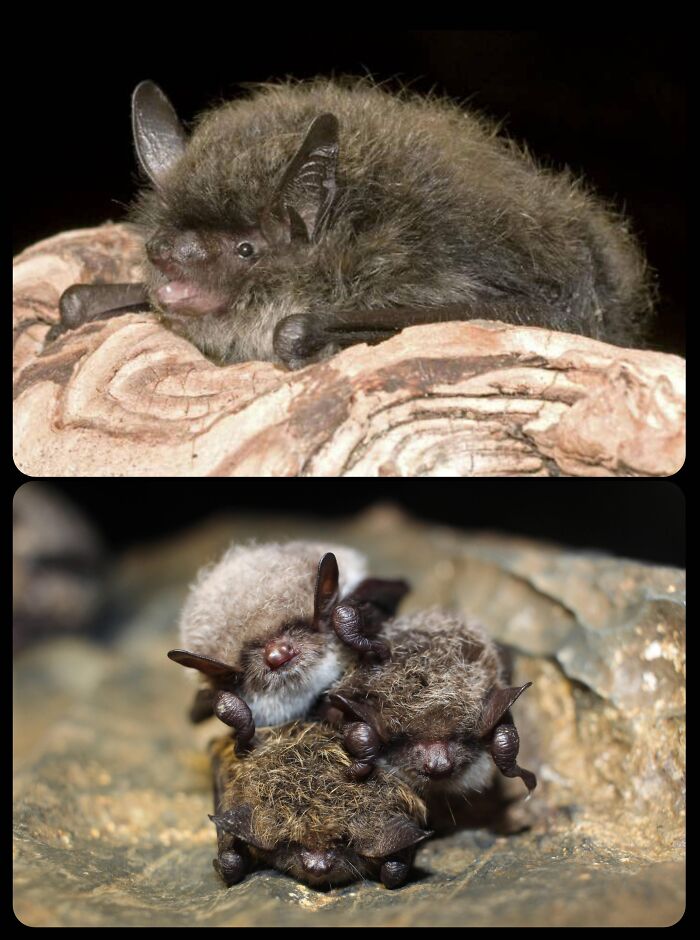 Siberian Whiskered Bats: these bats can live to be more than 40 years old, which makes this the longest-living bat species in the world.
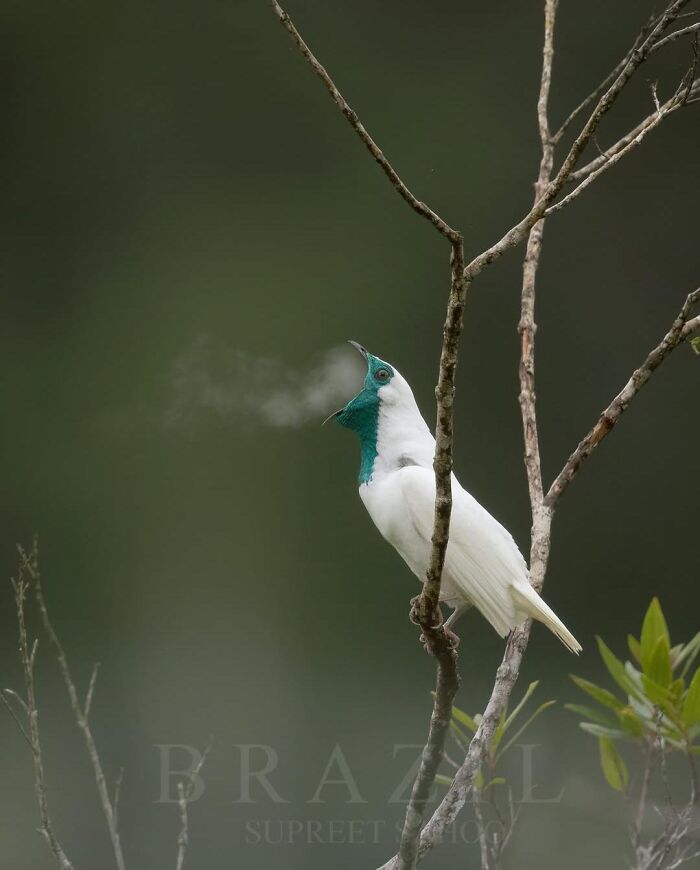 Bare-throated bellbird. The male has one of the loudest calls of any bird—a sharp sound like that of a hammer striking an anvil or a bell, and It might takes a long time for young males to learn & perfect the call.
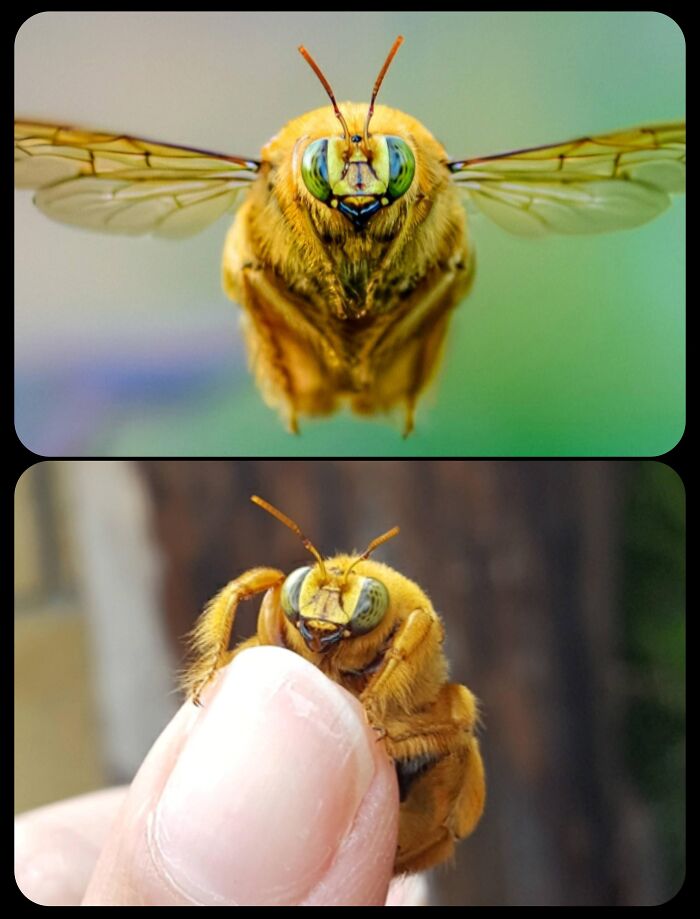 Teddy Bear Bees: these enormous bees can measure up to 26mm (roughly 1 inch) long, and the males are covered in thick, golden "fur" that makes them look like flying teddy bears.
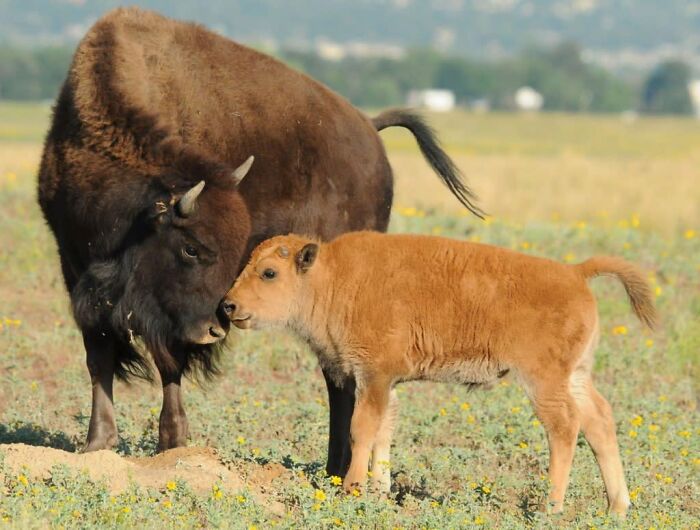 Bison are being reintroduced into Cuenca Los Ojos, a nature preserve along the US-Mexico border. There, they will be key to restoring a natural landscape. Their dung and fur carry grass seeds, their grazing creates habitats for birds, and their bodies provide nutrients for scavengers and the soil.
Why do they have to be reintroduced? Wikipedia says: North American 'Bison went from numbering an estimated 60 million individuals before the 1870s to becoming nearly extinct in the 1880s. This was due to the mass slaughtering of bison during the 1870s,' and 'Mass killings of bisons was described as "a form of biocide in service of genocide" and "part of the campaign to ethnically cleanse Native Americans from the land"' Link follows.
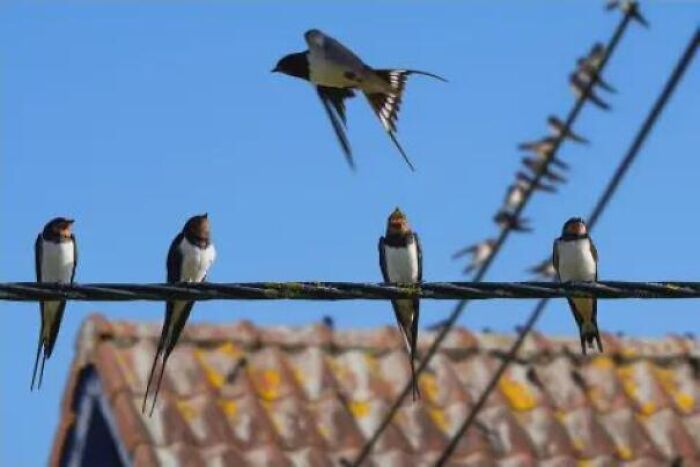 In 70% of bird species, female birds sing, including alongside males in mating rituals. Males and females sometimes make completely different sounds, making it possible to distinguish between them just by listening. However, despite this, only.03% of archived sounds are labelled as female.
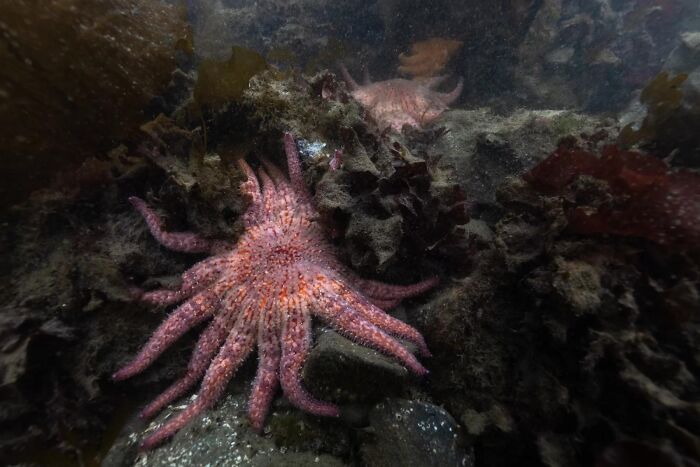 Sunflower stars are a critically endangered species of sea star. They are vital to preserving the health of kelp fields off the coast of Oregon by eating over a dozen sea urchins a day. In captivity, they enjoy cuddling with tankmates.
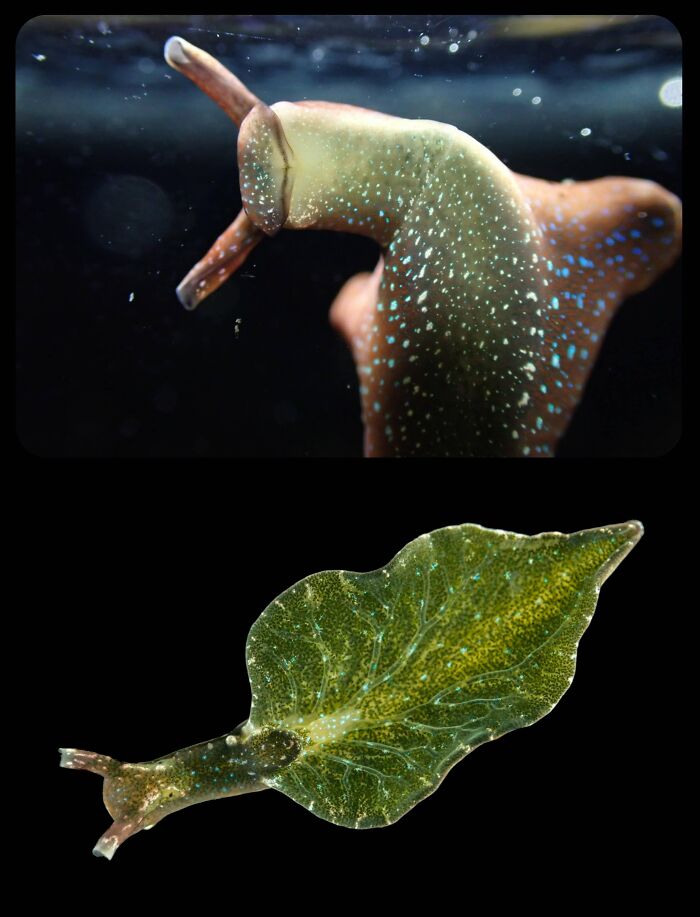 Elysia viridis: this sea slug engages in photosynthesis by "stealing" chloroplasts from algae and then incorporating those cells into its own body, where they continue to photosynthesize, allowing the sea slug to survive without food for months at a time.
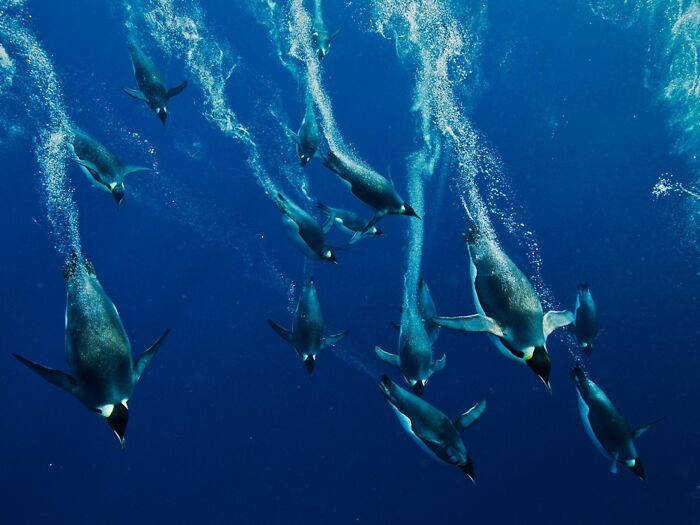 Emperor penguins are the deepest-diving birds on Earth. They can plunge to depths exceeding 500 meters, with the deepest recorded dive reaching an incredible 565 meters!
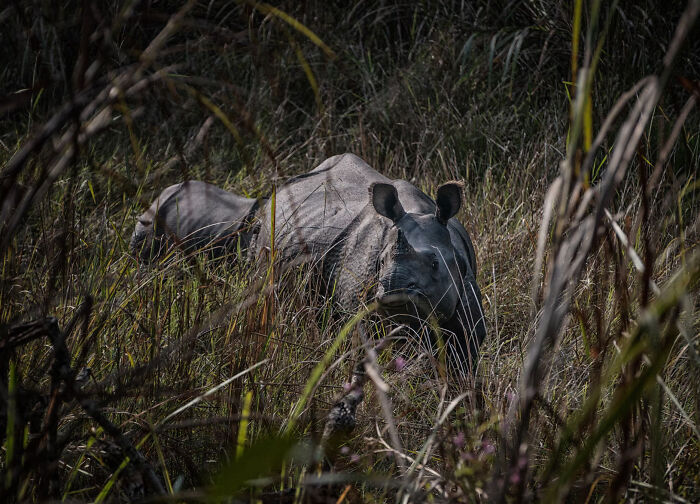 In the early 1990s, there were fewer than 2000 Indian rhinoceroses left in the wild. However, through careful conservation efforts, that number has more than doubled to the point where they have now become a bit of a pest in some parts of rural Nepal.
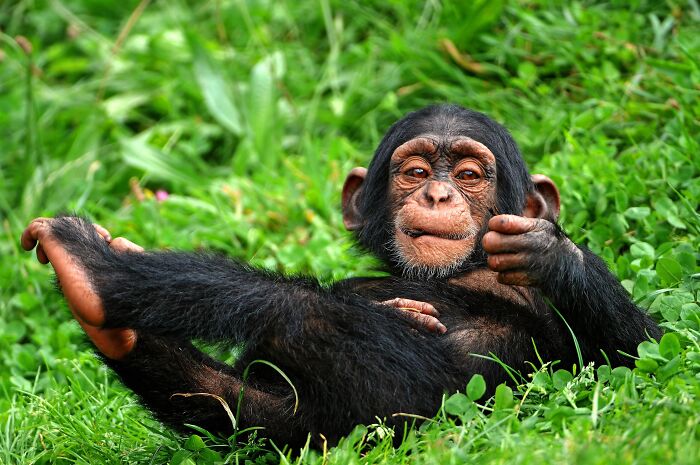 Chimpanzees may get the equivalent of one or two drinks worth of alcohol when they eat fermented fruit as part of their natural browsing.
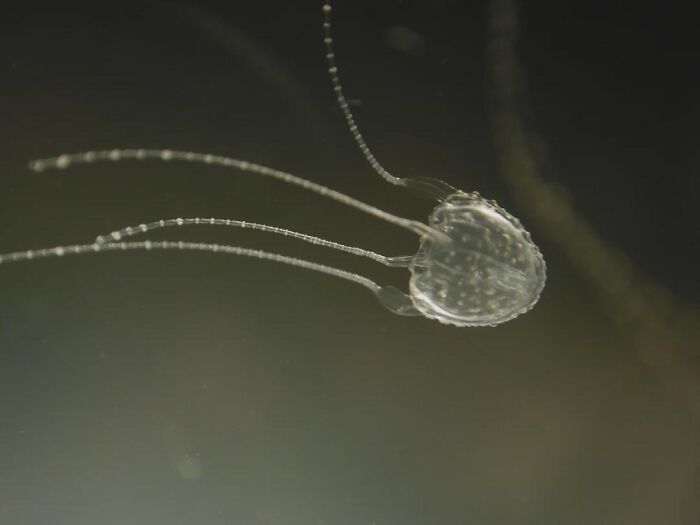 This is the Irukandji jellyfish. It's native to the Pacific Ocean, specifically around Australia. Not only is it the world's smallest jellyfish, but also one of the most venomous, and can be near impossible to spot due to being translucent.
Fun facts: this species of box jellyfish is maybe 5mm across, but its tentacles can be up to 1m long (you really *really* don't want to get a sting from them). Links follow.
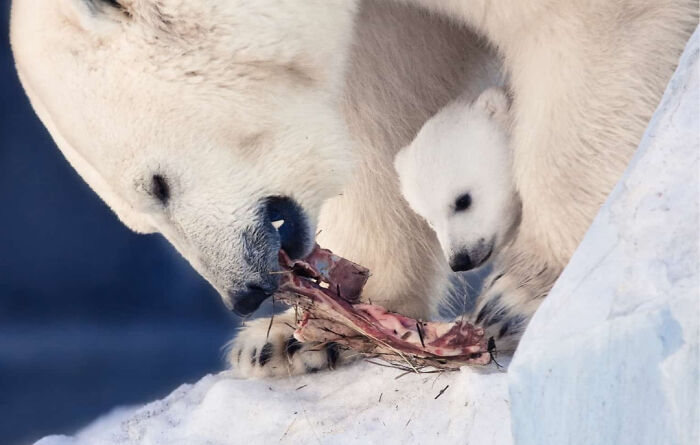 Scientists sometimes call Polar Bears "Lipovores" because their main source of calories comes from marine fat/blubber. They assimilate the majority of it directly into their own body fat & don’t digest carbohydrates or proteins as well as Brown Bears do.
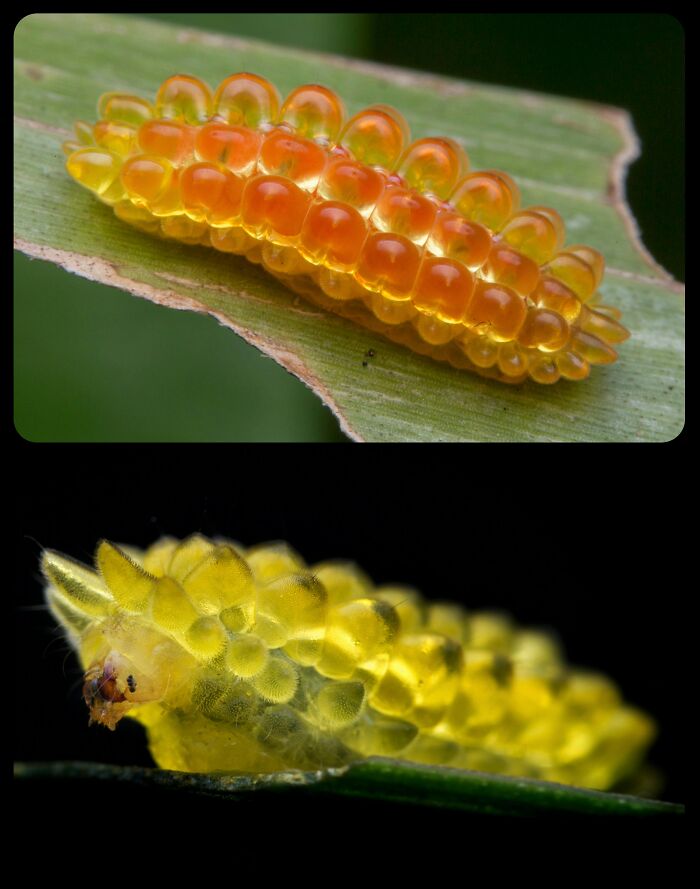 Olona Slug-Moth Caterpillars: these caterpillars are covered in soft, semi-transparent nodules that easily detach, allowing the larvae to escape from predators.
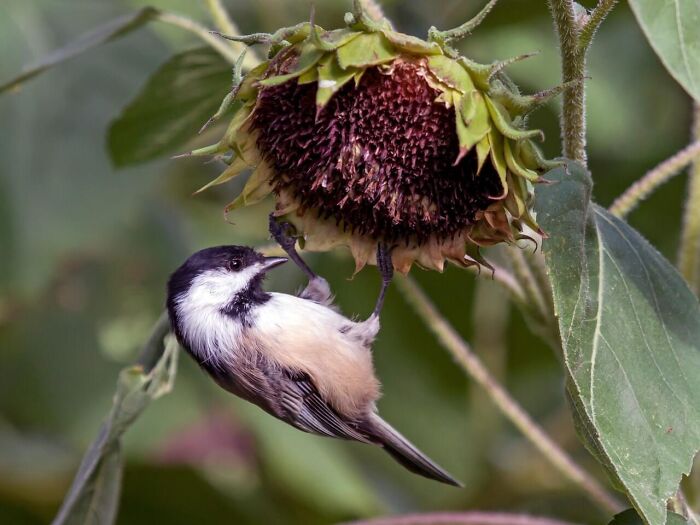 Black-capped chickadees have exceptional spatial memory for a bird their size. They hide thousands of individual seeds across their territory every fall and can remember the locations of most of them months later.
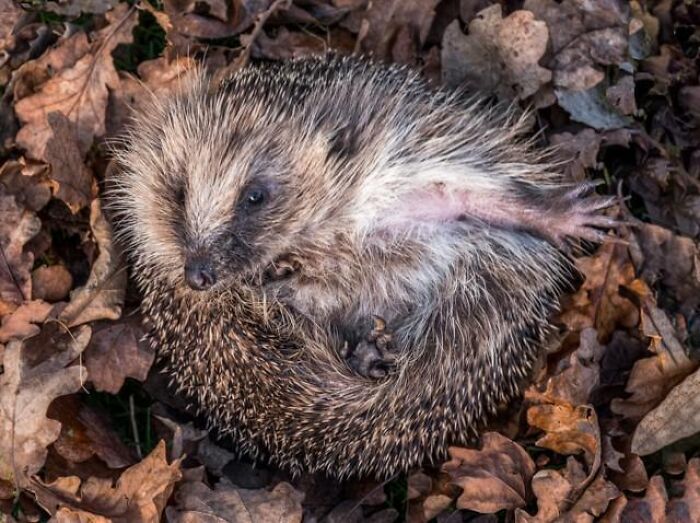 Hedgehogs do something called "self-anointing." When they encounter a new or strong smell (a strange food, another animal's scent, even a strong-smelling plant) they'll chew it up, work it into a frothy saliva, and then twist around to spread that foam all over their own spines with their tongue.
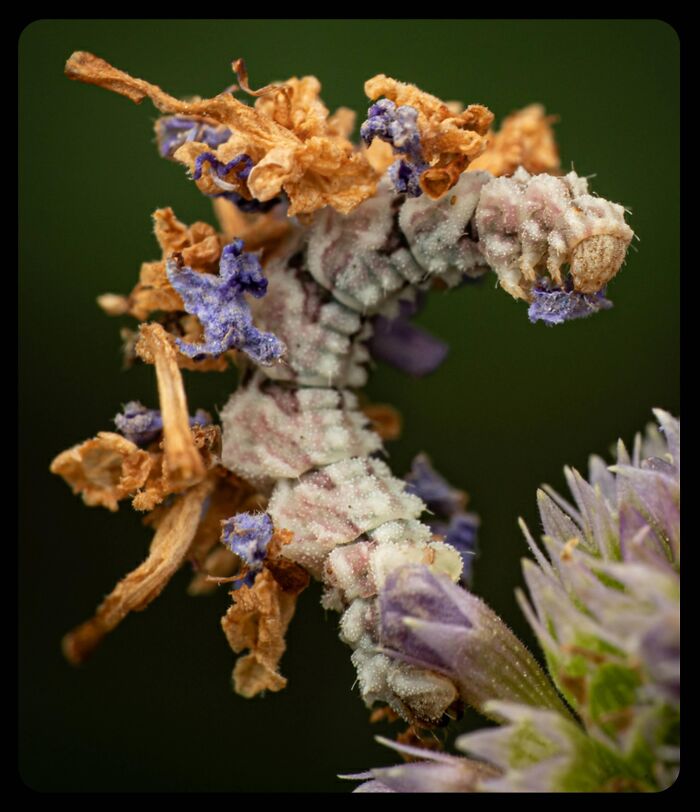 The Camouflaged Looper: this caterpillar creates its own camouflage using flower petals and foliage from the plants that it feeds upon, "gluing" the pieces onto its body with silk; when the caterpillar moves to a new host plant, it adjusts the disguise to match its new surroundings.
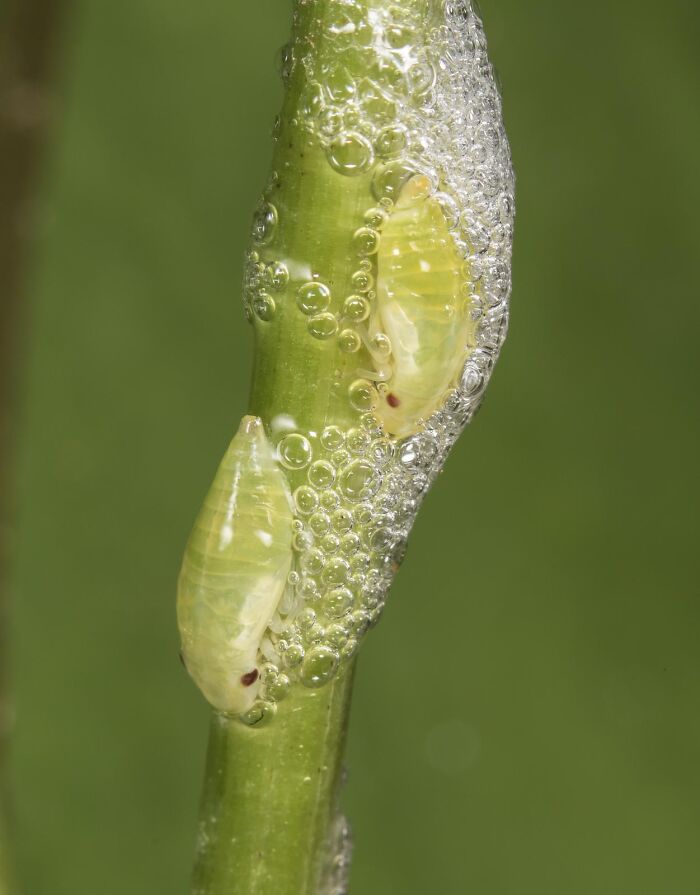 Spittlebugs hide in “spit” to stay cool, moist, and safe from predators. While most plant feeders feed on the sugar rich phloem, these little guys feed on xylem. It's still got sugar but the excess water allows them to excrete this foam, creating a bubble house.
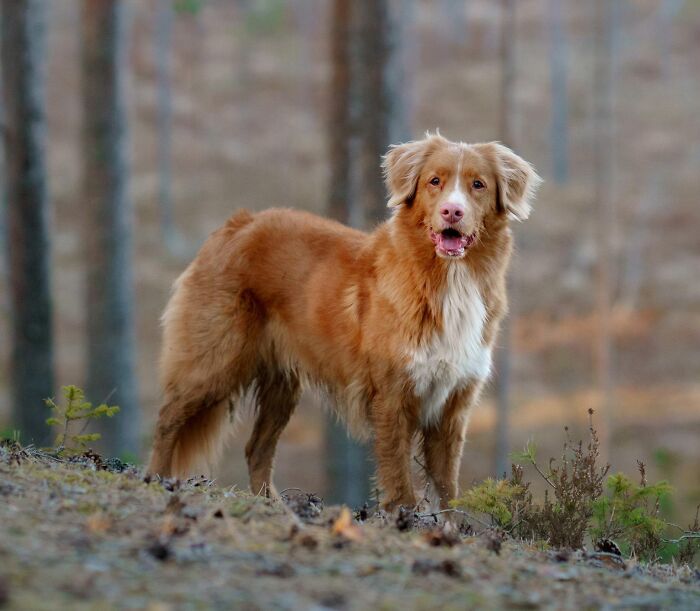 The Nova Scotia duck tolling retriever is one of four native Canadian dog breeds. They help hunt ducks by playing and fetching sticks at the water's edge while wagging their tails. When the ducks come close to see what's going on, hunters catch the ducks.
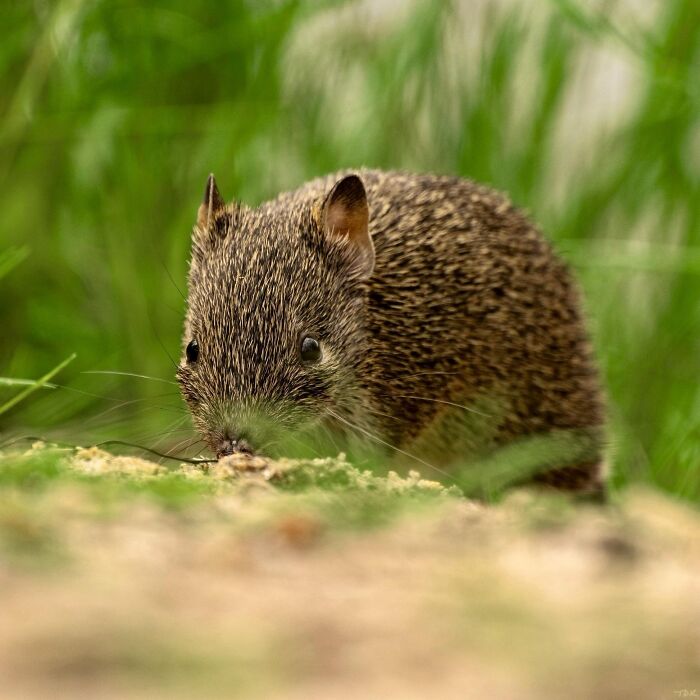 Quenda have a rear-opening pouch to prevent dirt from entering. They have a gestation period of approximately 15 days and weaning takes around 60 days.
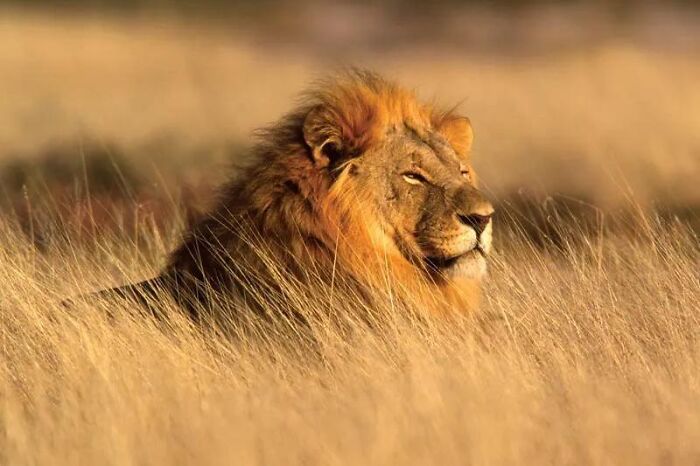 The lion has lost a majority of its previous range. Once being native to most of southern Eurasia and Africa now it’s only found in sparse parts of Africa and India.
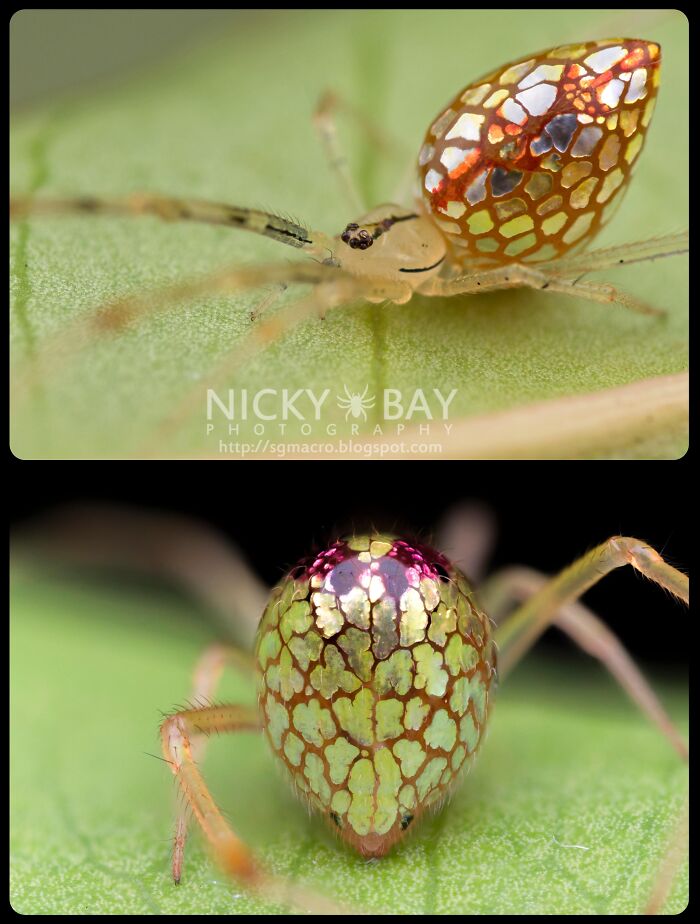 Mirror-Ball Spiders: these spiders are covered in shimmering, mirror-like panels that can shrink or expand; the panels are produced by a digestive secretion known as guanine, which seeps into the lining of the spider's gut and forms crystalline structures just beneath the surface of the abdomen.
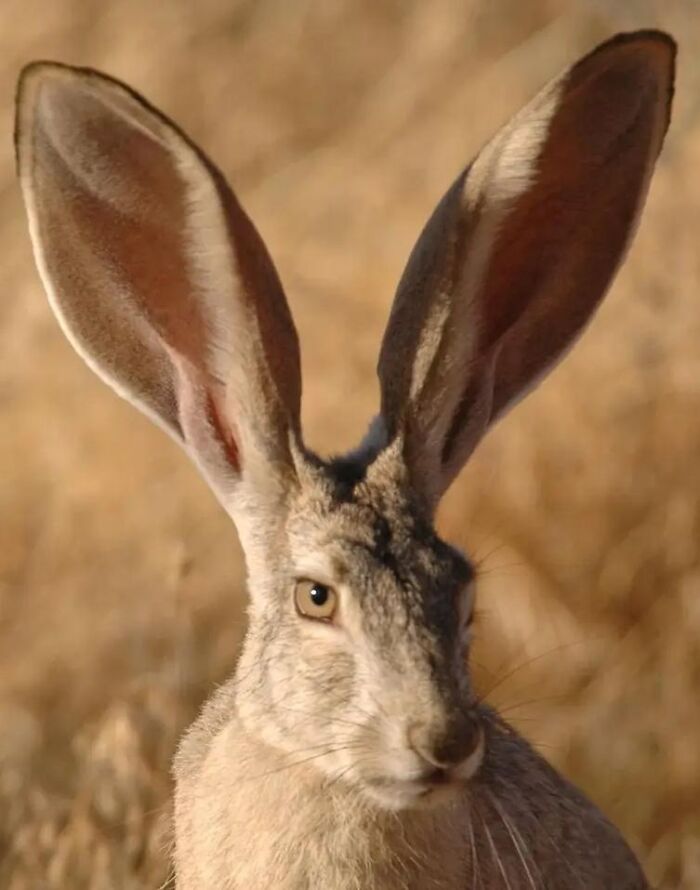 The ears of a Black-Tailed Jackrabbit, Lepus californicus, can measure up to 13 cm long, about 20% of the animal's entire body length. (Photo Credit: Scott Rheam).
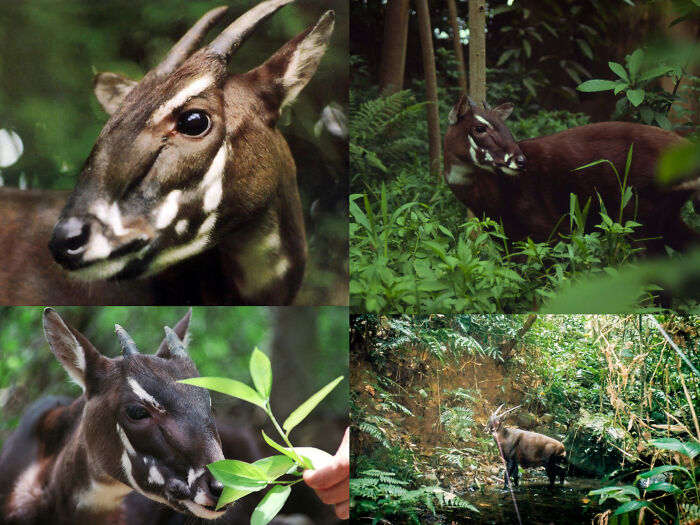 The saola — often called the "Asian unicorn" — is endemic to the Annamite Mountains of Laos and Vietnam. Discovered by science in 1992, it has never been directly observed alive by researchers in the wild and may number fewer than 100 individuals.
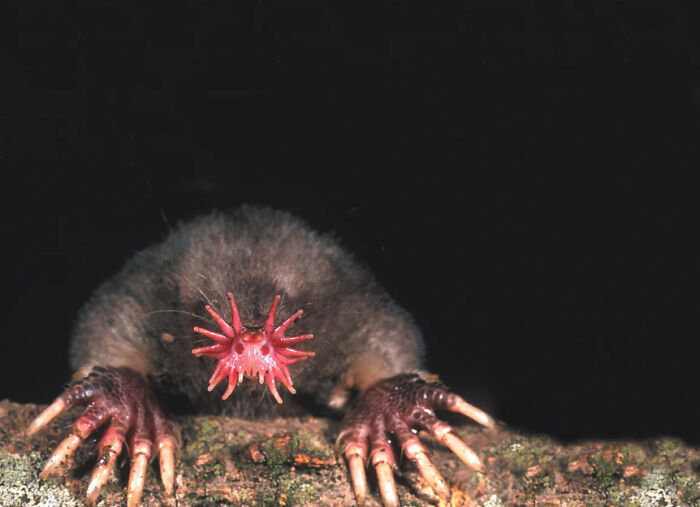 The star-nosed mole is the fastest eater on Earth. It hunts by slamming its nose against the soil up to 12 times a second. When it finds prey, it can identify and eat it in about 120 milliseconds, faster than the human eye can even process the motion.
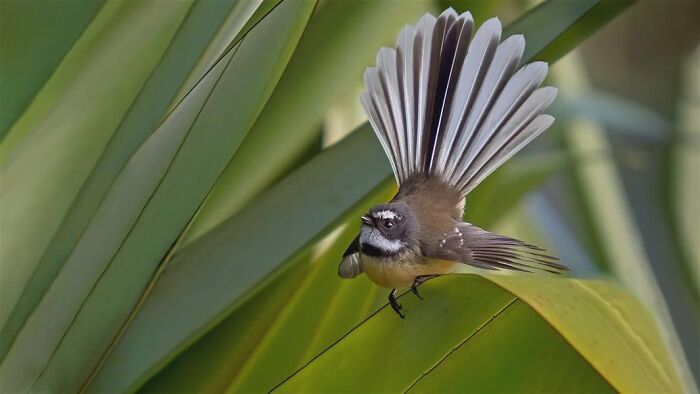 Pīwakawakas have a zigzagging, "drunken" flight pattern. This is because they use their fan-shaped tail to change direction quickly while chasing birds. However, Māori belief holds that pīwakawakas fly the way they do because, after laughing at Maui, Maui crushed pīwakawaka in his fist.
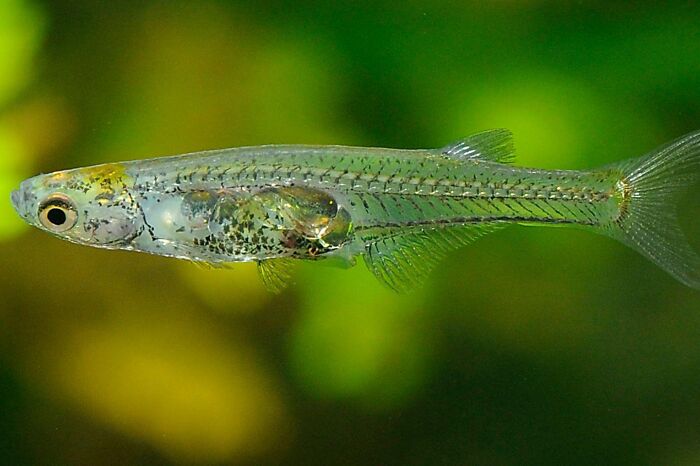 Danionella cerebrum was first identified as its own species in 2021. It has transparent skin and is missing the top half of its skull, making it ideal for scientists wanting to study how brains work.
































 No fees, cancel anytime