Get Premium
Dark mode theme is available exclusively for premium users. Learn more about the benefits of subscribing.
No fees, cancel anytime.

 Dark Mode Ad-Free Browsing Unlimited Content
 Ad-Free Browsing Unlimited Content Dark Mode
Join 1.2 million Panda readers who get the best art, memes, and fun stories every week!

One moment, you’re living your best life. The next, you find out you’re pregnant, and that the baby is due in a couple of weeks. It might sound unbelievable but it can, and does, happen. This is what’s known as a cryptic pregnancy. Some women only realize they’re pregnant when they go into active labor or deliver a baby.
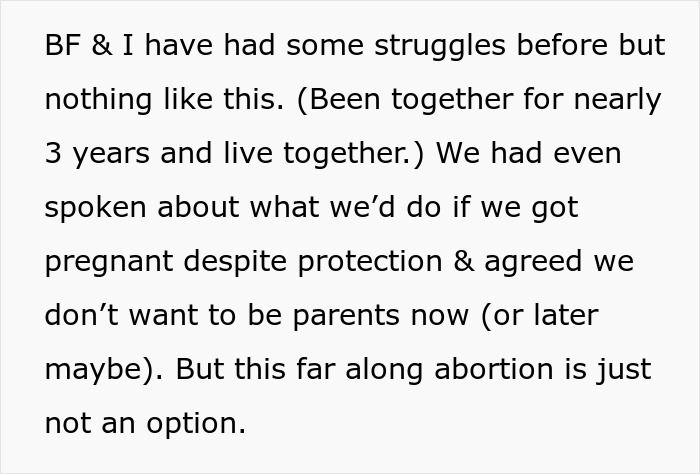
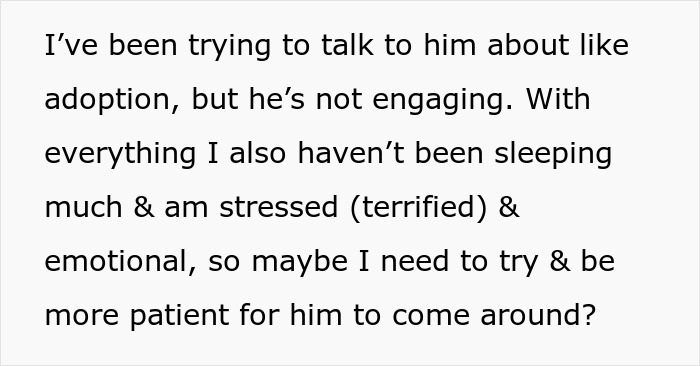
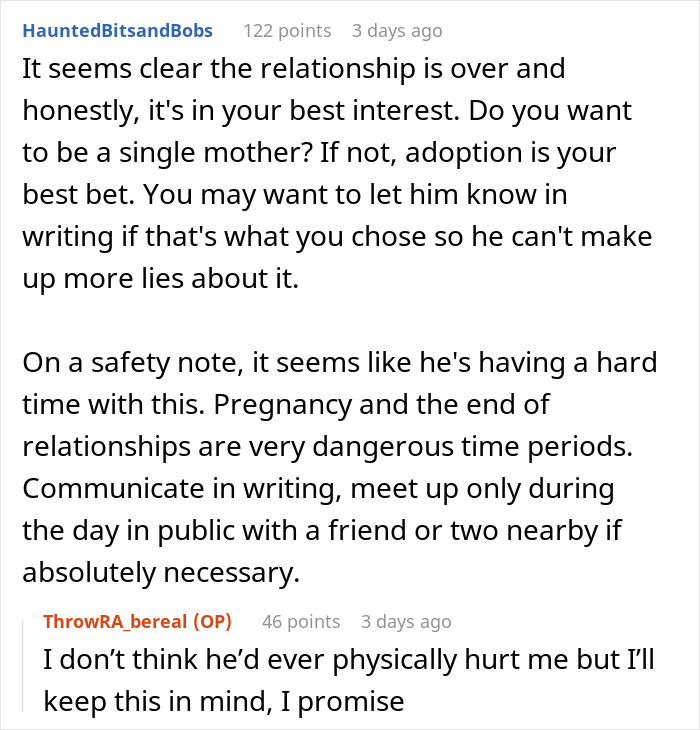
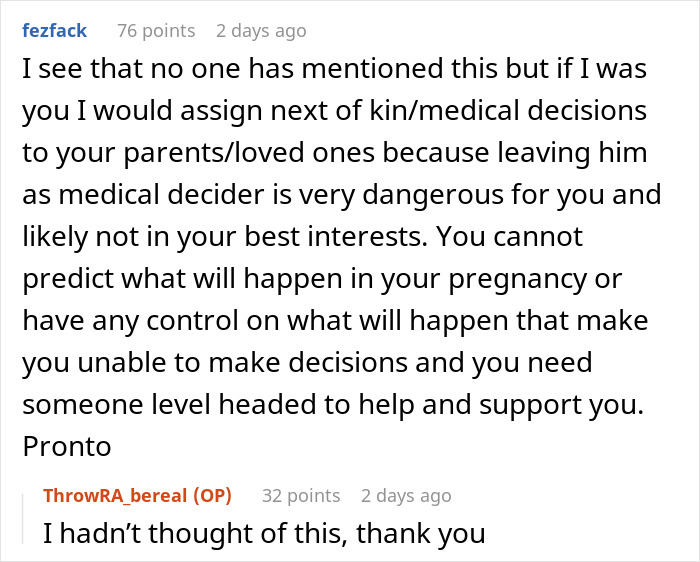
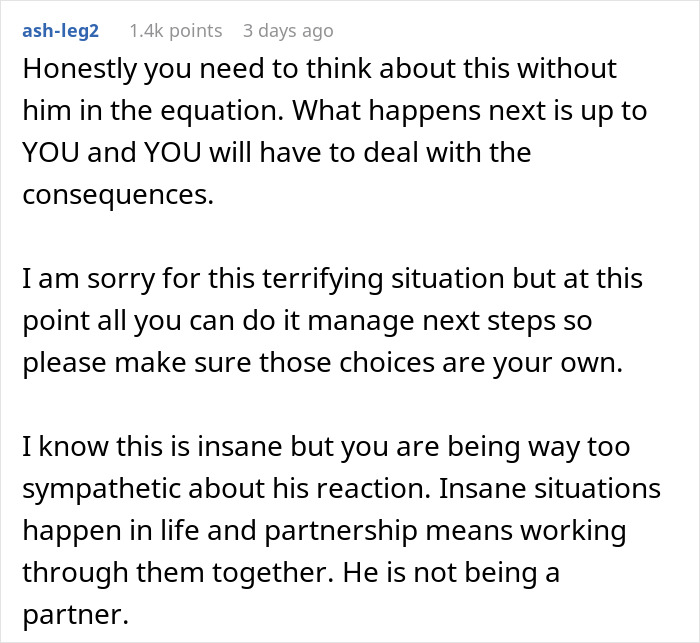
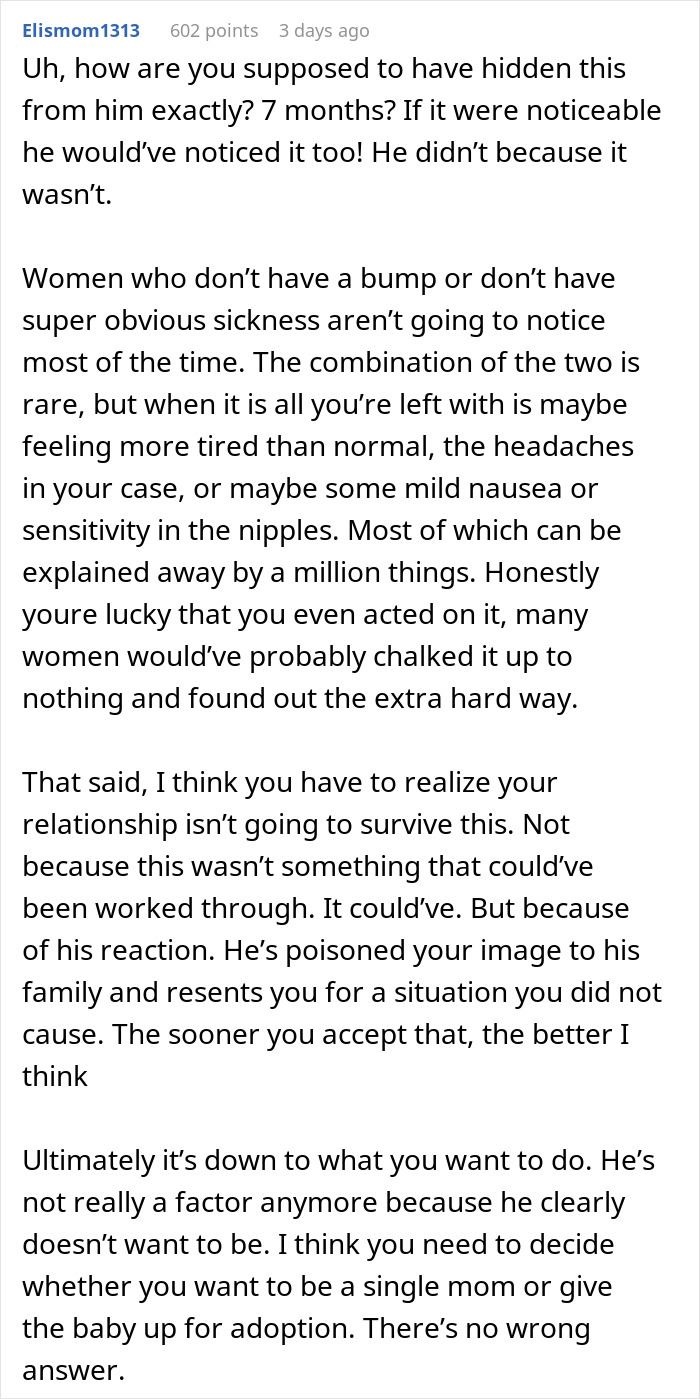
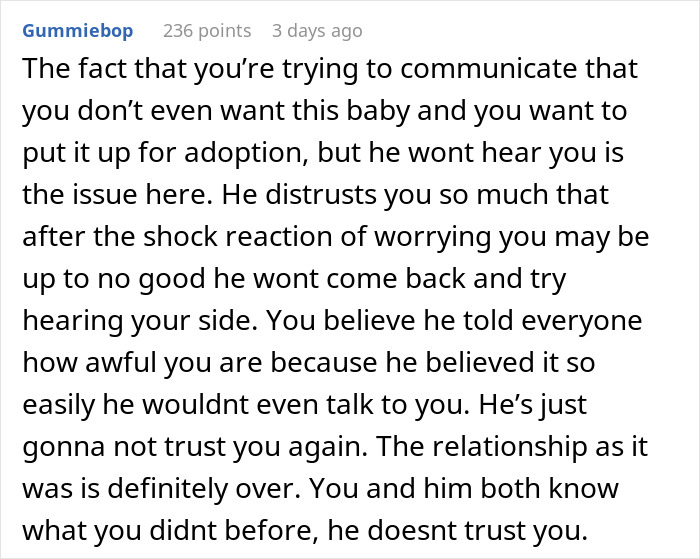
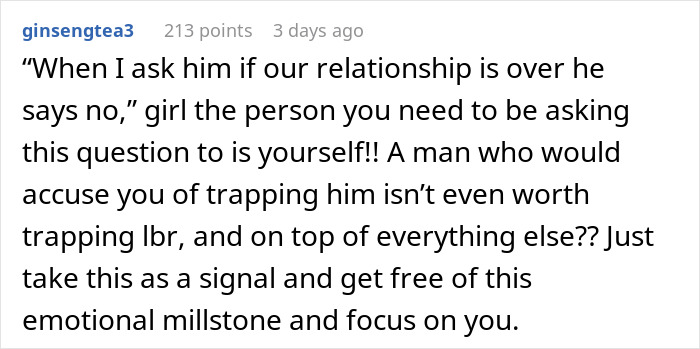
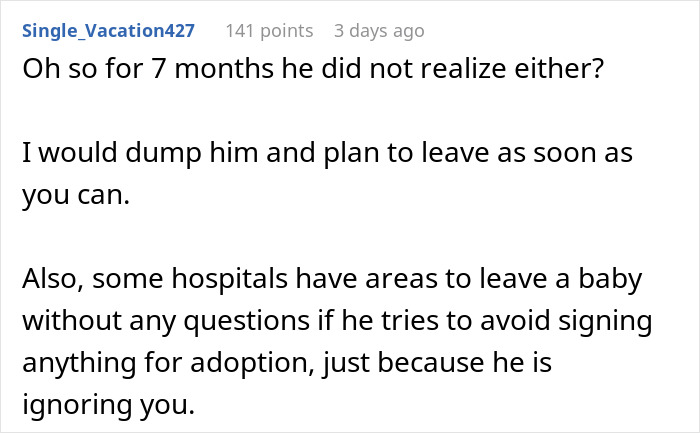
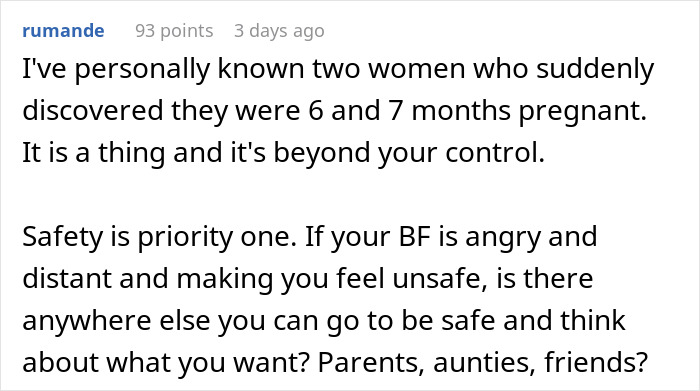
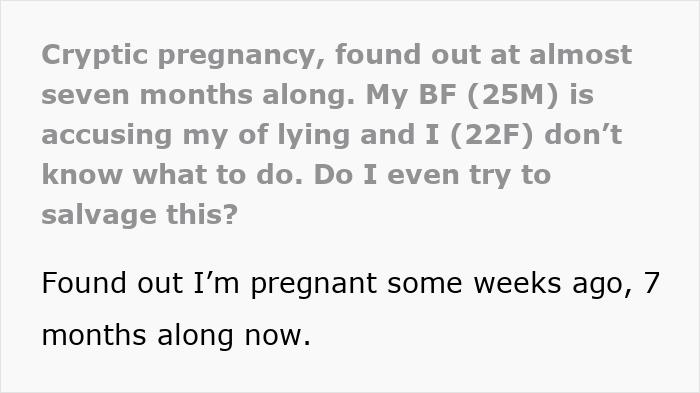
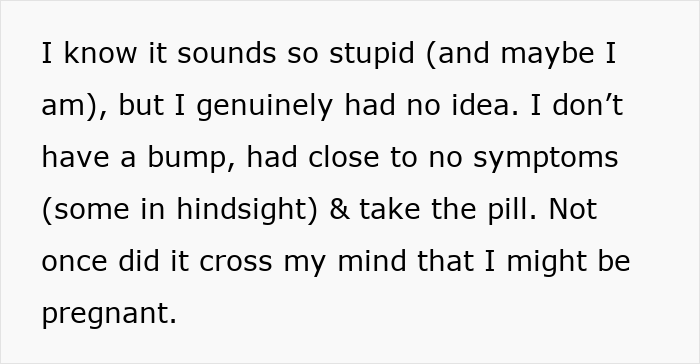
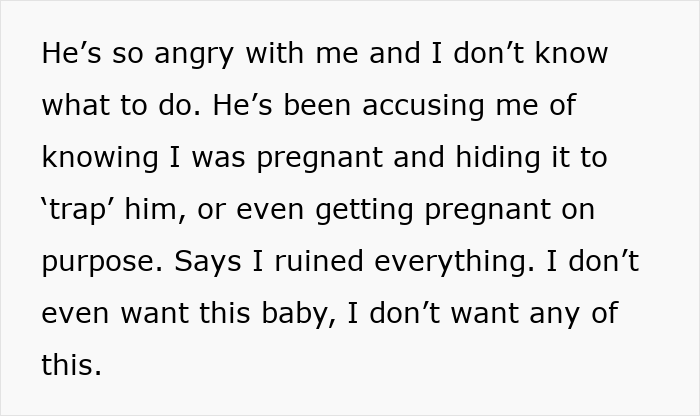
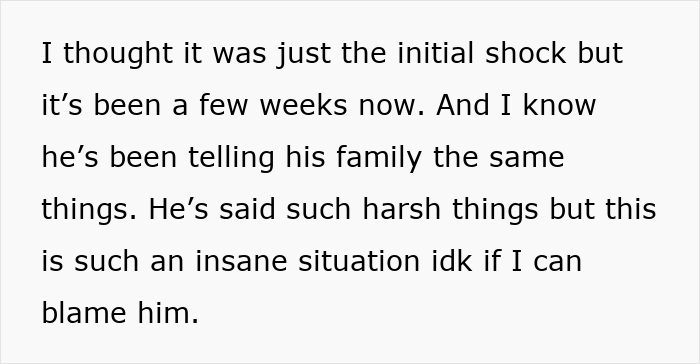
One woman says she was shocked to learn that she’s 7 months pregnant, despite being on the contraceptive pill. She swears she had no symptoms, and is devasted because she doesn’t want to be a mother. To make matters worse, her boyfriend of three years thinks she’s lying, and has accused her of “trapping” him.







Around 1 in 475 women reach the 20th week of gestation without realizing they are pregnant. And roughly 1 in 2,500 pregnancies go entirely unrecognized until the person goes into active labor or delivers the baby. Cryptic pregnancies, also known as stealth pregnancies, can sneak up on you when you least expect them.
But how is this possible when most pregnancies come with a visible bump and their fair share of symptoms?
According to experts from the American Pregnancy Association, the symptoms of a cryptic pregnancy are the same as those of a regular pregnancy. The difference is the woman doesn’t recognize those symptoms as being related to pregnancy.
They say that the first, most obvious, sign is a missed period. But about 30% of women have irregular periods, with some only having a few periods a year. “So it’s not unusual for her not to have a period for a month or two. If she doesn’t know she’s missed her period, it won’t occur to her to take a pregnancy test,” explains the site.
The woman might also only experience very few, or no, pregnancy symptoms. They could also dismiss certain signs of pregnancy such as nausea, cramping, and backaches, thinking they’re being caused by something else. For example, being sick, or changes in her diet or lifestyle.
Some women have occasional spotting throughout pregnancy, and they could easily mistake this for a light period. There’s also a chance that the woman did take a pregnancy test and it was negative.
“Most pregnancy tests are reliable, but using them correctly is essential. Like testing with first-of-the-morning urine so the test can detect the hCG hormone,” cautions the American Pregnancy Association, adding that it’s best to wait until 7 days after a missed period before testing.
Then there’s the issue of the baby bump, or lack thereof… “If she’s overweight she may not notice abdominal swelling or may not think her weight gain is anything out of the ordinary,” explain the experts.
And for those women further along in their pregnancies, how come they don’t feel the baby moving?
The site notes that the baby’s position can sometimes make it hard to feel its movement. “If the placenta is in the front of the uterus, it may take longer to feel the movements and they may be harder to recognize,” it explains. “She may consider it gas or upset stomach.”
There’s also the chance that the women sort of knows but doesn’t want to admit it. “Stress, fear, and shame sometimes play a role in accepting or acknowledging pregnancy. If your pregnancy comes during a difficult time, you might be less likely to realize it,” reports WebMD. “Denial can be powerful.”









By entering your email and clicking Subscribe, you're agreeing to let us send you customized marketing messages about us and our advertising partners. You are also agreeing to our Privacy Policy.
Thank you! You've successfully subscribed to newsletters!







































 No fees, cancel anytime











30
1