Get Premium
Dark mode theme is available exclusively for premium users. Learn more about the benefits of subscribing.
No fees, cancel anytime.

 Dark Mode Ad-Free Browsing Unlimited Content
 Ad-Free Browsing Unlimited Content Dark Mode
Join 1.2 million Panda readers who get the best art, memes, and fun stories every week!

No matter how much you fight it, the world will never stop being chaotic. Sure, you can temporarily carve out some structure, clarity, and quiet, but life will always find a way to surprise you and test your adaptability. Often, in the most random way possible.
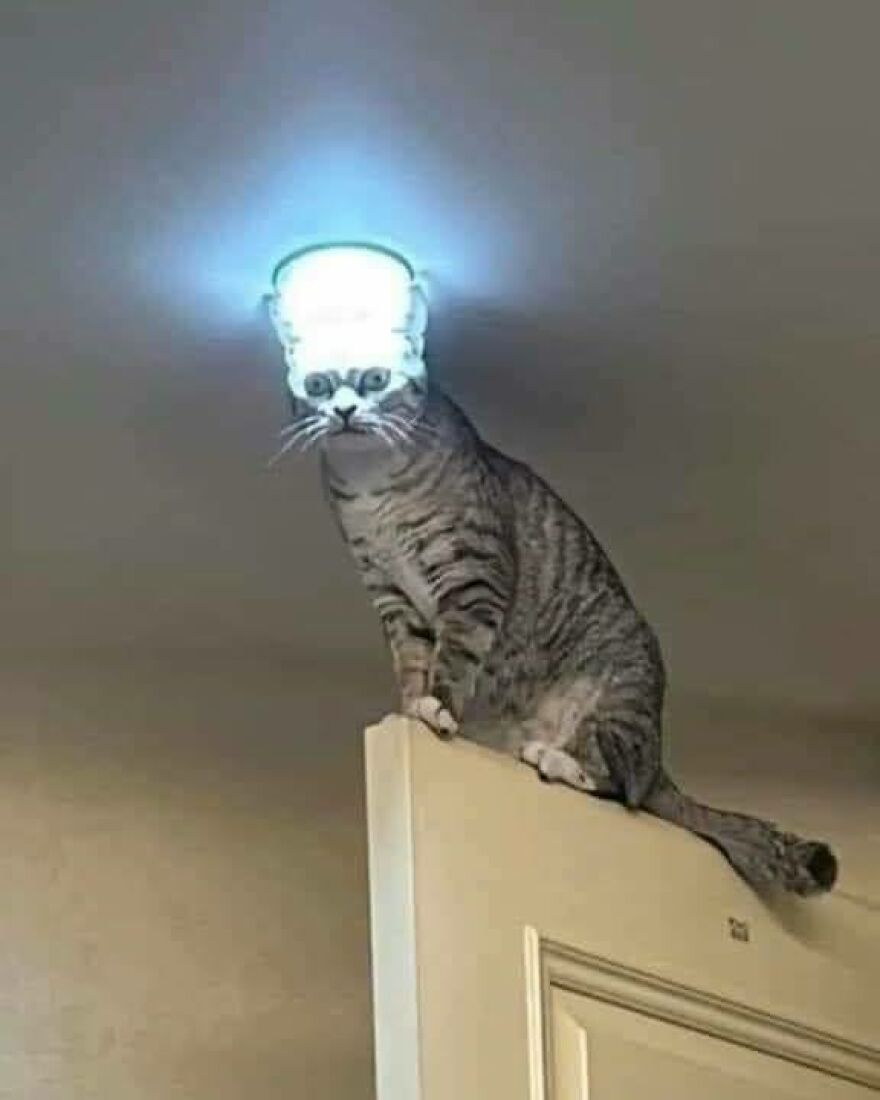
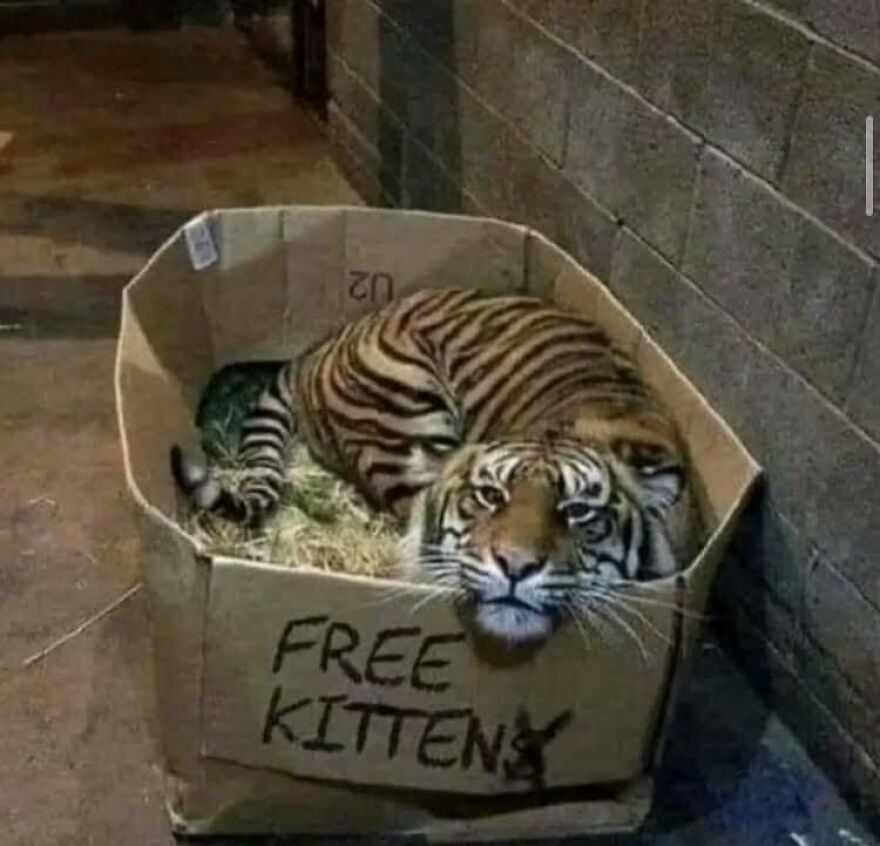
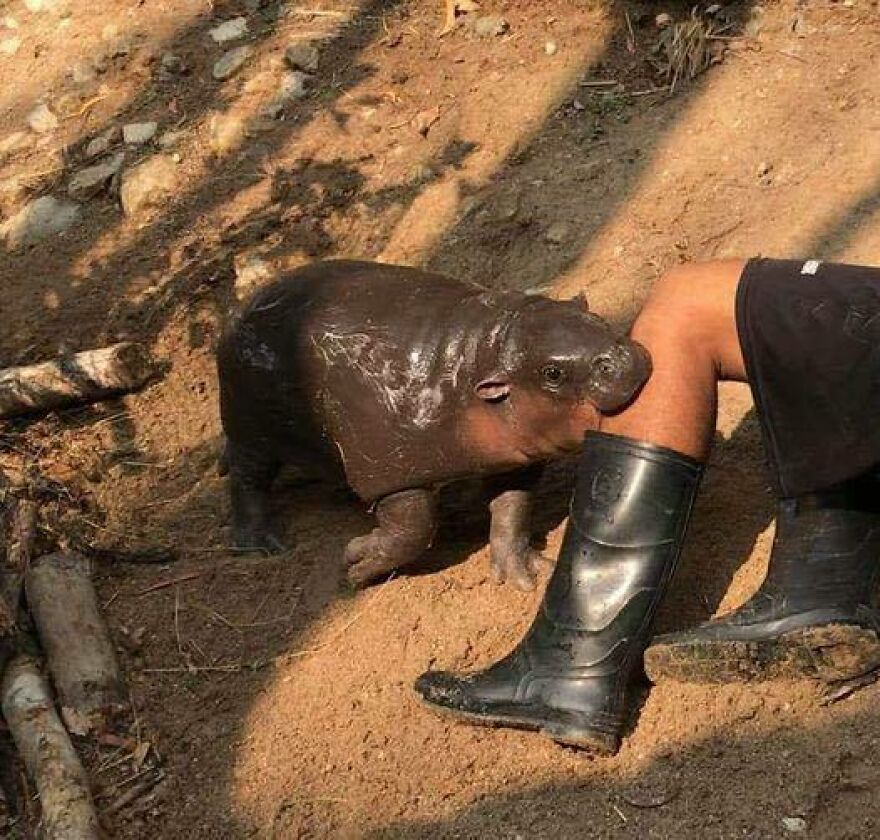
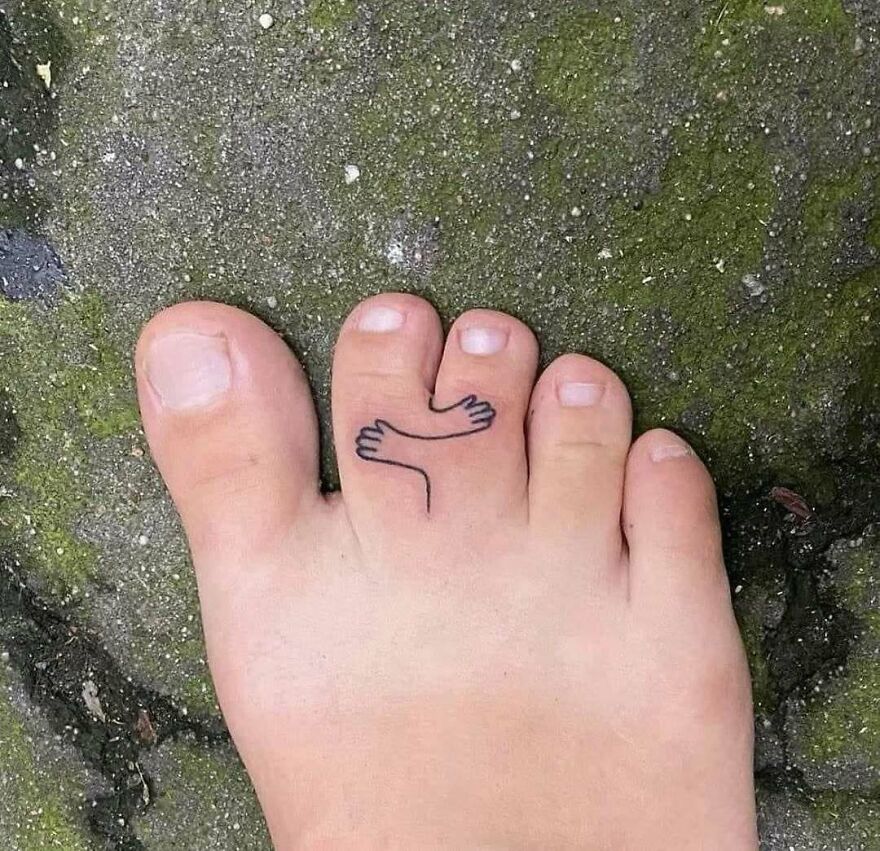
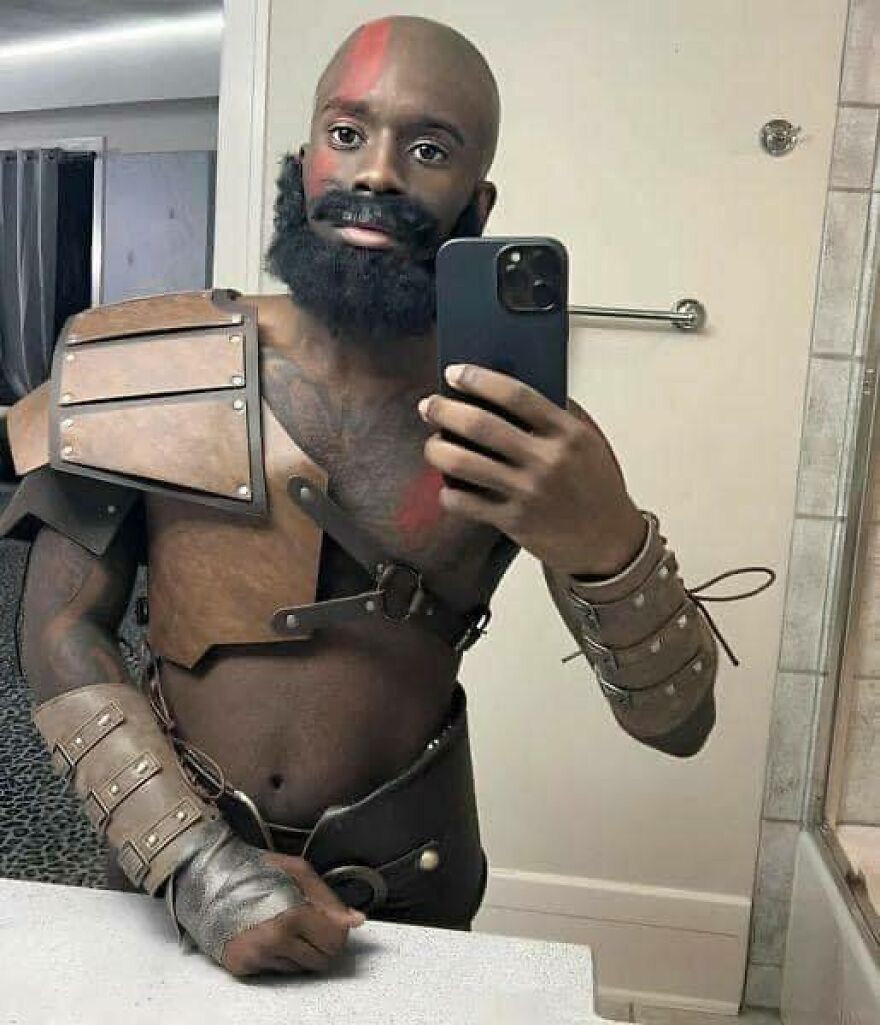
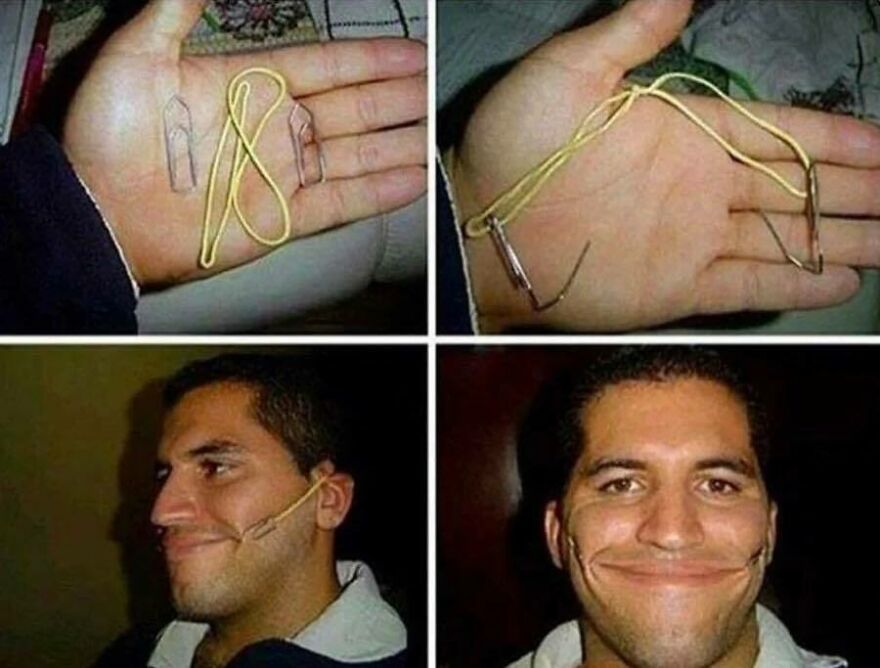
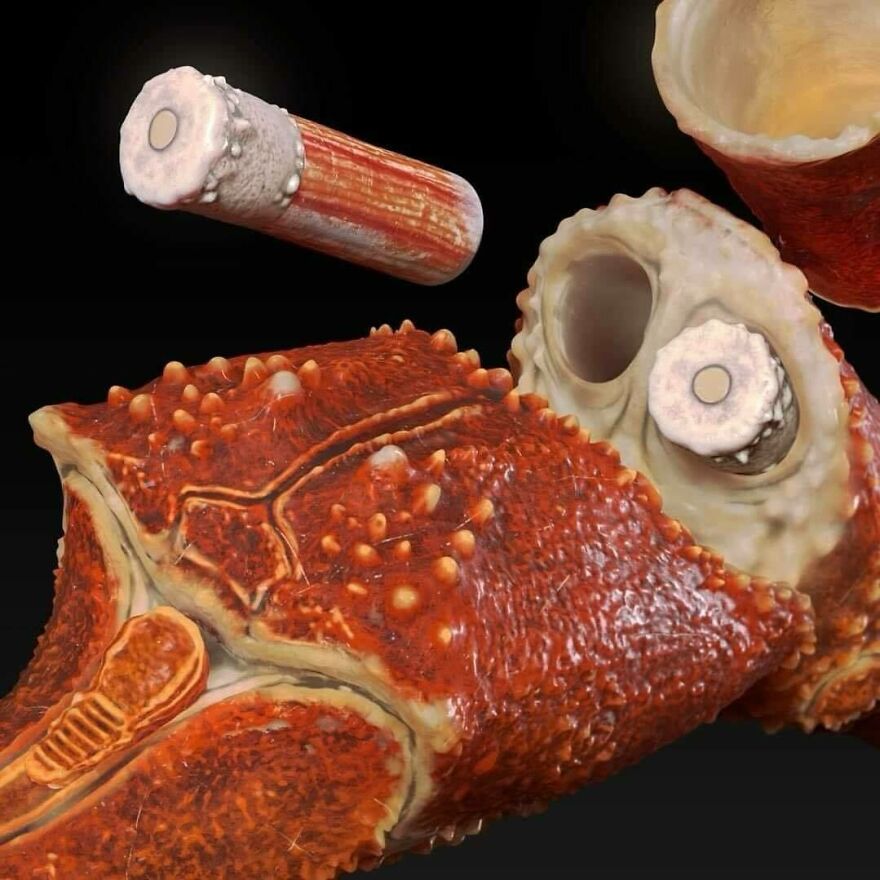
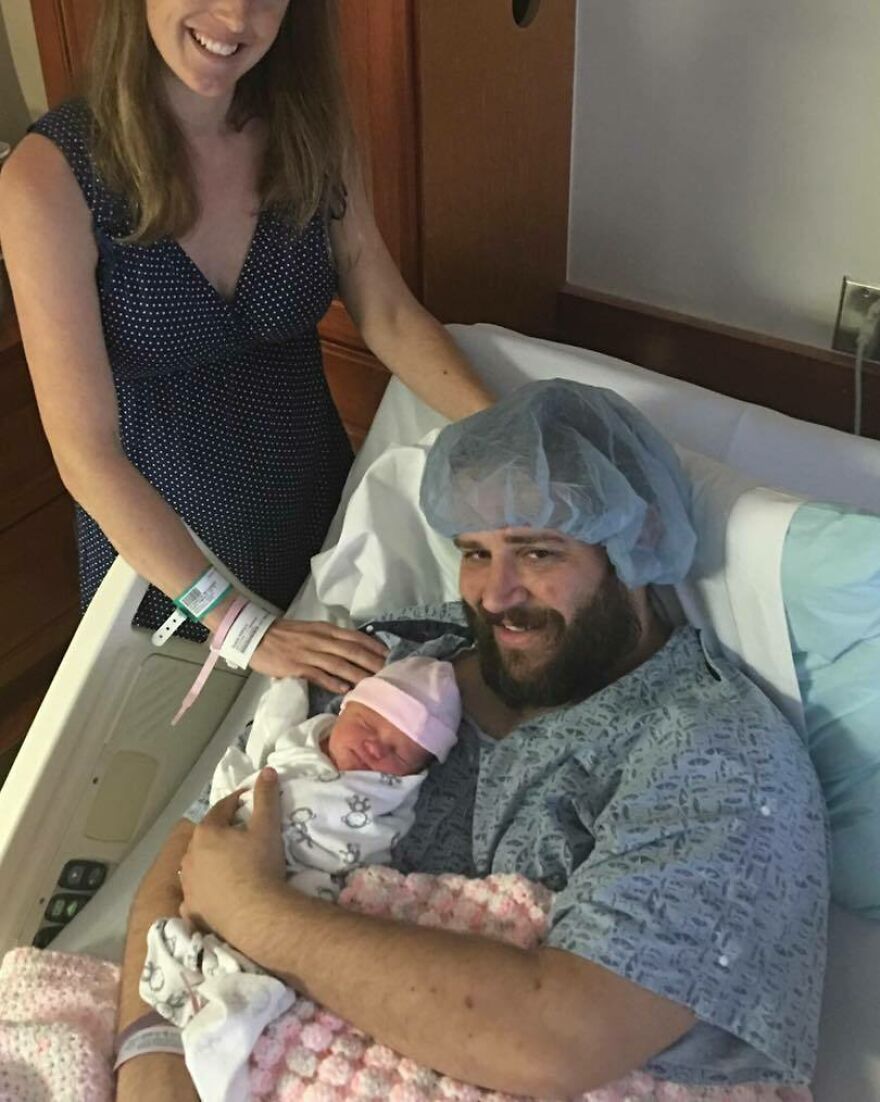
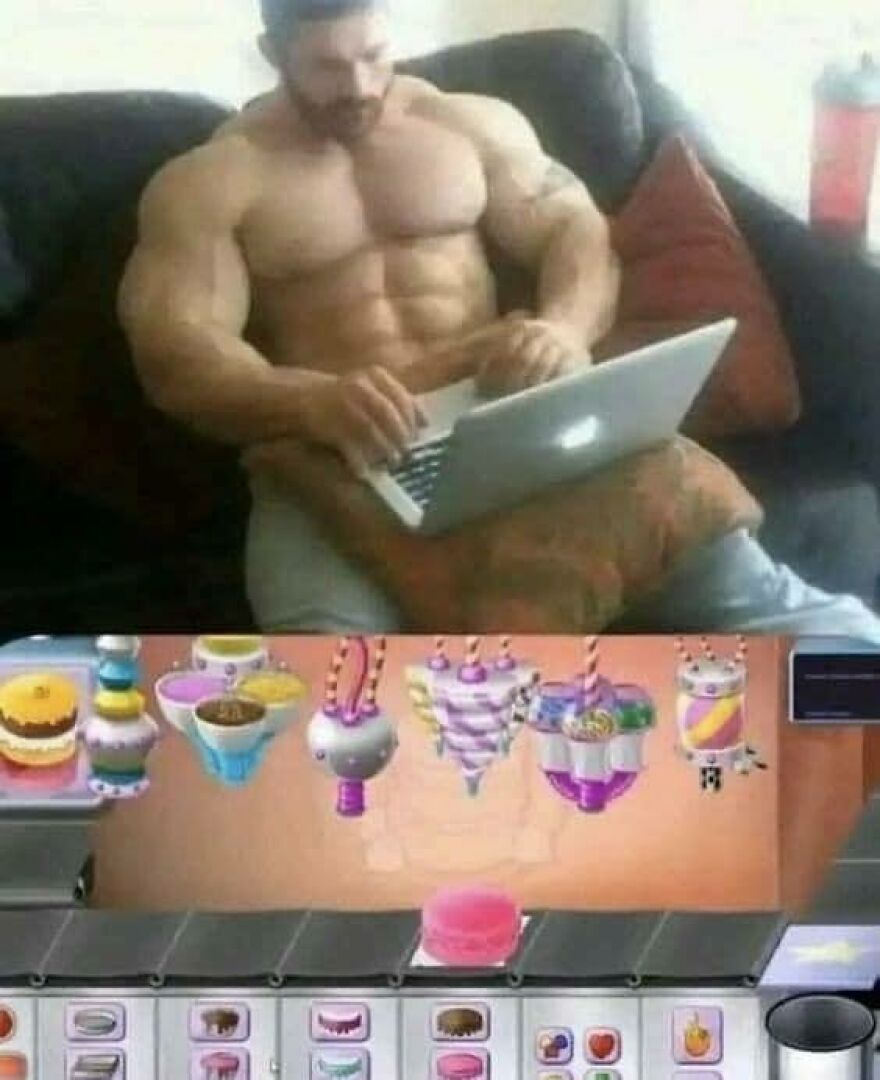
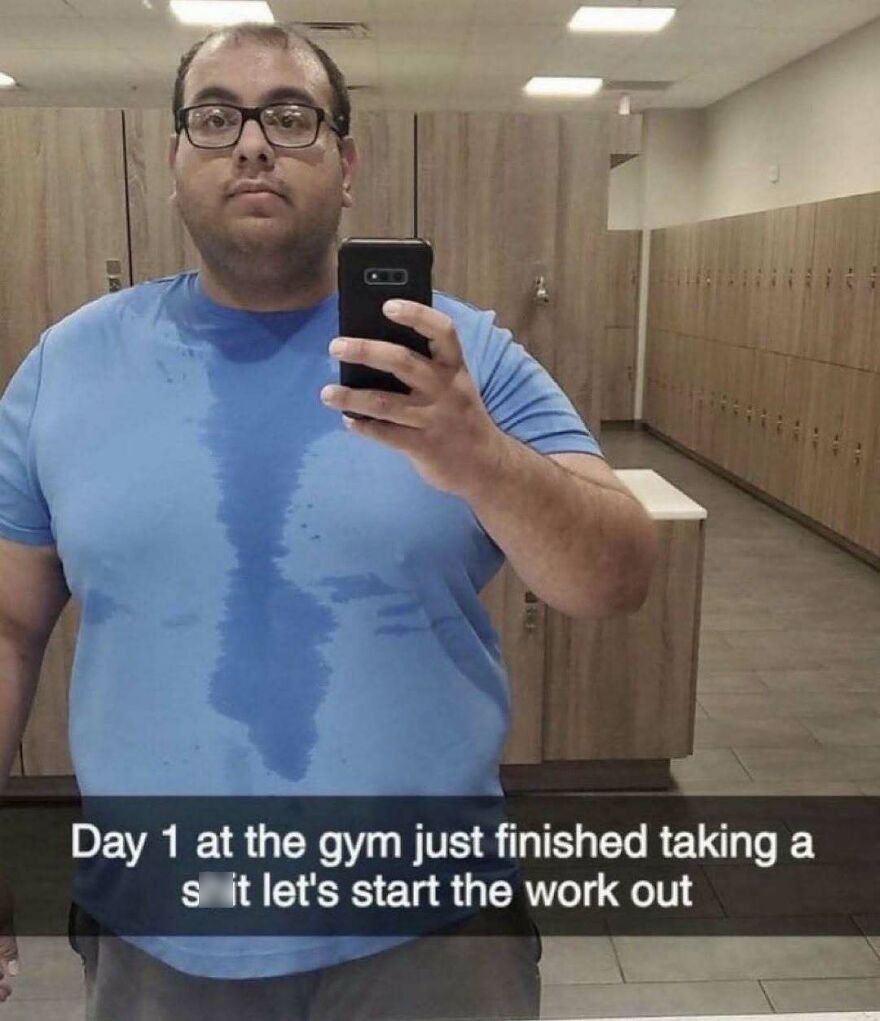
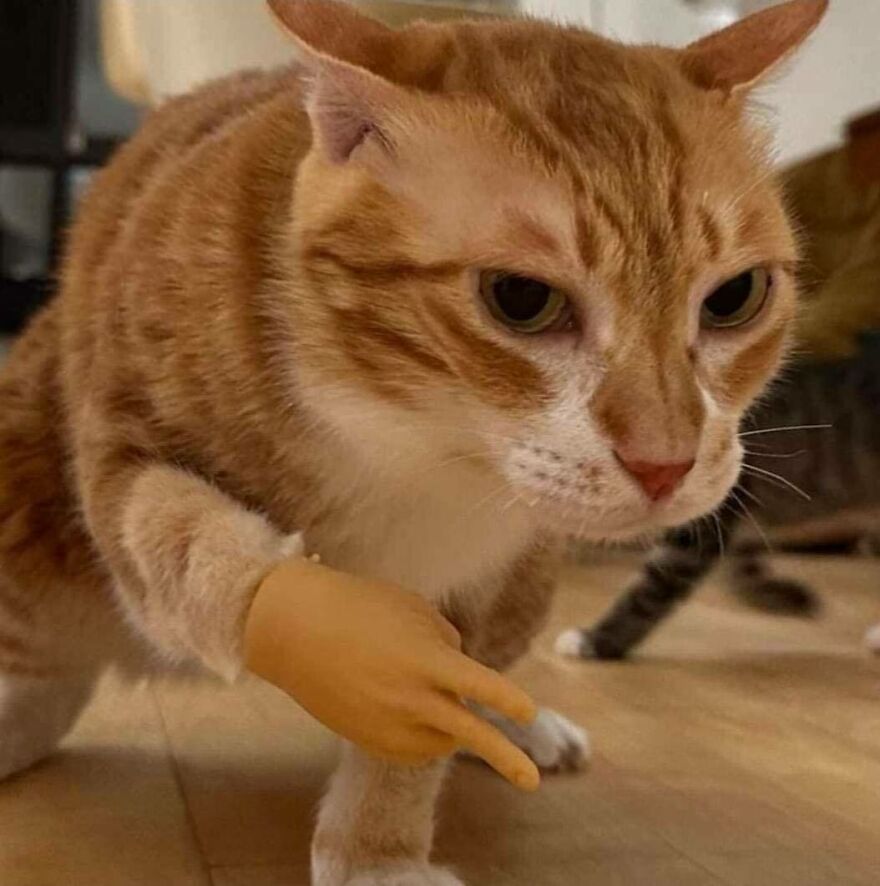
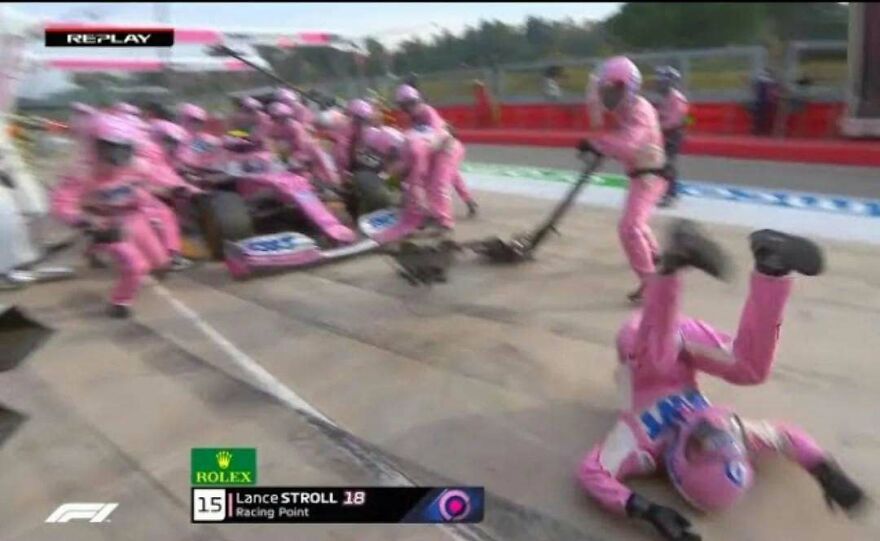
‘Weirdnet’ is a social media project dedicated to sharing the weirdest, oddest, and most confusing images to ever end up online. We have collected the most cursed, cringe, and uncomfortable ones to haunt you during your coffee break. Keep scrolling to check out the collection! This is your gentle and friendly reminder that things don’t always go as planned.
This post may include affiliate links.

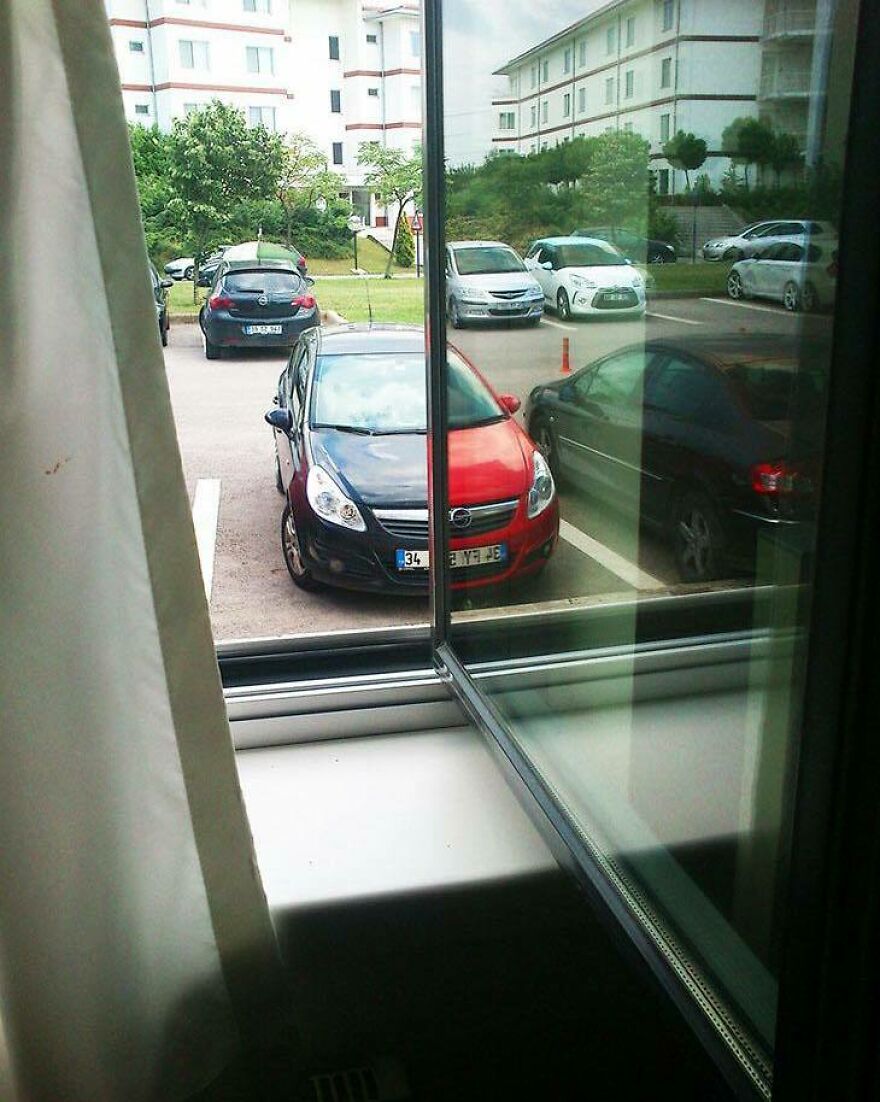
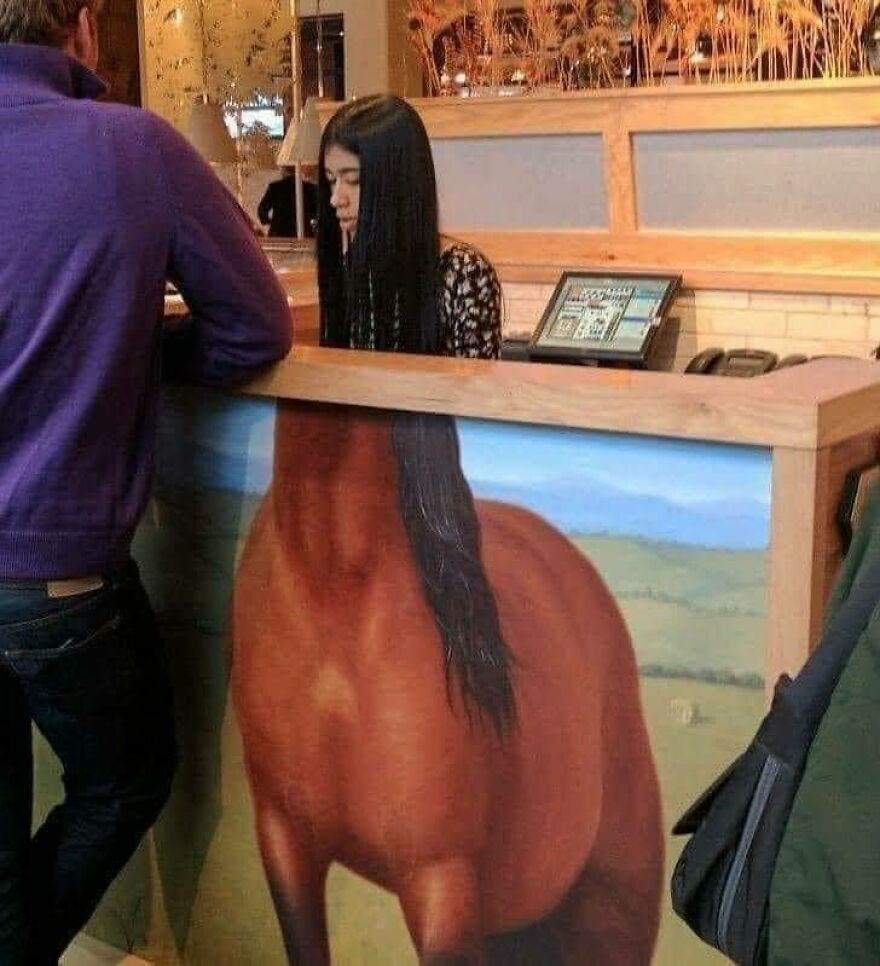
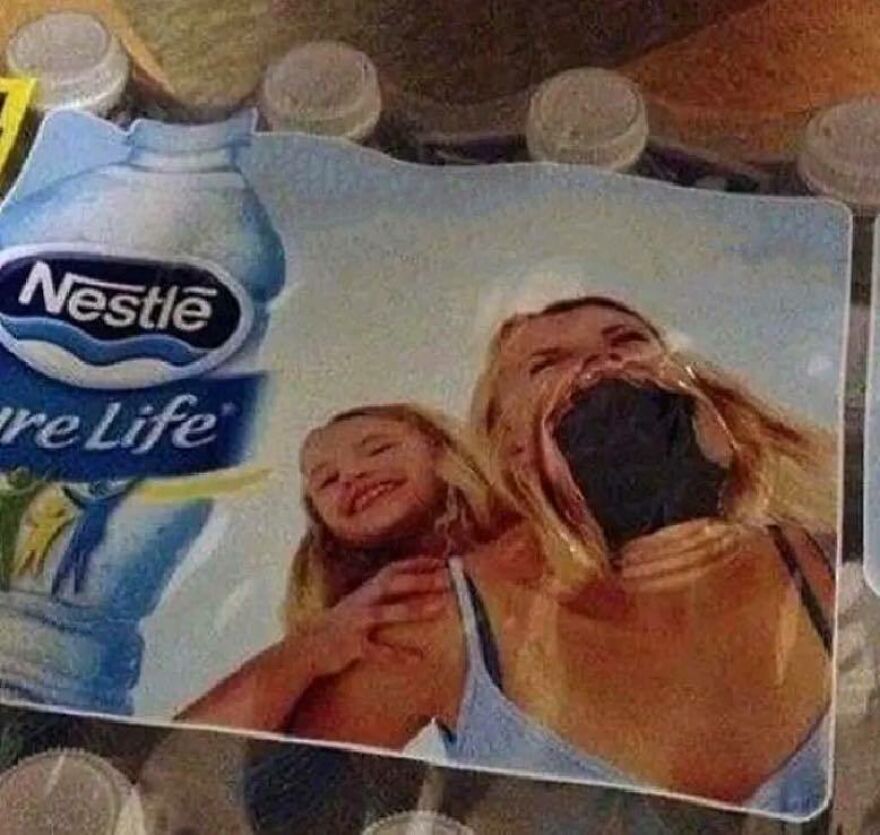
The mirror underneath is a new addition to this photo we see a lot on BP.
Seeing these chaotic internet pics and random memes makes you realize that life can be very unpredictable. So you, in turn, need to become adaptable to thrive, not just survive. You can’t always predict what happens next. Plans turn out wrong. You’re hit by one bout of bad luck after another. But you can choose how you respond to failure.
If you constantly feel frustrated and anxious over every little unexpected thing that happens to you, you will live an incredibly stressful life. That will affect your physical and mental health. So, what’s the healthy mindset to have when things don’t quite go as planned because the universe is feeling particularly random today? Let’s get into it.
The key is to stay as flexible as possible and look for alternative solutions when you’re hit with a series of unexpected events. That’s easier said than done, of course. Failure often feels very personal, even though it’s potentially an opportunity to learn, adjust, and grow. If you keep crashing out and lashing out every time your plans fall apart, you’re not spending your time very productively. Plus, that kind of behavior is going to add tension to your relationships.

According to Meghan Marcum, PsyD, a chief psychologist at AMFM Healthcare, one thing you can do when your plans fall apart is reflect on your reactions. For instance, you might feel disappointed, angry, upset, or anxious. Try to analyze why you feel this way. When you learn to recognize your emotional triggers, you can then move on to managing them.
“When the plan is disrupted or changed suddenly, it can cause anxiety, frustration, irritation, anger, disappointment, and other negative feelings. If these changes were unanticipated, they can sometimes cause conflict and disruptions in our relationships with others,” Marcum explained.
Try to work on becoming more flexible. For example, when something changes in your schedule, think about how it affects you and how you can realistically adapt.
Try not to assume the worst. Be calm and logical about how you can adjust to the changes. You might be surprised by how capable you are at coping with your plans falling apart.
It’s also helpful if you focus on solutions rather than ruminating on the events themselves. Think about the most productive things that you can do instead of lashing out.
Meanwhile, recalibrate your expectations. Perfection is often impossible to achieve. The more realistic you are, the better… especially if you can adapt and adjust as needed.
Marcum notes that something may not go the way that you planned it, however, it doesn’t mean that it didn’t go well. There is, after all, more than one way to do something.
You have to open yourself up to other options and opinions. This shift in your mindset can help you enjoy what’s happening more, instead of being constantly stressed out.
Meanwhile, don’t think that you have to deal with all the chaos alone. Reach out to someone you trust. Ask for help. Brainstorm some solutions or just ask for emotional support.
Even small disturbances in your routine can add stress to your day and make you feel like everything is going off the ‘right’ track.
The main unhealthy and unhelpful things that people tend to do when coping with their plans falling apart, according to Verywell Mind, are:
Meanwhile, psychologist Jennice Vilhauer, PhD, points out that the unexpected things life throws at us can be both positive and negative. The more serious negative events can be very distressing.
She points out that your ability to think creatively and solve problems is a huge boon in these situations. The caveat is that negative emotions (fear, anger, frustration, etc.) can reduce the efficiency of your brain’s executive network.
“Although you can’t control the occurrence of unexpected situations, you can control how you respond—and that can make all the difference in how you feel and how you deal with distressing issues,” Vilhauer writes.
“There is a huge difference between a reaction and a response. A reaction comes from an automatic part of the brain. It is almost like a reflex. Reactions are very quick, especially when we feel threatened in some way. On the other hand, a response is something you consciously choose to do based on a more thoughtful assessment of a situation.”
So, when you pause and take time to think after something happens, you become more mindful of the people around you. The result is a more deliberate and constructive response instead of a potentially harmful reaction that makes things even worse.
Furthermore, Vilhauer urges people to be more open-minded when thinking about their wants and alternatives.
“Most people automatically assume that if something they don’t want happens to them, it's a bad thing that will likely lead to an even worse outcome down the road,” she states.
“For most of the things that happen to you, there's no way of knowing whether they will be a bad thing or a good thing—and which one an event turns out to be often has a lot to do with how you respond.”
She adds that “unexpected situations often have the potential to open the door to new events in our lives that we do want.”
According to her, having a “we shall see” attitude and making an effort to be hopeful is helpful and healthy.
Moreover, there is a lot of power in developing confidence in yourself to handle whatever life throws at you. Knowing that you can overcome tough odds, based on your prior experience and current skills, can empower you.
“When you redirect your attention from a problem to the knowledge that you're able to handle it, you will start to feel better,” Vilhauer notes.
‘Weirdnet’ has been amusing people on Facebook since October 2017 and entertaining users on Instagram since January 2018. Over the years, the Italy-based curator has grown the Facebook account to great heights, with 937k followers on the network. Meanwhile, the Instagram account has a slightly more humble yet still solid following of 41.9k people.
The main goal of this social media project is to share weird, funny, odd, and random images and news snippets from around the internet. It’s this focus on mystery, chaos, and the unexpected that keeps netizens coming back for more.
Got some thoughts and insights that you want to share with your fellow Pandas? Got a snack or drink to keep you company? Good. Scroll down to the comments to share your perspective!
We want to hear from you. Which of these images made you do a double-take? On the flip side, which of these internet pics were so strange that you were glad to scroll past them? What is genuinely the most bizarre thing you’ve stumbled across online this week?
What’s your sense of humor like, and do you prefer ‘classic’ memes or ones like these that step completely outside most people’s comfort zones?
Tell us all about it.




















 No fees, cancel anytime