Get Premium
Dark mode theme is available exclusively for premium users. Learn more about the benefits of subscribing.
No fees, cancel anytime.

 Dark Mode Ad-Free Browsing Unlimited Content
 Ad-Free Browsing Unlimited Content Dark Mode
Join 1.2 million Panda readers who get the best art, memes, and fun stories every week!
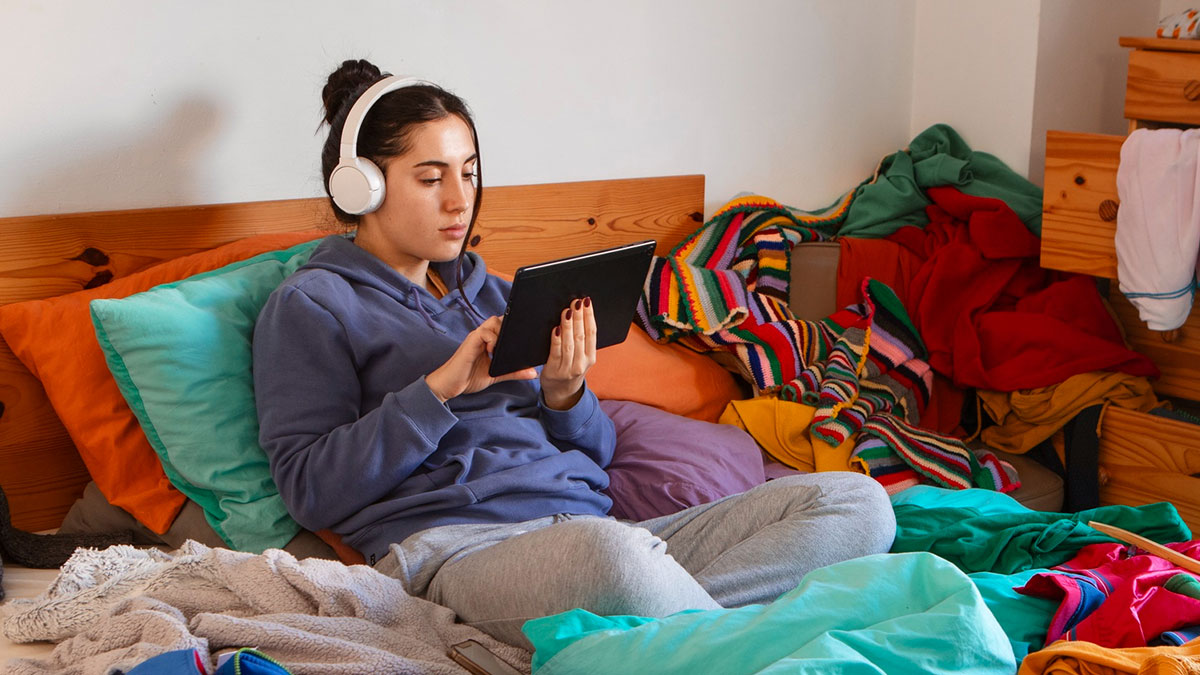
The thought of bringing a child into the world is often filled with hope, planning, and preparation. But what happens when the environment meant to nurture that child is unsafe, cluttered, and emotionally unstable?
For one family, this difficult question is no longer hypothetical. Today’s Original Poster (OP) shared that her friend, living with her hoarder mother and struggling with emotional immaturity, is expecting a baby. Now, she’s left with a difficult choice to make.
More info: Reddit
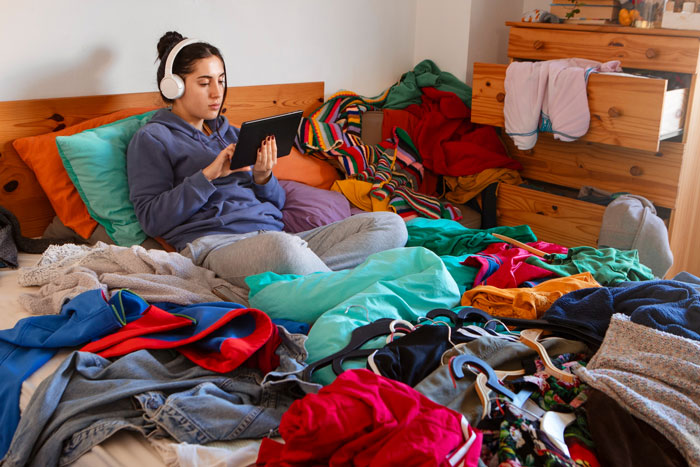
Image credits: freepik / Freepik (not the actual photo)
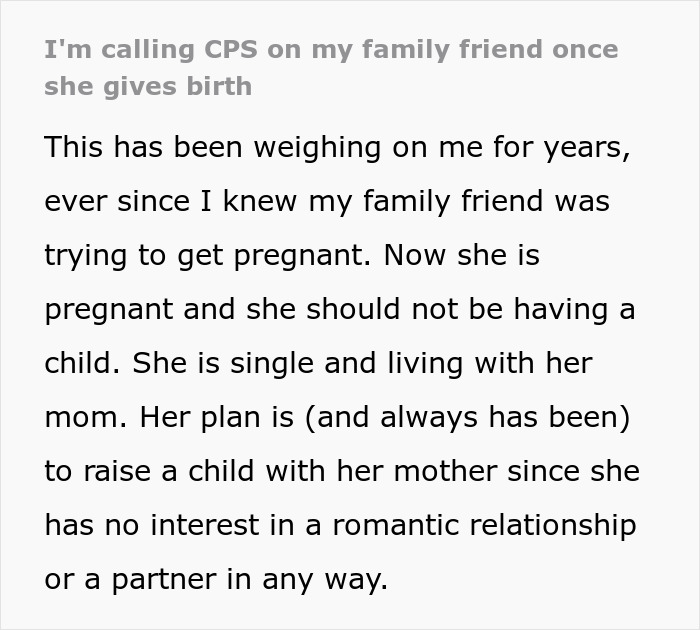
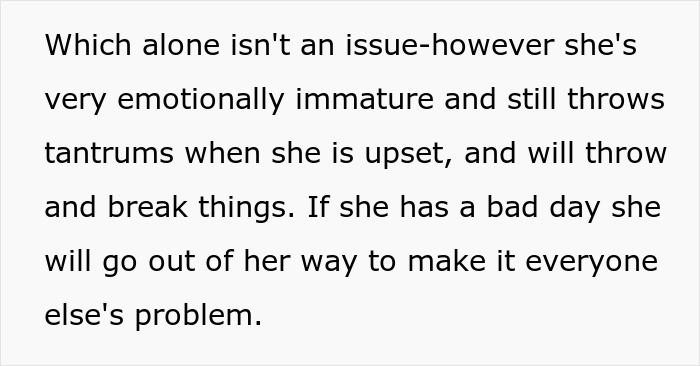
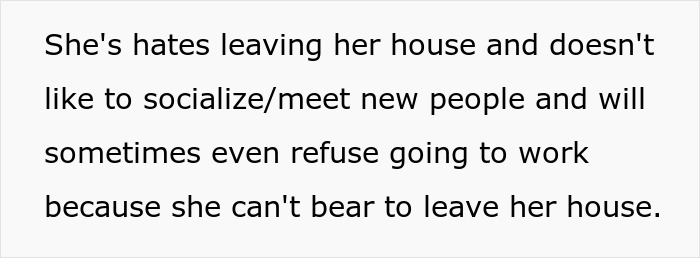
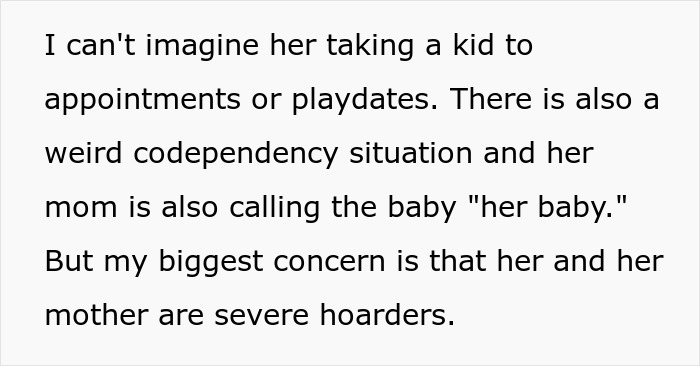
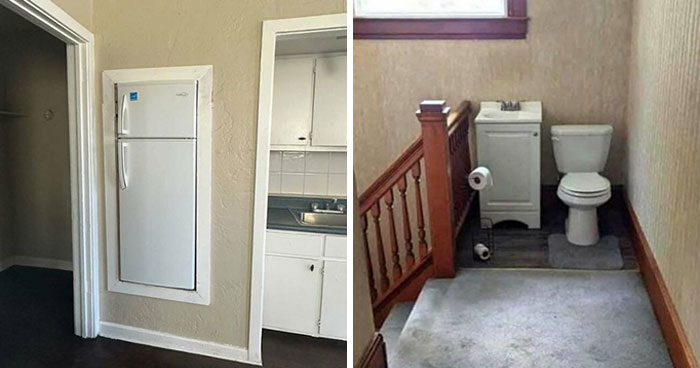
Image credits: shurkin_son / Freepik (not the actual photo)
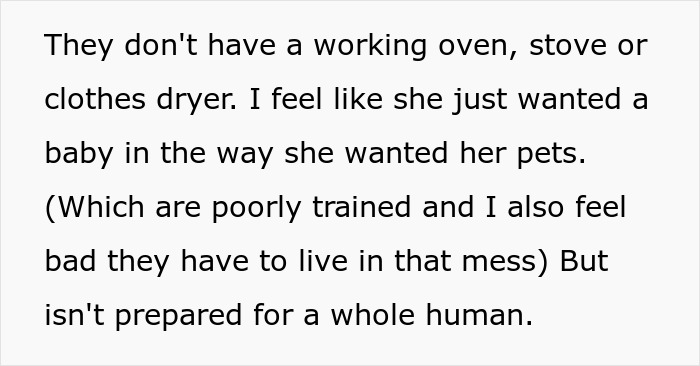
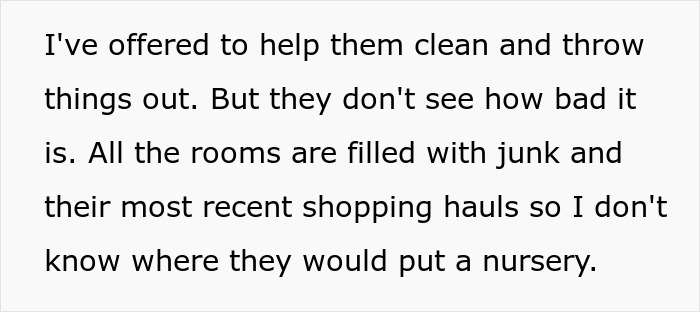
Image credits: pkproject / Freepik (not the actual photo)
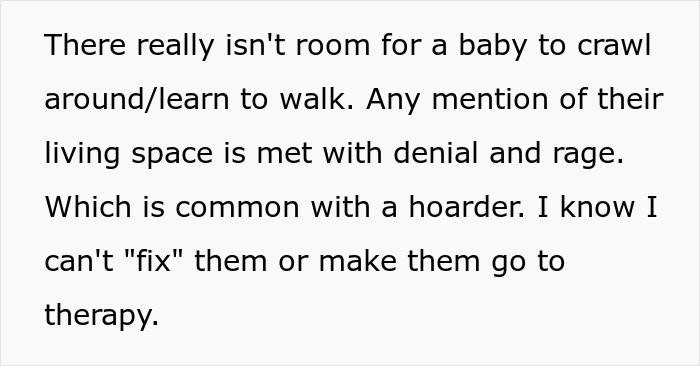
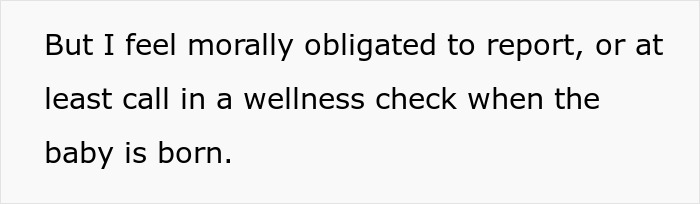
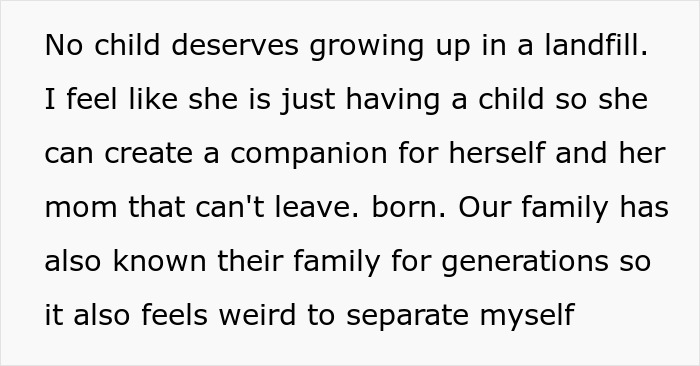
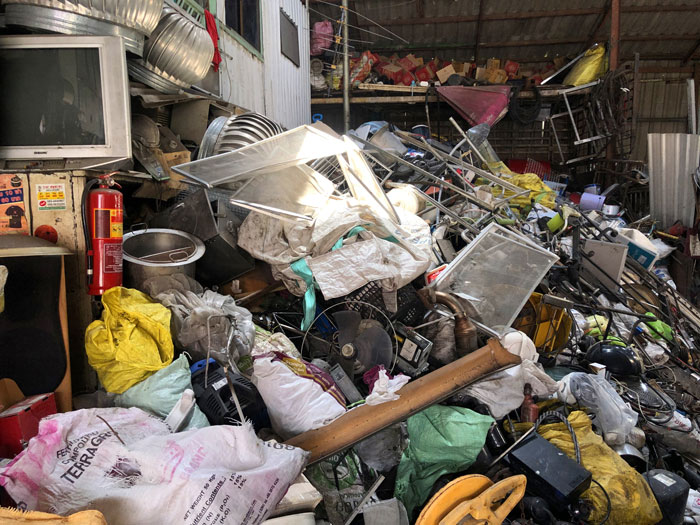
Image credits: Visual-Bother3601
The OP shared that her family friend never intended to raise a child with a partner. Instead, her long-standing plan had been to co-parent with her own mother. In fact, she rarely left the house, struggled to maintain work attendance, and avoided meeting new people entirely. The family friend was also quite emotionally immature, according to the OP.
Apparently, the family friend often reacts to stress with tantrums, property damage, and an inability to regulate her emotions. The most alarming issue for the OP, however, is the physical environment itself. She described the friend’s home as severely hoarded, with trash piled to the ceiling, mold, animal waste, blocked ventilation, and nonfunctional appliances.
The OP, who grew up in a similar environment, knew how harmful it was, and attempted to help clean the house. However, the family friend and her would respond with denial and anger. Caught between compassion and alarm, the OP now feels an overwhelming sense of responsibility.
Reporting the situation or requesting a wellness check after the baby is born feels like a betrayal of a family known for generations, yet staying silent feels like abandoning a vulnerable child.
Image credits: freepik / Freepik (not the actual photo)
Research shows that children raised in hoarded homes face risks that go far beyond clutter. According to Lifecycle Transitions, codependent relationships in these households can seriously disrupt parenting, as adults’ emotional needs and attachment to possessions often take priority over the child’s safety, development, and independence.
The dangers aren’t only emotional. Psychiatric Times highlights that hoarded homes frequently have poor air quality, with high levels of dust, mold, and allergens that can trigger asthma, chronic cough, and repeated respiratory infections. Rotting food, animal waste, and damp clutter further degrade the environment, increasing the risk of breathing problems and worsening existing lung conditions.
For a newborn or young child, living in such conditions could be directly harmful to physical health. Beyond the immediate risks, the long-term psychological impact of hoarding households is also profound. Psychology Today explains that individuals who grew up in such homes often carry years of shame, fear, and isolation, giving them a visceral understanding of the emotional toll these environments take.
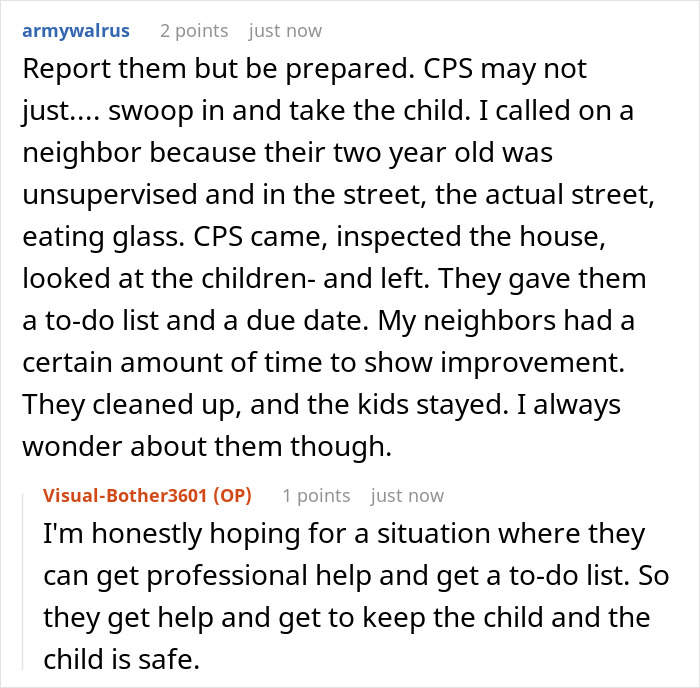
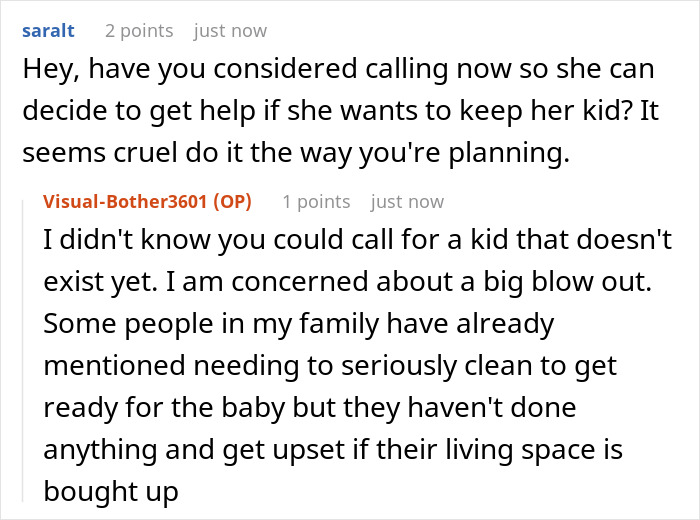
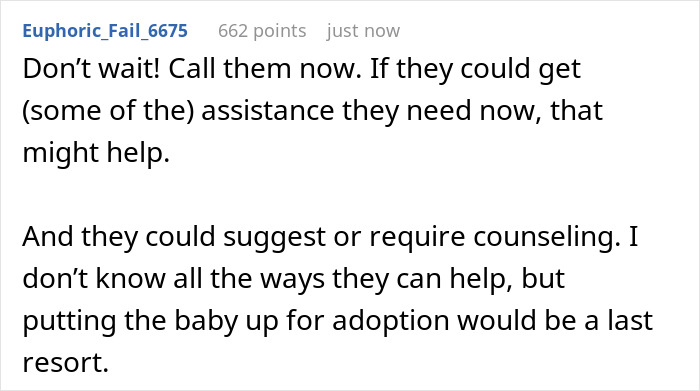
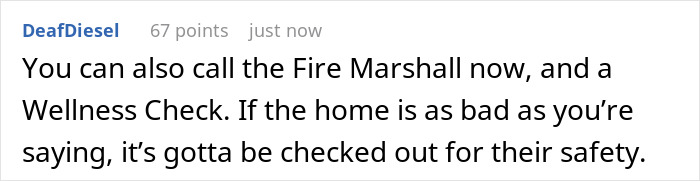
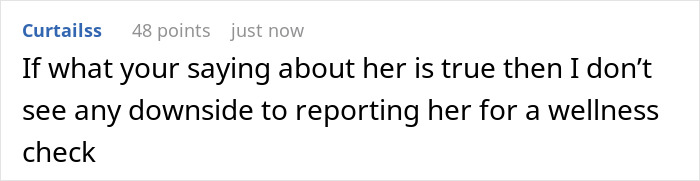
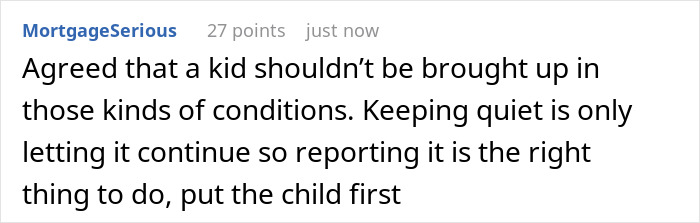
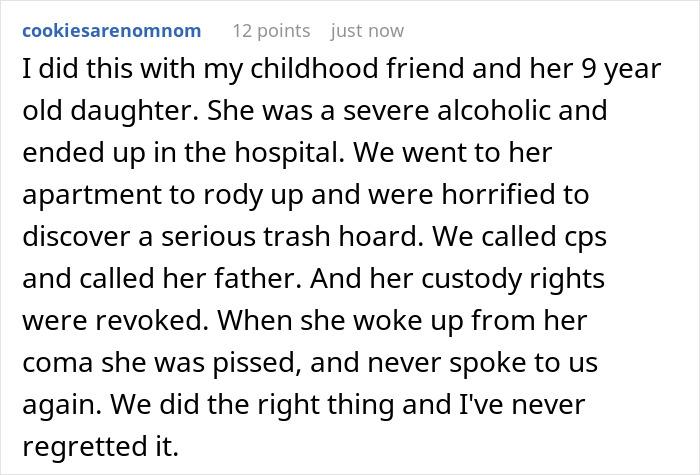
Netizens expressed urgent concern for the baby’s safety, highlighting the severe risks in the home. They emphasized that the environment is entirely unsuitable for a child and encouraged immediate action. What do you think about this situation? Do you think friends or family have a moral obligation to report unsafe living conditions for a baby? We would love to know your thoughts!
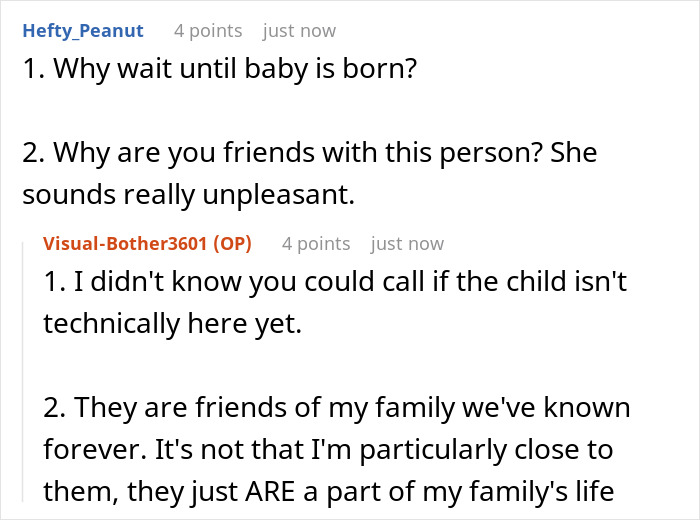
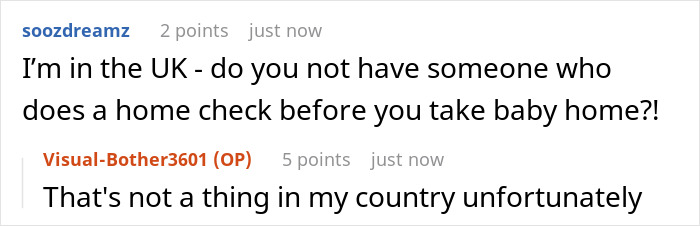




Absolutely call CPS. There's no way this woman should be allowed to raise a child. They are clearly deeply mentally ill. No child should be raised in that kind of filth.
Absolutely call CPS. There's no way this woman should be allowed to raise a child. They are clearly deeply mentally ill. No child should be raised in that kind of filth.
















 No fees, cancel anytime








19
1