Get Premium
Dark mode theme is available exclusively for premium users. Learn more about the benefits of subscribing.
No fees, cancel anytime.

 Dark Mode Ad-Free Browsing Unlimited Content
 Ad-Free Browsing Unlimited Content Dark Mode
Join 1.2 million Panda readers who get the best art, memes, and fun stories every week!
History is an endless source of adventure — just picture the bold battles, revolutionary events, and celebrated figures of our past. Sure, they might seem distant at first, but they also offer great insight into what shaped our world today.
Plenty of incredible people made it into textbooks and the minds of anyone who ever stepped foot into a history class. But some heroes did remarkable things yet didn’t get the recognition they fully deserved. That's why Reddit user mrnutterbutter123 felt the urge to find out who are some of the coolest people that ever walked this Earth.
More than 5.8K members of Ask Reddit rolled up their sleeves, shared their knowledge, and reignited our passion for the subject. From Andre the Giant to Tiananmen Square Tank Man, Bored Panda handpicked some of the best answers that vividly illustrate how our past is brimming with people who led fascinating lives. So continue scrolling and upvote your favorites as you go!
Psst! If you're hungry for some more historical facts, take a look at our older posts right here and here.
Click here & follow us for more lists, facts, and stories.
This post may include affiliate links.
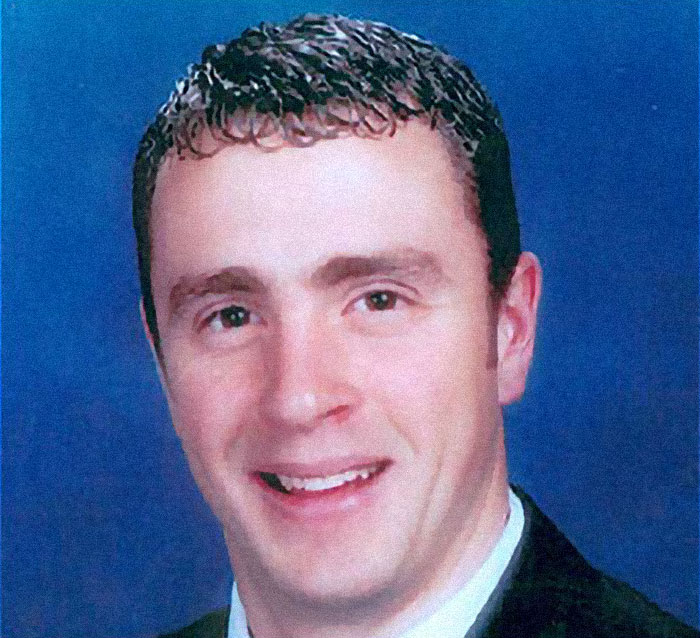 Welles Crowther, aka The Man In The Red Bandana. I’m sure most of us have thought about what it must have been like in the World Trade Center on 9/11 and it must have been debilitatingly petrifying. He was 24 years old working on the 104th floor as an equities trader. Made his way down to the sky lobby of the South Tower and found a badly burned woman, carried her down 17 floors, then went back upstairs to help guide others to the only passable stairwell. Stayed up there helping others and working with the fire department until the towers collapsed. He’s responsible for saving around 20 lives and [passed away] a [darn] hero.
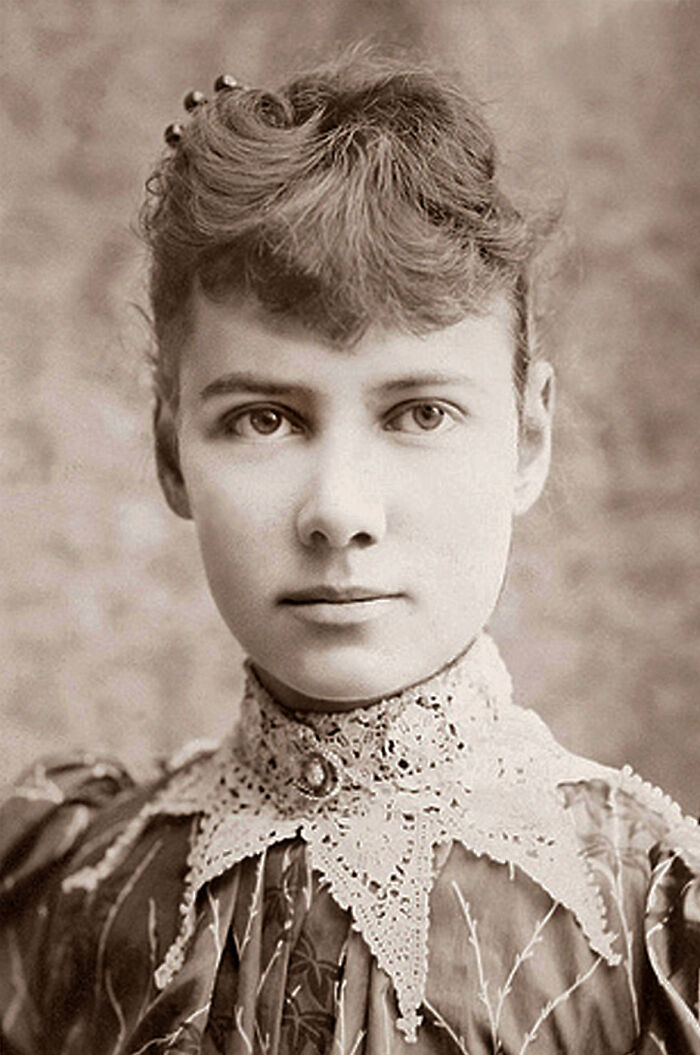 Nellie Bly . Went undercover and endured abuse to cover neglect and abuse in Blackwell’s asylum, went to Mexico and called out the dictator for going after the press and oppressing his people and then fleed/was exiled out of Mexico because of that, traveled the world in 70-something days to prove you could travel the world in 80 days or less (based off the the Jules Verne novel) , also did reporting on the Eastern European front in World War One and also was arrested after she was mistaken for a British Spy, and she did so much more ! Such a cool girl and one of my historical heroes.
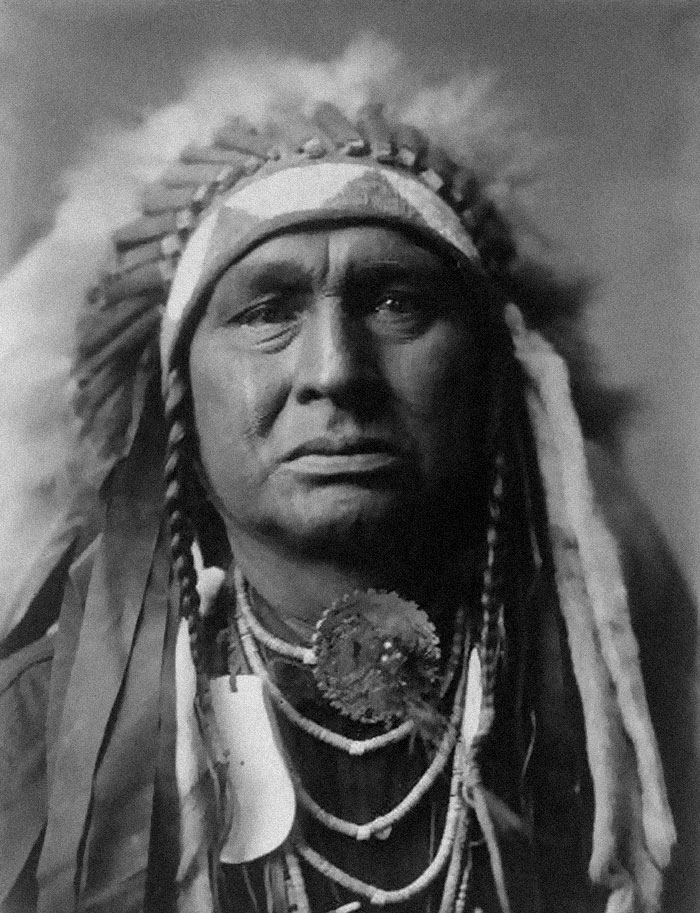 Joe Medicine Crow. The last legit Native American to earn the War Chief Title. In World War II he was a scout and wore traditional Crow Nation war paint and feathers. To become a war chief he had to touch an enemy without [unaliving] him, take an enemy's weapon, lead a successful war party, and steal an enemy's horse. He stole over 50 horses from the SS and earned a Bronze Star. Medicine Crow [passed away] at 102 years old. He was born with Woodrow Wilson in office and met Barack Obama before he [passed away].
Let's just put it out there — some people have a difficult time with history. Well, you can hardly blame them when this subject is often presented in a way that puts more focus on memorizing the facts than on fully understanding them. In classes, students get offered a fair share of names and dates that happened years ago, and for some, learning them seems a waste of time and can even drive them away from the subject.
However, history can offer a lot to a person — if they’re only willing to look. It is rich with stories of people who led full and intriguing lives, came up with brilliant plans and inventions, and achieved great accomplishments. Thanks to historical documents and word of mouth, we can still discover new names that slipped through the cracks of a broader historical scope.
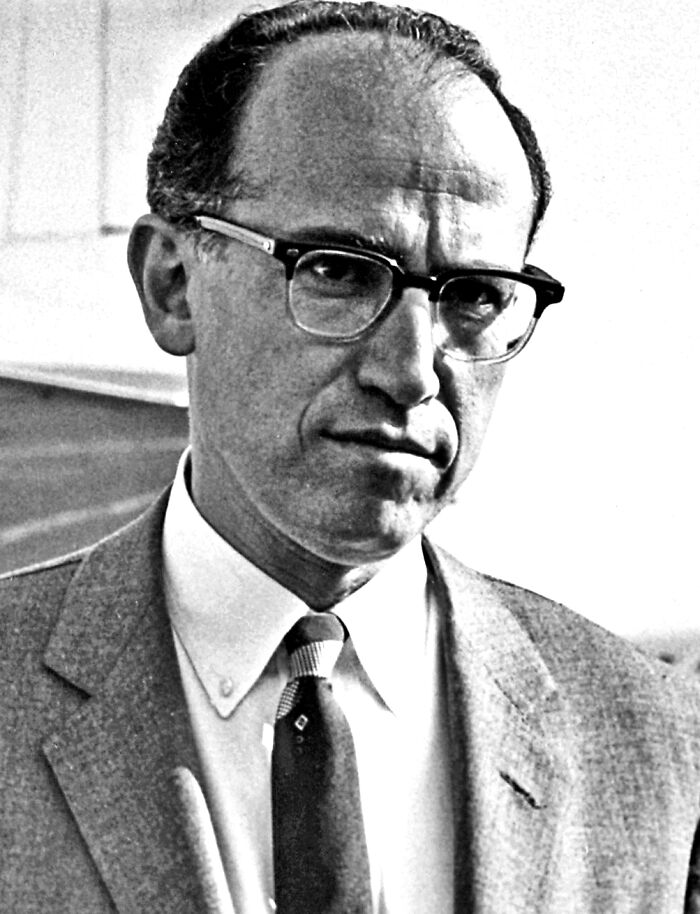 I always felt Jonas Salk was pretty cool. The dude created the first successful polio vaccine and gave away the cure for free.
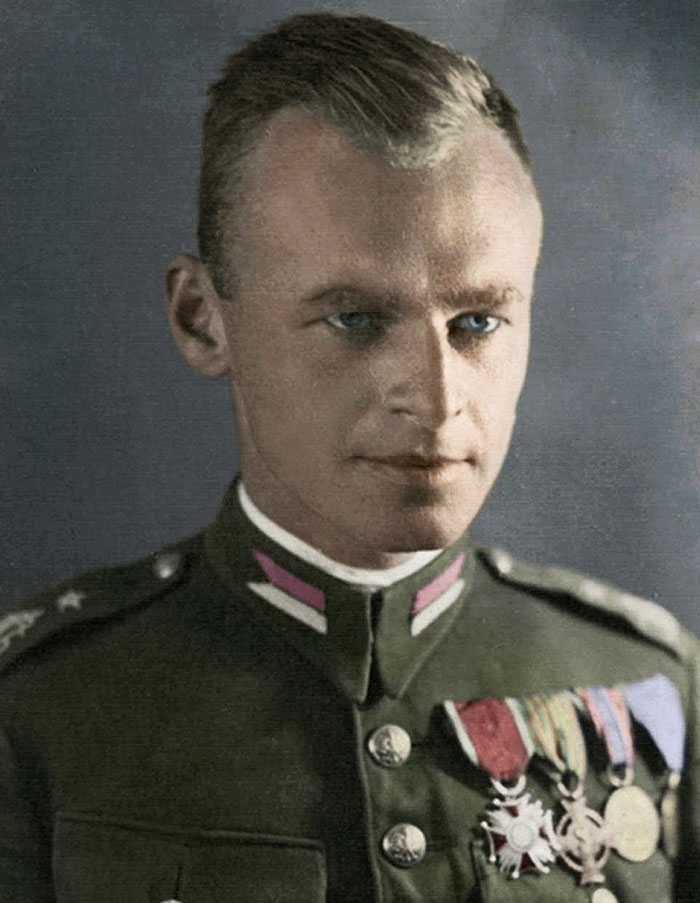 Witold Pilecki, a man so b***** that he voluntarily and secretly went into Auschwitz as a prisoner and spy to gather information; while there he regularly made reports on conditions and also organised resistance. As the the war dragged on and conditions became worse, he then successfully broke out of Auschwitz so that he could personally convince his superiors of the truth, as they found his reports too ghastly to be real.
Scrolling through this list, you can find absolutely phenomenal people you might never have heard about. And no wonder why — the world is far too complex to know everything, and history is extremely vast. At the same time, it is also one of the most popular subjects — nearly everyone seeks to learn something about the past at some point in their life.
"If someone doesn’t love history yet, they probably haven’t learned about the area and period that will capture their imagination," Darren R. Reid, Ph.D., a lecturer in history at Coventry University, told Bored Panda in a previous interview.
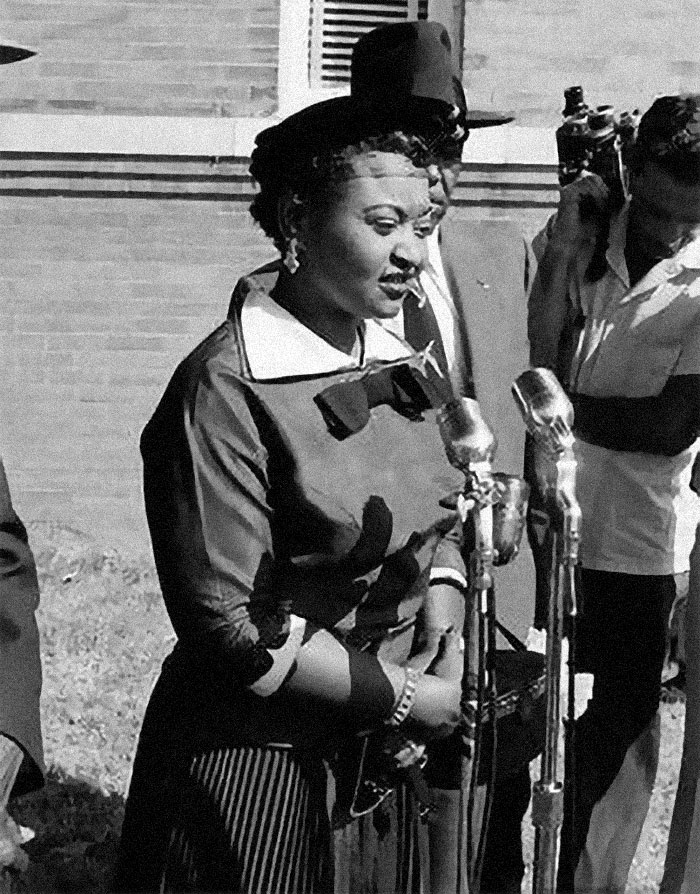 Maime Till-Mobley Her son (Emmett Till) was lynched because he wolf whistled at a white woman named Carolyn Bryant. Carolyn’s husband and his step brother kidnapped Emmett and had tortured and Murdered him. His body was found in the Tallahatchie River and it was beyond recognizable. When his mother received the body in Chicago she held an open casket to show the world what racism does to black children. Today is actually her birthday so... Happy Birthday Mrs.Mobley. In my eyes she is the coolest person in history.
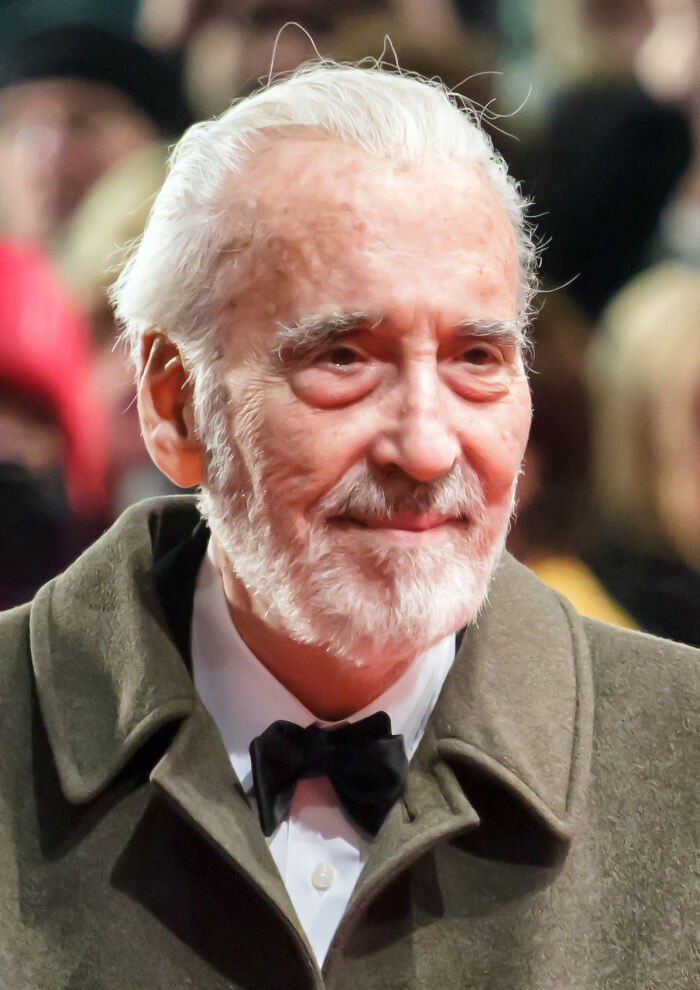 Christopher Lee, the actor behind Count Dooku, Saruman and many others was a certified bad a**. Spy and N**i killer in WWII. Had a couple heavy metal albums as well.
Whether people come across a captivating story, a fascinating personality, or simply see a funny historical meme while scrolling on social media, it can help them learn about compelling chapters of the past that they didn’t even know existed.
According to Reid, history teaches you how to investigate complex, world-shaping events, how to systematically find and analyze evidence, and how to communicate your ideas.
"People who study history become critical thinkers with a powerful analytical toolset and the ability to communicate complex ideas," he added. "Those are incredibly important skills — and they develop them whilst learning about the past and the forces that have shaped our society."
"Studying history is not just about gaining knowledge — it’s about gaining important skills that can be used to find success in a dizzying array of jobs and careers."
 Hedy Lamarr. She became a Hollywood movie star, then went on to pioneer technology used in bluetooth and Wi-Fi.
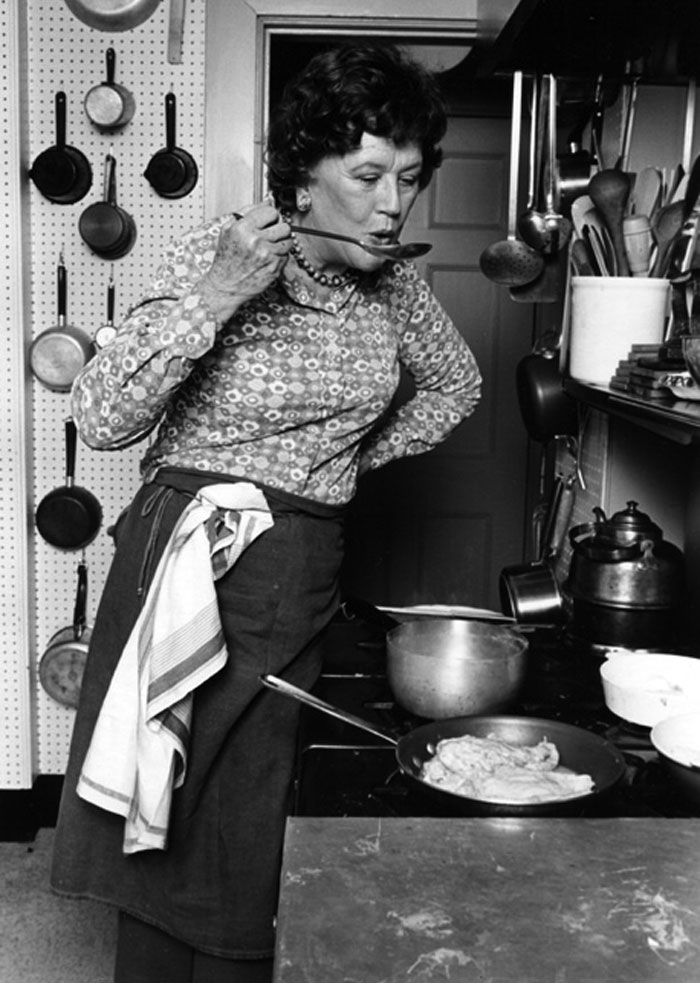 The clear answer is Julia Child. This superwoman was a WWII spy, invented shark repellent, singlehandedly brought French cuisine to America, was over 6 feet tall, was a bestselling author, was a champion woman’s basketball player, regularly went small game hunting, was known as an avid prankster, the recipient of multiple Emmys, the French Legion of Honor, the Presidential Medal of Freedom, and honorary doctorates from several universities including Harvard, was a dedicated wife, and is beloved worldwide to this day. Honestly, her Wikipedia page is an absolute roller coaster ride if anyone is interested.
Discovering the little tidbits of information that surround a specific chapter of our past can help us deepen our knowledge and understand why things happened the way they did. Studying basic facts about distant eras and events can change our perspective, accelerate our critical thinking, and allow us to think of new brilliant ideas.
However, as with everything we see on the internet, we should take every new piece of information with a pinch of salt. After all, not every historic truth or detail is true. So Reid explained that we must check our sources. "The internet is an incredible tool, but it is also responsible for producing and disenchanting a lot of bad information."
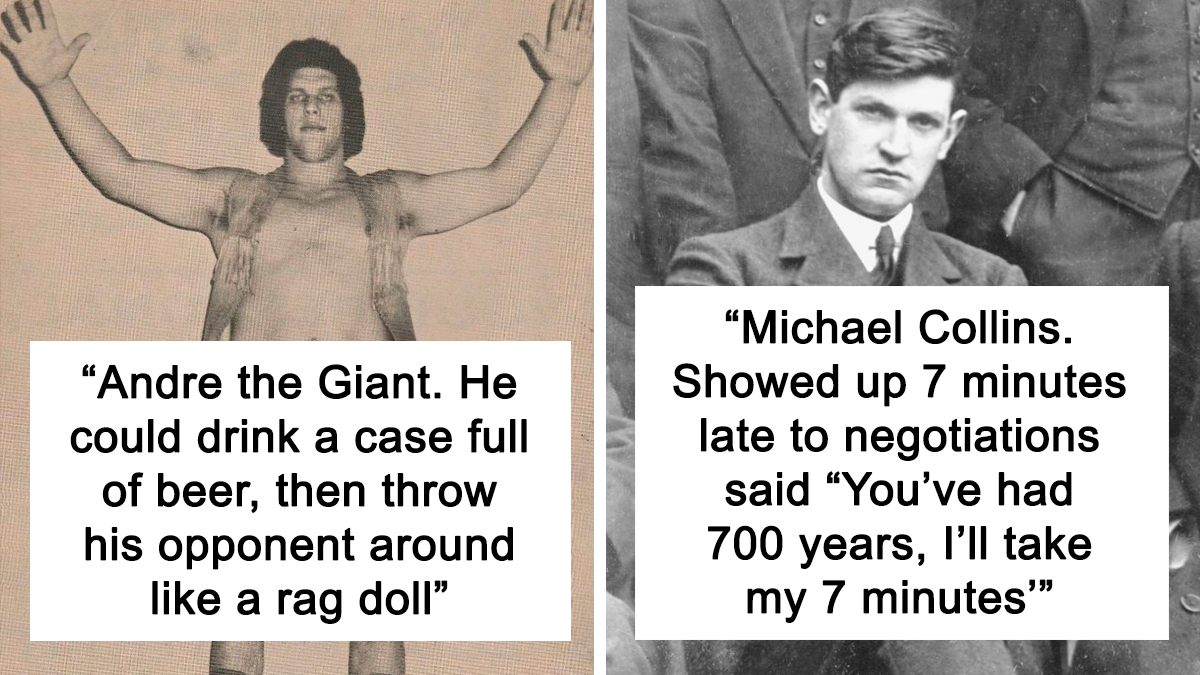
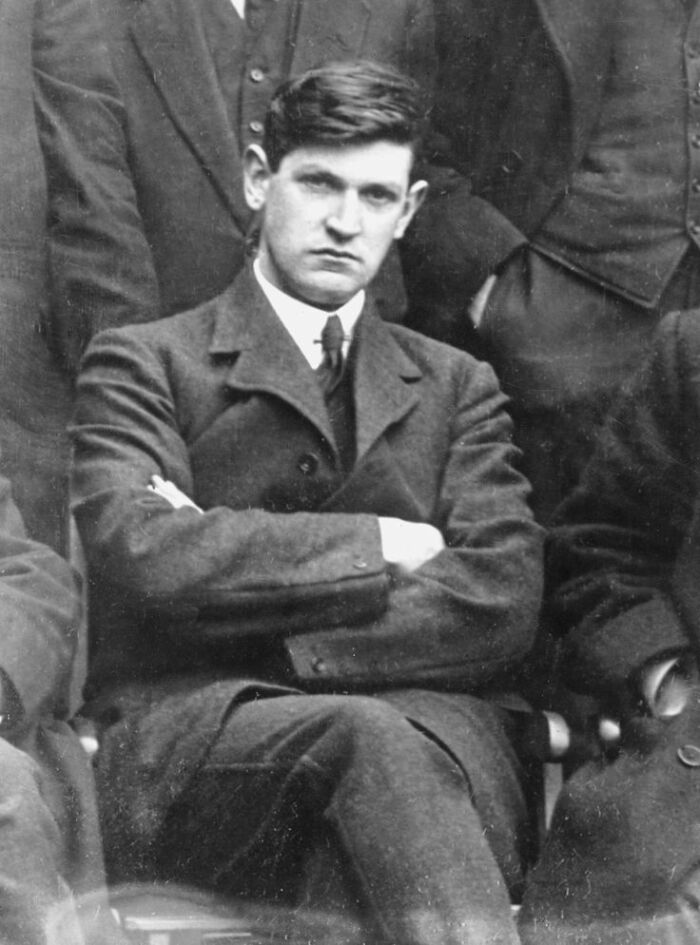 Michael Collins. Showed up 7 minutes late to negotiations for the Anglo-Irish Treaty in 1922, and when he was corrected said “You’ve had 700 years, I’ll take my 7 minutes”
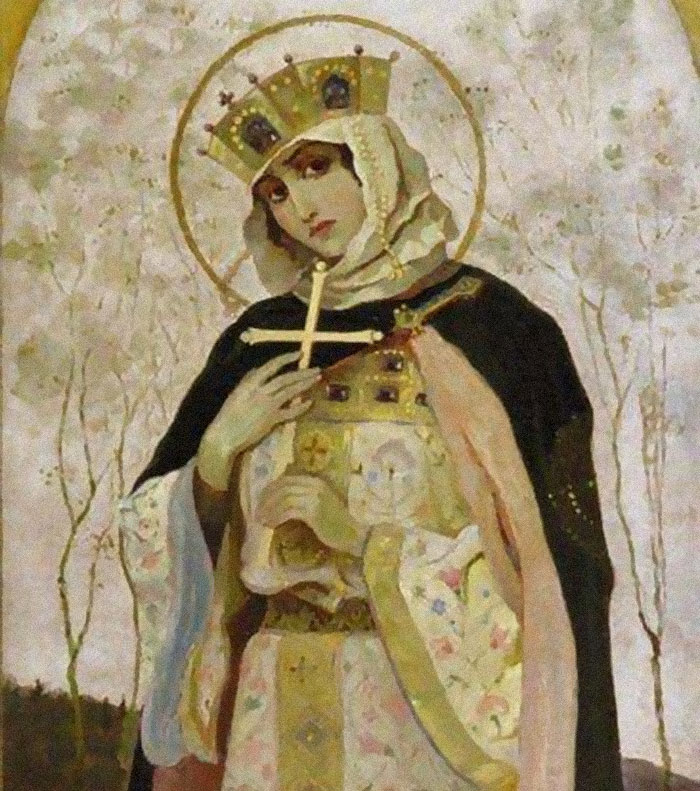 Olga of Kiev This lady lost her husband and when it was proposed she marry his murderer, she was like 'sure, send a delegation over so we can talk this out' and they came. She had them dropped in a pit and buried them alive. Then she had another party of men sent to talk about the marriage, and they came. She said, 'hey, it was a long journey, why not come relax in this bathhouse' and they did. She set the bathhouse on fire when they were in it. Then Olga went and sent the Drevilians another message, 'hey bring out the booze i'm coming to mourn my husband in your city'. She came, she mourned, she got the Drevilians drunk, and she had them [taken out] by her followers while they were drunk off their mind. Olga went and got her army, laid siege to the place where her husband was [unalived] for a year, then told them 'I'm willing to forgive and forget if you guys give me a bunch of birds' and the Drevilians did. They turned the birds into mini matches by attaching sulphur to their legs, and then released them. Set the city on fire. savage.
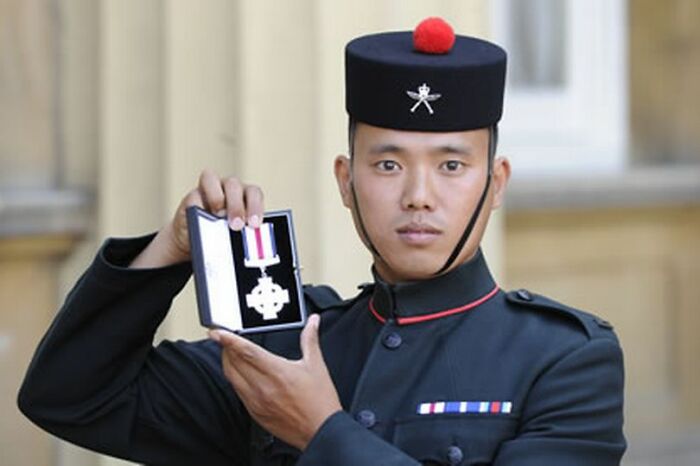 Sgt. Dipprasad Pun of the royal Gurkha Rifles He took out 30 Taliban by himself and was awarded the Conspicuous Gallantry Cross.
To avoid accidentally believing false facts and bogus theories, Reid noted — "Don’t take anything for granted". Especially today, when we can find most historical documents, letters, speeches, and many more sources with a few searches and quick clicks on hyperlinks.
"Look to the works of credible scholars to ensure the accuracy of whatever you’ve read or whatever you intend to produce," the lecturer added.
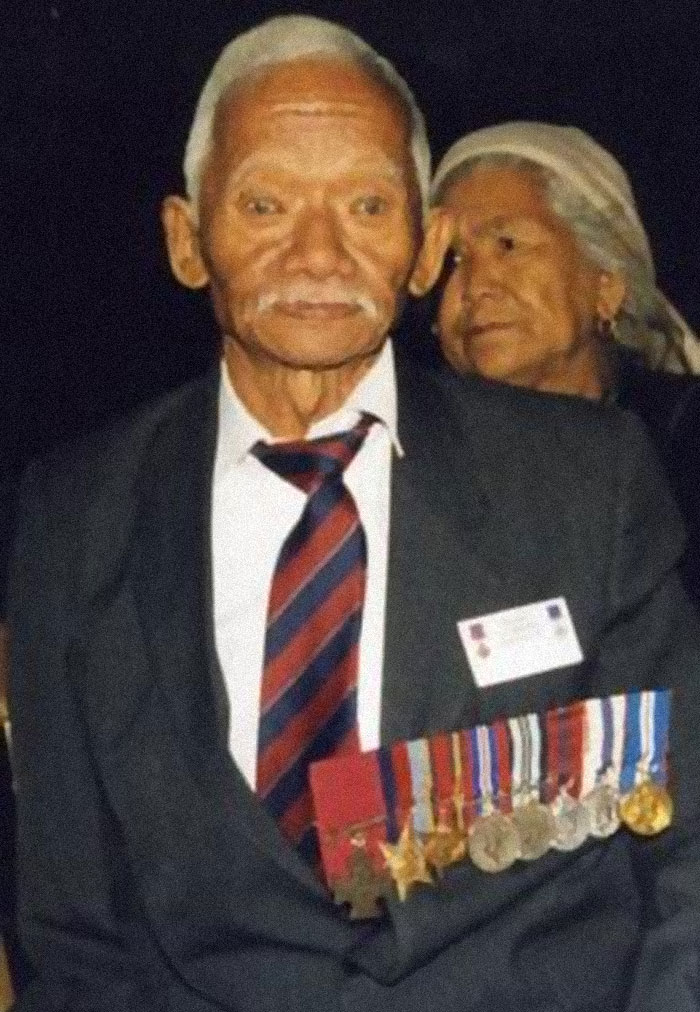 Lachhiman Gurung. On 12/13 May 1945 at Taungdaw, Burma [now Myanmar], Rifleman Lachhiman Gurung was manning the most forward post of his platoon which bore the brunt of an attack by at least 200 of the Japanese enemy. Twice he hurled back grenades which had fallen on his trench, but the third exploded in his right hand, blowing off his fingers, shattering his arm and severely wounding him in the face, body and right leg. His two comrades were also badly wounded but the rifleman, now alone and disregarding his wounds, loaded and fired his rifle with his left hand for four hours, calmly waiting for each attack which he met with fire at point blank range. ...Of the 87 enemy counted in the immediate vicinity of the Company locality, 31 lay in front of this Rifleman's section, the key to the whole position. Had the enemy succeeded in over-running and occupying Rifleman Lachhiman Gurung's trench, the whole of the reverse slope position would have been completely dominated and turned. This Rifleman, by his magnificent example, so inspired his comrades to resist the enemy to the last, that, although surrounded and cut off for three days and two nights, they held and smashed every attack. His outstanding gallantry and extreme devotion to duty, in the face of almost overwhelming odds, were the main factors in the defeat of the enemy. TL;DR Guy gets surrounded by 200+ Japanese troops, his comrades get taken out and gets left alone, stabs his knife in the floor and declares no Japanese passes that line, throws back several grenades until one explodes, obliterates his hand, injures his arm and face so he just loads his rifle with his other hand and shoots at least 31 [unalive] (literally single handedly). And this lasted for four hours, not a quick 10 minute burst. The Gurkhas are either brutally heroic or ridiculously insane (or probably both). They will be outmanned and outgunned but they will never be outfought. They would take a knife to a gunfight. And they'd probably win.
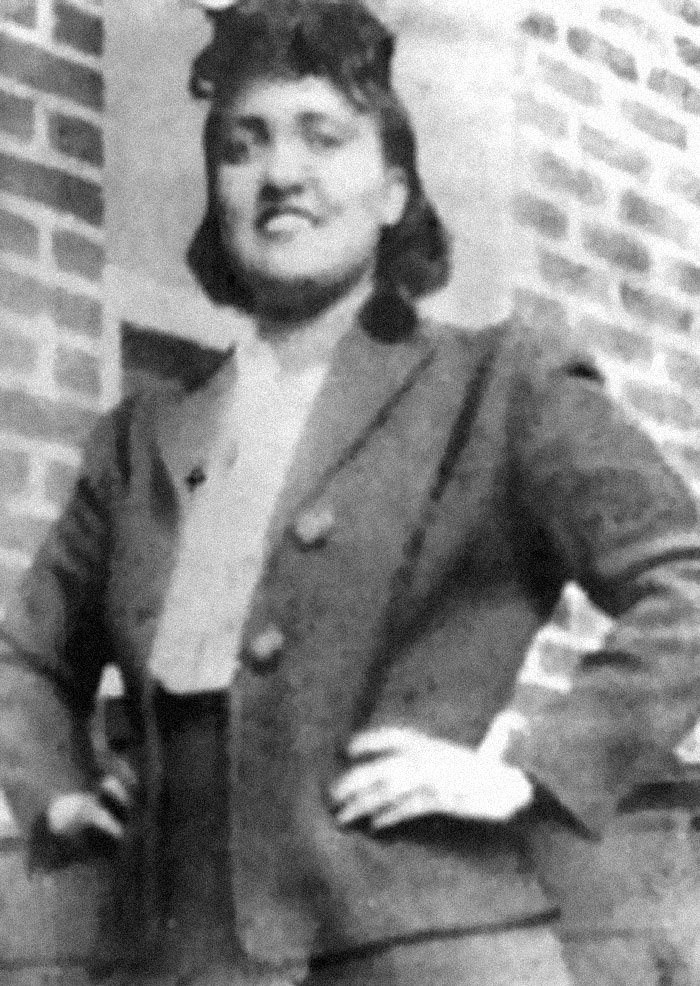 Henrietta Lacks. Henrietta Lacks (born Loretta Pleasant; August 1, 1920 – October 4, 1951) was an American woman whose cancer cells are the source of the HeLa cell line, the first immortalized human cell line and one of the most important cell lines in medical research.
Our past is full of charming and brave people, but you might have missed them in your history class. Reid advised you to be curious and explore the past. "Learn the lessons our ancestors teach us through their words and actions. Learning about the past is one of the best ways to understand why we — all of us — act the way we do."
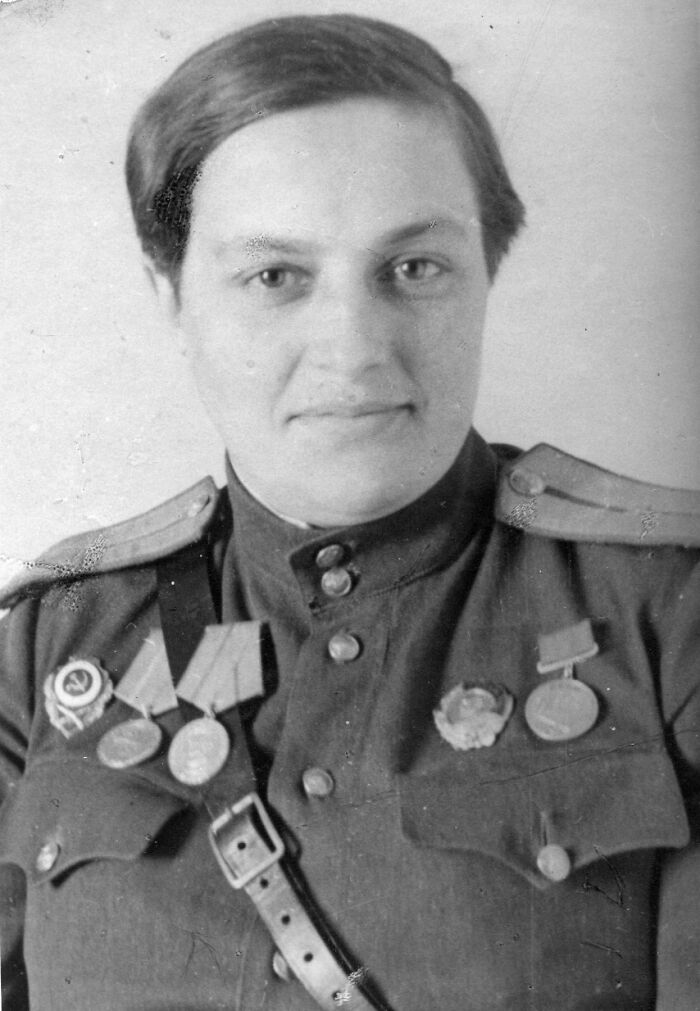 Lyudmila Mikhailovna Pavlichenko (née Belova; 12 June [O.S. 30 May] 1916 – 10 October 1974) was a Soviet sniper in the Red Army during World War II, credited with 309 confirmed [take outs], making her the most successful female sniper in history.
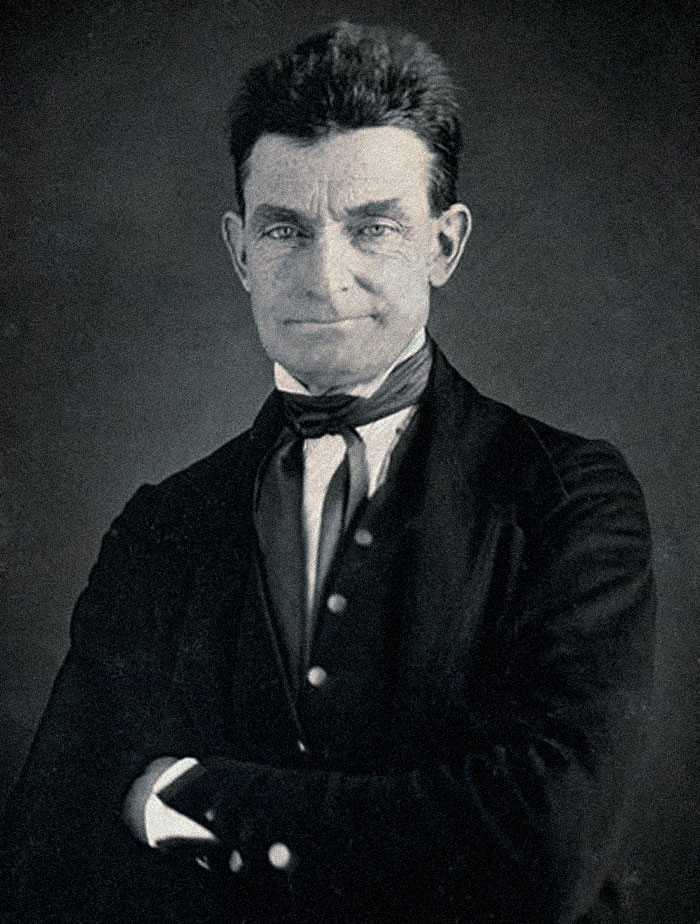 John Brown, an abolitionist who organized a slave revolt, and was hanged for it. Absolute boss, yet still vilified as being 'too radical' even today.
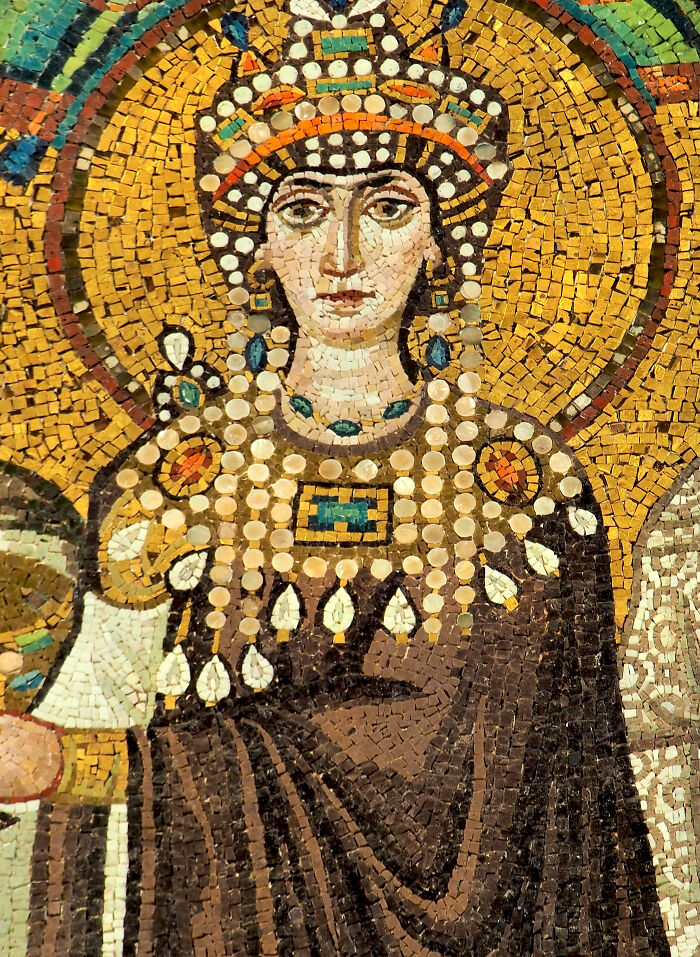 Theodora, Byzantine Empress. She started out as an actress, and the Emperor Justinian fell in love with her. Despite objections, they got married. During the Nike Revolts, her husband almost fled the city of Constantinople and nearly lost the empire. She stood up to him and reasoned with him, urging him not to leave. He stayed, put down the riots, and went on to lead the empire well for many years with Theodora by his side. His most lasting legacy was a massive overhaul and simplification of 1000 years of Roman/Byzantine law into what is now called the Justinian Code. It's often a model for modern systems of jurisprudence.
 Tony Iommi. On the very day he was about to quit his job, he got the tips of two of his fingers on his right hand cut off. Thought he would never play guitar again, but he went on the essentially invent heavy metal. That's pretty b***** imo.
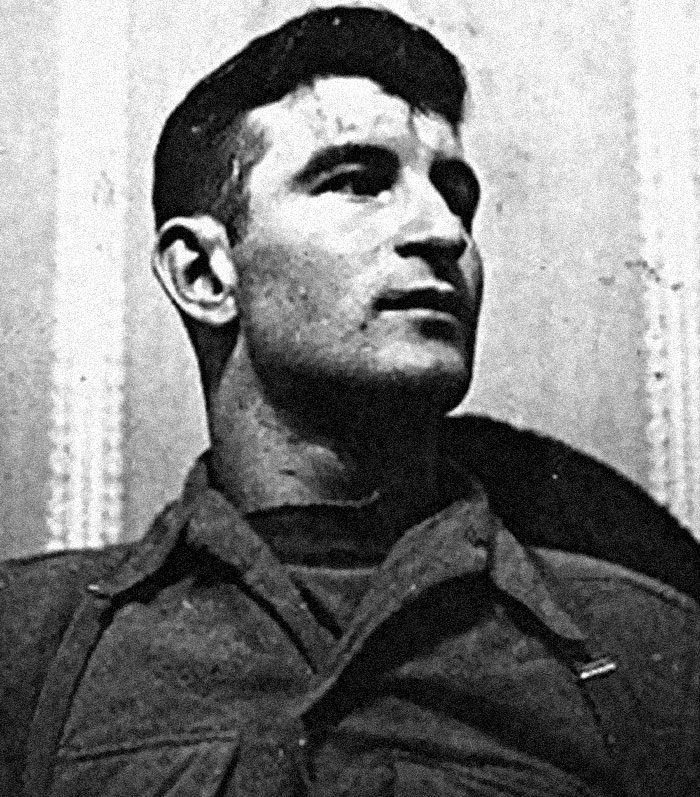 Léo Major Dude turned down his first Distinguished Combat Medal because he didn't like the general who was supposed to give it to him. All good though, he earned two more. A movie about him would be called too unrealistic if they made one.
You Might Also Like: Unsettling images: 25 photos that changed after a second look


























 No fees, cancel anytime