Get Premium
Dark mode theme is available exclusively for premium users. Learn more about the benefits of subscribing.
No fees, cancel anytime.

 Dark Mode Ad-Free Browsing Unlimited Content
 Ad-Free Browsing Unlimited Content Dark Mode
Join 1.2 million Panda readers who get the best art, memes, and fun stories every week!
Ozzy Osbourne lived a life of great excess. And when he died this year at the age of 76, many were saddened but also surprised that it hadn't happened earlier.
“[He] had lived on the edge for such a long time, the fact he lived as long as he did was a miracle,” the rocker's close friend, Tom Morello said on a radio show.
It turns out the miracle was in his genes. You see, Osbourne had a rare genetic mutation that allowed him to metabolize alcohol and other substances much faster than normal. And this, say scientists, is what kept him alive despite decades of self-destructive behavior.
That interesting fact is one of many that can be found on an Instagram page called Science. The account has amassed a cool 1.7 million followers and it's not difficult to see why. Unlike many other facts pages, which purely share fast and fun tidbits, this one fleshes out each scientific fact and gives the context, explanation and source in a detailed caption.
Bored Panda has put together a list of the best posts from the page for you to scroll through instead of watching mindless shorts this weekend. So sit back, relax and let your brain thank you later. Don't forget to upvote your favorites.
This post may include affiliate links.
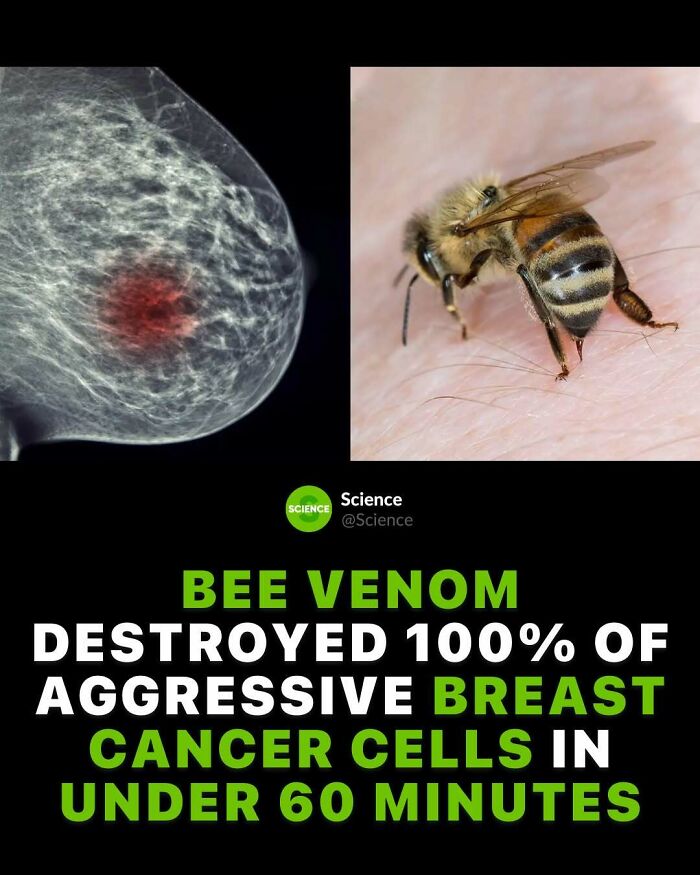
In a groundbreaking discovery blending nature with science, researchers found that bee venom can eliminate 100% of aggressive breast cancer cells in under 60 minutes!
The secret lies in melittin, a powerful molecule in honeybee venom that attacks and disables cancer cell membranes—while mostly sparing healthy cells. This remarkable finding opens new possibilities for targeted cancer therapies that could be both highly effective and less damaging than conventional treatments.
Though still in early stages, the research offers hope and reminds us that nature may hold answers to some of medicine’s toughest challenges. One day, the sting of a bee might symbolize not harm, but healing and resilience in the fight against cancer.

One reason to protect nature. Who else knows what potential cures exist in the world? Yet we as a species seem determined to wreck this planet.
Fish pulled from water don't just "flop around"—they suffer up to 22 minutes of excruciating pain before losing consciousness.
Scientists at the Welfare Footprint Institute just published the first study to measure exactly how much fish suffer during air asphyxiation, the most common method used to k**l over a trillion fish annually. The results published are disturbing.
Rainbow trout experience between 2 and 25 minutes of moderate to excruciating pain when removed from water, with an average of 10 minutes of severe suffering. Within just five seconds of air exposure, fish show neurochemical responses identical to what humans experience during intense pain.
"When standardized by production output, this corresponds to an average of 24 minutes per kilogram, with over one hour of moderate to extreme pain per kilogram in some cases," lead researcher Cynthia Schuck-Paim explained.
Here's what actually happens when fish are pulled from water: their delicate gills collapse and stick together, preventing oxygen exchange. Carbon dioxide from respiration builds up rapidly, triggering the body's alarm system and causing frantic gasping. The rising CO2 levels acidify their blood and spinal fluid, eventually leading to unconsciousness.
Fish aren't just reacting on instinct—they possess nociceptors, the same specialized pain receptors found in humans. Brain imaging shows these signals activate areas responsible for conscious experience, not just reflexes. When researchers injected rainbow trout with acid, they stopped normal behavior until given morphine, proving they actually feel pain.
The ice slurry method commonly used in restaurants might be even worse, slowing metabolism and prolonging consciousness while fish slowly suffocate.
Electrical stunning could reduce this suffering dramatically. Researchers estimate it could save up to 20 hours of moderate to extreme pain per dollar spent on humane equipment.
This research forces an uncomfortable question about the 2.2 trillion fish k****d yearly: if they feel pain like we do, what does that mean for how we catch our dinner?

The thought that other creatures don’t experience pain was always the stupidest theory. When my dad was cleaning fish when I was little and told me that, I assumed he was lying to make me feel better. Because even then, my child brain knew that was nonsense.
A single dose of magic mushrooms just beat years of daily antidepressants—and the effects lasted two full years.
Cancer patients with severe depression received just one 25-milligram dose of psilocybin in a clinical setting. Two years later, over half were still free from depression without taking any daily medication.
The results published in CANCER journal tracked 28 patients who underwent the treatment. After their single session, 50% achieved complete remission that persisted for 24 months. Compare that to traditional antidepressants, which require daily doses, often lose effectiveness over time, and need constant adjustments.
Even more remarkable: follow-up studies show 67% of patients remained depression-free five years after their single treatment session.
Dr. Manish Agrawal from Sunstone Therapies called it a "paradigm shift." Instead of managing symptoms with daily pills for years, patients experienced lasting brain changes from one carefully supervised session combined with psychological support.
The treatment isn't just swallowing a mushroom—it involves 11 hours of therapy before, during, and after the psilocybin experience. But the results speak for themselves: Johns Hopkins researchers found it worked four times better than conventional treatments.
This discovery challenges everything we know about treating depression. While millions struggle with medications that stop working or cause side effects, a single therapeutic session is providing years of relief. Scientists believe psilocybin creates permanent changes in brain function that persist long after the compound leaves the body, offering hope for the 280 million people worldwide living with depression.
Mushrooms are the saviour of this planet, there is no end to their usefulness to us and the environment.
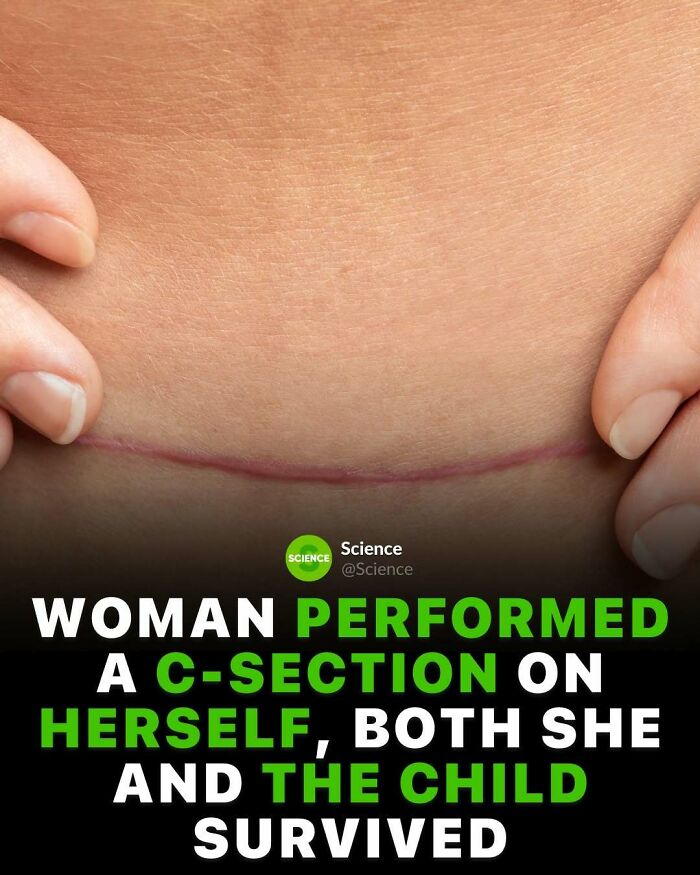
In the most desperate moment imaginable, a mother in rural Mexico did the impossible and survived.
On March 5, 2000, Inés Ramírez Pérez faced every pregnant woman's worst nightmare: 12 hours of agonizing labor with no medical help, no transportation, and the haunting memory of losing her previous baby to obstructed delivery. Living in a one-room cabin with no electricity, running water, or sanitation in the mountains of Oaxaca, the 40-year-old mother of six was completely alone when her husband went out.
With the nearest clinic over 50 miles away on treacherous mountain roads, Pérez decided to defy all medical logic. After consuming three glasses of hard liquor as anesthesia, she grabbed a 6-inch butchering knife and began c*****g through her own abdomen. Drawing on her experience slaughtering animals, she made three vertical incisions totaling 17 centimeters—much larger than a typical C-section—and reached inside her own uterus to pull out her baby boy.
The surgery took over an hour under a single dim bulb, during which she somehow avoided damaging vital organs by instinctively choosing a squatting position that positioned her uterus against the abdominal wall. After c*****g the umbilical cord with scissors, she wrapped her newborn son Orlando in clothes, sent her 6-year-old son for help, and lost consciousness.
When village health aide León Cruz arrived hours later, he found both mother and child alive—Pérez was alert and caring for her baby. Using an ordinary needle and cotton thread, he sewed up her massive wound before an 8-hour journey to the nearest hospital, where stunned doctors found no signs of infection, minimal bleeding, and perfect uterine recovery. Published in the International Journal of Gynecology & Obstetrics, her case represents the only documented successful self-inflicted C-section where both mother and child survived.
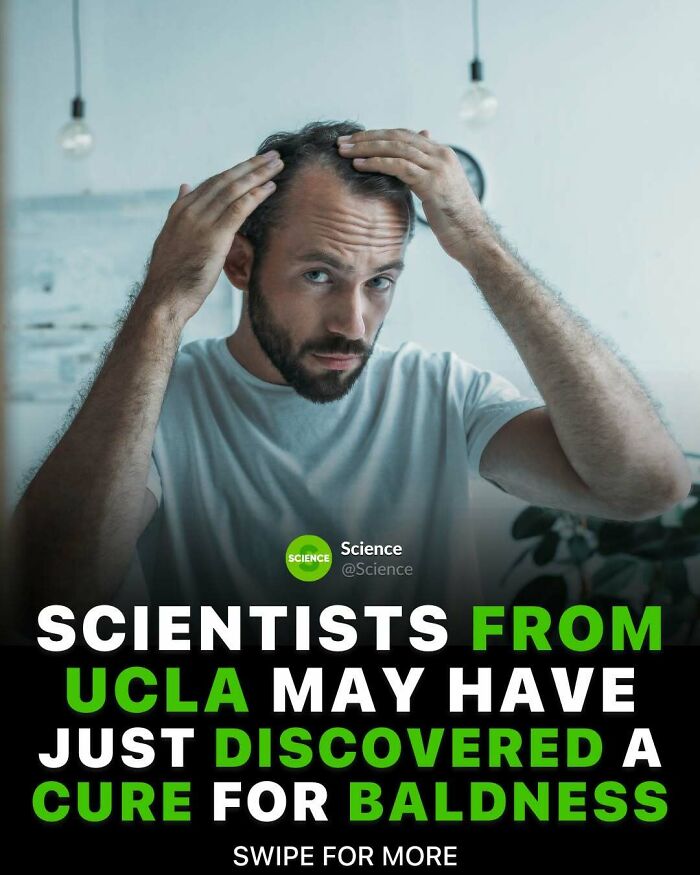
A week to a fuller head of hair? UCLA’s breakthrough cream makes it possible.
Hair loss may soon be history thanks to UCLA’s PP405 topical cream, which awakened dormant follicles in just seven days during early human trials. Unlike minoxidil or finasteride, PP405 works at the metabolic level—blocking a key protein that keeps hair follicle stem cells in hibernation. Once freed, these stem cells spring into action, producing robust, terminal hair instead of the fine fuzz most treatments yield.
In a Phase 2a study involving 78 men and women, participants applied the cream nightly for one week and began seeing new, thick strands emerge—and longer trials showed up to a 20% boost in hair density within eight weeks. This rapid regrowth surprised the UCLA team, who feared PP405 might damage follicles but instead confirmed its safety and efficacy.
Backed by Google Ventures and shepherded through UCLA’s Technology Transfer Group, Pelage Pharmaceuticals has raised over $16 million to fund larger trials and pursue FDA clearance. If all goes smoothly, PP405 could hit the market by 2027, offering a genuine cure for pattern baldness and post-chemotherapy hair loss.
Mexico City is rewriting its skyline—literally—with a bold experiment in urban greening known as Vía Verde. Spearheaded by architect Fernando Ortiz Monasterio and his firm Verde Vertical, the project transforms over 1,000 concrete pillars of the city’s Anillo Periférico highway into living, breathing vertical gardens.
These smart green columns span more than 60,000 square meters and are irrigated using rainwater and greywater through an automated, sensor-driven hydroponic system. The plants—selected for their resilience and low water needs—grow not in soil, but in specially designed textiles made from recycled materials.
Vía Verde’s goals are as ambitious as its design: filter 27,000 tons of toxic gas annually, trap 5,000 kg of heavy metals, and generate enough oxygen for 25,000 people. The gardens also reduce traffic noise and urban heat, while creating jobs for locals, including inmates performing community service.
Each column features its own real-time monitoring sensors to track light, temperature, and hydration, ensuring plants receive precise care without waste. The modular structure allows rapid installation and minimal disruption to traffic, which has been critical to public support.
But the project has critics. Some urban activists argue it’s aesthetic greenwashing—beautifying a car-centric system rather than investing in public transport or planting trees. Others question the air-purifying claims, noting many of the plant species used aren’t ideal for phytoremediation. Still, with international expansion underway and WEF recognition secured, Vía Verde is becoming a global model for vertical greening.
Its long-term goal? To scale from pillars to walls, roofs, and tunnels—covering 10 million square meters by 2030. Even then, Ortiz admits, it would only meet a fraction of WHO’s recommended green space per capita.
A sweeping six‑month experiment involving nearly 3,000 employees across 141 organizations in Australia, Canada, Ireland, New Zealand, the U.K., and the U.S. has revealed profound impacts of c*****g the standard workweek from five days to four—without c*****g pay. 🧪 Employees reported dramatically lower burnout, better mental health, higher job satisfaction, and even improvements in physical health, with many noting stronger focus, sharper decision-making, and a revived sense of purpose in their work.
Companies in the program, supported by the nonprofit 4 Day Week Global, were coached to streamline meetings and workflows before the change. Weekly hours dropped from about 39 to 34 on average, and those who reduced hours by eight or more per week experienced the strongest gains. Workers slept better, felt less fatigue, and reported a sharper sense of effectiveness at their jobs, which often led to richer collaboration and more innovative thinking.
Far from cramming five days of tasks into four, participants often described feeling calmer and more focused, with a sense that their time was truly valued. Managers saw especially strong improvements in their own well‑being, reporting more balance, clarity, and confidence in leading their teams. A year later, surveys still showed benefits—proof this wasn’t just a short‑term morale boost but a sustainable transformation in workplace culture and employee health.
Concerns about lost productivity didn’t materialize: over 90% of participating companies chose to keep the schedule after the trial, citing stronger engagement and reduced turnover. Researchers note that voluntary participation and self‑reporting may skew results, but the consistency across countries and industries is striking, suggesting a global appetite for a better balance.
Source: s41562-025-02259-6
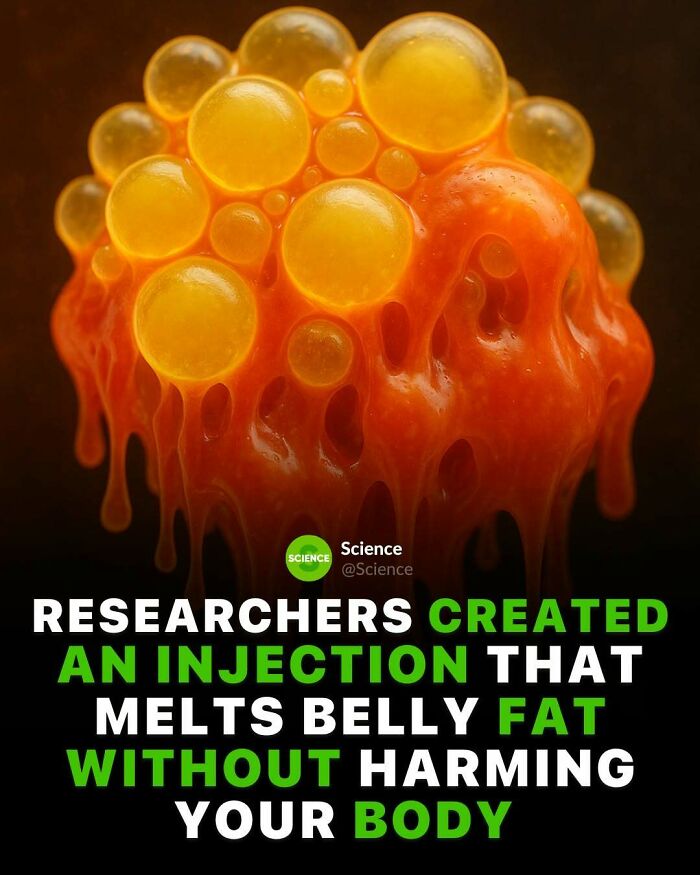
Columbia scientists just c*****d the code on melting belly fat exactly where you want it—without destroying a single fat cell.
University researchers Li Qiang and Kam Leong discovered that positively charged nanomaterials can navigate through fat tissue like a GPS system, targeting specific problem areas with surgical precision. Their breakthrough compound, PAMAM generation 3 (P-G3), works by exploiting the negatively charged highways that naturally exist within fat deposits.
But here's what stunned the research team: instead of destroying fat cells like liposuction, P-G3 "rejuvenates" them back to a healthier state. The injection shuts off the unhealthy lipid storage program in enlarged fat cells, forcing them to behave like the small, metabolically active fat cells found in newborns and elite athletes. As Qiang explained, "With P-G3, fat cells can still be fat cells, but they can't grow up".
The results were remarkable in both animal studies and human fat biopsies. Mice injected with P-G3 not only lost weight in targeted areas but showed improved fat metabolism throughout their bodies. The treatment works by uncoupling lipid storage from the essential housekeeping functions of fat cells, creating more of the beneficial smaller fat cells while preventing the formation of problematic enlarged ones.
What makes this revolutionary is the precision: like Botox for fat, P-G3 can be injected into specific subcutaneous fat deposits, allowing doctors to sculpt bodies without surgery or systemic side effects. The researchers, who have patents pending, are now engineering P-G3 derivatives and developing it as a platform for delivering other fat-targeting therapies. This represents the first time scientists have successfully used cationic charge to treat obesity—opening an entirely new frontier in safe, targeted fat reduction.
The Prince of Darkness became the King of Genetics—and changed addiction science forever.
In 2010, Ozzy Osbourne made history beyond heavy metal: he became one of the first rock stars to have his entire genome sequenced. After surviving 40 years of legendary excess, scientists at Knome Inc. had one burning question—how was he still alive at the time?
The answer was in his DNA. Researchers discovered that Ozzy carries several hundred thousand genetic variants never seen before in humans, making him what geneticist Nathaniel Pearson called "indeed a genetic mutant". Most shocking was his ADH4 gene mutation—a never-before-seen variant that allows him to metabolize alcohol significantly faster than normal people.
But this genetic superpower came with a dark side. The same mutation made Ozzy six times more likely to develop alcohol addiction than the average person, providing the first concrete evidence of how genetics predispose individuals to substance dependency. His DNA also revealed variants in dopamine processing genes, o****d receptors, and methamphetamine metabolism, essentially a genetic blueprint for addiction.
The research, presented at TEDMED 2010, revolutionized our understanding of addiction science. Scientists discovered that Ozzy's survival wasn't just luck—his COMT gene variants** created a "warrior/worrier" combination affecting his brain chemistry, while CLTCL1 mutations rewired his neural communication systems entirely.
Perhaps most ironic: despite surviving decades of every conceivable substance, researchers found that **caffeine was his genetic kryptonite**[2]—his DNA showed he metabolizes coffee extremely slowly, making him unusually sensitive to its effects.

Please do Keith Richards! His genetics must be fascinating. There is no way that man should still be alive.
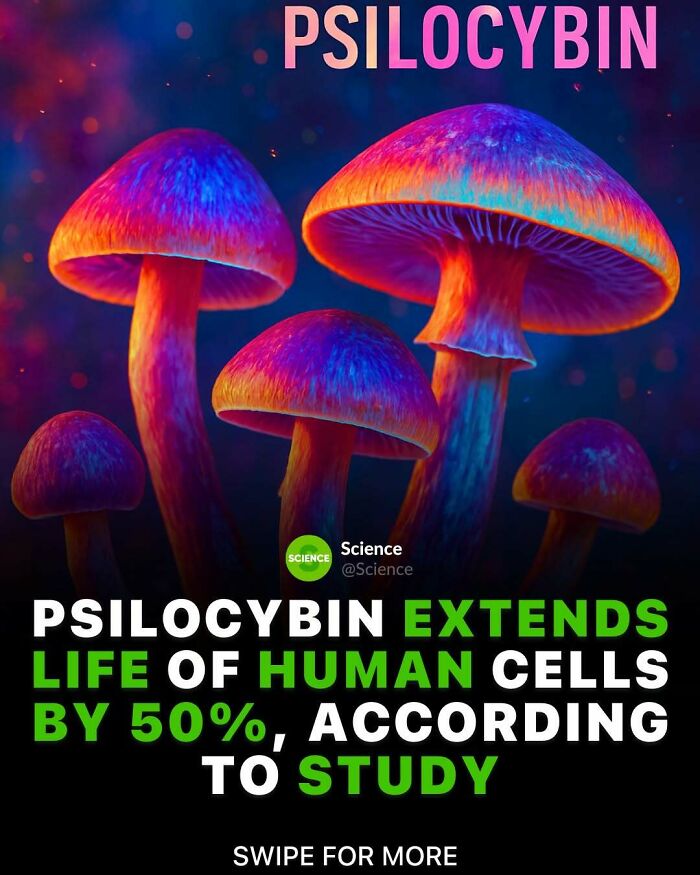
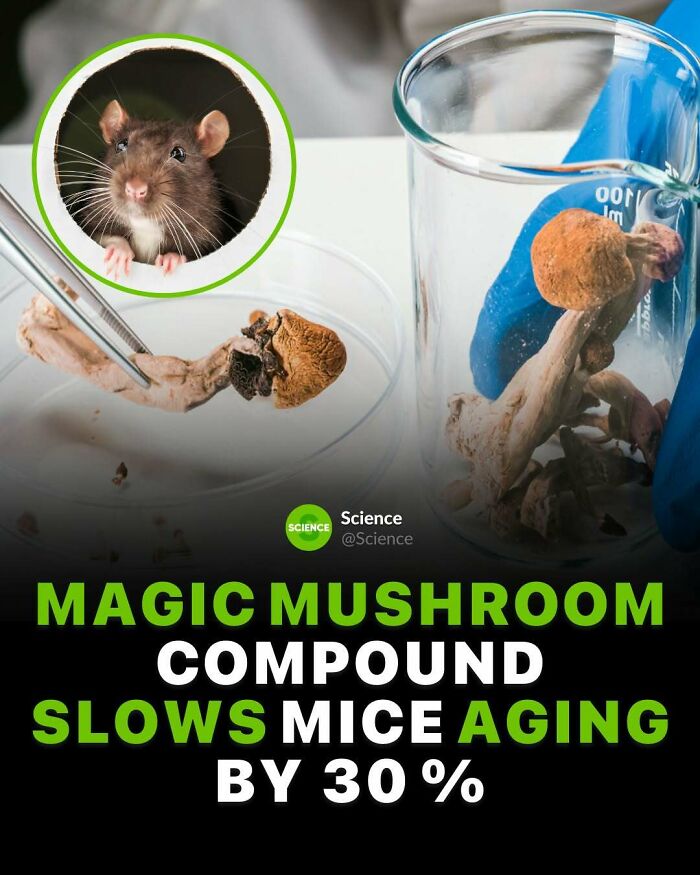
Scientists at Emory University and Baylor College of Medicine just published the first experimental proof that psilocybin, the psychedelic compound in magic mushrooms, can dramatically extend life at the cellular level. Human lung and skin cells treated with psilocin—psilocybin's active ingredient—lived up to 57% longer than untreated cells.
But the real shock came from the mouse studies. Researchers gave 19-month-old mice (equivalent to 60-65 human years) monthly psilocybin doses for 10 months. The results exceeded expectations: 80% of treated mice survived compared to just 50% of untreated controls.
Even more remarkable, these elderly mice began showing signs of youth within three months. Their white fur turned brown again, bald spots regrew hair, and they became more physically active. It was like watching time reverse itself.
The mechanism centers on psilocybin's interaction with serotonin receptors found throughout the body—not just the brain. The compound preserves telomere length (the protective caps on chromosomes that shorten with age), boosts SIRT1 proteins associated with longevity, and reduces cellular damage from oxidative stress278.
Dr. Louise Hecker, the study's senior author, admitted being "floored by the data"—everything they tested for cellular rejuvenation simply worked. Published in Nature's prestigious npj Aging journal, this research opens entirely new possibilities for psychedelics beyond mental health treatment.
While more human trials are needed, the anti-aging industry's $500+ million market may have just found its most promising breakthrough—hidden in fungi that have been growing under our feet for millennia.
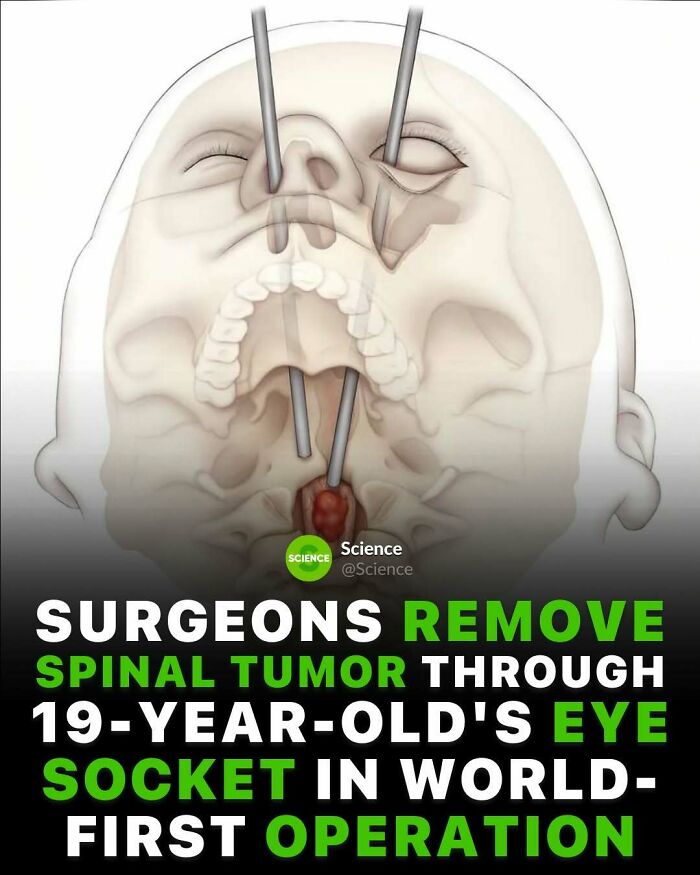
Surgeons just broke every rule in the medical playbook—and saved a 19-year-old's life by going through her eye socket.
When Karla Flores started experiencing double vision while learning to drive, she never imagined doctors would find a rare malignant tumor strangling her spinal cord. The chordoma—a bone cancer so rare only 300 cases are diagnosed in the U.S. each year—had wrapped around her spine just below the skull base, making traditional surgery extremely dangerous.
University of Maryland's Dr. Mohamed Labib faced an impossible choice: risk paralyzing the teenager by approaching from behind, or pioneer a completely untested surgical route. His solution? Go through her eye socket—a path never before used for spinal tumors.
The 19-hour procedure involved carefully displacing Flores' eyeball by millimeters, removing part of her eye socket and cheekbone, then threading an endoscope down to reach her spine. As Labib described it: "It was a straight shot" that avoided critical blood vessels, nerves controlling speech and swallowing, and the spinal cord itself.
But the real shock came when doctors discovered Flores actually had two separate chordomas—one around her brainstem requiring additional surgeries through her skull and nose. The multi-tumor nightmare that should have been a death sentence became a medical breakthrough.
The transorbital approach left no visible scars and preserved all major functions. After reconstructing her eye socket with titanium plates and hip bone grafts, plus proton radiation therapy, Flores is now completely cancer-free.
Her case has opened an entirely new surgical pathway that could help thousands of patients with previously inoperable skull base tumors.
Source: University of Maryland
Japanese scientists just did the impossible—they used CRISPR to remove the extra chromosome that causes Down syndrome and restored normal cell function.
For the first time, researchers have successfully eliminated the root cause of Down syndrome at the cellular level. Dr. Ryotaro Hashizume's team at Mie University developed a precision gene-editing technique that targets and removes only the extra copy of chromosome 21, leaving the normal pair intact.
Down syndrome affects 1 in 700 births worldwide and occurs when cells have three copies of chromosome 21 instead of two. This extra genetic material disrupts normal development, causing intellectual disabilities, distinctive physical features, and serious health complications including heart defects and early-onset Alzheimer's.
The breakthrough uses "allele-specific editing"—a technique that trains CRISPR-Cas9 to recognize sequences unique to just the extra chromosome. When the molecular scissors make precise cuts in the unwanted chromosome, it becomes unstable and gets naturally discarded when cells divide.
The technique achieved up to 30.6% success rates in removing the extra chromosome, and treated cells showed completely normalized gene expression, protein production, and survival rates. Even more remarkable—it worked in both stem cells and mature skin cells taken directly from people with Down syndrome.
While clinical applications remain years away, the research opens unprecedented possibilities for preventing the complications that typically shorten lives of people with Down syndrome.
The problem is with science like this is where does it end?
The NHS has become the first health system in Europe to roll out a revolutionary cancer injection that treats 15 types of cancer in just 3-5 minutes.
The injectable form of nivolumab, an immunotherapy drug previously administered through IV drips, can now be delivered as a quick under-the-skin injection. This breakthrough affects treatment for lung, kidney, bladder, skin, bowel, esophageal, and head and neck cancers, among others.
Following approval from the UK's Medicines and Healthcare products Regulatory Agency, approximately 1,200 patients per month in England will benefit from this faster delivery method. The injection reduces treatment time from 30-60 minutes to just minutes, while maintaining the same therapeutic effectiveness.
Clinical trials demonstrated that patients strongly preferred the subcutaneous injection over traditional IV infusions. The time savings are substantial—NHS teams will save around 1,000 hours of treatment time monthly, equivalent to more than one full year annually.
Nivolumab works as an immunotherapy by blocking the PD-1 protein on immune system T-cells, preventing cancer cells from switching off the body's natural defense mechanisms. This allows the immune system to better detect and destroy cancer cells.
About two in five patients currently receiving IV nivolumab should be eligible for the new injection format. The faster treatment comes at no additional cost to the NHS due to existing agreements with manufacturer Bristol Myers Squibb.
The development addresses a critical need in cancer care, where patients previously spent hours in hospital treatment chairs every two to four weeks. The injection can be administered in outpatient settings, dramatically reducing the burden on both patients and healthcare systems.
Just in England? Why is the NHS not offering this in the rest of the UK? On more serious note, a quick google tells me that this d**g has been available in the USA for over 10 years, in China for about 7 years, in Australia for about 3 years (available through the government subsidised health system), and only recently in the UK. It's great that it's now more widely available, but don't make out that you're breaking new ground!
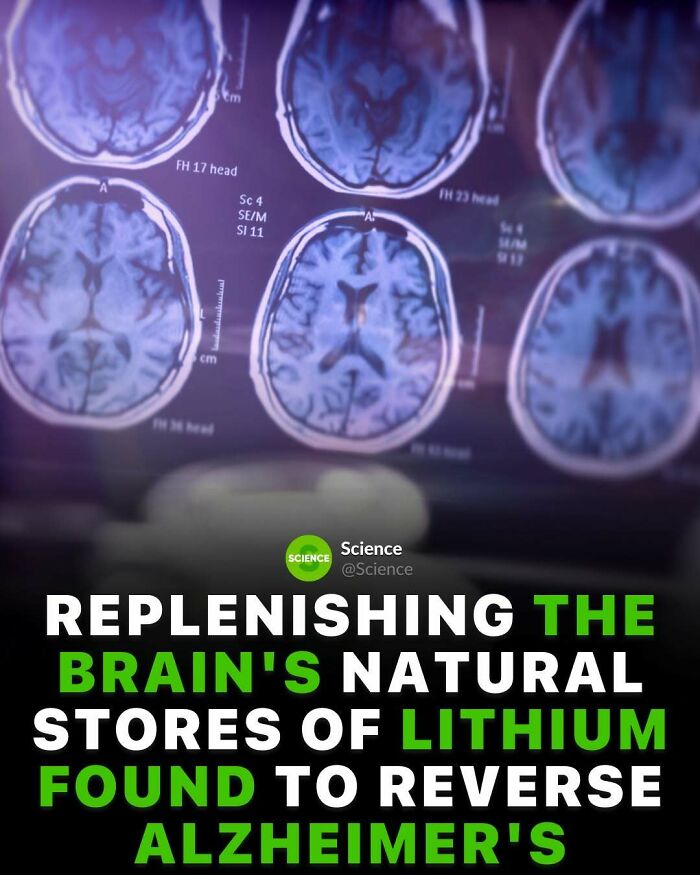
Harvard scientists just discovered that Alzheimer's might be caused by your brain running out of a mineral you never knew it needed—and they can reverse it in mice.
After a decade-long investigation published in Nature, researchers at Harvard Medical School have identified lithium deficiency as one of the earliest triggers of Alzheimer's disease. For the first time, scientists proved that lithium occurs naturally in human brains at biologically meaningful levels, functioning like other essential nutrients such as vitamin C or iron. Lead researcher Dr. Bruce Yankner explains this groundbreaking finding: "Lithium turns out to be like other nutrients we get from the environment—it's the first time anyone's shown that lithium exists at a natural level that's biologically meaningful."
But here's where the discovery gets revolutionary: the study reveals that amyloid plaques don't just damage the brain—they actively steal lithium by binding to and sequestering this critical mineral. Through analysis of hundreds of donated brain tissue samples, researchers found that people with Alzheimer's and mild cognitive impairment had significantly reduced lithium levels compared to healthy individuals, with the deficiency appearing even at the earliest stages of memory loss.
The breakthrough came when scientists developed lithium orotate, a specialized compound that can evade capture by amyloid plaques. When given to mice with Alzheimer's-like symptoms, this treatment achieved something unprecedented: reversing memory loss and reducing amyloid plaque burden by 70%. In some advanced cases, the compound almost completely eliminated amyloid beta plaques. Most remarkably, the effective dose was one-thousandth of what's typically prescribed for bipolar disorder, with mice showing no toxicity even after lifelong treatment.
Unlike current Alzheimer's d***s that merely slow decline, lithium orotate actually restored memory function even in older mice with advanced disease. While clinical trials in humans are still needed, this research suggests we may finally have found the missing piece in the Alzheimer's puzzle.
Does lithium exist in any food sources? Can we add it to our diet?
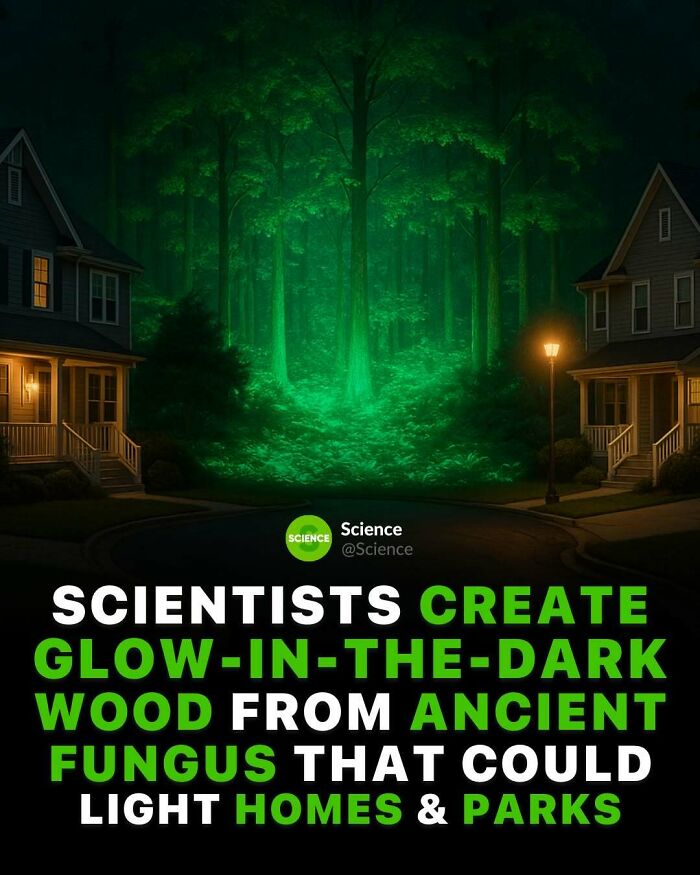
Swiss researchers have pioneered an astonishing material: wood that glows softly in the dark without electricity. Drawing inspiration from a natural phenomenon called foxfire—where certain fungi illuminate decaying trees—the team at Empa’s Cellulose & Wood Materials lab combined balsa wood with the ringless honey fungus, Desarmillaria tabescens. After incubating the wood in a carefully controlled, humid environment for three months, the fungal threads permeate the fibers, breaking down lignin but leaving the cellulose intact. This transformation preserves the wood’s strength while embedding it with a latent ability to emit a ghostly green light.
When exposed to oxygen, the luciferase enzyme inside the fungus triggers a chemical reaction, producing a steady glow measured at around 560 nanometers in wavelength. Early tests show that the light lasts for about ten days, and while it’s not bright enough to replace modern lamps yet, the potential is groundbreaking. Imagine park benches, wooden railings, or even home furniture that light your path without wires or batteries. Researchers are already working to increase the intensity and lifespan of the glow, envisioning sustainable lighting solutions that could dramatically reduce energy consumption.
The concept revives a wisdom once known to ancient thinkers like Aristotle, who described luminous wood centuries ago. Now, through modern science, a fusion of biology and materials engineering could reshape how we design our cities and homes. By merging living fungal systems with nonliving materials, this biohybrid technology opens the door to energy-efficient, environmentally conscious illumination. It’s a bold step that blends history, innovation, and sustainability—lighting the way toward a greener future. ✨🌱
Source: 10.1002/advs.202403215

“Luciferase enzyme.” I just like the word “luciferase.”
Scientists just proved what millions of internet users already suspected—watching dog videos actually works as digital therapy.
A groundbreaking study from the University of British Columbia tested over 1,000 people and found that just five minutes of watching therapy dogs on screen delivered stress relief comparable to real, in-person animal interactions. The research represents the largest scientific validation yet of something social media users have been doing instinctively for years.
Dr. John-Tyler Binfet, who leads UBC's Building Academic Retention through K9s program, was amazed by the results. "Our findings demonstrate that even with a virtual session, there was a significant reduction in stress among both the student population and the general public, regardless of age."
A separate University of Leeds study using physiological measurements found that watching 30-minute animal videos—including dogs—produced measurable health improvements. Participants' blood pressure dropped from an average of 136/88 to 115/71, heart rates decreased by 6.5%, and anxiety levels fell by 35%.
Even more surprising: active dog videos showing dogs playing worked better than tranquil videos of resting dogs. The playful footage not only reduced stress and anxiety but also boosted alertness, attention, and positive emotions more effectively than peaceful nature scenes.
The findings suggest that our collective obsession with dog videos isn't just mindless scrolling—it's inadvertent self-care backed by solid science.
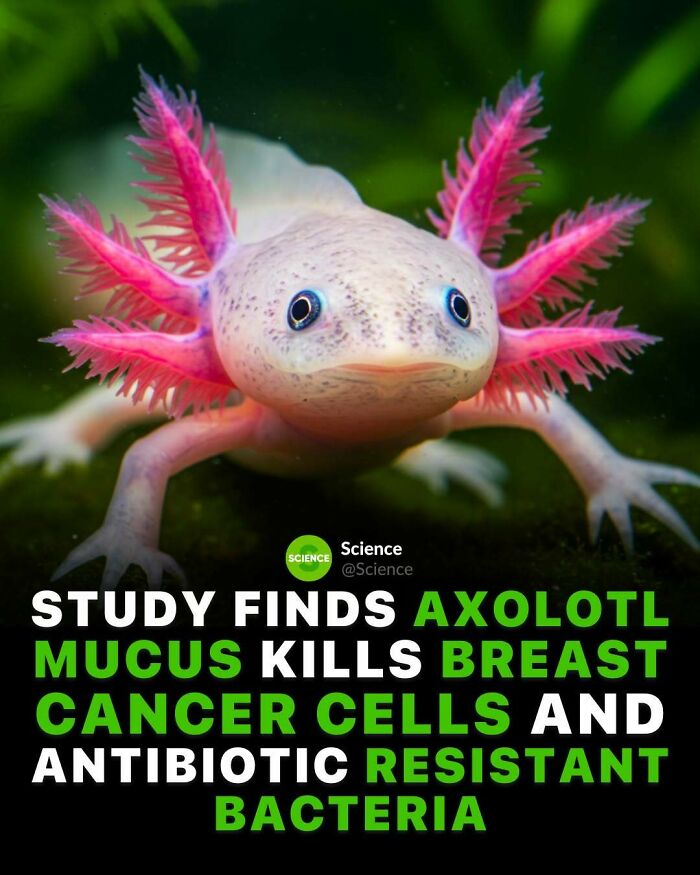
Axolotl mucus contains peptides that specifically k**l breast cancer cells and attack antibiotic-resistant bacteria without harming healthy tissue.
A study published in PLOS ONE examined antimicrobial peptides found in the skin mucus of laboratory axolotls. Researchers at Hannover Medical School discovered that these compounds not only combat multi-resistant bacteria but also trigger programmed cell death in cancer cells.
Dr. Sarah Strauß and her team obtained mucus by gently massaging axolotls with sterile gloves, then extracted and synthesized 22 peptide candidates from thousands of compounds. Four of these peptides proved effective against MRSA (methicillin-resistant Staphylococcus aureus), with some performing better than vancomycin, a reserve antibiotic used when conventional treatments fail.
Three of the four anti-MRSA peptides also demonstrated anti-cancer properties. In cell culture experiments, these compounds triggered programmed cell death in breast cancer cells while leaving healthy breast tissue unaffected.
The peptides work through their unique chemical structure, which contains positively charged amino acids and water-repelling components. This allows them to bind to bacterial cell walls, creating holes or penetrating cells to cause death. The same mechanism appears to selectively target cancer cells.
MRSA causes approximately 20,000 infections annually in the United States and represents a growing threat as bacteria develop resistance to existing antibiotics. The research suggests that antimicrobial peptides from axolotl mucus could serve as alternatives to conventional antibiotics, with the added benefit that pathogens find it more difficult to develop resistance against them.
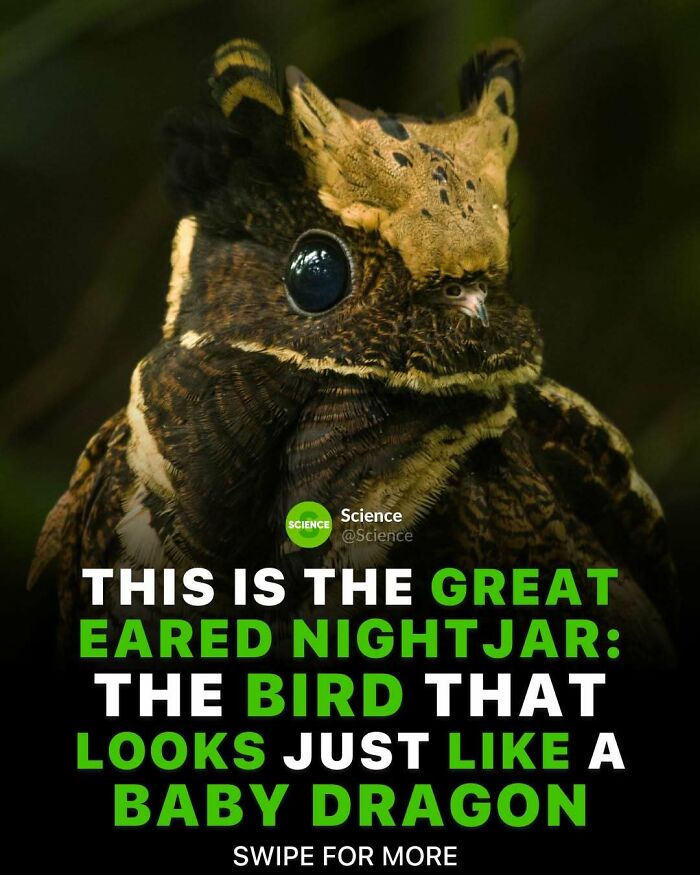
The great eared nightjar is one of nature’s most striking birds, renowned for its almost mythical appearance. Found across the forests of South and Southeast Asia—stretching from Sri Lanka and India to the Philippines and Vietnam—this species captivates observers with its dramatic features and extraordinary camouflage. Its mottled plumage of browns, grays, and blacks melts into the forest floor like living shadow, and its long, lynx‑like ear tufts and piercing eyes give it an eerie, dragon‑like presence few forget once seen.
By day, the nightjar vanishes into the undergrowth, perfectly still, almost impossible to spot even a few feet away. But when twilight falls, it stirs to life, gliding effortlessly through the dark like a phantom. With a wide, gaping mouth and ghost‑silent flight, it snatches moths and beetles mid‑air in a seamless, predatory dance. It measures a remarkable 12 to 16 inches from beak to tail, the largest of its kind, and its long barred wings and sweeping tail only add to its mystical aura.
Unlike most birds, it doesn’t bother weaving a nest. Instead, it lays a single egg directly on the forest floor, trusting its camouflage and cunning to keep predators at bay. Its call—an eerie, rising whistle after a sharp, clipped note—rings through the night like something out of an old folktale, at once beautiful and unsettling.
Known to science as Lyncornis macrotis, this species is thriving, yet rarely seen, a living relic of wild places and untamed nights. To glimpse one is to feel a sudden jolt of wonder, as if you’ve stumbled into a world where dragons still live, hidden under the cover of leaves.
Seahorse couples, such as this pair of thorny seahorses (Hippocampus histrix), greet each other every morning with a unique dance that sometimes involves changing color. The couple promenades and pirouettes together for several minutes before separating for the rest of the day. They greet each other as a way to confirm the other partner is still alive, reinforce their bond, and synchronize their reproductive cycles.
Seahorse couples exhibit one of the most unique and fascinating courtship rituals in the marine world. Their morning dance, often lasting several minutes, involves intricate movements such as promenading and pirouettes, which serve as a form of non-verbal communication. This ritual is not just a display of affection; it plays a critical role in reinforcing their monogamous bond, a rare trait in the animal kingdom. By synchronizing their movements, seahorses ensure mutual recognition and strengthen their partnership, which is essential for their reproductive success.
The color changes observed during these greetings are linked to chromatophores, specialized cells in their skin that expand or contract to display vibrant hues. These visual signals convey information about their health, stress levels, and reproductive readiness. Such precise communication is vital for seahorses, as their survival depends on strong pair bonds and synchronized reproductive efforts. This remarkable behavior highlights the complexity of their social interactions and underscores their unique place in marine biology.
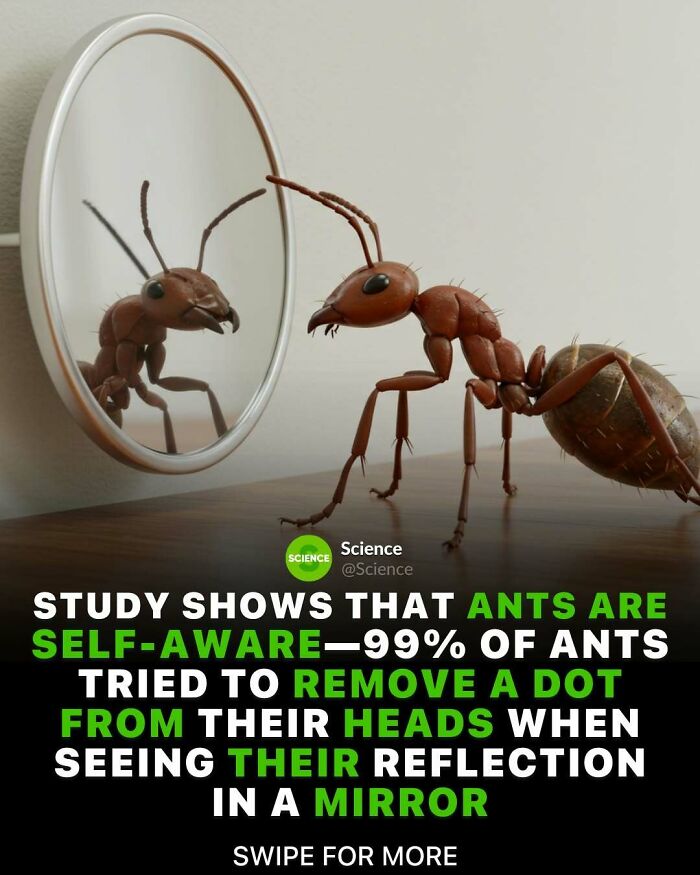
Ants can recognize themselves in mirrors, according to a study that tested three species for self-awareness.
The mirror self-recognition test has been used to assess animal consciousness since the 1970s, when researchers first tested chimpanzees. The method involves placing a colored mark on an animal and observing whether it attempts to remove the mark when seeing its reflection.
Marie-Claire Cammaerts and Roger Cammaerts from the Université libre de Bruxelles tested Myrmica rubra, Myrmica ruginodis, and Myrmica sabuleti by painting blue dots on the clypeus—the facial area near their mouths. When placed in front of mirrors, the marked ants attempted to clean off the blue spots.
The researchers included several control conditions to verify their findings. Ants with brown dots that matched their natural coloring showed no cleaning behavior. Similarly, blue dots placed on the back of their heads, where the ants could not see them, were ignored. The cleaning attempts occurred only when ants could see the blue marks in their reflection.
These findings place ants among the smallest animals to demonstrate self-recognition, a cognitive ability previously documented in great apes, elephants, dolphins, and certain bird species.
The researchers cautiously note that "self recognition is not synonymous of self awareness," but their findings suggest some ants possess cognitive abilities far more sophisticated than previously imagined.
However, these findings face significant scientific scrutiny. Critics have noted the results appear unusually perfect. Additional studies are needed to verify these results before definitively confirming ants' place among self-aware animals.
Watch the film Phase IV. It's a classic, and the ants are taking over.
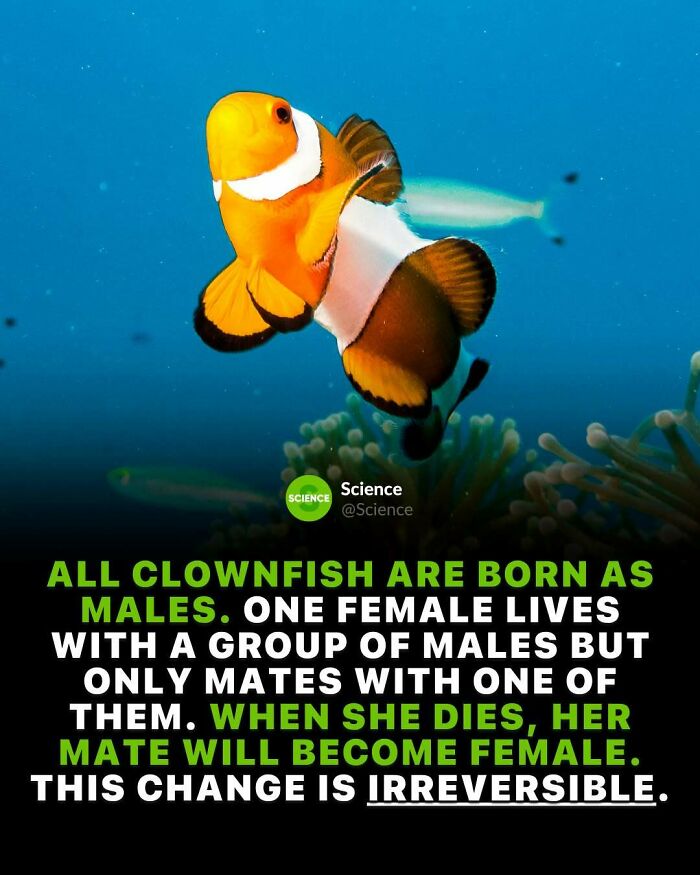
Clownfish are all born males, and the dominant male of a group will turn female when the female of that group dies.
Clownfish, also known as anemonefish, are sequential hermaphrodites that first develop into males. They live in regimented schools made up of all males and just one female, the lone female being the dominant and generally the largest fish in a given group. The second in command of the school is usually the largest and most aggressive male of the group. Due to his dominance over the other males, he tends to ensure they stay small by taking the best food opportunities for himself and his kind. Besides the perks of more food, he’s also the only one who gets to breed with the female.
During breeding, the female will sometimes lay thousands of eggs, depending on the species and her size, usually on a pre-cleaned rock or coral close to the anemone they live in. After the eggs are laid, the male will go along and fertilize them.
_____
From here, if a given egg is poor quality, whether damaged or it becomes infected by a fungus or the like, the male will typically eat the egg. Likewise, if the egg is infertile, or if the clownfish is an inexperienced breeder or stressed, he may also simply eat the eggs.
Otherwise, the male, and rarely the female, will guard the fish for the 6-10 days it takes to hatch, as well as regularly fan them, which increases the chances of the eggs successfully developing. After the eggs hatch, the parents’ job is done, and they have nothing to do with the baby fish, who ascend to the surface and feed on plankton until maturation.
If the female dies, the dominant male will get the first choice of food and begin to gain weight, ultimately becoming female. She will then choose a breeding partner among the available males, which is usually the largest and most aggressive male available.
Relaxation has been linked to plenty of health benefits, including reduced stress and muscle tension, and a decreased risk of depression, anxiety, and other mental health issues.
In fact, according to Yale University, it is essential to schedule relaxation time on a weekly calendar, emphasizing that it’s just as important as other commitments. Although this downtime may seem unproductive, it’s vital for destressing, Yale said.
However, balance is key. If you’re spending so much time relaxing that you’re neglecting exercise, socializing, or getting enough sleep, it might be time to reevaluate.
Regardless of when or which activity you choose, marriage and family therapist Colleen Marshall advised in Yahoo News to be fully present in the moment and enjoy the chosen activity without distractions. “When we feel better, we’re more productive and successful,” she concluded.

Since they fail to specify which day during the week, I play it safe and do it on all of them.
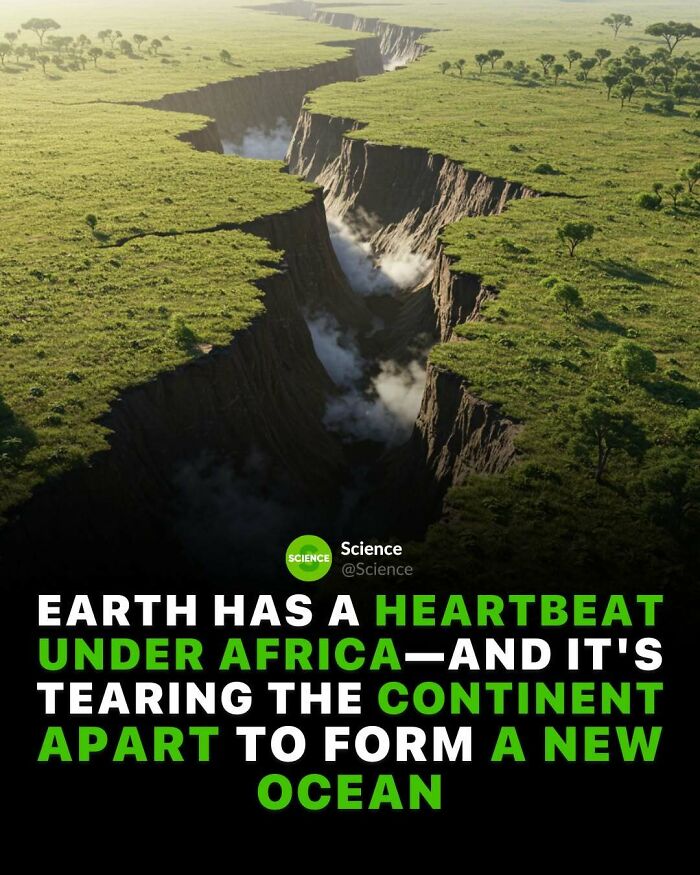
420 earthquakes in a short time ripped a 35-mile gash through Africa—and scientists say it's the birth of Earth's next ocean.
In 2005, Ethiopia's Afar region shuddered as the ground split open at breakneck speed. What normally takes centuries happened in mere days, creating a 60-kilometer (~37 mi) fissure up to 10 meters (~393 in) deep. This wasn't just another earthquake disaster—it marked the moment Africa began tearing itself in two.
The East African Rift stretches 4,000 miles from Mozambique to the Red Sea, where three tectonic plates pull apart at 0.8 centimeters (0.3 in) annually. Scientists once believed this continental breakup would take tens of millions of years. New research slashes that timeline to just 1 million years—possibly even 500,000.
Beneath the Afar, researchers discovered something extraordinary: Earth has a geological heartbeat. Rhythmic pulses of molten rock surge upward from the mantle, channeled by the splitting plates above. These ascending waves carry distinct chemical signatures, behaving like blood flowing through arteries of different sizes.
The rift offers scientists the only real-time view on Earth of continental crust transforming into oceanic crust—the same process that birthed the Atlantic Ocean 200 million years ago. As the plates diverge, magma fills the gaps, creating new seafloor that will eventually flood with water from the Red Sea.
The implications stretch far beyond geology. Landlocked nations like Uganda and Zambia could gain coastlines, transforming their economies overnight. Marine ecosystems will colonize the emerging waters. Africa's map will be redrawn—not in millions of years, but soon enough that today's planning decisions matter.

Quick! We may only have 500,000 to 1M years before this occurs! Start planning today. Don't miss booking your descendants' Ugandan seaside holiday in the summer of 802025
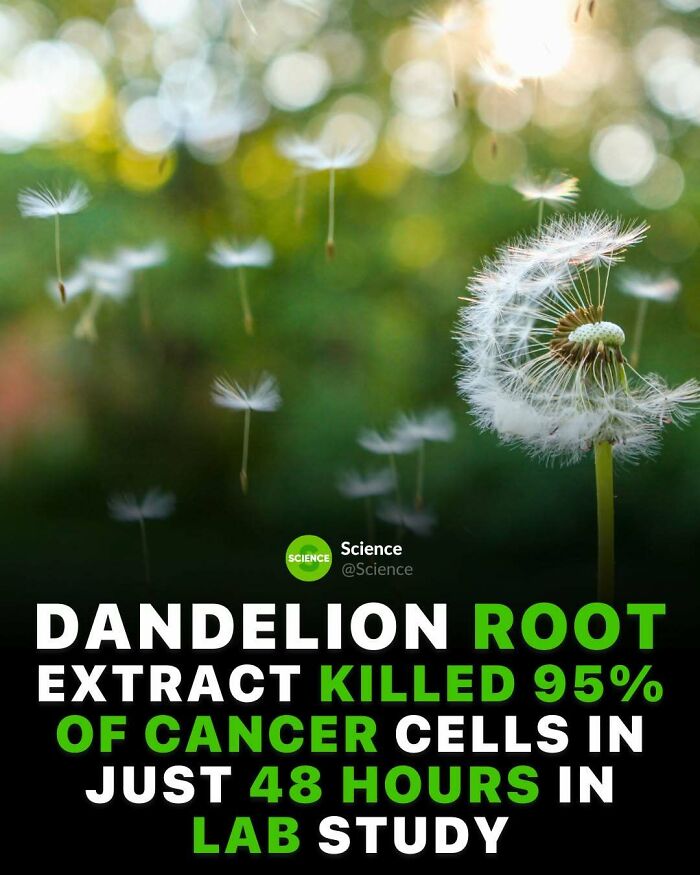
A laboratory study published in Oncotarget found that dandelion root extract induced programmed cell death in over 95% of colorectal cancer cells within 48 hours!
The research, led by Dr. Siyaram Pandey at the University of Windsor, tested aqueous dandelion root extract (DRE) on colon cancer cell lines HT-29 and HCT116 in laboratory conditions. The extract selectively triggered apoptosis in cancer cells while leaving normal colon mucosal cells unharmed.
The study's most significant finding was that DRE activated multiple death pathways in cancer cells, regardless of their p53 status—a protein often mutated in cancers. When tested in mice, oral administration of the extract reduced tumor growth by more than 90% in human colon cancer xenograft models.
However, these results should be interpreted with caution. The 95% figure refers specifically to colorectal cancer cells grown in laboratory dishes, not human patients. As USA Today's fact-check noted, "it's premature to label it as a potential cure for cancer".
The research identified several bioactive compounds in dandelion root extract, including α-amyrin, β-amyrin, lupeol, and taraxasterol, suggesting the extract targets multiple cancer cell vulnerabilities simultaneously. This multi-target approach could potentially reduce the likelihood of drug resistance.
The research represents promising early-stage findings that warrant further investigation.
Source: 10.18632/oncotarget.11485

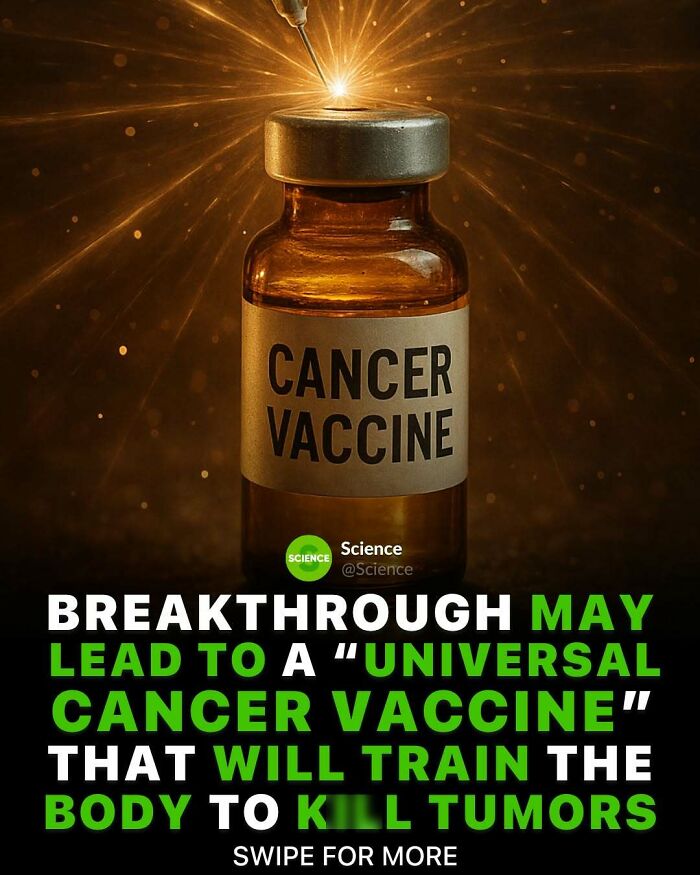
A wave of research from the University of Florida is redefining what a cancer vaccine could be. In a series of studies published in Nature Biomedical Engineering, scientists engineered an experimental mRNA vaccine that doesn’t target one cancer type, but instead teaches the immune system to see and attack many tumors. Rather than painstakingly designing a vaccine around unique mutations, the team focused on one goal: waking up dormant immune cells so they can recognize cancer as the threat it truly is.
This vaccine uses the same lipid nanoparticle technology that carried the COVID‑19 mRNA vaccines, but instead of coding for a viral spike protein, it delivers instructions that drive immune cells to flood tumors with a protein called PD‑L1. That protein acts like a beacon, exposing tumors that normally hide in plain sight. When paired with checkpoint inhibitors—d***s already used to release immune brakes—the combination turned stubborn, drug‑resistant melanoma in mice into shrinking or disappearing masses.
Even more striking, in other models involving skin, bone, and brain cancers, the vaccine worked on its own. Tumors that had resisted every other treatment were destroyed after the immune system was primed by this generalized mRNA signal. It is a fundamentally different approach from current cancer vaccines that either hunt a common molecular target or are tailored to each patient’s tumor. Here, the immune system is given no specific map—just a powerful alarm that mobilizes T cells and sparks what researchers call epitope spreading, a chain reaction that broadens the body’s attack.

Now that RFK Jr's brain worm has taken over and banned all mRNA research, this is going to be halted. Good job too, look at all those long scary science words that his poor befuddled mush-brain can't read, let alone pronounce.
Scientists just discovered that a single tick bite can turn you into a vegetarian overnight—and this bizarre allergy is silently spreading across the globe.
Alpha-gal syndrome has emerged as one of medicine's strangest phenomena: a tick-borne disease that makes people violently allergic to red meat and dairy products. The culprit is a sugar molecule called galactose-alpha-1,3-galactose that gets injected into your bloodstream through tick saliva, primarily from the lone star tick. But here's what makes this allergy uniquely terrifying—symptoms don't appear until 2-6 hours after eating, making it nearly impossible to connect your steak dinner to the hives, nausea, and potential anaphylactic shock that follows.
The numbers are staggering. Up to 450,000 Americans may now have alpha-gal syndrome, making it the 10th most common food allergen in the country according to CDC estimates. Between 2010 and 2022, over 110,000 suspected cases were documented, with the number of positive test results jumping from 13,371 in 2017 to 18,885 in 2021. But the real shock? This represents only a fraction of actual cases, since nearly half of healthcare providers have little or no knowledge of the condition.
What makes alpha-gal syndrome particularly insidious is its global expansion. Once confined to the southeastern United States, the disease has now been reported on all continents and confirmed in Europe, Australia, Asia, South Africa, and Central America.
The cruelest aspect? There's no cure or treatment beyond complete avoidance of mammalian products. Patients must eliminate not just obvious sources like beef, pork, and lamb, but also hidden alpha-gal in dairy products, gelatin, and even some medications. For many, this life-altering diagnosis comes after months or years of mysterious allergic reactions that doctors couldn't explain, turning every meal into a potential medical emergency.
Nature fighting back? If will be better for the planet, and for the health of humanity if we went plant based for our meals.
A study from 2017 claims second-born children are more likely to misbehave, sometimes with severe consequences. According to a report from Joseph Doyle, an economist at the Massachusetts Institute of Technology, the "curse of the second-born child" might be true after all.
Doyle and his colleagues say that second-borns, particularly boys, are inclined to be more rebellious than their older siblings. Their collected data, which looked at thousands of sets of brothers in both the U.S. and Europe, showed that second-born children are 25% to 40% more likely to get in serious trouble at school or with the law.
One possible explanation for these findings is that parenting styles can change according to birth order, according to NPR. For example, first-born kids often receive undivided attention from parents, while younger siblings have to compete for attention. And, as the family grows, dynamics change.
At the center of a nuclear explosion, temperatures reach 100 million degrees Celsius—five times hotter than the Sun's core. Human bodies don't just burn at that heat. They instantly break down into basic elements like carbon.
That's the terrifying reality scientists face when calculating survival distances from modern nuclear weapons. Next month marks 80 years since the atomic bombings of Hiroshima and Nagasaki k****d over 200,000 people. Today, over 12,200 nuclear warheads still exist worldwide—many far more powerful than those first bombs.
A typical 1-megaton nuclear weapon—80 times stronger than the Hiroshima b**b—would blind you before you even heard the explosion. Thermal radiation travels at light speed, causing flash blindness up to 21 kilometers away on a clear day. At night, when pupils are dilated, that range jumps to 85 kilometers.
Then comes the heat. Third-degree burns that destroy skin tissue can strike anyone within 8 kilometers. First-degree burns extend to 11 kilometers. What you're wearing matters—white clothes reflect some energy while dark clothes absorb it, though that won't help anyone close to ground zero.
The blast wave follows next. Within 6 kilometers, winds exceed 255 kilometers per hour while air pressure generates 180 metric tons of force on building walls. Most people die from falling structures rather than the pressure itself, since humans can technically withstand the force but buildings cannot.
To survive immediate effects, you need at least 6-8 kilometers distance from the explosion. At 20 kilometers, most people avoid fatal blast and heat damage.
But distance alone isn't enough. Radioactive fallout travels incredibly far—particles from Cold War nuclear tests have been found in the Mariana Trench, the deepest part of Earth's oceans. Recent simulations show that nuclear war between major powers would trigger nuclear winter within days, plunging global temperatures and threatening billions with starvation.
The key isn't just being far away—it's finding shelter within 15 minutes and staying there for at least 72 hours while radiation levels decay.
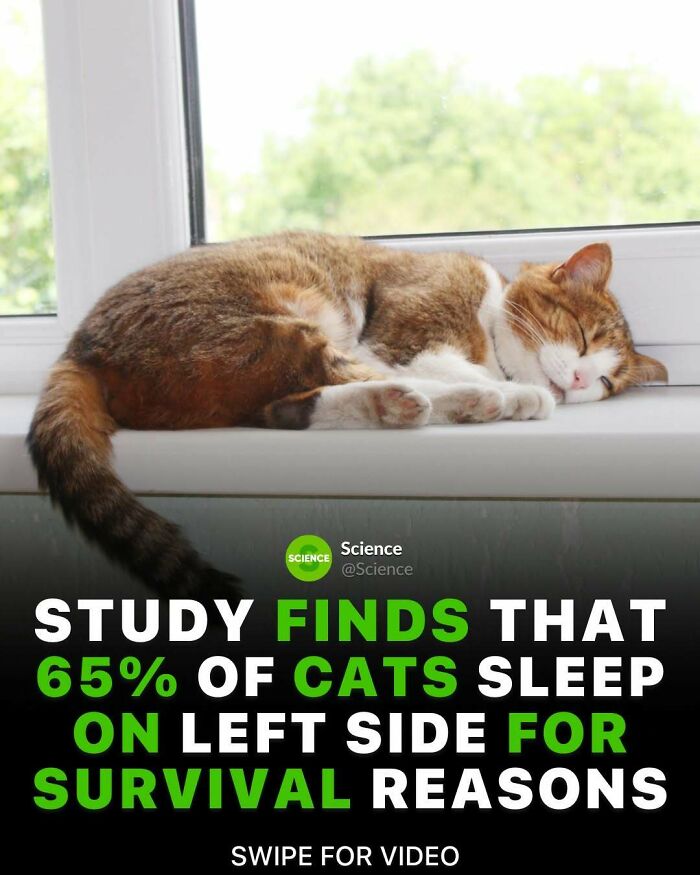
A study of 408 YouTube videos found that two-thirds of cats prefer to sleep on their left side, a behavior that may serve as an evolutionary survival strategy.
The research, published in Current Biology, was conducted by an international team led by Dr. Sevim Isparta from the University of Bari Aldo Moro and Professor Onur Güntürkün from Ruhr University Bochum. The scientists analyzed videos where individual cats were clearly visible sleeping on one side for at least 10 seconds, excluding any modified or low-quality footage.
Results showed 266 cats (65.1%) slept on their left side compared to 142 cats (34.8%) on their right side. This leftward bias was statistically significant across the population studied.
The researchers believe this preference relates to brain hemisphere specialization. When cats sleep on their left side, their left visual field remains unobstructed, feeding visual information directly to the right brain hemisphere upon waking. The right hemisphere is specialized for spatial awareness, threat detection, and coordinating rapid escape movements.
"Asymmetries in behavior can have advantages because both hemispheres of the brain specialize in different tasks," explains Güntürkün. Since cats spend 12 to 16 hours per day sleeping—roughly 60-65% of their lifetime in a vulnerable state—this sleeping position may provide a survival advantage by enabling faster threat response.
The behavior aligns with cats' preference for elevated sleeping positions, where predators can typically only approach from below. Left-side sleeping ensures their left visual field has an unobstructed view of potential threats from these lower positions.
Source: 10.1016/j.cub.2025.04.043
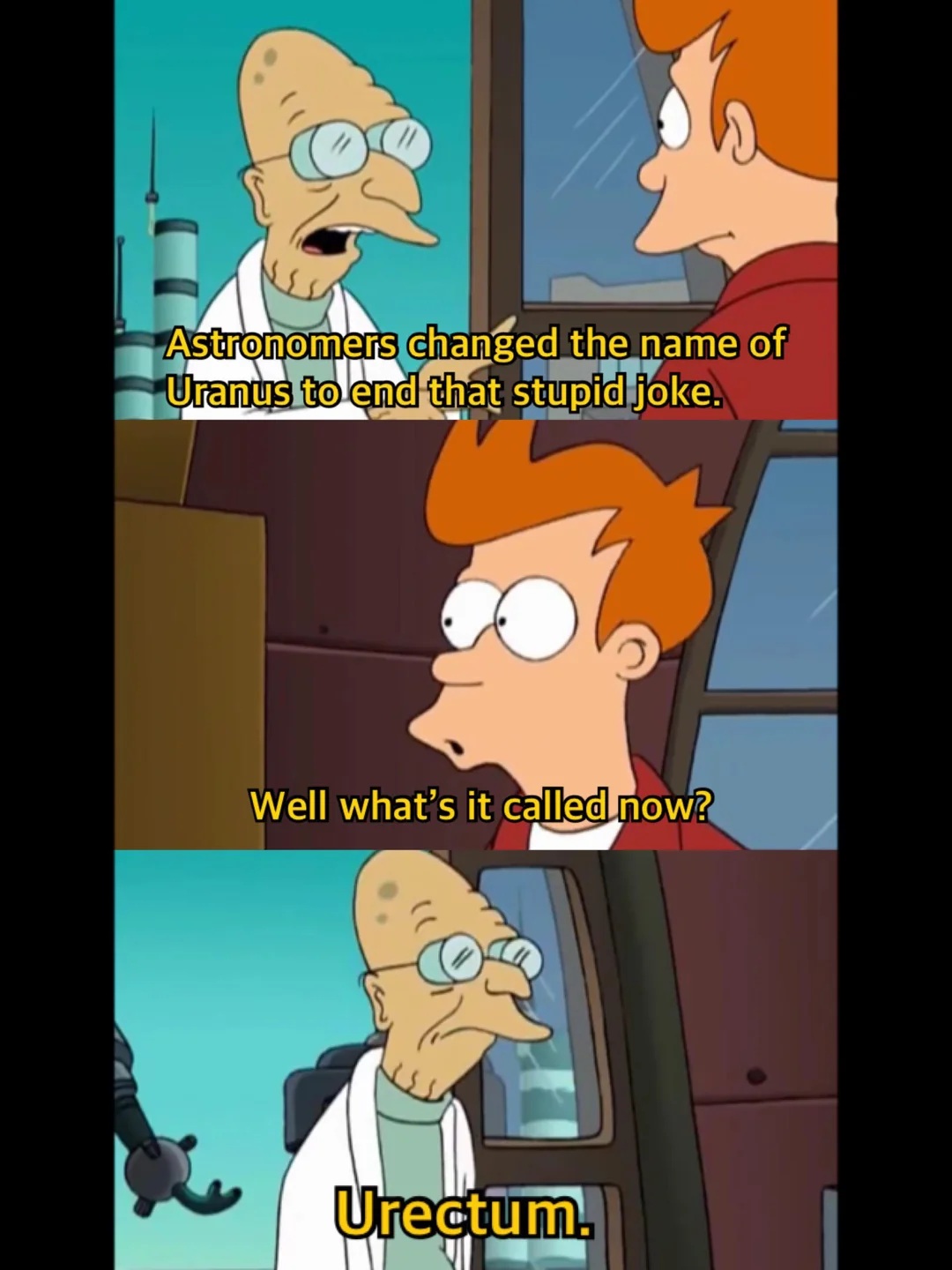
For decades, Uranus was thought to be a cold, dull planet. Voyager 2’s 1986 flyby suggested it emitted no internal heat, unlike Jupiter, Saturn, and Neptune. 🌌 But new research has rewritten that story—Uranus is leaking leftover heat from its formation after all.
Using decades of telescope data and advanced computer models, two independent teams measured Uranus’ energy budget and found it releases about 12–15% more heat than it receives from the Sun. That might seem small, but it proves the ice giant isn’t thermally dead. It’s still cooling, still active deep inside. 🔭
Uranus’ tilt—tipped nearly sideways—creates extreme 20‑year seasons, complicating earlier measurements. Scientists now think Voyager 2 caught it at an odd time, leading to decades of misconceptions. Updated models factor in clouds, hazes, and changing reflectivity across its 84‑year orbit, revealing a subtle but undeniable internal glow. ❄️
This discovery helps explain puzzling winds, strange cloud patterns, and unusual magnetism. It also strengthens the case for a long‑proposed Uranus Orbiter and Probe mission—one that could explore its rings, moons (which may hide oceans), and mysterious interior. 🚀
NASA’s priority lists already include a Uranus mission, but it faces funding challenges and might not launch until the 2030s. Until then, scientists will keep refining their models and searching for answers about why Uranus emits so little heat compared to Neptune, and how a giant ancient collision might have shaped it.
A cold world is no longer so cold—and now it’s hotter on astronomers’ wish lists than ever. 🔥
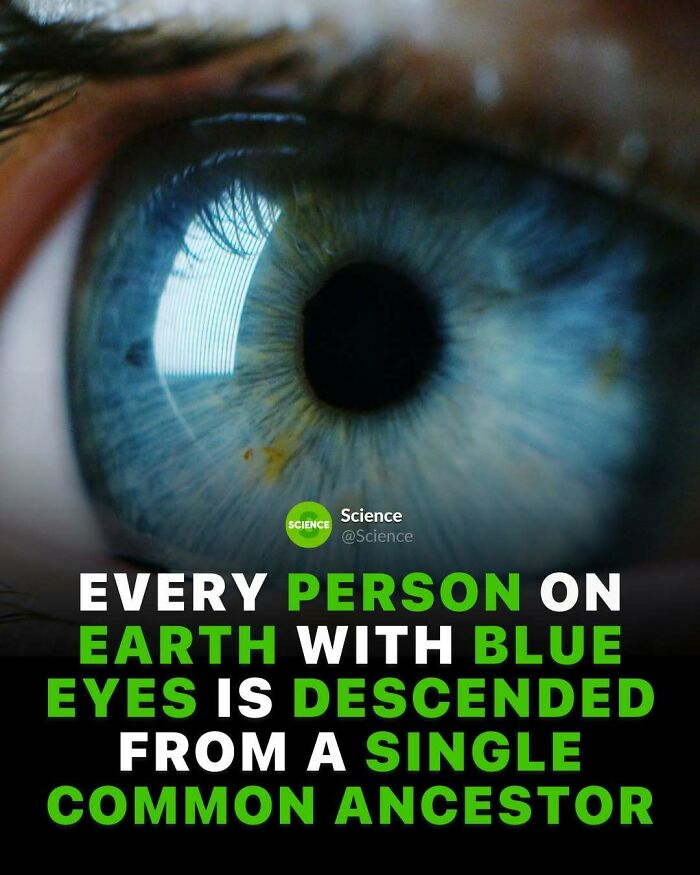
Around 6,000 to 10,000 years ago, a single person in the Black Sea region experienced a genetic mutation that would give rise to every blue-eyed individual alive today. Before this point, all humans had brown eyes. The mutation altered a gene called HERC2, which in turn “switched off” the OCA2 gene responsible for producing large amounts of melanin, the pigment that gives eyes their brown color. Instead of eliminating melanin entirely, the change reduced its production in the iris, creating the optical effect of blue eyes.
This event was rare enough to happen only once, making it an example of a “founder mutation.” DNA analysis shows that nearly all blue-eyed people share the same genetic sequence surrounding this mutation — strong evidence of a single common ancestor. Mitochondrial DNA studies, which trace maternal lineages, confirm that individuals with this trait in regions from Jordan to Denmark carry a shared haplotype.
Blue eyes are a recessive trait, meaning a person must inherit the mutation from both parents for the color to appear. Today, only about 8–10% of the global population has blue eyes, with the highest concentrations in Northern and Eastern Europe. In these lower-sunlight regions, lighter pigmentation may have offered an advantage in producing vitamin D.
While the vast majority of blue-eyed people share this origin, geneticists have found rare cases where different DNA changes also result in blue eyes. Still, these are exceptions to the rule. The enduring spread of the HERC2-OCA2 mutation illustrates how a single genetic event can ripple through millennia, linking hundreds of millions of people to one ancient ancestor.
Source: 10.1007/s00439-007-0460-x
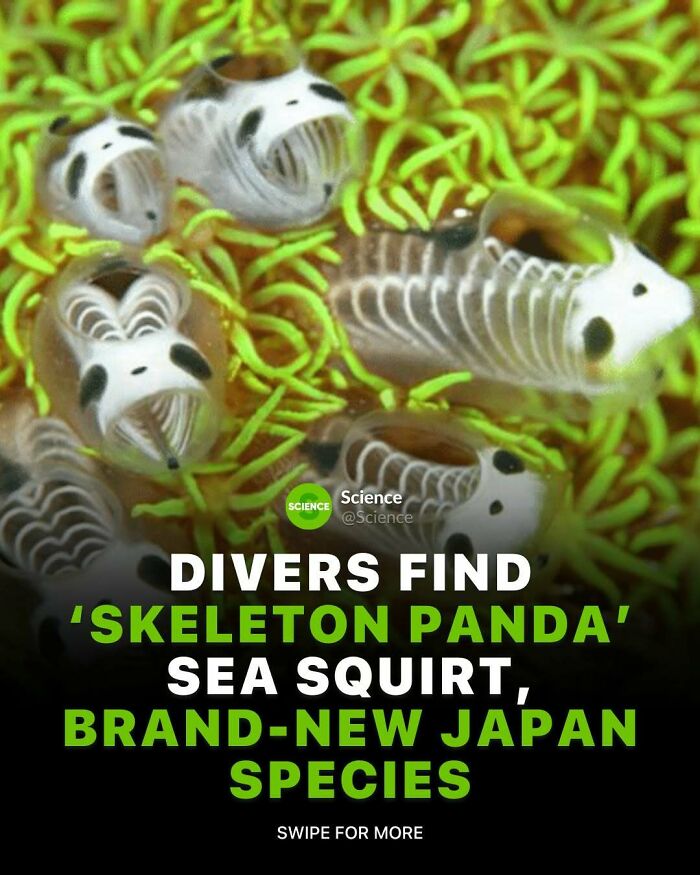
Divers exploring coral outcrops near Kumejima Island in Japan thought they had found novelty props for an aquarium display. Instead, their cameras captured a tiny siphon‑pumping animal whose stark white stripes and dark eye‑like spots looked like a cartoon panda wearing a skeleton costume.
The inch‑tall surprise soon went viral in diver forums, and what began as a curiosity post led researchers to a bona fide species never cataloged before.
Study coauthor Naohiro Hasegawa of Hokkaido University arranged dives, collected specimens, and confirmed that the creature belonged to the genus Clavelina, yet was distinct enough for its own name.
Photos first appeared online in 2017, letting scientists inspect body shapes and color patterns without leaving their desks.
Independent images posted by different dive operators also revealed that the animals occurred at several reef patches between 16 and 66 feet, giving a hint that the oddity was not a photo trick.
Hasegawa’s team located colonies in 2022 and used gentle suction devices to move living clusters into chilled seawater dishes aboard their boat.
Laboratory microscopy then mapped the arrangement of internal vessels, showing transverse white bars that create the “bones” illusion and four discrete black pigment patches on each zooid.
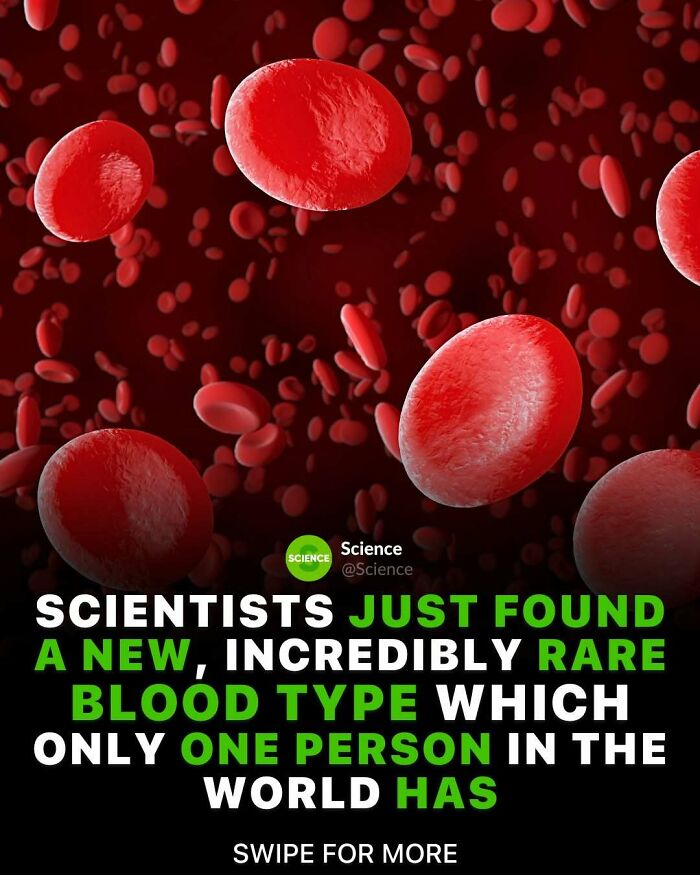
A French woman from the Caribbean is the only person on Earth with a newly discovered blood type—and she can only receive blood from herself.
Scientists just identified the world's 48th blood group system, dubbed "Gwada negative" after the woman's home island of Guadeloupe. The discovery solves a 14-year medical mystery that began when doctors spotted an unusual antibody during her routine pre-surgery tests in 2011.
"She is undoubtedly the only known case in the world," said Thierry Peyrard, a medical biologist at France's Blood Establishment who led the research. "She is the only person in the world who is compatible with herself."
The breakthrough came in 2019 when advanced DNA sequencing finally revealed the genetic mutation behind her unique blood. The woman, now in her 60s, inherited the rare trait from both parents who each carried the mutated gene—making her blood type incredibly unlikely to occur again.
Blood types are determined by specific antigens on red blood cell surfaces. While most people know the basic ABO system, scientists have now cataloged over 365 different antigens. The International Society of Blood Transfusion officially recognized this 48th blood group system in Milan this month.
This isn't the only recent rare blood discovery. Earlier this year, researchers also identified the MAL blood group system after investigating a 50-year-old mystery involving a pregnant woman missing a common antigen found in 99.9% of people.
"Discovering new blood groups means offering patients with rare blood types a better level of care," the French Blood Establishment explained. Researchers are now searching worldwide for other people who might share this extraordinary blood type.

I’d rather have the commonest blood group the rarest, for obvious reasons.
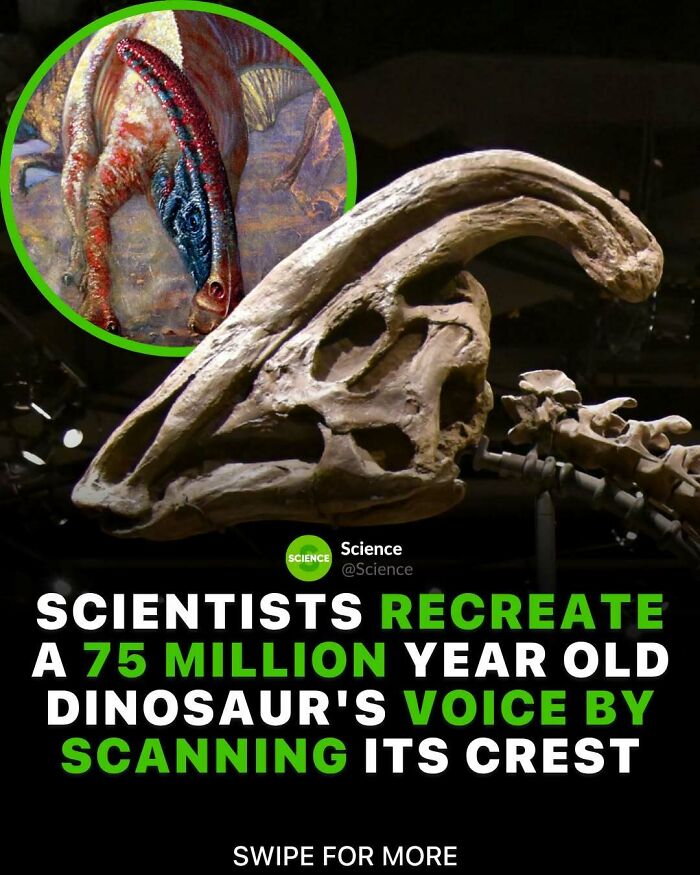
Forget Jurassic Park's terrifying roars. The real voice of Parasaurolophus was far stranger—a deep, resonating bellow that echoed through ancient swamps 75 million years ago. Digital paleontology is letting us hear these extinct giants for the first time.
The breakthrough began in 1995 when scientists discovered a nearly intact Parasaurolophus skull in New Mexico, complete with its signature 4.5-foot tubular crest. This duck-billed dinosaur was a herbivore whose elaborate head ornament functioned like a living trombone, filled with air passages and resonating chambers.
Sandia National Laboratories researchers used CT scans and supercomputers originally designed for nuclear weapons research to digitally reconstruct the crest's internal structure. Their 350 cross-sectional images revealed a labyrinth of airways that produced low-frequency rumbling sounds—each dinosaur having a unique voice, distinctive enough to identify individuals across vast distances.
But the science didn't stop there. NYU researcher Hongjun Lin recently built a physical model called the "Linophone"—3D-printed pipes that replicate the dinosaur's vocal anatomy. His experiments suggest Parasaurolophus sounded like a massive trumpet or saxophone, with resonant frequencies around 581-1056 Hz.
Scientists discovered that without vocal cords, the crest alone could produce haunting calls simply by forcing air through its chambers.
Source: Sandia National Labs
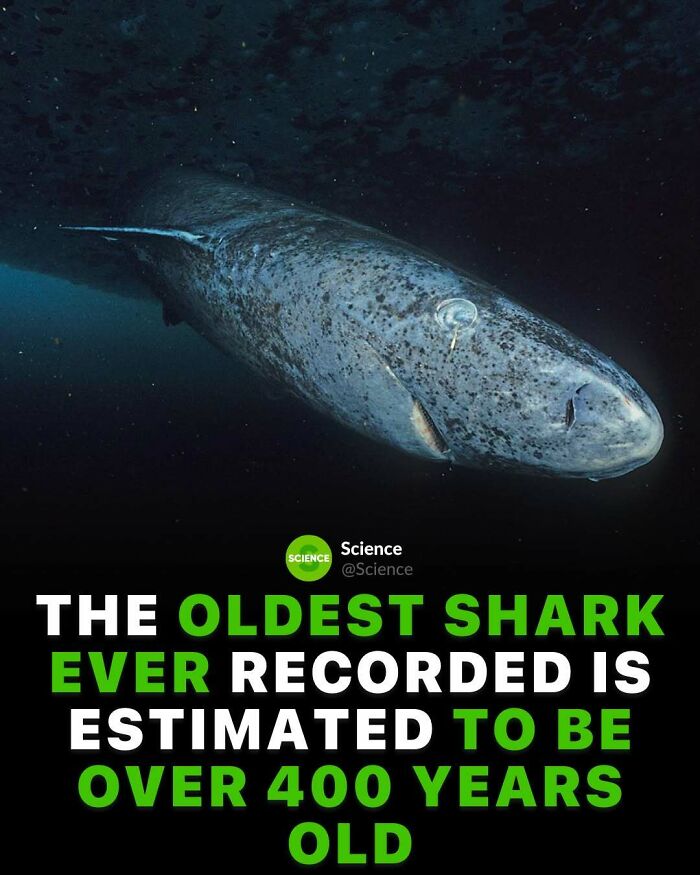
In 2016, scientists made a discovery that rewrote the record books: a female Greenland shark estimated to be 392 ± 120 years old years old, making her the longest-living vertebrate on Earth. Born around 1627, this ancient predator has been silently cruising Arctic waters since before the American colonies existed.
The breakthrough came through an ingenious dating method. Unlike other fish that show growth rings, Greenland sharks have soft cartilage throughout their bodies. So University of Copenhagen researchers turned to the sharks' eyes, using radiocarbon dating on lens proteins that form before birth and never degrade—like fossils preserved in amber.
The results were staggering. Of 28 sharks studied, eight were over 200 years old, and two exceeded 300 years. The oldest specimen measured nearly 16.5 feet long and likely witnessed the rise and fall of entire civilizations.
But the real shock was their growth rate: just 1 centimeter per year. These giants don't even reach sexual maturity until they're 150 years old, meaning centuries pass before they can reproduce.
Recent genome sequencing has revealed the genetic secrets behind their longevity—enhanced DNA repair mechanisms, cancer resistance genes, and anti-inflammatory adaptations. As climate change threatens Arctic ecosystems, these living time capsules face new challenges after surviving four centuries of human history.
The discovery proves that in the planet's coldest waters, evolution created creatures that make human lifespans look like brief flickers—sharks that literally outlive empires.
Source: 10.1126/science.aaf1703
Your brain doesn't show you reality in real-time—it presents a 15-second averaged version of what you've recently seen.
A study published in Science Advances reveals that human perception operates on a significant delay. Instead of processing every visual snapshot as it occurs, your brain automatically smooths visual input over time, creating what researchers call a "previously unknown visual illusion."
Scientists from the University of Aberdeen and UC Berkeley discovered this phenomenon by testing how people perceive faces aging in real-time videos. When participants watched 30-second clips of faces gradually aging, they consistently reported seeing the age of the face that appeared 15 seconds earlier, not the current image.
"Instead of analyzing every single visual snapshot, we perceive in a given moment an average of what we saw in the past 15 seconds," the researchers explain. This temporal averaging helps your brain create the illusion of a stable environment despite constant fluctuations in light, shadow, and movement.
The mechanism works like a biological time machine that keeps sending you back 15 seconds. Without this smoothing effect, the world would feel chaotic—like experiencing constant hallucinations as your brain tried to process every minute visual change in real-time.
This delay explains why subtle changes that occur gradually over time often go unnoticed. Your brain pulls together objects to appear more similar to each other, tricking you into perceiving stability that doesn't actually exist in the moment.
The discovery challenges our understanding of conscious perception and reveals that what feels like the present moment is actually a carefully constructed average of the recent past. Your brain essentially functions as a video editor, continuously creating a smooth, comprehensible version of reality from the chaotic stream of visual information your eyes collect.
This biological mechanism represents millions of years of evolution optimizing for survival—a stable perception of the environment is more useful than a jittery, constantly updating view that would overwhelm cognitive processing.
How, then, can a person visually follow (or catch) a moving object like a baseball, when it moves much faster than ~15 seconds? I'm genuinely curious.
Human s***m just broke one of the most fundamental laws of physics!
Newton's third law states that "for every action, there is an equal and opposite reaction." Push against a wall, and the wall pushes back with equal force. But s***m swimming through thick fluids somehow avoid this rule entirely.
Kenta Ishimoto and his team at Kyoto University discovered that s***m tails possess something called "odd elasticity"—a property that lets them whip through viscous fluids without losing energy or provoking resistance from their surroundings.
Here's what should happen: when a s***m's flagella tail waves through fluid, Newton's third law demands the fluid push back with equal force, slowing the s***m down significantly. Highly viscous fluids should dissipate the tail's energy and prevent movement entirely.
Instead, s***m glide through these sticky substances with surprising ease, as if the fluid doesn't even notice they're there.
The researchers studied both human s***m and Chlamydomonas algae, finding that both use hair-like flagella to create wave-like motions that somehow generate "non-reciprocal interactions"—movements that don't trigger the expected equal and opposite reactions.
The study reveals that these microscopic swimmers add their own energy to the system with each tail movement, pushing them "far from equilibrium" where normal physics rules don't apply. It's like they've found a loophole in the laws of nature.
Seriously!? Censoring the word s***m? It's a scientific word not a profanity!
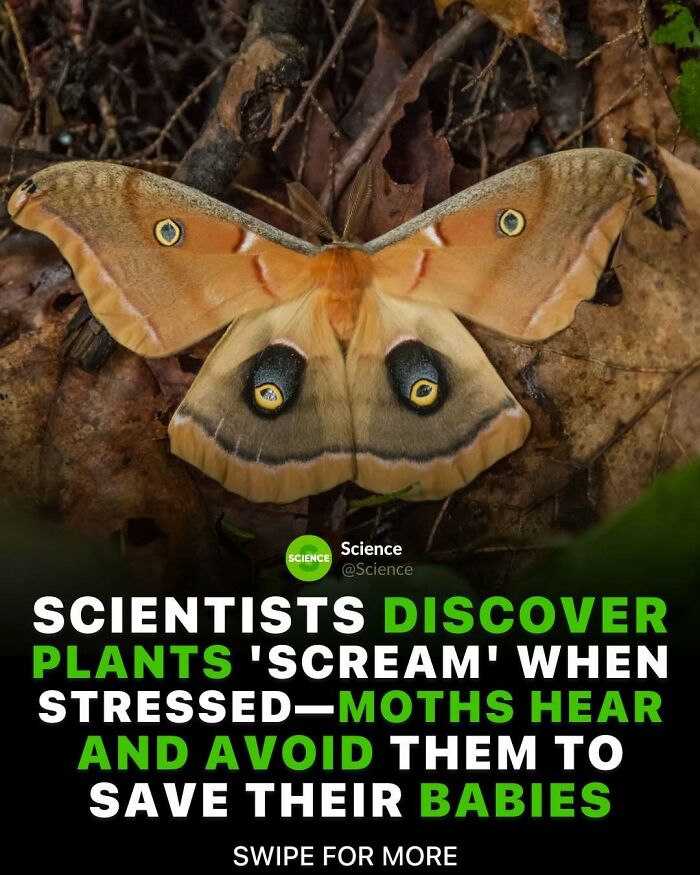
The discovery could have implications for agriculture and pest control, opening up possibilities for managing crop health and insect behavior through sound.
While the ultrasonic sounds emitted by plants are outside the range of human hearing, they can be picked up by many insects and some mammals, such as bats.
Investigating this preference, the researchers presented female moths with two healthy tomato plants – one with a speaker playing sounds registered from a drying plant, and one that was silent.
The moths preferred the silent option, suggesting they use these cues to identify optimal sites for laying eggs.
Further experiments confirmed that the moths' choices were guided specifically by sound and only by sounds from the plants.
"Here, we've seen that there are animals that are capable of making sense of these sounds," said Lilach Hadany, professor at the University's Wise Faculty of Life Sciences.
"We think that this is just the beginning. So, many animals may be responding to different plants."
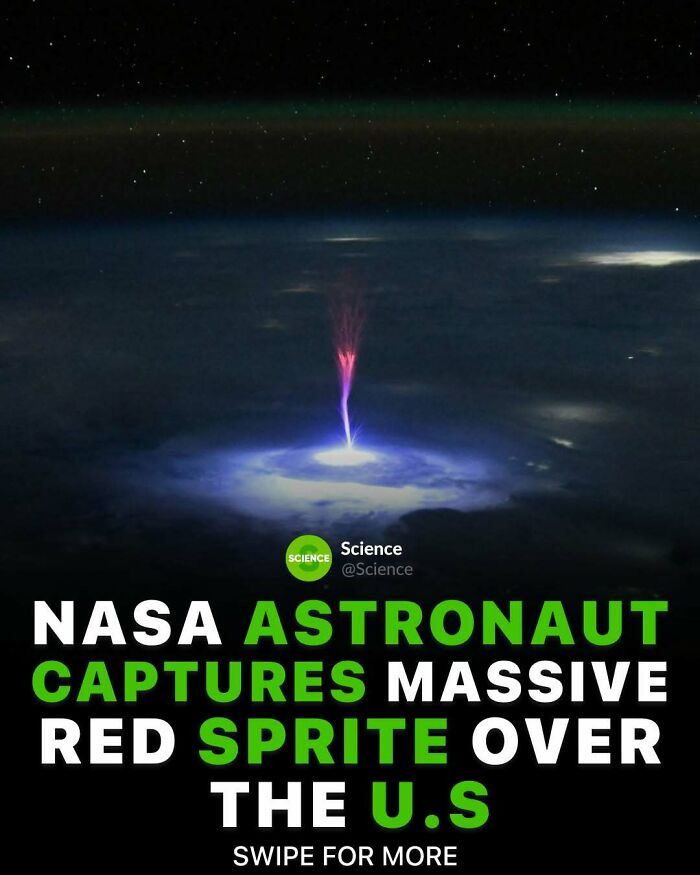
NASA astronaut @astro_ayers captured a rare red sprite shooting 50 miles above a thunderstorm over Mexico and the southern United States.
Sprites are a type of Transient Luminous Event that occurs in the upper atmosphere above intense thunderstorms. Unlike regular lightning that strikes downward, sprites shoot upward into the mesosphere, reaching altitudes of 30 to 60 miles above Earth's surface.
The red coloration comes from nitrogen molecules in the upper atmosphere interacting with h**h-energy electrons. These electrical discharges last only a few milliseconds and appear as jellyfish-shaped formations with tendrils extending both upward and downward.
Red sprites are difficult to observe from ground level because they occur above storm clouds and last for such brief periods. The ISS provides an ideal vantage point 250 miles above Earth, allowing astronauts to capture these phenomena alongside the lightning strikes that trigger them.
Scientists believe sprites form when positive cloud-to-ground lightning strikes leave the top of storm clouds negatively charged. If enough negative charge accumulates, an electrical discharge shoots toward the ionosphere above, creating the sprite.
First observed by airline passengers in the 1950s, sprites were not successfully photographed until 1989. Research indicates they also occur in the atmospheres of Jupiter, Saturn, and Venus.
The image provides valuable data for scientists studying the formation and characteristics of these atmospheric electrical phenomena and their relationship to thunderstorms below.
The U.S. just made one of the most controversial medical decisions in modern history—and experts are calling it a catastrophic mistake.
Health Secretary Robert F. Kennedy Jr. announced that the Department of Health and Human Services is terminating $500 million in federal funding for mRNA vaccine development, effectively ending 22 research projects under the Biomedical Advanced Research and Development Authority (BARDA). The decision affects major pharmaceutical companies including Pfizer, Moderna, Sanofi Pasteur, and CSL Seqirus, halting work on next-generation vaccines for COVID-19, flu, and potential pandemic threats.
Kennedy defended the unprecedented move by claiming that "the data show these vaccines fail to protect effectively against upper respiratory infections like COVID and flu" and that "mRNA technology poses more risks than benefits for respiratory viruses." The announcement comes just weeks after the FDA required stronger warning labels about myocarditis and pericarditis risks, particularly noting 27 cases per million doses in males aged 12-24.
But the medical establishment is pushing back hard. Former Surgeon General Jerome Adams called Kennedy's claims "simply incorrect," emphasizing that "mRNA technology has saved over two million lives" and enabled unprecedented vaccine development speed during COVID-19. The World Health Organization warned this represents a "significant blow" to pandemic preparedness.
The controversy highlights a fundamental clash between Kennedy's long-standing vaccine skepticism and mainstream medical consensus. Paul Offit from Children's Hospital of Philadelphia warned that the decision could leave the U.S. in a "more dangerous" position for future pandemics, as mRNA vaccines can be developed and deployed faster than traditional platforms.
Scientists at Johns Hopkins University have uncovered evidence linking a common viral infection to some of the most challenging psychiatric disorders. In a large study combining tissue analysis with health record data, researchers found that the hepatitis C virus (HCV) is present in the choroid plexus—the thin lining that produces protective cerebrospinal fluid—of people diagnosed with schizophrenia and bipolar disorder.
The team began by studying postmortem brain samples from patients with schizophrenia, bipolar disorder, and major depression, along with unaffected controls. Using a sequencing platform capable of scanning for thousands of viruses, they discovered genetic traces of 13 viral species in the choroid plexus. HCV stood out as the only virus significantly more common in people with schizophrenia and bipolar disorder compared to healthy individuals. Importantly, the hippocampus—deep within the brain and essential for memory and emotion—showed no viral presence, suggesting the infection stays at the brain’s margins while still influencing its function.
To test the strength of this link beyond the lab, the scientists analyzed TriNetX, a massive database containing health records from 285 million patients. They found HCV documented in 3.6% of people with schizophrenia and 3.9% of those with bipolar disorder. That’s nearly double the rate seen in major depression (1.8%) and about seven times higher than in the general population (0.5%). Interestingly, the virus was not always found in individuals who already had a known chronic HCV diagnosis, underscoring how unpredictable its spread to the brain lining can be.
HCV infects an estimated 50 million people worldwide, often through blood exposure, and many carriers show no symptoms. Yet this study shows the virus may play an unseen role in altering gene expression and immune activity in the brain. Although not every patient with schizophrenia or bipolar disorder has HCV, the findings open the door to exploring antiviral treatments as a way to ease psychiatric symptoms for a subset of patients—transforming how we understand and treat these conditions in the future.
Source: s41398-025-03387-3
Nine million years ago, deep in the Andes, a fateful meeting between two very different plants sparked the birth of one of humanity’s most essential foods: the potato. According to a groundbreaking study published in Cell, wild ancestors of the tomato and a lesser-known potato-like plant called Etuberosum interbred, forming a brand-new lineage—the origin of modern potatoes.
Neither tomato nor Etuberosum produces tubers, the starchy underground organs that make potatoes so valuable. But when their genes merged, two crucial pieces of genetic code came together. The tomato contributed a “master switch” gene called SP6A, which initiates tuber formation. Etuberosum brought IT1, a gene that shapes underground stem development. Together, these genes created the first tuber-producing plants.
This hybridization happened during a period of rapid geological uplift in the Andes, when new h**h-altitude, cold, and dry habitats emerged. The hybrid plant’s new tubers offered an evolutionary advantage—storing nutrients, surviving harsh climates, and allowing the plant to reproduce without pollination. Over time, this sparked a wave of new potato species adapted to diverse environments.
Researchers analyzed over 450 genomes from modern and wild potatoes, tomatoes, and Etuberosum species to unravel the potato’s complex lineage. Their findings not only solve the evolutionary mystery of the spud but could help create hardier, seed-reproducing potatoes in the face of climate change and disease.
The discovery may also open the door to engineering tuber traits into other crops like tomatoes—potentially transforming how we grow food. It’s a reminder that evolution’s most delicious innovations often begin by accident.
Source: S0092-8674(25)00736-6
Colossal Biosciences' genetically modified "dire wolves" have reached a major growth milestone at six months old, with the two males now weighing over 90 pounds.
Romulus and Remus, born in October 2024, now weigh more than 40 kilograms each and measure nearly four feet in length. This represents about 20% larger size compared to standard gray wolves at the same developmental stage, indicating that the genetic modifications are producing the intended physical characteristics.
The younger female, Khaleesi, born in January 2025, currently weighs 35 pounds and tracks 10-15% larger than typical gray wolves. According to Matt James, Colossal's Chief Animal Officer, "we can really tell that the dire wolf genes are kicking in, and we're getting these nice large wolves that are much more representative of what we saw in the ancient specimens".
The animals underwent 20 genetic edits across 14 genes to replicate physical traits associated with the extinct dire wolf, which disappeared approximately 10,000 years ago. The modifications have produced wolves with distinctive white coats, broader heads, and more muscular builds compared to their gray wolf relatives.
However, the project has faced scientific criticism regarding terminology. In May 2025, company scientist Beth Shapiro acknowledged that these are "grey wolves with 20 edits" rather than true dire wolves, noting that actual de-extinction would require cloning with preserved DNA. No ancient dire wolf DNA was incorporated into the genome.
The wolves are currently housed on a 2,000-acre preserve and display natural wolf behaviors including pack dynamics, with Remus emerging as the alpha and Romulus taking a beta role. They maintain wariness around humans and exhibit hunting behaviors despite being raised in captivity.
The animals are preparing for comprehensive veterinary examinations including bloodwork and CT imaging to monitor their skeletal and muscular development as they continue growing toward an estimated adult size of six feet and 150 pounds.
From Jurassic Park - "Your scientists were so preoccupied with whether or not they could, that they didn't stop to think if they should"... Some species have naturally died out. Just because we now have the science to bring them back? It's a whole different world now to when they were originally on Earth and honestly? I don't think we should.
A comprehensive study published in the Journal of the American Medical Association has revealed that American children became significantly less healthy across nearly every major health indicator over the past 17 years. Researchers analyzed 170 different health metrics from eight data sources and found a widespread decline in children's physical, mental, and developmental health from 2007 to 2023.
The statistics paint a troubling picture of childhood health in America. Obesity rates among children aged 2-19 rose from 17% in 2007-2008 to 21% in 2021-2023, while children in 2023 were 15% to 20% more likely to have chronic conditions like anxiety, depression, or sleep apnea compared to 2011. The proportion of children aged 3-17 with at least one chronic condition increased from 39.9% to 45.7% in pediatric health systems.
Dr. Christopher Forrest, lead researcher from Children's Hospital of Philadelphia, described the findings as particularly striking because all indicators pointed in the same direction. "The surprising part of the study wasn't any single statistic; it was that there's 170 indicators, eight data sources, all showing the same thing: a generalized decline in kids' health," Forrest explained0
The research represents the most comprehensive analysis of American children's health trends ever conducted, drawing from national surveys, mortality statistics, and electronic health records from over 2 million children across 10 pediatric health systems.
Could this possibly be linked to the continual degradation of their medical system?? When you can't afford proper medical care, of course people's health is going to suffer!
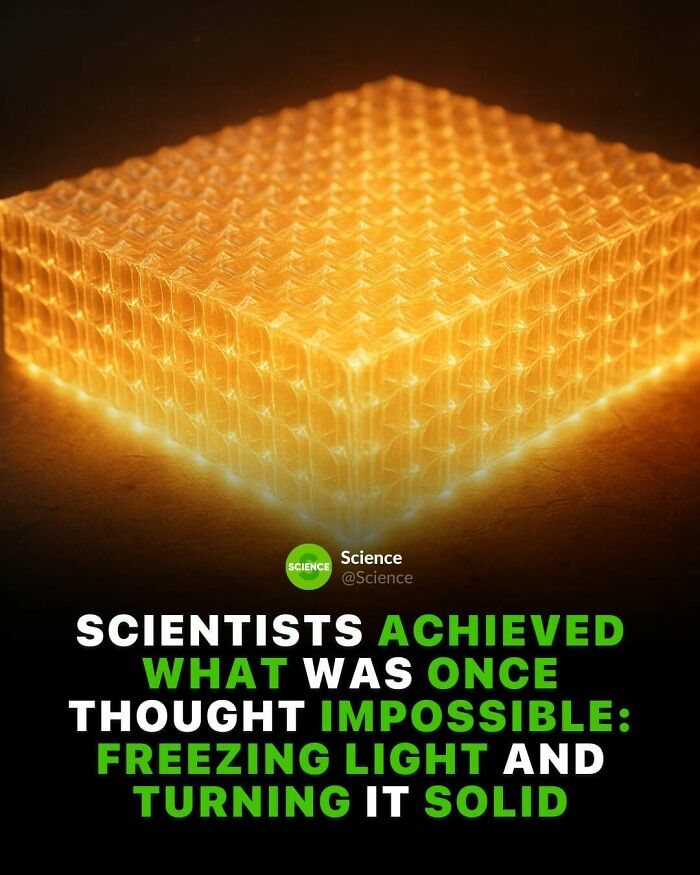
Scientists have achieved something once thought impossible: making light behave like a “supersolid,” a phase of matter that combines the ordered structure of a solid with the frictionless flow of a superfluid. ✨
Supersolids were previously only seen in ultracold gases called Bose–Einstein condensates, but Italian researchers Antonio Gianfate and Davide Nigro discovered similar behavior in light itself. They created the effect using a photonic semiconductor platform made from aluminum gallium arsenide, where photons act like electrons and can occupy multiple quantum states with equal energy.
In their setup, laser‑driven photons first condensed into a single state, but as more photons were added, pairs were pushed into adjacent quantum states, creating satellite condensates with unique wavenumbers while sharing the same energy. This spatial modulation of photon density is the hallmark of a supersolid.
The achievement required conditions near absolute zero, where quantum effects dominate and particles act collectively. Researchers describe it as “only the beginning” of exploring supersolidity, an exotic state first predicted in the 1960s and only demonstrated in ultracold atoms in 2017.
Why does it matter? Supersolid light could lead to breakthroughs in quantum computing, more stable qubits, and advanced photonic circuits. It offers new ways to control light and matter, promising future technologies that merge optics with quantum mechanics. 🌌
Source: s41586-025-08616-9
Earth is no longer governed by just four natural seasons. A wave of new research argues that human activity is creating entirely new seasons—patterns of time marked not by planetary tilt but by climate disruption, pollution, and ecological instability. These “emergent seasons” include haze season in Southeast Asia, where smoke from deforestation clouds the sky for weeks, and trash season in Bali, when ocean currents flood beaches with plastic waste. These are anthropogenic rhythms, now as regular as spring or summer.
At the same time, traditional seasons are vanishing. Seabird breeding periods in northern England have collapsed. Alpine winters, once reliable, are now so warm that ski resorts depend on artificial snow. To describe these changes, scientists have coined terms like “syncopated seasons”—erratic shifts in weather that distort familiar cycles—and “arrhythmic seasons,” where all predictability dissolves, leaving behind early springs, endless summers, and shortened winters.
These shifts are more than climate curiosities. They disrupt migration patterns, farming cycles, and cultural traditions. In Thailand, altered rainfall and upstream damming have thrown off generations of fishing and agricultural timing along the Mekong River. As seasons lose coherence, communities lose their bearings—ecologically, economically, and socially.
Scientists argue that we must rethink time itself. Today’s global timekeeping—measured in minutes and hours—has no room for rhythms shaped by tides, stars, or harvests. Indigenous and local knowledge, grounded in natural cues, may hold the key to adaptation. By blending ancient wisdom with modern science, we might better respond to the new calendar Earth is writing—one filled with fire, floods, and plastic.
Source: 27539687251348470
What would happen if no babies were born starting today? 🤔
The scenario sounds like science fiction, but demographers have mapped out exactly how humanity's final chapter would unfold. The timeline is more terrifying than most apocalypse movies because it's so mundane—we'd simply age ourselves out of existence.
Within 20 years, the workforce crisis begins. Power grids fail as electrical engineers retire with no replacements. Hospitals close as the last generation of doctors and nurses age out. Food production plummets when farmers can no longer maintain equipment or harvest crops at scale.
By year 40, global supply chains collapse entirely. The median human age reaches 65, meaning most people are too frail for physical labor. Military forces dissolve, governments fall, and the remaining population clusters around dwindling resources in a desperate battle for survival.
With 8 billion people today and no new births, we'd drop to under 100 million by year 60. Cities would empty as the elderly migrate to areas with functioning infrastructure—if any still exist.
Scientists studying population collapse point to historical precedents. Remote Pacific islands have experienced similar demographic crashes, but always recovered through migration or improved birth rates. Without either option, humanity faces a unique extinction scenario.
The final survivors—likely those born in 2020s and 2030s—would die of old age around 2090-2100. After 300,000 years of human history, our species would vanish not with nuclear war or climate catastrophe, but with the quiet closing of the world's last nursing home.
Scientists just c*****d one of longevity's biggest mysteries.
Ohio State University researchers analyzed data from over 66,000 U.S. census tracts and discovered that people living within 30 miles of an ocean or gulf coast live approximately one year longer than the national average of 79 years. But here's the plot twist that stunned scientists: the same isn't true for people living near inland waters in urban areas, who actually tend to die about a year earlier.
The coastal advantage appears to stem from multiple interwoven factors that create an almost perfect longevity cocktail. Coastal areas experience fewer extreme hot and cold days, maintain better air quality, offer more recreational opportunities, and typically attract residents with higher socioeconomic status. As lead researcher Jianyong "Jamie" Wu explained, "We thought it was possible that any type of 'blue space' would offer some beneficial effects, and we were surprised to find such a significant and clear difference between those who live near coastal waters and those who live near inland waters."
The darker side of the water story emerges in urban inland areas, where proximity to rivers and lakes correlates with shorter lifespans. Researcher Yanni Cao points to "pollution, poverty, lack of safe opportunities to be physically active and an increased risk of flooding" as the likely culprits. Interestingly, rural residents near inland waters do gain some lifespan benefits, just not to the degree of their coastal counterparts.
This groundbreaking study, published in Environmental Research, represents the first comprehensive examination of how different types of "blue spaces" affect American longevity—and suggests that when it comes to living longer, not all waterfront properties are created equal.
Because the are (on average) richer and have access to better medical care?
The reason why that particular seating area is best, according to Steve Martz, the director of global technology at THX, is that that's where the primary microphone is placed when the audio is calibrated in a theater. Martz tells Vulture that microphone readings are taken at multiple locations in a theater and averaged across the audio spectrum, to give every seat the best possible experience, but that the primary mic sits in that spot, meaning that the system is calibrated very well for that specific area.
If you can't get that perfect spot, the recommendation is to grab a center seat and then move forward toward the screen, rather than back toward the projector. This will let the screen fill your peripheral vision better by increasing your horizontal viewing angle.

Haven't been to the cinema for almost seven years, but I always preferred to sit in the very back row (small cinema) so that no ferals can sit behind me and kick my seat.
Plants are screaming—and moths are listening 🦋
Scientists at Tel Aviv University have uncovered the first evidence of acoustic communication between plants and insects, revealing that female moths avoid laying eggs on tomato plants emitting ultrasonic distress signals. When plants are dehydrated or stressed, they emit h**h-pitched clicking sounds beyond human hearing—essentially screaming for help.
The breakthrough came when researchers placed Egyptian cotton leafworm moths in controlled arenas with both healthy and stressed plants. The results were startling: moths consistently chose silent, hydrated plants over those making distress calls. Even more remarkable, when researchers played recorded plant screams through speakers next to healthy plants, moths still avoided those "noisy" locations.
This behavior appears hardwired into moth genetics. Lab-raised moths with zero plant exposure still demonstrated the same avoidance patterns, suggesting millions of years of evolutionary fine-tuning. The strategy makes perfect survival sense—caterpillars hatching on stressed plants face poor nutrition and higher mortality rates.
But tomato plants aren't alone in their vocal distress. The research builds on earlier discoveries showing that many plant species emit these ultrasonic cries when facing drought, damage, or disease. Insects, bats, and other mammals can all detect these frequencies, opening possibilities for an entire hidden ecosystem of acoustic interactions we're only beginning to understand.
The discovery could revolutionize agriculture and pest control. Instead of relying solely on chemical pesticides, farmers might someday use acoustic signals to guide beneficial insects toward healthy crops while deterring harmful ones. As climate change intensifies droughts worldwide, understanding these plant-insect conversations becomes increasingly crucial for protecting global food security.
In the 1960s, National Wildlife Magazine published a study demonstrating that plants, subjected to a scan similar to an EKG, reacted in a wildly stressed manner when "witnessing" another plant being harmed. Scientists have known that plants communicate for some time now.
A new long-term study is turning the “video games rot your brain” mantra on its head. Tracking more than 5,000 U.S. children from age 9 to 11, researchers found that kids who spent above-average time gaming raised their IQ by an extra 2.5 points—gains that held even after accounting for genetics, income, and parental education.
The boost showed up on standardized tasks of reading comprehension, spatial reasoning, memory, and flexible thinking, suggesting that the interactive, goal-driven challenges in many games act like high-intensity workouts for developing brains. By contrast, hours spent watching TV or scrolling social media neither helped nor hurt.
Lead author and neuroscientist Torkel Klingberg says the data reinforce a simple idea: intelligence isn’t fixed at birth; it’s shaped by experience—and digital play can be part of that enrichment. The study doesn’t give kids a free pass to marathon gaming sessions (it didn’t examine effects on sleep or physical activity), but it does argue that parents should judge screen time by quality, not just quantity.
In other words, when balanced with real-world play and homework, a controller in hand might be less of a cognitive vice and more of a stealthy IQ upgrade.
Source: 10.1038/s41598-022-11341-2
Yes, but having a healthy breakfast every day improves children's IQ by 5 points. Lots of environmental factors change IQ scores.
A series of new studies across Emory University, Baylor College of Medicine, and multiple research groups reveal psilocybin — the active compound in psychedelic mushrooms — may do far more than ease depression and anxiety. In controlled experiments, human lung and skin cells treated with psilocin (the metabolized form of psilocybin) lived over 50% longer before reaching senescence. Markers of aging such as oxidative stress dropped, DNA repair improved, and telomeres — protective chromosome caps that shorten with age — were preserved.
Mice aged to the human equivalent of 60–65 years, given low and then monthly higher doses of psilocybin for 10 months, showed dramatically better survival: 80% were still alive compared to 50% of untreated mice. They also looked healthier, with improved fur quality and reduced white hairs. Scientists believe psilocybin’s interaction with serotonin receptors throughout the body activates pathways like SIRT1, a known regulator of aging and stress responses, without driving cells into dangerous overgrowth.
Beyond these striking results, researchers noted improvements in overall cellular vitality, fewer visible signs of decline, and enhanced molecular resilience under repeated stress. They emphasize that these findings open an entirely new frontier in understanding how psychedelics may influence systemic aging, encouraging further clinical exploration for safe, effective treatments.

Psylo seams to solve lots of problem. And thanks to past idiots we are decades behind in research!
A "dead" NASA satellite just sent Earth a strange yet powerful radio signal after 60 years of silence!
Astronomers using the Australian Square Kilometer Array Pathfinder detected what they thought was a fast radio burst from deep space. The signal was so intense it literally blinded their radio telescopes for a moment, outshining everything else in the sky.
But when they traced the source, they got a shock. The burst came from Relay 2, a NASA communications satellite launched in 1964 that has been completely dead since 1967. This space zombie has been drifting silently through orbit for nearly six decades until it suddenly screamed back to life.
"We were very excited, thinking we had discovered a new pulsar or something unknown. It was an incredibly powerful burst of radio waves," Dr. Clancy James from Curtin University told New Scientist. The pulse lasted just 30 nanoseconds but was powerful enough to drown out signals from across the universe.
The mystery deepened when researchers realized the burst was far too short to match any of Relay 2's original systems. This wasn't the satellite somehow restarting—it was something else entirely.
Scientists have two leading theories. The first suggests a micrometeoroid slammed into the satellite, creating a plasma cloud that emitted radio waves. The second, more likely explanation involves decades of static electricity building up on the satellite's surface before releasing in one massive electrostatic discharge.
The discovery raises uncomfortable questions about space debris. As low Earth orbit fills with thousands of defunct satellites and debris pieces, distinguishing between cosmic phenomena and technological interference becomes increasingly difficult.
This "resurrection" might actually prove useful for detecting radio pulses from old satellites, which could become a new tool for studying dangerous electrostatic discharges in space, crucial knowledge for protecting future missions and satellite networks.
An 800-pound brown bear just got the world's largest dental crown—and he's showing off his "shiny new smile" at the Lake Superior Zoo.
Tundra made dental history this week when veterinarians fitted him with a massive titanium alloy crown, marking the first time such a procedure has been performed on a bear.
Dr. Grace Brown, the brave, board-certified veterinary dentist who led the procedure, called it unprecedented. "This is the largest crown ever created in the world," she said. "It has to be published." She plans to document the groundbreaking surgery in the Journal of Veterinary Dentistry later this year.
The massive crown was custom-made by Creature Crowns in Idaho using a wax cast of Tundra's damaged canine tooth. The 6-year-old bear originally fractured the tooth in 2023 and received a root canal, but when he re-injured the same tooth, veterinarians decided a permanent metal crown was the best solution.
The titanium crown is designed to protect his tooth for the rest of his life, ensuring this 800-pound bear can keep chomping without any issues.
Scientists just solved one of consciousness's biggest mysteries—and the results challenge everything we thought about death.
The first comprehensive comparison between DMT experiences and actual near-death experiences has revealed shocking similarities that suggest both might tap into the same neurological mechanisms. In a groundbreaking 2025 field study, researchers tracked 36 participants who inhaled high-dose DMT in their own homes, then compared their accounts with 34 cardiac arrest survivors who experienced genuine NDEs.
The overlap was undeniable: 100% of DMT users reported encounters with entities, compared to 44% of NDE experiencers. Both groups described out-of-body sensations, traveling through mysterious tunnels, and perceiving brilliant lights. When researchers administered DMT in controlled laboratory settings, all 13 participants scored above the official threshold for having had a near-death experience.
But the differences were equally revealing. While NDE survivors typically encountered deceased loved ones, DMT users universally described meetings with otherworldly alien beings. NDEs featured life reviews and dramatic "return to life" moments, while DMT trips produced intricate geometric visuals never reported in genuine near-death cases.
The most intriguing discovery involves timing. University of Greenwich researchers found "good indirect evidence" that DMT floods the brain at the moment of death, potentially explaining why dying patients report these transcendent experiences. However, the neurobiological context differs—NDEs occur during oxygen deprivation and massive neurochemical releases, while DMT acts on healthy brains.
As one researcher noted, DMT might serve as a "psychopomp" —guiding consciousness through death's transition. Whether these experiences reveal glimpses of an afterlife or simply reflect the brain's final neurochemical symphony remains science's most fascinating unsolved puzzle.
Having had my heart restarted twice in the ambulance... Yup, paddles and everything.... All I remember is - "Wtf are these things on my chest?" but I wasn't fully awake or lucid then fell unconscious again. It's... Yes, technically I died twice, my heart stopped, my breathing too. They recuitated me and it was nothing as being described here but everyone is different.
A study of 1,082 university students confirms that cheese and dairy products can trigger nightmares, particularly in people with lactose intolerance.
Researchers at the University of Montreal surveyed students at MacEwan University about their eating habits, sleep patterns, and dream experiences. The study, published in Frontiers in Psychology, found a strong association between lactose intolerance and nightmare frequency.
Dr. Tore Nielsen, the study's lead author, explained that "nightmare severity is robustly associated with lactose intolerance and other food allergies." The research suggests that gastrointestinal distress from consuming dairy products disrupts sleep quality, making nightmares more likely to occur.
Of the participants who blamed specific foods for their nightmares, 22% pointed to dairy products, while 31% blamed desserts and sweets. Only 5.5% of respondents believed that food affected their dreams, but those who did were more likely to experience lactose intolerance.
The mechanism appears to be physical rather than mystical. When lactose-intolerant individuals consume dairy products, the resulting stomach pain, bloating, and gas can disrupt their sleep cycles. This physical discomfort during sleep appears to influence dream content, making nightmares more frequent and intense.
Women were nearly twice as likely as men to report food intolerances and were more likely to experience nightmares overall. About 40% of participants said their eating habits affected their sleep quality.
The findings provide scientific backing for the long-held cultural belief that cheese causes bad dreams. Nielsen noted that "these new findings imply that changing eating habits for people with some food sensitivities could alleviate nightmares."
The research suggests that people with lactose intolerance who experience frequent nightmares might benefit from avoiding dairy products before bedtime.
In a breakthrough that bends the rules of reality, scientists in China have kept a quantum Schrödinger-cat state alive for an astonishing 1,400 seconds, a record-setting feat that pushes the boundaries of physics.
To pull this off, scientists at the University of Science and Technology of China cooled 10,000 atoms of ytterbium-173 to just above absolute zero. They trapped the atoms using lasers and manipulated them into two distinct spin states, achieving a high-fidelity cat state. Typically, superpositions collapse quickly when exposed to environmental noise. But by isolating the atoms in a "decoherence-free subspace," the team created a kind of quantum safe room that allowed the state to persist far longer than anyone thought possible.
This decoherence-free subspace was stabilized using a “magic wavelength” optical lattice, which counteracted shifts in the atoms' energy caused by variations in laser intensity. The researchers also used a Ramsey interferometry technique to verify that the quantum state remained coherent and responsive over the entire duration. The superposition created, where each atom held two opposite spin orientations, is a textbook example of a Schrödinger-cat state, scaled to a system of thousands of particles.
The result opens exciting possibilities. These long-lived cat states are incredibly sensitive to magnetic fields, making them ideal tools for ultra-precise measurement, possibly approaching the Heisenberg limit, the theoretical boundary for accuracy. Applications include quantum metrology, magnetic field detection, atomic clocks, and even quantum navigation systems.
The study also hints at future breakthroughs in fundamental physics. If refined further, such stable quantum states could help detect elusive forces, test predictions of physics beyond the Standard Model, or improve quantum memory for fault-tolerant quantum computing. With better vacuum systems and materials, the duration might be pushed even further, unlocking deeper layers of quantum behavior we’ve only begun to understand.
A comprehensive analysis of over 70 studies involving millions of participants found no safe level of processed meat consumption, with even small amounts linked to increased disease risk.
Researchers from the University of Washington analyzed data examining relationships between processed meat and three major health conditions: type 2 diabetes, ischemic heart disease, and colorectal cancer. The study, published in Nature Medicine, represents one of the largest reviews of processed meat consumption to date.
Dr. Demewoz Haile, the study's lead author, reported that "habitual consumption of even small amounts of processed meat, sugary drinks, and trans fatty acids is linked to increased risk of developing type 2 diabetes, ischemic heart disease and colorectal cancer".
The findings show that eating as little as one hot dog per day increases type 2 diabetes risk by 11% and colorectal cancer risk by 7% compared to eating no processed meat. The research team noted that "the monotonic increases in health risk with increased consumption of processed meat suggest that there is not a 'safe' amount of processed meat consumption with respect to diabetes or colorectal cancer risk".
The study used a Burden of Proof methodology, which is more conservative when assessing health impacts and tends to produce minimum risk estimates, meaning the true health risks may be underestimated.
Dr. Nita Forouhi from the University of Cambridge, who was not involved in the research, emphasized that "the risk increased as consumption increased; and for processed meat consumption, the data showed that there was no 'safe amount'".
Source: 10.1038/s41591-025-03775-8
The power of exercise in preserving muscle mass as we age!
We see axial MRI views of the thighs (imagine cutting the thigh in half and looking at a cross-section). Seen is the increased degree of adipose (fat) and muscle atrophy in a sedentary man as opposed to that of a triathlete of similar age.
Pretty convincing evidence to maintain an exercise program throughout our lives! ...and it's never too late to start!
📷 Wroblewski AP, et al. Chronic exercise preserves lean muscle mass in master athletes. Phys Sportsmed, 2011
The Sabu Disk remains one of archaeology's most enigmatic artifacts. It was discovered in 1936 in a 5,000-year-old Egyptian tomb and still defies explanation today.
British archaeologist Walter Bryan Emery uncovered the mysterious object on January 19, 1936, while excavating mastaba S3111 at the Saqqara necropolis. The disk was found in the central burial chamber of Prince Sabu, a First Dynasty official who lived around 3000-2800 BC, positioned directly next to his skeletal remains.
The artifact was carved from schist—a fragile, layered stone that flakes easily and crumbles under pressure. Its design features three elegantly curved lobes extending from a slightly raised rim toward a central hole, creating an appearance that resembles a steering wheel with three wide spokes.
What makes the Sabu Disk particularly puzzling is the precision of its craftsmanship. Given that tools available during the First Dynasty were made of stone and copper, achieving such delicate detail on schist would have been extraordinarily difficult, if not impossible with the technology of the time.
Numerous theories have emerged about its purpose. Initially dismissed as a ceremonial vessel, incense burner, or decorative object, the disk has sparked more imaginative explanations ranging from a water pump mechanism to a flywheel for storing rotational energy. Some engineers who examined 3D replicas noted its aerodynamic properties, though its radial symmetry rules out use as a propeller or turbine.
Archaeologists continue to debate the disk's function. Some suggest it may have been a stand-mounted container, though no supporting evidence was found in the tomb. Others propose it could have been an imitation of contemporary metal objects or that its fragile nature relegated it to purely ceremonial purposes.
Despite decades of study and modern analytical techniques, the Sabu Disk continues to challenge our understanding of ancient Egyptian technology and craftsmanship. It reminds us that even after nearly a century of archaeological investigation, some mysteries from our distant past remain unsolved.
UCLA scientists have discovered a molecule that can wake up dormant hair follicles and potentially reverse baldness.
The PP405 molecule works by inhibiting a protein that keeps hair follicle stem cells in a dormant state. When applied topically to the scalp at bedtime for a week, it activates these sleeping follicles and triggers new hair growth.
Professors William Lowry, Heather Christofk, and Michael Jung developed the treatment over nearly a decade of research. Unlike existing treatments like Rogaine and Propecia, which only slow hair loss or produce fine peach fuzz, PP405 produces full "terminal" hair—the thick strands that grow naturally.
The first human trials conducted in 2023 showed statistically significant results. Pelage Pharmaceuticals, the company founded by the UCLA researchers, announced positive Phase 2a clinical trial results in June 2025. The treatment successfully reactivated dormant hair follicle stem cells in areas of thinning or balding.
Pattern hair loss affects more than half of all men and one-fourth of all women by age 50. Current research shows that bald areas of the scalp retain dormant hair follicles that have essentially fallen asleep due to age, stress, genetics, and environmental factors.
Google Ventures has backed the research, and Pelage Pharmaceuticals has raised $16.4 million to fund further trials. The company plans to initiate Phase 3 studies in 2026, with the treatment potentially reaching market by 2027 if it receives FDA approval.
The molecule represents a shift toward regenerative medicine, aiming to reverse hair loss at the cellular level rather than simply maintaining existing hair or slowing the progression of baldness.
Among Earth’s 6,000 officially recognized minerals, one stands apart—not because of its fame, but because of its sheer rarity. Kyawthuite is the only mineral known to exist in just a single natural specimen. Small, reddish-orange, and weighing 1.61 carats, it was discovered by chance in 2010 near Mogok, Myanmar, a region famous for gemstone diversity.
Initially thought to be amber or topaz, the stone was purchased at a local market by Dr. Kyaw Thu, a Burmese mineralogist. After faceting the gem and finding no known match, he submitted it for analysis. The mineral’s identity was confirmed in 2015 and officially recognized by the International Mineralogical Association. In tribute, the mineral was named kyawthuite.
Kyawthuite’s chemical formula—Bi³⁺Sb⁵⁺O₄ with trace tantalum—makes it the only known bismuth-antimony oxide to occur naturally. While its components are not extremely rare (bismuth is more abundant than gold, and antimony more common than silver), the conditions required to fuse them into kyawthuite appear to be uniquely complex.
Its density is striking—eight times that of water—giving the small gem a surprising heft. Structurally, it features checkerboard sheets of antimony and oxygen interlaced with bismuth atoms. These features, along with vein-like inclusions caused by tectonic stress, suggest kyawthuite formed under extreme pressure—possibly within pegmatite rock during the collision of the Indian and Asian plates that created the Himalayas.
Today, the lone specimen is housed at the Natural History Museum of Los Angeles County. Although synthetic versions exist, the natural form remains one of a kind. Ethical and political challenges in Myanmar may be one reason more examples have not surfaced.
An Emory University team gave monthly micro‑doses of psilocin—the active metabolite of magic‑mushroom compound psilocybin—to 18‑month‑old mice and saw survival soar to 80 % versus 50 % in controls; lifespan stretched ~30 %, and grey fur partially reversed. Similar gains appeared in cultured skin and lung cells, which lived up to 57 % longer after psilocybin treatment.
Multi‑omics profiling slowed telomere loss, cut oxidative marker 8‑oxo‑dG, and doubled longevity gene Sirt1, suggesting psilocybin bolsters DNA repair machinery. Hippocampal RNA‑seq revealed damped inflammatory pathways, hinting that the anti‑aging bump shares signaling circuits with the drug’s well‑known antidepressant effects.
Scientists caution that the data are pre‑clinical; psychedelics can raise blood pressure, provoke anxiety, and demand medical supervision, so any geroprotection trials must be tightly controlled. Yet the findings widen psilocybin’s reach from mental‑health therapy to possible “psychedelic longevity,” fueling calls for safer analogs, precise dosing studies, and synergy with existing anti‑aging strategies.
A sweeping international study has found that simply living through the COVID-19 pandemic caused people’s brains to age faster—whether or not they ever caught the virus. 🧠
Researchers at the University of Nottingham examined brain scans from nearly 1,000 adults, comparing scans taken before the pandemic to those taken during it. They trained models on data from more than 15,000 healthy participants to predict a person’s “brain age.” When applied to pandemic-era scans, the results revealed an average acceleration of 5.5 months in brain aging.
The structural changes—seen in both gray matter, which controls memory and emotions, and white matter, which carries signals—were similar in those infected and uninfected. This suggests factors like prolonged stress, isolation, reduced activity, and disrupted routines left a measurable mark on the brain.
The effect was most pronounced in men, older adults, and people with poorer health, unstable jobs, or lower socioeconomic status. Infected individuals showed an additional decline in cognitive performance, while those uninfected did not.
Scientists say it’s unclear if these changes are reversible, but emphasize proven habits for brain health—exercise, sleep, diet, and social engagement—could help. “Brain health is shaped not only by illness, but by our everyday environment,” said study co‑lead Ali‑Reza Mohammadi‑Nejad.
The research, published in Nature Communications, highlights how major societal upheavals can reshape brain health far beyond infection itself—and why mental and cognitive well‑being must be part of future public health planning. 🌍
Source: d41586-025-02313-3
The jaguarundi is nature's identity crisis—a wild cat that looks like an otter-weasel hybrid and has genetics more similar to Asian cats than its South American neighbors, the Cougar.
The jaguarundi has an appearance so unusual among felines that researchers initially questioned whether it truly belonged in the cat family. With its elongated weasel-like body, short legs, small flattened head, and long bushy tail, this medium-sized wild cat breaks every rule about what cats are supposed to look like.
Standing just 14 inches at the shoulder but stretching up to 30 inches long, jaguarundis weigh between 7 and 15 pounds—about twice the size of a house cat but built completely differently. Their sleek, uniform coat comes in two distinct color phases: smoky gray or rich chestnut red, with no spots or markings found on other wild cats.
What makes them even more unusual is their chromosome count. Jaguarundis have 38 chromosomes compared to 36 in other small South American cats, and their genetic features actually resemble Old World cats from Asia more than their regional neighbors.
These "otter cats" behave as unusually as they look. Unlike most wild cats that hunt at night, jaguarundis are active during the day, swimming across rivers, leaping 6 feet into the air to catch birds, and communicating through 13 different vocalizations including screams, purrs, whistles, and yaps.
Their range once stretched from Argentina to Texas, but they've virtually disappeared from the United States. Texas declared them extinct in 2025, with the last confirmed specimen being roadkill near Brownsville in 1986.
For millions of years, the Y chromosome has been the architect of male biology—home to the all-important SRY gene that kickstarts testis development. But scientists now warn that this "puny little chromosome" is slowly vanishing. At its current pace, the Y chromosome could disappear entirely in 4 to 11 million years.
The implications for human biology are profound—and not just in the far future. Studies show that many men begin to lose the Y chromosome in some of their white blood cells as early as their fifties. By age 80, up to 40% of men may have what’s called “mosaic loss of Y” (LOY), a condition linked to shorter lifespans, heart failure, Alzheimer’s, and multiple forms of cancer.
Further research reveals that LOY not only depletes immune function but may help tumors evade detection. The loss of immune-regulating genes like UTY shifts T cells into more passive roles, allowing cancers to grow unchecked. Yet paradoxically, certain Y-negative tumors respond better to checkpoint inhibitors, revealing a complex interplay between genetics and treatment outcomes.
These discoveries raise critical questions about how genetics and the environment interact to accelerate or delay chromosomal loss. Smoking, pollution, and industrial toxins hasten the process—but healthy lifestyle changes may slow it. Advances in single-cell genomics could soon allow doctors to track LOY progression and tailor treatments to a patient’s chromosomal profile.
Still, nature may have a backup plan. Two rodents—the Japanese spiny rat and the Eastern European mole vole—have already evolved male-determining systems without a Y chromosome. In the spiny rat, a tiny duplicated sequence near the SOX9 gene now replaces SRY’s function. This raises the possibility that humans, too, could eventually rewire sex determination through evolution.
Whether Y chromosome loss will lead to extinction, speciation, or adaptation remains unknown. For now, researchers recommend lifestyle changes to reduce LOY—avoiding tobacco, pollution, and mutagens—while exploring how this disappearing chromosome shapes immunity, aging, and male health today.
Source: 10.1073/pnas.2211574119
Good! Let the women take over. They cannot be any worse than us men.
In a universe teeming with stars, galaxies, and billions of potentially habitable worlds, the most terrifying possibility isn’t that we’re alone. It's that intelligent civilizations are out there, watching in silence, too afraid to speak.
The Dark Forest Hypothesis is one of the most unsettling answers to the Fermi Paradox, which asks why we haven’t encountered alien life despite the staggering size and age of the universe. Instead of picturing a galaxy filled with curious civilizations eager to connect, this theory suggests the cosmos is a silent, lethal battleground—where speaking up could mean extinction.
Coined by Chinese author Liu Cixin in The Dark Forest, the hypothesis likens the universe to a dark forest where every civilization is an armed hunter moving in silence. To make noise—to announce your existence—is to risk being found and destroyed by others. Game theory supports the logic: in a setting where intentions can’t be known and threats are existential, preemptive strikes become rational behavior.
This isn’t just fiction. Prominent scientists have explored similar ideas. Astrophysicist David Brin’s “deadly probes” scenario and proposed first-contact protocols both stress caution, advising that the safest first move is no move at all. Even a single hostile civilization could keep the rest of the galaxy in a state of permanent, terrified silence.
Earth, however, has been anything but quiet. For over a century, we’ve been blasting our presence into the stars—through TV signals, radio waves, and interstellar greetings. If anyone is out there, they already know we exist.
What makes the theory so chilling is that it flips the narrative: silence is not absence, it is strategy. And our noise may already be a fatal mistake.

All the other galactic civilizations refer to us disparagingly as "those noisy neighbors". 👽
The world's only complete juvenile Ceratosaurus skeleton dramatically outbid the largest Mars rock ever found on Earth at a record-breaking Sotheby's auction, selling for $30.5 million compared to the meteorite's $5.3 million.
The 150-million-year-old baby dinosaur skeleton sparked a fierce six-minute bidding war at Sotheby's New York, ultimately fetching five times its high estimate of $6 million. Standing 6 feet tall and measuring nearly 11 feet long, this Late Jurassic carnivore contains 139 original bone elements and represents the only known juvenile specimen among just four Ceratosaurus fossils worldwide.
The exceptional rarity drove the astronomical price. "This is one of only four known Ceratosaurus in the world. And of those four, this is the only juvenile," explained Cassandra Hatton, Sotheby's vice-chairman and global head of science and natural history. Juvenile dinosaur fossils rarely survive the rigors of deep time, making this specimen extraordinarily valuable to both collectors and researchers.
Discovered in 1996 at Wyoming's famous Bone Cabin Quarry, the skeleton had been exhibited unmounted at Utah's Museum of Ancient Life before being prepared for auction. The sale made it the third-most expensive dinosaur fossil ever sold at auction, trailing only the $44.6 million "Apex" Stegosaurus.
Meanwhile, the Martian meteorite NWA 16788 achieved its own milestone despite being overshadowed by the dinosaur. The 54-pound rock, discovered in Niger's Sahara Desert, represents nearly 7% of all Martian material currently on Earth. At 70% larger than the next biggest Mars fragment, it had traveled 140 million miles after being blasted from Mars by an asteroid impact.
Media: Sotheby's
Night owls, brace yourselves. A study by Stanford Medicine researchers has found that following your natural inclination to stay awake until the early morning hours is a bad choice for your mental health.
In a survey of nearly 75,000 adults, researchers compared the participants' preferred sleep timing, known as chronotype, with their actual sleep behavior. They determined that regardless of one's preferred bedtime, everyone benefits from turning in early. Morning larks and night owls alike tended to have higher rates of mental and behavioral disorders if they stayed up late.
The study, published in Psychiatry Research, recommends lights out by 1 a.m.
"We found that alignment with your chronotype is not crucial here, and that really it's being up late that is not good for your mental health," said Jamie Zeitzer, PhD, professor of psychiatry and behavioral sciences and the senior author of the study. "The big unknown is why."
Renske Lok, PhD, a postdoctoral scholar in psychiatry and behavioral health, is the lead author of the study.
What if the pain someone carries in childhood doesn’t stop with them? Not just in the memories they carry or the habits they try to change, but in their biology—in the cells that carry life forward.
New research is revealing something scientists have suspected for years: trauma experienced by fathers in childhood can leave molecular traces in their sperm. These aren’t changes to the DNA code itself, but small chemical markers—signals that affect how genes are read. Published in Molecular Psychiatry, the findings suggest that early life stress might shape not only the individual but also, in some cases, the children they one day have.
Researchers studied sperm from 58 adult men, most in their late 30s and early 40s. Each man filled out detailed questionnaires about his childhood, including emotional neglect, physical abuse, or other traumatic events. The results showed that men who reported high levels of early stress had distinct differences in their sperm’s “epigenetic” profile compared to men with low reported stress. These differences were not explained by habits like smoking or drinking; they were specifically tied to past experiences.
Scientists saw changes in DNA methylation patterns and in small noncoding RNAs—molecular signals that control how genes turn on or off. Some of these markers appeared near genes involved in brain development. While this does not prove that a father’s trauma will affect his children, it shows there is a biological pathway that could carry those effects forward.
Epigenetics is the study of how life experiences influence gene expression without altering the DNA sequence. It shows that while our genetic code stays the same, how it is “read” can shift in response to environment, stress, and healing. Importantly, these changes are not necessarily permanent. Positive lifestyle changes—like therapy, exercise, meditation, and strong relationships—can also alter epigenetic markers, offering hope that cycles of stress can be softened over time.
Source: s41380-024-02872-3
Tonight's the night—two meteor showers are putting on the ultimate cosmic display.
The Southern Delta Aquariids and Alpha Capricornids both reach peak activity from tonight (July 29) into Wednesday morning, creating a rare astronomical event where Earth passes through debris from two different comets simultaneously. With the moon only 27% full, viewing conditions are exceptional for catching up to 30 meteors per hour streaking across the darknes.
Tips for watching the display:
Both showers are better seen from the Southern Hemisphere, but United States-based viewers could still catch a glimpse. The best time to watch the meteor showers is typically after midnight but before dawn, in a place with little artificial light pollution. Allow your eyes to adjust to the dark by avoiding screens—including your cellphone. Ensure your viewing spot offers a good vantage point of the southern sky, since this week’s showers favor the Southern Hemisphere.
The American Meteor Society confirms this is summer's meteor shower duet—a perfect alignment that won't repeat for years. Tonight offers the rare chance to see cosmic debris from multiple ancient comets painting streaks of light across Florida's dark skies.
The "sleep more, live longer" myth just got shattered—and the results are shocking.
Scientists analyzing data from over 2.1 million people across 79 international studies have discovered that sleeping too much is actually more dangerous than sleeping too little. While people getting less than 7 hours face a 14% higher risk of death, those sleeping 9+ hours face a staggering 34% increased mortality risk.
But the gender differences are even more alarming. Women who oversleep face a 44% higher death risk compared to men's 36%—making excessive sleep particularly deadly for females. The optimal "Goldilocks zone" remains 7-8 hours, but straying too far in either direction turns sleep from healing into harm.
The mechanisms are disturbing. Oversleeping triggers chronic inflammation, disrupts circadian rhythms, and impairs glucose metabolism—creating a perfect storm for cardiovascular disease, diabetes, and stroke. Recent research published in JAMA Network Open found that people sleeping over 10 hours were 41% more likely to develop heart problems or die prematurely.
Even more concerning: Vanderbilt University tracked 47,000 adults for 12 years and discovered that maintaining unhealthy sleep patterns over time—whether too long or too short—increased death risk by 29%. Your sleep "trajectory" matters as much as individual nights.
The findings challenge everything we thought we knew about rest and recovery. As one researcher noted, "If you sleep more than 9 hours regularly, you may want to visit a doctor to check your overall health"—because excessive sleep often signals underlying conditions that dramatically shorten lifespan.
Source: 10.1007/s11357-025-01592-y
The story of human innovation begins with a simple stone tool made 2.6 million years ago in Ethiopia—the oldest known technological invention that launched our species toward civilization. This crude chopping tool, created by Homo habilis using one stone to knock flakes off another, represents humanity’s first step beyond biological limitations.
Fire came next around 1.4-1.9 million years ago, transforming human life by enabling cooking, warmth, and protection from predators. Archaeological evidence from Africa shows early humans learned to control flames, fundamentally changing their diet and social structures. Cooked food provided more calories and nutrients, literally fueling brain growth that would drive future innovations.
The timeline accelerates dramatically after humans developed language. Communication allowed knowledge to spread beyond individual experience, creating the first information networks that would eventually span continents.
Each invention built upon previous discoveries, creating an accelerating cascade of human ingenuity. From stone tools to smartphones, this 2.6-million-year timeline shows how simple innovations compound into the complex technological civilization we inhabit today.
Human progress isn’t just about individual breakthroughs—it’s about how each generation builds upon the accumulated wisdom of everyone who came before.
For decades, UFO sightings—now formally termed Unidentified Anomalous Phenomena (UAPs)—have sparked theories that humanity is not alone in the universe. Yet a bold new paper suggests the truth may be stranger and far closer to home: an unknown, advanced non‑human intelligence could already be living alongside us, hidden in plain sight.
Researchers from Harvard’s Human Flourishing Program and Montana Technological University propose what they call the “cryptoterrestrial hypothesis.” Instead of arriving from distant galaxies, these mysterious beings might dwell deep underground, beneath vast ocean trenches, or even walk among us, blending seamlessly into human society. According to the authors, this idea—while extraordinary—deserves open‑minded scientific attention.
The paper outlines four main possibilities. One is that remnants of an ancient, technologically advanced human civilization survived some forgotten cataclysm and retreated into hidden realms. Another suggests that non‑human Earth species, perhaps evolved from intelligent reptiles or primates, developed in isolation. A third option is that extraterrestrials arrived long ago and chose to conceal themselves here. Finally, a more speculative theory considers “magical” or folklore‑like beings—creatures once described as fairies or angels—existing unseen alongside humanity.
To support their case, the authors draw on curious patterns in UAP reports: craft entering or exiting volcanoes and oceans, sudden shifts between air and water without slowing, and movements that seem to defy physics. They also note cultural echoes—myths of underground cities like Agartha or legendary visitors from the sea—that hint at ancient memories of contact.
While Pentagon reports have yet to confirm anything beyond ordinary technology, and the authors themselves admit their proposal is unlikely, they argue that rejecting unconventional ideas outright could limit discovery. In their words, some phenomena are “strange enough to call for unconventional explanations.”
Source: 381405238
AI Leap Unlocks Secrets of Protein Shape-Shifting
A groundbreaking AI model, unveiled by Microsoft Research, can now predict the multiple shapes a single protein can take, a crucial step in understanding diseases and developing new drugs.
This new AI, named BioEmu, marks a significant advance beyond previous models like AlphaFold, which excelled at predicting a protein's single, most stable folded structure. The findings were published in the prestigious journal Science on July 10, 2025.
Proteins are not static; they are dynamic molecules that often shift between various conformations to perform their biological functions. Understanding these "folding variations" is critical because many diseases, including cancer and Alzheimer's, are linked to proteins misfolding or getting stuck in the wrong shape.
BioEmu, a type of generative deep learning system, can emulate the equilibrium behavior of proteins, generating thousands of possible, statistically likely structures for a single protein in a matter of hours on a single GPU. This process is orders of magnitude faster than traditional molecular dynamics simulations, which could take years to achieve similar results.
By providing a picture of the entire "ensemble" of a protein's possible shapes, BioEmu can help scientists identify previously hidden "cryptic" binding pockets for new drugs and better understand the mechanisms of diseases caused by protein misfolding. This ability to see the full range of a protein's structural possibilities is expected to accelerate drug discovery and the design of novel proteins for therapeutic purposes. Researchers believe this new tool will allow for the rapid generation of testable hypotheses about protein function and dysfunction, paving the way for more effective and precisely targeted treatments.
_____
Source: Science 2025, DOI: 10.1126/science.adv9817
NASA has confirmed that a third interstellar object is racing through our solar system, marking the first such visitor since 2019.
The object, officially designated 3I/ATLAS or C/2025 N1 (ATLAS), was first detected on July 1 by the Asteroid Terrestrial-impact Last Alert System telescope in Chile. Initially labeled A11pl3Z, astronomers have since confirmed it originated from beyond our solar system and is traveling at approximately 152,000 mph.
The comet is currently 420 million miles from Earth, positioned between Jupiter's orbit and the asteroid belt. It approaches from the direction of the Sagittarius constellation and measures an estimated 12 miles in diameter.
Unlike initial assumptions that it was an asteroid, observations revealed cometary activity including a coma and tail, confirming its classification as a comet. The object's extreme velocity and flat trajectory indicate it has enough momentum to shoot straight through our solar system without being captured by the Sun's gravity.
3I/ATLAS poses no threat to Earth, maintaining a minimum distance of 150 million miles from our planet. It will reach its closest approach to the Sun on October 29, passing about 126 million miles away—just inside Mars' orbit.
This discovery follows two previous interstellar visitors: 1I/ʻOumuamua in 2017 and 2I/Borisov in 2019. The rarity of such objects makes each detection significant for understanding materials and conditions in other star systems.
The comet will remain observable through September before disappearing into the Sun's glare, then reemerging in December for its closest approach to Earth on December 19. Astronomers worldwide are tracking its path to gather data about this rare interstellar traveler.
Telescopes with 6-8 inch apertures can photograph the object, though it appears extremely faint at magnitude 17.8.
Source: David Rankin/Saguaro Observatory
The DNA inheritance percentages shown represent theoretical averages, but the reality of genetic inheritance is far more complex and variable than these neat mathematical divisions suggest.
While you're guaranteed to inherit exactly 50% of your DNA from each parent, the inheritance from more distant ancestors becomes increasingly unpredictable due to genetic recombination and random chance. The 25% figure for grandparents is an average—in reality, you might inherit anywhere from 18% to 32% of your DNA from any individual grandparent.
This variability becomes even more pronounced with each generation. For great-grandparents, the theoretical 12.5% can range from as little as 4% to as much as 23%. By the time you reach your 4th great-grandparents (6 generations back), you carry about 1.56% of their DNA on average—but this could vary significantly.
The mathematics work because DNA inheritance follows a halving pattern with each generation, but genetic recombination during meiosis means that DNA segments are shuffled and redistributed in ways that don't always split evenly.
This genetic lottery system explains why family traits can seem to skip generations or why you might share more physical resemblance with one grandparent than another. Your DNA inheritance is a unique combination that reflects millions of years of evolutionary shuffling, making each person's genetic makeup truly one-of-a-kind despite following predictable mathematical patterns on average.
The sky no longer rains water—it rains warnings. With every storm, an invisible toxin called trifluoroacetic acid (TFA) spreads silently across the globe. Scientists are now sounding the alarm: this "forever acid" is saturating our planet’s atmosphere, falling in droplets that glow with industrial menace. Unlike the sulfuric downpours of the past, TFA is the ghost of modern industry—formed from the decay of refrigerants, pesticides, pharmaceuticals, and chemical coatings, drifting through the air until it descends on our soil, water, and bodies. Its arrival is not a sudden disaster, but a quiet siege.
TFA has now been found in groundwater, Arctic ice, bottled drinks, and even human blood. Its molecular design makes it virtually impossible to break down naturally or filter from water using conventional treatment. In some areas, it accounts for over 90% of PFAS—the notorious “forever chemical” class—in drinking water. Plants absorb TFA readily through their roots, meaning it’s entering the food chain via crops like maize and wheat.
Though TFA doesn’t accumulate in animal fat the way longer-chain PFAS do, it’s showing signs of biological activity. Animal studies point to reproductive harm and liver effects at high doses, and some researchers have detected TFA in humans at levels rivaling known toxic PFAS. Its increasing presence is prompting calls to classify it as a planetary boundary threat—an irreversible pollutant that could disrupt global ecosystems and human health.
Because TFA originates from multiple sources and resists cleanup, scientists warn that regulation alone may not be enough. Without swift action to reduce emissions at their source, we may be witnessing the birth of a global, invisible burden we can’t undo.
Source: PMC11562725
The pandemic didn't just steal years from our lives—it literally aged our brains, even if we never got sick.
University of Nottingham researchers have published the most comprehensive evidence yet that living through COVID-19 fundamentally changed our brains. Using AI trained on over 15,000 healthy adults, scientists analyzed brain scans from nearly 1,000 people taken before and during the pandemic—and the results were shocking.
Human brains aged an average of 5.5 months faster during the pandemic compared to normal aging patterns. But here's what stunned researchers most: even people who never contracted COVID-19 showed significant brain aging acceleration.
"What surprised me most was that even people who hadn't had COVID showed significant increases in brain aging rates," said lead researcher Dr. Ali-Reza Mohammadi-Nejad. "It really shows how much the experience of the pandemic itself, everything from isolation to uncertainty, may have affected our brain health."
The effects weren't equal across demographics. Men, older adults, and people from lower socioeconomic backgrounds experienced the most pronounced brain aging. Adolescents faced even more dramatic changes—with female teens showing 4.2 years of accelerated brain maturation and males showing 1.4 years.
The culprits weren't viral but psychological: prolonged isolation, disrupted routines, reduced physical activity, and economic uncertainty. These cumulative stressors triggered structural brain changes typically associated with natural aging, including cortical thinning and altered brain volumes.
The encouraging news? These pandemic-induced brain changes may be reversible, though researchers are still investigating long-term recovery patterns as we move further from those initial crisis years.
What if every electron in your body, in the air you breathe, and in the farthest galaxy was not just identical, but the exact same particle, endlessly looping through time? In 1940, physicist John Archibald Wheeler floated this mind-bending possibility to his student Richard Feynman, calling it the “one-electron universe.” In this vision, a single particle traces a vast, tangled path through spacetime. Moving forward, it’s an electron; moving backward, its charge reverses and it becomes a positron.
The idea grew from a striking fact: all electrons have the same mass, charge, and spin, making them completely indistinguishable. Wheeler’s proposal was a playful, if improbable, way to explain this uniformity. If true, it would mean the lone electron is unimaginably ancient, having crisscrossed the cosmos countless times since the dawn of the universe, appearing at countless “locations” simply because of where its timeline intersects ours.
Feynman seized on one aspect of the idea, later using it to frame his Nobel-winning interpretation of positrons as electrons traveling backward in time, a concept now central to quantum electrodynamics. Yet the concept falters in practice: our universe has far more electrons than positrons, contradicting its predictions. Wheeler, with a wink, suggested the “missing” positrons might be hiding in protons.
Though almost certainly wrong, the one-electron hypothesis remains a striking example of quantum physics’ surreal possibilities. Today, electron uniformity is explained through quantum field theory, which treats them as excitations of a single, universal field. No time loops required. But Wheeler’s daring thought experiment still resonates, proof that even wildly speculative ideas can spark creativity, shape the language of science, and inspire generations of physicists to push beyond the limits of what seems possible.


BP is now censoring the word spérm. Really, BP??? What is next? The word bed, perhaps? Because naughty things may happen there?
The BP CensorBot has a Big List Of Words That Might Displease Advertisers. Spẹrm is on the list; bed isn't. The censoring process is completely automated. No human or even artificial intelligence is involved.
Load More Replies... BP is now censoring the word spérm. Really, BP??? What is next? The word bed, perhaps? Because naughty things may happen there?
The BP CensorBot has a Big List Of Words That Might Displease Advertisers. Spẹrm is on the list; bed isn't. The censoring process is completely automated. No human or even artificial intelligence is involved.
Load More Replies...










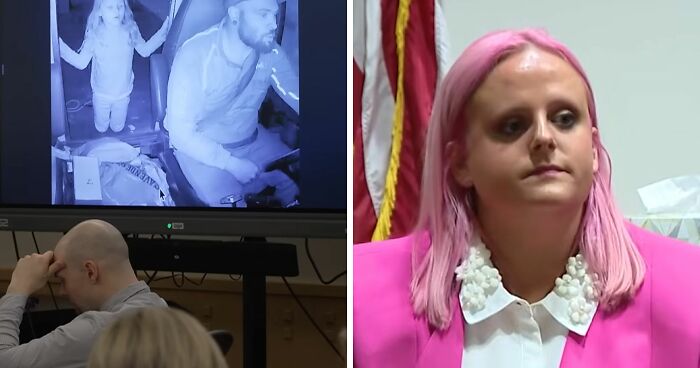


























 No fees, cancel anytime