Get Premium
Dark mode theme is available exclusively for premium users. Learn more about the benefits of subscribing.
No fees, cancel anytime.

 Dark Mode Ad-Free Browsing Unlimited Content
 Ad-Free Browsing Unlimited Content Dark Mode
Join 1.2 million Panda readers who get the best art, memes, and fun stories every week!

Many adults don’t realize how deeply small everyday interactions can affect a child’s emotional development. Things that may seem harmless in the moment like dismissing feelings, comparing siblings, or expecting children to “just behave,” can sometimes leave a much bigger impact than intended.
To better understand which common behaviors adults often overlook, we teamed up with parenting expert Celia Kibler, who shared insights into the subtle habits and reactions that can shape a child’s confidence, emotional security, and self-worth in the long run.
Scroll down to discover some of the most overlooked yet common behaviors that can affect children, and learn more about Celia and the interesting projects she’s currently working on.
More info: Instagram | Facebook | beabetterparent.com | dayofcalm.org | funfit.com
This post may include affiliate links.
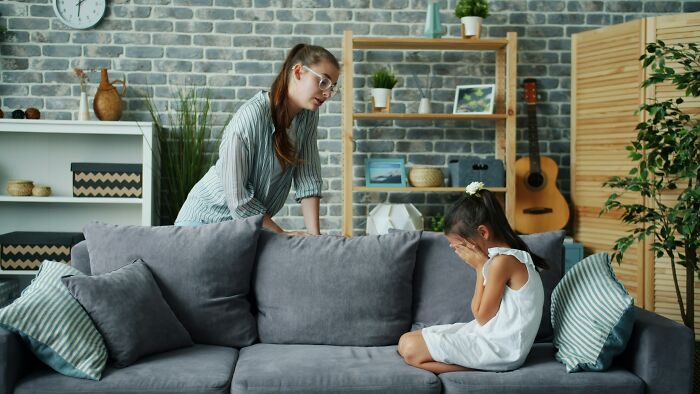
Apologizing teaches accountability, humility, respect, and relationship repair. In addition, it shows that no parent is perfect and the child doesn’t have to be either.

Celia Kibler is an internationally recognized parenting expert, award-winning author of Raising Happy Toddlers, family empowerment coach, preschool teacher, and founder of Be A Better Parent and the Day of Calm Foundation. She is also the co-founder of Funfit® Family Fitness, a program focused on strengthening family connection through movement, play, and wellness.
With more than 43 years of professional and real-life parenting experience, including over 30 years of parenting a blended family, Celia specializes in helping families build calmer, more respectful, and cooperative relationships through practical tools, emotional connection, and intentional leadership without relying on yelling. She is especially known for her work supporting families through divorce, separation, co-parenting, and blended family dynamics. Her work has been recognized with both the Mom’s Choice Award and the International Impact Book Award for Parenting.
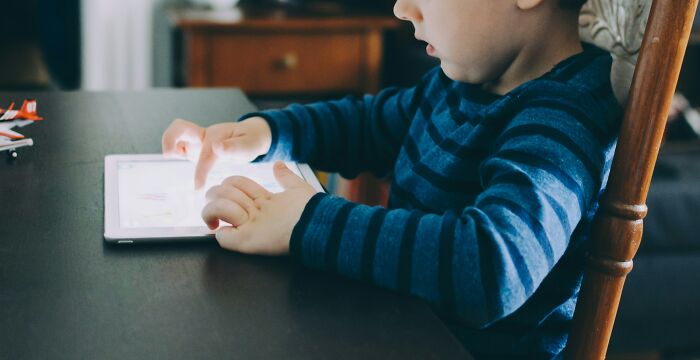
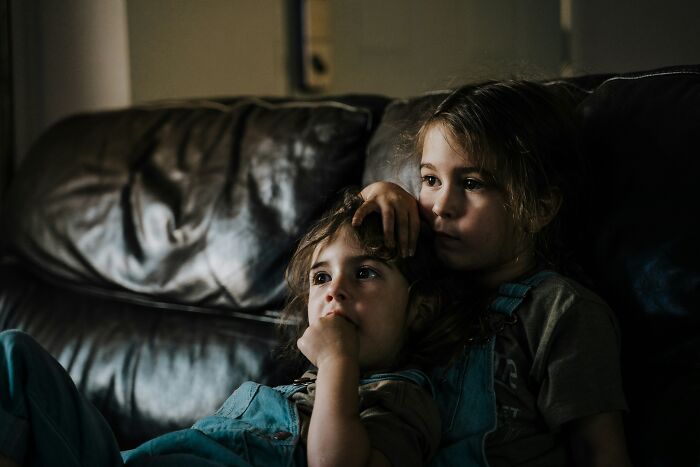
Kids need human connection, movement, conversation, boredom, and creativity to develop healthy coping skills. Screens can be a huge cause of emotional dysregulation and many of the mood swings that parents struggle with.
This is so frustrating to see! My cousin is a truck driver and while he spends every moment that he can with his kids, he still has to spend a few days (typically all working days) on the road. When he gets home however, he takes over all the chores and takes his kids out, helps with their homework, play with them, etc. His wife seems to think that putting a tablet or phone in their hands is the perfect solution to not have to deal with them. When my cousin is not there, that's all she does. The three year-old used to catch on to new things (words, concepts, etc.) very quickly. Now, he has regressed.
Disappointment is an important life skill that helps build resilience and emotional flexibility. Disappointment should be practiced, not avoided. When kids realize that disappointment is a part of life, they learn it is not a big deal and just requires them to rethink, possibly replan, and adjust if necessary. Sometimes, things just don’t work out, and that’s OK.

I tried always to let my grandkids experience the other side of sucess. I think I tried with my kids too. I couldn't really tell you, I'm old. My adage was, "they're not d**d, they're not in the hospital, they're not in jail", so I think I did o.k.
Kids build confidence and responsibility when they feel capable, included, and needed. If you send them away when they ask to help, you are sending them a message that they are not capable and they should concern themselves with one thing: playing. Then, when you want them to help later in life, they won’t. Children should contribute as soon as they can hold a rag and help out. It may be messy, but the more they do, the more they master the skill.

My mother always dictated our weekly grocery list to little me, usually having to spell things like "milk" and "eggs." She admitted many years later that she could have written the list, shopped and been home in the time it took me to write everything down.
Comparison often creates resentment, insecurity, or competition instead of connection. It leads to a child believing that they are not capable and will never be good enough.
When we constantly interrupt or don’t give a child a chance to finish, over time, kids may begin believing their thoughts and feelings don’t matter and feel invisible and dismissed. This will lead to a child not feeling safe as they grow to come and talk with their parent, especially in the teenage years.

My mom still does that to me. Heaven forbid I do the same to her, but I still reciprocate now. That's when she leaves because she realizes she's no longer in control of the company. I've seen her do this with others. Adieu. Adios. Goodbye. Good riddance.
Children eventually stop hearing the lesson and start absorbing fear, stress, or shame instead. In addition, constant yelling plants voices in their head that tell them they’re a bad kid, they do nothing right, and they doubt and second-guess themselves, among some of the inadequacies they start believing about themselves.
Parents are just humans with human emotions. It's okay, and important to hear their parents voices elevated, when necessary. HOWEVER, yelling, shouting, screaming, cursing all the time? I'm not sure why a parent would want to create a hostile home for everyone. They must be miserable, exhausting people.
Even playful teasing can feel deeply personal to a child who is still developing self-worth. For a child without full brain development (human brains don’t fully develop until we are 25 years old), they aren’t equipped to understand not to take “a joke” personally. In addition, it takes years for children to develop logic, reasoning, and to recognize the difference between reality and fantasy, making what seems like an innocent joke to an adult be received as an attack against the child.
I hate it when a parent teams up with the siblings to bully one child.
Humiliation may stop behavior temporarily, but it can damage trust and emotional safety in the long term. Embarrassment will drive a huge wedge between you and your child and destroy trust and respect.
My oldest decided to help herself to a candy bar at the check out. I didn't see it until we were half way to the car. I put my stuff in the car and marched her right back into the store. There was a line but I interrupted, made her apologize to the cashier and put the candy back. Yes, she was crying big time, but I wanted her to know there were consequences to her actions.
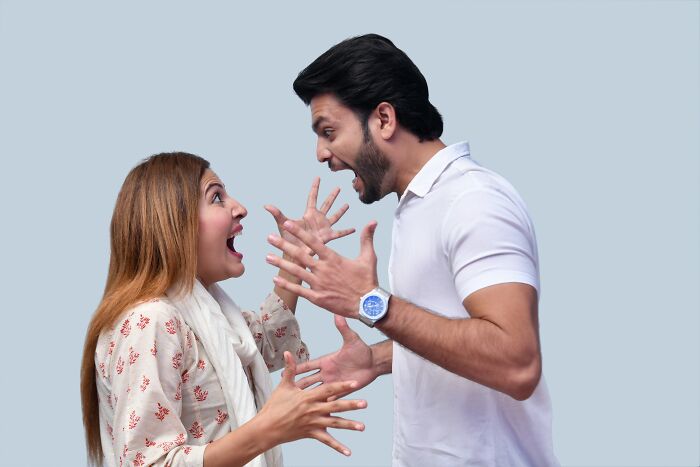
Conflict is not always damaging to relationships; lack of repair often is. We will have conflict in life, but we also need to learn how to calmly approach it and resolve it or sometimes agree to disagree. The way conflict is handled can affect everyone either in a positive way or a negative way.

As an educator, I have gotten good at saying to kids after a disagreement/meltdown things like 'thank you for apologising, I appreciate it' or 'thank you for changing your behaviour/making good choices/fixing up your mess/calming yourself down etc'.
Rescuing children too quickly can unintentionally weaken resilience, confidence, and problem-solving skills. Saving a child transfers what should be their responsibility to your responsibility and opens the door to your child blaming others and making excuses.
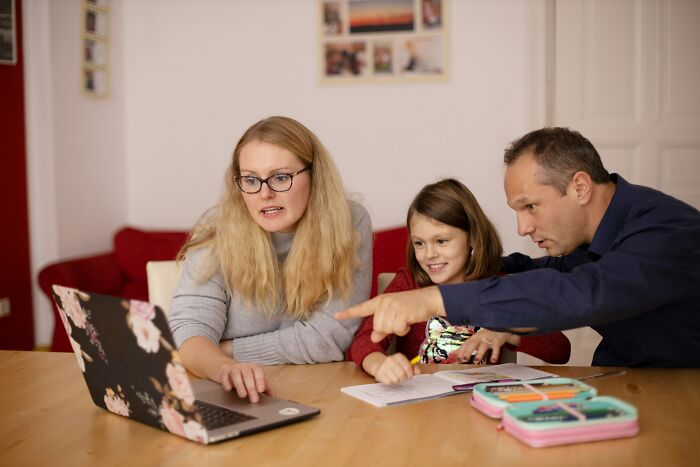
Raising young kids, if you're not patient, can be feel boring and frustrating. It takes them a lot of practice and time to learn what we think of as simple actions. You have to put yourself in a teacher role, where, yes, you know the answer and how to do it all, but that child hasn't gotten it yet. Unless you want to do everything for your kid for many years ahead, just let them figure it out through trial and error.
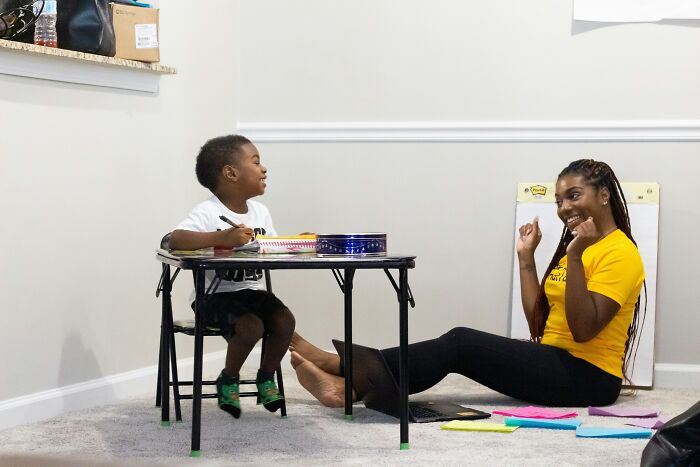
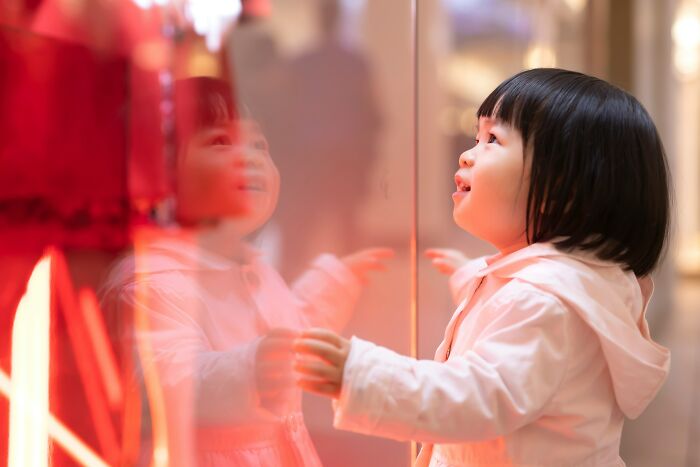
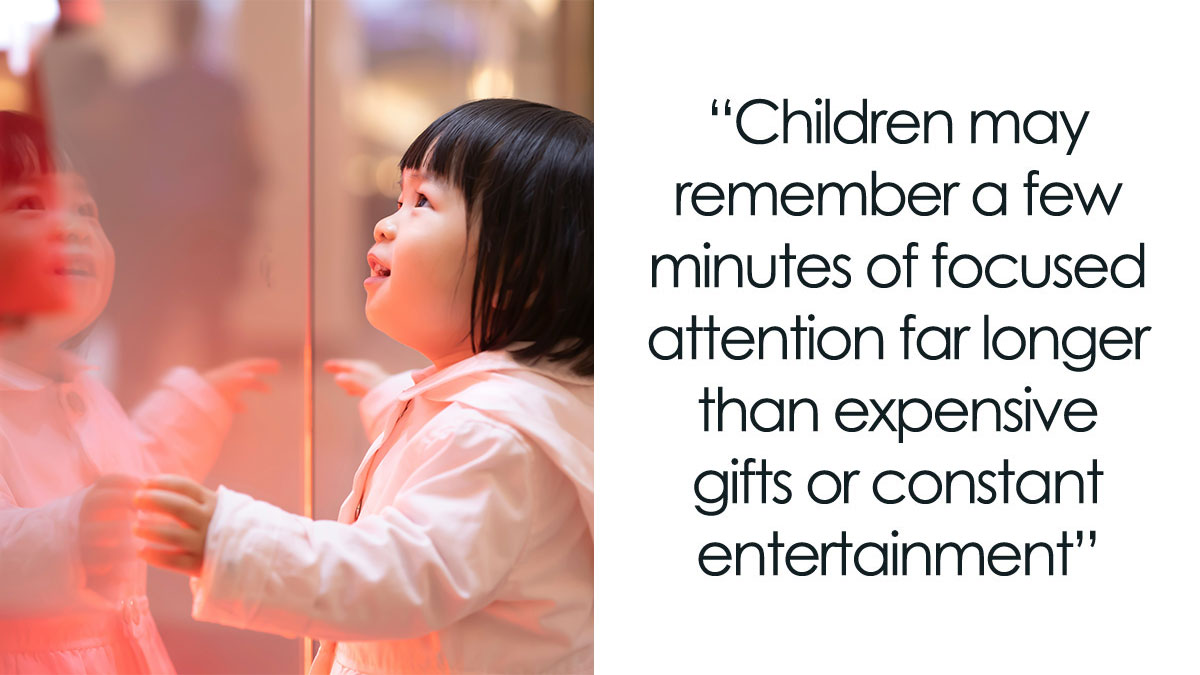
Children may remember a few minutes of focused attention far longer than expensive gifts or constant entertainment. Just 10 minutes of time spent one-on-one with your child will give them the knowledge that they are always important to you and won’t have to behave in negative ways just to get your attention.
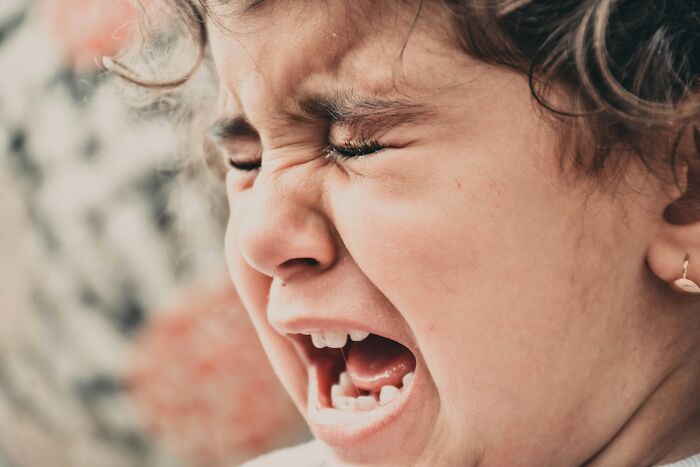
Children still need help understanding and processing what they feel, even when adults believe the problem is small. What might not seem important to you, the parent, is still important to your child. Discussing feelings and how to react to them creates teaching moments for your child. Take advantage of them; don’t dismiss them.
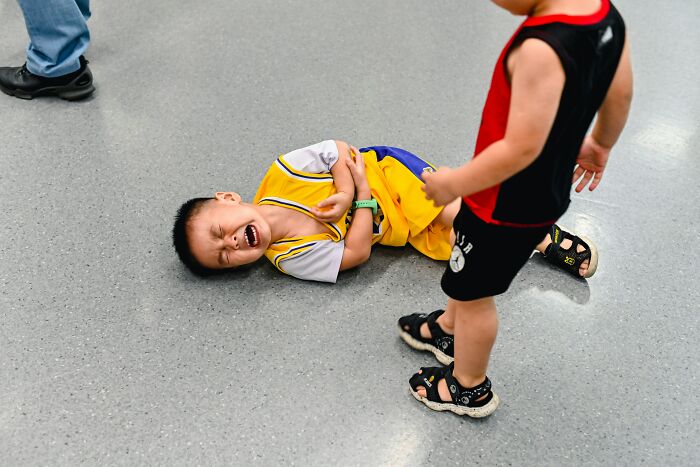
My ex-bf's aunt and uncle called their young daughter a "drama queen" when she slipped down the stairs and cried. I couldn't believe that mentality. I hear it online, in the comments of videos of babies. A baby, usually an infant, cries and people in the comments say how the baby is making such a fuss for not having any adult responsibilities.
Children absorb tension in the environment even when adults think they “aren’t paying attention.” In addition, your relationship is what children see as normal, so if there is aggression, they are learning that normal relationships are aggressive.

Apparently one of our off-springs’ current other half couldn’t believe what happened when my spouse and I had an argument: i.e. we disagreed about something, got a bit annoyed with each other, finished the discussion, then he went back to work and I sat outside reading. We didn’t insult each other, we didn’t bring in anything outside of what we were disagreeing about, we both said our piece but because we love each other that was more important than ‘winning’ so we wandered off. We both knew what the other thought, and carried on as usually afterwards. The guest couldn’t believe that everything was so calm and resolved.
Children also need rest, free play, creativity, family time, and opportunities to simply be kids. Overloaded schedules cause everyone to rush, add stress, and often lead to disappointment and tears.
My mom put me in ballet and tap back to back when I was in Kindergarten. I think it lasted just a few classes because that was too much. Ballet and tap both had barre lessons but different positions and movements. I got confused in tap, then cranky and frustrated. That was the end of that. One class a week was enough. Early, early morning art classes before school started. I don't know how my mom did it. I preferred to be home, playing with my toys, being outside. Free time was freedom.
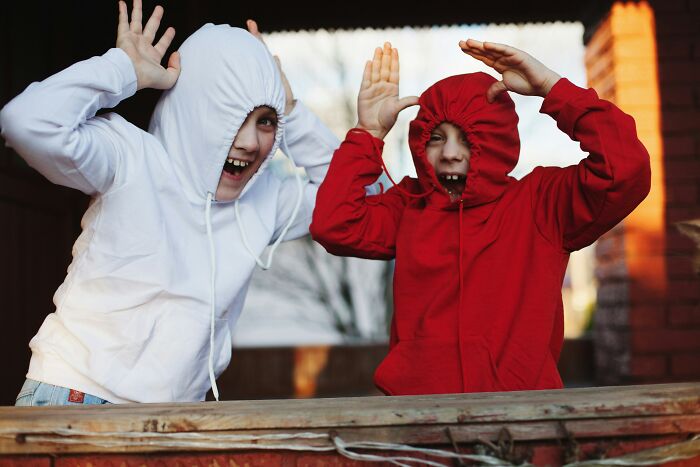
Play is not “extra” for children; it’s one of the primary ways they learn almost everything they need to know and builds confidence, communication, cooperation, and emotional regulation. Play should be a part of everyday activities.
I'm an early childhood (and primary) teacher by training and everything is about the importance of play-based learning. This is where they actually learn school-readiness, not by starting learning the alphabet or counting by rote etc, like many for-profit companies profess. Even after starting school, there are so many play-based learning opportunities.
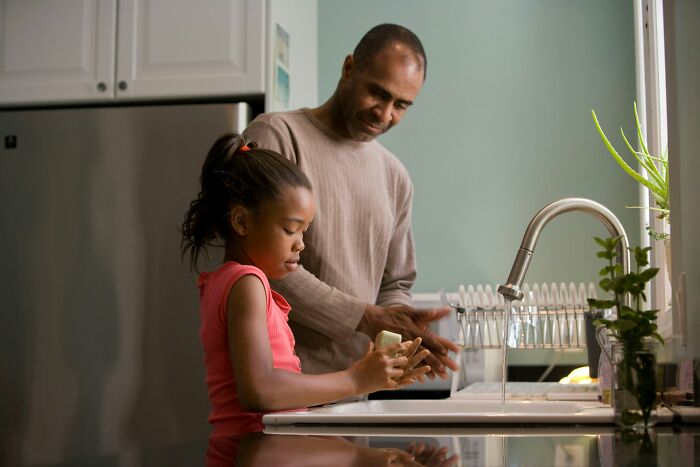
Learning life skills takes practice, patience, mistakes, reminders, and consistency. This is why consistent routines create mastery, independence and confidence, and end the need to micromanage your kids. This is also why your child loves to read the same book over and over; they’re learning and retaining what they’re learning.
Read the same books to mine so many times it got nauseating. I got it, though. I understood why she always wanted the same book. It just felt like a hard pill to swallow whenever she picked it out again.
Behavior is communication. Often the real need is connection, support, guidance, skill-building, or feeling understood. Often a child is acting a certain way due to an underlying struggle that they don’t know how to handle. Sit, ask questions, be a good listener. Always let your child know you love them regardless of how they are acting.
Children learn far more from what adults consistently model than what adults repeatedly say. If you demand they stop doing something the minute you ask, and yet you ask your child to wait until you’re finished with something before you help them, that is asking them to respect your time while you don’t respect theirs. If you’re yelling at a child, that will never teach respect (it may teach obedience, not the same thing), because yelling is not and never will be respectful.
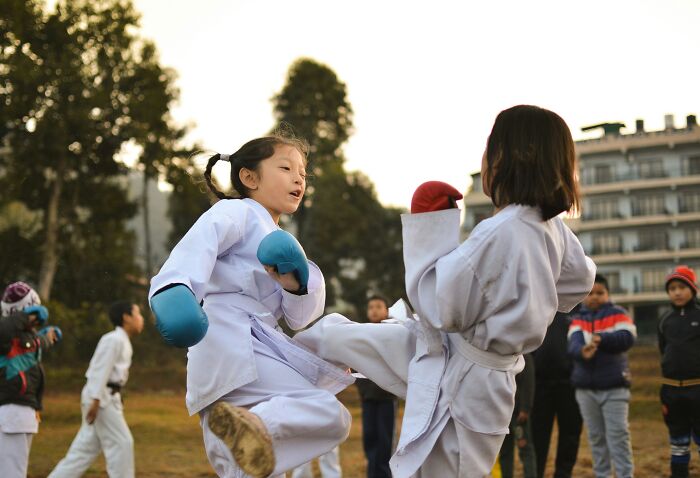
Exercise and movement should feel empowering and joyful, not something associated with shame. Humans are made to move, and children need to burn energy. Encourage it, don’t stifle it.
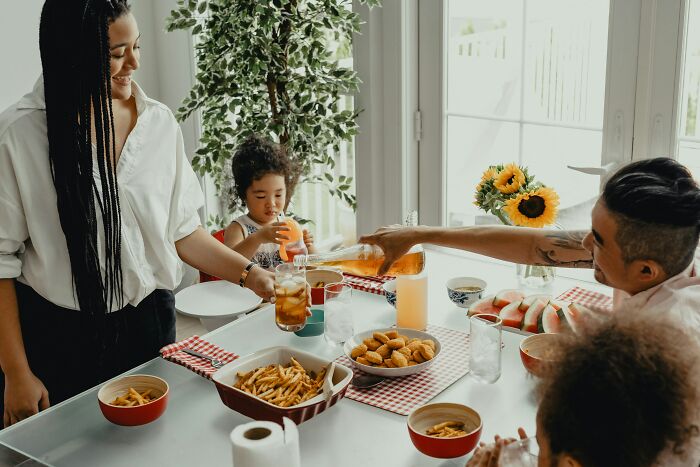
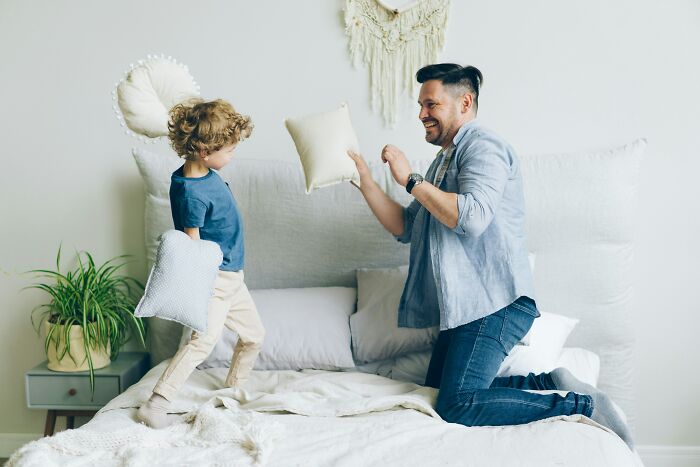
Shared laughter helps create emotional safety, connection, bonding, and positive family memories. Laughter really is the best medicine.
We laugh and hug every day in this home. I love humour and filling our home with good vibes.
Fear may create short-term obedience, but connection builds long-term trust, influence and cooperation. You are merely putting a very temporary band-aid on a symptom and not affecting the core problem.
There's a healthy dose of fear that instills boundaries, learning right from wrong and cause and effect of how actions and words make others feel. Then there's unhealthy fear where kids feel unsettled from not knowing what actions and words will tick off their parents, and fearing overly harsh punishment tactics. Kids who don't fear the authority, for example, are menace in school and around the neighbourhood, go on to break the law, rob liquor stores, steal cars and be disrespectful in court. What your kid should not fear is the sound of their parents car rolling up the driveway and keys opening the door. They should not fear their parents will burst in their bedroom unannounced, or sitting at the table being asked a question about their day.
Living in a constant state of hurry can increase stress and dysregulation for the whole family, plus it increases irritability and results in a lot of yelling. Create routines, slow down, and don’t overschedule; you all need downtime.
Ever be told to hurry up and get ready and into the car, then your parents spend an extra 5 minutes going back and forth, back and forth from the house and car because they keep forgetting something, AFTER waiting 10 minutes in the car for them to finish getting ready?
Calm leadership helps children feel emotionally safer, think more clearly, and learn more effectively. Calm is not just a feeling; it’s leadership. When you’re stressed out, your child is too. When you’re calm and responding calmly, you are teaching your child to do the same. It is important to remember that children don’t need perfect adults. They need connected adults who are willing to be intentional with the way they parent, learn more, grow, repair, and lead with calm, consistency, and compassion. A great family motto is “progress over perfection.”
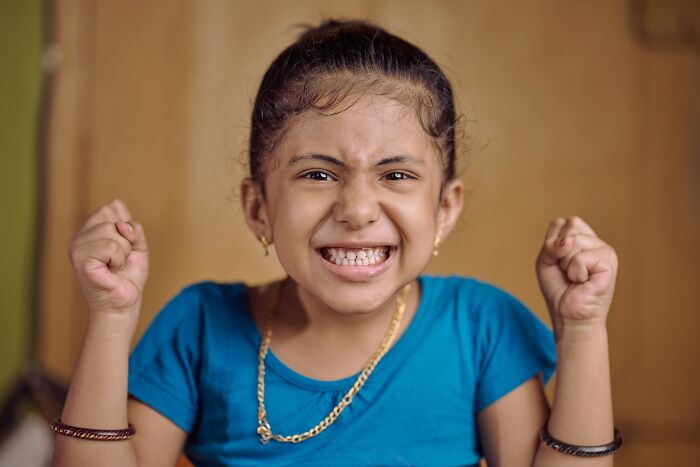
We are not born with emotional intelligence; we learn it from our parents and years of growth. Children learn emotional regulation through guidance, modeling, practice, and time, not pressure. If you have difficulty regulating your emotions, your child will learn to model how you respond, and that will be what they do.
My mom tried making me suppress feelings of anger, frustration and sadness. She emotes as much as a soap opera queen on crack. I have explosive emotions, too. Whether it's joyfulness, sadness, anger, irritation. Except because I wasn't allowed to express those emotions in any way, shape or form, causing me to have a nasty teeth clenching problem, and I tend to take my anger out on objects as I'm using them. It's emotions that I feel welling up inside the pit of my stomach and tingles my teeth and head. It may even be the cause of some physical health conditions I have.
 Image credits: Celia Kibler
Celia and her team are currently relaunching the Be A Better Parent app, now supported by professionals in psychiatry, family medicine, and neuroscience alongside Kibler’s decades of parenting expertise. The app is designed to help families navigate every stage of parenting, including traditional family life, neurodivergent parenting, divorce, separation, co-parenting, and blended family dynamics. For anyone interested in trying it, Celia has kindly offered our readers a 20% discount with the coupon code PANDA.

It's sad that many people with kids apparently have to be taught about some of the above. Most of these are pretty basic/common sense in my opinion.
When your family is not emotionally healthy, you learn that’s how it works, and can pass that along to the next generations…
Load More Replies...
I was a victim of every single one of these except for the rescuing one and the screens one. We didn't have screens like that in the late 80s/early 90s. I always felt like a burden to my parents and still do. I mostly played by myself and spent a lot of time in my own imagination. I remember yearning for love and acceptance and finding none.

My wife and I were almost always on the same page when it came to raising our kids. We always gave them everything they needed but not everything they wanted. We attended all their school events, read to them every night and tried encourage them when they struggled. It seems to have worked. One is testing to get his architecture license. My other son got a Master's in December. Their younger sister got her Master's in June 2025. More importantly, they are genuinely good people and functional adults.

It's sad that many people with kids apparently have to be taught about some of the above. Most of these are pretty basic/common sense in my opinion.
When your family is not emotionally healthy, you learn that’s how it works, and can pass that along to the next generations…
Load More Replies... I was a victim of every single one of these except for the rescuing one and the screens one. We didn't have screens like that in the late 80s/early 90s. I always felt like a burden to my parents and still do. I mostly played by myself and spent a lot of time in my own imagination. I remember yearning for love and acceptance and finding none.
My wife and I were almost always on the same page when it came to raising our kids. We always gave them everything they needed but not everything they wanted. We attended all their school events, read to them every night and tried encourage them when they struggled. It seems to have worked. One is testing to get his architecture license. My other son got a Master's in December. Their younger sister got her Master's in June 2025. More importantly, they are genuinely good people and functional adults.























 No fees, cancel anytime