Get Premium
Dark mode theme is available exclusively for premium users. Learn more about the benefits of subscribing.
No fees, cancel anytime.

 Dark Mode Ad-Free Browsing Unlimited Content
 Ad-Free Browsing Unlimited Content Dark Mode
Join 1.2 million Panda readers who get the best art, memes, and fun stories every week!
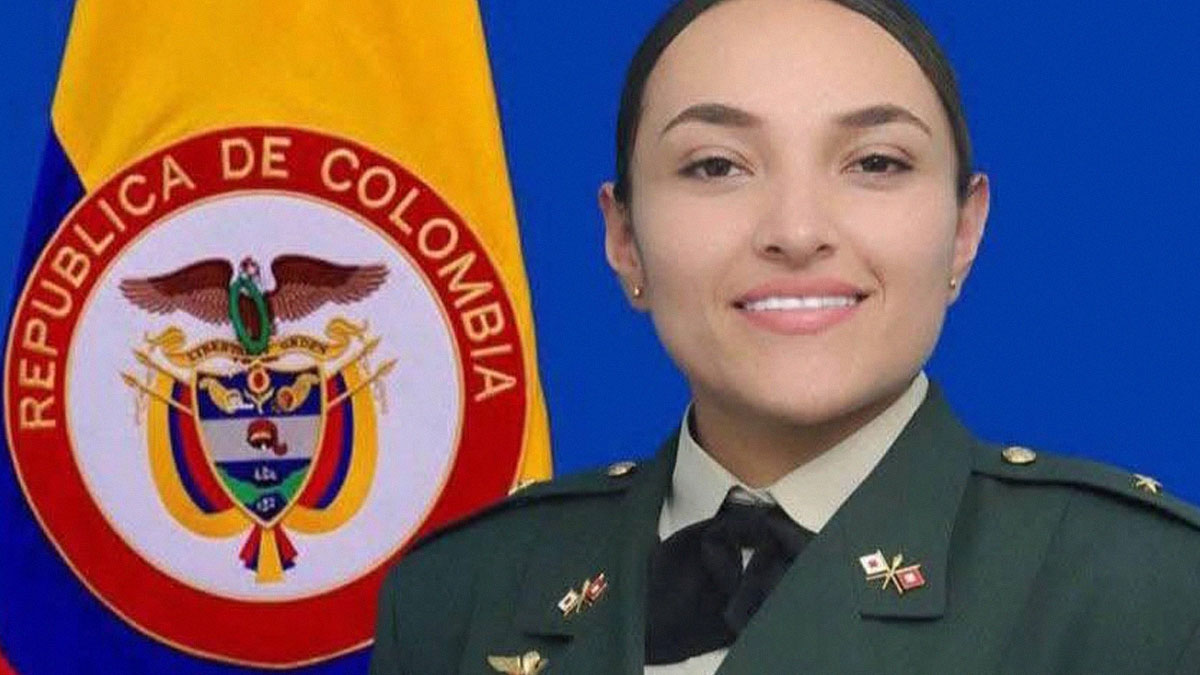
By the time Second Lieutenant María Camila Mora Mahecha arrived in Bogotá on November 26, the afternoon drizzle in Colombia’s capital had given way to an overcast evening. Despite the drab weather and long journey, the 27-year-old had something to look forward to: she was going to the Beéle concert at the city’s Movistar Arena that night with friends.
Mora had driven 120 miles (195 km) from Duitama, where she was taking a specialization course, to a military complex in northern Bogotá known as Cantón Norte to pick up a friend. At around 8:30 p.m., Mora called to say she had arrived.
Watching from her apartment window, the friend reportedly saw Mora’s car parked near the Officers’ Club. Then they saw Mora begin to get out of the vehicle, before being intercepted by someone who urged her back inside and got into the passenger seat.
Minutes later, Mora called in a panic. She screamed in fear of her life and called for help. Then shots rang out. By the time her friend reached the vehicle, Mora was gone. Slumped across her lap was the body of Captain Pablo Andrés Másmela Zapata.
 Exclusive Content Ad-Free Browsing Dark Mode Exclusive Content Ad-Free Browsing Dark Mode





















 No fees, cancel anytime