Get Premium
Dark mode theme is available exclusively for premium users. Learn more about the benefits of subscribing.
No fees, cancel anytime.

 Dark Mode Ad-Free Browsing Unlimited Content
 Ad-Free Browsing Unlimited Content Dark Mode
Join 1.2 million Panda readers who get the best art, memes, and fun stories every week!
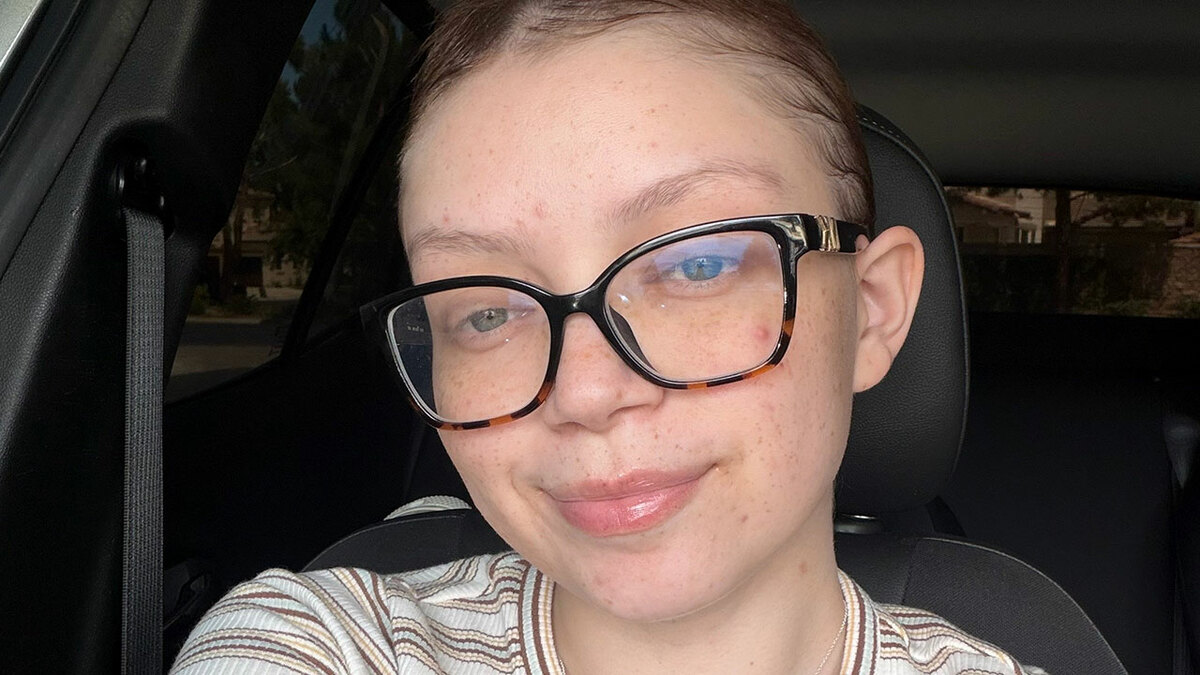
A health problem can start with something so ordinary that you barely think twice about it. For example, a blocked ear after a flight sounds like something that should clear up on its own, given the change in air pressure during takeoff and landing. After a couple of hours, you expect your ears to pop and the discomfort to pass.
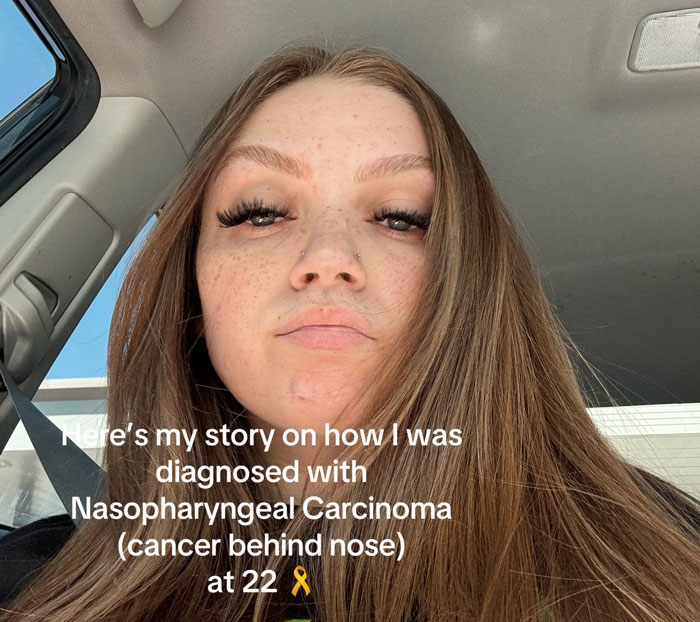
For 22-year-old mom Aida Burkins, that did not happen. Her ear stayed blocked after a flight to Chicago, and her hearing gradually got worse, eventually sending her to doctors for answers. What they found was devastating and changed her life in ways she could never have expected.
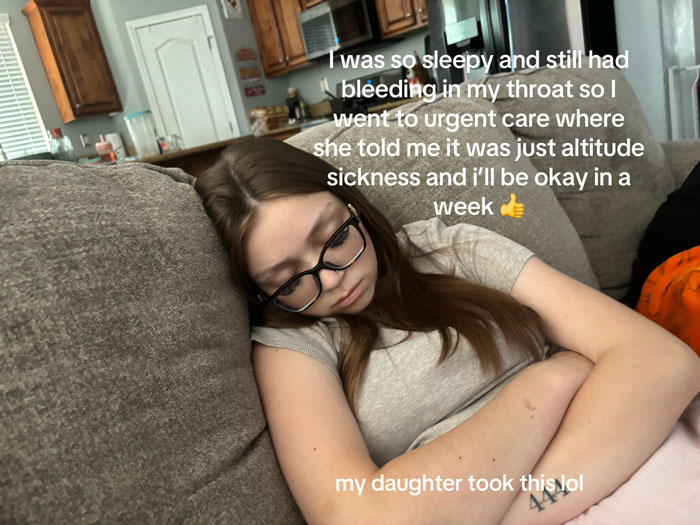
Aida, a young mom of two from Hemet, California, flew to Chicago when she noticed her ear wouldn’t pop. At first, it seemed like a normal problem caused by flying, so there was little to no reason to think it was anything serious.
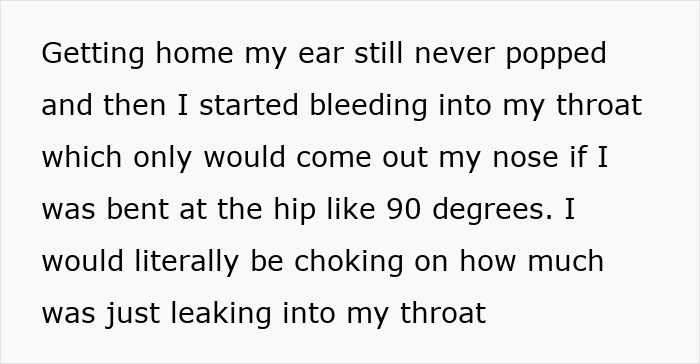
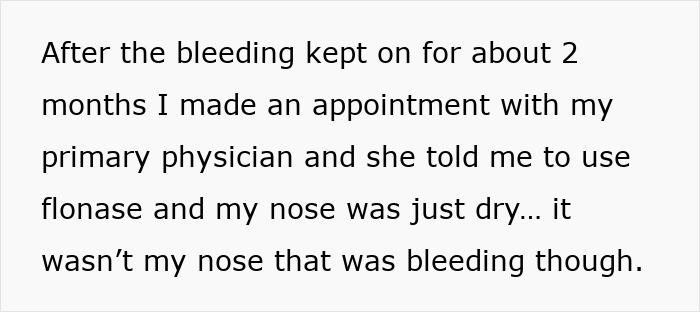
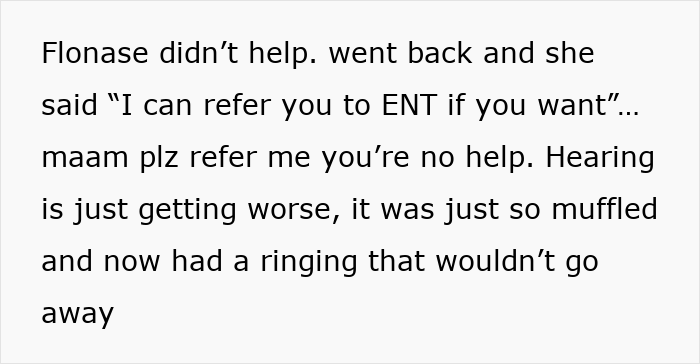
But the problem persisted after she got home and gradually worsened. Her hearing became increasingly muffled, and she developed constant ringing in her ears. The young mom also began bleeding into her throat, with the blood only coming out through her nose when she bent forward.
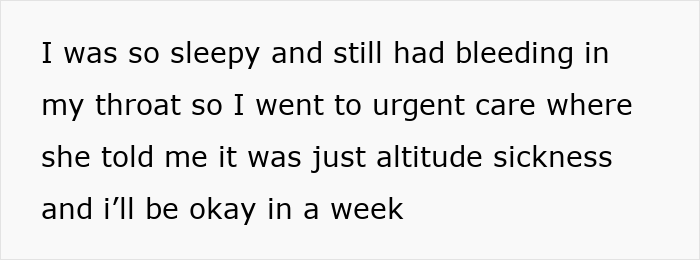
Aida started feeling unusually tired and losing weight, so she saw doctors and underwent tests. She was told more than once that her symptoms were likely due to altitude sickness, but eventually, one doctor discovered a mass blocking her Eustachian tube and referred her to an ear, nose and throat (ENT) specialist.
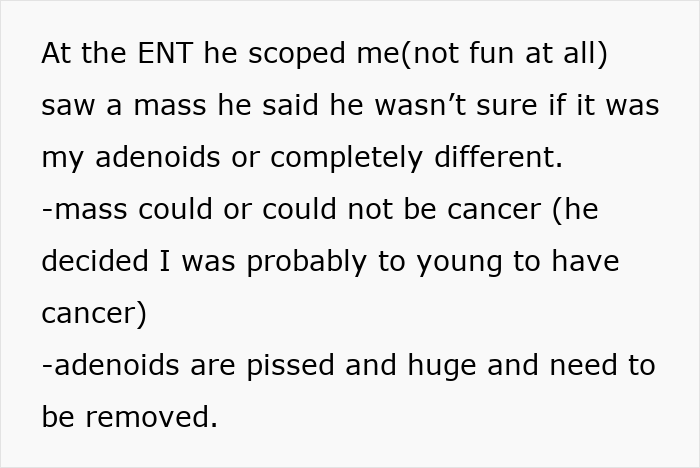
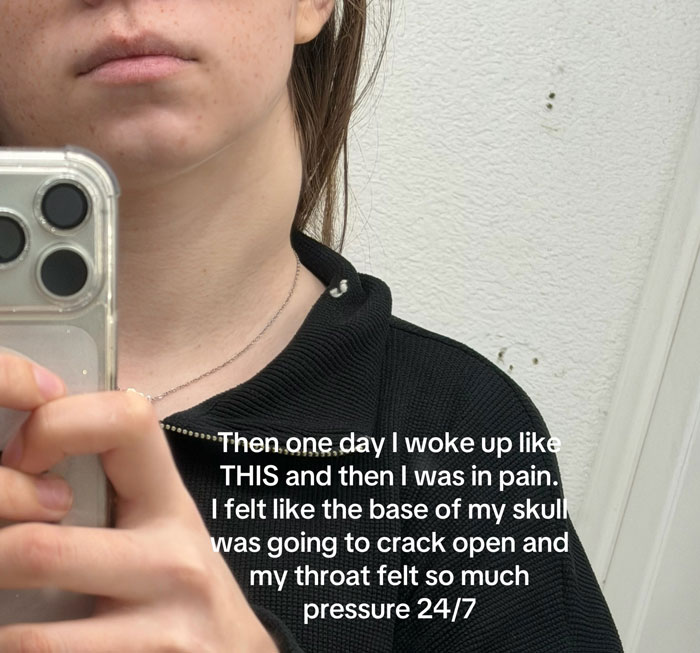
The specialist found that Aida’s adenoids were enlarged and inflamed, and a biopsy was done because the mass looked suspicious. While she waited for the results, the left side of her throat began swelling, leading to another biopsy and scans that revealed lumps in several areas, including the lymph nodes near the base of her skull.
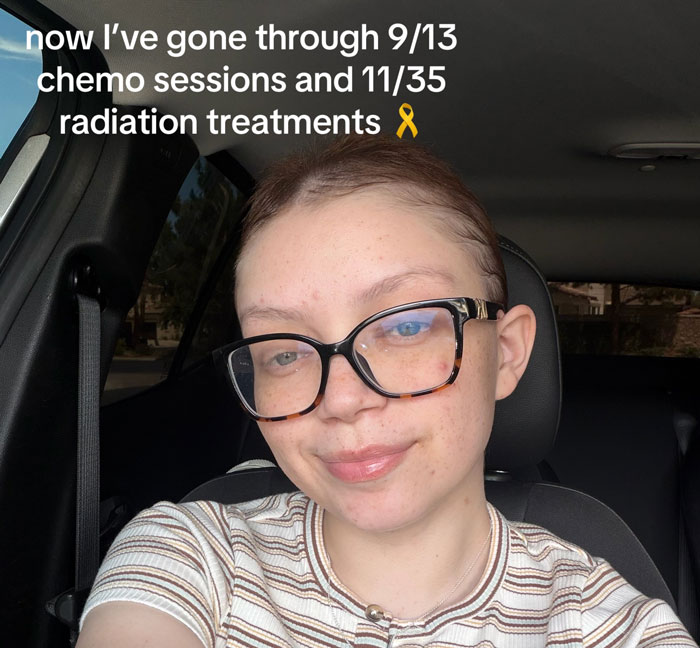
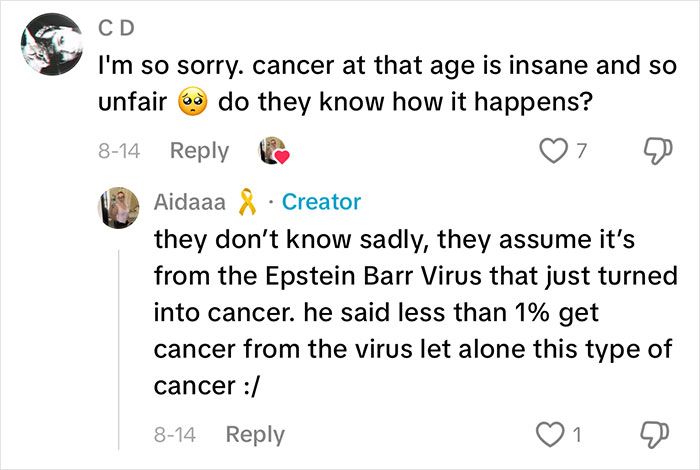
The results confirmed that Aida had nasopharyngeal carcinoma, a very rare type of cancer that develops behind the nose. She has since undergone chemotherapy and radiotherapy, and the tumor has shrunk considerably in response to treatment.
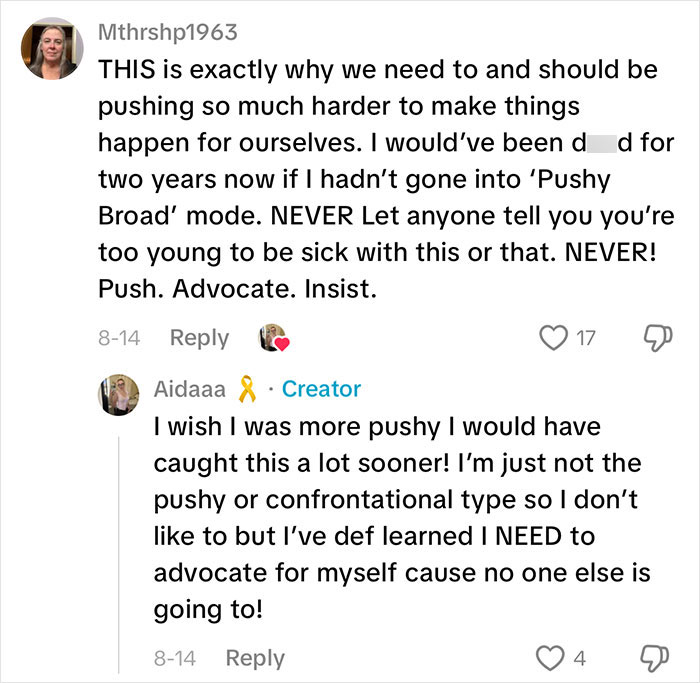
With her doctors optimistic about her recovery, Aida is also using her platform to remind people that cancer can affect people at any age and to encourage others to pay attention when something feels wrong.
Nasopharyngeal carcinoma is a rare type of head and neck cancer that begins in the nasopharynx, the area behind the nose and above the back of the throat. Mayo Clinic explains that it is uncommon in the United States and can be difficult to detect early because the area is not easy to examine.
Some of the warning signs can also look normal at first. Cleveland Clinic notes hearing loss, ringing in the ears, a feeling of fullness in the ear, nosebleeds, and a blocked nose among the possible symptoms. This is why Aida’s first complaint about her ear that would not pop seemed much less unusual than what it eventually turned out to be.
There is no single known cause of nasopharyngeal cancer, but certain factors can raise a person’s risk. The NHS lists Epstein-Barr virus, family history, certain ancestry and regular exposure to substances such as formaldehyde among the factors associated with the disease. Still, having a risk factor does not mean someone will develop cancer.
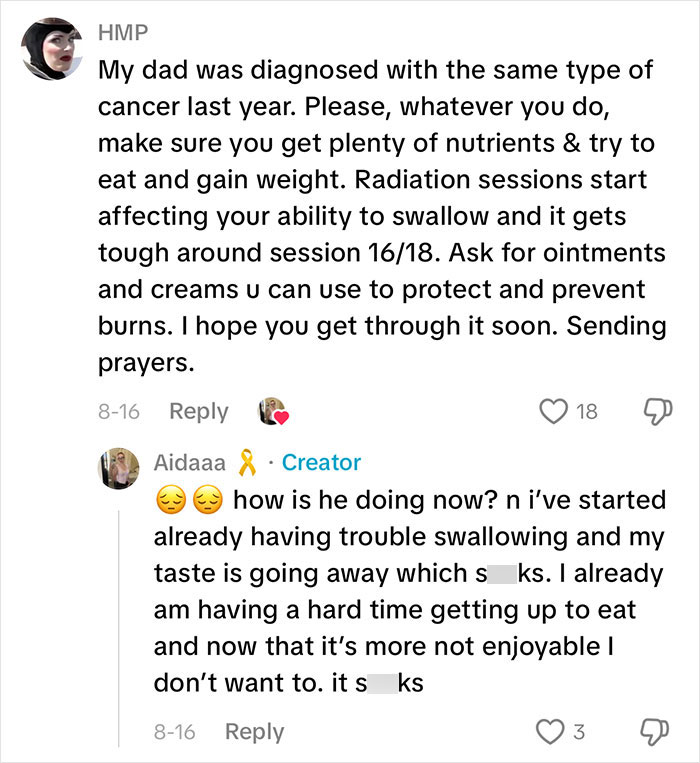
Treatment depends on the type and stage of the cancer, but radiation and chemotherapy are among the main treatments used. The National Cancer Institute suggests they may be used together, while surgery and immunotherapy can also be options in certain cases. Aida has undergone chemotherapy and radiotherapy, and her tumor has responded by shrinking considerably.
Aida’s experience shows how something that looks minor can sometimes turn out to be anything but. Thankfully, her treatment is working, and her doctors remain hopeful, while she is using her experience to raise awareness about a cancer many people know little about.
Has a health scare ever made you look at a “minor” symptom differently? Tell us in the comment section.

By entering your email and clicking Subscribe, you're agreeing to let us send you customized marketing messages about us and our advertising partners. You are also agreeing to our Privacy Policy.
Thank you! You've successfully subscribed to newsletters!

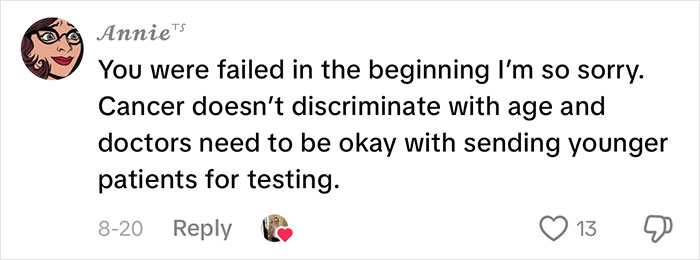
There is no such thing as too young for cancer, although stress is an additional complication, it is not the only cause. I survived cancer at 19. It happens.

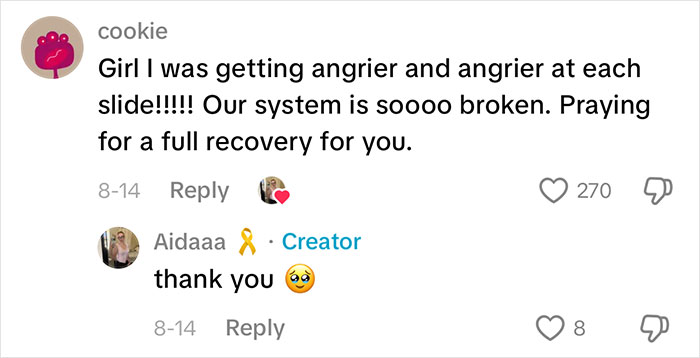
The US health system is abominable. Cancer should have been ruled out immediately via scoping and other testng.

There is no such thing as too young for cancer, although stress is an additional complication, it is not the only cause. I survived cancer at 19. It happens.
The US health system is abominable. Cancer should have been ruled out immediately via scoping and other testng.





































 No fees, cancel anytime
















25
5