Get Premium
Dark mode theme is available exclusively for premium users. Learn more about the benefits of subscribing.
No fees, cancel anytime.

 Dark Mode Ad-Free Browsing Unlimited Content
 Ad-Free Browsing Unlimited Content Dark Mode
Join 1.2 million Panda readers who get the best art, memes, and fun stories every week!

The state of Tennessee spent three decades preparing to carry out capital punishment against Christa Pike for the brutal homicide of 19-year-old Colleen Slemmer. On September 30, 2026, prison officials administered two rounds of pentobarbital.
Christa remained alive.
The 50-year-old was rushed to a Nashville hospital with severe injuries to her arms. By October 6, she shocked the world by waking up and speaking. The historic development made her the first person to ever survive such a procedure after the intended lethal substance was administered.
Now, Pike’s lawyers are asking Governor Bill Lee to commute her sentence to life without parole.
Their plea draws on the failed procedure and on evidence they say her original jury never fully heard: a disturbing childhood of repeated violations, physical violence, neglect, and untreated psychiatric illness.
It all began with Carissa Pike, her mother.
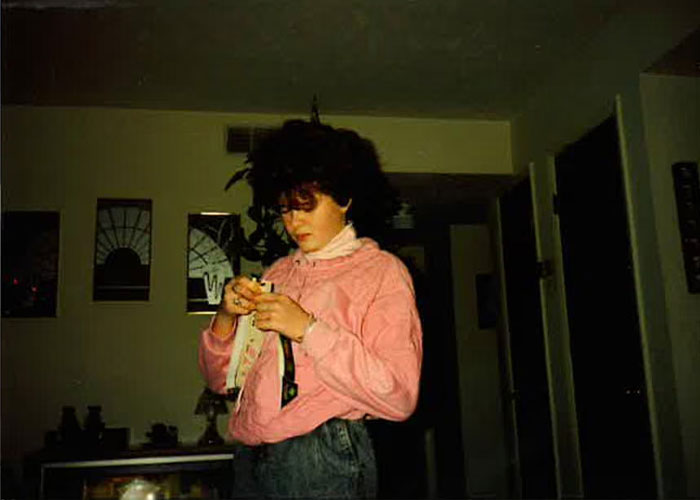
Christa Gail Pike was born on March 10, 1976, in Beckley, West Virginia. She arrived about two months early by Caesarean section, weighing approximately five pounds, seven ounces. Respiratory problems kept her on a ventilator during her first week.
Her mother, Carissa, was known as a heavy drinker. The habit remained while she was pregnant, an account later corroborated by her father, Glenn, who also added that she also regularly smoked other substances at the same time.
Defense experts believe these factors negatively affected Pike’s development.
Christa grew up moving between West Virginia and North Carolina. Her childhood was marked by poverty, unstable housing, periods without enough food, and neglect at home.
Glenn acknowledged that he played little role in raising her. Carissa, on the other hand, worked long hours and struggled with depression and drinking. Relationships changed, as did Christa’s homes and schools.
One thing was becoming increasingly clear. No one wanted Christa, no one except one person.

Her paternal grandmother, Delfa, was one of the few adults Christa could reliably seek out. She slept beside Delfa as an infant and continued turning to her when they lived together.
Even then, Delfa “betrayed” her. Her home exposed her to the man she later identified as her earliest tormentor.
According to a forensic assessment by psychologist Bethany Brand, Christa said Delfa’s boyfriend, Ernest Johnson, began forcing her mouth against his private parts before she could even walk.
She said it continued until around kindergarten.
Johnson threatened her family and pets if she disclosed it and locked her in a dark chicken coop containing spiders.
Christa appeared detached when she later recounted parts of that history, Brand reported. The psychologist considered that response consistent with dissociation, a way of mentally distancing oneself from overwhelming experiences.
When an elementary school teacher asked children to draw what they did at home, Christa drew exactly what was happening to her: A frightening man with unusually large private parts.
According to later defense materials, the school contacted her parents. Police were not called, and child protection authorities did not meaningfully intervene.
As cruel as it was, Christa’s torment would only continue.
Other caregivers also mistreated her. Her maternal great-aunt Norma allegedly forced Christa and her sister to sit in cold bathwater, kept them from using the bathroom, and made them drink Alka-Seltzer.
It’s unclear whether Norma subjected her own daughter to the same treatment. But what is known is that Carissa, inexplicably, continued leaving the children with her for a time despite knowing what she was doing to her children.
As Christa grew older, she started lashing out at the world, particularly her mother and the men she dated. For instance, a man called Danny Thompson beat her with a leather whip or paddle and hung it near her room as a standing threat.
In one incident Christa recalled, he threw her into the deep end of a pool when she could not swim. She believed he might let her drown. She said the beatings lasted for years and that her mother sometimes blamed her for provoking them.
Another of Carissa’s partners, Steve Kyaw, was accused of physically hurting Christa and forcing intimate contact on her. A juvenile-court process reportedly followed one incident. However, Carissa chose to defend Steve, denying that it had happened and bailing him out of custody.
Then a neighbor, Claude Davis, forced himself on Christa when she was approximately 11.
Her mother, as usual, denied it happened. It was only after Christa developed an infection that a teacher intervened and the case reached authorities. Davis pleaded guilty to a reduced charge connected to the attack and continued living nearby.
Christa, before becoming a criminal, was failed time and time again.
At 12, she attempted to take her own life.
She lived.
Christa struggled with sleep, anger, impulsivity, and school attendance. Although she performed well on some standardized tests, she failed seventh grade.
By early adolescence, she was regularly using illegal substances to cope with the pain. At 17, Carissa allowed Christa’s boyfriend Brian to live in the family home. When that relationship deteriorated, she left with him and spent a period living on the streets.
Cornell’s legal advocacy center reports another attack around that age: a stranger grabbed her beside a road and took advantage of her. Police never arrested him.
Nearly a year later, Christa would help take Colleen Slemmer’s life.
The clinical picture came together much later. Pike’s bipolar disorder was identified after she was sentenced to capital punishment. Clinicians also described post-traumatic stress symptoms, dissociation, hypervigilance, and difficulty regulating her emotions.
Dr. Ali Winters, who treated Pike during her imprisonment, described her as living in a near-constant “fight or flight” state. Brand concluded after assessing Pike in 2023 that she had experienced more severe adverse childhood events than 99% of the US population.
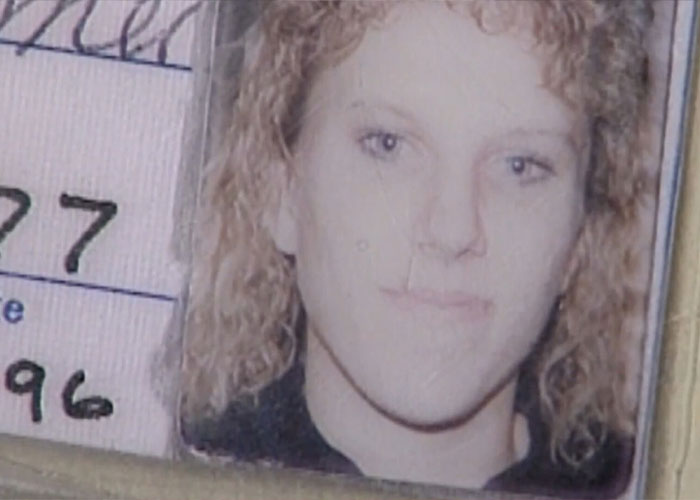
In 1994, Pike enrolled at the Knoxville Job Corps Center, a residential vocational program.She hoped to train as a nurse.
The center, however, was far from a safe space, with some students carrying razor blades or box cutters because they feared other residents.
There she met Tadaryl Shipp, who was about 17. Their relationship developed quickly. She came to believe that he loved and protected her.
He was the first person in Christa’s life to buy her flowers.
Shipp, however, was interested in Satanic and occult imagery. Christa would soon share in that interest.
After the homicide, a pentagram was found carved into Slemmer’s body.
Colleen Slemmer was another student at the center and to say the two didn’t get along would be an understatement. Eventually, Christa came to believe that Slemmer was trying to pursue Shipp and speaking badly about her to others.
On January 11, 1995, Pike told fellow student Kim Iloilo that she intended to take Slemmer’s life because she “had just felt mean that day,” according to the Tennessee Supreme Court’s account of the evidence.
The next evening, Iloilo saw Pike, Shipp, Slemmer, and another student, Shadolla Peterson, leave Job Corps together. It was about 8 pm.
Pike had taken a box cutter and a small meat cleaver with her. She described drawing Slemmer toward an isolated area near a steam plant on the University of Tennessee’s agricultural campus with talk of sharing illegal substances.
At the secluded site, Christa began hitting Slemmer and banging her head against her knee. She threw her down and kicked her repeatedly. Slemmer asked why Pike was doing it. When she threatened to report the attack to Job Corps, Christa struck her again.
Slemmer tried to run.
Shipp caught her and pushed her back to the ground. Christa cut her abdomen and back with the box cutter. Slemmer pleaded to be released, promising to return to Florida without even collecting her belongings.
Christa later told police that Slemmer’s continued talking made it harder to hurt her, but she didn’t stop.
She cut Slemmer’s throat several times. After a final escape attempt, Slemmer was hit in the head with rocks and pieces of asphalt. Christa and Shipp dragged her body toward trees.
The attack lasted between 30 minutes and an hour.
A pentagram was carved into Slemmer’s body. Christa denied making that cut; her later defense said Shipp admitted doing it. The courts found ample evidence of Christa’s direct role in the homicide.
By approximately 10:15 pm, Christa, Shipp, and Peterson were back at Job Corps. Slemmer was absent. Christa told other students she had taken Slemmer’s life and showed them a fragment of her skull that she had taken from the scene.
Iloilo testified that Christa smiled and danced while recounting what happened. She seemed to be experiencing a catharsis.
The following morning, a University of Tennessee grounds worker found Slemmer’s body near the campus greenhouses and called the police. Investigators then gathered accounts from Job Corps students.
On January 14, detective Randy York interviewed Christa and Shipp separately.
Christa waived her rights and gave a detailed, recorded statement. She maintained that she had initially planned a fight, while admitting she had brought the weapons. Peterson later testified for the prosecution.
The brutality of the homicide, the pentagram and the skull fragment horrified the nation.
A jury convicted Pike in March 1996 of premeditated first-degree homicide and conspiracy to commit first-degree homicide. It found that Slemmer’s final hours involved severe physical harm beyond that needed to take her life. Jurors also found that the crime was committed to prevent prosecution.
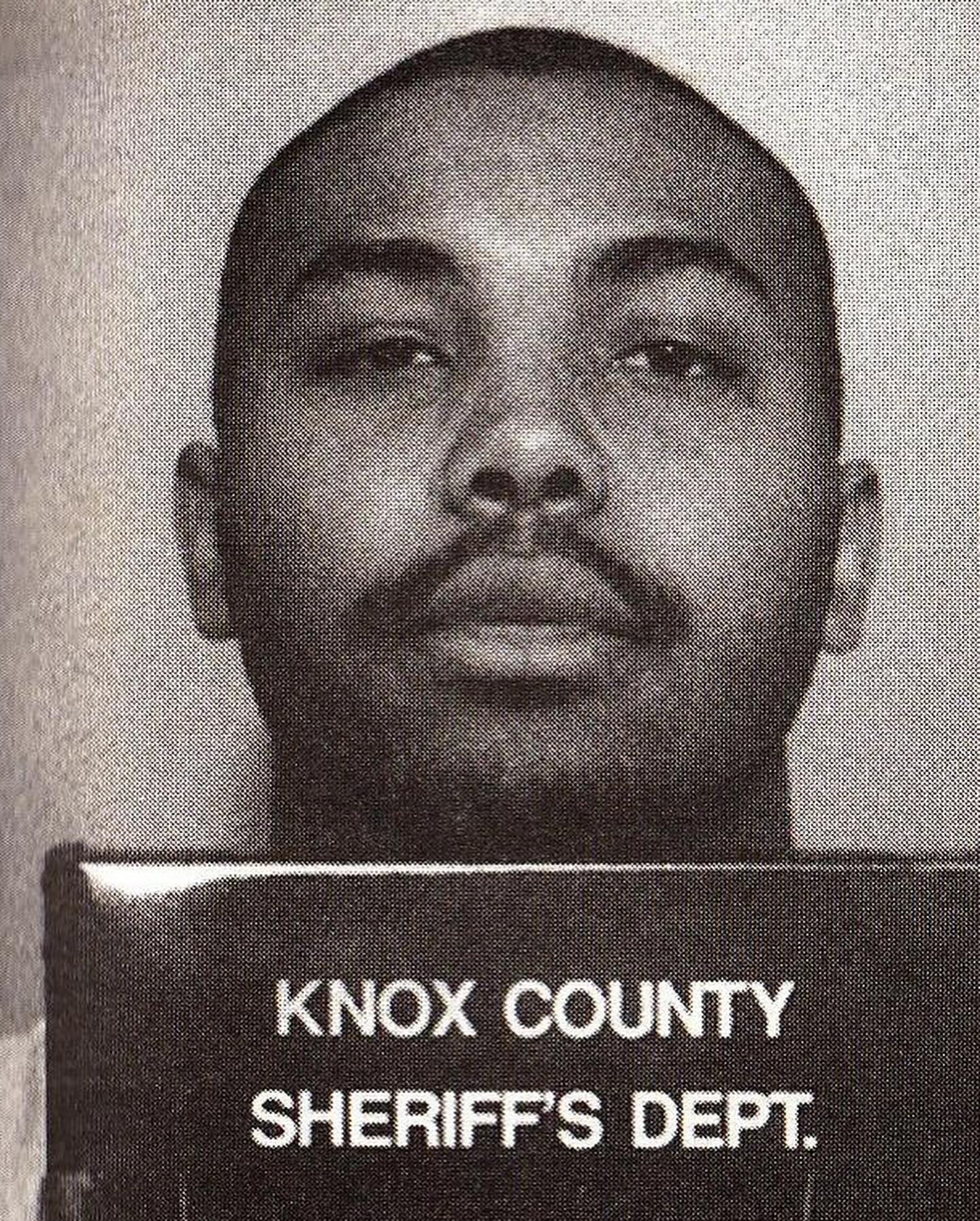
Pike, who had been 18 at the time of the homicide, was sentenced to capital punishment. Shipp had been 17.
Tennessee law barred the same punishment for him because he was a juvenile, so he received life imprisonment with the possibility of parole. Peterson received probation after cooperating with prosecutors.
At Pike’s sentencing, the defense presented some evidence about her background. Later lawyers say the presentation lasted only a few hours and left the jury without a full account of the horrors she endured.
Pike’s advocates have argued that jurors deciding between capital punishment and life needed to know what had happened to her.
The attack by Davis, violence from caregivers, the psychiatric conditions identified afterwards, the role of her mother in all of it. Everything.
Brand’s later opinion was that trauma and untreated illness contributed to her behavior and impaired her ability to control impulses. She did not contend that those conditions justified Slemmer’s homicide.
In October 1998, the Tennessee Supreme Court unanimously upheld Christa’s convictions and sentence. It found the evidence supported the jury’s conclusions about the deliberate and exceptionally cruel attack.
The courts would continue to reject Christa’s attempts to overturn her sentence.
Pike spent the following decades in Tennessee’s capital punishment unit. In August 2001, she choked another prisoner unconscious with a shoelace. She was convicted of attempted first-degree homicide in 2004, and that conviction was upheld on appeal in 2006.
The attack gave Tennessee a powerful answer to claims that Christa had changed or no longer posed a danger.
The conditions of her confinement became another point of dispute. Cornell described her spending about 27 years in highly restrictive isolation, in a cell roughly the size of a parking space.
Tennessee rejected the suggestion that she had been kept continuously in solitary confinement for three decades. The state said her restrictions were linked partly to misconduct and that prison rules allowed time outside her cell for exercise, counseling, work, and crafts, as well as visits.
Her legal challenges went on.
A Tennessee appeals court rejected her post-conviction petition in 2011. The federal Sixth Circuit rejected her habeas challenge in 2019, and the US Supreme Court declined review in 2020.
Christa’s lawyers continued arguing that her original representation had failed her, particularly when the jury decided her punishment. The courts concluded that the legal requirements for overturning the sentence had not been met.
Brand’s 2023 assessment gave the defense a detailed account of Pike’s childhood and its possible effects. Another effort to reopen her case under rulings concerning juvenile homicide sentences failed in 2024.
Through those proceedings, her lawyers stressed the narrow age difference between Pike and Shipp: months separated them, but only one could legally receive capital punishment.
“There is no excuse for what I did,” Christa said in a statement shared by her advocates. She expressed regret for Slemmer’s passing and said she was no longer the person she had been at 18.
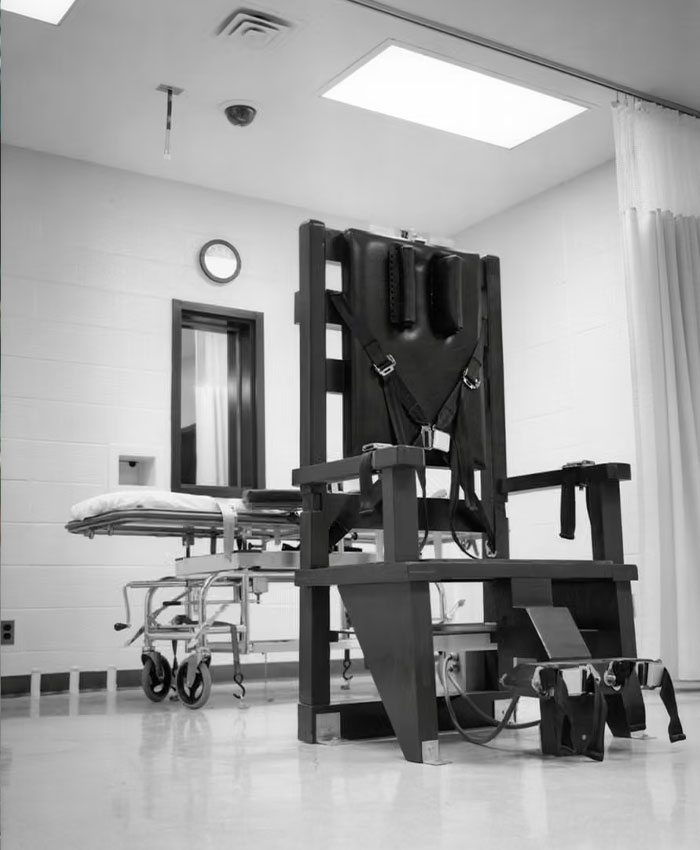
On September 30, 2025, the Tennessee Supreme Court set Christa’s final procedure for exactly one year later. The state had moved to a protocol using pentobarbital as its sole lethal compound.
Once Christa received a redacted copy of the protocol, her lawyers challenged it.
They argued that her blood condition, thrombocytosis, and difficulty finding usable veins increased the risk of a painful failure. They also said that being restrained, undergoing invasive IV placement, and being moved to a prison largely staffed by men could trigger traumatic memories.
Christa filed a protocol challenge in January 2026.
Christa Pike in her own words. Any sympathy today should be for the victim’s family who have endured over 30 years of torment, waiting for this day to come. pic.twitter.com/8p76utppbb
— Andrew McBride (@andrewmcb) September 30, 2026
After a procedural dispute over which court should hear it, she sought a stay in June and asked for a fuller examination of the evidence. Her lawyers proposed alternatives, including a central IV line and hanging, as ways to reduce the risks they had identified.
In an ironic turn of events, had Tennessee used the methods the lawyers suggested, Christa Pike may not have survived.
The Tennessee Supreme Court appointed Senior Judge W. Mark Ward as special master.
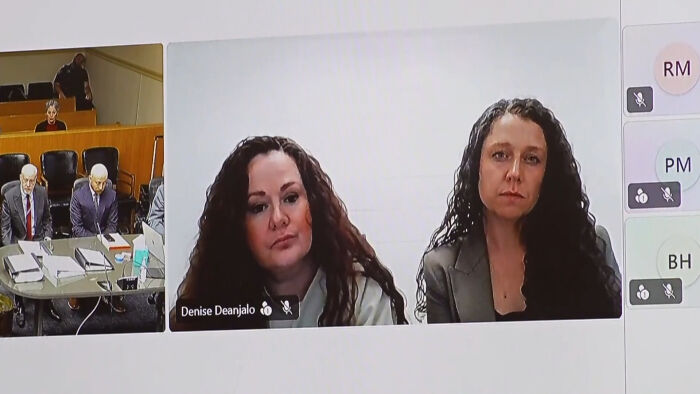
At a three-day August hearing, the state said female officers would transport Christa, that she would arrive at Riverbend Maximum Security Institution no earlier than 24 hours before the procedure, and that staff would make efforts to protect her privacy.
Earlier that month, UN experts had urged the United States and Tennessee to halt the procedure and commute Pike’s sentence.
The international organization questioned whether the jury had adequately heard evidence of her childhood mistreatment and developmental immaturity. They also raised concerns about her confinement and the proposed method.
Governor Lee denied Pike’s clemency request. On September 29, the US Supreme Court declined to stop the procedure. A federal appeals court issued a further stay shortly before it was due to begin on September 30, but the Supreme Court lifted that order.
Tennessee proceeded later that day.
At Riverbend, the state team struggled to establish IV access. According to Christa’s attorneys, at least seven needles were used, and one was bent when removed.
Christa reportedly tried to help, offering suggestions about where a vein might be found.
Something had gone completely wrong, and the pain was becoming unbearable. Christa began crying and breathing loudly. “My arm feels like it’s about to burst open,” she told the team. “Does this happen like that?”
After a second round was administered, Christa finally lost consciousness. However she continued to have a heartbeat.
@true_talk_clips Christa Pike sounds proud of what she did to Colleen Slemmer (DP date set for 9/30/26) #christapike#truecrime#truecrimetok#truecrimestory#fyp♬ Horror, suspense, weirdness, ghost, UFO – Zassh
Witnesses heard breathing and snoring or gasping as the viewing-room curtain was closed more than once. Her attorneys filed an emergency motion while the attempt was unfolding. Eventually, an ambulance took her to a Nashville hospital.
Both arms were swollen, burned, and blistered, her lawyers said.
The compound had, in fact, entered Pike’s body, according to her lawyers and observers. Exactly how much reached her bloodstream remains unresolved.
Her legal team suspects the IV lines were misplaced or that veins failed, allowing pentobarbital to spread into tissue in her arms.
Dr. Joel Zivot, an anesthesiologist who advised the defense, identified insufficient compound reaching the bloodstream as a likely explanation.
Tennessee said it followed its established protocol and has not publicly provided a complete account of the failure.
Colleen Slemmer’s mother, May Martinez, had traveled from Florida with her husband Raul to witness the procedure. She said she kept her eyes on Christa because she wanted her to remember Colleen.
Martinez disputed accounts of Christa’s remorse and expressed anguish that the attempt had failed:
“We can’t get justice for my daughter.”
Governor Lee called the outcome a tragedy, paused further Tennessee capital punishment procedures for the rest of 2026, and ordered an independent review. Corrections commissioner Frank Strada announced that he would step down.
UN human rights chief Volker Türk described Pike’s prolonged physical and mental suffering as “abhorrent, and cruel.” He urged the United States to refrain from another attempt and pointed to unresolved questions about fairness in Pike’s case.
For days, Pike was unconscious and on a ventilator. On October 6, her attorneys announced that she had woken up and was speaking while receiving critical care.
Her first words were, “Where am I, and who are you?”
She remained handcuffed and shackled to her hospital bed despite her arm injuries. They called her recovery “medically unprecedented” and said her prognosis was still unclear. Zivot cautioned that being able to speak did not mean she was free of serious medical risk.
As of October 7, Pike’s lawyers are seeking access to the syringes, compound packaging, IV equipment, restraints, and records from the attempted procedure. Tennessee opposed the proposed preservation order.
Christa’s capital sentence remains in force, and no decision to try again had been announced.

By entering your email and clicking Subscribe, you're agreeing to let us send you customized marketing messages about us and our advertising partners. You are also agreeing to our Privacy Policy.
Thank you! You've successfully subscribed to newsletters!






































 No fees, cancel anytime























































26
1