Get Premium
Dark mode theme is available exclusively for premium users. Learn more about the benefits of subscribing.
No fees, cancel anytime.

 Dark Mode Ad-Free Browsing Unlimited Content
 Ad-Free Browsing Unlimited Content Dark Mode
Join 1.2 million Panda readers who get the best art, memes, and fun stories every week!
29submissions
1week left

As much as youth and beauty are celebrated, the world of celebrity gossip is slowly coming around to the fact that, surprise surprise, most of us continue to age past twenty-five. On the other end of the spectrum, some people achieved fame later in life, so the vast majority of the population doesn’t even have a frame of reference for what they may have looked like at a younger age.
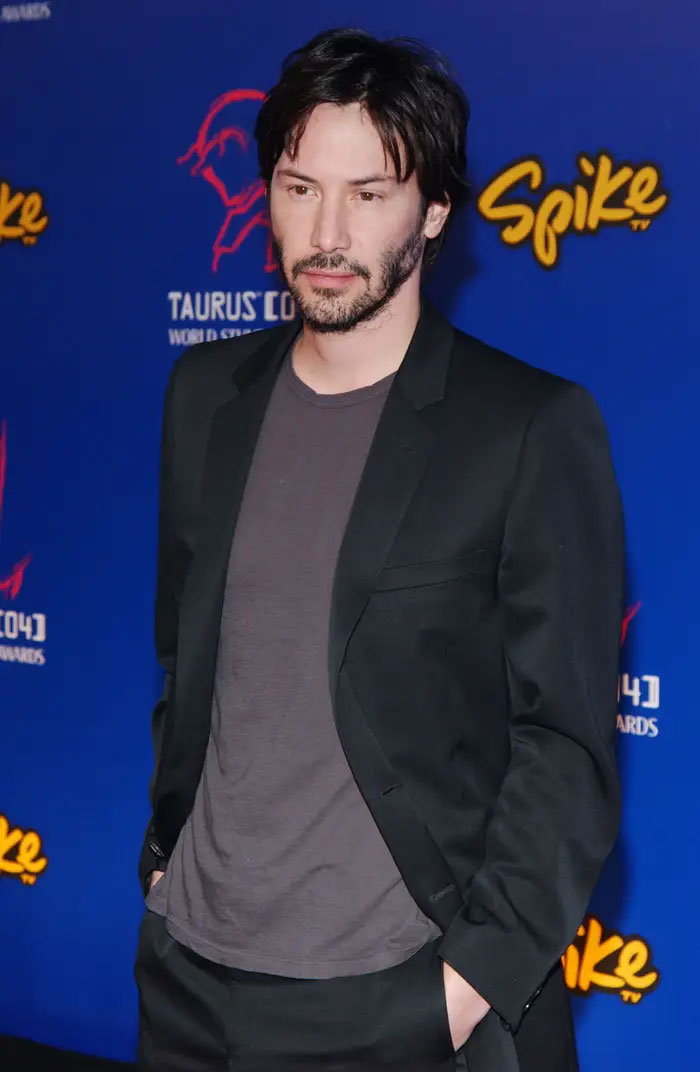
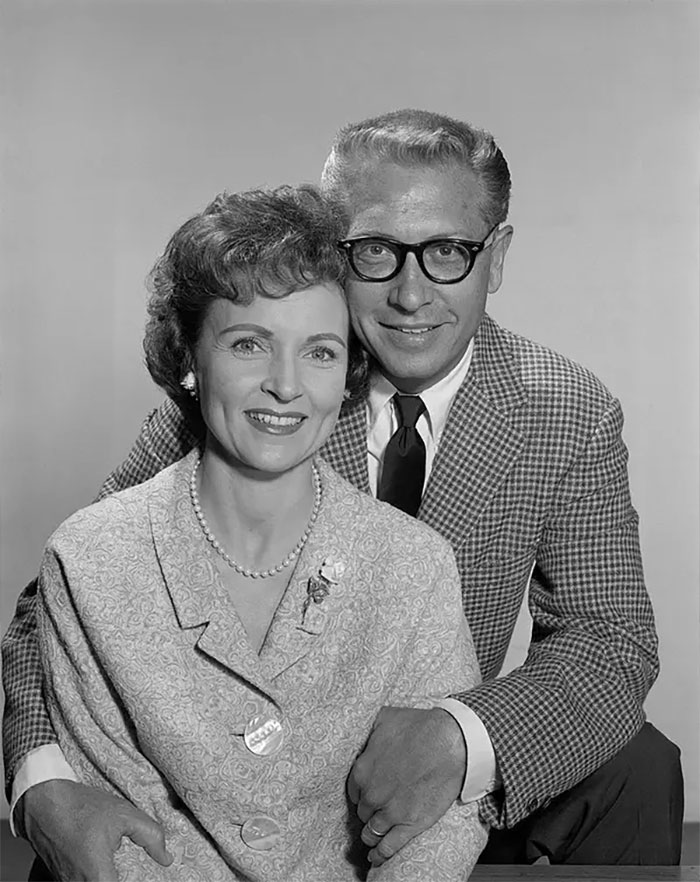
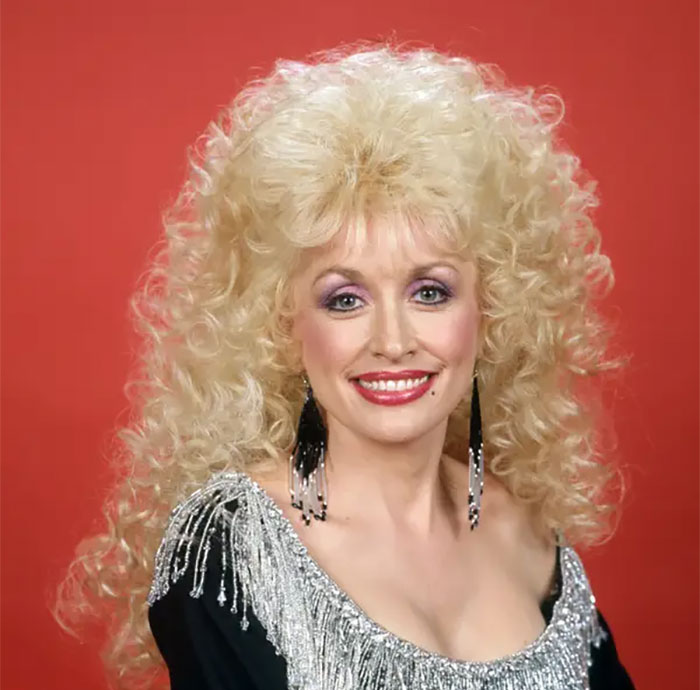
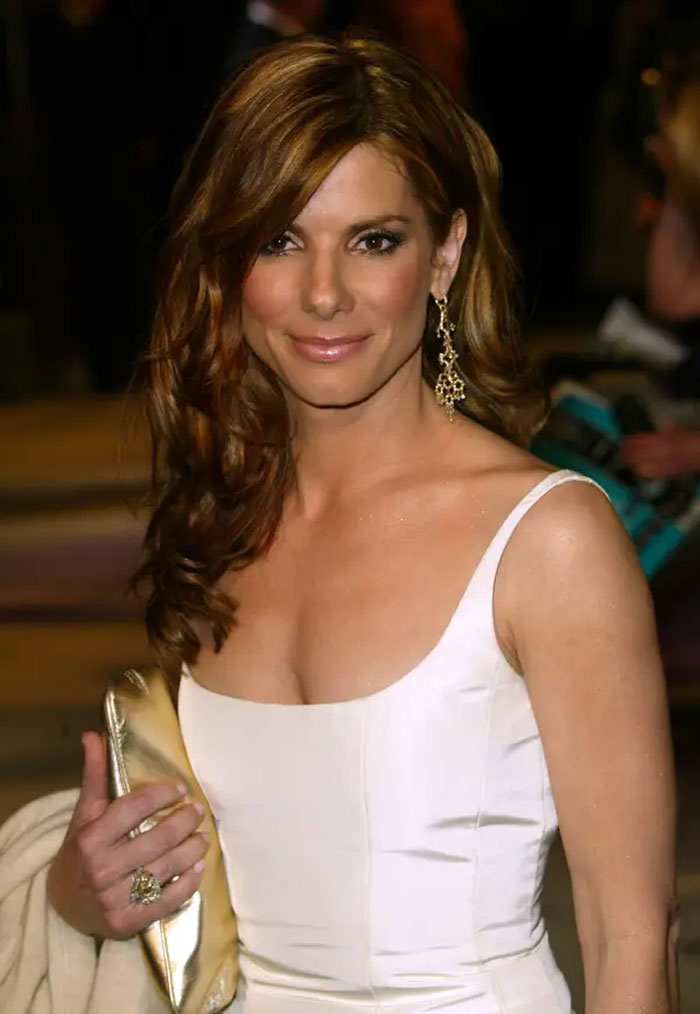
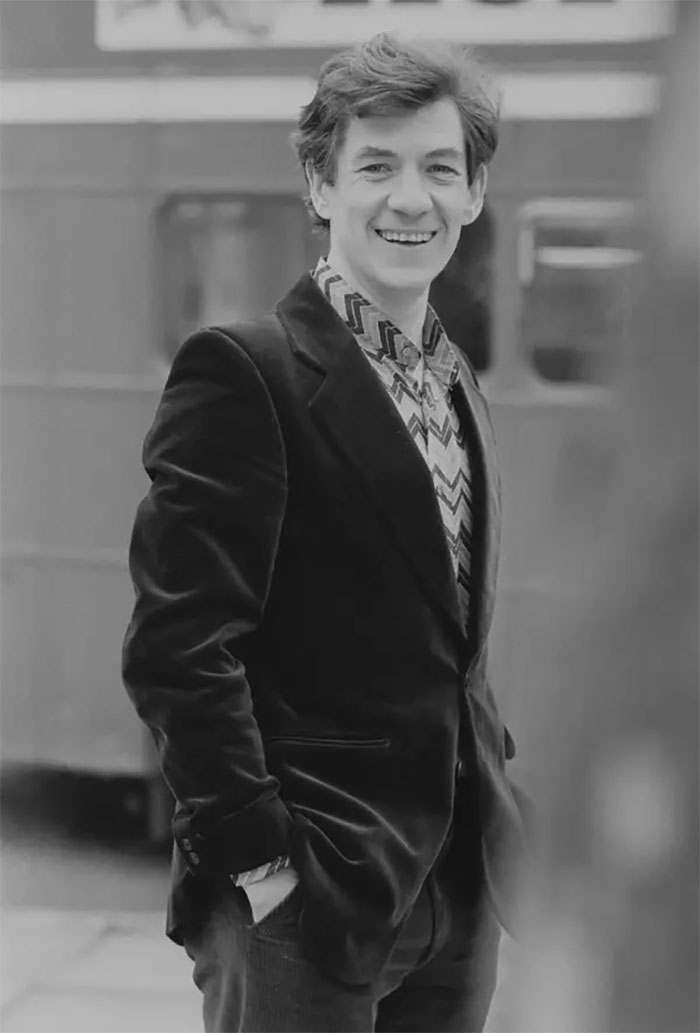
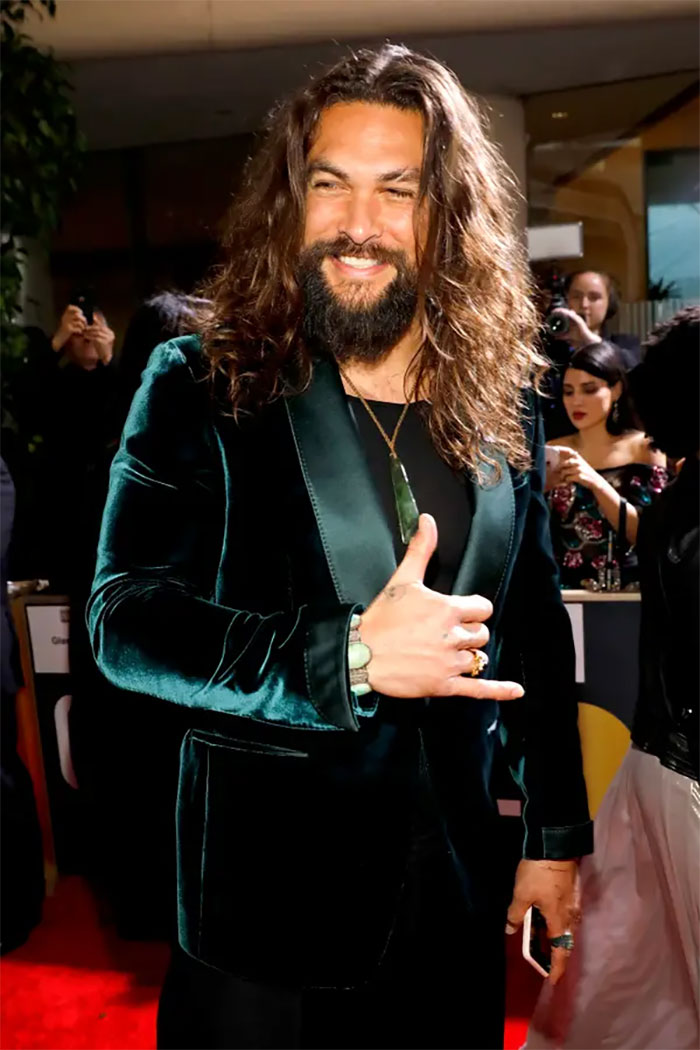
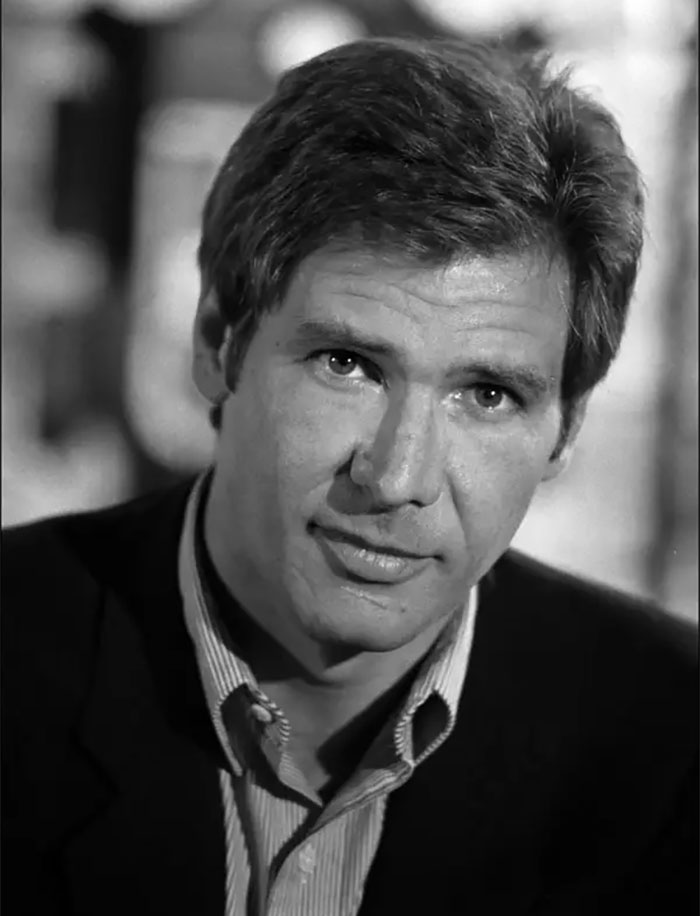
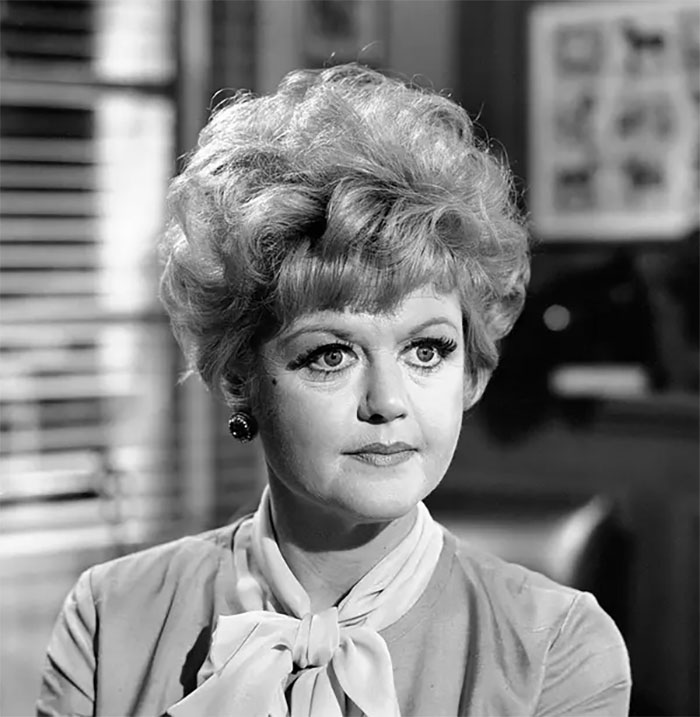
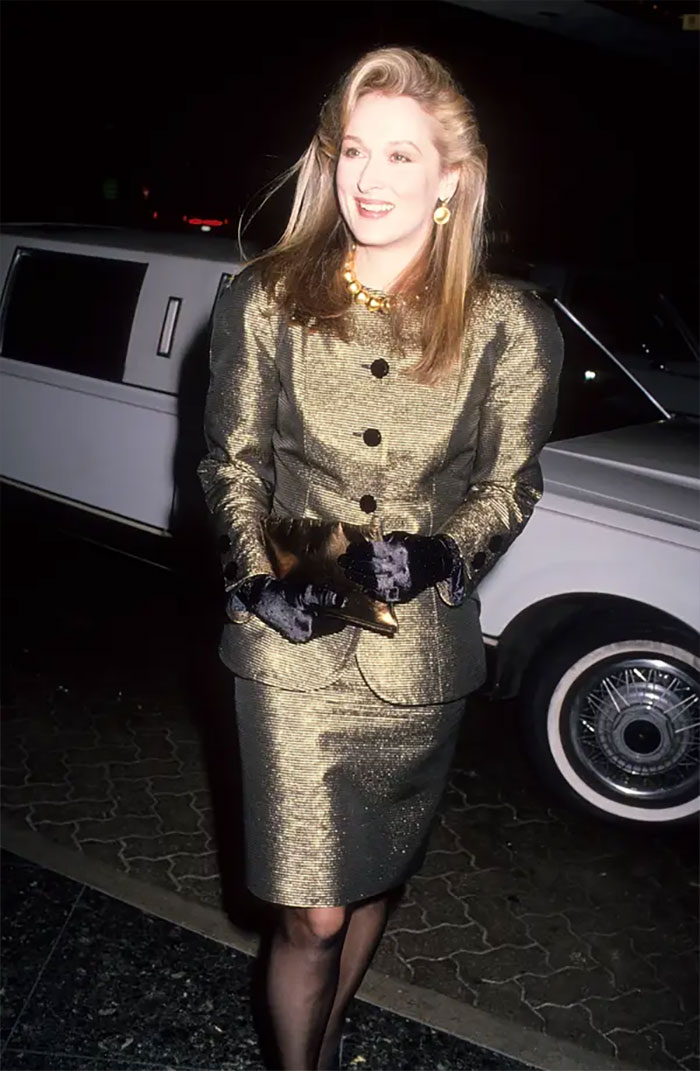
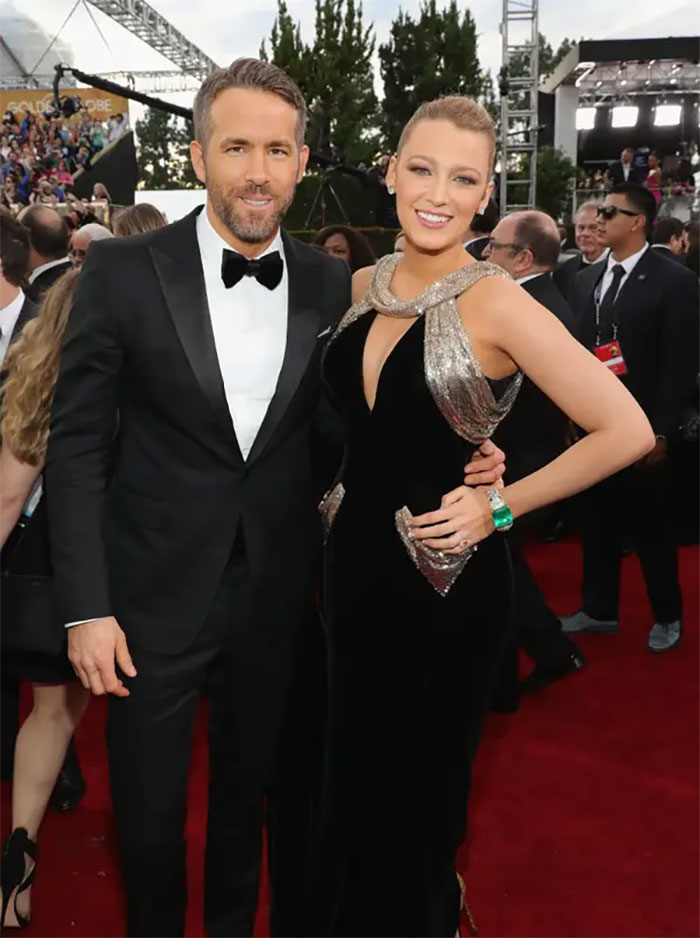
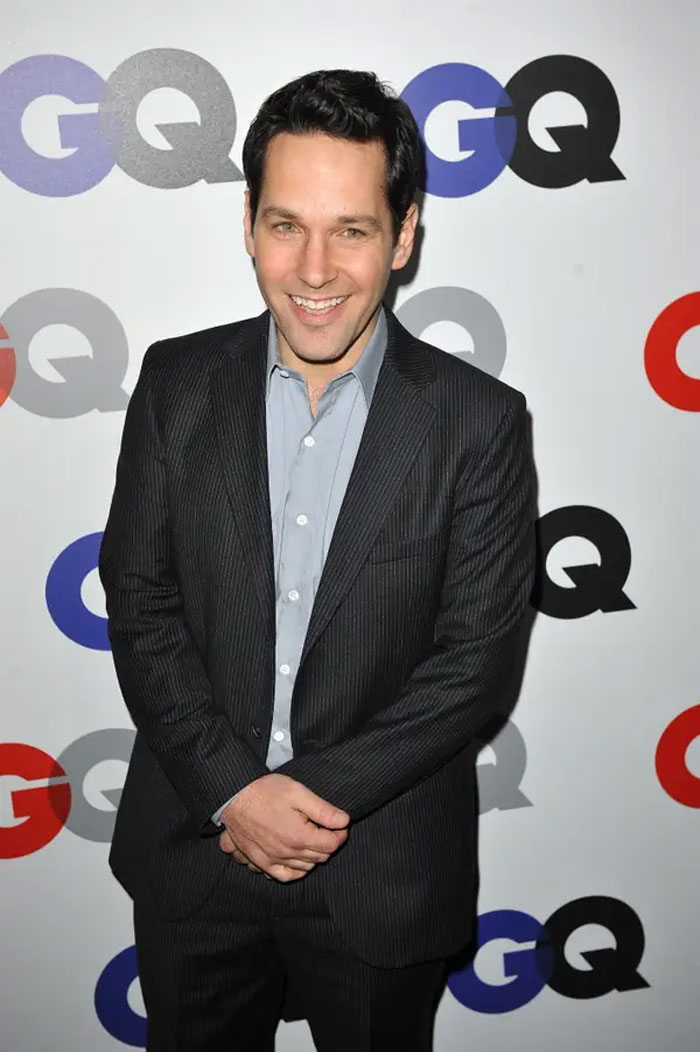
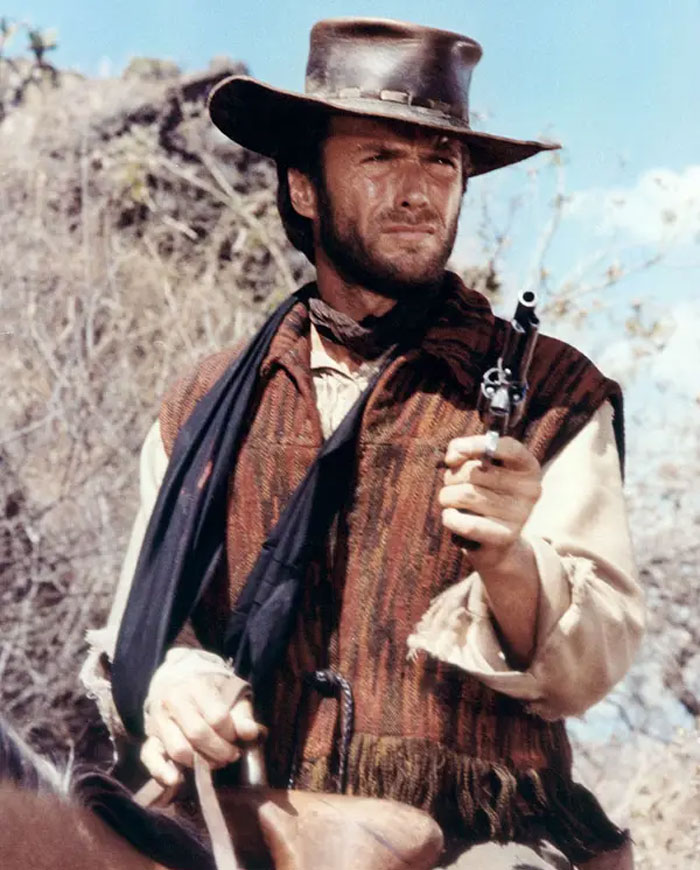
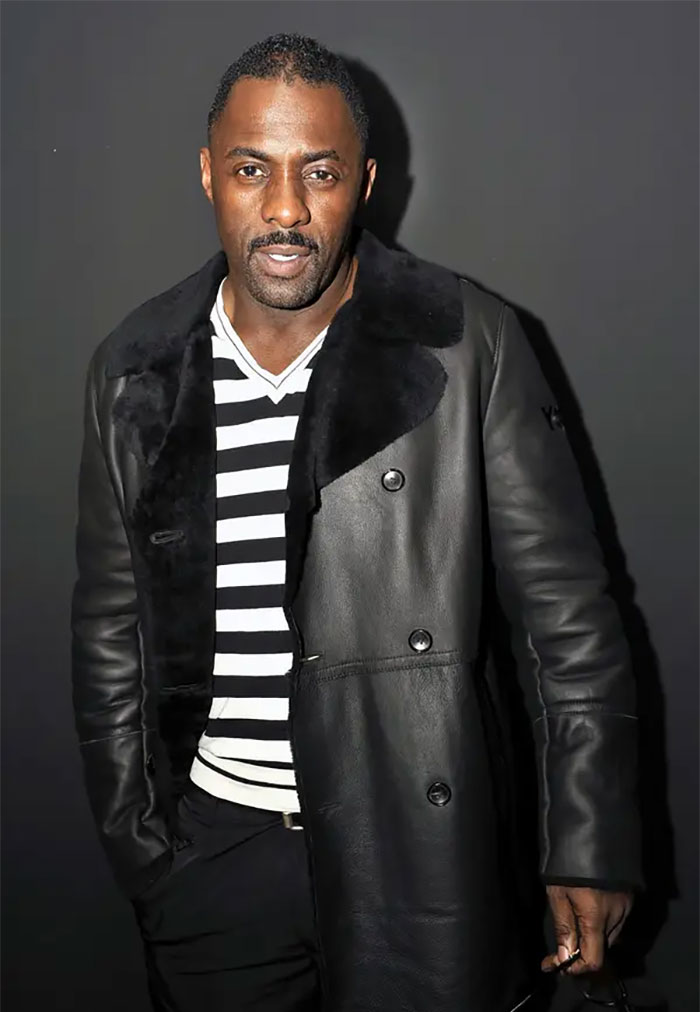
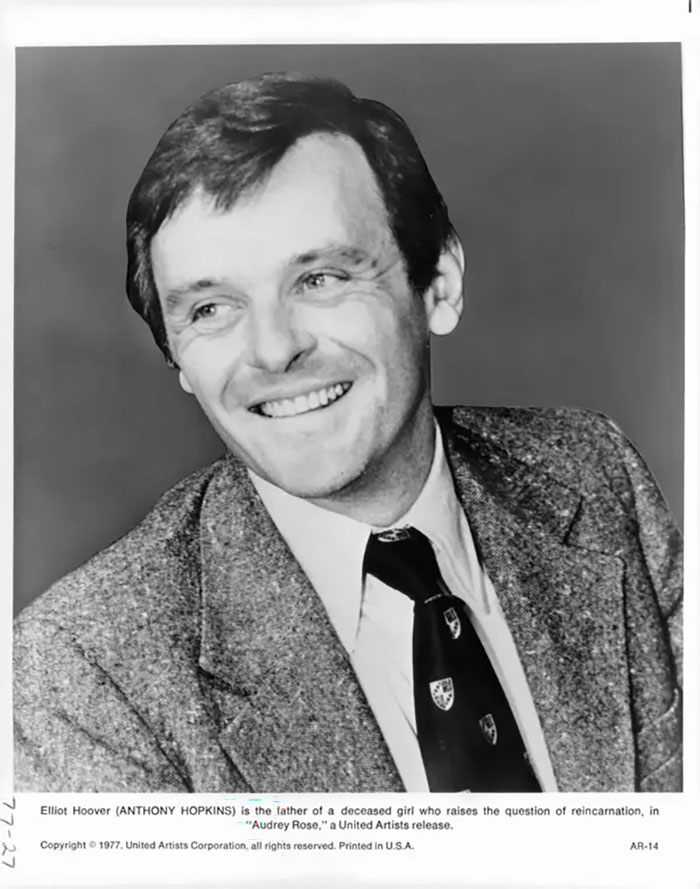
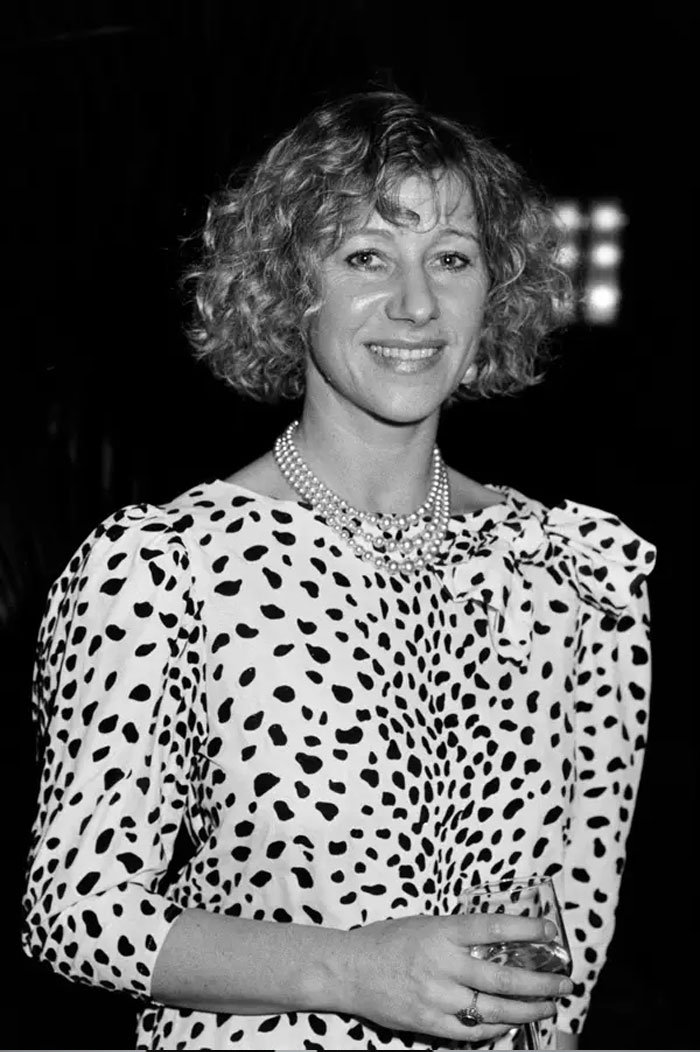
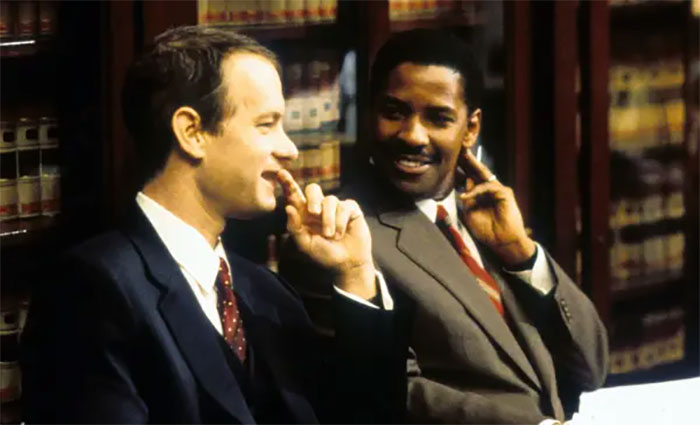
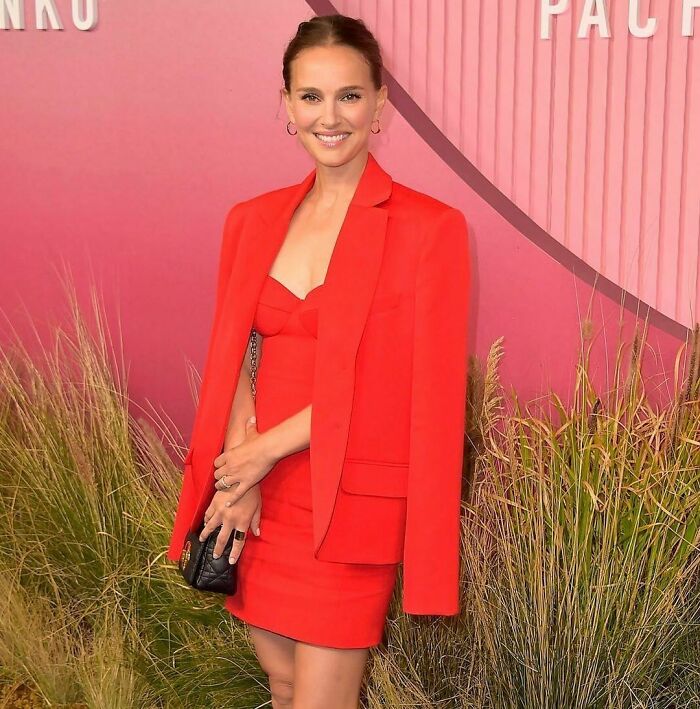
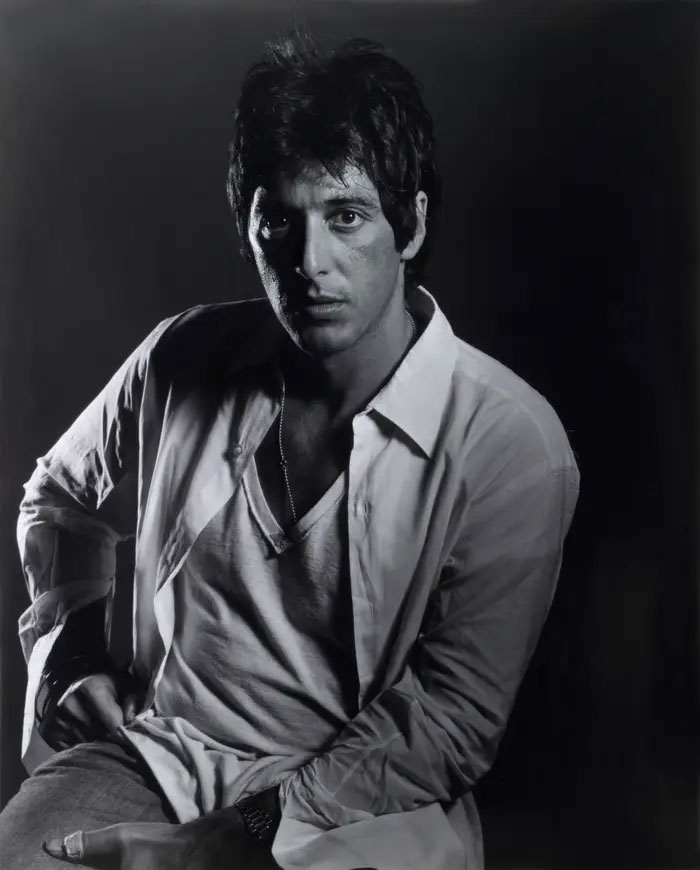
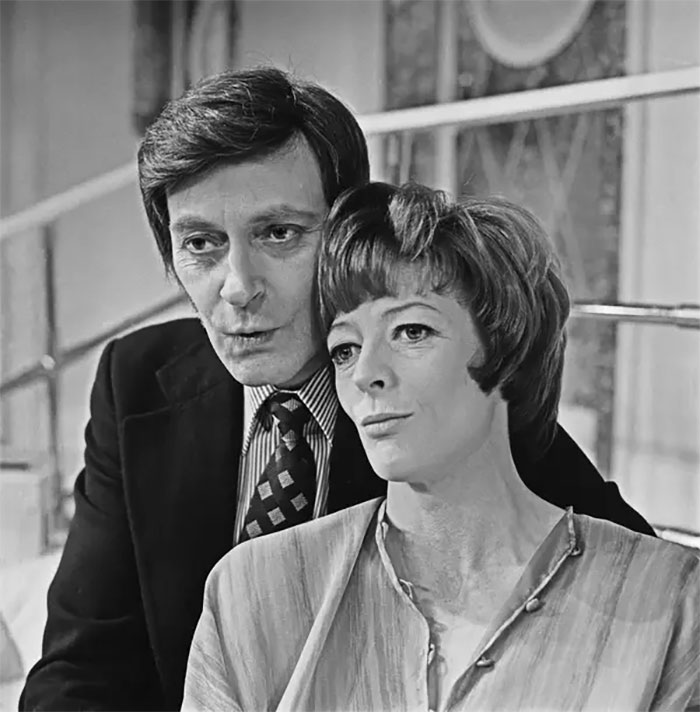
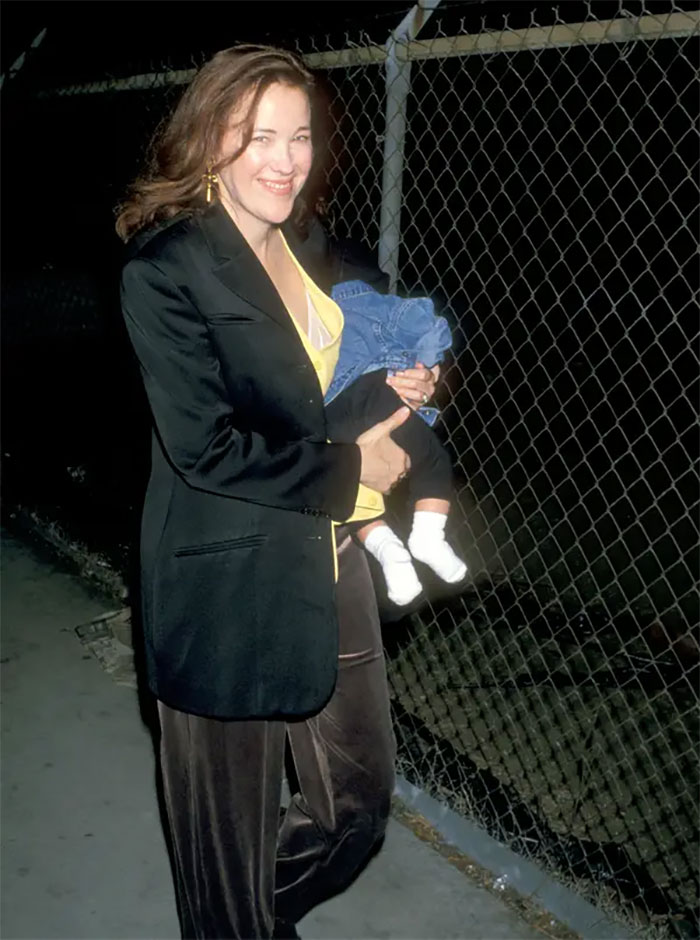
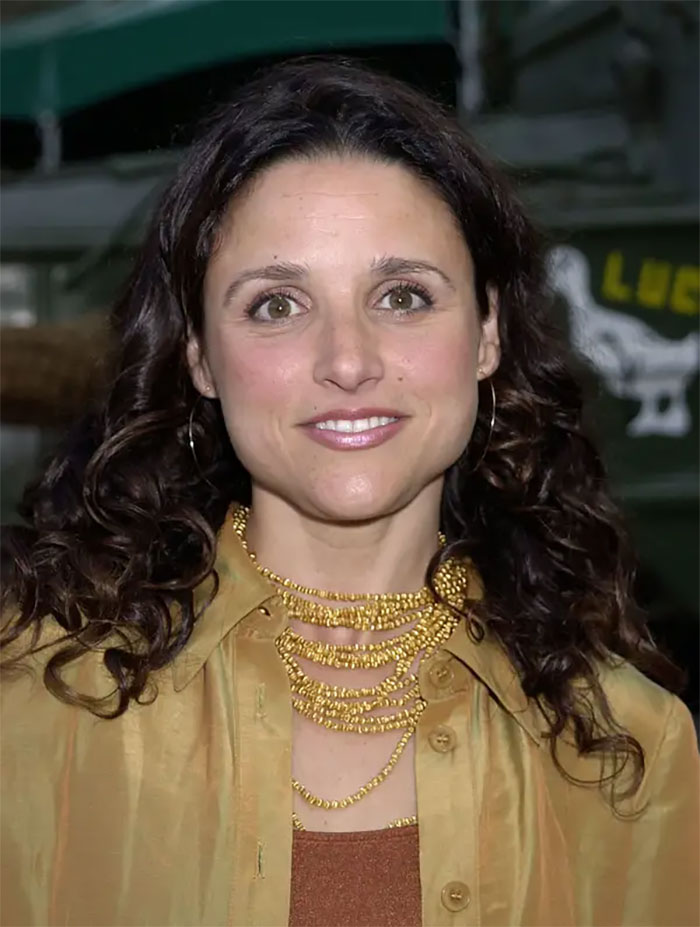
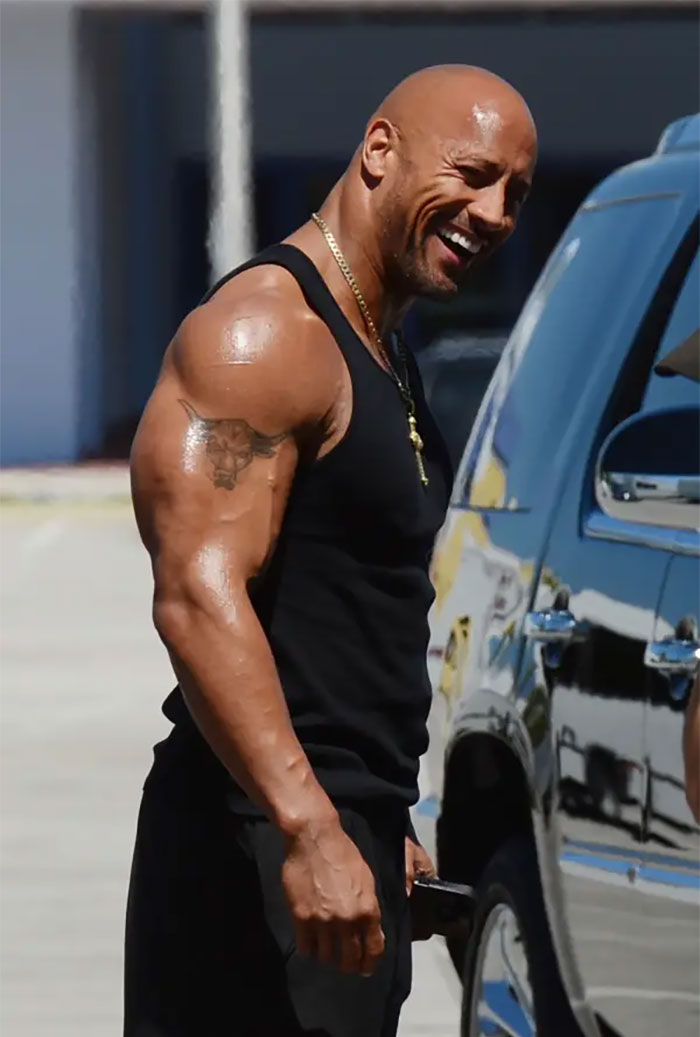
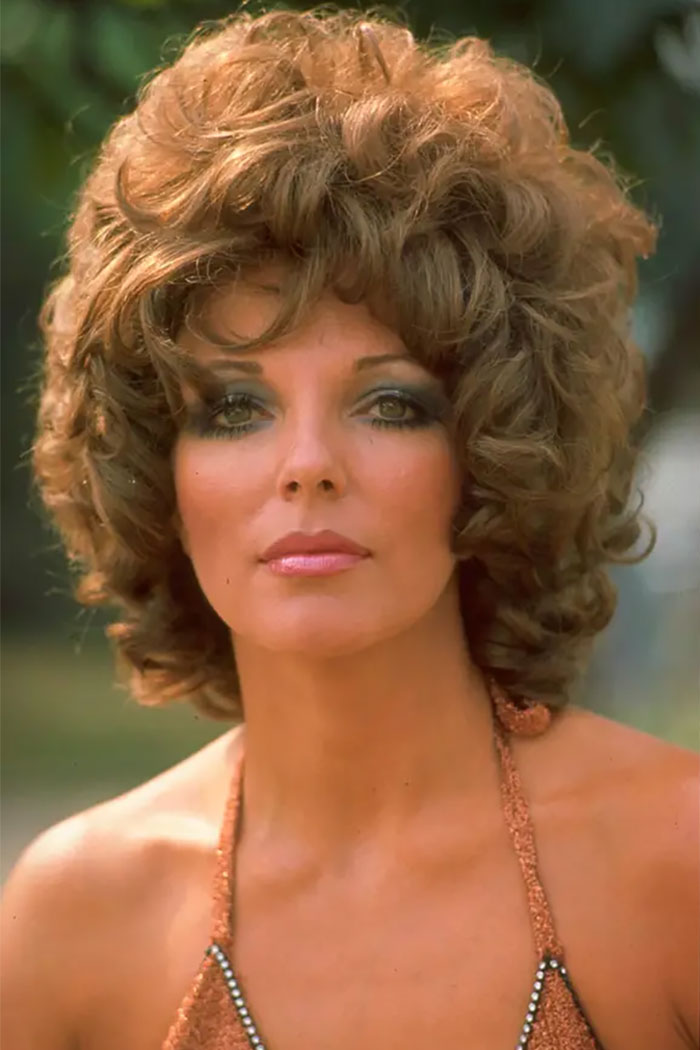
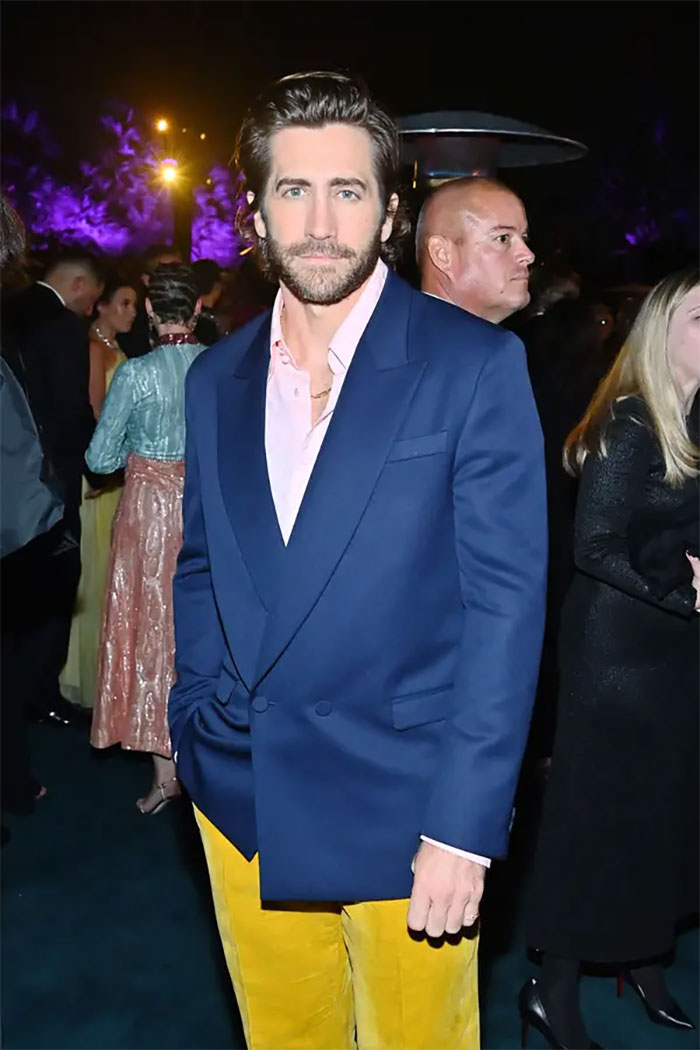
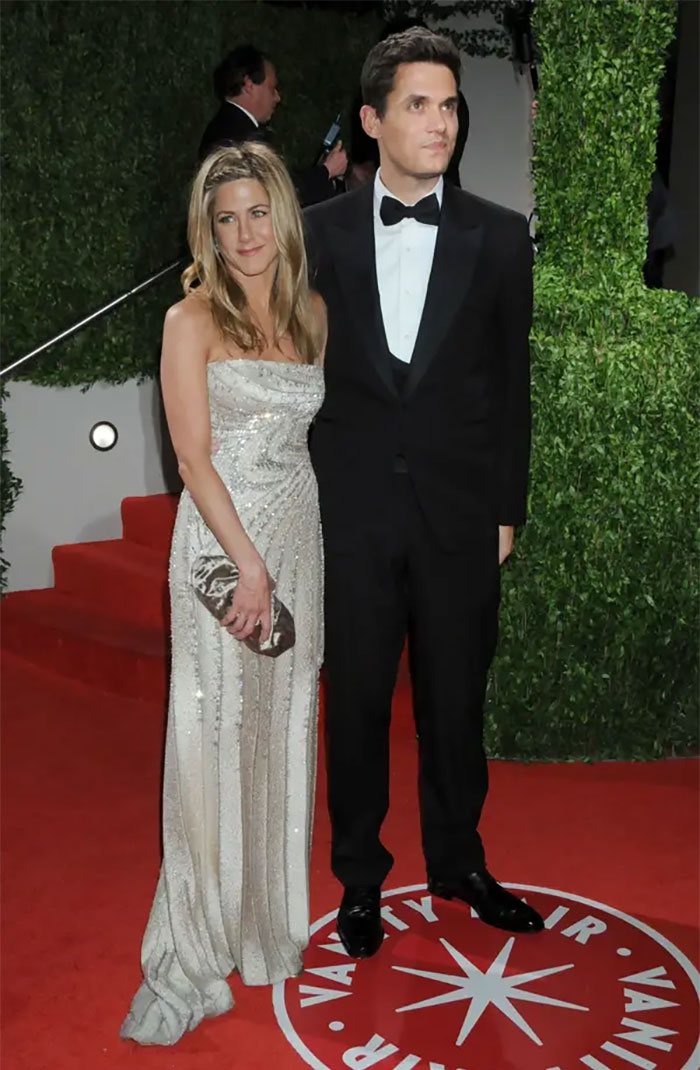
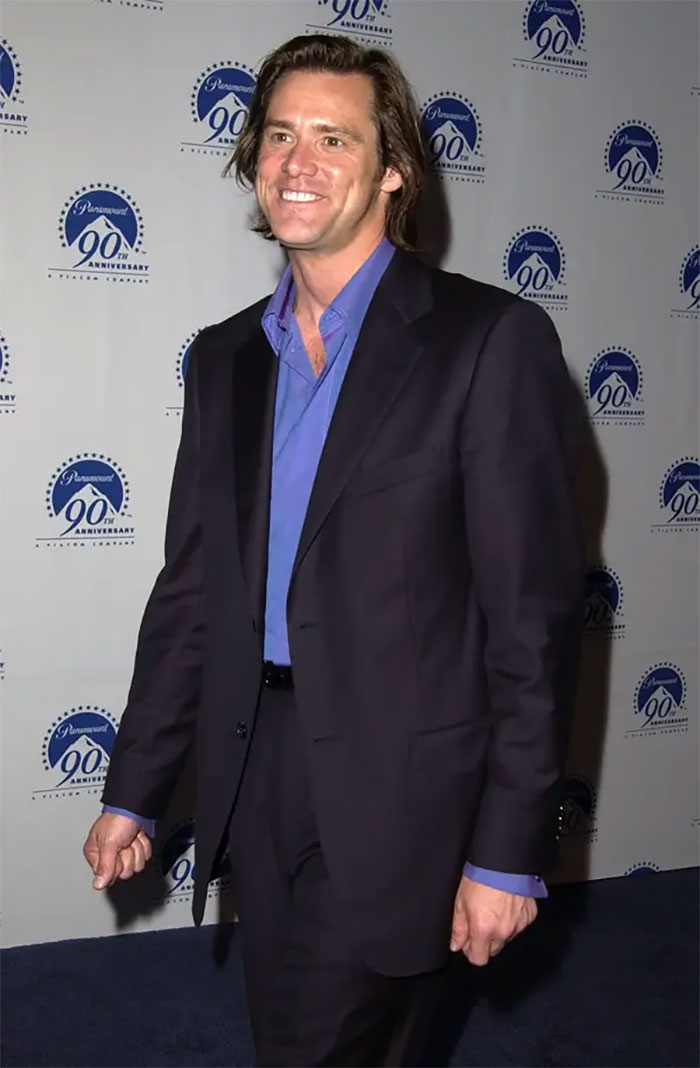
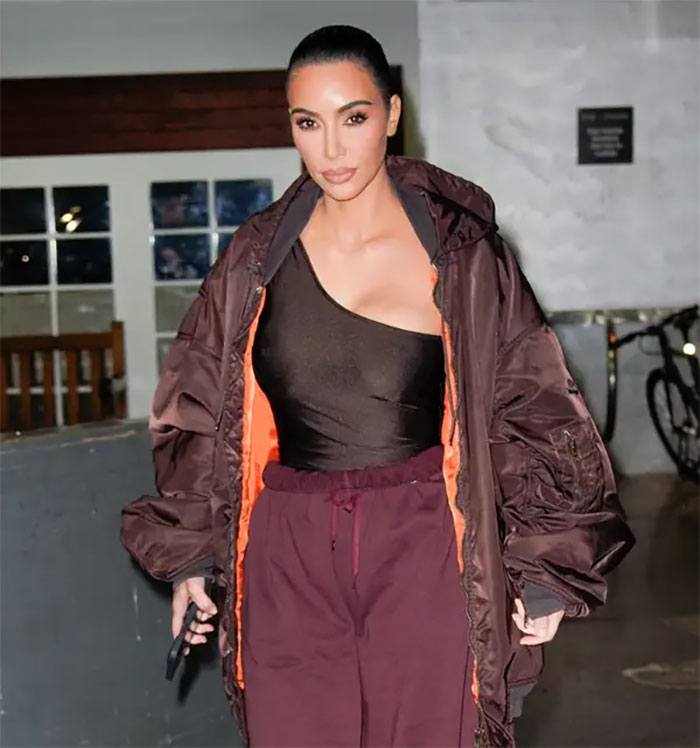
So here is a collection of actors, actresses, musicians, and other assorted famous people at the age of forty, a perfect midway point in age. So scroll through, upvote your personal favorites, and be sure to share your thoughts in the comments section below.
Click here & follow us for more lists, facts, and stories.
This post may include affiliate links.
As morbid as it sounds, a famous person reaching forty, or at least twenty-eight, is already a good start. There is a long list of artists who all passed away in one way or another at the age of twenty-seven. Famous examples from the 1960s and 1970 include, but are not limited to Brian Jones, Jimi Hendrix, Janis Joplin, and Jim Morrison.
More recently, Amy Winehouse and Kurt Cobain all passed away at that age, cementing this concept in two new generations' minds. So regardless of how one feels about these celebrities, it is somewhat nice that they all made it past that age successfully.
Despite its prevalence in culture, there are enough “famous people” who die before and, obviously, after 27 to debunk this “curse.” In fact, dying at 27 isn’t even statistically more likely, just that, perhaps, the stars who passed at that age were particularly famous at that point in time. The Conversation found that 56 is actually the most common age for musicians, which is still, sadly, well below normal life expectancy.
This is likely a result of the depression, isolation, and subsequent addiction that often comes with fame. It’s easy to see the fortune that comes with being a celebrity, but the difficulties are often hidden. Despite access to personal trainers, the best medicine in the world, and luxurious lifestyles, the normal markers of age are visible on some of the people listed here, a reminder that time doesn’t stop for anyone.
Of course, everyone dies and people die every single minute, if not second. These particular people were elevated as a result of their status as celebrities, meaning that a critical number of people would actually pause and remember their death. This, in turn, makes it “newsworthy,” so the death is reported, particularly in cases where the deceased was young, 27 for example.
To a certain extent, celebrity culture has only been possible since the advent of mass media and, to a lesser extent, the internet. Local stars will always be prevalent, but if their work is not recorded and distributed, they will remain obscure. In the pre-modern world, only a select few individuals would achieve enough fame to be considered “well-known,” as we would think of it today. For the most part, these would be religious figures and rulers.
Once the television entered most homes, people’s faces and voices became more recognizable, creating the first real celebrities. At some point, media executives realized that people were interested in famous individuals just because they were famous, creating an incentive to promote and maintain celebrity culture.
The internet, and social media in particular, took this idea and blew it up to monstrous proportions. While in the past, music and film would be the main stairways to fame, now just a sufficient number of followers on the right platform can ensure stardom. While this might seem strange to some, it has allowed many people to, almost overnight, become self-made stars, circumventing the methods of the past.
In some cases, internet fame can lead to more traditional forms of fame. Justin Bieber is a prime example, a huge pop star that was discovered after posting clips of himself singing online. Stories like this do create an ocean of copy-cats, attempting to emulate stars like this, but the bottom line is that the internet has democratized fame.
The increase in “celebrities” now means that this “category” of person starts to appear in more walks of life. YouTuber to a musician, reality star to a politician, these are all “normal” pathways in this day and age. Fame begets attention, and attention is a valuable commodity, as there is more competition than ever.
You might also like: Hollywood careers: 29 actors who squandered their potential


























 No fees, cancel anytime