Get Premium
Dark mode theme is available exclusively for premium users. Learn more about the benefits of subscribing.
No fees, cancel anytime.

 Dark Mode Ad-Free Browsing Unlimited Content
 Ad-Free Browsing Unlimited Content Dark Mode
Join 1.2 million Panda readers who get the best art, memes, and fun stories every week!
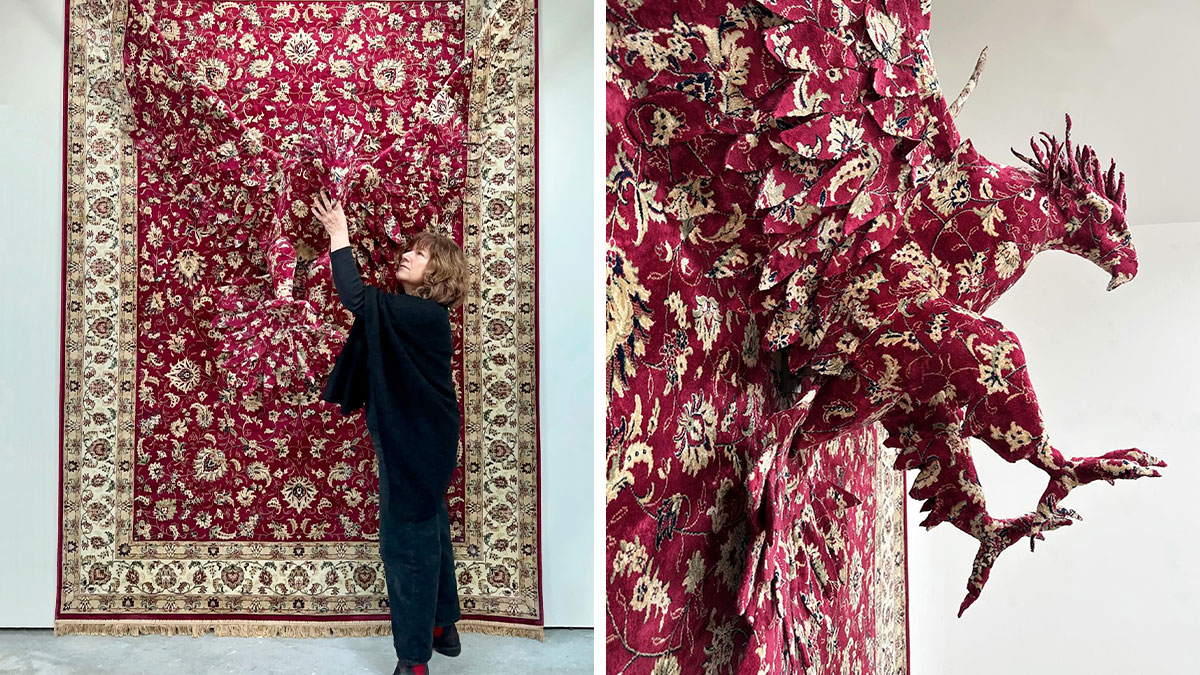
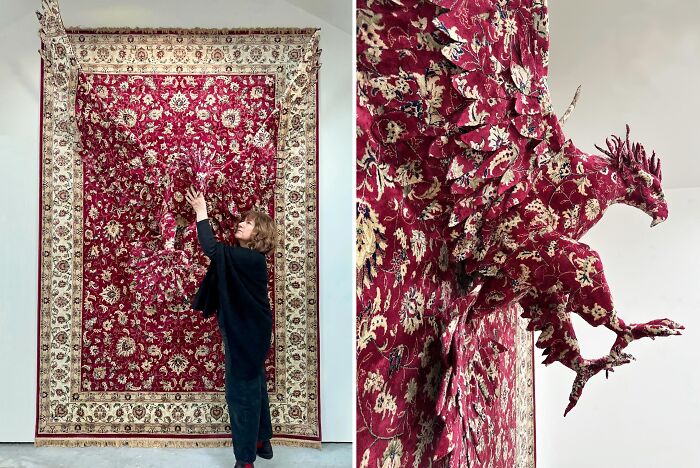
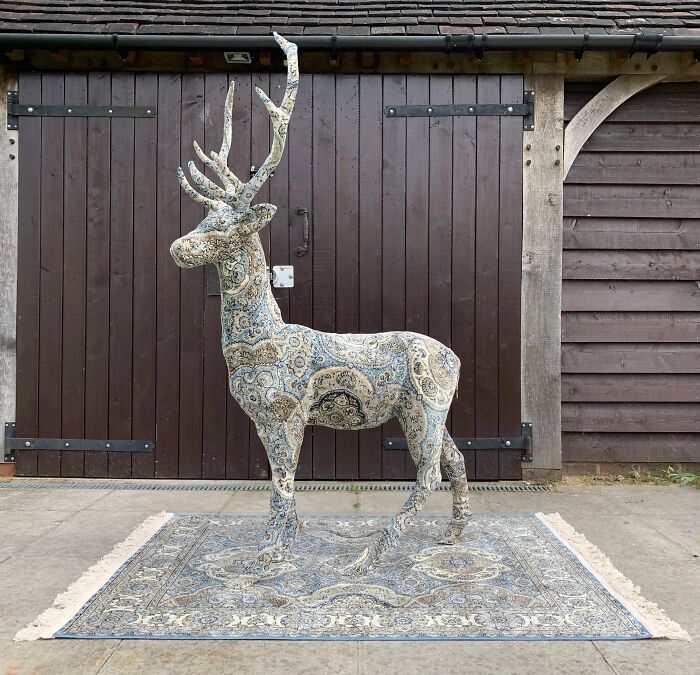
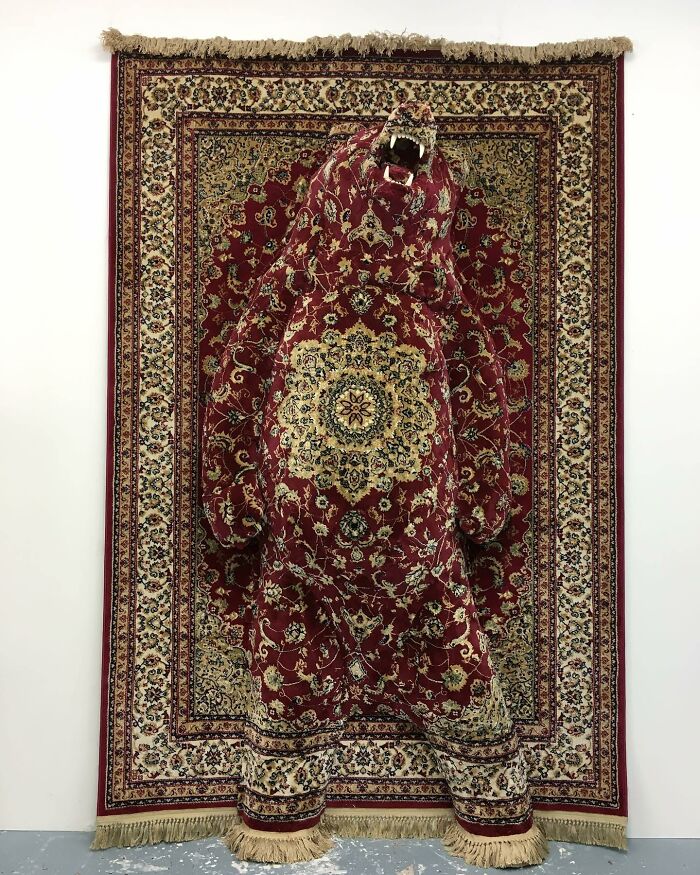
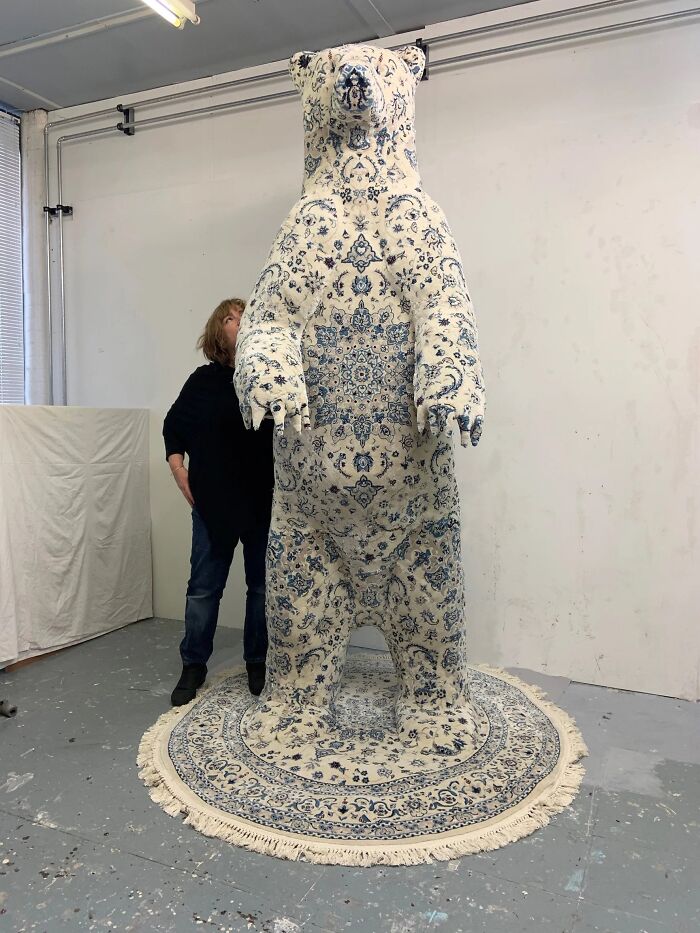
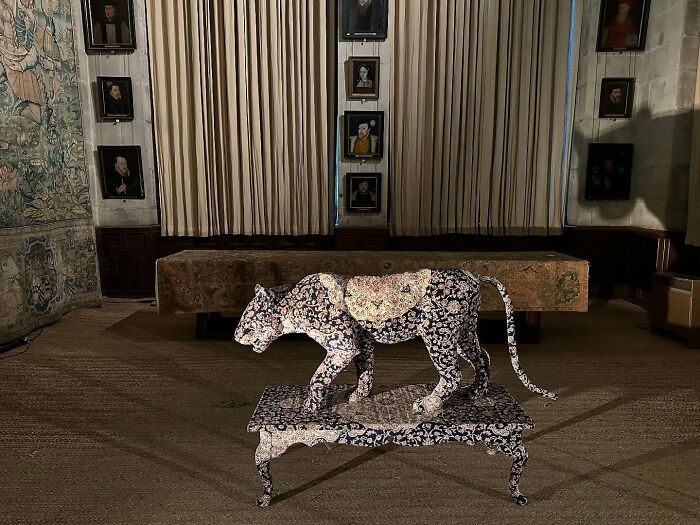
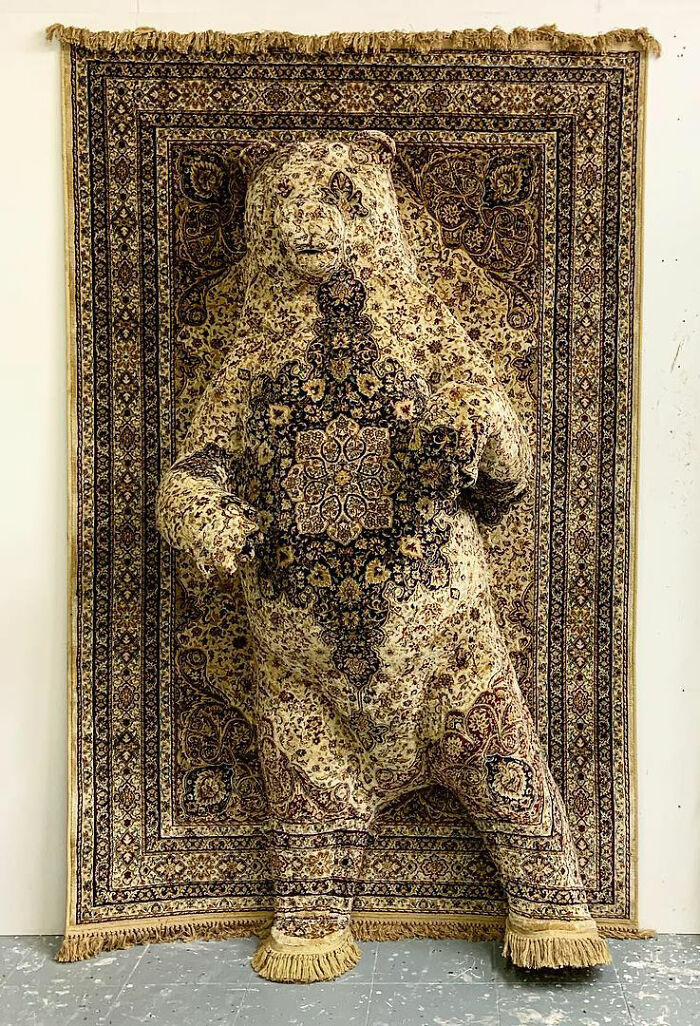
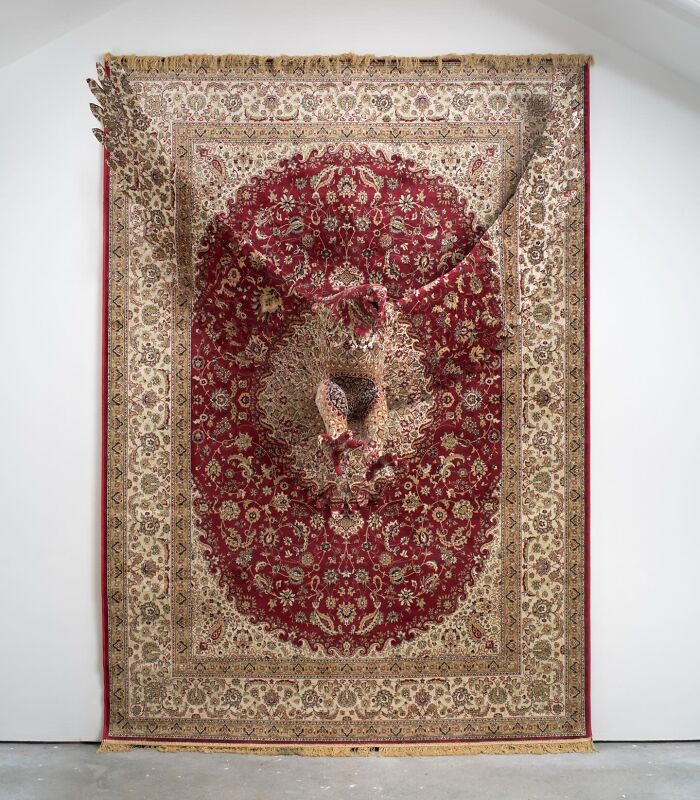
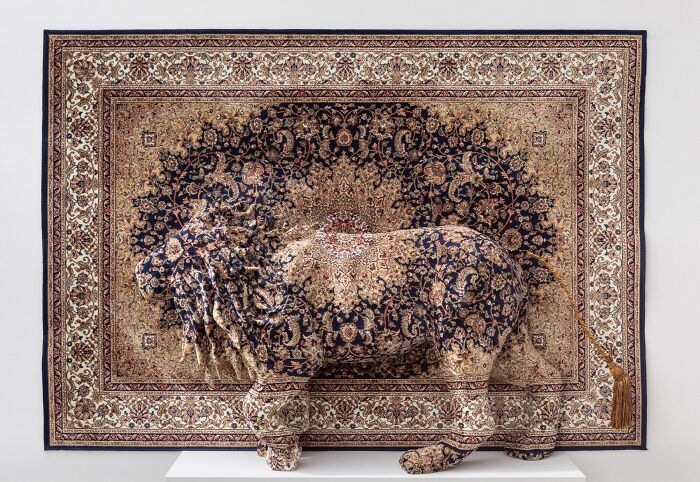
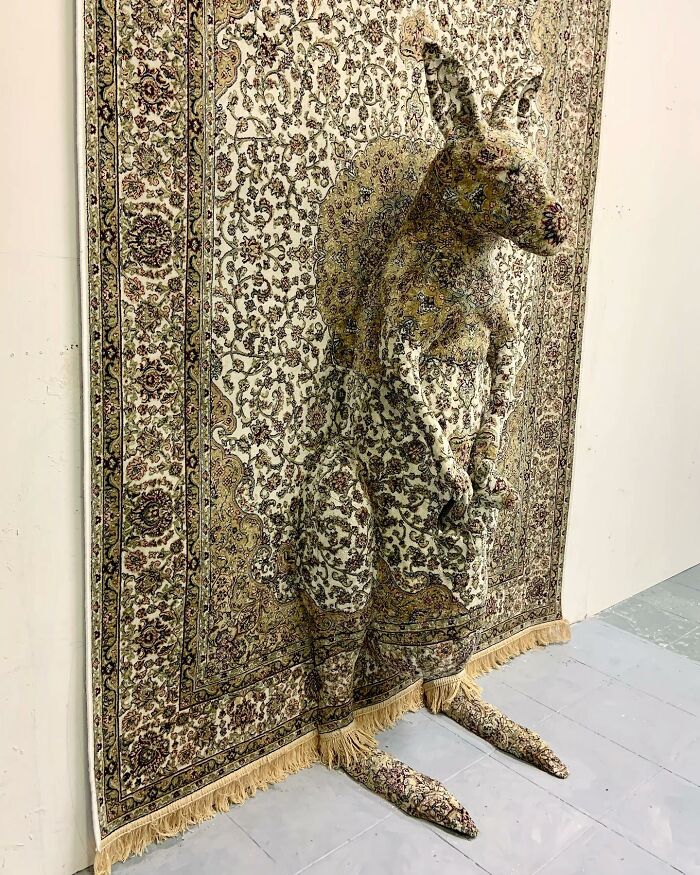
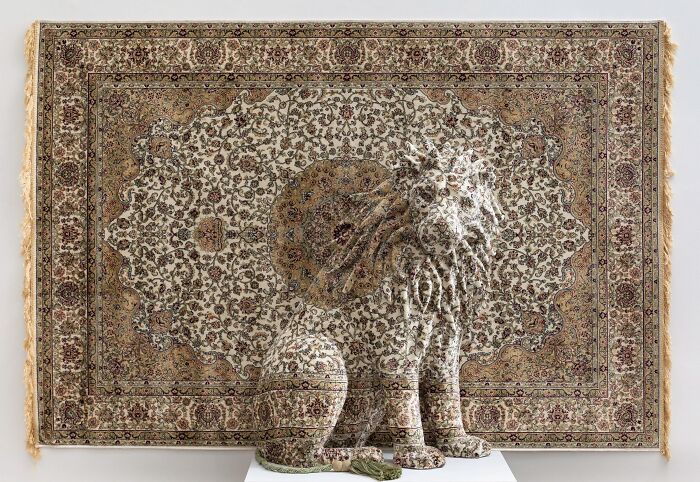
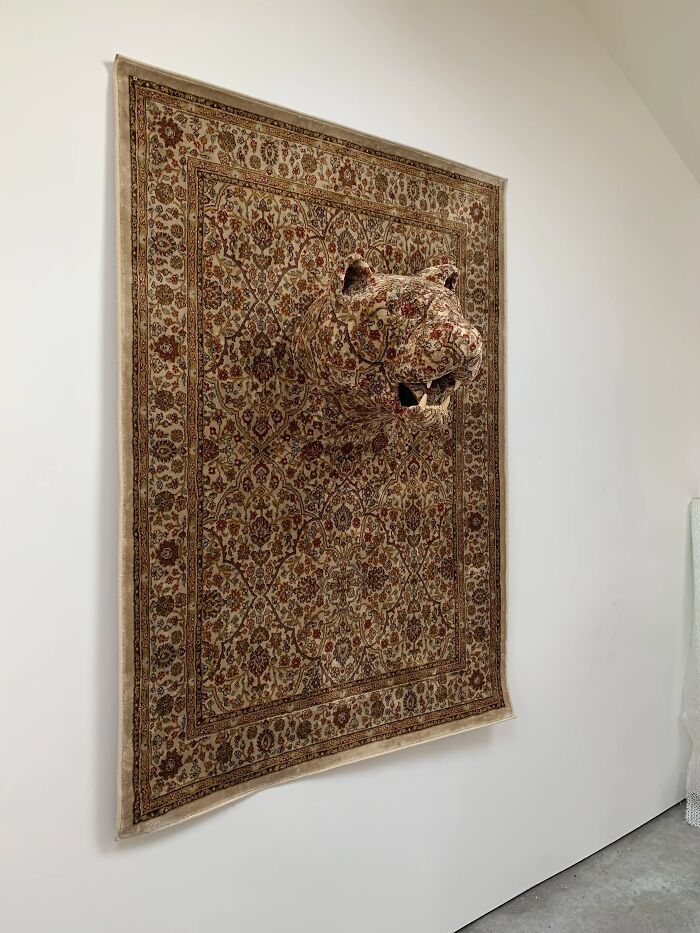
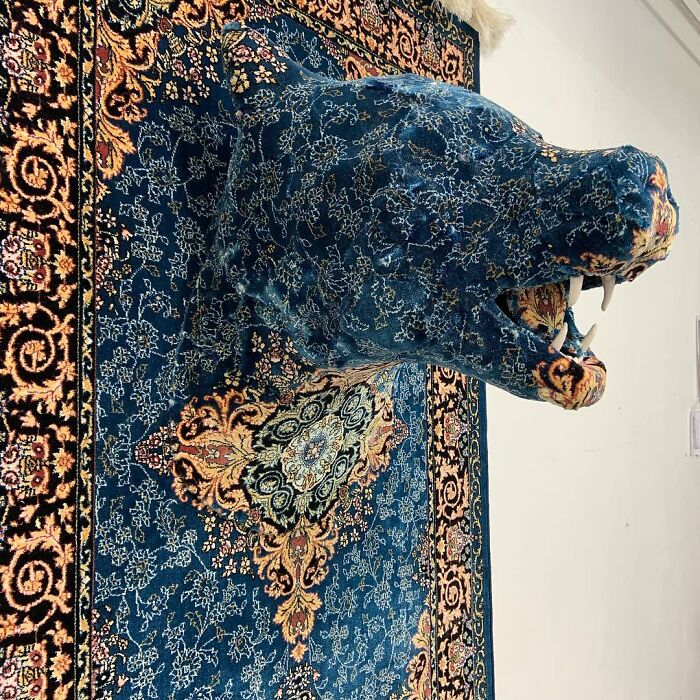
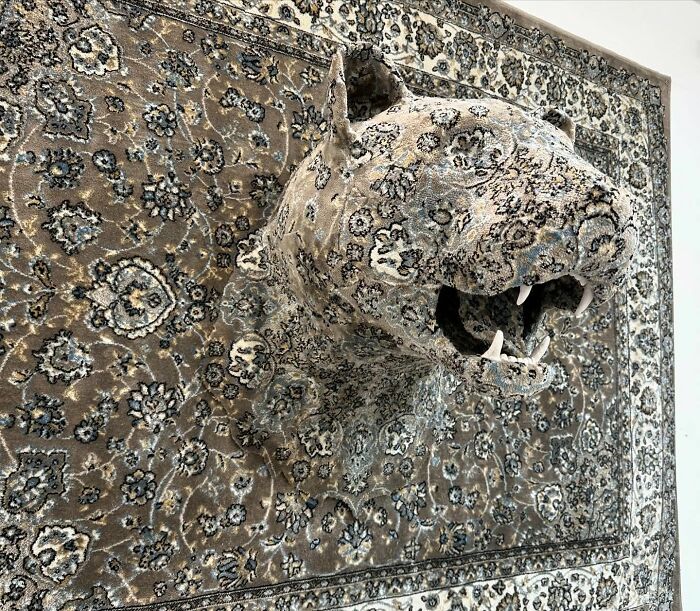
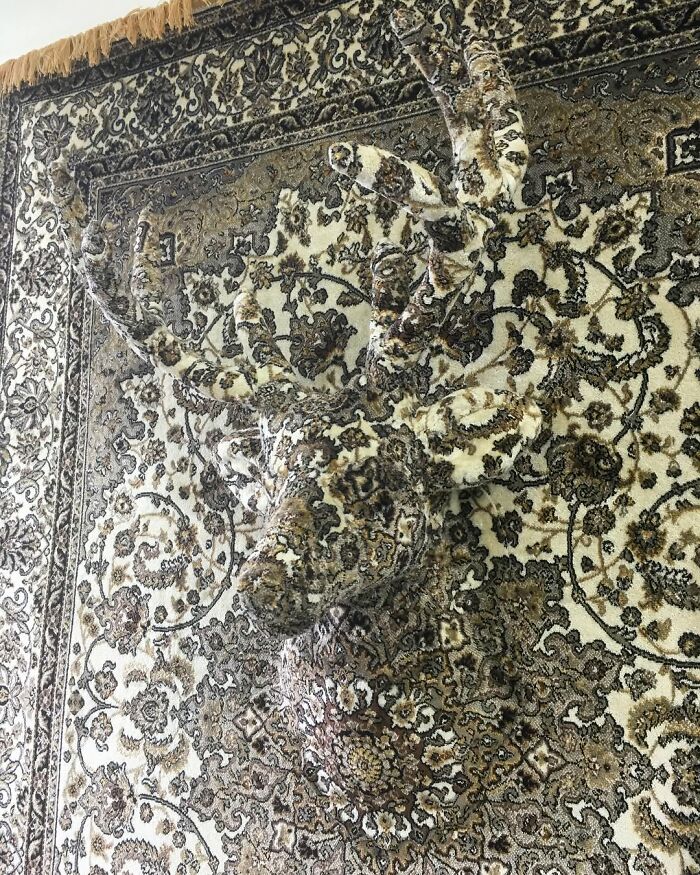
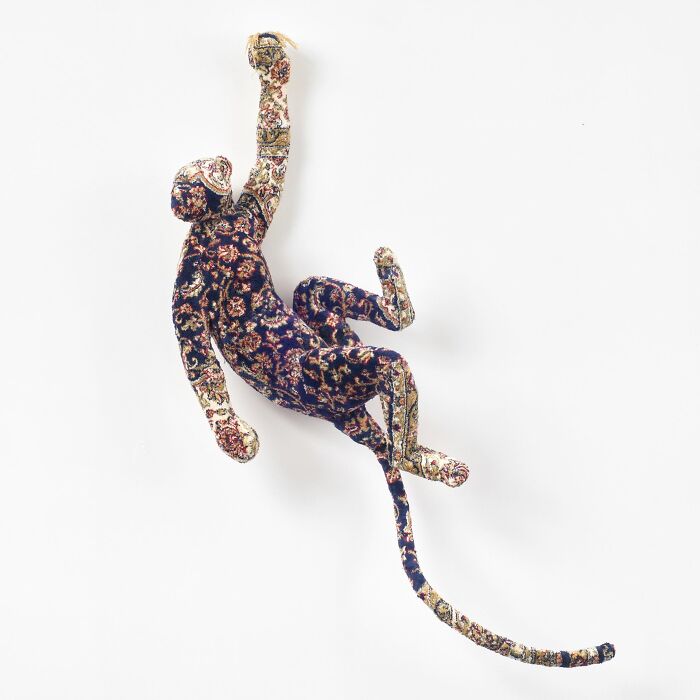
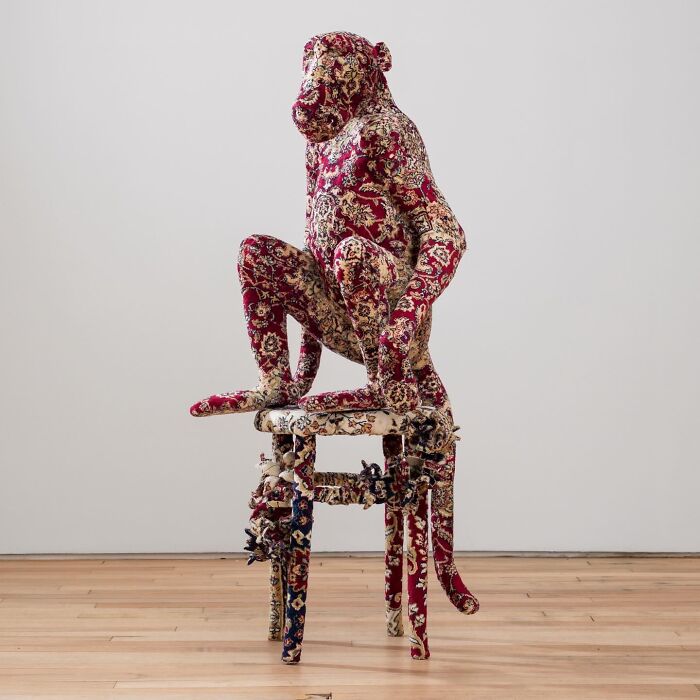
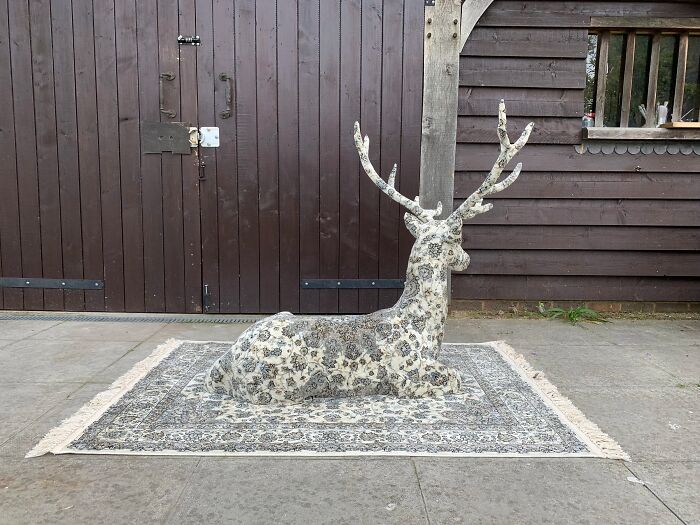
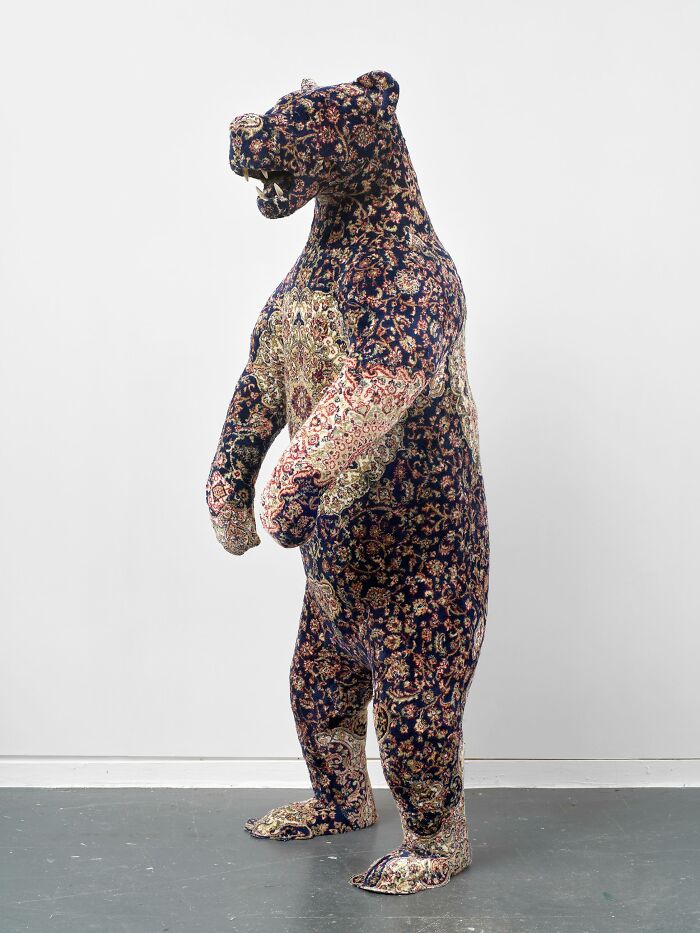
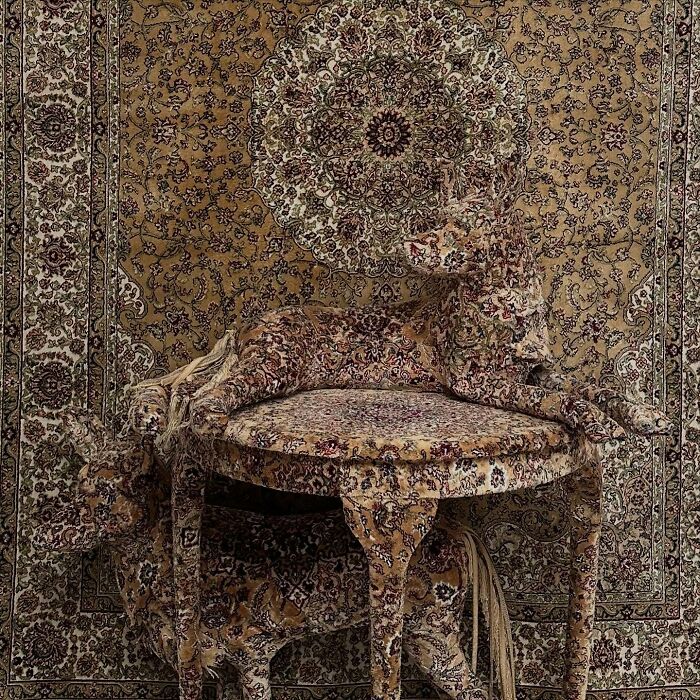
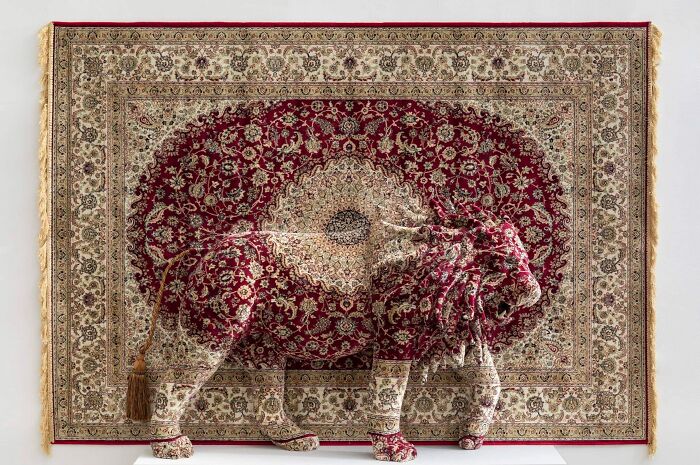
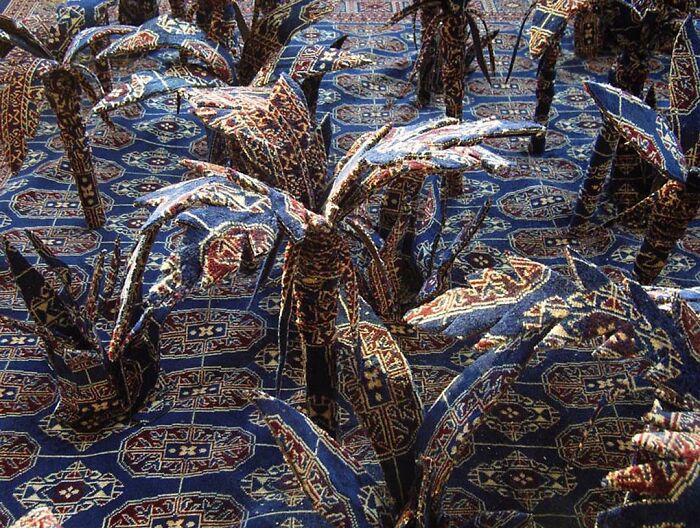
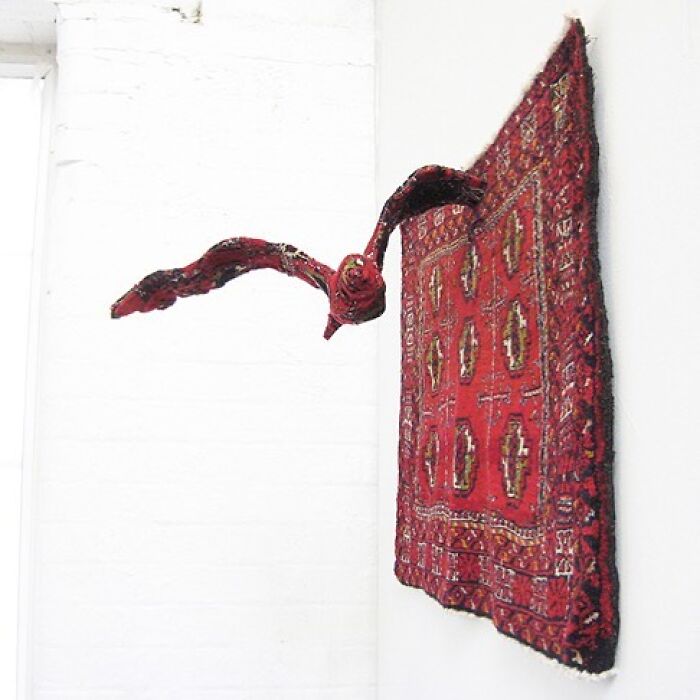
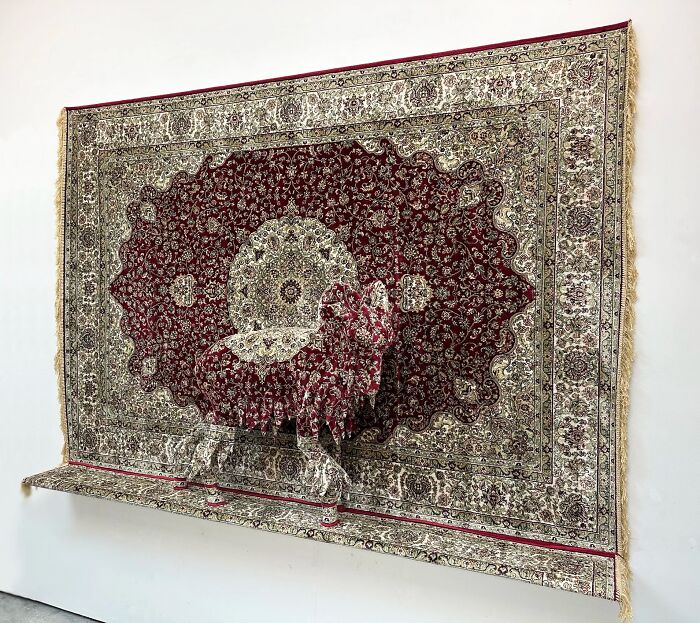
At first glance, Debbie Lawson’s sculptures might look like richly patterned Persian carpets placed inside a room. But look a little closer, and something strange begins to happen. A fox seems to step out of the fabric, a bear appears to rise from the ornate surface, or a wild animal looks as if it has been caught mid-escape from the rug itself. The Scottish artist creates striking rug-sculptures that blend wildlife, domestic interiors, and textile traditions into works that feel both familiar and wonderfully surreal.
Using wire mesh, tape, resin, and real patterned carpets, Lawson carefully builds her sculptures so that the animals appear to grow directly from the decorative textiles around them. Her work explores the thin boundary between the wild and the domestic, turning ordinary household objects into something alive, mysterious, and slightly unsettling. Many of these ideas are also deeply personal, as her family has generations of ties to the textile industry in Dundee, Scotland, adding another layer of history and meaning to the craft behind the illusion.
We also wanted to learn more about Debbie’s work and how she turned to this specific form of sculpture, so you’ll find our interview with the artist below. Scroll down to see Debbie Lawson’s rug-sculptures, and don’t forget to vote for your favorites.
More info: Instagram | debbielawson.com
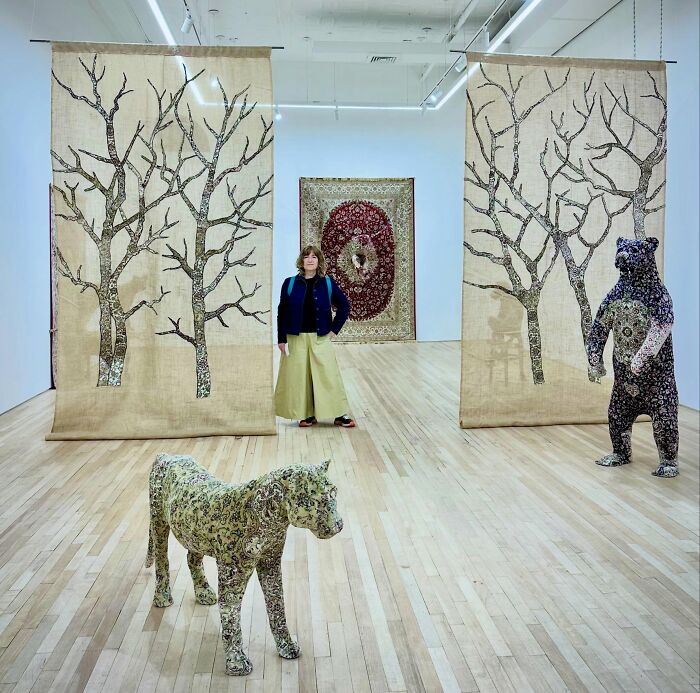 Image credits: debbie_lawson_artist
This post may include affiliate links.


Fabulous. Hidrėlėy, the problem I've got with so many of your lists is that they render me nearly speechless. Thank you. In this case, so many of these artworks are - well, that Philippine Eagle? Its creation strikes me as almost beyond my imagination. Wonderful, just wonderful.

Fabulous. Hidrėlėy, the problem I've got with so many of your lists is that they render me nearly speechless. Thank you. In this case, so many of these artworks are - well, that Philippine Eagle? Its creation strikes me as almost beyond my imagination. Wonderful, just wonderful.


























 No fees, cancel anytime