Get Premium
Dark mode theme is available exclusively for premium users. Learn more about the benefits of subscribing.
No fees, cancel anytime.

 Dark Mode Ad-Free Browsing Unlimited Content
 Ad-Free Browsing Unlimited Content Dark Mode
Join 1.2 million Panda readers who get the best art, memes, and fun stories every week!
For years, Denver Airport was a mystery. To this day, there are countless conspiracy theories about apocalyptic terminal murals, Illuminati symbols, bunkers, and the unsettling red eyes of its iconic Blue Mustang statue, making everyone think it’s a demonic figure.
It’s just the kind of rabbit hole that will make you idle time away. Only, it makes you wonder: Are these theories and urban legends only about Denver Airport? And to that, we say yes, mostly, at least. Because some other mysteries are simply true, as is the case with the eerie story behind the two graves at Georgia’s Savannah/Hilton Head Airport. And this is their story.
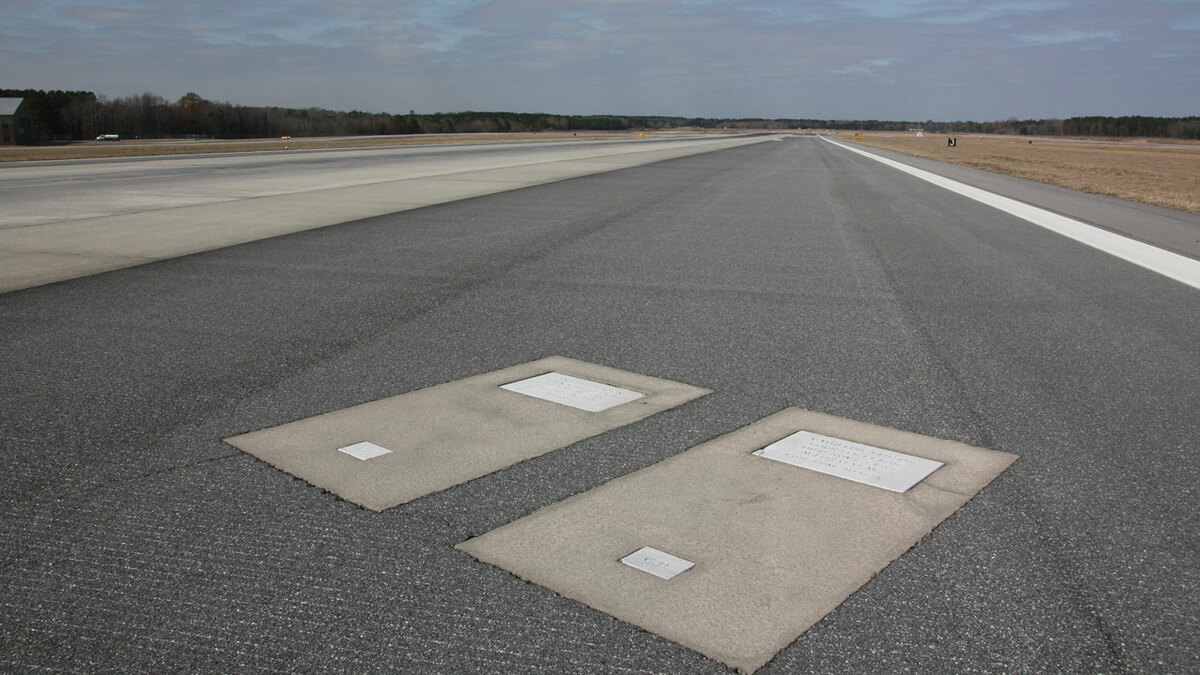
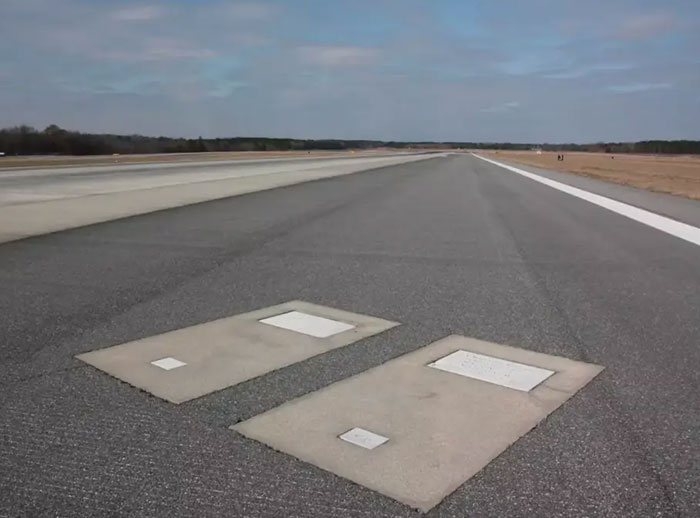
The Georgia Savannah/Hilton Head Airport first opened its municipal airfield in 1929 as Hunter Field, but it expanded its range during WWII. It is the second-busiest airport in Georgia, and over 4 million passengers fly through it every year. And one thing that is probably always on their minds is: Are those graves on the airplane runway? And if so, why, and who is buried there?
These two mysterious and iconic-looking rectangles near runways 10 and 28 are actually the graves of Catherine and Richard Dotson. Both were born in 1797 and married for 50 years before Catherine’s perished in 1877. Not long after, in 1884, her husband Richard followed. And well, they’re buried at the airport because they once owned the land now occupied by the airport.
Across the American South, mostly in rural areas, experts affirm that it was actually standard practice to bury loved ones in a family plot on their own land. It was considered a family matter, unrelated to any commercial industry, so family members prepared everything themselves, usually in a quiet corner of their property, in an orchard, or near a tree line.
But with WWII waters brewing, the U.S. government decided it needed more facilities to conduct military operations, and in 1942, the City of Savannah negotiated a lease with the federal government for 1,100 acres of land. This land included the Dotson family farm, and, as one can imagine, the family graves were still there. Around 100 graves were relocated to Bonaventure Cemetery in Savannah, including the graves of enslaved people. But not Richard or Catherine’s.
Instead, while the airport was being built, the Dotson descendants actually refused to have Richard and Catherine’s graves removed and demanded that they remain undisturbed. This preserved the memory of their hard work on the land, as they believed the couple would have wanted to remain in the place they called ‘theirs.’ And so, the graves stayed in the asphalt, making it one of the most unique runways in the world.
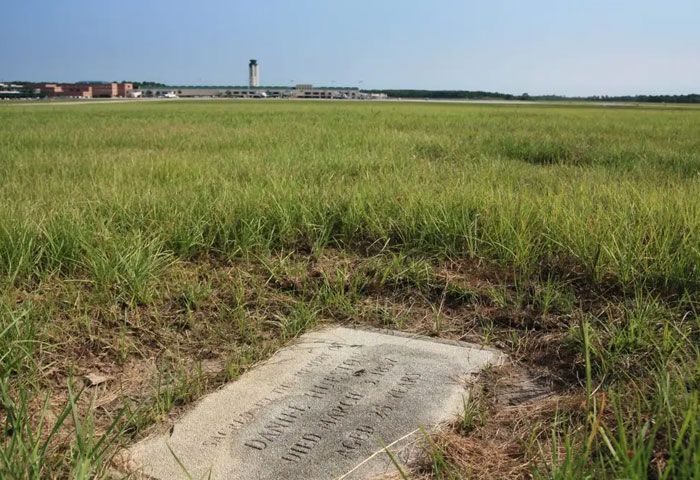
But they’re not the only ones. Near runways 10 and 28, there are two other graves belonging to two other members of the Dotson family, Daniel Hueston and John Dotson, also due to a request by the family members not to move the bodies. But unlike Richard and Catherine’s, these graves are located in the grassy brush off to the side of the runway and weren’t paved like the couple’s.
So while the federal government did relocate all the other graves, under U.S. law, authorities can’t exhume and relocate human remains without the consent of the next of kin, and were forced to leave all four graves in place. Unfortunately, while the story is grim, it gets even grimmer. Out of these 100 graves, historians say that some of them were also the final resting places for enslaved people who worked at the plantation, as well as freed farm workers after emancipation.
But unfortunately, because enslaved people rarely had stone markers in the 18th and 19th centuries, many of these graves were unmarked and anonymous. This meant that during relocation, many remained nameless or were moved to mass relocation plots instead of individual, named sites. But tell us, Pandas, have you ever personally seen these graves at the Georgia airport? Did they feel haunted or eerie? Let us know below!
@aaronrheins Gravestones ON a Runway #aviation#airport#hiltonhead#travel♬ original sound – Aaron Rheins





















By entering your email and clicking Subscribe, you're agreeing to let us send you customized marketing messages about us and our advertising partners. You are also agreeing to our Privacy Policy.
Thank you! You've successfully subscribed to newsletters!



























 No fees, cancel anytime







30
1