Get Premium
Dark mode theme is available exclusively for premium users. Learn more about the benefits of subscribing.
No fees, cancel anytime.

 Dark Mode Ad-Free Browsing Unlimited Content
 Ad-Free Browsing Unlimited Content Dark Mode
Join 1.2 million Panda readers who get the best art, memes, and fun stories every week!
“Turn and face the strange, ch-ch-changes
Pretty soon now you're gonna get older
Time may change me, but I can't trace time…”
David Bowie’s iconic song may have been about reinventing himself as an artist and the inevitability of aging, but it’s something that we can all relate to. We’re constantly evolving, and so is the world around us.
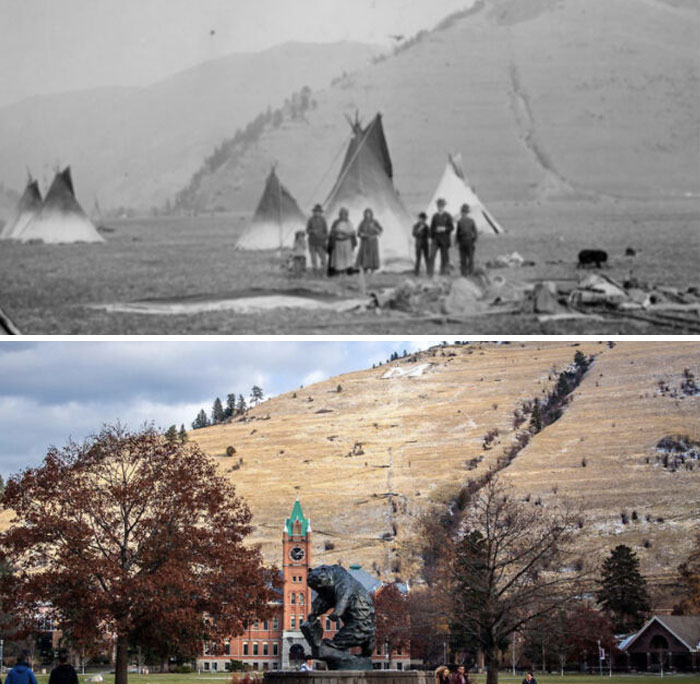
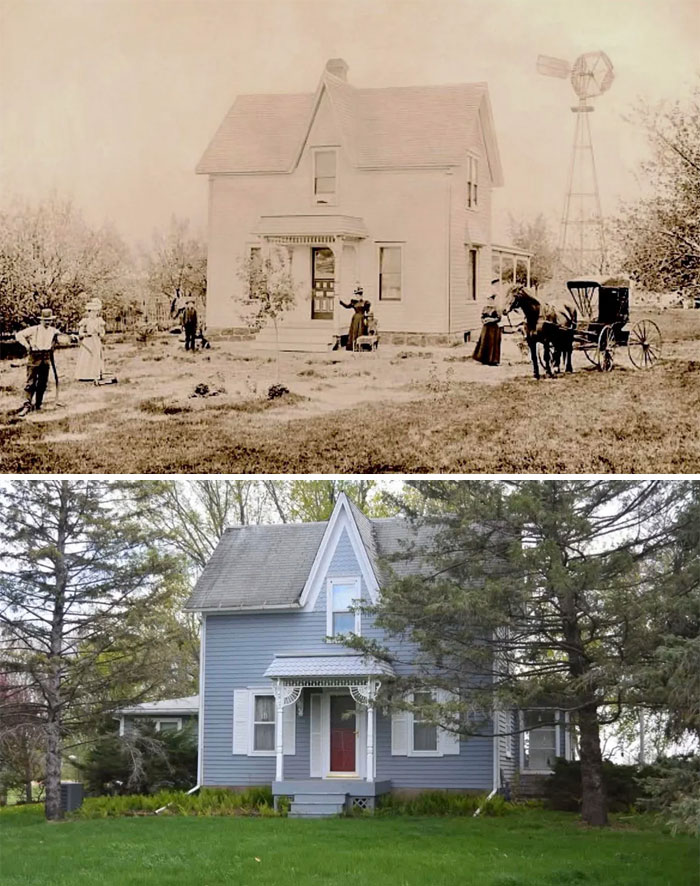
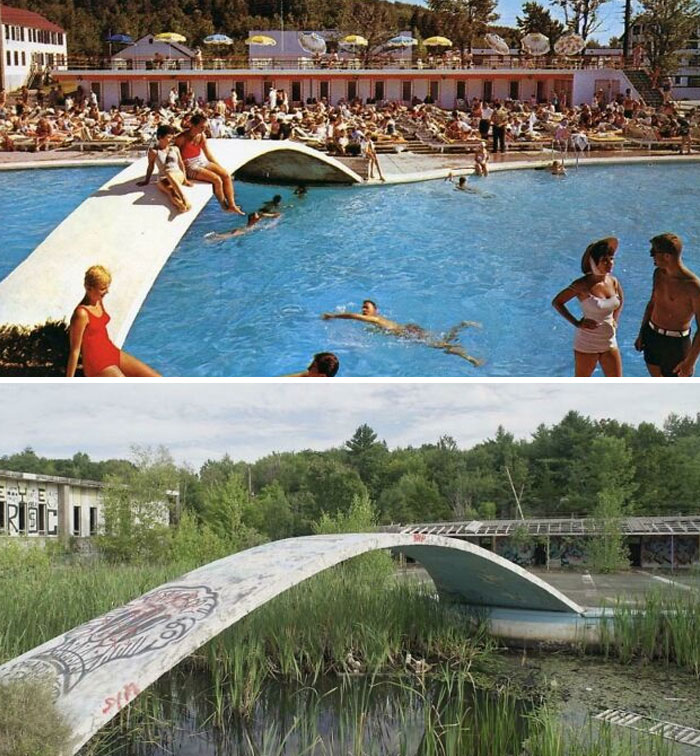
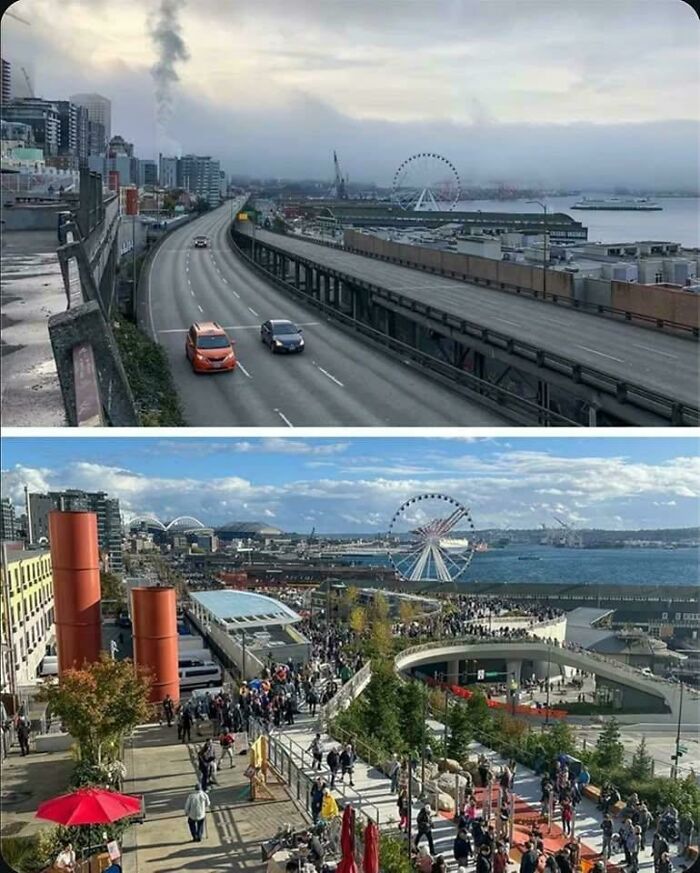
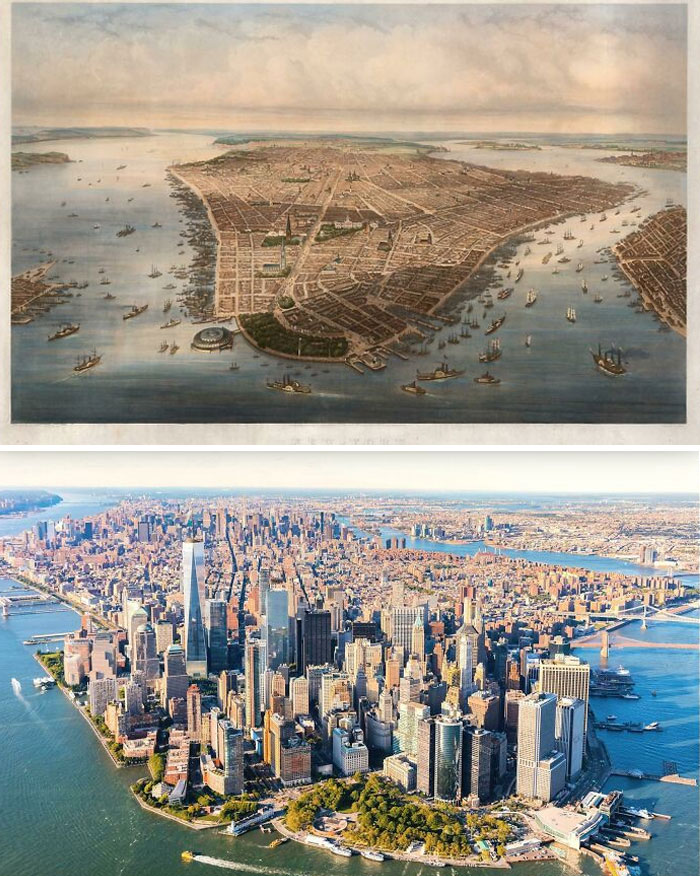
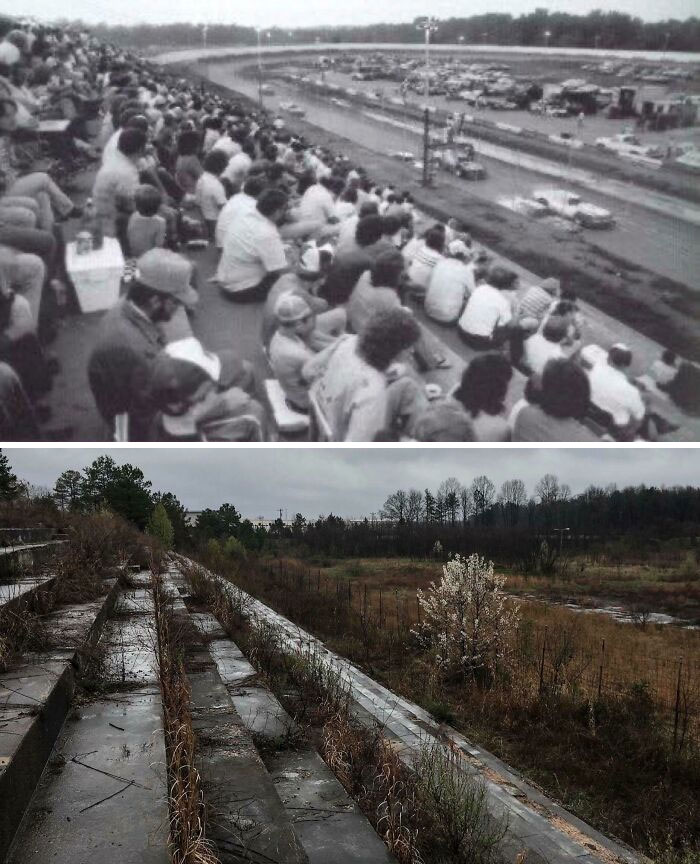
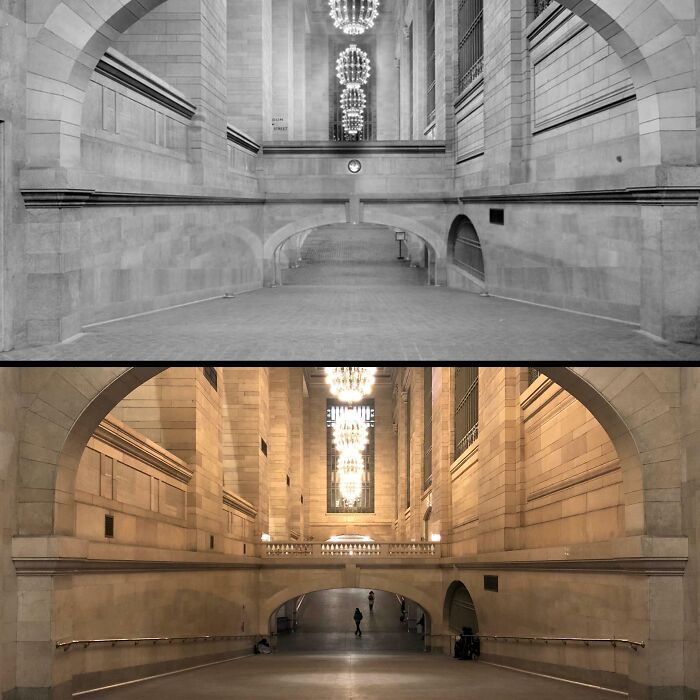
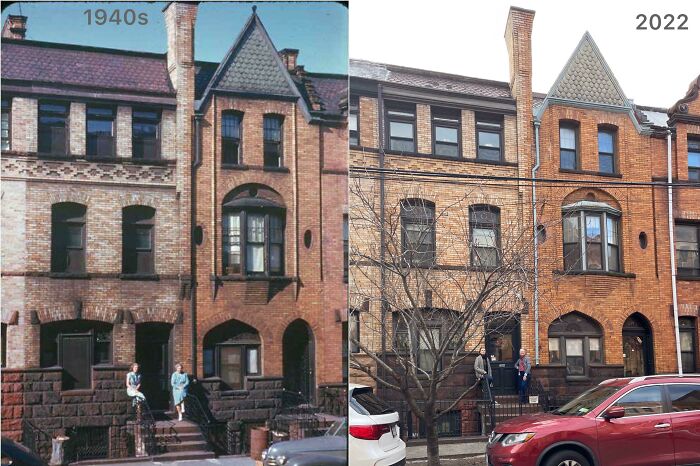
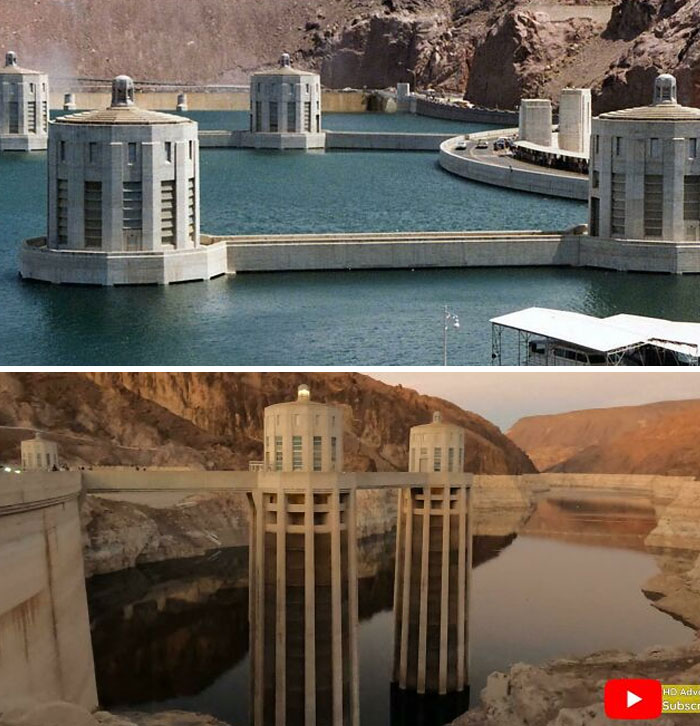
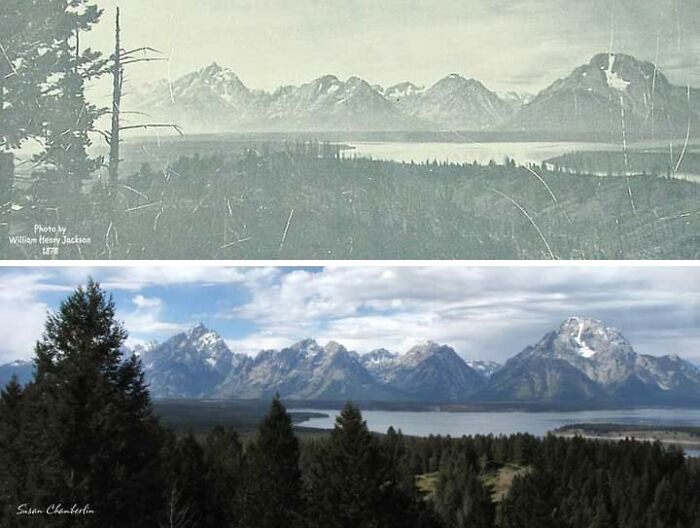
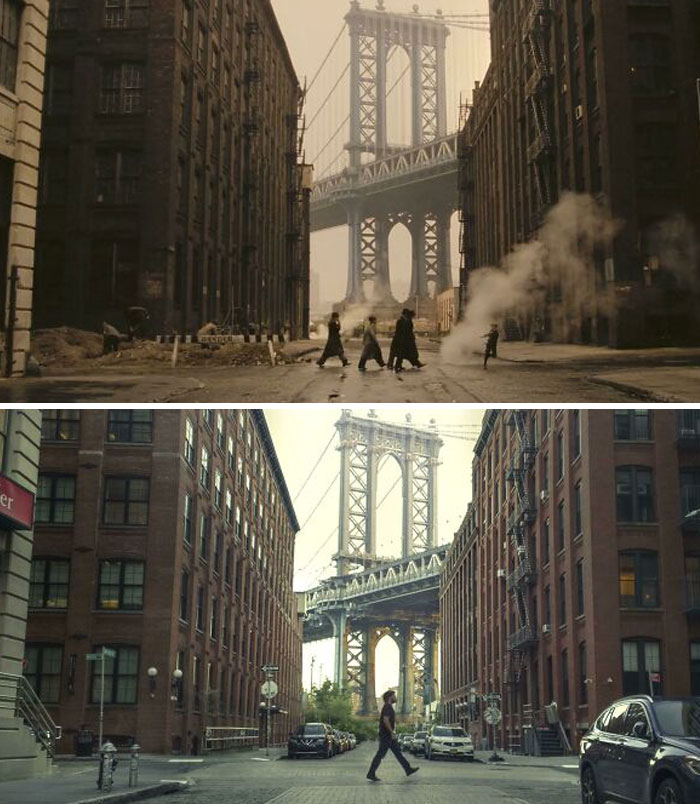
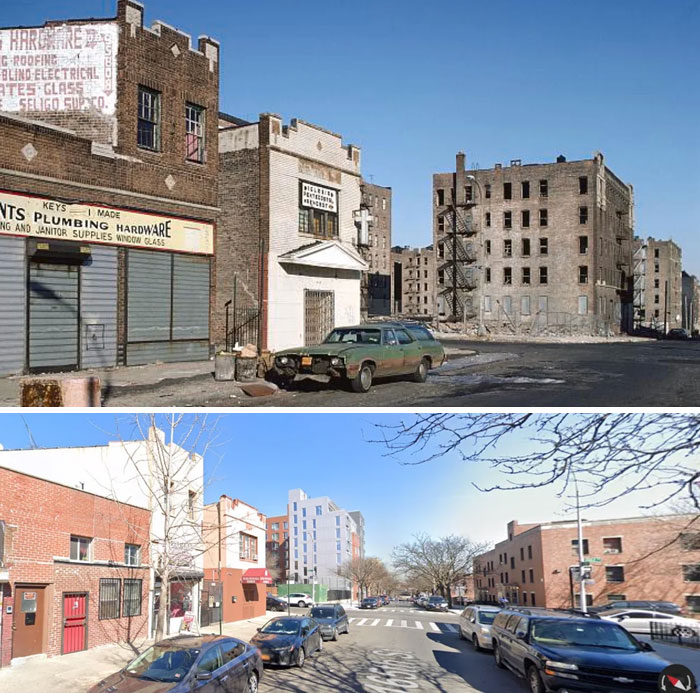
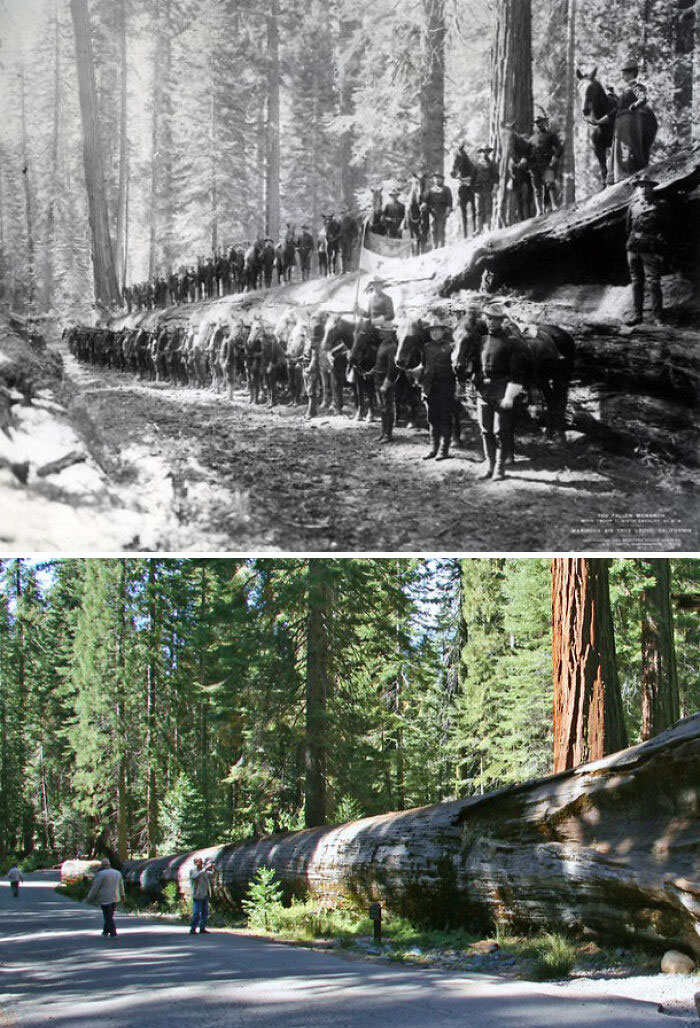
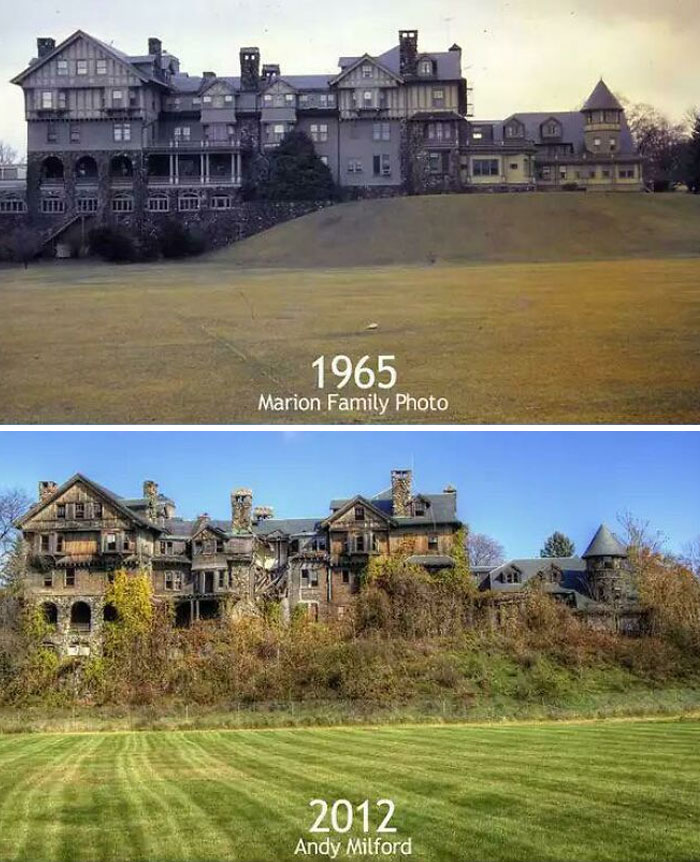
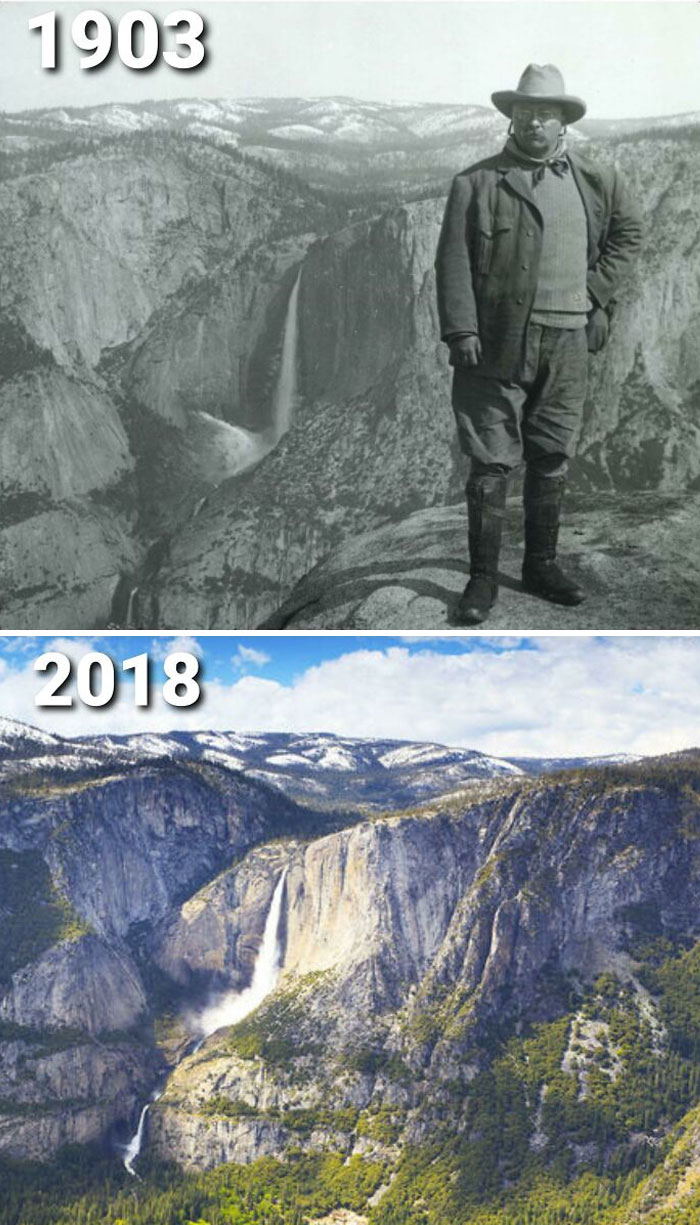
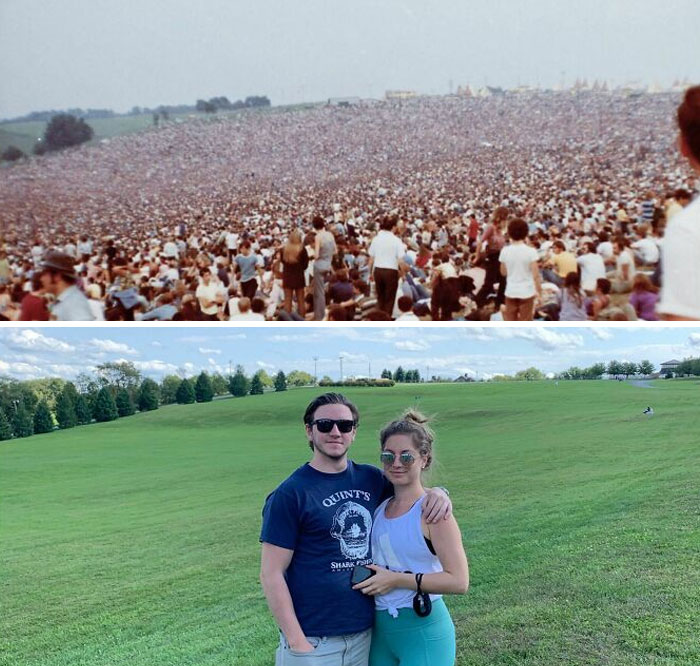
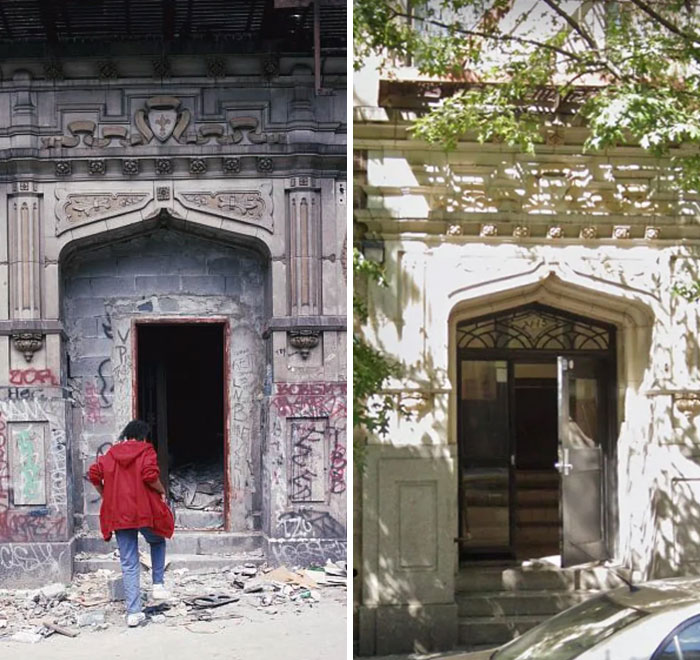
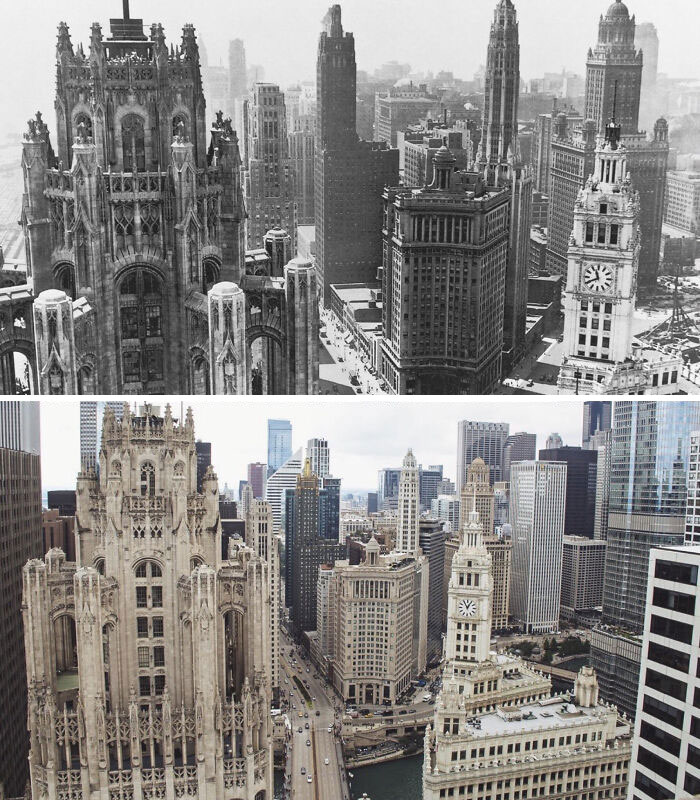
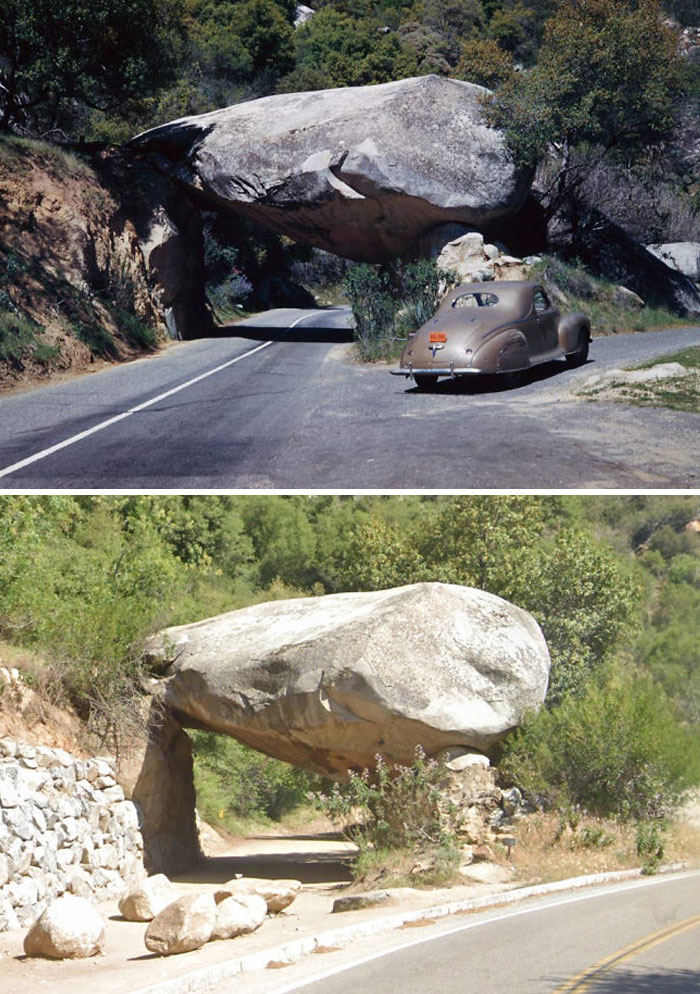
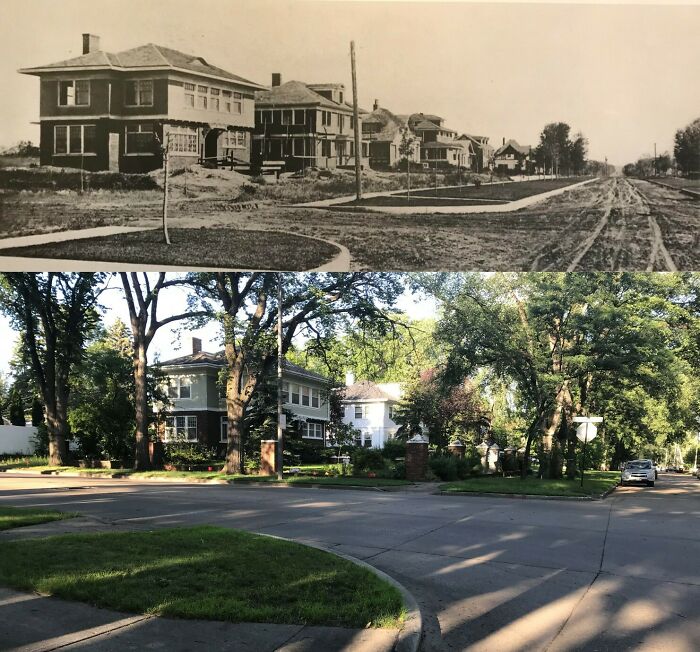
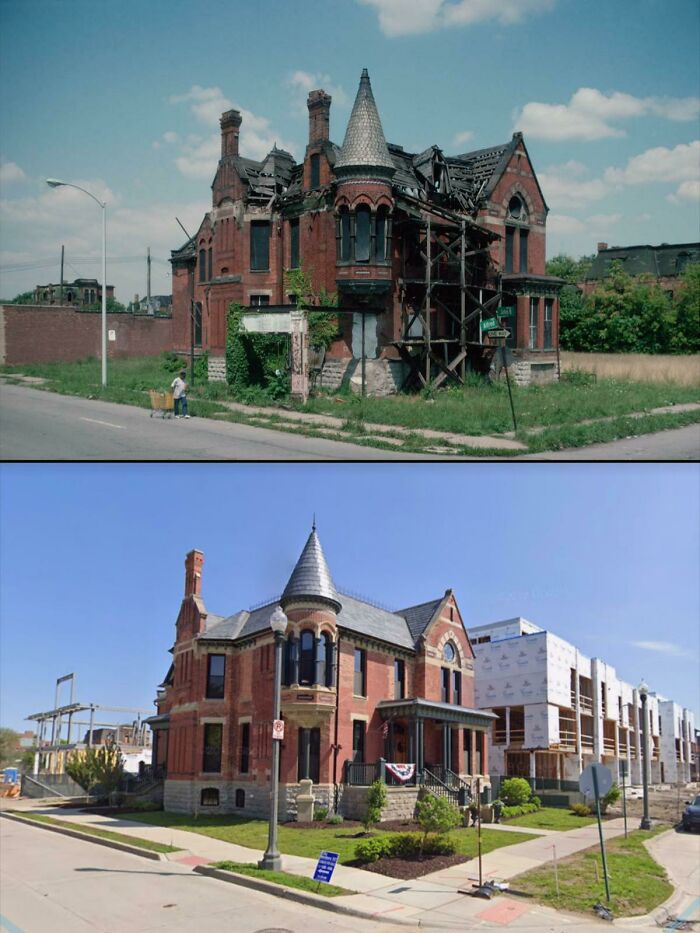
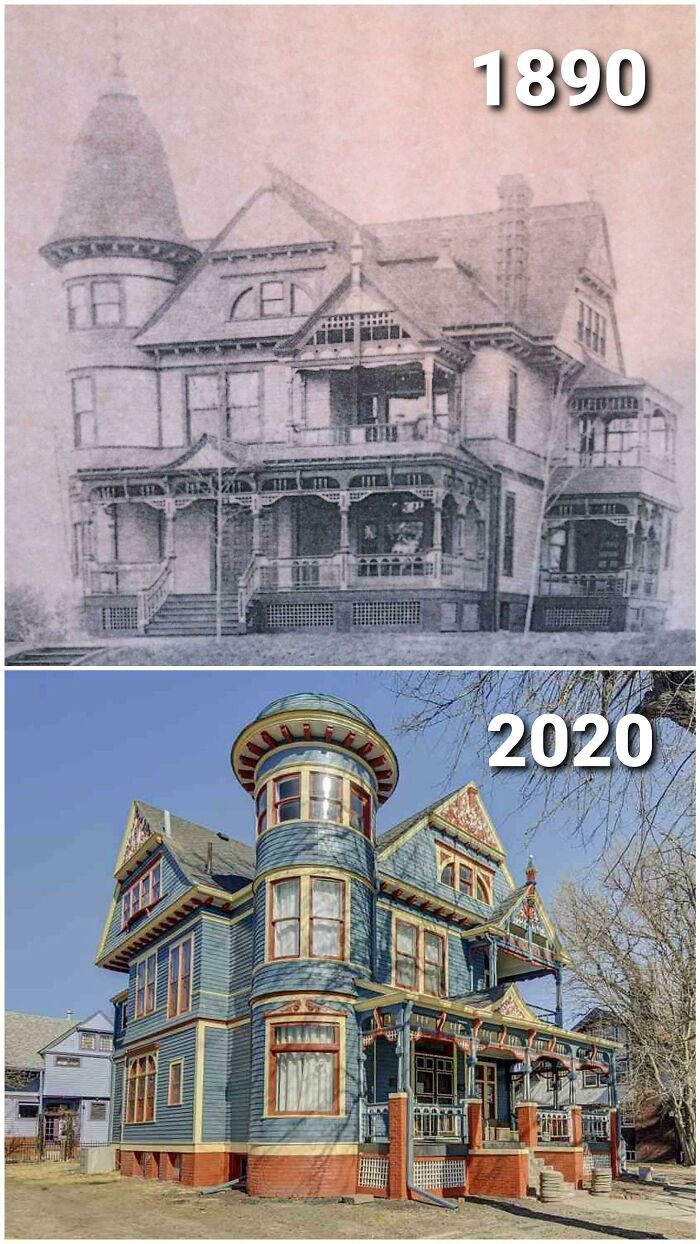
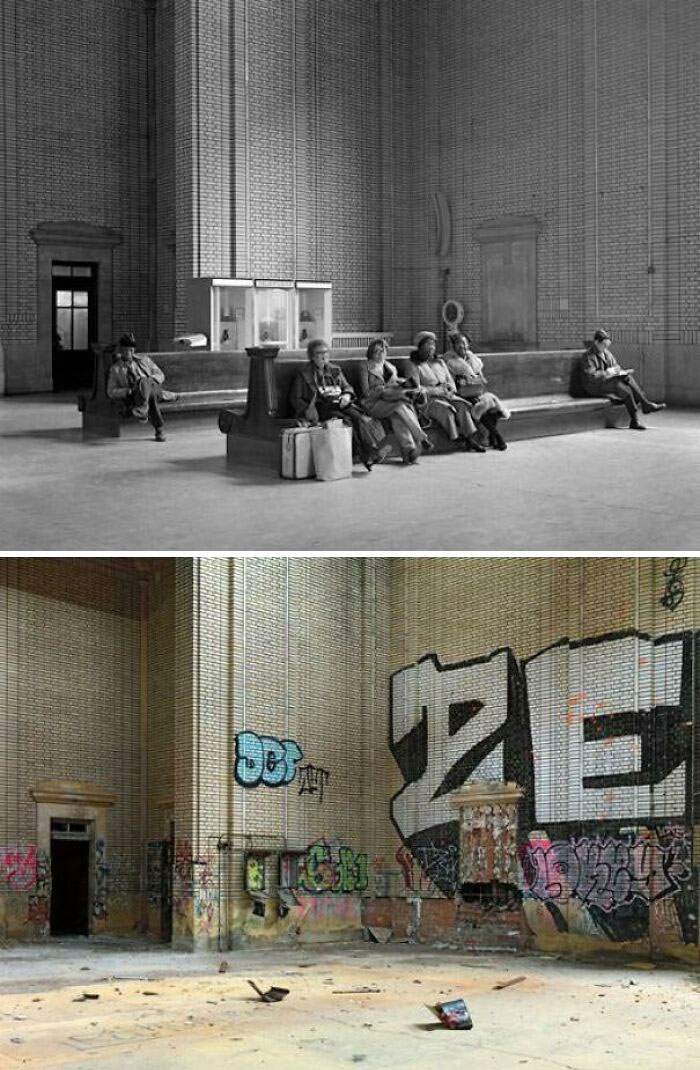
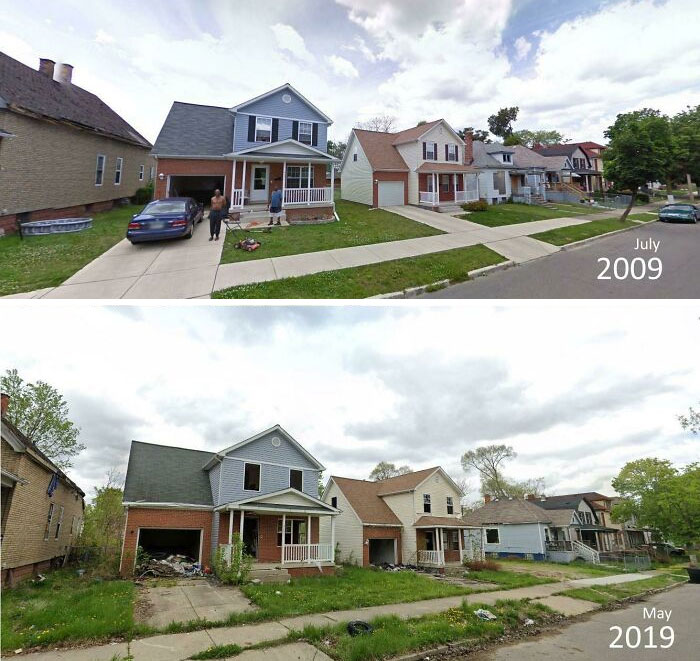
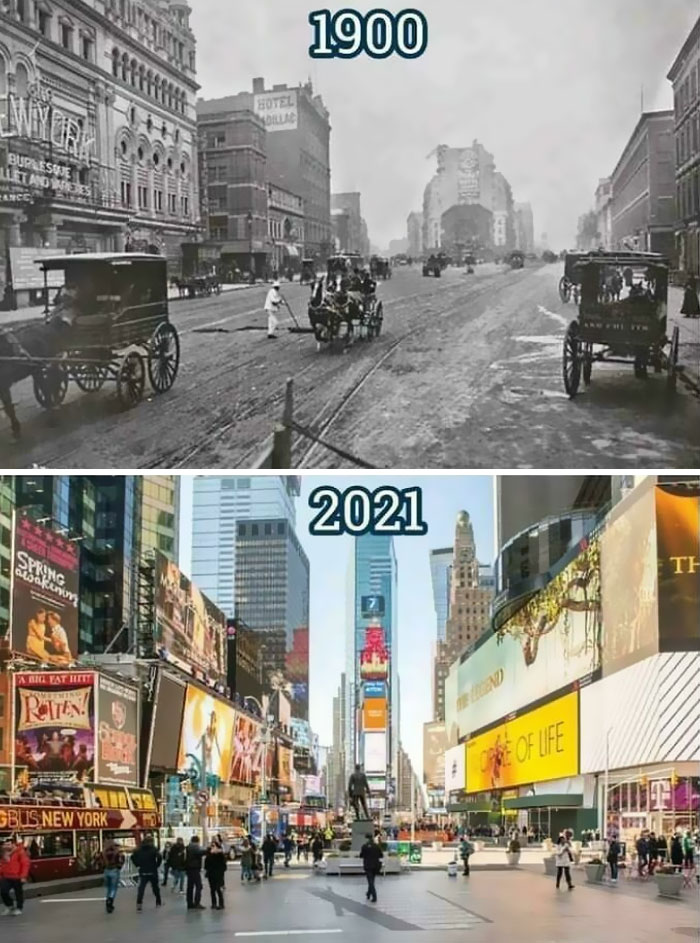
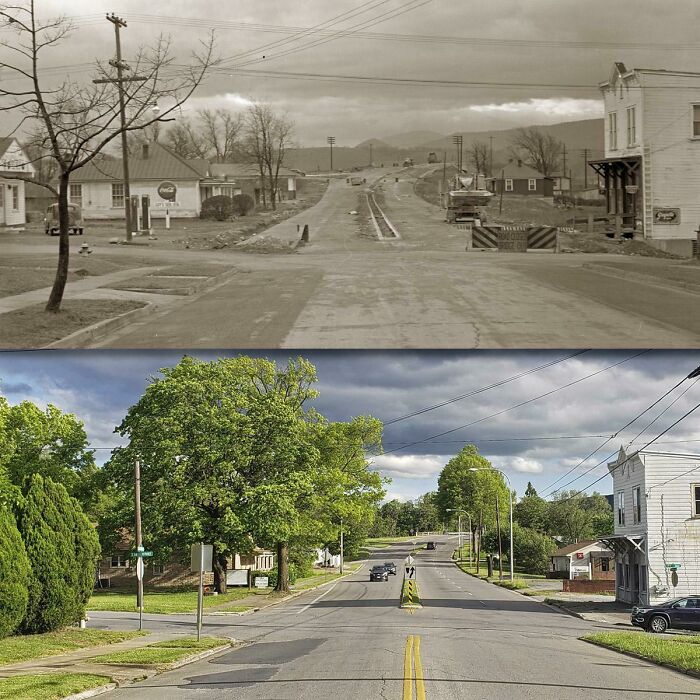
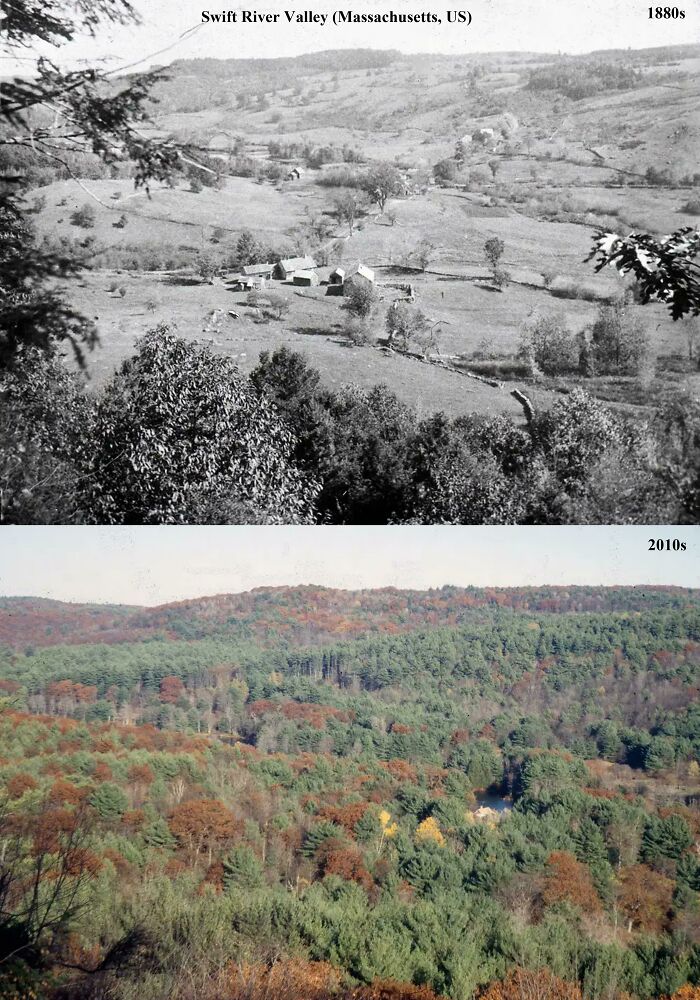
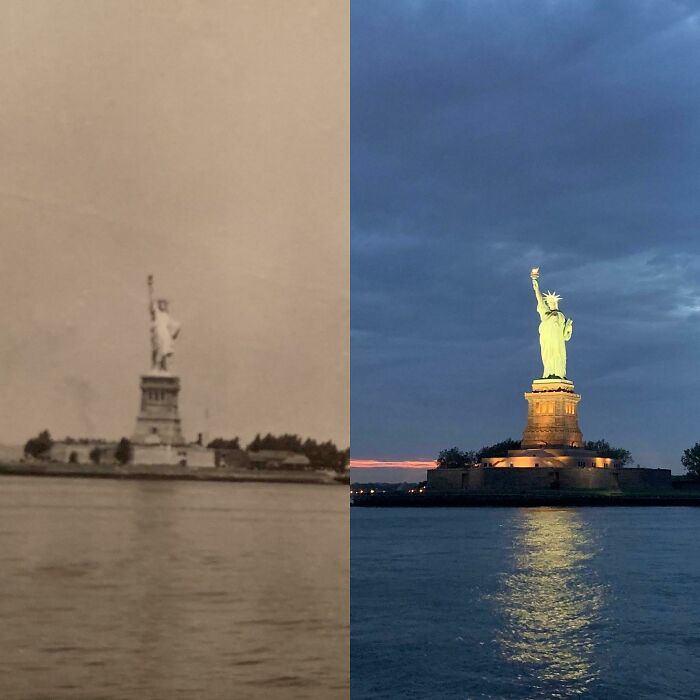
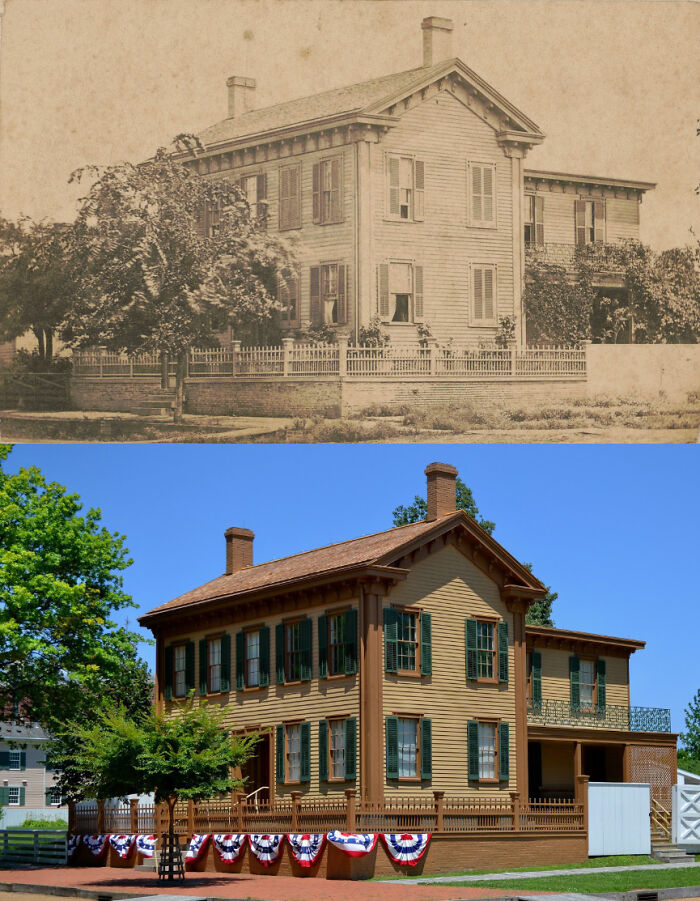
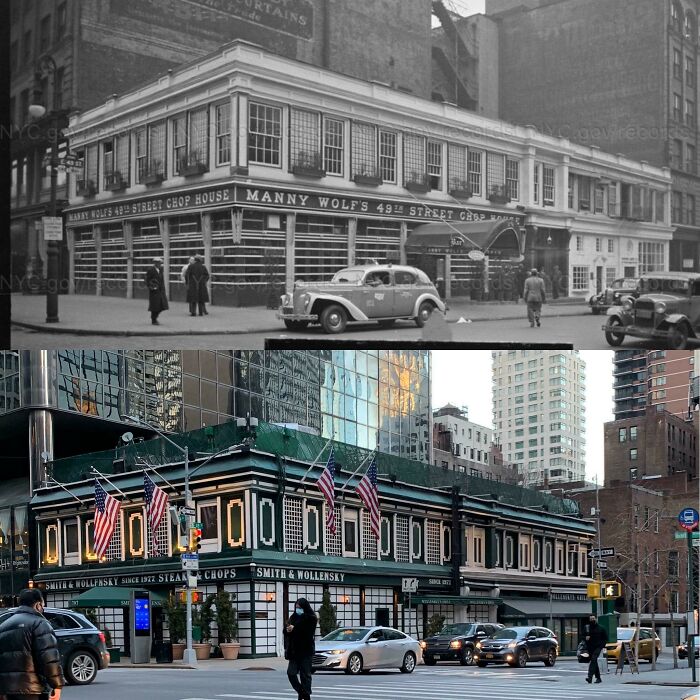
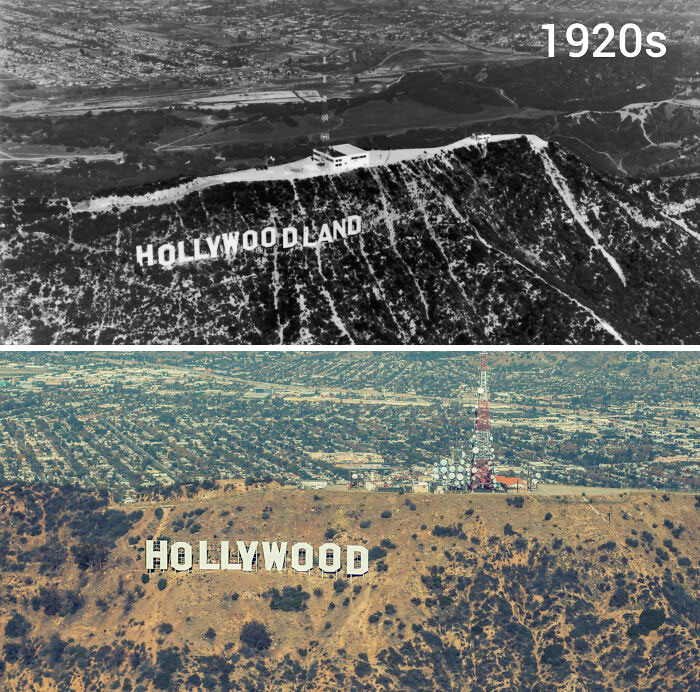
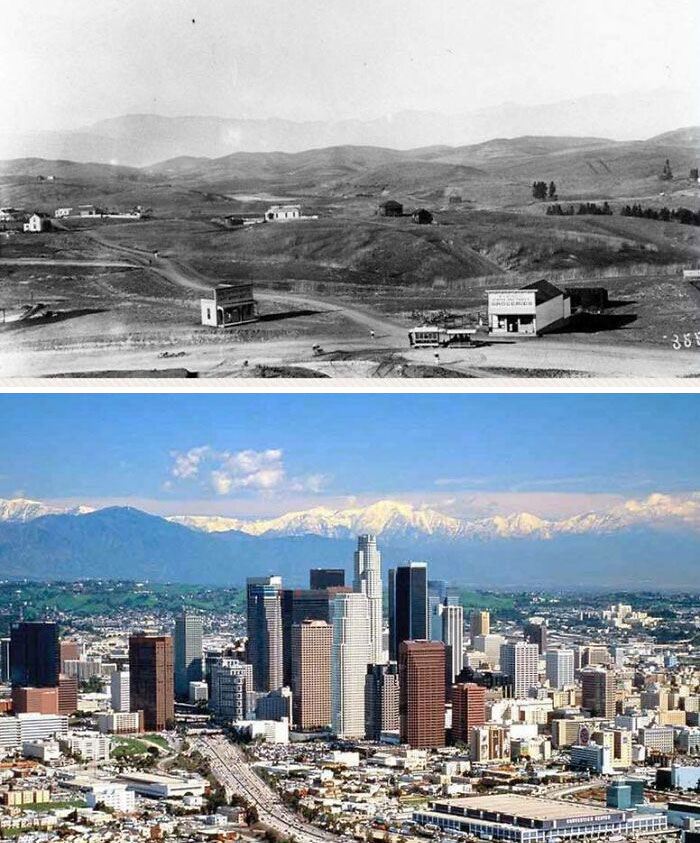
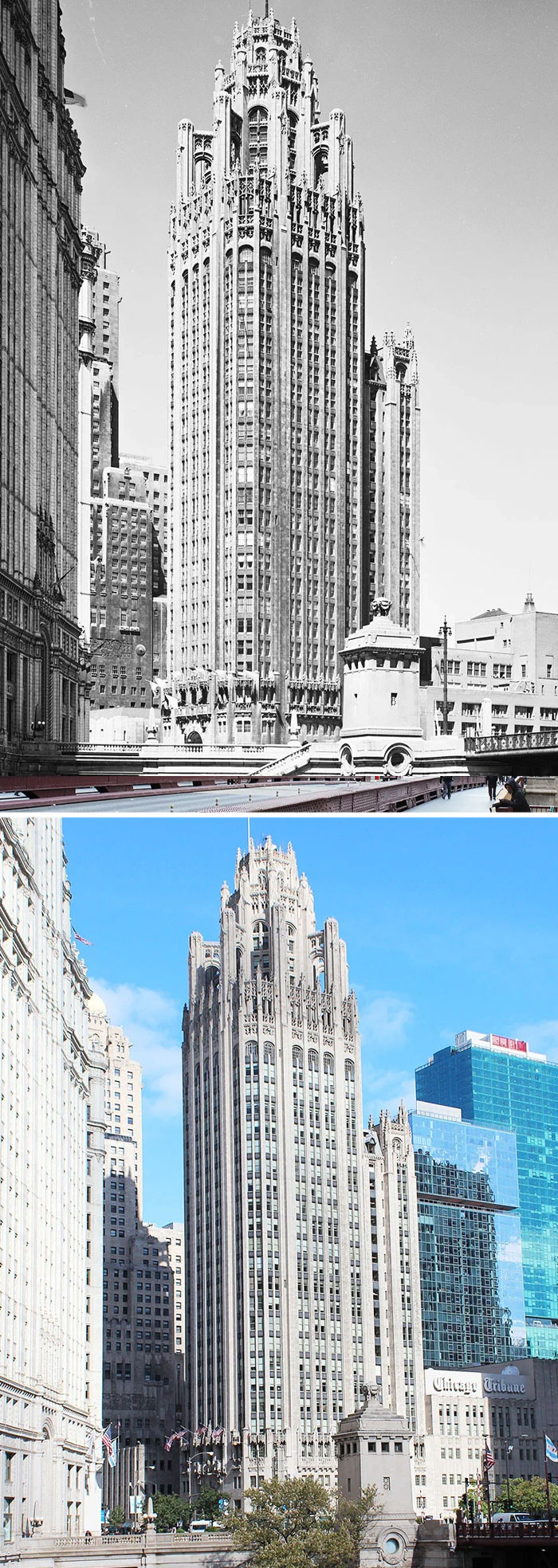
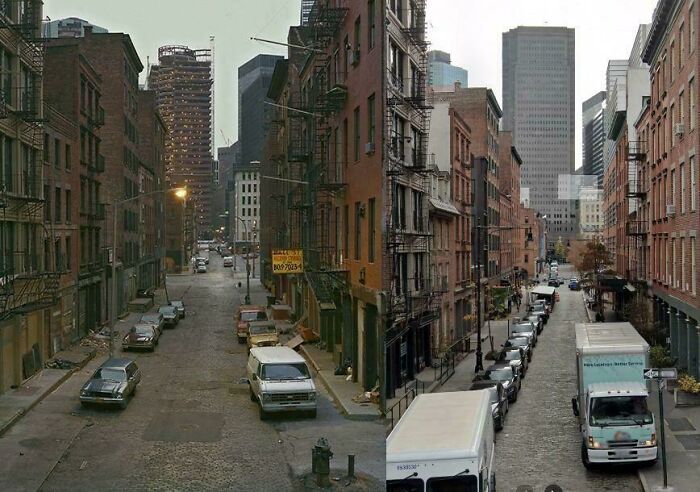
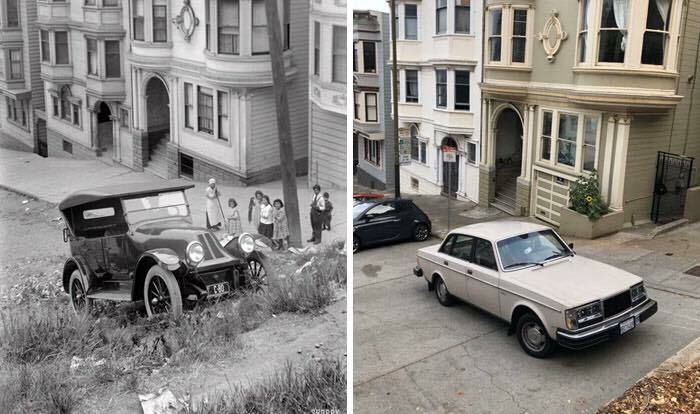
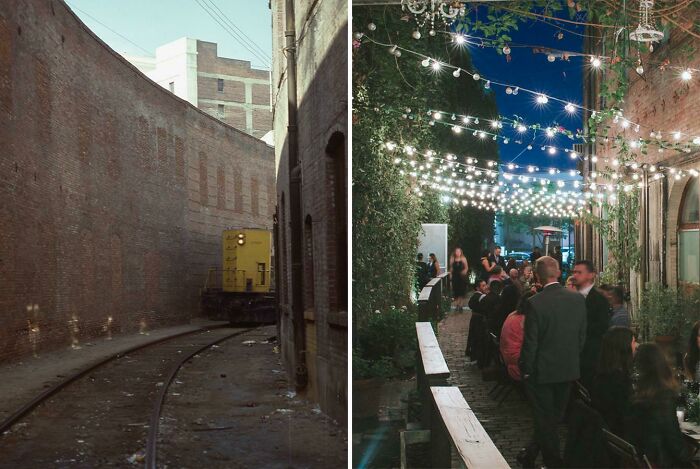
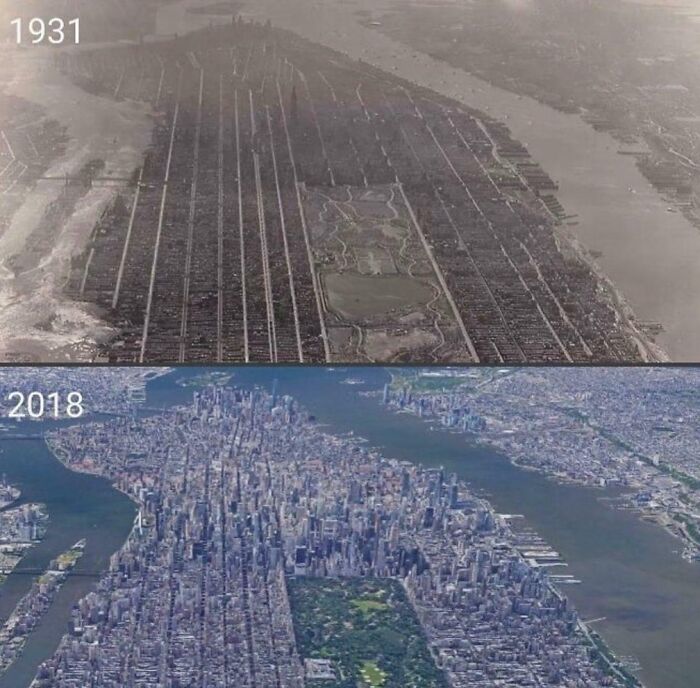
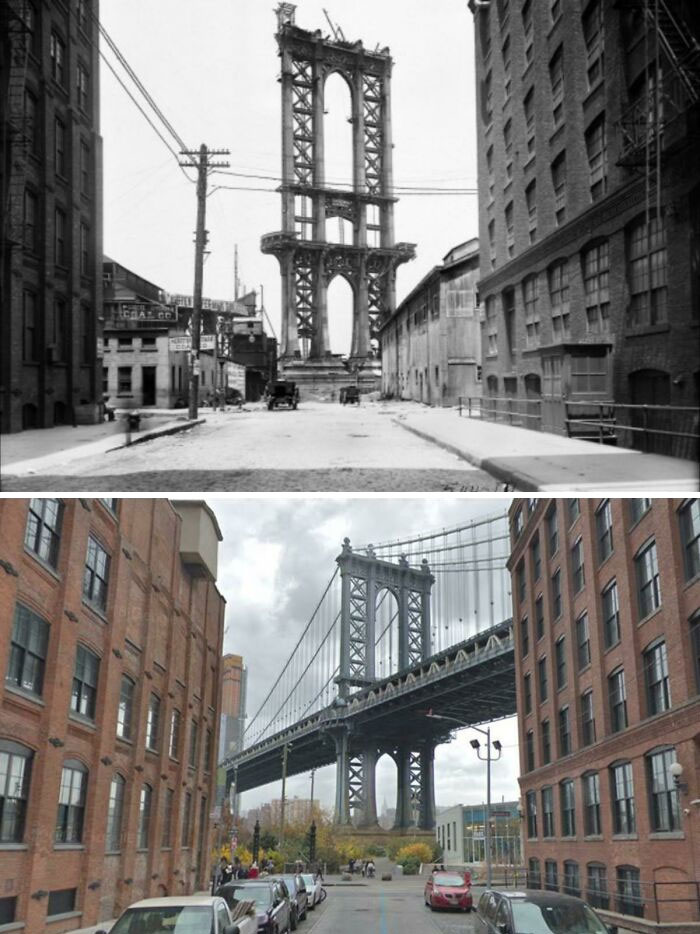
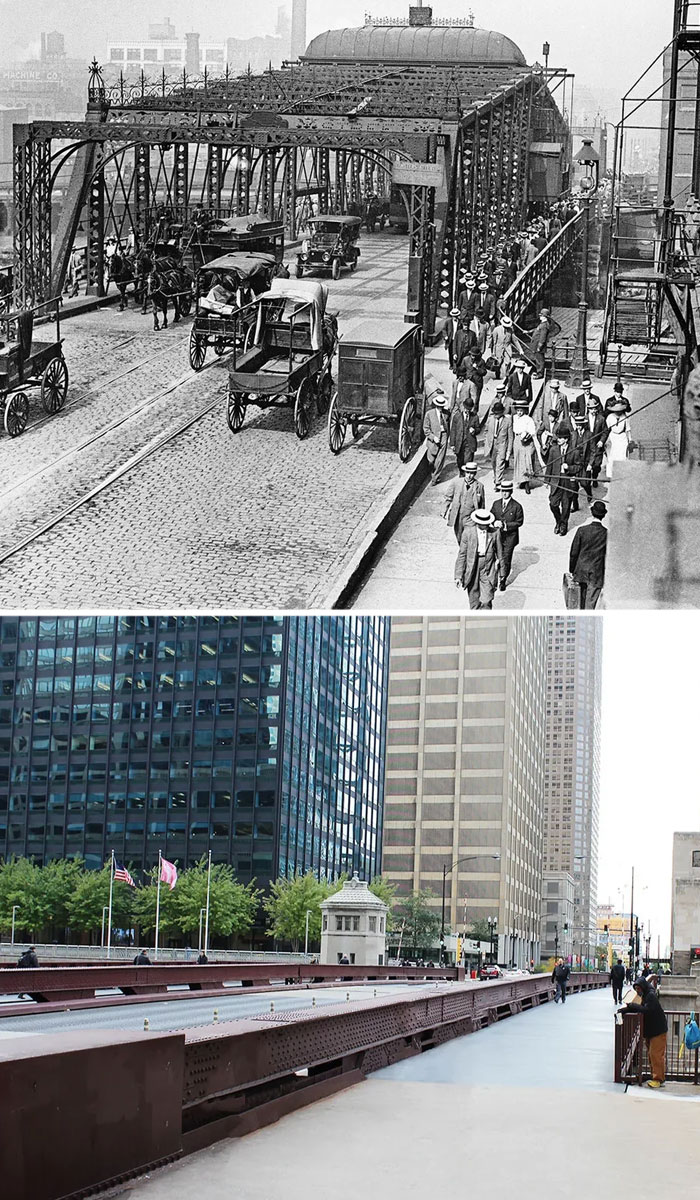
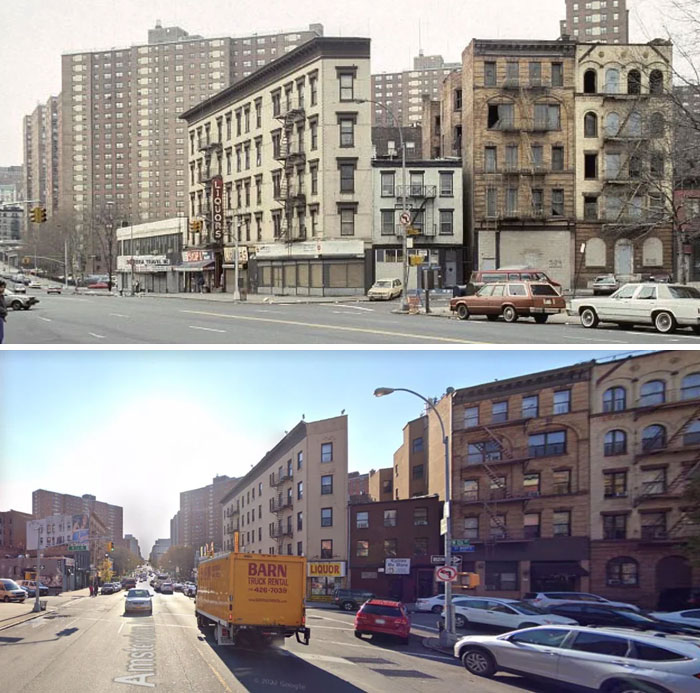
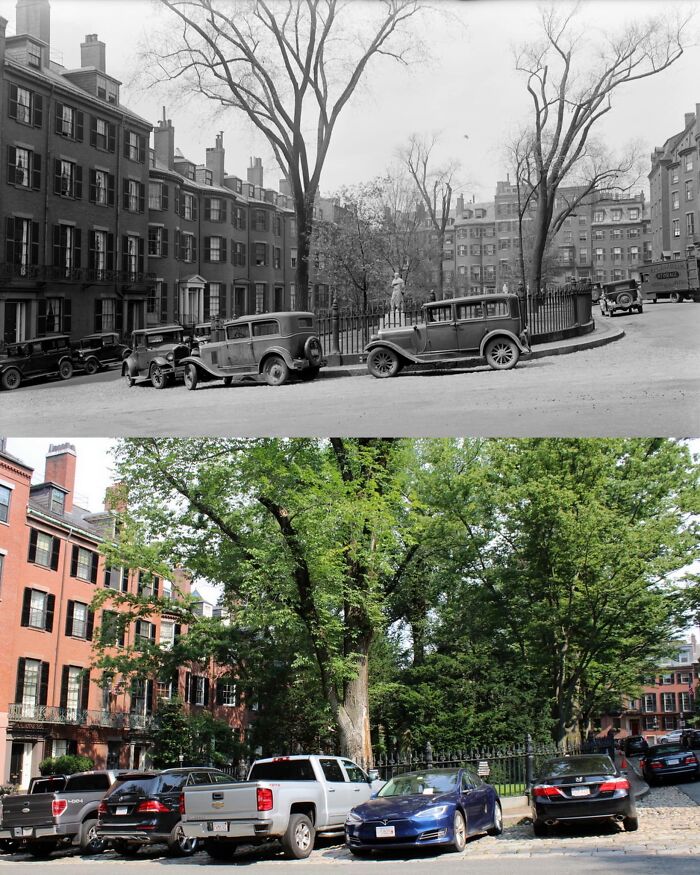
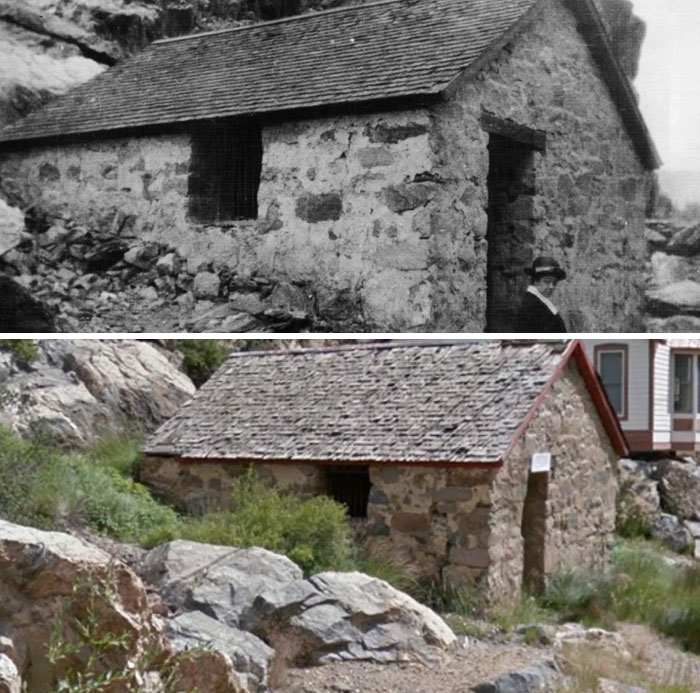
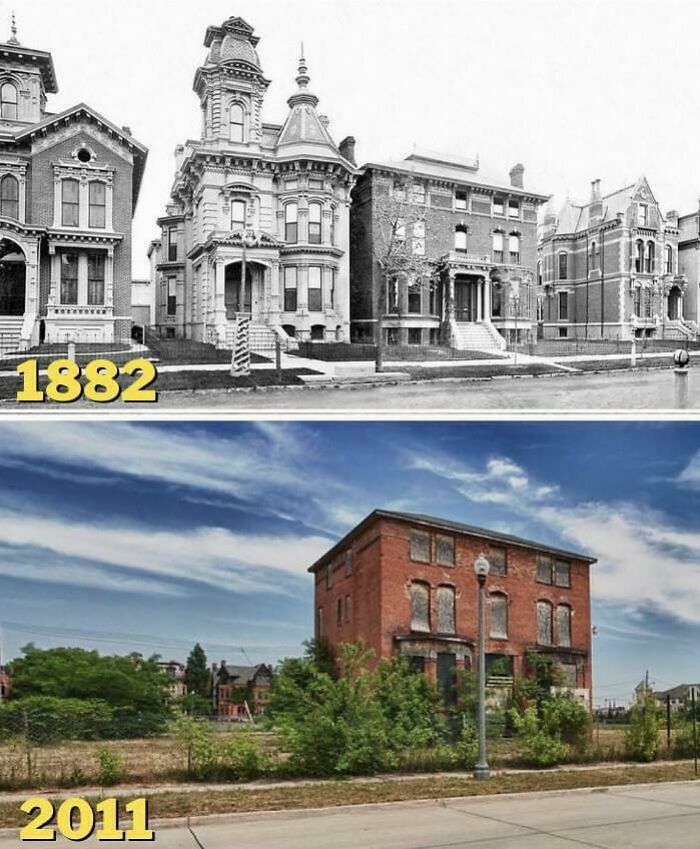
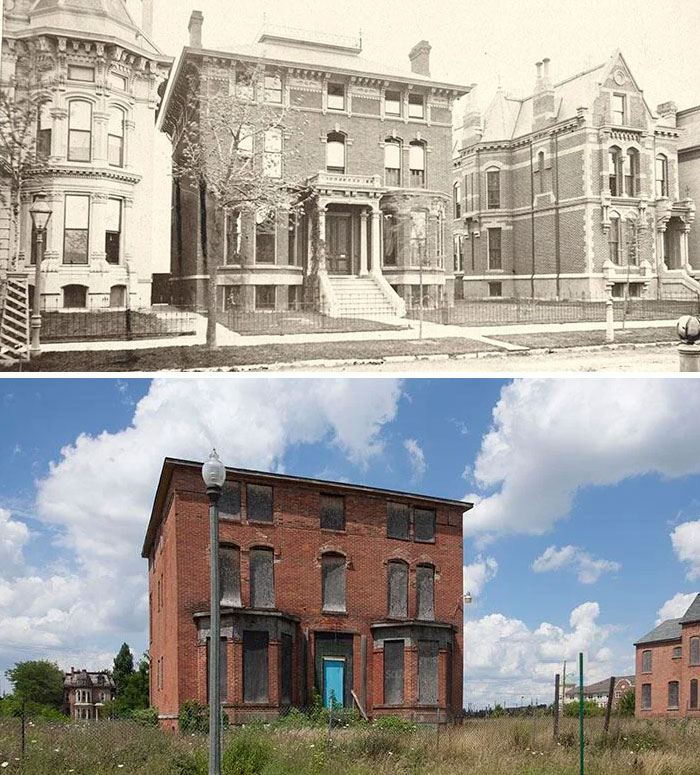
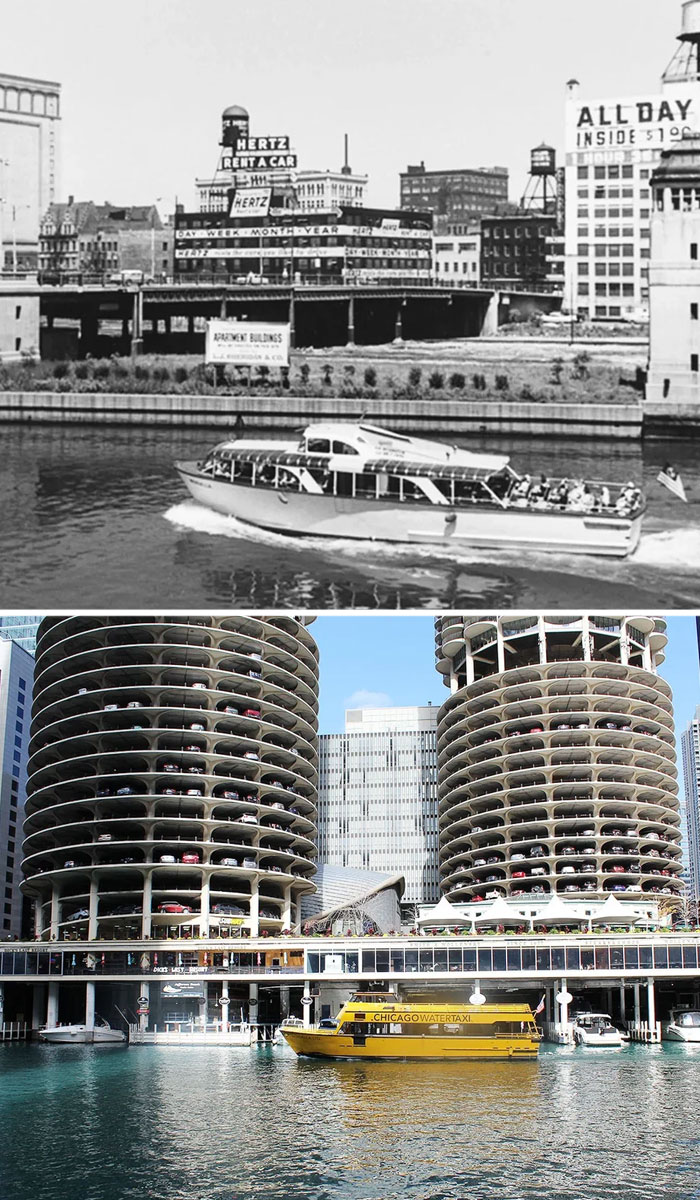
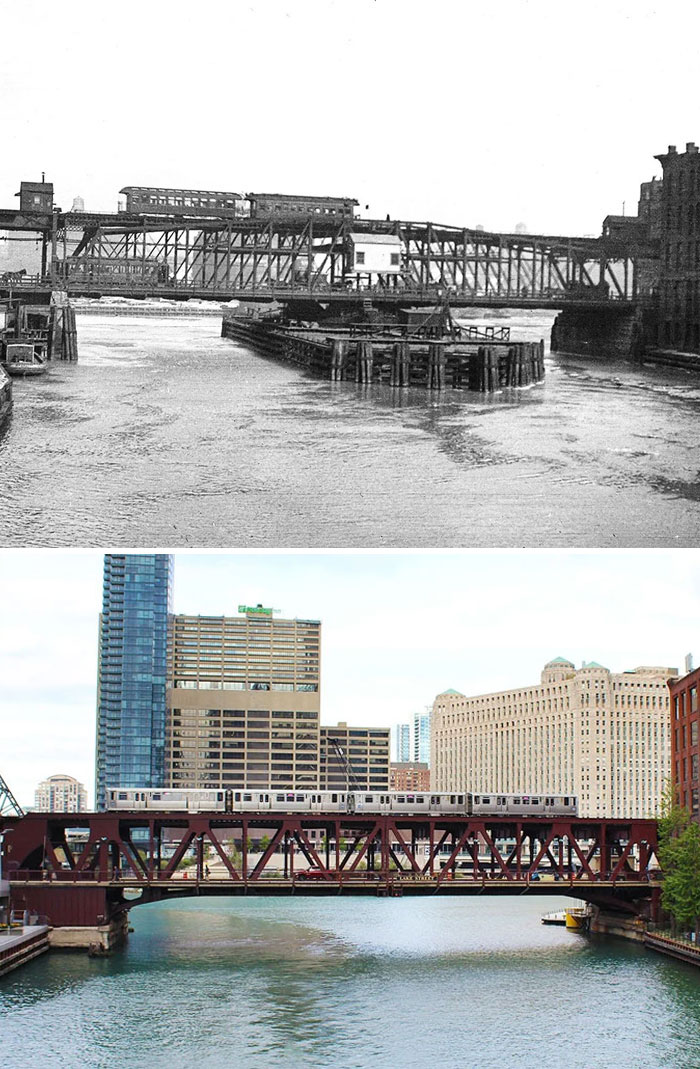
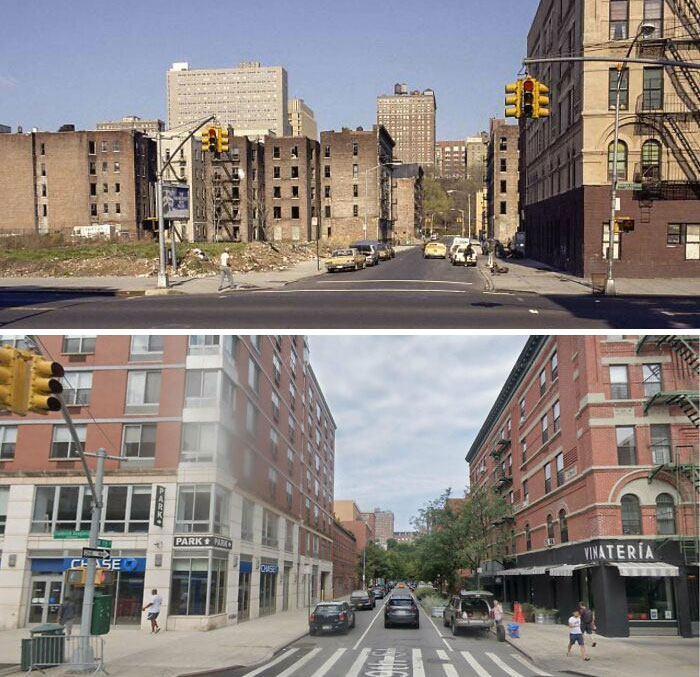
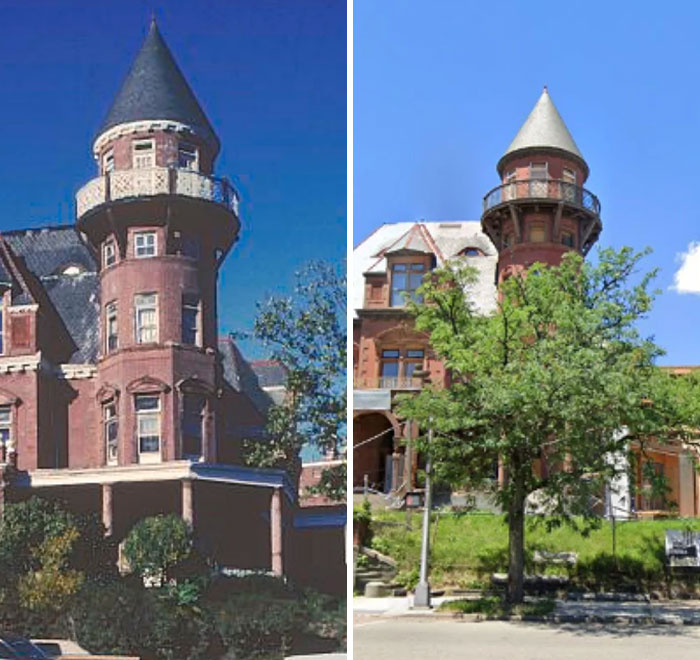
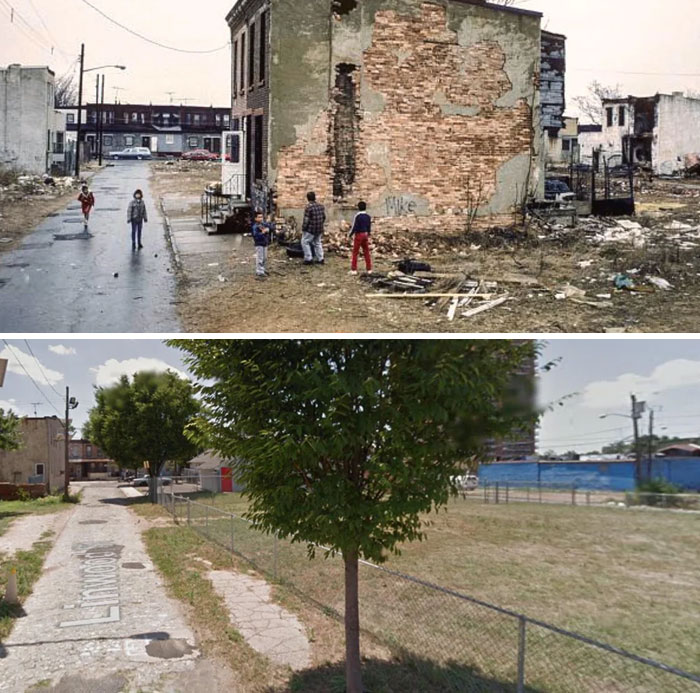
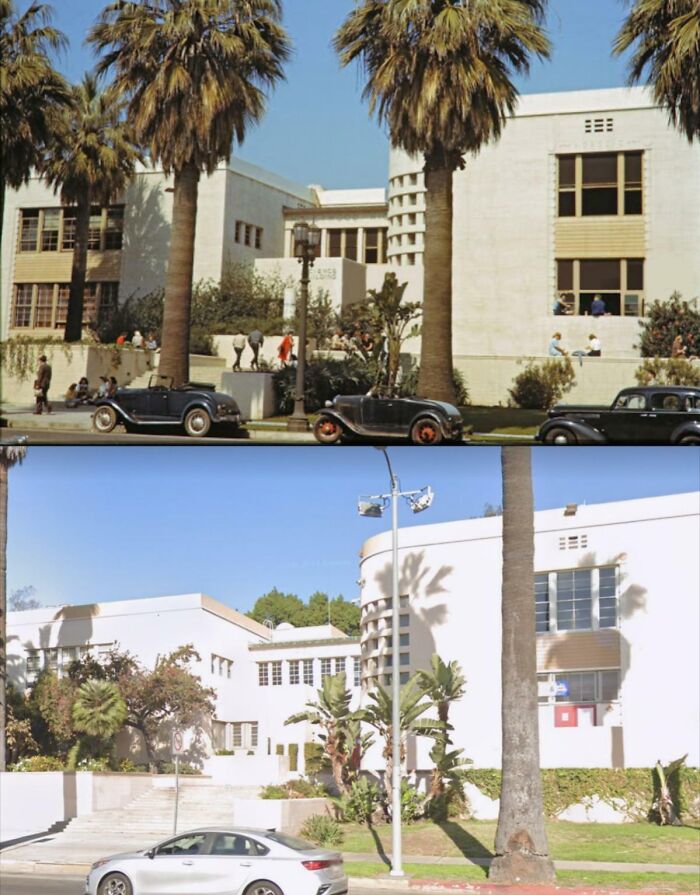
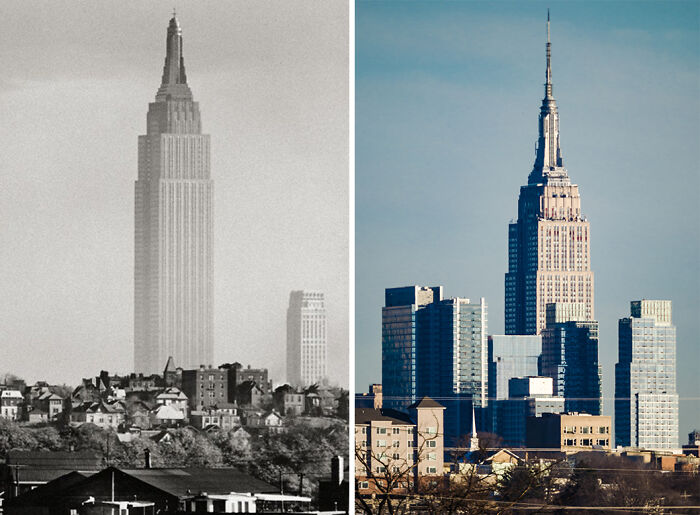
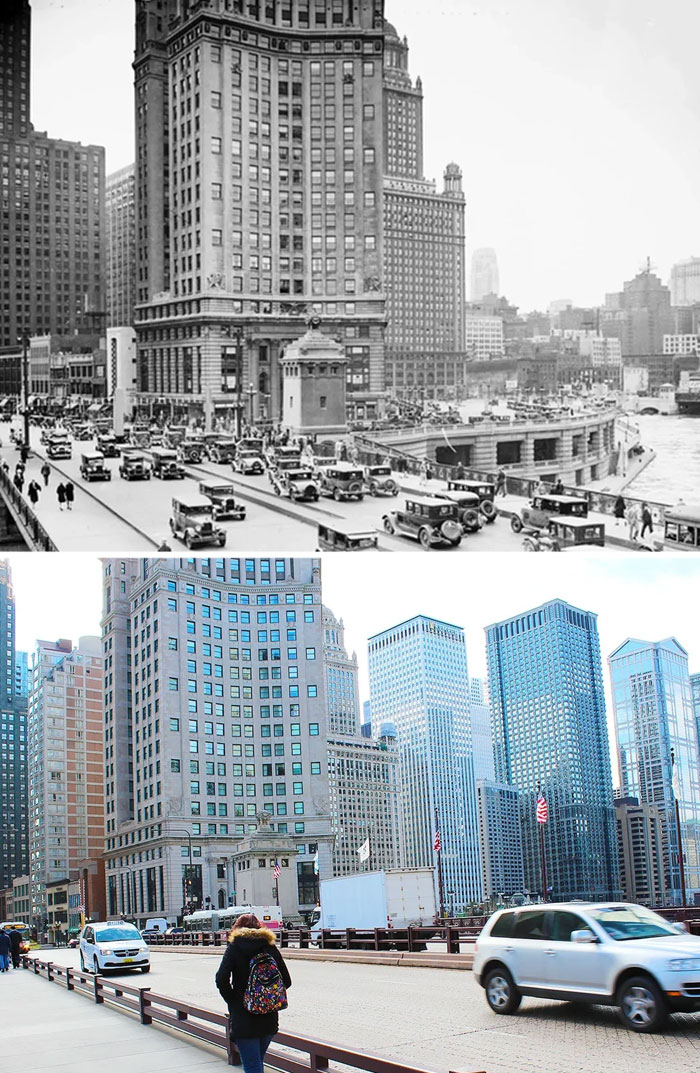
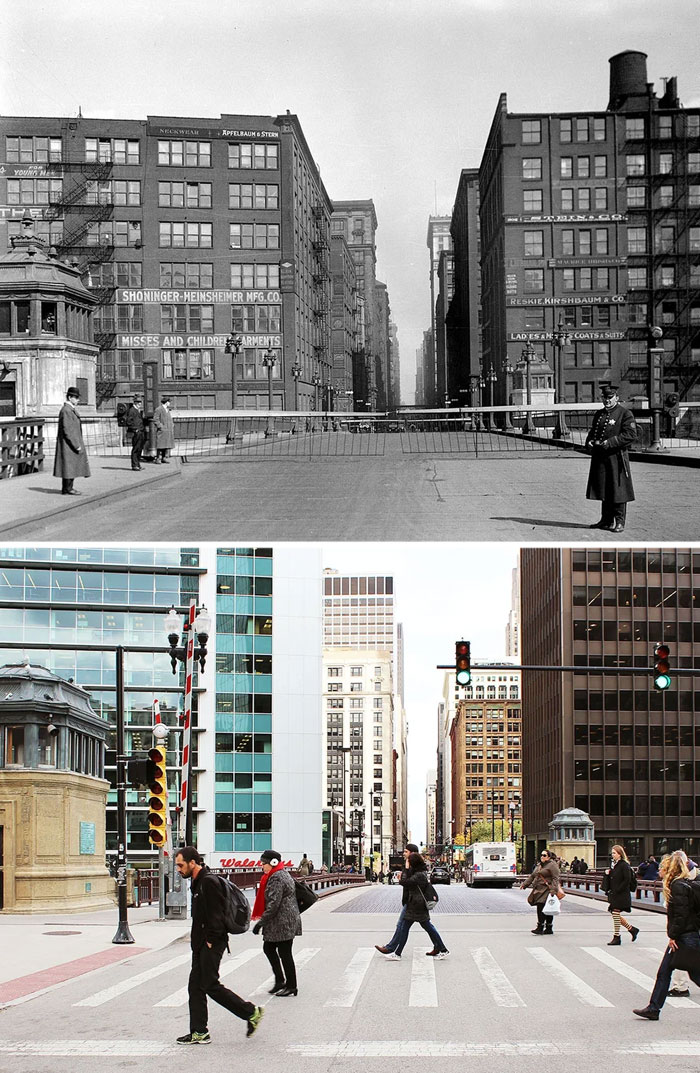
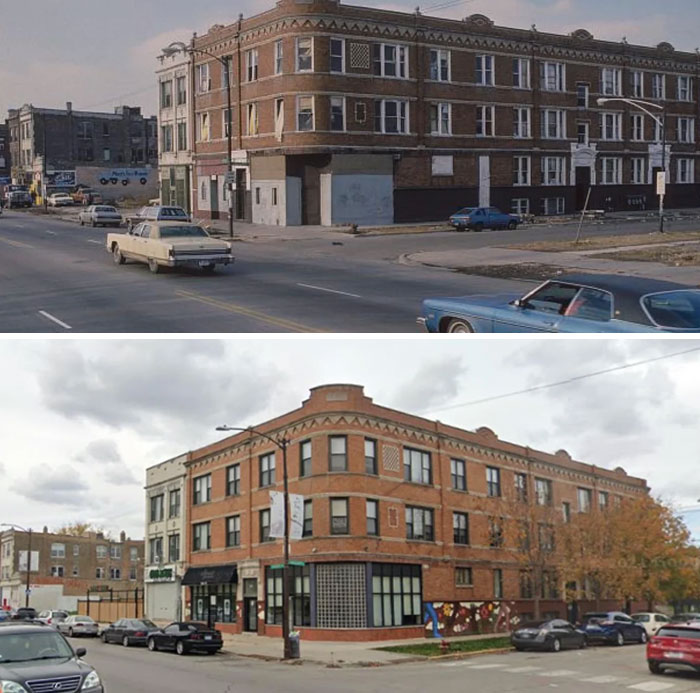
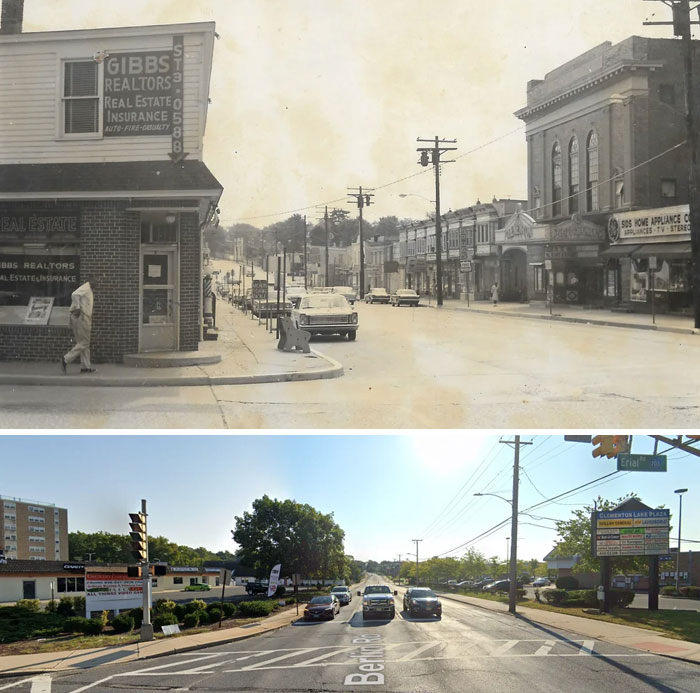
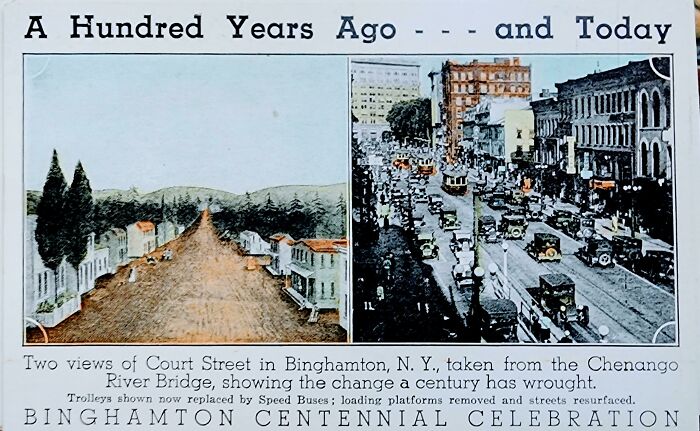
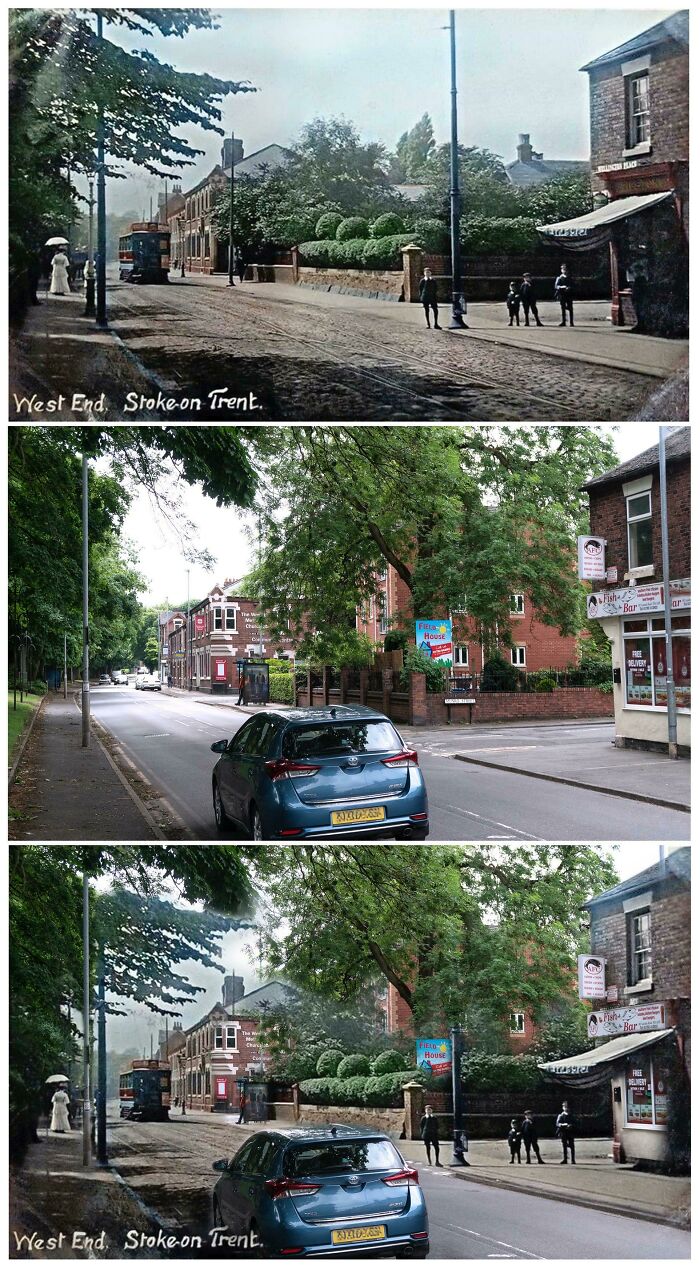
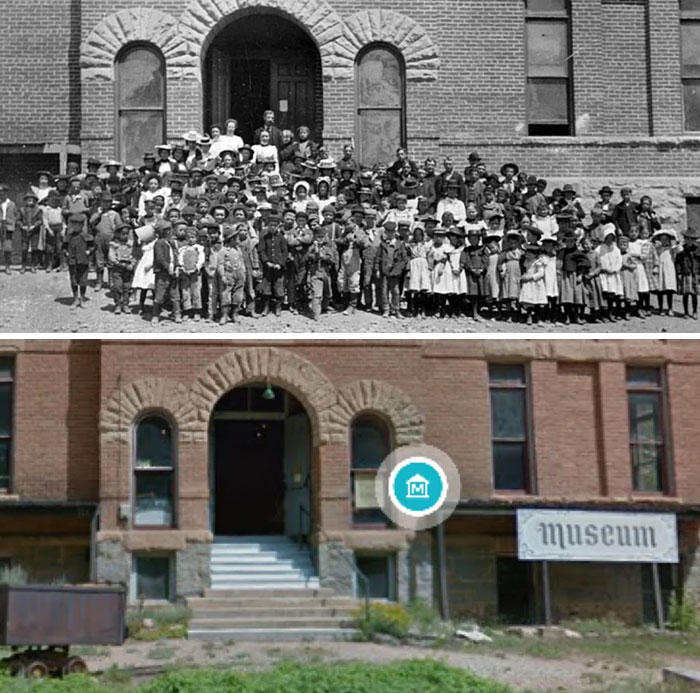
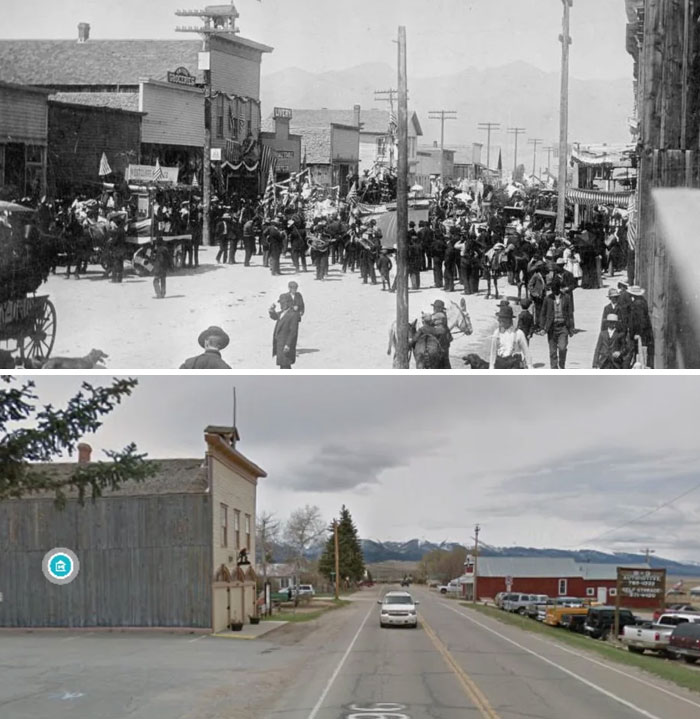
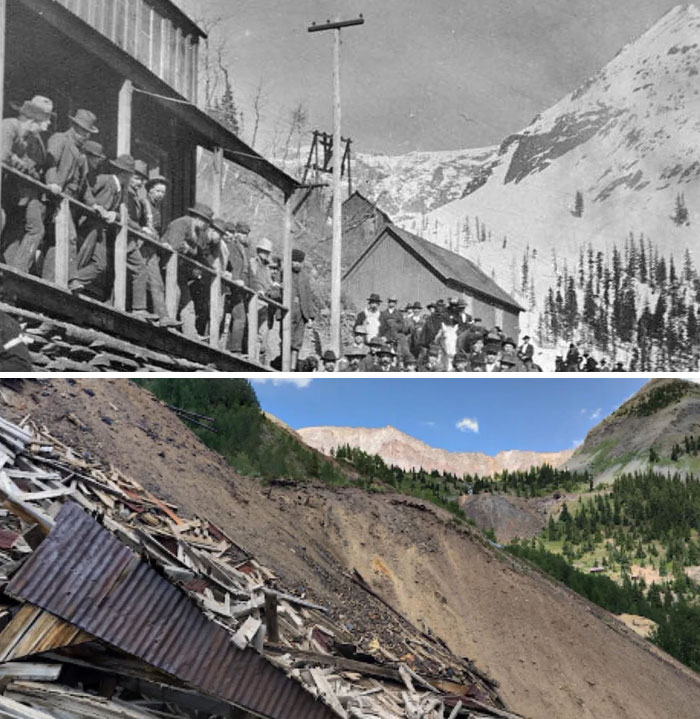
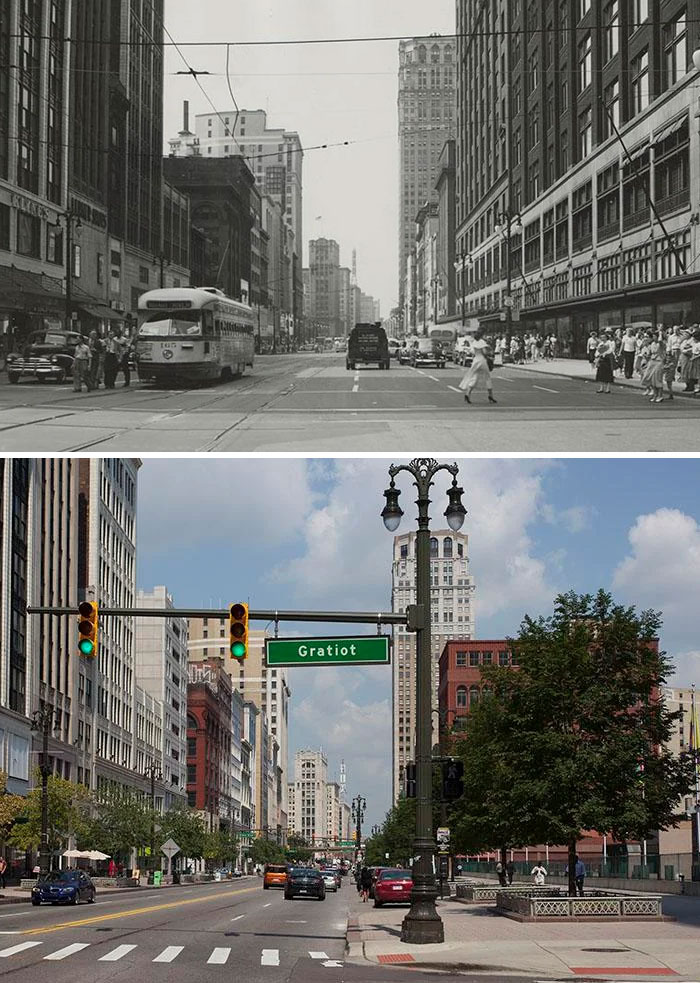
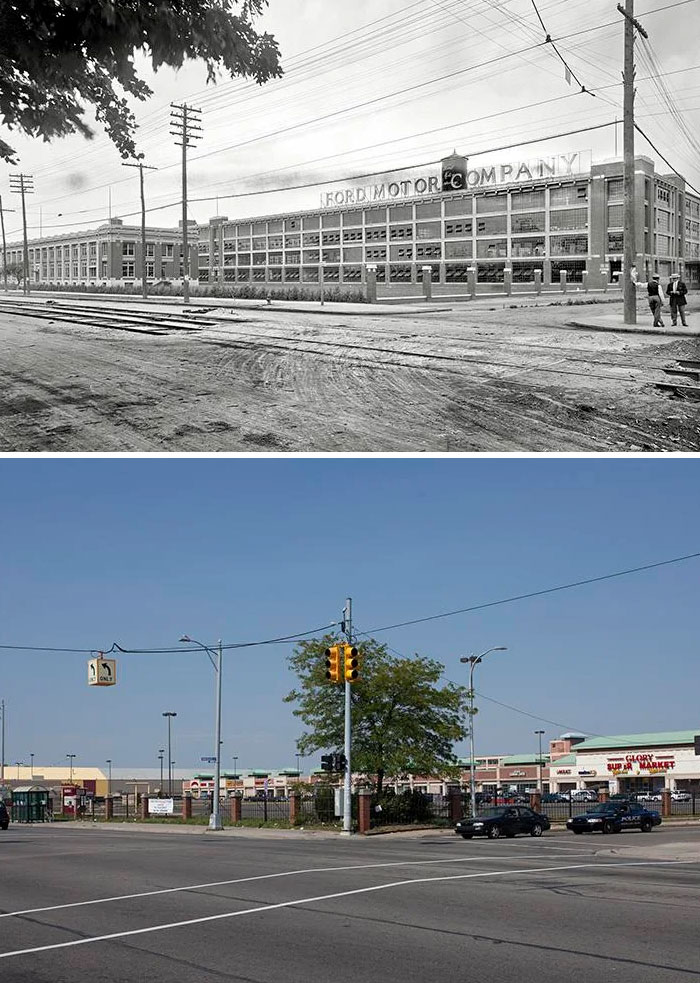
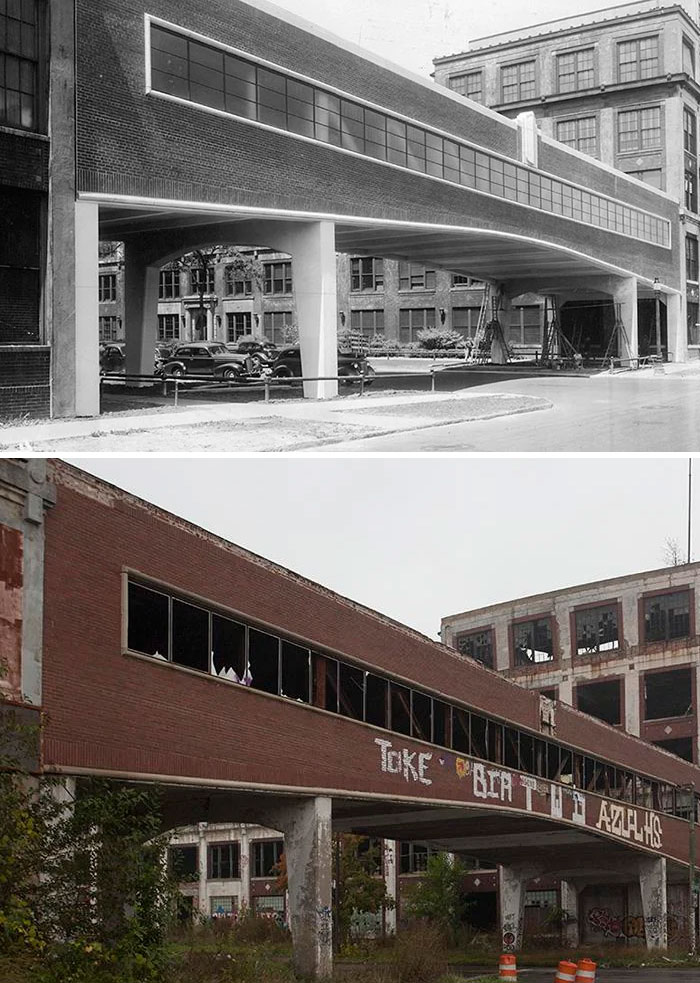
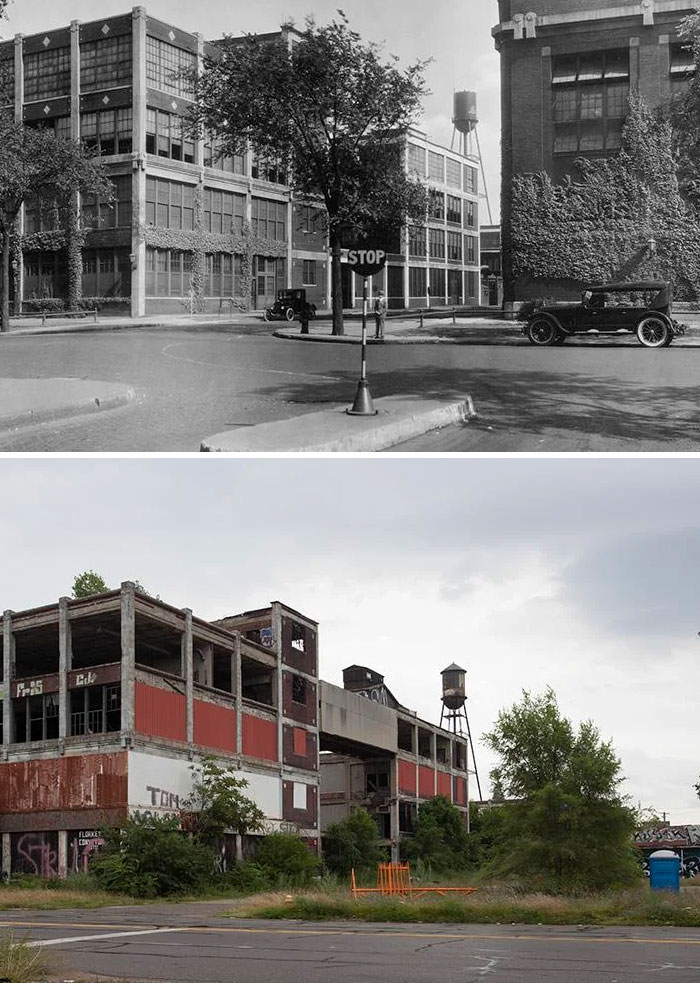
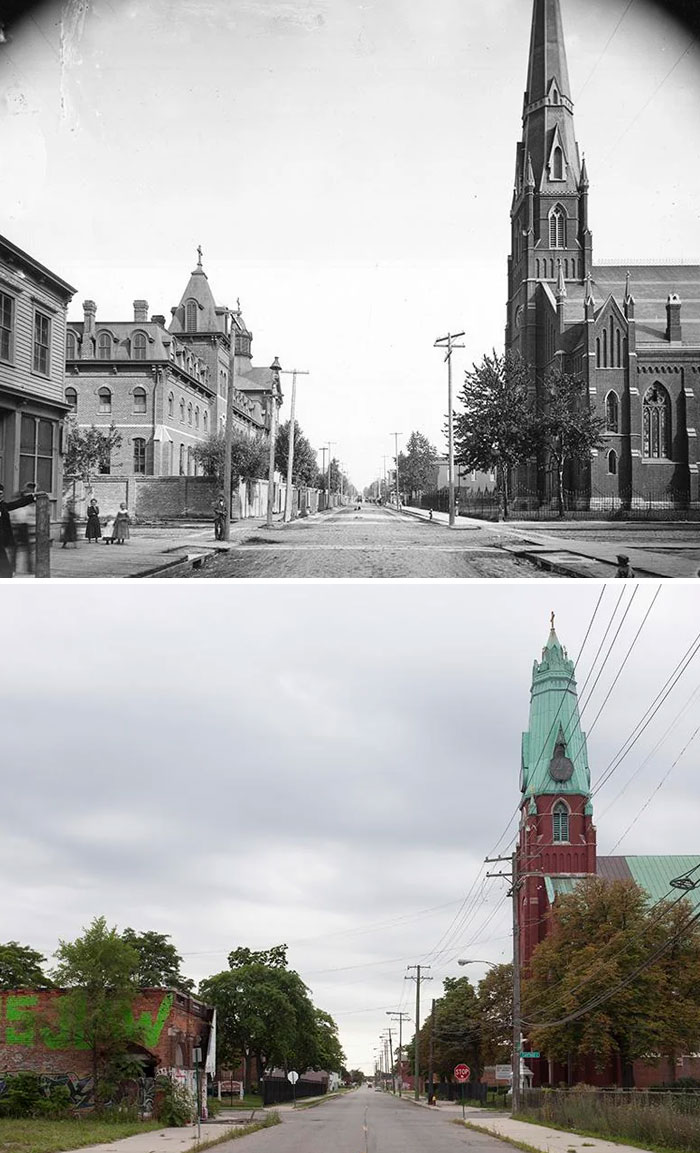
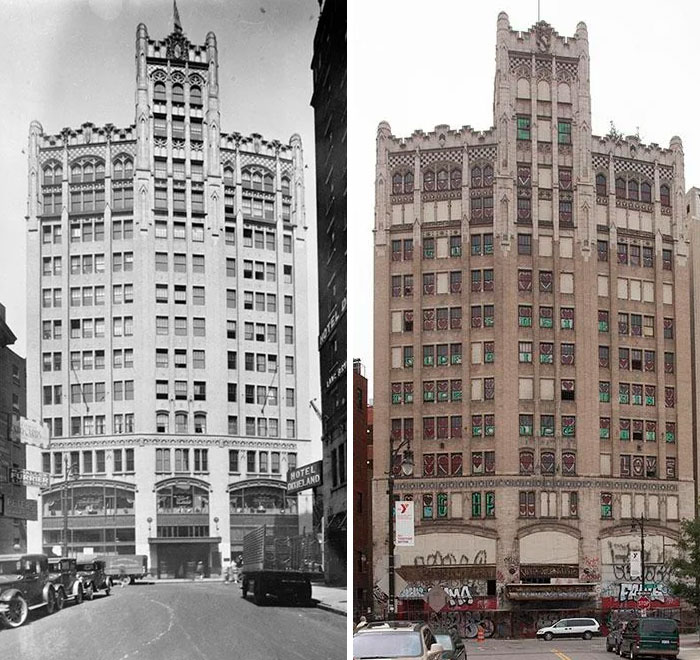
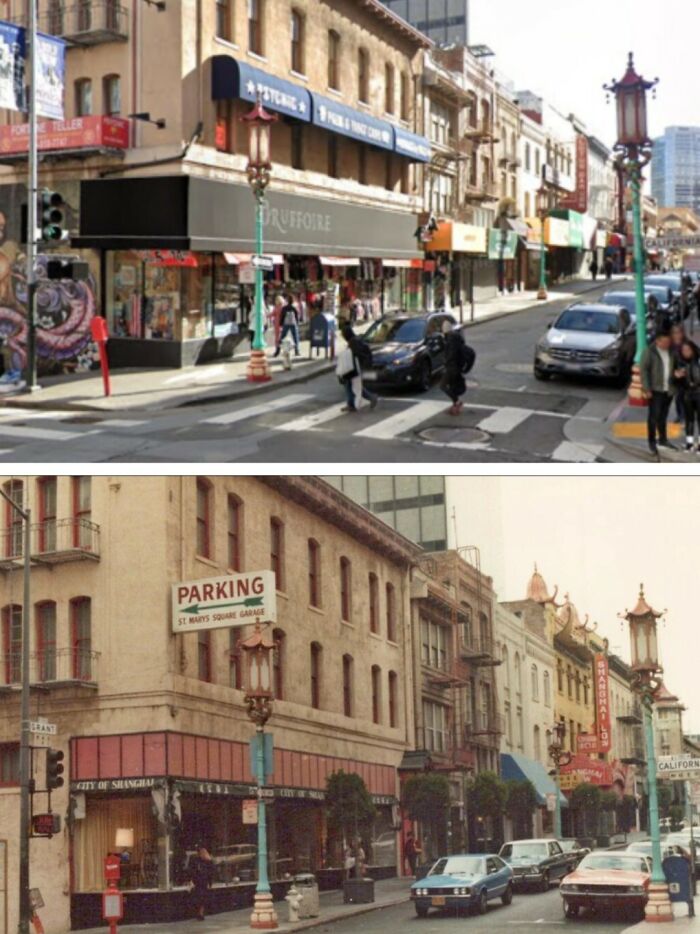
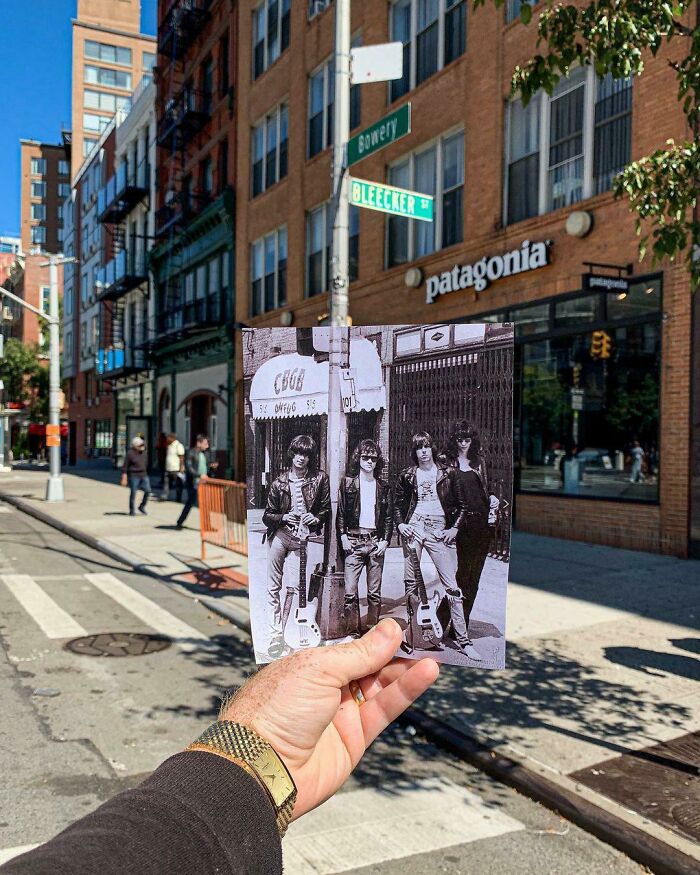
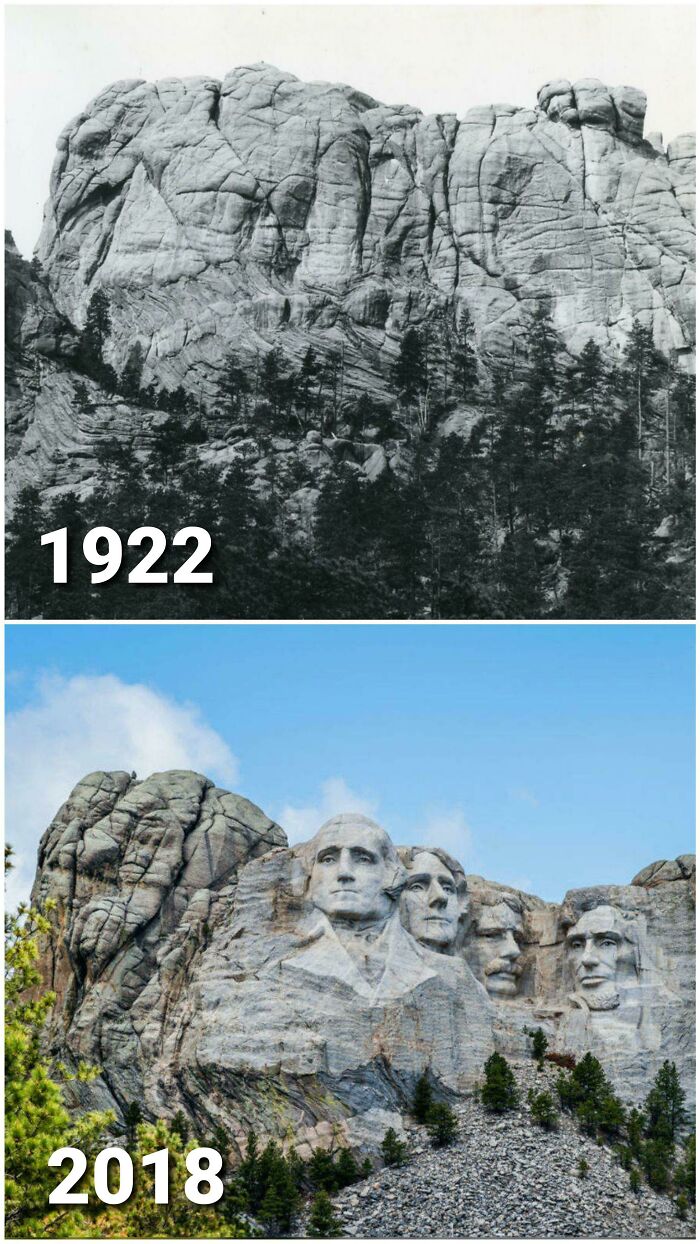
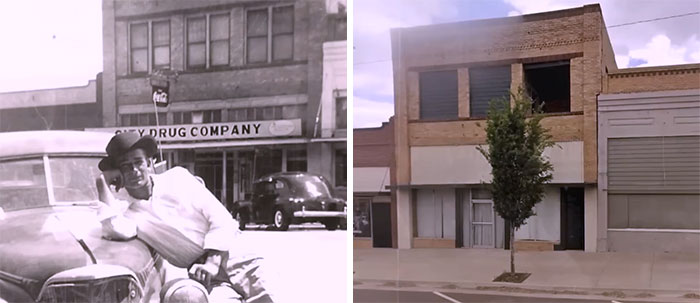
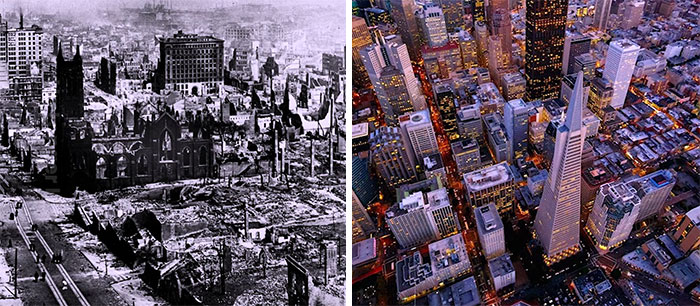
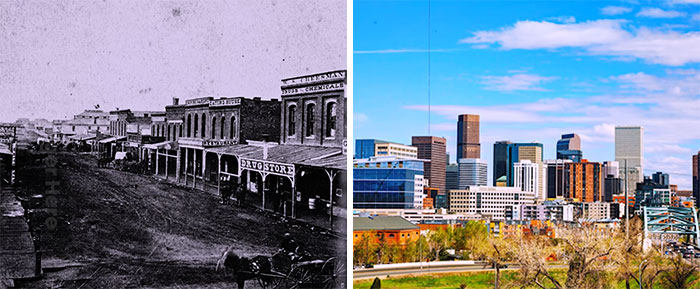
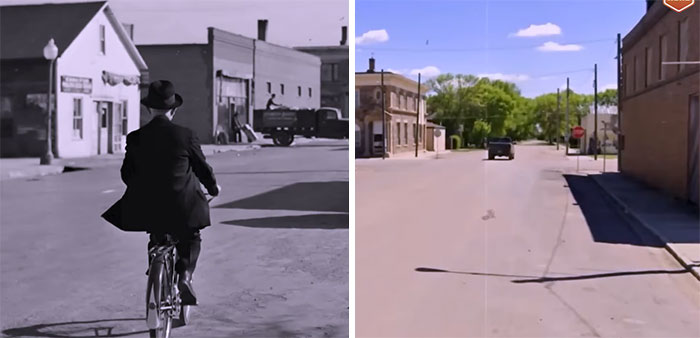
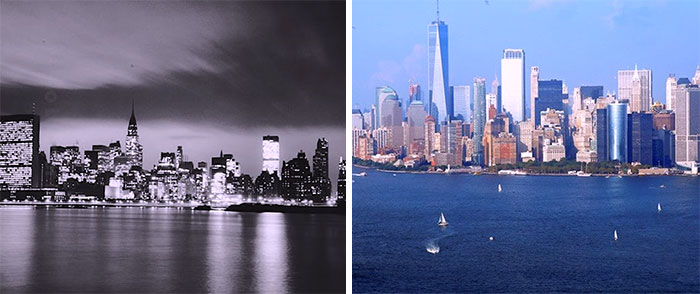
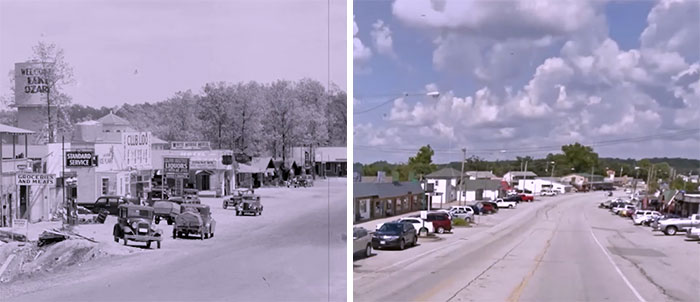
Below, you’ll find a list that Bored Panda has compiled of then-versus-now photos of famous places in the United States. As you’ll clearly see, these cities and landmarks have undergone massive changes, and it’s fascinating to examine how they’ve occurred. Enjoy scrolling through these images, and be sure to upvote the ones that inspire you to take a trip down memory lane too.
This post may include affiliate links.
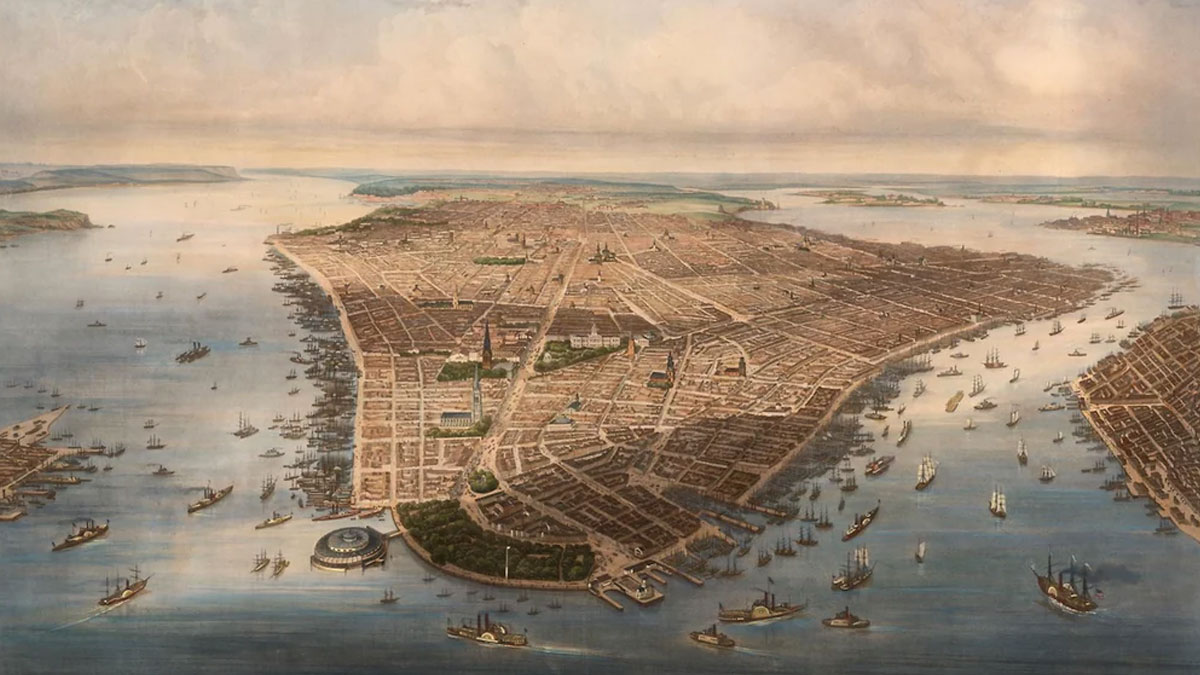
Compared to the rest of the world, the United States is a pretty young country. It’s only been around for 250 years, while some have been standing for over a thousand years. Because the nation is so young, it has transformed an incredible amount over the past two centuries. And the places that have changed the most drastically are the cities.
There are plenty of small towns in the U.S. where you can still find dirt roads today, but the nation’s largest cities are sprawling metropolises with seemingly endless highways and millions of homes. The most important and influential cities in the nation haven’t always been the same, though.

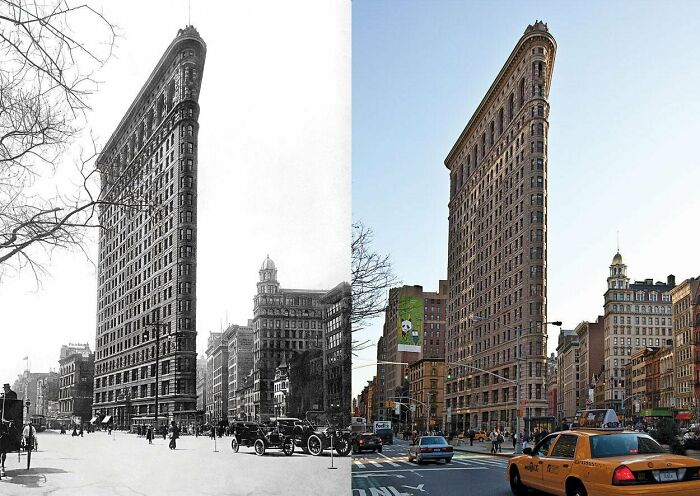
And it’s sinking 1 to 2mm a year from the weight of the buildings, according to an entry in another BP article.

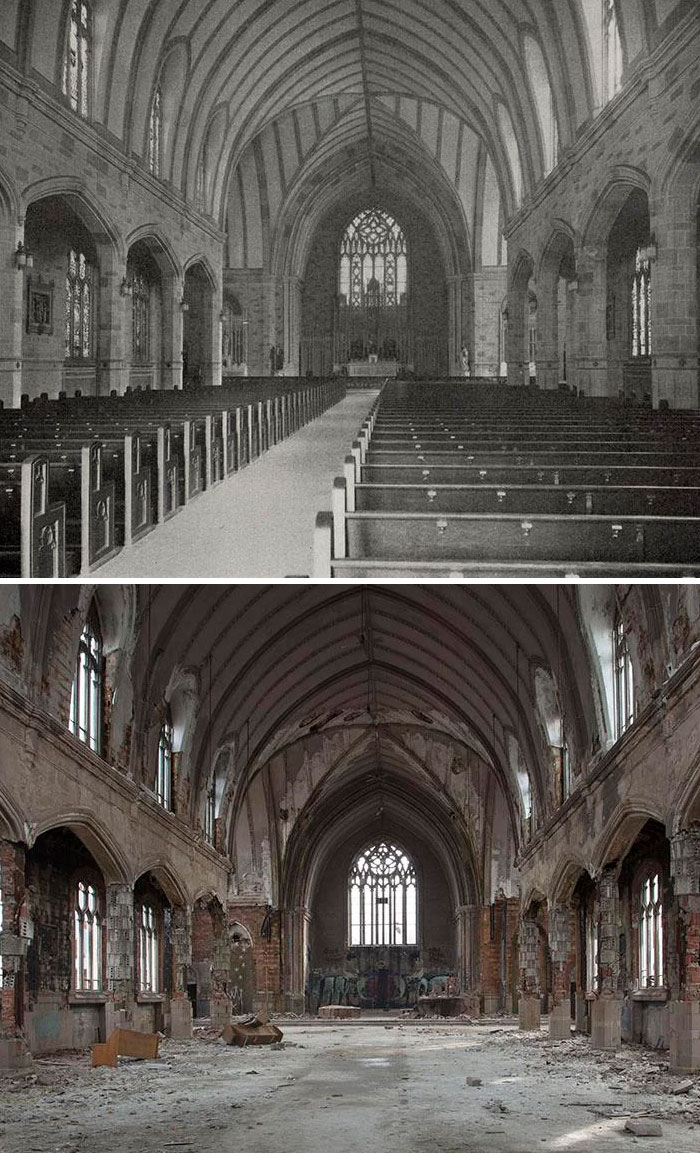
I actually love seeing pics showing nature taking back over! 😍
Back when the country was formed, New York City, Philadelphia, Boston, Charleston, and Baltimore were powerhouses. And while they’re all still important today, some have become overshadowed by younger cities like Los Angeles, Atlanta, and Houston.
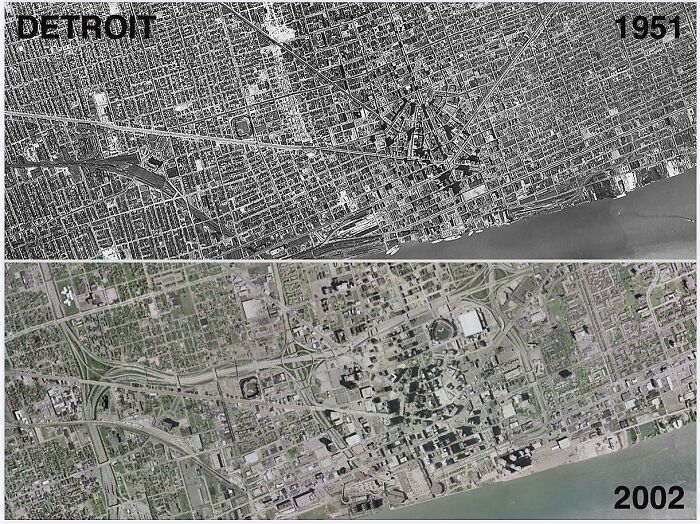
And according to The Atlantic, the prominence of certain cities has changed drastically between 1978 and 2010 as well. Detroit, St. Louis, Cleveland, New Orleans, Kansas City, Milwaukee, Columbus, Indianapolis, and Buffalo have all dropped significantly in GDP rankings. Meanwhile, Washington, DC, Dallas, Phoenix, San Diego, Denver, Tampa, Portland, Orlando, and Sacramento made huge strides in improving their rankings.
These changes are still happening today, though. Good Migrations notes that a handful of cities have rapidly changed even in the last five years. These include Boise City (ID), Provo (UT), Lakeland (FL), Austin (TX), and Huntsville (AL).
The transformations that these cities have experienced can be attributed to an increase in job opportunities, an increase in population, an increase in GDP, and more. Along with all of these changes often come more tourism, more cultural and arts events, and perhaps even happier populations.
One thing that makes the United States unique (for better or worse) is the highway system that the country has. And that has definitely changed an incredible amount over the past century. According to Vox, 48,000 miles of highways were added to the nation between the 1950s and 1970s. These gave rural residents access to cities and allowed people who worked in cities to move to suburbs, while still having easy access to their jobs and communities. But there were certainly downsides to these highways as well.
Peter Norton, a historian at the University of Virginia, told Vox that there was almost always discrimination involved when determining where these highways would go and whose communities would be impacted by them.
“The explanation, in almost every case, is that the relatively well-off, influential people in those cities were able to stop the urban highways that would have gone through their neighborhoods," Norton says. He cites the example of Wisconsin Avenue in DC, which was supposed to become a highway but never did because wealthy residents protested. "The destruction mostly happened in the most disenfranchised neighborhoods. It's astounding how selective it was."


🎶 And everywhere there was song and celebration 🎶
Load More Replies...



Despite how much American cities have changed already, it’s likely that the transformations won’t stop any time soon. There is a movement for walkable cities that is gaining traction in the U.S., and hopefully, many more communities will have options available for transportation other than just cars.
In fact, a recent survey found that six out of 10 builders are now moving away from large homes and focusing their attention on creating walkable neighborhoods. 56% of Americans even say they would be willing to move and have a smaller yard if it meant they lived in a more walkable neighborhood. Times are changing!
Are you enjoying these photos that tell stories about how much the United States has changed over time, pandas? Keep upvoting the ones that you find most fascinating, and let us know in the comments below how you’d like to see your own city transform. Then, you can find another article from Bored Panda featuring interesting American cities right here!

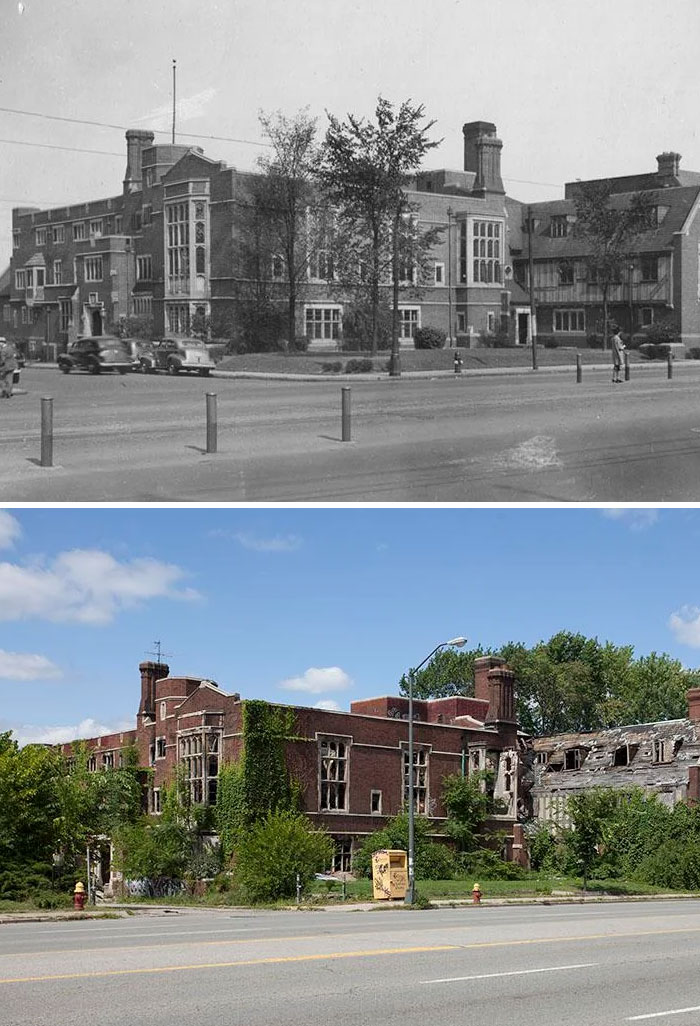
The Deport has been restored and is open again. It is a beautiful area in Detroit. These old photos that make our city look like this are all that are focused on, even when they are no longer true.
Wow, it's a lot more colourful than it used to be! The water looks do dirty and dingy in the old photo. Haha
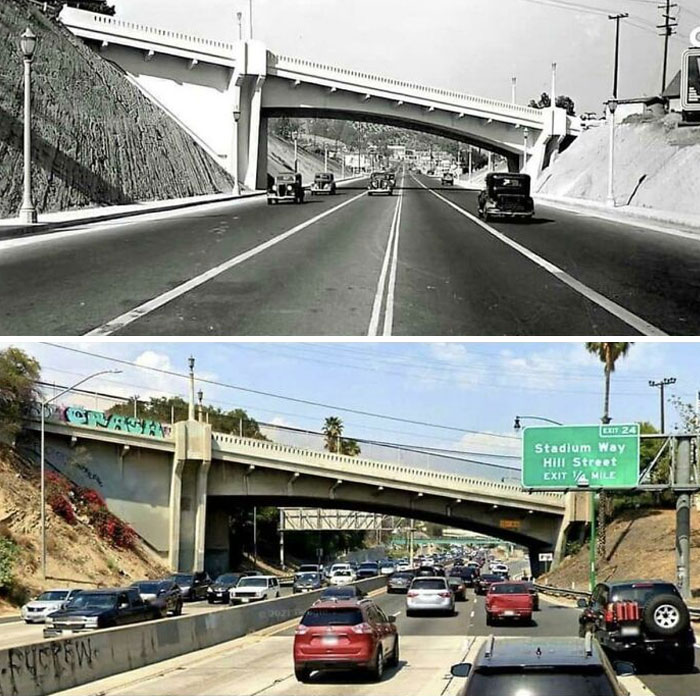
The Arroyo Seco Parkway heading north from downtown Los Angeles, aka The Pasadena Freeway, aka Califormia Route 110 (formerly CA-11).

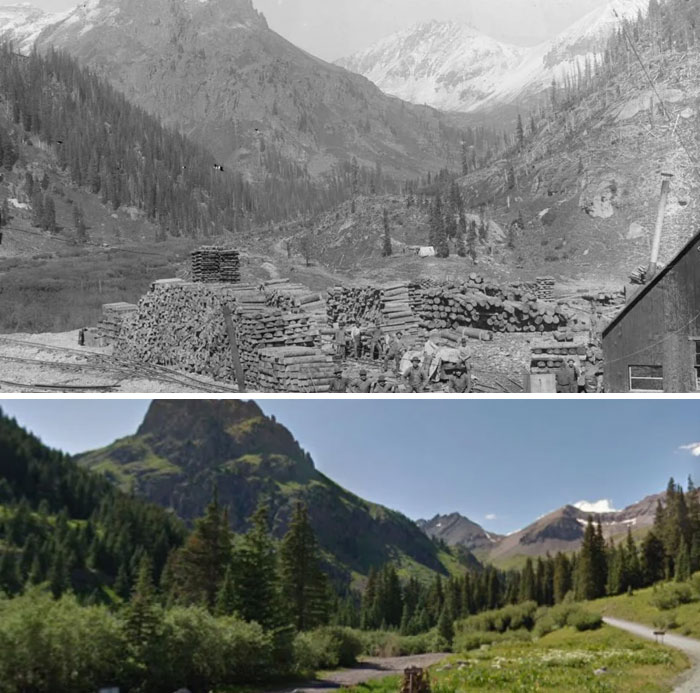
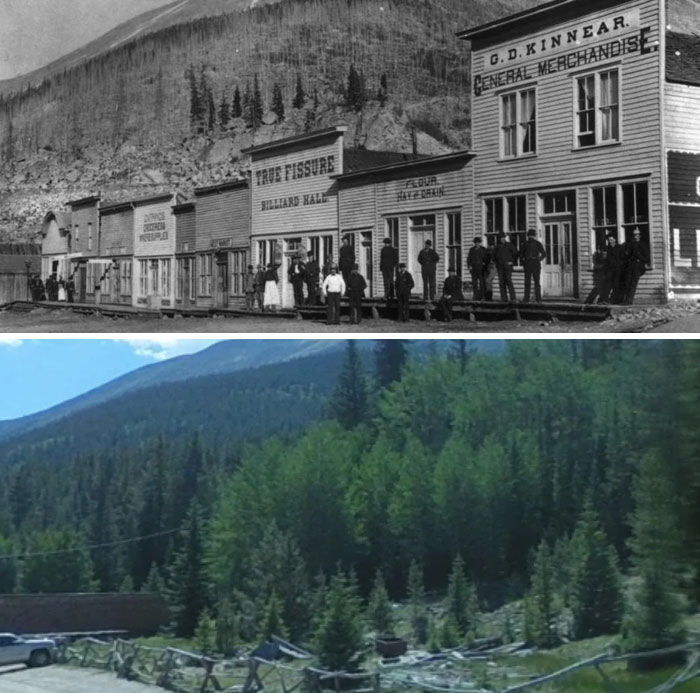
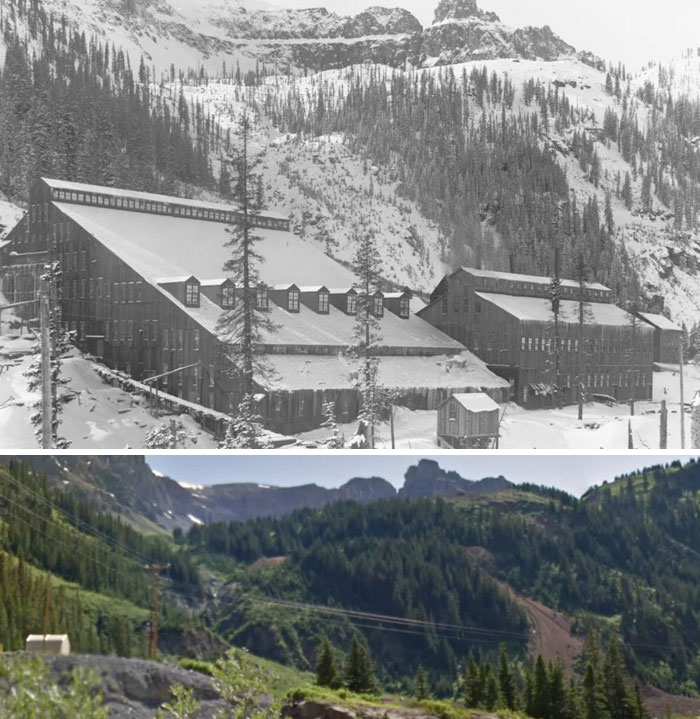
Just down the street there are quite a few buildings standing. It's a mining ghost town but extremely well preserved thanks to a caretaker in the 1950's and 60s chasing vandals away. There is a small summer population and a handful of year round residents. I went to go to college near here. I love St. Elmo.
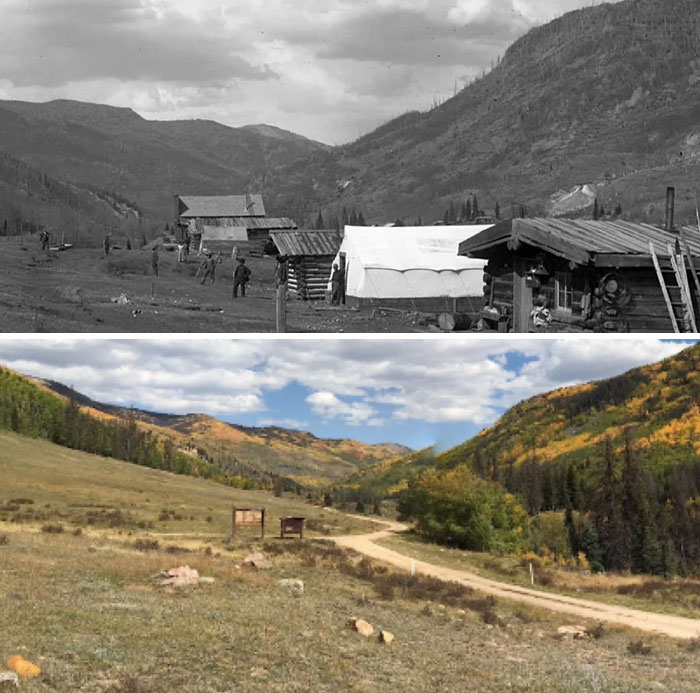
These Colorado pictures are making me homesick. I have a coffee table book that shows hundreds of these before and after pictures of Colorado in the 1880's vs the early '00s.
Again, near my alma mater. Beautiful country in the Wet Mountain Valley.


As someone that likes the nature and the outdoors, I actually like cities that are build vertically because they swallow a lot of people that would otherwise had spread out over a very large area. Leaves more room for me.

To the left of the photo there seems to be another, less defined face.

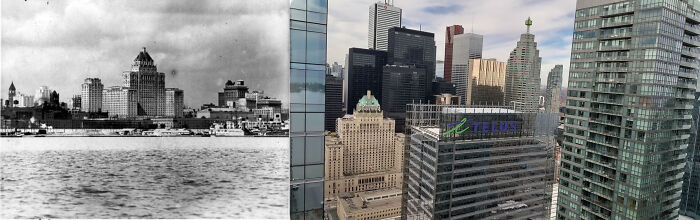
While always nice to see my familiar home skyline, we are very much not, in contrast with every other example in this gallery, in the United States.

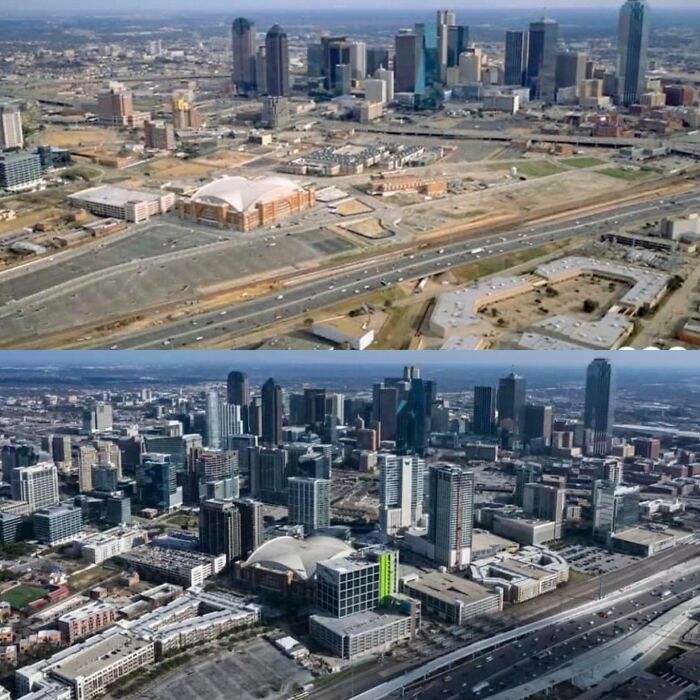
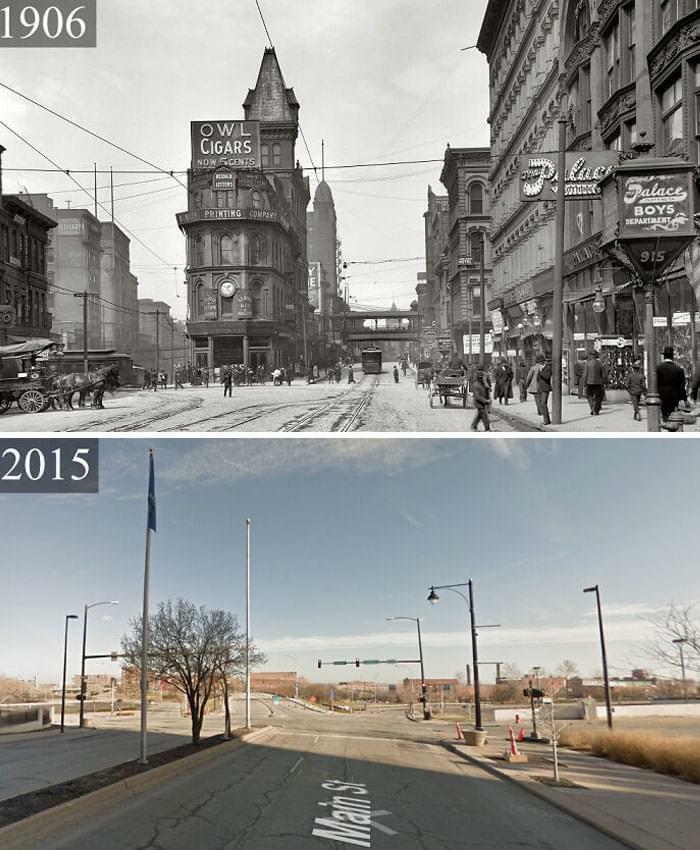
This is NOT a case of a city dying like the Detroit ones. What you can't see from here is Interstate 70, sunk below level, which cleared out about a 200 foot wide section of pretty much continuous freeway interchanges. If you turn the other way, you'd see quite an active, built-up downtown. I'm seeing this pop up a lot as an example of the way an over-reliance on cars led to freeways severing city neighborhoods. Ironically, that is about the absence of what happened here. Because the main artery is below grade, every street continues from one side to the other, but to prevent overpasses and other pedestrian obstacles, a wide buffer for intersections was provided along the entire route. At grade, two more blocks of buildings were cleared along the whole route of I-70 through downtown to allow for farmer's markets to be right next to the thriving, out-of-frame downtown area. Yes, the farmer's markets function as parking lots when empty, but claims that the whole neighborhood was razed for parking is highly misleading.

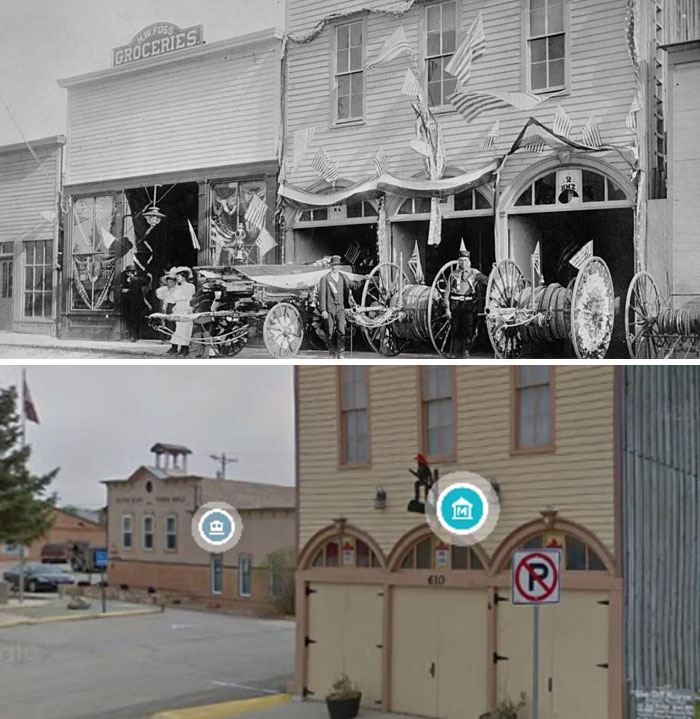
The common factor, almost without exception, is that there's more vegetation in the recent picture.

Sorry, Adelaide. I only see examples of the evolution of the US here, not of "America." The level of appropriation here is out of the roof.

You never see contrasting photos of Lithuanian cities, wonder why? 🤔
Load More Replies... The common factor, almost without exception, is that there's more vegetation in the recent picture.
Sorry, Adelaide. I only see examples of the evolution of the US here, not of "America." The level of appropriation here is out of the roof.
You never see contrasting photos of Lithuanian cities, wonder why? 🤔
Load More Replies...





































 No fees, cancel anytime