Get Premium
Dark mode theme is available exclusively for premium users. Learn more about the benefits of subscribing.
No fees, cancel anytime.

 Dark Mode Ad-Free Browsing Unlimited Content
 Ad-Free Browsing Unlimited Content Dark Mode
Join 1.2 million Panda readers who get the best art, memes, and fun stories every week!
In 1935, Portuguese doctor Egas Moniz learned of an experiment where removing the frontal lobes of two chimpanzees resulted in reduced violent behavior, making them more compliant. Those results triggered the doctor to try the experiment on humans.
Shortly after performing this procedure on unsuspecting patients suffering from mental illnesses, he published a paper demonstrating a method he believed to be an innovative way to treat such illnesses as schizophrenia and psychosis.
Today, Moniz is remembered for starting one of the most shameful and tragic procedures in medicine.
Click here & follow us for more lists, facts, and stories.
This post may include affiliate links.
From 1945 to 1947, around 2,000 lobotomies were performed. However, the number skyrocketed to 18,000 after Moniz was awarded the Nobel Prize for Medicine for his discovery in 1949.
The development of antipsychotic medications has been the salvation of patients who were next in line for more lobotomies before and after the results.
The final recorded lobotomy in the United States was performed by Dr. Walter Freeman in 1967, tragically resulting in the death of the patient.
There were many factors why this surgery was deemed acceptable by mental institutions back in the day, mainly because there was no medication or therapy effective enough to treat people who suffered from various mental illnesses. And with electroshock therapy being already in use, this invasive operation didn’t shock people. However, the misinformation and active campaigning for the effectiveness of lobotomy had a significant impact, too.
Walter Freeman helped popularize this procedure in the US, becoming one of the most hated doctors. With no surgical training, Freeman decided to change the operation, and instead of drilling holes in the skull, he stabbed the patient’s brain with an icepick through the eye socket.
Walter Freeman’s lobotomy was an updated method to the point where it only took him 12 minutes to perform it. He traveled around the country in a van called the Lobotomobile and had no problem performing it in non-sterile environments.
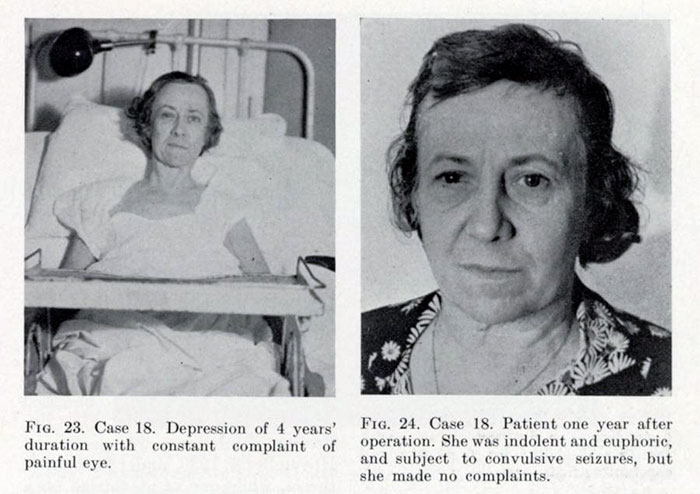
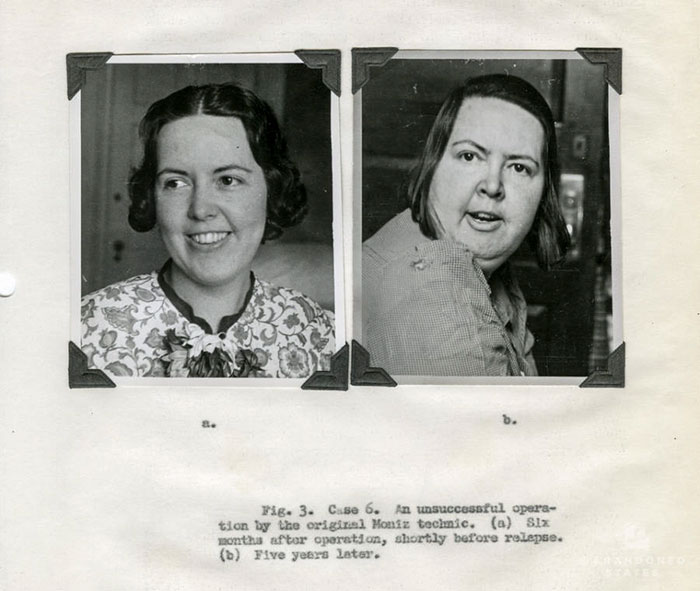
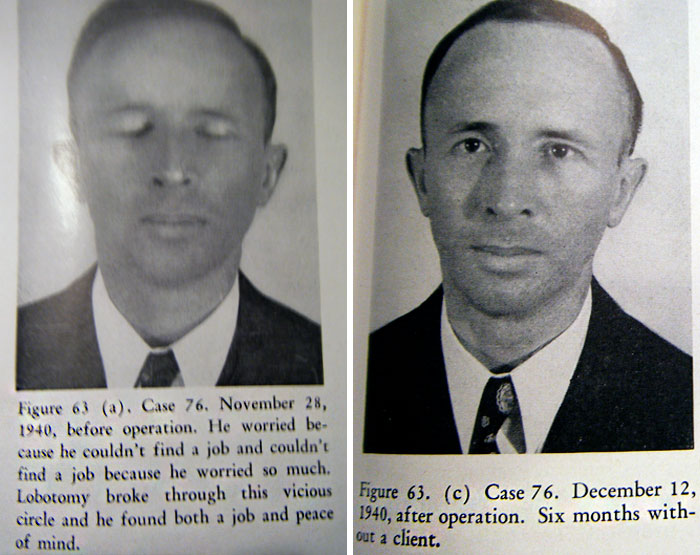
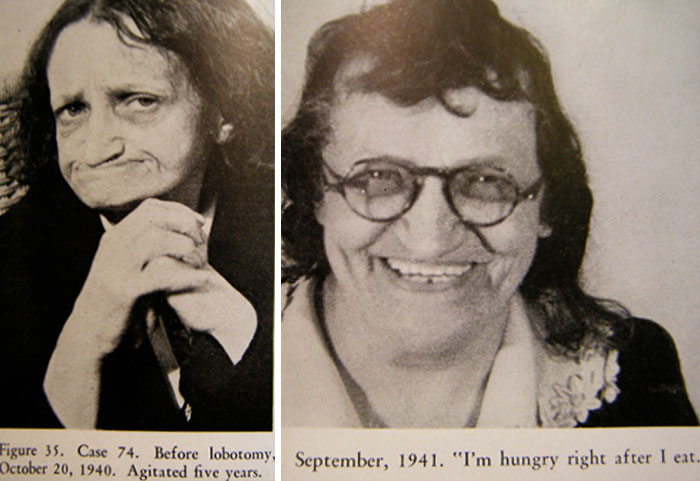
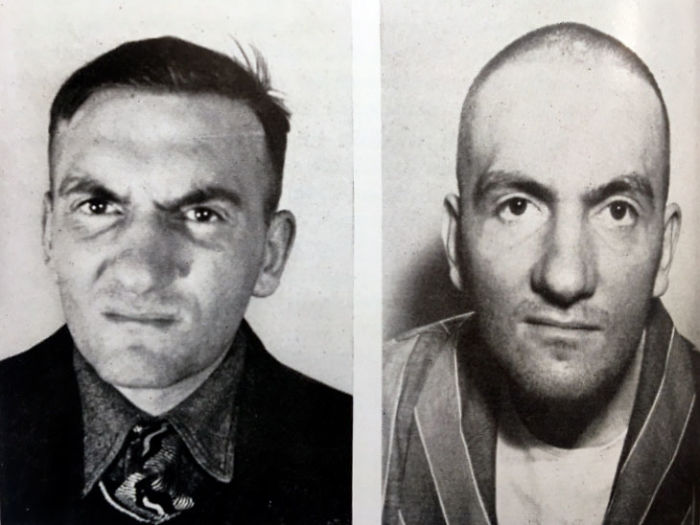
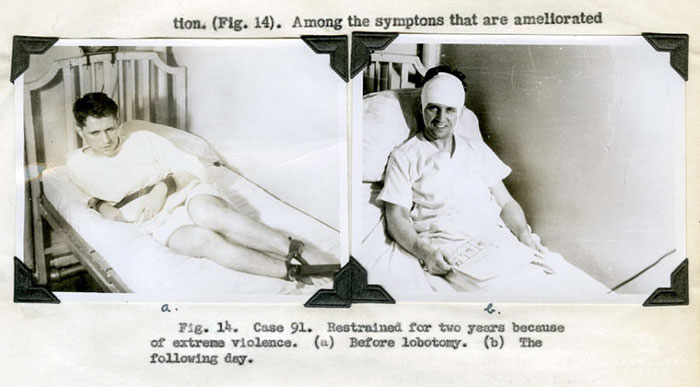
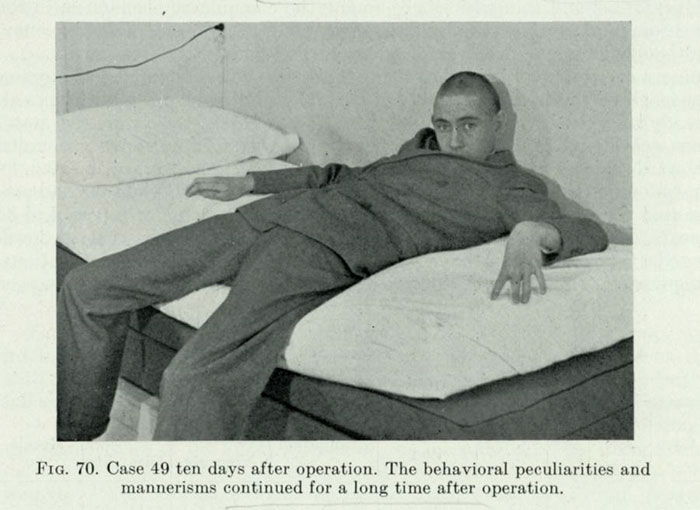
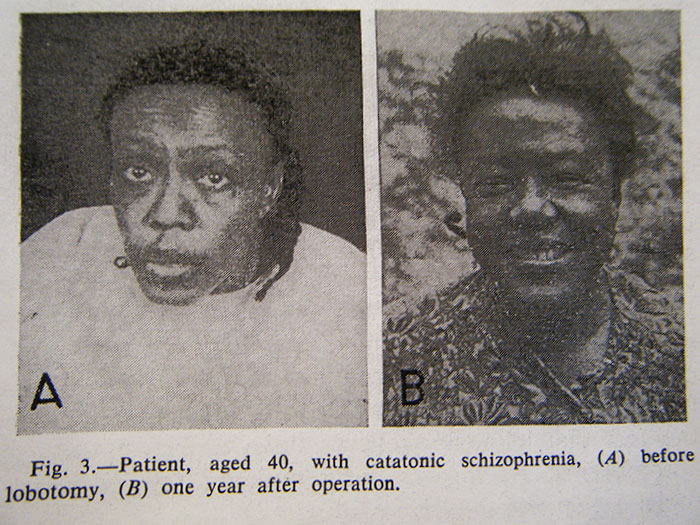
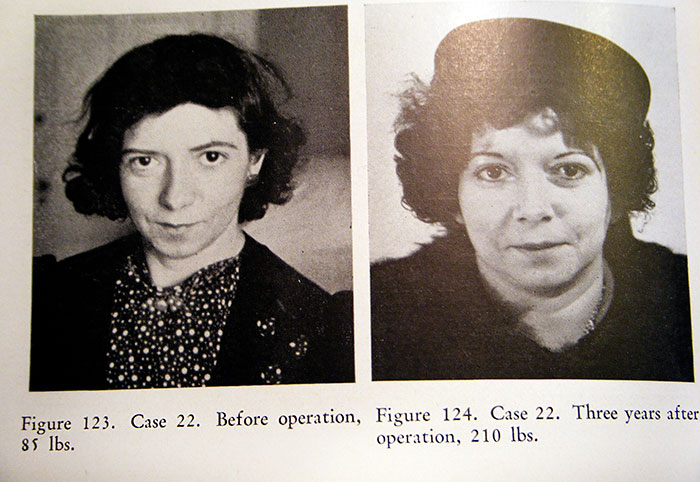
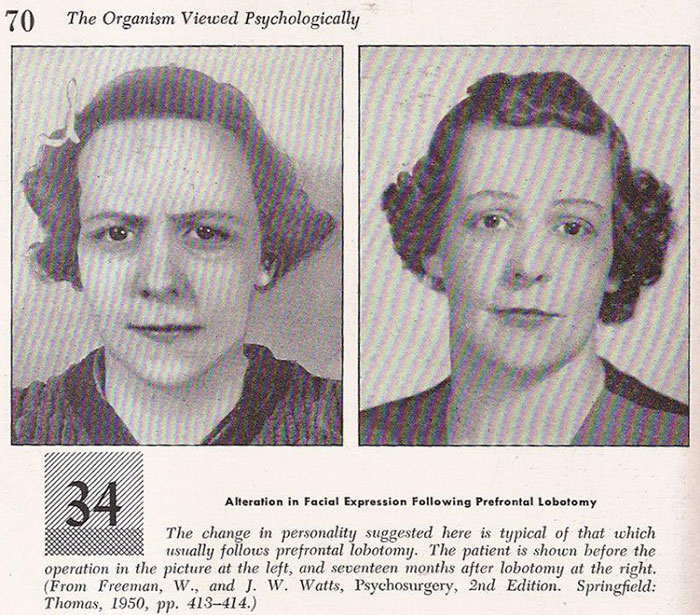
However, he and other doctors who performed this procedure often overlooked the gruesome side effects lobotomies caused, mainly focusing on the appearance of the patients and relieving the discomfort the illnesses had caused to their family members.
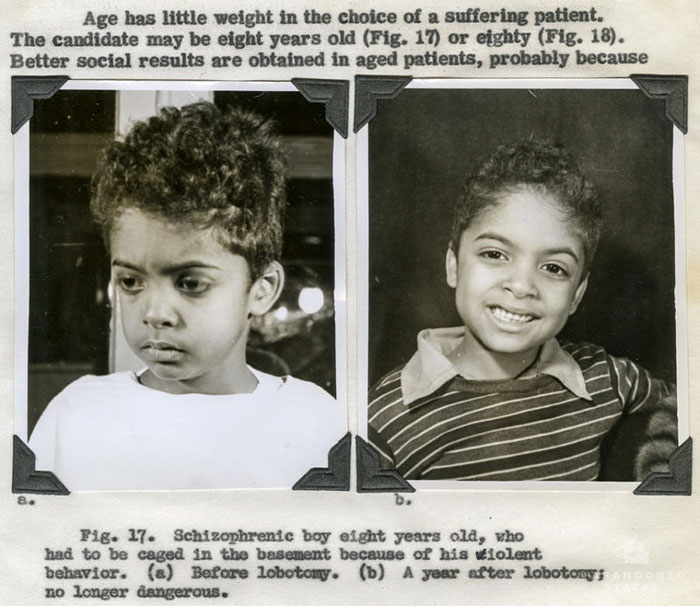
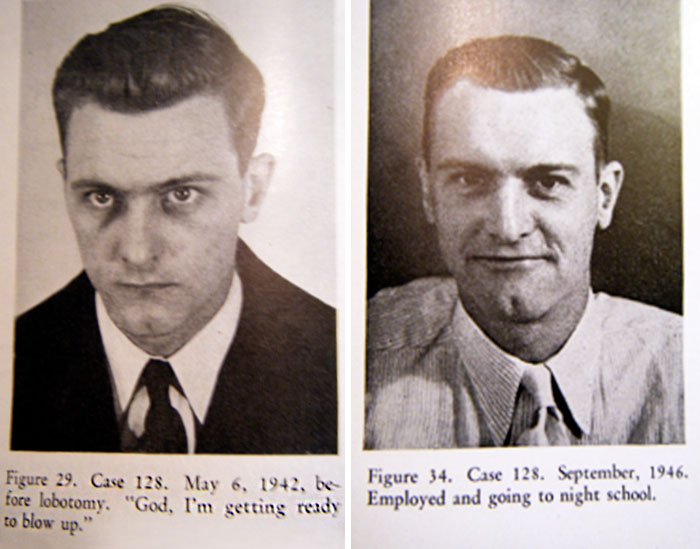
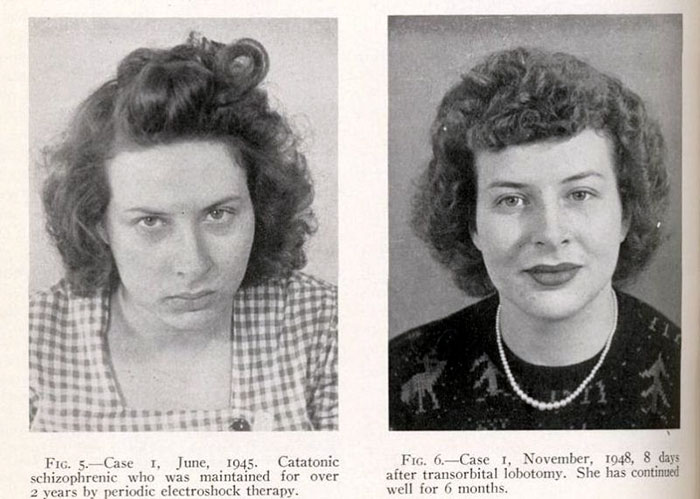
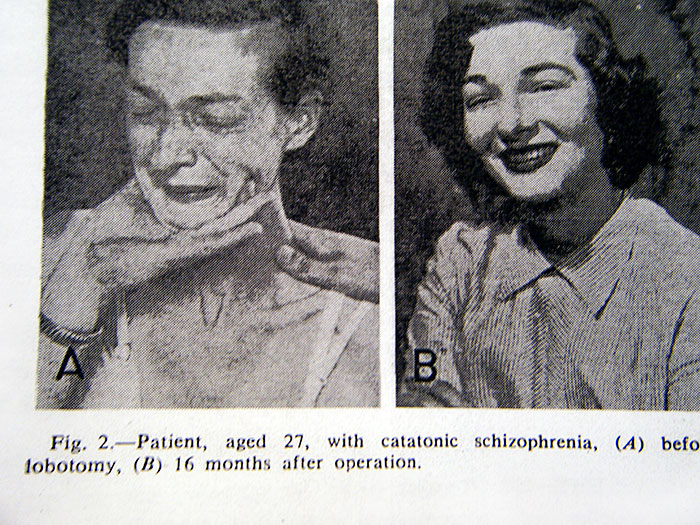
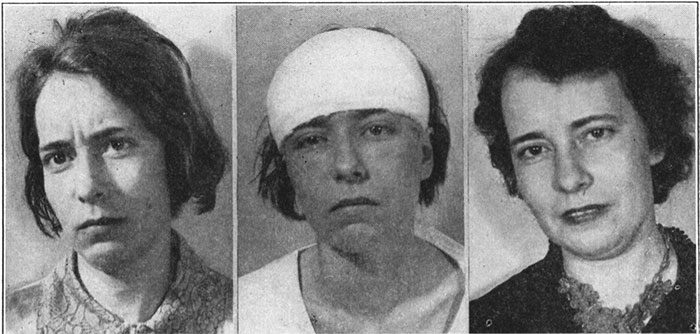
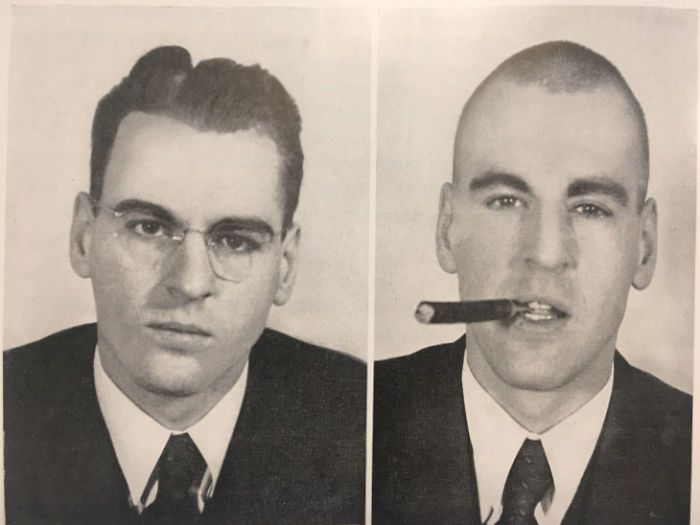
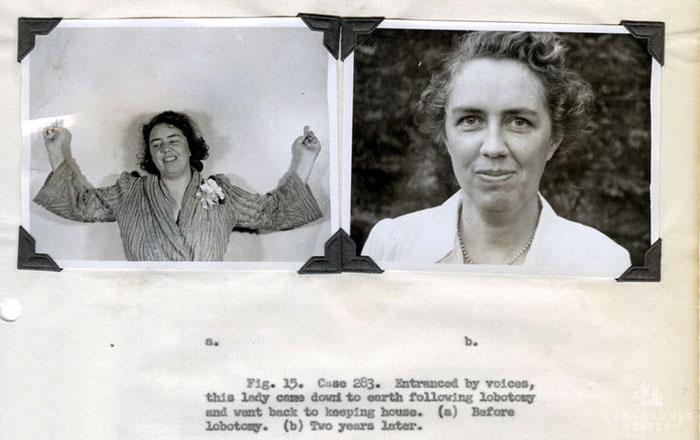
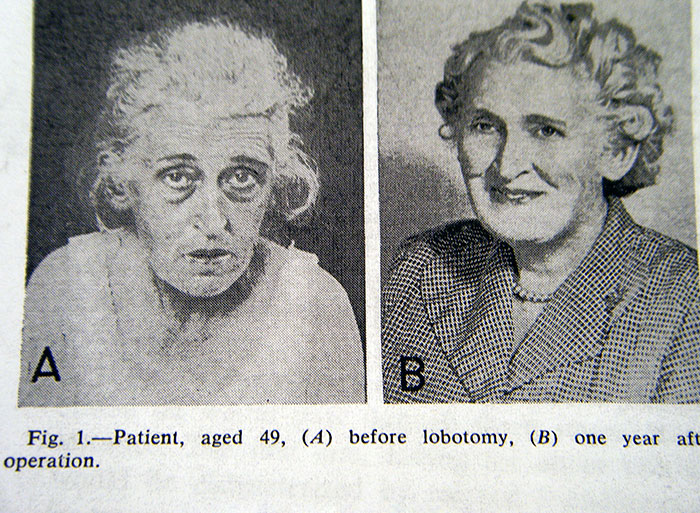
This attitude is highlighted in the lobotomy pictures that Freeman took of his patients. He used these before and after lobotomy photos as an argument in favor of the procedure. Scroll below to see the disturbing images.
You might also like: 19 People Share The Most Ridiculous Things They Have Ever Seen In An ER























 No fees, cancel anytime