Get Premium
Dark mode theme is available exclusively for premium users. Learn more about the benefits of subscribing.
No fees, cancel anytime.

 Dark Mode Ad-Free Browsing Unlimited Content
 Ad-Free Browsing Unlimited Content Dark Mode
Join 1.2 million Panda readers who get the best art, memes, and fun stories every week!
In the mystical land of Bali, sacred temples stand as guardians of tradition and spirituality. These awe-inspiring structures and the rituals performed within their sacred grounds form the heartbeat of Balinese culture. In this article, we explore the significance of sacred temples in Balinese society, the rituals they host, and the profound impact they have on the island’s culture and community.
Introduction
From lush rice terraces to vibrant festivals, Bali is renowned for its cultural tapestry and spiritual heritage. At the core of Balinese spirituality are the sacred temples that dot the island, serving as sanctuaries where devotees connect with the divine. These temples are not just places of worship; they are living embodiments of Balinese beliefs and traditions.
Importance of Sacred Temples in Balinese Culture
The Spiritual Significance of Temples
For the Balinese people, temples are gateways to the spiritual realm. They are dedicated to various deities and serve as conduits for communication with the gods. Balinese Hindus believe that temples provide a space where the physical and spiritual worlds intersect, allowing individuals to seek blessings, guidance, and protection from the divine.
Temples as Community Gathering Places
Beyond their spiritual significance, temples also serve as community hubs. They are the focal points for social and cultural activities, fostering a sense of togetherness and belonging among the Balinese people. Temples host vibrant ceremonies, processions, and performances that bring communities together to celebrate their shared heritage and strengthen social bonds.
Key Rituals Practiced in Balinese Temples
Piodalan: Temple Anniversary Celebrations
Piodalan, also known as Odalan, refers to the grand anniversary celebrations of Balinese temples. These festivals occur once every 210 days according to the Balinese Pawukon calendar. During Piodalan, the temple is beautifully adorned, and elaborate rituals take place, including prayers, offerings, traditional dances, and music performances.
Galungan and Kuningan: Celebrating Goodness and Ancestors
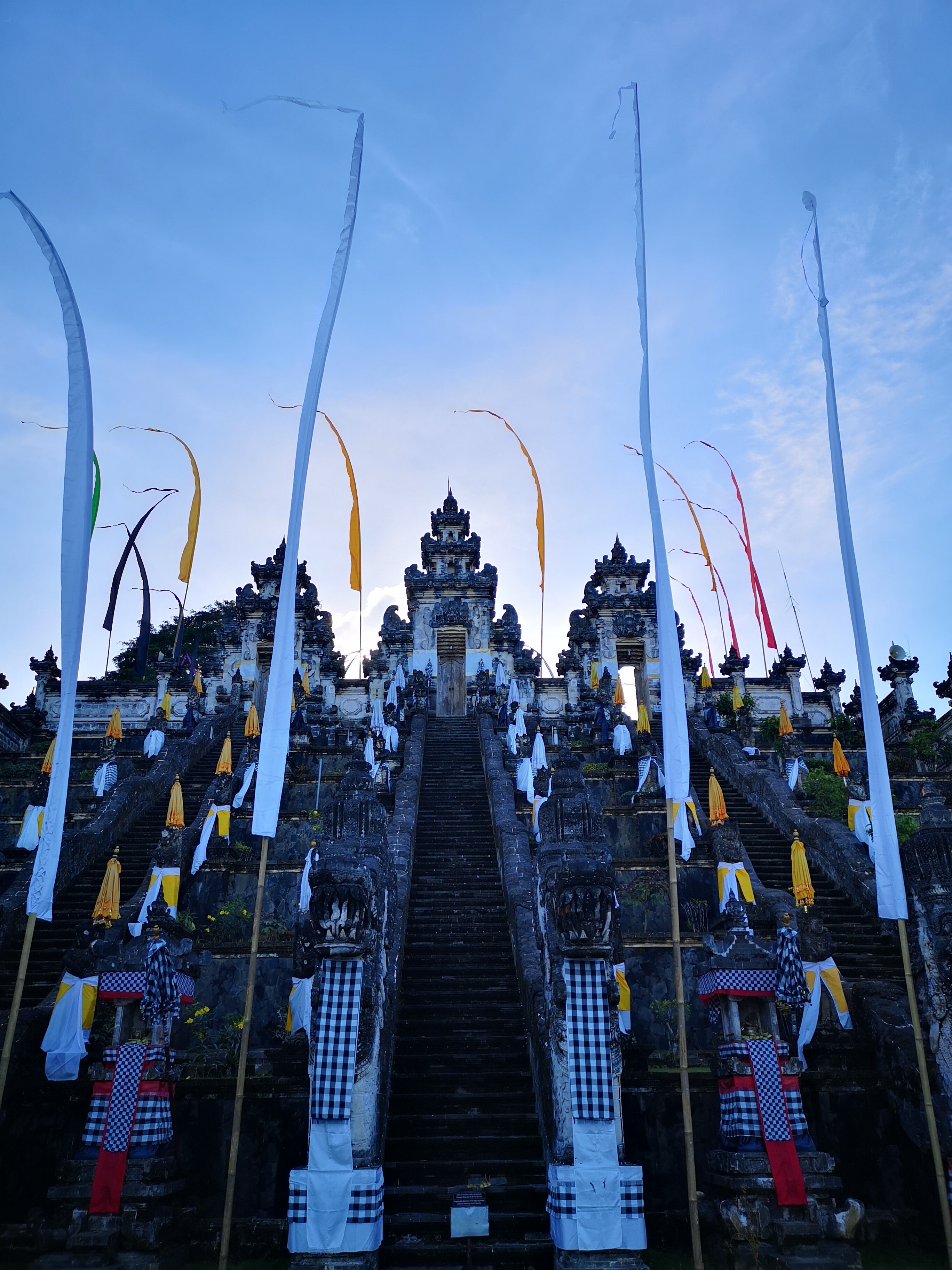
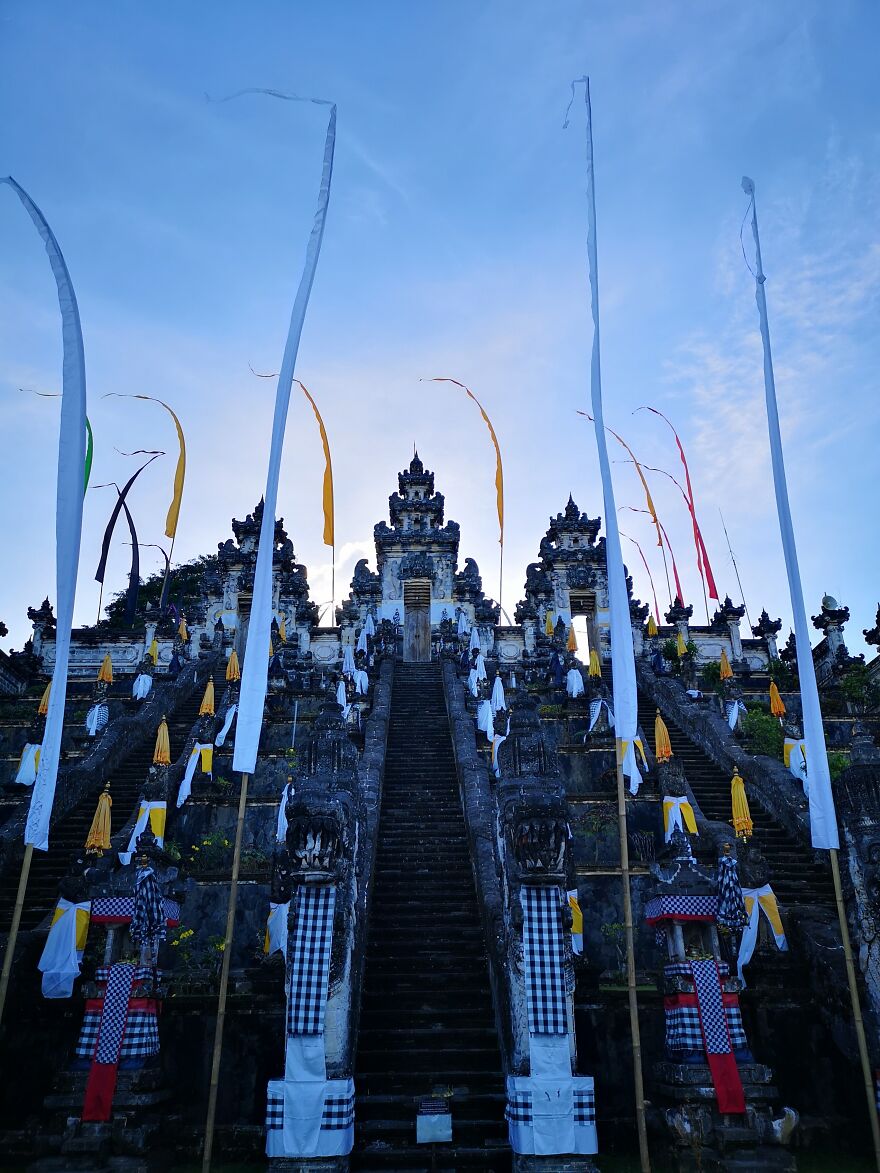
Galungan and Kuningan are among the most significant religious festivals in Bali. Galungan marks the triumph of good over evil, while Kuningan signifies the time when ancestral spirits return to visit their descendants. Balinese families adorn their homes and temples with intricately woven penjor (decorative bamboo poles) and offer elaborate prayers and offerings to honor their ancestors.
Nyepi: Bali’s Day of Silence
Nyepi, or the Day of Silence, is a unique and sacred observance in Bali. It is a day of self-reflection, purification, and meditation. On Nyepi, the entire island comes to a complete halt as people stay indoors, practicing silence and fasting. It is a time for introspection and renewal, and even the airport and major roads are closed during this solemn day.
The Architecture and Symbolism of Balinese Temples
The design and architecture of Balinese temples are a testament to the intricate craftsmanship and symbolic representations ingrained in Balinese culture.
Meru Towers and Pagodas
One of the most iconic features of Balinese temples is the towering Meru, a multi-tiered roof structure representing the cosmic mountains. The number of tiers symbolizes the rank of the deity worshipped in the temple. Pagodas, inspired by Buddhist architecture, can also be found in certain temples, reflecting the influence of different faiths on Balinese Hinduism.
Guardian Statues and Entrance Gates
Balinese temples are often adorned with intricately carved guardian statues known as “Dwarapala” that stand at the entrance. These imposing figures, usually depicted as fierce warriors or mythical creatures, symbolize protection and ward off negative energies. The entrance gates, or “Candi Bentar,” with their ornate carvings, mark the transition from the outer world to the sacred realm within the temple.
Balinese Temple Etiquette and Visitor Guidelines
When visiting Balinese temples, it’s essential to respect the customs and traditions upheld by the local community. Here are some key guidelines to observe:
Dress modestly, covering your shoulders and legs.
Wear a sarong and sash, which can often be rented or borrowed at the temple.
Follow the designated paths and avoid stepping on offerings or sacred objects.
Keep a respectful distance from worshippers and ceremonies.
Seek permission before taking photographs, as some areas may be considered sacred and off-limits.
Temples as Tourist Attractions in Bali
The spiritual allure and architectural splendor of Balinese temples have made them sought-after tourist attractions. Visitors flock to iconic temples such as Besakih Temple, Tanah Lot, and Uluwatu Temple to witness breathtaking views, immerse themselves in Balinese culture, and experience the mystique of these sacred sites. Tourists need to approach these places with reverence and appreciation for their cultural significance.
Conservation and Preservation of Sacred Temples
Preserving the sanctity and integrity of Balinese temples is a collective responsibility. The Balinese community, along with governmental and non-governmental organizations, invest significant efforts in conserving and restoring these ancient structures. Conservation projects focus on maintaining architectural integrity, safeguarding sacred artifacts, and educating the public about the historical and cultural value of these temples.
The Impact of Temples and Rituals on Balinese Society
Sacred temples and rituals play a fundamental role in shaping Balinese society. They provide a strong sense of identity and cultural pride, fostering unity among the Balinese people. The devotion and active participation in temple rituals reinforce social bonds, transmit traditional knowledge to future generations, and contribute to the preservation of Balinese heritage.
Conclusion
Sacred temples and rituals are the heart and soul of Balinese culture, offering a glimpse into the spiritual realm and connecting communities through shared beliefs and traditions. The profound significance of these temples, their architectural marvels, and the vibrant rituals performed within their walls have made Bali a unique and enchanting destination for spiritual seekers and cultural enthusiasts alike.
Also visit: https://recipeoftravel.com/welcome-to-bali/
FAQs
Q1: Can tourists participate in temple rituals?
While tourists may witness temple rituals, active participation is generally limited to Balinese Hindus. Visitors are encouraged to observe respectfully and follow temple guidelines.
Q2: Are there specific dress codes for temple visits?
Yes, it is essential to dress modestly when visiting Balinese temples. Both men and women should cover their shoulders and legs. Sarongs and sashes are often provided or available for rent at the temple entrances.
Q3: Are there any restrictions on visiting temples during ceremonies?
Some temples may restrict visitor access during ceremonies or specific times. It’s advisable to check the temple schedule and guidelines before planning a visit.
Q4: How can I learn more about Balinese temple rituals?
To learn more about Balinese temple rituals, attending cultural performances, visiting local museums, and engaging with knowledgeable guides can provide valuable insights into the traditions and practices.
Q5: Are there any specific precautions to take during temple visits?
Respecting the sanctity of the temple is crucial. Visitors should avoid touching sacred objects, stepping on offerings, or interfering with ongoing ceremonies. Following the instructions of temple staff and observing silence when required is also important.
More info: recipeoftravel.com








































 No fees, cancel anytime






-4
0