Get Premium
Dark mode theme is available exclusively for premium users. Learn more about the benefits of subscribing.
No fees, cancel anytime.

 Dark Mode Ad-Free Browsing Unlimited Content
 Ad-Free Browsing Unlimited Content Dark Mode
Join 1.2 million Panda readers who get the best art, memes, and fun stories every week!
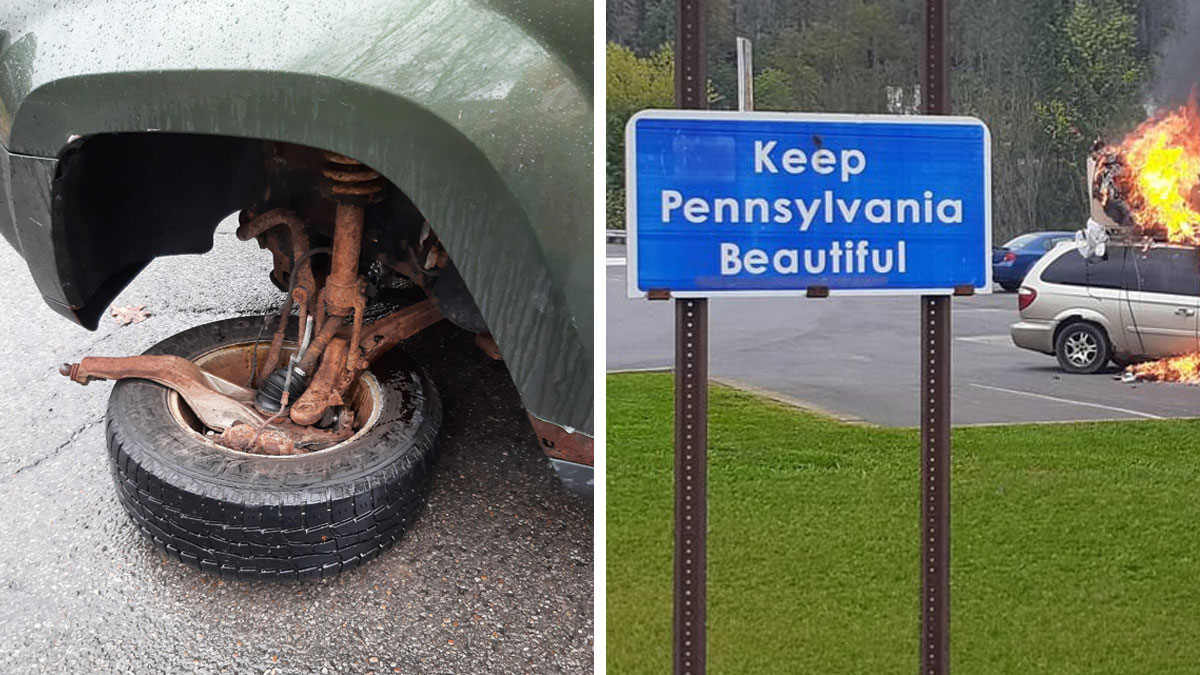
A wrong coffee order or a flat tire can easily ruin a morning. But sometimes, bad luck hits much harder.
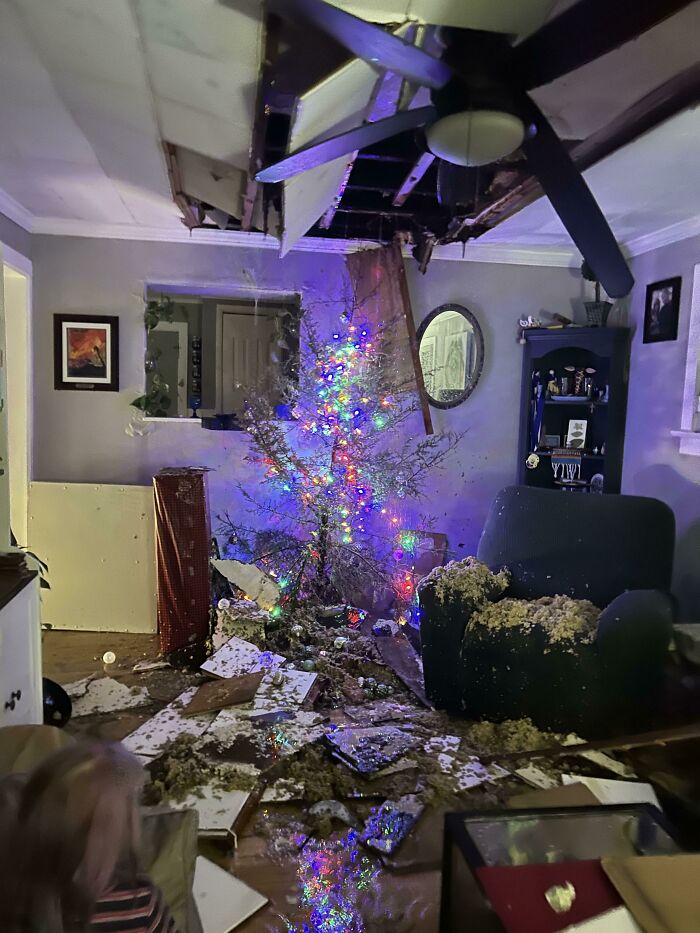
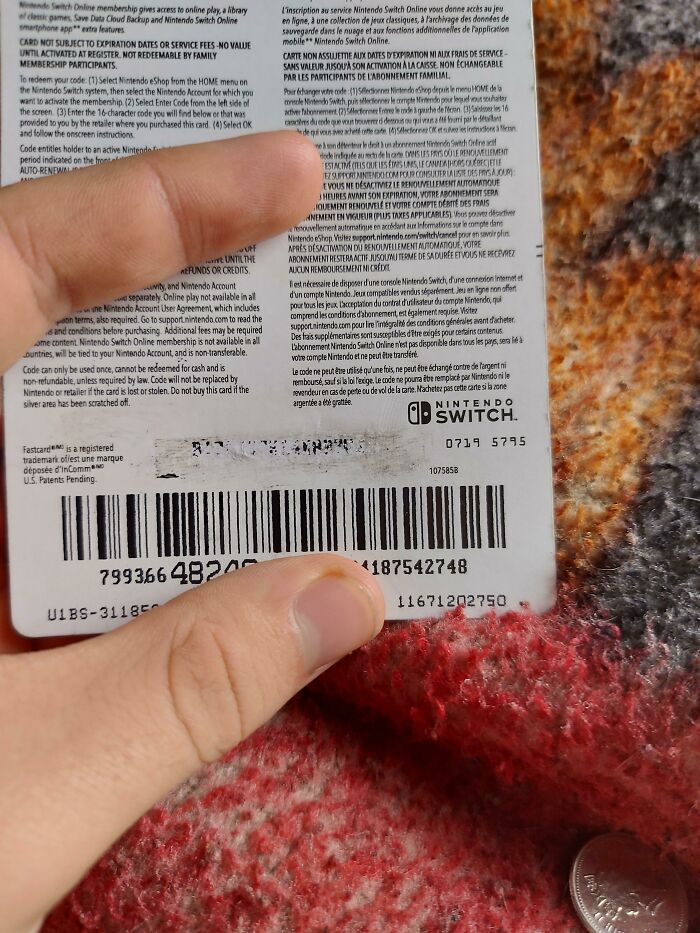
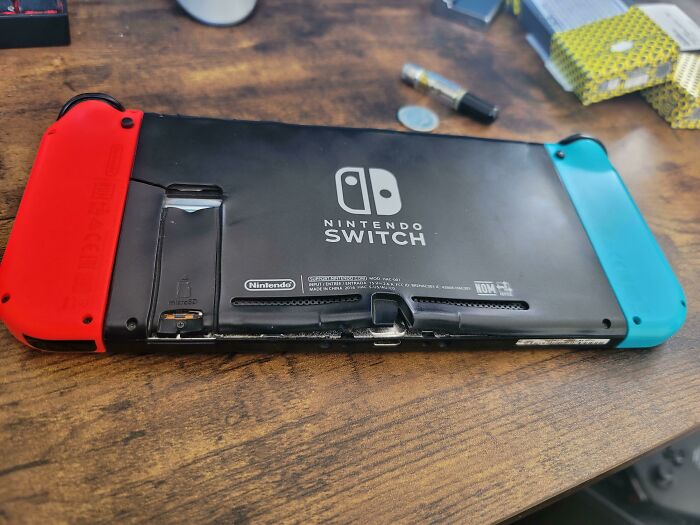
Imagine your house flooding on Christmas Eve. Or coming home to find that your child melted your Nintendo Switch.
Some days are so spectacularly ruined that people just have to post the evidence online. We searched Reddit to collect the absolute worst moments people had, so that you can feel a little bit better about your own day.
This post may include affiliate links.

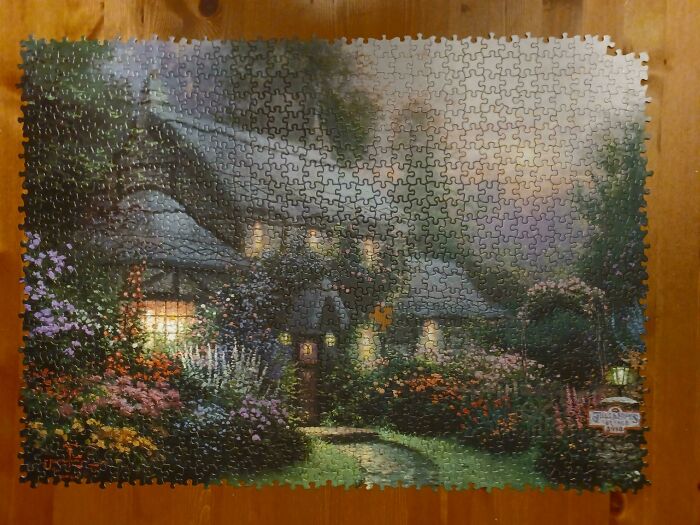
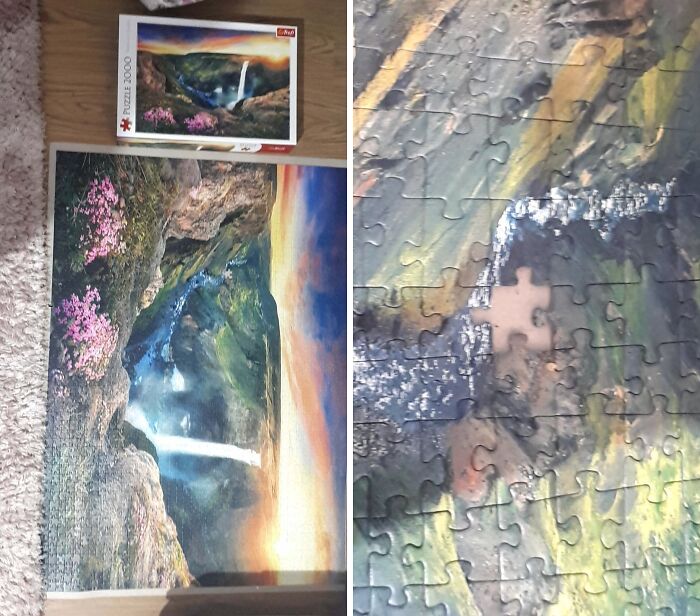
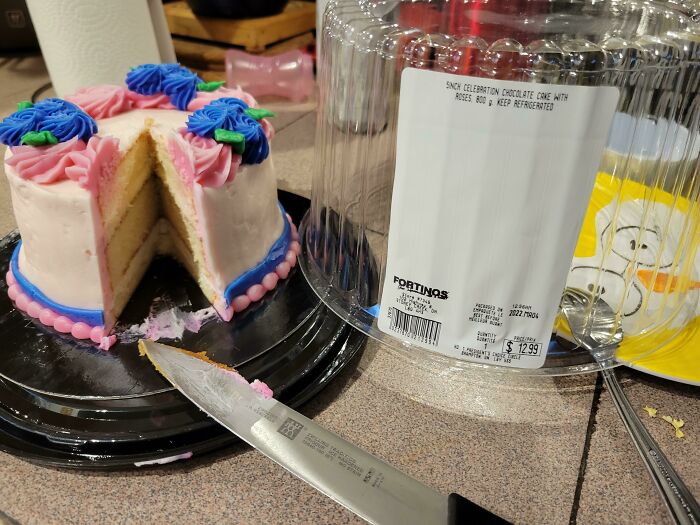
(Clown slowly rises, to a soundtrack of 'Also Sprach Zarathustra'...)

this looks as good as done to me; except that 1 or 2 pieces top right
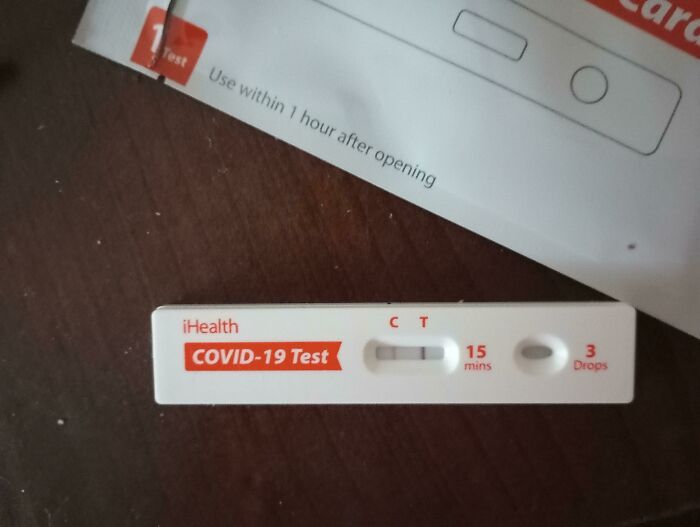
They say when it rains, it pours. Some days prove it. A small stressor can turn into total chaos in the blink of an eye — like catching COVID on your very first day at a new job.
Experts often point to Murphy’s Law to explain these moments: the idea that if anything can go wrong, it will go wrong.
Despite how it feels, Murphy’s Law does not mean the universe is out to get you. It is simply a reminder that mistakes and failures are always possible.

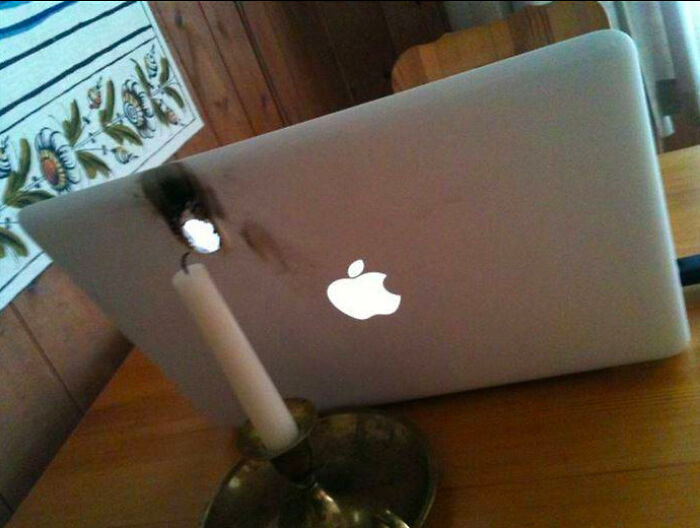
OOOhhh I had done this to my old laptop.. I couldn't figure out why a dark circle was showing up on my screen, it didn't burn thru, but the spot is showing on the screen forever!
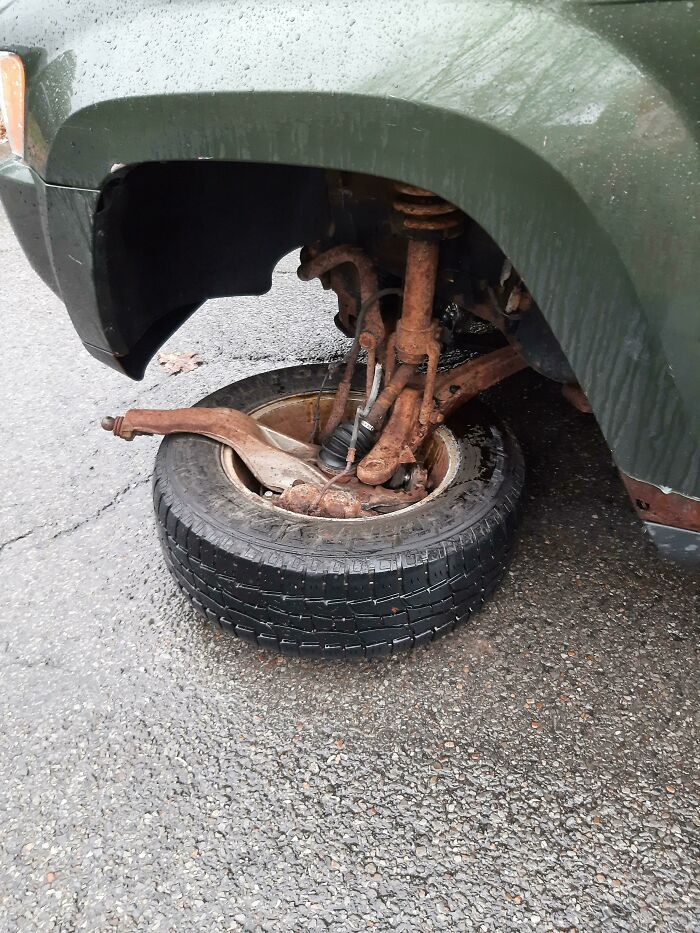
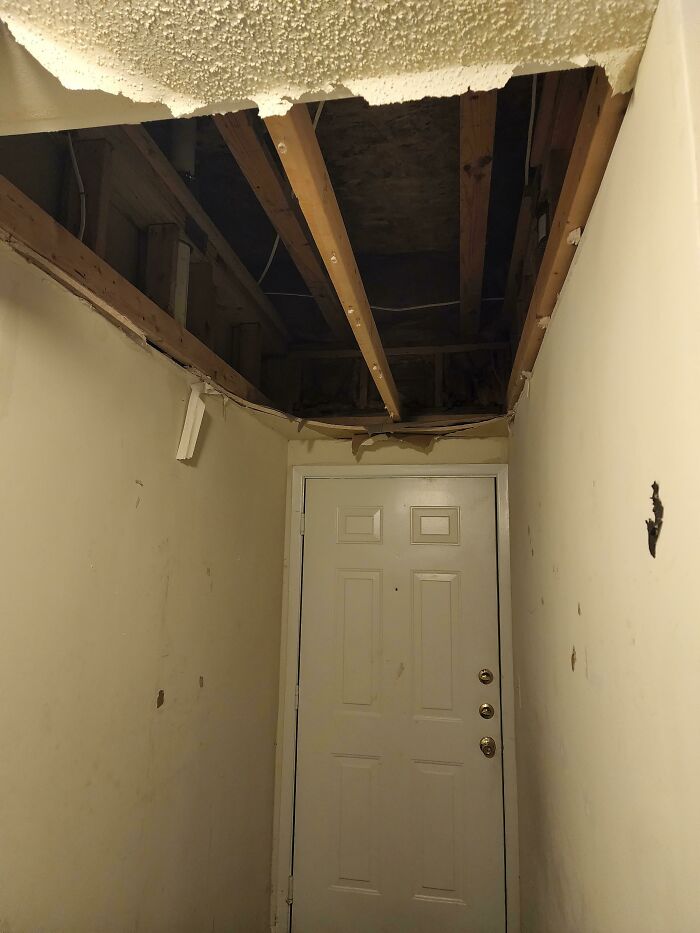
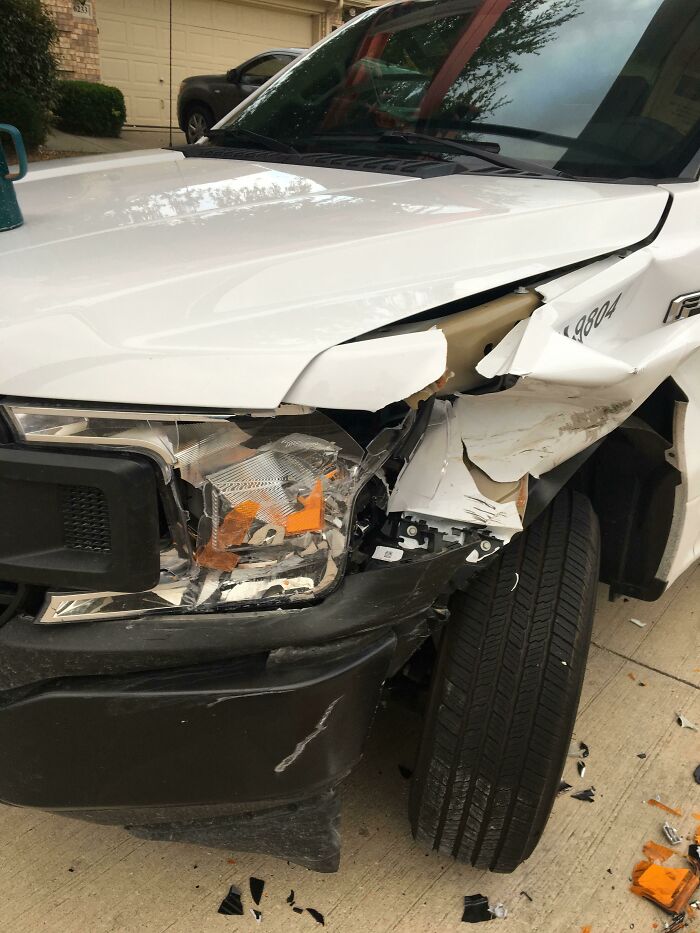
Was pulling out of my driveway today to take my son to school..... CRUNNNCH. And this happened. I'm kind of devastated, and right before Christmas.
But the miracle is that we were going like 2 MPH. In another 3 minutes we would've been on the main road going 55+.
Even though it is not a scientific principle, why does Murphy’s Law feel so real in our daily lives?
It mostly comes down to how our minds process bad news. Studies show that we naturally remember negative events much more vividly than routine ones. If 10 things go right today and one thing goes completely wrong, that single disaster is what sticks in our heads.
“Negative events often carry a heavier emotional weight than positive ones due to a negativity bias, a tendency to focus more on negative stimuli,” says Berit Brogaard, a professor and the director of the Brogaard Lab for Multisensory Research at the University of Miami.
“When bad events occur in close succession, this bias amplifies their emotional impact, making them seem disproportionately significant.”
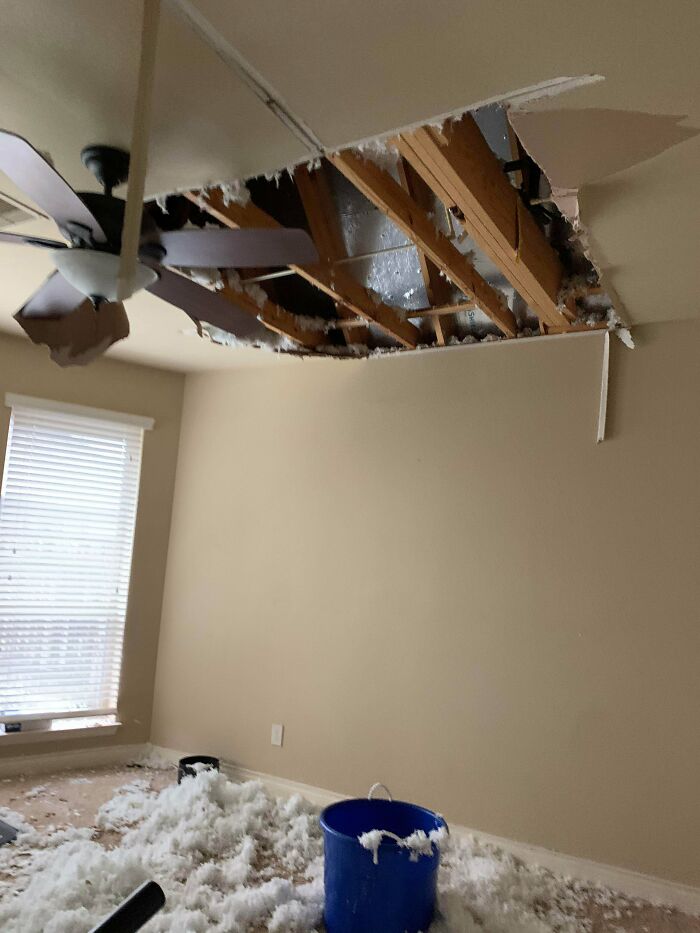
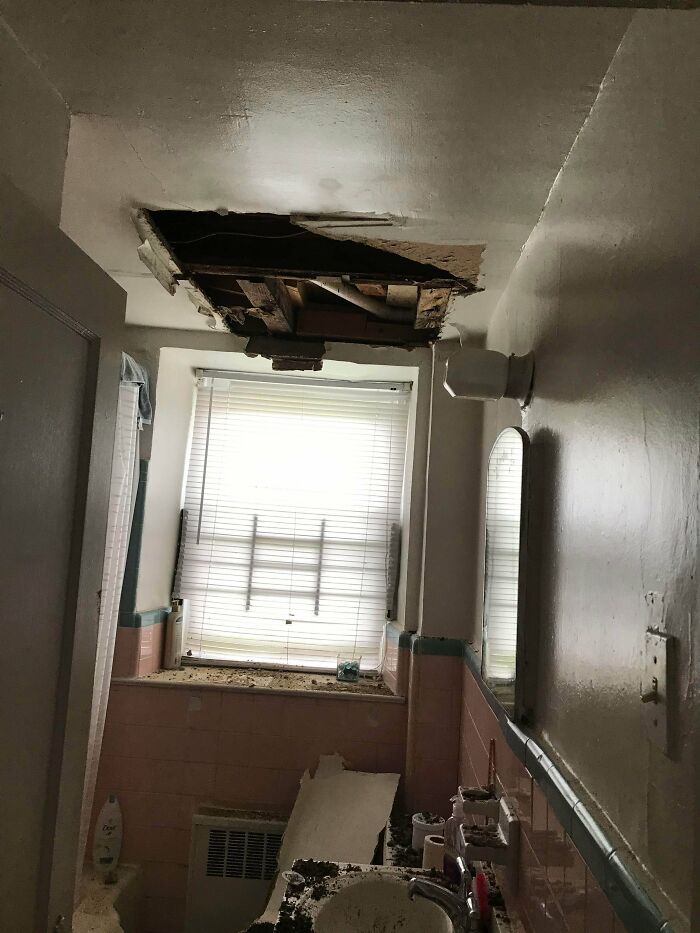
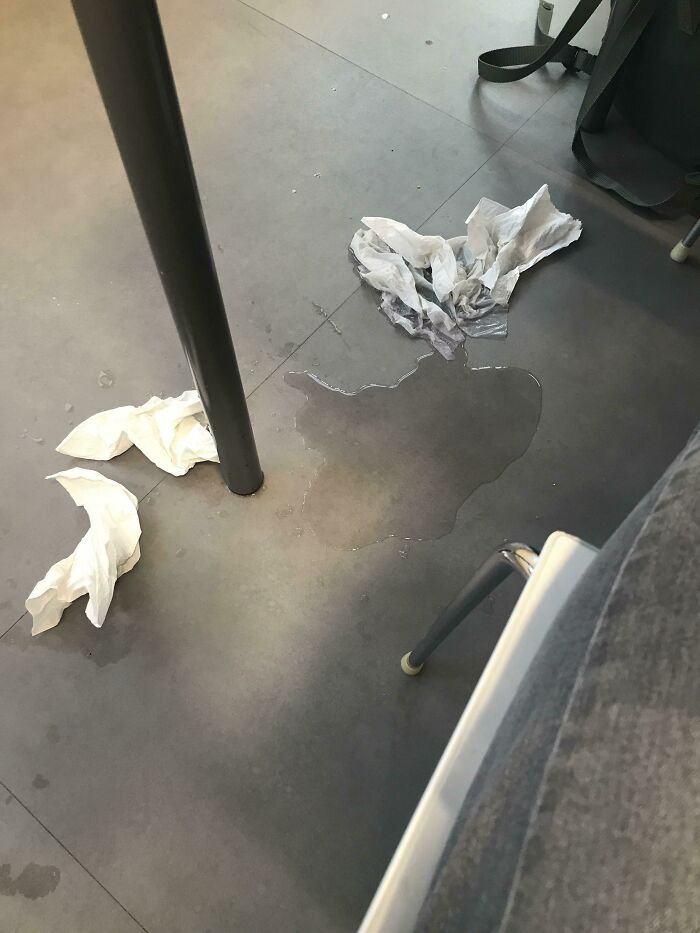
It dripped straight through the floor to a downstairs carpet over beams and she took 2 hours to clean herself after I dried her off and she looks so grumpy
Basic math also explains why mistakes are practically inevitable. The more moving parts a situation has, the higher the chance that at least one detail will slip through the cracks.
If you send 100 emails, even the most careful person will likely make a small typo in at least one of them. When you multiply those odds across a busy workday, a mistake becomes almost guaranteed.

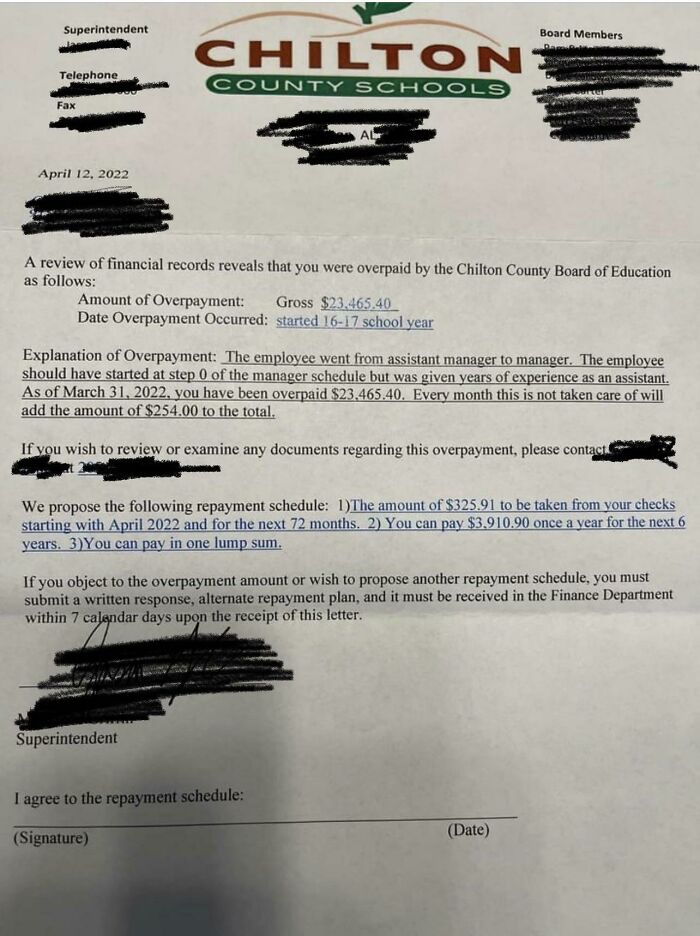
They went to court. She was not required to pay it back. Thank goodness!!!
Many disasters also happen simply because we fail to plan for the unexpected. Murphy’s Law then becomes a reality check. It proves that without proper preparation, small oversights will naturally turn into major headaches.
Experts note that initial bad luck also triggers a spike in stress.
This stress impairs our focus and decision-making, which naturally leads to more accidental mistakes.

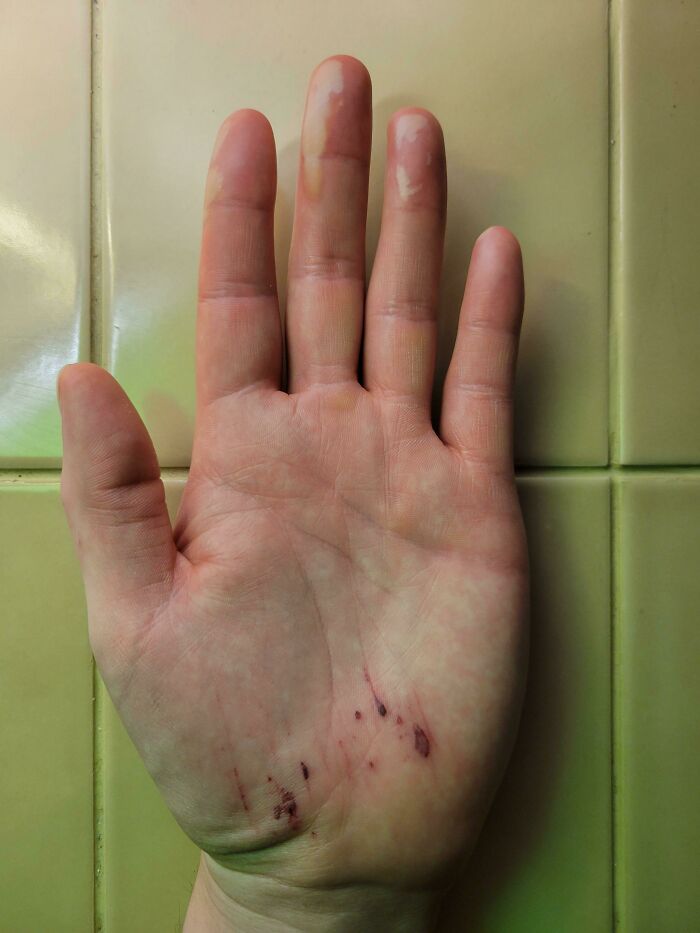
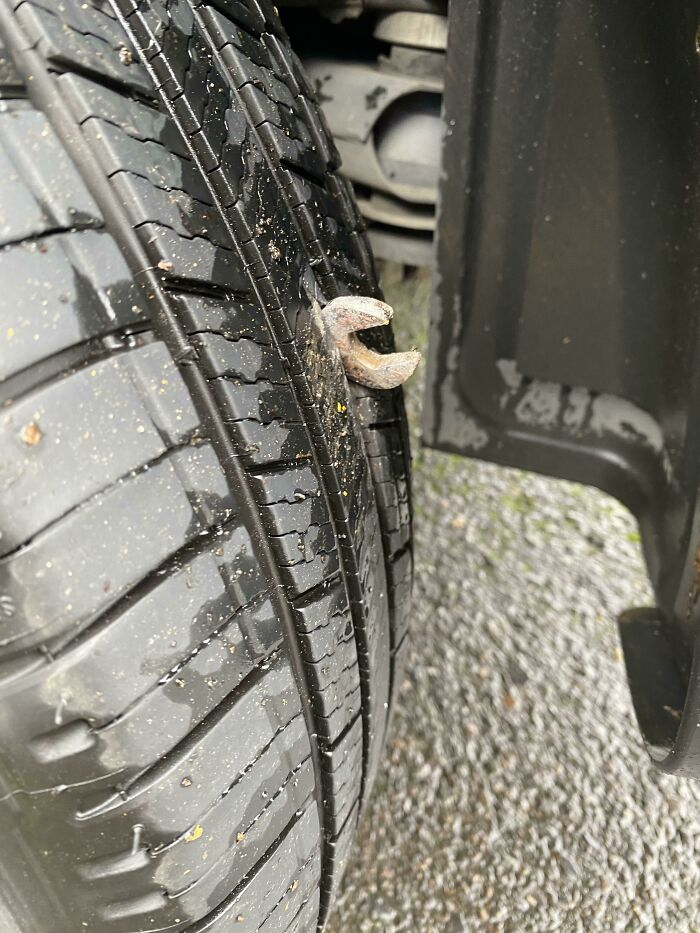
One time I bought a new set of tires for my car. I went about three miles down the road and got a huge screwdriver stuck through one of the tires. I did get the tire replaced for free, but dealing with it was a bit of a hassle.
If stress is one of the factors responsible for turning one slip-up into a full chain reaction, it’s worth asking just how often people are dealing with that chain reaction in the first place.
The average American experiences 60 bad days per year, according to a survey by the fitness app Freeletics.
It found that work was the biggest culprit, with people blaming their job for four of the five bad days they have every month. When looking at specific triggers, poor sleep took the top spot. About 67% of respondents said not getting enough sleep made their day terrible.
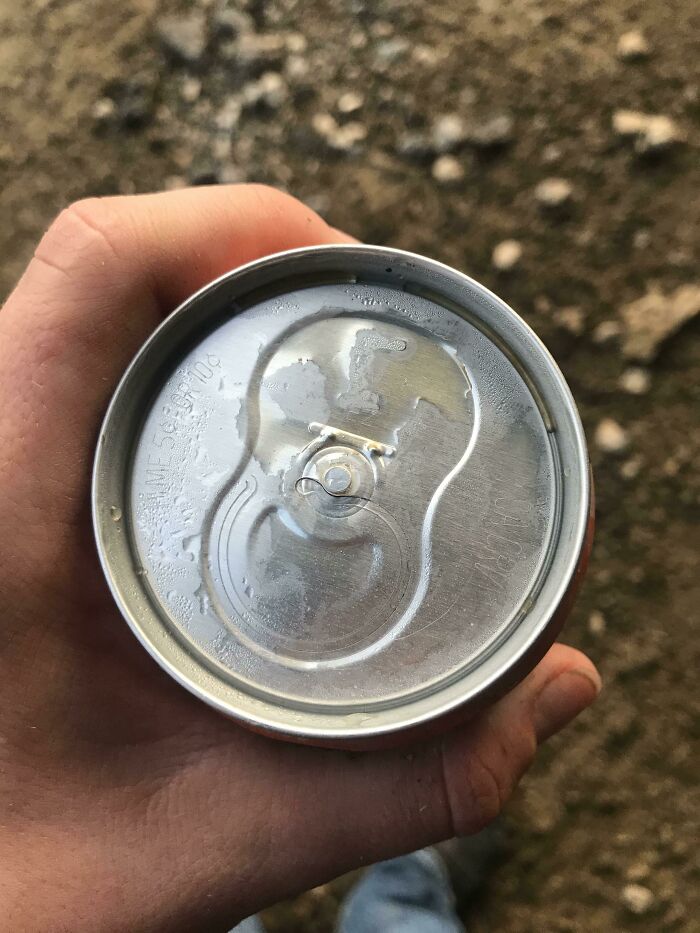
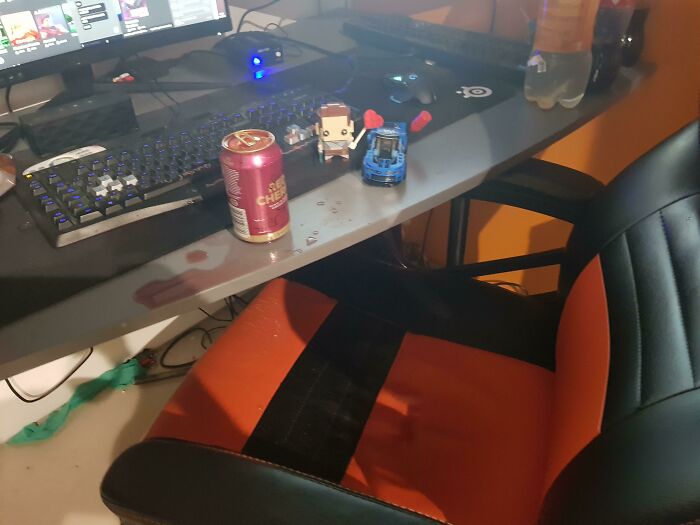
Hold the can *very* firmly / tightly with one hand. With the other hand, take a big flat-blade screwdriver and lay the blade flat on the top of the can, right at where the metal is scored to pop open. Press the screwdriver blade down, slowly but forcefully. You should be able to pop the can open like the tab would.
While we can’t always control a sudden wave of bad luck, we can certainly control how we react to the situation.
Exercise turns out to be one of the best ways to turn a terrible day around.
A survey found that among people who exercise two to three times a week, 46% say it relieves stress. For those working out four to five times a week, that number jumps to 64%
Overall, 95% of respondents said exercising after a bad day instantly makes them feel better.
“Any form of exercise can help to relieve stress and frustration: it leads to an increased level of some hormones, dopamine, serotonin and endorphins in the body. These, in turn, contribute to the feeling of happiness and a reduced level of the stress hormone cortisol," says John-Francis Kennedy, a training specialist at Freeletics.
Exercise isn’t the only shortcut to feeling better. Sometimes, all it takes is looking at someone else’s terrible day.
Science fully supports why lists like these are so satisfying.
In the 1950s, psychologist Leon Festinger introduced the social comparison theory, which explains that we naturally evaluate our lives by comparing ourselves to others.
When we see someone who is clearly worse off, our self-esteem gets an instant boost. This kind of comparison sometimes helps people process and cope with their own personal failures.
There is also the phenomenon of schadenfreude. It means finding harmless amusement in someone else’s minor misfortune. Studies show that watching everyday mishaps releases mental tension without any real malice.
At the end of the day, no one is immune to bad luck. But sharing our misfortune with the world reminds us that we are never alone in the chaos.
Every time someone shares a flooded kitchen, a ruined couch, or a melted gadget, others can relate, offer a little sympathy, or just help find the humor in it. This shared solidarity is what turns a private disaster into a communal one.
So the next time your day spirals out of control, snap a photo and remember that today’s disaster might just be tomorrow’s favorite story. After all, if you can’t stop the chaos, you might as well give the internet something to laugh about with you.

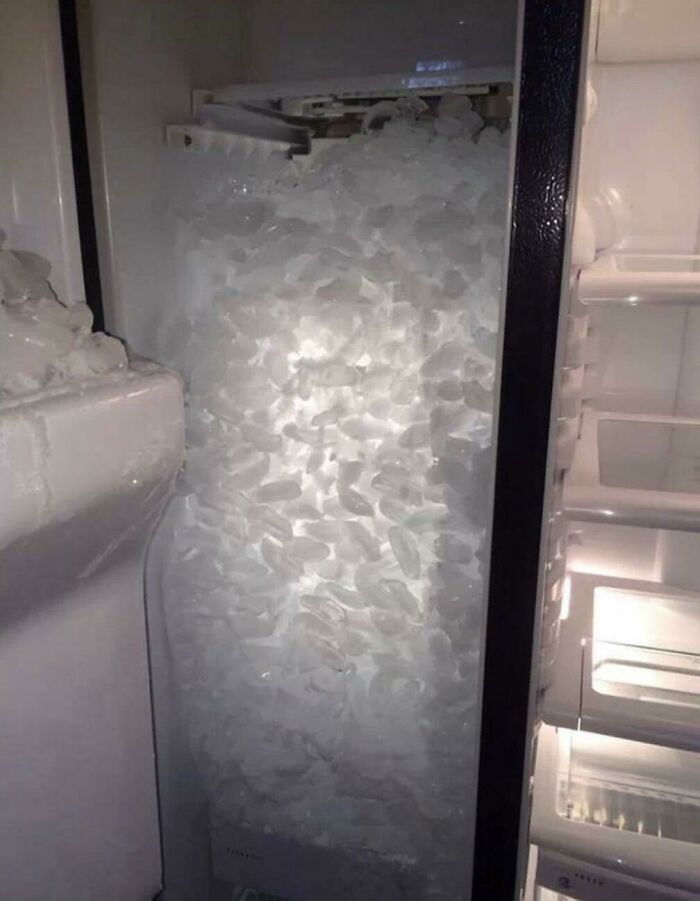
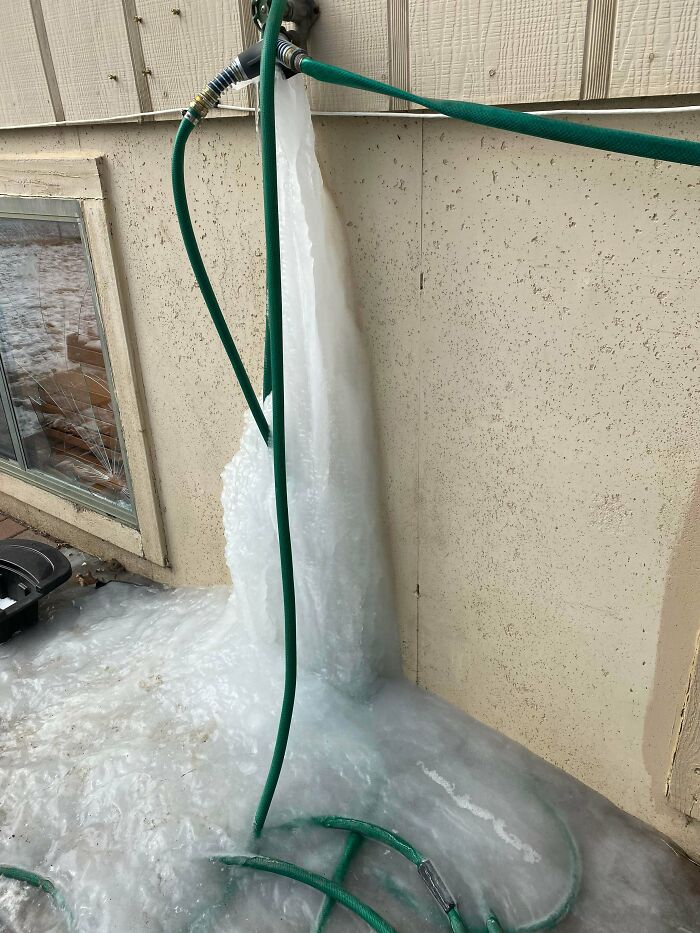
you should have a shut off for that spigot. Needs to be bled and shut off every year before the temps drop too far
In December 2020, Carrot, a white tail buck, was found in Kenora, Ontario, Canada, with the crossbow bolt through the back of his neck. Despite this, he continued visiting residents for food, seemingly unfazed. Wildlife Conservation Officers were able to tranquilise Carrot, cut the bolt close to his head and remove both pieces easily. Carrot made a full recovery, and continued visiting people until his passing in March this year.
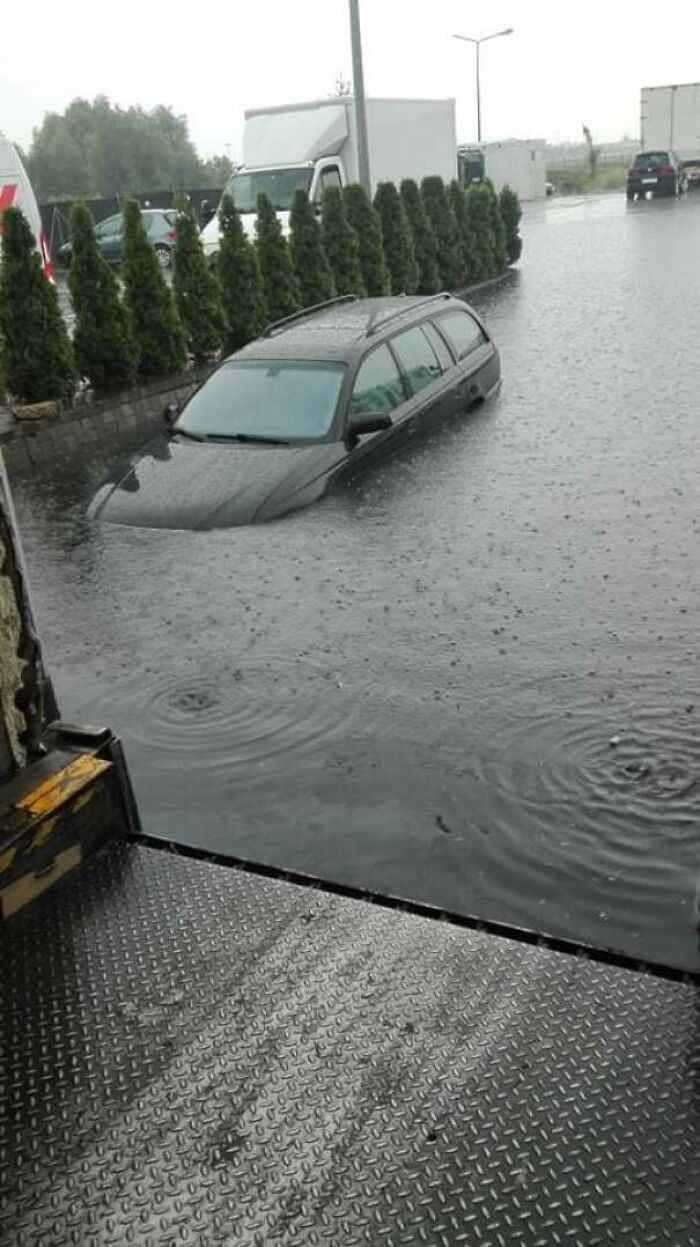
Yup. Annoying, but it *is* part of nature. If you weren't pressed for time, I hope you waited and contemplated things and watched the fog slowly dissipate.

There's a company in the UK that does puzzle piece replacements, you'll need a high quality print of the overall picture and the surrounding pieces.

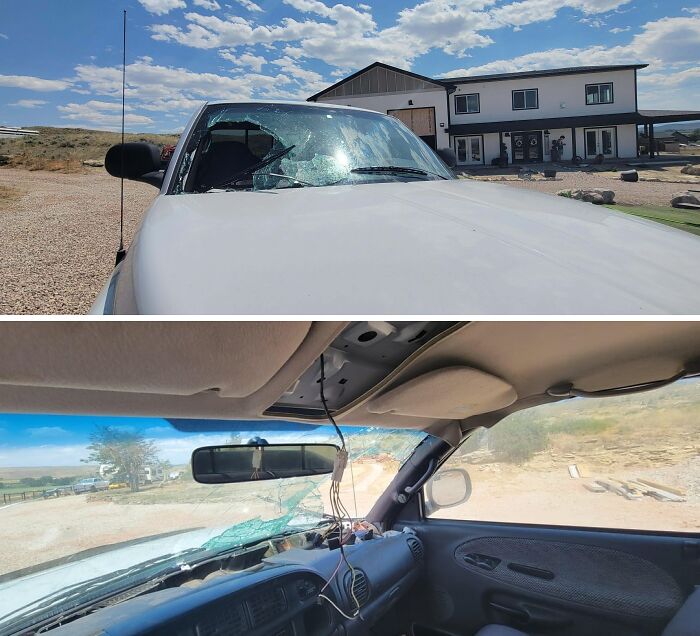
Get a dashcam. You'll have the license plate and with luck the face of that a*****e.

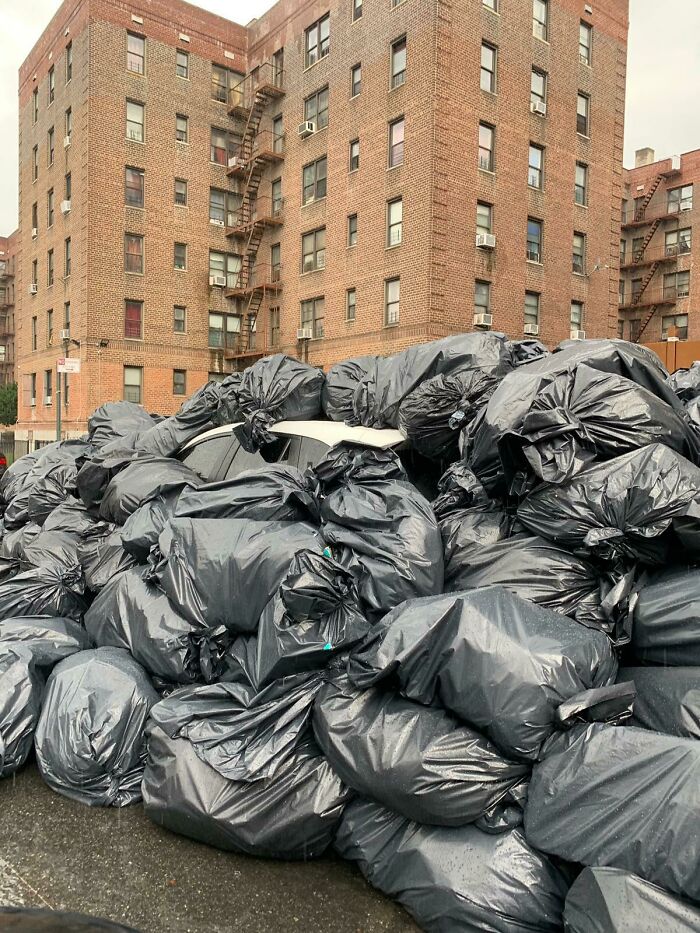
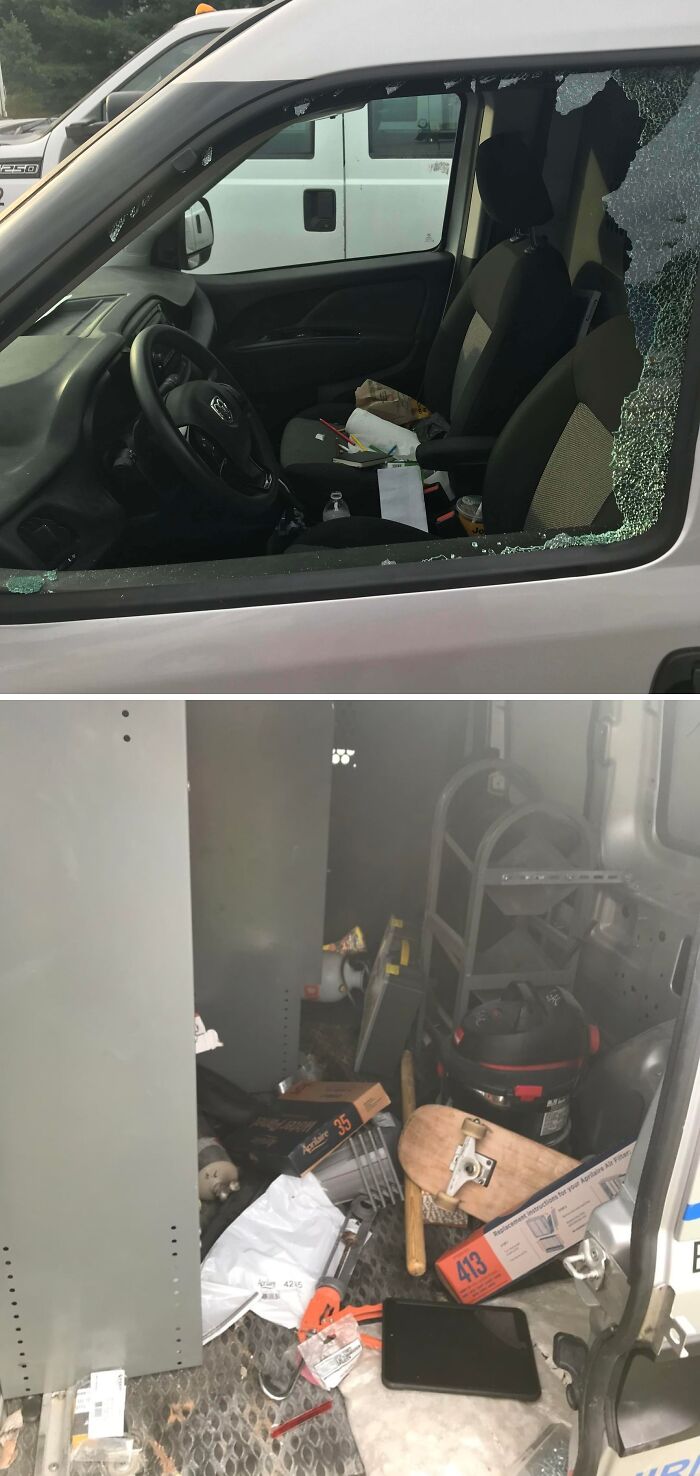
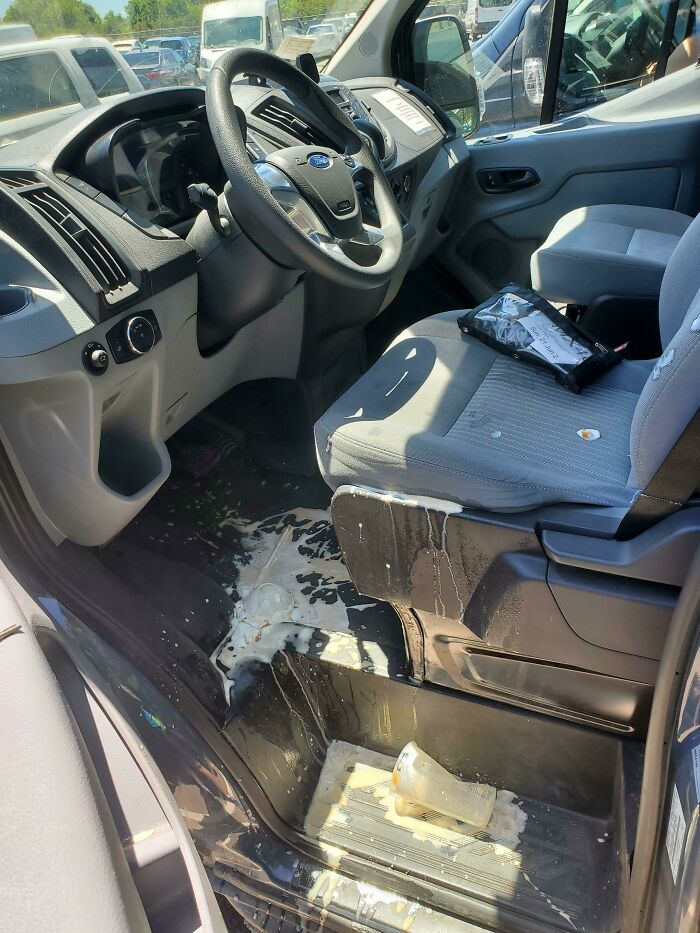
In a very similar vehicle I had a gallon of red paint tip over on a speed bump during a rainstorm and the mess appeared as a horrifying crime scene spilling across the parking lot.

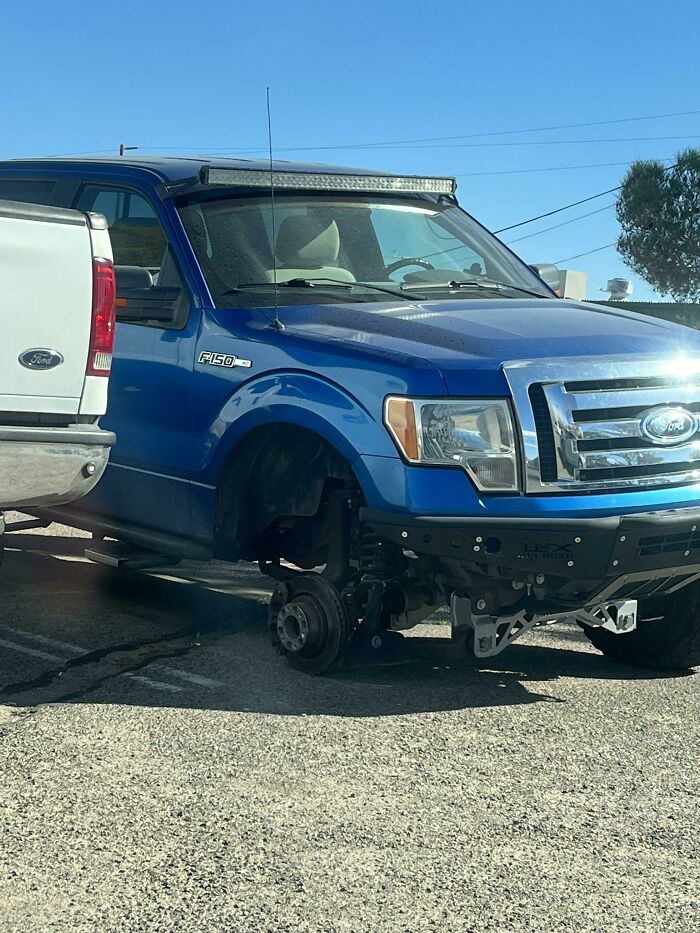
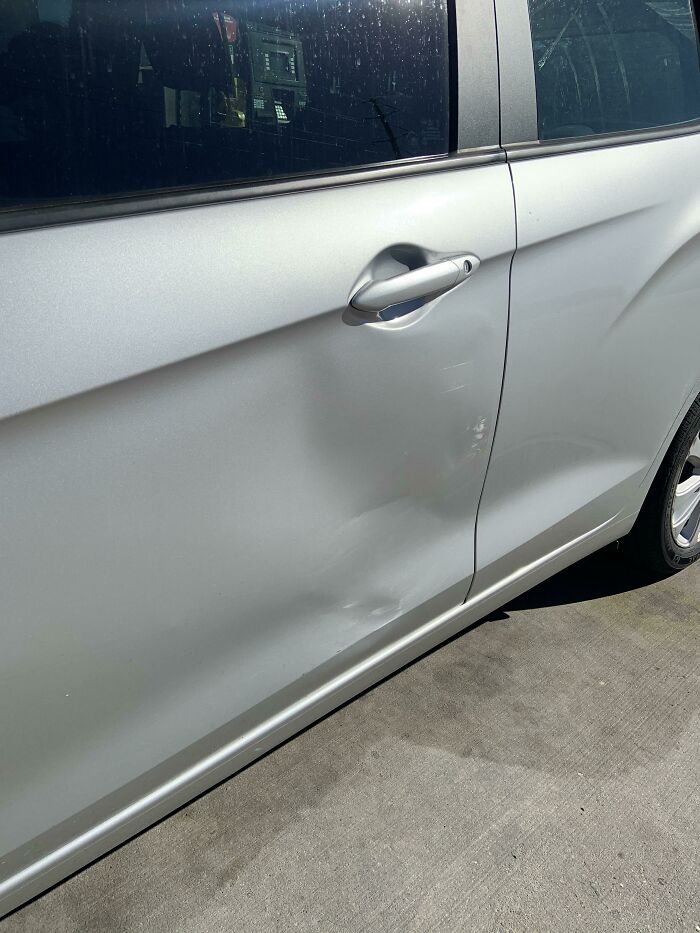
If the owners still have the evicted neighbors information, charge them for the repairs.

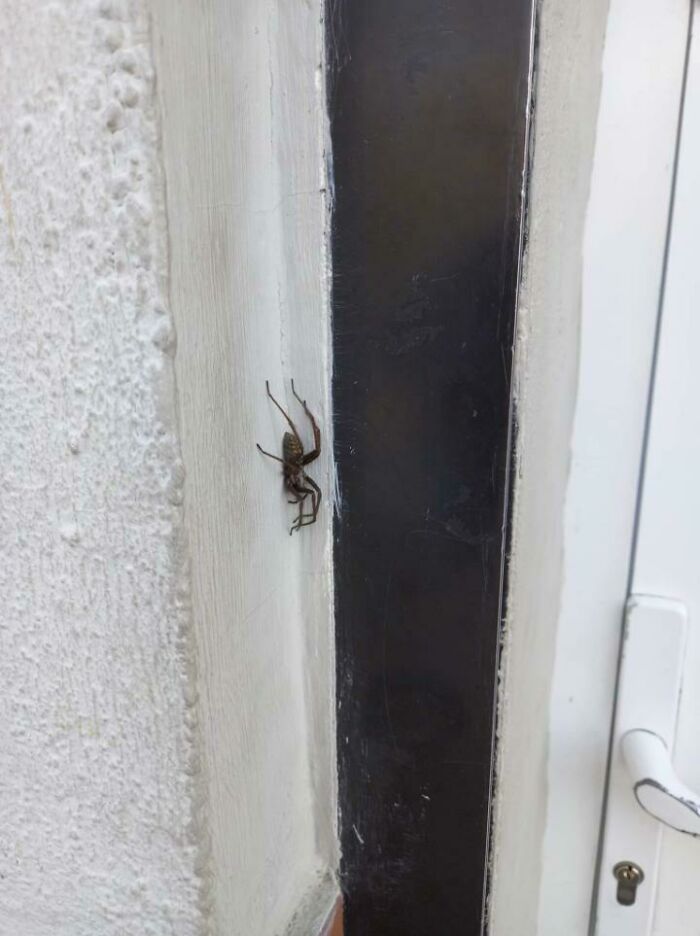
Why do I always think the spider is gonna jump on me when I walk past it?
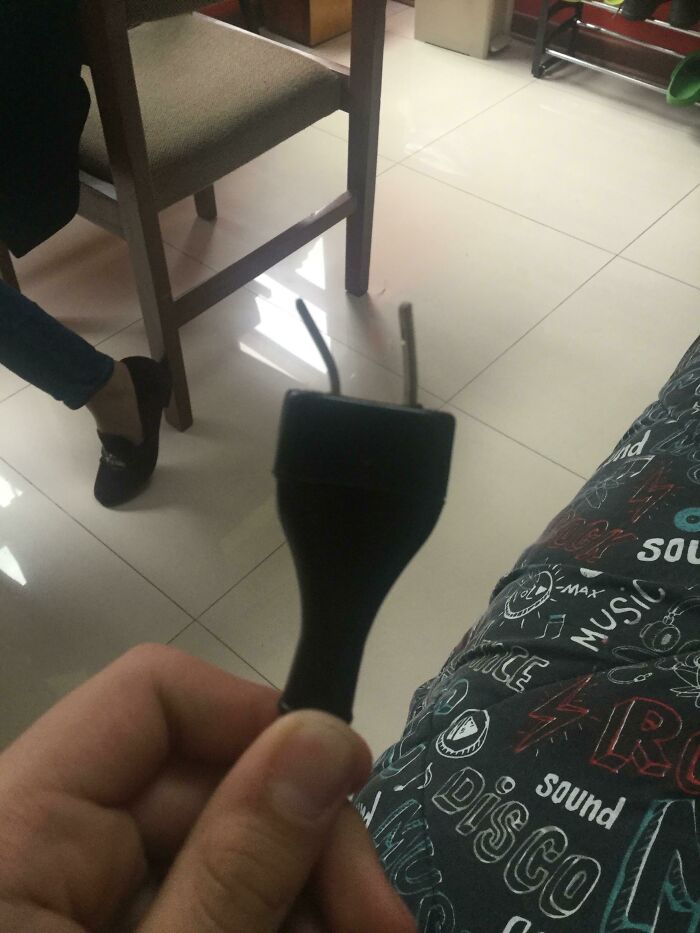
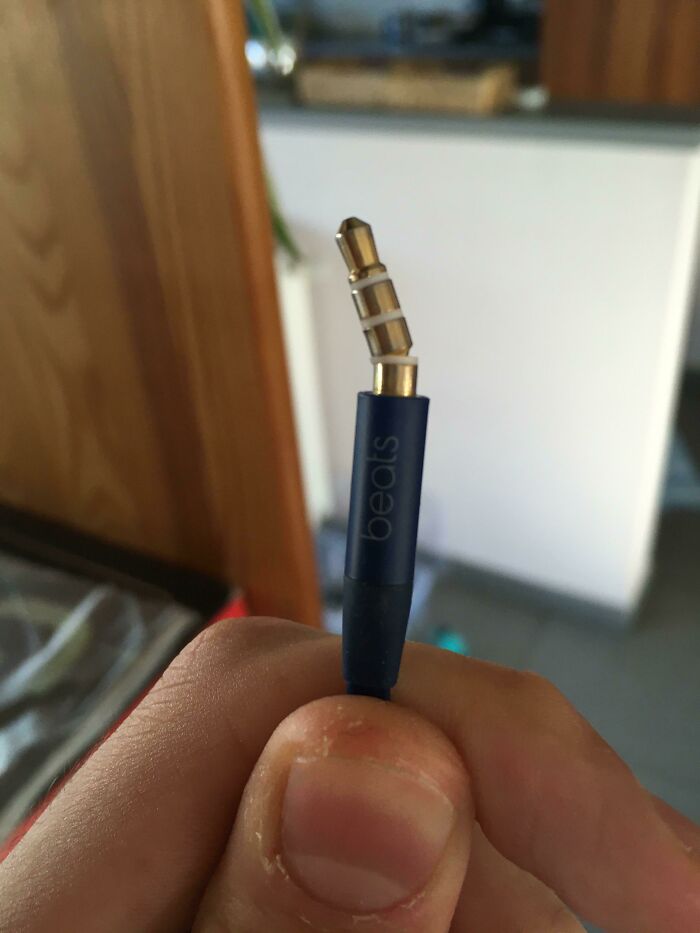
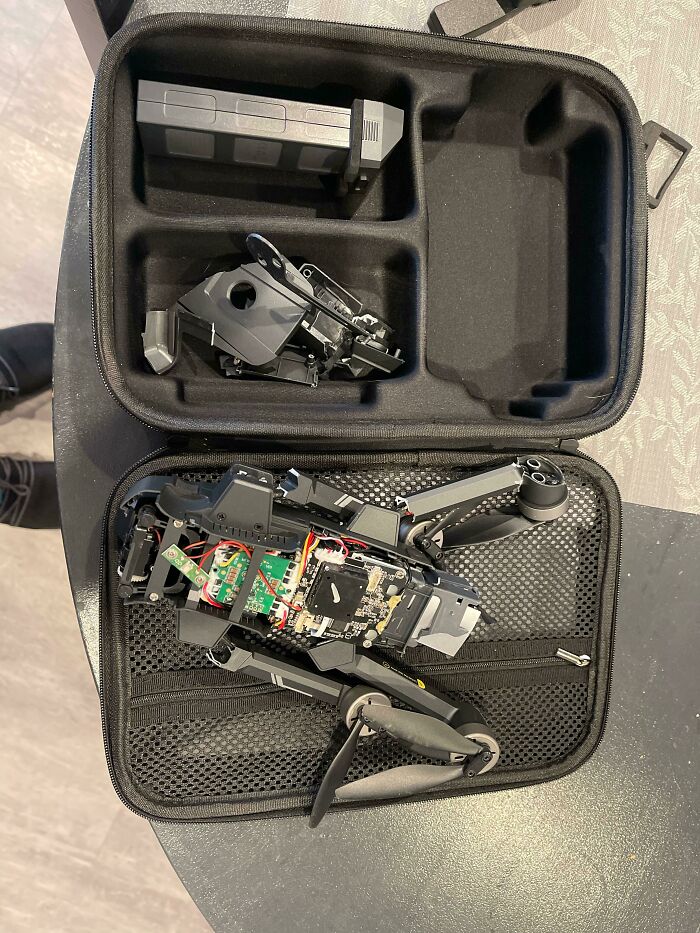
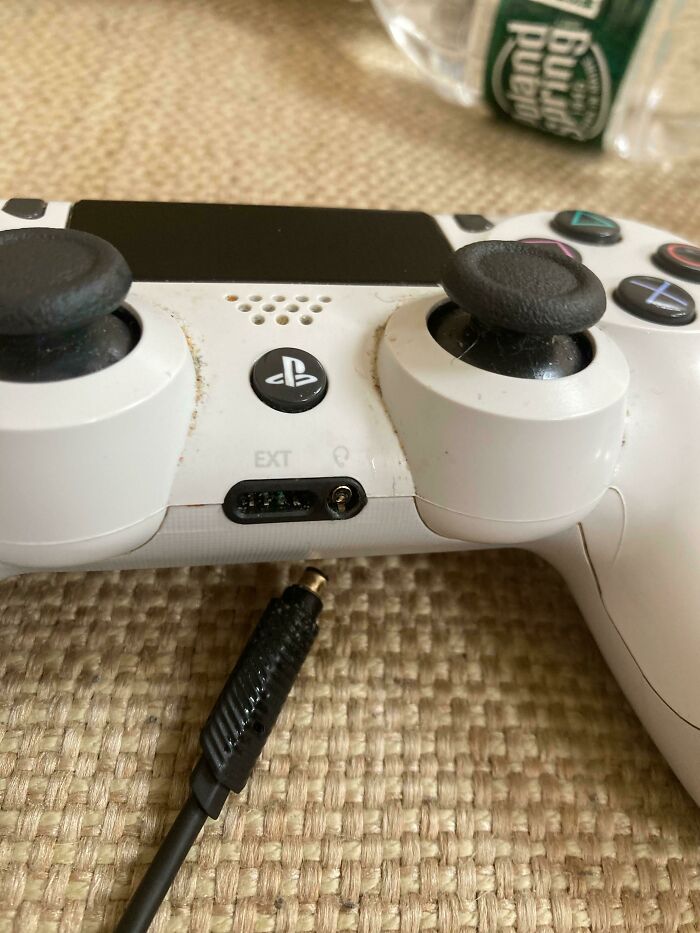
Side cutters, a replacement plug, wire strippers, soldering iron and solder, heat-shrink tubing, and a little time and skill. This is repairable. Might not look as pretty, but you'd have a well earned feeling of accomplishment.
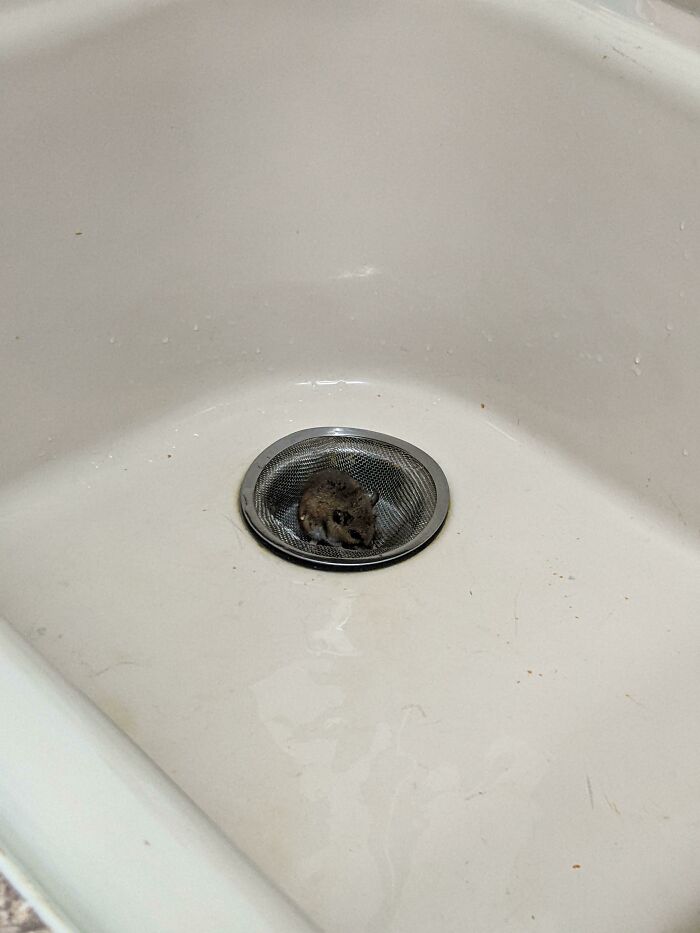
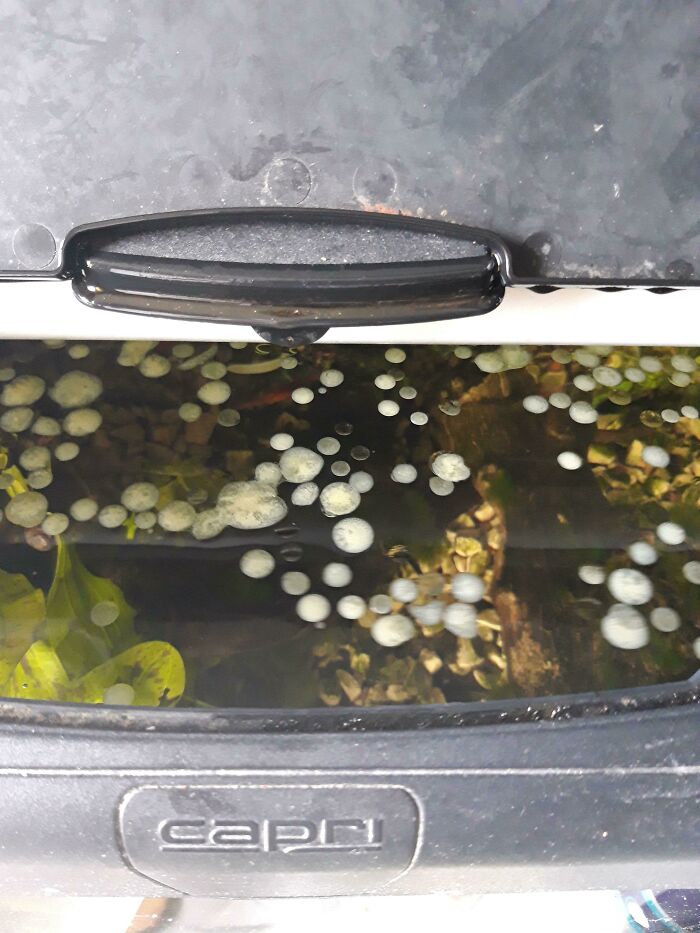
A few weeks ago I went to pour a glass of milk for myself and it started to curdle. I dumped it down the drain. Fortunately the gallon jug was nearly empty so I didn't waste much milk.
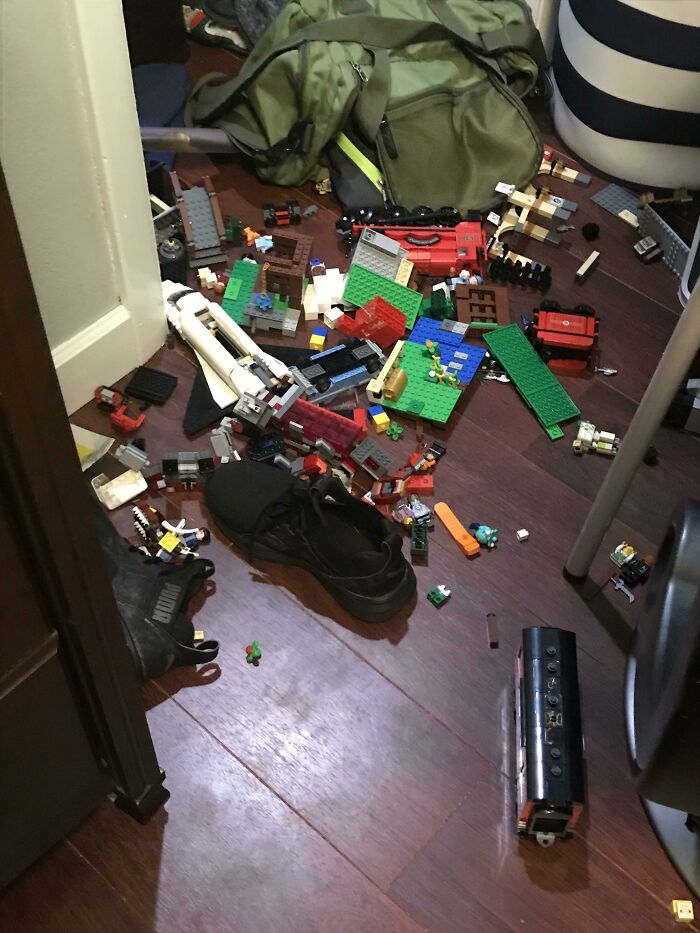
Rebuild the table leg with Lego. ("Better ... stronger... faster..." Cue sound effects)


I must be developing schadenfreude. I can't help smiling as I see people destroy things that I've never been able to afford.


And there you are, looking at those photos 🤷♀️
Load More Replies... I must be developing schadenfreude. I can't help smiling as I see people destroy things that I've never been able to afford.
And there you are, looking at those photos 🤷♀️
Load More Replies...

























 No fees, cancel anytime