Get Premium
Dark mode theme is available exclusively for premium users. Learn more about the benefits of subscribing.
No fees, cancel anytime.

 Dark Mode Ad-Free Browsing Unlimited Content
 Ad-Free Browsing Unlimited Content Dark Mode
Join 1.2 million Panda readers who get the best art, memes, and fun stories every week!

Two astronauts who spent nearly 300 days in space are finally opening up about the struggles they’ve been facing as they adjust to life on Earth again.
Butch Wilmore and Sunita Williams took off on June 5, 2024, aboard the Starliner, on what was supposed to be an eight-day trip.
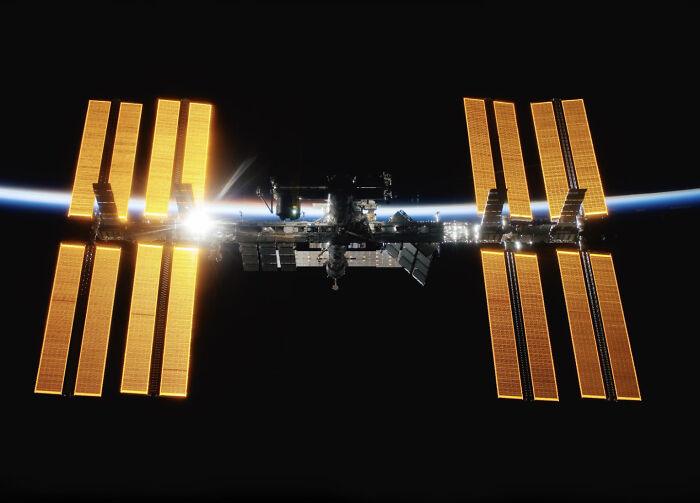
However, BBC reported their vessel began to encounter helium leaks, resulting in the breakdown of the thrusters. As a result, the pair was stranded for 286 days on the International Space Station (ISS) — without any overtime pay for it.
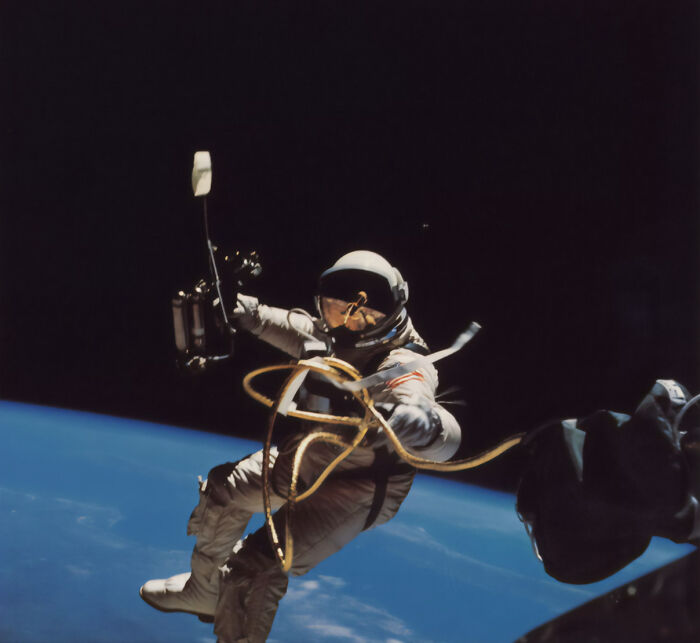
Image credits: The New York Public Library / Unsplash
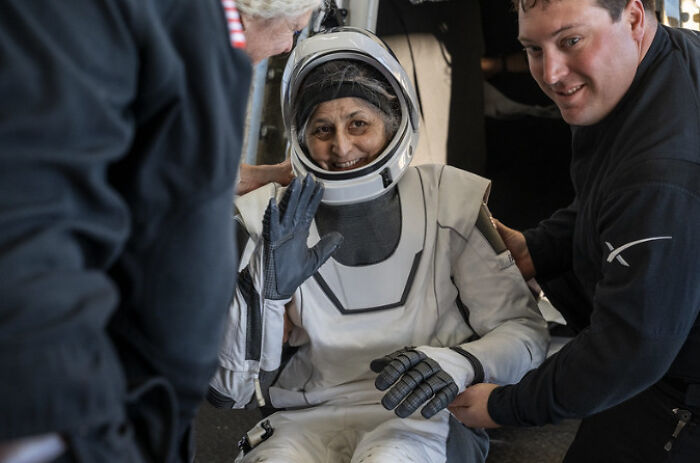
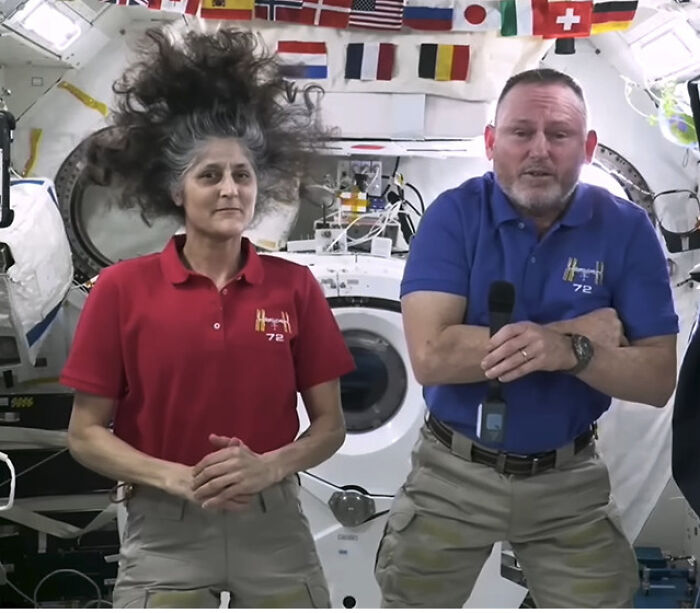
While trapped in space, experts immediately chimed in to discuss how the harrowing environment they were in could have an effect on their health, with a particular focus on Williams. Many deemed she looked frail and “gaunt,” clueing people into her grayer hair and deeper wrinkles.
“I don’t think people realize that you need gravity to exercise your muscles, and if you don’t have gravity, your muscles have nothing to have resistance against,” shared Dr. Vinay Gupta, a pulmonologist and Air Force veteran.
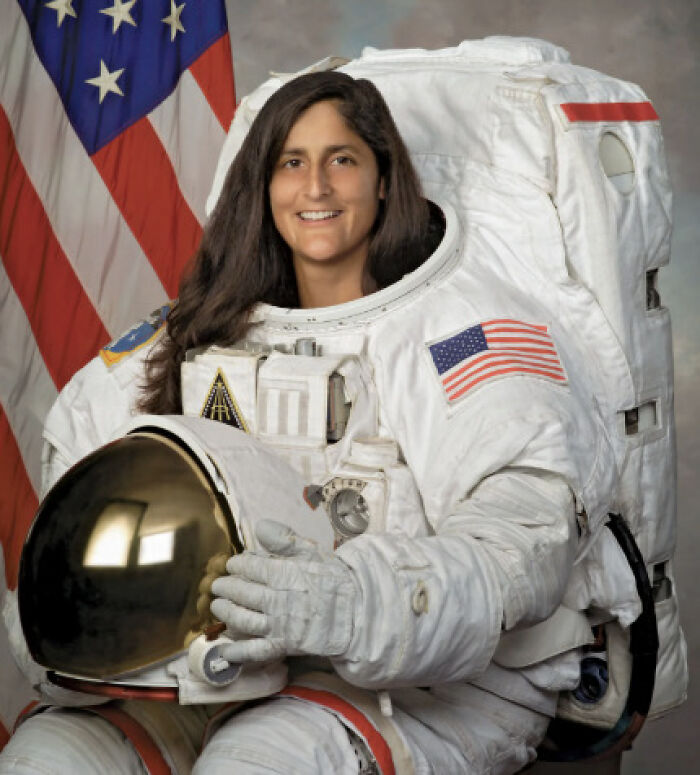
Image credits: NASA / Keegan Barber
As Bored Panda previously reported, muscular atrophy — the wasting and thinning of muscle mass, may then lead to being more prone to fractures from simple and minor movements, reducing mobility.
Unsurprisingly, being forced to stay away from home for such a long period of time took an emotional toll as well. Missing holidays and having that time apart from their families was the hardest part for Wilmore and Williams.
Image credits: NASA
Now that the astronauts have been home for two months, the two shared the problems they’ve been dealing with since being rushed to the hospital as they touched down in March.
Wilmore shared that he’s been struggling with back pain for the past two months, saying, “Gravity stinks for a period, and that period varies for different people.”
These problems were evident the moment their capsule re-entered the Earth’s atmosphere.
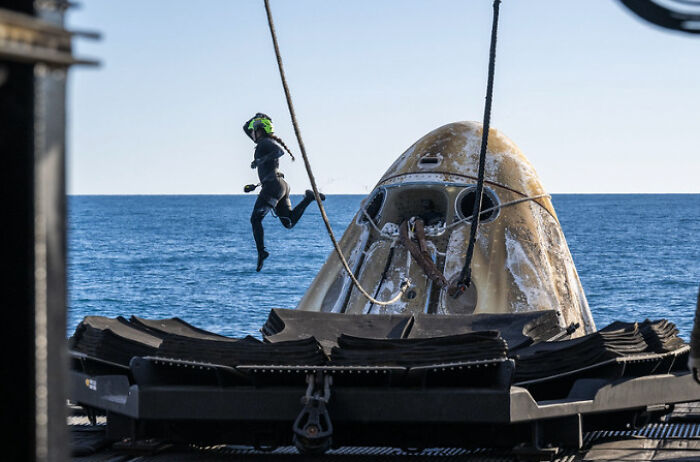
“We’re still floating in the capsule in the ocean, and my neck starts hurting, while we still haven’t even been extracted yet,” he said. “I still got a little twinge in one point in my back after a couple of months.”
Image credits: NASA / Keegan Barber
Image credits: New York Times Podcasts
And for Williams, it’s “been a little bit of a whirlwind.”
“I knew we were going to get home at some point in time,” she told WFAA during a NASA welcome home celebration that took place last week. “We just got to wait for the right ride and make sure everybody’s all good with that and we’ll get home.”
Image credits: NASA / Unsplash
Adjusting to her regular sleep schedule has been a difficult task for the 59-year-old, as well, especially since her usual habits involve waking up at 4am.
The road to normalcy isn’t linear, nor is it speedy. But both astronauts have slowly been working with NASA’s medical team to rebuild critical muscle mass, restore their balance in Earth’s gravity, and prevent further bone loss — all of which are serious issues that can occur from spending too much time in pace, where one’s muscles can turn to jelly.
Fortunately, Wilmore and Williams have completed their two-month rehabilitation program, and it seems as if they’re nearly back to full fitness — even if gravity still seems to be a relatively foreign concept.

By entering your email and clicking Subscribe, you're agreeing to let us send you customized marketing messages about us and our advertising partners. You are also agreeing to our Privacy Policy.
Thank you! You've successfully subscribed to newsletters!
1Kviews
Share on Facebook

Even though their muscle mass atrophied, it would be interesting to learn if zero G had any beneficial effect on their joints. For example if they had any osteoarthritis that was beginning did it improve with no gravity pressing on the joints?
Even though their muscle mass atrophied, it would be interesting to learn if zero G had any beneficial effect on their joints. For example if they had any osteoarthritis that was beginning did it improve with no gravity pressing on the joints?






























 No fees, cancel anytime















31
1