Get Premium
Dark mode theme is available exclusively for premium users. Learn more about the benefits of subscribing.
No fees, cancel anytime.

 Dark Mode Ad-Free Browsing Unlimited Content
 Ad-Free Browsing Unlimited Content Dark Mode
Join 1.2 million Panda readers who get the best art, memes, and fun stories every week!
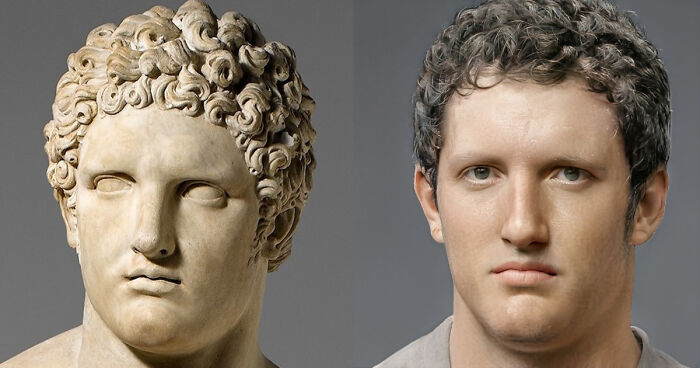
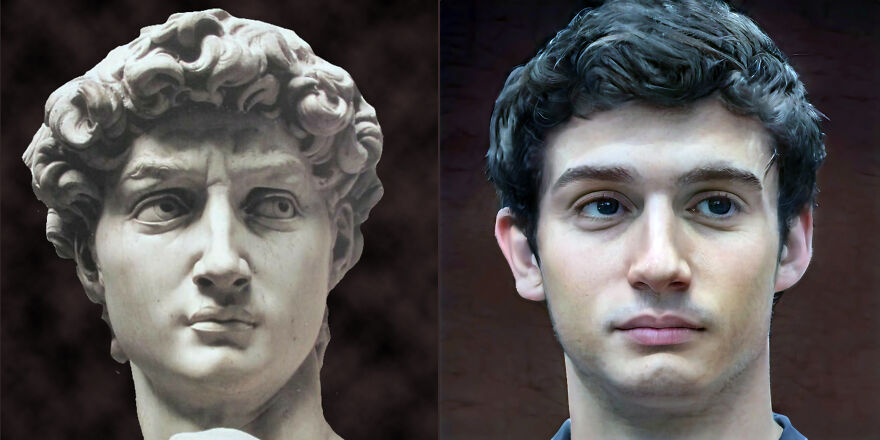
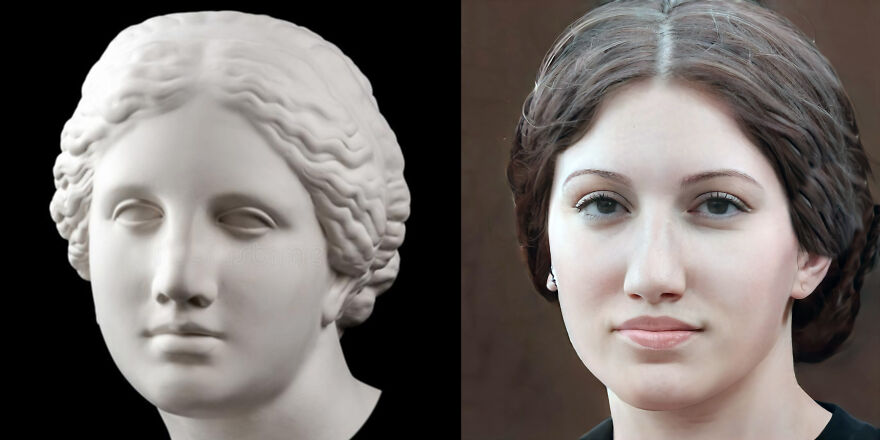
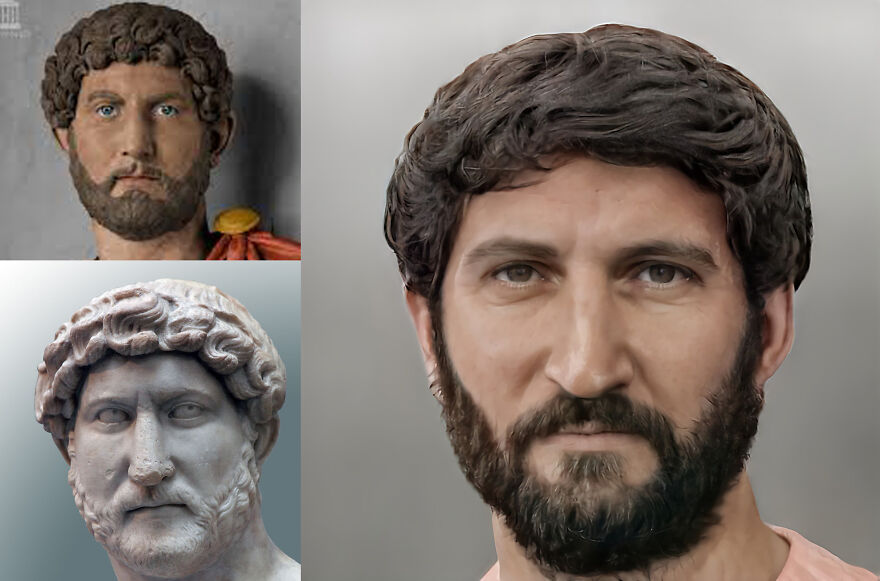
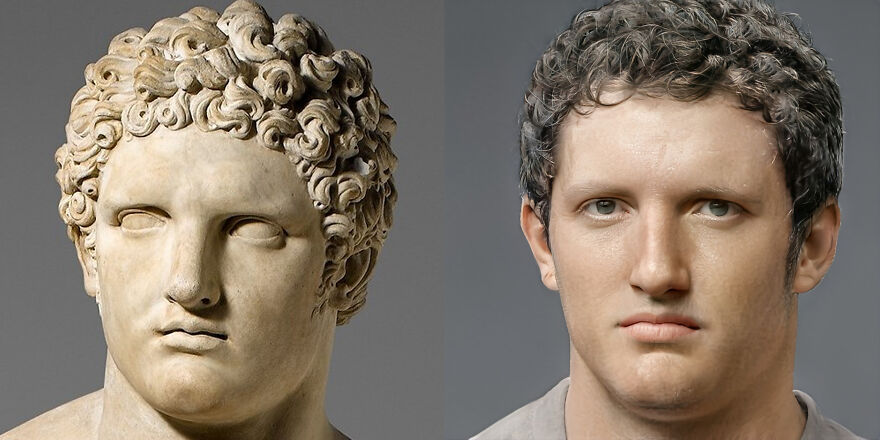
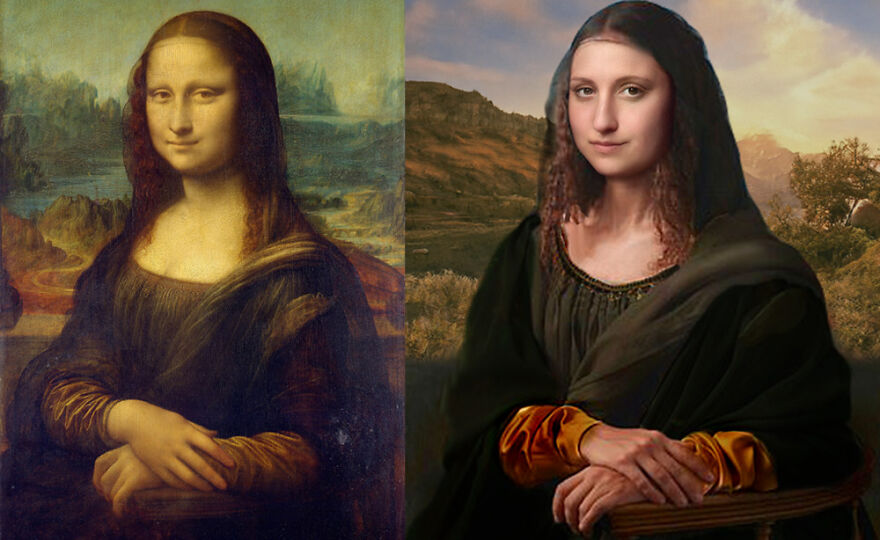
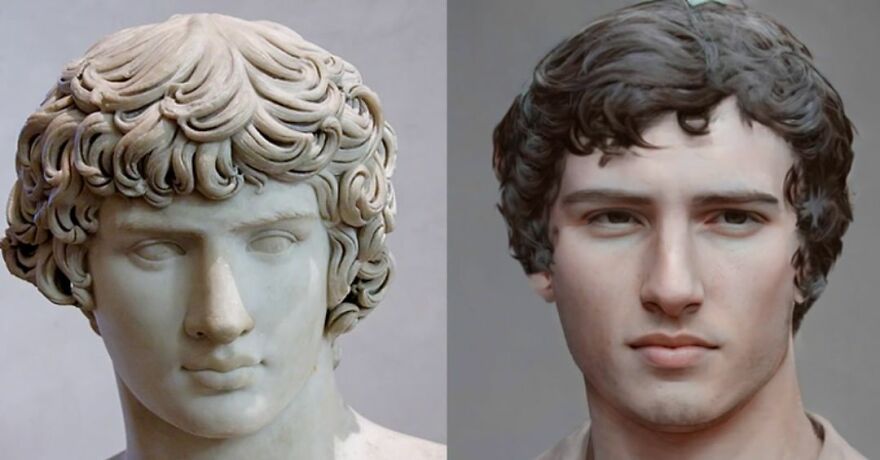
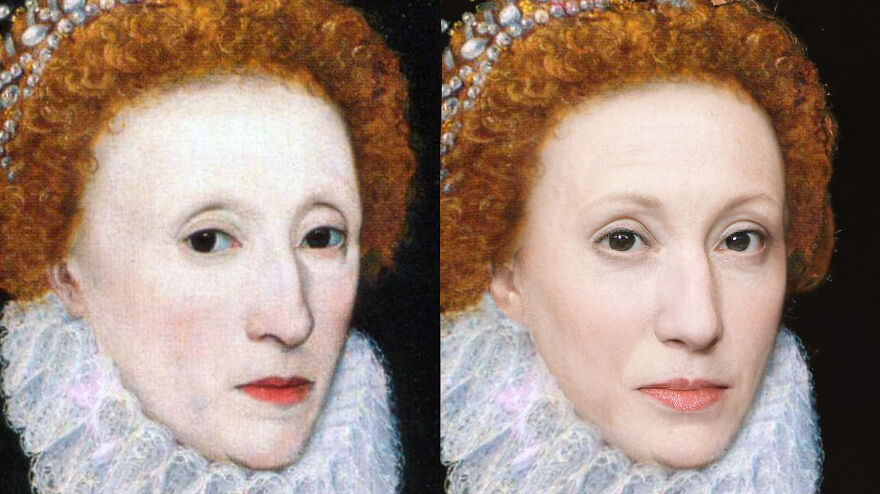
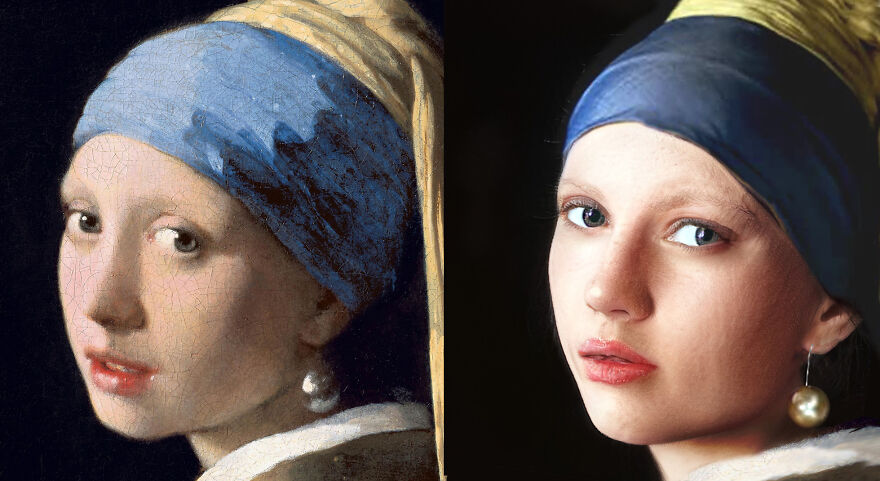
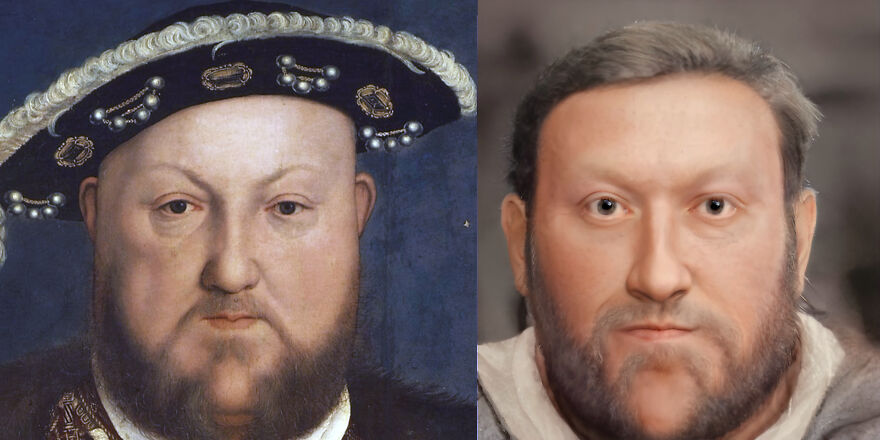
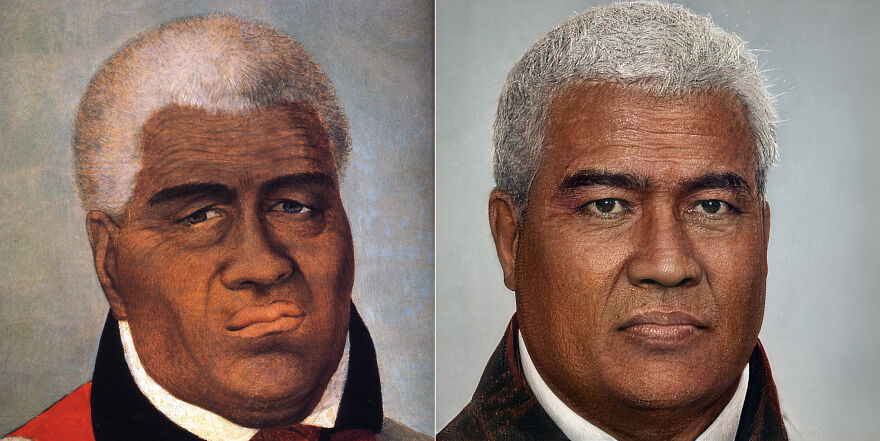
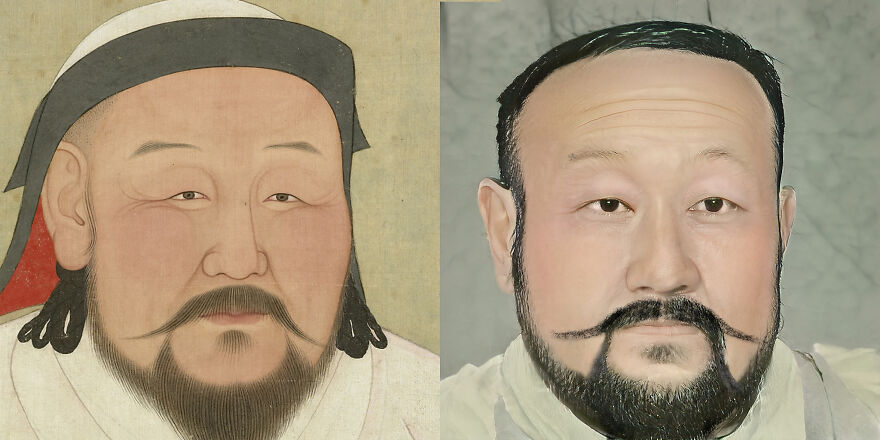
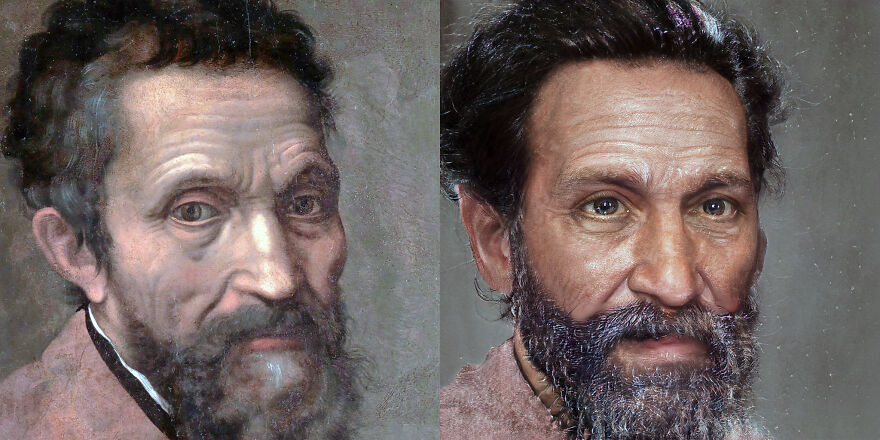
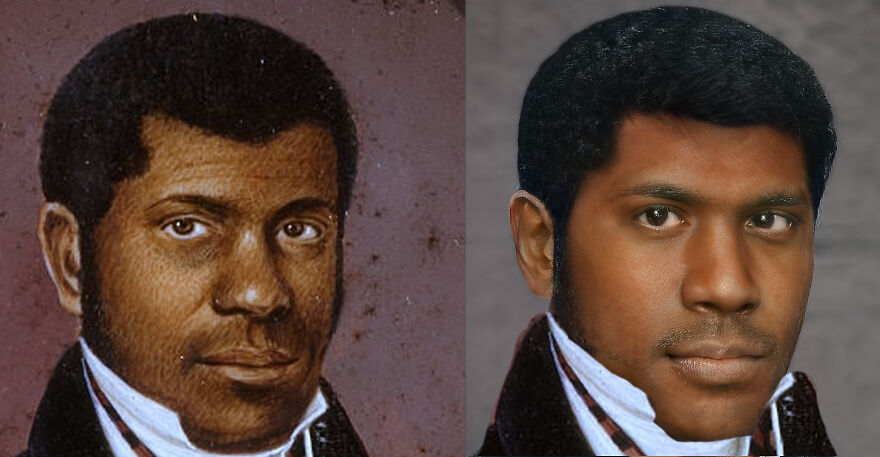
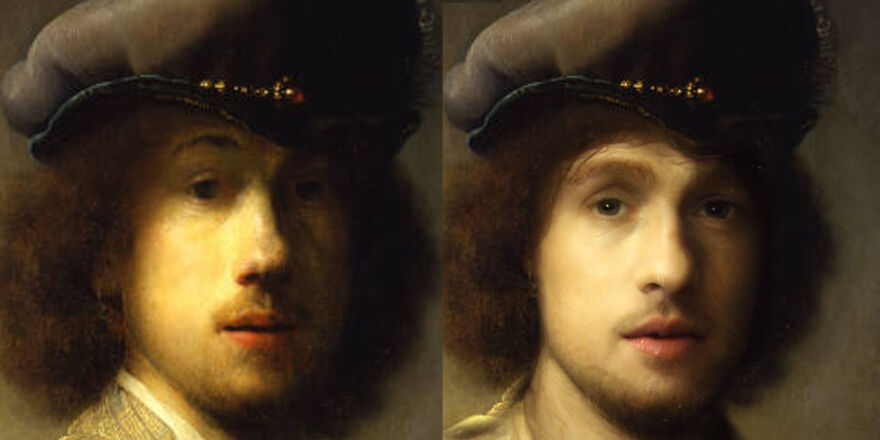
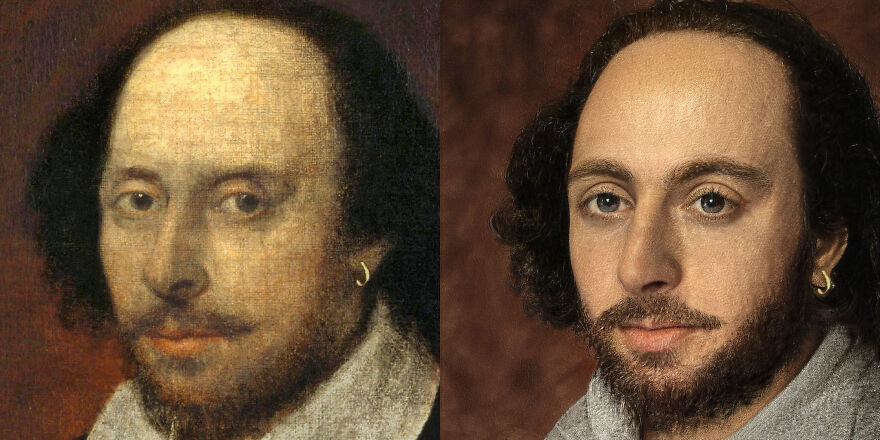
As a graphic artist and computer nerd, I enjoy testing out the juncture between art and science. Lately, I have been experimenting with applications of Generative Adversarial Network (GAN) based art and its ability to to generate images of people that go past the uncanny valley into the realm of the real. GANs are a class of machine learning frameworks in which two neural networks work against each other in a zero-sum game in which one agent’s gain is another agent’s loss: a “generative network” generates candidates that look “real” while a “discriminative network” evaluates the candidates and tries to figure out what is real and what was generated. The results are quite impressive. My work uses an implementation of StyleGAN (see A Style-Based Generator Architecture for Generative Adversarial Networks, https://arxiv.org/abs/1812.04948). I feed images of the statue, painting, or drawing that I want to reimagine as a “real” person into the software (I sometimes use multiple inputs and combine them), tweak the available parameters, and finally do post-processing work in Photoshop. The results below show you what is possible with this incredible technology. The left part of each image shows a famous statue or painting, with the right showing the results of my work. The “real” images give you an idea of what the model behind each work of art may have looked like in real life.
More info: Instagram
Antinous was a Bithynian Greek youth and a favorite beloved of the Roman emperor Hadrian.[1] After his premature death before his twentieth birthday, Antinous was deified on Hadrian’s orders, being worshipped in both the Greek East and Latin West, sometimes as a god (theos) and sometimes merely as a hero.
Pierre Toussaint (27 June 1766 – June 30, 1853) was a Haitian-American hairdresser, philanthropist, and former slave brought to New York City by his owners in 1787. Freed in 1807 after the death of his mistress, Pierre took the surname of “Toussaint” in honor of the hero of the Haitian Revolution which established that nation. In 1996, he was declared “Venerable” by Pope John Paul II.























 No fees, cancel anytime






1
0