Get Premium
Dark mode theme is available exclusively for premium users. Learn more about the benefits of subscribing.
No fees, cancel anytime.

 Dark Mode Ad-Free Browsing Unlimited Content
 Ad-Free Browsing Unlimited Content Dark Mode
Join 1.2 million Panda readers who get the best art, memes, and fun stories every week!
42submissions
1week left

The lessons of the past aren’t just written in history books and brittle, yellowing scrolls—they’re also worked into the art and architecture we appreciate, whether it’s in our beloved museums, protected sites in the Great Outdoors, or splendidly photographed and posted on our favorite social network.
It’s vital to know the past of your country and humanity as a whole because it helps grow your appreciation for just how civilization has changed over the millennia and who we as a society are in that historic context. This very same link to the past also provides a ton of insights into how aesthetics, and our understanding of it, evolved.
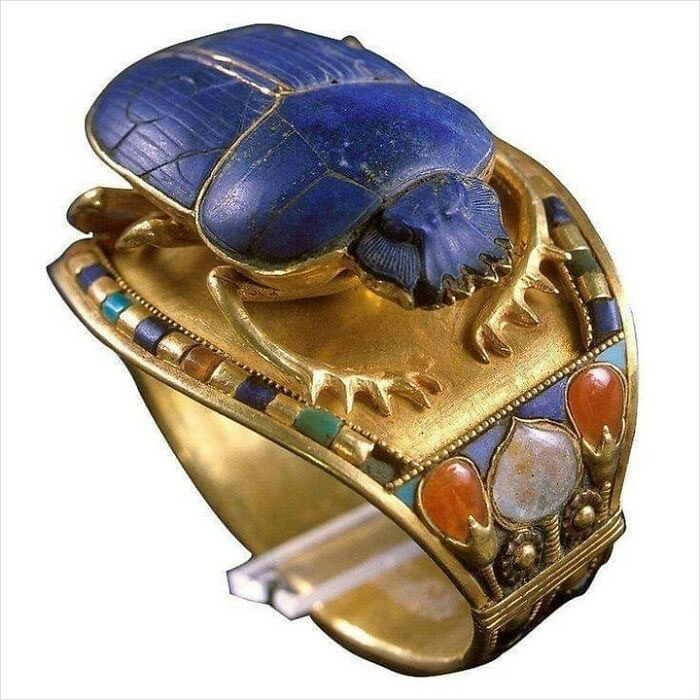
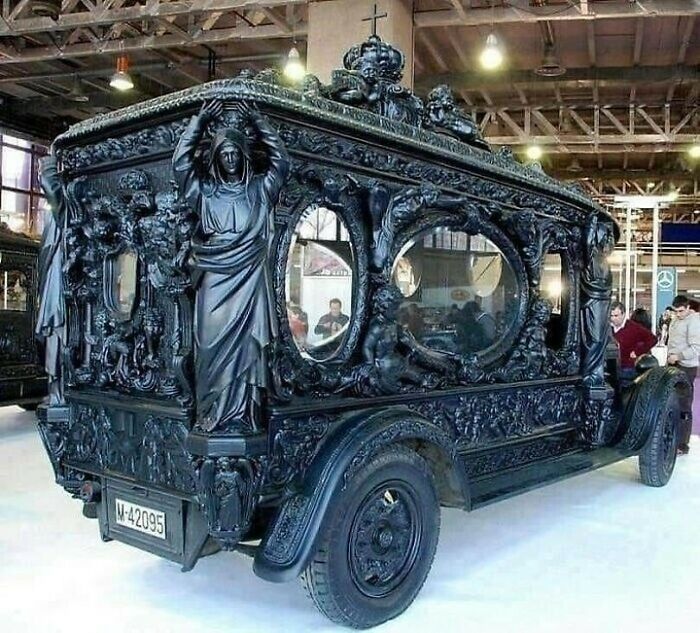
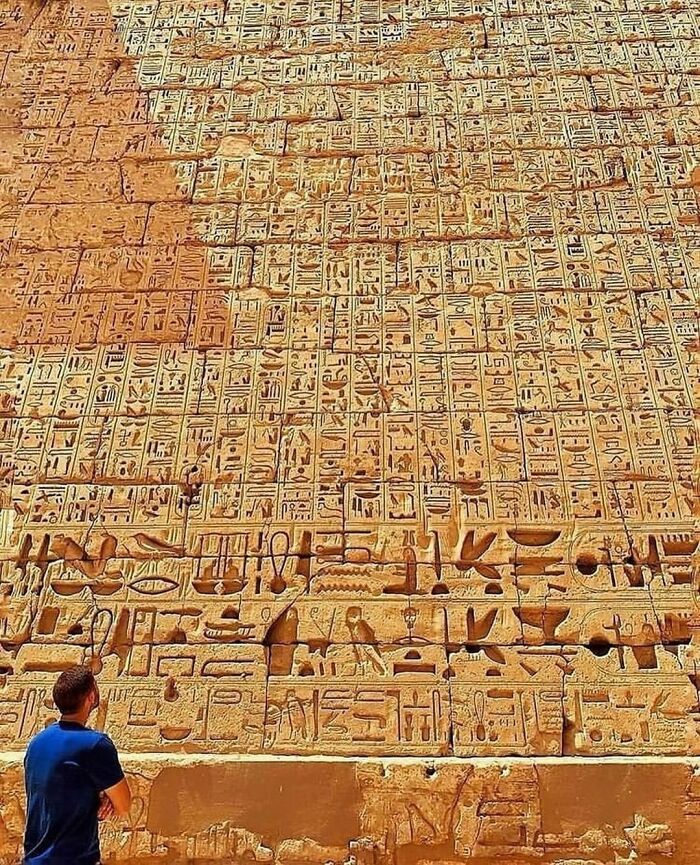
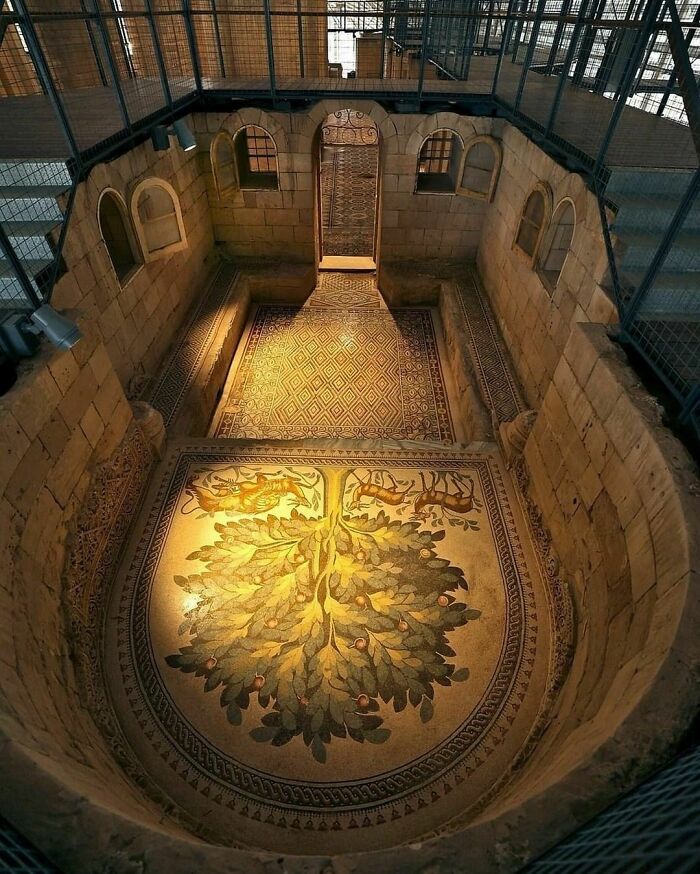
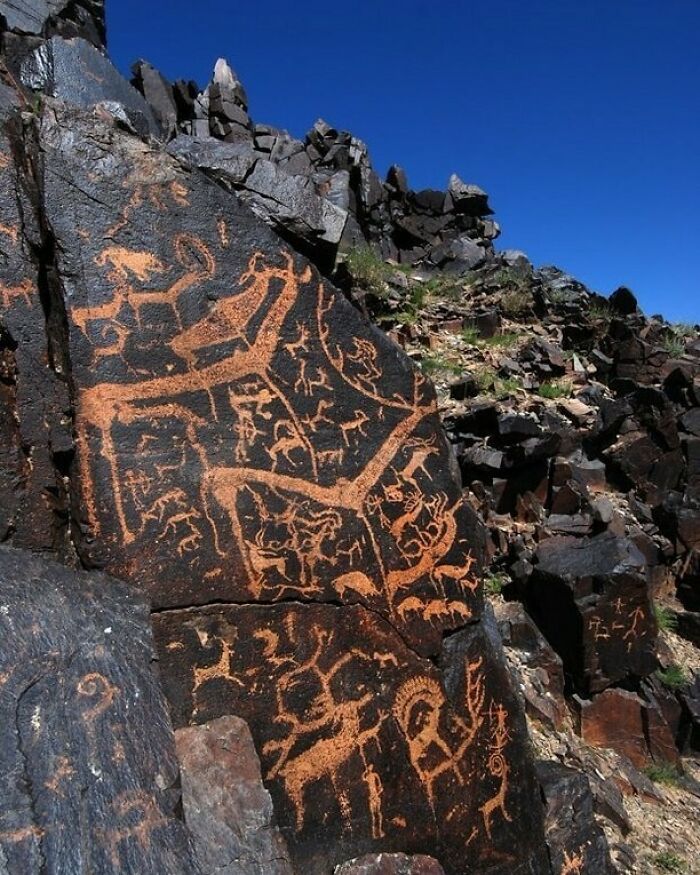
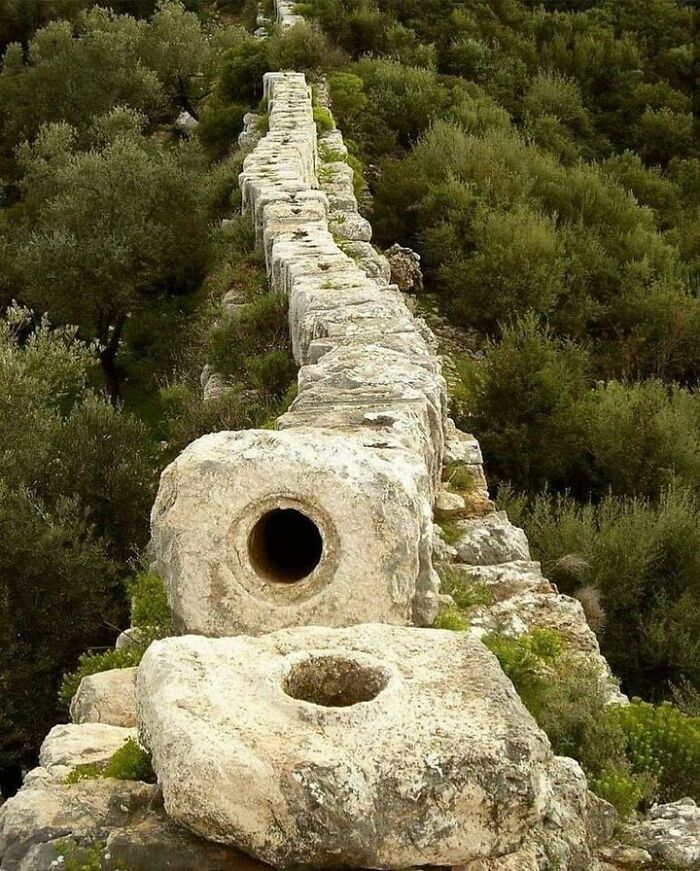
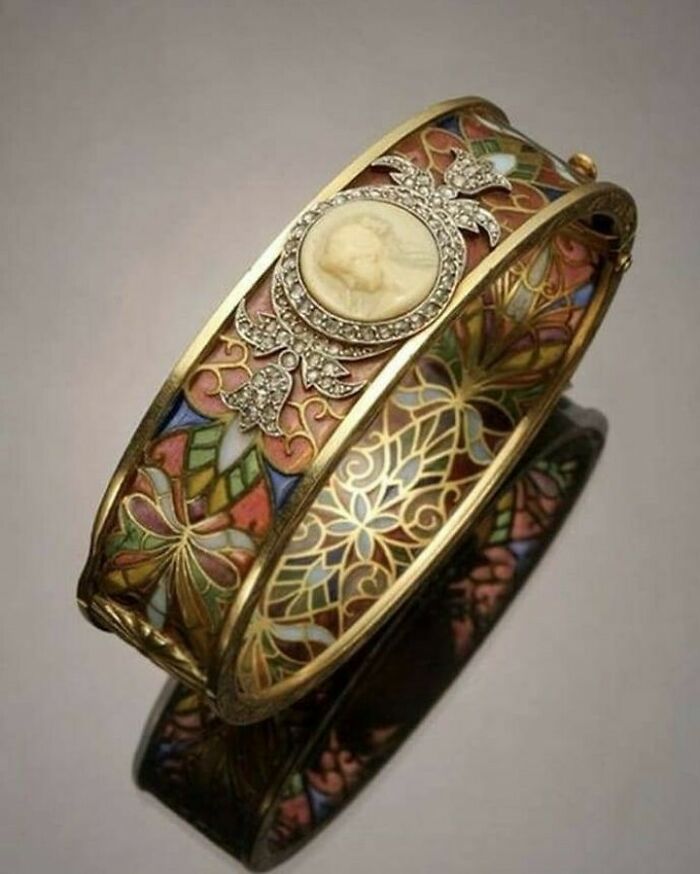
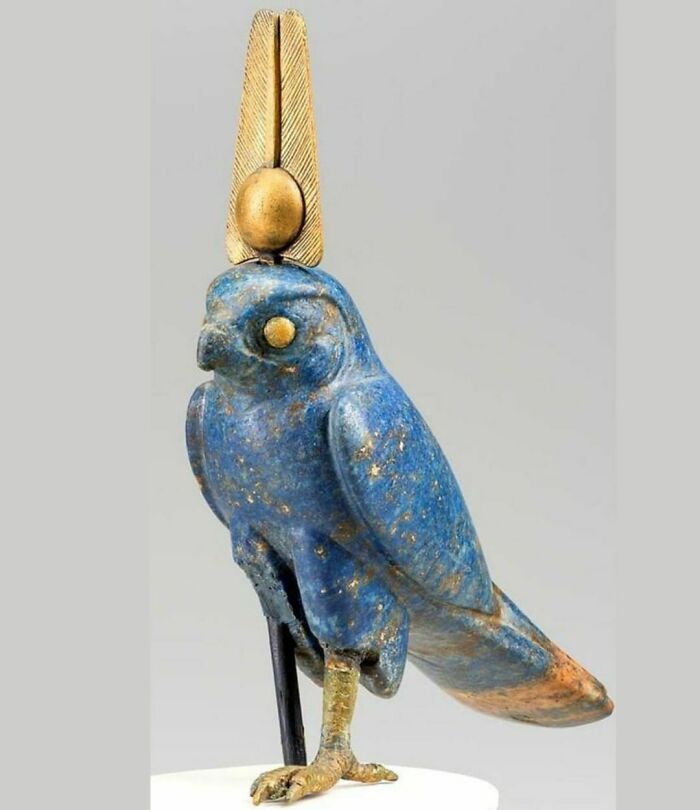
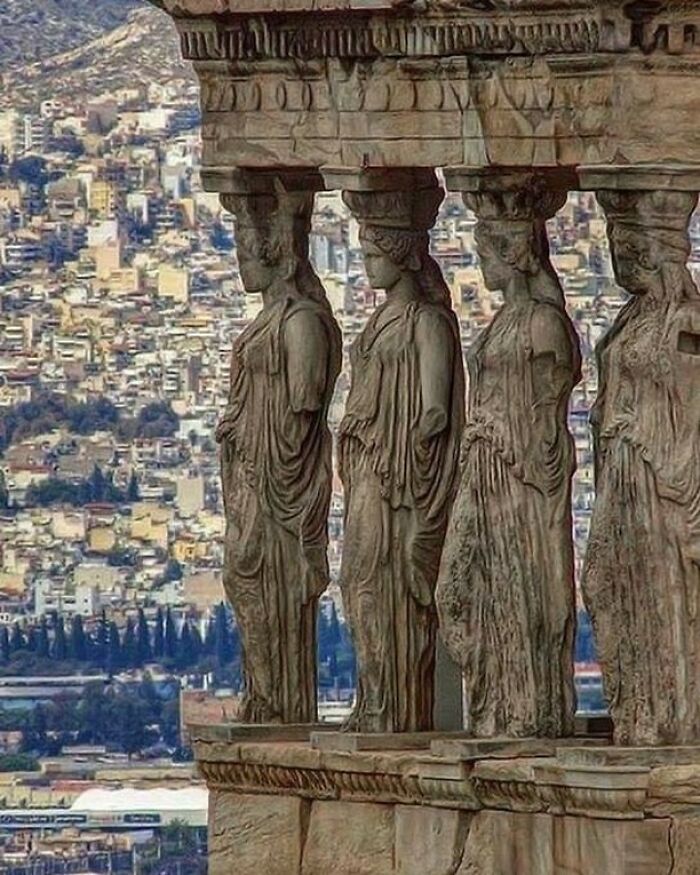
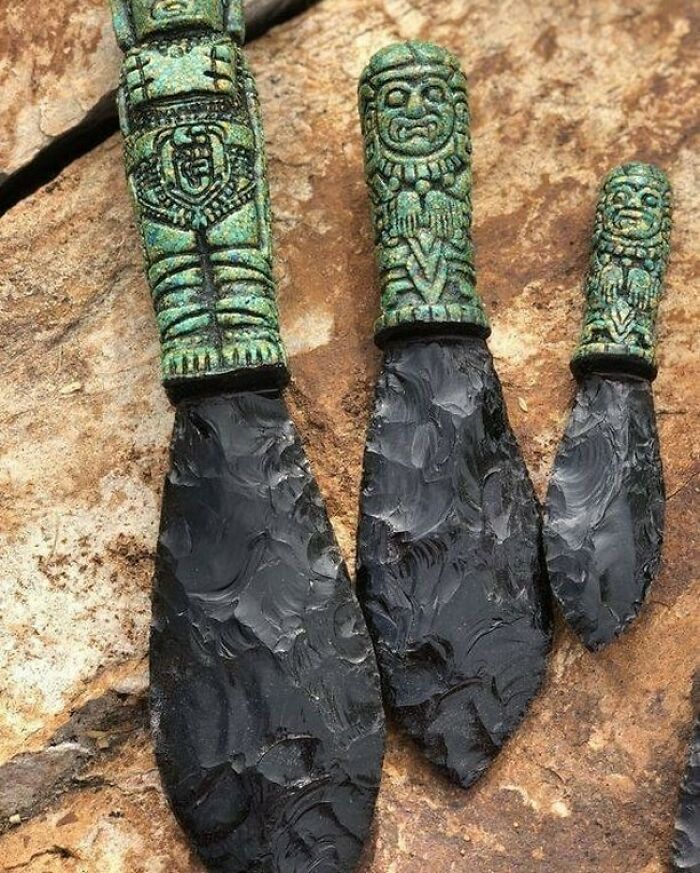
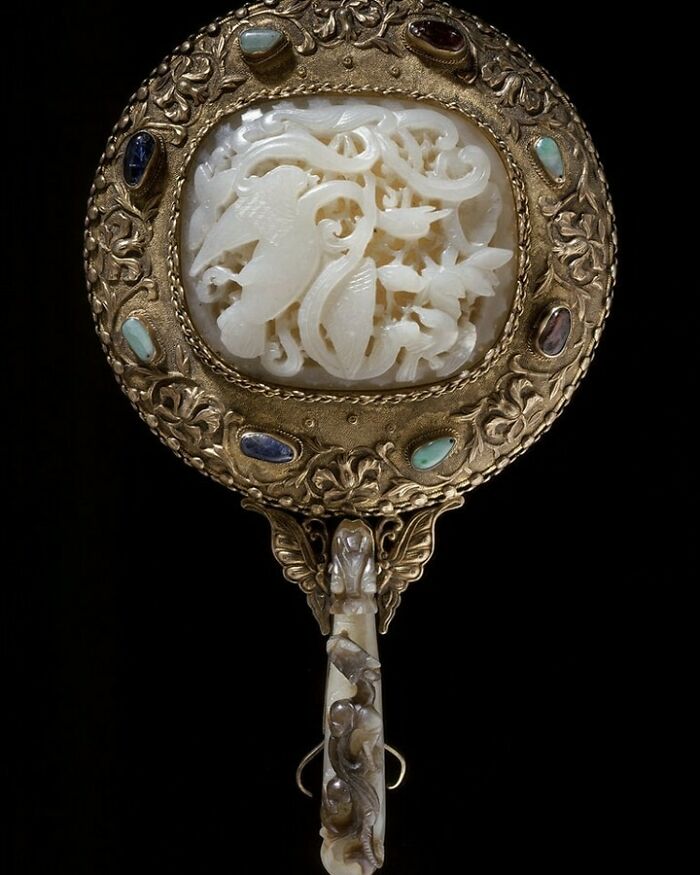
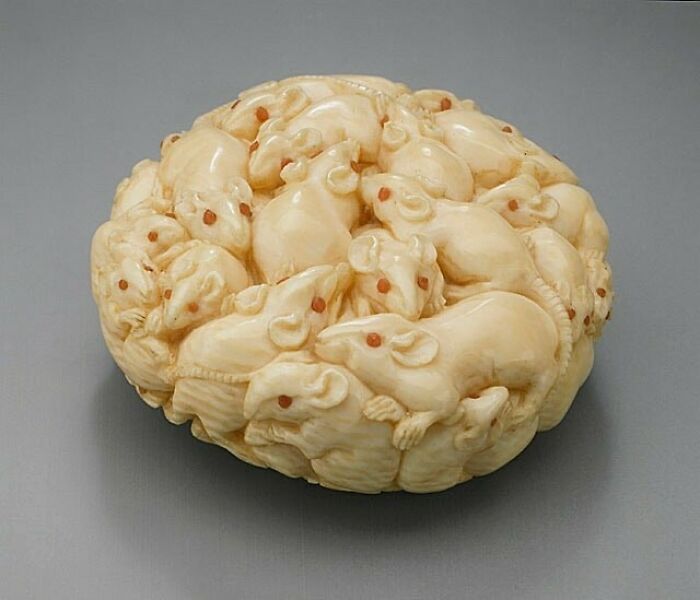
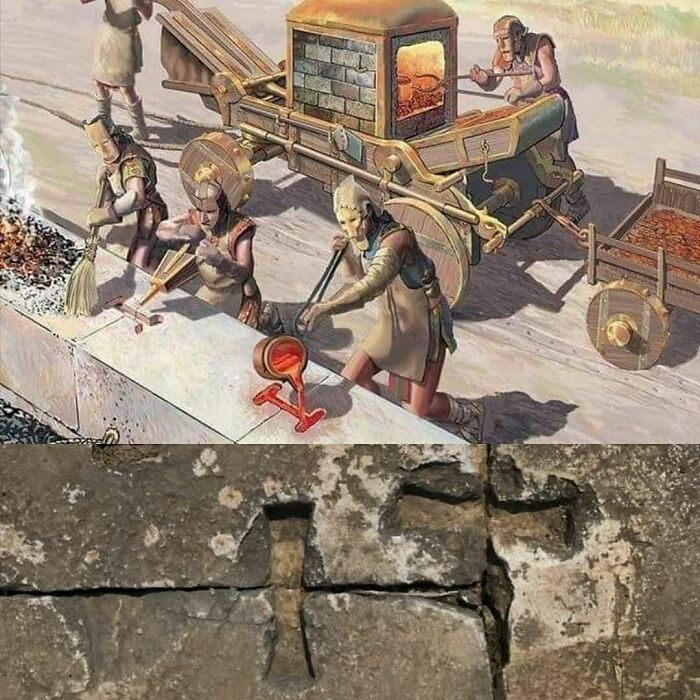
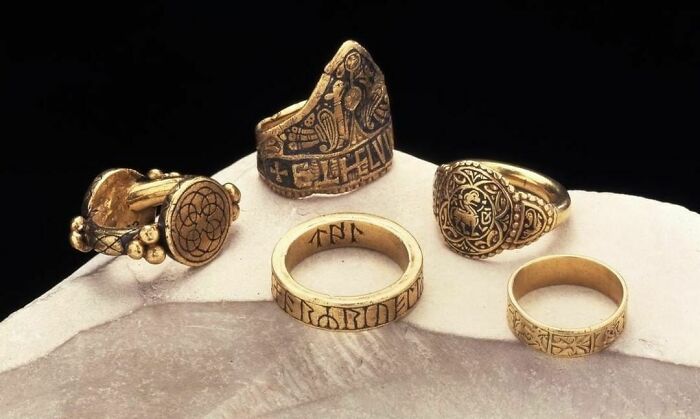
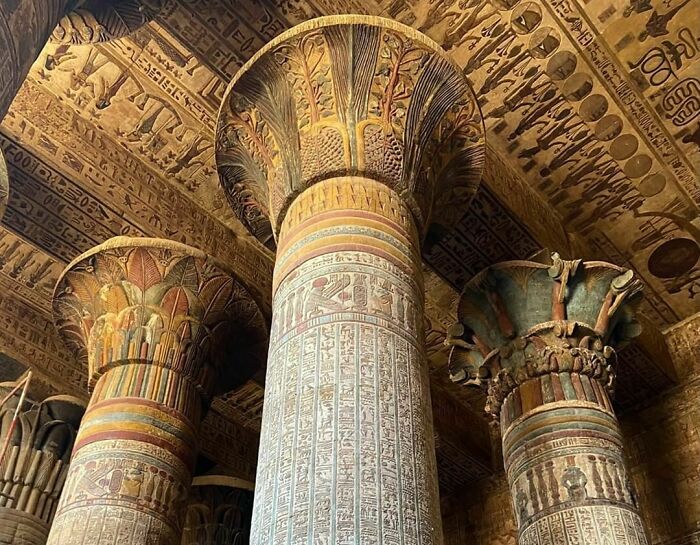
The ‘Archeology and Art’ Instagram page provides the opportunity to take a closer look at some of the most impressive historical locations, works of art, jewelry, and artifacts that archeologists have uncovered. Scroll down to start your deep dive into history and all of its beauty, Pandas. Remember to upvote your fave photos, and be sure to let us know which ones impressed you the most.
Do we have any archeologists in the house today? We’d love to hear more about your job and your amazing finds, so drop by the comment section.
Bored Panda got in touch with financial expert Sam Dogen, the author of 'Buy This, Not That: How to Spend Your Way to Wealth and Freedom' and the founder of the 'Financial Samurai' blog, for a chat about art and other investments, as well as what people see as potential stores of value.
Click here & follow us for more lists, facts, and stories.
This post may include affiliate links.
"Investing in physical goods is only going to get more popular over time. More people want to enjoy their investments instead of merely making money on them. Historically, the best way people could enjoy their investments was through real estate. There's nothing better than making great memories in your home and then watching it go up in value as well," Sam, from 'Financial Samurai,' told Bored Panda.
"Now, more money is going into art, jewelry, fine watches, collectible sports cards, and rare books to enjoy. As an author, I'm a big believer in collecting rare books with signatures because the pandemic throttled in-person signing events for two years. As a result, there is a lower supply of books and other memorabilia with signatures, which makes them more valuable. There will likely be a continued structurally lower supply of collectibles with signatures for years to come," he explained what some people might choose to invest in as a store of value.
According to Sam, the author of 'Buy This, Not That,' investing in fine art makes sense, financially. "But it can't be any piece of art. You have to invest in promising emerging artists or established artists with limited pieces of artwork. There's also a big difference between the original artwork and the prints," he told Bored Panda.
"Again, as society as a whole builds more wealth, we want to better enjoy our money instead of just letting it accumulate in a brokerage account or bank account. The pandemic has taught us life is short and we must enjoy each and every day to the fullest," Sam said.
"Enjoying the fine art on our walls that could also go up in value is a great combination. There's a reason why many of the wealthiest people in the world are avid art collectors. In fact, not only do I invest in fine art, I also make my own art! The cost is minimal and it's enjoyable to create. Who knows, maybe my original art pieces might be worth a lot to my children one day."
The ‘Archeology and Art’ social media project currently has 65.2k loyal fans who can’t wait to unearth the freshest historical finds. The Instagram page gives a pretty good overview of just how varied and impressive art from the ancient world really was.
Generally speaking, many people assume that progress is linear and that someone living in 2022 is far smarter/skilled/more capable than someone, say, living a few centuries or even thousands of years ago. Seeing the quality of the craftsmanship and the architecture of the past should help you understand that human beings are not necessarily ‘better’ than their ancestors.
Art historian Mary McGillivray, from Melbourne, previously explained to Bored Panda during an interview that art and art history aren’t as unapproachable as many people might think.
"A lot of people think that art history is very serious and very important and this leads to them feeling overwhelmed—or even feeling like art history isn't for them. This isn't true! I've said it before and I'll say it again, art history is just old memes. Once we start to see the humor and the humanity in art, it becomes far less intimidating," she said that there’s often a more lighthearted side to it all.
Meanwhile, former art gallery director Shelby Bercume told Bored Panda that many find art history intimidating and difficult to grasp because it’s a subject that isn’t taught in most schools. If that were to change, more people would feel far less scared to at least try dipping their toes in the water.
"I don’t necessarily think art history is an inaccessible entity, but I know that people tend to feel intimidated by things they aren’t experts in. Since art is often, if not always subjective, it feels even more intimidating than a subject with a 'right answer,' like math for example," the art expert shared her thought with Bored Panda some time ago.
"I think often that leads to a disconnect between the desire to dive into the subject of art and by relation art history, and the execution of it,” she said.
"Art is something to be enjoyed and shouldn’t be reserved for an exclusive group," the expert noted that she’s an advocate of a more democratic approach to art.
"Art is aesthetics and feelings. If you love something, voice why you love it... if you can’t find the words, that’s ok! Talking about art is really discussing how the art affects your emotional state and what thoughts it provokes," Shelby told us.
"And remember, it is ok to not love everything, believe it or not, certain artworks are meant to be disturbing or disliked. Just don’t be intimidated to speak up because that’s really all we’re doing when we talk about art. We’re voicing opinions."
Though we can infer a lot of information about a culture or a nation by its art and architecture (what they valued, how they thought, what their daily lives were probably like), our guesses aren’t definitive. Digging towards the truth (pun very much intended) is less about Indiana Jones-style adventures and more about cross-checking assumptions, reading a lot of prior research, and learning to embrace failure.
The folks running the r/AskHistorians subreddit really know their stuff when it comes to history. One of the moderators told Bored Panda that having a healthy dose of skepticism is essential, especially when evaluating historical facts that get posted on social media.
First of all, you have to take a closer look at the source that’s sharing the info. Is it reliable? Can you cross-check the historical ‘facts?’ These are some of the things that you should ask yourself while browsing, well, pretty much anything.
The more important a historical event or period, the more likely it is that someone may try to exploit it to “push a political point in the present day.”
"There are probably dozens of potential conspiracies surrounding Sumerian agriculture, but that topic isn’t in the public eye in the same way that something like the Second World War or the Roman Empire is," the historian told us.
"Because these events and periods are seen as important for the formation of the modern world, people see it as important that history aligns to their worldview or political leanings—even when it does not—and seek to twist reality in order to achieve this.”
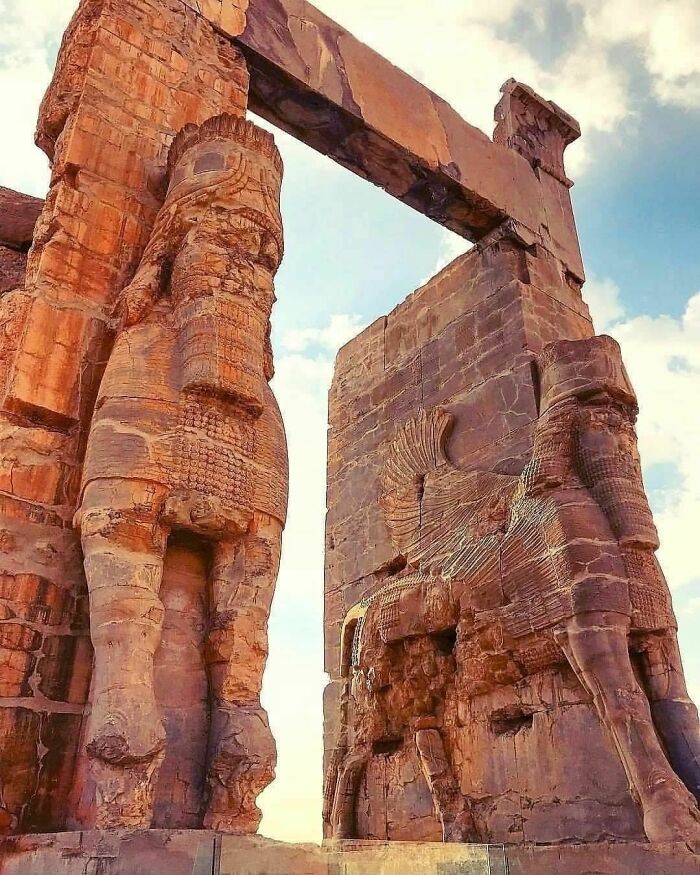
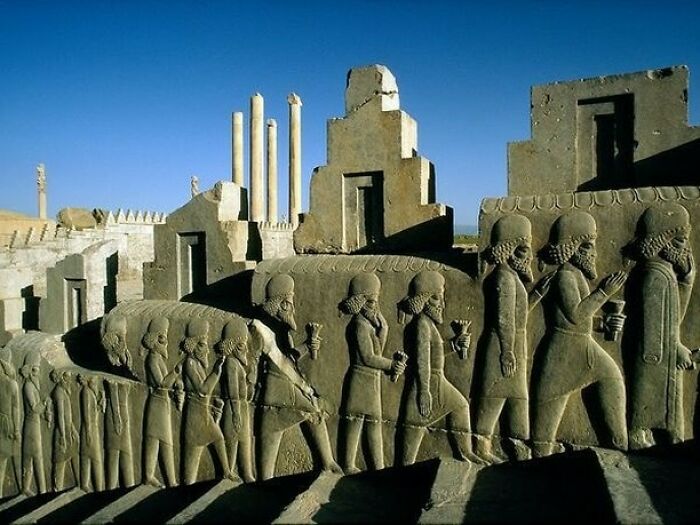
The ancient city of Persepolis in modern-day Iran was one of four capitals of the sprawling Persian Empire. Built beginning around 520 B.C., the city was a showcase for the empire’s staggering wealth, with grand architecture, extravagant works of silver and gold, and extensive relief sculptures such as this one portraying envoys with offerings for the king.The height of Persian rule lasted from about 550 B.C. until 330 B.C., when Alexander the Great overthrew the ruling Archaemenid dynasty and burned Persepolis to the ground


















 No fees, cancel anytime