Get Premium
Dark mode theme is available exclusively for premium users. Learn more about the benefits of subscribing.
No fees, cancel anytime.

 Dark Mode Ad-Free Browsing Unlimited Content
 Ad-Free Browsing Unlimited Content Dark Mode
Join 1.2 million Panda readers who get the best art, memes, and fun stories every week!
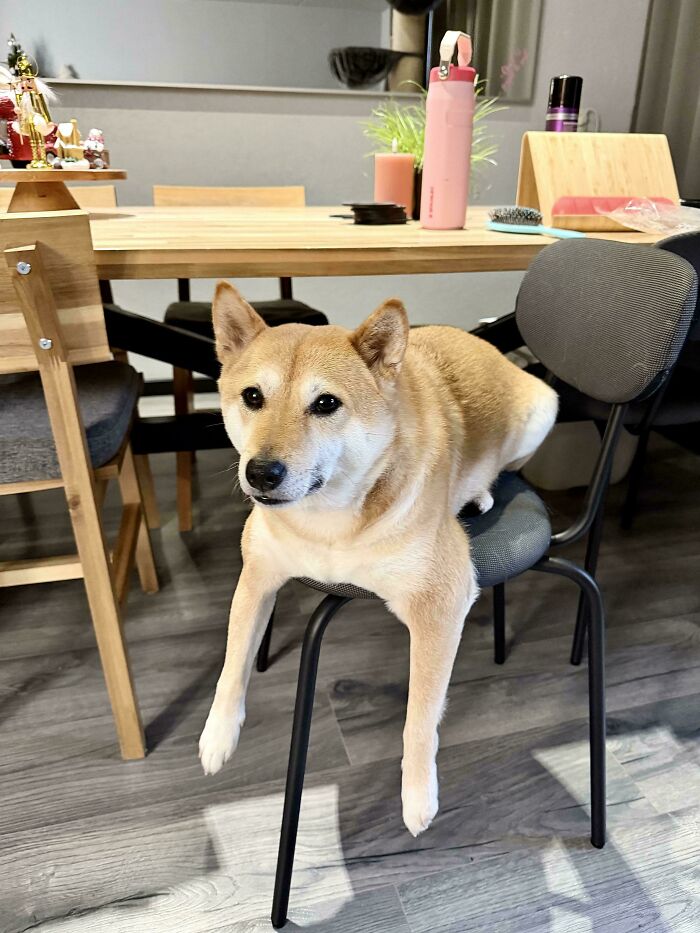
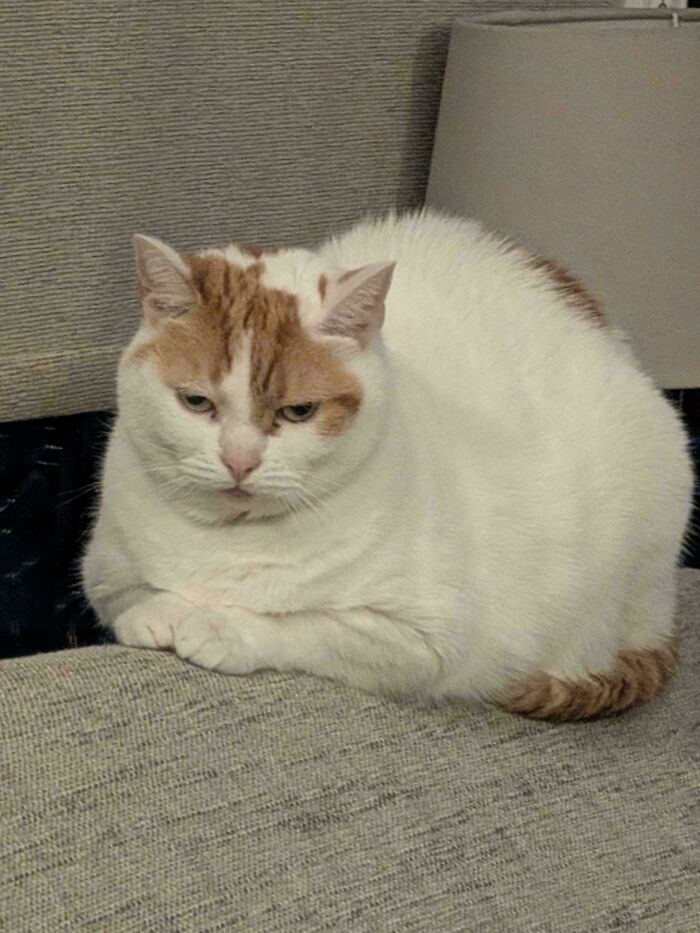
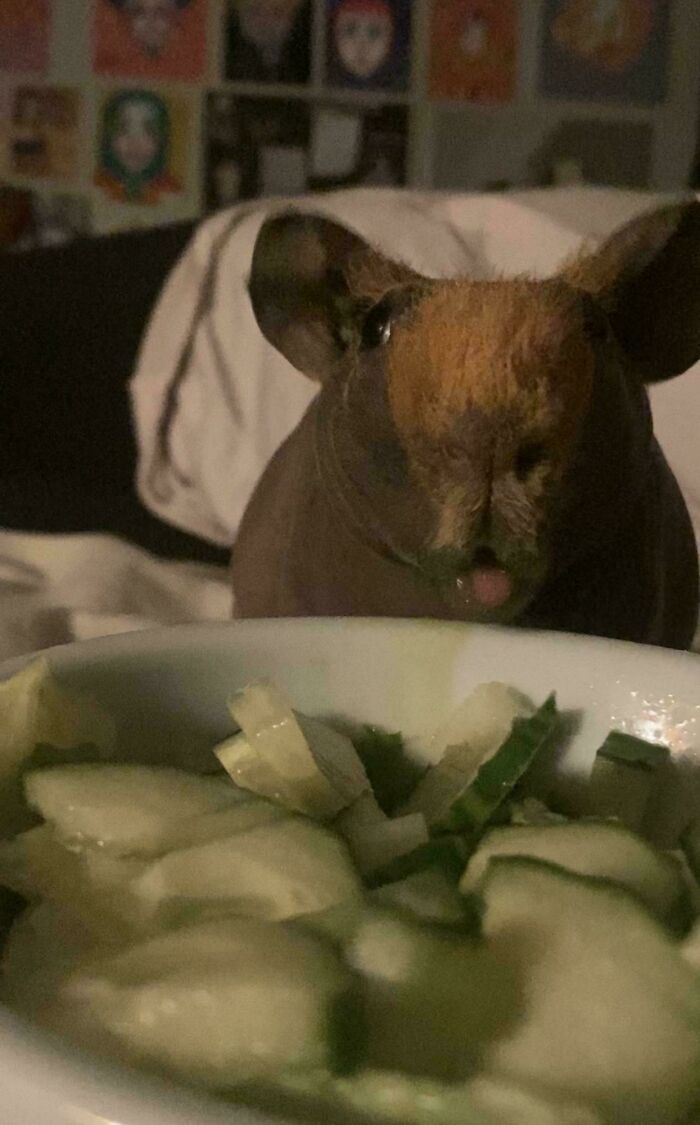
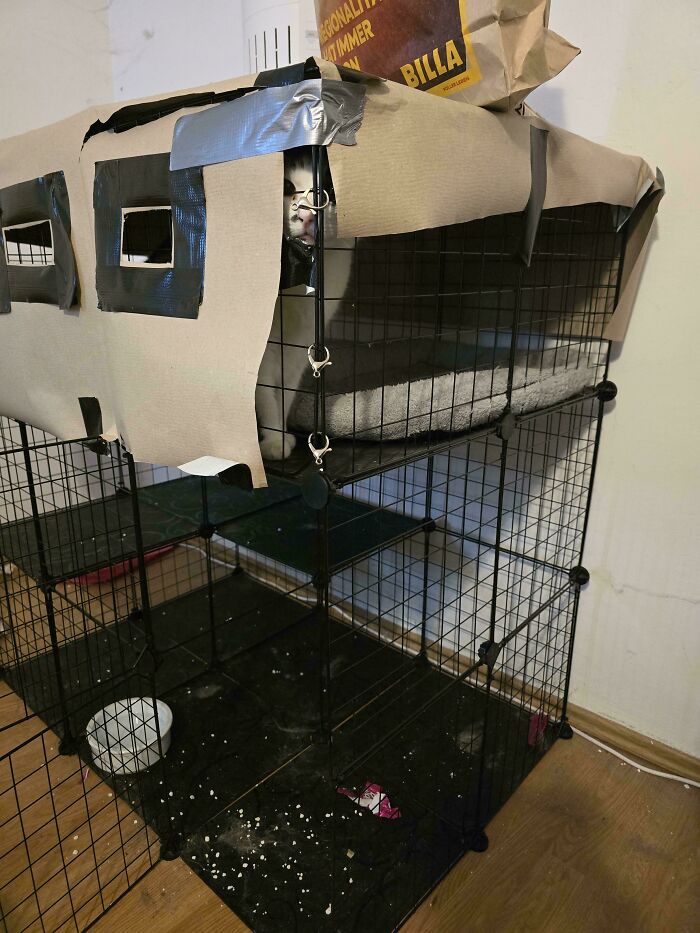
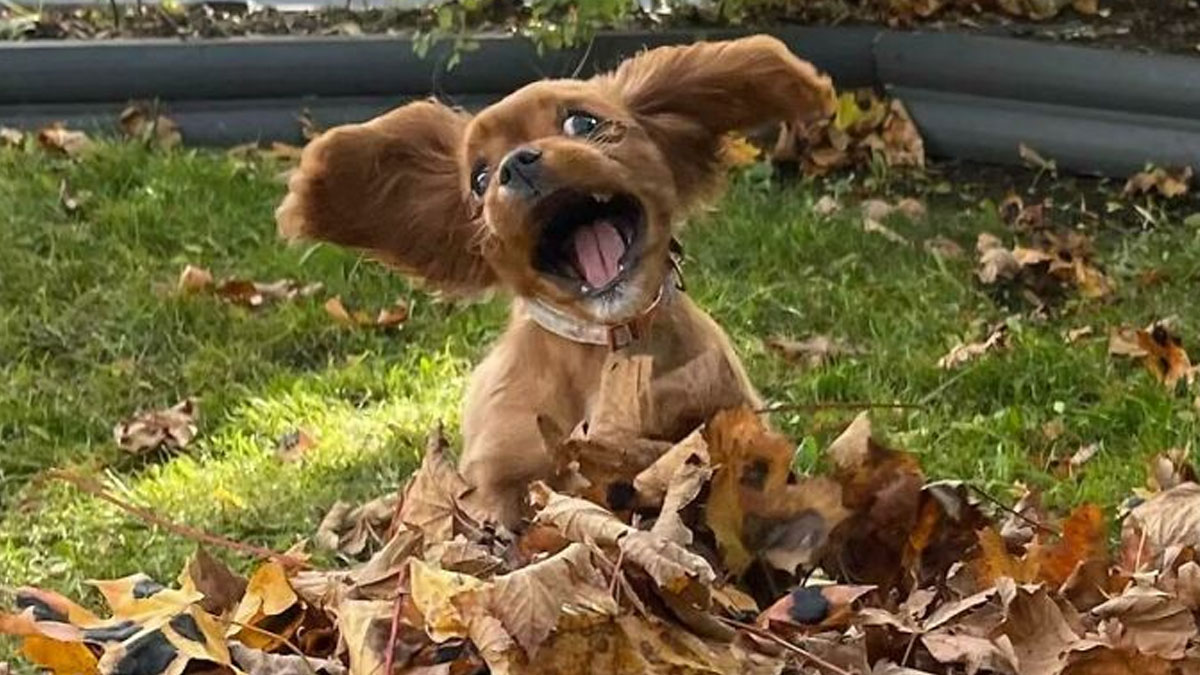
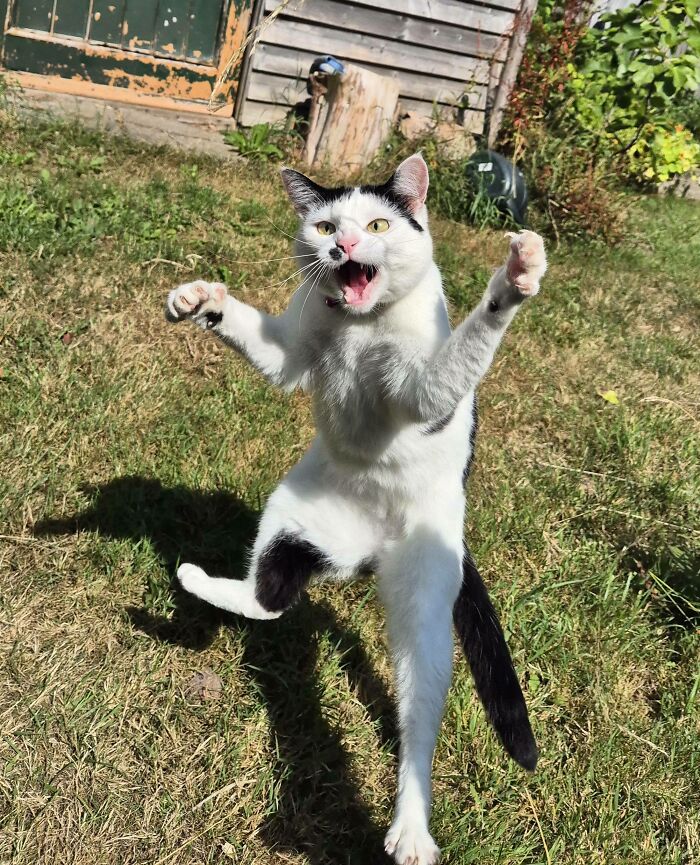
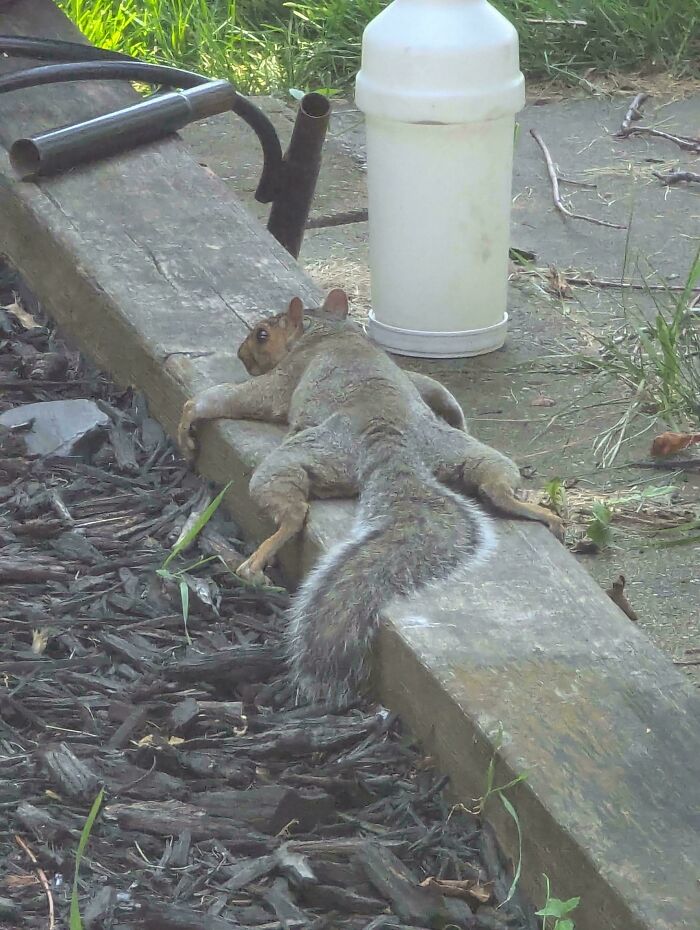
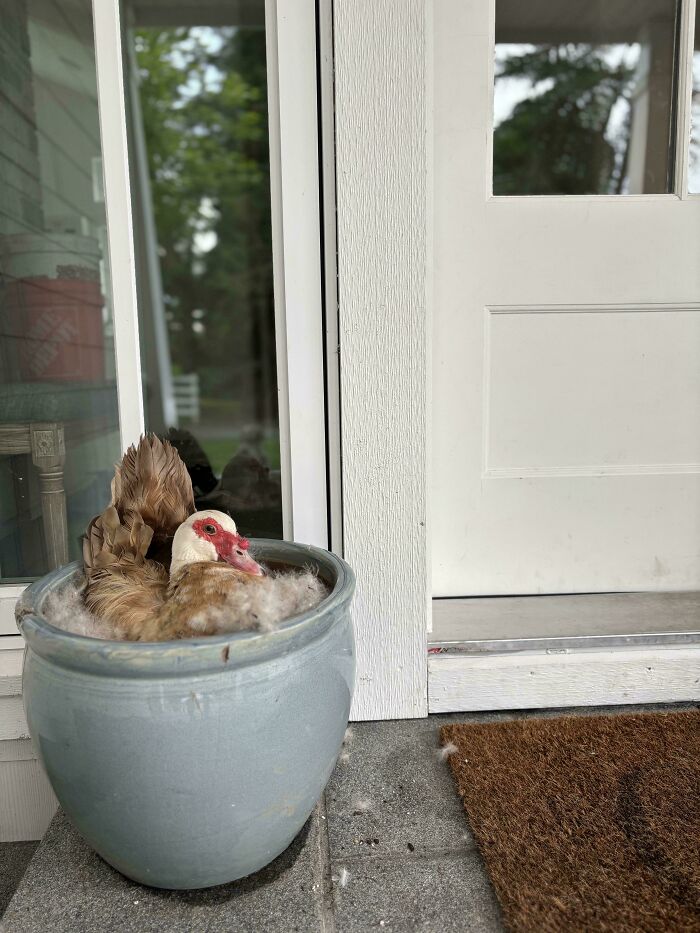
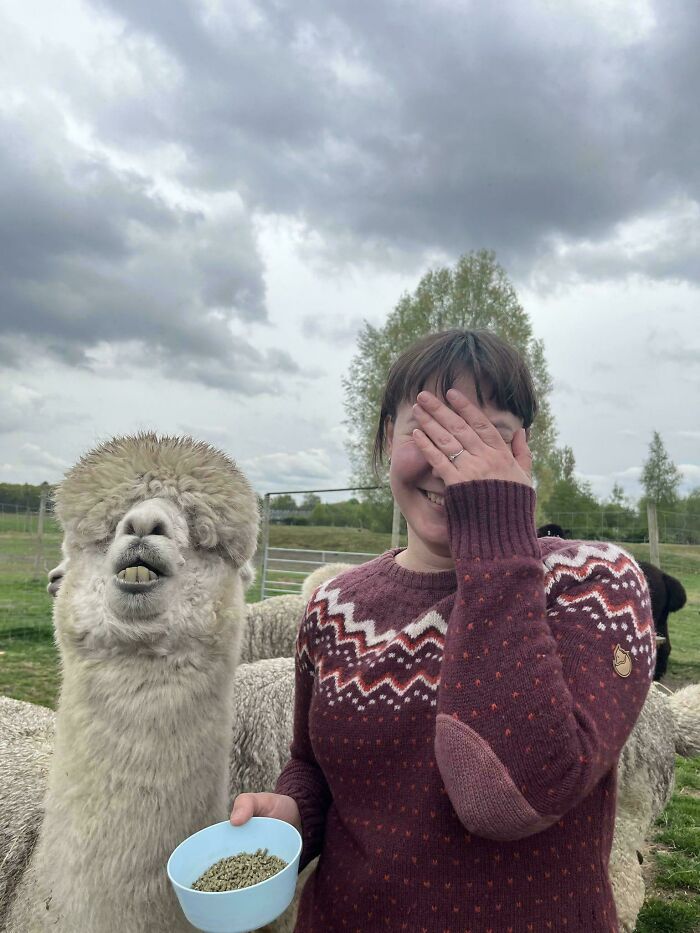
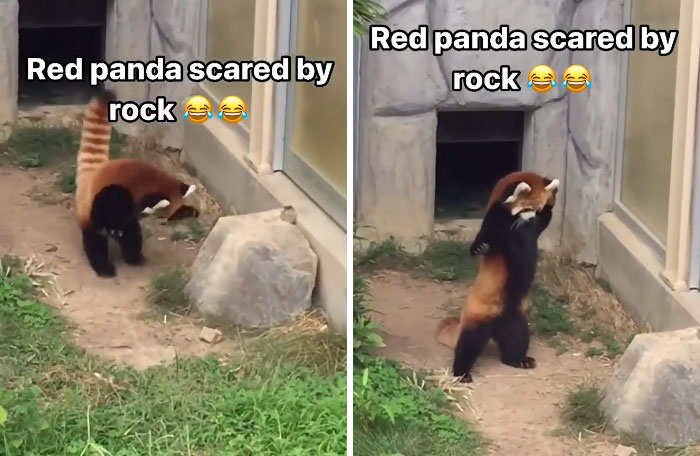
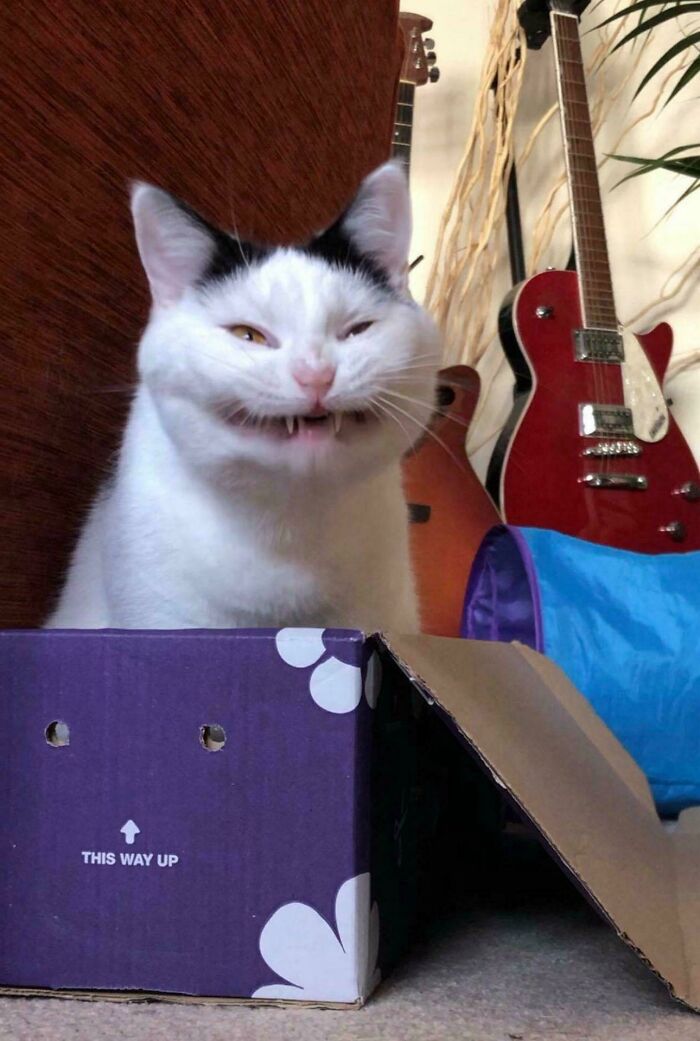
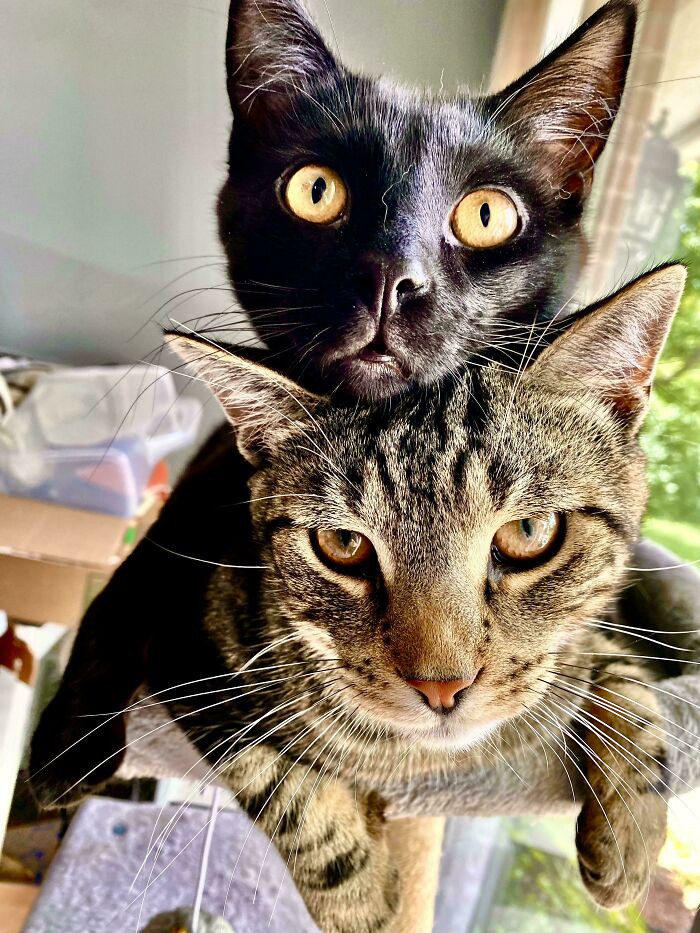
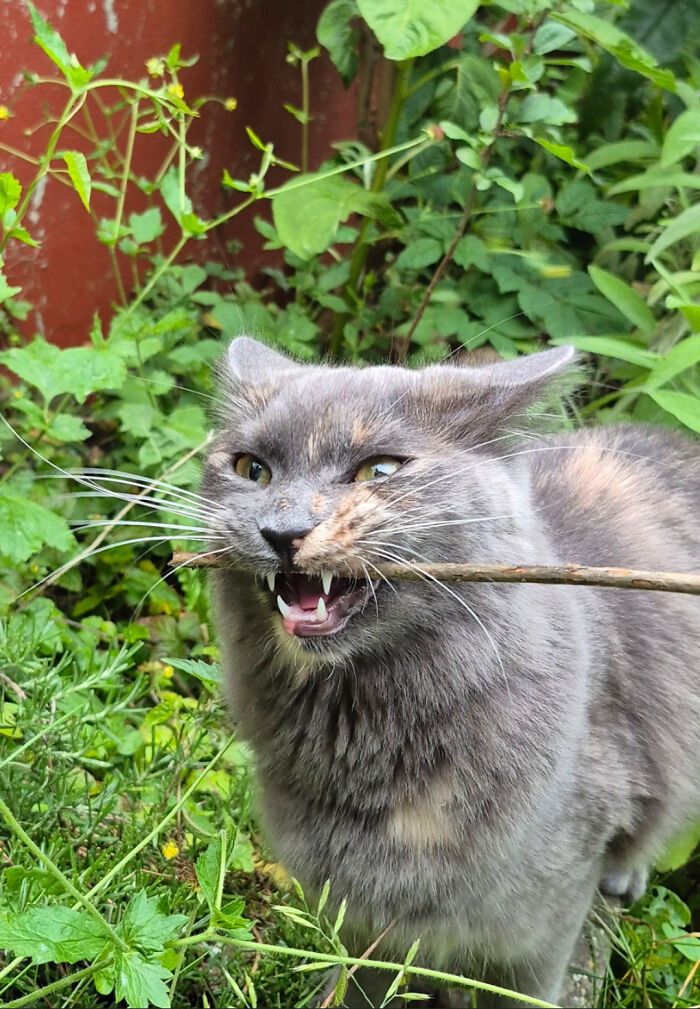
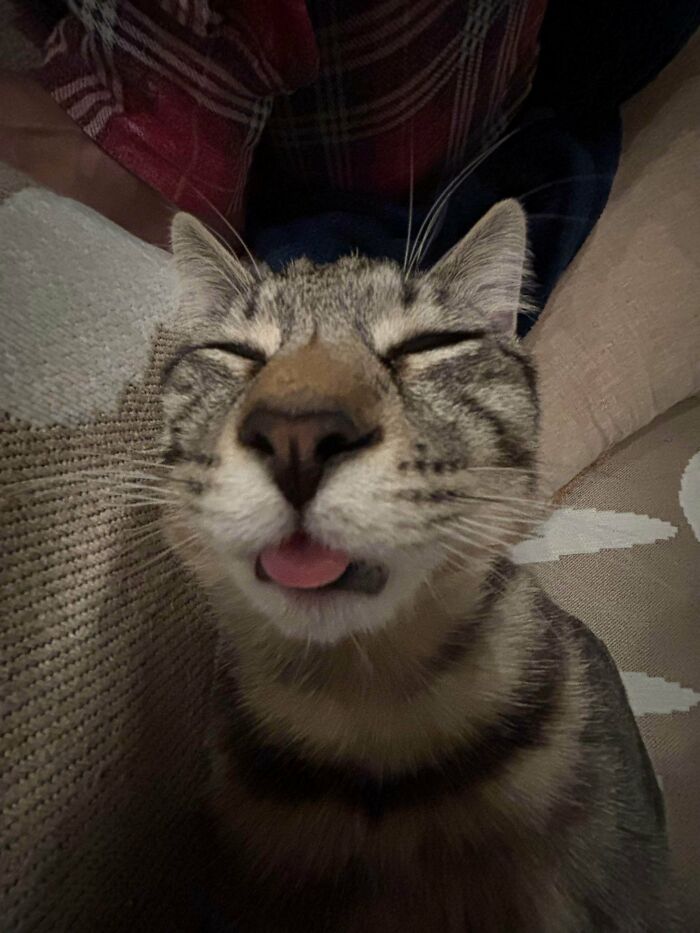
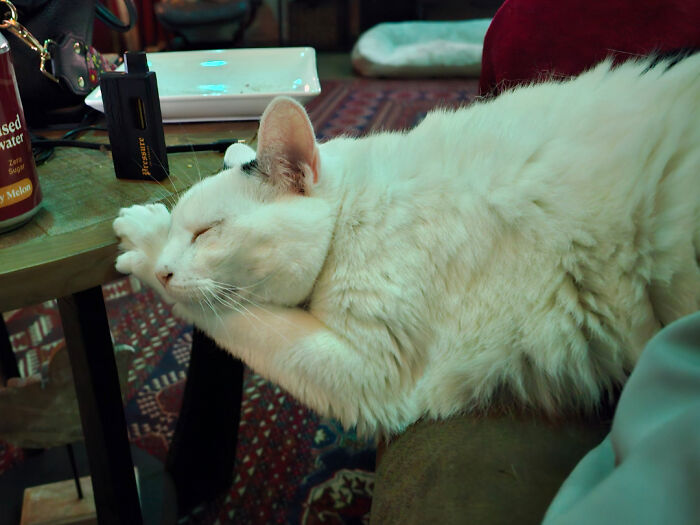
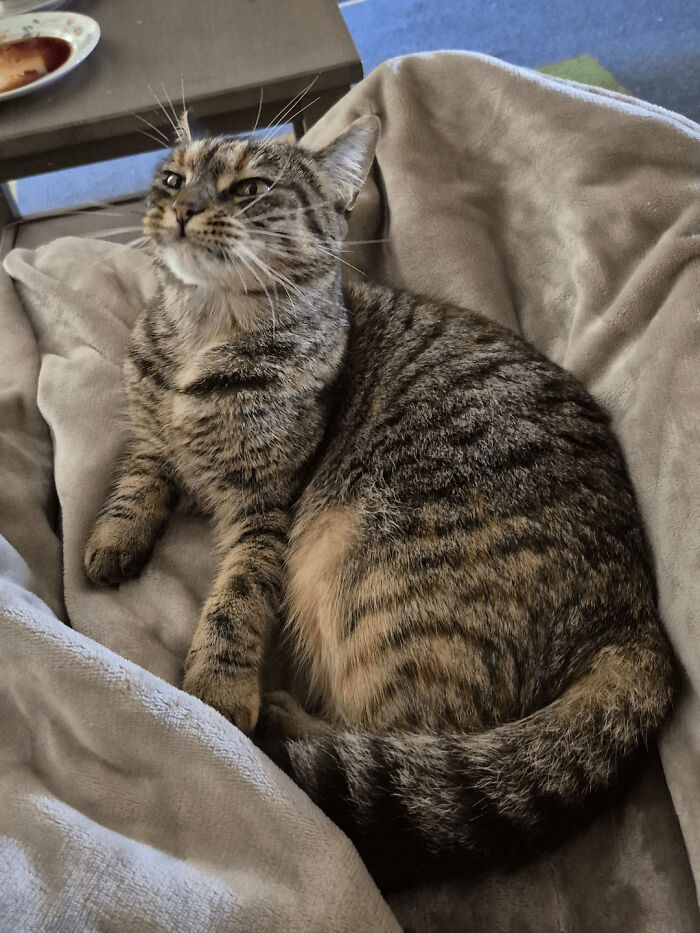
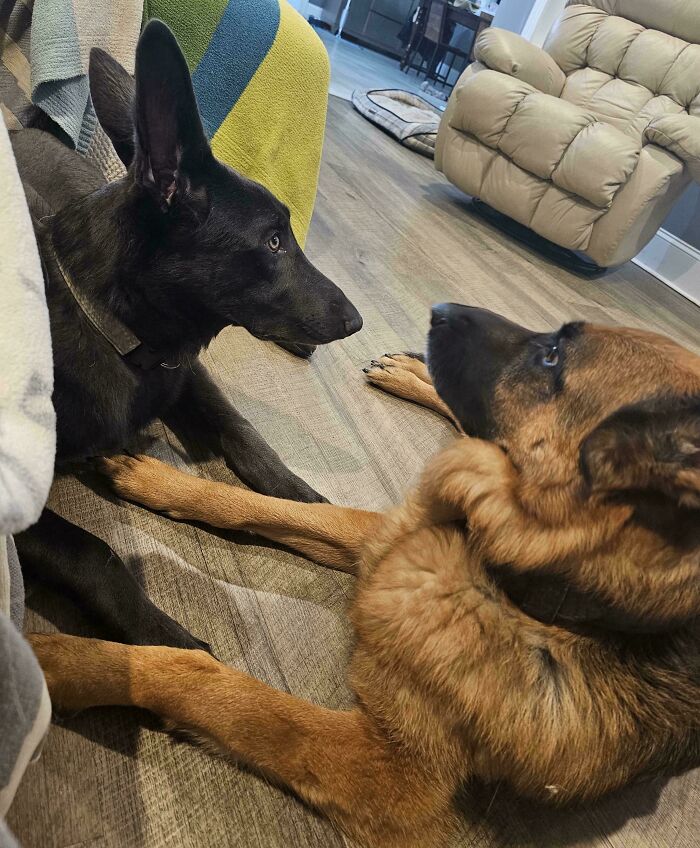
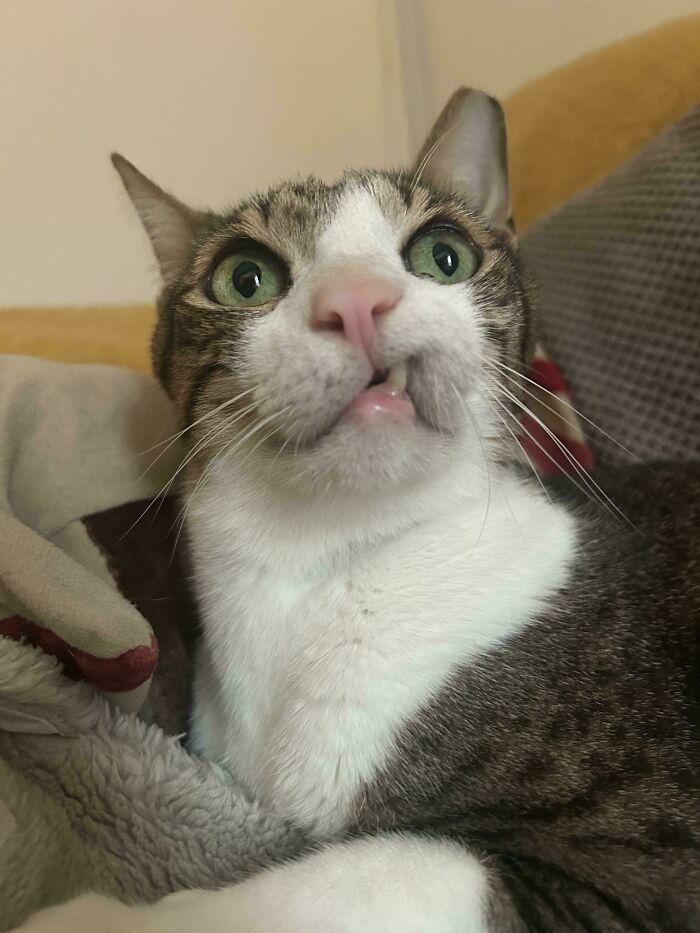
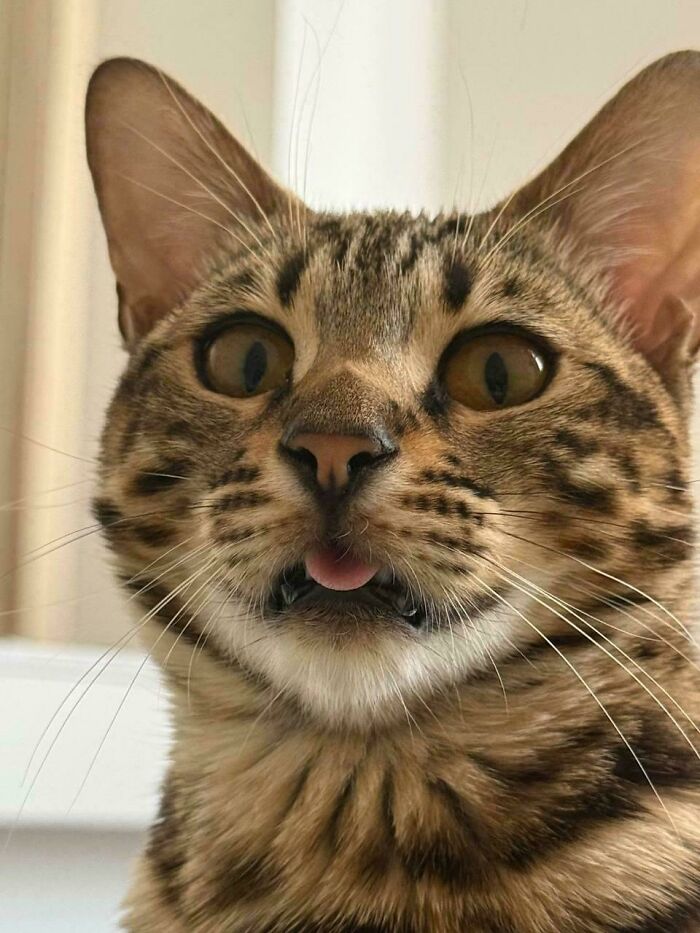
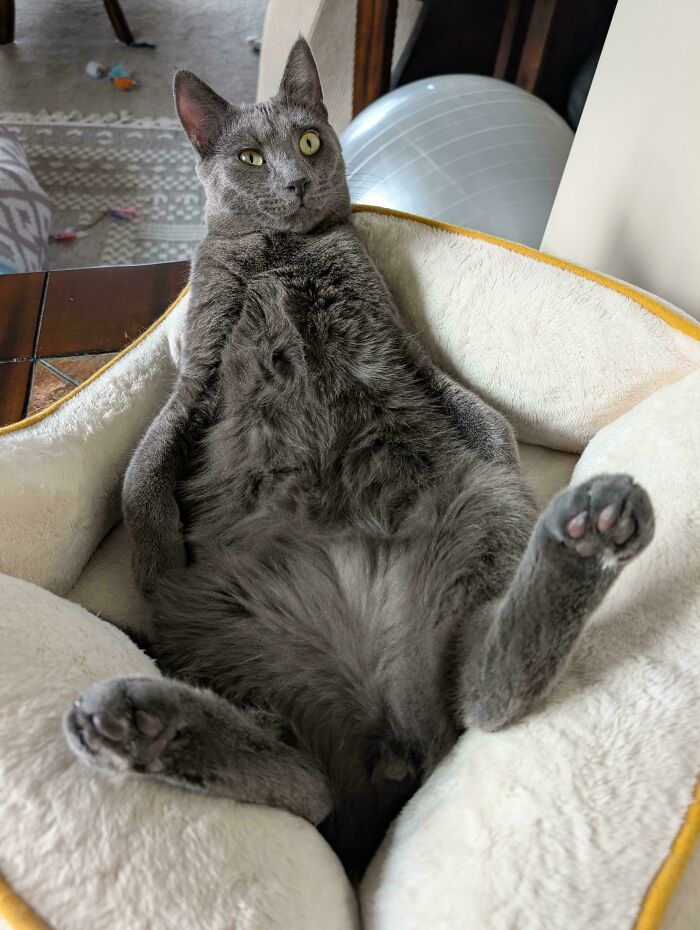
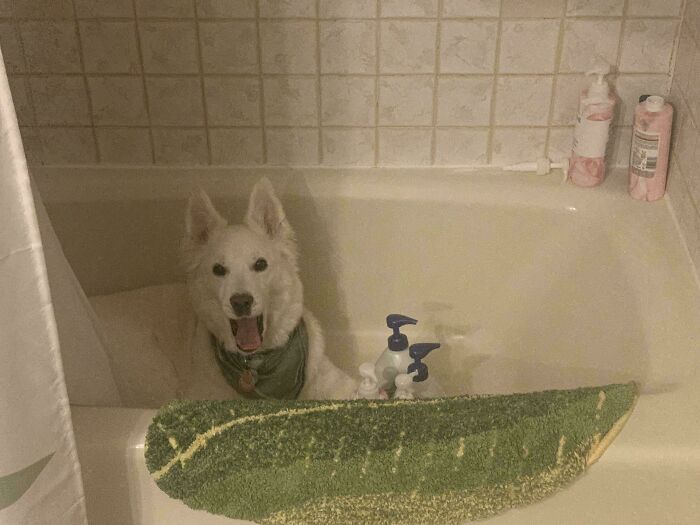
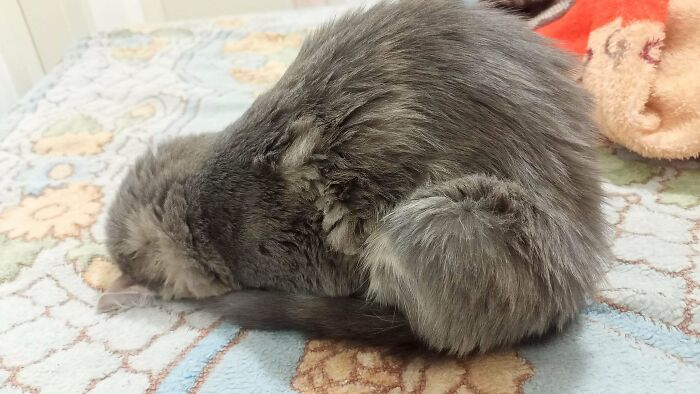
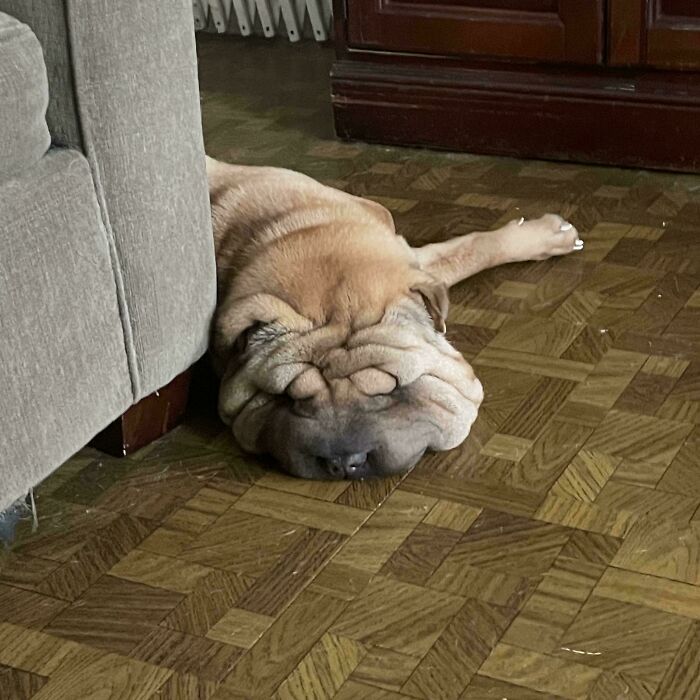
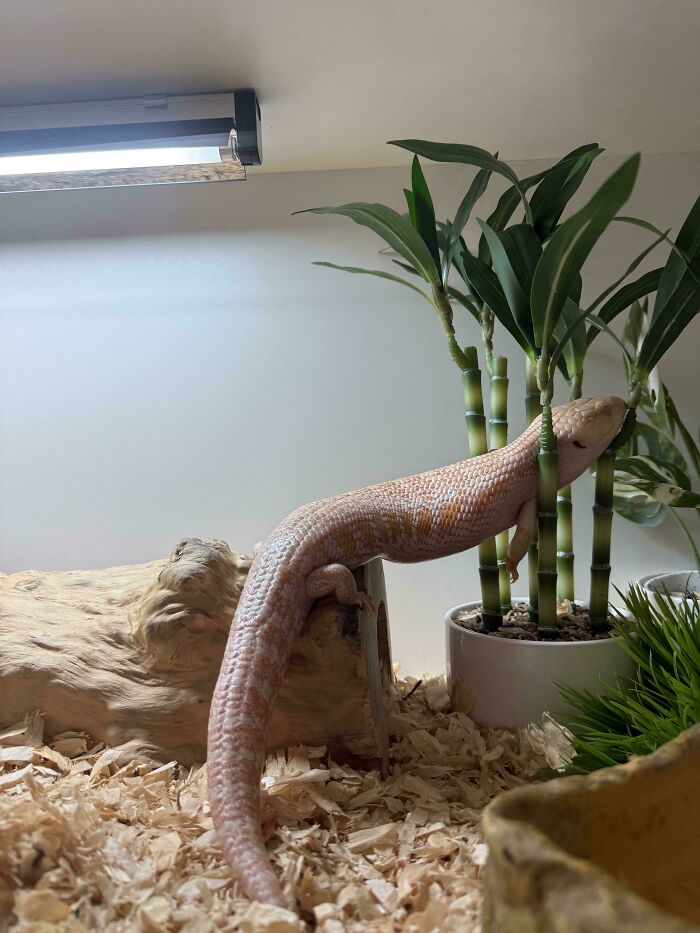
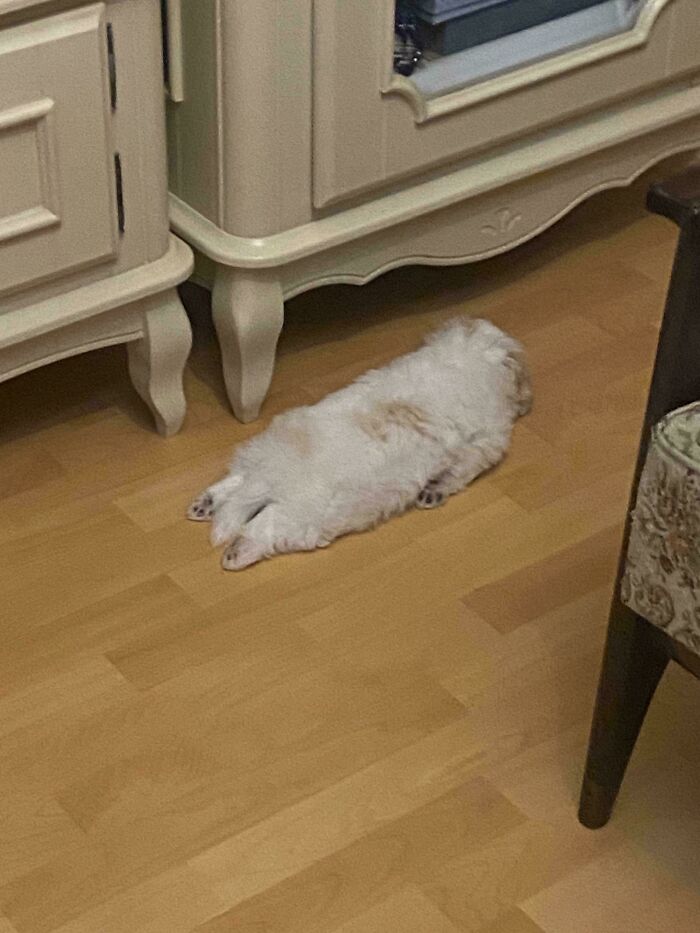
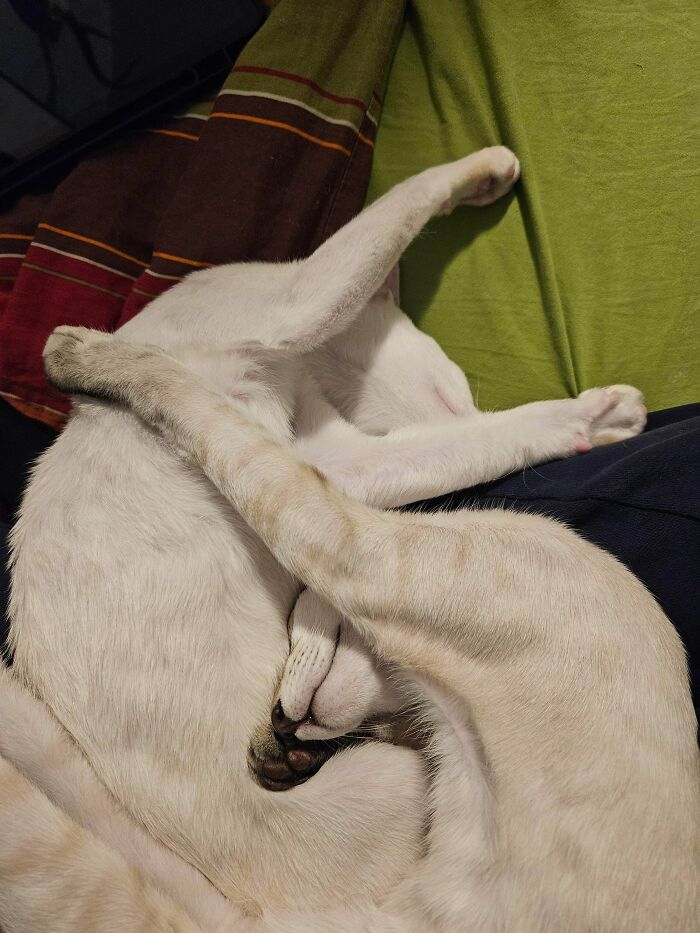
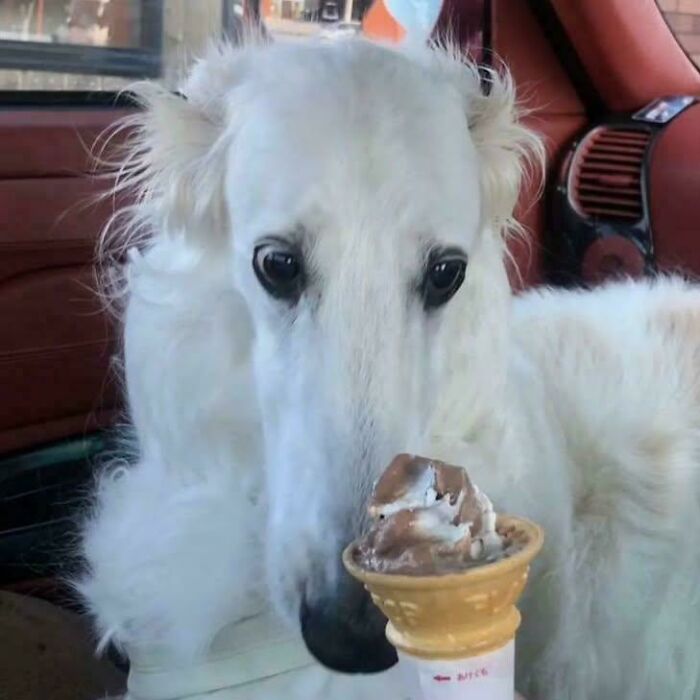
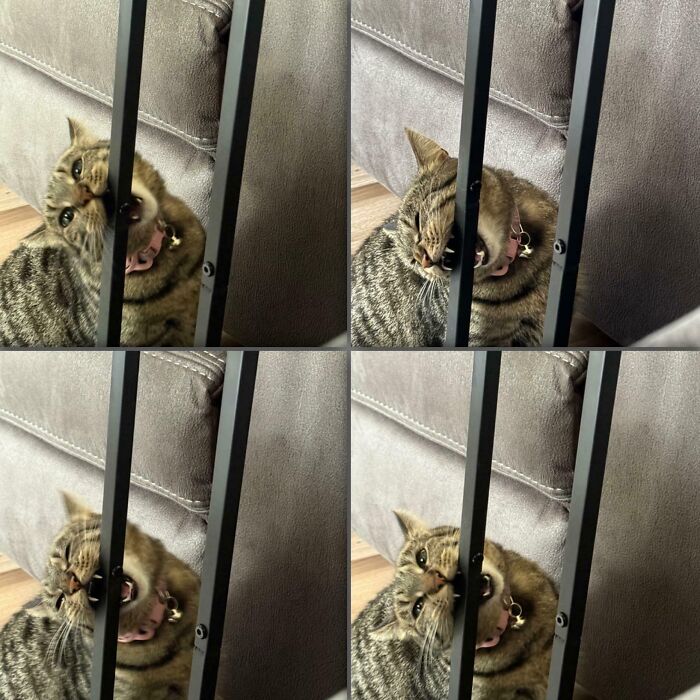
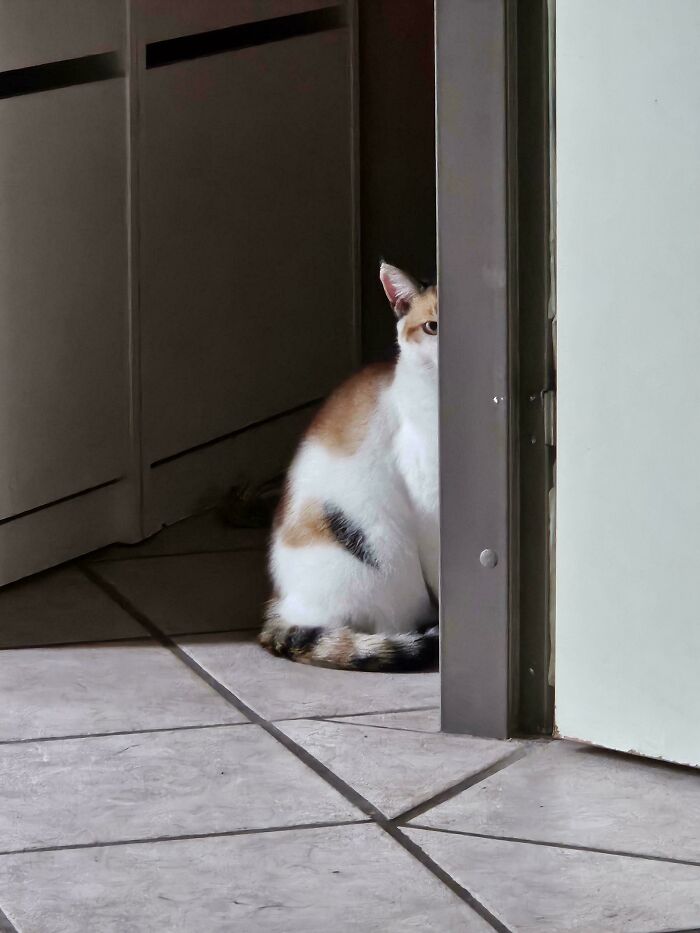
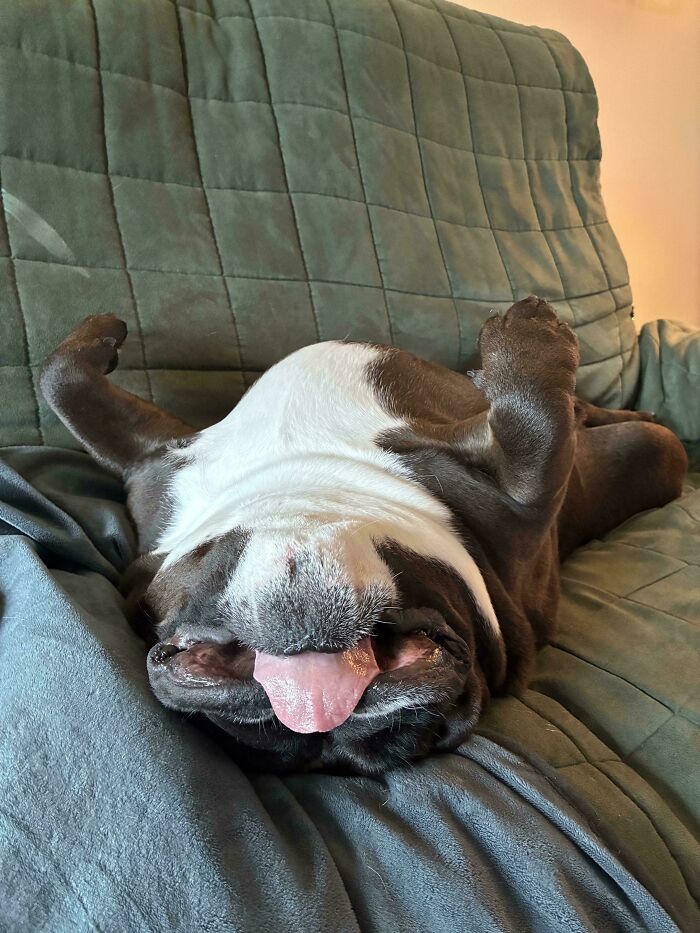
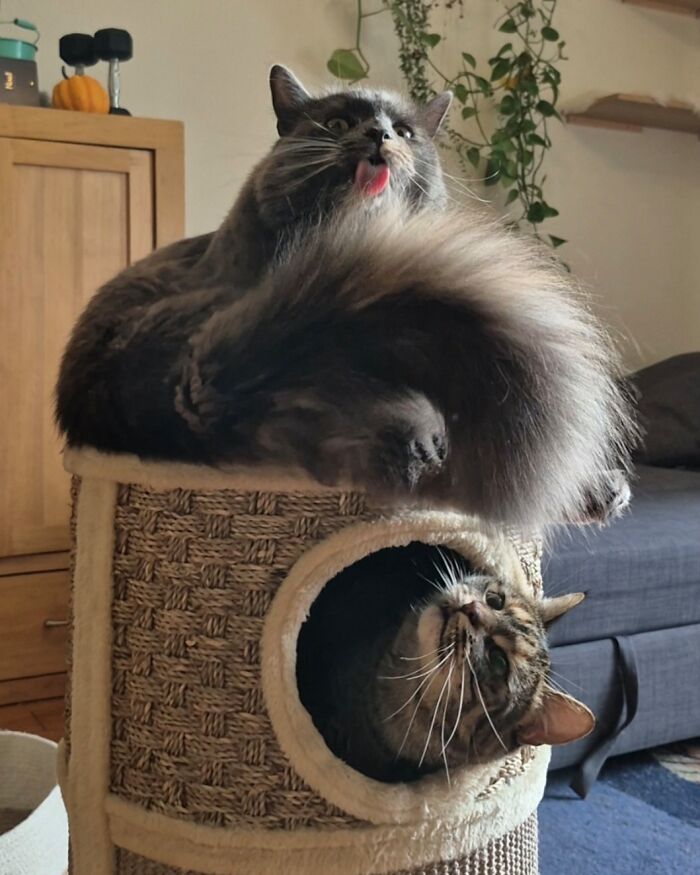
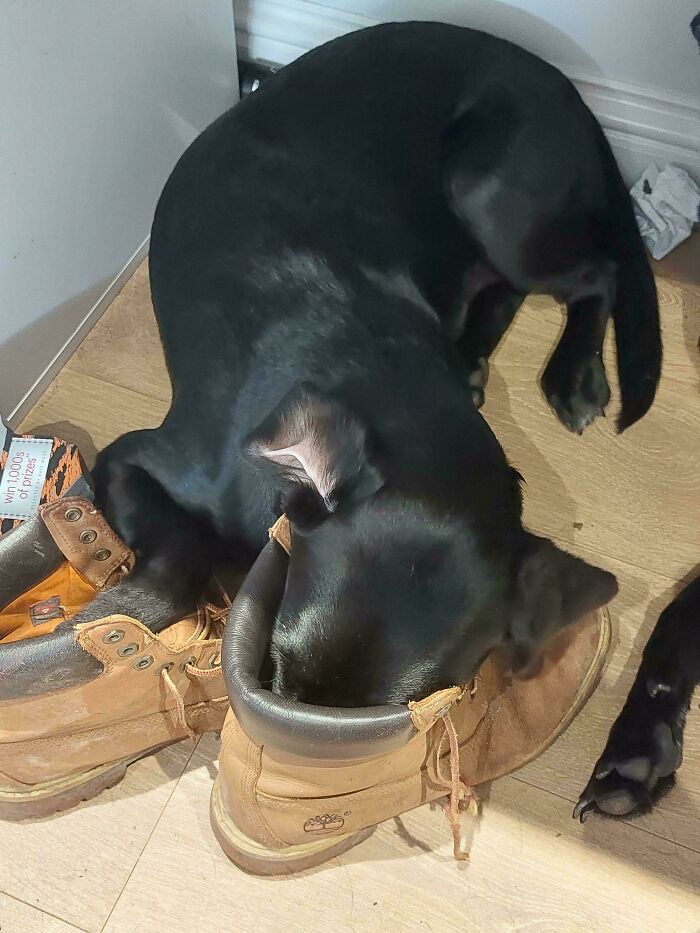
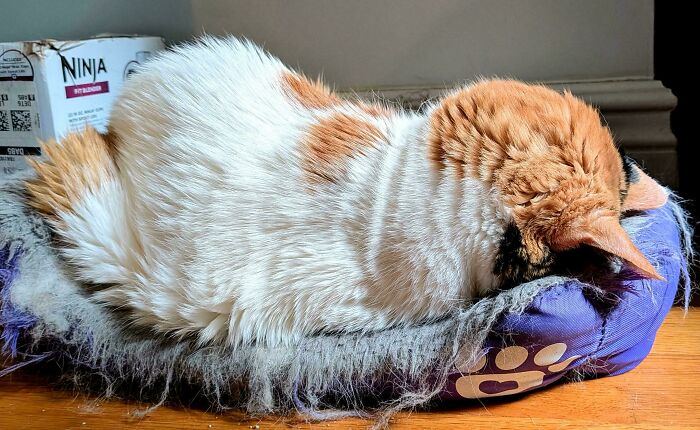
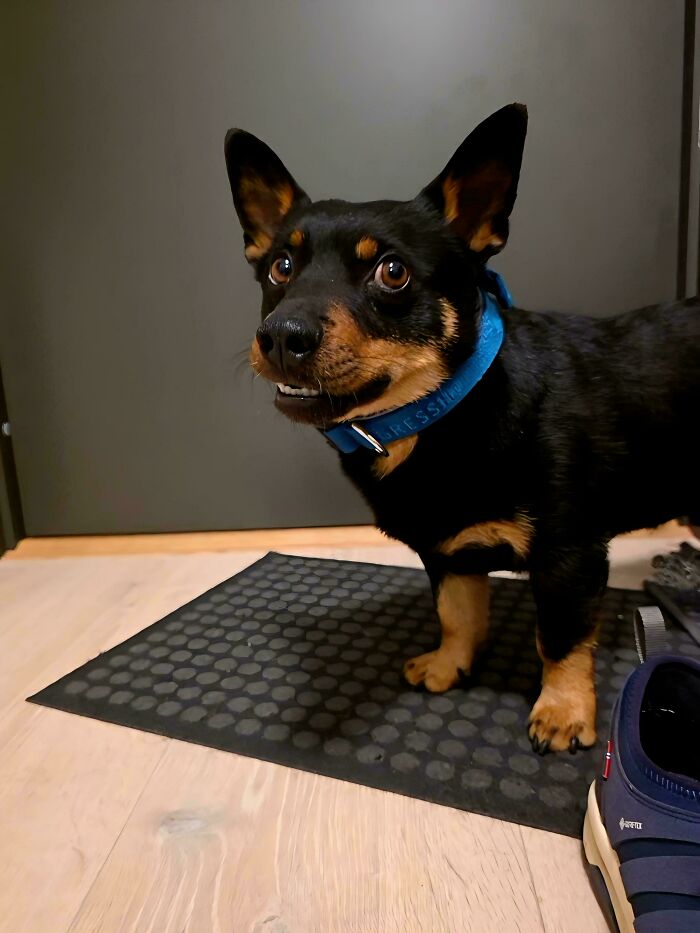
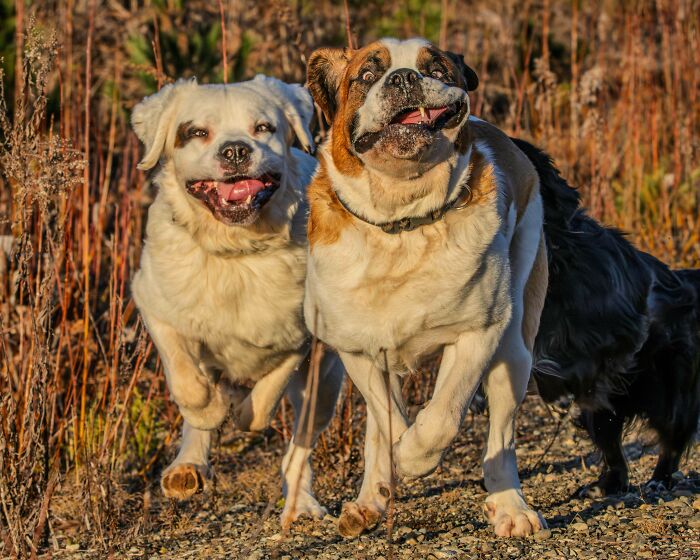
Animals are perhaps the world’s best natural stress-relievers, and for good reason. No matter what they’re doing, they bring us endless smiles and a rush of serotonin that few things can match—whether they’re being sleepy, cuddly, or tearing through the house with the zoomies. But nothing quite compares to when they’re just completely, unabashedly goofy.
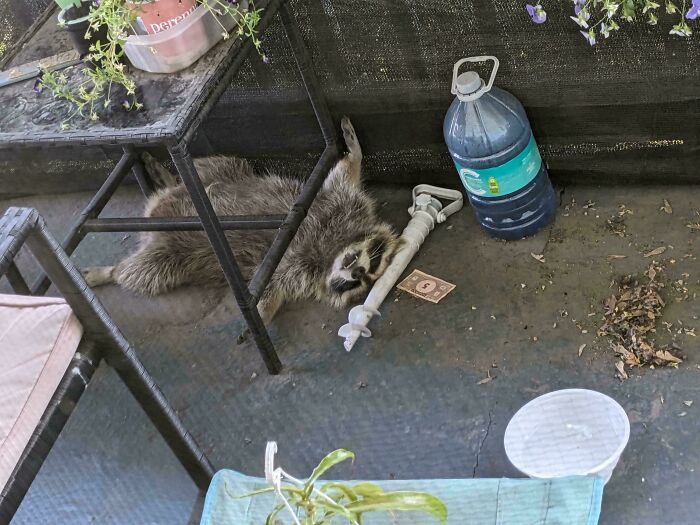
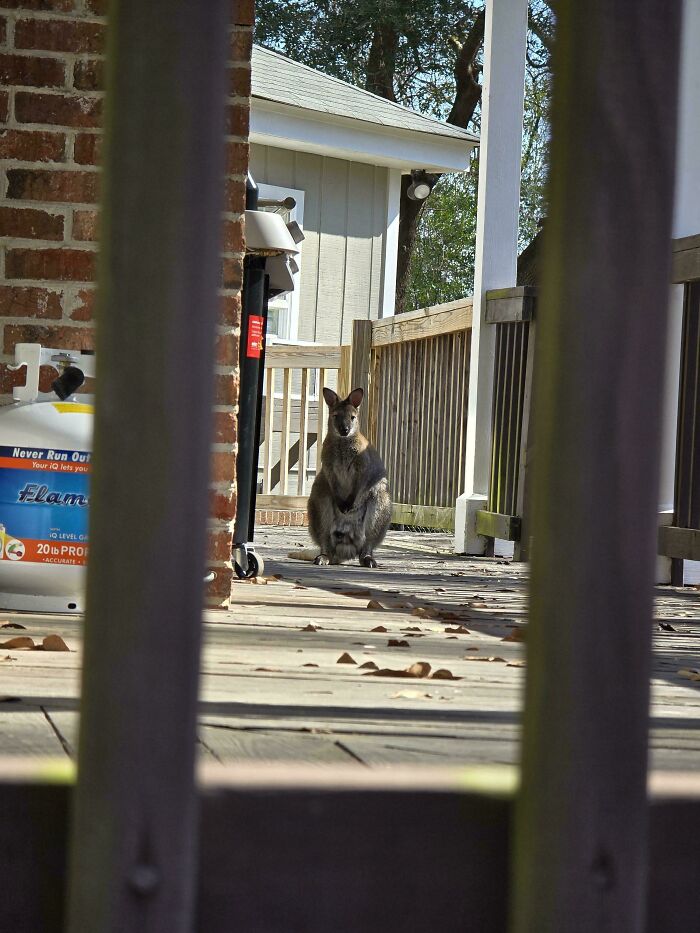
That’s exactly the spirit of r/AnimalsBeingDerps. From dogs caught gleefully inhaling air out of car windows to raccoons casually lounging in someone’s backyard, it’s a delightful parade of animals being hilariously, wonderfully themselves. Scroll down—your mood will thank you.
Click here & follow us for more lists, facts, and stories.
This post may include affiliate links.
Watching animals act silly brings us genuine joy, but it also raises an interesting question: why do they do it? After all, most creatures face constant challenges just to survive. They need to avoid predators, hunt for food, and endure harsh conditions.
Despite these pressures, animals still find time for activities that seem to serve no practical purpose beyond their own entertainment. Fortunately, science has started to uncover some fascinating answers.
According to BBC Earth, much of what looks like random goofiness actually serves important developmental functions.
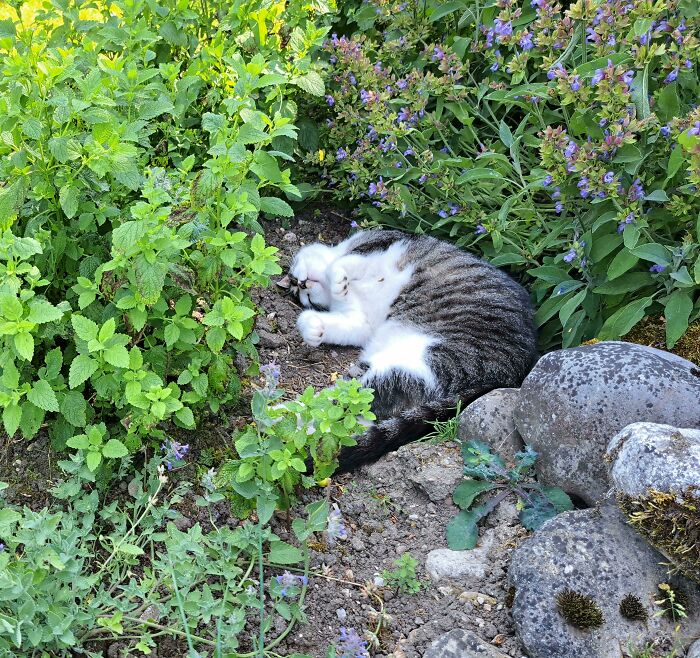
Take kittens, for example. Their constant stalking, pouncing, and mock battles with siblings might look like chaos, but animal researchers suggest this play fighting prepares them for life’s unexpected dangers.
When a litter-mate goes from peacefully sleeping to suddenly attacking with claws out, it trains young cats to react quickly to surprises they’ll face as adults.
Hunting skills also get sharpened through play. Juvenile kestrels in America have been observed stalking pine cones and twigs that resemble their future prey. Dolphins create underwater air rings, then chase them down or locate them with sonar, likely practicing techniques they’ll use when hunting real fish.
Bear cubs spend enormous amounts of time wrestling and pouncing around, though scientists still debate whether they’re training to hunt, burning excess energy, or building bonds with each other. The sheer amount of roughhousing suggests they’re developing skills they’ll need later.
Play also helps animals learn their place in social groups. Baby kangaroos, called joeys, regularly box with their mothers in sessions where both shake their heads to signal it’s all in good fun. This seemingly silly activity becomes crucial later when adult kangaroos establish who leads their social group.
Wolves use play for similar purposes, with alpha pack members engaging in rougher play while the omega wolf, the lowest-ranking member, often initiates playtime to maintain group dynamics.
Even developing basic physical abilities requires practice. BBC Earth reports that fish have been seen leaping over water obstacles when no threat was present, apparently training for future predator encounters.
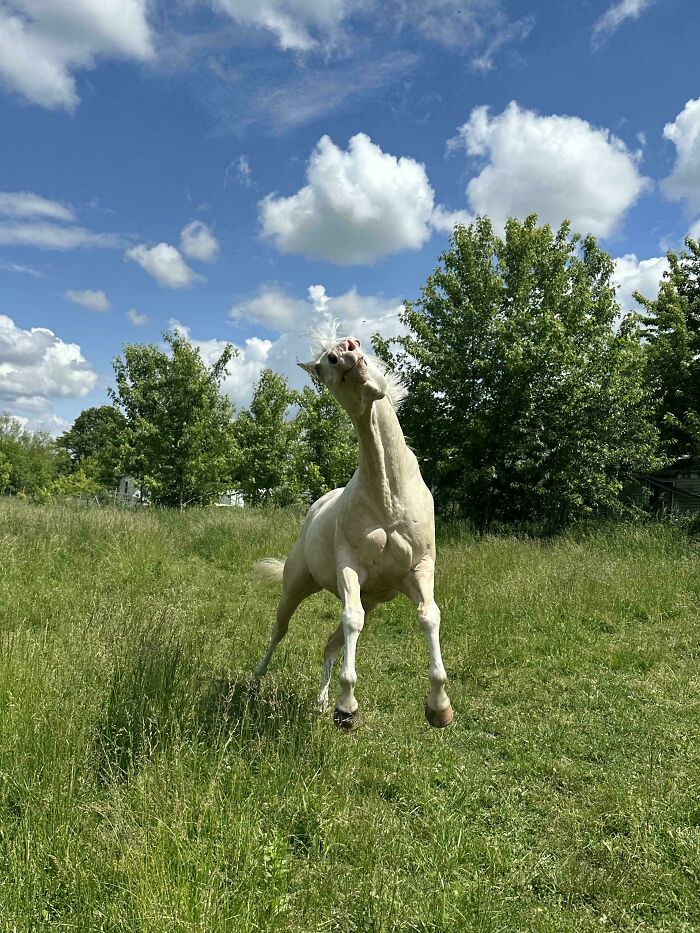
Horses start galloping and frolicking almost immediately after they can walk, refining the motor skills they’ll rely on as adults. Remarkably, even insects like ants and wasps stage mock battles to hone their fighting and defensive techniques.
However, not every playful behavior fits neatly into these practical categories. Ravens have been spotted repeatedly sliding down snowy roofs, climbing back up, and doing it all over again. Crocodiles sometimes give smaller crocodiles piggyback rides.
Young elephants treat riverside slopes as waterslides. Herring gulls drop shells while flying and catch them mid-air, even though shellfish can’t actually fly. These activities suggest that some animals simply play for the pure pleasure of it.
The idea that animals play simply because it’s fun feels genuinely sweet and wholesome. Plus, it means we get to enjoy their antics.
But does this playfulness mean animals actually have a sense of humor? While there’s no clear consensus that it works exactly like ours, research suggests they possess something remarkably similar.
Isabelle Laumer, a researcher at UCLA, led a study that sheds light on this. She and her colleagues spent over 75 hours watching great apes interact at zoos, and what they discovered was fascinating.
These apes love to tease each other. The researchers documented 18 distinct teasing behaviors across orangutans, chimpanzees, bonobos, and gorillas, including hitting, body slamming, and pulling on body parts.
A typical scenario would involve a younger ape sneaking up behind an adult and poking them repeatedly, then waiting to see how they’d react. Often the adult would ignore them, so the youngster would keep escalating until they got a response.
According to the researchers, this behavior mirrors what human children do when they’re trying to get a reaction. While it may not be as sophisticated as what we experience, it certainly qualifies as playful teasing that suggests animals do have their own version of a sense of humor.


























 No fees, cancel anytime


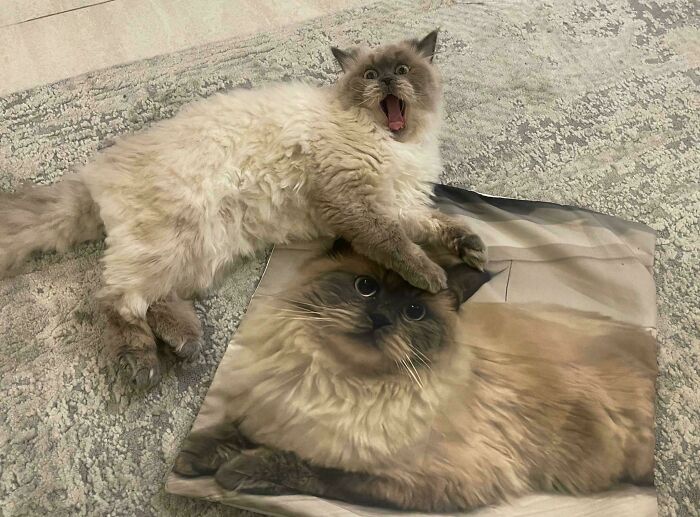










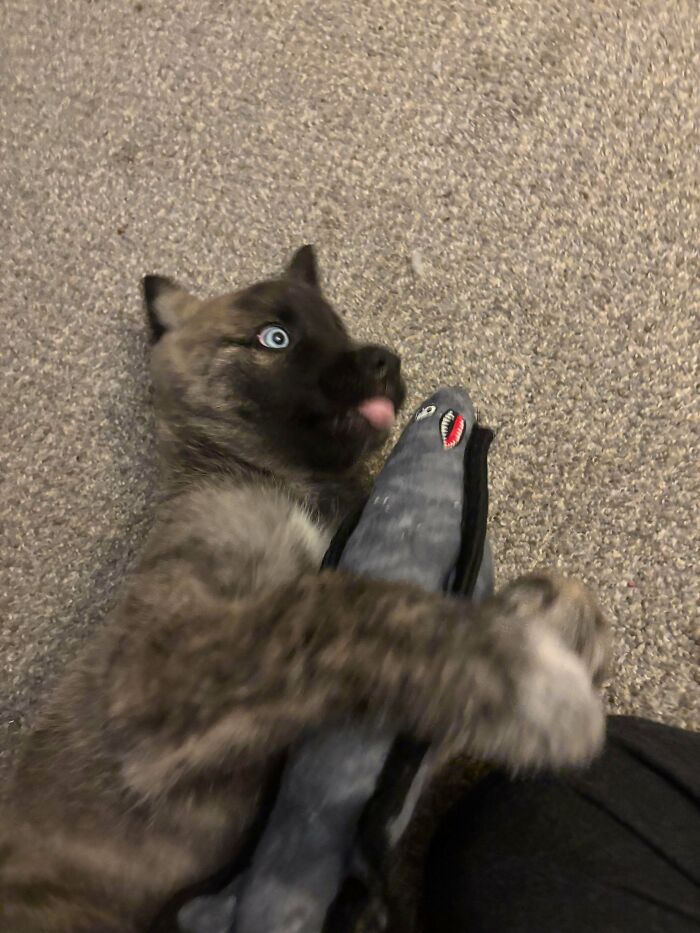
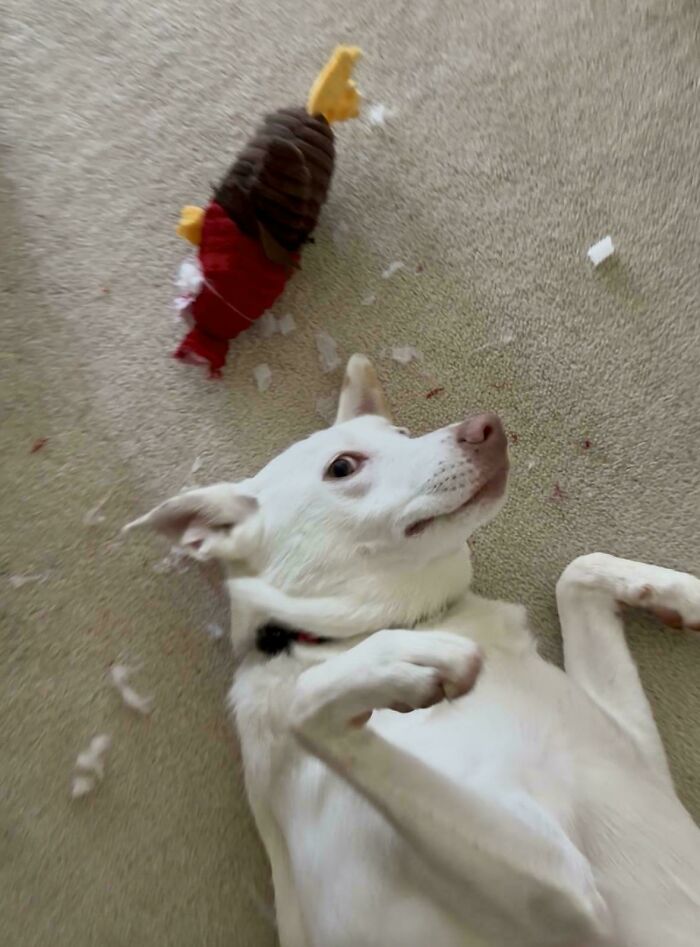
![Caught Him Having Some 'Special Alone Time' With His Favorite Plush Toy. The Look On His Face Says It All [oc]](https://static.boredpanda.com/blog/wp-content/uploads/2026/02/69943571c392d_u6tf6h8kbohg1-png__700.jpg "Caught Him Having Some 'Special Alone Time' With His Favorite Plush Toy. The Look On His Face Says It All [oc]")