Get Premium
Dark mode theme is available exclusively for premium users. Learn more about the benefits of subscribing.
No fees, cancel anytime.

 Dark Mode Ad-Free Browsing Unlimited Content
 Ad-Free Browsing Unlimited Content Dark Mode
Join 1.2 million Panda readers who get the best art, memes, and fun stories every week!
Many of us who grew up watching Indiana Jones or The Mummy probably imagine archaeology to be as exciting and action-packed as our favorite movies make it look. In reality, the work tends to be far more methodical, painstaking, and yes, a little boring. That said, it’s not without its dangers or genuinely jaw-dropping discoveries.
One Redditor asked users to share instances of traps that archaeologists had stumbled across or even been injured by on the job, and people came through with some fascinating examples. Scroll down to find the most curious ones, and don’t forget to upvote your favorites!
This post may include affiliate links.
 In my will, I fully intend to request my coffin lid be spring loaded and filled with confetti cannons. So that a thousand years from now I'll make an archaeologist's life a bit more exciting.
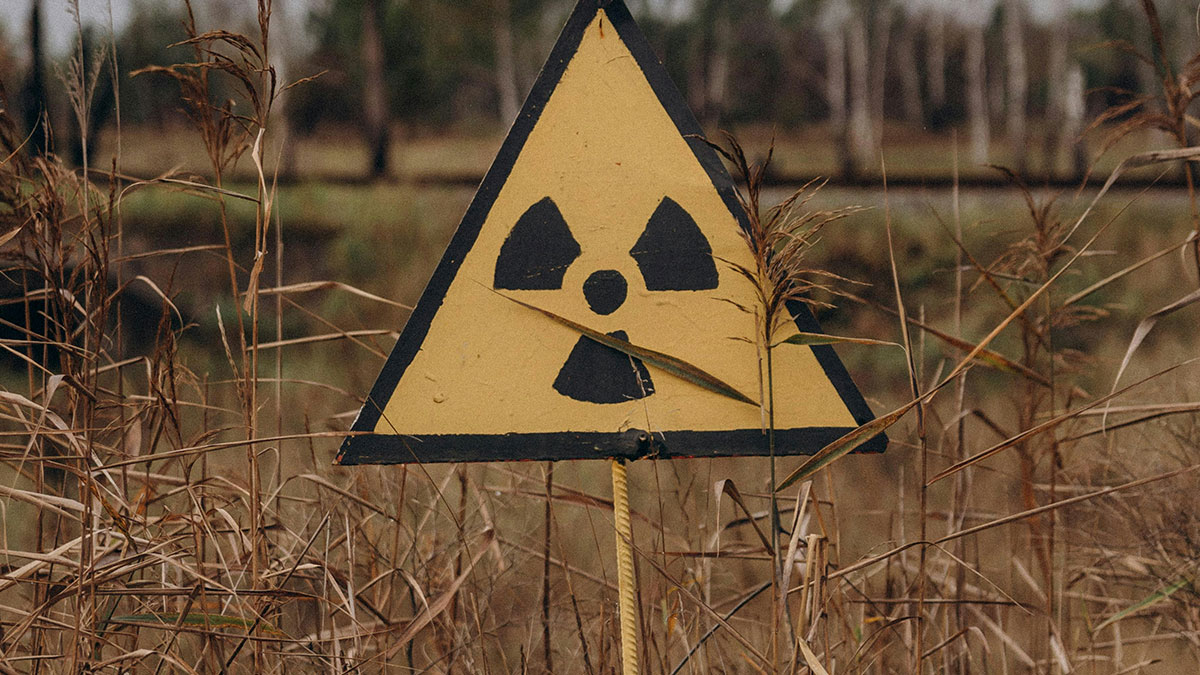
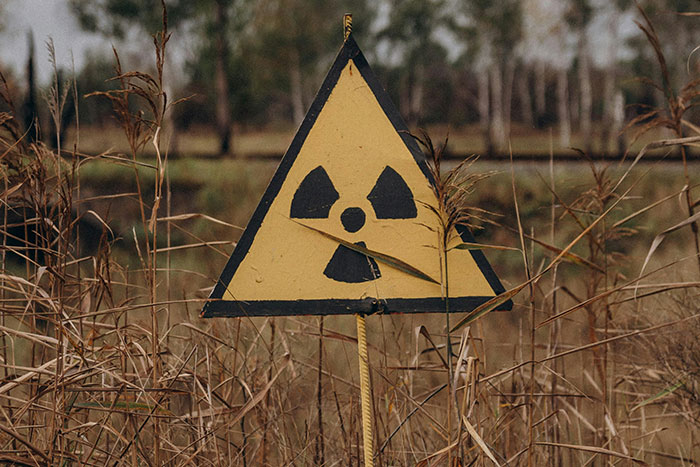 Kinda the opposite of what you're asking, but a major problem in nuclear disposal is how to convince people 10,000 years from now that this super fancy, highly fortified structure isn't the tomb of some great emperor or a temple to the god of the underworld, it's sealing away incredibly dangerous & extremely potent dark magic that *will* k**l any who enter & contaminate the air, water, & land for millenia if it escapes, and have those warnings be not only understood but also taken seriously, & not brushed off as superstition or a bluff.
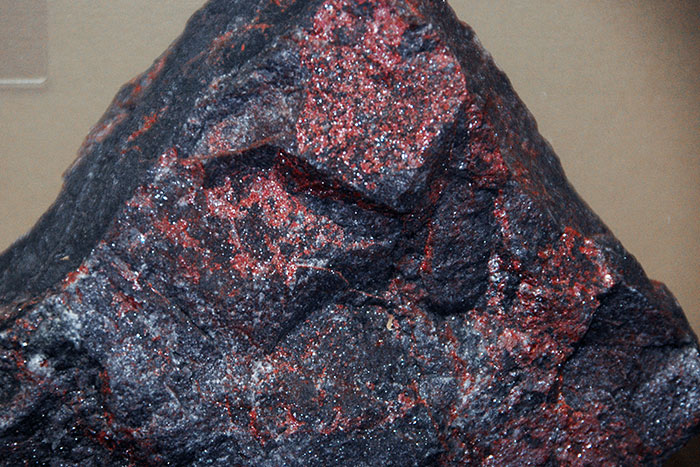 Off the top of my head, I know some tombs in South America have cinnabar sprinkled in them. No clue if anyone has died from it though
Edit: TIL y’all are reading this as Cinnabon and not mercury sulfide crystals.

I thought it was interesting that they realised mercury was poisonous enough to make a trap with it, but a quick bit of historical research shows that most cultures knew that but kept giving it to people as 'medicine' anyway. People are so strange.
Archaeologist here. A friend of mine was working on a site in England where there had been bombing during the blitz in WW2 and the b**b squad had given the all clear to excavate. The archaeologists later found unexploded shells that they hadn’t found in the survey and had been digging with a pick axe right next to it. Not exactly a booby trap but definitely a holy s**t moment.

In Germany almost all construction sites at first still have to be investigated for ww2 bombs.
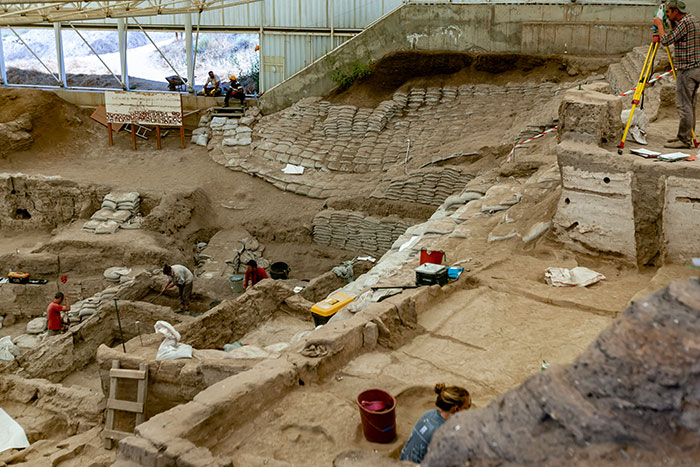 There may be a few weird examples of this, but the real dangers of working at a site are heat exhaustion and alcoholism. Mostly alcoholism.
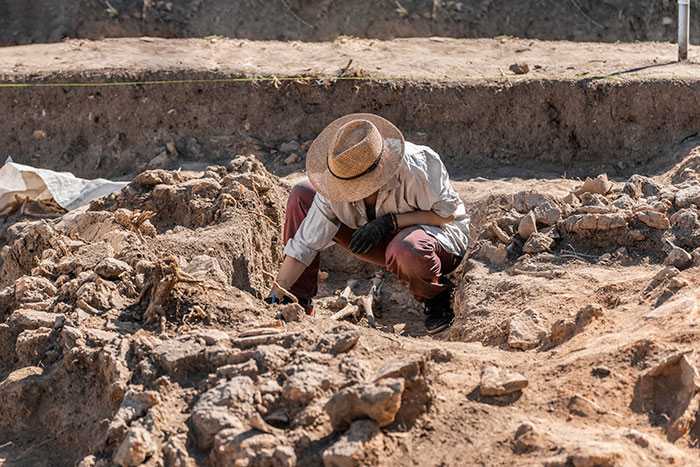 Honestly, any booby trap that was still functioning after thousands of years would be of *far* greater archeological value than whatever artifact Indiana was attempting to steal from the tomb.
And yes, booby traps in tombs are totally a thing. Although they generally don't resemble anything you'd see in an Indiana Jones movie.

I read about one where a room was filled with sand. The sand was holding up the roof. When they dug out the sand. oops!
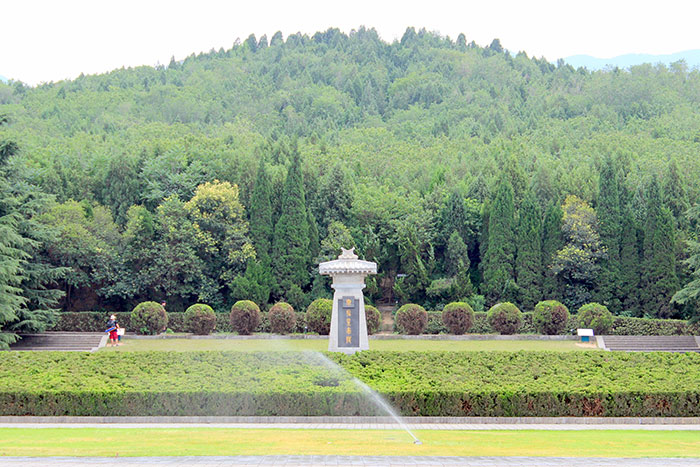 While not likely *intentionally* a booby trap, the use of mercury in the mausoleum of the first emperor of China.

Rivers of mercury was one theory...have they dug any of the site yet, or are they still tickling the edges
I have all my credit card information and financials on my laptop, so it's an inviting target.
But if you open it up and start typing on it, your fingertips will be orange and sticky forever.
It's called the "Curse of the Cheetos Cheetah".
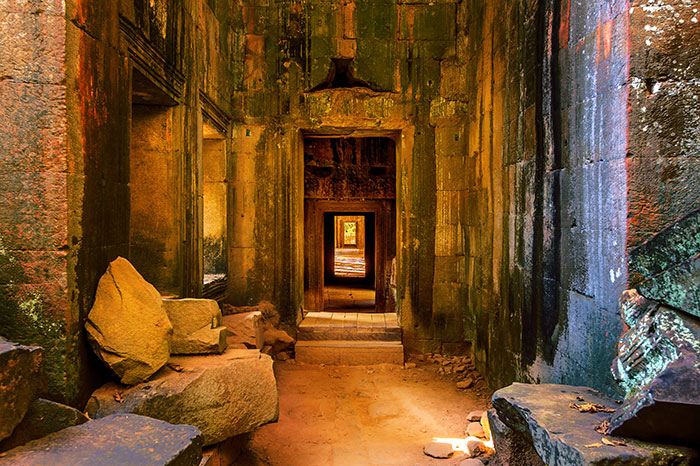 There was an Egyptian tomb where a corridor went downhill by about 60 feet, and then uphill again.
The engineers put dead animals and fresh plants etc in there before they sealed it up. And so the decline/depression filled with CO2. It stayed like that for centuries. In modern times, when they unearthed the tomb, they found human skeletons centuries younger than the tomb, where people had died trying to get in.

Yer this story isn't historically or archaeologically supported. There’s no verified Egyptian tomb designed as a deliberate “CO₂ trap,” nor any documented case of later intruders found centuries younger, k****d by preserved carbon dioxide. While decomposition of plants and animals can produce CO₂ (along with methane, ammonia, hydrogen sulfide, etc.), keeping a lethal concentration of CO₂ trapped for centuries inside a cut-stone tomb would be extremely unlikely. Stone isn’t perfectly airtight, gases diffuse over time, and concentrations equalise. There are real examples of dangerous gases in confined spaces and natural CO₂ pooling in certain geological settings, but this specific Egyptian-engineered gas-chamber story doesn’t have any credible evidence behind it.
There once was a local story of a group of kids who stumbled upon some booby trap laden caverns and such. They were following some route found on an old map. They survived the experience and ironically enough were saved by those booby traps as they were being menaced by a family of criminals. Last I heard they were still living in the Goondocks. They escaped their adventure with some jewels they found on an old pirate ship.
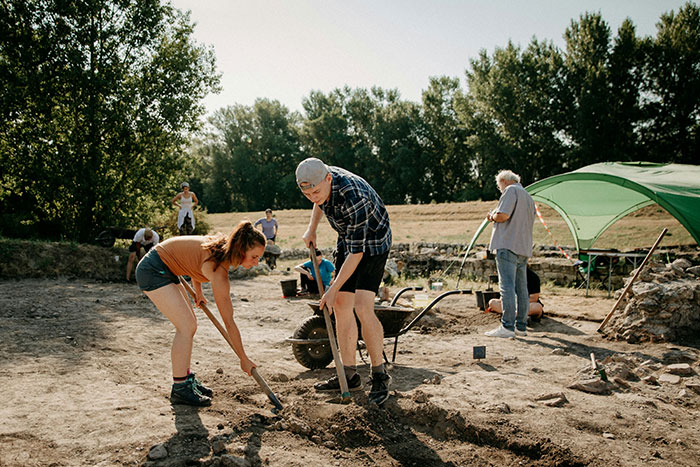 I can't think of any traps but archaeologists getting k****d or injured on site is not as uncommon as it should be. Personally, I was temporarily blinded on my last dig before leaving the field.
We also have a lot of fun stories too. If you find an archaeologist, buy them a drink and you'll have a lot of fun.

What? and contribute to alcoholism - the major danger on sites (according to another post).
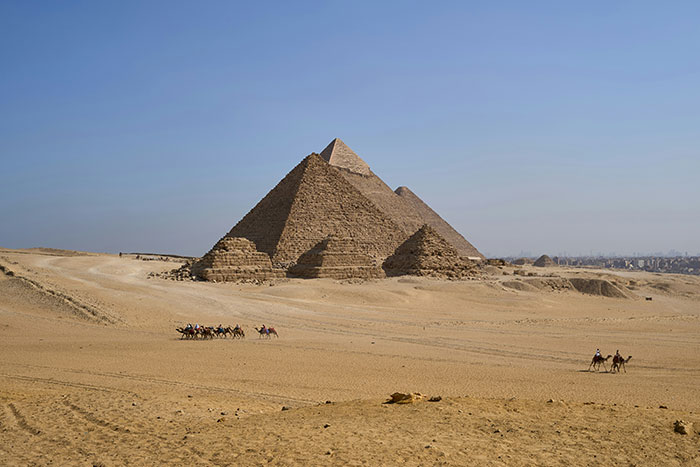 There is a toxic powder in some Egyptian tombs called Hematite Powder. Its very sharp and can k**l you if you breath in allot of it. It also is very irritating to the skin.
Keep in mind that most tombs have been raided loads of times before the archeologists found them. Back in Egyptian times there were parts of their society that would loot tombs shortly after they were constructed.
There were sliding walls that would drop into place and seal off a tomb. This was not a trap though. It was one of the ways they constructed the pyramid. You need access to the tomb while you build it but you don't want people to access it easily. So they would sometimes have a "seal" that was a granite slab. Finish burying the pharoh and then seal the slab.
Or.... just tell everybody the tomb was sealed and then rob it to your hearts delight. Apparently that was super common
Physical traps don't work after thousands of years. All the physical traps you see in movies are only in movies.
From what I've learnt, the Egyptians who did the tomb robbing back in the old days were the priests. They knew exactly what was buried and where. Apparently, this sort of thing only happened at times of social collapse when there wasn't a Pharoah who was really in charge. Or so I've been told by various documentaries.
As an archaeologist I can tell you every site is a booby trap when you account for how drunk students get on a field school.
On a more serious note: the biggest dangers to our health are injuries from improper footing, falling material, bad control of tools, sometimes vehicles. More tangibly it's disease from biting insects, some locations wildlife is a factor. The only potentially dangerous stuff to dig up that I've either encountered myself or known people who have is disease from preserved biological remains and unexploded ordinance from past conflicts.
I mean, on the one site I worked on, I was the only one with any familiarity with firearms and explosives so everyone freaked out over nothing every time they found something and I just went ahead and disposed of it. For where that site was and how heavily the area was bombed, I'm sure the only reason there wasn't anything major left was because the farmers had cleared it out in the ploughing.
Either that, or the remaining ordnance cleared the farmers out...
This is a really good question! Usually the danger while doing archaeology comes from digging accidents (like cave ins and falls) and environment (like getting hurt while camping around a secluded site or heatstroke). A lot of these movies don’t really show digging practices. These days you’re trained to section of a site in an organized manner, level your “unit”, and document everything as you dig down bit by bit. If you don’t do this, you kind of ruin the whole point of digging. For example: the artifact Indiana Jones looted from that indigenous group? The item itself is just as important as where and how it was placed. (So is having a good relationship with locals, if you aren’t a part of the community yourself, your research should be in service to their community and informed by them and their needs). Archaeologists treat sites more like crime scenes and because of that it’s not likely a boobytrap will just “spring out” at you - plus a lot of deterrents may not look or act like a romanticized Hollywood idea of a boobytrap.
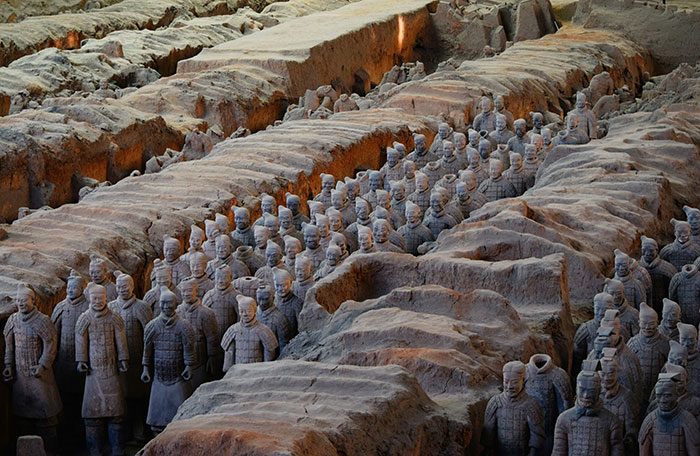 Maybe I missed it, but the tomb of china's first emperor fits this category. The one with the terracotta warriors. They never actually got to the dude because of the lake of mercury.
They don't know that there is a lake of mercury, They haven't opened the burial chamber due to the higher level of mercury found in the soil. The rivers an lakes of mercury might be anecdotal, but they won't know until they open the burial chamber. All this info from the article i will link in the second post there is no plans to do so at the present time.
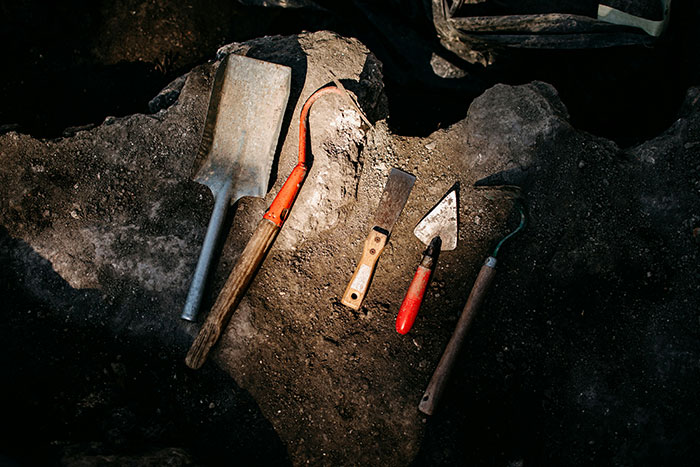 Does a pit with a bunch of spikey rocks at the bottom of it count as a booby trap?
Most deaths to that kind of thing are encountered by Grave Robbers and looters not archeologists. People interested in studying artifacts and restoring them tend to be more... careful.
There is almost no confirmed evidence of deliberately constructed spike pits in tombs...
 Not a booby trap but, in Tutankhamun's tomb, when it was first actually opened and Howard Carter put his head inside, the entire place had vases with perfectly dried and preserved flowers and reeds... that, as soon as the relatively hot and moist air outside blew in, completely disintegrated.
If you're referring to booby traps in ancient tombs and the like, none, because no such thing ever existed, it's pure Hollywood. Any booby trap that *was* built into such a thing would rot into nothingness in years without constant maintenance.
But there are plenty of modern-day death traps waiting. All over the world, old, forgotten landmines from wars decades ago still k**l and maim people every year. In Europe, they run across a few WWII-era unexploded bombs every year. And there are Jebus knows how many sunken ships with hazardous cargo in them that will some day rot away enough to release it. The US has lost some six nuclear bombs over the years.
YES!! MY TIME TO SHINE!!
Former archaeologist over here!!
While not a booby-trap. I was working on a civil-war era cemetery dig, and apparently a popular embalming chemical at that time contained arsenic. So if we ever smelled garlic, we had to immediately put on hazmat suits and latex gloves. Dig season is also usually during the summers, when it's easier to get volunteers. Which means we were always DRENCHED in sweat at the end of the day, because those things do not breathe at all.
My background is rather convoluted, I am British. I studied Medieval history to A-level, trained as a locksmith ( the last year it was legal to practice non-destructive entry (lockpicking). Moved to Munich as an historical beer tour guide and Second World War guide both there and Dachau. Went to Uni to study "History and philosophy of Science with Russian History and Literature". First and only year this course was available, one of two who took it and both of us withdrew early in second year. It was impossible to complete, more contact hours than any other course and was running all over campus! Went on to train under my uncles as a structural carpenter. I am now 33 and still an avid amateur historian and general f*****t.
The following is a non-cited but pretty d**n accurate spiel...
The use of booby traps is far more common than you would think. There are examples that extend back over five thousand years. The most common is the use of water diversion. Dating back to the babylonians and Hittites, there are examples of cantilevered stone walkways that open outlets that would flood a chamber when depressed/triggered. They have been negated though due to rivers naturally being diverted due to erosion etc. Drop falls were pretty prevalent, but again, the sheer passage of time have gunked up the mechanisms or the pits have been filled by the slow ingress of sand/soil.
There are examples of large stones designed to fall on invaders, but much akin to wall bows (where bolts fire from wall apertures) the potential energy storers (whether a crossbow like strap of tendon or suchlike) the passage of time has denatured them past use.
It is my, admittedly meagre, understanding that the most advanced of these traps were developed in South America and Egypt (including sand traps(nasty, they use weight displacement to allow sand to flood in (f**k drowning in sand).
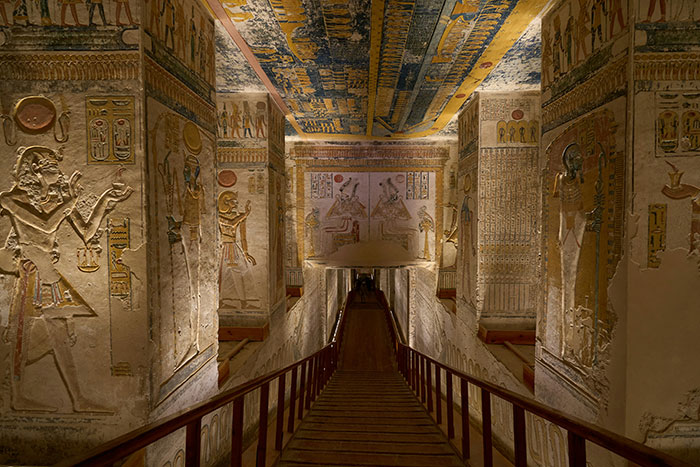 Valley of the kings has a stair well in one of the tombs where they purposely made the stairwell steep and purposely made steps at odd heights to throw someone's balance off allowing them to tumble down the stair well and at the bottom is a deep put so they break a limb and are stuck with no way out.
I can totally suspend my disbelief to accept that ancient peoples rigged tombs and s**t with booby traps to keep out looters. What I can’t accept is that these rudimentary machines still function perfectly after hundreds of years of no maintenance.
Take a brand new Corolla, stick it in a cave and abandon it for 500 years. See if it still works.

I don't know about a Corolla but i suspect a Toyota truck might. Those things are very difficult to kıll.
Probably some post-war zones in Vietnam.
 I was never able to confirm this, but a cultural anthropology professor I was taught by in college used to be a field specialist on sites in Central America. He was a larger than life kind of dude who lived life to the fullest, you’ll see why.
He told us a story how when walking in to what could best be described as a catacomb he got sprayed with a fine dust after he stepped on a pressure plate. Luckily his student and other workers got him before he suffocated. Turns out it was a type of embalming powder that can coat your lungs if you breath it in.
A year or so later at a different site, he and all of his team caught a form of malaria that was persistent and would lay dormant after he would get treatment. The malaria would end up coming back and k*****g him a year after I finished college. He made archeology and anthropology friggin fun.
Edit: he was told that the malaria being chronic and persistent meant that when he got older, the more likely that it would be life threatening. He would get sick every three years or so and would get sicker ever time. Knowing that he could frankly count the years until his death gave him a very interesting outlook.
Turns out Mesoamerica didn't use embalming 'powder' so this just isn't true. Further to this point there is no evidence to show that Mesoamerica used pressure plates. That in and of itself would be of HUGE archaeological significance.
I knew an archaeologist k****d why excavating WW1 trenches. Not an intentional trap but the end result was the same.
Years ago we were on a beach pool at the Bodensee south germany. my kids disapeared between plants in the shallow water and came back really excited with some unfired flak ammunition of ww2, still in good condition. They were not amused, when i took it from them.
There's this story of two hoarder brothers (we'll call them J and K, cause I can't remember their names) who lived in an apartment together. J was disabled, and fully dependent on K for having basic needs met.
Because of the sheer amount of stuff they had everywhere, the place was basically booby trapped (they may have placed some traps intentionally, but I don't remember exactly). They were also very reclusive, and seldom left or allowed anyone in.
Someone in their building called for a wellness check for one reason for another, and they found the decomposing bodies of *both* brothers in their apartment. K had been k****d by one of the booby traps, and as a result, J died several days later.
Edit: it also took days to get to the bodies due to the traps, as someone added
I can't imagine how utterly terrifying it would've been to be J. Your brother dies, and then you're just...stuck, knowing death is inevitable. The pain and fear he must've gone through in his final days must've been horrific.
I don't know how I want to die, but I know how I *don't* want to die.
The Collyer brothers. Homer was blind and paralyzed, depending fully on Langley. The apartment was packed with 140 tons of stacked newspapers and debris, some of which was booby-trapped. Langley accidentally triggered one of them and was crushed under a pile of debris, leaving Homer to starve.
The first emperor of China is buried in a mound style pyramid full of booby traps and mercury rivers. The gov doesn't want to go in and get rekt, so they forbid anyone from trying to enter.
It may not be of any historical value, but during the Vietnam War, there was actually a hole placed in the ground on my family's property; supposedly connected to other tunnels and holes. My cousins tried to trick me into going into it until my uncle came across us and they got in major trouble. Apparently, the hole was boobytrapped and no one knew how to turn them off anymore. I asked for more detail from my cousins later on and they theorized everything from pockets of napalm to explosives. I have no idea if they were still just f*****g with me (but probably).

It sounds like something parents would tell their children to keep them from going into unsupported tunnels!
Ooh, my time to shine! I run a daily trivia game where I angrily text my friends random questions every day. We’ve been running for like a year and a half. We did this one below on booby traps!
——
10/12/20 DAILY LOG
You have a store of riches, or perhaps a secret most dreadful. It must be protected at all costs - how? Booby traps!
The dangerous, hidden, secretive, silly named devices have deterred many a doe eyed fool who valued riches more than his own skin. Which of the following is NOT an actual booby trap?!
A.) mechanical crossbows and rivers of liquid mercury protected the Terracotta Army, a massive series of sculptures depicting the armies of Qin Shi Huang, the first emperor of China. Spicy.
B.) Ivan Vasilyevich, the first tsar of Russia was a tyrant nicknamed “Ivan the Terrible”. A ruthless leader, it was wise to fear him in both life and death. In his mausoleum, his death mask was painted with a highly poisonous red cinnabar paint and toxic hematite dust was sprinkled everywhere.
C.) The Baja 1000, a Mexican off-road race, is among the most prestigious off-road races in the world. It covers roughly 1000 miles of dangerous desert. It is plagued by spectators who set dangerous traps for the drivers including hidden holes, jump ramps, and hidden caches of rocks.
D.) the bamboo pit viper was weaponized by the Vietcong in the Vietnam war. Snake traps were known as “3-step traps” because you only had time to take 3 steps before the venom k****d you. In the tunnel complexes, they stuffed the irritated snake into the hollow bamboo framework, meaning that any US “tunnel rats” were in for a nasty surprise.
I saw a YouTube video many years ago that I haven't been able to find since and the details are murky, but I remember the gist of it was that there was a tunnel system under a German city that the Nazis used to stash some of their gold (allegedly). It was mentioned that these tunnels were likely boobytrapped and the German government didn't want archaeologists messing with a site that was likely wired with bombs in an actual city. I've tried to find it again, but all that comes up is the N**i gold train craze that wound up yielding nothing.
Some jungles in Vietnam still have spike pits, tree traps, and explosives. In some instances, there are active pen traps and watch bombs.
I’ve heard a theory that King Tuts tomb and the curse associated with it (sudden mysterious deaths of initial archeologists soon after inspecting the tomb) may have been some form of toxic micro dust, that was laid across and throughout the entire tomb, and when the seal was broken and air flow kicked up the dust, it was inhaled and wreaked havoc on people who came into contact with it.
Again, I have zero evidence to back this up, it is something I heard theorized, but also don’t underestimate the Egyptians for being able to create such a substance.
I know that the tomb of Qin Shi Huang (the emperor that is buried in a massive mound surrounded by the terra-cotta Warriors) is rumored to have all sorts of traps (and amazing treasures) but the tomb is not planned to be opened (which is great, in my opinion).
2 of the more amazing treasure rumored to be inside... the ceiling is covered in gems to mimic the stars in the sky and the entire known earth is supposedly rendered on the ground with rivers and oceans of flowing mercury simulating water. Tests around the edge of the mound have found high concentrations of mercury.
The Oak Island Money Pit:
A man made pit with platforms roughly every 10 feet. Nobody has ever successfully excavated it as it was booby trapped to flood with water although multiple excavation attempts have been made.
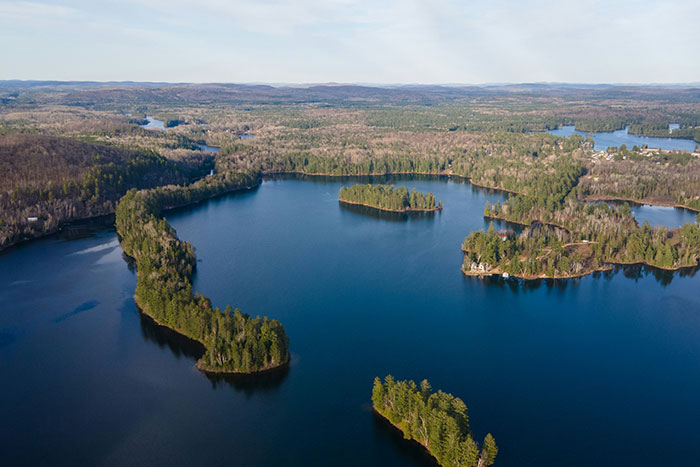 Oak Island in Canada supposedly has a secret treasure buried deep down. There were many different kinds of traps and stuff that have made digging up the island a nightmare.
Several people have gone bankrupt trying to uncover it. There's also tales about a curse.
"The curse" is said to have originated more than a century ago and states that seven men will die in the search for the treasure before it is found. To date, six men have died in their efforts to find the treasure."
There's a history Channel miniseries about it.
There's one in Mesopotamia that keeps luring armies to the region and causes them to lose and leave in shame.

That's in Egypt it's called Hammunaptra. Brendan Frasier did a whole documentary about it. /s 🙃
Not set off, but the legend says that the first Chinese emperor's grave would contain poison and k**l anyone who opens it. Archeologist aren't scared of the poison but the grave hasn't been opened for so long that it may get destroyed if air gets in.
A few years ago a person was going thru some old WW1 stuff, put on an old gas mask and inhaled and died. It seems the filter still had some remnants of old mustard gas in it.
The achaeologists who opened Tutankhamon's tomb had a horrific rate of unexplainable deaths, days or even weeks later. The origins of the "curse of the Mummy's Tomb", I suspect.
One theory I like is >!"ancient pathogens that humans have lost their immunity to"!
I heard somewhere about some tombs having massive lakes of algae infested waters. something about the waters left them incredibly acidic or something, basically falling in it would cause seriously gruesome injuries.
A part of Ancient Egypt had made a huge pit of snakes to protect a tomb before and the snakes bred to where there were King Cobras everywhere. It nearly k****d two but medicine and some survival instincts saved them. At least if this book I read it correct but I am not sure.
And snakes that haven't fed for thousands of years would be really hungry.
Howard Carter, discoverer of Tutankhamun's tomb, was accompanied by Lord Carnarvon who was dead a few weeks after the discovery. He Allegedly was hit by "a waft of feted air" when be broke the seal and opened the door to the tombs. We also have possibly George Gould who dies a short while after entering the tomb. Later we discovered *Aspergillus fumigatus* a pathogenic fungi had colonized the tomb. Fungal spores and yeasts can survive for centuries in a dormant state. We have cultured yeasts (same group as fungi) from bottles or roman wine recovered from the Mediterranean in 2000 year old ampules and yeast from bakeries in ancient Egypt. Ancient Egyptians may not have know germ theory but observationally they may have observed the impact of this fungi on people and deliberately seeded the tomb. This would not be as flashy as a ball rolling won a slope but if the curse of the pharos was a biological weapon word would soon get around that if you open the tomb you die, quite a discouragement.

This went from entertaining fiction to entertaining completely made up rubbish.

. . .and did it very quickly. It didn't take me long to stop reading them because of how ridiculous they got.
Load More Replies...
This went from entertaining fiction to entertaining completely made up rubbish.
. . .and did it very quickly. It didn't take me long to stop reading them because of how ridiculous they got.
Load More Replies... 






























 No fees, cancel anytime