Get Premium
Dark mode theme is available exclusively for premium users. Learn more about the benefits of subscribing.
No fees, cancel anytime.

 Dark Mode Ad-Free Browsing Unlimited Content

 Ad-Free Browsing Unlimited Content Dark Mode

Join 1.2 million Panda readers who get the best art, memes, and fun stories every week!
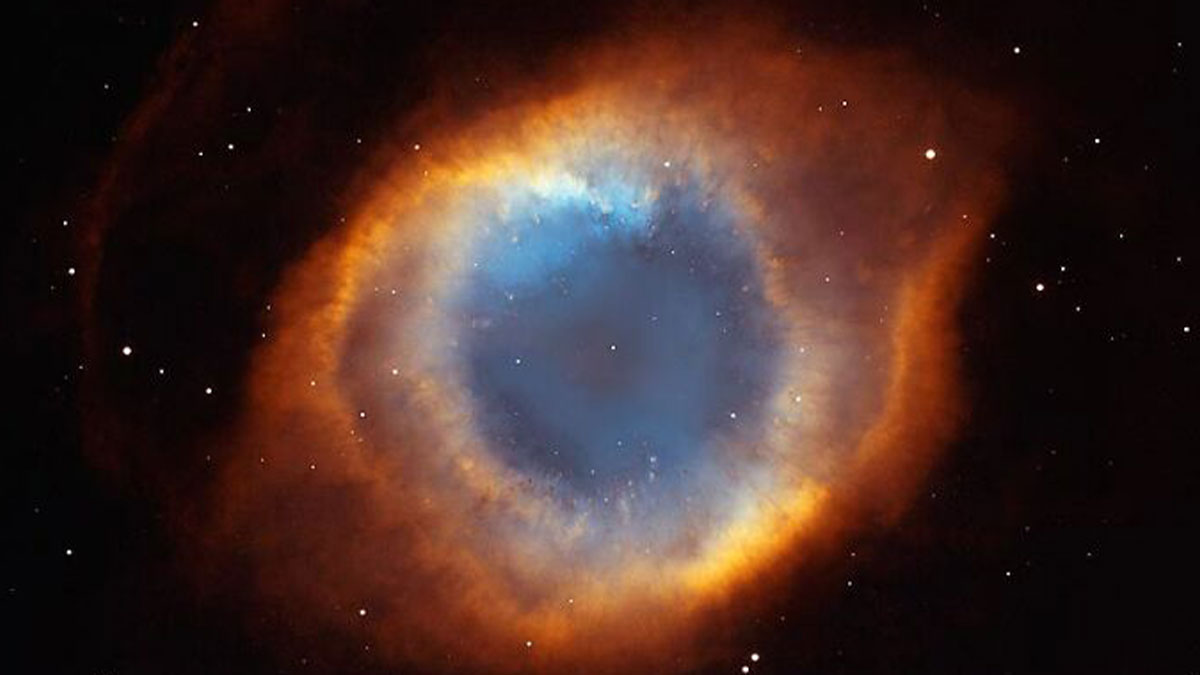
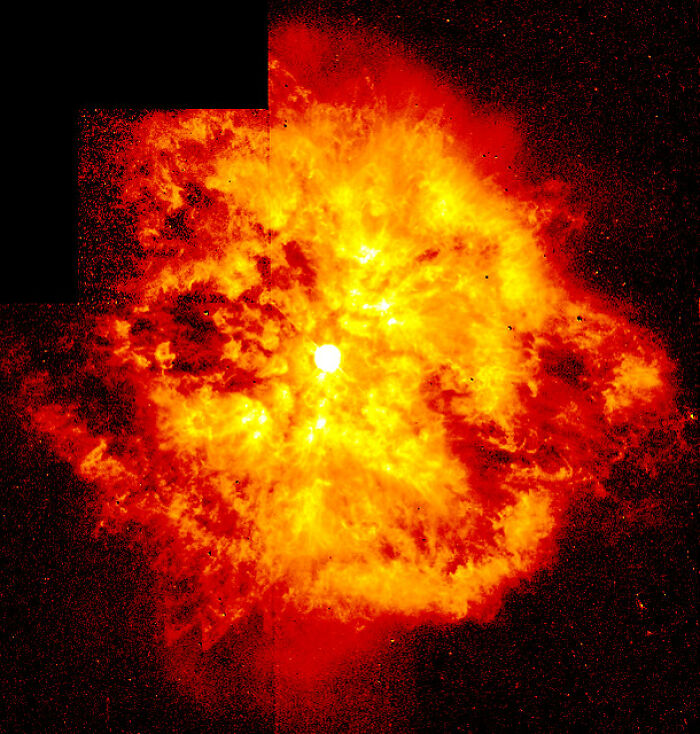
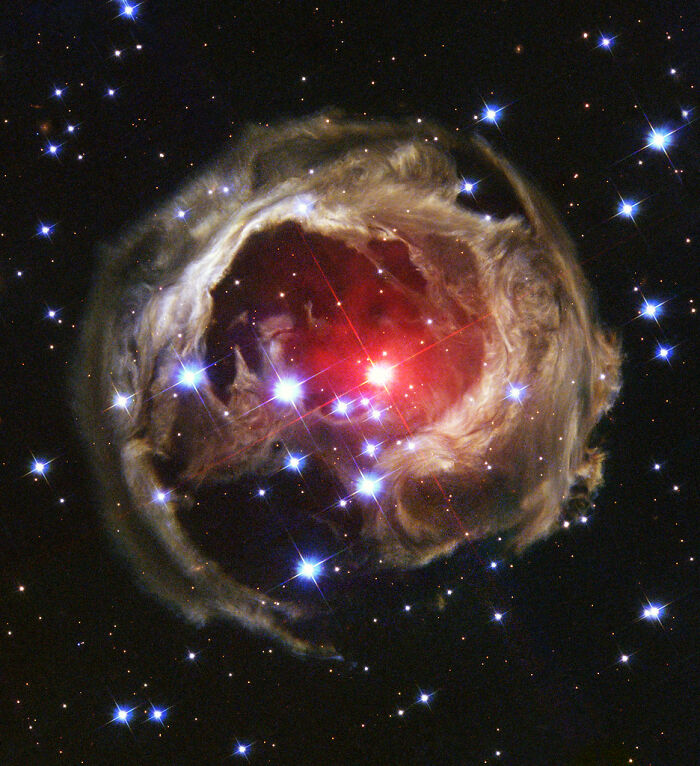
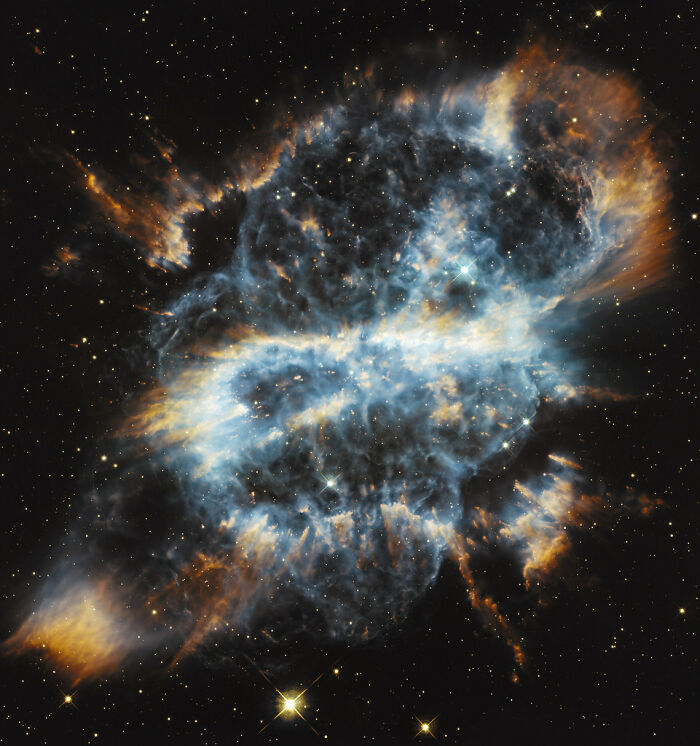
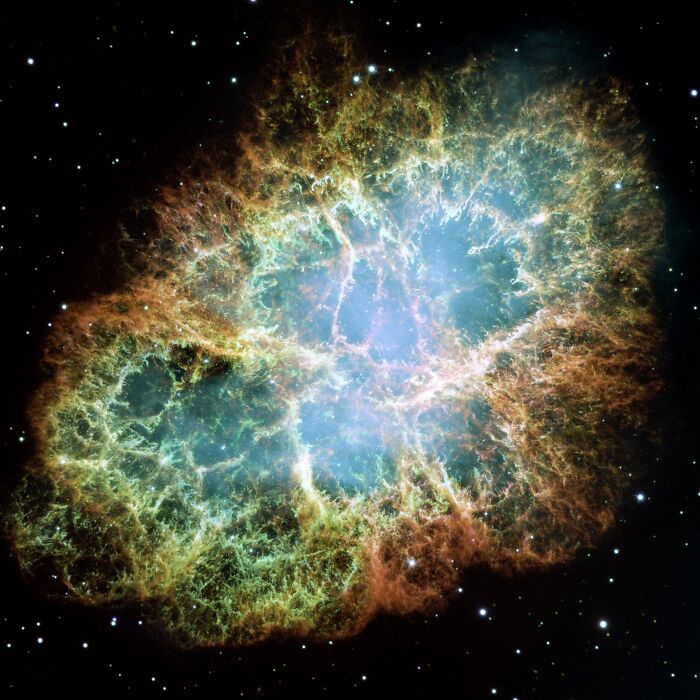
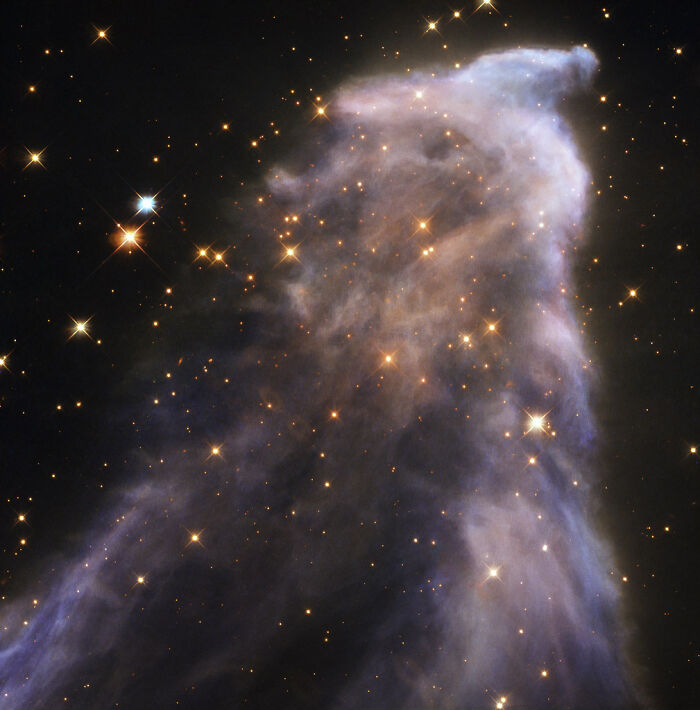
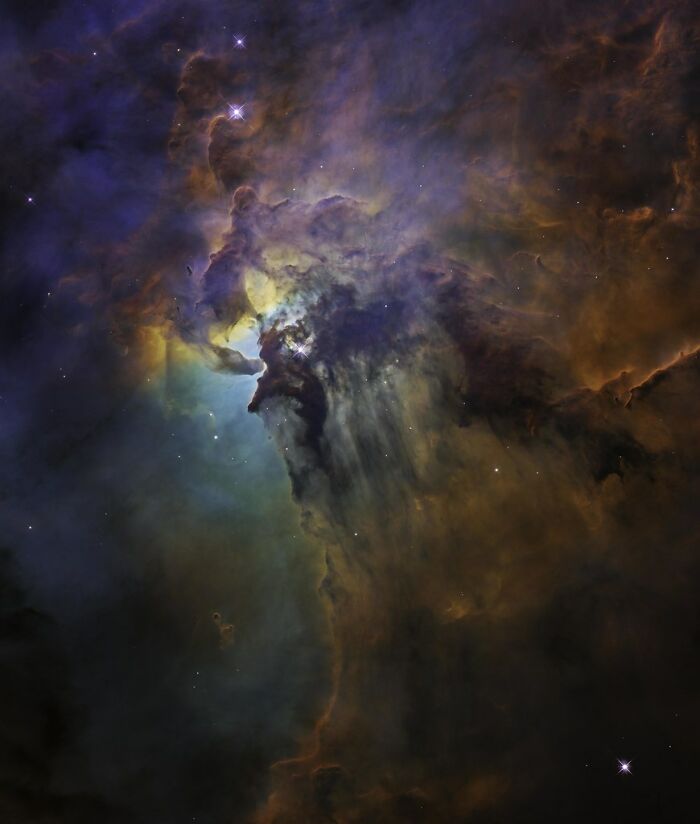
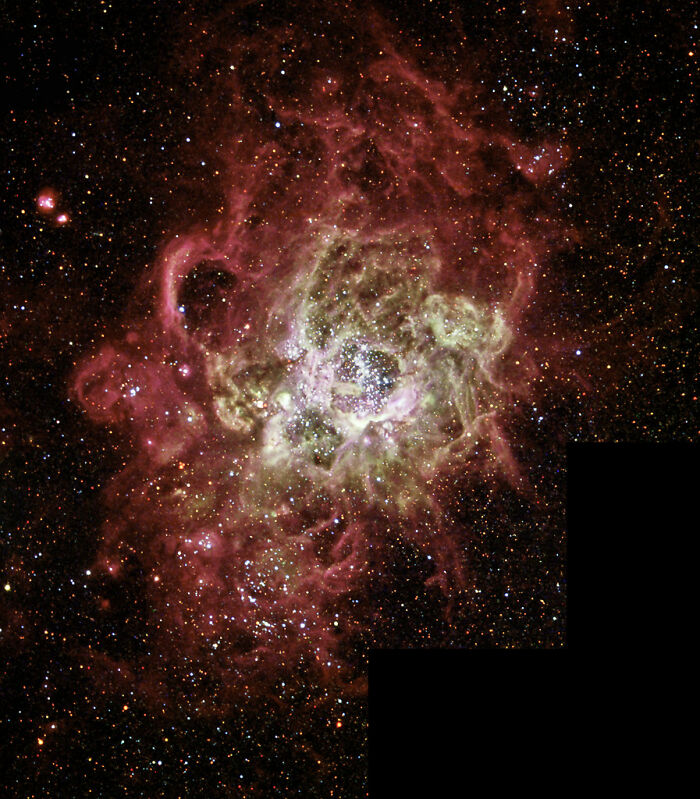
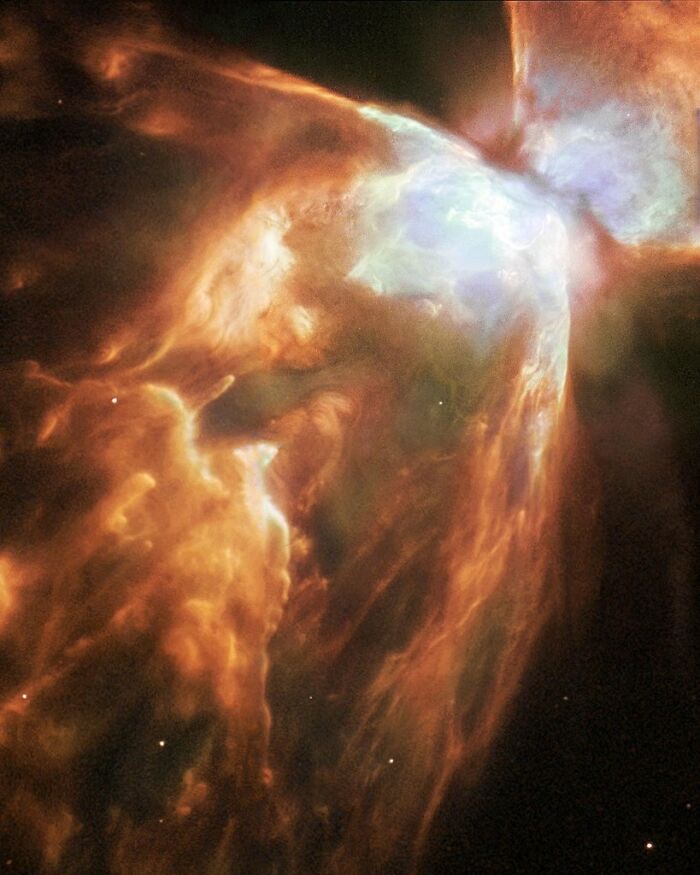
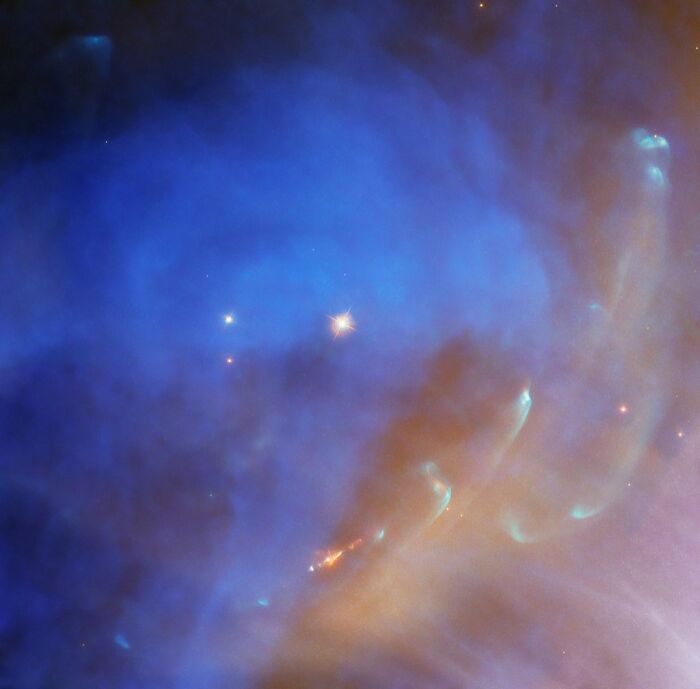
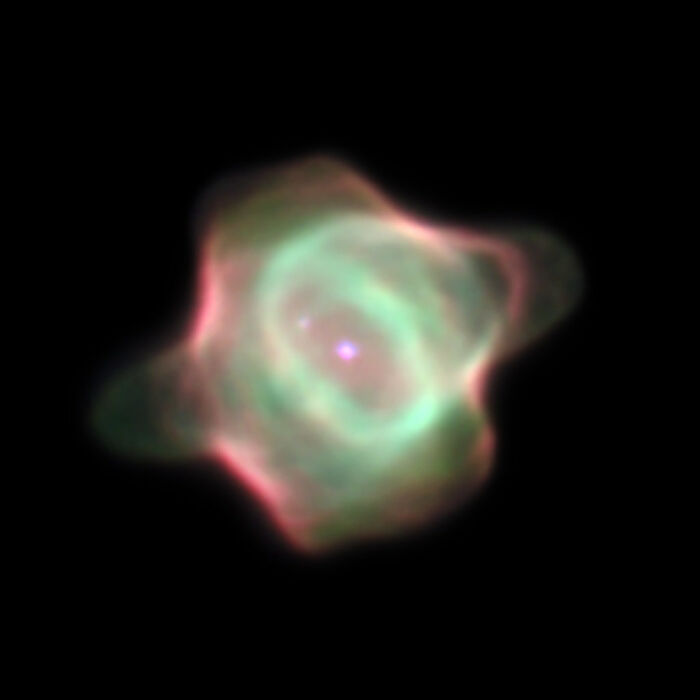
If you’ve ever looked up at the clear night sky, it’s likely you’ve marveled at the sheer number of stars shining down on you. But have you ever wondered where all those stars came from? Well, every one of them was born in a nebula.
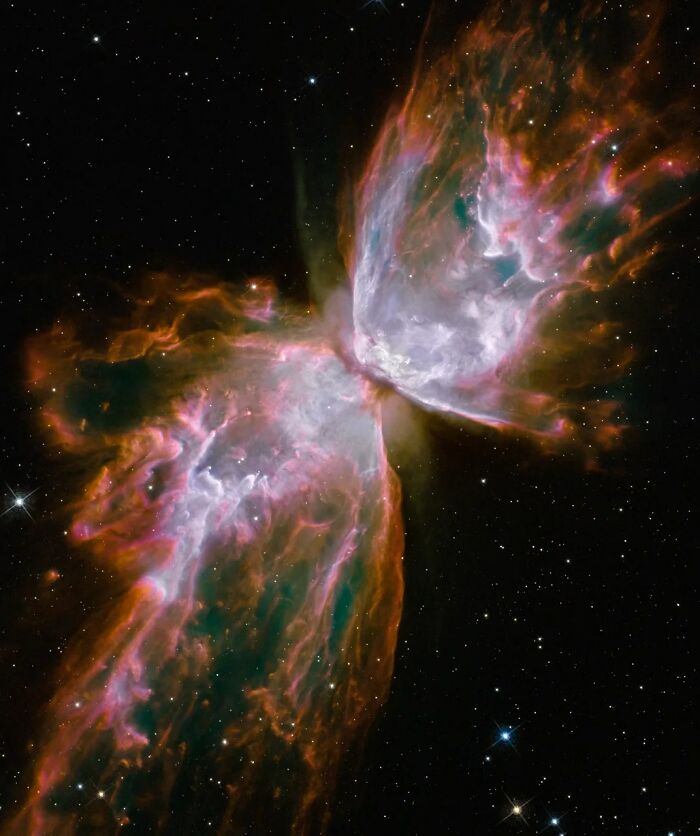
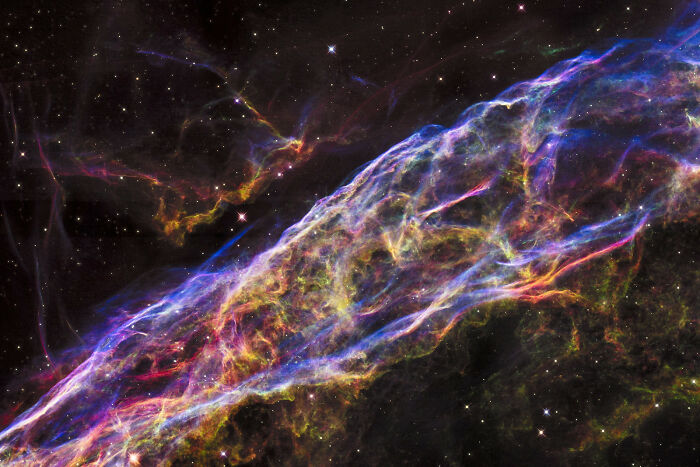
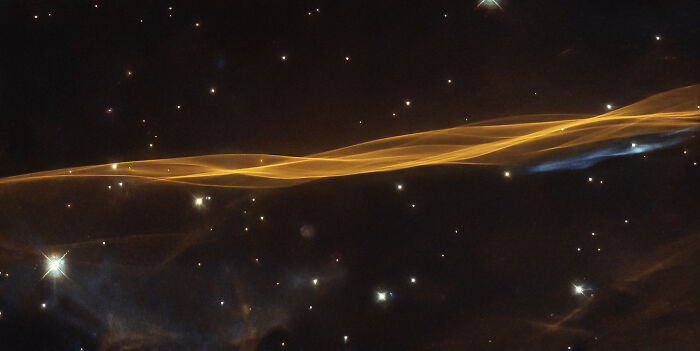
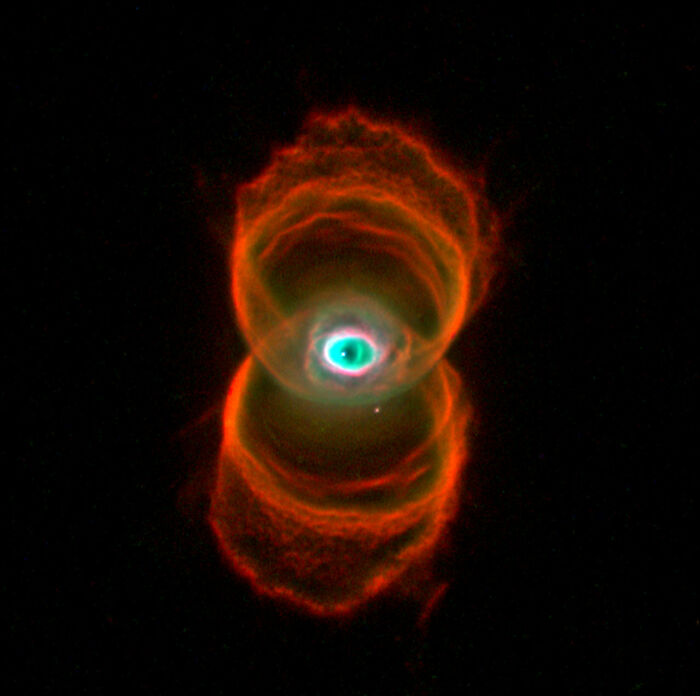
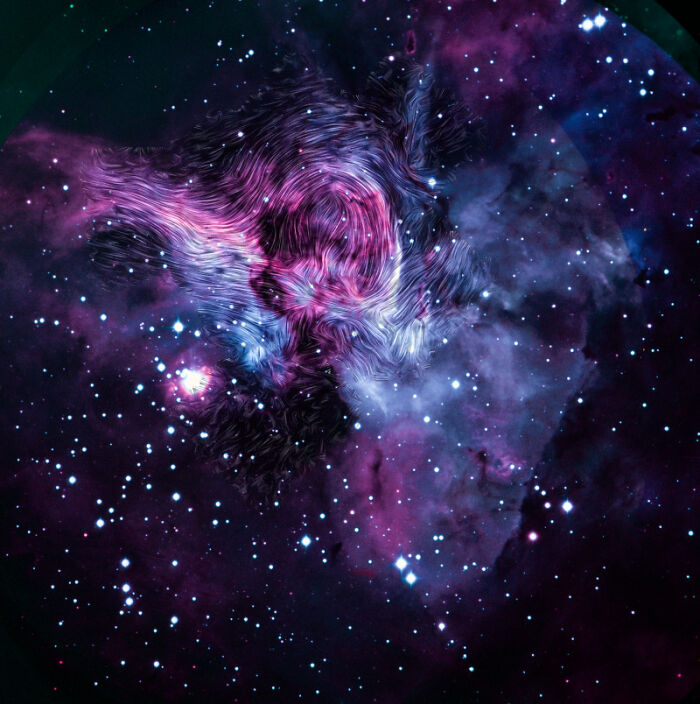
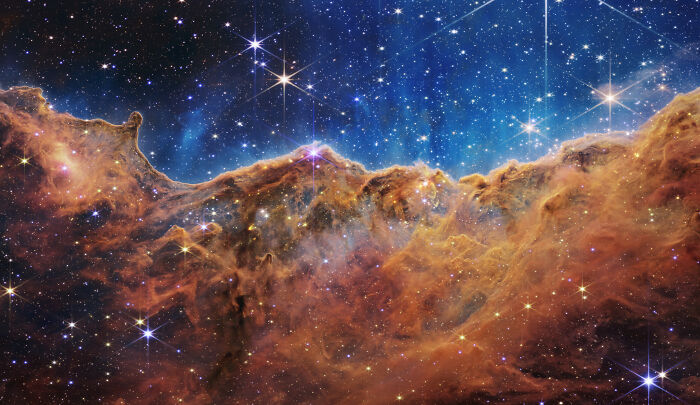
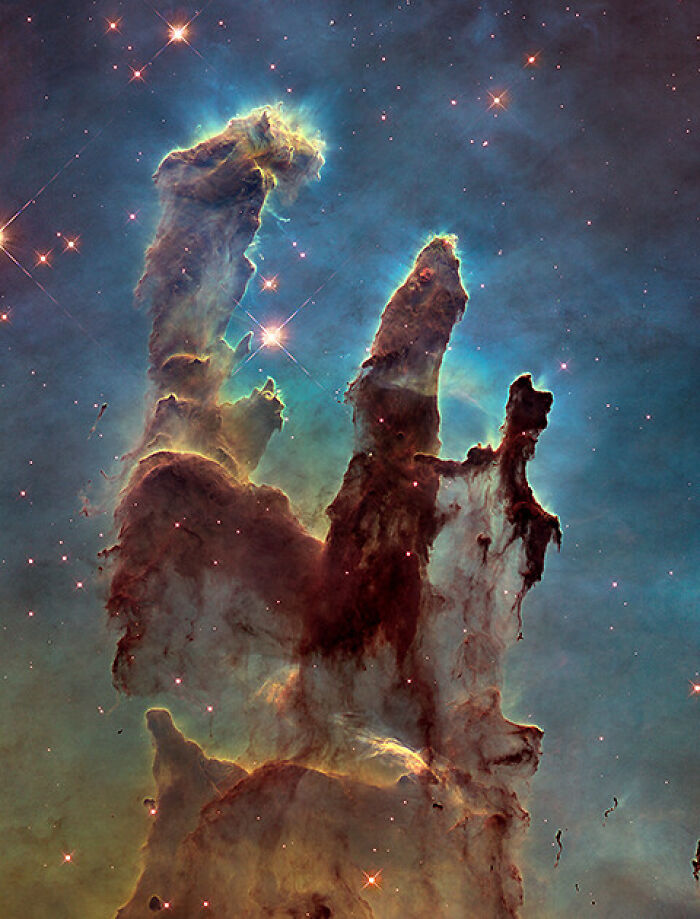
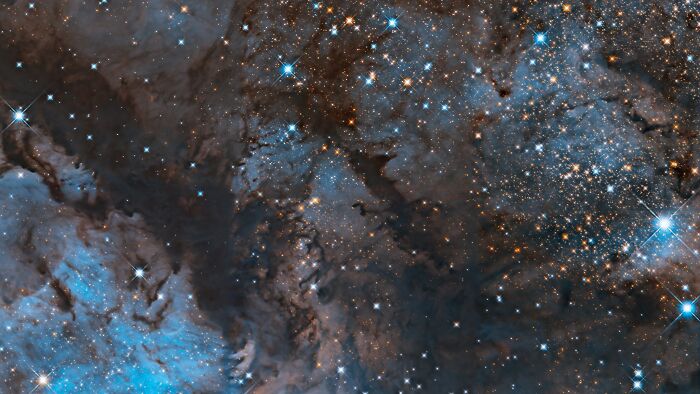
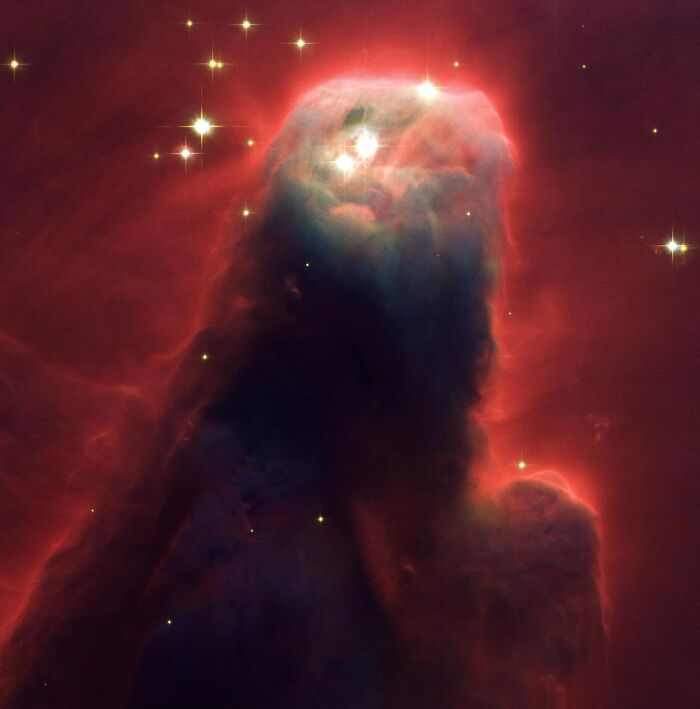
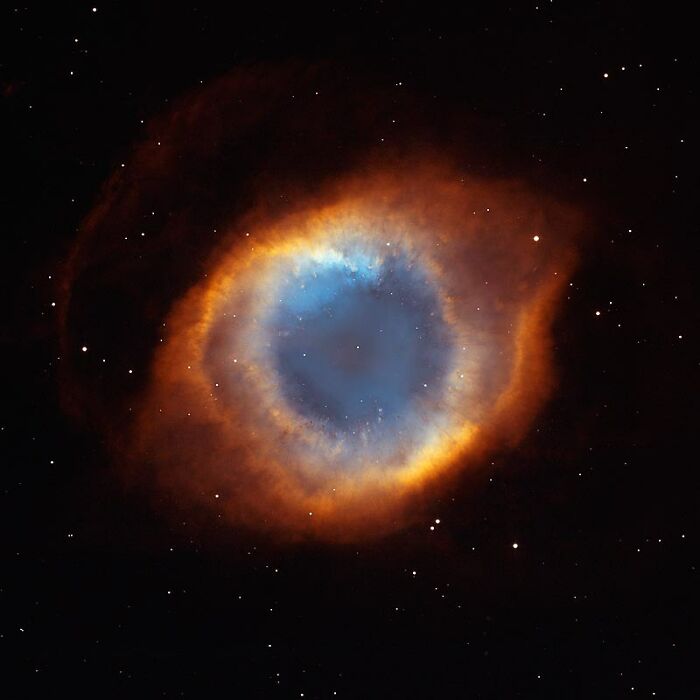
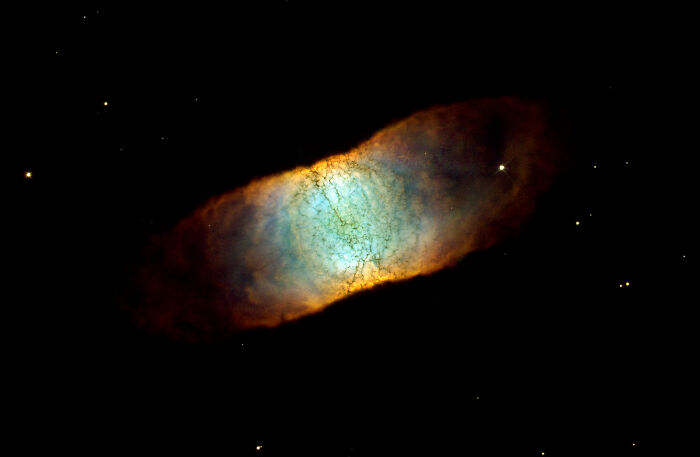
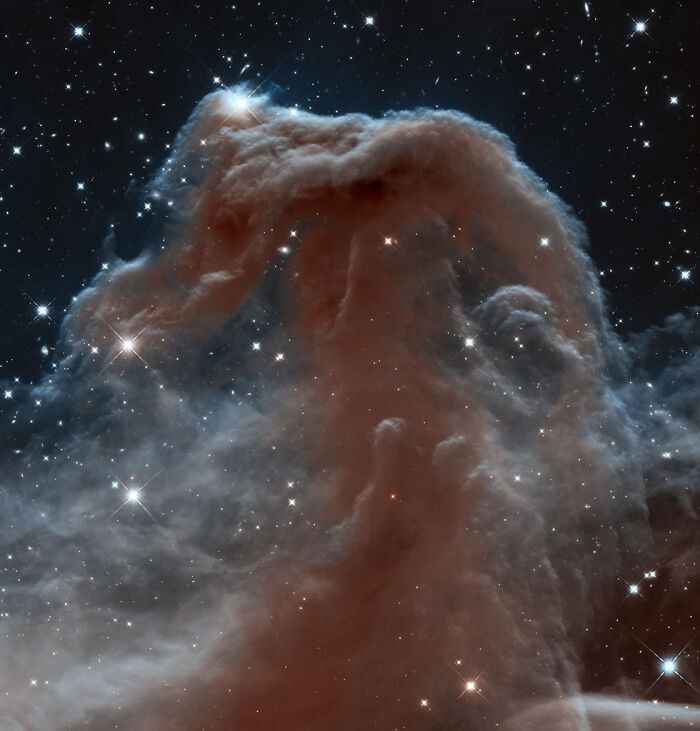
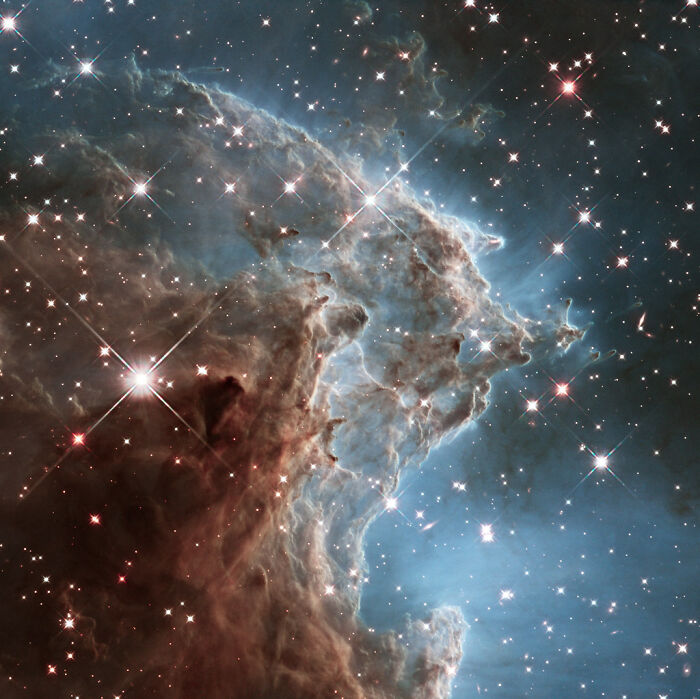
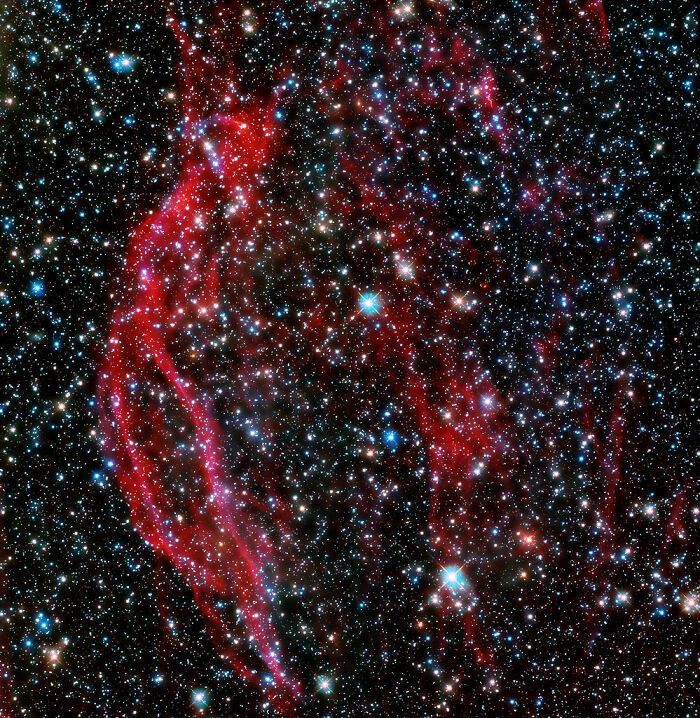
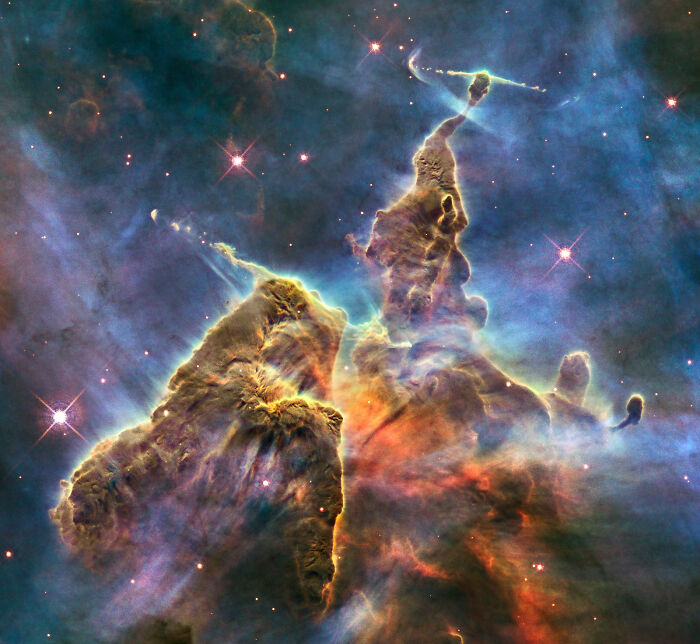
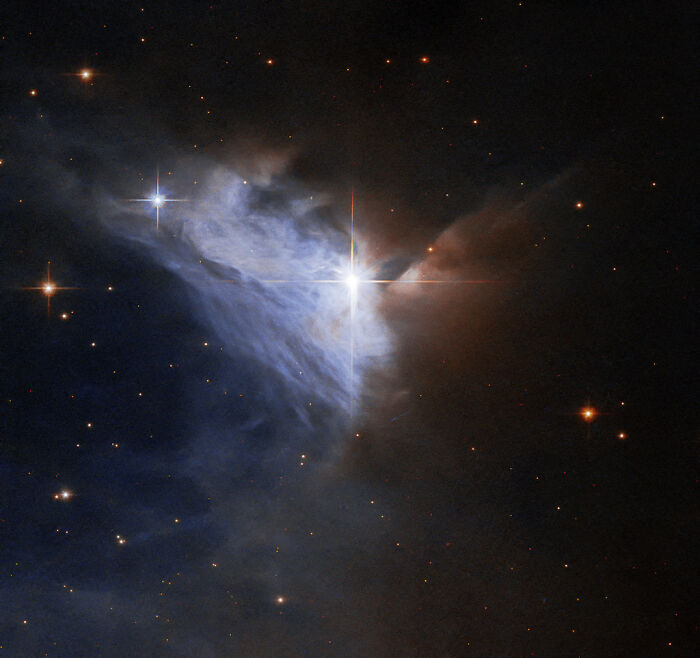
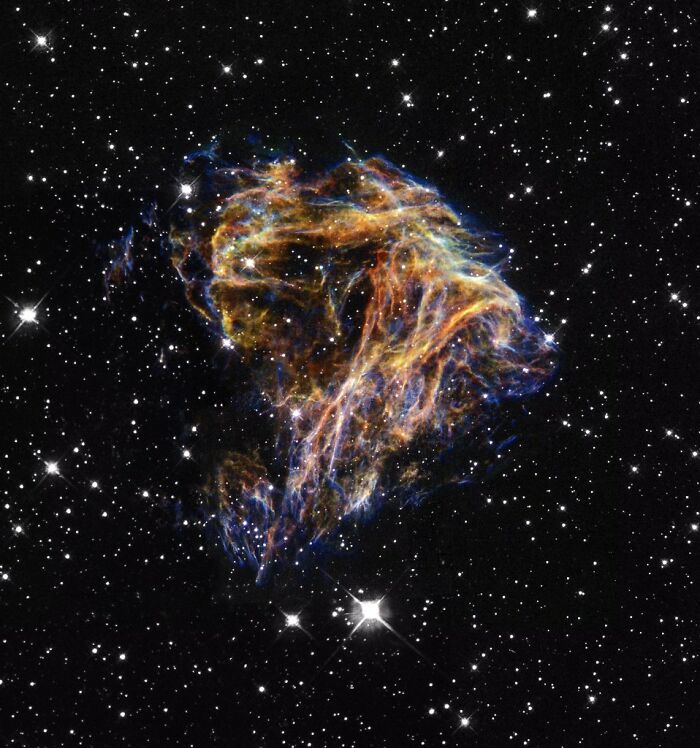
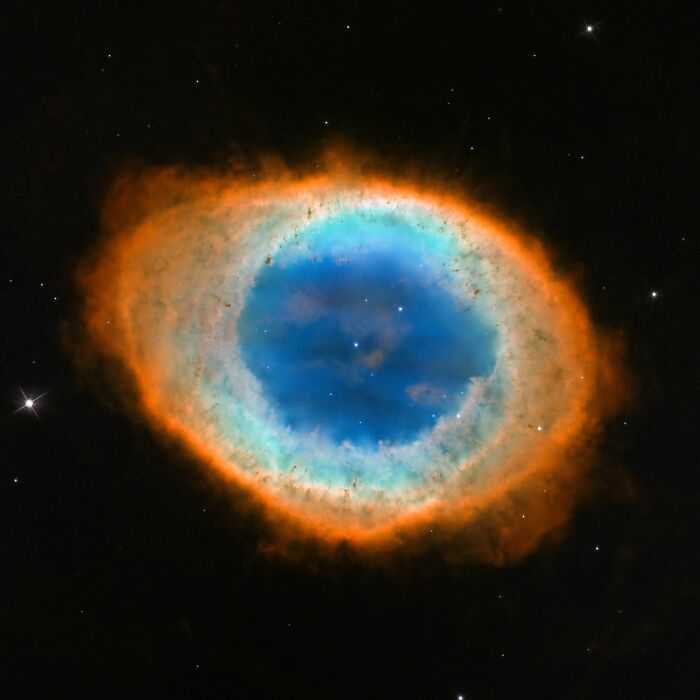
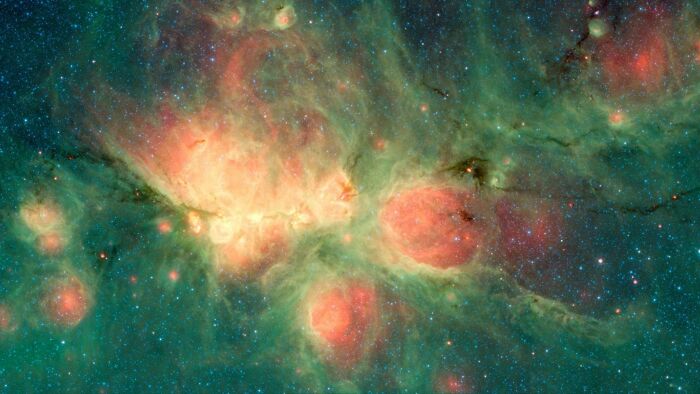
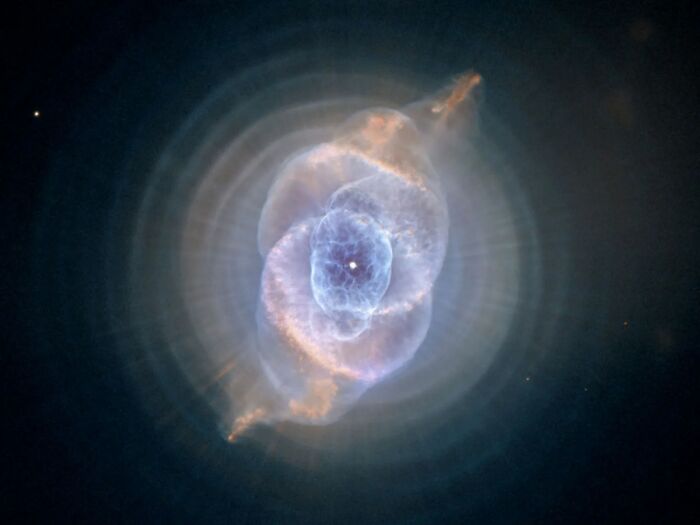
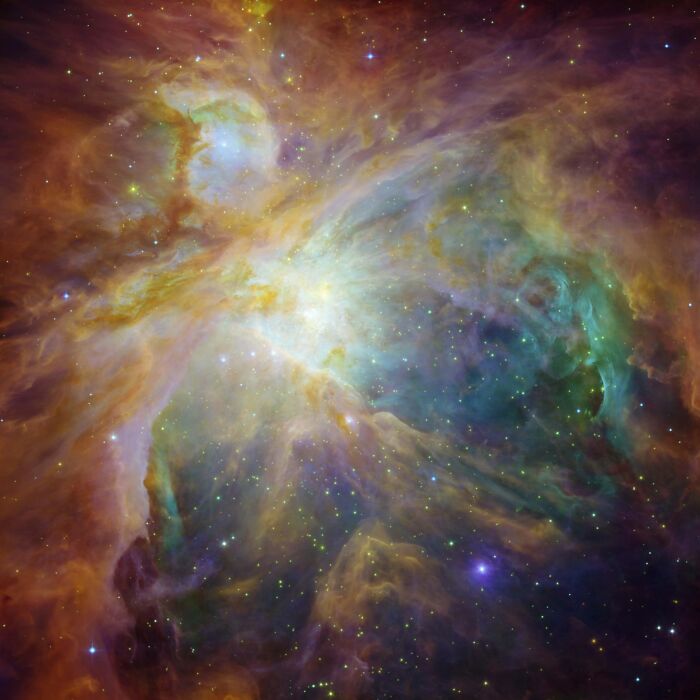
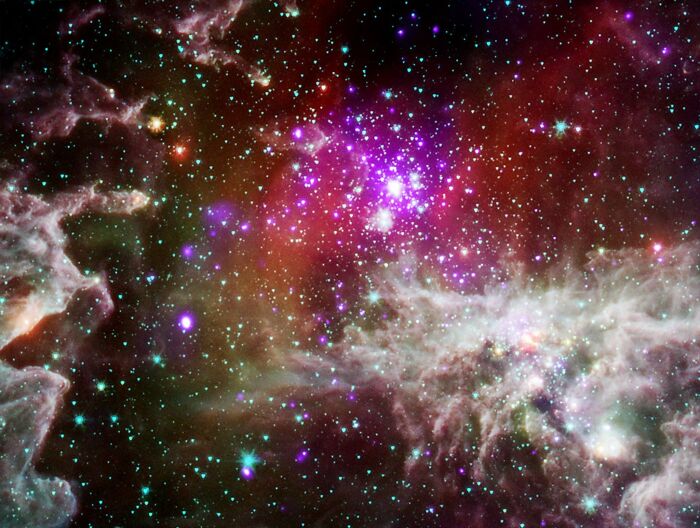
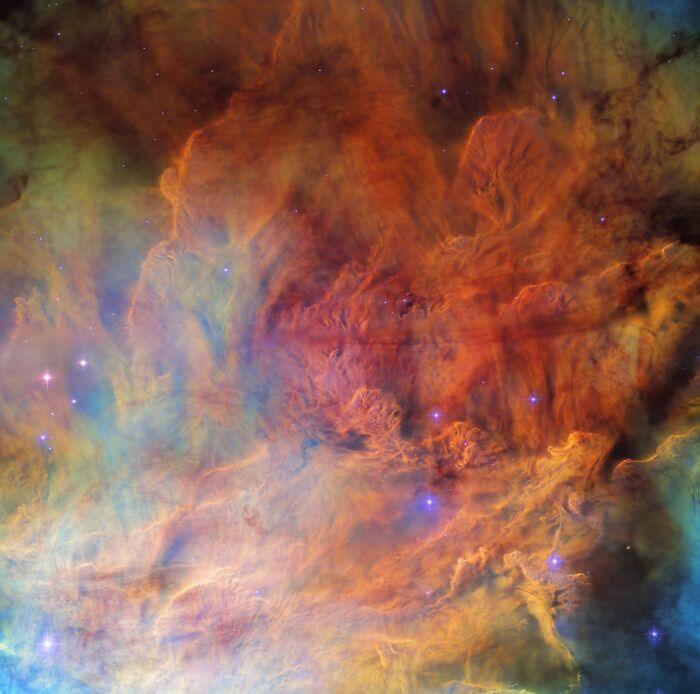
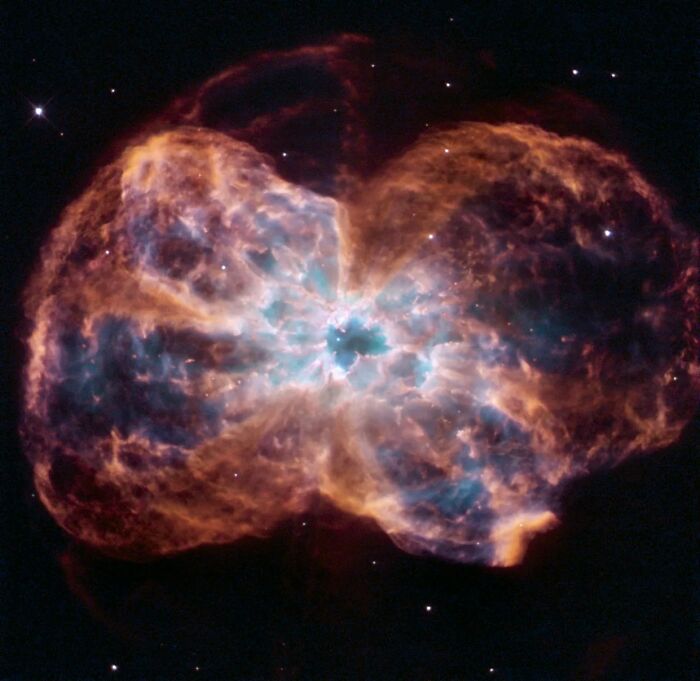
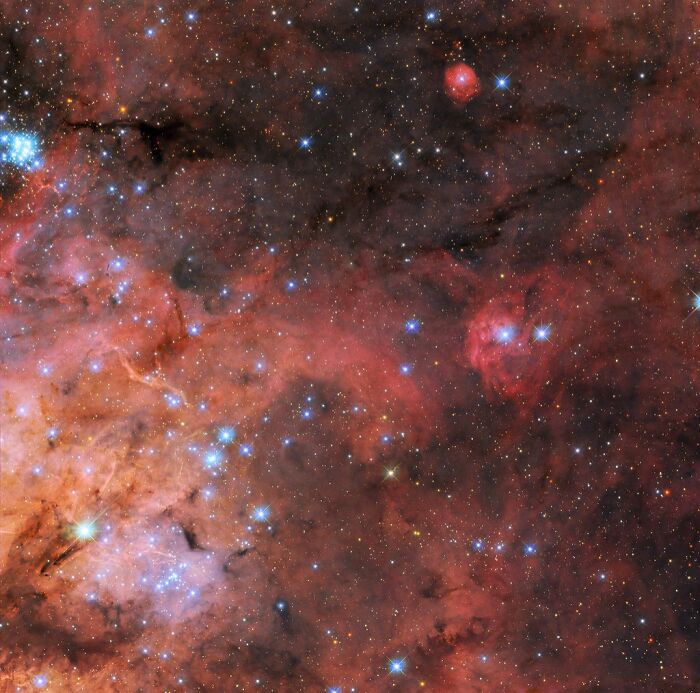
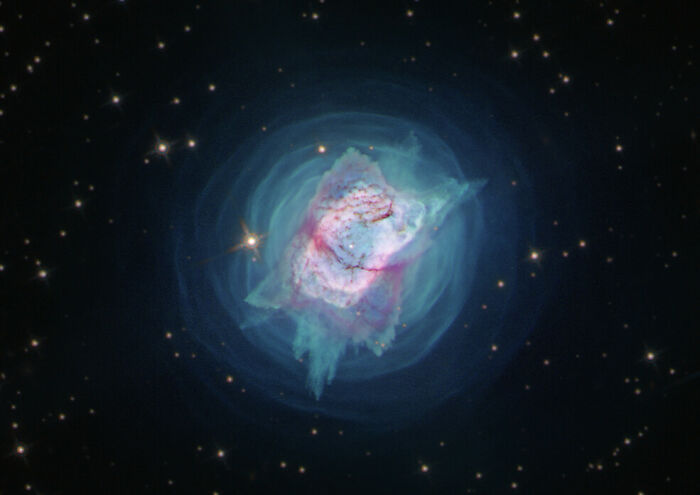
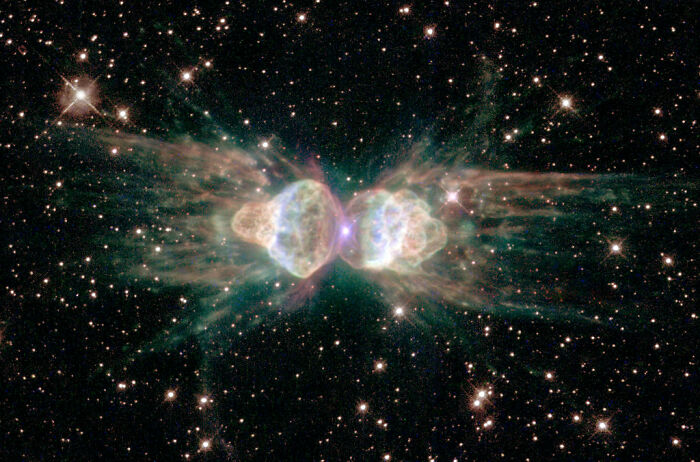
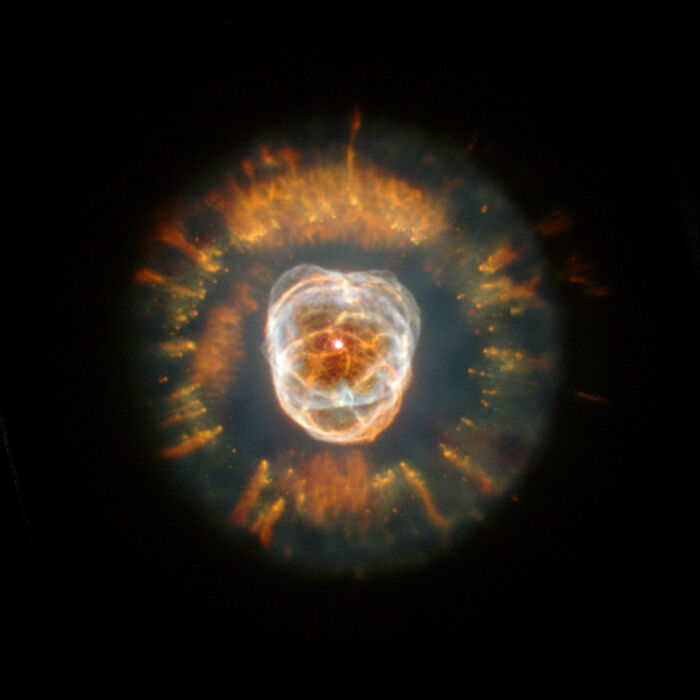
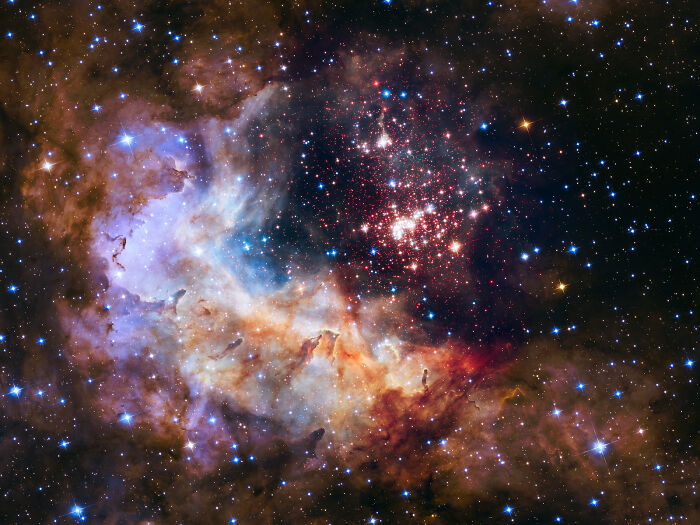
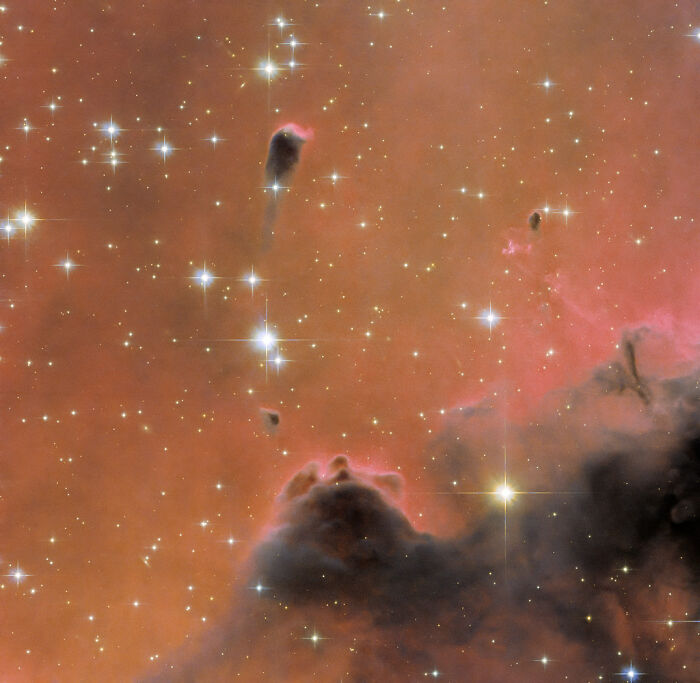
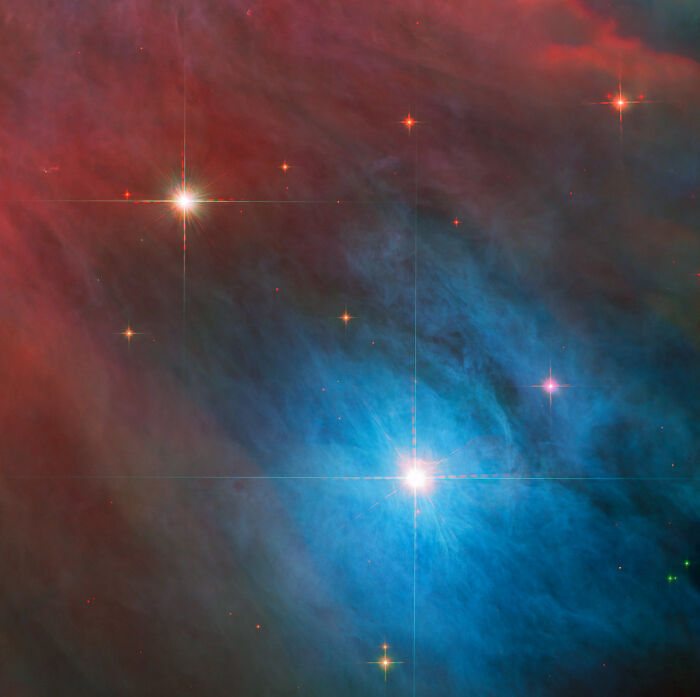
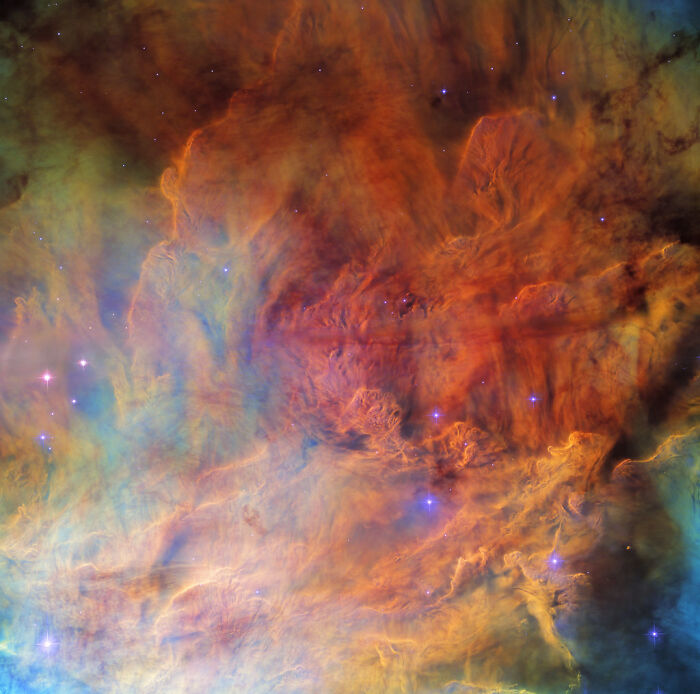
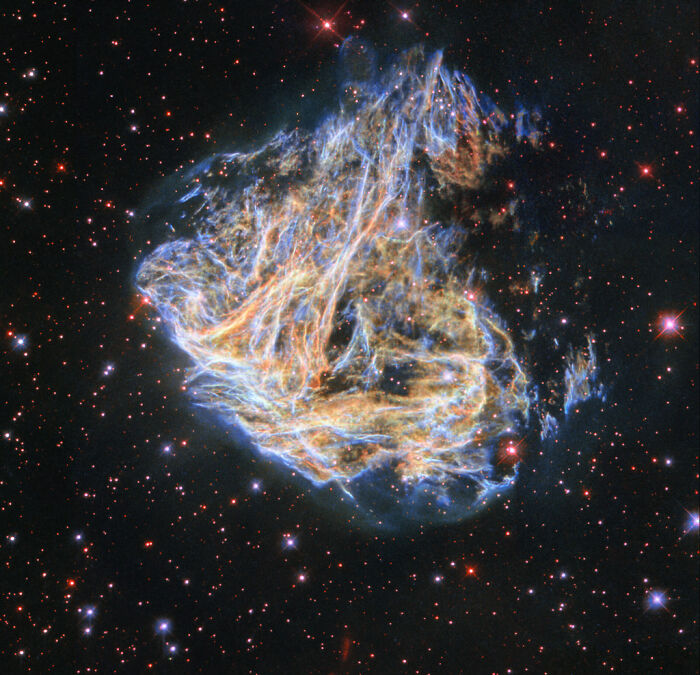
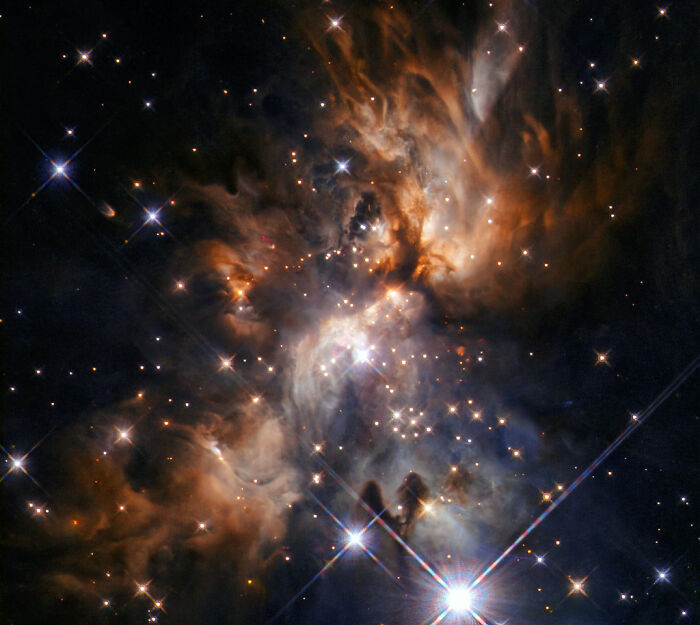
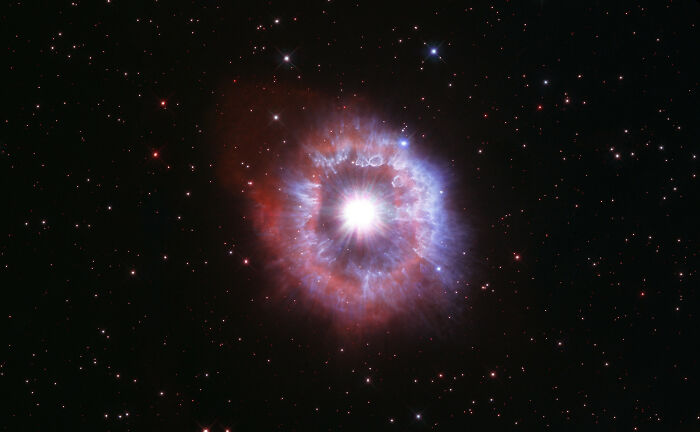
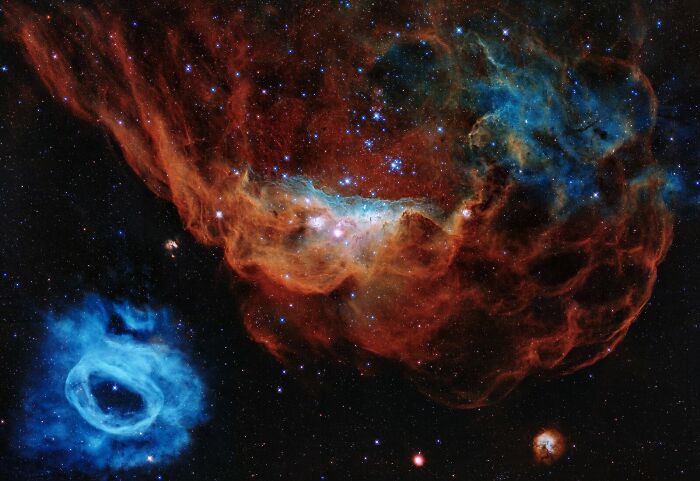
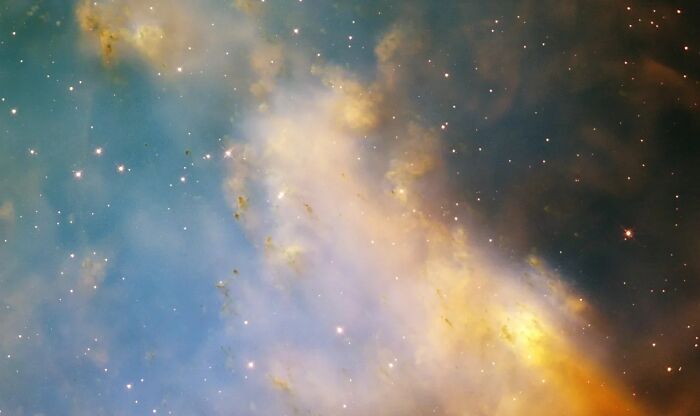
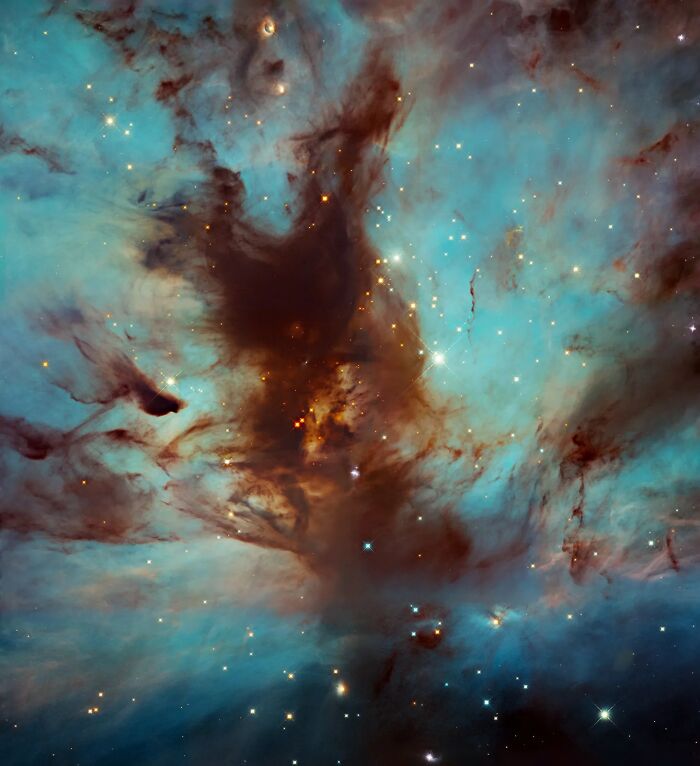
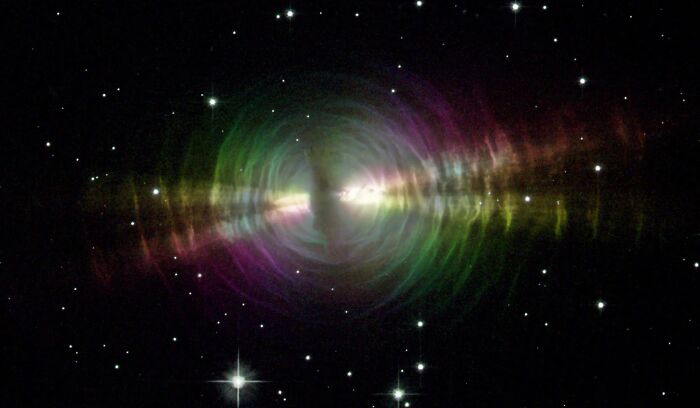
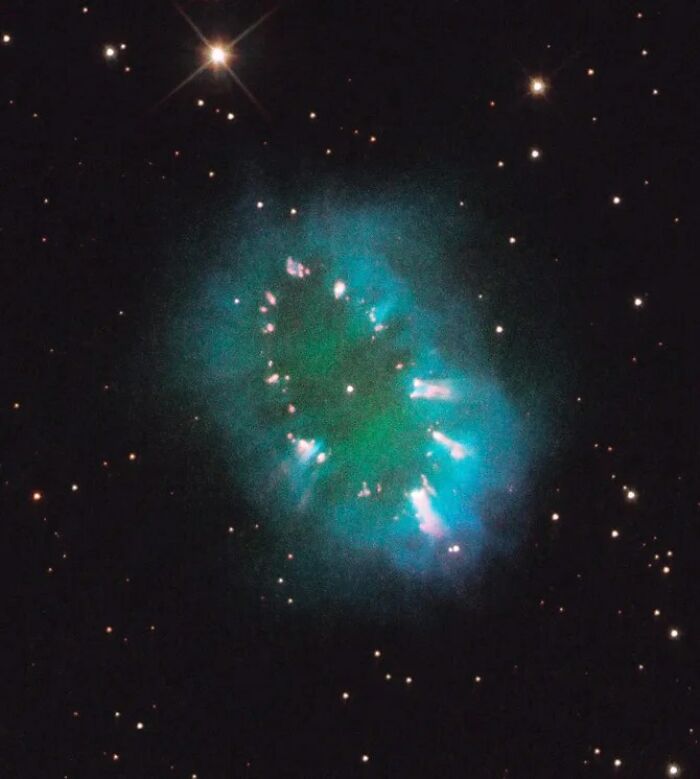
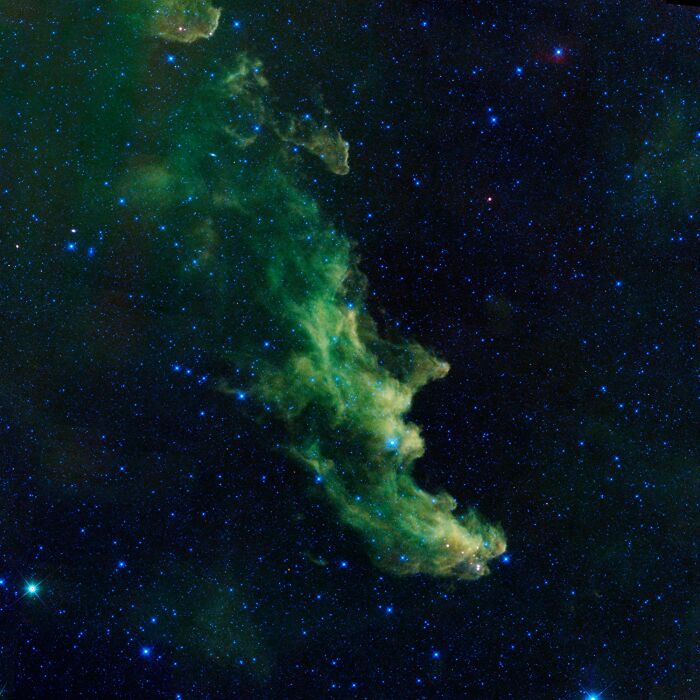
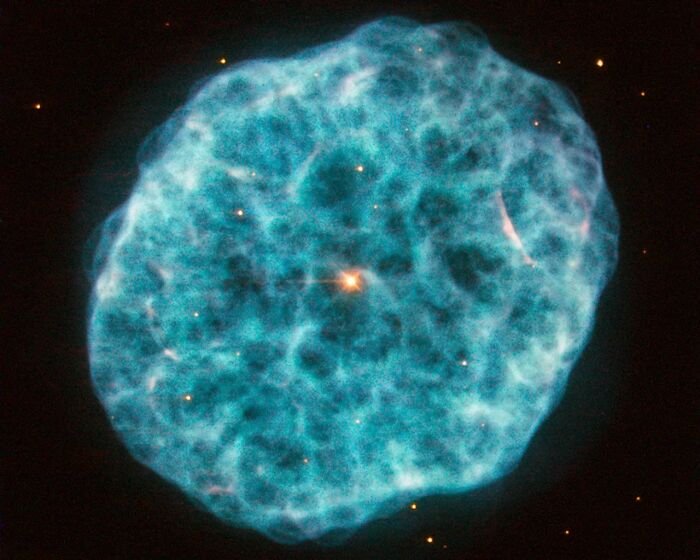
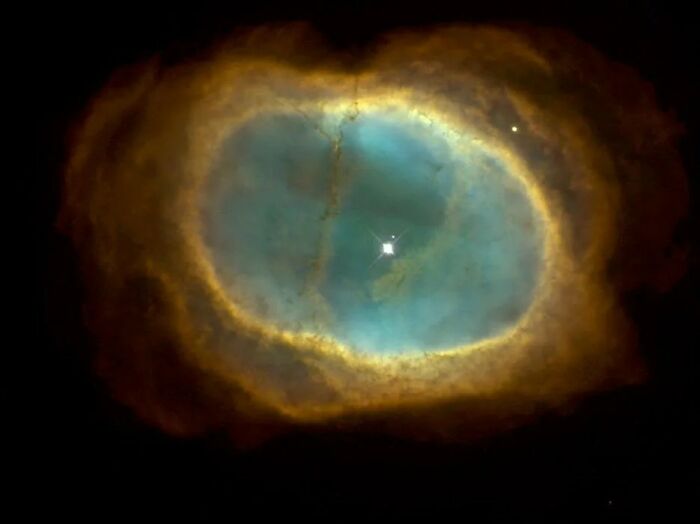
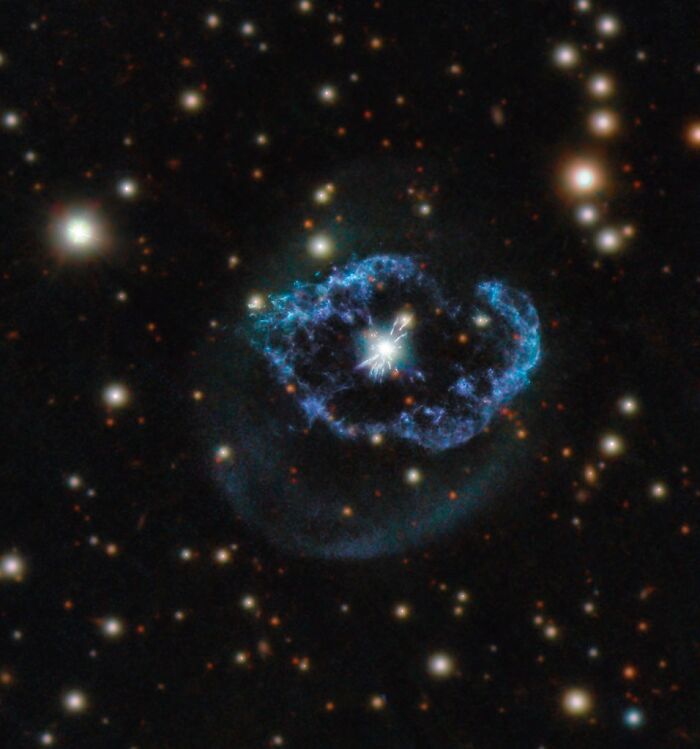
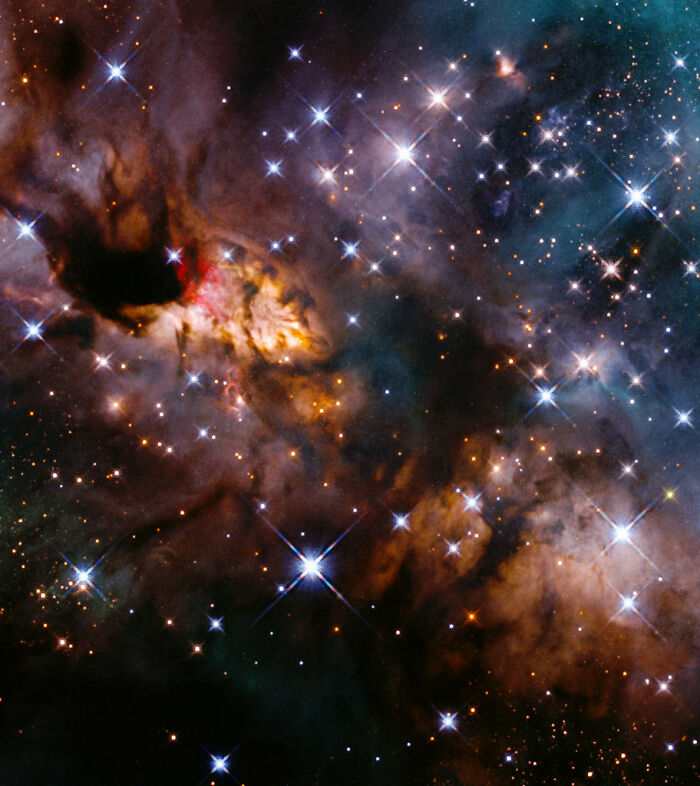
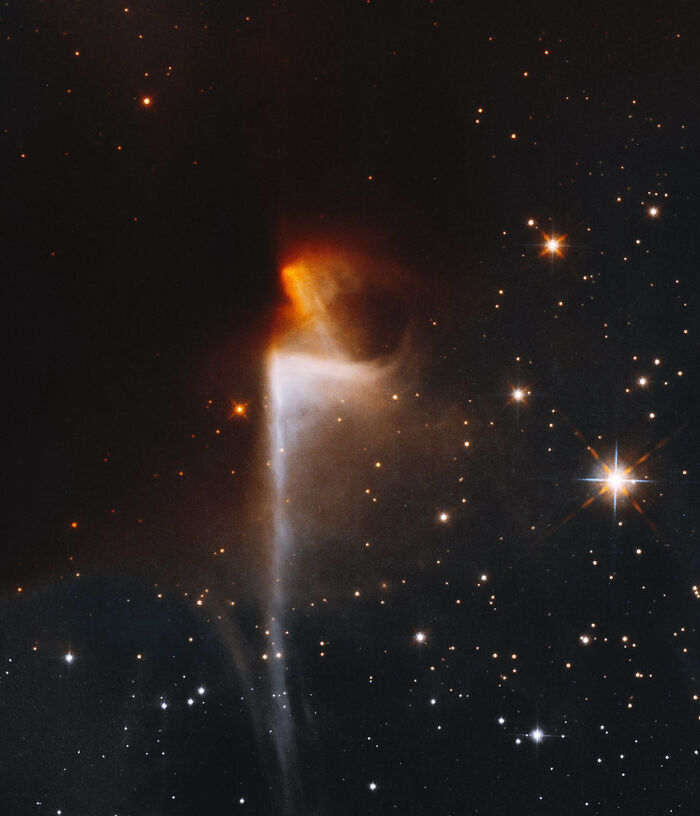
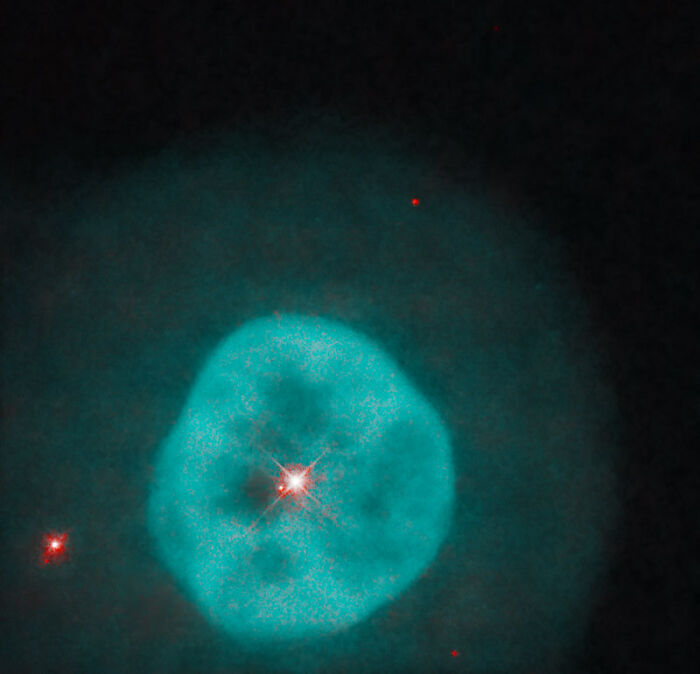
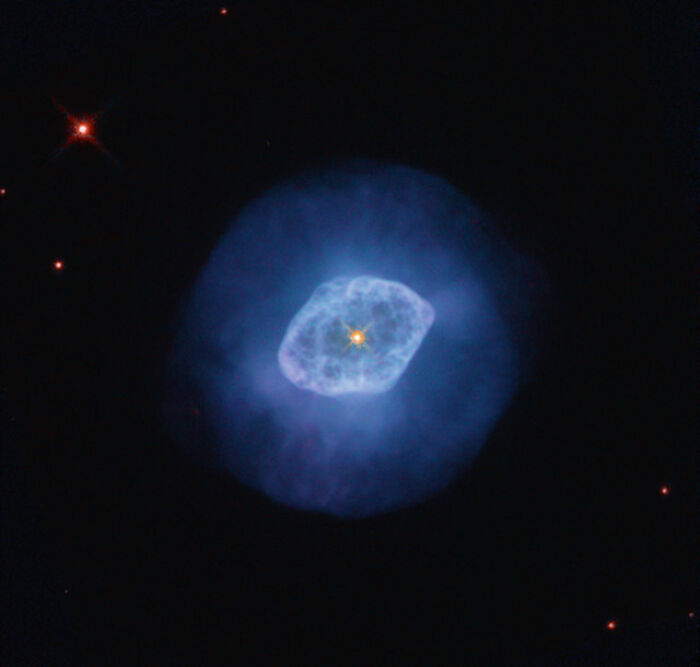
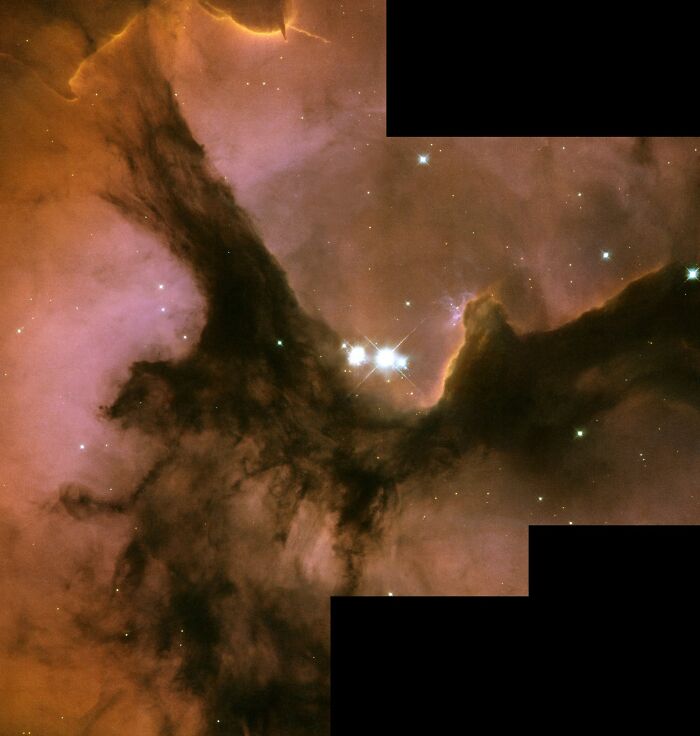
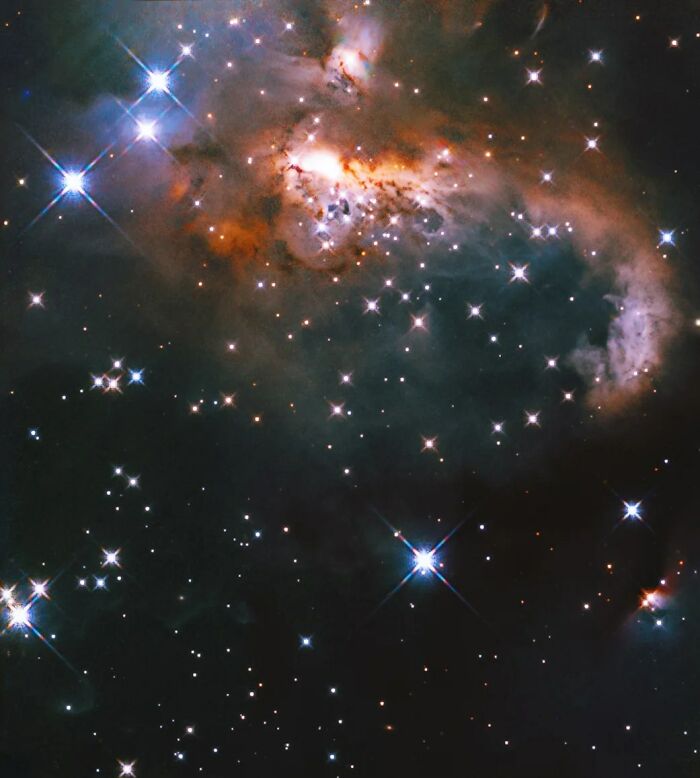
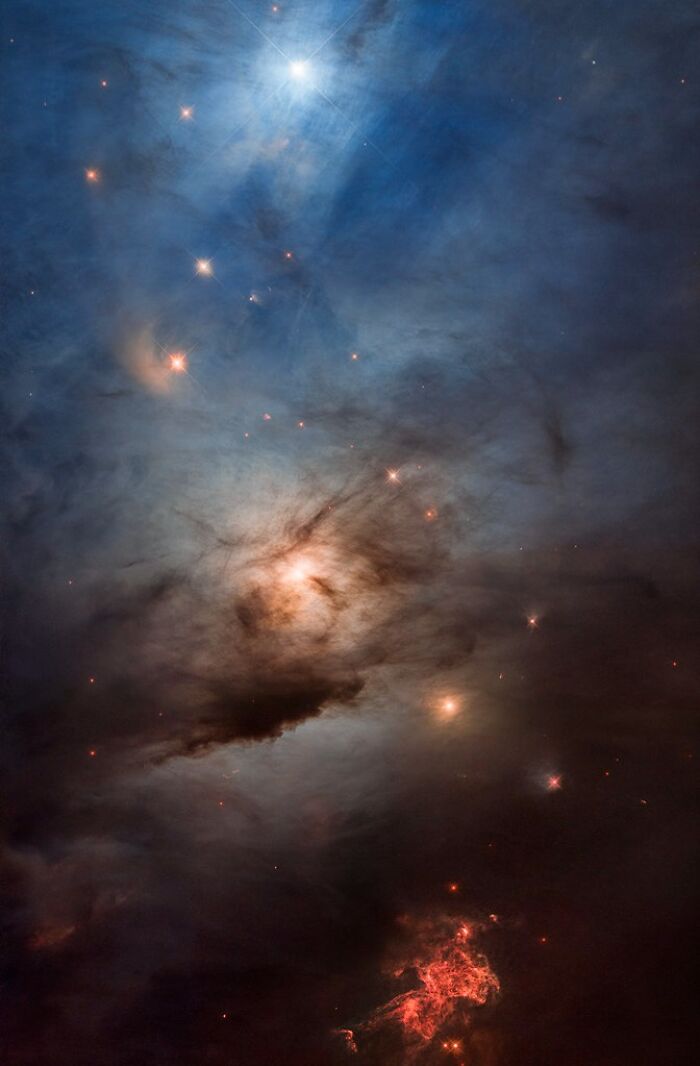
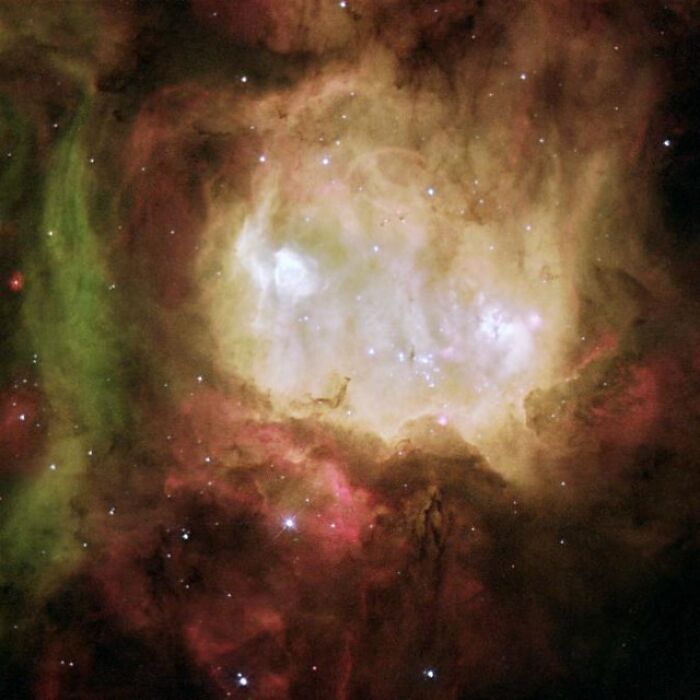
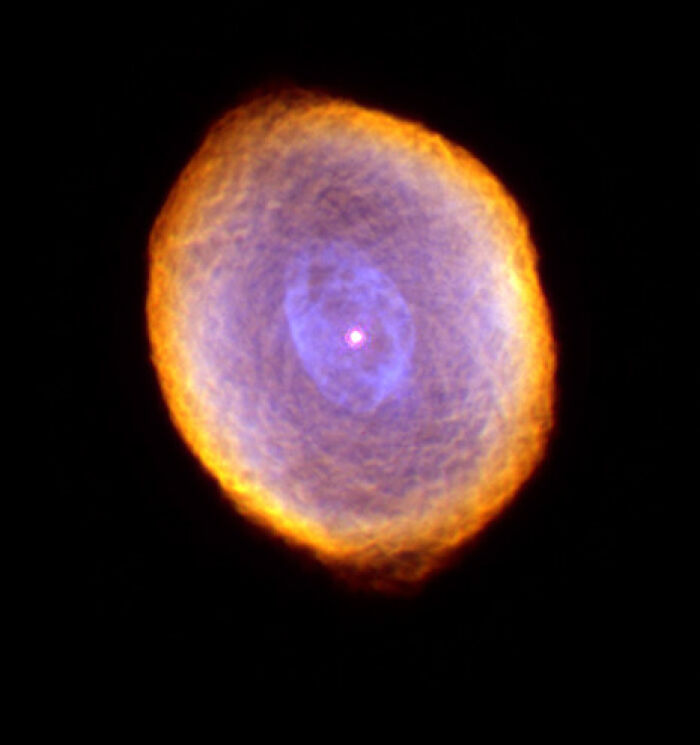
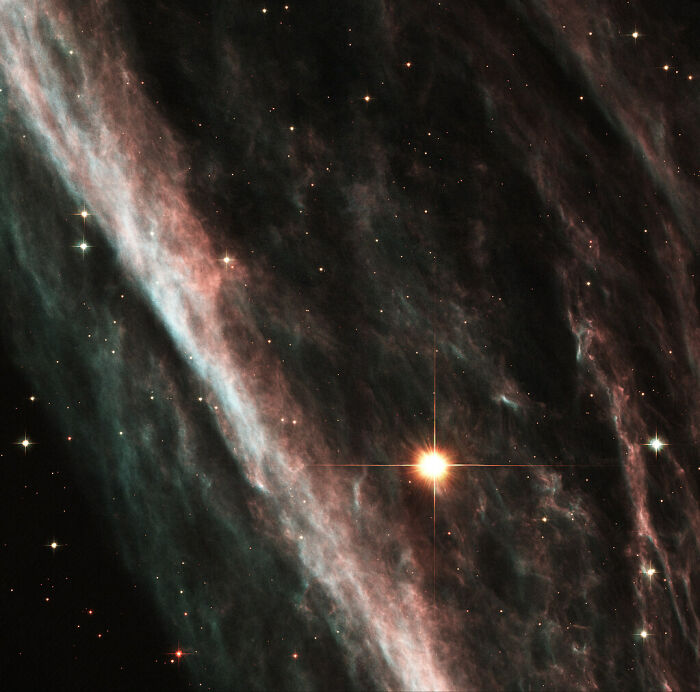
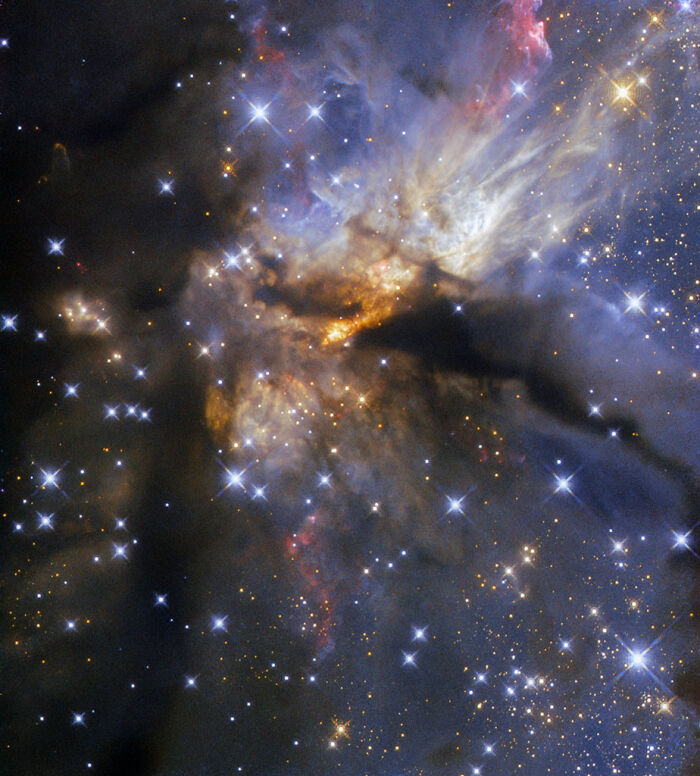
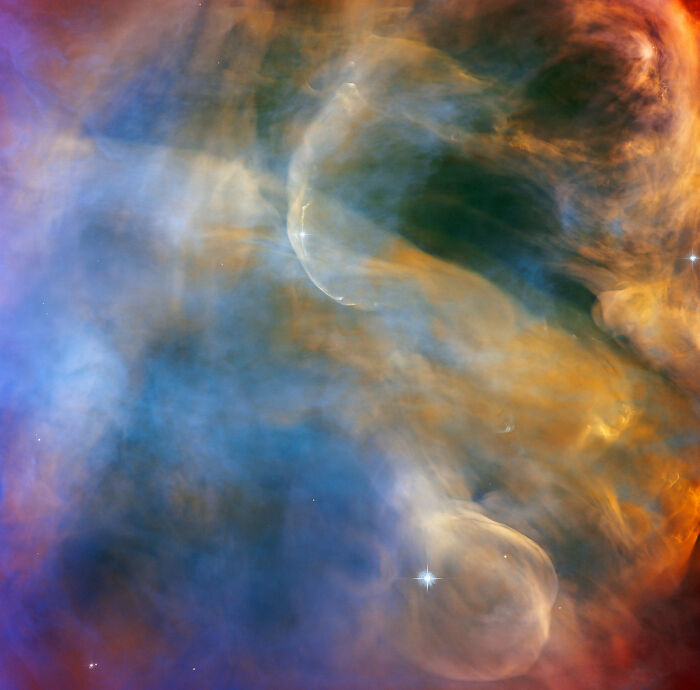
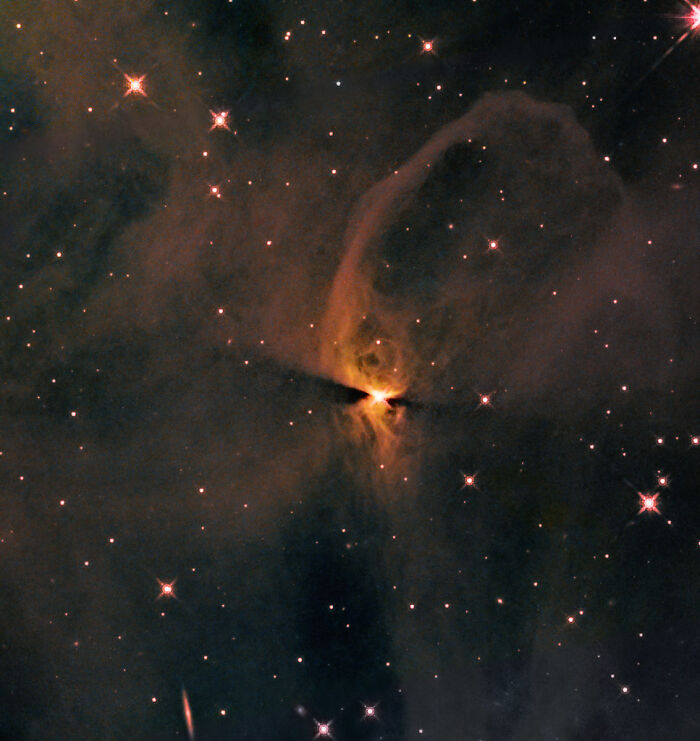
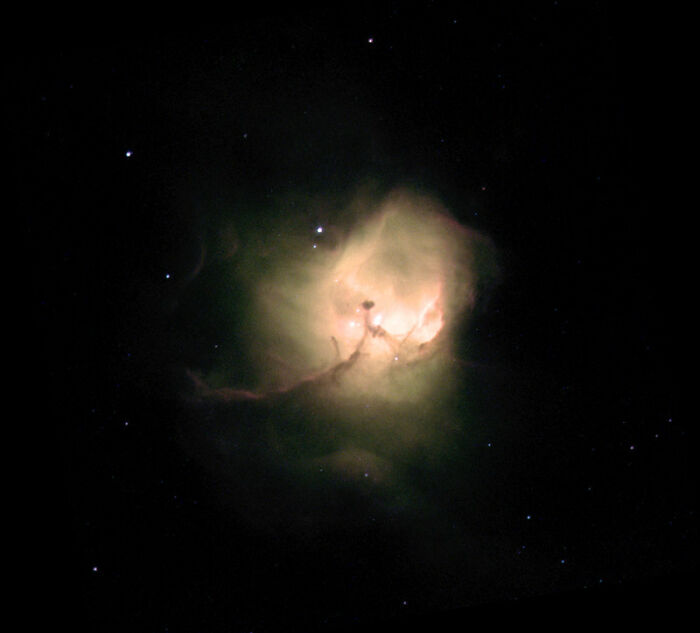
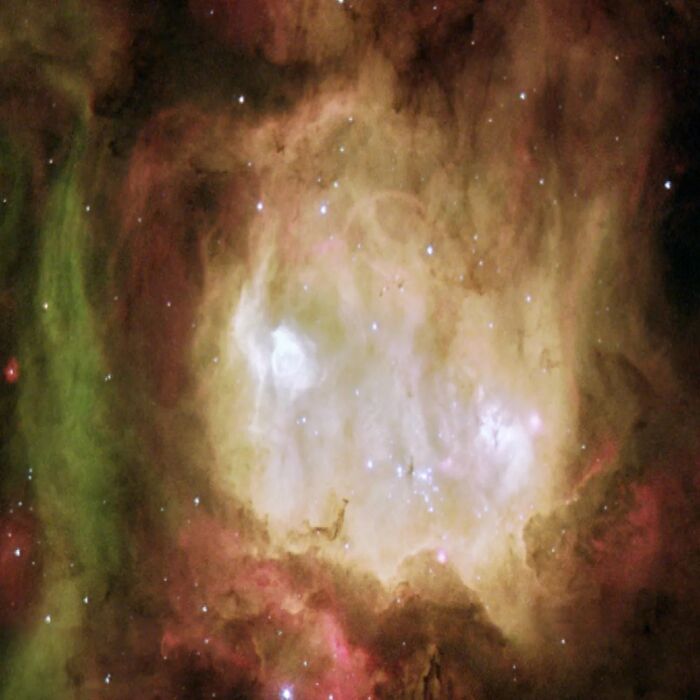
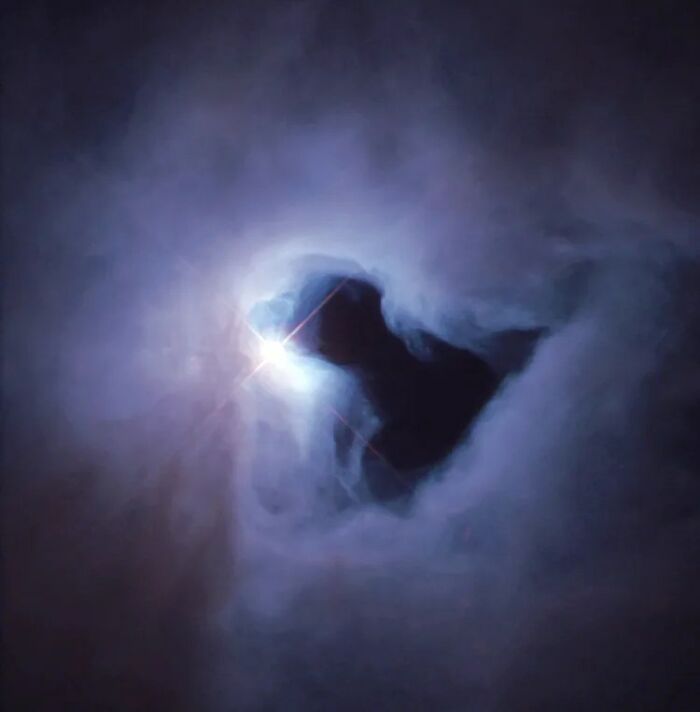
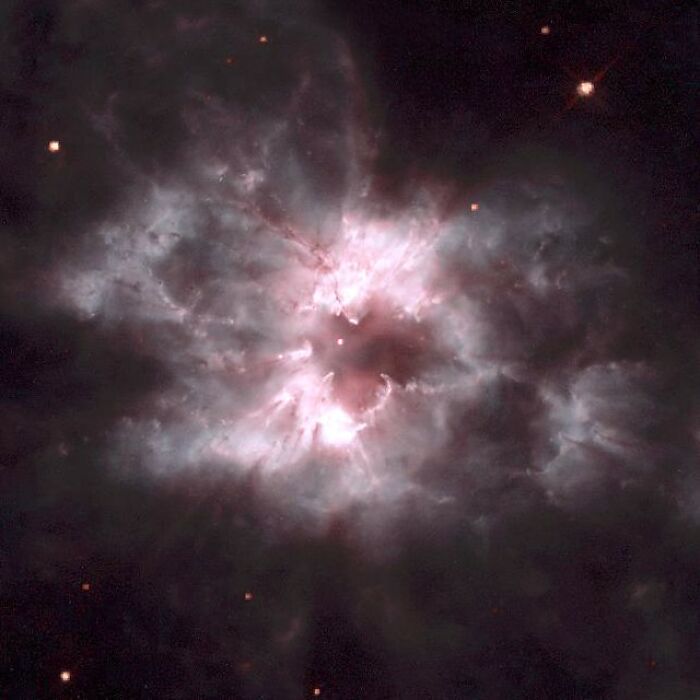
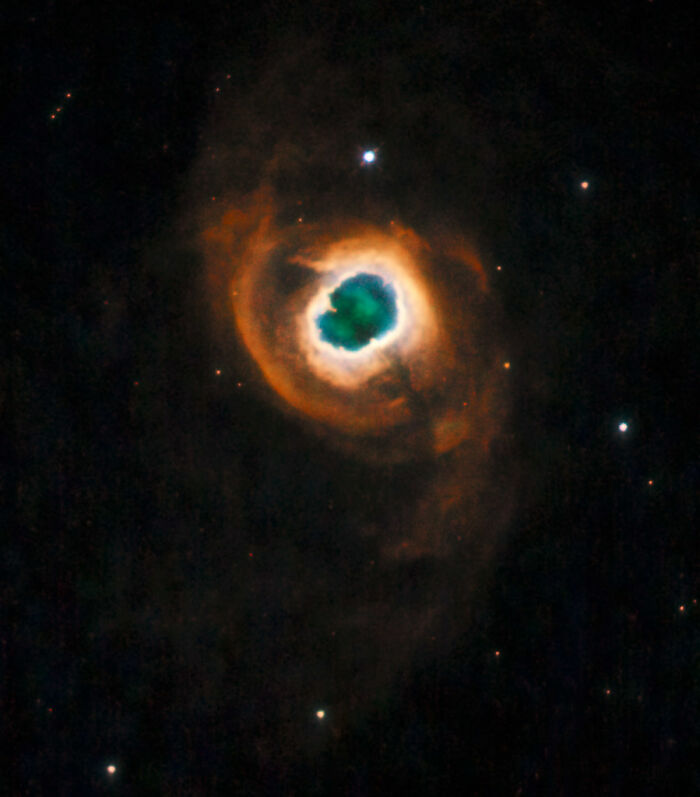
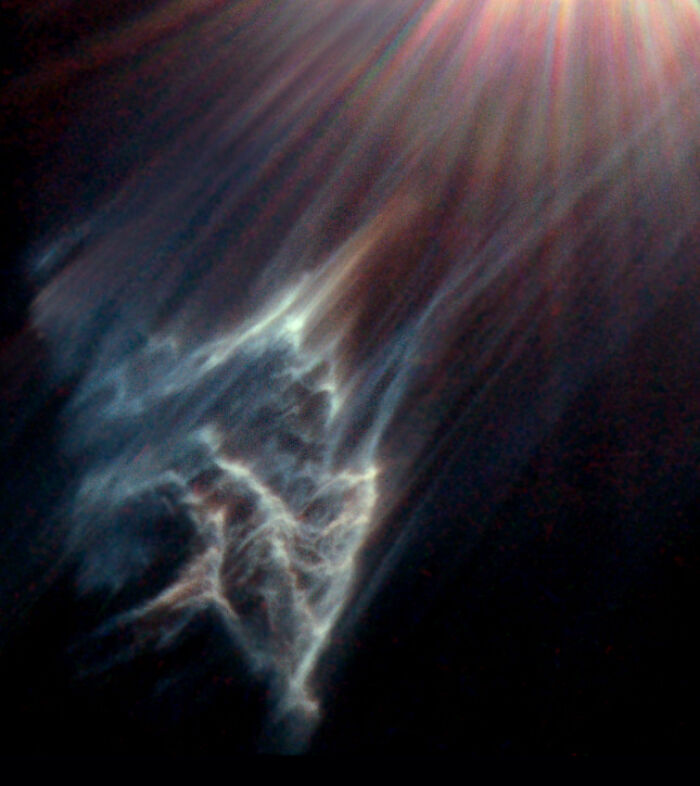
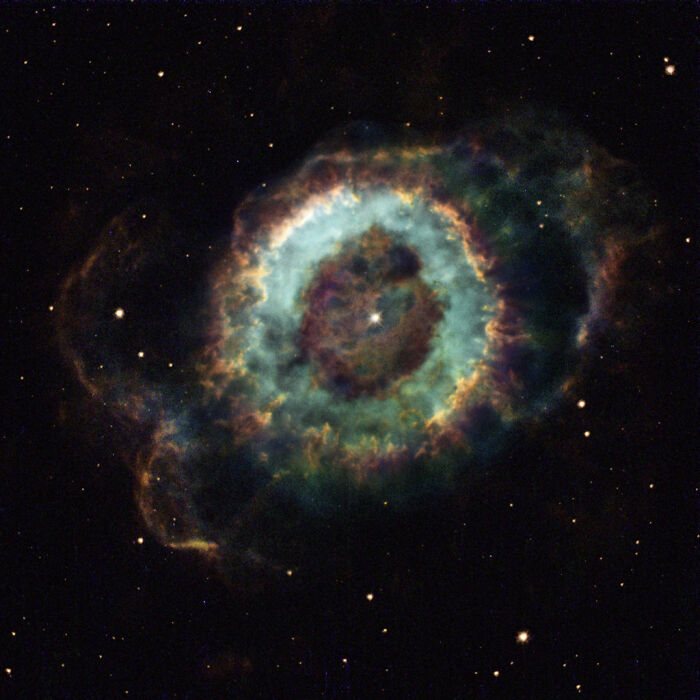
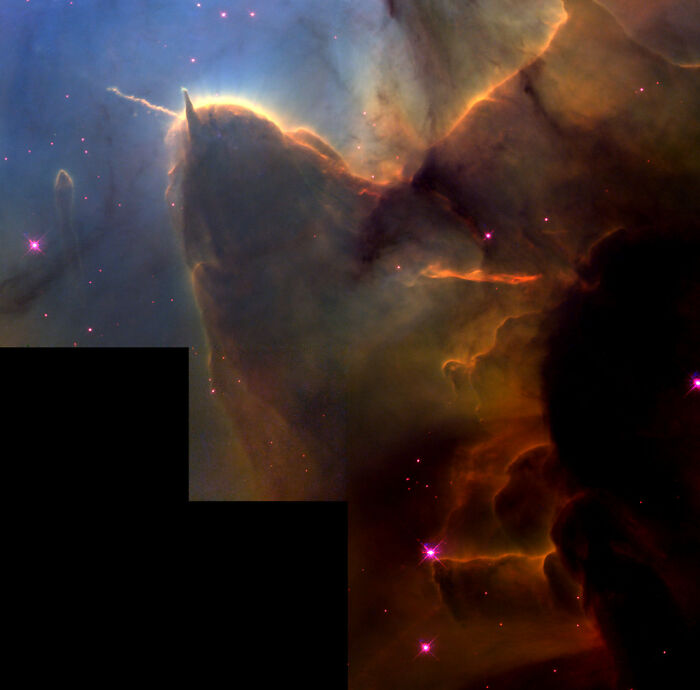
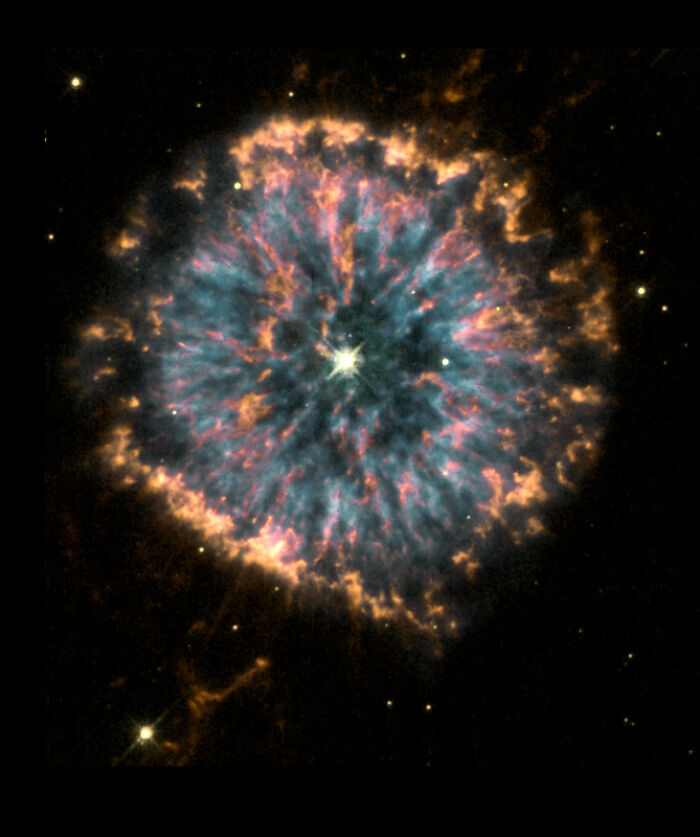
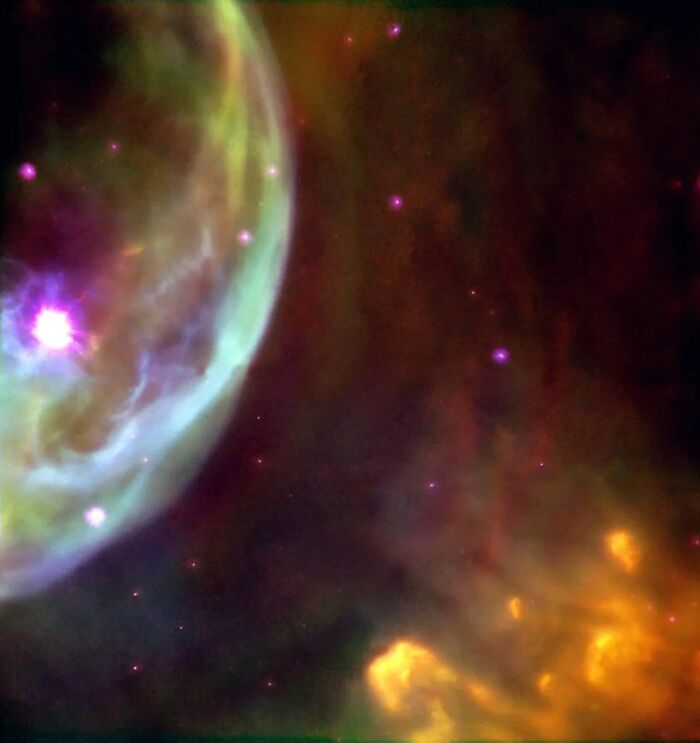
A nebula is an enormous cloud of dust and gas, mostly hydrogen and helium, occupying the space between stars, or interstellar space. Modern telescopes have given us spellbinding images of these colossal celestial bodies and here are some of our favorites.
This post may include affiliate links.
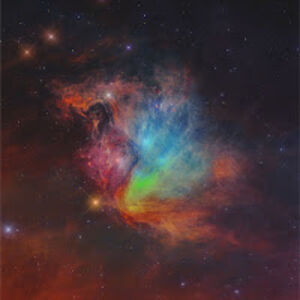


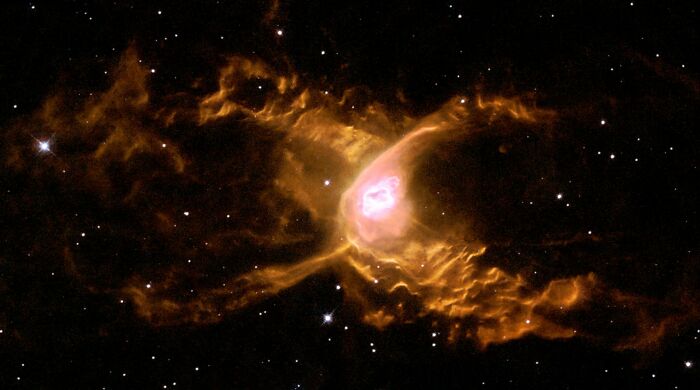
Looks like Cleopatra, Morticia's carnivorous plant, from the TV show "The Addams Family."


Someone please confirm: I have one of these as a background on my laptop. A collegue of mine said that it doesn't actully look this way, these are coloured images - eg they have given element x a purple colour and element y a red. And then plotted it. (If that makes sense? Like a paint by number thing).
Well, the specific term is "false colored." The way the human eyes see most of these objects, they tend to lack a lot of color. In these nebulae, the gasses are incredibly warm, and the atoms and molecules vibrate more, and release energy at special wavelengths. These special wavelengths can be taken in with special "narrowband filters". The narrowband filters only let in a narrow band of light, which can be used to learn all sorts of things about the nebula. Usually, astrophotographers do multiple hours of exposure through different wavelengths. The separate exposures can be stacked and modified individually, assigned with a certain color in the image processor. This is not the case of all astroimaging. Some do use real color as collected through the astrograph (read: fancy astronomy telescope-camera combination), but may be edited to increase certain aspects of the image. So yes, your friend is mostly correct. But no, it is not a 'paint by number' It is just combing different exposures, which are given a special color value, which is stacked onto the other exposures. (there is a ton of stuff to astrophotography, and I might be missing a few key points, but I hope i answered your question.)
Load More Replies...
https://telescope.live/gallery/ngc-3199-banana-nebula
Load More Replies...
Lovely! I have a big blank space above a stairwell going up to the loft. I have an idea I want maybe the butterfly nebula or the pillars blown up on that wall. I wouldn't get tired of looking at some of these.
Someone please confirm: I have one of these as a background on my laptop. A collegue of mine said that it doesn't actully look this way, these are coloured images - eg they have given element x a purple colour and element y a red. And then plotted it. (If that makes sense? Like a paint by number thing).
Well, the specific term is "false colored." The way the human eyes see most of these objects, they tend to lack a lot of color. In these nebulae, the gasses are incredibly warm, and the atoms and molecules vibrate more, and release energy at special wavelengths. These special wavelengths can be taken in with special "narrowband filters". The narrowband filters only let in a narrow band of light, which can be used to learn all sorts of things about the nebula. Usually, astrophotographers do multiple hours of exposure through different wavelengths. The separate exposures can be stacked and modified individually, assigned with a certain color in the image processor. This is not the case of all astroimaging. Some do use real color as collected through the astrograph (read: fancy astronomy telescope-camera combination), but may be edited to increase certain aspects of the image. So yes, your friend is mostly correct. But no, it is not a 'paint by number' It is just combing different exposures, which are given a special color value, which is stacked onto the other exposures. (there is a ton of stuff to astrophotography, and I might be missing a few key points, but I hope i answered your question.)
Load More Replies... https://telescope.live/gallery/ngc-3199-banana-nebula
Load More Replies... Lovely! I have a big blank space above a stairwell going up to the loft. I have an idea I want maybe the butterfly nebula or the pillars blown up on that wall. I wouldn't get tired of looking at some of these.


































 No fees, cancel anytime