Get Premium
Dark mode theme is available exclusively for premium users. Learn more about the benefits of subscribing.
No fees, cancel anytime.

 Dark Mode Ad-Free Browsing Unlimited Content
 Ad-Free Browsing Unlimited Content Dark Mode

Join 1.2 million Panda readers who get the best art, memes, and fun stories every week!
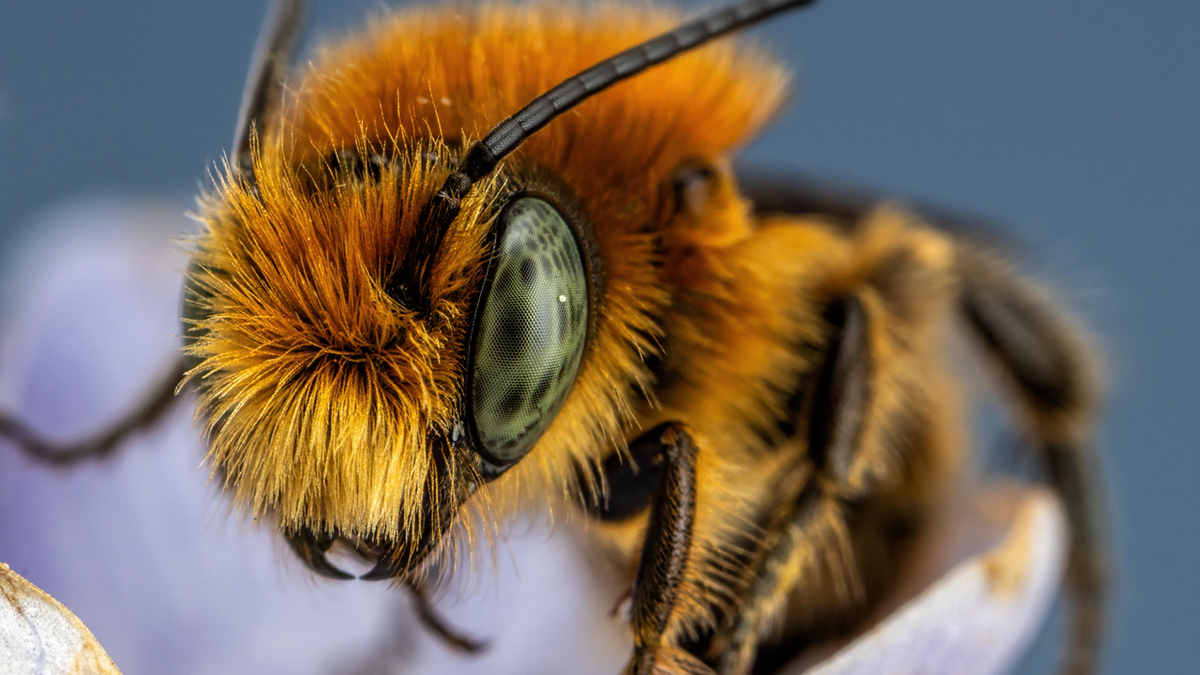
The animal kingdom is full of creatures that look like they’ve been dreamed up by an artist with a wildly overactive imagination. From impossibly intricate patterns to features that seem almost too bizarre to be real, nature has produced some truly remarkable designs. And we humans have only scratched the surface of what’s out there.
We’ve rounded up some amazing animal photos that capture just how fascinating the natural world can be. Here, you will find unexpected moments in the wild and little details that make these creatures so special. These pictures offer plenty of reasons to look at animals with fresh eyes.
So, Pandas, get comfortable and scroll through these snapshots of the animal kingdom. You might come away with a new favorite creature, or at least a few photos you’ll want to show everyone you know.
This post may include affiliate links.
Earth is home to an astonishing variety of animal life, from tiny insects to enormous whales, and each species has its own place in the natural world. This variety of living things is known as biodiversity, and it helps keep ecosystems functioning.
According to the World Health Organization, biodiversity supports the natural systems we depend on for food, clean water, and even some medicines.
Animals contribute to these systems in different ways, from pollinating crops and dispersing seeds to helping keep food chains balanced. Without them, many of the natural processes that sustain life on Earth would be disrupted.

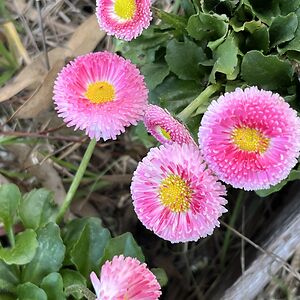
In the 1970s, when wildlife was still relatively abundant, we had to make do with blurry black-and-white photos that were dreadful by today's standards. Now, facing mass extinctions of creatures big and small, we have more and more stunningly beautiful photos of wildlife as it disappears forever
One reason animals are so fascinating is how differently they’ve adapted to survive. Some have developed extraordinary ways to hide in plain sight, making them surprisingly difficult to spot in their natural habitats.
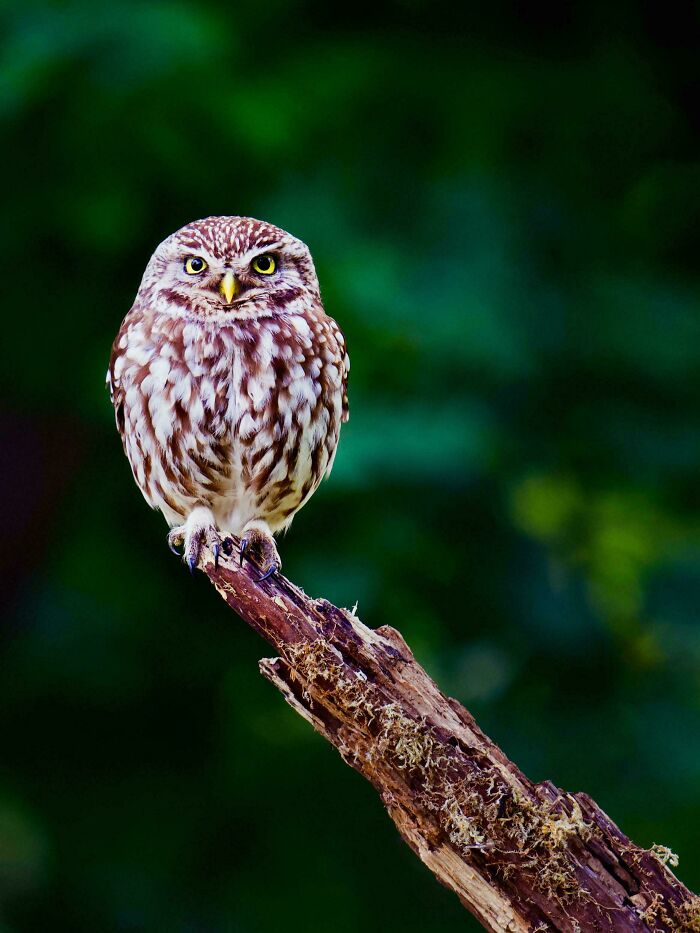
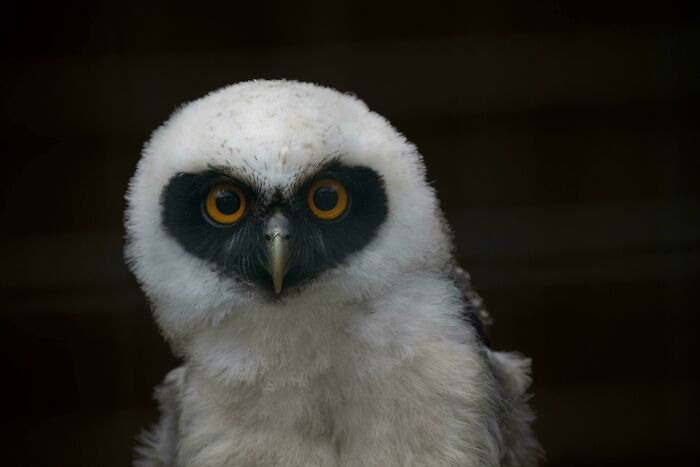
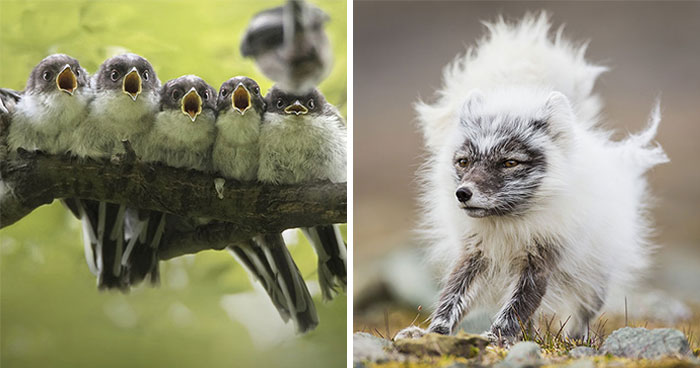
National Geographic explains that camouflage can help animals avoid predators or sneak up on their prey. An owl’s feathers can blend into tree bark, while an arctic fox’s coat changes with the seasons to match its surroundings. They’re basically nature’s original masters of disguise.
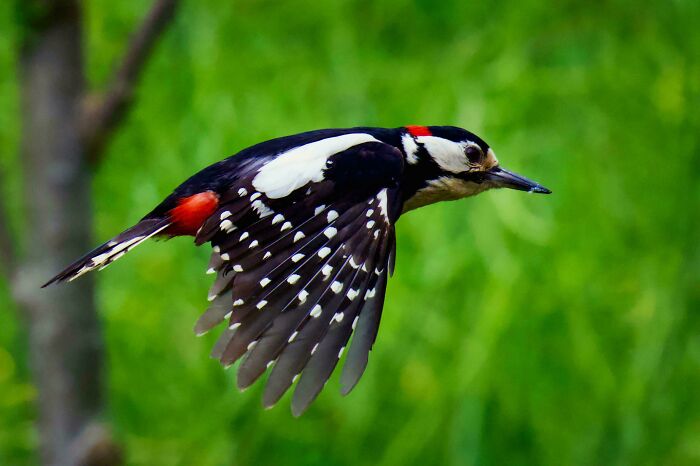
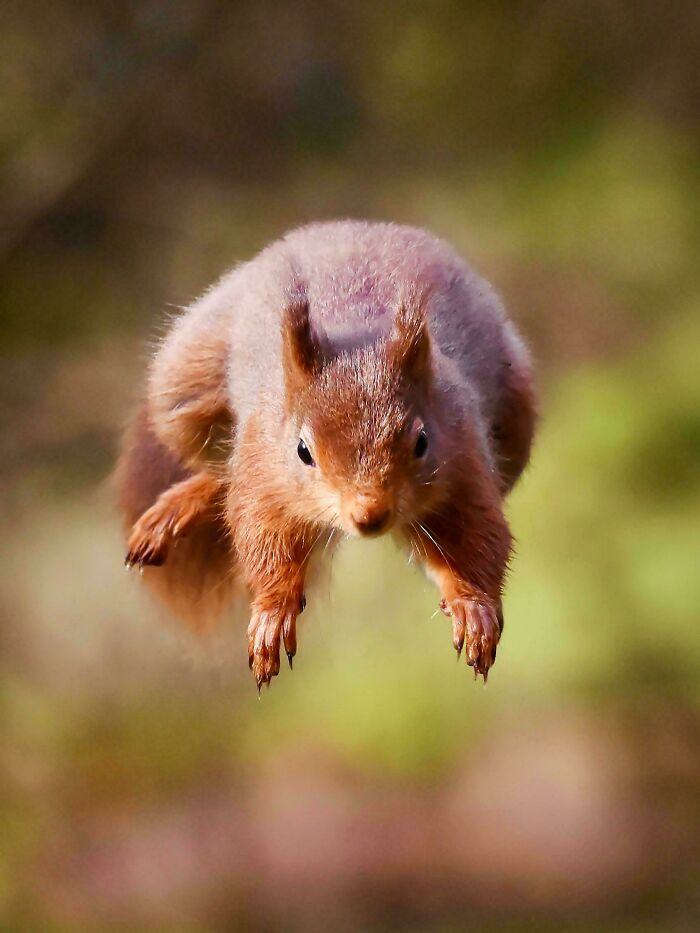
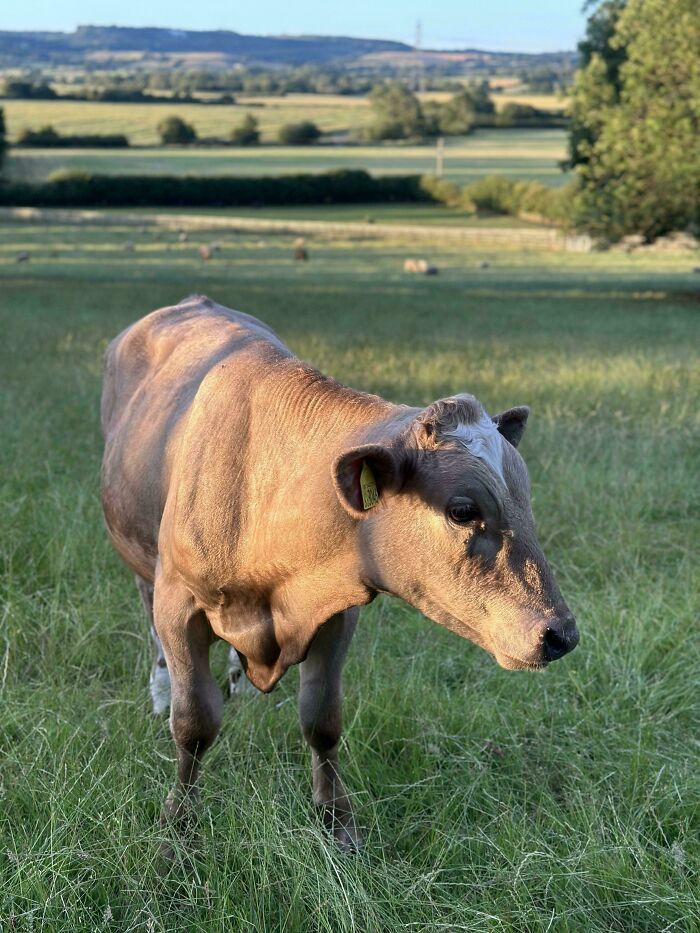
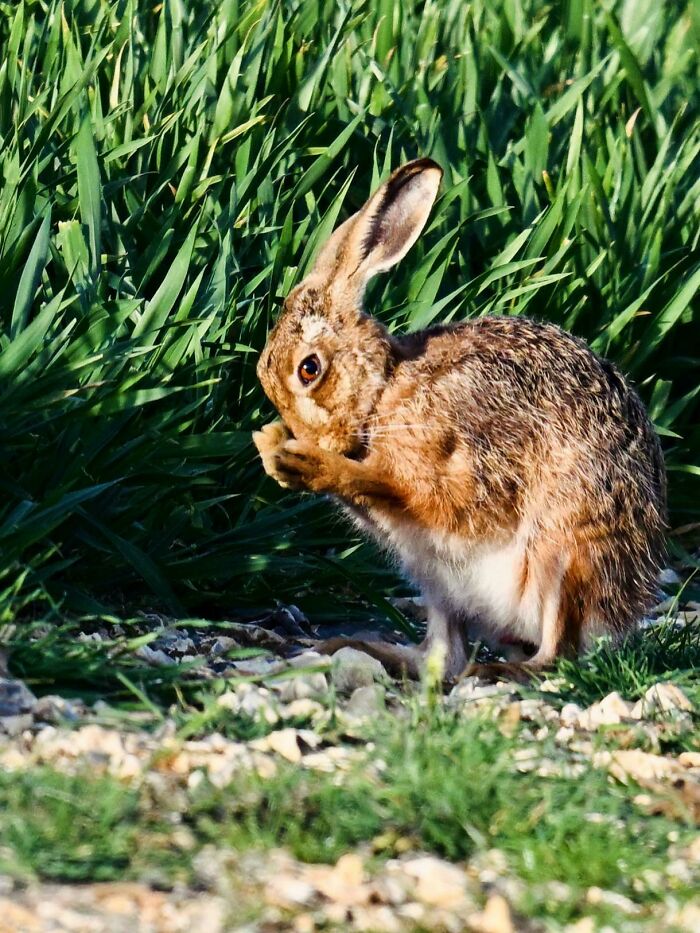
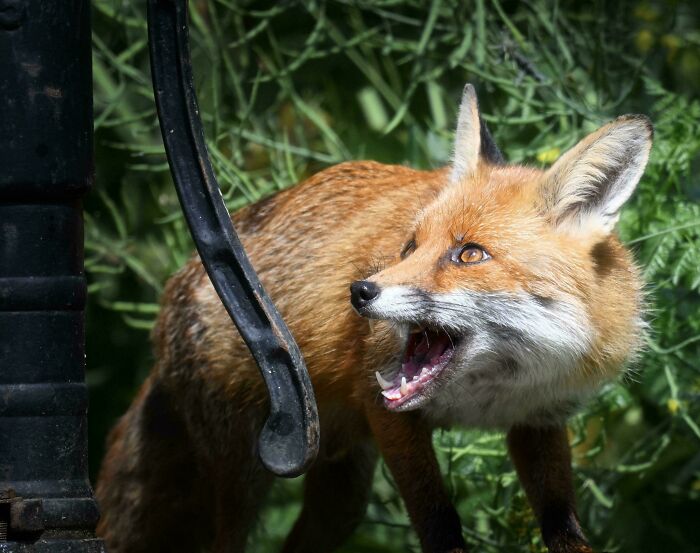
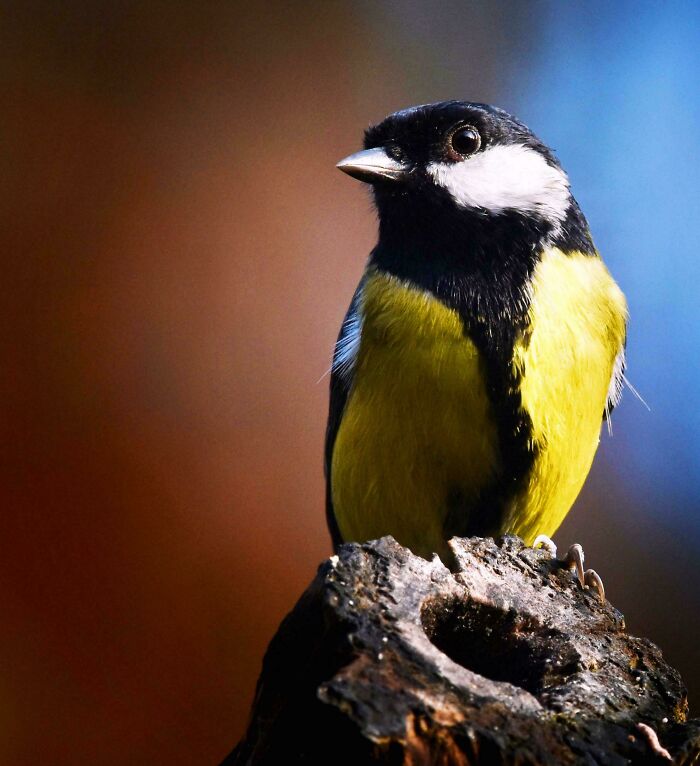
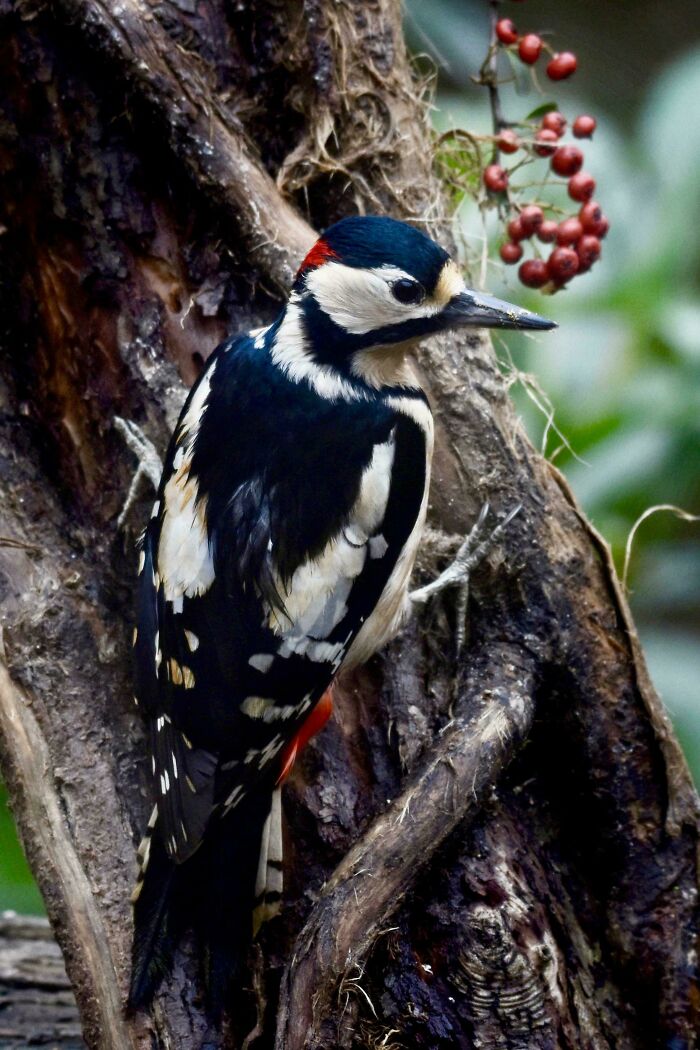
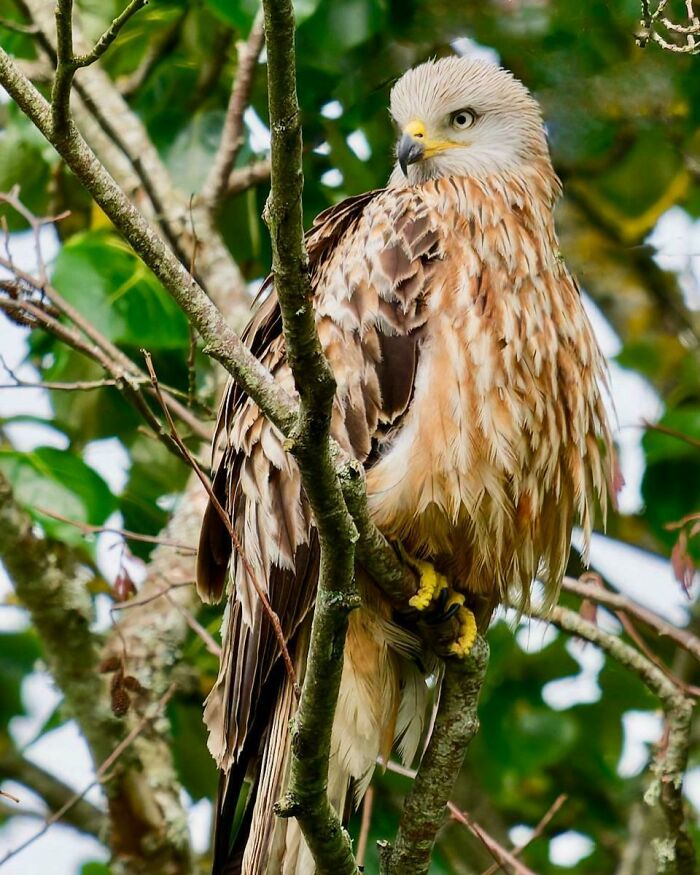
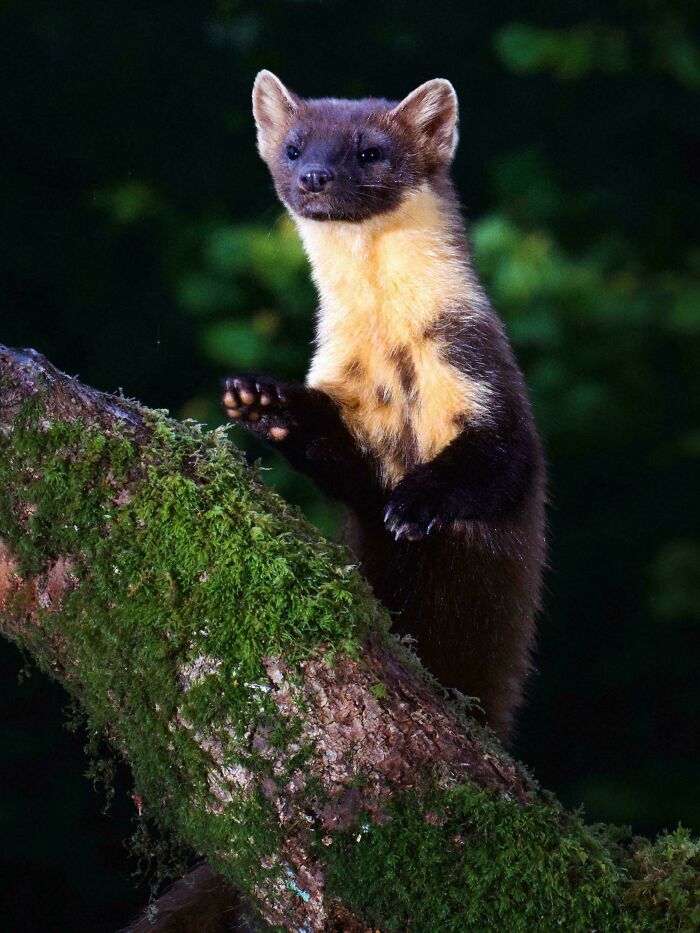
Had one of these visit my garden twice in the past week. Staffordshire
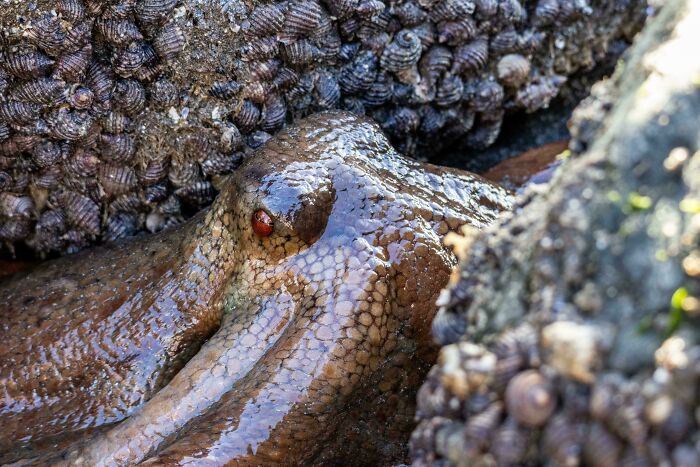
Some animals are also far cleverer than we might expect. Octopuses, for example, can solve puzzles, navigate mazes, and open containers to get food. The Natural History Museum reports octopuses are also among the few invertebrates known to use tools.
In the wild, some build dens and use stones to create protective barriers around their entrances. Their arms can process information and help them explore their surroundings, making these creatures even more impressive than they might appear.
If an octopus ever figures out how to use a smartphone, the rest of us might have some serious competition.
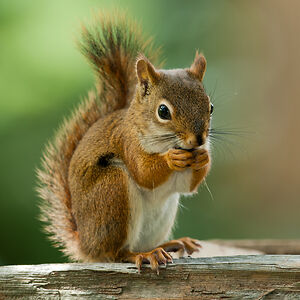
Animals have their own ways of talking to one another, even without words. Fireflies flash specific patterns to attract mates, while male fiddler crabs wave their oversized claws to catch the attention of potential partners.
According to the Smithsonian Science Education Center, animals use different signals and senses to communicate with one another. What looks like a tiny crab waving its claw might actually be an important message to a potential mate or a nearby rival. We just happen to be outsiders to the conversation!
Animals experience the world through senses that can be very different from our own. Dogs, for example, have more than 100 million scent receptors in their noses, compared with around 6 million in humans. Their sense of smell is so powerful that a simple sniff can help them recognize familiar people and pick up scents we wouldn’t even notice.
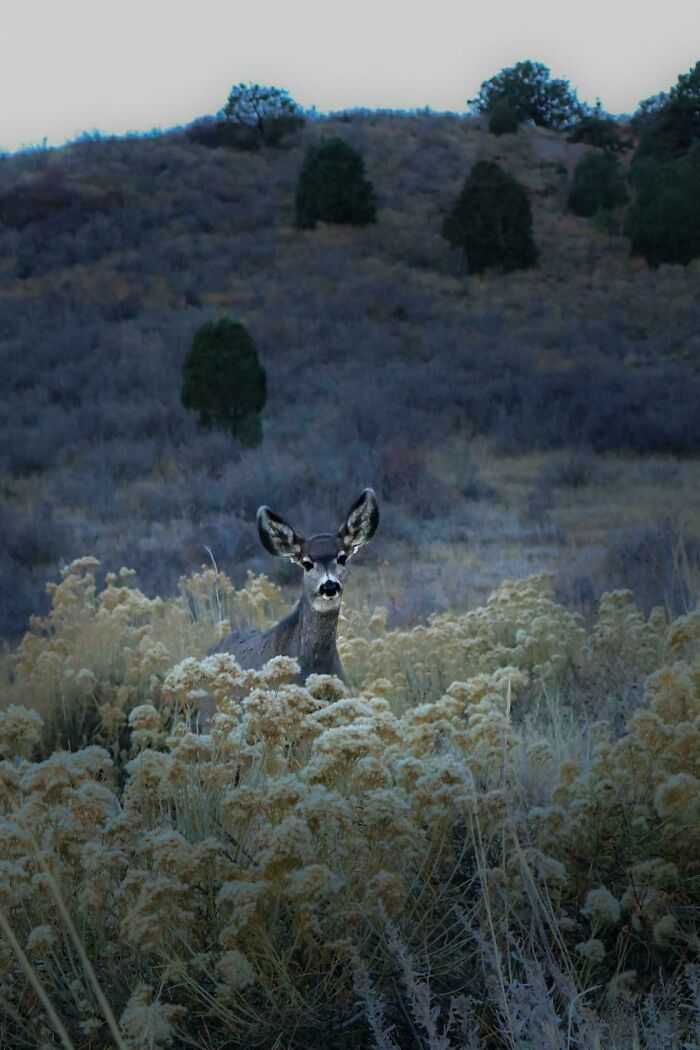
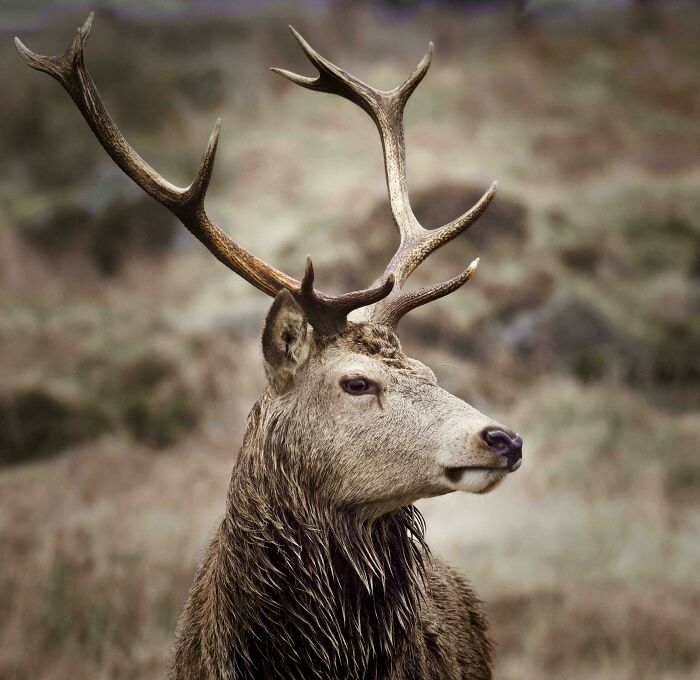
Other animals have their own sensory advantages: deer have sharp eyesight to help them spot approaching predators, while dogs can detect sounds beyond the range of human hearing.
Since animals experience the world differently from us, getting to know them can be fascinating, but living alongside them can also create surprisingly close bonds. Many people form deep emotional connections with their pets, finding comfort in their company and joy in the little routines they share.
Pets can provide companionship, help ease loneliness, and encourage people to be more active. Anyone who has had a dog curl up beside them after a difficult day knows how comforting their company can be.
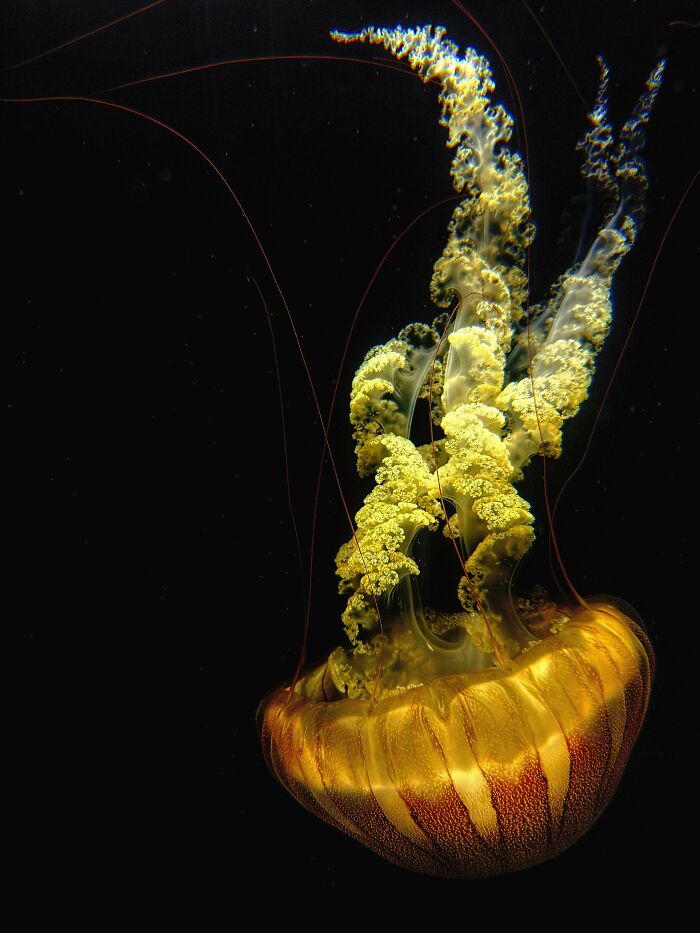
This is a jellyfish that swims close to the surface on the west coasts of North America.
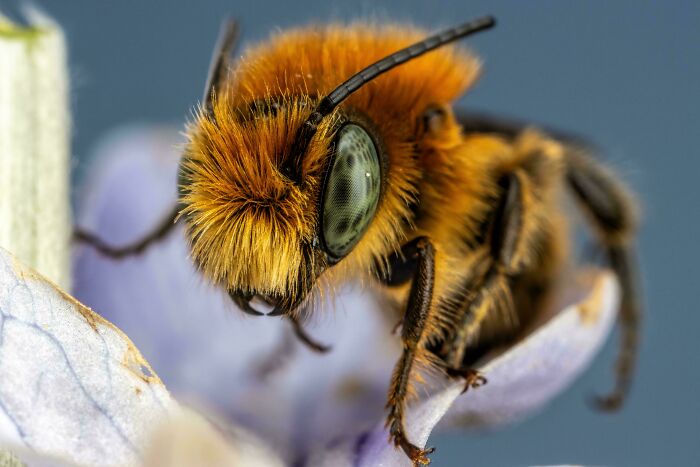
Animals also make everyday life possible in ways we don’t always notice. Bees, butterflies, bats, and other pollinators help plants reproduce by transferring pollen between flowers. According to the Food and Agriculture Organization of the United Nations, animal pollination is essential to many natural and agricultural ecosystems.
Without these hardworking creatures, producing many of the foods we enjoy would become much more difficult.
The importance of animals extends well beyond pollination. Healthy ecosystems help provide clean water, support food production, and regulate natural processes that keep our planet habitable.
As the World Health Organization explains, healthy ecosystems help protect us from disease and support our well-being. When animal populations decline, or their habitats are destroyed, these natural systems can become less stable, putting the resources we depend on at risk.
Protecting animals, therefore, isn’t just about preserving beautiful creatures for us to admire; it’s also about safeguarding the natural world that sustains us.
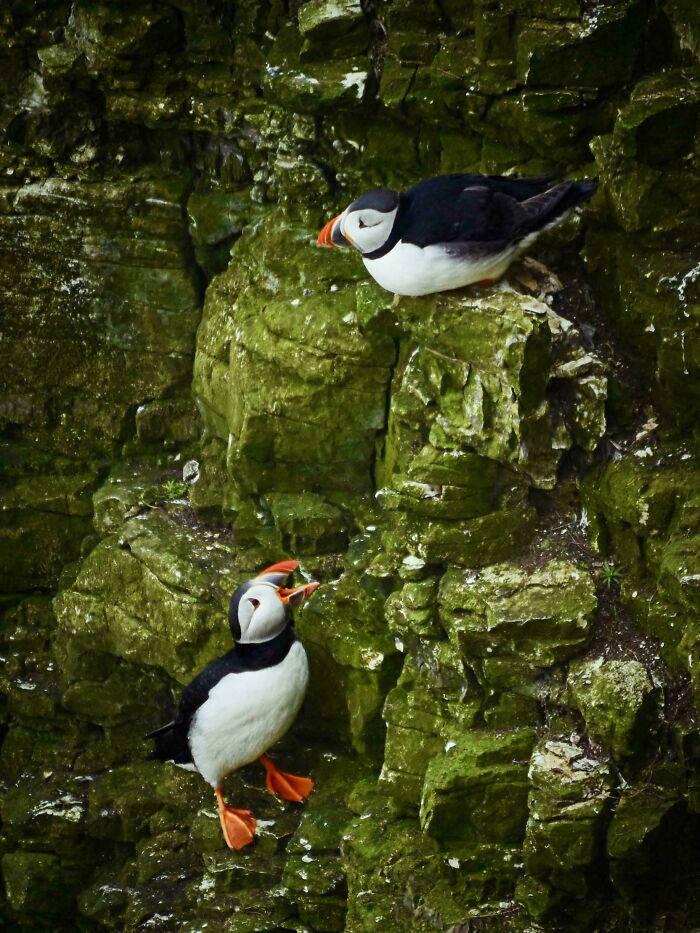
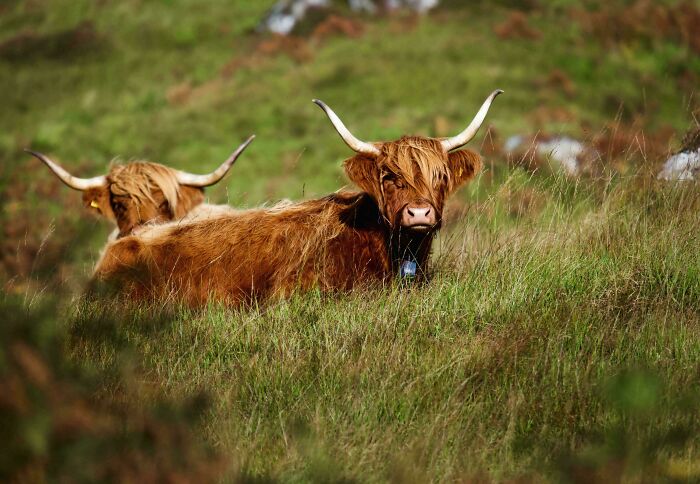
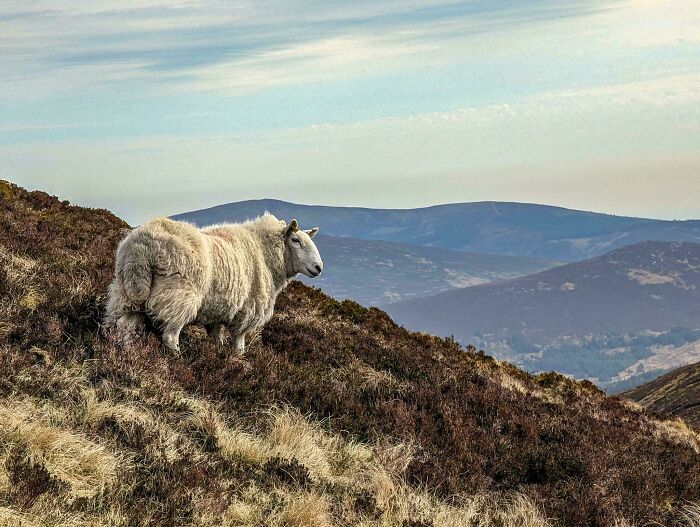
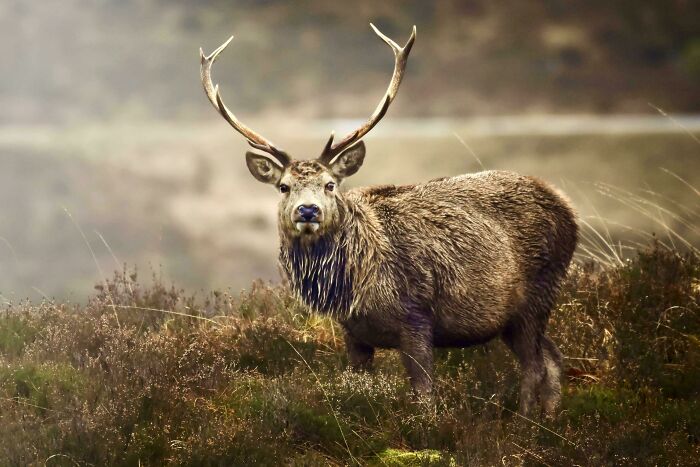
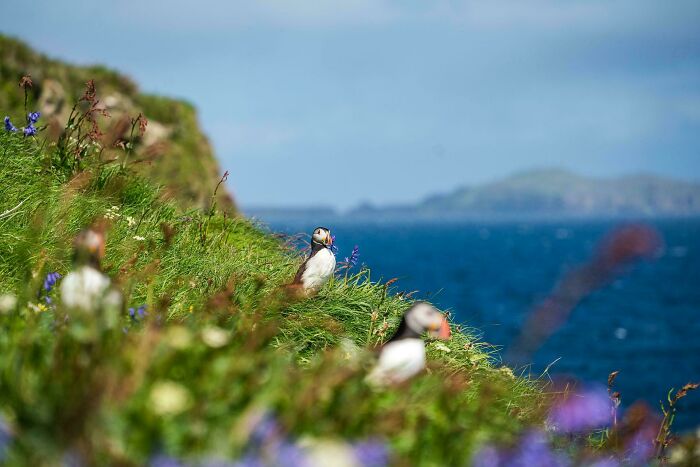
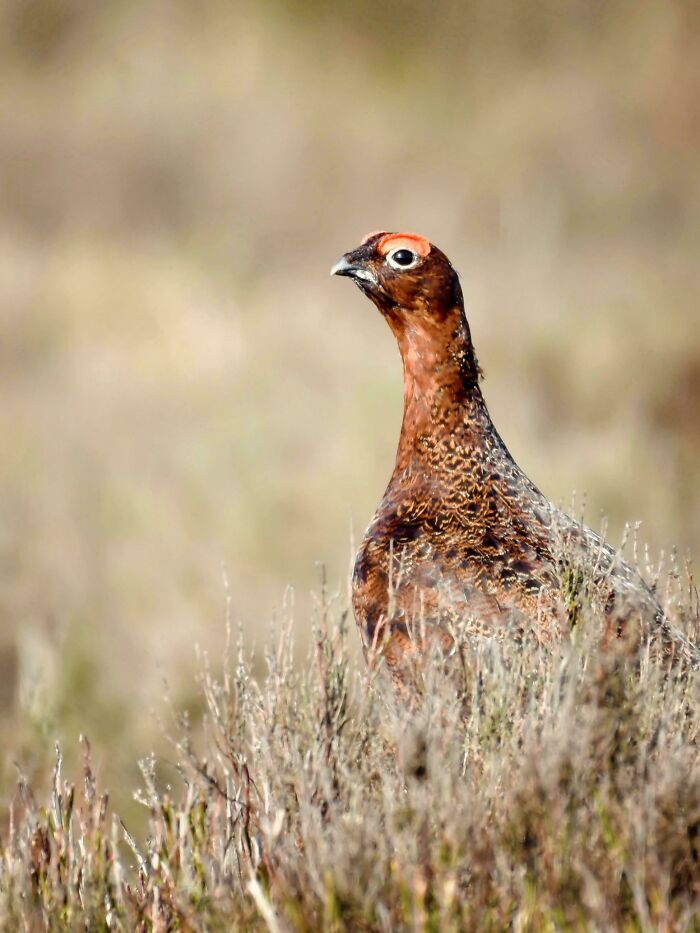
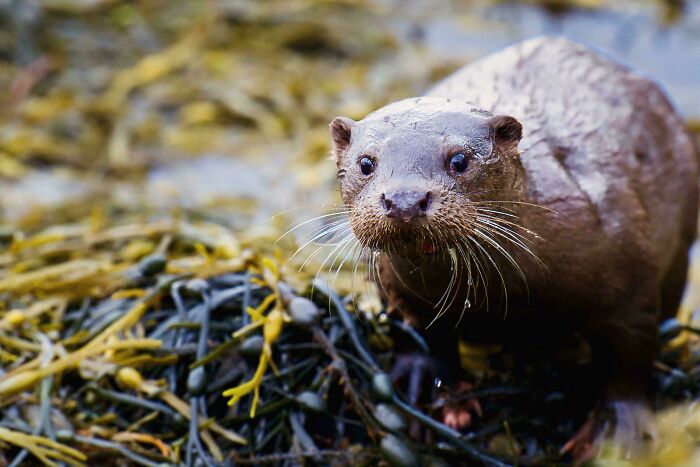
"Ah feckin hell, that eedgit's here again with his feckin camera
You don’t have to be a wildlife expert to appreciate what makes animals so special. Sometimes, all it takes is one incredible photo to make you see a familiar creature differently or discover an animal you never knew existed.
Now, Pandas, which of these photos caught your eye, and which animal has a special place in your heart? Tell us in the comments! We’d love to hear about your favorite creatures and what makes them so lovable.

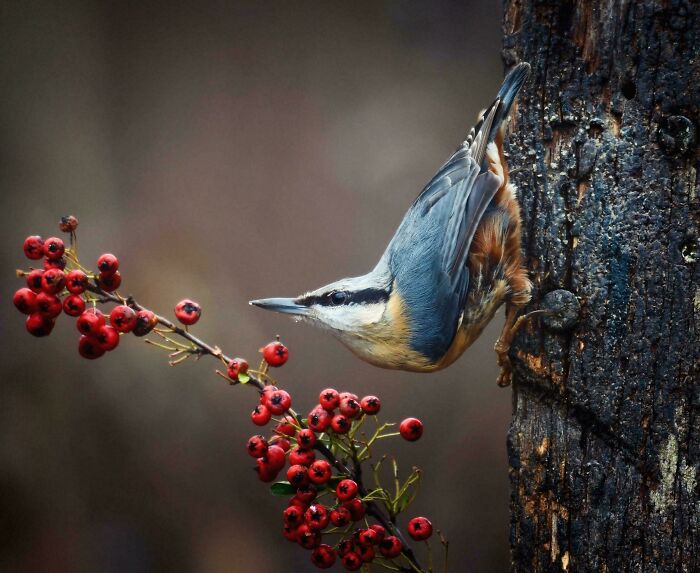
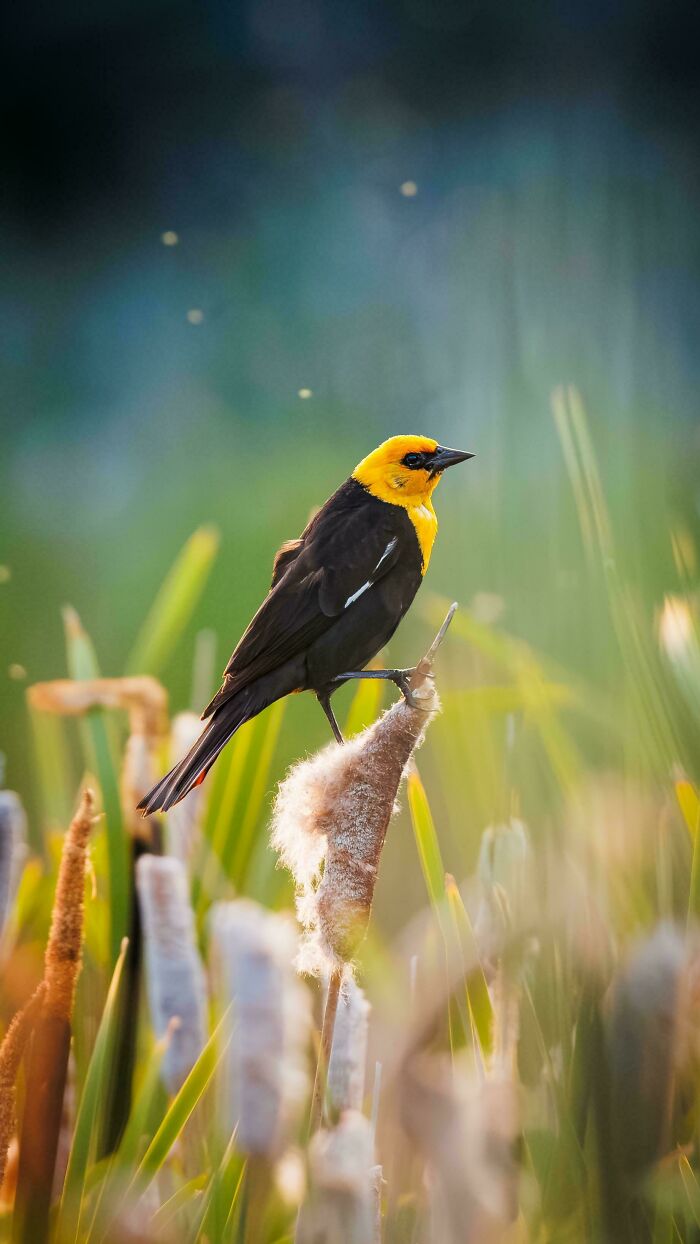
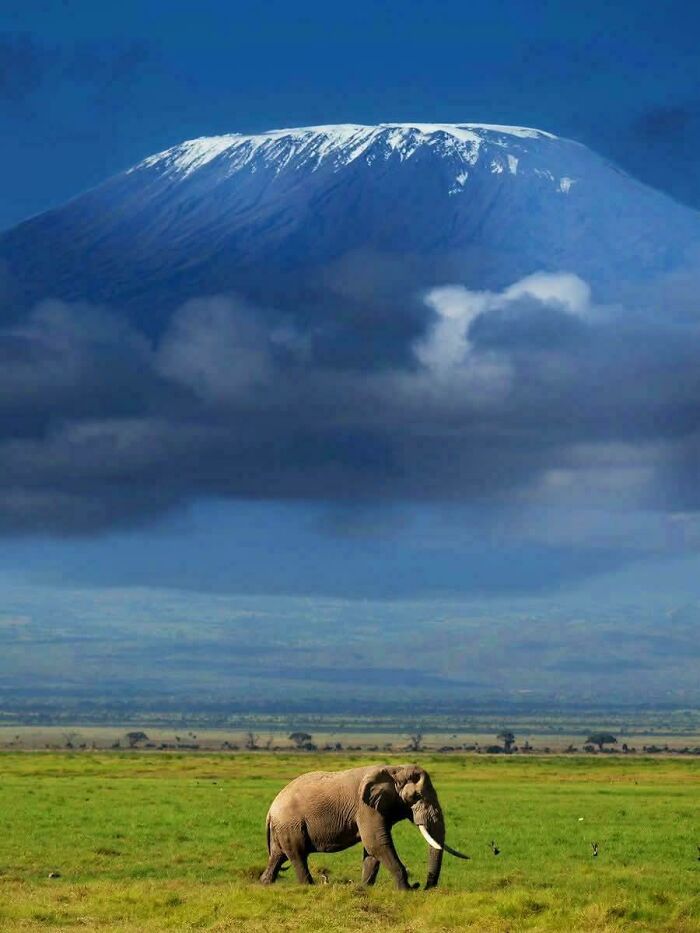
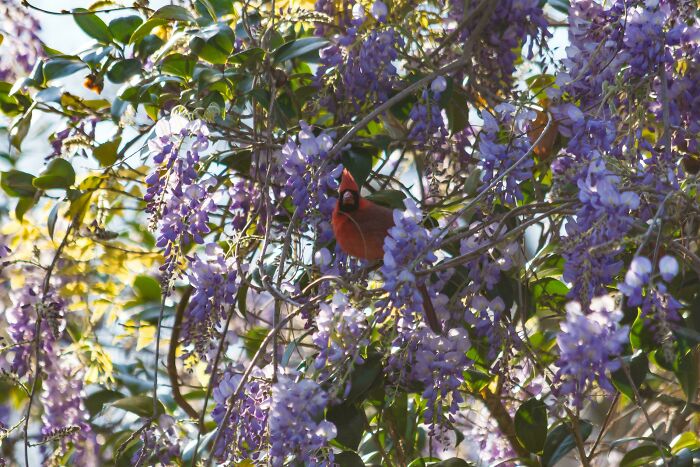
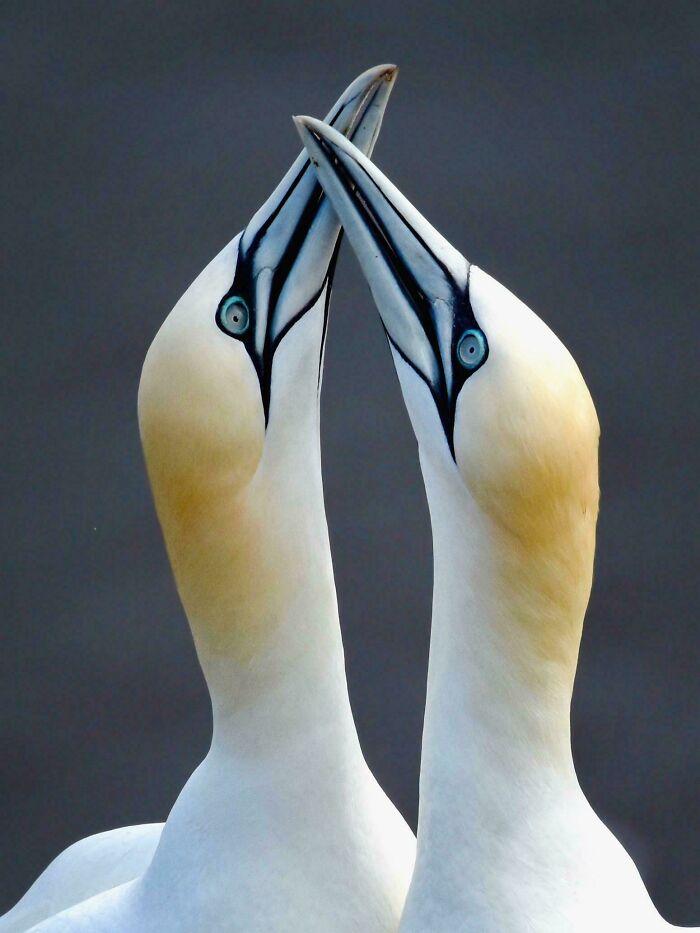
Have a pair in my garden. They wake me up when they are making their nests

































 No fees, cancel anytime