Get Premium
Dark mode theme is available exclusively for premium users. Learn more about the benefits of subscribing.
No fees, cancel anytime.

 Dark Mode Ad-Free Browsing Unlimited Content
 Ad-Free Browsing Unlimited Content Dark Mode
Join 1.2 million Panda readers who get the best art, memes, and fun stories every week!

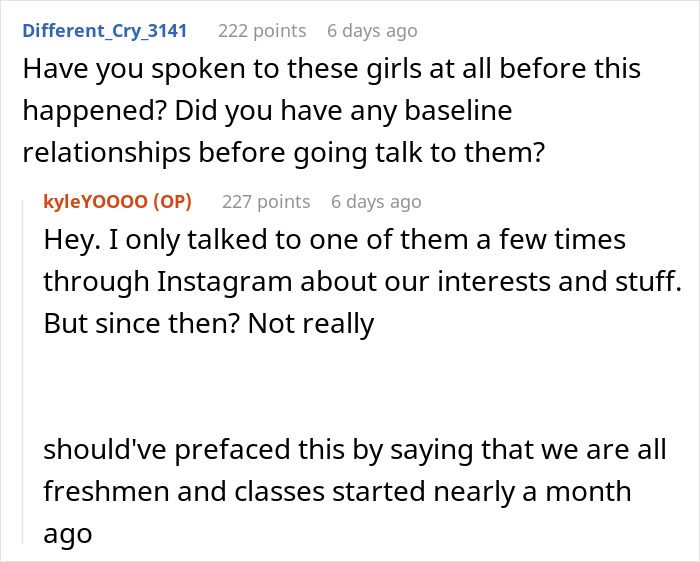
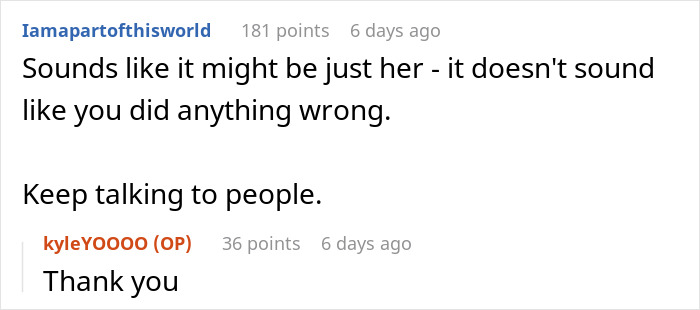
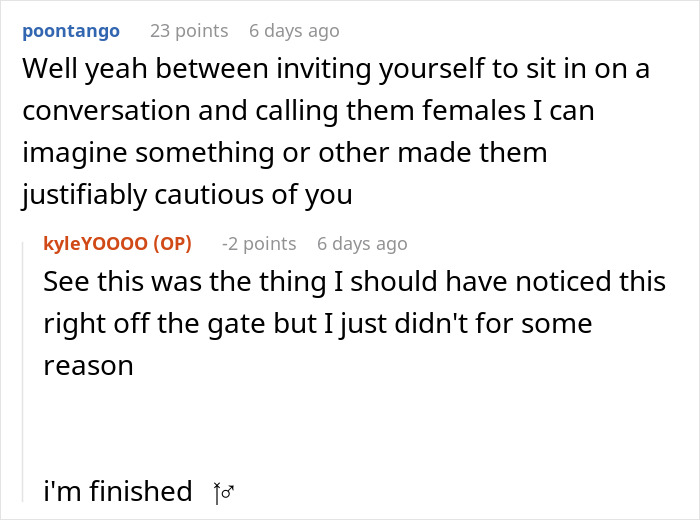
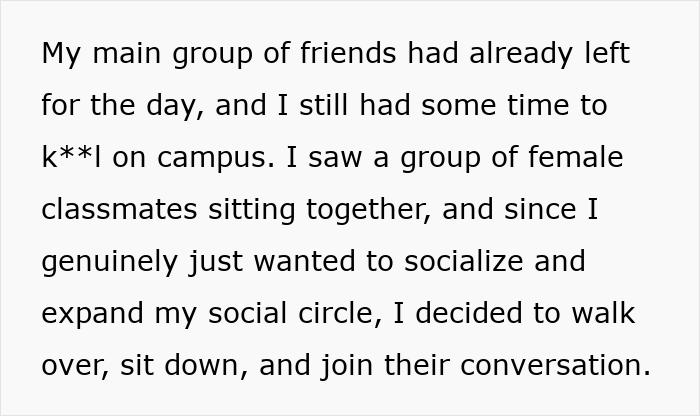
Trying to make new friends should be one of the least controversial activities on campus. There are no elaborate negotiations involved, because you just walk over, say hello, and hope the conversation goes somewhere. Yet social interaction is one of those areas where two people can experience the exact same five minutes and walk away with completely different interpretations of what just happened.
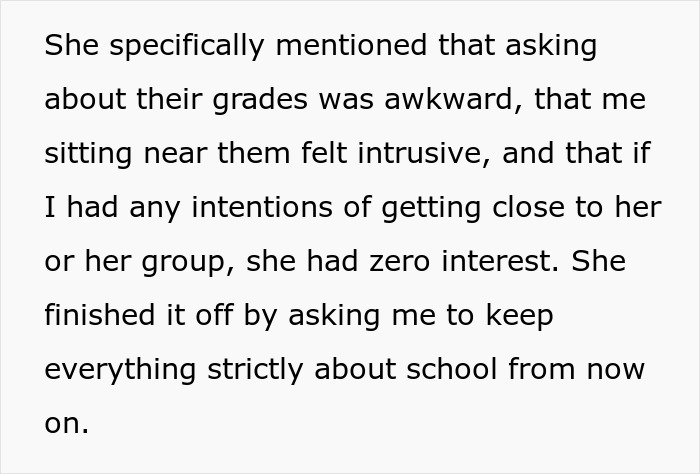
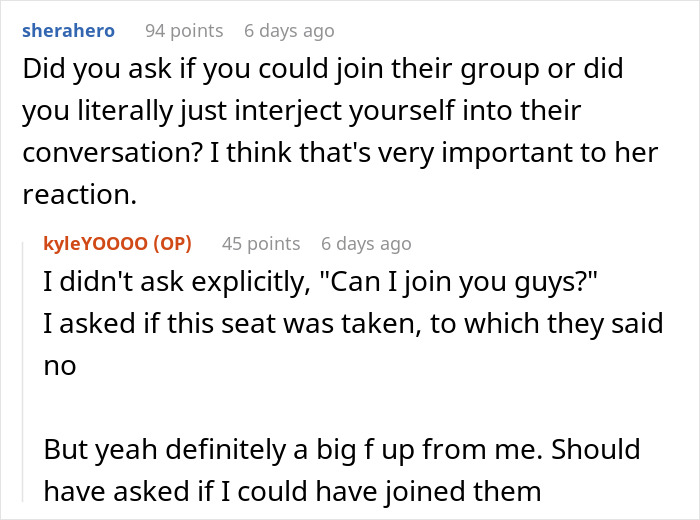
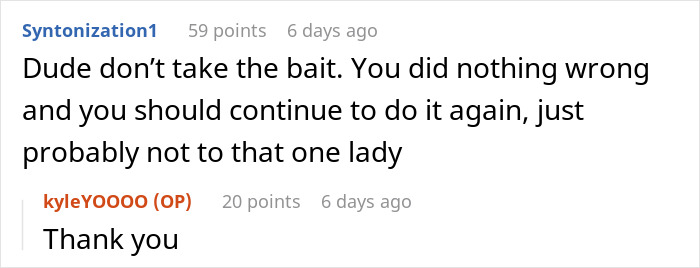
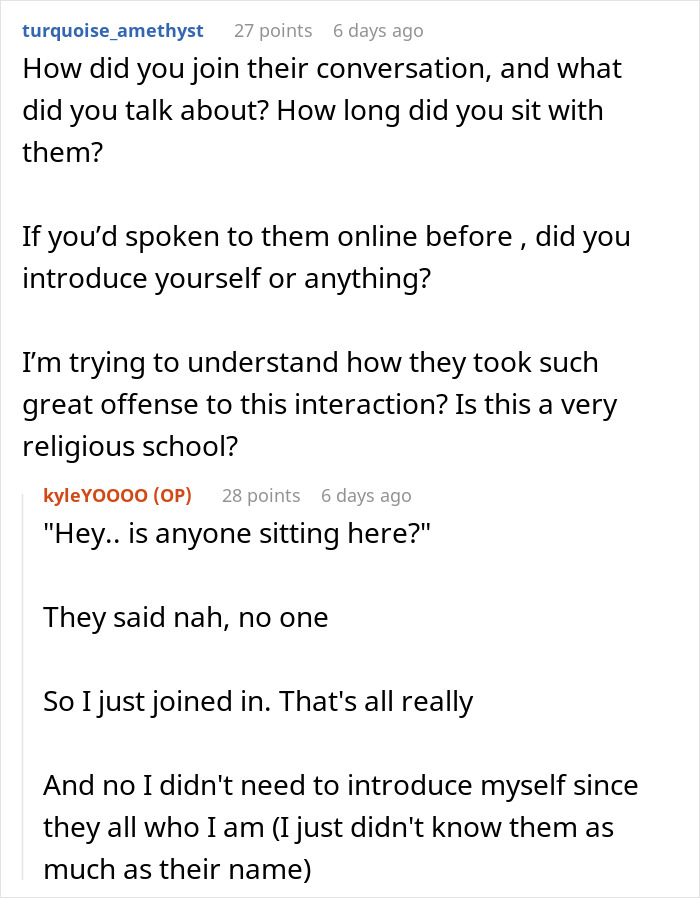
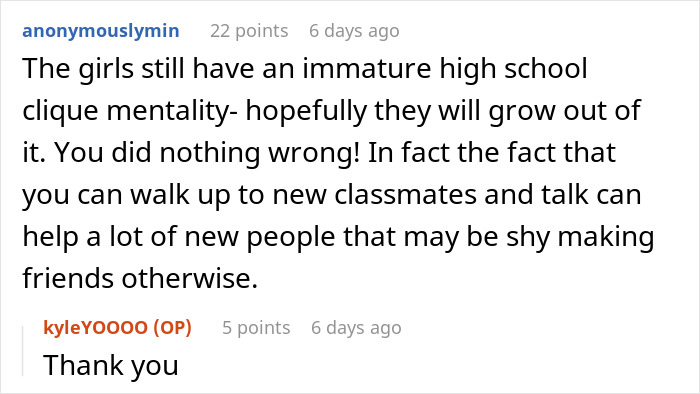
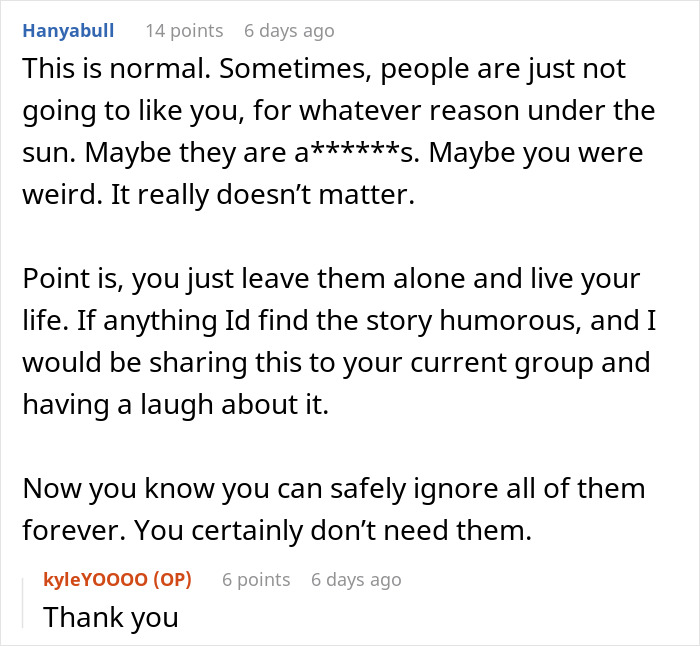
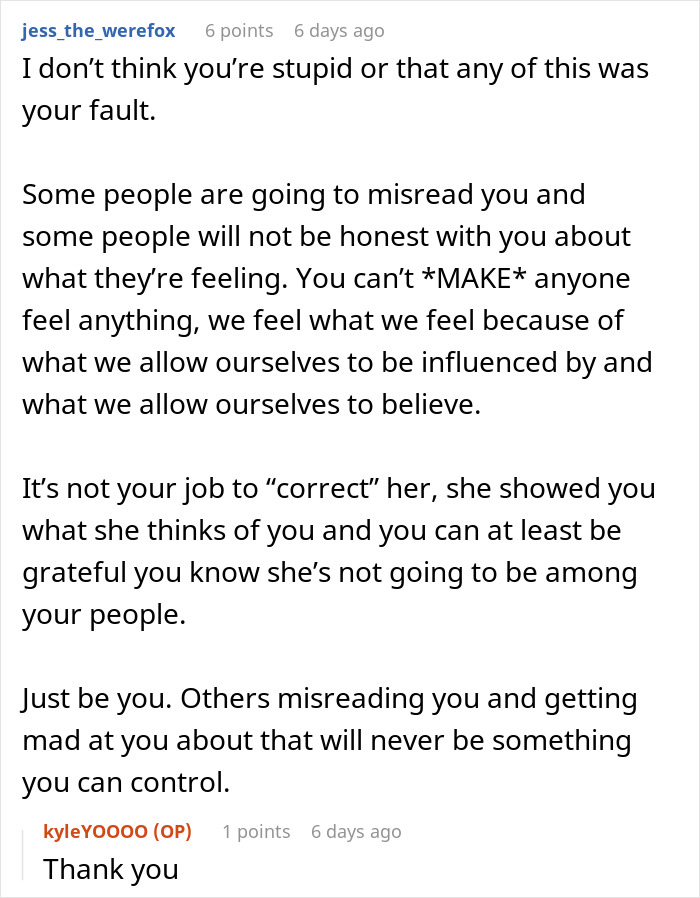
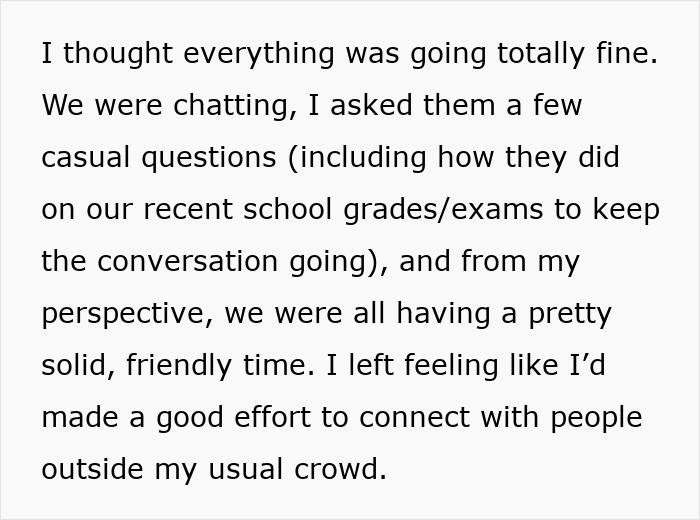
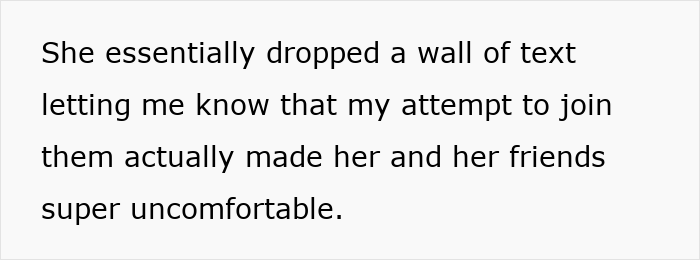
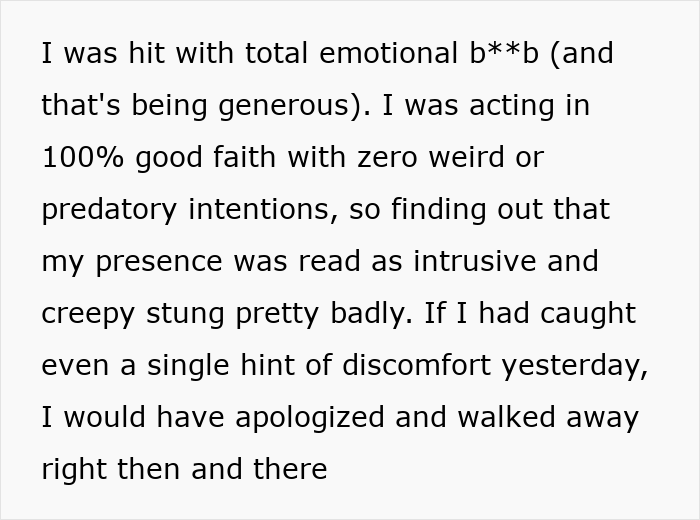
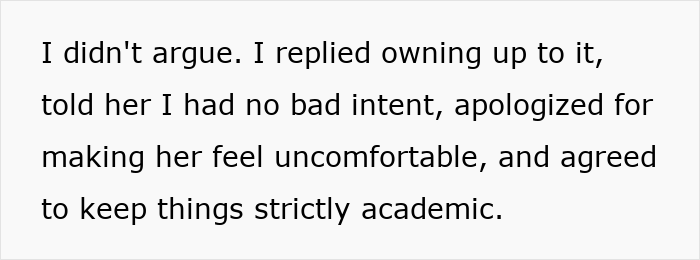
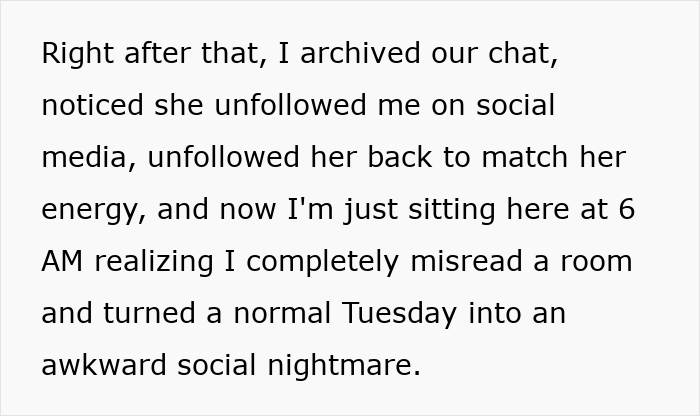
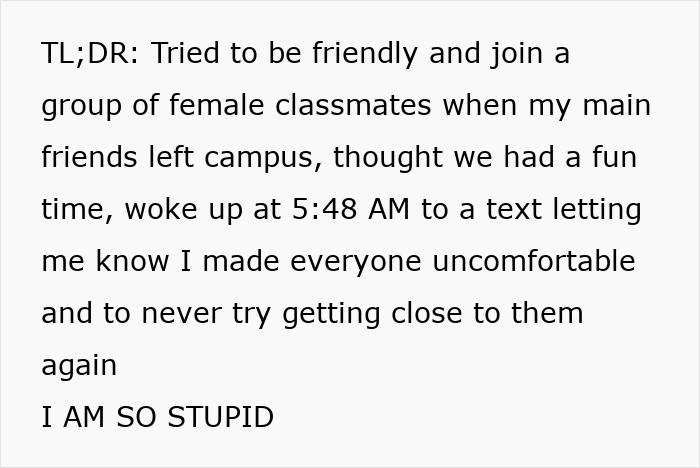
That disconnect is particularly interesting here because this guy believed he was making a harmless attempt to socialize, while the classmates apparently interpreted the interaction as intrusive. His experience highlights first impressions, personal boundaries, conversational norms, and the surprisingly complicated business of figuring out whether another person actually wants you in their social space.
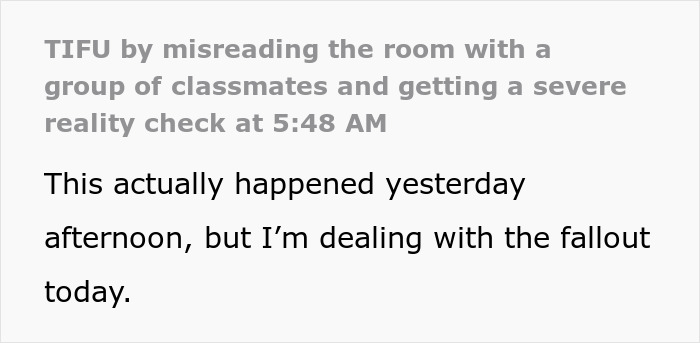
It may be helpful to know that first interactions don’t give people much material to work with. Psychology Today explains a phenomenon called a “thin-slice judgment”, where people might make judgments of someone based on very brief interactions. They note that people can make moderately accurate judgments, although accuracy depends heavily on what is being judged and how much information is available.
Someone walking up to an established group, sitting down, asking several questions, and trying to participate may seem confident and friendly to one person while appearing overly familiar to another. The behavior itself has not changed, however, the interpretation has. Thin-slice judgments mean a person can quickly form an opinion before they have enough context to understand the person’s actual intentions.
There is also a psychological concept called “group space” that fed into the situation. It is essentially a boundary that forms around an interacting group and can function as a barrier against unwanted intrusion by people who are not part of the group. In other words, when people are already sitting together and having a conversation, they can unconsciously establish a kind of social territory.
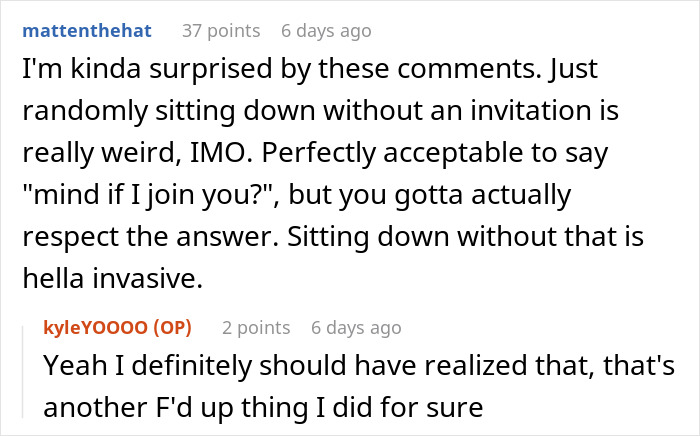
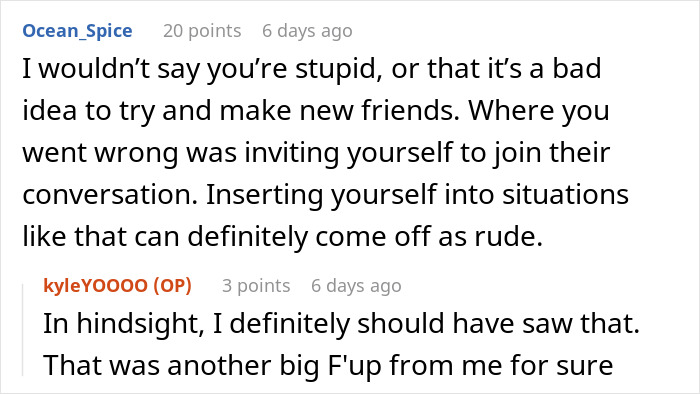
That does not mean that approaching strangers is inherently inappropriate. Humanizz simply explains why the same action can feel different depending on context. Someone who sees an open group of people may interpret it as an invitation to socialize, while the people already inside that interaction may experience an unexpected newcomer as someone entering a social space they had mentally marked as their own.
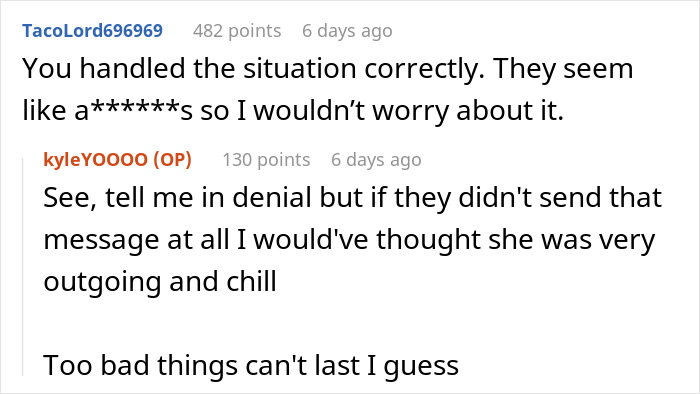
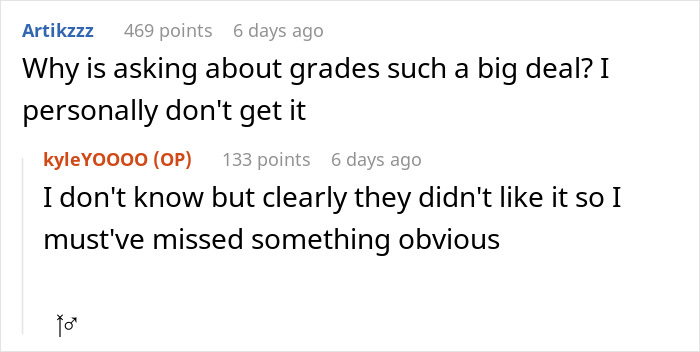
Besides, one of the trickiest parts of social interaction and something we may all have had to learn the hard way is that good intentions do not automatically determine how an action will be received. A person can genuinely intend to be friendly while another person experiences that friendliness as unwanted attention.
Interestingly, BetterUp does not suggest that asking questions of strangers is inherently a bad way to socialize. Quite the opposite. They note that conversations and even brief interactions with unfamiliar people can create meaningful feelings of connection, while people often naturally underestimate how enjoyable these interactions can be. However, the important variable is reciprocity.
When people are getting acquainted, the interaction generally works better when both sides contribute rather than one person doing all the questioning or directing the conversation. Life Hacker likewise points to the useful lesson that it’s not about never approaching people or never asking questions, but about watching whether the other person is actively participating and reciprocating.
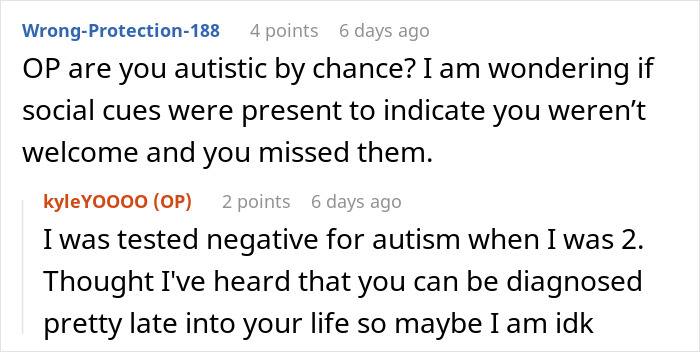
That helps explain why someone can leave a conversation thinking it went pretty well without realizing that the other participants experienced it differently. If someone is concentrating on keeping a conversation alive, thinking of questions, and trying not to appear awkward, subtle signals from other people can be easy to overlook.
Have you been in this situation before? Have you ever thought a social interaction went well, only to find out later that the other person saw it completely differently? We would love to hear from you!

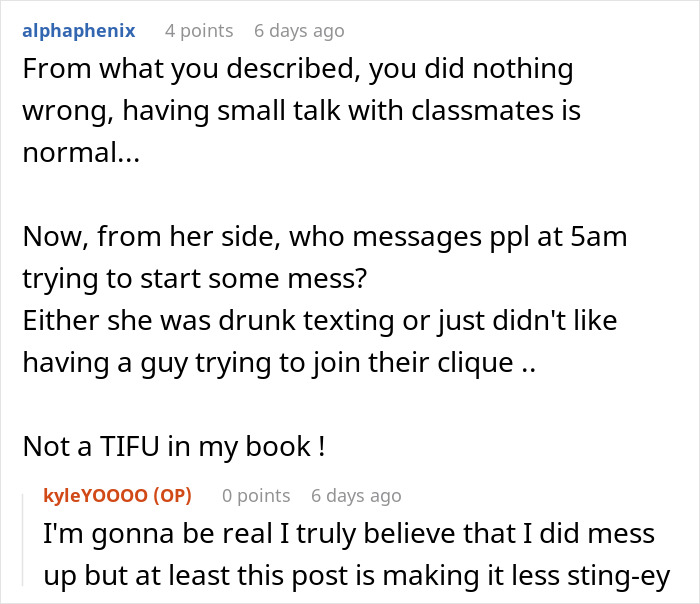
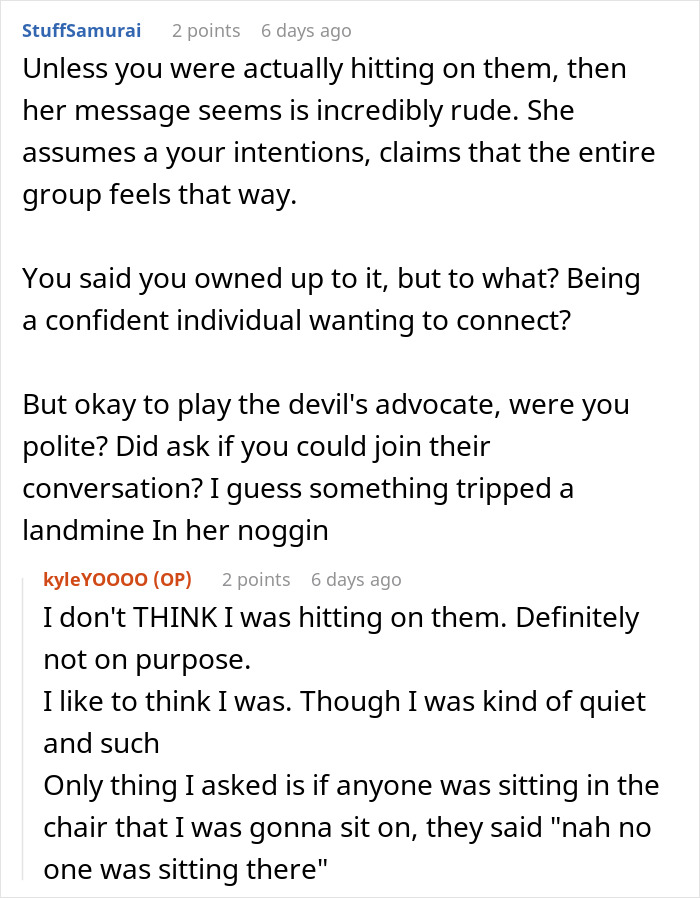
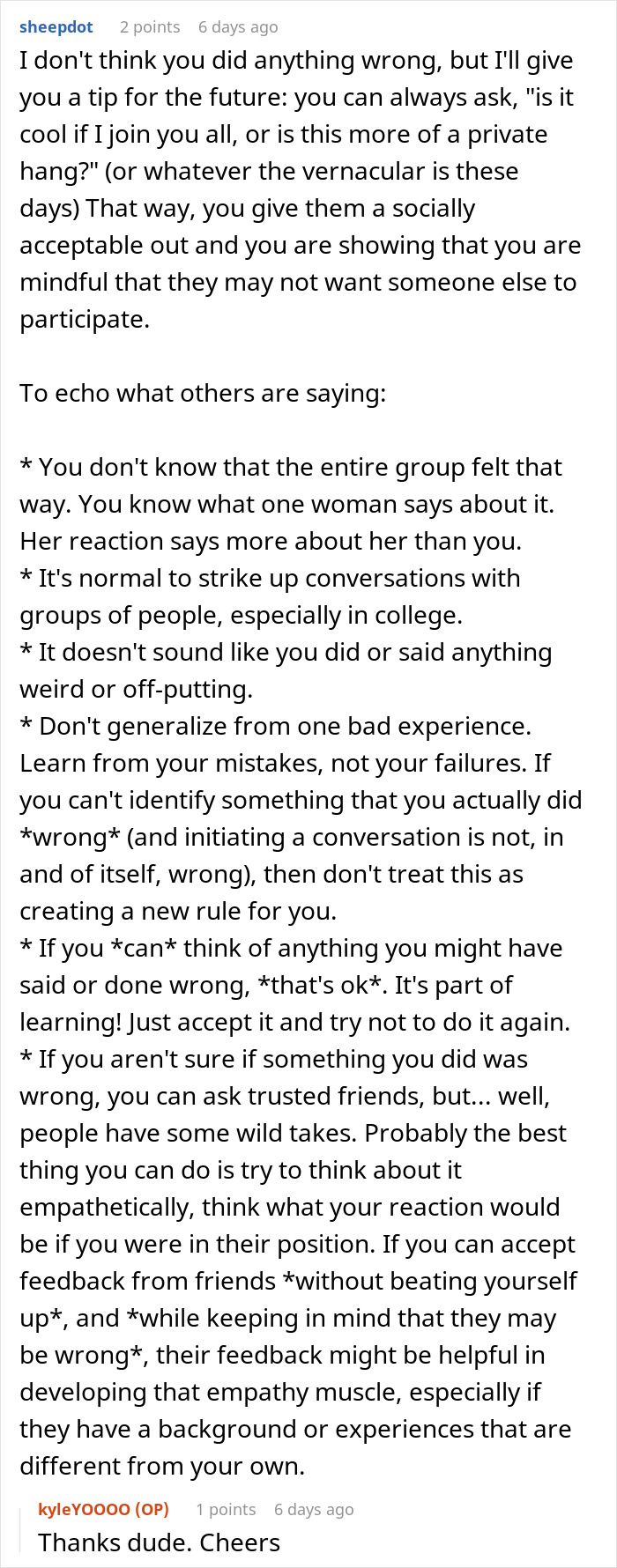
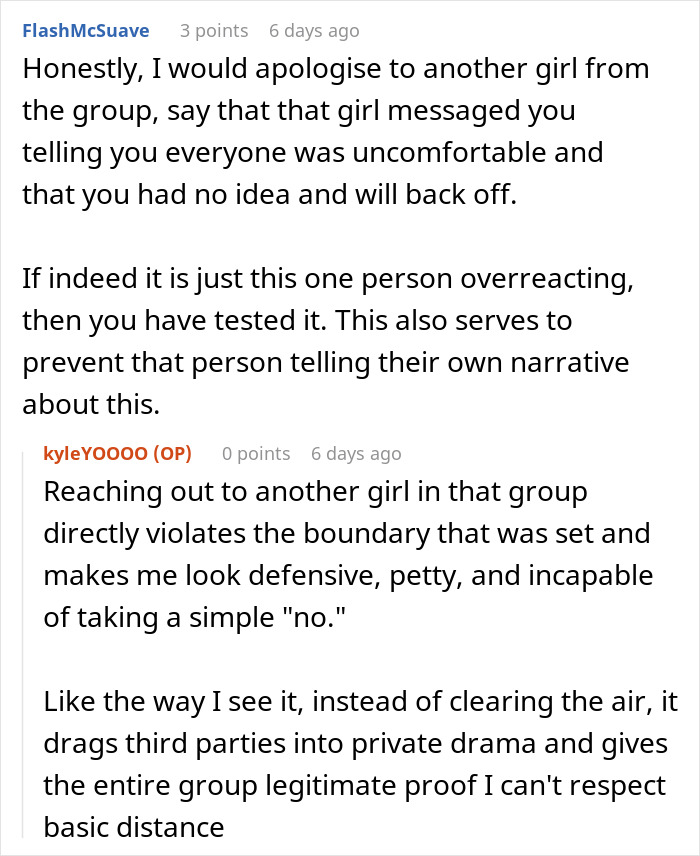

By entering your email and clicking Subscribe, you're agreeing to let us send you customized marketing messages about us and our advertising partners. You are also agreeing to our Privacy Policy.
Thank you! You've successfully subscribed to newsletters!

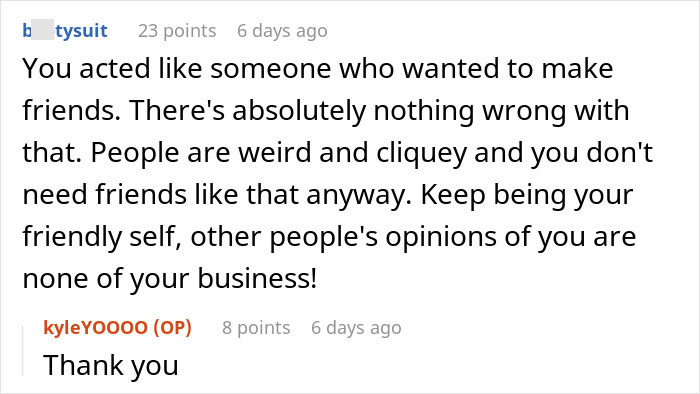
100% she doesn’t speak for the entire group of girls and extremely likely she was the only one to initially voice a concern with the other women and then attempted to cajole them into validating her. It’s highly likely the others just nodded & smiled at her wild accusations, which she interpreted as full on agreement that they, too, felt uncomfortable. Talk about not “reading the room!” Why do I beleive this? I’ve been out since I was 13 and I’m 55 now. I’m not obviously gay by look or at first convo, but anyone paying attention usually picks up on it within the first few minutes. I’ve always had plenty of guy friends, but was more likely to hang out with a group of girls or a mixed group with 1 or 2 other guys. When it’s just a group of girls, there’s occasionally the one who either has zero gaydar & sees me as an interloper or they’re a bona fide homophobe. The other girls always confirm to me I’m welcome & she put words in their mouth. It’s a full on cliché.

Should definitely message the rest of the group (if he has contacts) just to give a brief apology - "X bought to my attention that joining the group was intrusive. I'm really sorry, I was genuinely only trying to be social and not to hit on anyone or make people uncomfortable, and I'll keep my distance from now on unless I'm invited to join." Then no contact unless they initiate it. One person messaging at an unsocial hour is not representative of group attitude - It's much more likely to be one drama llama stewing herself into a tizzy about something harmless. Next time, do ask first if you can join the conversation, or is it girls only, and don't cross examine people on their grades, because it can come across as competing with them.

I'm betting this was just the one girl, considering he only got one nastygram.
100% she doesn’t speak for the entire group of girls and extremely likely she was the only one to initially voice a concern with the other women and then attempted to cajole them into validating her. It’s highly likely the others just nodded & smiled at her wild accusations, which she interpreted as full on agreement that they, too, felt uncomfortable. Talk about not “reading the room!” Why do I beleive this? I’ve been out since I was 13 and I’m 55 now. I’m not obviously gay by look or at first convo, but anyone paying attention usually picks up on it within the first few minutes. I’ve always had plenty of guy friends, but was more likely to hang out with a group of girls or a mixed group with 1 or 2 other guys. When it’s just a group of girls, there’s occasionally the one who either has zero gaydar & sees me as an interloper or they’re a bona fide homophobe. The other girls always confirm to me I’m welcome & she put words in their mouth. It’s a full on cliché.
Should definitely message the rest of the group (if he has contacts) just to give a brief apology - "X bought to my attention that joining the group was intrusive. I'm really sorry, I was genuinely only trying to be social and not to hit on anyone or make people uncomfortable, and I'll keep my distance from now on unless I'm invited to join." Then no contact unless they initiate it. One person messaging at an unsocial hour is not representative of group attitude - It's much more likely to be one drama llama stewing herself into a tizzy about something harmless. Next time, do ask first if you can join the conversation, or is it girls only, and don't cross examine people on their grades, because it can come across as competing with them.
I'm betting this was just the one girl, considering he only got one nastygram.
































 No fees, cancel anytime










32
11