Get Premium
Dark mode theme is available exclusively for premium users. Learn more about the benefits of subscribing.
No fees, cancel anytime.

 Dark Mode Ad-Free Browsing Unlimited Content
 Ad-Free Browsing Unlimited Content Dark Mode
Join 1.2 million Panda readers who get the best art, memes, and fun stories every week!
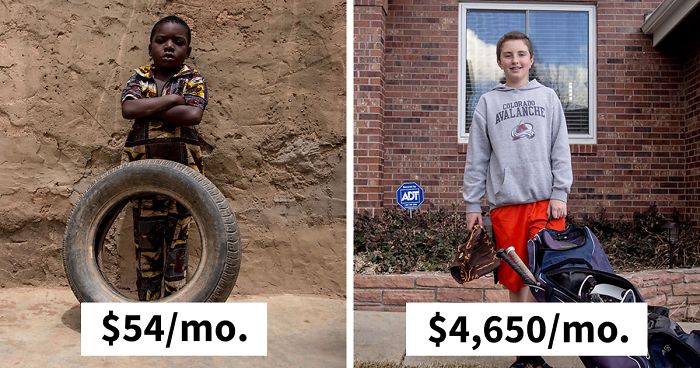
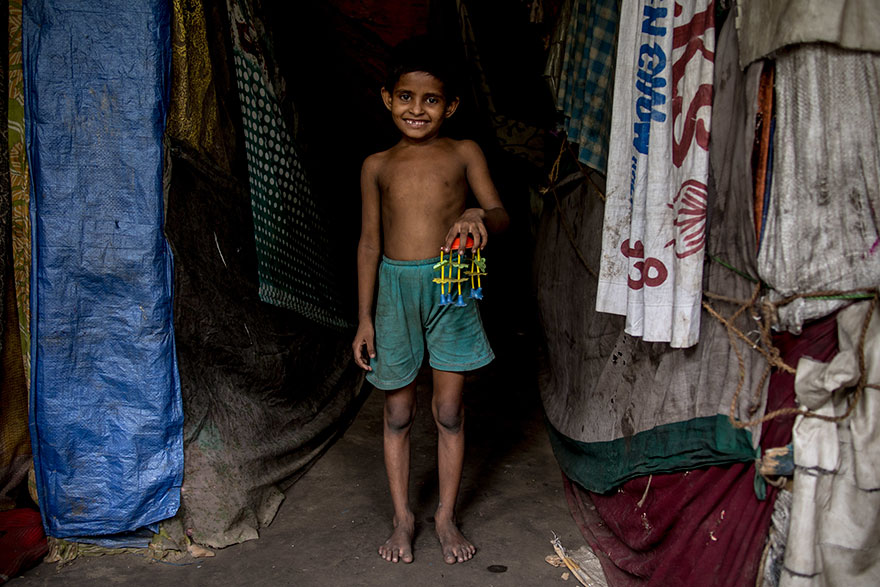
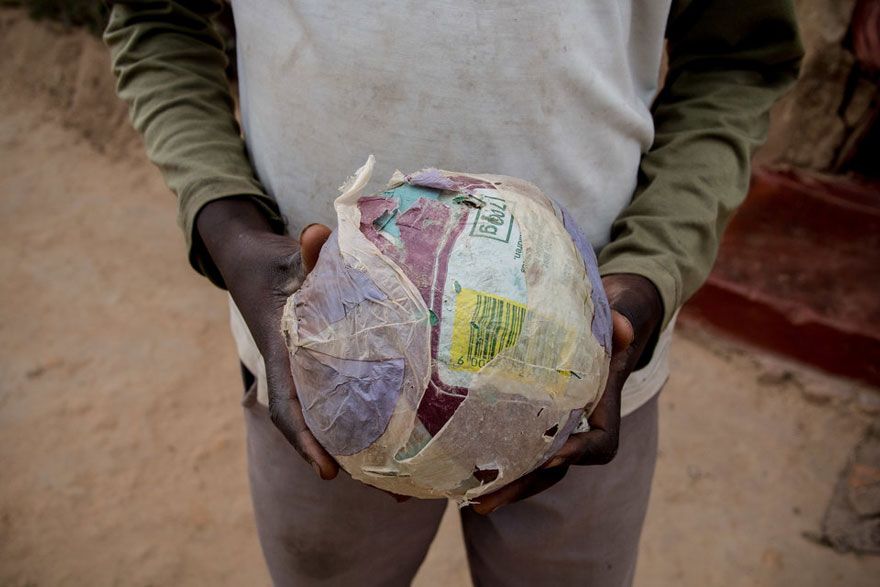
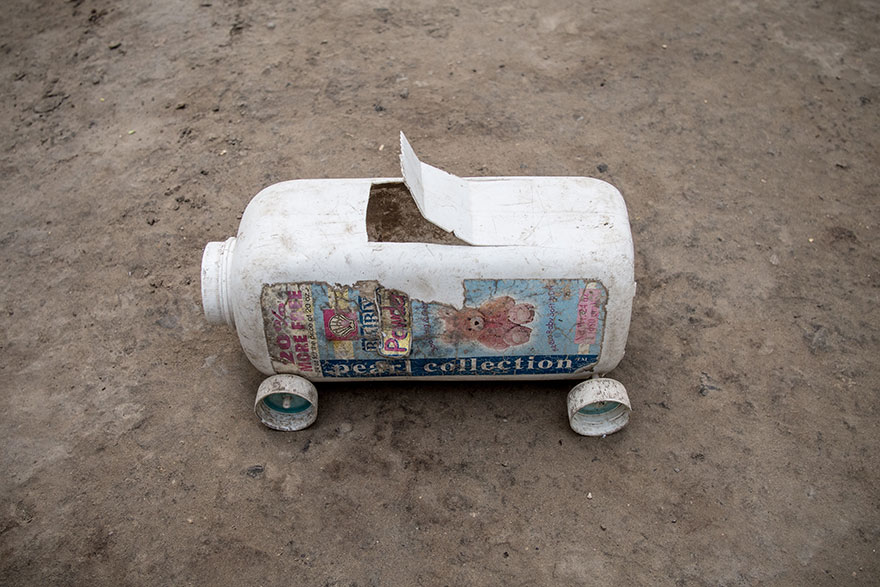
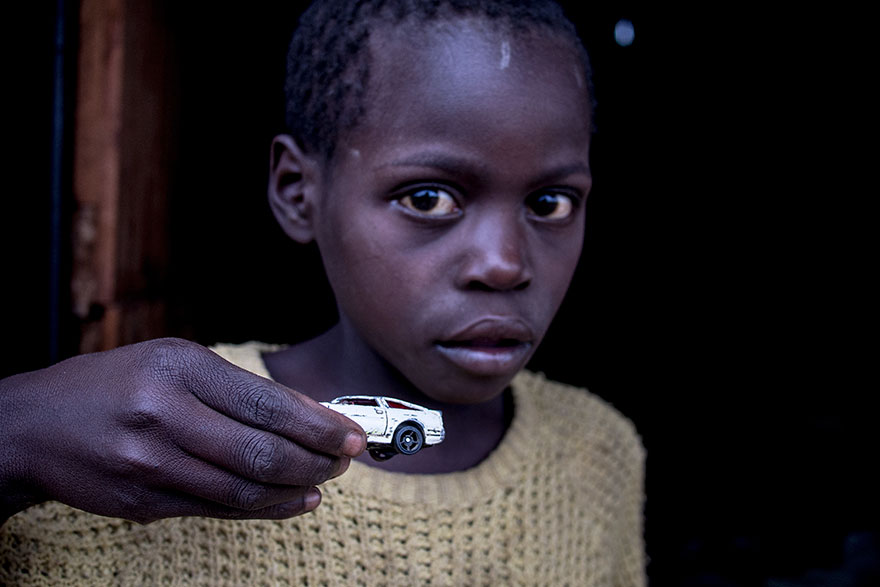
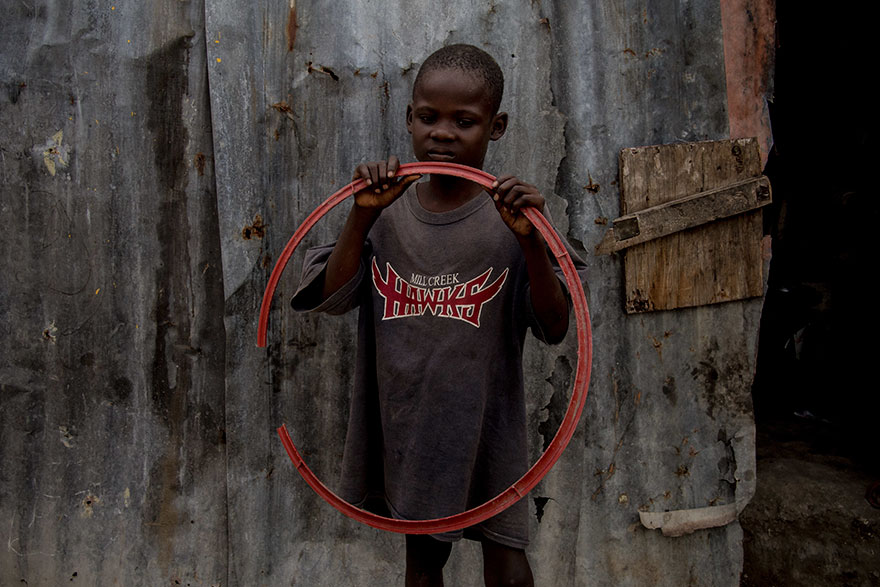
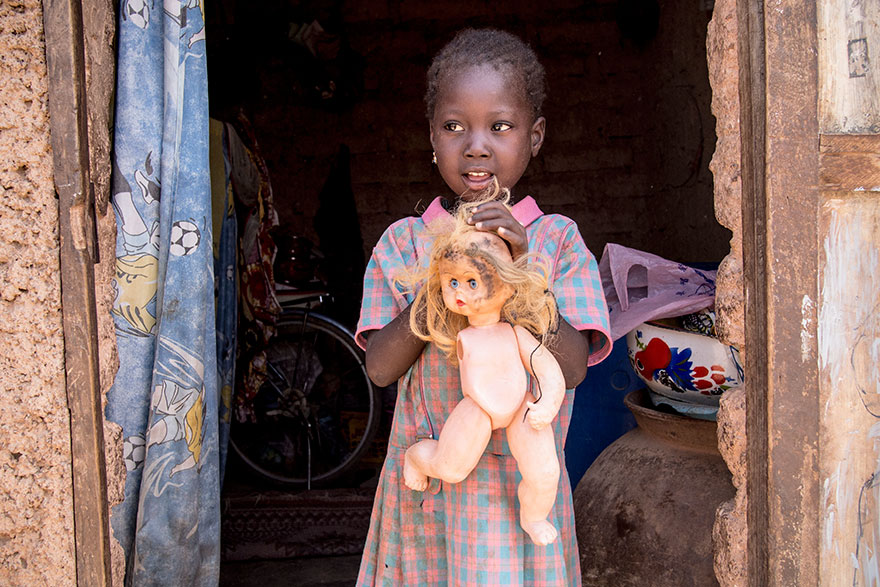
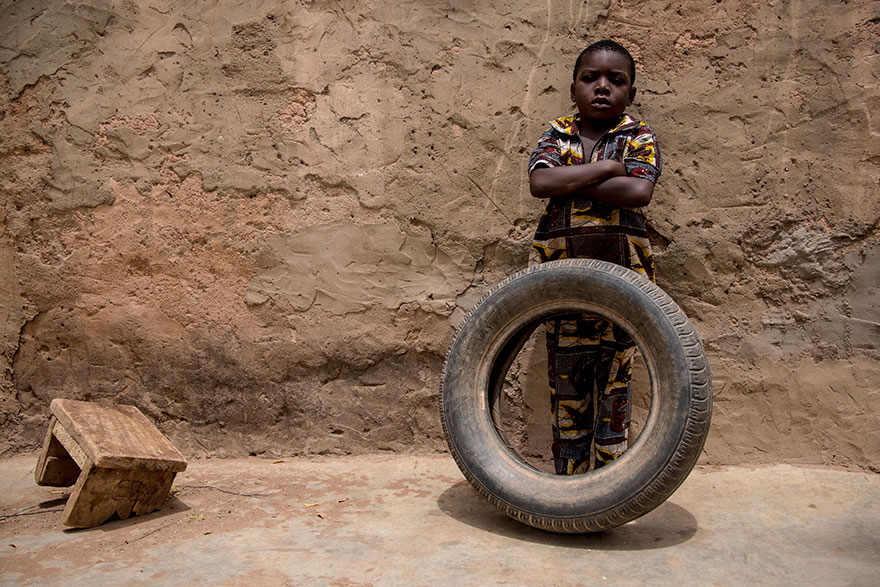
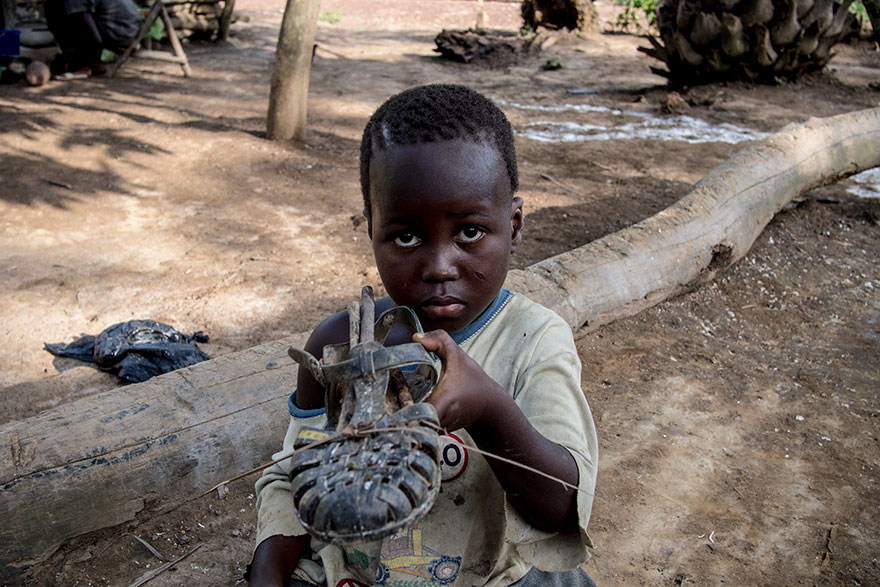
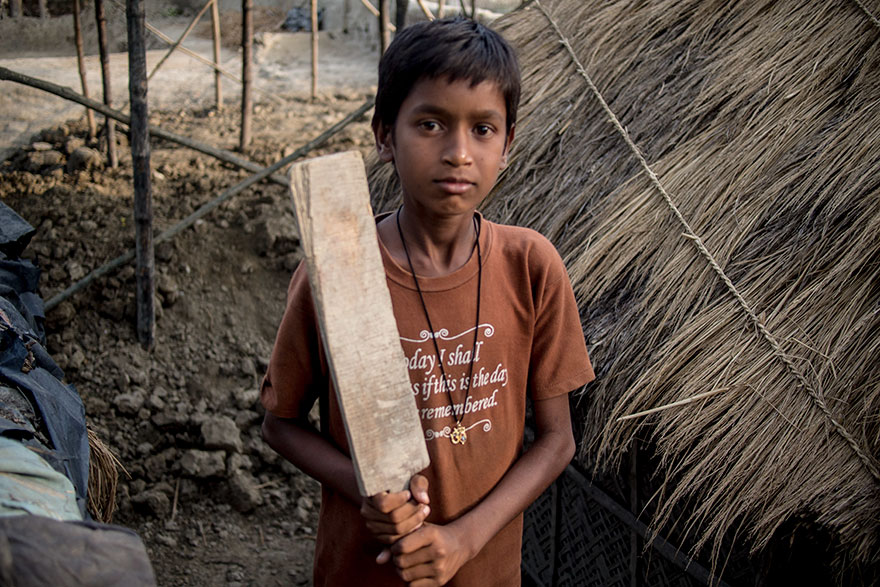
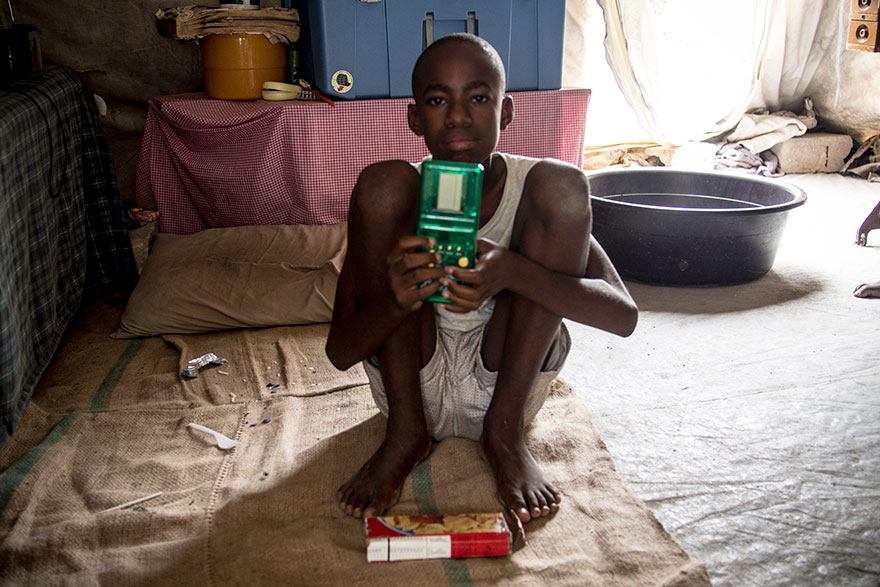
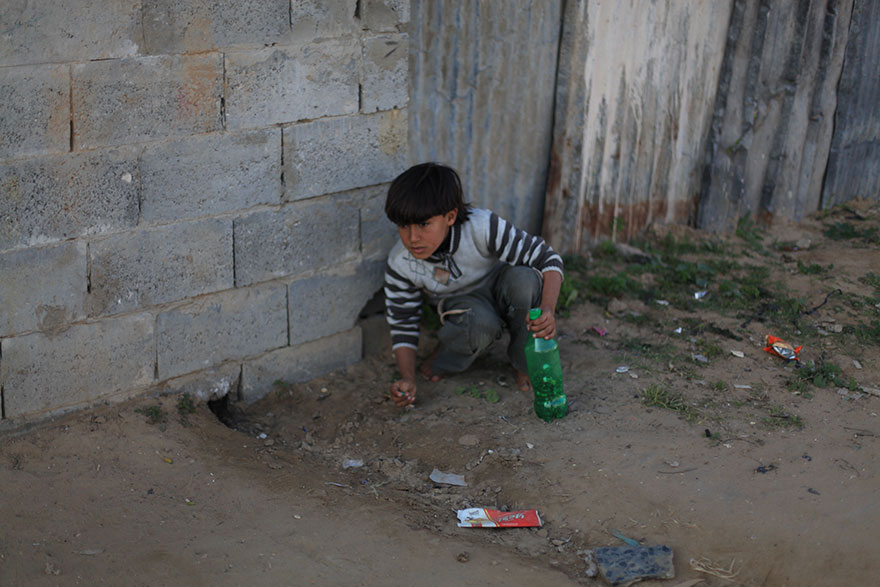
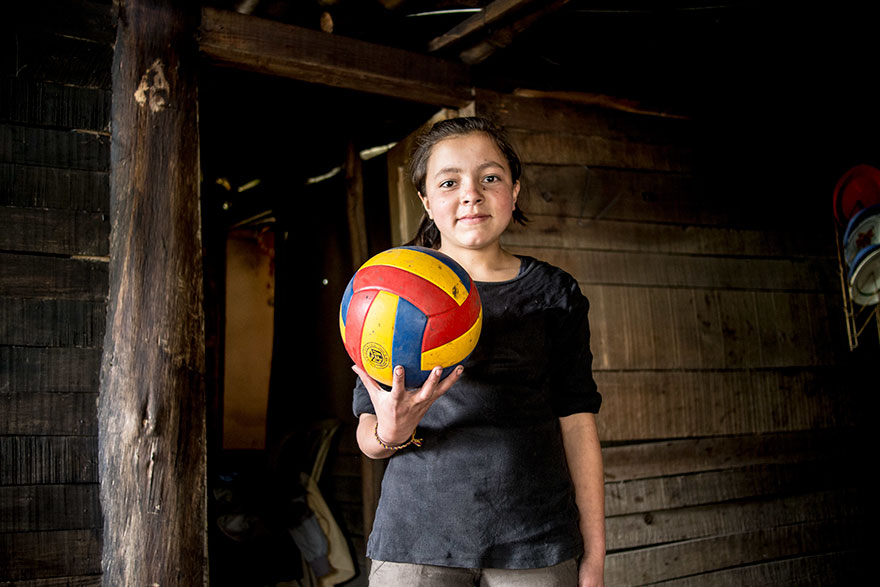
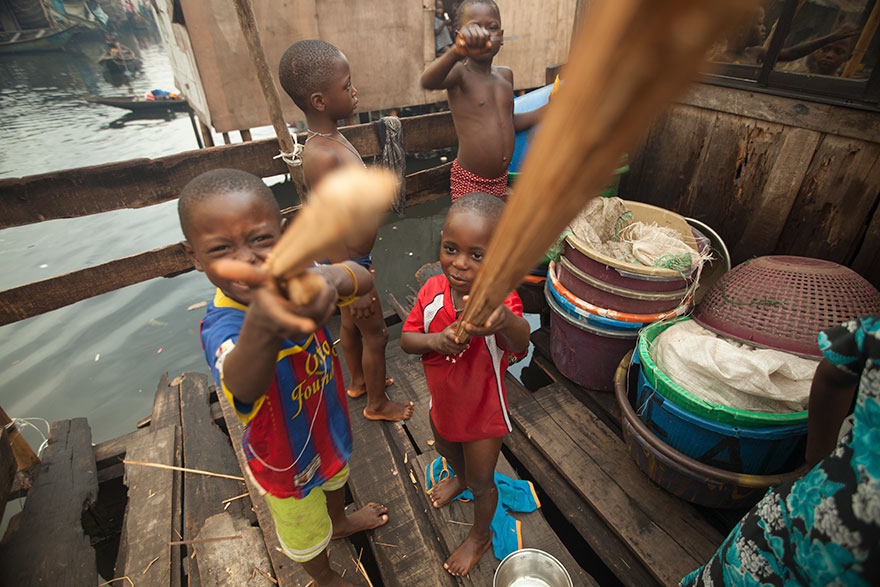
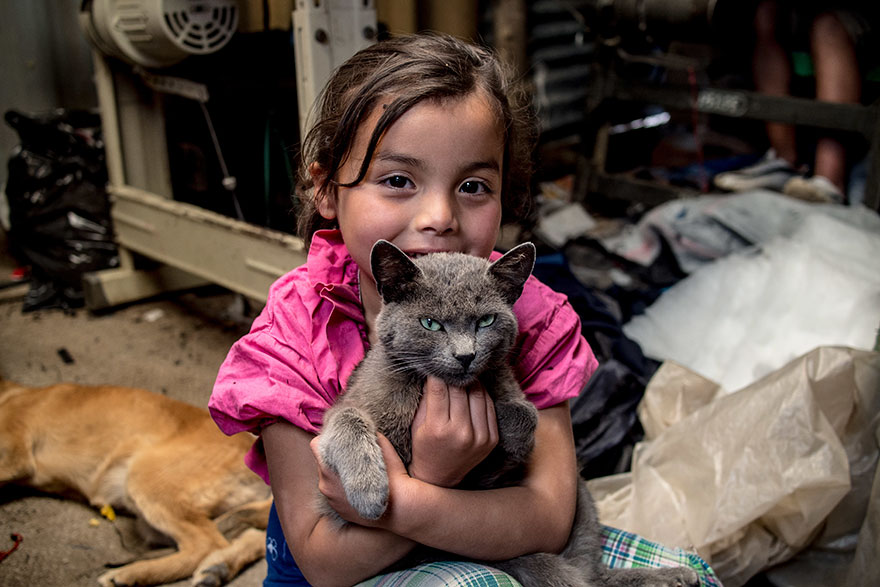
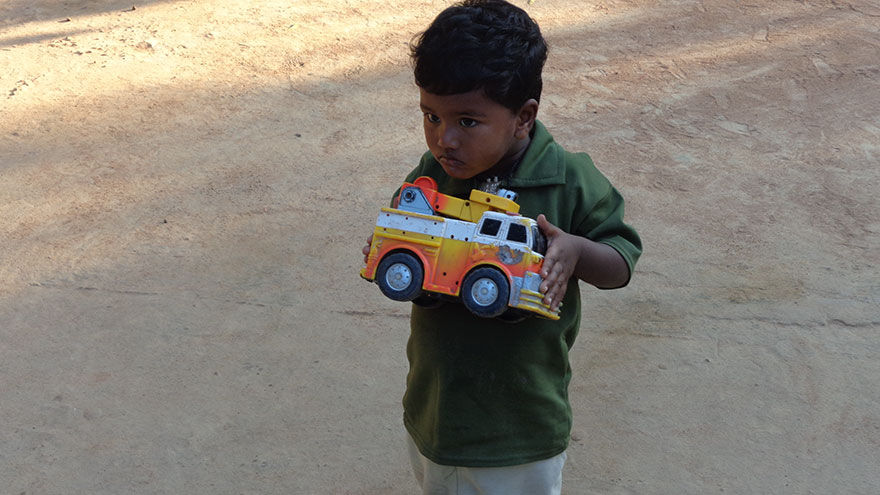
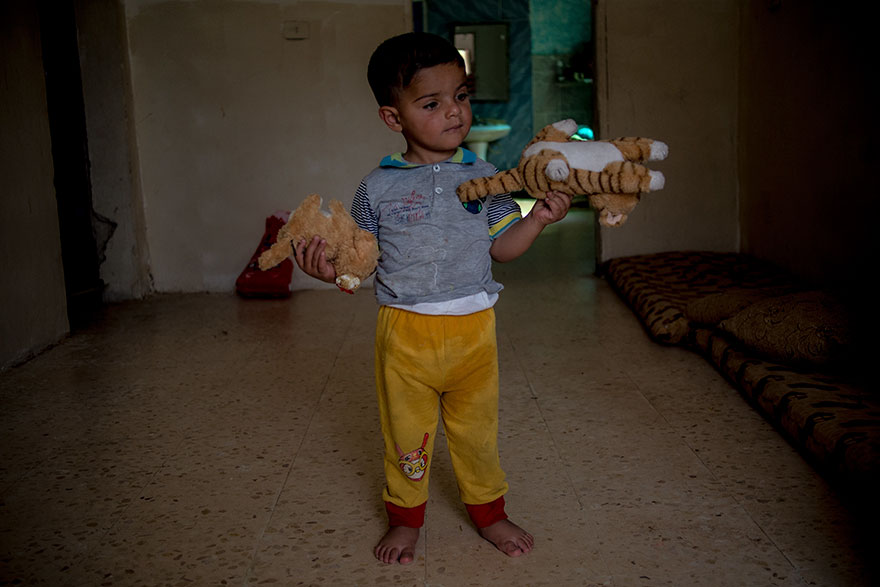
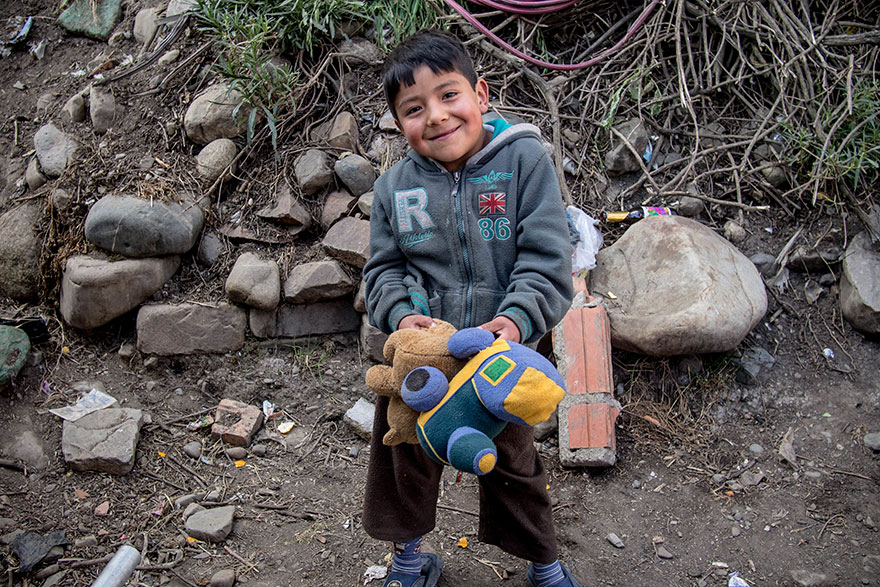
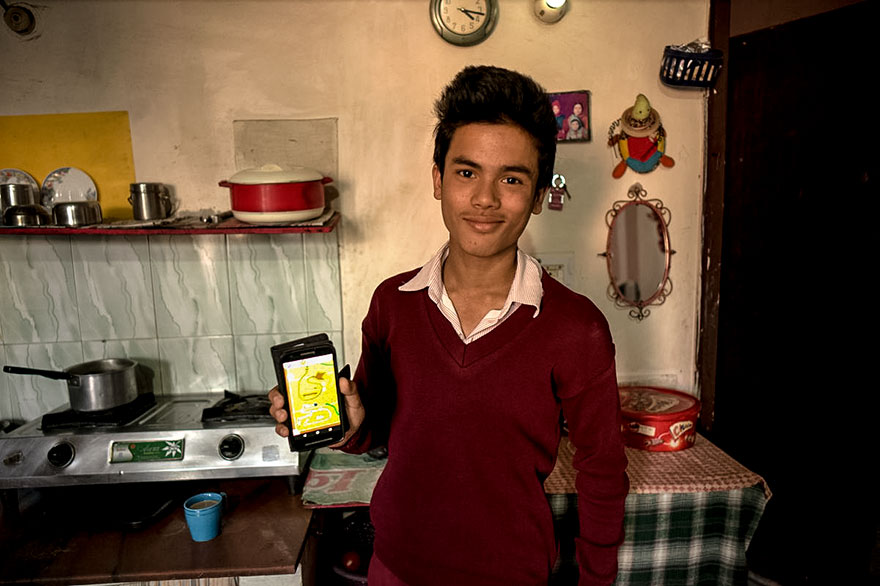
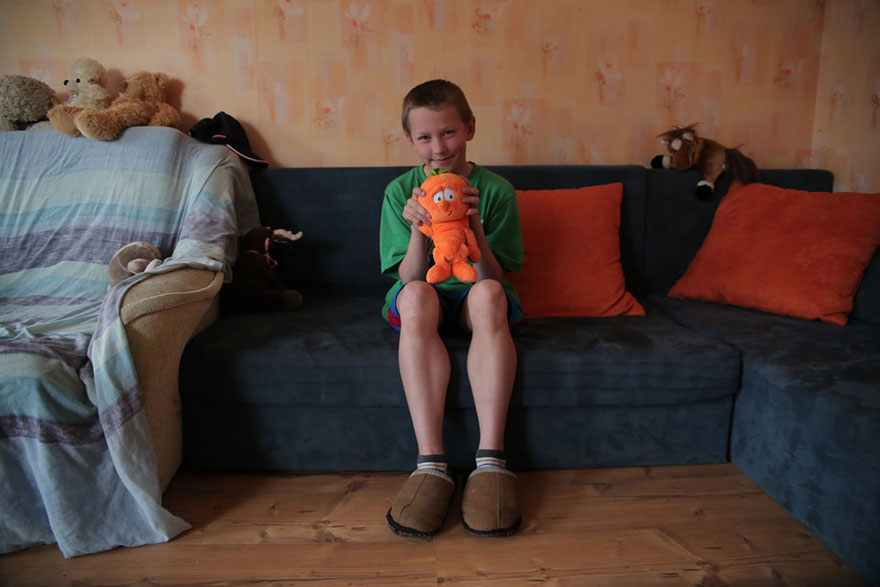
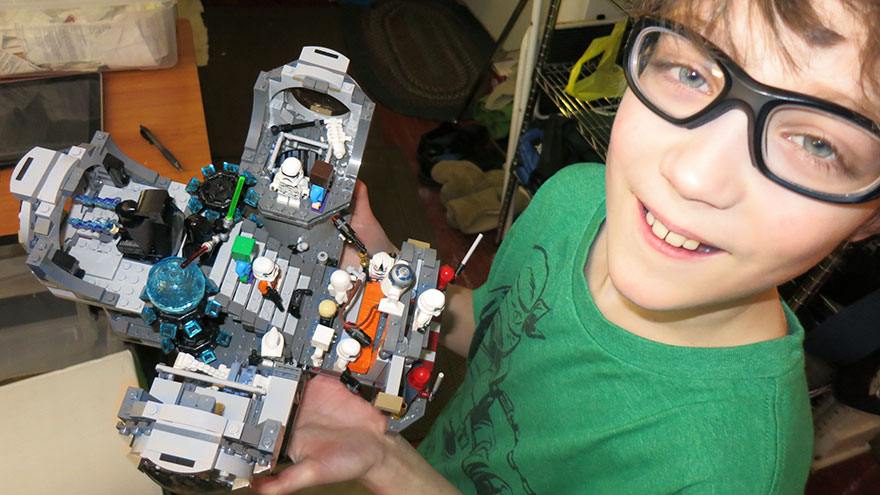
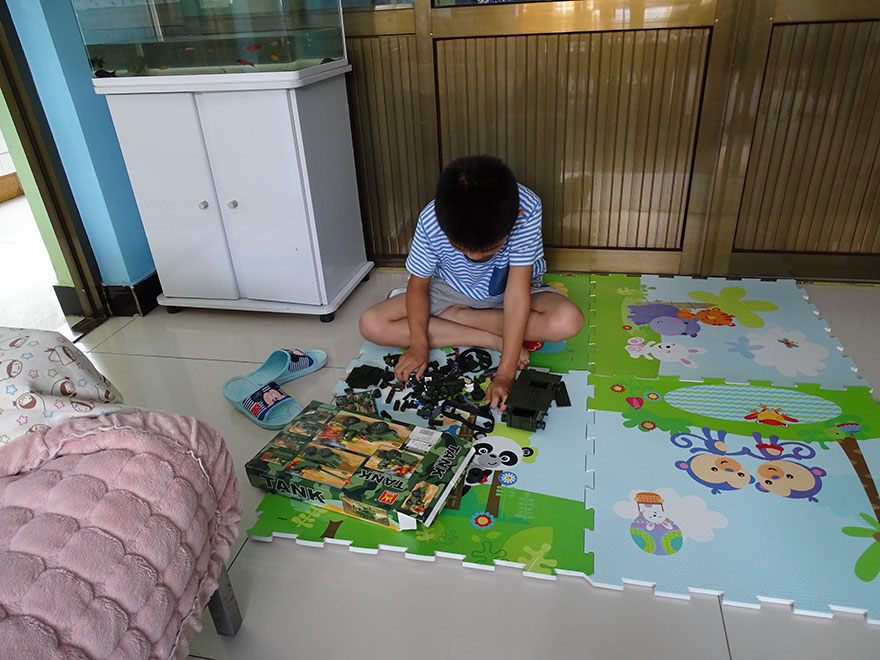
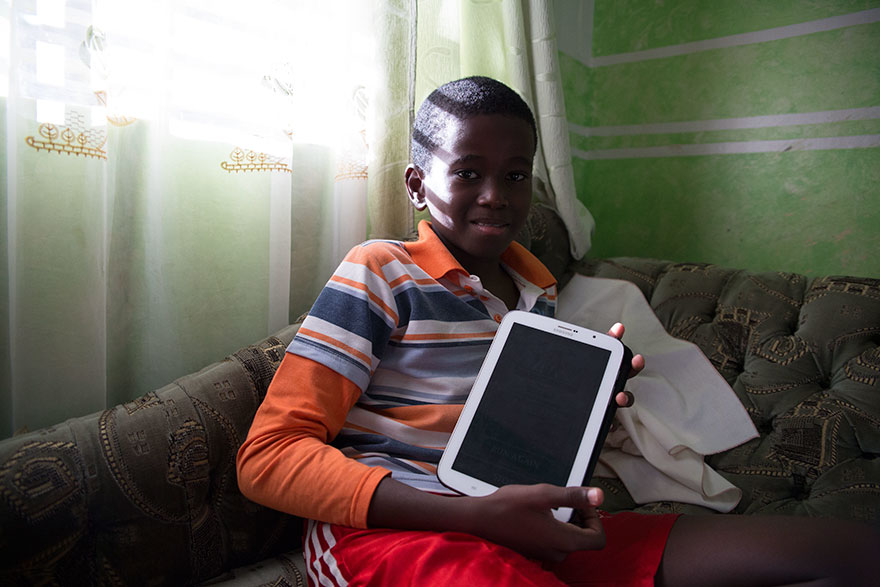
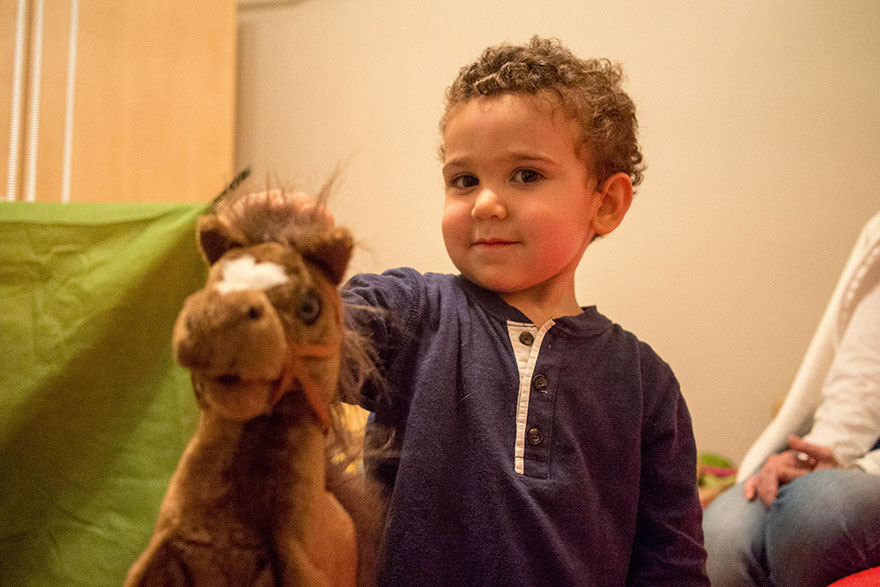
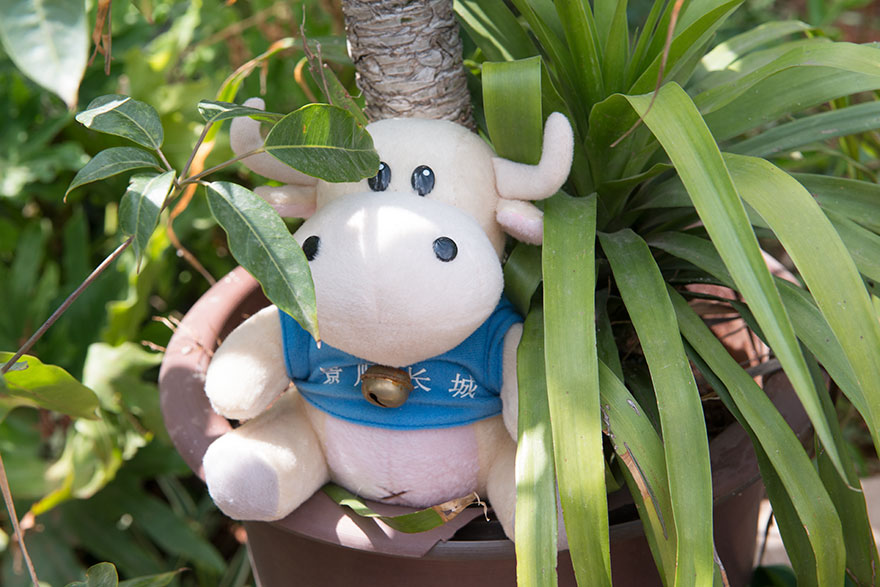
Anna Rosling Rönnlund has spent the last 15 years making global public data easier to understand and use. Trying to come up with an idea that would connect with people better than colorful charts, she started Dollar Street. The initiative had a team of photographers documenting over 264 homes in 50 countries. In each home, the photographer spent a day taking pictures of up to 135 objects, like the family’s shoes, toothbrushes, or… children’s toys.
Turns out, you can paint a pretty accurate picture of how people at every income live if you pay attention to the things that their kids play with. From $45 a month households to more than $3,000, these intimate glimpses into the everyday lives of hundreds of families are eye-opening and more vivid than any graph will ever be.
“People in other cultures are often portrayed as scary or exotic,” Anna said. “This has to change. We want to show how people really live. It seemed natural to use photos as data so people can see for themselves what life looks like on different income levels. Dollar Street lets you visit many, many homes all over the world. Without traveling.” Scroll down to visit those who participated!
More info: gapminder.org (h/t businessinsider)


Are you sure about the incomes? Ukraine with 10000 bucks per person? The girl would be living a dream.

Why not? Or did you think everyone outside of America and Western Europe lives with dirt floors and outdoor toilets?
Load More Replies...
In some of the cases, the furniture and inside of houses don't seem to be like 10k$ income per person, like author suggests

It's hard to tell from the pictures, they don't show very much of the houses.
Load More Replies...
cuddly toys, no matter the income, seemed to be popular among some of the children, at least they all have their imaginations.

picture 2 (Burundi) is banana flower not a dried maize... (and no, I have no friend)

When I buy an expensive toy for our cat, she prefers the wrapper. I can't see anything wrong with liking non toys like tyres or plastic bottles as fav toys. It shows imagination. Its not sad, if it gives the same pleasure as an expensive toy. Even as someone who grew up in Germany, I sometimes made stuff out of plastic or cardboard or fabric. I also find it wrong to say that it is 'telling' that the [mostly white] kids prefer their expensive toys. All it is telling me is that the parents gave them to their kids and they don't know any different. Plus if any of the poor kids suddenly had money, they too would opt for more expensive things. Kids are adaptable. This is mildly interesting but tells me no more than that human kids are humans.

Yup. The pictures themselves show that, when they show some kids with more income than others with simpler toys (there's a boy with a stick, while poorer kids have actual toys) and that most of the richer kids still prefer things like stuffed animals. The kids that have digital devices are clearly older, so it's only natural they're more drawn to that than toys - it's not about income alone. But I think that "human kids are humans" is actually the whole point of the series, so it fulfills that.
Load More Replies...
Are the incomes in USD? In India, a family living on $369 per month per adult is a lot of money.
Yes, I think that was the point of the series (although an additional conversion to PPP would have been quite instructive)
Load More Replies... 
Growing up poor, My Dad prob. only made around $1,000 a month with 4 kids, my favorite toy was a doll that I got from our Churches Christmas grab bag donated by other members. I was 5 and had that doll for yrs and I loved her to death. It didn't matter to me if I had any other toys because she was the best friend a little girl could ever have. Fond memories of her from an other wise sad childhood.

when I was lil my fav toy was a piece of fabric I made into a cape and a sword made out of cardboard, we had all the latest games and stuff but I still loved those more than any of the $50 buck games or $150-200 game systems we had, all up till age 16, I am a white American {as if that actually helps but people seem to think it does} we were on welfare and such but we were sick {3 out of a family of 5} and had disability checks to use for other stuff, so we wernt "well" off but doing rather good {this was in the early 90s-00s} and now we are way worse off But basically, anything will be a fav toy for a child if they love and play with it all the time {hell I at one time only loved one lego figure, I used to play in the mud with him and that was my fav toy, I found it in the street!}
Are you sure about the incomes? Ukraine with 10000 bucks per person? The girl would be living a dream.
Why not? Or did you think everyone outside of America and Western Europe lives with dirt floors and outdoor toilets?
Load More Replies... In some of the cases, the furniture and inside of houses don't seem to be like 10k$ income per person, like author suggests
It's hard to tell from the pictures, they don't show very much of the houses.
Load More Replies... cuddly toys, no matter the income, seemed to be popular among some of the children, at least they all have their imaginations.
picture 2 (Burundi) is banana flower not a dried maize... (and no, I have no friend)
When I buy an expensive toy for our cat, she prefers the wrapper. I can't see anything wrong with liking non toys like tyres or plastic bottles as fav toys. It shows imagination. Its not sad, if it gives the same pleasure as an expensive toy. Even as someone who grew up in Germany, I sometimes made stuff out of plastic or cardboard or fabric. I also find it wrong to say that it is 'telling' that the [mostly white] kids prefer their expensive toys. All it is telling me is that the parents gave them to their kids and they don't know any different. Plus if any of the poor kids suddenly had money, they too would opt for more expensive things. Kids are adaptable. This is mildly interesting but tells me no more than that human kids are humans.
Yup. The pictures themselves show that, when they show some kids with more income than others with simpler toys (there's a boy with a stick, while poorer kids have actual toys) and that most of the richer kids still prefer things like stuffed animals. The kids that have digital devices are clearly older, so it's only natural they're more drawn to that than toys - it's not about income alone. But I think that "human kids are humans" is actually the whole point of the series, so it fulfills that.
Load More Replies... Are the incomes in USD? In India, a family living on $369 per month per adult is a lot of money.
Yes, I think that was the point of the series (although an additional conversion to PPP would have been quite instructive)
Load More Replies... Growing up poor, My Dad prob. only made around $1,000 a month with 4 kids, my favorite toy was a doll that I got from our Churches Christmas grab bag donated by other members. I was 5 and had that doll for yrs and I loved her to death. It didn't matter to me if I had any other toys because she was the best friend a little girl could ever have. Fond memories of her from an other wise sad childhood.
when I was lil my fav toy was a piece of fabric I made into a cape and a sword made out of cardboard, we had all the latest games and stuff but I still loved those more than any of the $50 buck games or $150-200 game systems we had, all up till age 16, I am a white American {as if that actually helps but people seem to think it does} we were on welfare and such but we were sick {3 out of a family of 5} and had disability checks to use for other stuff, so we wernt "well" off but doing rather good {this was in the early 90s-00s} and now we are way worse off But basically, anything will be a fav toy for a child if they love and play with it all the time {hell I at one time only loved one lego figure, I used to play in the mud with him and that was my fav toy, I found it in the street!}


















 No fees, cancel anytime
 then open in external browser


 and click "Open in External Browser"


























458
156