Get Premium
Dark mode theme is available exclusively for premium users. Learn more about the benefits of subscribing.
No fees, cancel anytime.

 Dark Mode Ad-Free Browsing Unlimited Content
 Ad-Free Browsing Unlimited Content Dark Mode
Join 1.2 million Panda readers who get the best art, memes, and fun stories every week!
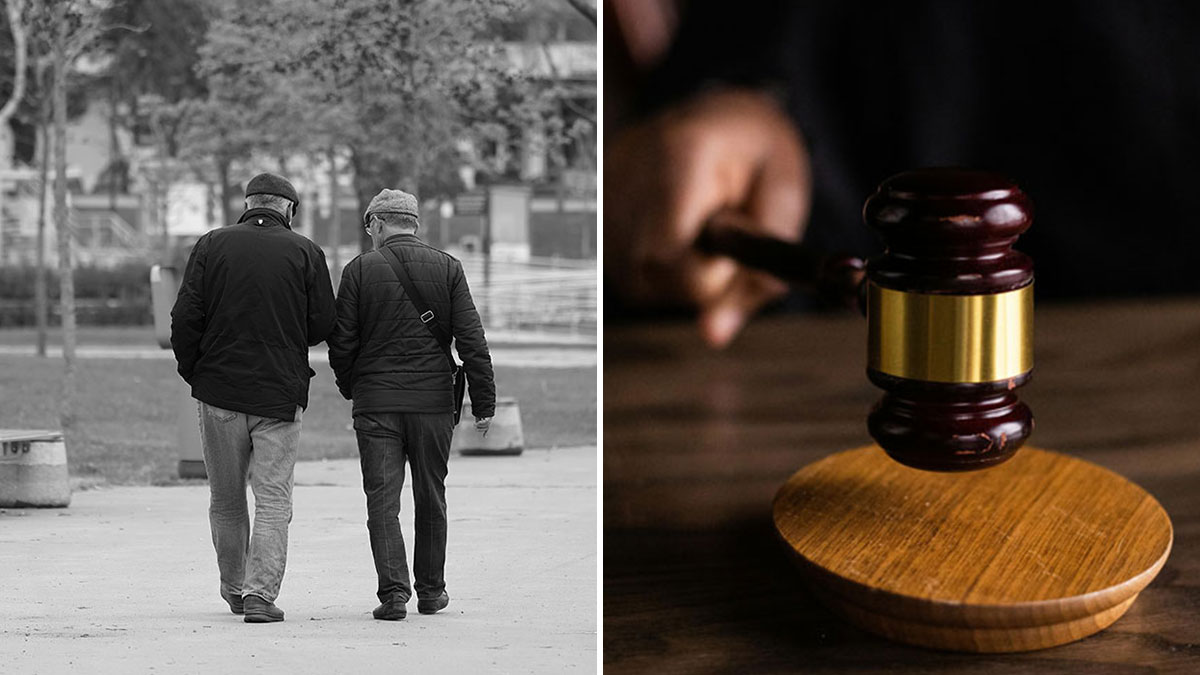
A 76-year-old man has adopted a 61-year-old in Argentina, marking the first recorded case of adoption between older adults in the country.
Though Pedro was born with the surname Ruiz, he always felt like a González. With his biological father absent throughout his childhood, he viewed Luis González—his mother’s husband and the man who raised him—as his true father.
“At first, we thought there had been a typo,” Paula Heredia, the legal secretary who worked on the adoption request, told Bored Panda via email.
“After analyzing the birth certificates, there was no doubt it was a very particular case.”

Image credits: selcuk s
When Pedro was two years old, his mother, Ana López, began living with Luis, and when he was ten, they married.
Pedro never had a bond with his biological father, who passed away in 1974.
Growing up, his schoolmates and family members all called him by his stepfather’s surname, González, rather than Ruiz.
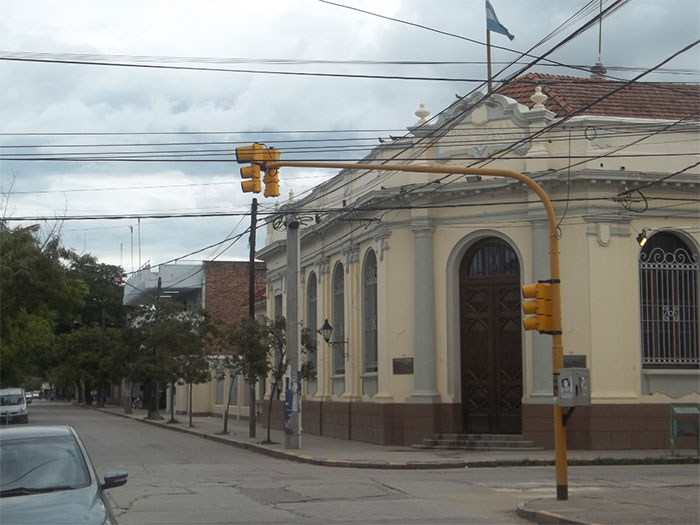
Pedro, who now works as a carpenter, has twochildren and a grandchild of his own in Orán, Salta, in northern Argentina.
On September 20, the family was notified by the Court of First Instance in Civil and Family Matters in Orán that Pedro is now officially Luis’ son.
Theadoption was made possible by a change in Argentina’s Civil and Commercial Code, which introduced the legal concept of adoption by integration in 2015.
“This concept, as its name indicates, provides a legal framework for those family dynamics in which the child of the spouse or partner is integrated, what we commonly refer to as blended families,” explained Heredia.
Image credits: KATRIN BOLOVTSOVA/Pexels
The country’s law allows for two exceptions regarding the adoption of adults: either the adoptee is the child of the adopter’s spouse or partner, or there is evidence the relationship between the two individuals was established during the adoptee’s childhood.
In Pedro’s case, both exceptions applied.
“Luis mentioned that Pedro’s adoption had always been an unfulfilled wish for the family and that they had requested the adoption on previous occasions but had been told it was not possible, which discouraged them from formalizing their request,” shared Heredia.
“Years went by, and they were informed that there had been some changes in the Civil and Commercial Code of the Nation starting in 2015.”
Image credits: Wikipedia
Pedro and Luis then went to the Public Defender’s Office, where they received an encouraging message that motivated them to formalize their connection and be recognized asfather and son.
During one of the three hearings, Luis reportedly said: “I don’t want to leave this world without [Pedro] being legally my son because, in my heart, that has always been the case.”
To confirm the theirfamily history and the long-standing connection between the two men, Judge Ana María Carriquiry ordered psychological and economic evaluations.
“The psychological report specified that the emotional bond between them was reciprocal, reflecting their intention to provide a legal framework for a relationship that had been established over time.
“Mr. Luis was present for most of Pedro’s life, acting as a father figure and instilling principles and values that Pedro would later pass on to his children when raising them.”
Image credits: Mario Wallner/Pexels
Following the judge’s decision, Pedro decided to change his surname to González, and his children reportedly opted to do the same.
The legal team confirmed that Pedro was Ana’s son and Luis was Ana’s husband through the corresponding birth certificate and the presented marriage certificate. This corroborated that in 1972, when Pedro was 10 years old, Luis married Pedro’s mother, the legal secretary shared.
Furthermore, Judge Carriquiry requested financial evaluations to ensure that Luis and Pedro’s interests were genuine and there were no economic interests or hidden motives in the case.
She found that there were no assets to inherit; the motive was purely rooted in the desire to legalize what they had always felt was a father-son relationship.
Judge Carriquiry was responsible for another groundbreaking ruling in Salta when, in 2021, she granted a child the right to have two fathers—the one who raised him and his biological father—in addition to his mother. The child now has three surnames.
Image credits: Ardit Mbrati/Pexels
“With Judge Ana María Carriquiry, we share the view that families should be protected and interpreted with the due respect that the autonomy of their members deserve in building emotional ties,” Heredia described.
“Ultimately, this network of support is what provides a foundation for the individual, allowing them to develop in the different areas of their life.
“Sometimes it may be a single-parent family; in other cases, it may be two dads or two moms, or other caring figures who provide love and care in a stable and sustained manner over time.
“We believe that the ruling provides a clear vision of humanizing the rights of families, understood in a plural sense and in terms of human rights.”
Pedro and Luis’ case highlights another instance of the law adjusting to fit the complexities of every household.
The legal secretary concluded: “It is the law that must be adapted to family realities and not the other way around.”
Comments from this article have been translated from Spanish. The ruling was shared by Salta’s Judiciary System, modifying the real names of the family members to protect their privacy.























 No fees, cancel anytime








47
5