Get Premium
Dark mode theme is available exclusively for premium users. Learn more about the benefits of subscribing.
No fees, cancel anytime.

 Dark Mode Ad-Free Browsing Unlimited Content
 Ad-Free Browsing Unlimited Content Dark Mode
Join 1.2 million Panda readers who get the best art, memes, and fun stories every week!
18submissions
1week left
Hollywood is often sold as a dreamland, but behind the bright lights and glitzy lifestyle lies a much darker reality.
For girls in particular, fame often comes with an added burden - inappropriate attention, invasive commentary, and premature adultization from the public and media alike.
From magazine countdowns anticipating “legal” birthdays to grown men openly commenting on teenage bodies, some of Hollywood’s most recognizable young faces were treated less like children and more like commodities.
Stars like Jennifer Love Hewitt and Natalie Portman experienced this long before social media existed, while a new generation, including Millie Bobby Brown and Billie Eilish, has faced the same disturbing patterns in modern times.
Here are 25 former child stars who got brutally honest about facing exploitation and inappropriate attention at disturbingly young ages.
Click here & follow us for more lists, facts, and stories.
This post may include affiliate links.
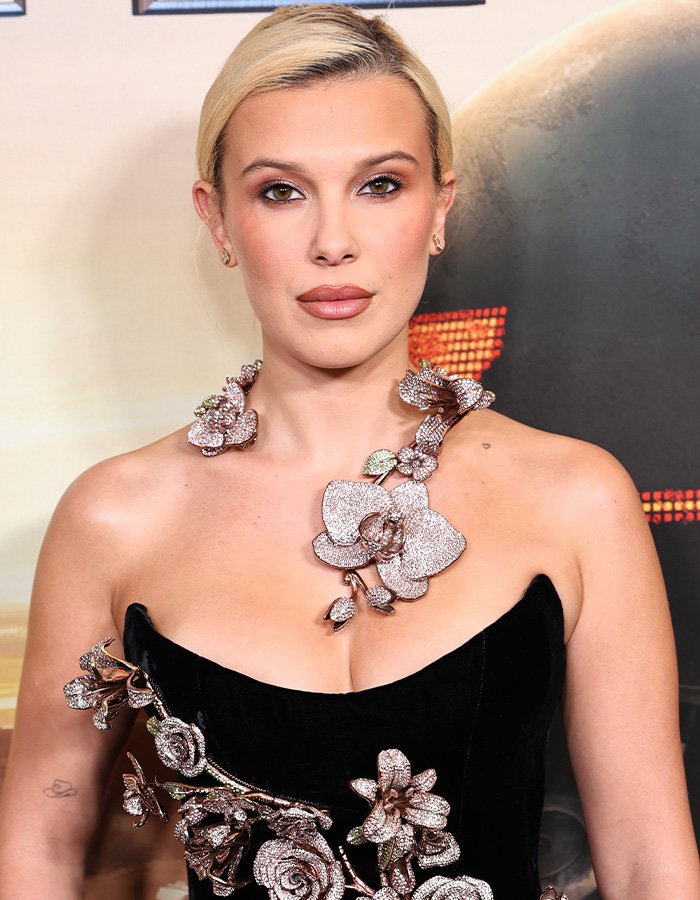
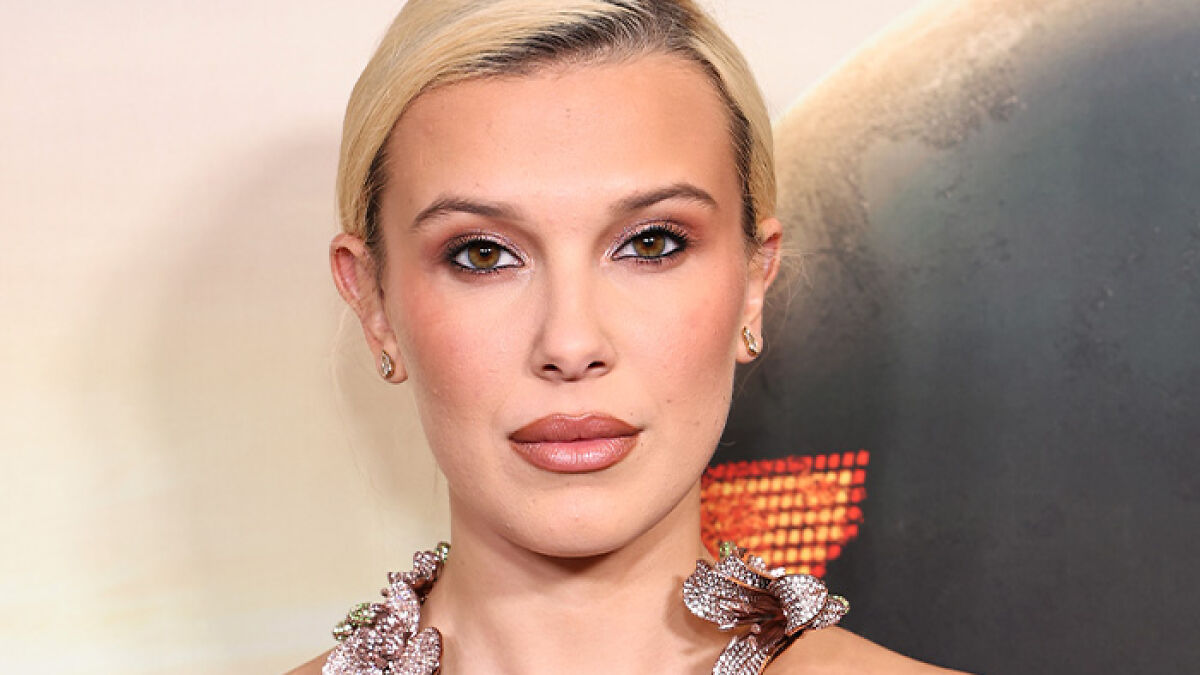
Millie Bobby Brown has been in the public eye since she was 12, but the inappropriate attention she has faced intensified as she grew older.
When she turned 16, the Stranger Things star opened up about the ongoing harassment she experienced on social media and in the press.
“There are moments I get frustrated from the inaccuracy, inappropriate comments, s*xualization, and unnecessary insults that ultimately have resulted in pain and insecurity for me…” she said.
Brown has frequently criticized the “gross” s*xualization she has endured, describing it as a lifelong struggle.
She noted on The Guilty Feminist podcast that the behavior of the media and social platforms shifted significantly once she turned 18, calling it a “good representation of how young girls are s*xualized.”
Prior to her 18th birthday, explicit Reddit forums had already begun countdown timers anticipating her coming of age.
Reflecting on her early experiences, Brown reportedly recalled a disturbing incident at age 13 when a “rogue paparazzo” sneaked onto a closed set to take voyeuristic photos of her while she was not properly clothed for a fashion shoot.
She also shared being “crucified” by the press repeatedly for wearing low-cut or sheer dresses at events, with critics focusing on her appearance rather than her talent or the projects she was promoting.
In March 2025, Brown hit back at adult writers for “dissecting” her face and body, saying that people “can't seem to grow up with me” and targeting her because she no longer looks like her 11-year-old self from Stranger Things season one.
The transition to legal adulthood exposed a darker side of child stardom.
On Instagram, Brown marked her 18th birthday with photos of herself posing in a blonde wig, only to see her posts flooded with explicit messages and disturbing emojis.
Fans were horrified by the influx of inappropriate comments, highlighting the continued vulnerability of young stars, even as they legally become adults.
One netizen wrote at the time, “Poor girl’s been s*xualized ever since Stranger Things took off.”
Another added, “I cannot believe I have to say this once again but stop being f****** creepy and weird about Millie Bobby Brown.”
“People who do this kind of thing are nothing short of disgusting.”
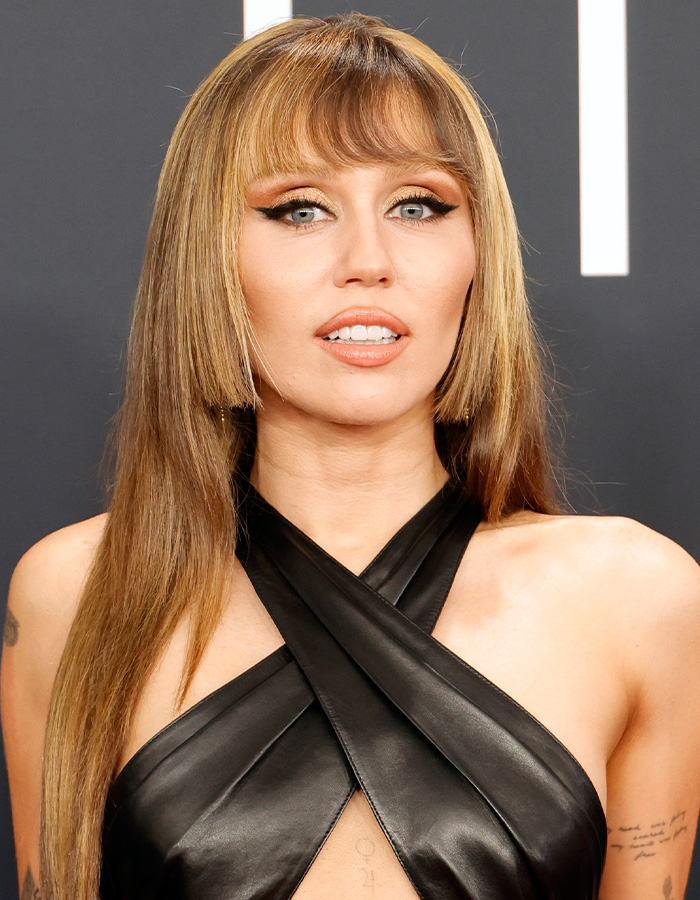
Miley Cyrus has frequently addressed the intense s*xualization and scrutiny she faced as a child and young adult in the industry, particularly during her transition away from her Disney Channel persona.
In an interview with Harper’s Bazaar for its August 2017 issue, Cyrus reflected on her much-discussed 2013 MTV Video Music Awards performance with Robin Thicke, admitting that while the era began as a form of “rebellion,” it eventually became something darker.
She described it as a “kind of a ‘[darn] you’” to the system that had controlled her for so long, but said the stunt quickly turned into an expectation.
“It became something that was expected of me. I didn’t want to show up to photo shoots and be the girl who would get my t*ts out and stick out my tongue.”
What initially felt empowering soon crossed into discomfort.
“In the beginning, it was kind of like saying, ‘[darn] you. Girls should be able to have this freedom or whatever.’ But it got to a point where I did feel s*xualized.”
Cyrus has previously revealed that playing Hannah Montana, a character styled to look like a 16-year-old, while she was only 11 contributed to body dysmorphia, as she was constantly told what a girl “should be” by older men making decisions about her appearance.
As a teenager, Miley also found herself at the center of wildly inappropriate rumors.
At just 14 years old, false claims circulated that she was pregnant, forcing her to publicly address them on red carpets in 2007 at such a young age.
“I am not pregnant. I am 14 years old, and that is very lame because I’m a minor,” she said bluntly in interviews with Inside Edition and Extra.
“The main reason that I’m here tonight is to set the record straight. I think people that make stuff up like that and do that, it’s kind of a cry for help, for attention.”
The pop star later admitted the rumor initially left her heartbroken, fearing she would be judged for something entirely fabricated.
Reacting to the pregnancy rumors when Miley was just 14, one angry social media user commented, “It disturbs me that we were a society that allowed this kind of disrespect toward a child and saw it as the norm.”
“She was a child. A grown adult interviewing her did not need to get nosy or interrogate her, it [made] her uncomfortable.”
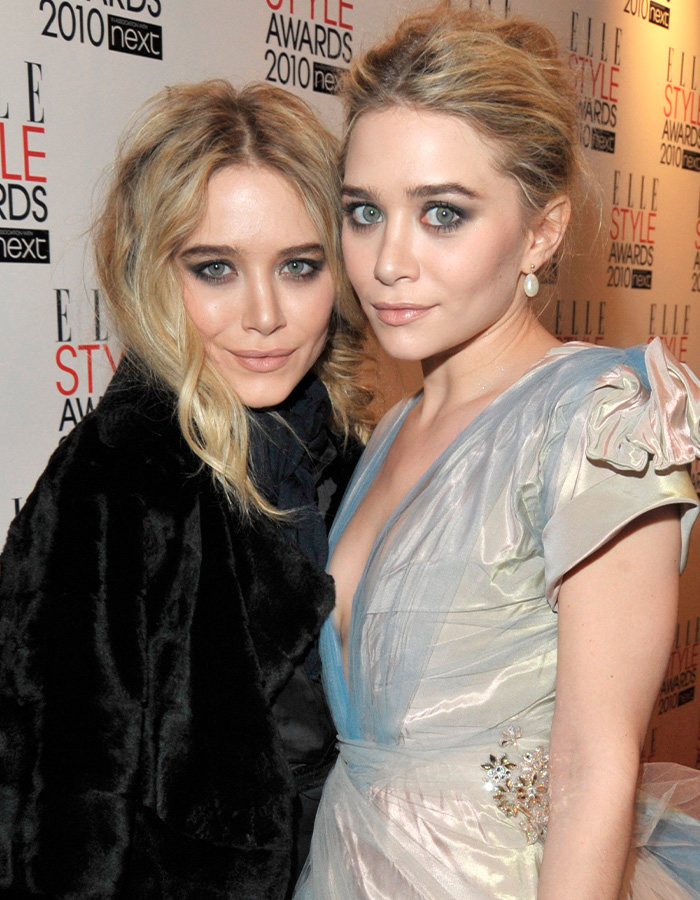
Mary-Kate and Ashley Olsen remain one of the most iconic child star duos in modern pop culture, but their rise also exposed one of Hollywood’s most uncomfortable truths.
In the early 2000s, as the twins approached their 18th birthday, parts of the internet became disturbingly fixated on their “legality.”
Countdown clocks appeared online tracking the exact moment they would turn 18, including one hosted by the popular radio show Lex and Terry, infamously titled “The Olsen Twin J*ilb*it Countdown Clock.”
What should have been a private milestone instead became a public spectacle rooted in inappropriate anticipation.
In 2003, Rolling Stone placed the twins on its cover under the headline “America’s Favorite Fantasy.”
The image, featuring Mary-Kate leaning against Ashley with her shirt folded up to reveal her torso, sparked widespread discomfort.
Other photoshoots leaned into similar visual cues, while films like New York Minute included scenes of the twins running through Times Square in a towel and a bathrobe.
Several critics openly called the scene “creepy,” even as their publicist reportedly later framed it as the twins “having some fun with how people perceive them.”
When Mary-Kate and Ashley hosted the 2004 Saturday Night Live season finale shortly before their 18th birthday, Mary-Kate jokingly shouted during the closing credits, “Remember, we’re legal in four weeks!”
The line landed as humor, but also as a reminder of how openly their age had been commodified.
The Olsens have rarely spoken directly about “exploitation,” but their choices tell a clearer story.
Both stepped away from acting entirely and declined to participate in the Fuller House reboot, distancing themselves from the industry that shaped, and consumed, their childhood.
Ashley Olsen later reflected, “I don’t think we ever felt like we were actors; we were just little performers.”
Many media critics have noted that their pivot to high fashion, particularly through The Row, known for its oversized, modest silhouettes, is widely seen as a deliberate rejection of the public gaze that scrutinized their bodies from such a young age.
Mary-Kate once compared their upbringing to being “little army brats” and admitted she wouldn’t wish that childhood on anyone.
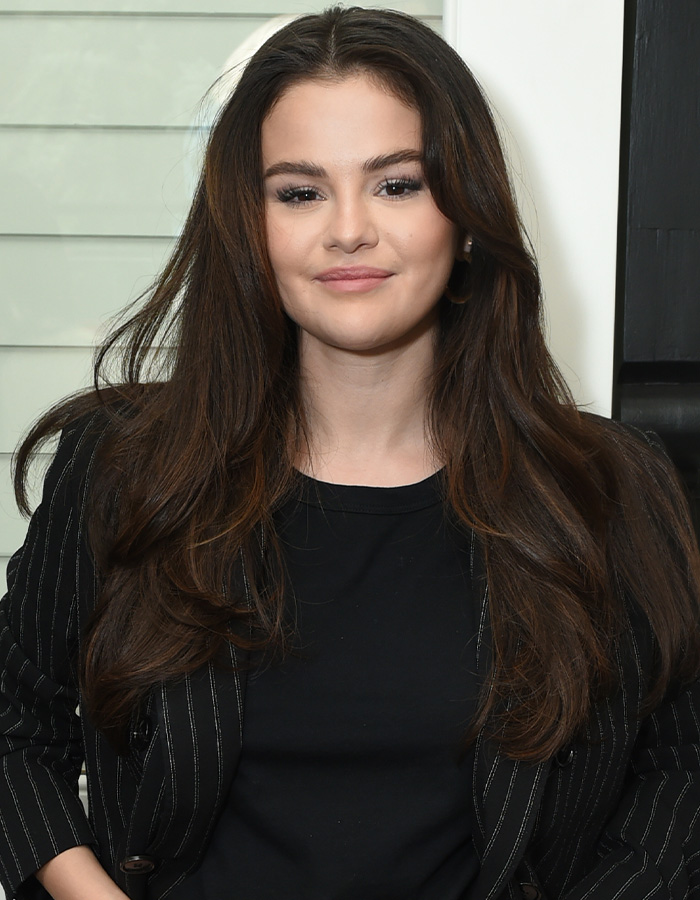
Selena Gomez has been increasingly vocal about the pressures and feelings of violation she experienced as a child star, particularly during her time with Disney.
Looking back, the singer and actress has openly described feeling exploited and unsafe long before she was old enough to understand why.
In a 2017 interview with The Business of Fashion, Gomez recalled one particularly unsettling experience from her mid-teens, when she was just 15 or 16 years old.
“I remember just feeling really violated when I was younger, even just being on the beach,” she said.
“People were taking pictures - photographers. I was a young girl and they were grown men. I didn’t like that feeling.”
What made the experience even more confusing for Gomez was that she wasn’t yet widely recognizable at the time.
“I don’t think anyone really knew who I was,” she explained. “But I felt very violated, and I didn’t like it or understand it, and that felt very weird.”
As her fame grew, Gomez also struggled with being noticed solely for her physical image rather than her work, admitting that “my passion started to really feel like it was going further and further away. And that scared me.”
Years later, during a 2022 Hollywood Reporter roundtable, she shared that she had often felt “ashamed” and “overs*xualized” throughout her career.
“I actually did an album cover and I was really ashamed after I did it,” she said. “I had to work through those feelings because I realized it was attached to something deeper that was going on.”
While the pop icon did not name the album, many fans speculated she was referring to her 2015 album Revival, which marked her transition into more adult music and imagery.
She has also acknowledged feeling pressured to “show skin” during that era, admitting it didn’t fully reflect who she was at the time.
“I’m not an overly s*xual person,” Gomez clarified. “Sometimes I like to feel s*xy, but that doesn’t mean it’s for somebody else. It can be for me.”
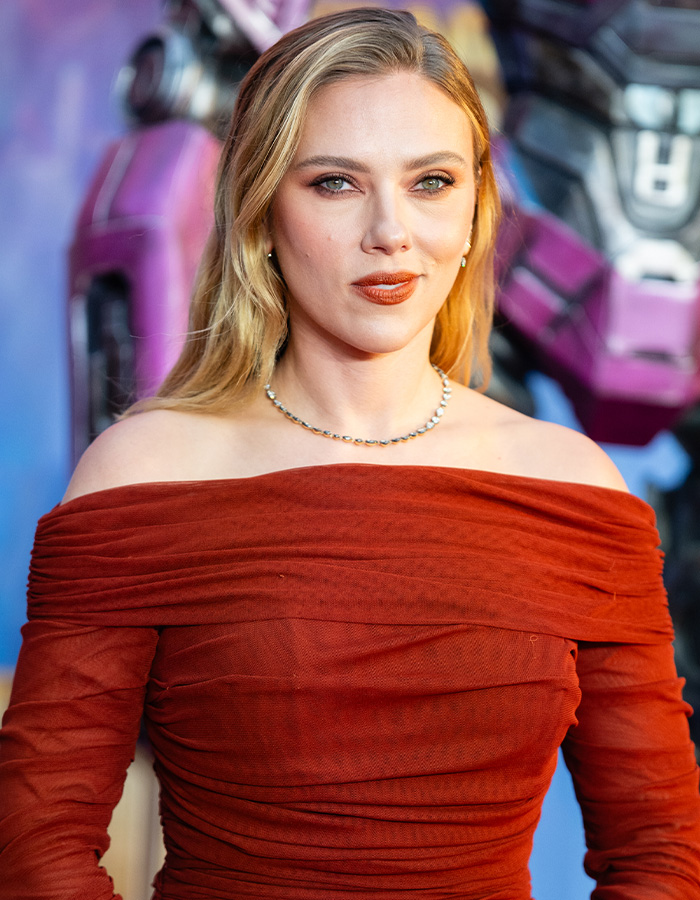
Scarlett Johansson has been candid about the ways she was exploited and typecast from a young age in Hollywood.
The Black Widow star made her acting debut at just nine years old in the 1994 film North, but as she grew older, she found herself increasingly perceived as more mature than she actually was.
During the milestone 500th episode of Armchair Expert with Dax Shepard and Monica Padman in 2022, Johansson reflected on how her early success and appearance led to her being “pigeonholed” into a hypers*xualized image that didn’t reflect her true personality.
“I think everybody thought I was older, and I’d been acting for a long time, and then I got kind of pigeonholed into this weird hypers*xualized thing,” she said.
“It was like, that’s the kind of career you have. These are the roles you’ve played. And I was like, ‘This is it, I guess.’”
Johansson acknowledged that while her mother worked hard to protect her, she still found herself in situations that were not age-appropriate as a young actress.
She explained that her perceived maturity, rather than her actual behavior or identity, played a major role in how the industry treated her.
Scarlett admitted that the experience was “scary” at the time, particularly because she was aware of how limited the shelf life is for women who are boxed into such roles in Hollywood.
“I kind of became objectified and pigeonholed in this way where I felt like I wasn’t getting offers for work for things that I wanted to do,” she said.
“I remember thinking, ‘I think people think I’m, like, 40 years old.’ It somehow stopped being something that was desirable and became something I was fighting against.”
Johansson also pointed out that she was frequently cast as characters older than herself, including at age 17 in the 2003 film Lost in Translation, where she played a character five years her senior, further reinforcing the industry’s skewed perception of her age and image.
She concluded her reflections, adding, “I've come to this realization that it's important to understand progress and change when it's really meaningful. It takes two steps forward and two steps back, and then it gets better and then it gets worse.”
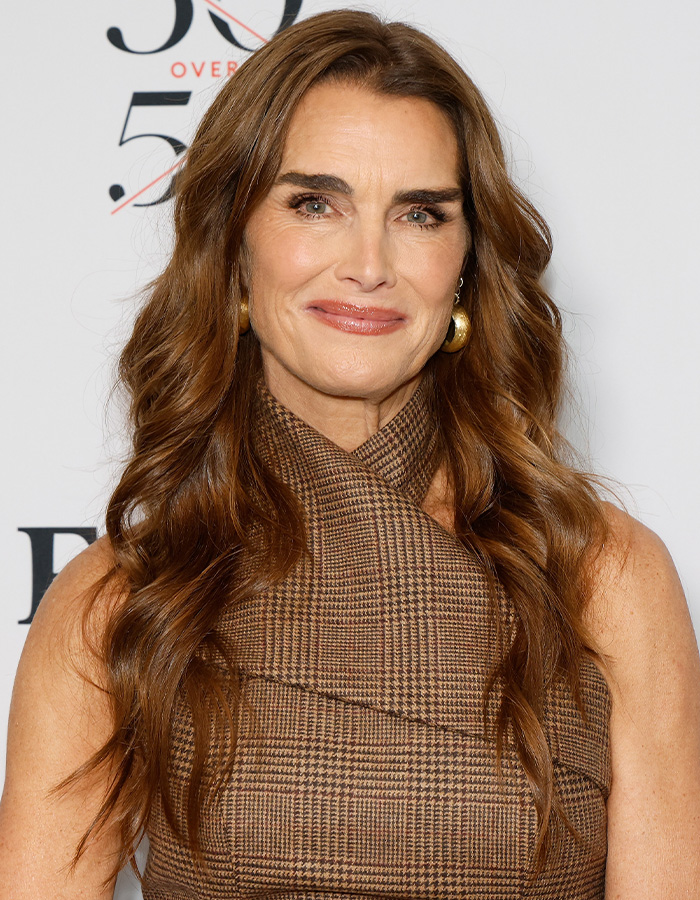
Brooke Shields has described her experience as a child star as being “amazed that I survived any of it,” characterizing her early career as a period of extreme commodification and coercion.
In her documentary Pretty Baby: Brooke Shields and her memoir Brooke Shields Is Not Allowed to Get Old, the actress revisited an early career shaped by adult expectations placed on her at an age far too young.
At just 11 years old, Shields was cast in the 1978 film Pretty Baby, portraying a child in a story that included scenes of her character being auctioned off to adult men.
Just a few years later, at 14, she starred in The Blue Lagoon, a film she has since said was explicitly marketed to “sell my actual s*xual awakening,” despite the fact that she was still a minor and had no understanding of what was being projected onto her.
As her fame grew, Shields was subjected to relentless scrutiny from adult media figures.
She has recalled being asked invasive questions about her body, measurements, and s*xual history while still underage, describing the experience as a “vicious cycle” in which she was forced to present herself as mature in order to survive, only to then be criticized for appearing too s*xualized.
In her documentary, Shields also revealed disturbing behind-the-scenes experiences, including an incident on the set of Endless Love in which director Franco Zeffirelli allegedly twisted her toe off-camera during a scene to elicit a look of pain or pleasure that could pass for passion on screen.
She has since described learning to “dissociate from her body” as a coping mechanism, a survival skill she later realized she relied on again after being a**aulted by a Hollywood executive in her 20s.
Speaking on The Drew Barrymore Show in an April 2023 episode, Shields admitted she has long struggled with where she fits within the #MeToo movement.
She explained, “I was made to feel culpable. You victim-shame yourself… but we were so young, and it was so ‘appropriate,’” she added, using air quotes.
“I didn’t know how to handle any of that, so I just pushed it under the rug.”
In a separate interview with The Guardian, Shields reflected on how normalized her early s*xualization was at the time, describing being “catapulted into the world of adult s*xuality” before she had the emotional tools to process it.
“There’s something incredibly seductive about youth,” she said. “I think it just has different forms, and it’s how you survive it.”
In Pretty Baby, as industry insiders labeled her an “iconic American beauty,” an “object of desire,” and one of the “most photographed women in the world,” Shields summed up the lasting impact of those years simply as “exploitation” dressed up as “fame.”
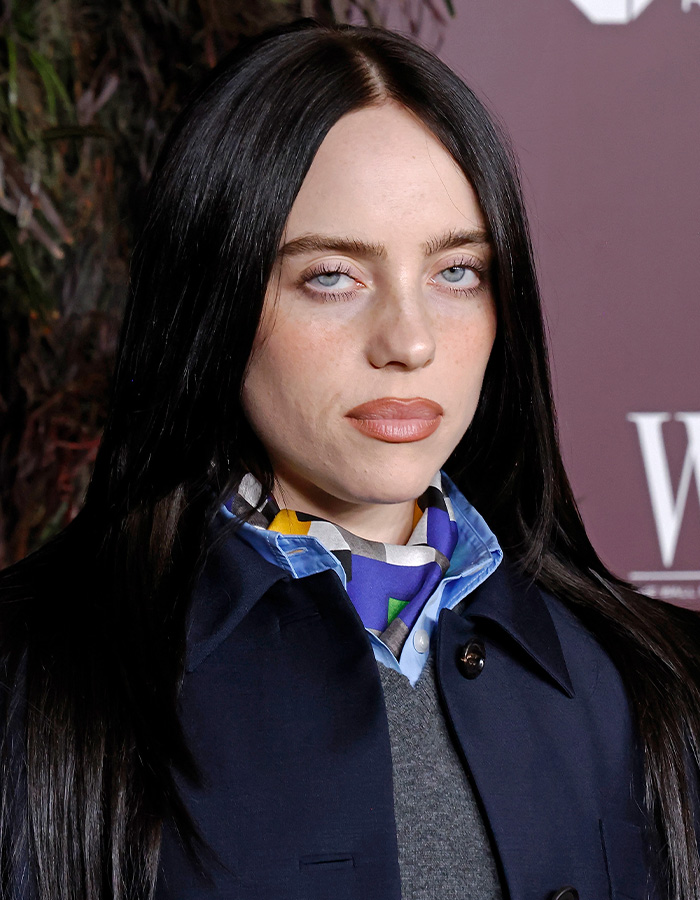
Billie Eilish became a household name before most teens even finish middle school, and the public scrutiny she faced has been relentless.
Known for her baggy clothes and edgy lyrics, Billie has been objectified since her earliest fame.
She got her first taste of attention at 13, when Ocean Eyes, recorded with her older brother Finneas in his tiny bedroom, went viral on SoundCloud.
As her career skyrocketed, she had to navigate adolescence with millions watching, and judging, every move.
In an interview with Vogue Australia, Billie explained that her signature oversized clothes were a shield, saying, “I wear baggy clothes to prevent being judged.”
That shield didn’t always work. In 2019, a photo of her in a tank top leaked online, and X (formerly Twitter) went wild.
“My b**bs were trending on Twitter! At number one! What is that?! Every outlet wrote about my b**bs!” she recalled in an interview.
Later, speaking to Variety in 2023, the Grammy-winning singer said, “Being a woman is just such a war, forever… Especially being a young woman in the public eye. It’s really unfair.”
She reflected on how quickly she had to grow up, saying, “Maybe because my life became so adult very young, I forgot that I was still that young.”
Addressing the rare moments when she wore more form-fitting clothing and it became fodder for tabloids, Eilish said, “I have big b**bs. I’ve had big b**bs since I was nine years old, and that’s just the way I am…”
“You wear something that’s at all revealing, and everyone’s like, ‘Oh, but you didn’t want people to s*xualize you?’”
Billie also noted the glaring gender bias in media scrutiny, “Nobody ever says a thing about men’s bodies… Everybody’s happy with it.”
Now in her 20s, she continues to embrace oversized silhouettes while confidently mixing in form-fitting pieces from time to time, reclaiming control over her image on her own terms.
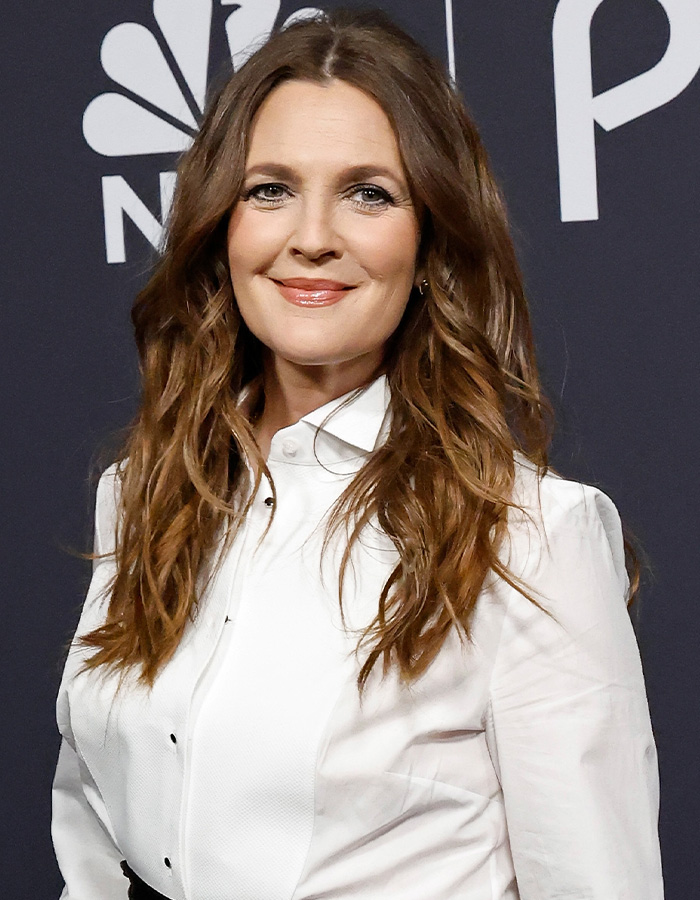
Drew Barrymore is often cited as a primary example of childhood exploitation in the entertainment industry.
Her career began at just 11 months old with a dog food commercial, and by age seven, her superstardom in E.T. the Extra-Terrestrial made her the primary breadwinner for her family, a reality she later recalled made her feel valued only for the money she earned.
In multiple interviews over the years, the actress has spoken candidly about being exposed to environments and situations far beyond her age, beginning with frequent visits to New York’s notorious nightclub Studio 54 alongside her mother, Jaid Barrymore, when she was just nine.
By her own account, as revealed in her autobiography Little Girl Lost, she was “drinking al**hol at nine, sm*king marijuana at ten,” and struggling with illegal substance misuse by twelve.
Barrymore has repeatedly described her upbringing as lacking boundaries, calling her mother’s parenting style a “recipe for disaster.”
On The Drew Barrymore Show in April 2023, she reflected on how normalized these experiences felt at the time, admitting, “I experienced so many things that were so inappropriate at such a young age that I'm so confused about - what was I accountable for? What did I put myself into?”
In the episode, Barrymore also reflected on the #MeToo movement and acknowledged feeling conflicted about speaking out about her own problematic experiences.
She explained, “I felt like I couldn't speak to the movement, and I was so happy that it was happening, but I felt like I experienced too many things that were so gray and so awkward, and I didn't know were wrong at the time.”
Drew has also spoken about the intense scrutiny she faced as a pre-teen, particularly around her appearance.
In a January 2026 episode of her talk show, she became emotional while looking at photos of herself at age ten, recalling constant criticism from both industry professionals and the public for not maintaining the look she had as a seven-year-old.
“I just was told every day, ‘You don't look how you did in E.T. You're too heavy. You're not blonde enough. You're not old enough. You're too young. You're not tall.’ And everybody just started getting involved in the way I looked.”
She has also addressed being cast in “adult” roles at a very young age, including at nine years old in the 1984 film Irreconcilable Differences, and how the industry commodified her childhood innocence for profit.
Growing up in the public eye came with a disturbing loss of safety for Emma Watson, especially the moment she turned 18.
The Harry Potter actress has spoken candidly about how her transition into adulthood was immediately met with exploitation rather than protection.
During a conversation with Forest Whitaker at her HeForShe Arts Week event in New York in 2016, Watson revealed that paparazzi deliberately targeted her on her 18th birthday, laying on the pavement outside her birthday party to take up-skirt photographs.
Those images were published by English tabloids the very next morning.
“If they had published the photographs 24 hours earlier they would have been illegal,” she explained. “But because I had just turned 18 they were legal.”
Watson also noted how starkly different her experience was compared to that of her male co-stars.
“Obviously Dan [Radcliffe] and Rupert [Grint] don’t wear skirts,” she said, pointing out how the tabloid press treated her transition into womanhood far more aggressively than theirs.
That same year, in a 2016 Esquire interview, Watson further opened up about the broader pattern of harassment she endured as a young actress, revealing that she had been groped, followed, and left feeling unsafe.
“I’ve had my [butt] slapped as I’ve left a room. I’ve felt scared walking home. It shouldn’t be an acceptable fact of life that women should be afraid.”
Beyond her real-life experiences, a now-infamous 2004 Saturday Night Live skit titled “Hermione Growth Spurt” drew intense backlash for its unsettling s*xualization of the character Hermione Granger.
At the time the skit aired, Watson was around 13 or 14, while the role was portrayed by Lindsay Lohan, who was approximately 17 or 18.
Critics have since pointed to the sketch as an example of how the industry blurred ethical lines when depicting young female characters.
One netizen reacted to the portrayal, writing, “Way weirder than Lindsay Lohan being 17 in this sketch is: Emma Watson was 14 when this aired!”
Another user added, “This is so creepy. Lindsay was 17. Emma Watson was even younger. Makes me so uncomfortable.”
“Nothing like s*xualizing child actors in skits about kids’ movies in which the character in question is also a child actor, truly an achievement,” a third netizen added sarcastically.
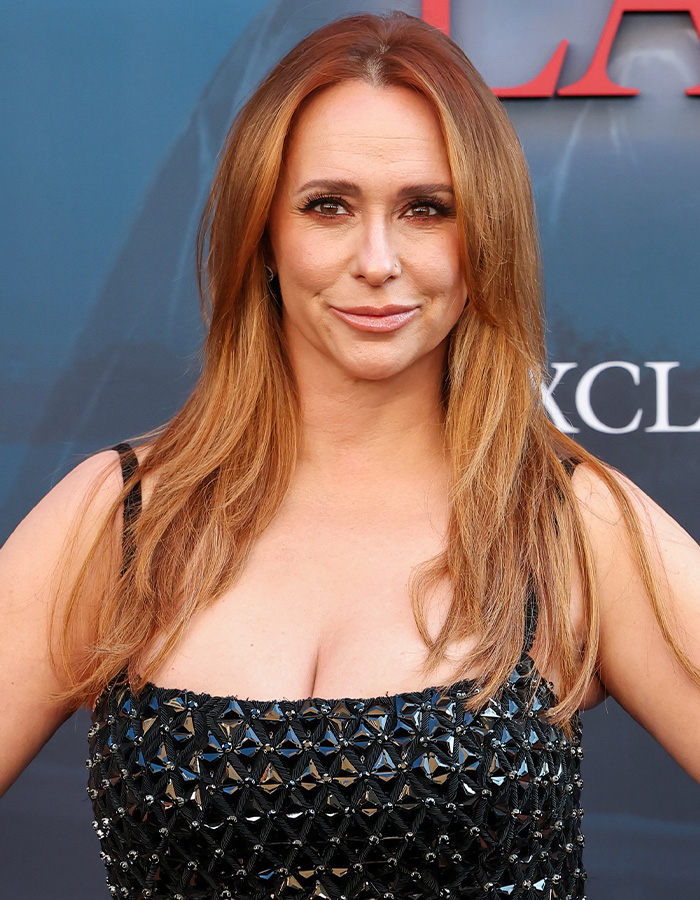
Jennifer Love Hewitt’s rise to fame as a teenager brought not just adoration, but relentless objectification.
Speaking on Mayim Bialik’s Breakdown podcast in January 2025, Hewitt reflected on how she only fully realized in her thirties just how much the media s*xualized her as a teen.
Her breakthrough roles in Party of Five and I Know What You Did Last Summer came when she was just 16 to 18 years old, placing her directly in the public eye at a formative age.
“In my thirties, I went back and looked at that time again and I was like, ‘Oh my God,’” Hewitt recalled.
“There were grown men talking to me at 16 about my [private parts] just openly on a talk show, and people were laughing about it. I didn’t even take that part in, but in hindsight it was really strange… to become a s*x symbol before I even knew what that was.”
During this period, Hewitt said she “didn’t even know what s*xy meant,” yet the media relentlessly positioned her as an eroticized figure.
She appeared on Maxim magazine covers and was subjected to public commentary she didn’t fully understand at the time.
“People would openly walk up and be like, ‘I took your magazine with me on a trip last week.’ I didn’t know what that meant… it’s kind of gross.”
Even jokes referencing her breakout hit, I Know What You Did Last Summer, like, “Oh, I know what your [private parts] did last summer,” were met with awkward laughter from Hewitt, who didn’t grasp the implications at the time.
She has since reflected on this as a reflection of the culture of the era, which “was fully accepted” and “allowed to believe that that was appropriate…”
The scrutiny didn’t end with her teen years.
During the summer of 2025, at the premiere of the latest installment of I Know What You Did Last Summer, Hewitt faced a barrage of comments comparing her current body to how she looked in her late teens and early 20s.
Remarks ranged from, “What happened to her?! She used to be my crush growing up. Now she would crush me!” to “She’s eating too many burgers.”
Supporters, however, defended her, noting that she “looks happy and healthy,” and adding, “that’s what a real woman looks like.”
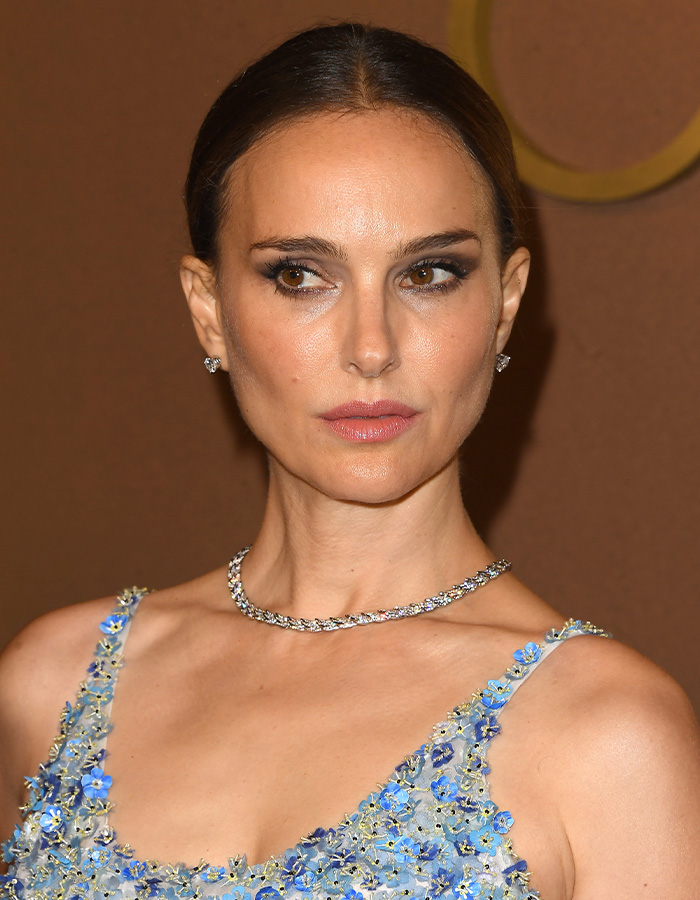
Natalie Portman started her acting career at just 12 years old, quickly becoming a household name with her breakthrough role in Léon: The Professional and later starring in the 1990s Star Wars prequels.
But fame came with a troubling side as the actress faced early objectification and was seen as a “L*lita” figure in the industry.
In a 2020 episode of Dax Shepard’s Armchair Expert podcast, Portman opened up about how this impacted her sense of self.
She shared, “Being s*xualized as a child, I think, took away from my own s*xuality because it made me afraid. It made me feel like how I could be safe was to be like, ‘I’m conservative and I’m serious and you should respect me and I’m smart and don’t look at me that way.’”
She described building “fortresses” around herself, realizing that respect was tied to being perceived as off-limits.
Portman also discussed the complicated messages girls receive about their identity from a society that tells them, “You’re supposed to want that… people finding you attractive or people thinking you’re s*xy… but you don’t feel safe necessarily when there’s older men that are interested.”
Later, in a 2025 interview with The Interview magazine, she described enduring a “long L*lita phase” as a child actor and noted how being inappropriately adultized on screen left her feeling scared.
Throughout her career, Portman said she has been placed into various industry “tropes” assigned to female actors at each stage of their careers, from the L*lita phase to the “chick who helps the guy realize his emotional thing.”
She credited her mother for constant protection as a child and revealed that when she went to college, her father shifted the focus toward independence.
She recalled, “Okay, that was cute. Time to move on. Let’s find another job - a real job.”
Despite the pressures of early fame and the inappropriate attention she endured, Portman pursued a degree in psychology at Harvard while continuing her acting career.
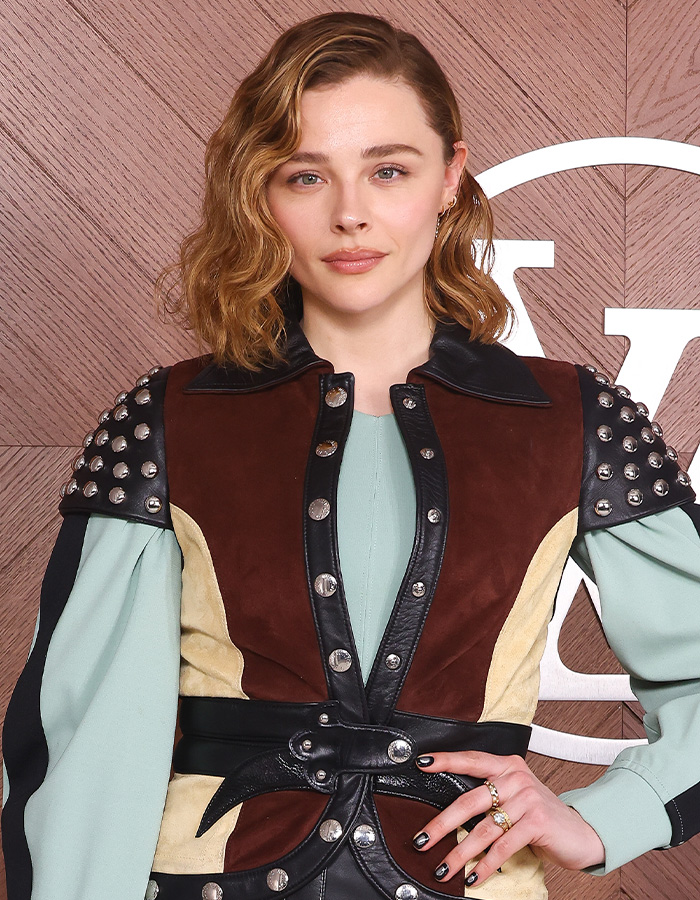
Chloë Grace Moretz entered Hollywood at a young age, but as her career gained momentum, so did an intense and often disturbing level of scrutiny over her body and appearance.
After starring in Carrie as a teenager, she found herself simultaneously “infantilized” by some and overtly s*xualized by others, a contradiction she has said was both confusing and damaging.
In interviews, Moretz has recalled how early the industry began projecting adult expectations onto her body.
She said, “You’re telling me that a group of people looked at a 16-year-old girl in the screen tests and said her [private parts] didn’t look big enough,” explaining that the wardrobe team was ordered to bring her “two chicken cutlets and a push-up br*” when she was just 16.
The experience, she noted, was one of the first moments she realized how aggressively Hollywood tried to mold young girls into marketable images.
In a Variety Actors on Actors interview, Moretz revealed that a male co-star, who played her love interest and was in his 20s at the time, made a remark about her body when she was allegedly 15.
“I’d never date you in real life… you’re too big for me,” he told her, referring to her weight.
Moretz recalled crying on set afterward, describing the moment as a harsh awakening to how “predatory” and appearance-obsessed the industry could be.
Over time, the constant commentary on her body took a serious toll.
Moretz has spoken candidly about developing body dysmorphia and retreating from public life, becoming something of a recluse to avoid paparazzi and further scrutiny.
One social media user wrote, “I blame the parents who should have watched out for these young children… These girls… were powerless to protest or leave. Adults enjoyed the money.”
“This is so messed up. We all know this but it’s just so messed up.”
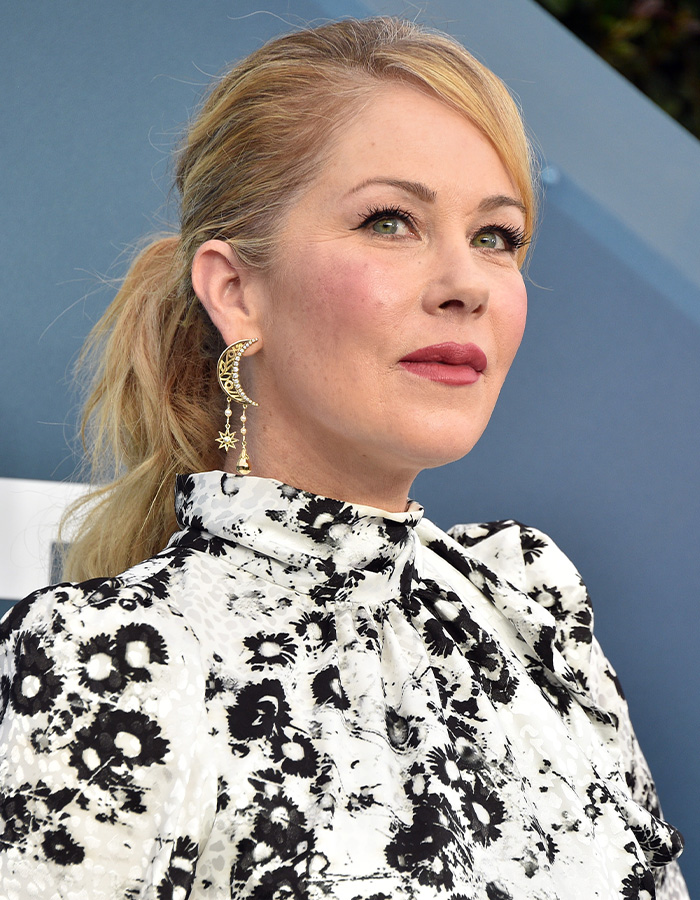
Christina Applegate has, in recent years, been vocal about the "gross" and damaging objectification she experienced as a teenager, particularly while starring as Kelly Bundy on the sitcom Married… with Children.
Christina began working in show business practically from birth, she was reportedly in commercials at just three months old, and by her early teens, she was financially supporting her household.
At 15, she landed the role of Kelly Bundy, a character that would become iconic, but Applegate quickly realized that the public and media were more focused on her looks than her talent.
In a 2023 Vanity Fair interview, she reflected on the disturbing exploitation she endured as a teenager.
She shared, “I was never on the receiving end of any kind of lasciviousness from anyone before [Married… with Children] because I was wearing bells around my ankles and moccasins and wearing patchouli.”
“I was a gross little hippie kid. Looking back on it in hindsight, it’s pretty gross. Yeah, that part of it kind of sucked.”
She added, “Men had posters of this little 17-year-old, with me holding pearls. Like, who let me do that? I didn’t even know what the connotation was.”
Applegate has also been vocal about how the show’s misogynistic culture compounded the problem.
Alongside co-star Katey Sagal, she noted that writers frequently “dumbed down” their characters, while Christina herself was often dressed in increasingly tighter and shorter skirts to maintain her status as a “s*x symbol.”
She revealed that after Married… with Children ended, she was reportedly flooded with "billions" of offers for similar “video vixen” or “ditzy blonde” roles.
She refused all of them, though she recalled agents reportedly telling her she was perfect for a serious role but that they couldn’t have her name associated with a “masterpiece” due to her Kelly Bundy image.
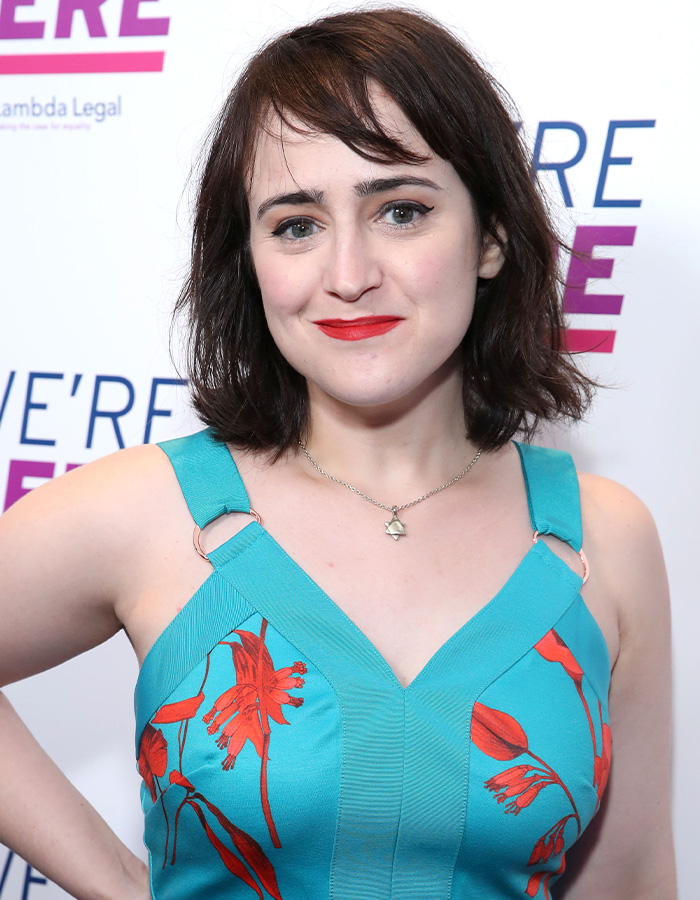
Mara Wilson, best known for her childhood roles in Matilda and Mrs. Doubtfire, has been outspoken about the disturbing ways she was adultized as a child star, despite never appearing in revealing roles.
The actress-turned-author has said she was “photoshopped into child p*rnography” before she even turned 12.
In a reflective essay published in The New York Times, Wilson explained that her story was often written into a broader cultural “narrative” about the so-called “dark paths” of child stars.
“Our culture builds these girls up just to destroy them,” she wrote.
Although her parents deliberately dressed her in conservative clothing in an effort to protect her, Wilson said she was s*xualized from as young as six years old.
She recalled, “It was cute when 10-year-olds sent me letters saying they were in love with me. It was not when 50-year-old men did.”
Wilson also revealed that before she turned 12, images of her appeared on explicit websites and were digitally manipulated into explicit material, despite her being a minor.
“Every time, I felt ashamed,” she wrote, noting that she had “never appeared in anything more revealing than a knee-length sundress” in her films as a child.
She recalled being asked invasive questions during interviews from an alarmingly young age, including whether she had a boyfriend, who she thought the “s*xiest actor” was, and even questions about Hugh Grant’s arrest for soliciting a s*x worker.
“I was never s*xually harassed on a film set. My s*xual harassment always came at the hands of the media and the public,” Wilson stated.
In a 2023 interview with The Guardian, Wilson described how she once Googled herself at age 12 and saw images she “couldn’t unsee.”
The journalist noted that photos of Wilson’s face had been edited onto other girls’ bodies on explicit websites, replicating child s*xual exploitation.
One fan expressed, “The public victimized her. You can’t just blame show business and walk away… there’s a societal problem here when it comes to s*xualizing young girls.”
“We adults failed to protect our kids… Not punishing the wrongdoers is not a flaw, but just as much of a choice as exploiting a child in any way. It goes to show the only means to protect your kids right here, right now… is to not have any,” bluntly added another.
“Mara starred in child-friendly films, and yet she was still the target of predators and unwillingly s*xualized. What happened to Mara is absolutely disgusting.”
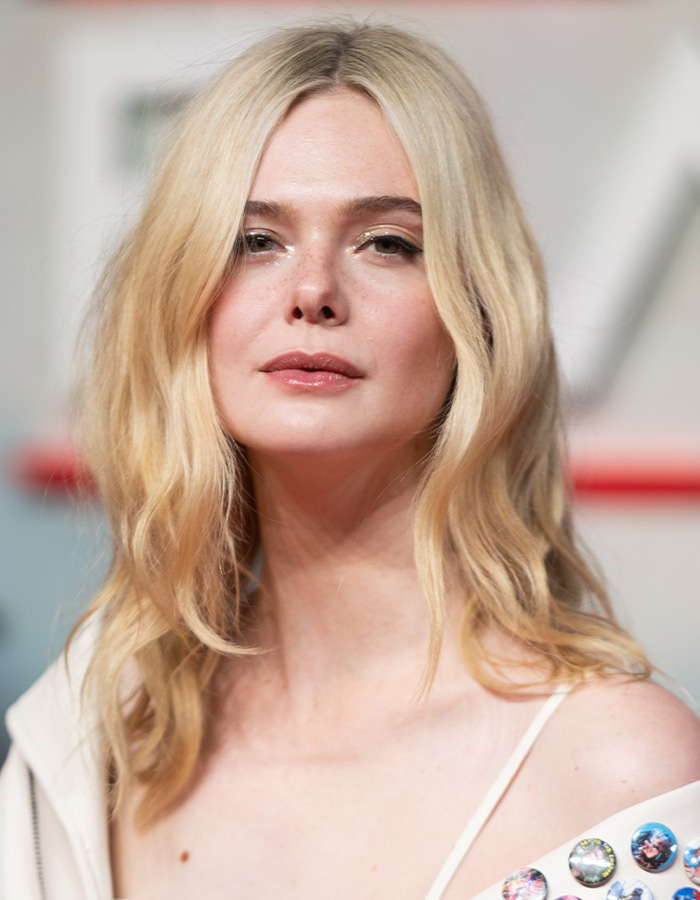
Elle Fanning grew up in Hollywood, and much like other child stars, her adolescence unfolded under constant public scrutiny.
By the time she was in her early teens, she was already navigating an industry that could be cruel and invasive, while paparazzi documented her every move.
This early exposure forced her into a level of self-awareness most children never have to face.
During an appearance on The Hollywood Reporter’s Comedy Actress Roundtable in the summer of 2023, Fanning shared one of the most disturbing experiences of her teen years.
At just 16, she auditioned for a father-daughter road trip comedy and didn’t get the role.
Later, she learned that someone had commented, “Oh, she didn’t get the father-daughter road trip comedy because she’s unf*ckable.”
Reflecting on the incident, she said, “It’s so disgusting. And I can laugh at it now, like, ‘What a disgusting pig!’”
Though she never received the comment directly from her agents, it still got through, leaving a lasting impression on the young actress.
Elle also explained that growing up in the public eye created a complicated relationship with her self-image.
“I was always immensely confident, but of course you’re growing up in the public eye, and it’s weird,” she said.
She recalled looking back at paparazzi photos of herself as young as 12 and thinking, “Is that a good thing to see such a mirror of yourself at that age?”
While she insisted that the experience didn’t “damage” her, it instilled a heightened self-awareness and a constant consciousness of how she was perceived.
This awareness was part of a larger pattern faced by many young women in Hollywood, having their appearance scrutinized, their bodies commented on, and their identities shaped by an industry that prizes marketable images over personal growth.
Fanning’s experience is proof that even confident, grounded young stars can be affected by the invasive gaze of the public and the casual cruelty of adult commentary.
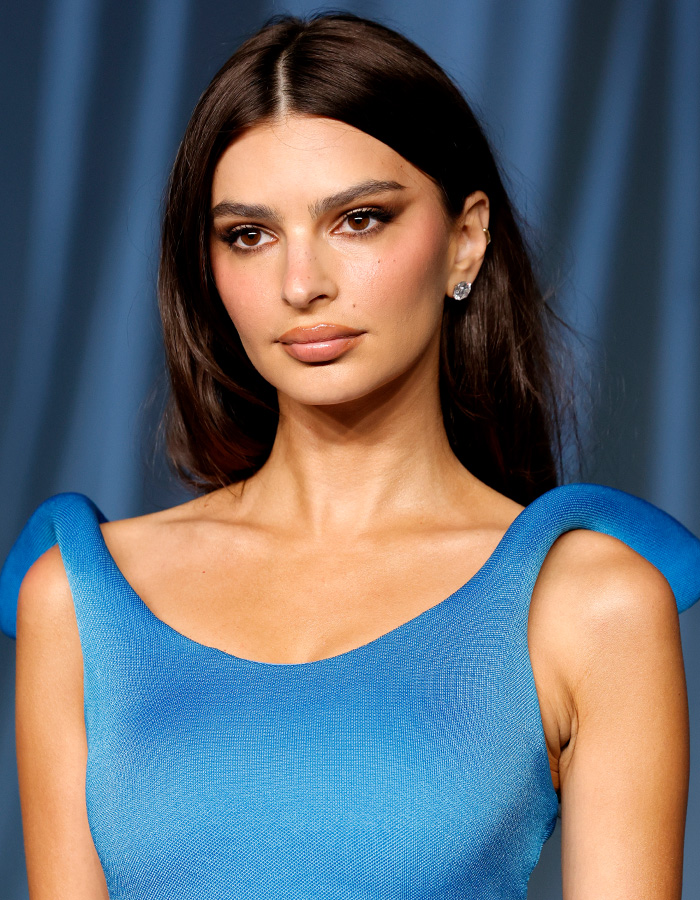
Emily Ratajkowski has spoken openly about being s*xualized from an alarmingly young age, long before she had the tools to understand or protect herself.
In her 2021 book of essays, My Body, the model and author unpacked how her relationship with her appearance was shaped early on, beginning as far back as middle school.
Ratajkowski revealed that she developed at a young age, which made her hyper-aware of how adults perceived her body.
“I developed very young, so I was more conscious of s*xuality and being a pretty girl-woman,” she told the Los Angeles Times in 2015.
“Having men look at you and really having no idea what sx is, is a very strange experience.”
In her book, she also described how her sense of self-worth became closely tied to her appearance within her own household.
“Beauty was a way for me to be special. When I was special, I felt my parents’ love for me the most.”
Ratajkowski entered modeling at just 14 and has since described her early career as that of a “professional mannequin,” where consent often felt conditional.
In interviews, including one with Vogue, she explained that as a teenager, she learned her value was measured by how much she could “please” the men in positions of power.
Saying no, she said, often meant being labeled “difficult” and risking future work.
One of the most public examples of that power imbalance came in 2013, when she appeared in Robin Thicke’s Blurred Lines music video.
The video, which featured Ratajkowski dancing completely bare while the male performers remained clothed, became one of the most talked-about releases of the decade and helped launch her career.
However, in My Body, she later alleged that Thicke groped her without consent during filming, an experience she said she felt unable to speak about at the time out of fear of derailing her career.
In her essay Buying Myself Back, Ratajkowski detailed another traumatic experience from a 2012 photoshoot with photographer Jonathan Leder, when she was 20.
She alleged that she was pressured into drinking and later a**aulted during the encounter.
Today, Ratajkowski has become a vocal advocate for models owning their image rights and reclaiming agency in an industry she argues is designed to strip young women of power.
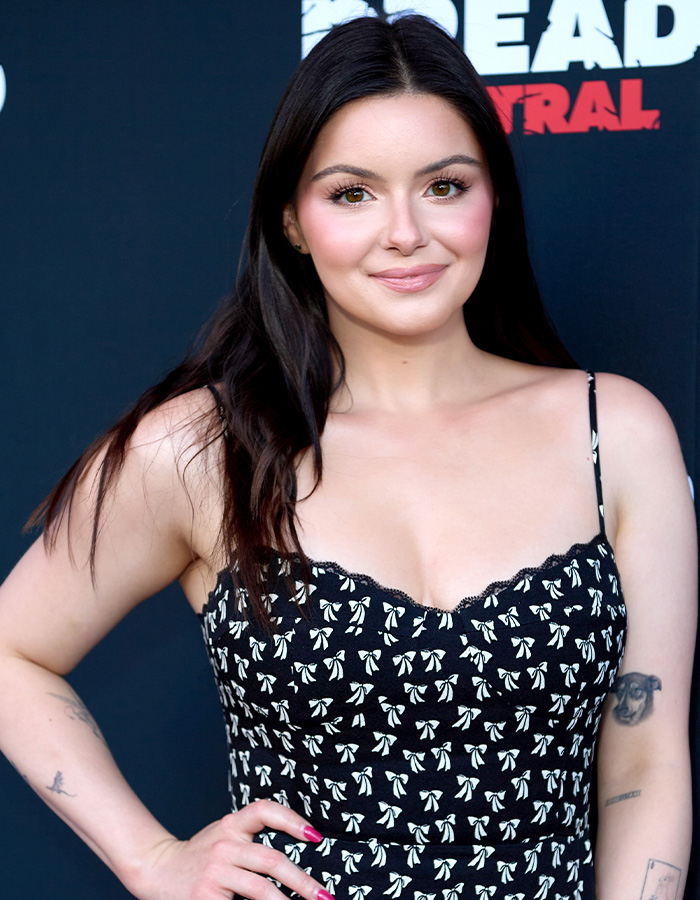
Ariel Winter quite literally grew up in front of the world.
She was only 11 years old when she was cast as Alex Dunphy on Modern Family, a role she played for more than a decade as the hit sitcom ran from 2009 to 2020.
As Winter transitioned from childhood into adolescence on-screen, she became the target of relentless body-shaming and inappropriate scrutiny for going through completely normal changes associated with puberty.
She revealed that the objectification of her image wasn’t limited to headlines or red carpet commentary, it followed her into her personal life as well.
“I don’t wanna say too much about it, but by the time I was on a laptop and cell phone, I was getting inappropriate messages from older men,” she shared in an interview, adding that the experience became a major source of trauma.
Having worked in Hollywood since she was just four years old, Winter said she became “familiar with male predators” far earlier than any child should.
“The experiences I had in person and online as a child have affected me so deeply that I’ve had to go to therapy for it,” she explained.
“The movie and TV industry is a dark place.”
As she went through puberty, Winter said people began seeing her “as an object” rather than as a child actor, something she found extremely difficult to process.
In a 2016 Good Morning America interview, Winter expressed her frustration with how the media fixated on her appearance rather than her work.
“Walking down the red carpet and seeing the photos afterward and having every headline be about my cleavage, not about my talent. It was really disappointing that what we were talking about was the way people look, not what they were actually there for.”
She has also emphasized that public figures, especially young ones, are not immune to the harm caused by constant commentary.
She shared, “People don’t think that I read comments. And I guess it maybe seems like we don’t have feelings… but we’re really not invincible.”
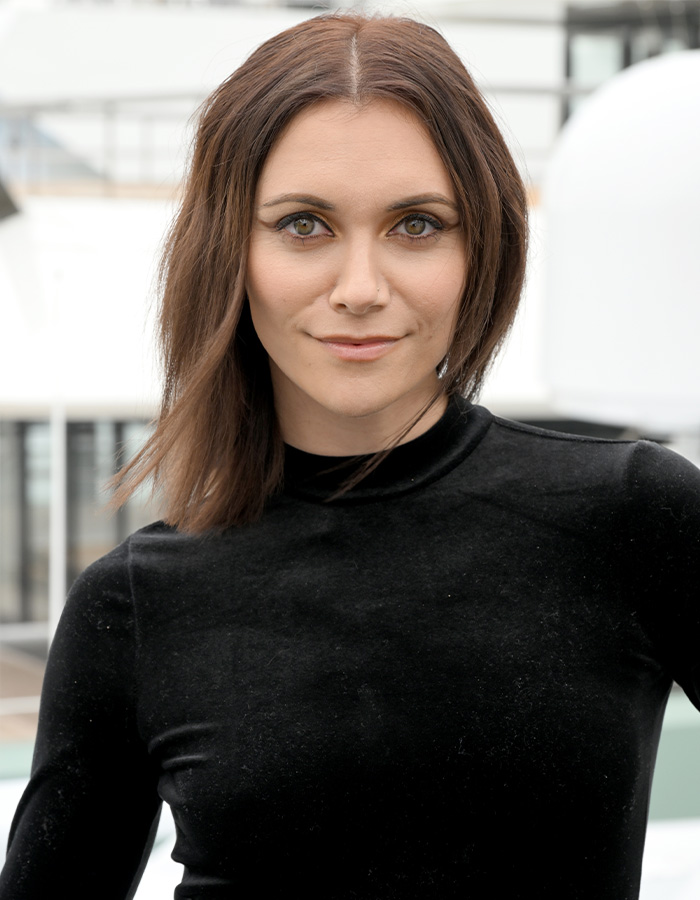
In a powerful video essay for People, former Disney star Alyson Stoner opened up about the harassment and systemic harm she experienced while growing up in the entertainment industry.
Reflecting on her childhood in Hollywood, Stoner stated bluntly, “Nothing was designed for me to end up normal. Stable. Alive.”
As Stoner entered puberty, she said her body became a focal point of adult scrutiny, shaping not only how she was perceived but how her career unfolded.
“The onset of puberty has turned my waist and bust into the main objects of attention and inspection,” she explained.
“This will also categorize my career trajectory.”
To cope, Stoner revealed she learned to dissociate, describing survival as becoming emotionally “numb” while maintaining the image of a cheerful, high-functioning child performer.
Alyson has since emerged as one of the most articulate advocates for child star reform, frequently discussing what she calls the “toddler-to-trainwreck pipeline.”
In her viral essay on the subject, she revealed that her body was treated as a “brand” from the age of six, with her value tied to being “palatable” and “malleable” for adult executives.
As a high-profile child dancer, including appearances in Missy Elliott music videos, Stoner has also spoken about the hyper-s*xualization embedded in the dance industry.
She recalled being taught adult movements and expected to perform with a level of sensuality she did not yet understand.
On her podcast, Dear Hollywood, she further revealed that auditions often included inappropriate questions about her body and maturity, reinforcing the pressure to perform a version of herself shaped by adult expectations.
Through her platform, Movement Genius, Stoner now campaigns for legislative reform to better protect child performers.
She has criticized existing safeguards like the Coogan Law for focusing solely on finances while failing to address psychological and physical safety.
In a separate op-ed titled The Toddler-to-Trainwreck Industrial Complex, she detailed the long-term effects of child labor and the systemic failures that continue to endanger young talent.
Revisiting her career in her People essay, Stoner emphasized that her story is not an exception, but part of a broader pattern.
“I didn’t mention the s*xual harassment, stolen IP and money, paparazzi, psychological impact of the new influencer landscape, toxic power plays, and what actually happened on all of those sets,” she wrote.
“If we disrupt and heal the toddler-to-trainwreck pipeline, we won’t need another cautionary memoir.”
You might also like: Hollywood careers: 29 actors who squandered their potential











 No fees, cancel anytime