Get Premium
Dark mode theme is available exclusively for premium users. Learn more about the benefits of subscribing.
No fees, cancel anytime.

 Dark Mode Ad-Free Browsing Unlimited Content

 Ad-Free Browsing Unlimited Content Dark Mode
Join 1.2 million Panda readers who get the best art, memes, and fun stories every week!
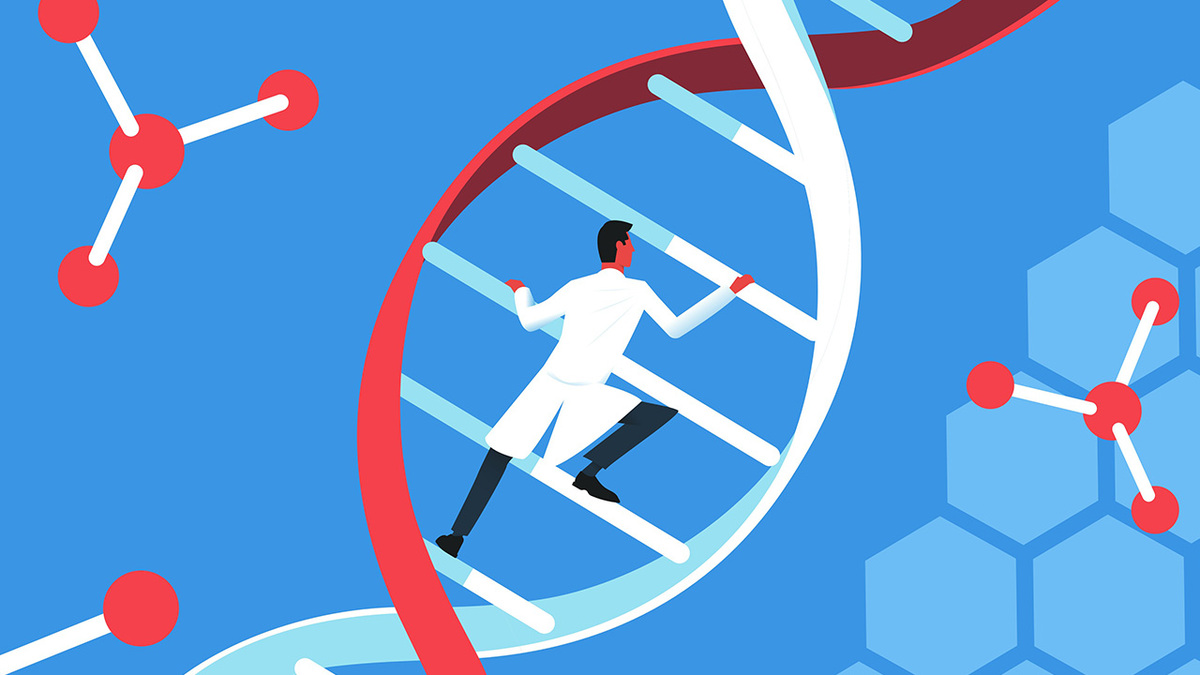
In 2017, no one could escape the genetic testing craze. Unboxing DNA test kits and reacting to the results became an algorithmic goldmine across lifestyle, beauty, and YouTube vlogging channels, drawing in countless viewers.
Every day, we watched creators spit into tubes, and it was just the beginning of the influencer era. Soon enough, as prices became more affordable, everyone seemed eager to jump on the 23andMe bandwagon. And admittedly, we can’t deny its benefits. From finding long-lost family members to discovering more about your ancestry, it’s both interesting and fun.
But as these tests grew in popularity, questions about their ethical implications quickly appeared. Who had access to this information? Was it being shared with third parties? Was it ending up in every lab’s database? After all, your genetic information is deeply personal, making these concerns entirely valid.
These concerns grew into even bigger fears in 2025, when 23andMe filed for bankruptcy after financial struggles and a massive 2023 data breach. So, what does this mean for your personal information as a consumer? Why are these companies so interested in your genetic data? Let’s break down everything you need to know about these services.
 Exclusive Content Ad-Free Browsing Dark Mode Exclusive Content Ad-Free Browsing Dark Mode

































 No fees, cancel anytime