Get Premium
Dark mode theme is available exclusively for premium users. Learn more about the benefits of subscribing.
No fees, cancel anytime.

 Dark Mode Ad-Free Browsing Unlimited Content
 Ad-Free Browsing Unlimited Content Dark Mode
Join 1.2 million Panda readers who get the best art, memes, and fun stories every week!
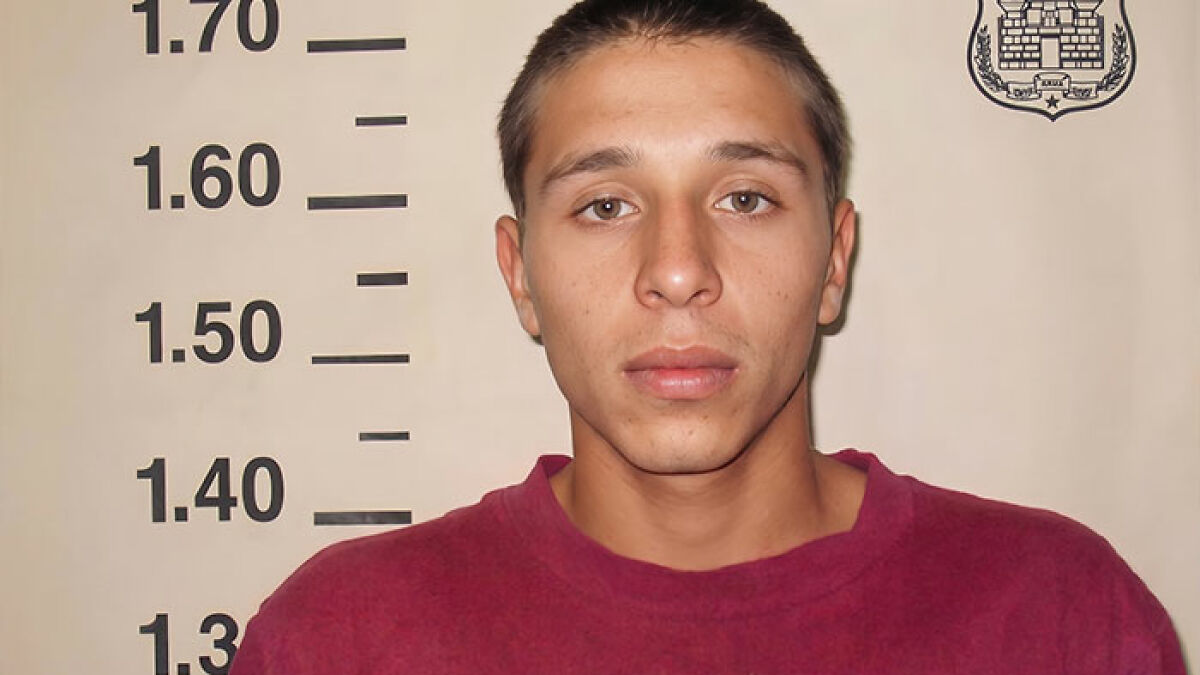
It was a normal afternoon on March 27, 2006, in Puente Alto, on the southern edge of Santiago, Chile.
A young man was near a roadside dumping area when he noticed a stray dog carrying something strange. When he moved closer, he saw an object that would change the course of one of Chile’s most consequential criminal investigations:
A human foot.
Police initially had no name for the victim. No family had reported anyone missing. There was no active search for the person whose remains would soon appear scattered across southern Santiago.
Over the following days, investigators recovered more body parts and began reconstructing a young man who had spent much of his life moving between relatives, institutions, the streets, and prison cells.
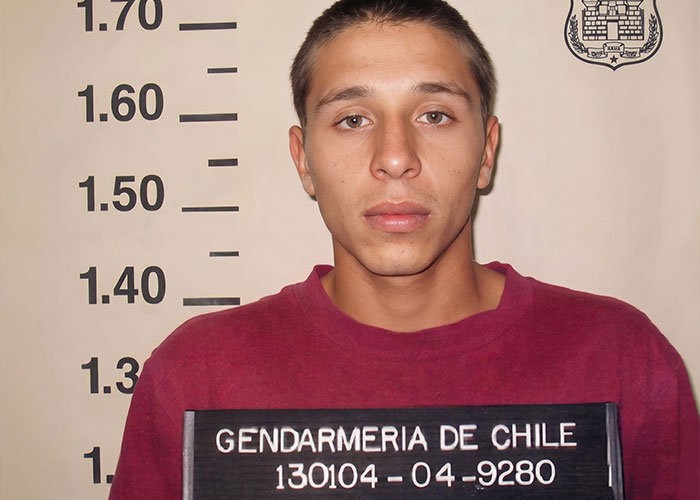
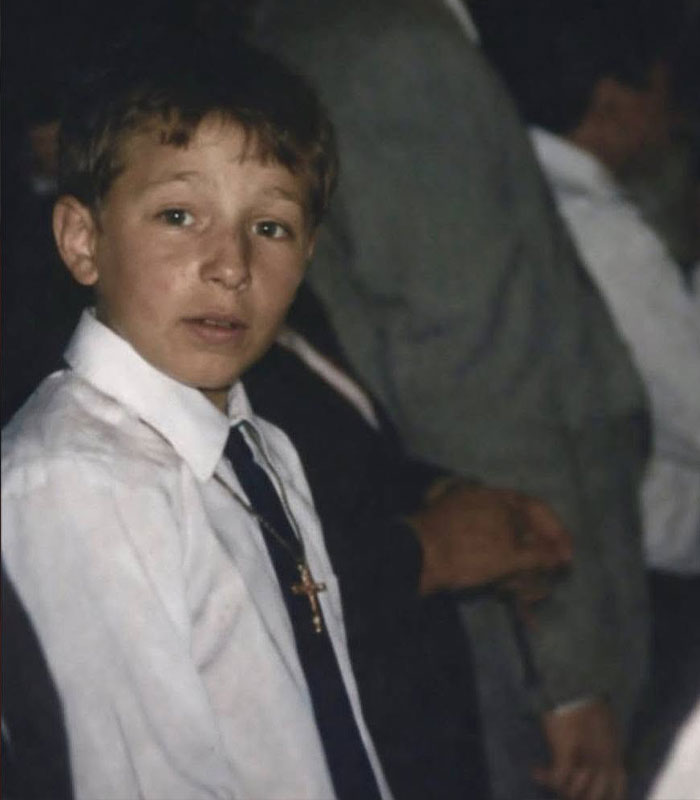
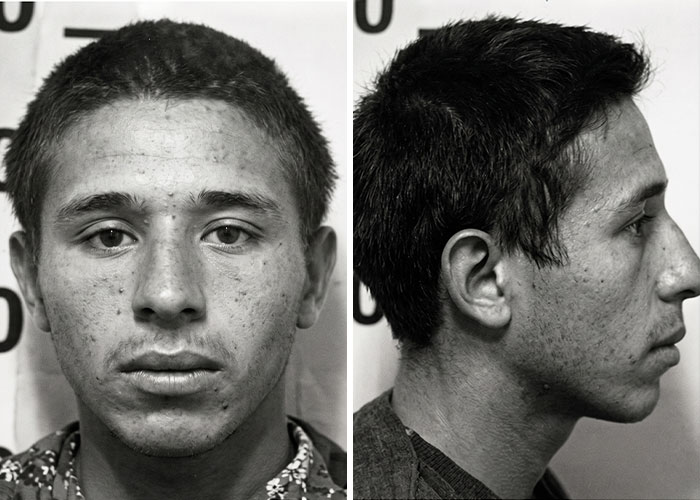
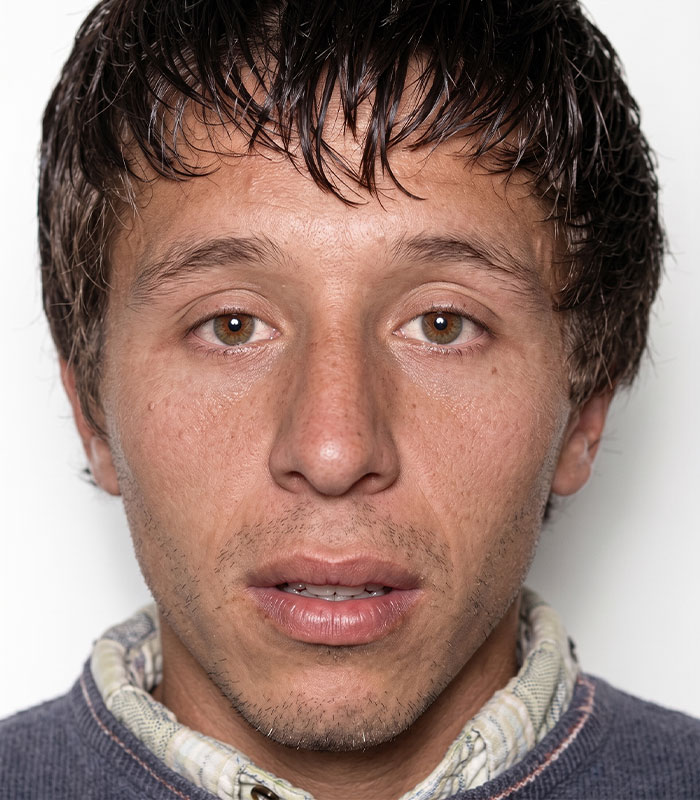
His name was Hans Hernán Pozo Vergara.
Image credits: State of Chile
Content warning: This article contains descriptions of homicide, dismemberment and substance dependence
Pozo was 20 years old. He had a former girlfriend and a three-year-old daughter. He lived with a severe dependence on coca paste (a crude extract of the coca leaf) and had been arrested several times for theft as he struggled to finance it.
Eventually, selling himself became a faster and more profitable way to obtain money.
Pozo’s orientation remains a subject of debate. Based on the available public record, there is no evidence that Hans Pozo ever identified himself as gay. What’s confirmed is that men became his primary clients.
Those distinctions were quickly lost as his homicide became a media spectacle.
Pozo had been a child repeatedly abandoned by the people and institutions expected to protect him. He was forced onto the streets before he had turned 18, where substance traffickers took control of his future.
Image credits: Frente Sociocultural de Accion Social
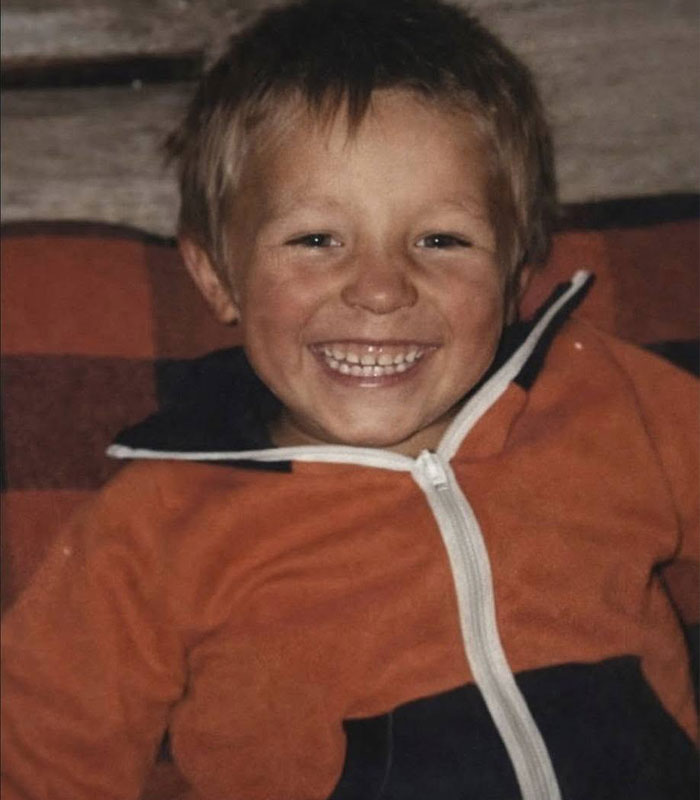
Pozo was born in the Santiago commune of Independencia on July 2. Most accounts place his birth in 1985, though some sources give 1986.
His instability began early.
When Pozo was about four, his mother abandoned him because he was the child of an earlier relationship. He spent part of his childhood living with relatives in La Pintana and later passed through several foster homes.
Eventually, his uncle Francisco Pozo took responsibility for him.
For a time, the arrangement gave Hans a home. As he entered adolescence, however, he began using marijuana and coca paste. The latter became the central force in his life.
Image credits: Frente Sociocultural de Accion Social
His dependence required money he did not have. Pozo began stealing from relatives and others who offered him shelter. Each theft placed more strain on the support network around him until his family could no longer manage his behavior.
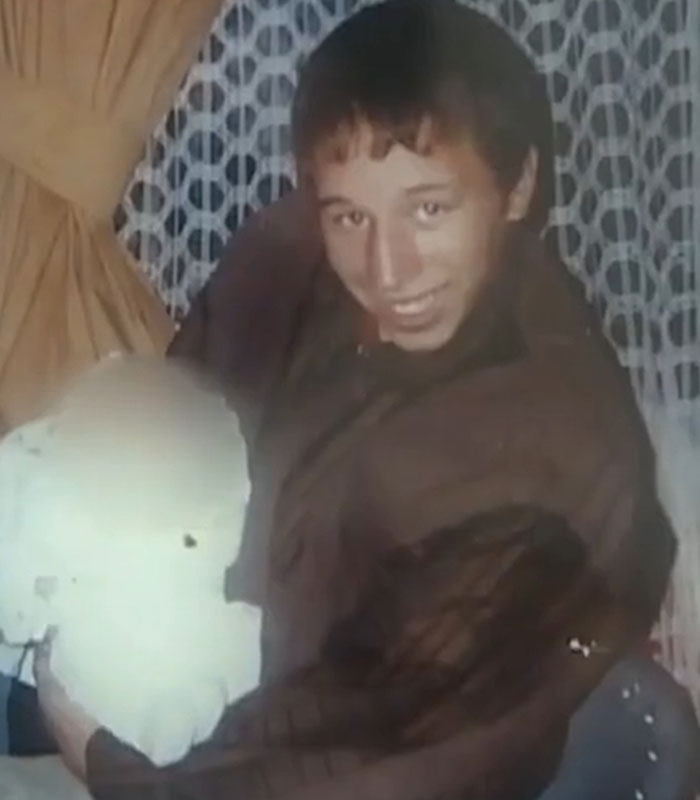
By 16, Pozo was spending extended periods on the streets.
His life became a cycle. Someone would take him in, property would disappear, and he would be sent away again. Every expulsion left him more exposed to the environments that sustained his dependence.
Still, there were moments when a different future appeared possible for him. A loving family, the warmth of a home he would never be told to leave.
Image credits: EL 13
During his youth, Pozo met a young woman named Linda Baeza in Villa La Cultura, in La Pintana.
The relationship temporarily brought structure back into his life. He returned to school for a period and lived inside a community center, where neighbors helped him furnish a small room.
Pozo also found informal work. He repaired machines and watched cars outside a supermarket on Avenida Santa Rosa. Other reports said he occasionally worked in construction.
Around March 2002, he and Linda had a daughter.
The child would later be described in press reports as three years old when Pozo was fatally wounded.
For a short period, Pozo had a partner, a child, work, and a place to sleep.
The stability ended after the ghost that had haunted him throughout his adolescence came back to haunt him.
Image credits: EL 13
Unable to hold back his need for coca paste, Pozo allegedly attempted to steal audio equipment from the community center that had helped him. Just like that, history repeated itself. He was removed and returned to the streets.
His dependence continued. Theft remained one of the few ways he knew to obtain money.
Pozo accumulated police records for robbery and theft, along with substance-related offenses and damage to property. By early 2006, he was already known to Chile’s police and prison systems.
But before that, In 2005, he made one last attempt to find the mother who had abandoned him. Researchers and writers would later describe this as his final chance before ultimately throwing himself into the abyss.
Image credits: EMOL
In 2005, Pozo gathered the courage to approach the mother who had abandoned him as a toddler. Police gave him the location of Ada del Carmen Vergara at her home on Pasaje El Ángel in San Ramón.
He went there hoping to make contact.
The attempted reunion ended in another rejection. Neighbors later recalled Ada shouting at him in the street while his half-brother Miguel chased him away with a knife.
Pozo subsequently told the story through tears to his former teacher Susana Díaz, one of the maternal figures he had sought throughout his life and a woman he had begun calling “Mom.”
The encounter made it clear that he could not continue trying to approach his biological mother..
Image credits: EL 13
Reports published after his passing said he worked near Santiago’s Plaza de Armas, the city’s center, and became known to other male adult workers. That’s where he became known as “El Rucio” (Blondie).
Between June and November 2004, Pozo was referred to Sidacción. He visited the HIV-prevention organization seeking guidance on how to protect himself from infection.
Sidacción president Marco Becerra confirmed that Pozo received information from the organization, though he never underwent the ELISA test used at the time to detect HIV. The reason he did not take the test was never publicly established..
By February 2006, Pozo’s last known arrest had placed him back in official records for substance consumption and possession.
One month later, he disappeared.
No one reported him missing.
Image credits: EMOL
During the days before his homicide, Pozo slept with four other men inside a bus shelter near Stop 30 on Avenida Santa Rosa.
The exact date of the attack has never been established publicly. Investigators placed it during March 2006.
After police began reconstructing his final movements, homicide detectives interviewed the four men separately.
Each mentioned the same surname:
Martínez.
Before police could follow that lead, the first part of Pozo’s body had already appeared in Puente Alto.
Image credits: LA CUARTA
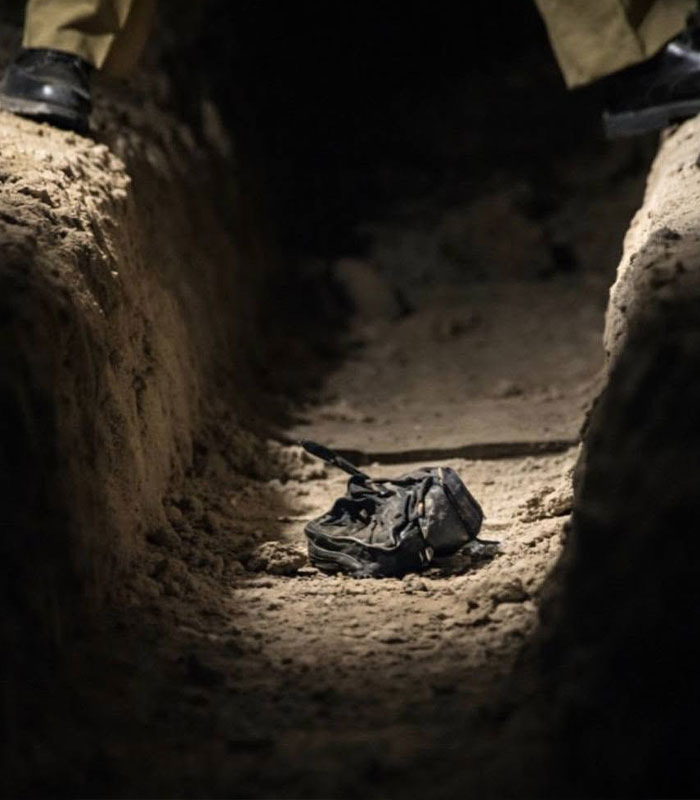
On March 27, a stray dog was spotted carrying what would later be known as Pozo’s human foot.
That finding was only the beginning. Investigators would eventually find something just as gruesome in the same general area: the victim’s head. The cheeks had been cut and the nose removed.
Forensic examiners discovered two wounds caused by 9mm bullets.
Two days later, police recovered both arms. The hands were missing, along with sections of skin where four tattoos had been removed.
The left foot was discovered the next day.
On April 3, two women collecting plastic found a bag containing two hands near the end of Avenida Santa Rosa in Puente Alto. The fingerprints had been cut away.
That night, a woman in San Bernardo opened a garbage container and found the victim’s torso.
DNA testing confirmed that every recovered part came from the same person.
Police still did not know who he was.
Image credits: EL 13
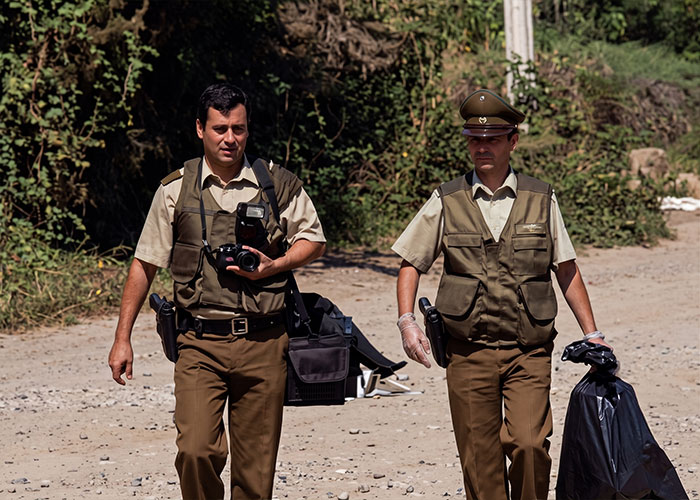
The criminal had taken extensive measures to prevent identification. Forensic specialists began reconstructing all ten fingerprints using the remaining edges and small pieces of skin left on three fingers.
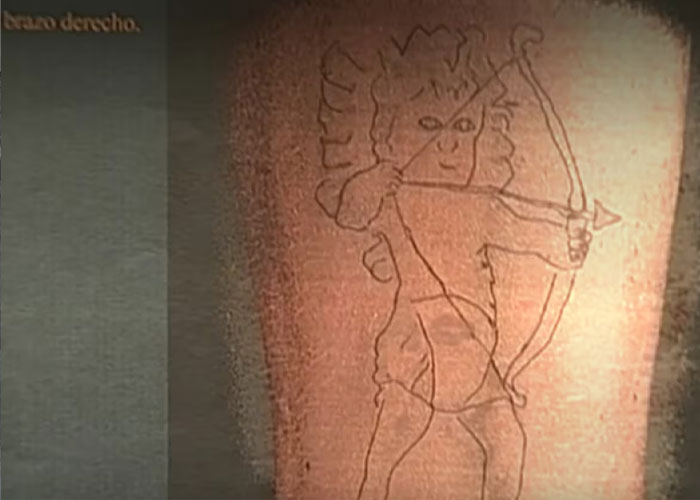
A single tattoo provided another opening.
The criminal had failed to remove an image of Cupid from one of Pozo’s arms. Investigators photographed it and sent the image to prisons across Chile, hoping an inmate would recognize the design.
One prisoner did.
He said he had tattooed the image on a former cellmate, confirming that the unidentified victim had previously been registered in the Chilean prison system.
Image credits: EL 13
Once the fingerprint patterns had been reconstructed, investigators compared them against databases belonging to the Civil Registry, the investigative police, and Gendarmería de Chile.
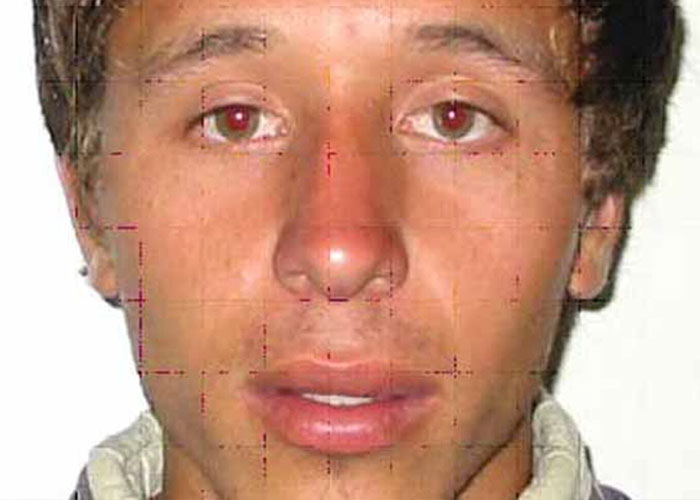
The prosecution authorized the release of a forensic facial reconstruction. Before identification was complete, information from the case file leaked online and the press began naming Hans Pozo as the possible victim.
Police tested 13 people believed to be potential relatives. None matched.
His real family had still not contacted investigators or filed a missing-person report.
On April 6, ten days after the dog’s discovery, the Policía de Investigaciones officially identified the victim as Hans Hernán Pozo Vergara.
Only then did his relatives come forward.
Image credits: EL 13
Once Pozo had a name, detectives returned to his final contacts and the surname provided by the four men from the bus shelter.
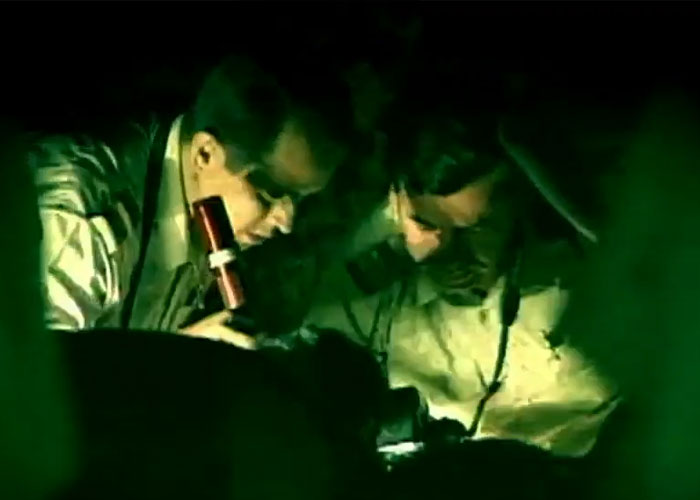
Forensic entomology offered another clue.
Larvae found on the separate remains had reached the same stage of development. Specialists concluded that the body parts had been refrigerated before being distributed around southern Santiago.
Given Pozo’s size, a domestic refrigerator would have been insufficient. Investigators believed an industrial unit had been used.
The garbage bags also stood out. They had double stitching and were made for commercial rather than household use.
The O.S.9 criminal investigations unit traced the bags to a merchant who remembered selling them to an ice-cream vendor and to a relative who owned a butcher shop.
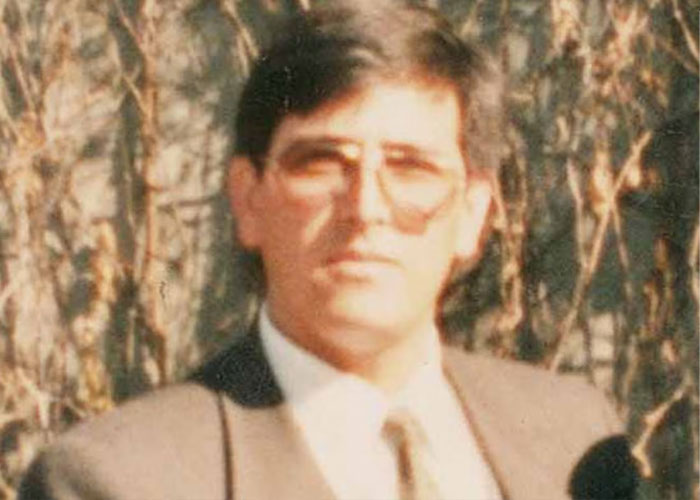
The ice-cream vendor was Jorge Iván Martínez Arévalo.
Image credits: EL 13
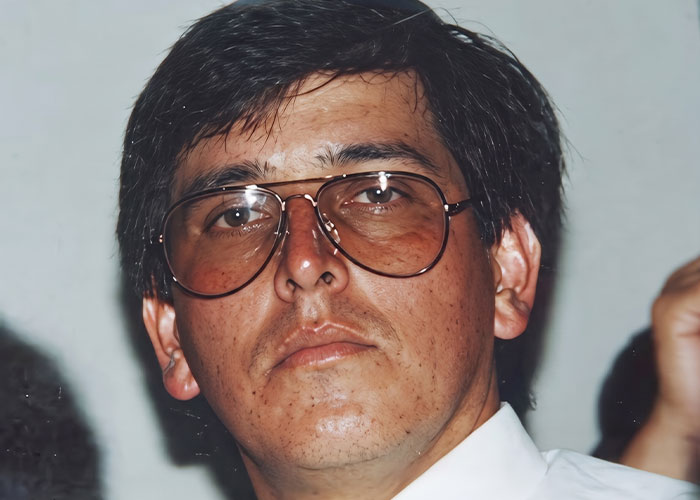
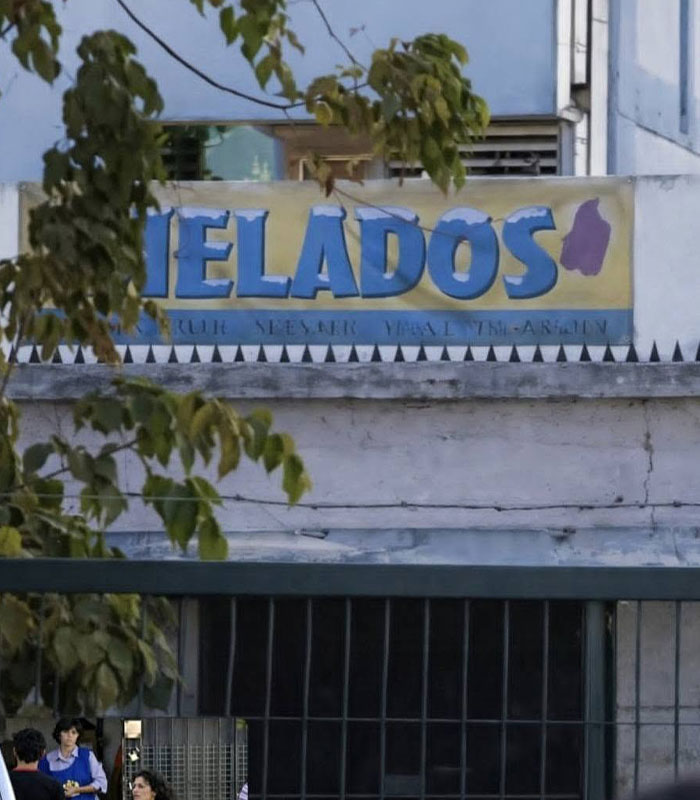
Martínez was 41 years old and worked for the Municipality of La Pintana. He also owned an ice-cream shop beside his home near Stop 30 on Avenida Santa Rosa, the same area where Pozo had spent his final nights.
Police identified him as the principal suspect.
They tapped his two telephones and concluded that he had maintained some form of relationship with Pozo. Investigators believed the men had visited motels together.
When officers first looked for Martínez, he was absent. He was ordered to appear for questioning.
At the same time, prosecutor Pablo Sabaj ordered an investigation into the conduct of the O.S.9 officers working on the case.
On April 8, the unit returned to Martínez’s business.
Image credits: EL 13
That afternoon, O.S.9 officers entered Martínez’s ice-cream shop to conduct what they described as a routine interview.
According to the official account, Martínez heard them arrive, activated the robbery alarm, and ran toward his bedroom. Officers heard him shout for several seconds.
He then s*ot himself in the head.
His family rejects that account to this day.
Martínez’s brother and colleague, Robinson, claimed Carabineros entered the property and s*ot Jorge twice.
Martínez’s passing ended the possibility of a conventional interrogation. It also allowed two competing versions of the case to develop before forensic evidence had been fully processed.
After the incident, Martínez’s wife found a 20-page letter inside their home.
Image credits: EL 13
Martínez said he believed Pozo was his biological son because he had briefly dated a blonde woman in 1984. According to the letter, Hans repeatedly demanded money and threatened to reveal the alleged paternity to Martínez’s family.
DNA testing after Martínez’s passing disproved any biological relationship between the men.
Researchers believe he had simply manufactured a lie to cover the true reasons behind Pozo’s alleged extortion.
Martínez then claimed he had contacted two police officers and paid them to frighten Pozo. Their alleged role was to arrange for Hans to be imprisoned for a period.
The officers were never identified.
Martínez wrote about his cowardice and his desire to “disappear.” Another account of the note attributed a direct admission to him:
“I am responsible, and I cannot bear it.”
Image credits: Frente Sociocultural de Accion Social
On May 3, investigators collected biological samples from Martínez’s business.
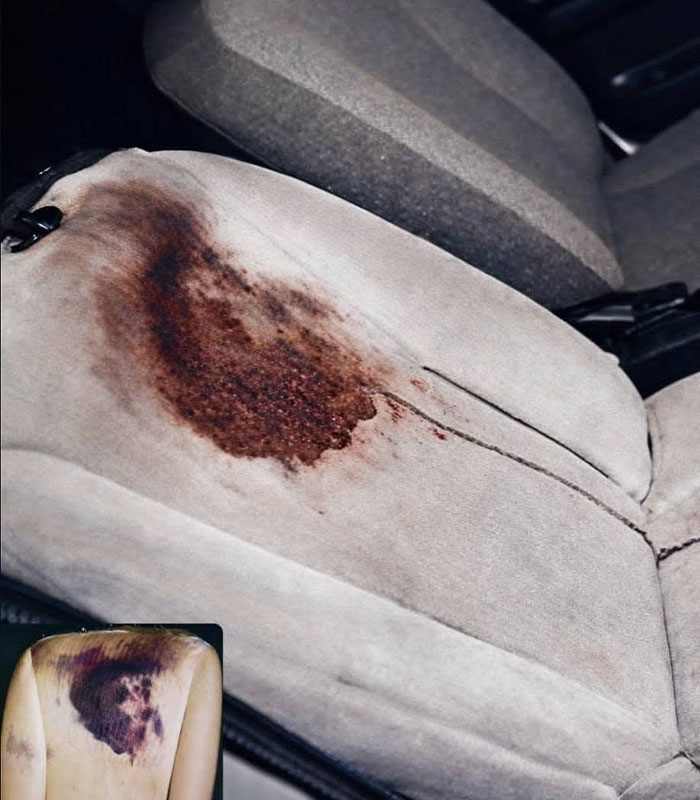
Using luminol, they detected a bloodstain that had been washed from the floor. Testing established that it belonged to Pozo.
The stain’s shape suggested his body had remained there after he was attacked.
Martínez’s brothers offered another explanation. They told reporters they had injured themselves inside the shop and claimed the blood belonged to them. They accused Carabineros of trying to implicate the family.
Tests contradicted that account.
Image credits: Frente Sociocultural de Accion Social
Pozo’s blood was also found inside Martínez’s van, including on the front passenger seat and the rear seat.
O.S.9 investigators later identified two bullet marks in the shop’s basement. They concluded that Pozo had been attacked there.
The homicide weapon was the same firearm Martínez used to end his own life.
Prosecutors believed the evidence placed the crime and the handling of Pozo’s body inside the ice-cream business.
What remained uncertain was whether Martínez had acted alone.
Image credits: EL 13
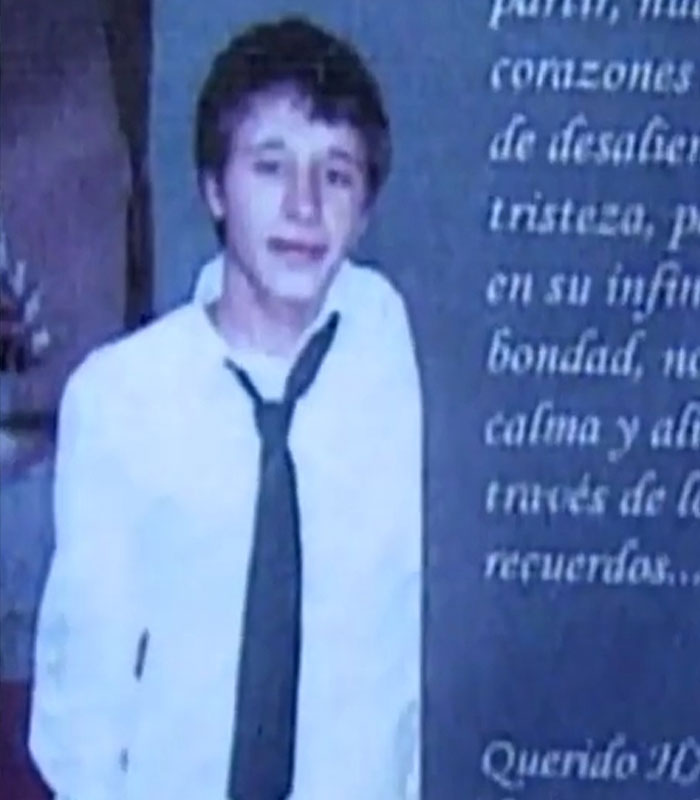
On Friday, April 14, the Legal Medical Service released Pozo’s remains to his adoptive family.
A wake was held at La Casona community center in La Pintana.
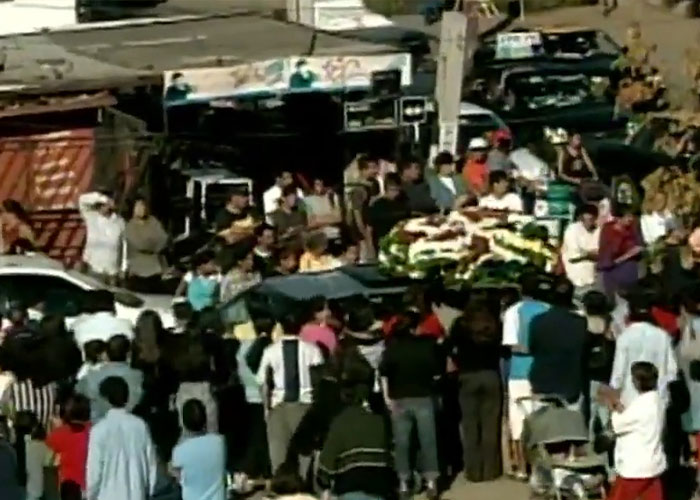
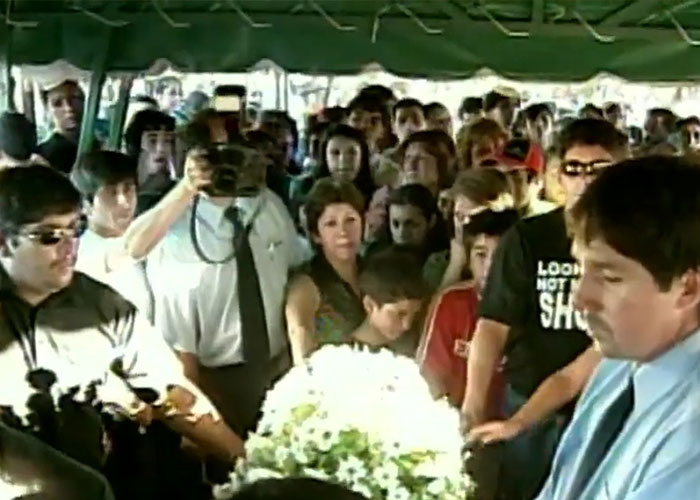
The following day, about 300 people accompanied him to Jardín Sacramental Cemetery in San Bernardo. The case had moved thousands because its brutality exposed a reality many Chileans knew but were reluctant to confront: those living in extreme poverty could become almost invisible.
Many saw parts of their own struggles in Pozo’s life, including abandonment, substance dependence, loneliness, and the daily effort to survive.
The number stood in sharp contrast to the silence surrounding his disappearance.
Image credits: EL 13
For days, Pozo had existed in the public imagination as the “Dismembered Man of Puente Alto.” Once his identity became known, newspapers reconstructed his dependence, arrests, occupation, and family rejection.
The same society that had paid little attention to him while he lived consumed every detail after his passing.
The exploitation became more direct when 12 explicit images of Pozo’s body, taken from the confidential case file, circulated through email chains.
On May 5, Linda Baeza, Pozo’s former partner and the mother of his daughter, filed a complaint seeking responsibility for the leak.
Her action addressed another violation committed after the homicide. Once lifeless, even the privacy of his remains was treated as disposable.
Image credits: Richard Armijo
In March 2007, Linda filed another complaint, this time against Jorge Martínez’s brother Miguel. She believed he may also have participated in the crime.
That same year, the Southern Metropolitan Prosecutor’s Office concluded that Jorge Martínez was the only person responsible for Pozo’s homicide and dismemberment.
His family continued challenging the official version of his passing but were dismissed by the military justice system.
Investigators kept the Pozo case open while looking for possible accomplices.
On April 18, 2013, after seven years, prosecutor Pablo Sabaj requested that the case be closed. The Puente Alto Guarantee Court granted the request because the investigation had never established that Martínez received help from other people.
In 2016, Martínez’s widow filed a protection action before the San Miguel Court of Appeals. She asked the court to stop television reports and audiovisual publications involving herself, her daughter, or the Hans Pozo case.
The request invoked the right to be forgotten.
Image credits: EL DIARIO
Pozo’s story continued through books, theater, film, poetry, and visual art.
Two books, Pozo and The Sin of El Rucio: The Keys to the Hans Pozo Crime, were published in 2007.
That year, playwright Luis Barrales Guzmán premiered H.P. (Hans Pozo). The work received recognition from the Municipality of Santiago and the National Book and Reading Council as the year’s best literary work in theater.
Visual artist Felipe Santander also presented Hilvanado, a series created with synthetic leather and other materials to represent moments from Pozo’s life.
In 2009, actor Julio César Serrano portrayed him in the docufiction El Rucio, the Story of Hans Pozo.
Poet Clemente Riedemann later included “Hans Pozo Blues” in his 2018 collection Riedemann Blues.
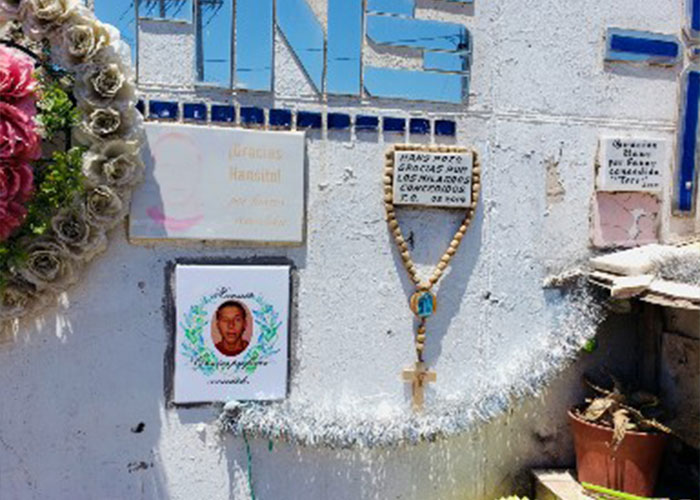
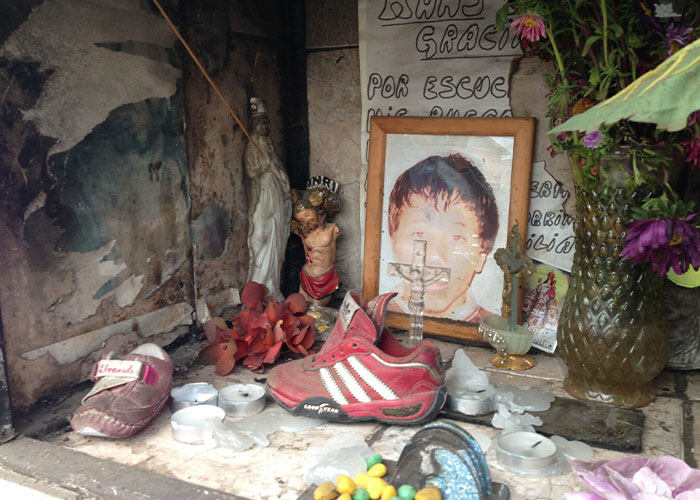
Near the Marta Brunet neighborhood in Puente Alto, where some of Pozo’s remains were discovered, residents built a roadside shrine in his memory. Over time, visitors even began attributing miracles to him and left gifts in thanks.
Image credits: TIEMPO 21
In June 2021, Chile’s Movement for Homosexual Integration and Liberation, known as Movilh, added Pozo to its list of victims of homophobic crimes.
The organization argued that the culprit had tried to conceal his real relationship with Pozo out of fear that his own behavior would become known. Movilh described Hans as a gay man.
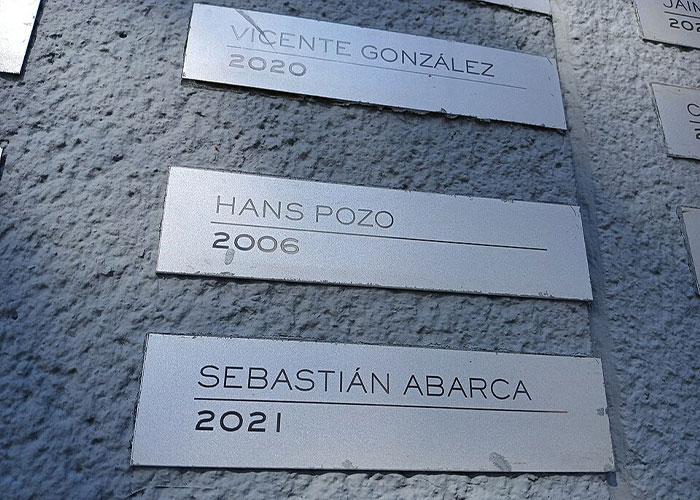
On March 27, 2022, during a tribute marking ten years since the homicide of Daniel Zamudio — one of Chile’s most brutal homophobic attacks — Movilh added Pozo’s name to the Memorial for Diversity inside Santiago’s General Cemetery.
By then, Hans Pozo had become many things to people who had never known him: a crime victim, an artistic subject, a religious figure, and a sobering reminder of the consequences of violence towards the different and marginalized.
In life, however, he was perpetually ignored.
Chile learned his name only after a stray dog carried a human foot through Puente Alto.

By entering your email and clicking Subscribe, you're agreeing to let us send you customized marketing messages about us and our advertising partners. You are also agreeing to our Privacy Policy.
Thank you! You've successfully subscribed to newsletters!




















 No fees, cancel anytime













28
1