Get Premium
Dark mode theme is available exclusively for premium users. Learn more about the benefits of subscribing.
No fees, cancel anytime.

 Dark Mode Ad-Free Browsing Unlimited Content
 Ad-Free Browsing Unlimited Content Dark Mode
Join 1.2 million Panda readers who get the best art, memes, and fun stories every week!

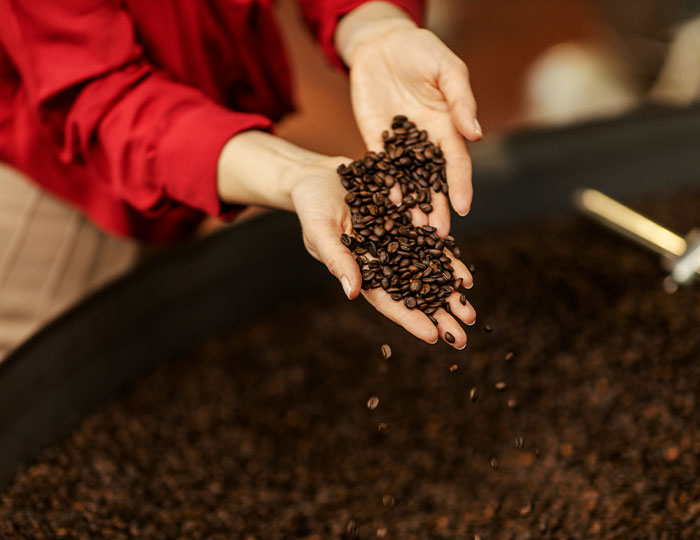
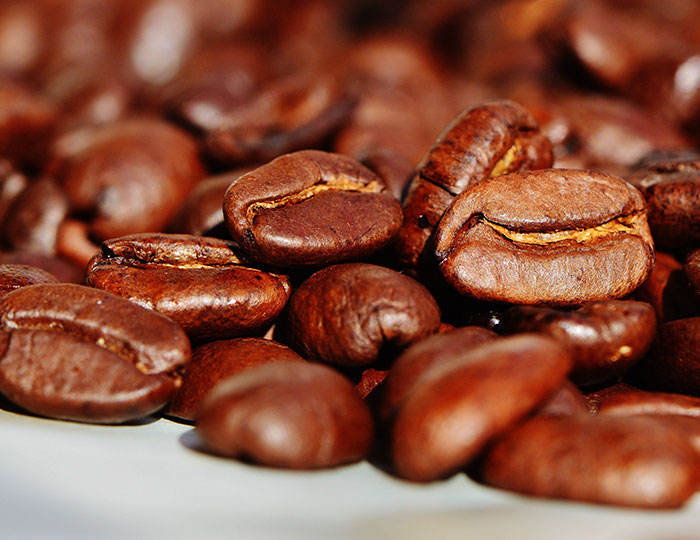
Coffee is a daily ritual for 66 percent of Americans, according to an official national statistic, but that seemingly harmless cup of brew was recently reported to contain something far more unsettling than mere caffeine.
The humble brown beans travel through farms, processing facilities, roasting plants, and grocery shelves before eventually making their way into homes.
Along the way, tiny unwanted particles can sometimes end up in the final product without consumers ever realizing it.
And while the revelation may sound alarming, federal regulators have established thresholds for some of these unwelcome additions.
A woman named Tay recently went to the doctor to address persistent gastrointestinal problems.
She recounted on TikTok that experts initially thought she could be suffering from complications like Crohn’s disease, a gluten allergy, high or low blood pressure.
However, she was soon informed that her coffee could be causing her discomfort — not the beverage itself —- but an unexpected ingredient in it.
That ingredient was cochineal, a scale bug that lives on cacti.
When crushed, the insect produces a deep red coloring that can be difficult to distinguish once incorporated into certain products.
Tay’s doctor made light of the discovery, saying, “a little protein never hurt nobody.”
It turns out the Food and Drug Administration has a similar stance on the presence of insects.
If you see carmine, crimson lake, or Natural Red 4 on an ingredient list, it comes from the same insect.
Cochineal is a common ingredient in several processed foods, where it adds color to products ranging from yogurt and candy to juices and hot dogs.
It is also used in cosmetics such as lipstick and blush.
Its widespread use has led the FDA to set 10 percent as an acceptable level for its infestation in several products, including coffee.
Cochineal, furthermore, is not the only insect allowed.
One of the biggest pests is the coffee berry borer beetle (Hypothenemus hampei), along with its debris, droppings, shed skin, and other remnants.
There is also the coffee bean weevil (Araecerus fasciculatus), which can get into beans during storage.
Another potential culprit is the warehouse beetle (Trogoderma variabile), which feeds on stored food products such as coffee.
People claimed for decades that roaches are drawn to the dark, warm, humid conditions of industrial roasting facilities and even speculated that the insects are attracted to the aroma of coffee.
The truth, however, is more complicated.
Evidence that cockroaches actually get into coffee is limited.
FDA testing of coffee has found evidence of insects, but not specifically cockroaches, according to Snopes, a well-regarded fact-checking website.
Some experts have also suggested that caffeine and coffee’s acidity may be harmful to roaches.
Moreover, according to a 2002 compliance guide published by the FDA, cockroaches are not included among the insects permitted in green coffee beans.
“Manufacturers are responsible for ensuring food products for the US market, including coffee, are safe and comply with applicable federal laws and regulations, including preventing pests like cockroaches from contaminating food,” an FDA spokesperson said.
“To be clear, cockroaches are not allowed in coffee,” they reiterated.
“I eat shrimp, crayfish, crabs, etc. I’ve had snails and tasted fried crickets…so bring on the cochineal. Earthy,” an approving X user shared.
“Same thing I say when a fruit fly kamikazes itself into my bourbon: ‘Good protein,’” quipped another.
“Oh, there are worse things. Castoreum, an orange-brown secretion from beavers used in perfume making, for example,” noted a third.
Those opposed to the presence of insects were equally vocal about their disapproval.
“How are y’all calling ground up insect juices in our food yummy?” one asked.
“I will read ingredients list like a maniac now,” another wrote.

By entering your email and clicking Subscribe, you're agreeing to let us send you customized marketing messages about us and our advertising partners. You are also agreeing to our Privacy Policy.
Thank you! You've successfully subscribed to newsletters!



If some people had any idea what was in everything they ate they'd probably stop eating altogether.
If some people had any idea what was in everything they ate they'd probably stop eating altogether.



































 No fees, cancel anytime
























22
4