Get Premium
Dark mode theme is available exclusively for premium users. Learn more about the benefits of subscribing.
No fees, cancel anytime.

 Dark Mode Ad-Free Browsing Unlimited Content
 Ad-Free Browsing Unlimited Content Dark Mode
Join 1.2 million Panda readers who get the best art, memes, and fun stories every week!
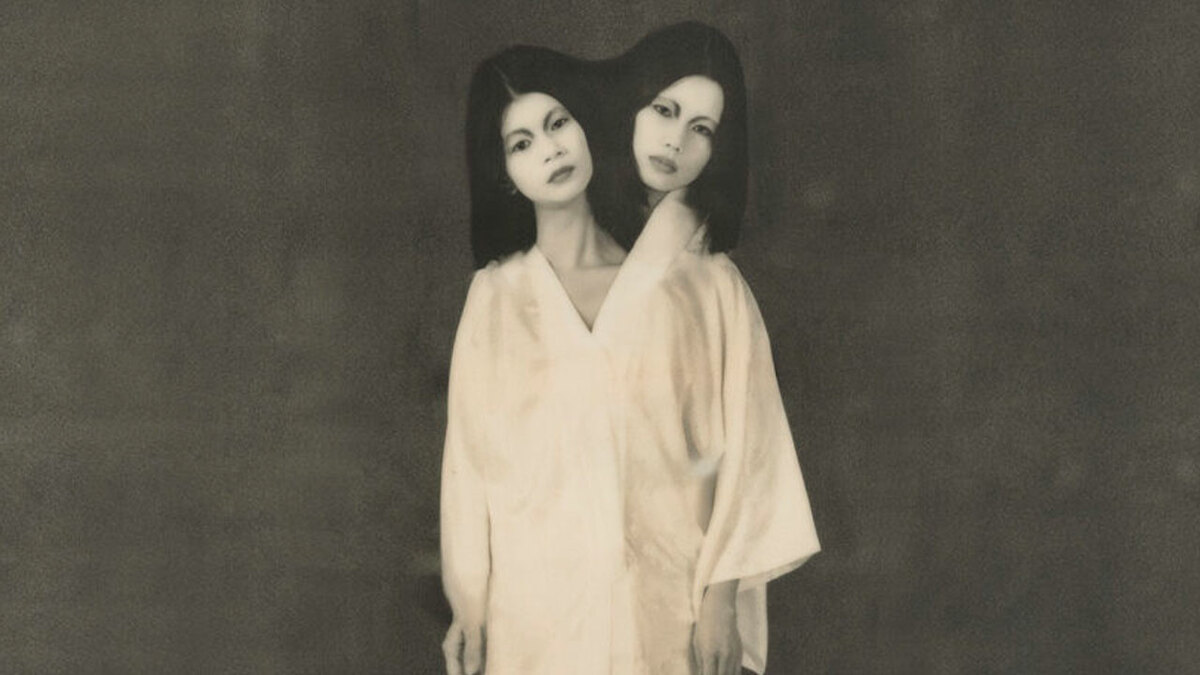
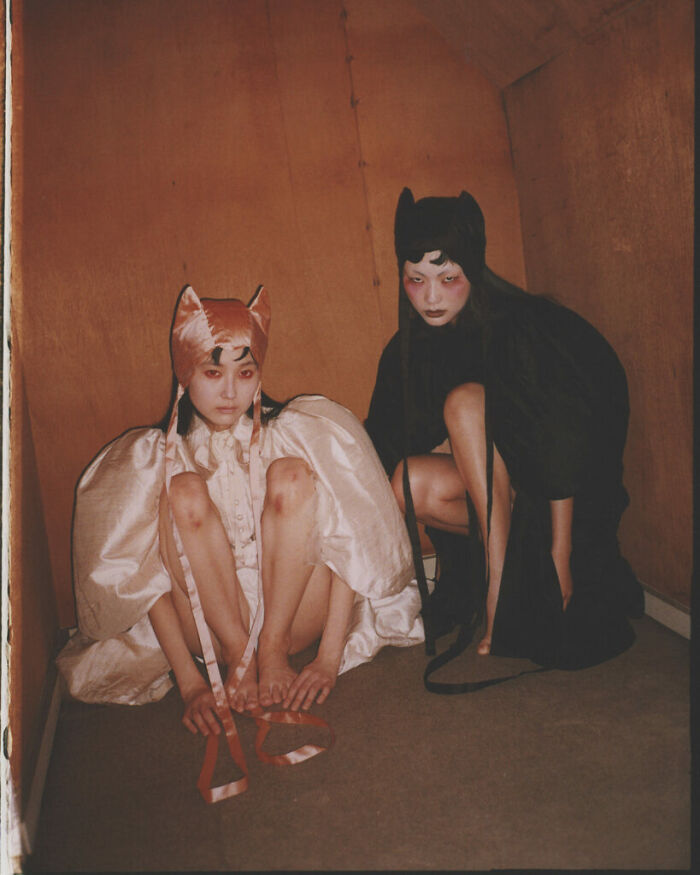
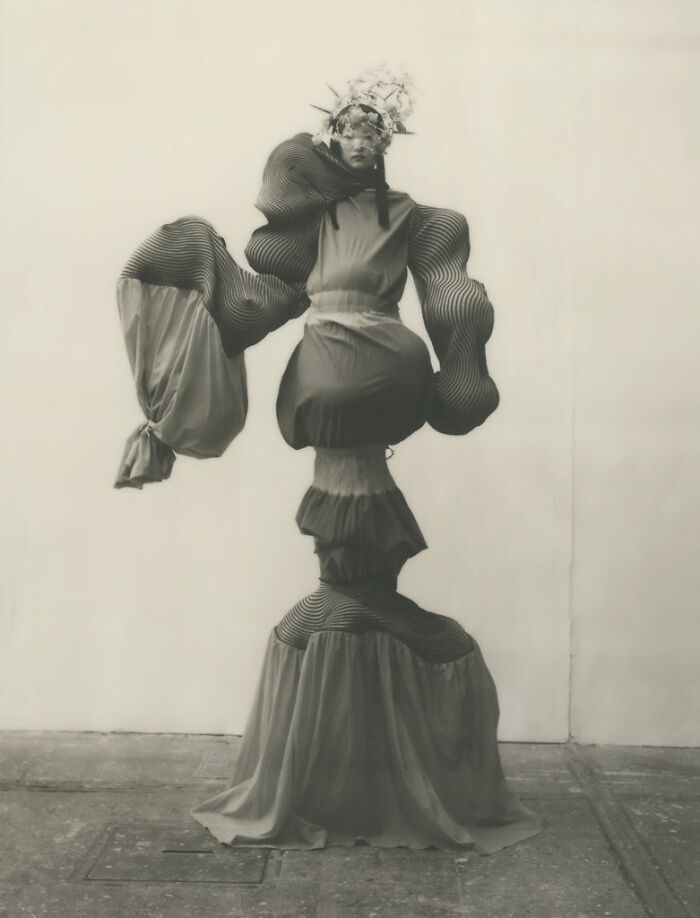
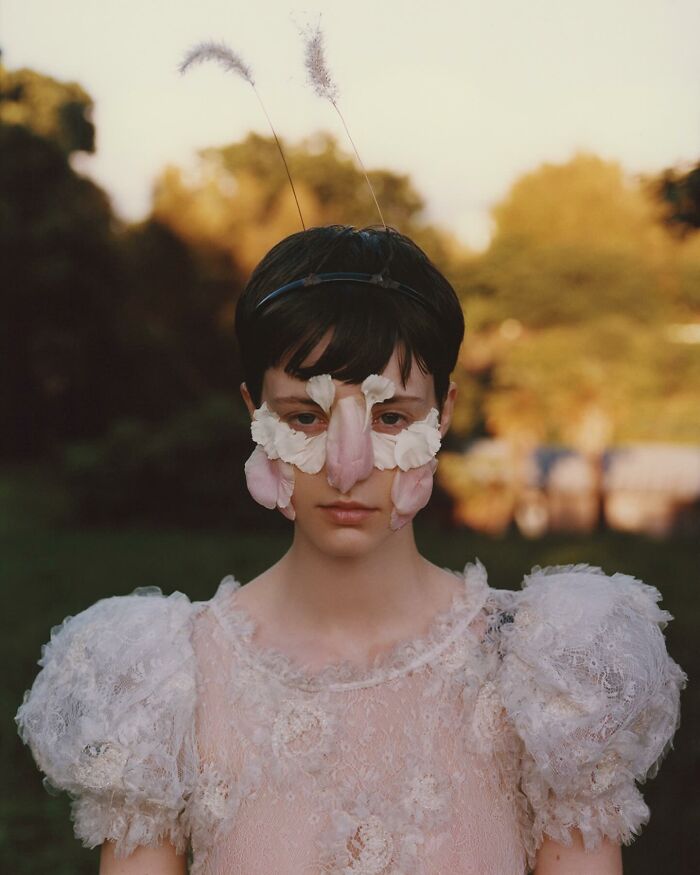
Yuji Watanabe’s photographs often feel as though they belong somewhere between reality and a dream. Human figures remain recognizable, yet costumes, strange transformations, unusual compositions, and the soft imperfections of analog photography push them into worlds that feel theatrical, mysterious, and sometimes slightly unsettling. Born in Japan in 1987, Watanabe studied photography in New York before returning to Tokyo to complete his education and begin his professional career. He moved to Paris in 2012 and now works between Paris and Tokyo, producing fashion and portrait photography alongside more personal projects. Across both sides of his work, fantasy, darkness, and romance frequently overlap, with carefully staged scenes blurring the boundary between the real and unreal.
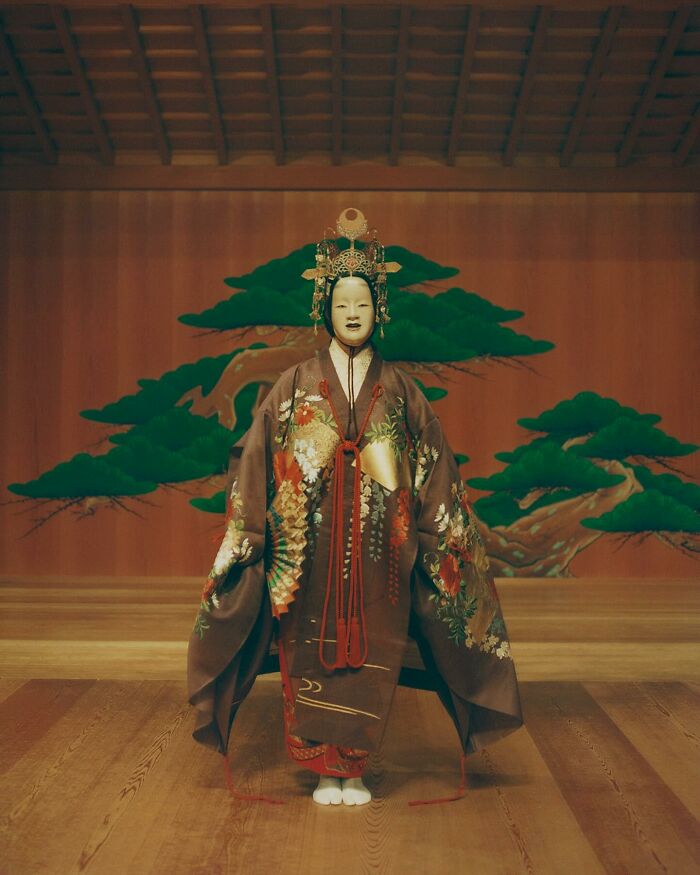
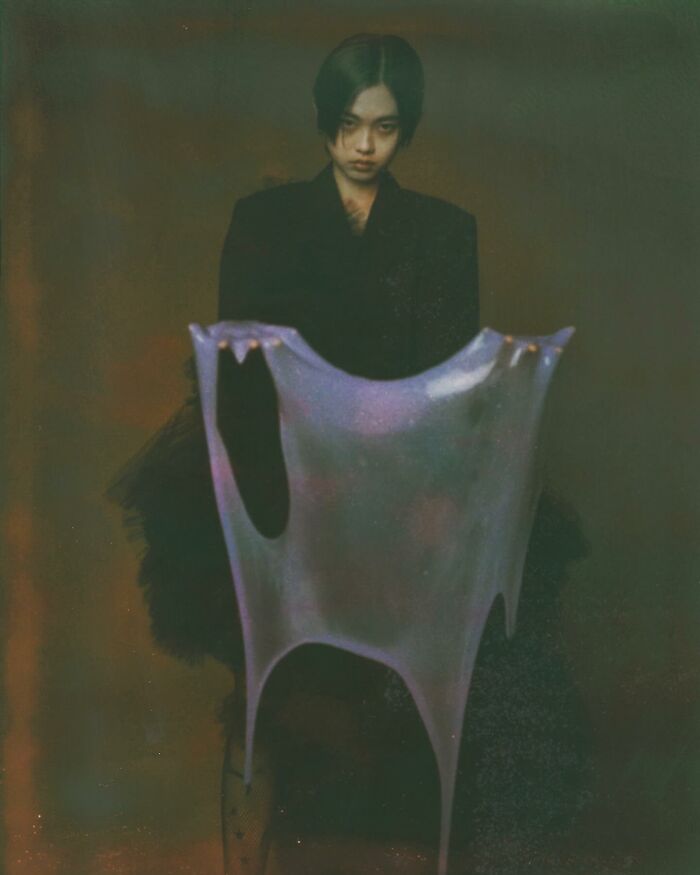
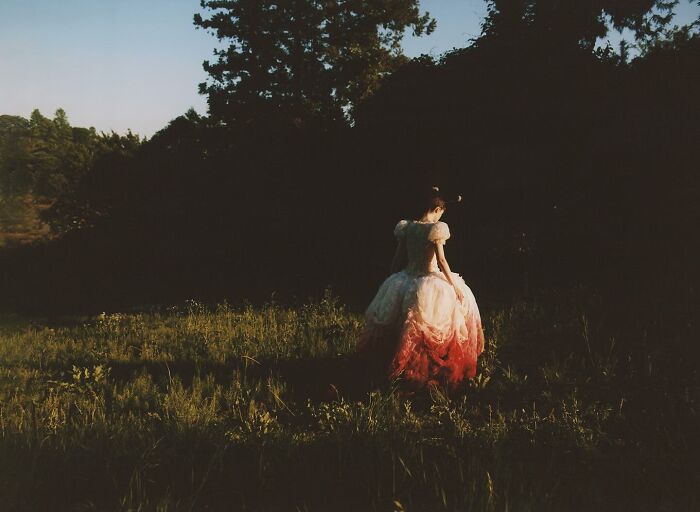
That approach is especially visible in his “Yōkai” (妖怪) series, which became the subject of a solo exhibition at Tokyo’s 229GALLERY in 2024. Drawing on supernatural beings and figures from Japanese folklore, Watanabe reimagines them through staged portraits and composite photography rather than simply recreating traditional illustrations. Traditional Japanese theater, particularly Noh and Kabuki, also shows up in the elaborate costumes, controlled poses, and emphasis on transformation throughout the series. The selection below places those haunting images alongside some of Watanabe’s other personal, editorial, and commercial photographs. While their subjects can differ considerably, from elaborate fashion portraits to figures floating in water or standing alone in natural landscapes—the same visual language keeps resurfacing. Something is often slightly unusual about the scene, whether it comes from styling, texture, light, movement, or the way Watanabe alters the human form. Together, the photographs offer a broader look at an artist whose polished fashion sensibility regularly meets something much stranger.
Scroll down to explore Yuji Watanabe’s work, and let us know in the comments which of his images you felt the most uneasy about.
More info: Instagram | yujiwatanabephotography.com | Facebook
This post may include affiliate links.
Series: Yōkai (妖怪)
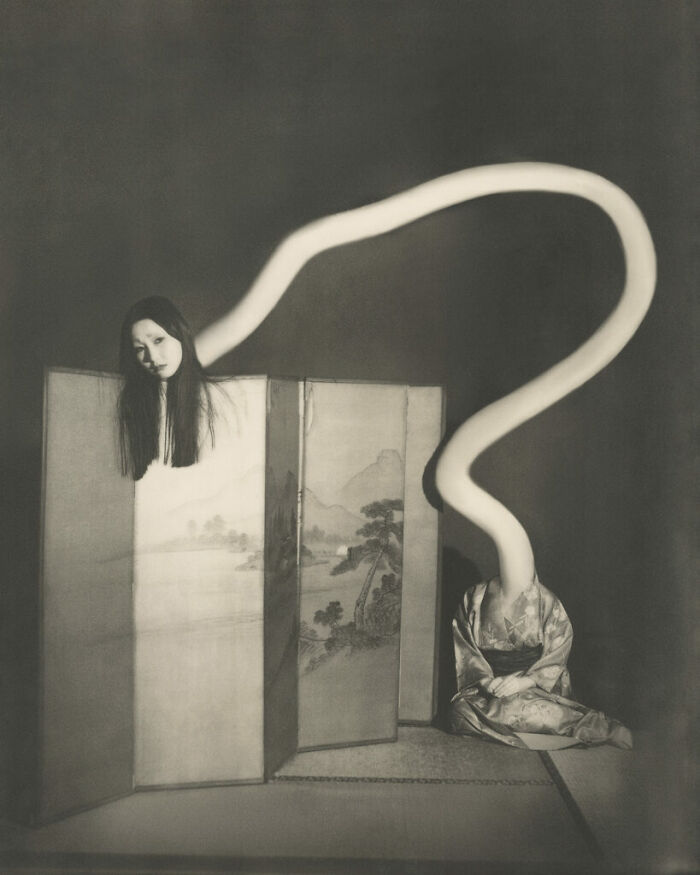
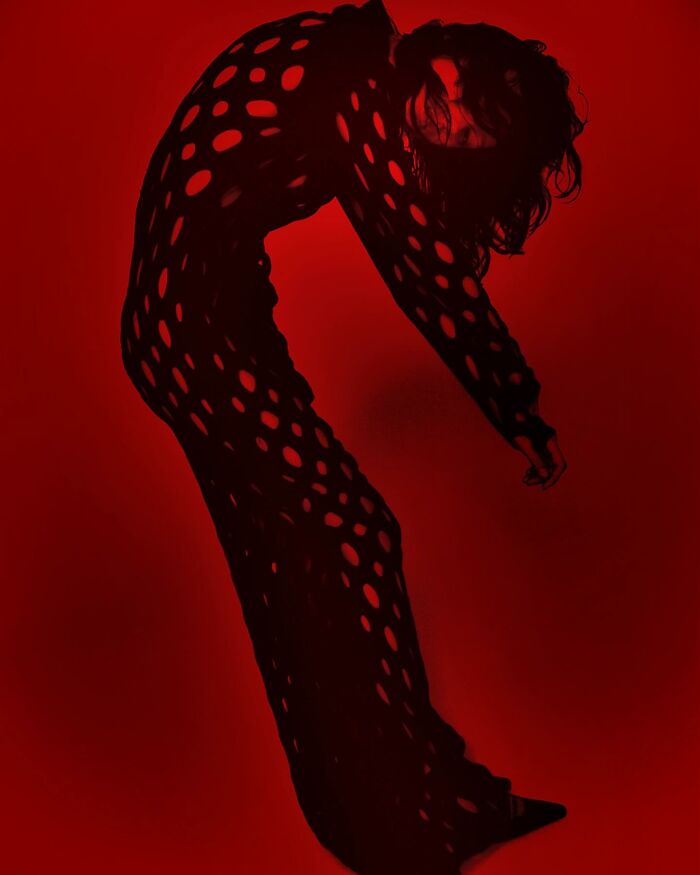
Rokurokubi (ろくろ首 / 轆轤首) - Normally appears human during the day, but at night the neck becomes impossibly long. Older stories and imagery overlap with another tradition in which the head actually separates from the body and flies around, so historical versions do not all behave in exactly the same way. The elongated-neck version has become the best-known visual form today.
Series: Yōkai (妖怪)
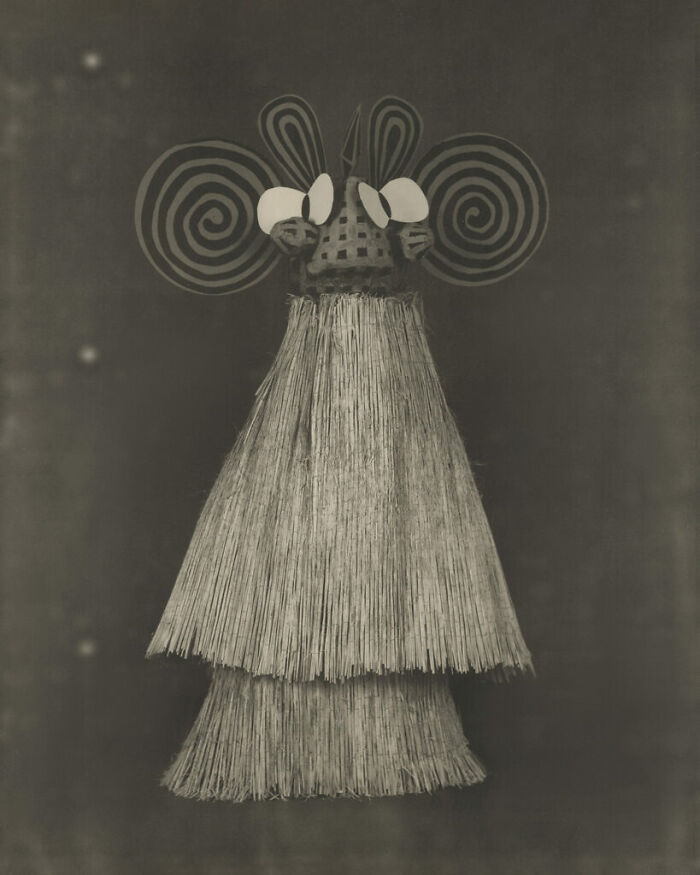
Mendon (メンドン) - A masked visiting deity from Iōjima, Kagoshima Prefecture, associated with the Hassaku Taiko Odori festival. Recognizable by its enormous spiral-patterned ears, prominent eyes, horn, and straw costume. Mendon figures behave mischievously during the ritual, chasing and striking spectators with branches in an act believed to ward off evil and misfortune.
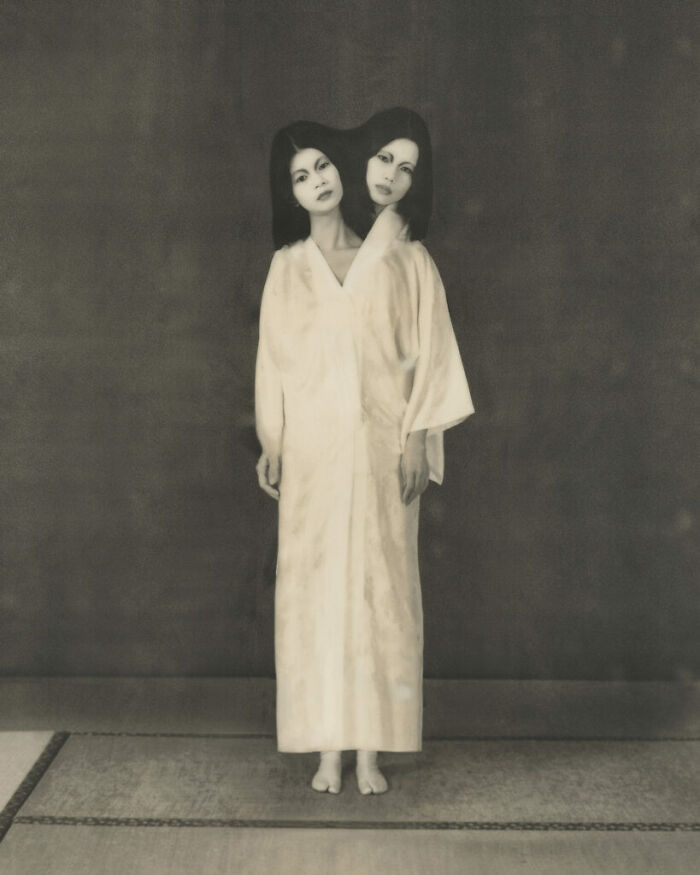
Series: Yōkai (妖怪)
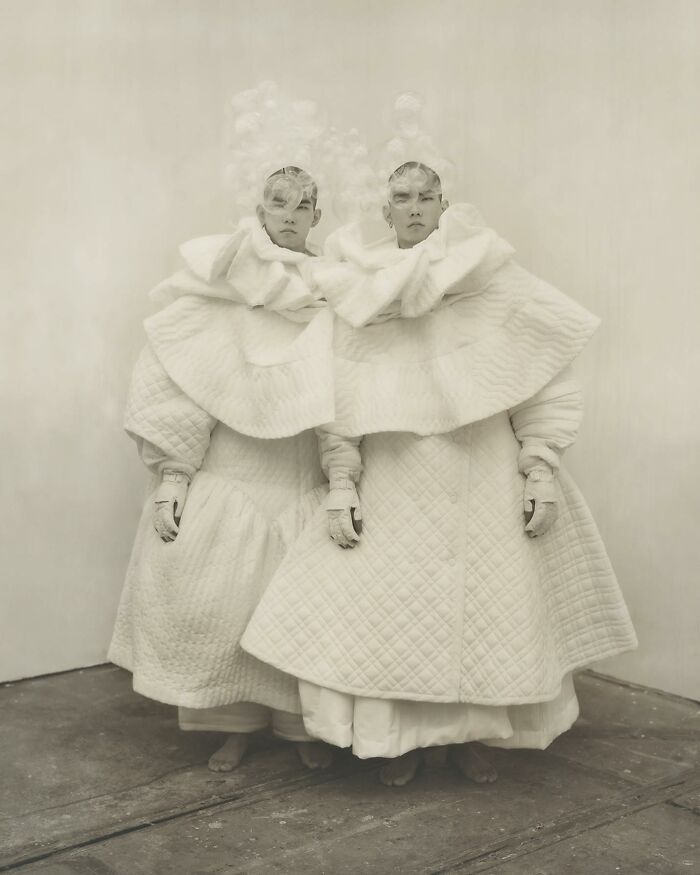
Dōmo-kōmo (どうもこうも) is an obscure two-headed yōkai preserved in Edo-period monster scrolls. The International Research Center for Japanese Studies describes it simply as a monster with two heads, traditionally depicted with gray-green skin and clothing. Unlike many famous yōkai, there is relatively little established folklore explaining what it actually does; much of its identity comes from its striking appearance in illustrated scrolls.
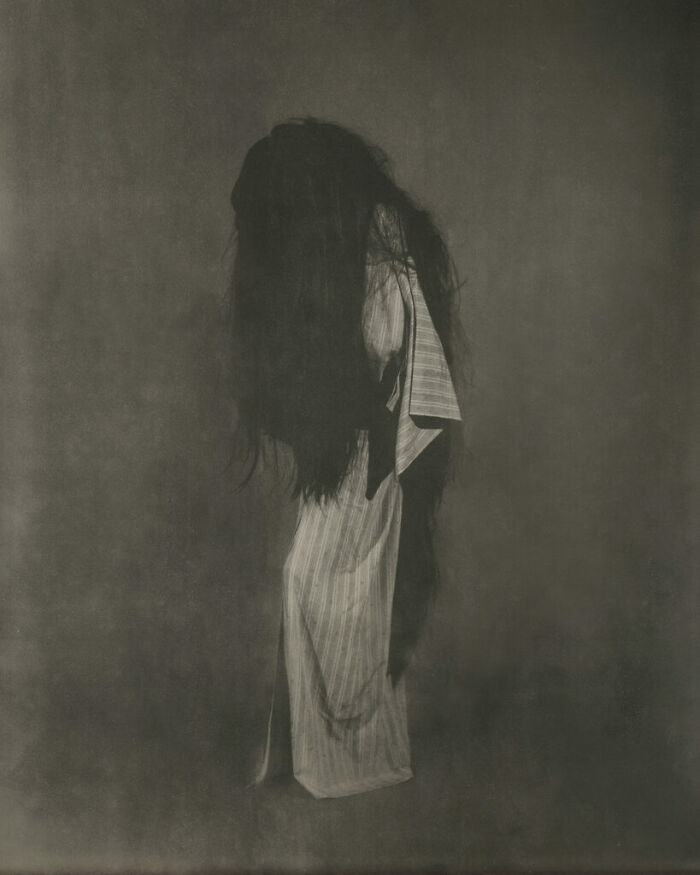
Series: Yōkai (妖怪)
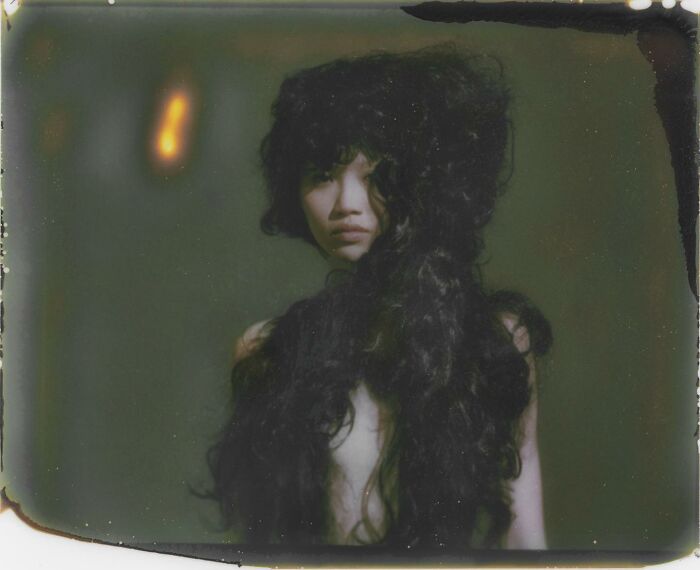
Kejōrō / Kejourou (毛倡妓) is a yōkai associated with the image of a courtesan whose face is obscured by an extraordinary mass of hair. The creature appears in Toriyama Sekien’s 1779 Konjaku Gazu Zoku Hyakki. Rather than having a large body of regional folk tales behind it, it is largely an illustrated/literary yōkai whose disturbing quality comes from approaching what appears to be a woman only to discover that her face cannot be seen beneath the hair.
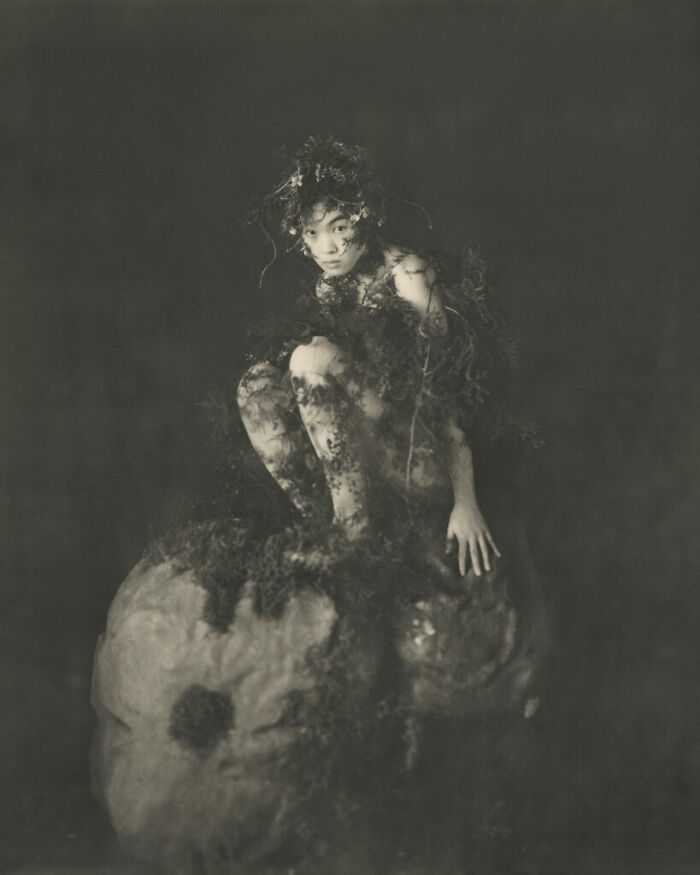
Series: Yōkai (妖怪)
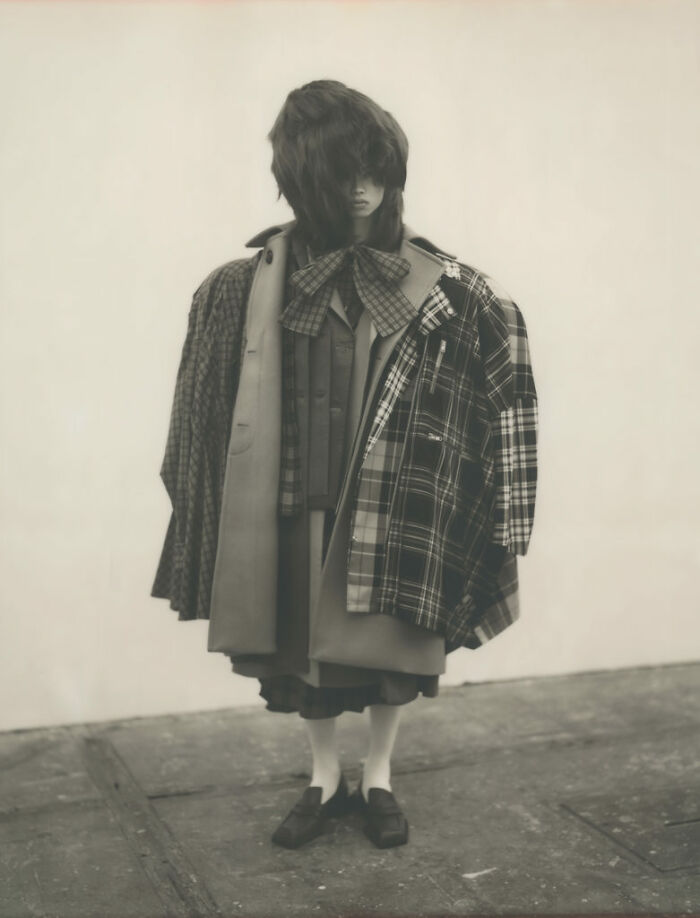
Yamawaro (山童), literally “mountain child,” is a mountain-dwelling yōkai especially associated with Kyushu. Older descriptions vary, but it is often a small, roughly child-sized humanoid covered in hair, sometimes with a single eye. In some regional traditions it is closely related to the kappa, with the creature said to live in rivers during one part of the year and move into the mountains during another. It can be mischievous but is also said to help people with mountain work in exchange for food or drink.
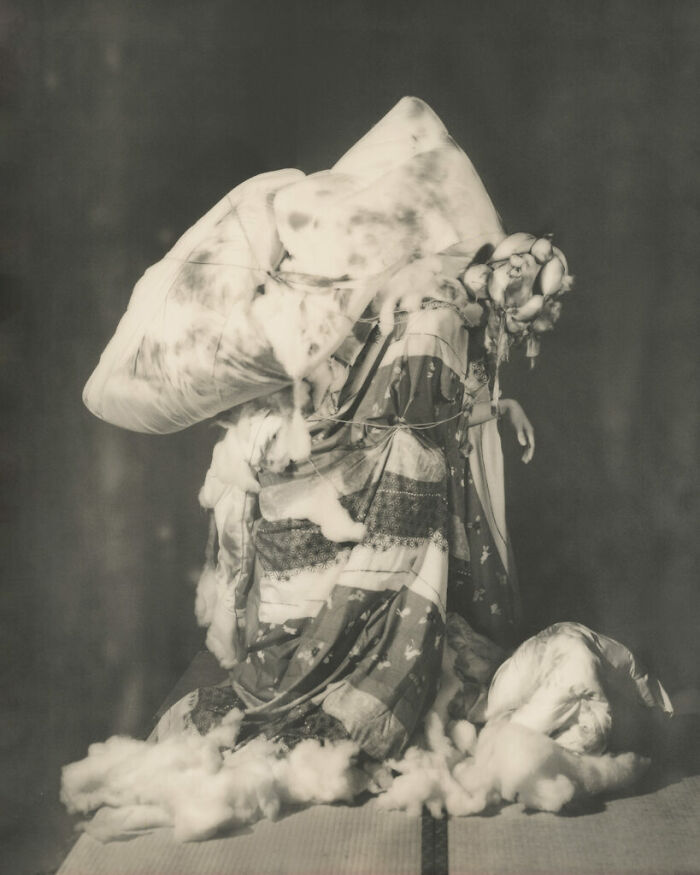
Series: Yōkai (妖怪)
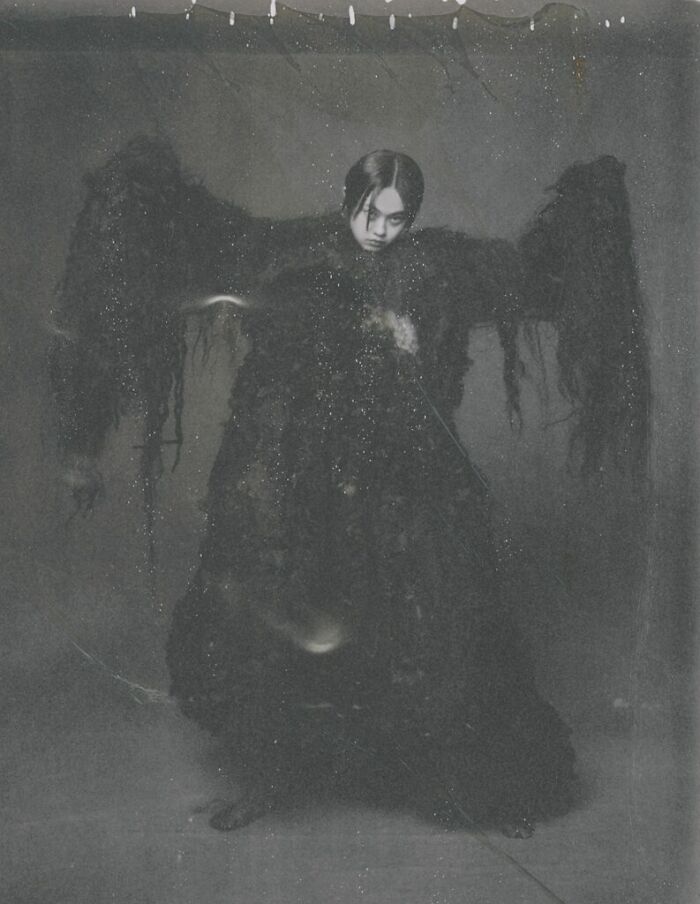
Boroboroton (暮露々々団) is a tsukumogami, a supernatural object - in this case an old, worn-out futon that has come to life. Toriyama Sekien included it in his 1784 collection Hyakki Tsurezurebukuro. Its very name plays on the idea of something becoming boroboro, or ragged and worn. The traditional image centers on tattered bedding coming alive after being discarded or neglected.
Series: Yōkai (妖怪)
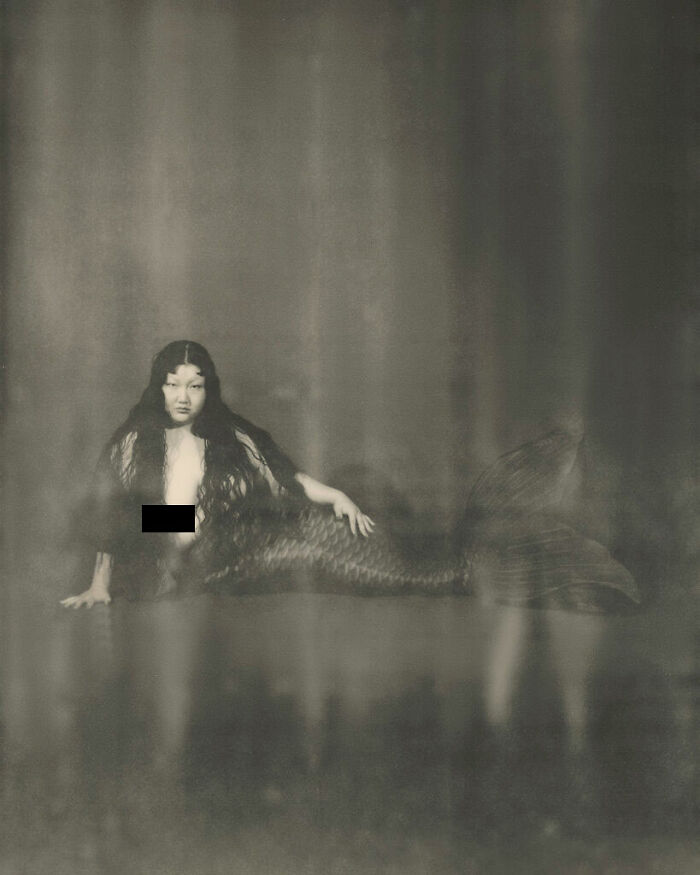
Ningyo (人魚) literally means “human-fish” and refers to a family of mer-creatures in Japanese folklore. Traditional ningyo were often considerably stranger than the beautiful half-woman, half-fish mermaid familiar from Western imagery: older accounts and illustrations can give them fish bodies, human or monkey-like faces, sharp teeth, and other unusual characteristics. They were sometimes regarded as omens, while one particularly famous body of legends holds that eating ningyo flesh could grant extraordinary longevity, the best-known example being the tale of Yao Bikuni.
Series: Yōkai (妖怪)
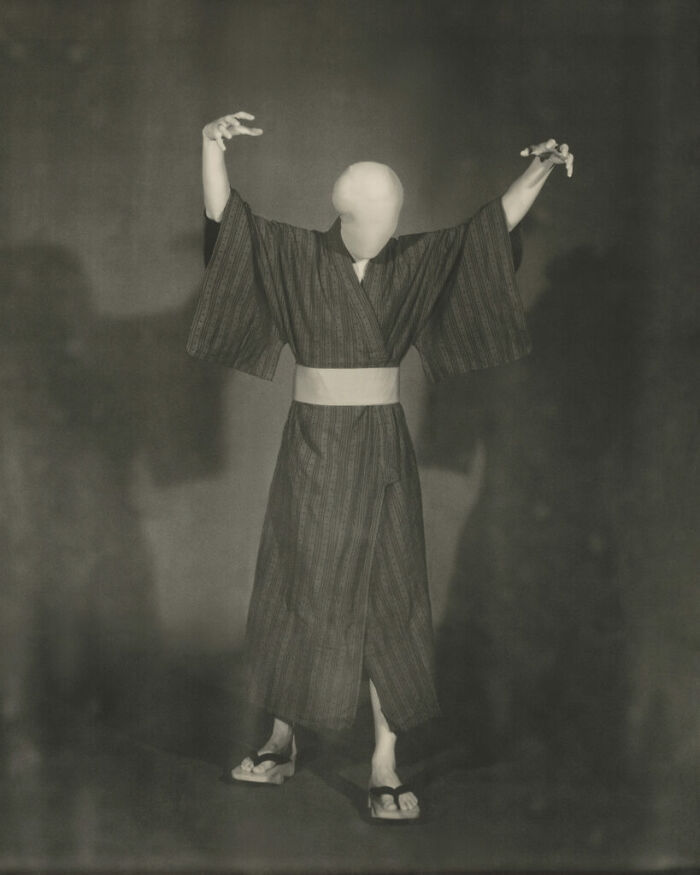
Noppera-bō (のっぺらぼう / のっぺら坊) is the famous faceless yōkai. Stories usually present it as an apparently ordinary human being who suddenly reveals a blank face without eyes, nose, or mouth, terrifying whoever encounters it. In some traditions, the phenomenon is connected to shapeshifting animals such as mujina or tanuki.


































 No fees, cancel anytime