Get Premium
Dark mode theme is available exclusively for premium users. Learn more about the benefits of subscribing.
No fees, cancel anytime.

 Dark Mode Ad-Free Browsing Unlimited Content
 Ad-Free Browsing Unlimited Content Dark Mode
Join 1.2 million Panda readers who get the best art, memes, and fun stories every week!
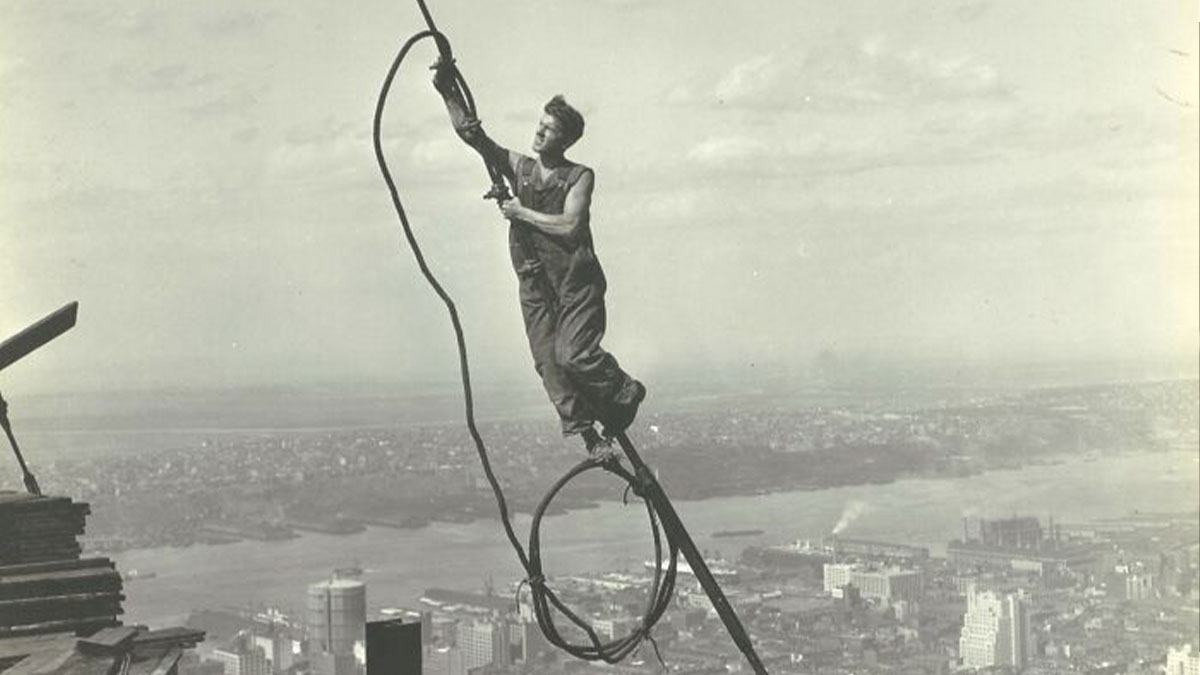



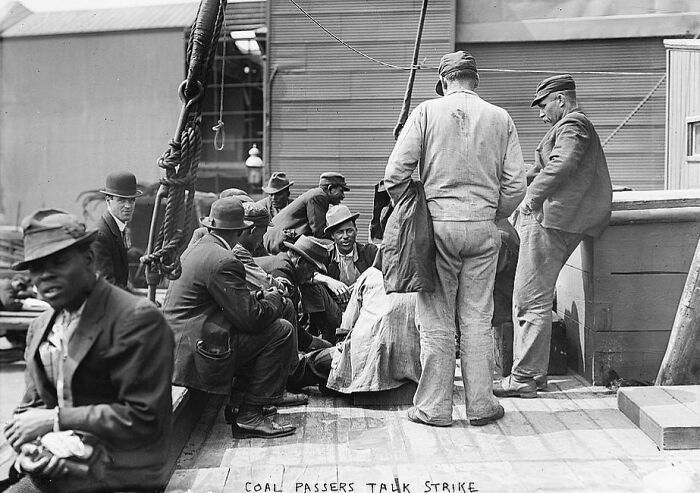
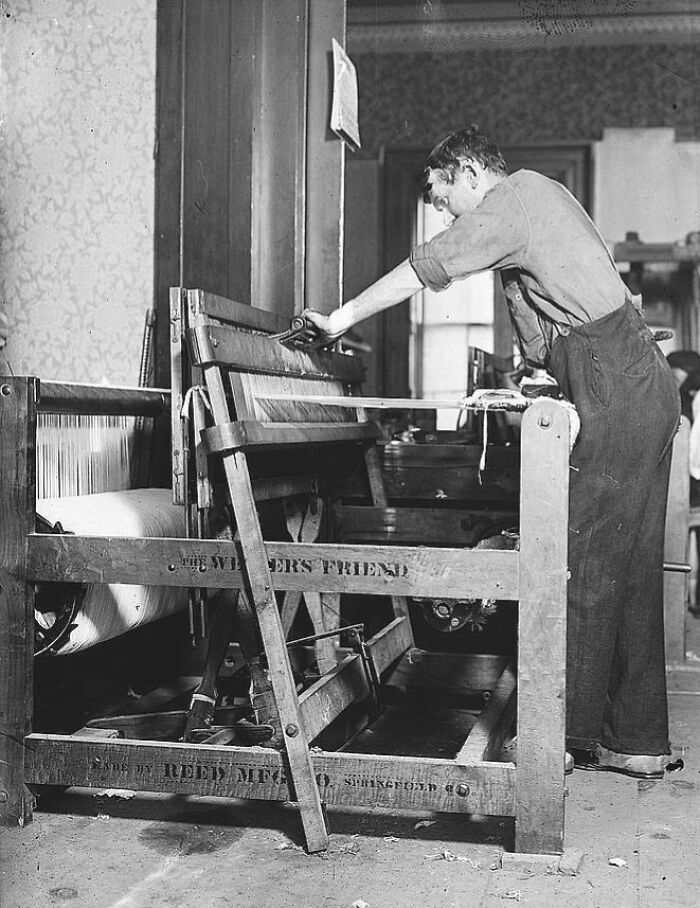
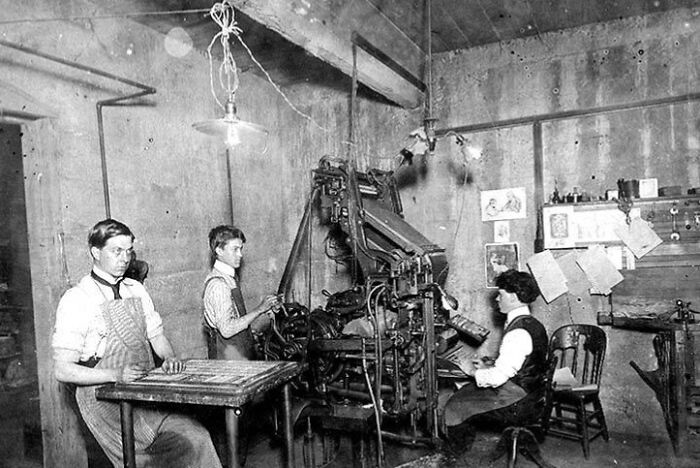
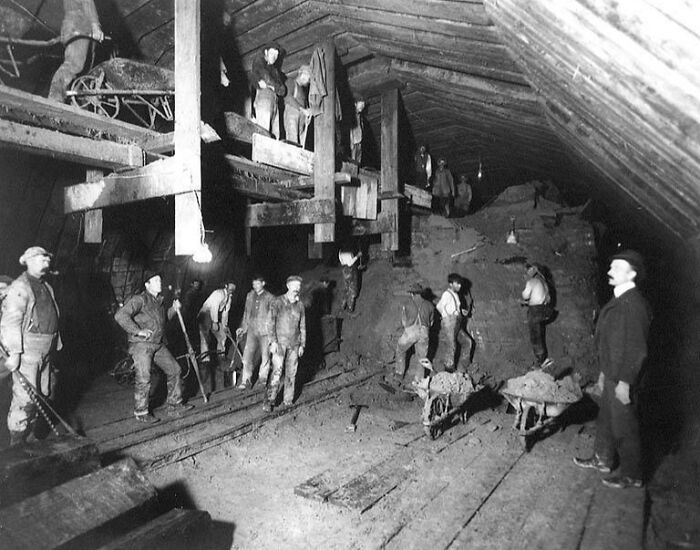
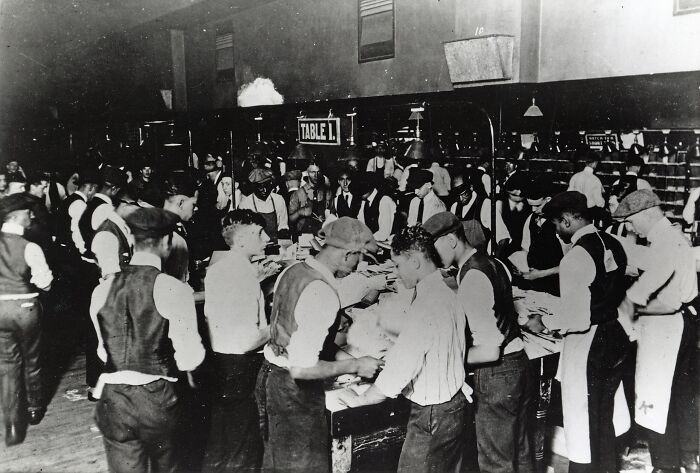
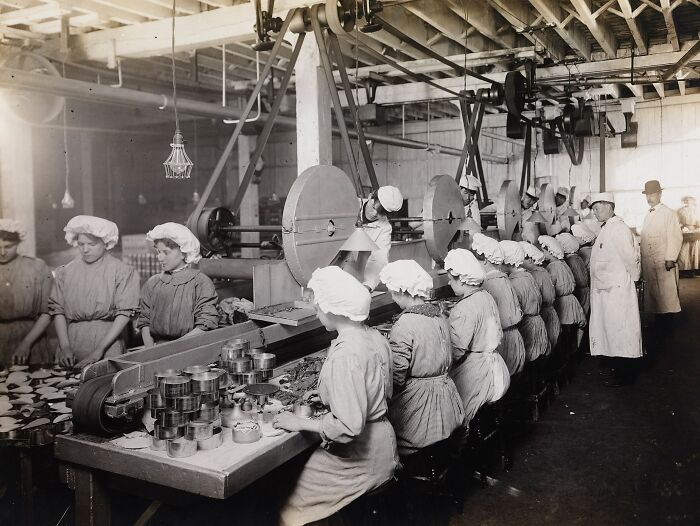
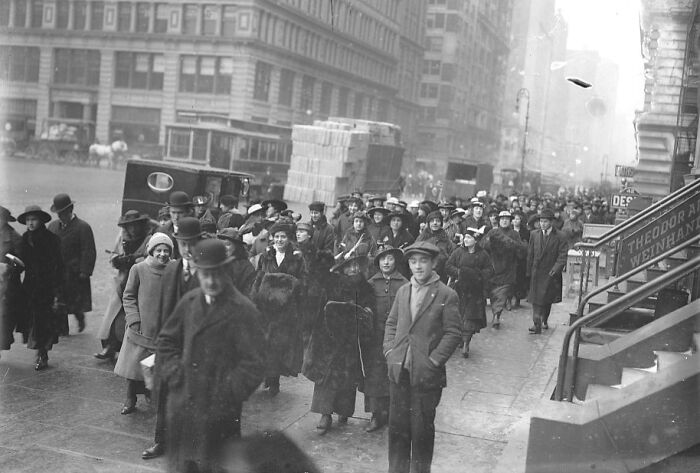
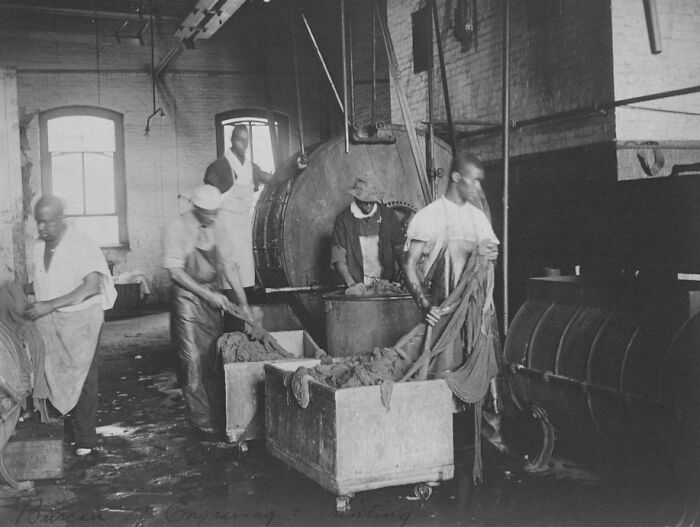
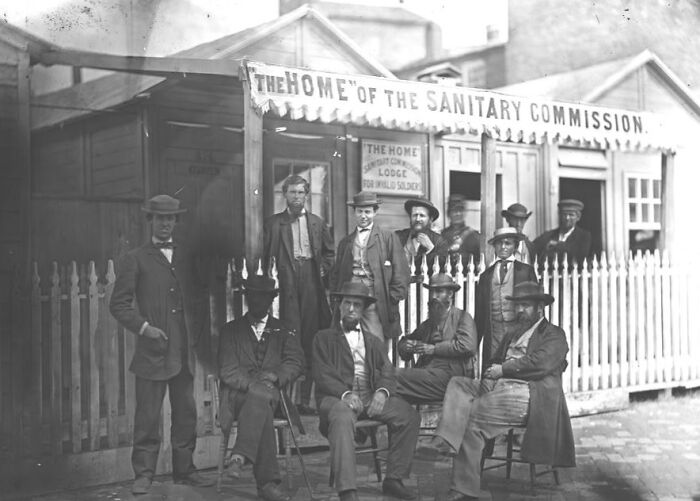
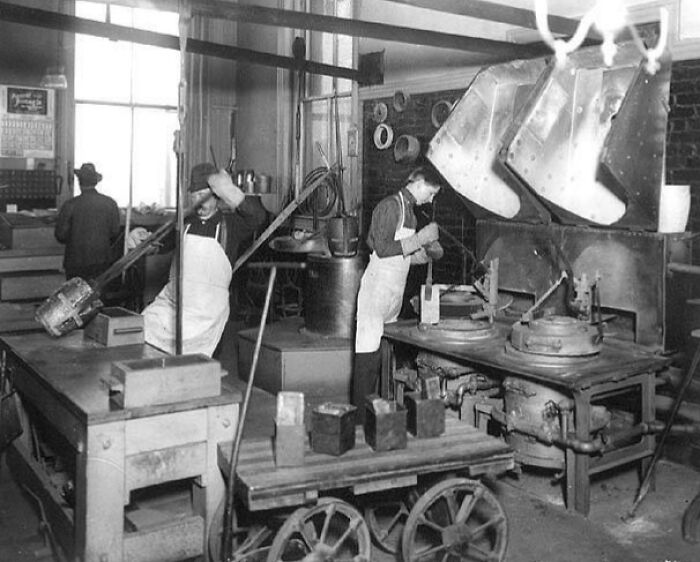
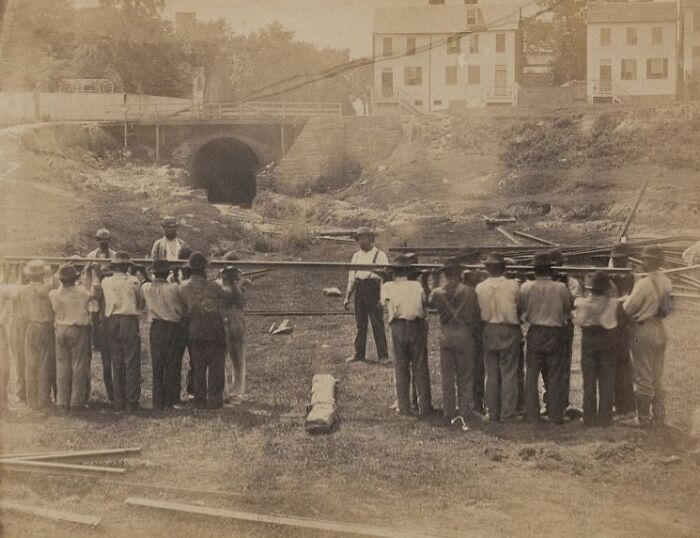
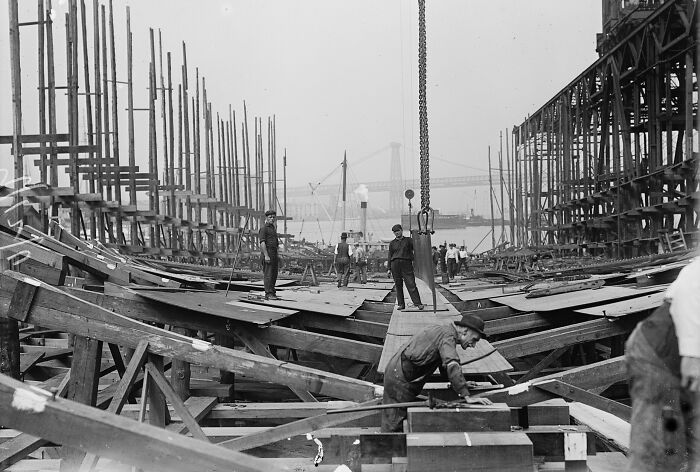
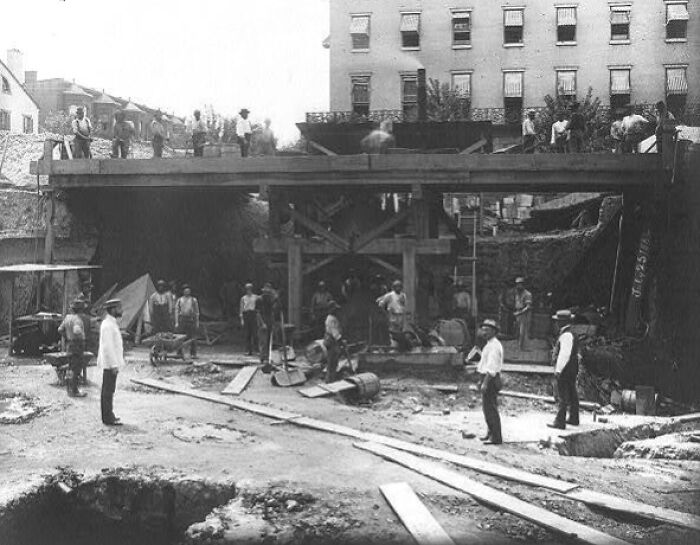
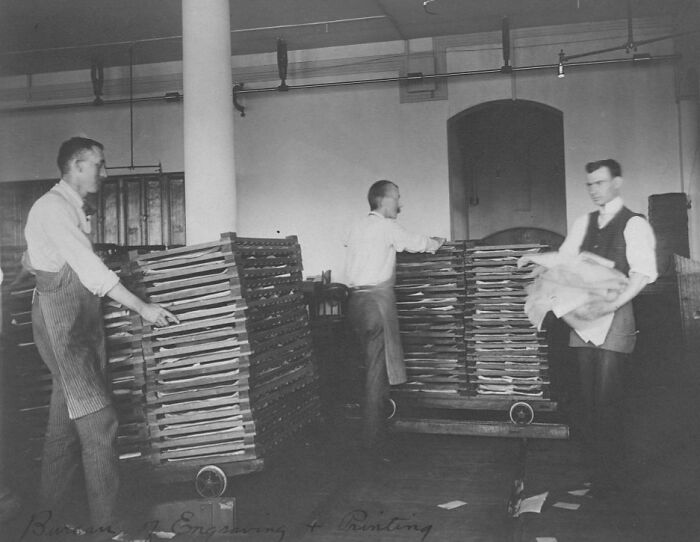
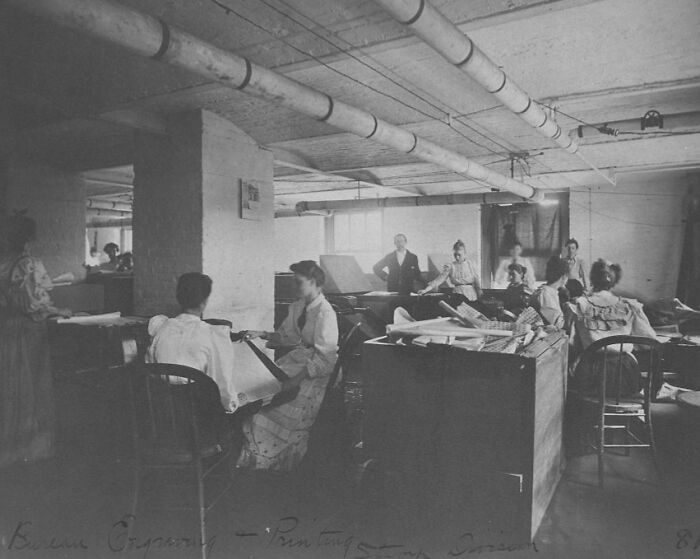
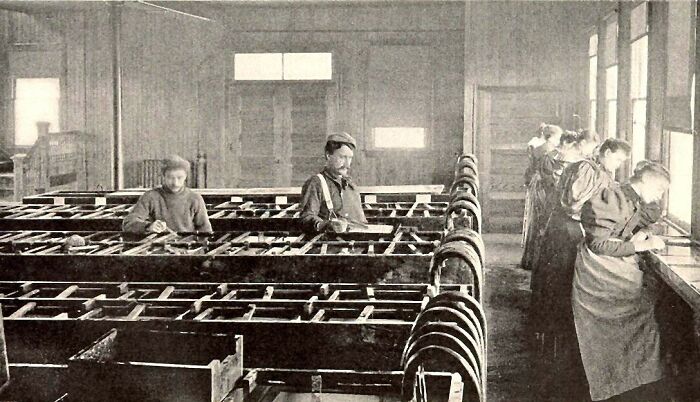
You could argue that the history of humankind is the history of work. In order to thrive, not just survive, people learned to specialize in a wide range of crafts. However, in this day and age, with so many folks working from behind a computer, you can sometimes forget that it’s still working-class people who form the backbone of society. It’s workers who keep civilization running. It’s they who keep the literal and proverbial lights on.
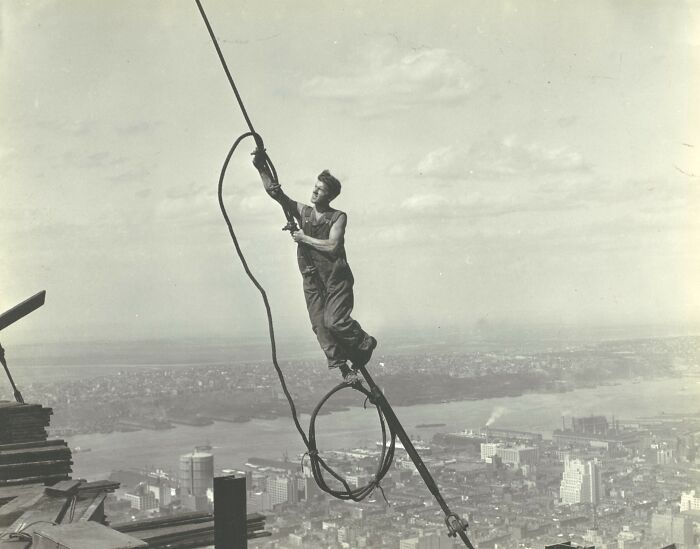
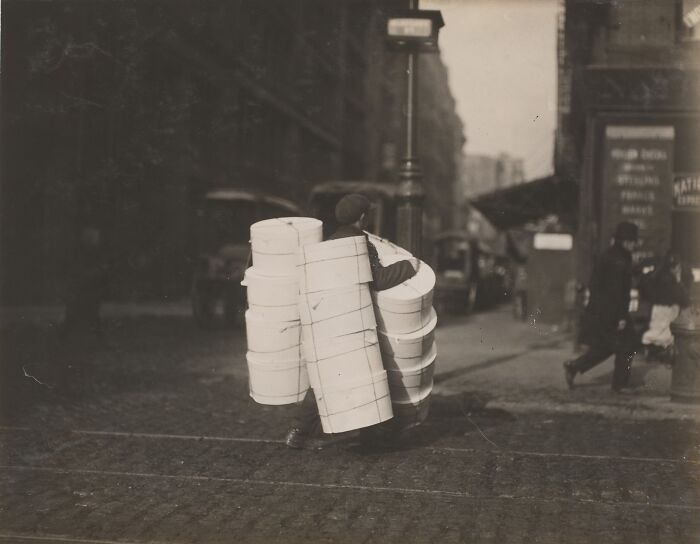
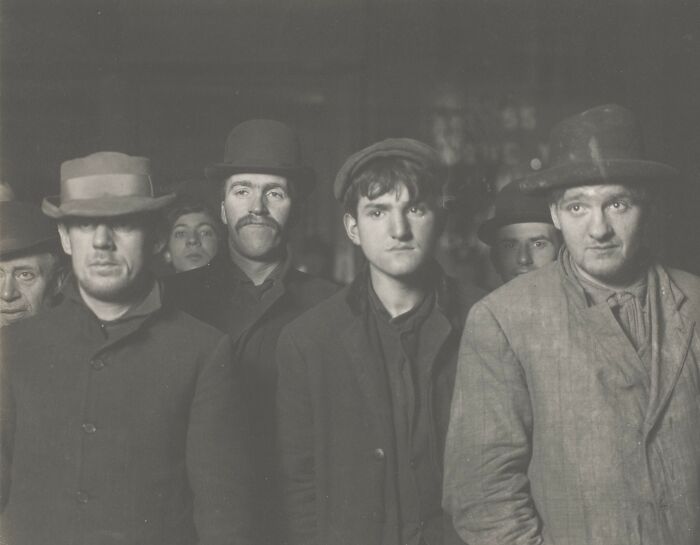
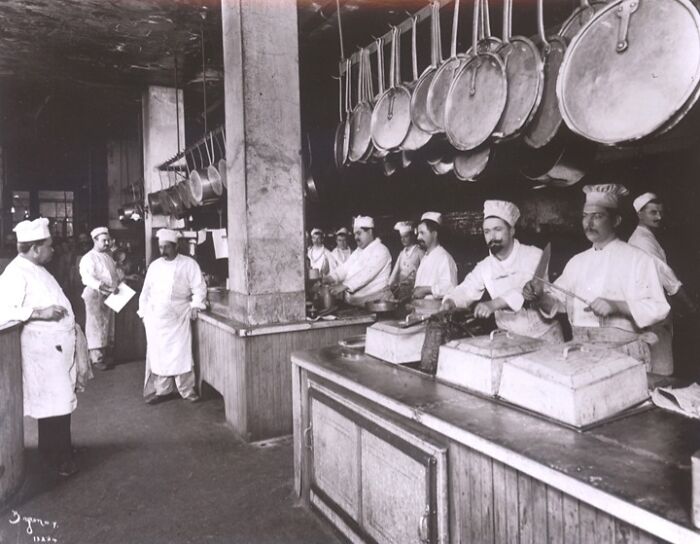
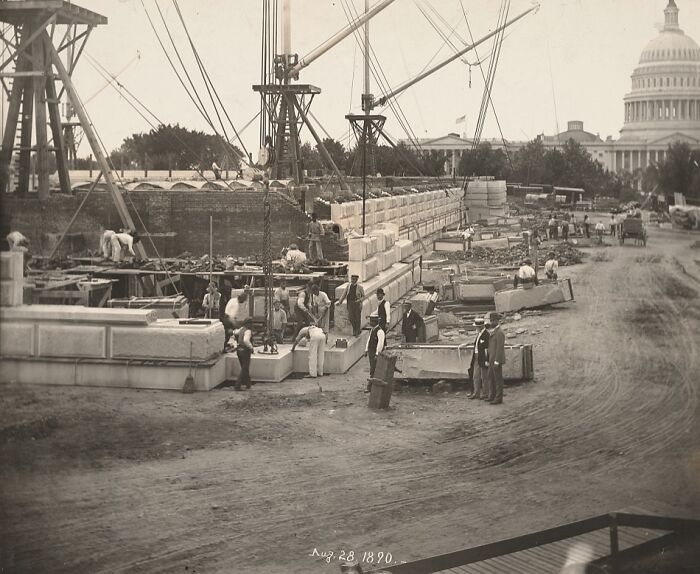
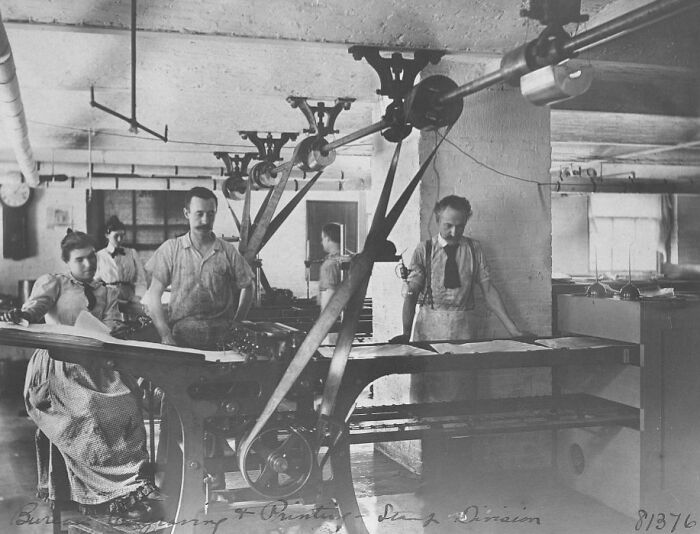
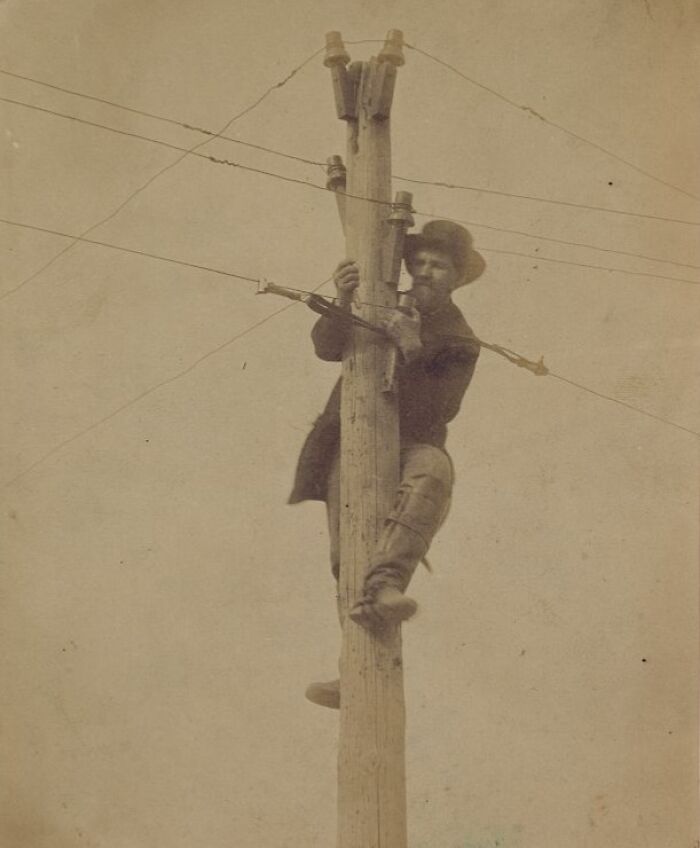
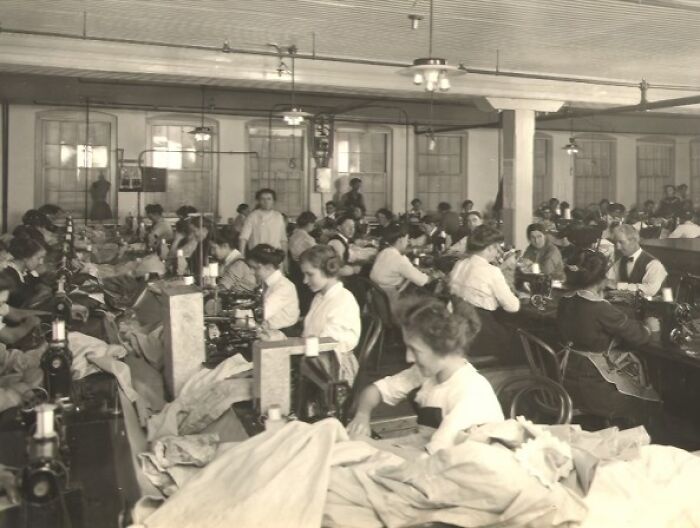
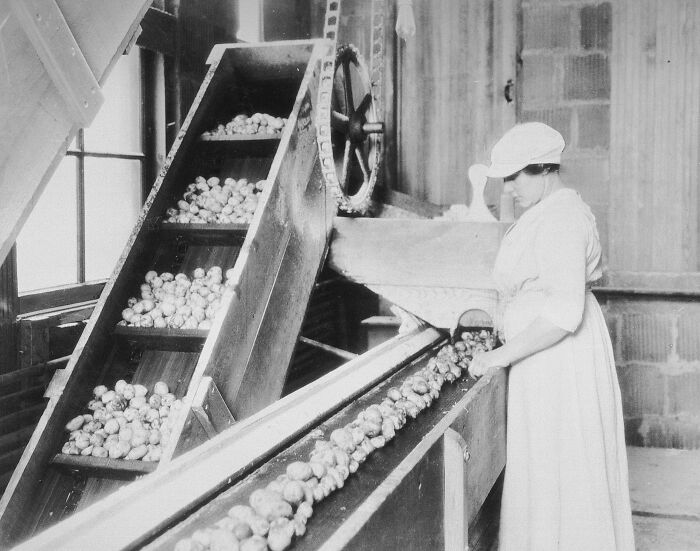
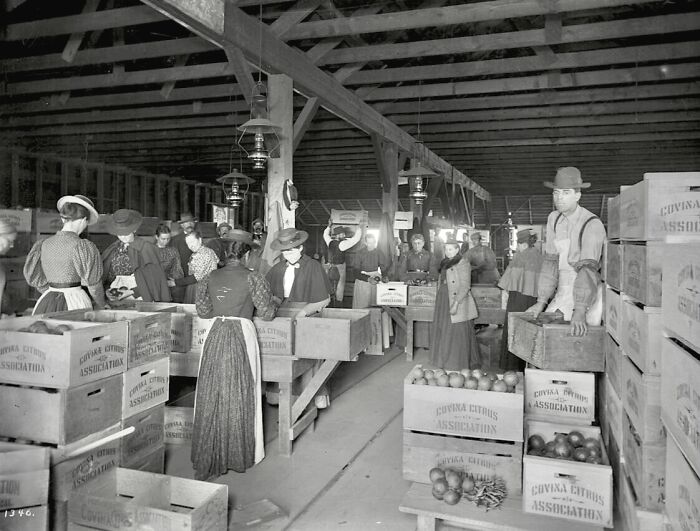
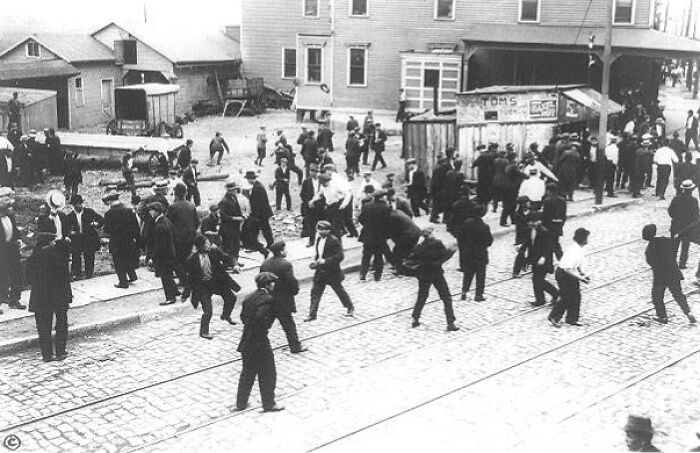
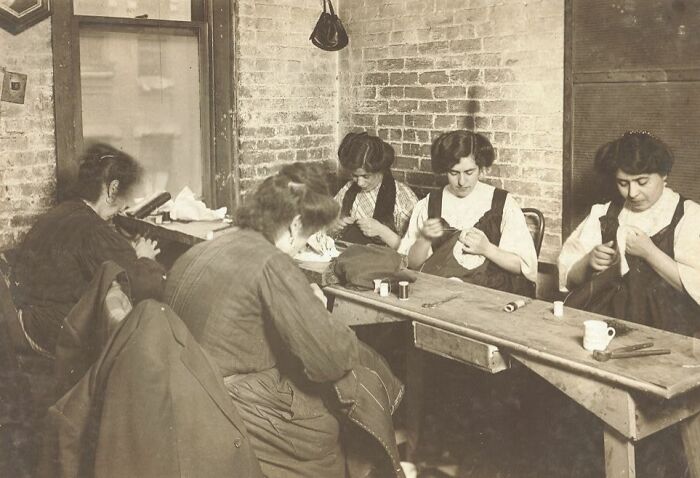
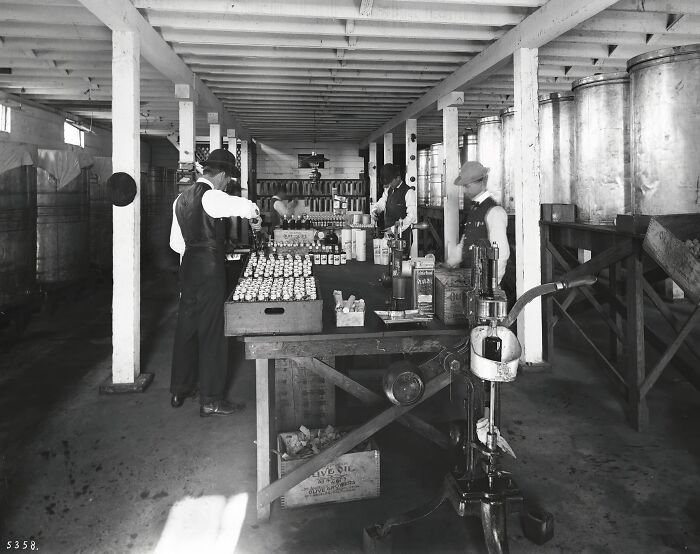
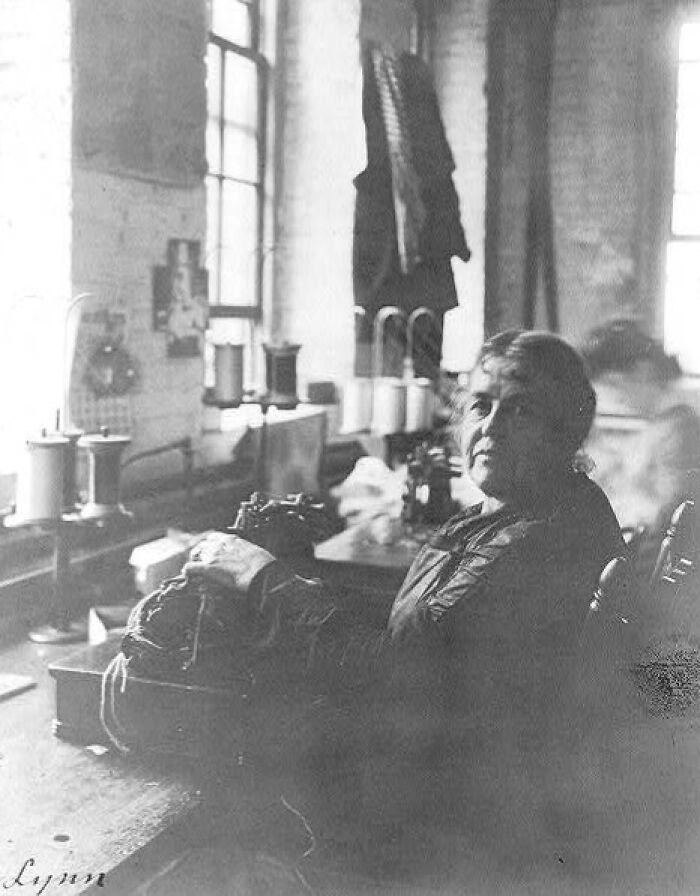
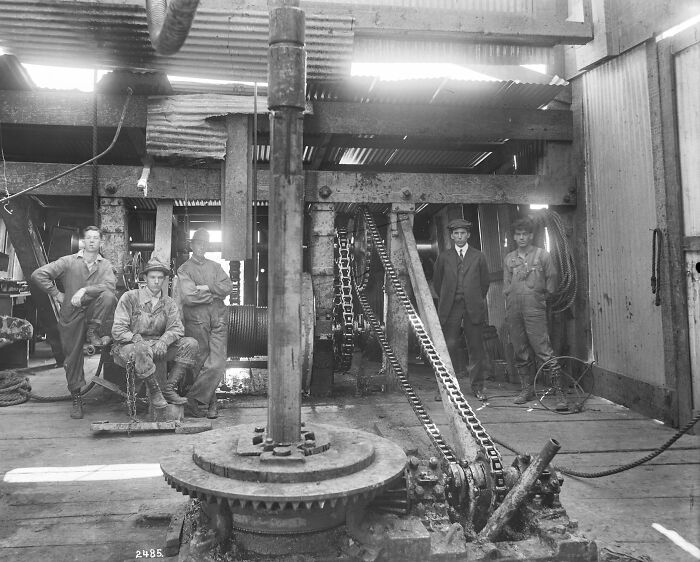
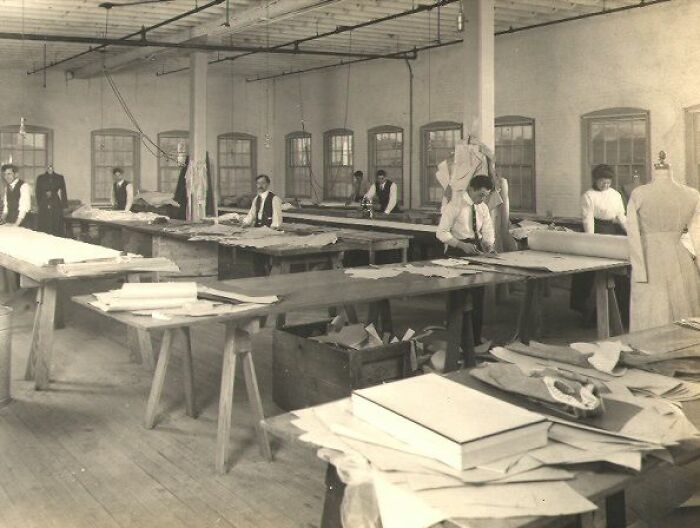
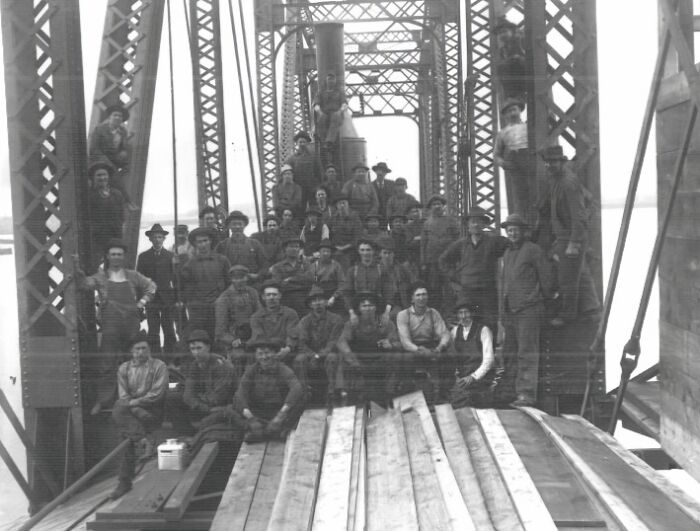
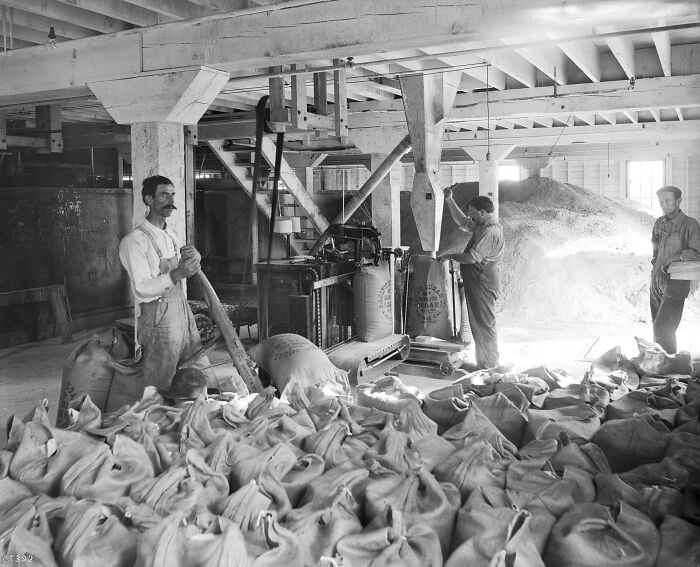
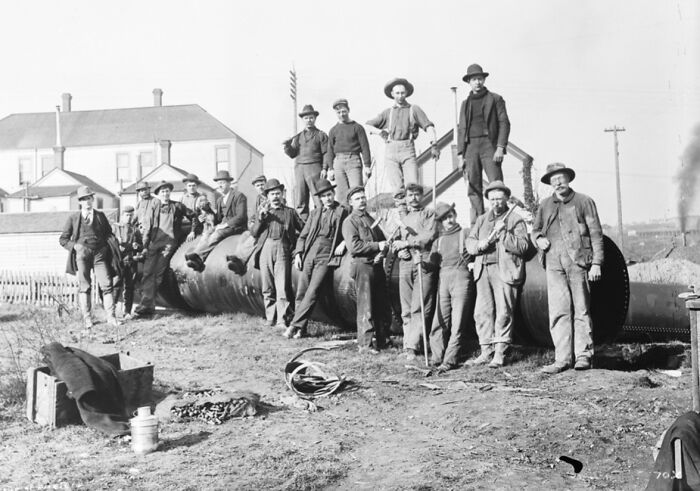
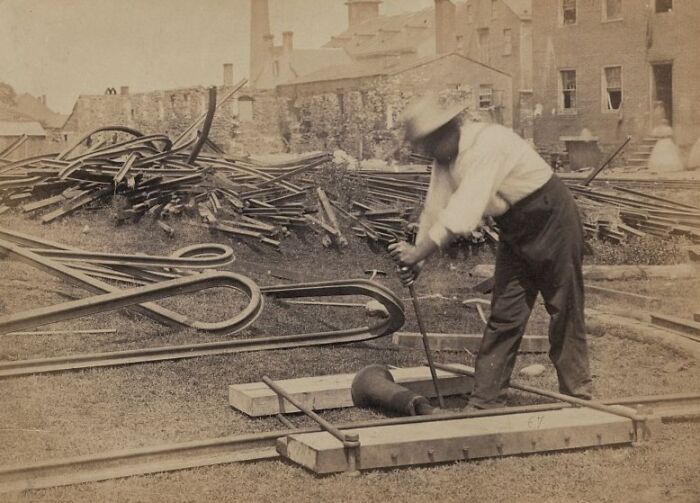
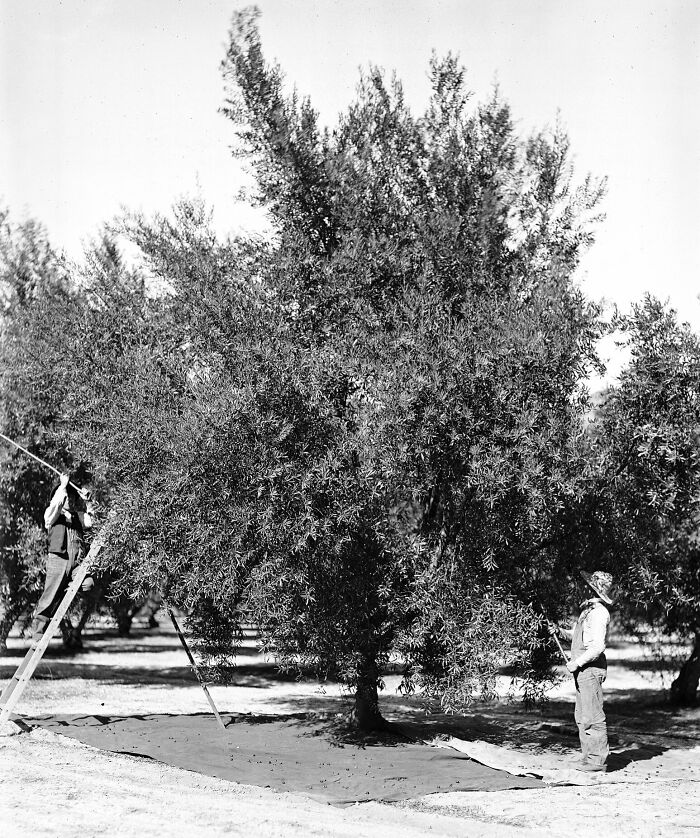
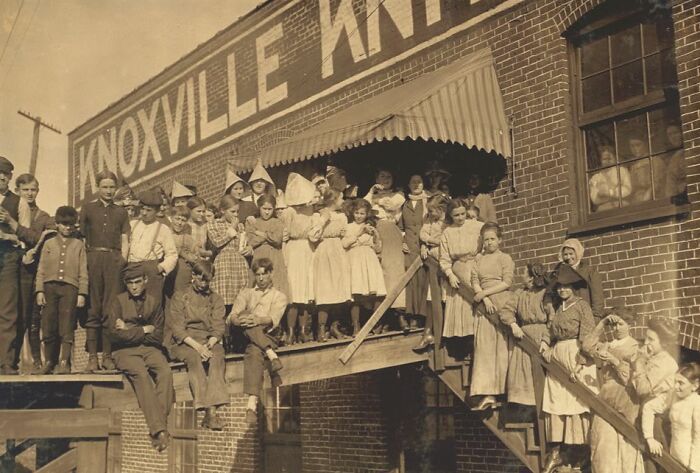
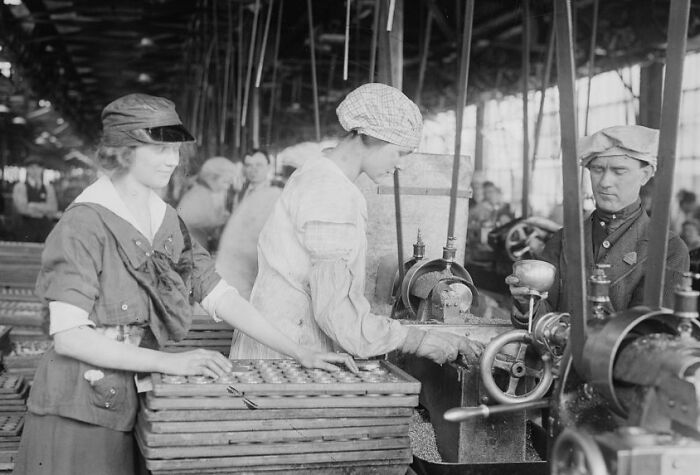
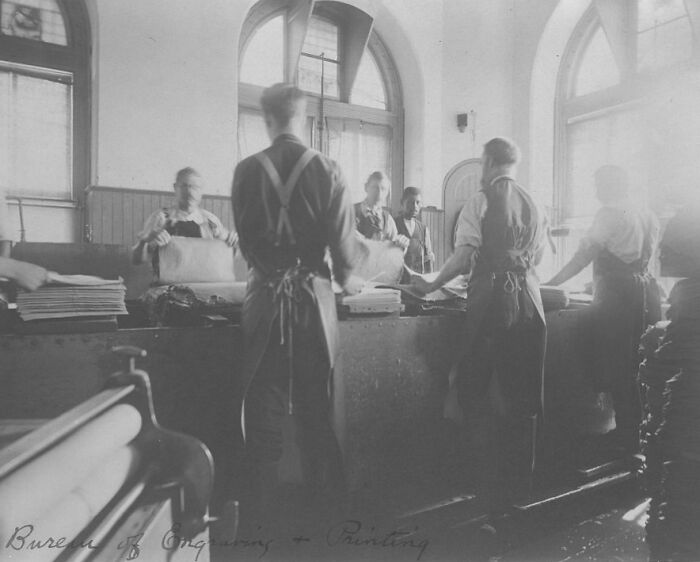
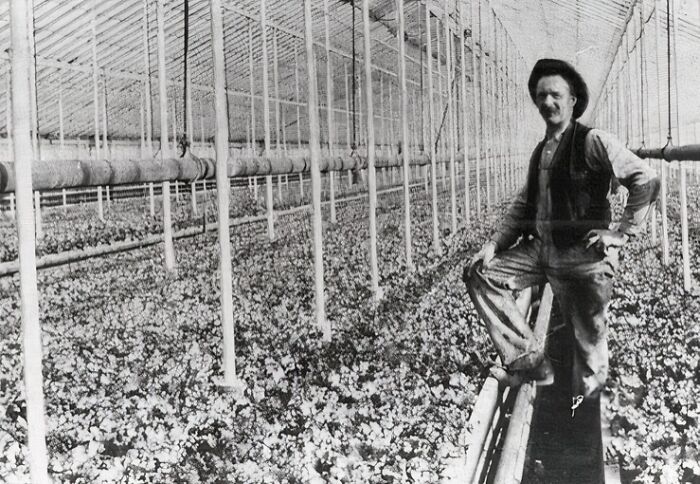
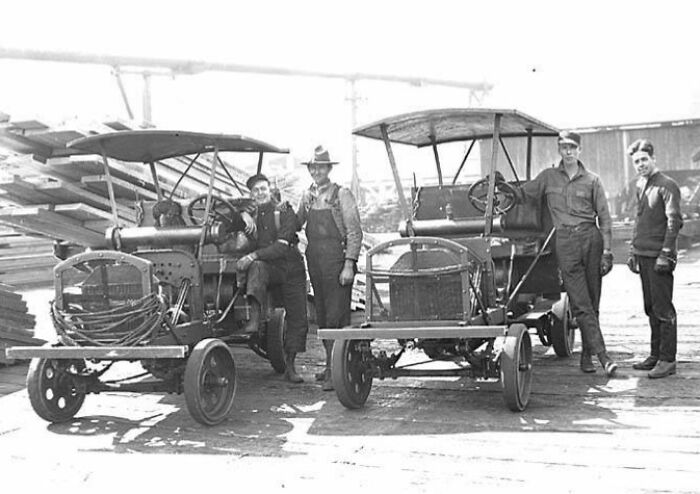
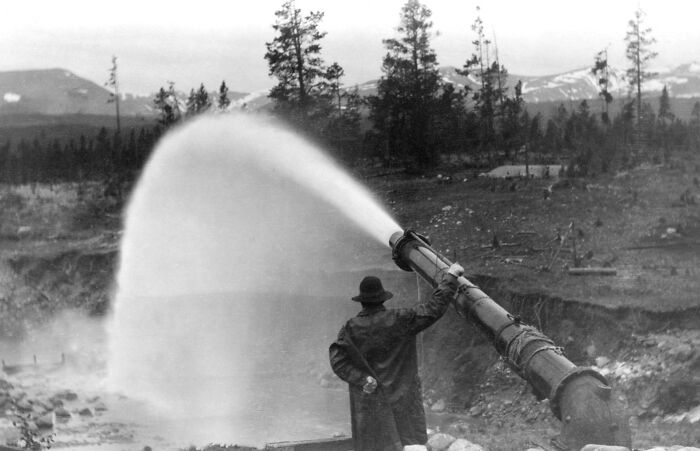
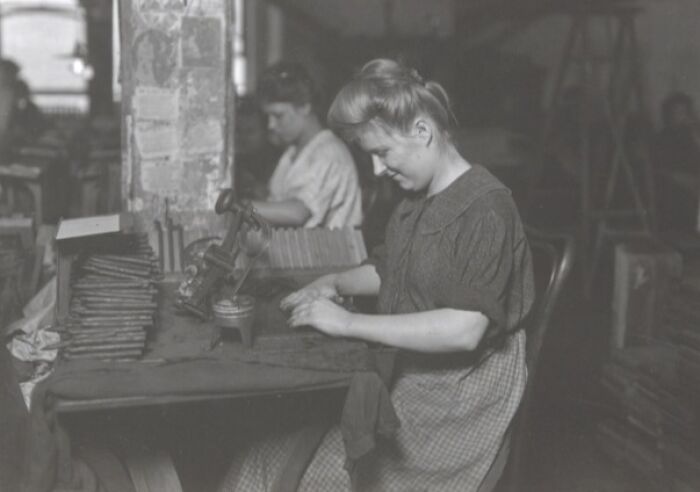
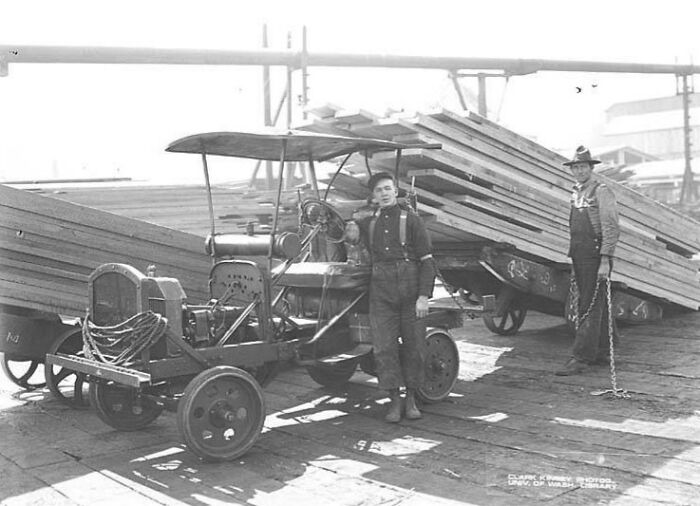
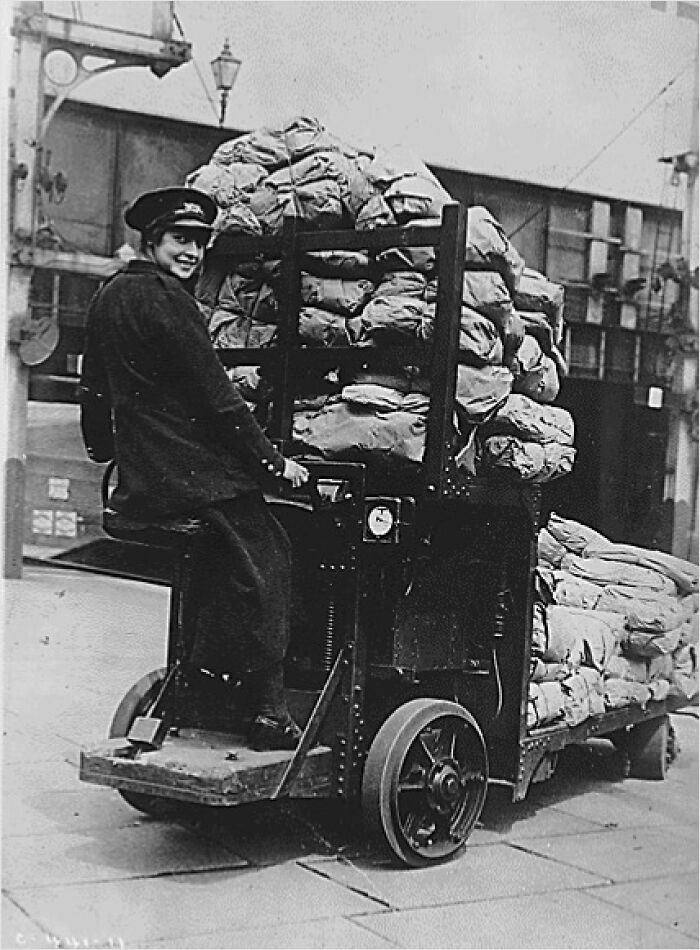
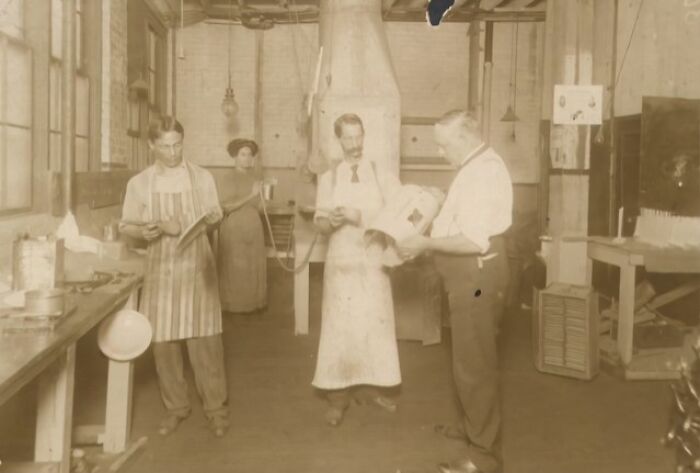
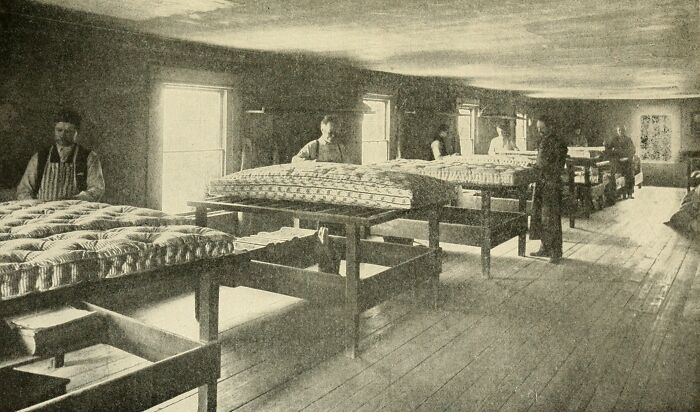
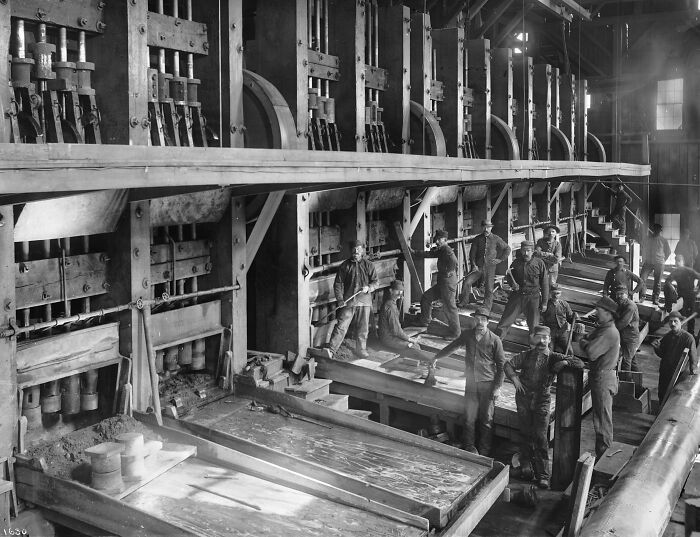
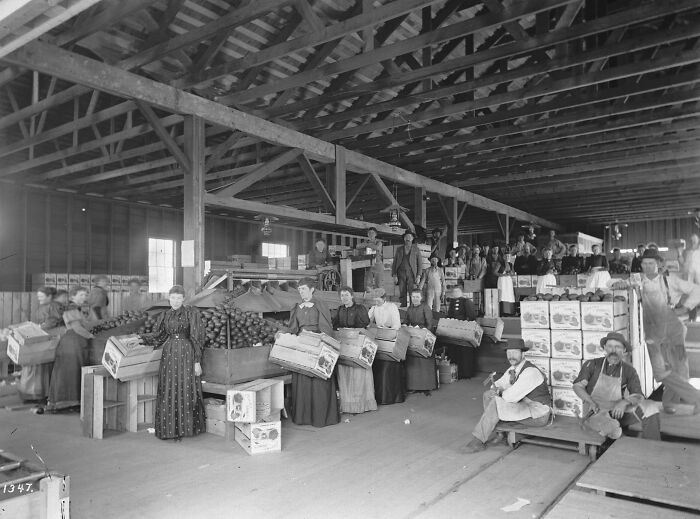
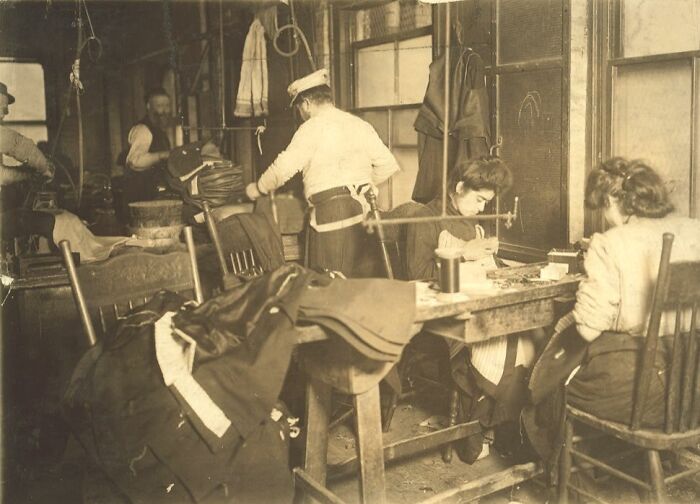
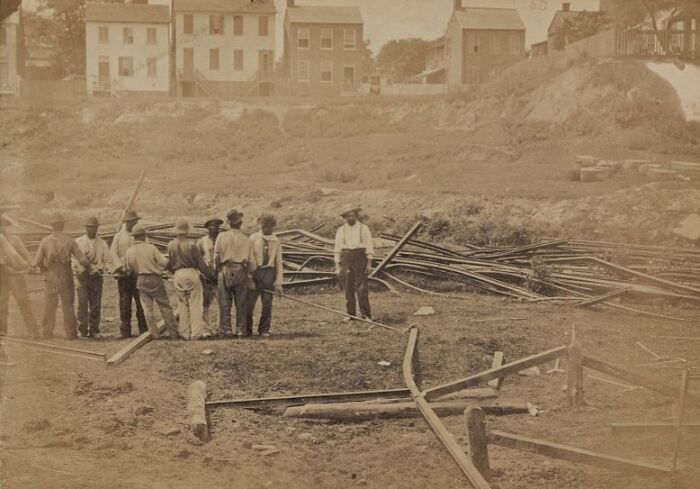
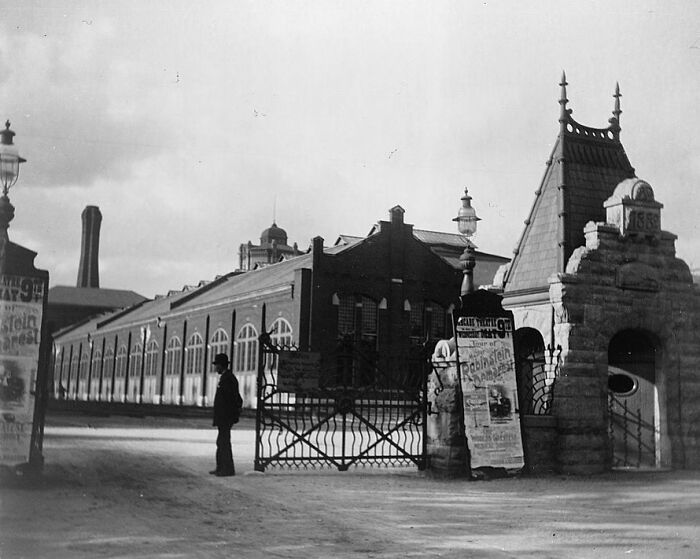
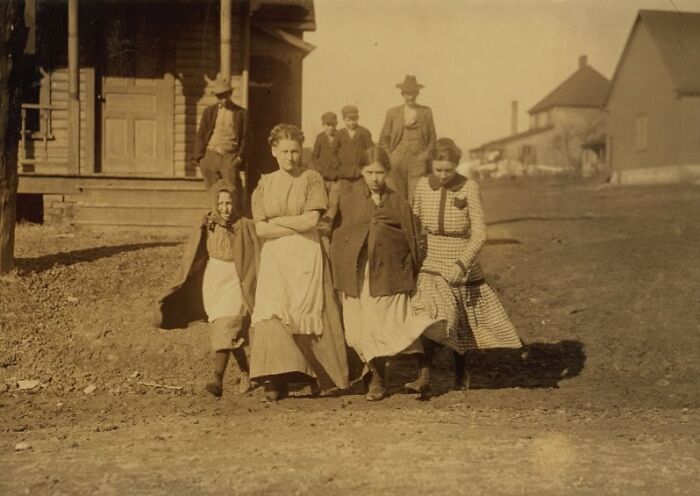
Our team at Bored Panda has painstakingly curated this list of the most impressive and powerful vintage photos of the American working class. Scroll down for a trip into the past and enjoy these old-timey pictures. The details in them are fascinating!
Bored Panda wanted to learn about how current industry trends such as the spread of automation and generative AI might affect the working and middle classes, so we reached out to marketing psychology expert Matt Johnson, PhD, the host of the Human Nature and Psychology of Marketing blogs. You'll find the insights he shared with us below.
This post may include affiliate links.
"As automation and AI tools become more widespread, they’re likely to reshape jobs across the working and middle classes. This will mean some roles will be re-imagined, while others will be replaced entirely. Routine, repetitive tasks are most vulnerable, which disproportionately affects roles in logistics, retail, and even clerical white-collar work," Johnson explained to Bored Panda in an email.
"But the impact isn’t purely economic—it’s also psychological. As job identities shift or erode, so too can people’s sense of status and stability. It's tied to a sense of personal value and identity. The decline in middle-class identification reflects not just financial strain, but a deeper uncertainty about the future of work. Without intentional policy, reskilling, and investment in human-centered roles, these technologies could widen perceived class divides and undercut social cohesion," he said.
"At the same time, there’s a growing recognition of the resilience and value of blue-collar trade jobs (e.g. plumbing, electrical work, carpentry, HVAC) that cannot be easily outsourced or automated," Johnson told us.
"As generative AI increasingly disrupts white-collar professions, these skilled trades may not only prove more secure but may also rise in status. In a world of artificial intelligence, hands-on human expertise could become one of the most enduring competitive advantages."
Bored Panda also asked Johnson for his thoughts on how blue-collar Americans can create a personal brand and stay competitive. "For blue-collar Americans, building a personal brand starts with owning your story: what sets you apart, what values you bring to the work, and how you serve your customers. In today’s digital world, visibility matters. Even a basic online presence (e.g. Google reviews, social media, or a simple website) can build credibility and trust," he advised.
"Consistency, reliability, and craftsmanship are powerful brand assets, especially in trades where word-of-mouth still reigns. Sharing before-and-after photos, highlighting testimonials, or even short videos explaining your process can humanize your work and differentiate you. A strong personal brand doesn’t require flash, but it does require clarity, consistency, and a willingness to be seen."
Broadly speaking, working-class people earn their living via wage labor and are most often found in blue-collar positions and service-oriented professions. Just a few examples of blue-collar workers include the following professionals:
Meanwhile, other working-class jobs include clerical work, food industry positions, retail sales, manual labor vocations, and low-level white-collar workers, according to Investopedia.
Working-class jobs generally pay less than $15/hour, and many don’t actually include health benefits. There are far fewer factory and industrial workers these days, as the nature of work has been shifting over time and these positions have been on the decline in the United States for decades.
Typically, working-class people work outside of offices and do manual labor. Many working-class individuals may not have a college degree. Some live paycheck-to-paycheck and have little savings.
However, as Investopedia points out, some working-class jobs are very stable and pay reasonably well. For instance, if you’re a nuclear power plant operator or boilermaker, you can earn as much as many folks doing middle-class jobs.
Based on a 2022 Gallup poll, just over a third (35%) of respondents said that they are members of the working class.
This is compared to 38% of Americans who see themselves as middle class and 14% who believe they are upper-middle class.
11% of American adults said that they are lower class, and just 2% identified as upper class.
Gallup states that these days, fewer Americans identify themselves with the middle and upper-middle classes than they did before the Great Recession hit in late 2007/early 2008.
Since the recession, more Americans have identified themselves with the working or lower class.
“In general, social class identification is strongly related to educational attainment and household income.
Upper-income Americans and college graduates (including those with postgraduate education) are most likely to say they belong to the middle or upper-middle class, while lower-income Americans and those with no formal education beyond high school generally identify as working or lower class,” Gallup states.
As per Statista, in March 2025, there were 23.1 million people in the US working in the healthcare and social assistance industry, nearly 22.6 million employed in professional and business services, and just shy of 17 million in the leisure and hospitality industry.
Meanwhile, 15.6 million work in retail trade, 15.1 million are in local government, and nearly 12.8 million are in manufacturing.
Moving on to construction, the industry employed 8.3 million Americans in March 2025. The transportation and warehousing industry had nearly 6.8 million workers, finance and insurance employed over 6.7 million, and wholesale trade had nearly 6.2 million employees.
In the meantime, state governments employed 5.5 million people, private educational services had 4 million workers, and the federal government boasted 3 million employees.
Nearly 3 million Americans work in the information industry, 2.5 million are in the real estate, rental, and leasing business, 600k are in mining and logging, and nearly the same number of workers are in the utilities industry.
We’d like to hear what you think, dear Pandas. Which of these photos impressed you the most and why? Which pictures do you feel truly embody the spirit of working-class America? What period of history are you the most interested in?
Feel free to share your opinions in the comments at the bottom of this post. Oh, and if you haven’t already, upvote your favorite pics.

Viktorija. You really need to pay more attention to your posts. Lack of information; one - very obvious - mistake, and one picture which was posted a couple of weeks ago. Lazy, lazy. lazy!

Agreed, I had to dig into every pic just trying to find info about it. Not sure why your were downvoted.
Load More Replies... Interesting. Thank you. Pay no attention to the small-minded critics.
Viktorija. You really need to pay more attention to your posts. Lack of information; one - very obvious - mistake, and one picture which was posted a couple of weeks ago. Lazy, lazy. lazy!
Agreed, I had to dig into every pic just trying to find info about it. Not sure why your were downvoted.
Load More Replies... Interesting. Thank you. Pay no attention to the small-minded critics.


























 No fees, cancel anytime