Get Premium
Dark mode theme is available exclusively for premium users. Learn more about the benefits of subscribing.
No fees, cancel anytime.

 Dark Mode Ad-Free Browsing Unlimited Content
 Ad-Free Browsing Unlimited Content Dark Mode
Join 1.2 million Panda readers who get the best art, memes, and fun stories every week!

It sounds like a harmless question, but it could be ruining the mood faster than you think.
A survey of 20,000 women found that one common question during intimate relations can pull some women out of the moment and make it harder to reach the climax.
The reason has less to do with the words themselves and more with the pressure they can create when someone is trying to stay focused on pleasure.
A question that sounds like a simple check-in can have a very different effect when someone is already focused on reaching o**asm.
According to OMGYES, many women surveyed identified questions about how close they were to climaxing as a distraction.
Instead of staying focused on physical sensations, the question can make someone start thinking about whether they’re taking too long or whether their partner is getting impatient.
S*x and relationship expert Annabelle Knight told Metro that asking “are you close” can “introduce pressure at the wrong moment.”
She explained that it can shift someone’s attention away from the connection and toward “performance and timing.”
For women whose arousal builds gradually, that sudden feeling of being monitored can make it harder to stay relaxed.
For some women, the biggest issue isn’t the question itself but the thoughts it can trigger afterward.
One woman surveyed by OMGYES said being asked whether she was going to o**asm soon made her wonder if she was taking too long or boring her partner.
Those thoughts ultimately distracted her so much that she lost the momentum she had been building.
Knight similarly warned that some women may “start overthinking, lose momentum or feel pressured enough that they disengage.”
She also noted that the pressure could even lead some women to fake an o**asm simply to relieve the situation.
Another woman compared the experience to getting a massage and suddenly worrying about whether the other person’s hands were tired.
The comparison highlights how quickly attention can move away from pleasure once someone starts worrying about their partner’s expectations.
Women and men don’t necessarily reach o**asm on the same timeline, which can make expectations during s*x complicated.
One 2020 study asked women to track their own time and found that they took an average of around 13 minutes to climax from the beginning of arousal.
The study also showed considerable variation, meaning there is no universal point at which someone should be expected to finish.
Men, meanwhile, tend to reach o**asm more quickly during intimate relations, which can create very different expectations between partners.
View this post on Instagram
That difference may help explain why some people ask whether their partner is “close” in the first place.
But Annabelle stressed that women often need “a sense of safety and space” as their arousal builds.
Turning that experience into a question about timing can therefore add pressure rather than making the moment easier.
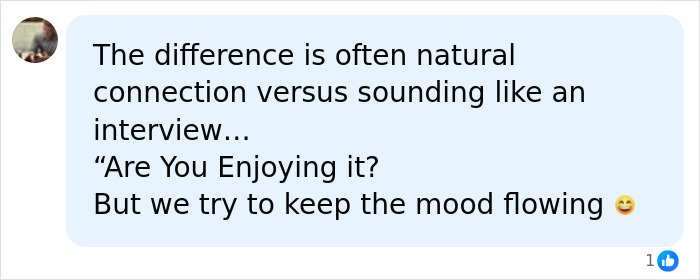
If the goal is to find out whether a partner is enjoying themselves, there may be better ways to check in than asking how close they are to climaxing.
Knight suggests focusing on pleasure rather than progress, with questions such as “Does this feel good?” or “Do you want me to keep going like this?”
That gives a partner an opportunity to communicate without making them feel as though they are being measured against a deadline.
Nonverbal cues can also provide plenty of information, from changes in breathing and movement to how responsive a partner seems.
The expert explained that “body language, breathing, movement and responsiveness can be incredibly powerful and intuitive.”
Some people online, however, took an even more blunt view of the question.
“If you have to ask.. she’s not close,” one person commented, while another added, “I think if you have to ask this, you’re probably doing it wrong.”

By entering your email and clicking Subscribe, you're agreeing to let us send you customized marketing messages about us and our advertising partners. You are also agreeing to our Privacy Policy.
Thank you! You've successfully subscribed to newsletters!


"Women Reveal The Common Question Men Ask In Bed That’s An Instant Mood Killer" I'd hazard a guess that "Why doesn't it look like my mum's?" wouldn't be received with enthusiasm 🫢



























 No fees, cancel anytime

































24
9