Writer Starts A Viral Twitter Thread After Making Fun Of Historical “Discoveries” That Were Cracked Once Women Were Finally Allowed To Look At Them
It’s no secret that some disciplines are largely male-dominated. Take history and anthropology as examples and you see how enormous the gap of a male-oriented approach is, where little voice, if any, is given to women.
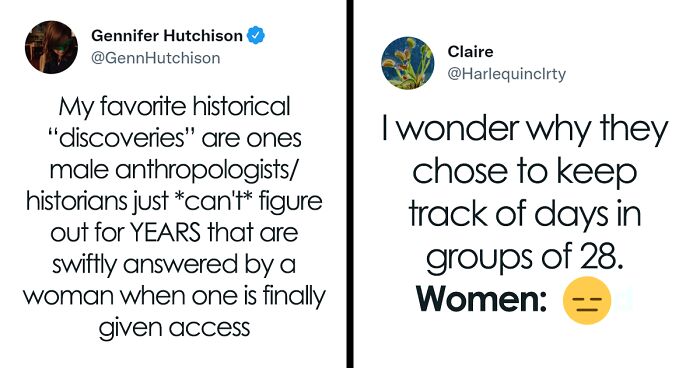
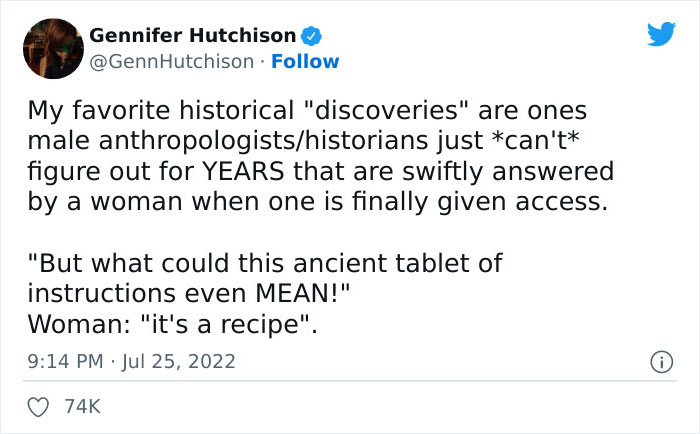
Recently, the ‘Rings Of Power’ writer Gennifer Hutchison pointed out this issue in a Twitter thread that went viral. “My favorite historical ‘discoveries’ are ones male anthropologists/historians just *can’t* figure out for YEARS that are swiftly answered by a woman when one is finally given access,” she wrote in a tweet three days ago.
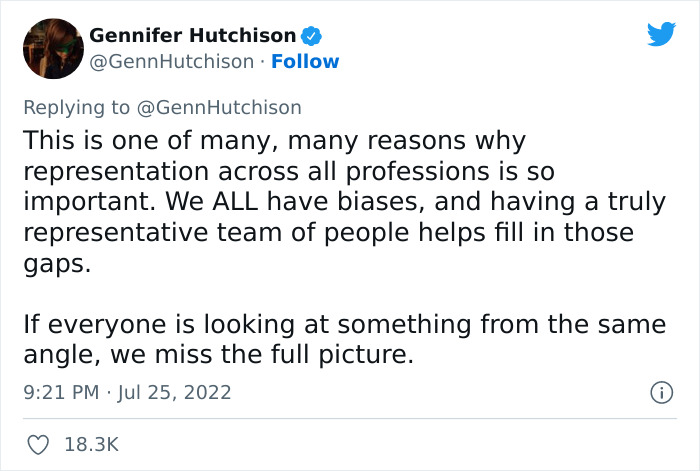
The thread seems to have hit a soft spot in many people and an illuminating debate followed. “If everyone is looking at something from the same angle, we miss the full picture,” Hutchison concluded by pointing out the fact that science doesn’t give equal access to women’s opinion and representation, although it could largely benefit from it. Read on for the full thread below.
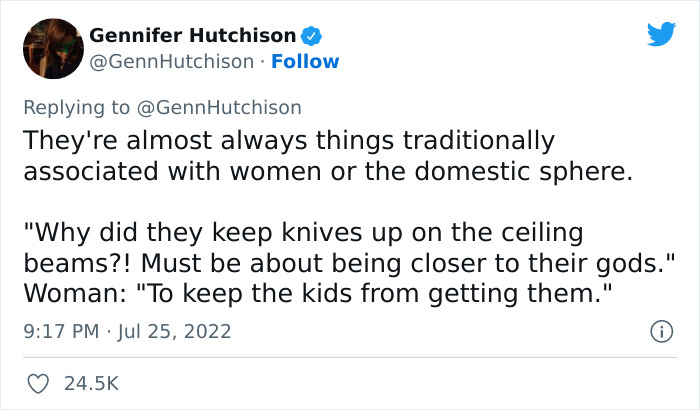
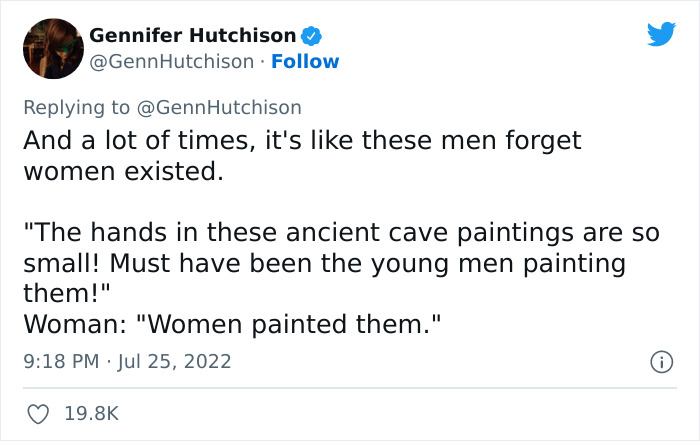
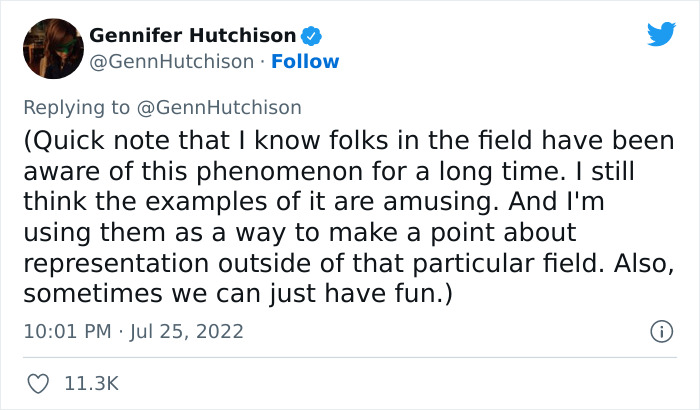
Writer Gennifer Hutchinson called out male scientists for not giving access to women who could swiftly explain the historical mysteries they can’t figure out
Image credits: GennHutchison
To find out more about why women are given so little access and voice in male-dominated professions, we spoke with Dr. Audrey Tang, an award-winning business author and broadcaster, as well as a leadership trainer and coach. Dr. Tang argues that in our society, the starting point for men and women are years apart.
“One solution to the meritocracy was suggested in an article which stated ‘Have universities offer places based on a lottery or ballot’… of course the solution was tongue in cheek,” Dr. Tang explained.
She added that “if you felt a twinge of ‘that’s not fair,’ that is exactly how unfair the meritocracy system can be to some.” Instead of claiming that women don’t work hard enough to have their voices heard, we’d better ask if women have had exactly the same opportunities to do so in the first place.
“It is certainly a start that we can begin to challenge our own biases and certainly pay men and women the same in the same job, BUT we could also start valuing what women and diversity, in general, brings to a boardroom table,” Dr. Tang explained.
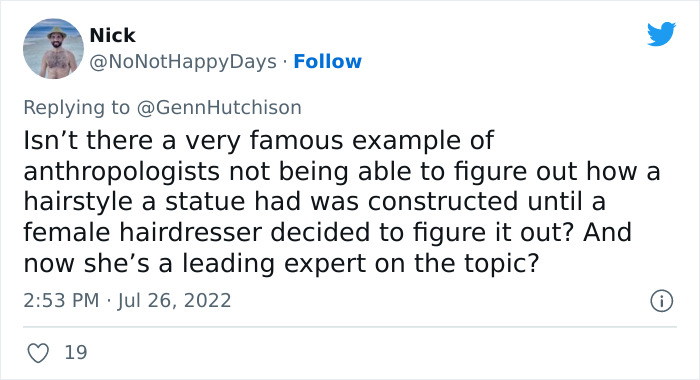
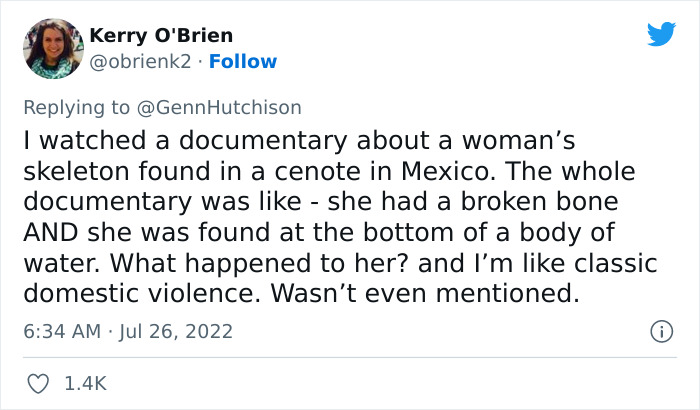
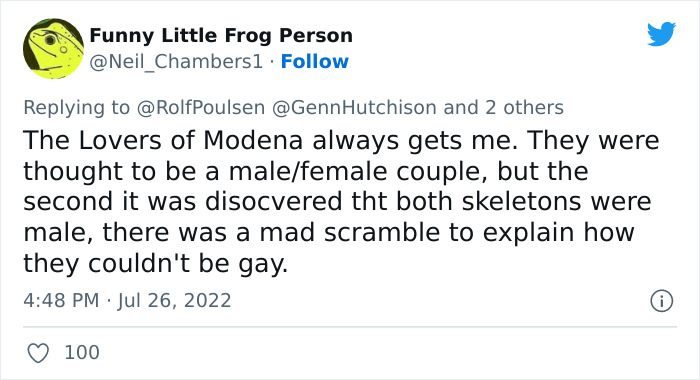
Many people sided with the author of the thread, and shared their own insights into the issue
Image credits: NoNotHappyDays
Image credits: obrienk2
Image credits: Neil_Chambers1
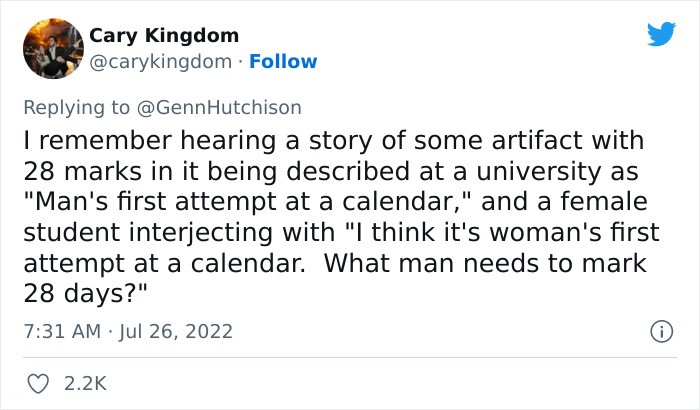
Image credits: carykingdom
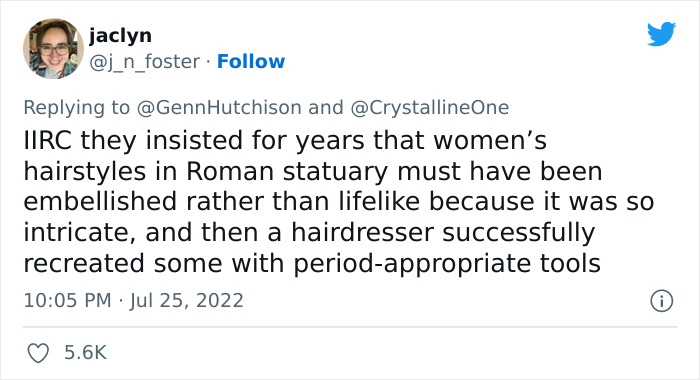
Image credits: j_n_foster
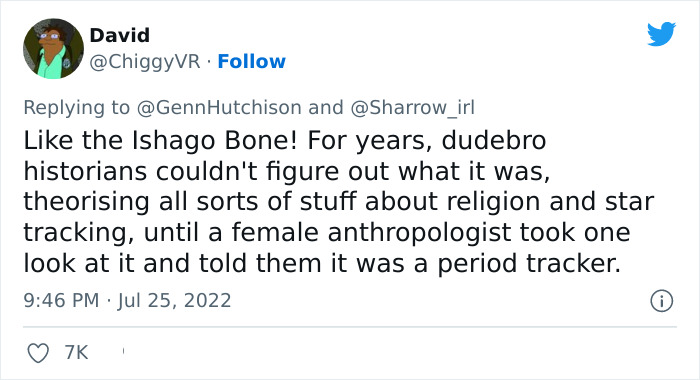
Image credits: ChiggyVR
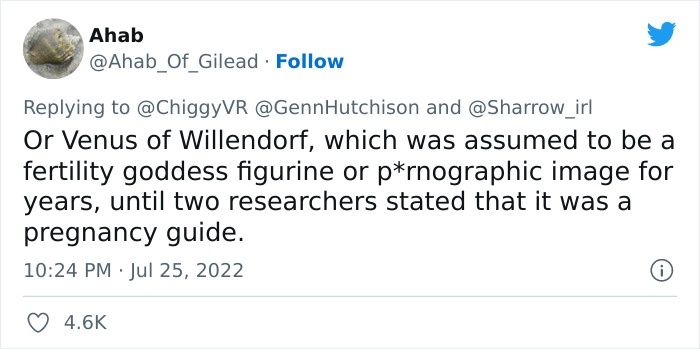
Image credits: Ahab_Of_Gilead
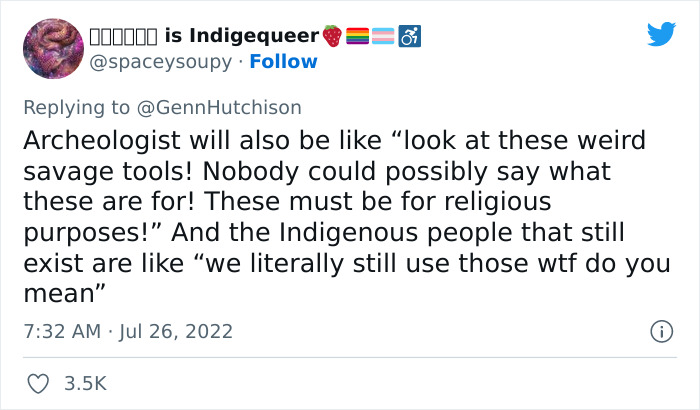
Image credits: spaceysoupy
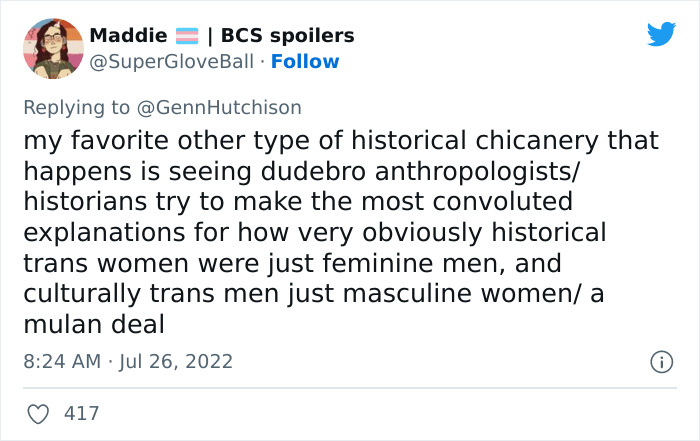
Image credits: SuperGloveBall
Image credits: icycouture
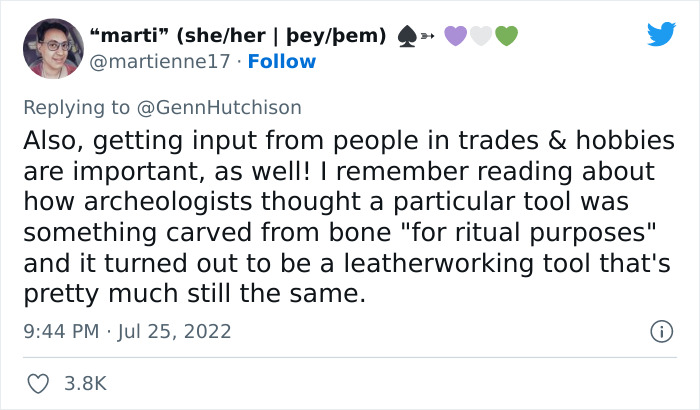
Image credits: martienne17
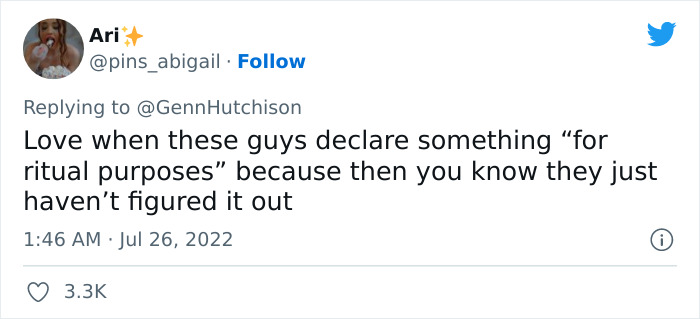
Image credits: pins_abigail
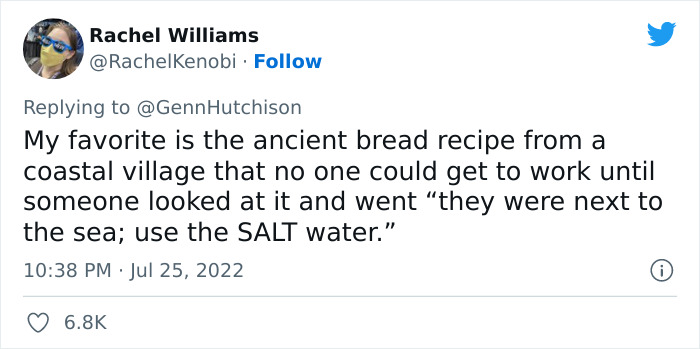
Image credits: RachelKenobi
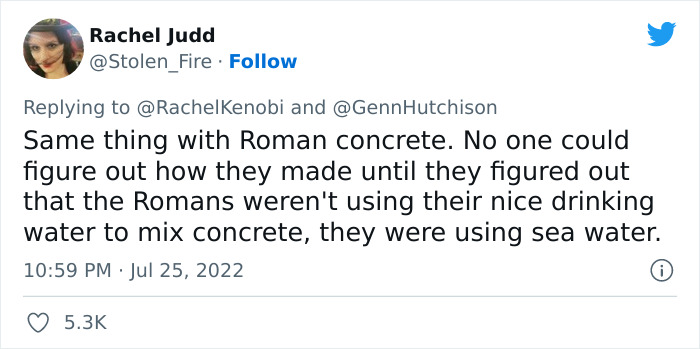
Image credits: Stolen_Fire
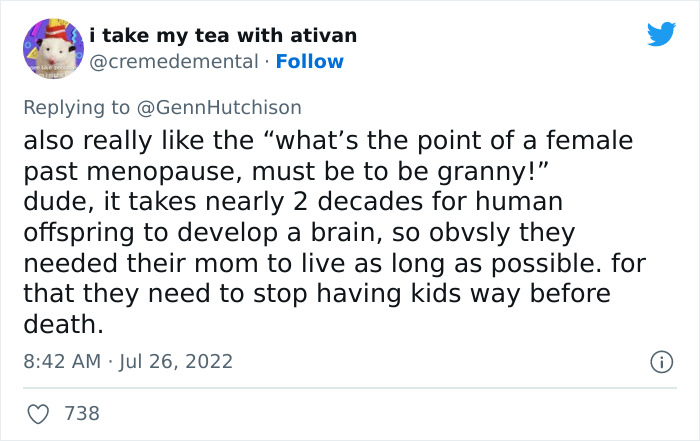
Image credits: cremedemental
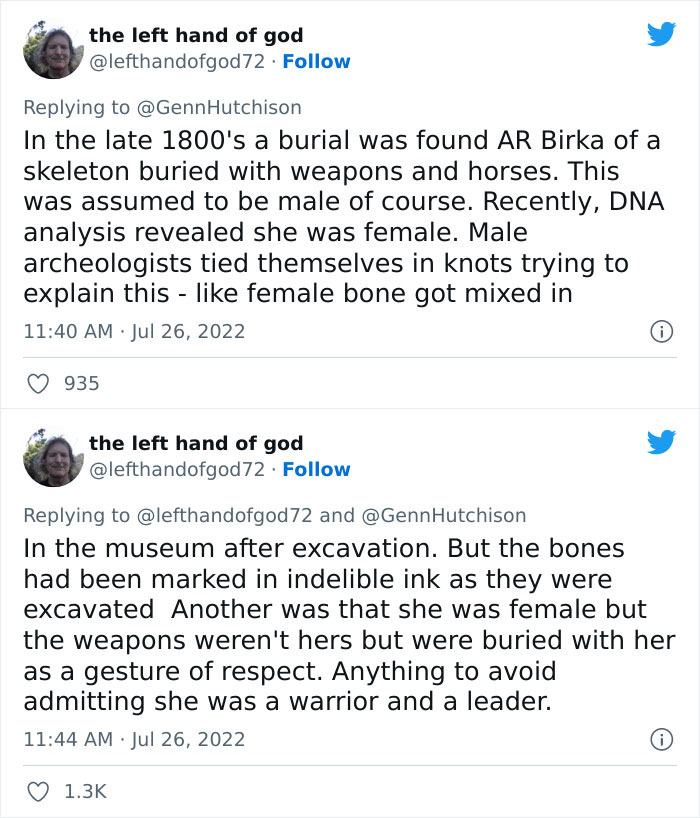
Image credits: lefthandofgod72
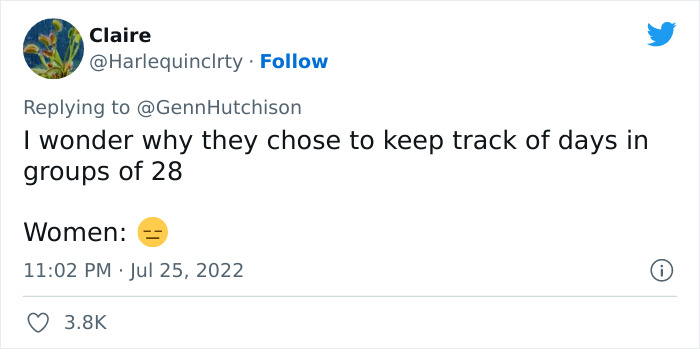
Image credits: Harlequinclrty
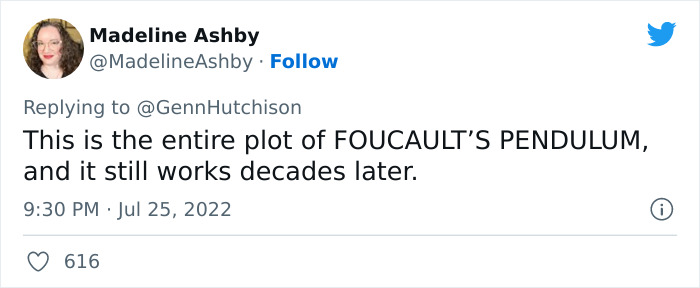
Image credits: MadelineAshby
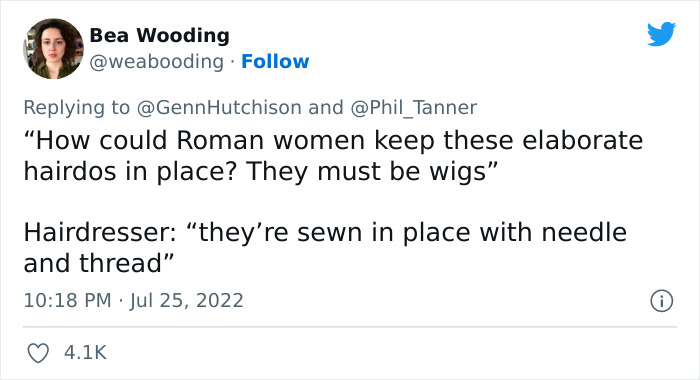
Image credits: weabooding
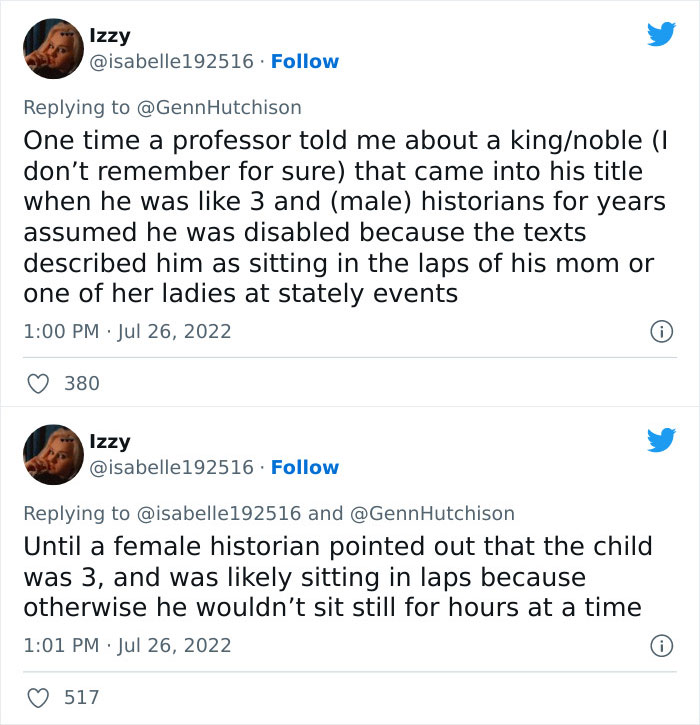
Image credits: isabelle192516
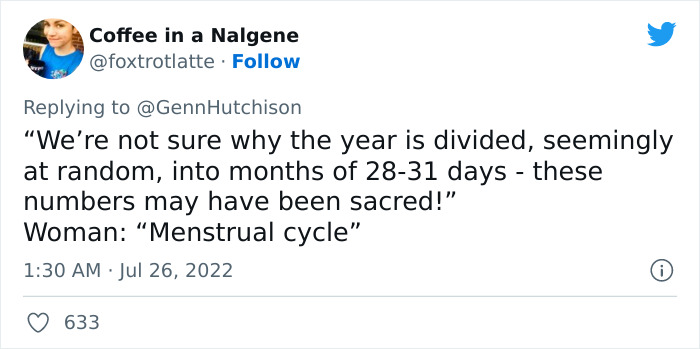
Image credits: foxtrotlatte
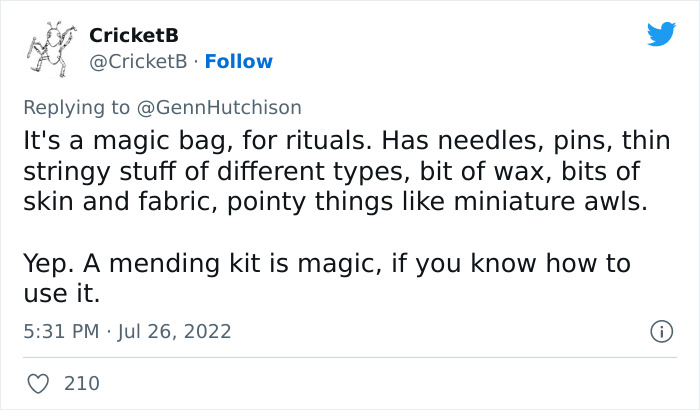
Image credits: CricketB
Image credits: ___JaneDough___
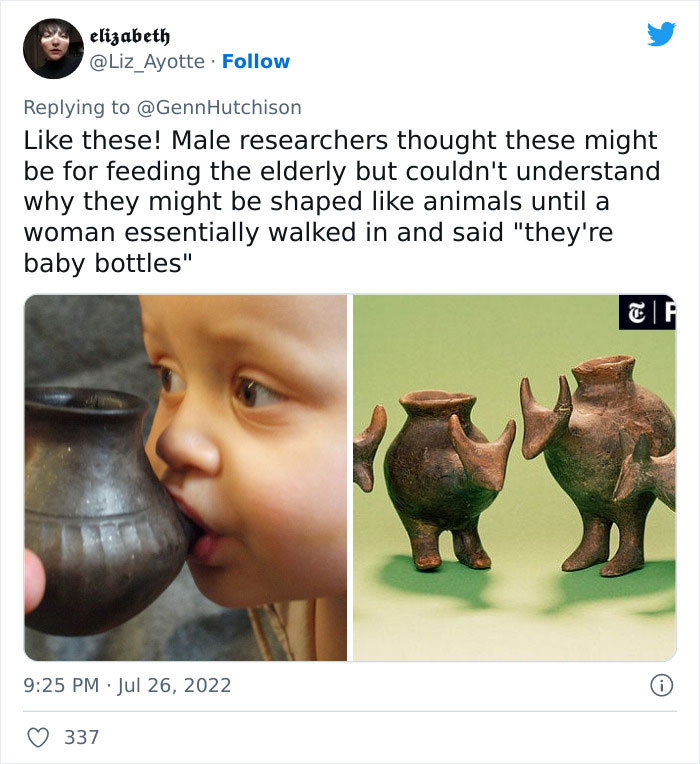
Image credits: Liz_Ayotte
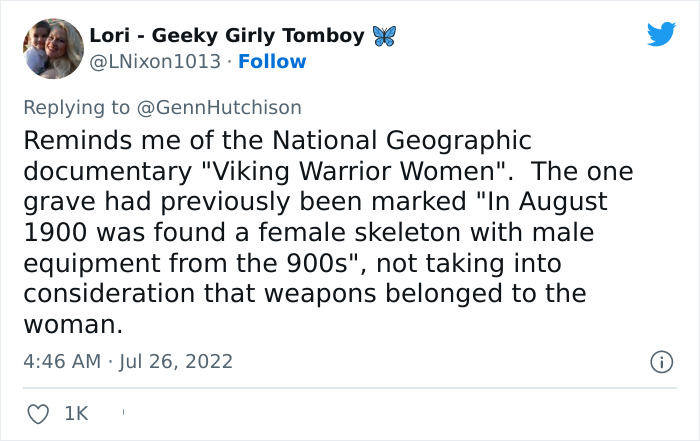
Image credits: LNixon1013
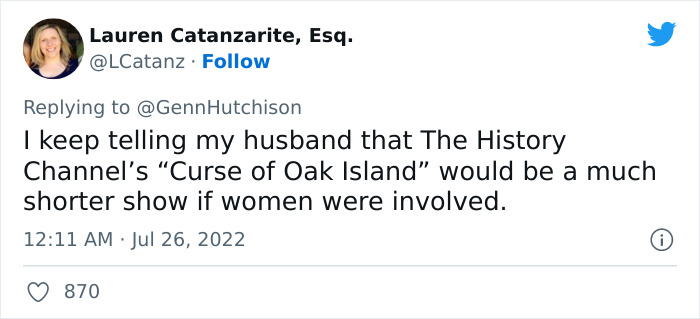
Image credits: LCatanz
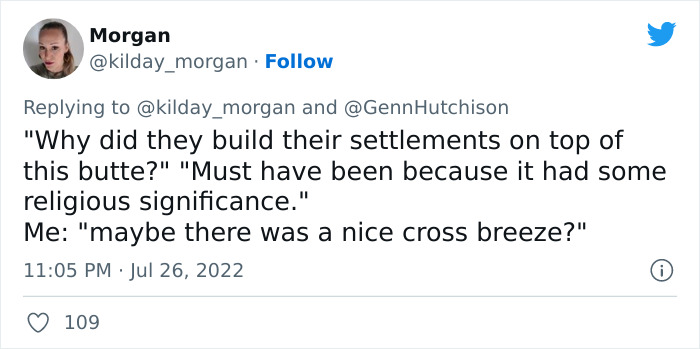
Image credits: kilday_morgan
Image credits: burntcopper
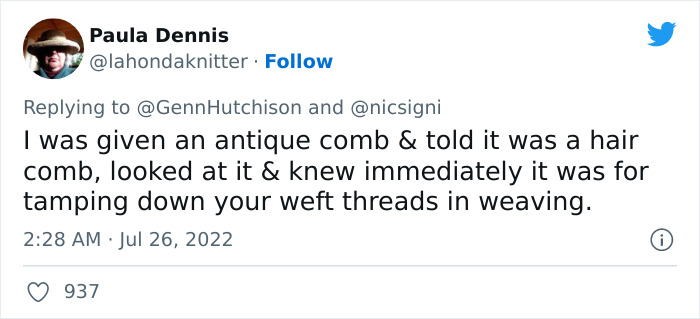
Image credits: lahondaknitter
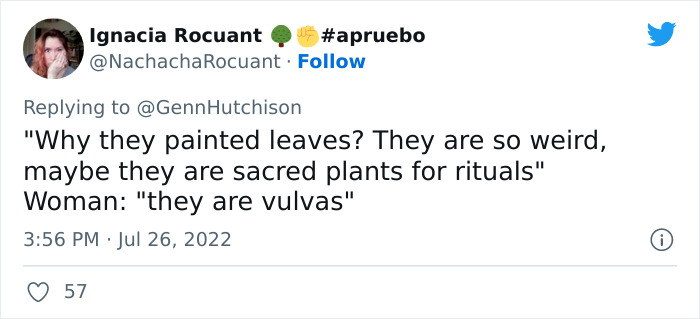
Image credits: NachachaRocuant
Image credits: sylikesigh
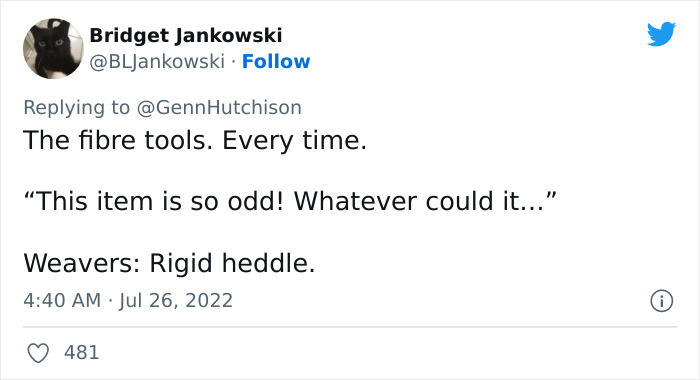
Image credits: BLJankowski
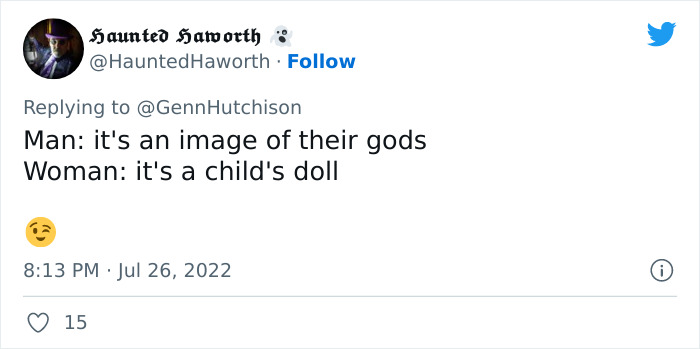
Image credits: HauntedHaworth
Image credits: JanetCoryell
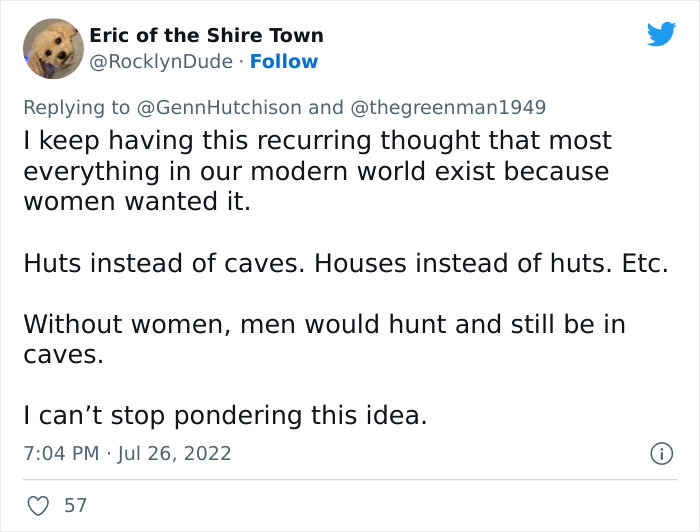
Image credits: RocklynDude
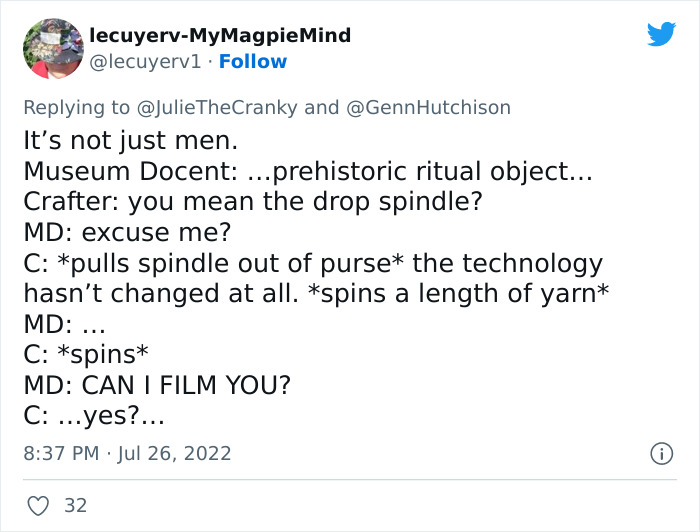
Image credits: lecuyerv1

Archaeological geneticists are trying to sequence ancient DNA from the dirt of cave floors to see which kinds of human ancestors may have lived there. This is without bone fragments; they figure DNA could be left in the dirt in amounts high enough to detect if people bled where they lived. They’ve been tying themselves in knots trying to explain how there could be blood on the cave floors - maybe a guy would occasionally cut himself sharpening a knife?? OR, and I’m just spitballing here, women menstruate and give birth; bleeding is not a rare event at all for women.
You know, that last part always gets me. There's this idea that women are weak and squeamish and that it's men who are emotionally "strong enough" who can deal with sights like lots of blood, and, like... women don't even need to do something dangerous to bleed profusely? I deal with blood every month, it's just everyday life for me...
Load More Replies...Thousand of years have been lived and women still experiencing it everyday. When will we learn

Load More Replies...I read another good example a few years ago. Archaeologists were excavating an ancient dwelling in Peru (or maybe Argentina?) and were puzzling the ritual significance of a raised earthen ring near the hearth, really flexing all the PhD derived ego, only for a local laborer to inform them it was a Guinea Pig corral.


I was once at a museum in Philadelphia while they had a Pompei exhibit on loan. There was this one case full of miscellaneous fishing tools, and among them was a set of several, small tools of different sizes. They were labeled as unknown, but the tag mentioned it was believed they were for used for fishing. They were not for fishing. They were netting needles for very fine lace. I had some exactly like them at home. The size of the needle is sort of important, and the size of netting that would be made with these would be so tiny the it would be useless for fishing, unless the Pompeiians were catching baby guppies. You never know, I suppose. More likely, the curators who had designed the display had seen other, similar-shaped tools from the era that they knew were used to make fishing nets. People still do use those same netting shuttles today to repair nets, but those are much larger. They're also usually made of wood, and the ones in the case were made of precious metal. Romans used to make small amounts of lace to put around the bottoms of hems, and sometimes they embroidered over the top of it. Lace is very old.
See that's why I'd assume not a fisherman's. Not many fishermen would have had the coin for precious metal repair tools. They would have gone with the basic disposable style. As they still do to this day. I'd say in this case nope the curator is correct... Unknown
Load More Replies...Re: the comment on large phones...Because I have arthritis, I bought an ergonomic mouse. It's sort of sideways so you don't have to torque your arm and wrist into an unnatural position. Unfortunately, it's bloody massive and my fingers can't reach the buttons or scroll wheel, so it's useless. There were no size choices, which is a staggeringly huge blind spot; even gloves come in sizes.
May I recommend a book for you? It's called Invisible Women and it talks about how the world is designed for men - from seatbelts to pamphlets on how to detect heart attacks to larger phones. It's a really great read.
Load More Replies...Although I do agree that there is an 'overthinking' of stuff we don't know and these so called experts (how much is Shakespear or the Mona Lisa analysed to death??) and when in dount they ALWAYS seem to hit the 'religous' button when they're not sure I do think that there is another reason for the 28 days which is co-incidental to a woman's cycle. The moon. It gave our ancestors a guide to season. Does it explain and cover them all? I doubt it, and the 'personally calendar' idea is a great one. But still, I reckon the moon idea is a strong one.
I agree; the moon cycle seems more likely since it's a lot more regular/predictable then a menstrual cycle. Even if one doesn't normally have an irregular cycle, it can be disrupted by such things as illness/disease, extreme weight loss/lack of food, etc.
Load More Replies...I was at Mesa Verde in Colorado many years ago. The guide was showing the plastered walls of one of the settlements, and specifically where some of the plaster had chipped off revealing an artificially pockmarked stone surface underneath. Guide: "We don't know why the people roughened the surface of the stones of their buildings. It may have had some religious significance." Me: "Plaster sticks to rough surfaces a lot better than smooth ones." It seems some of us forget that ancient people were still PEOPLE, with the same concerns and the same intelligence as modern folks.
Women can't possibly know what was that tool used for, let's do mental gymnastics instead
Right?!?! The men are like “oh no, we mustn’t ask the women, their little brains might explode under the pressure of having to think” 🙄
Load More Replies...The best part is that most of these objects are very similar to their modern counterparts
Archaeological geneticists are trying to sequence ancient DNA from the dirt of cave floors to see which kinds of human ancestors may have lived there. This is without bone fragments; they figure DNA could be left in the dirt in amounts high enough to detect if people bled where they lived. They’ve been tying themselves in knots trying to explain how there could be blood on the cave floors - maybe a guy would occasionally cut himself sharpening a knife?? OR, and I’m just spitballing here, women menstruate and give birth; bleeding is not a rare event at all for women.
You know, that last part always gets me. There's this idea that women are weak and squeamish and that it's men who are emotionally "strong enough" who can deal with sights like lots of blood, and, like... women don't even need to do something dangerous to bleed profusely? I deal with blood every month, it's just everyday life for me...
Load More Replies...Thousand of years have been lived and women still experiencing it everyday. When will we learn
Load More Replies...I read another good example a few years ago. Archaeologists were excavating an ancient dwelling in Peru (or maybe Argentina?) and were puzzling the ritual significance of a raised earthen ring near the hearth, really flexing all the PhD derived ego, only for a local laborer to inform them it was a Guinea Pig corral.

I was once at a museum in Philadelphia while they had a Pompei exhibit on loan. There was this one case full of miscellaneous fishing tools, and among them was a set of several, small tools of different sizes. They were labeled as unknown, but the tag mentioned it was believed they were for used for fishing. They were not for fishing. They were netting needles for very fine lace. I had some exactly like them at home. The size of the needle is sort of important, and the size of netting that would be made with these would be so tiny the it would be useless for fishing, unless the Pompeiians were catching baby guppies. You never know, I suppose. More likely, the curators who had designed the display had seen other, similar-shaped tools from the era that they knew were used to make fishing nets. People still do use those same netting shuttles today to repair nets, but those are much larger. They're also usually made of wood, and the ones in the case were made of precious metal. Romans used to make small amounts of lace to put around the bottoms of hems, and sometimes they embroidered over the top of it. Lace is very old.


See that's why I'd assume not a fisherman's. Not many fishermen would have had the coin for precious metal repair tools. They would have gone with the basic disposable style. As they still do to this day. I'd say in this case nope the curator is correct... Unknown
Load More Replies...Re: the comment on large phones...Because I have arthritis, I bought an ergonomic mouse. It's sort of sideways so you don't have to torque your arm and wrist into an unnatural position. Unfortunately, it's bloody massive and my fingers can't reach the buttons or scroll wheel, so it's useless. There were no size choices, which is a staggeringly huge blind spot; even gloves come in sizes.
May I recommend a book for you? It's called Invisible Women and it talks about how the world is designed for men - from seatbelts to pamphlets on how to detect heart attacks to larger phones. It's a really great read.
Load More Replies...Although I do agree that there is an 'overthinking' of stuff we don't know and these so called experts (how much is Shakespear or the Mona Lisa analysed to death??) and when in dount they ALWAYS seem to hit the 'religous' button when they're not sure I do think that there is another reason for the 28 days which is co-incidental to a woman's cycle. The moon. It gave our ancestors a guide to season. Does it explain and cover them all? I doubt it, and the 'personally calendar' idea is a great one. But still, I reckon the moon idea is a strong one.
I agree; the moon cycle seems more likely since it's a lot more regular/predictable then a menstrual cycle. Even if one doesn't normally have an irregular cycle, it can be disrupted by such things as illness/disease, extreme weight loss/lack of food, etc.
Load More Replies...I was at Mesa Verde in Colorado many years ago. The guide was showing the plastered walls of one of the settlements, and specifically where some of the plaster had chipped off revealing an artificially pockmarked stone surface underneath. Guide: "We don't know why the people roughened the surface of the stones of their buildings. It may have had some religious significance." Me: "Plaster sticks to rough surfaces a lot better than smooth ones." It seems some of us forget that ancient people were still PEOPLE, with the same concerns and the same intelligence as modern folks.
Women can't possibly know what was that tool used for, let's do mental gymnastics instead
Right?!?! The men are like “oh no, we mustn’t ask the women, their little brains might explode under the pressure of having to think” 🙄
Load More Replies...The best part is that most of these objects are very similar to their modern counterparts


258
106